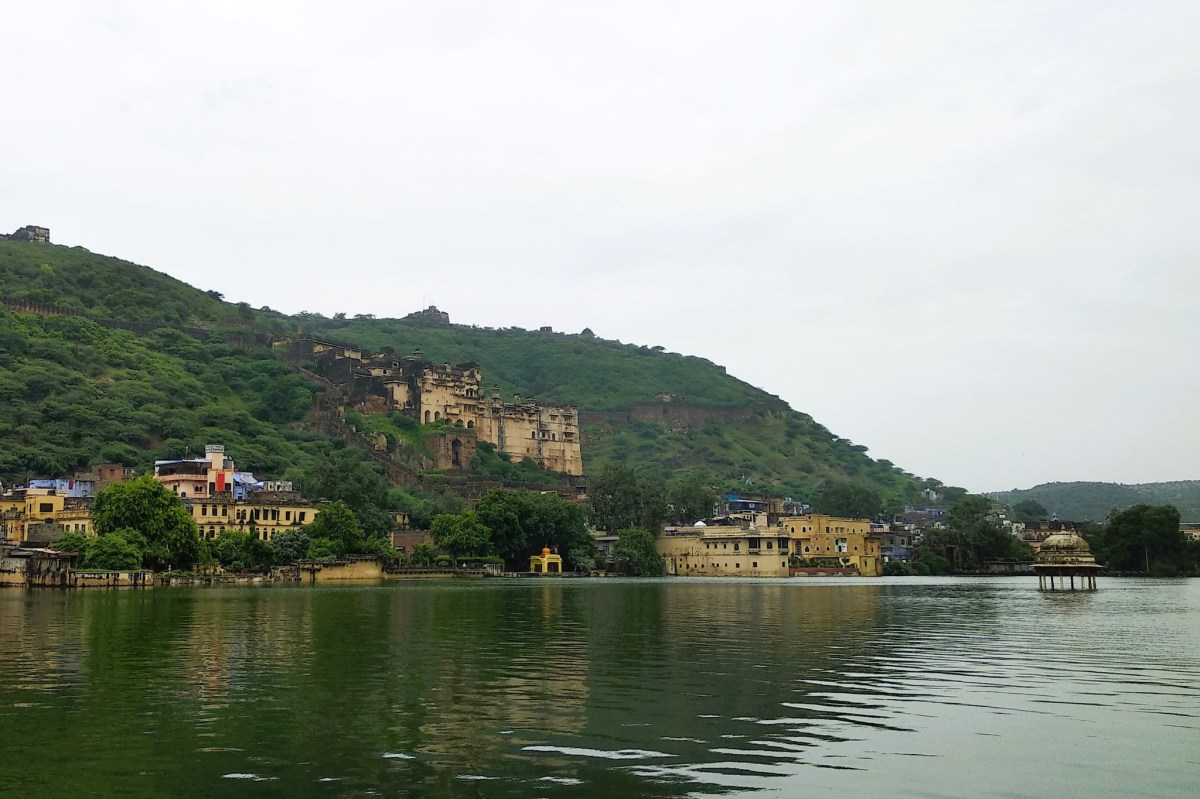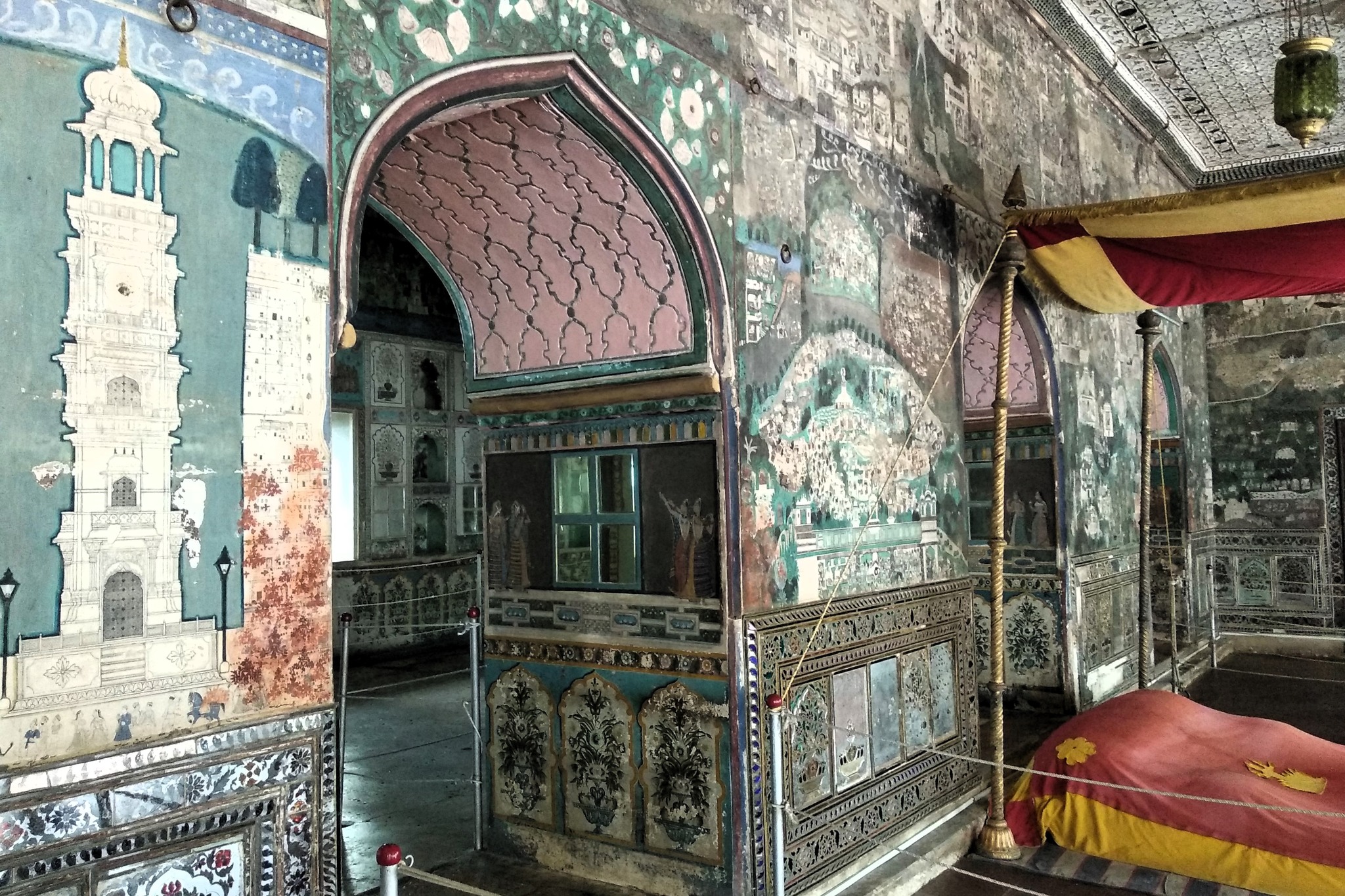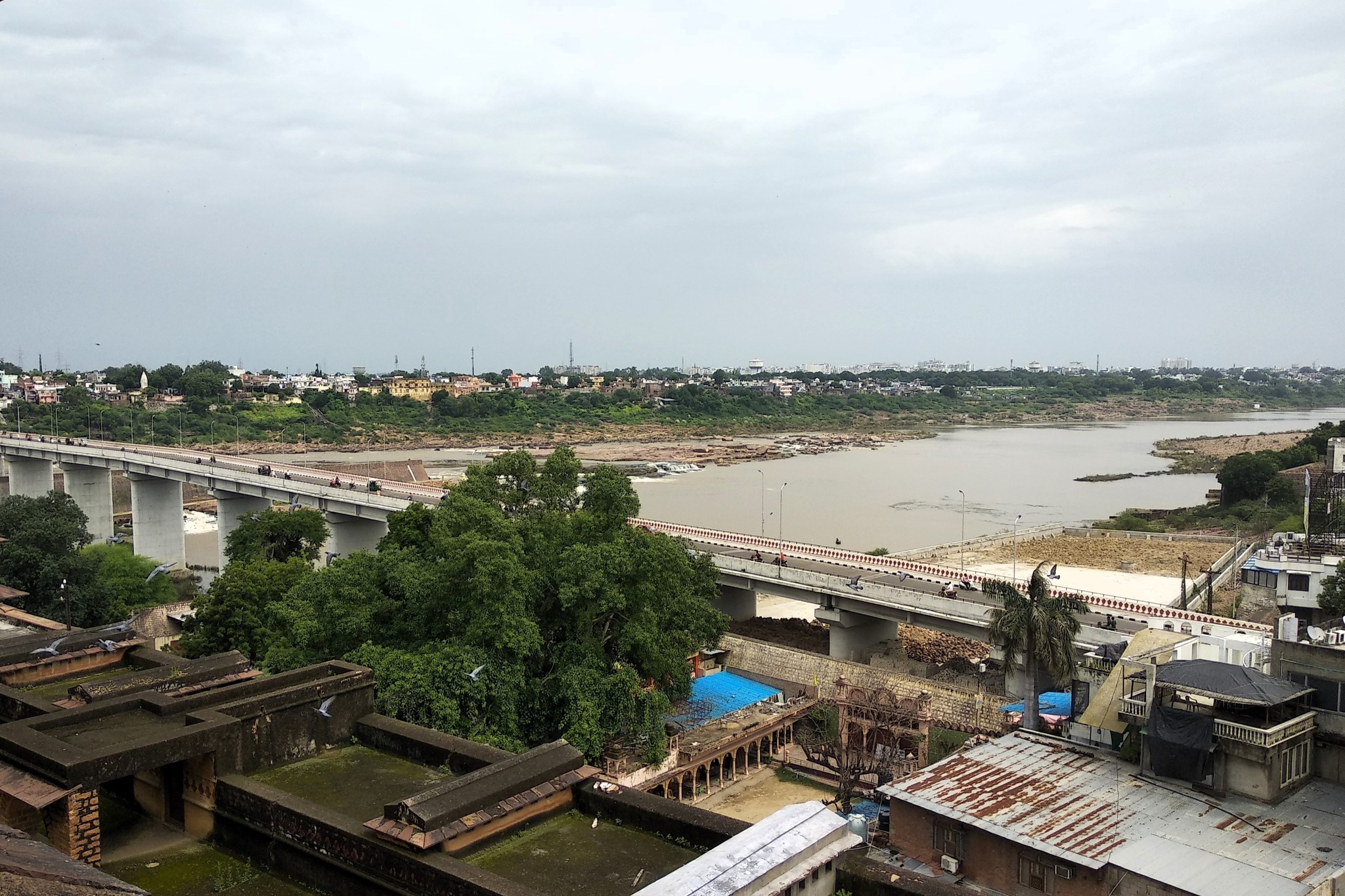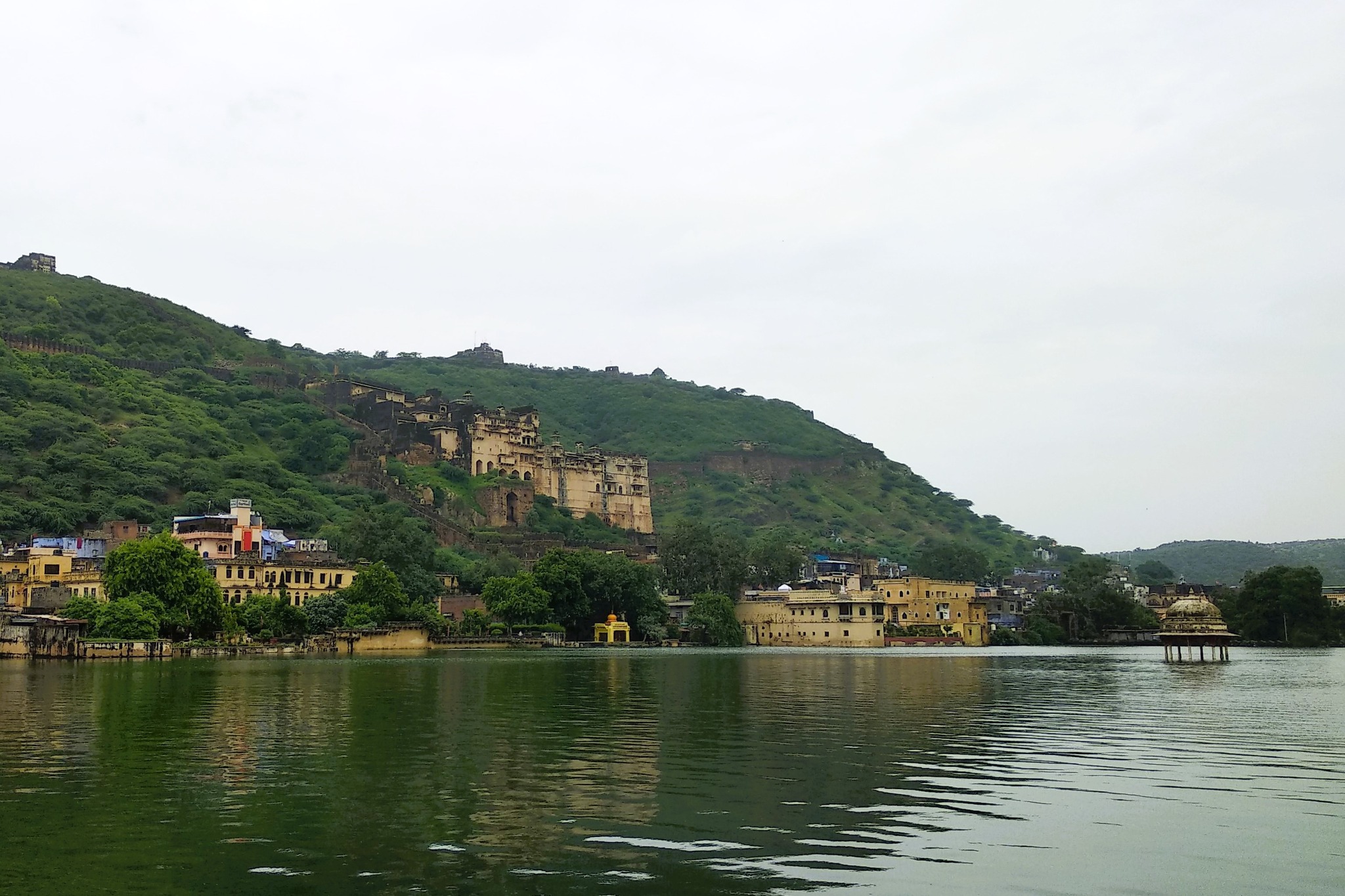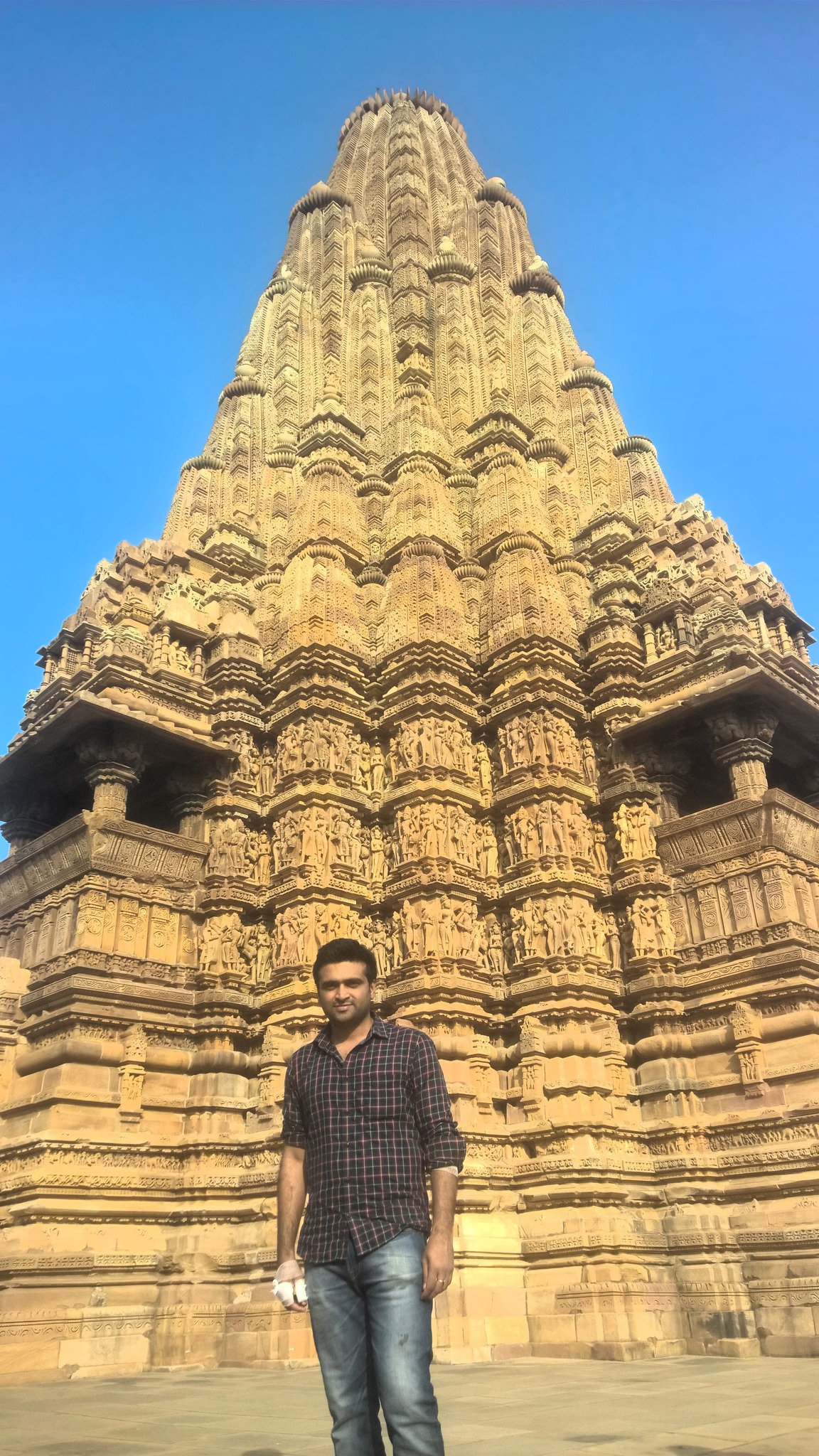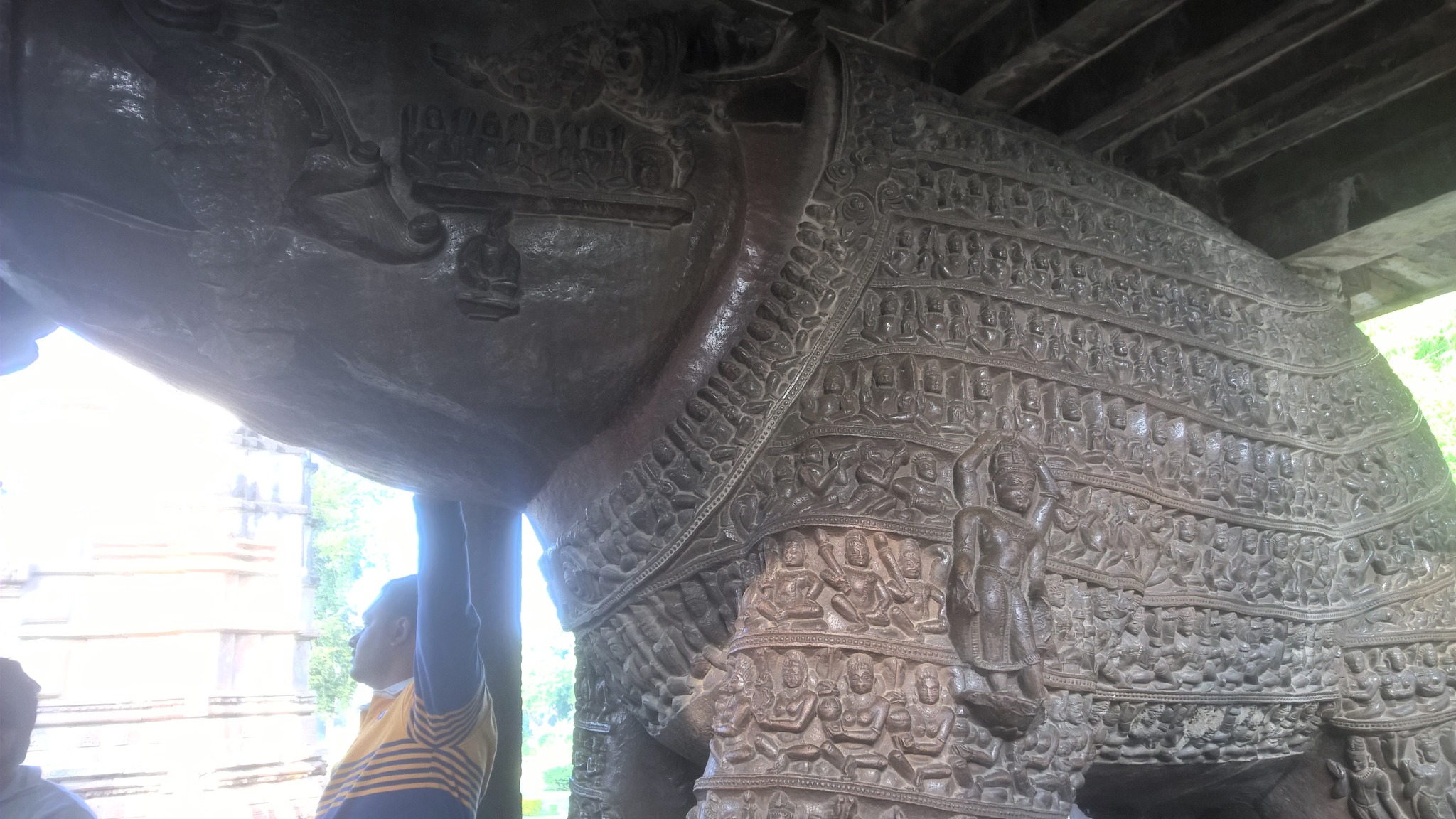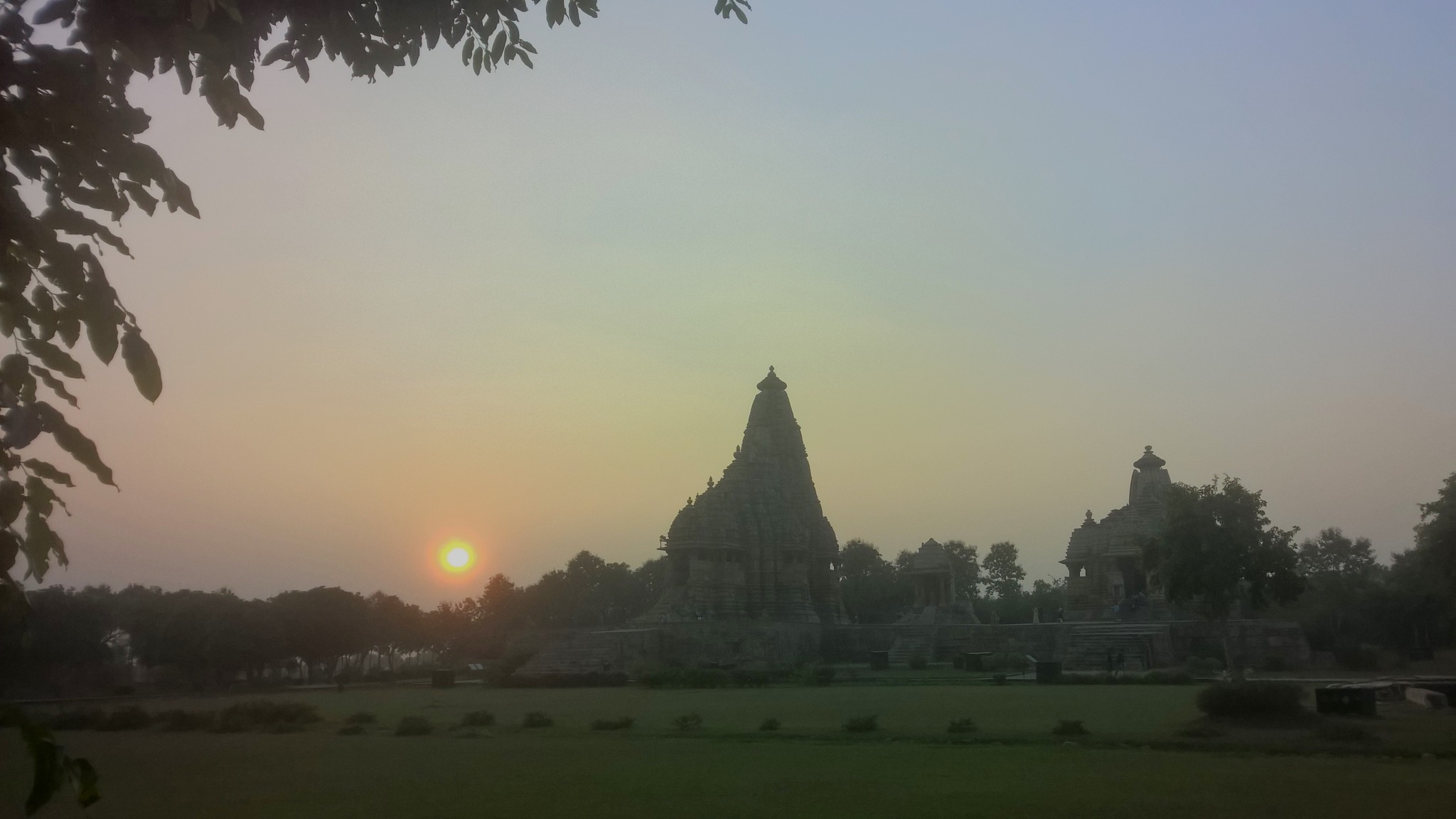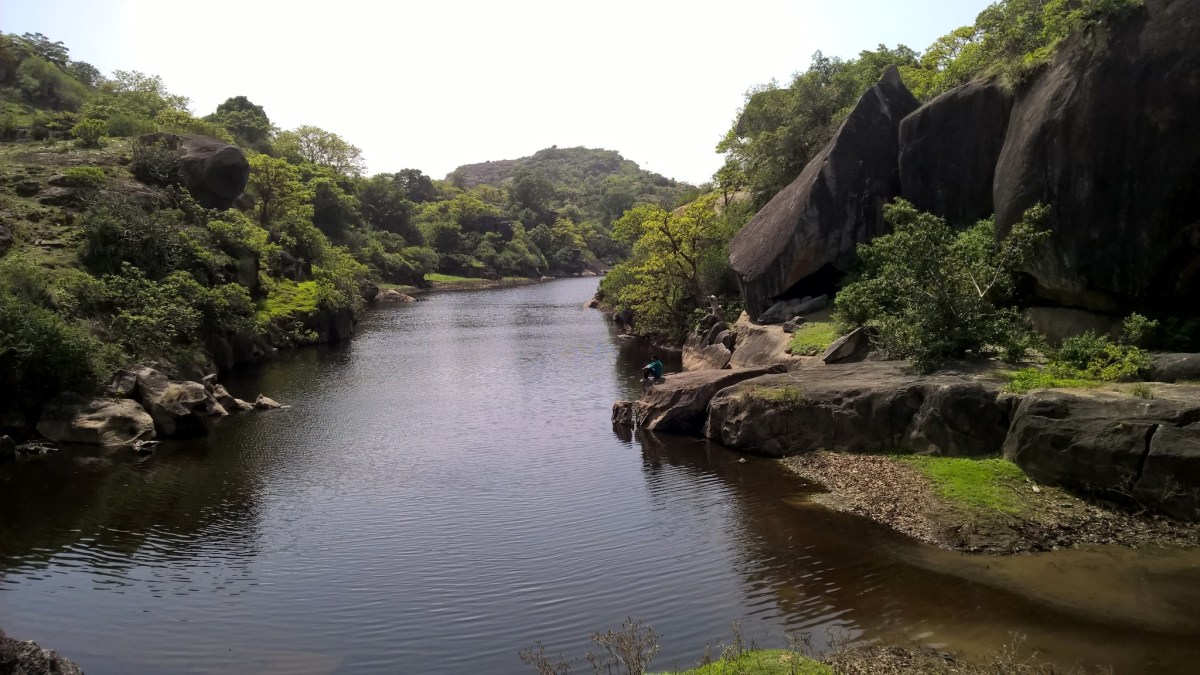
Meandering in the Monsoons: Bijolia, Banswara, Arthuna and Udaipur

Continuing the tradition of the annual self-drive family trip, this year we decided to explore the lesser-known side of Rajasthan. Of course, this trip came about after having exhausted the roster of all the well-known Rajasthani cities, except Barmer, but it was really hastened by the incidence of the monsoons. It was now time to experience something different than the arid landscapes, desert expanses, and mountainous folds of the Aravallis. What better region than the south-western part of Rajasthan to soak in the splendour of the rain-sprinkled countryside?

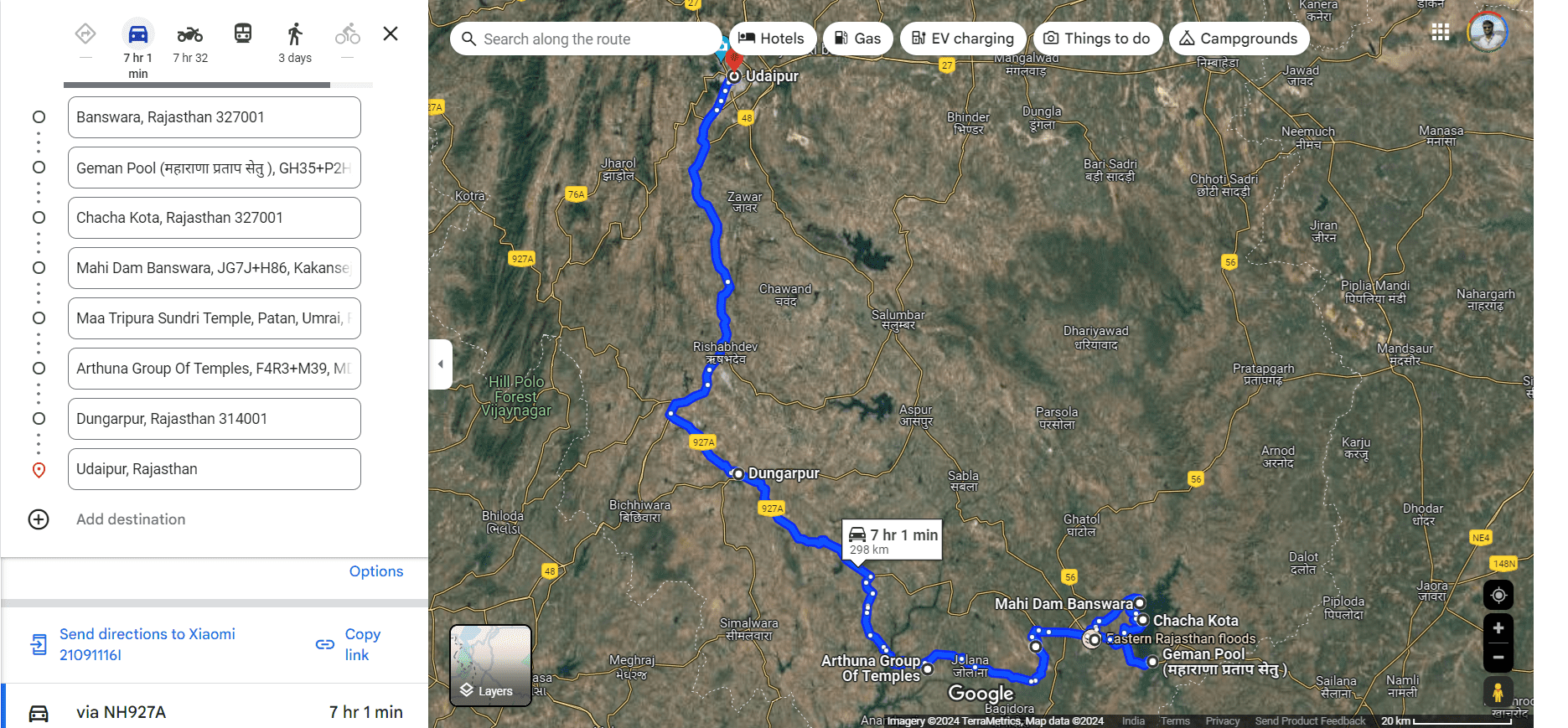
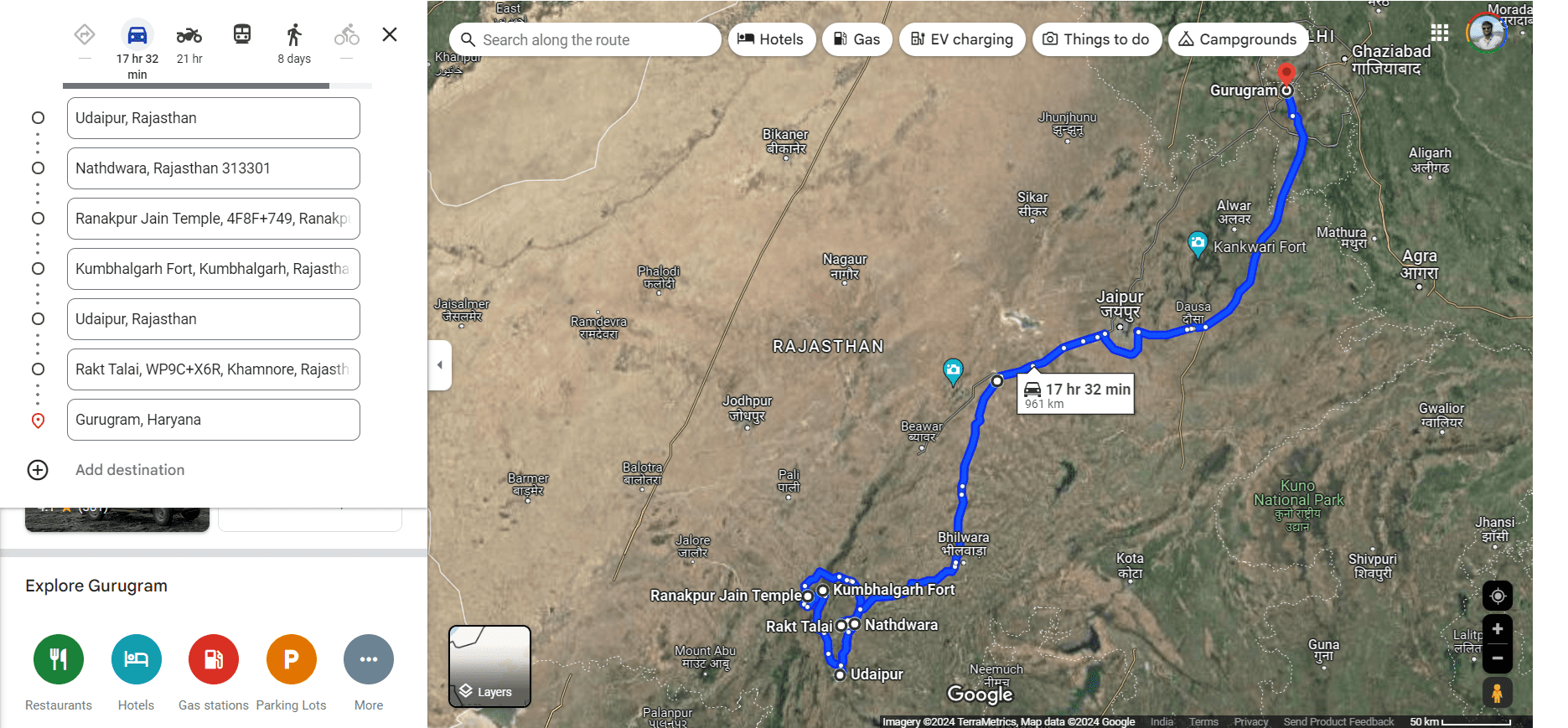
The place in focus on this trip was Banswara, touted as the ‘city of 100 islands’—a place many travel bloggers exhorted to visit, specifically in the monsoons. However, Banswara, being a good 800 km from Gurgaon, necessitated stops, and the stops were better worth it. Those stops turned out to be Chittorgarh on the outward leg and Udaipur on the return, thus helping me fulfil my mother’s long-cherished wish of seeing Nathdwara and Ranakpur, and my own wish of showing my brother Kumbhalgarh. In fact, we did the latter three stops on the same day, surprising even ourselves!

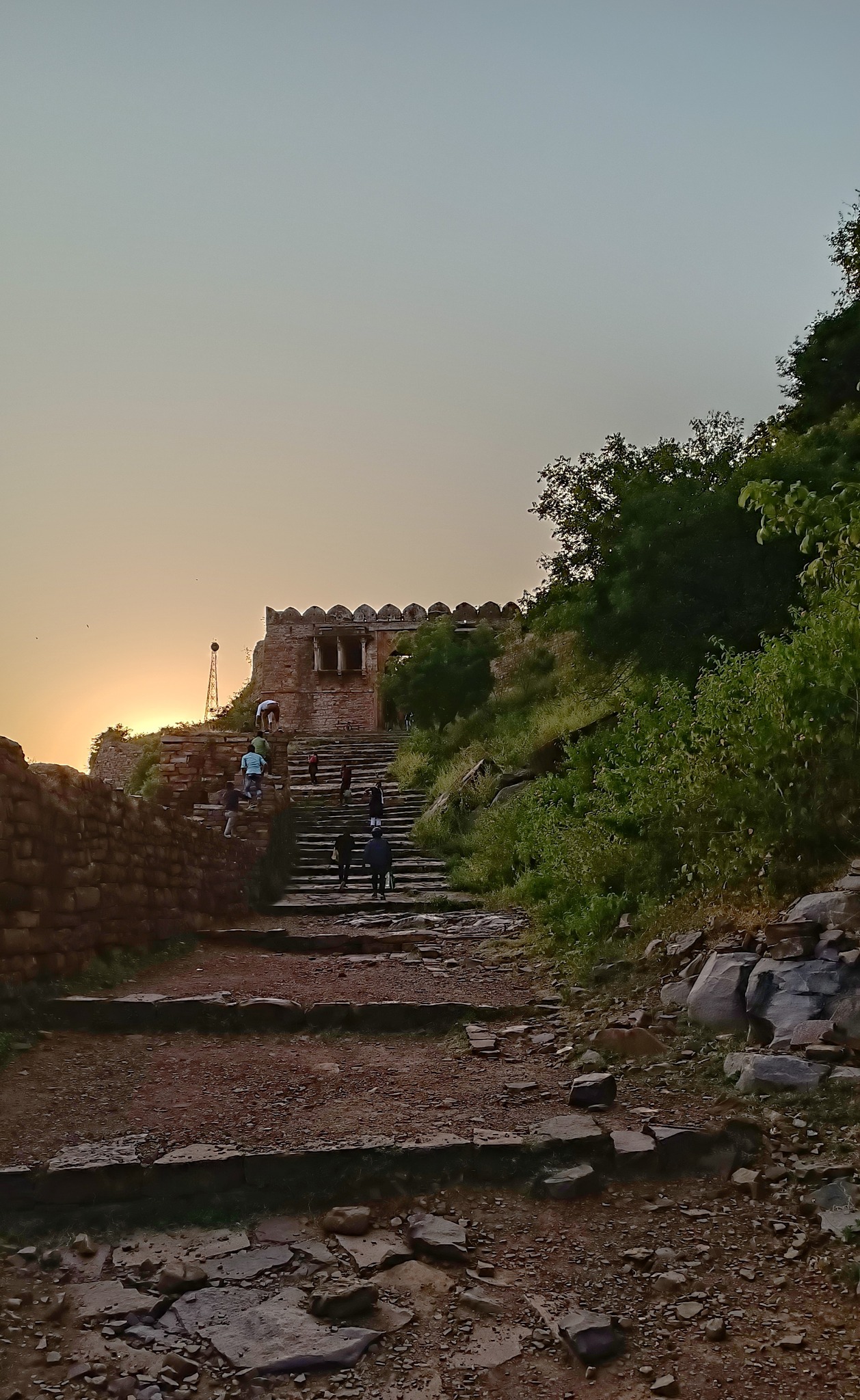
As usual, we did not book accommodations beforehand, and simply let serendipity be our guide. That’s how I found myself at Chittorgarh Fort, at the same place, the same day I was 10 years ago. That’s how we beheld the beauty of a temple complex getting showered in a cloudburst. That’s how we chanced upon a temple complex with a waterfall, straight from the imagery of an Indiana Jones movie. That’s how we found ourselves meandering upon the low rolling hills leading to and adorning the course of the mighty river Mahi, with intermittent spells of monsoon rains for company.

Highlights of the road-trip

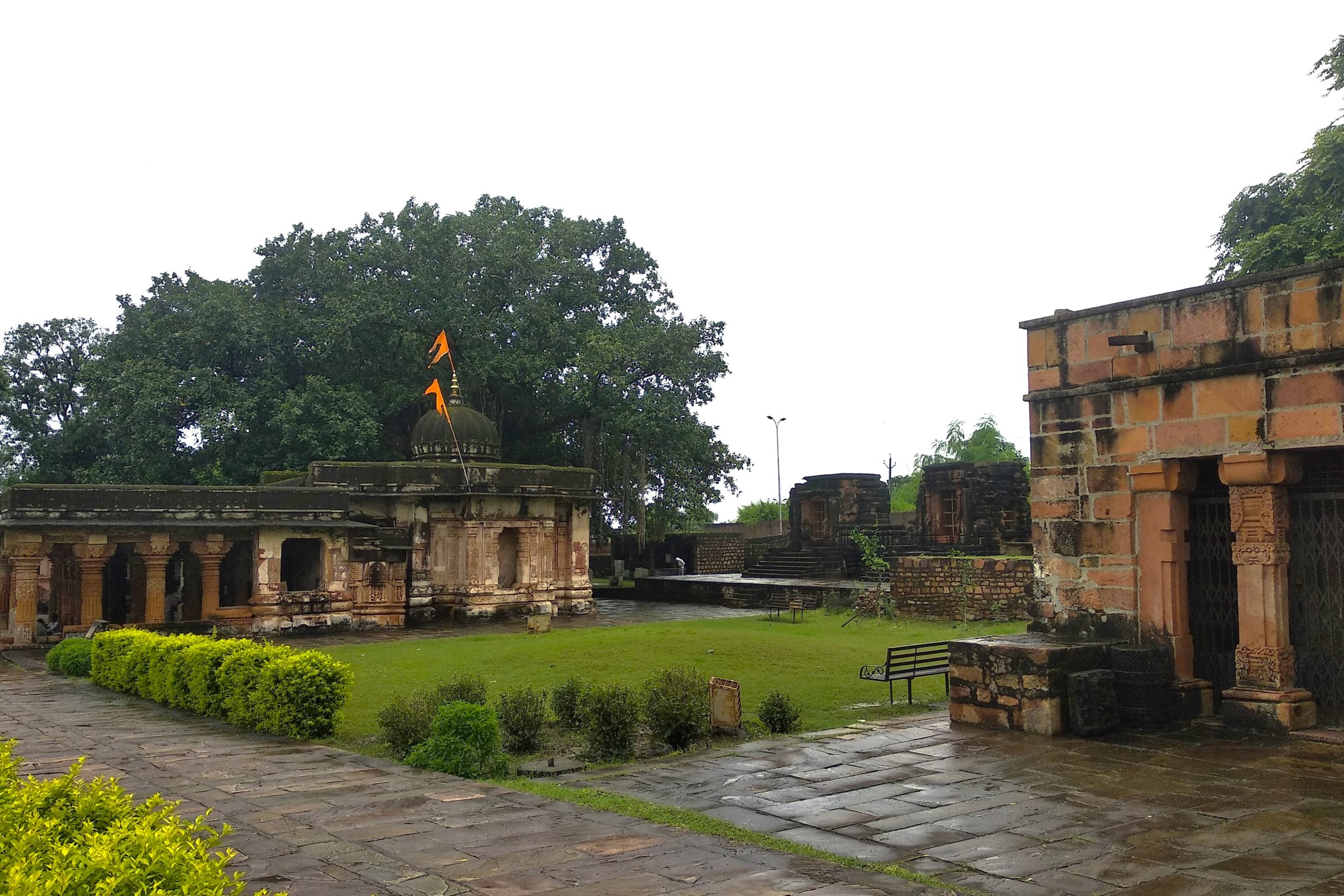
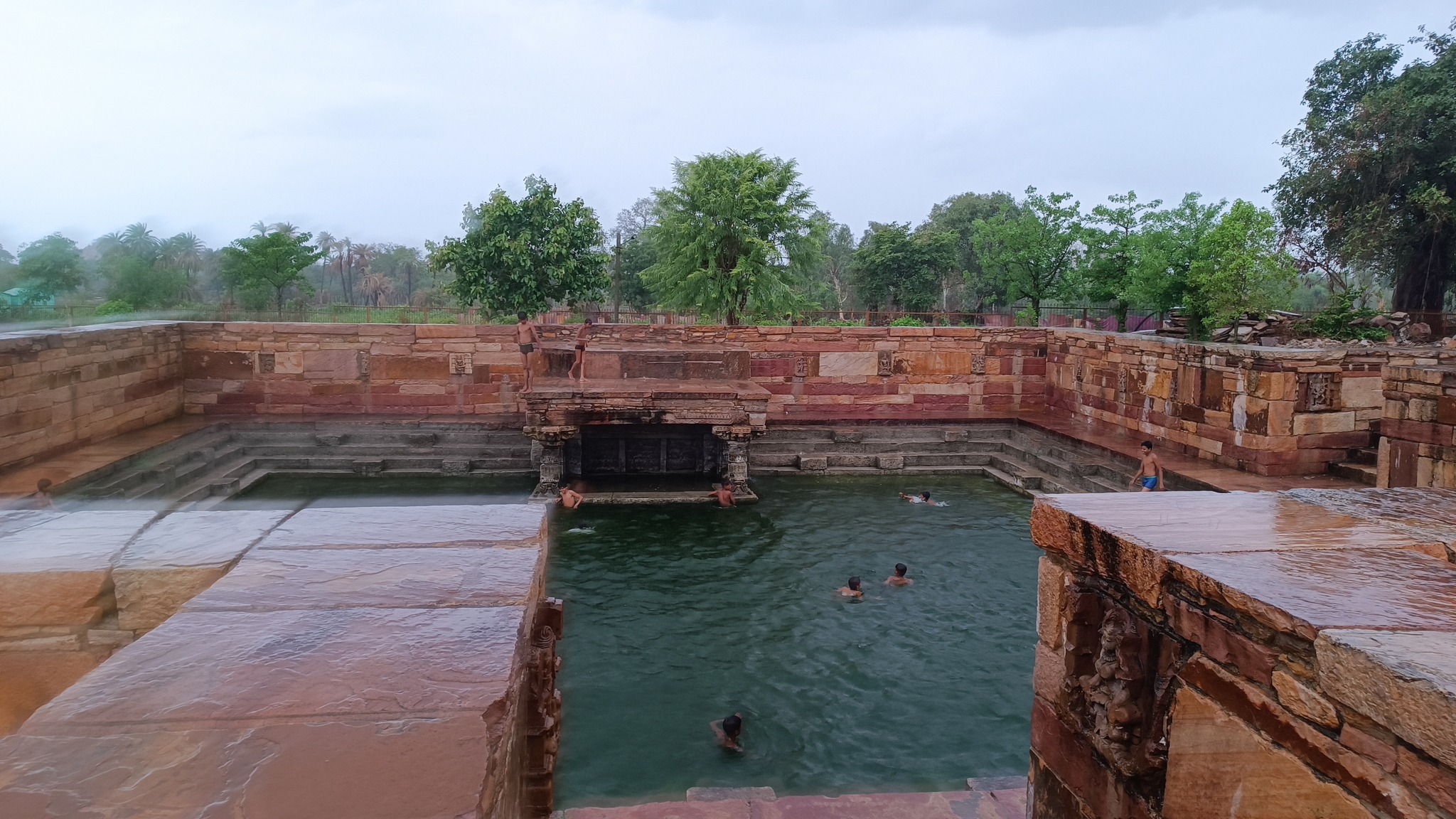
Mandakini Temple, Bijolia

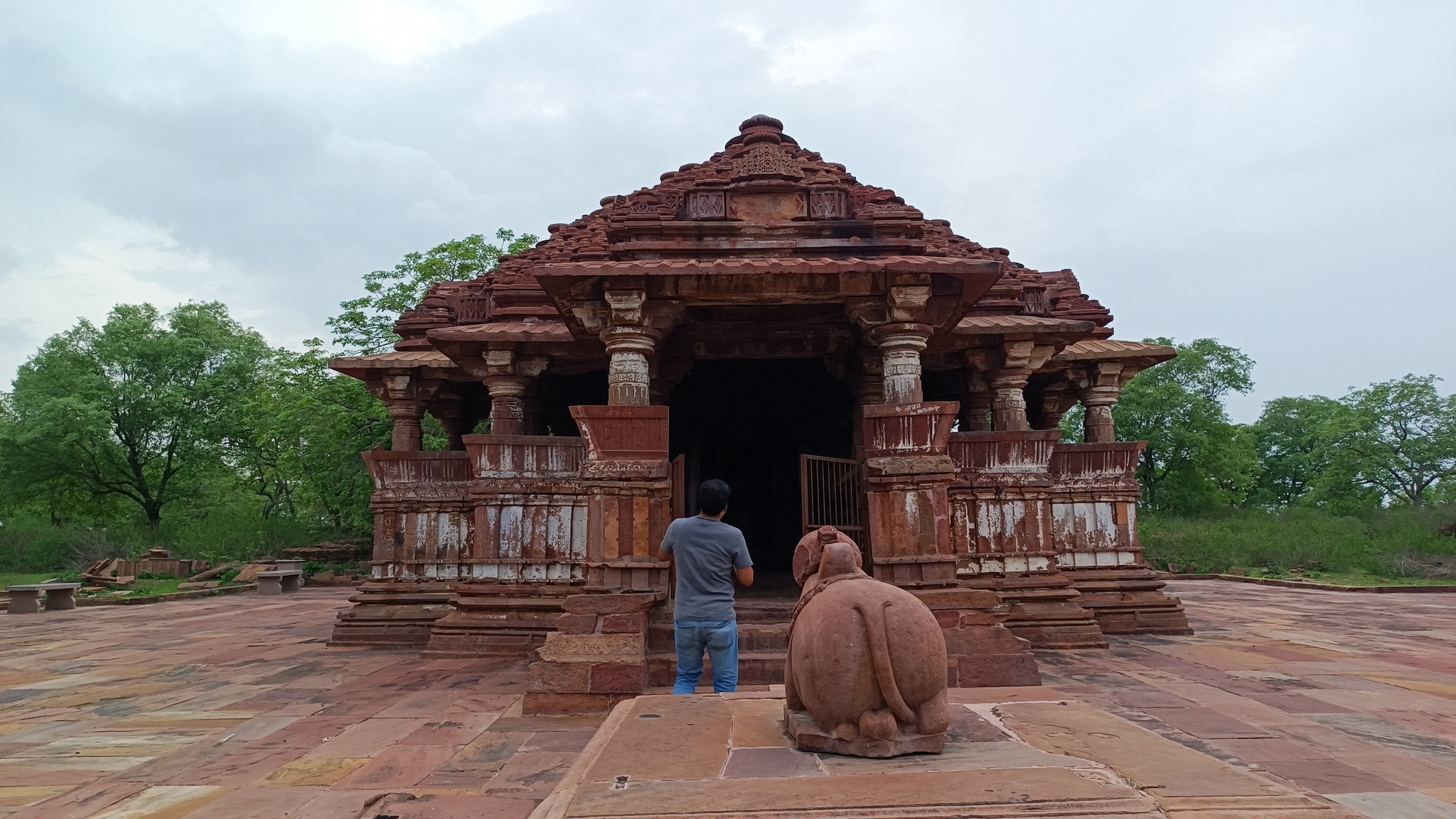
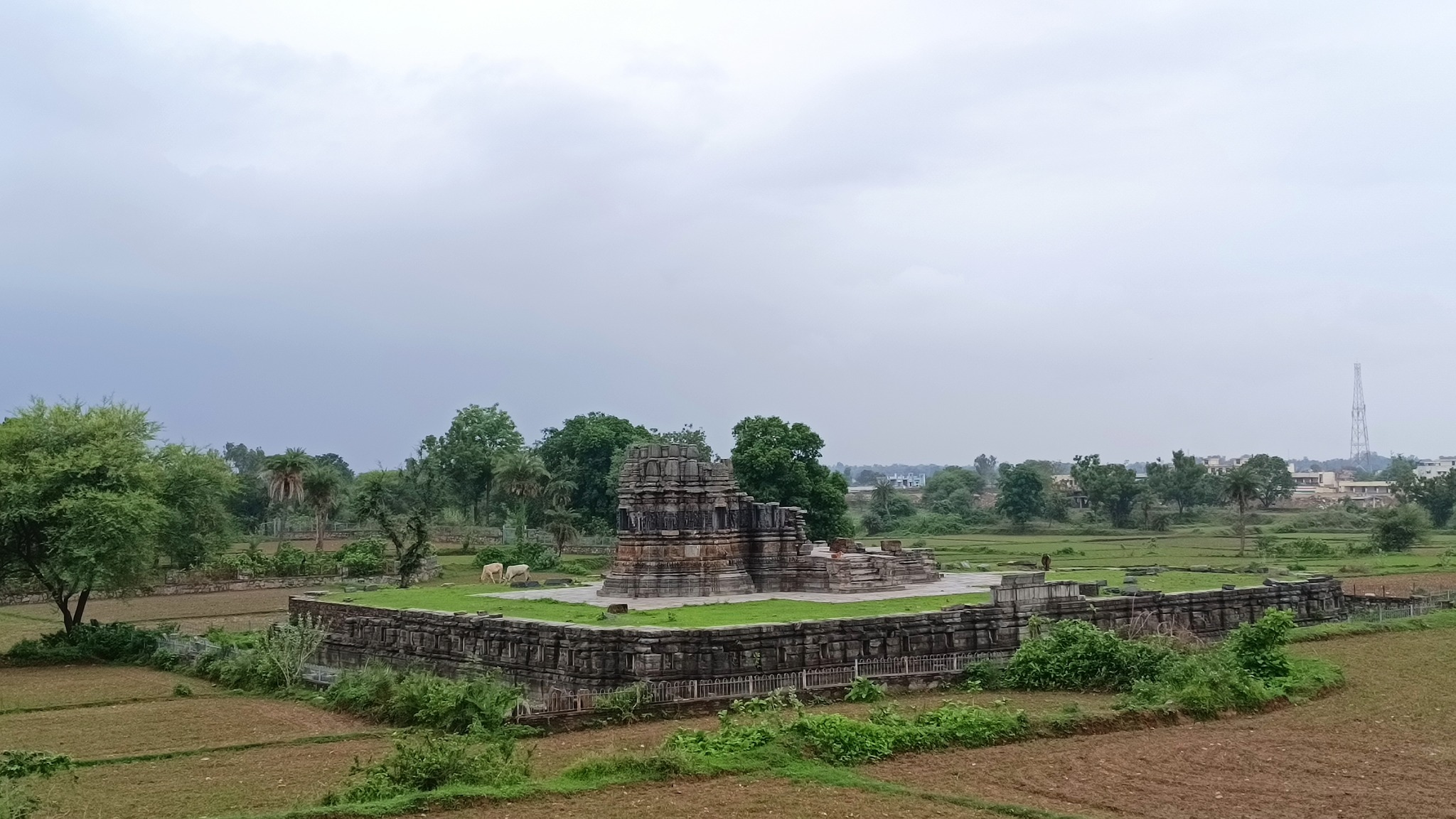
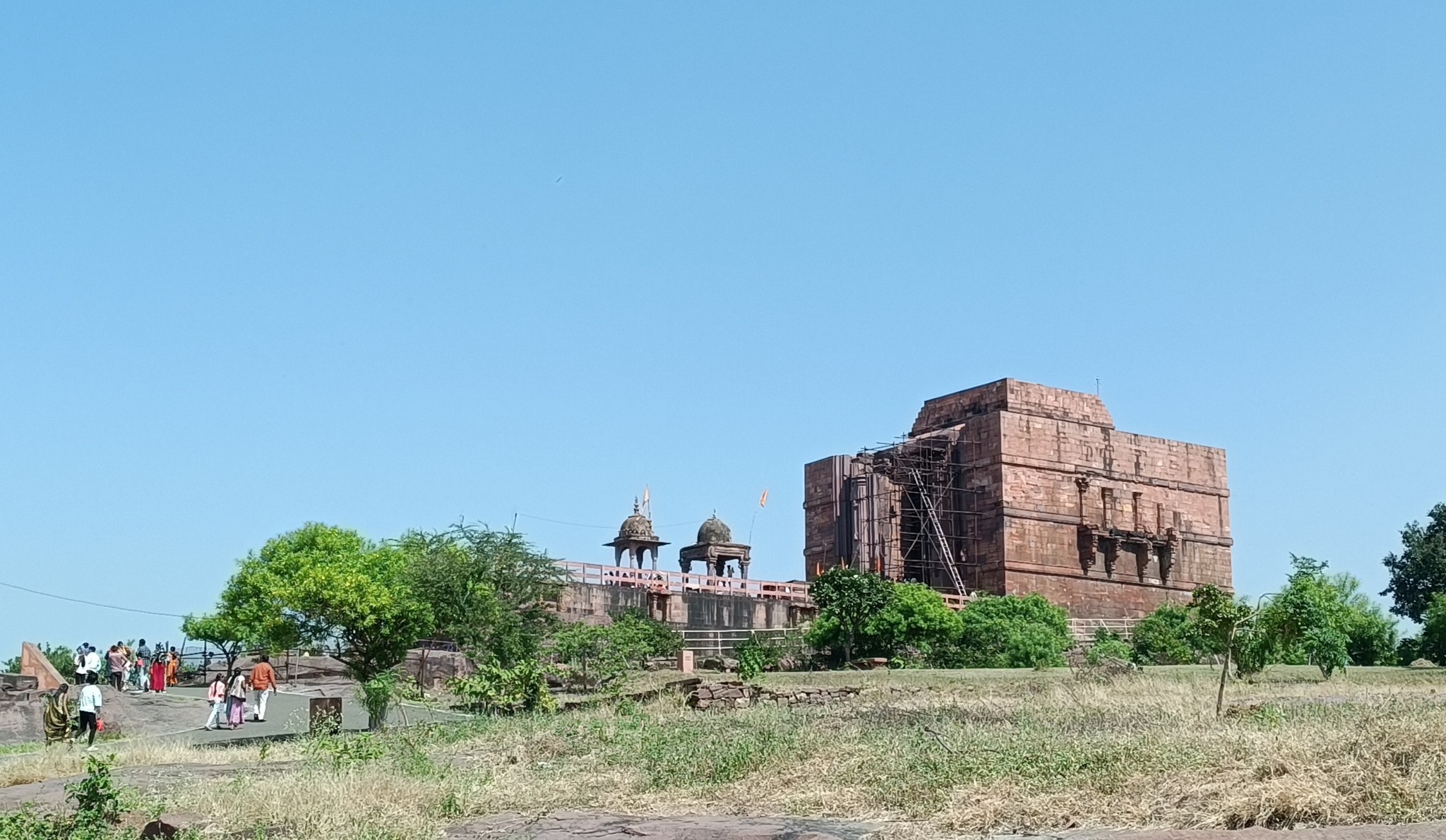
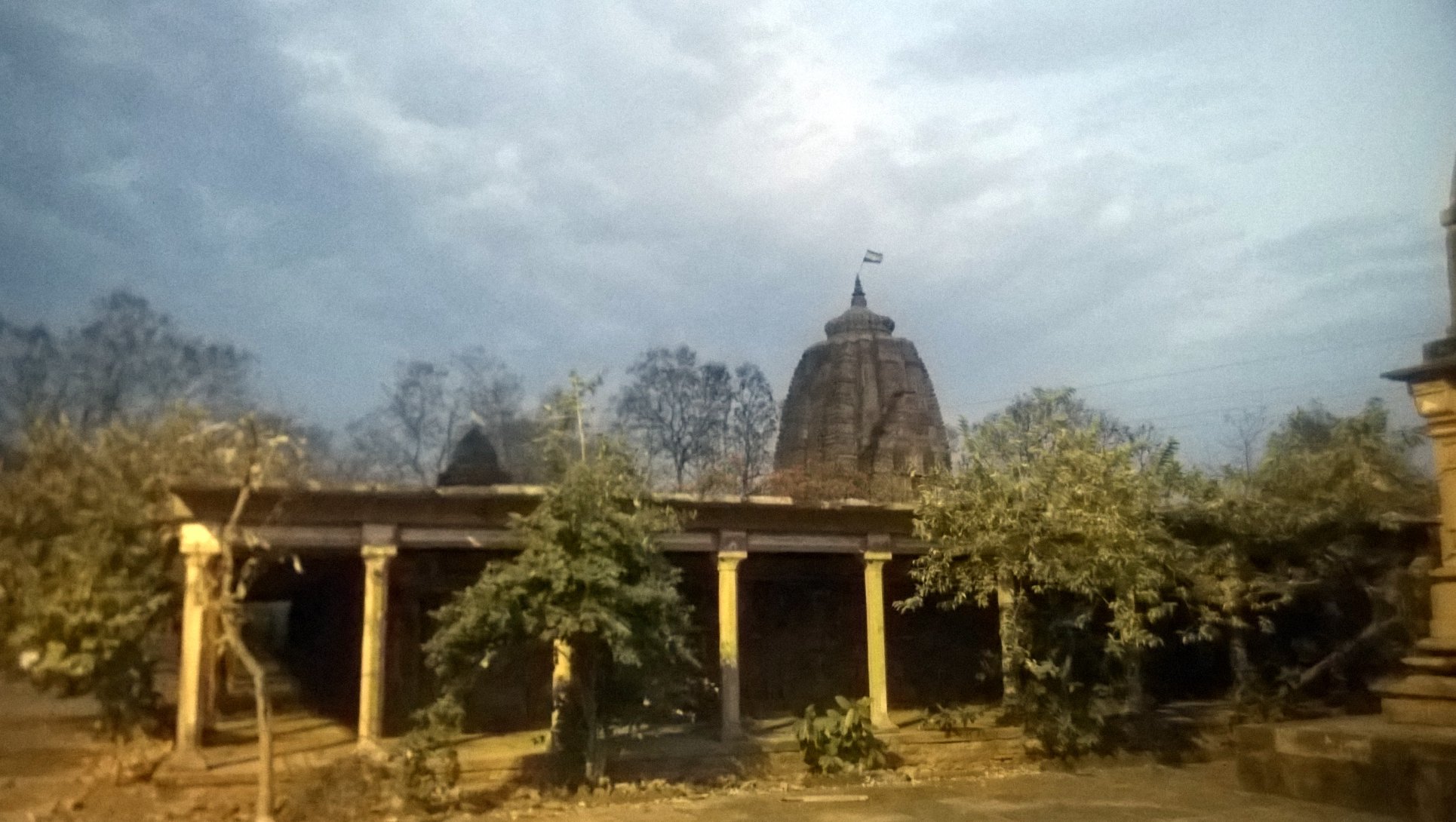
This temple complex comprises three Shiva temples – the oldest being from the 11th century called Mahakal – and a water tank, and lay just beside our route to Chittorgarh. Just as we stepped out of the car, there was a cloudburst, forcing us to run inside the temple complex and take shelter under the roof of one the temples.

Menal and Mahanal temples, Menal

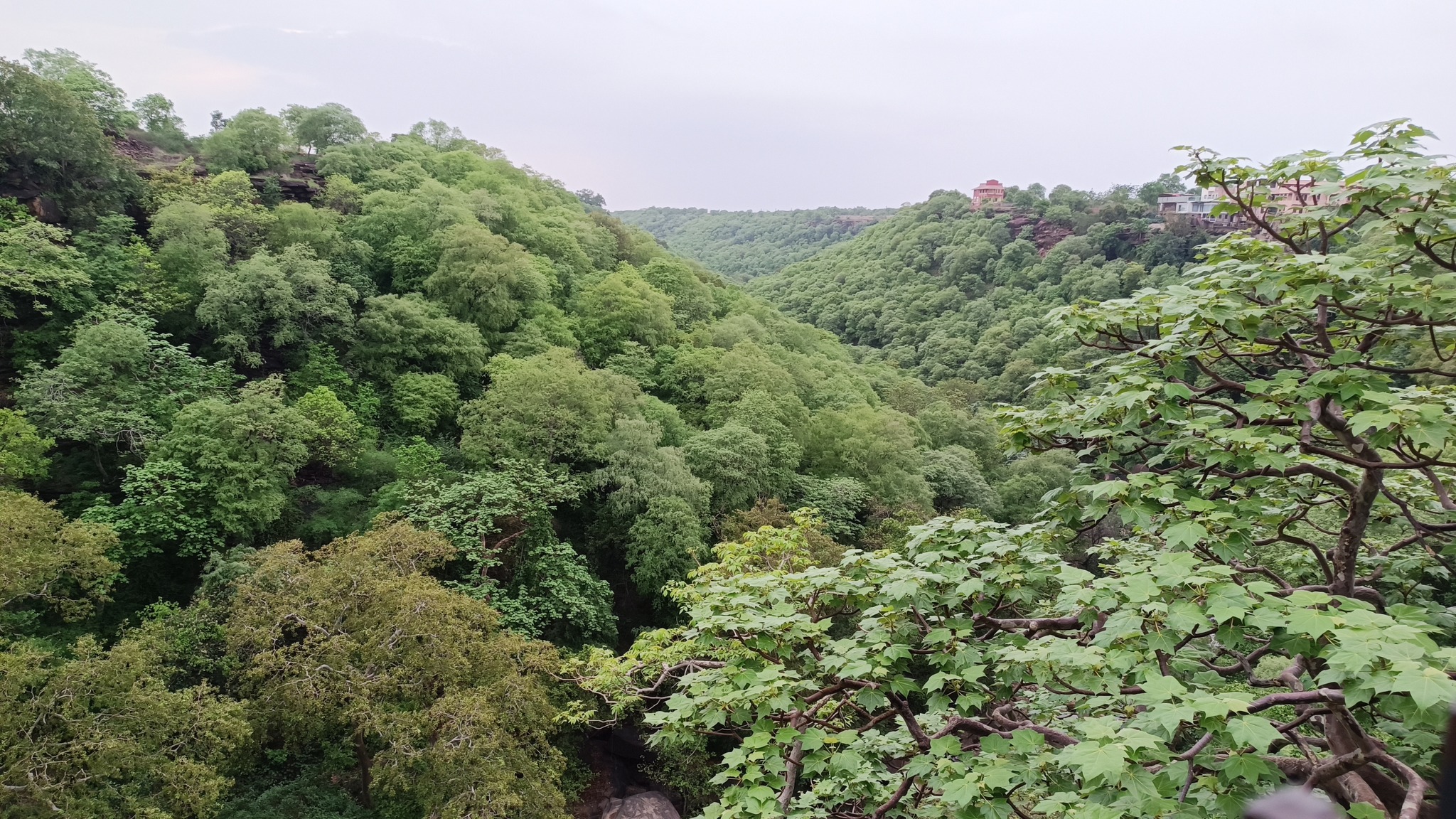
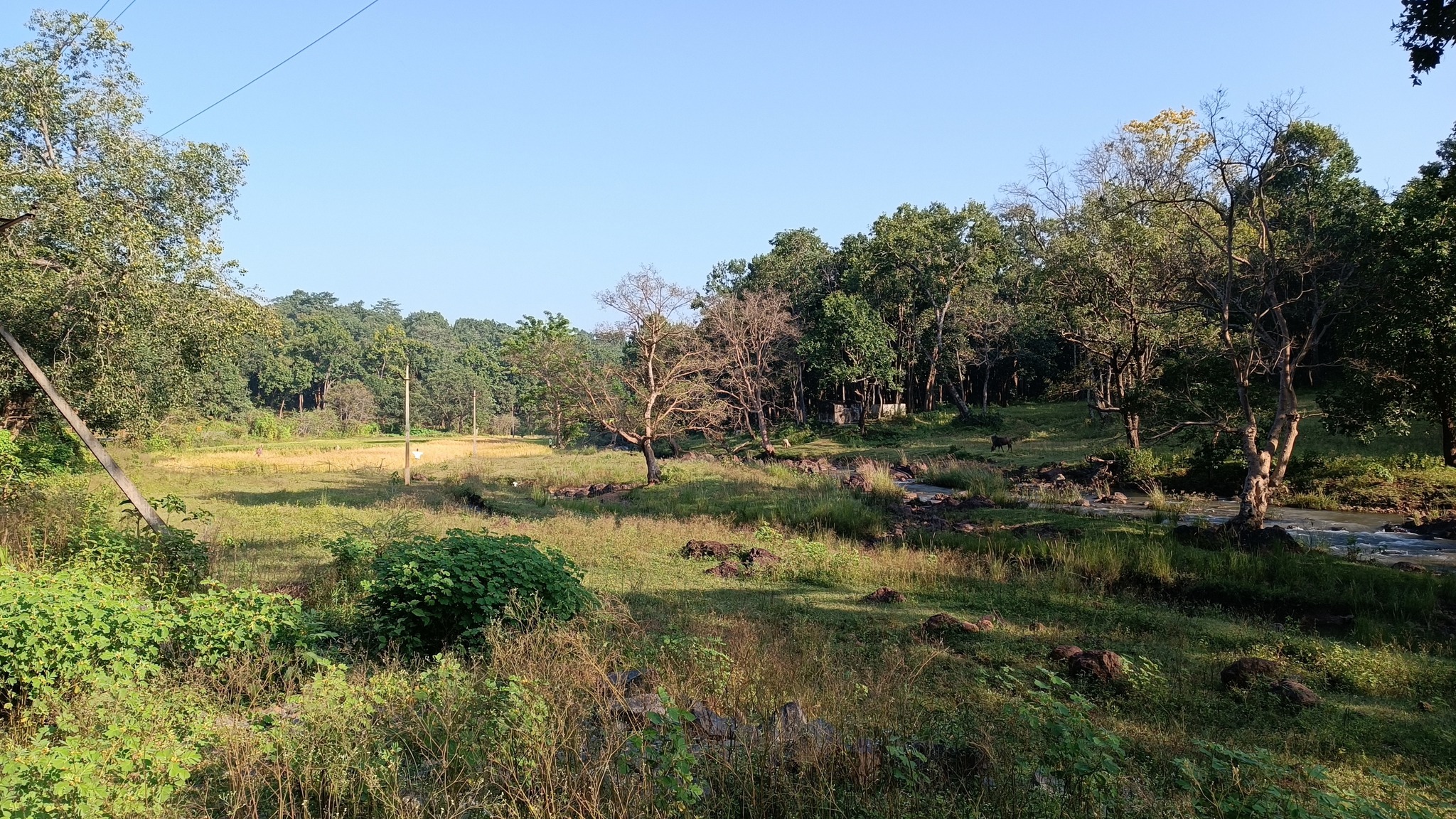
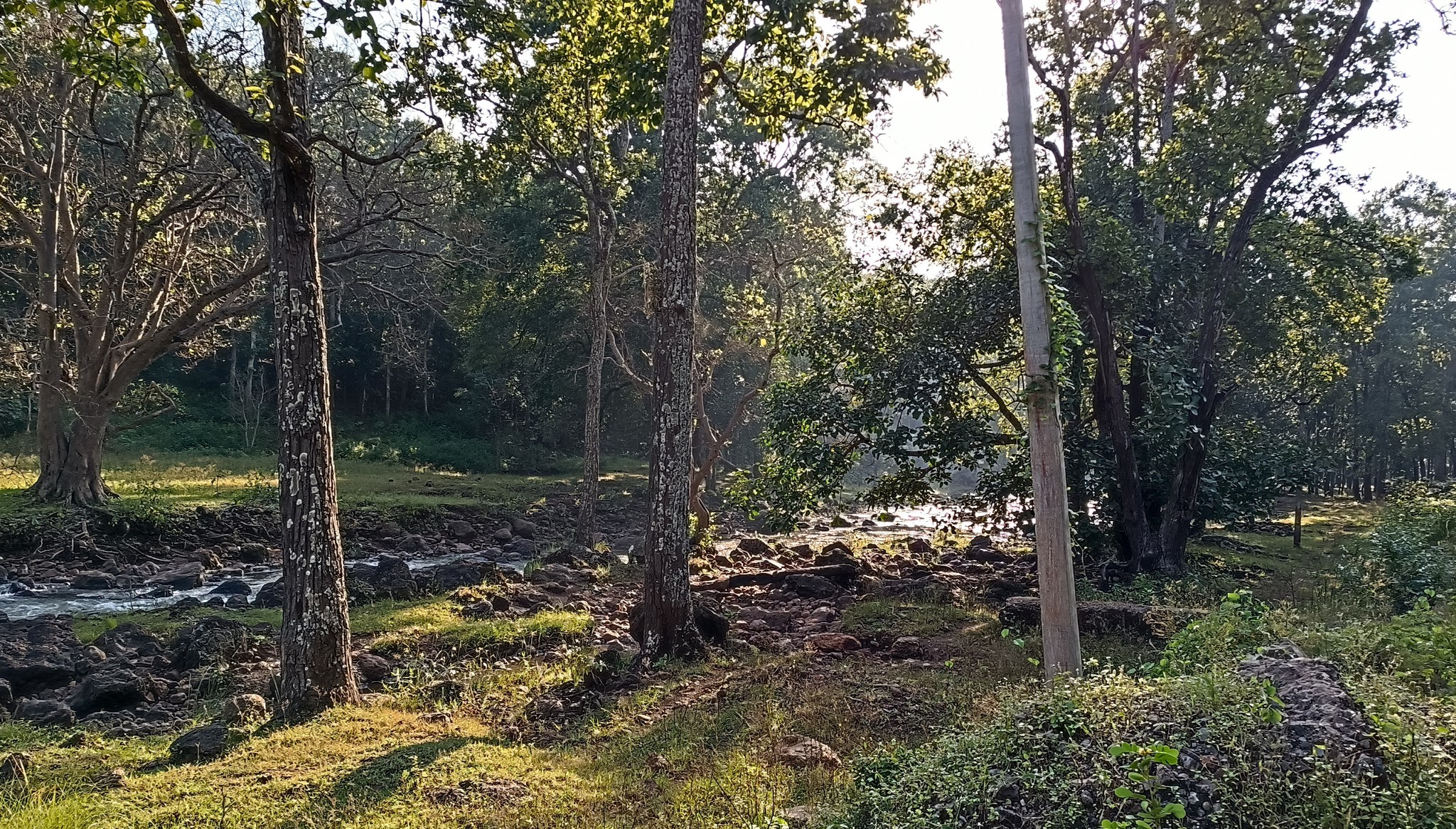
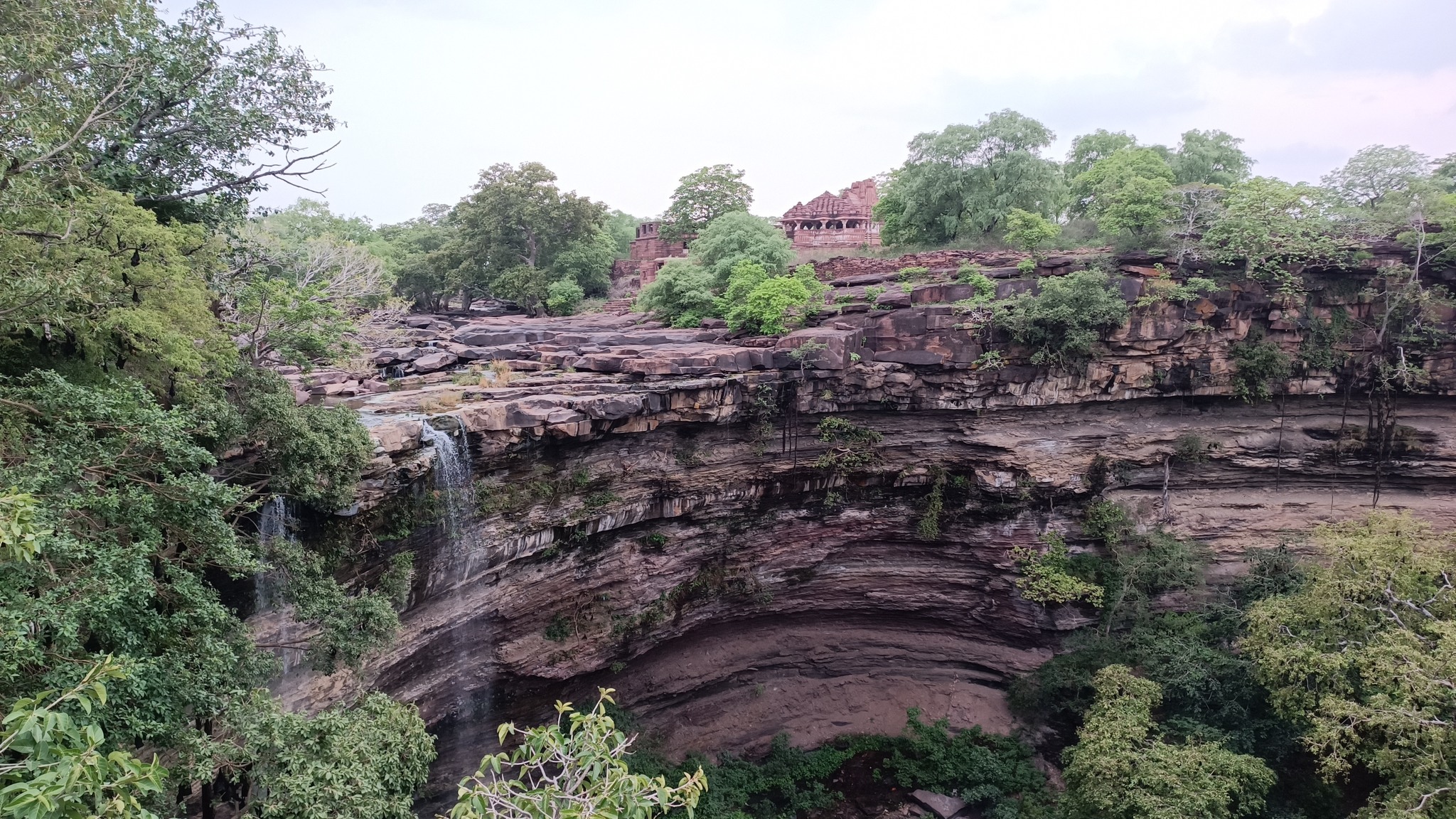
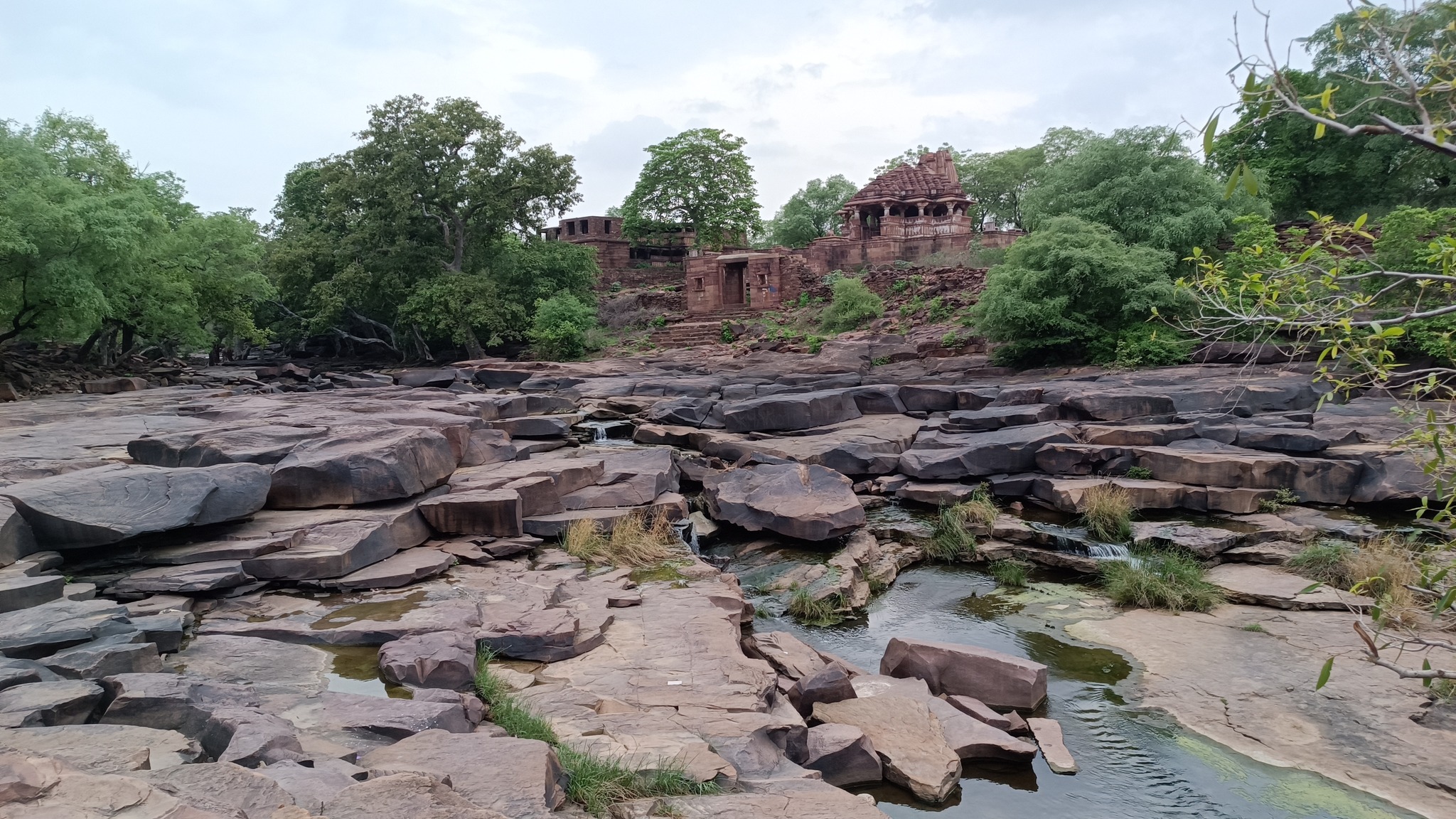
This was just an unexpected, happy accident that happened because my brother was simply scanning Google Maps on our way to Chittorgarh. The 11th century Shiva temple complex lies just beside the highway, nestled in a forest, straddling a stream with a waterfall dropping into a gorge. Across the steep waterfall is one of the temples, with an adjoining monastery in ruins, which one can access by simply crossing the stream before it drops into the gorge. Now, that’s truly a set-up venturing into Indiana Jones territory.
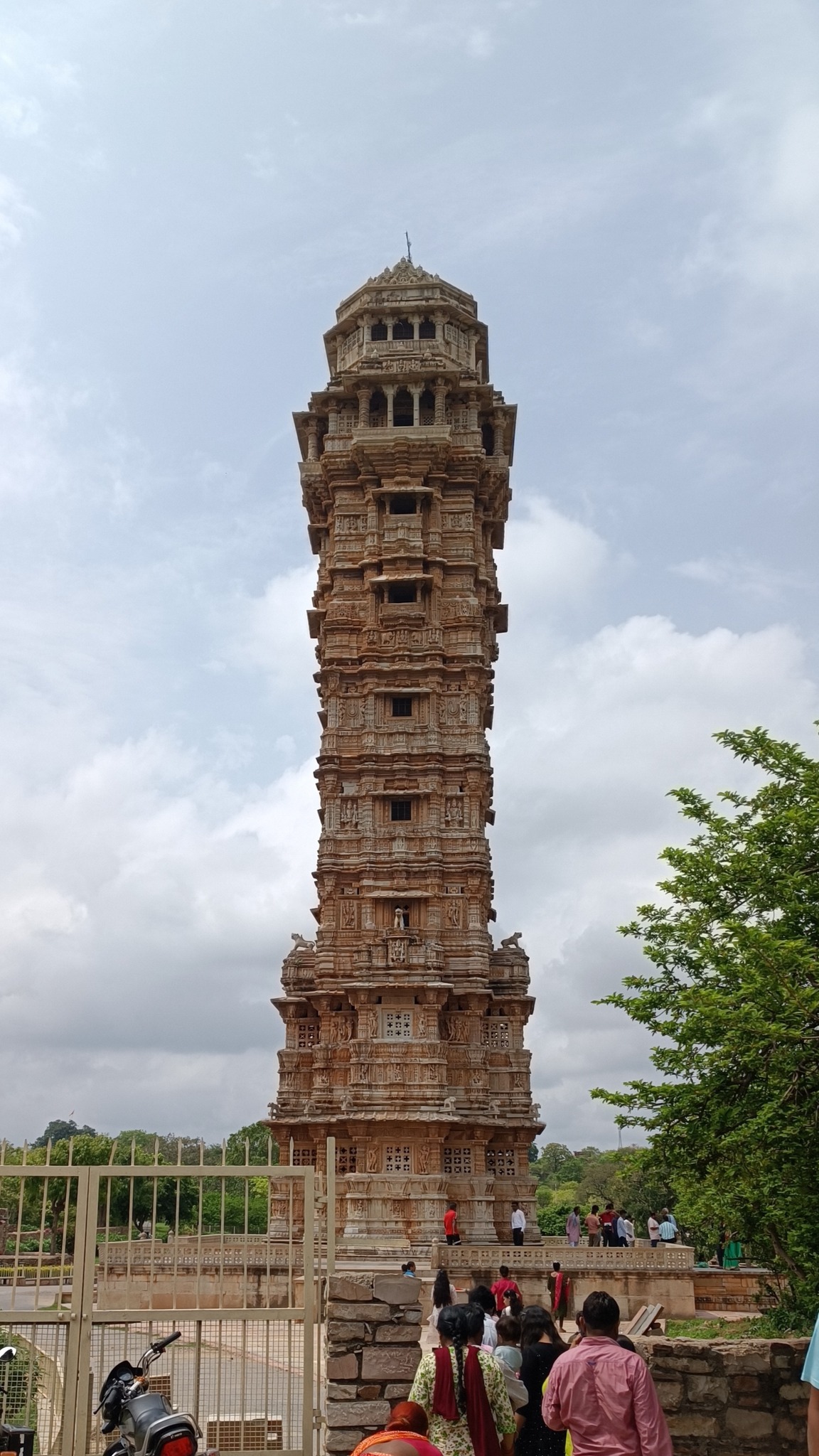
Chittorgarh

What can be said in a line or two about Chittor fort that would capture what it is, what it stands for, what legacy it bears, what history it has seen!

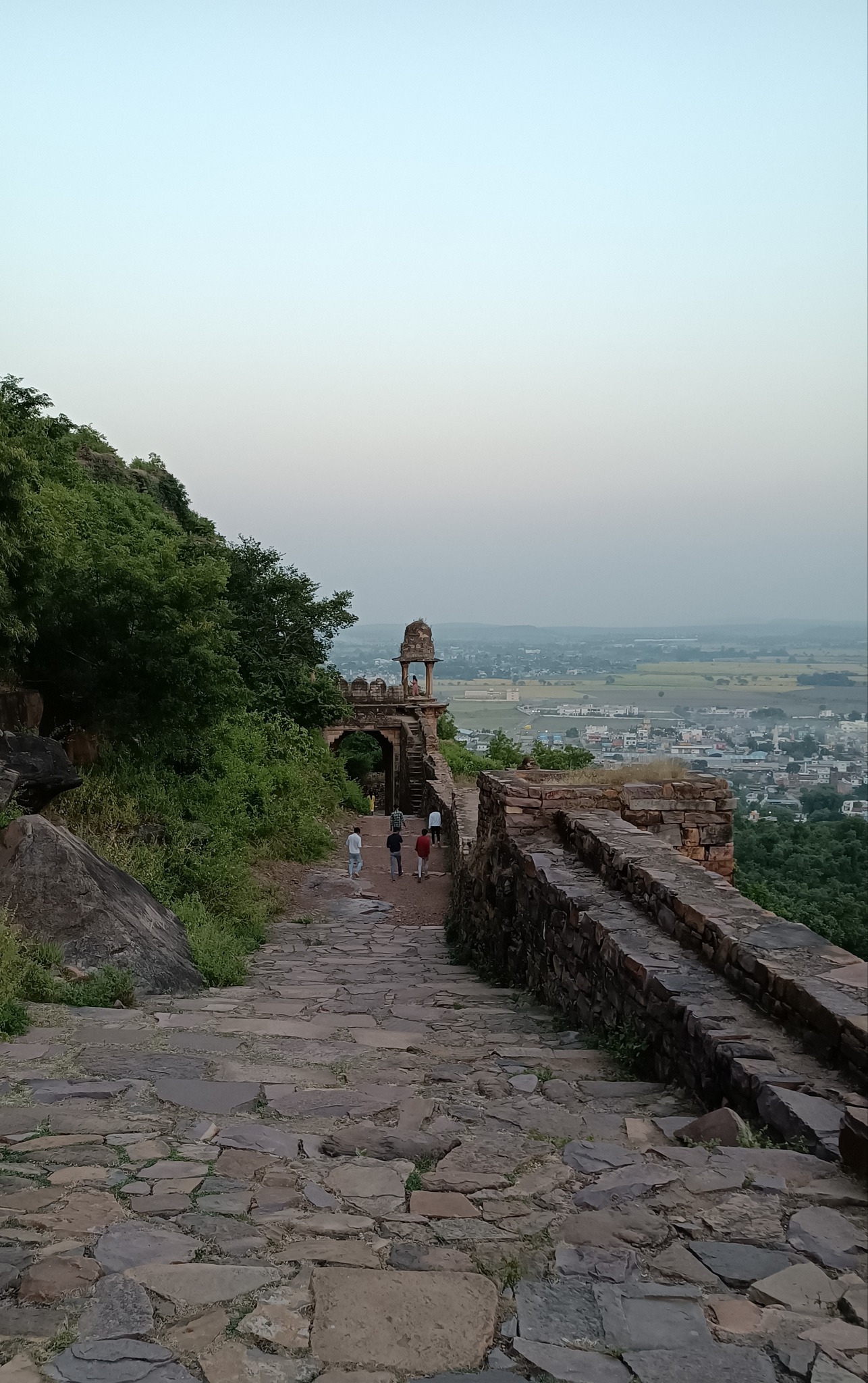
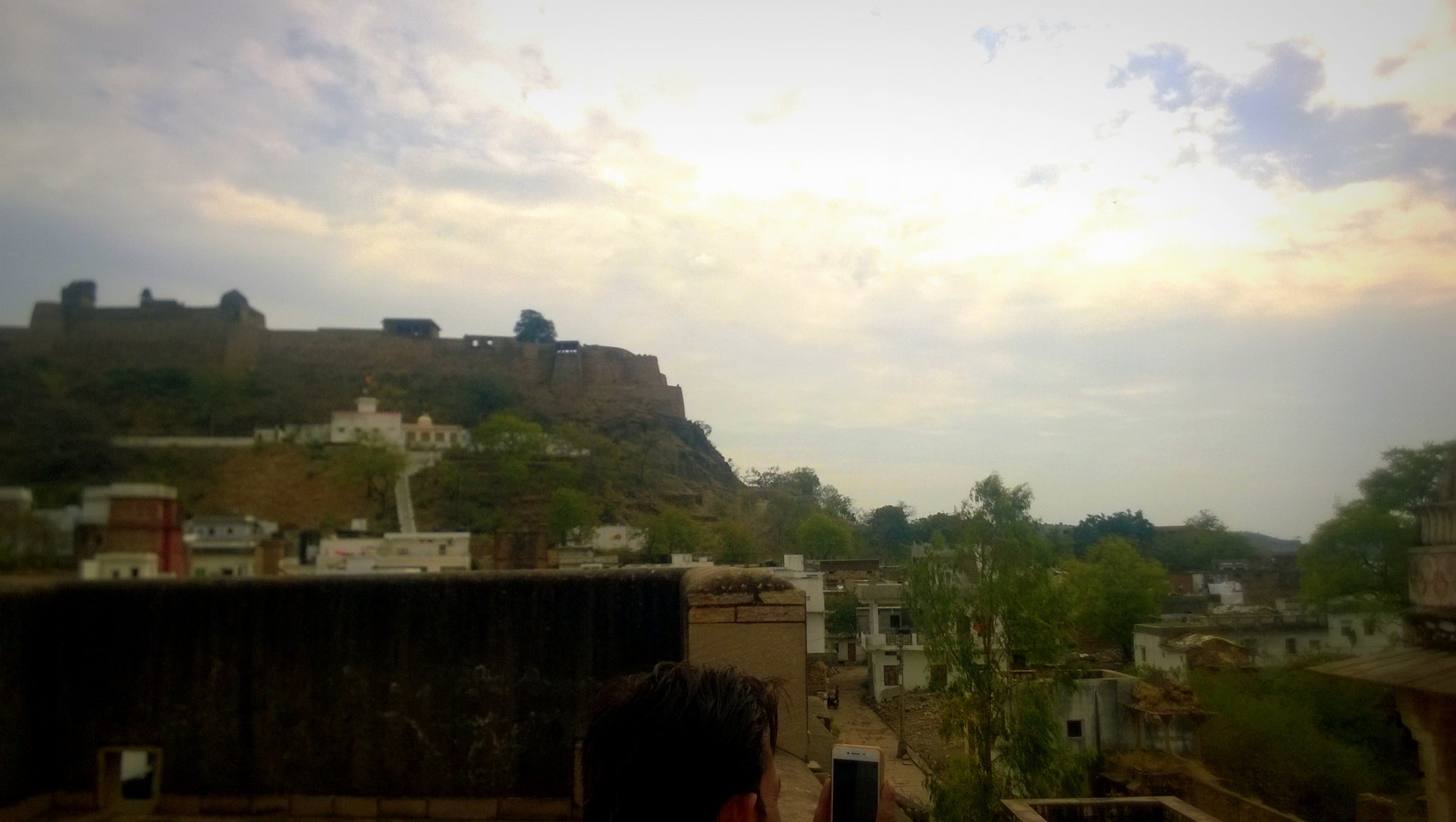
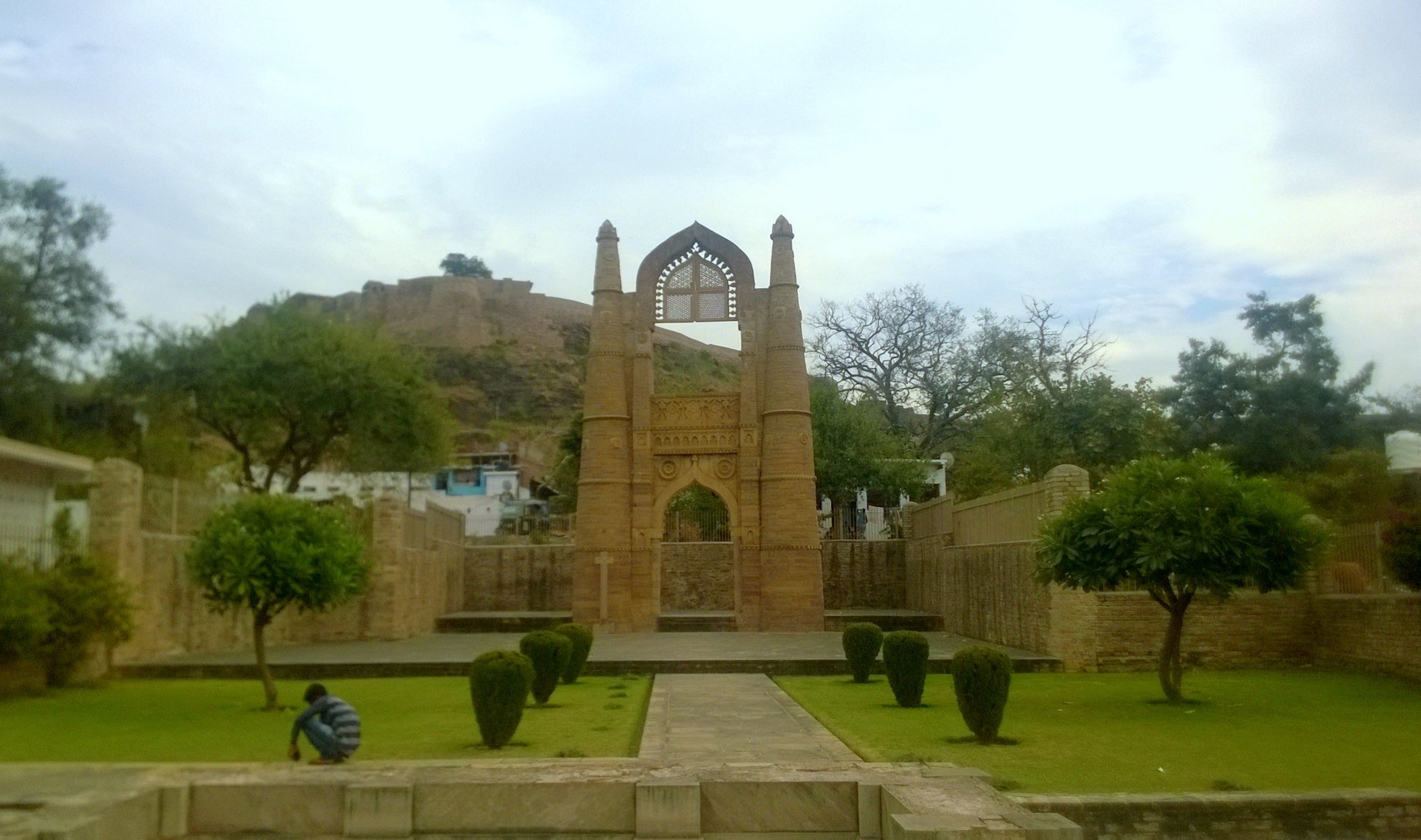
But what struck me most upon first visiting the place, and has remained with me since, is how it is a self-contained city spread upon a vast flat-topped hill, like on a plateau. The palaces and structures are far-flung, interspersed with water tanks and jungle. This is a place that is removed from the rest of the world that lies beneath, one that transports you to another era as a time machine.

Banswara

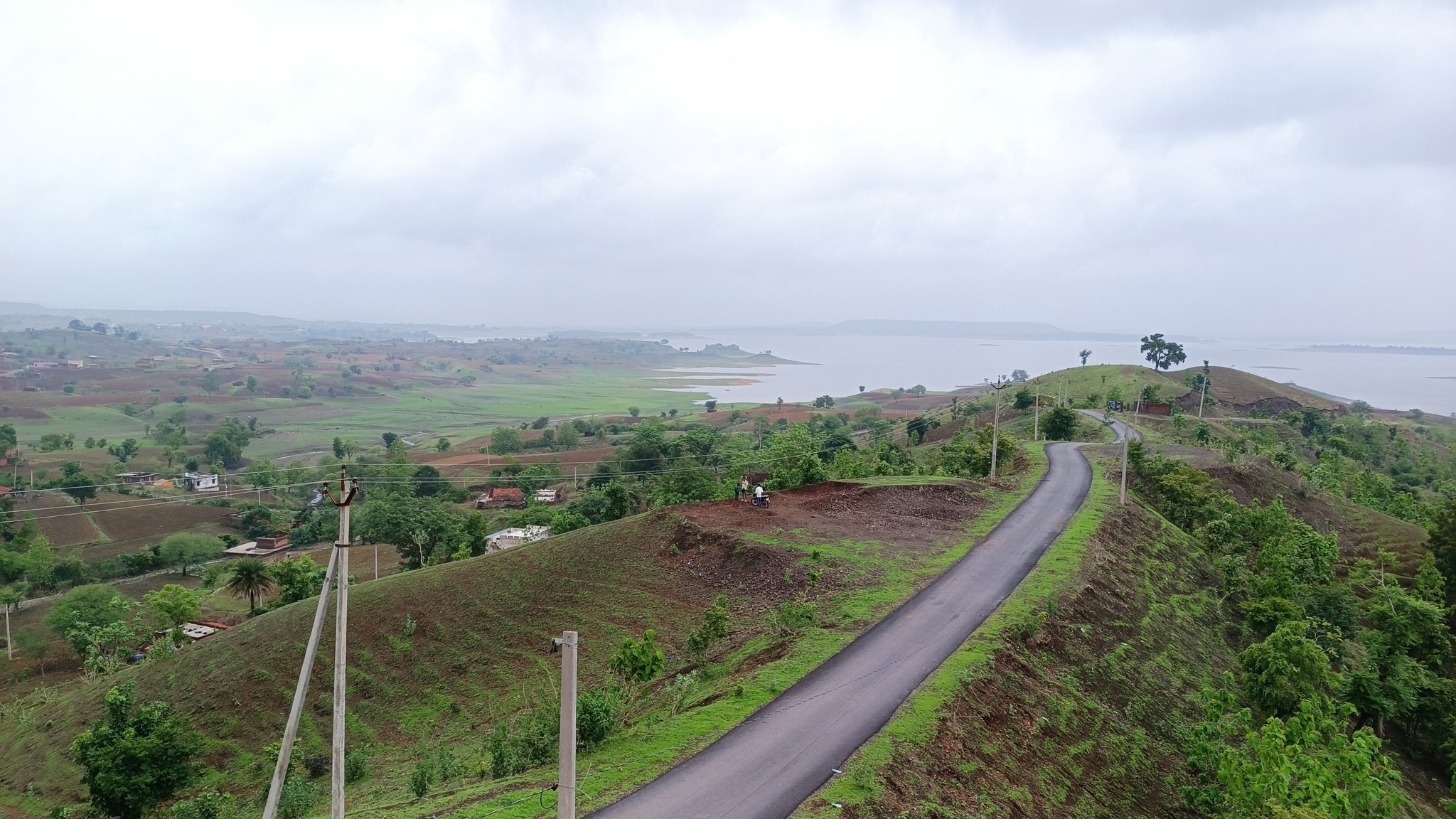
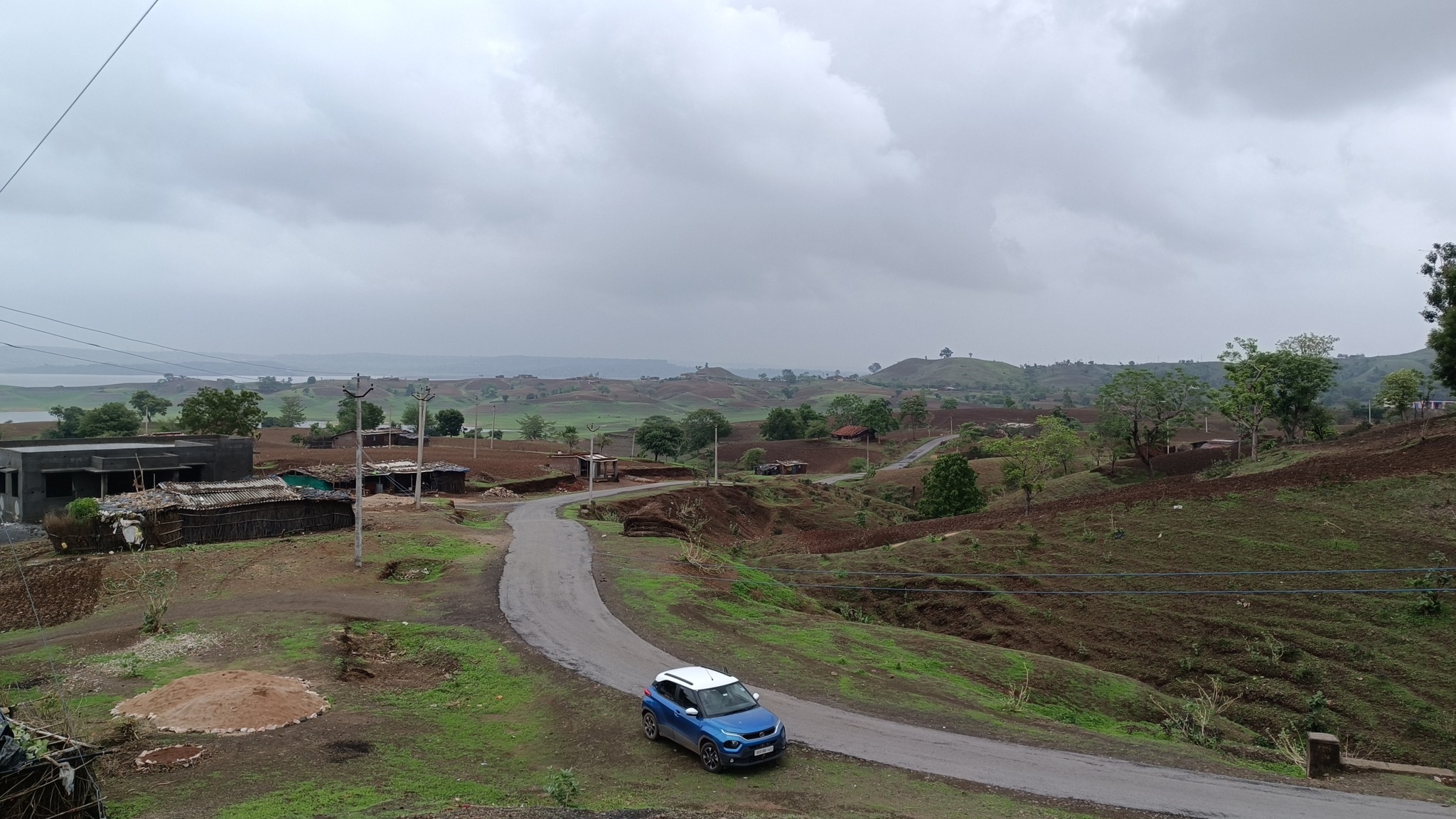
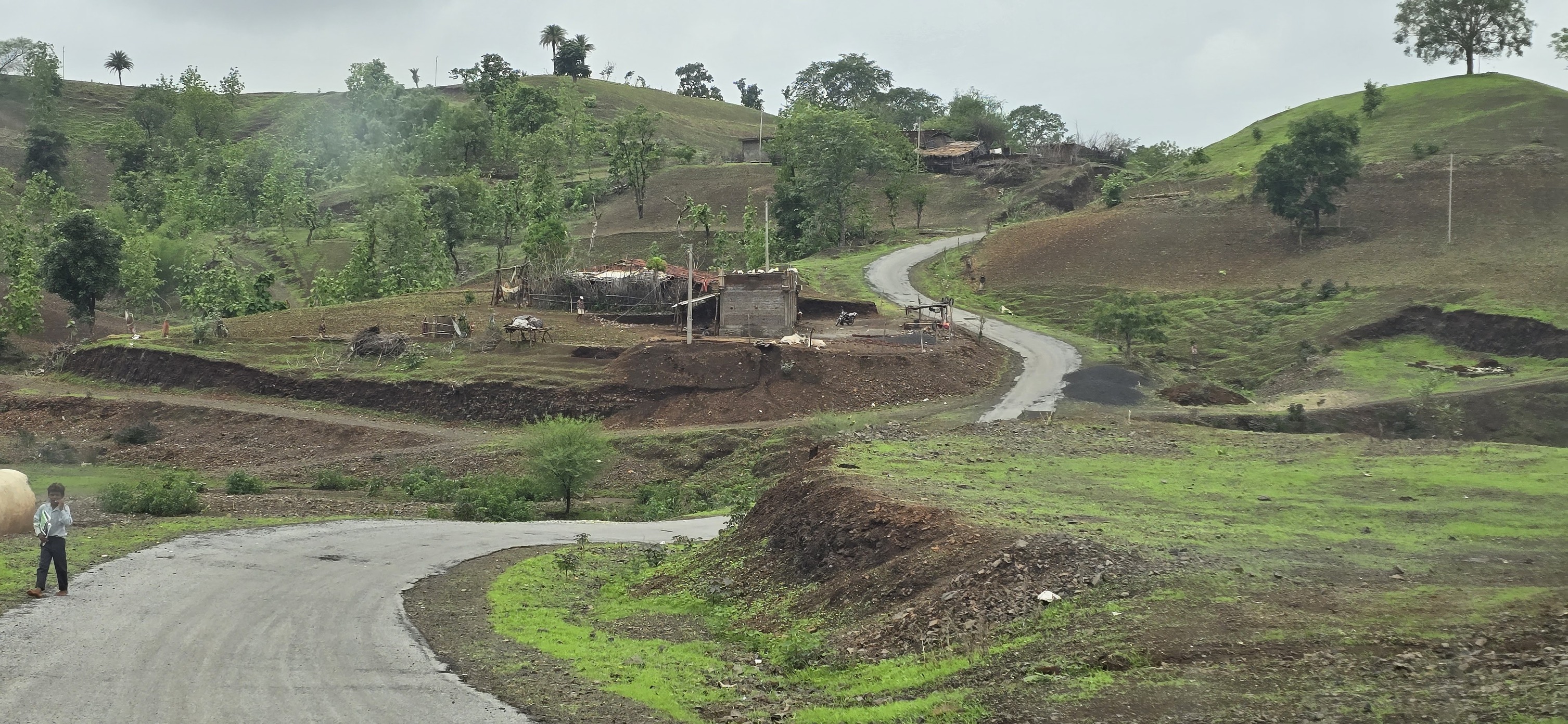
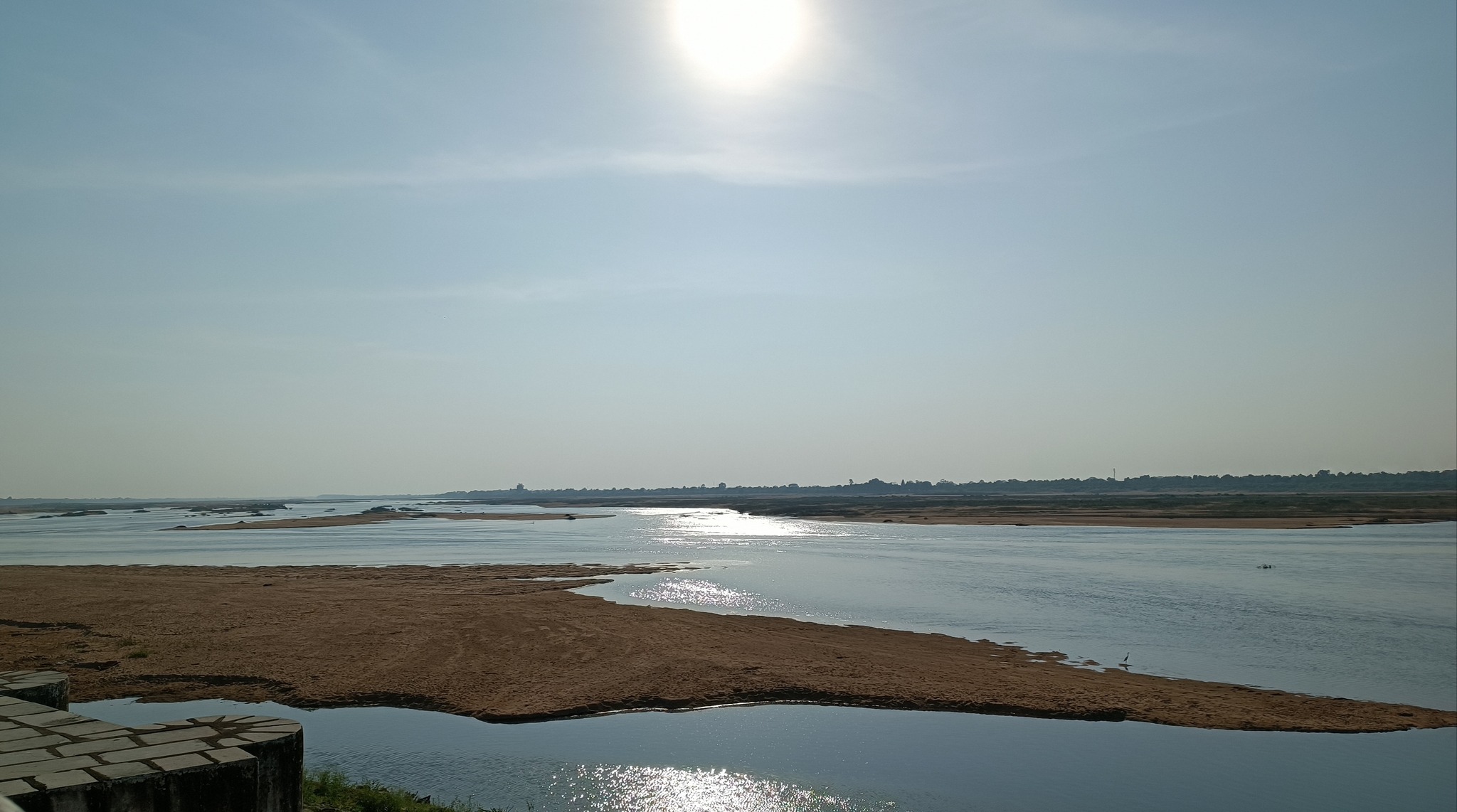
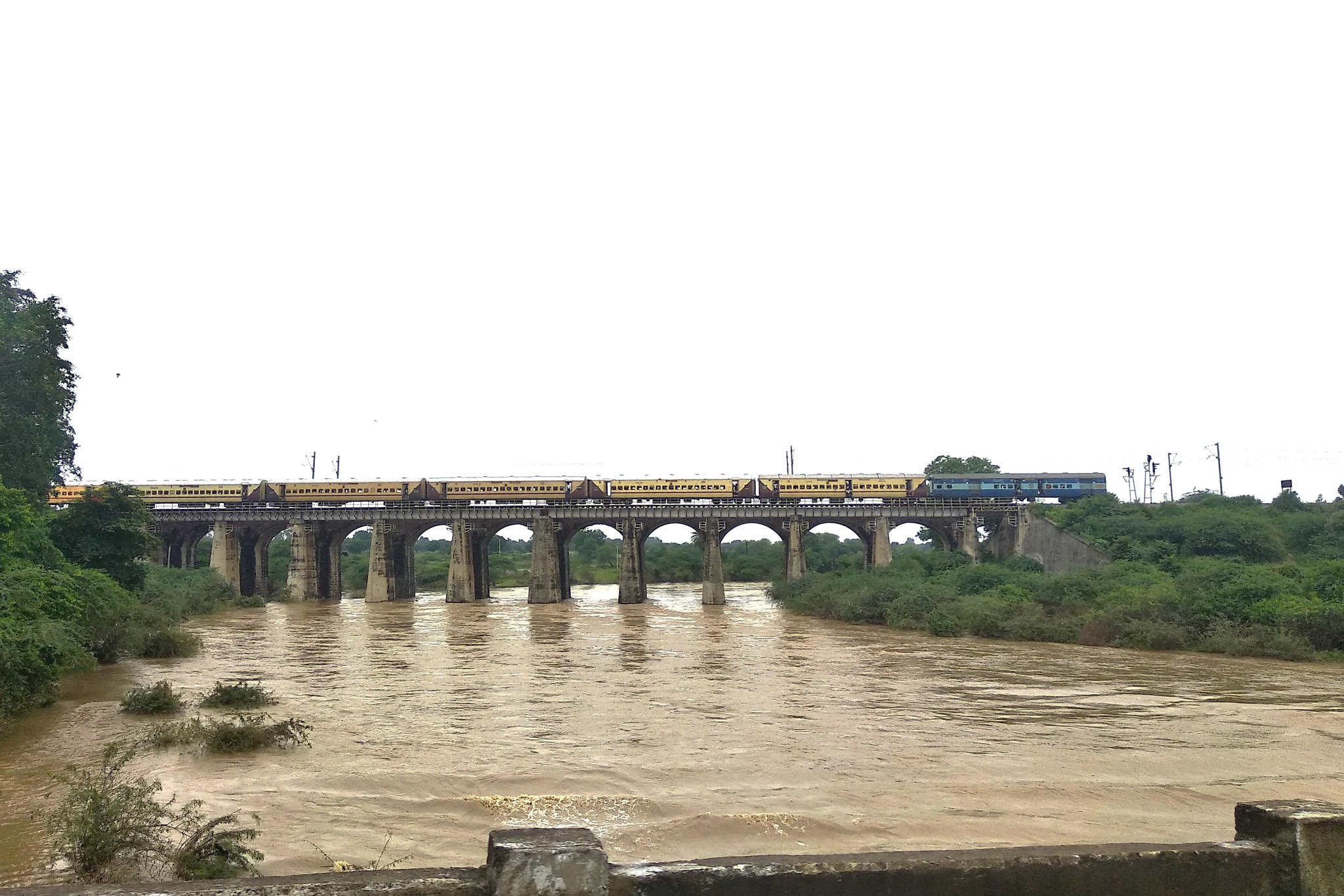
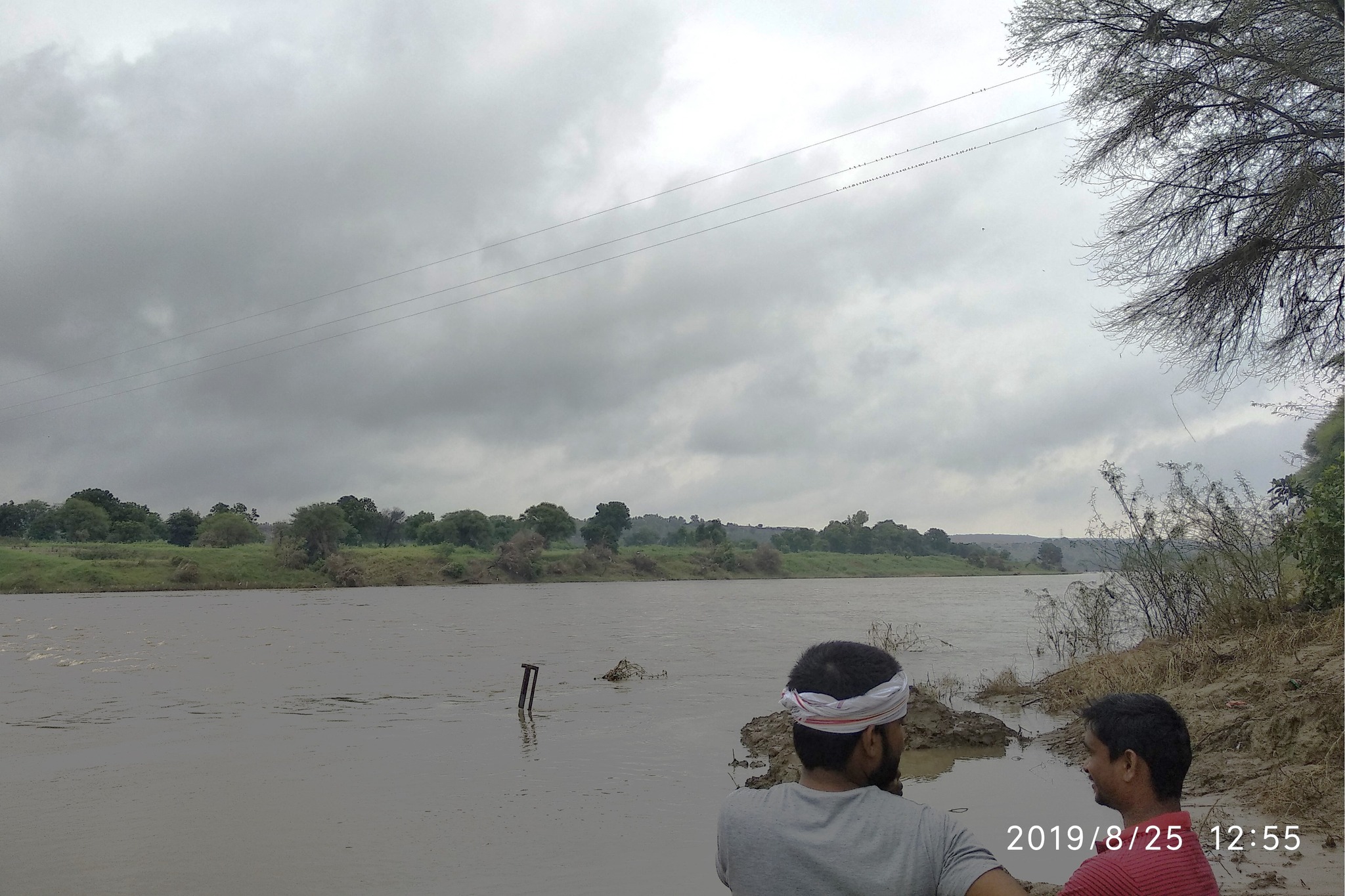
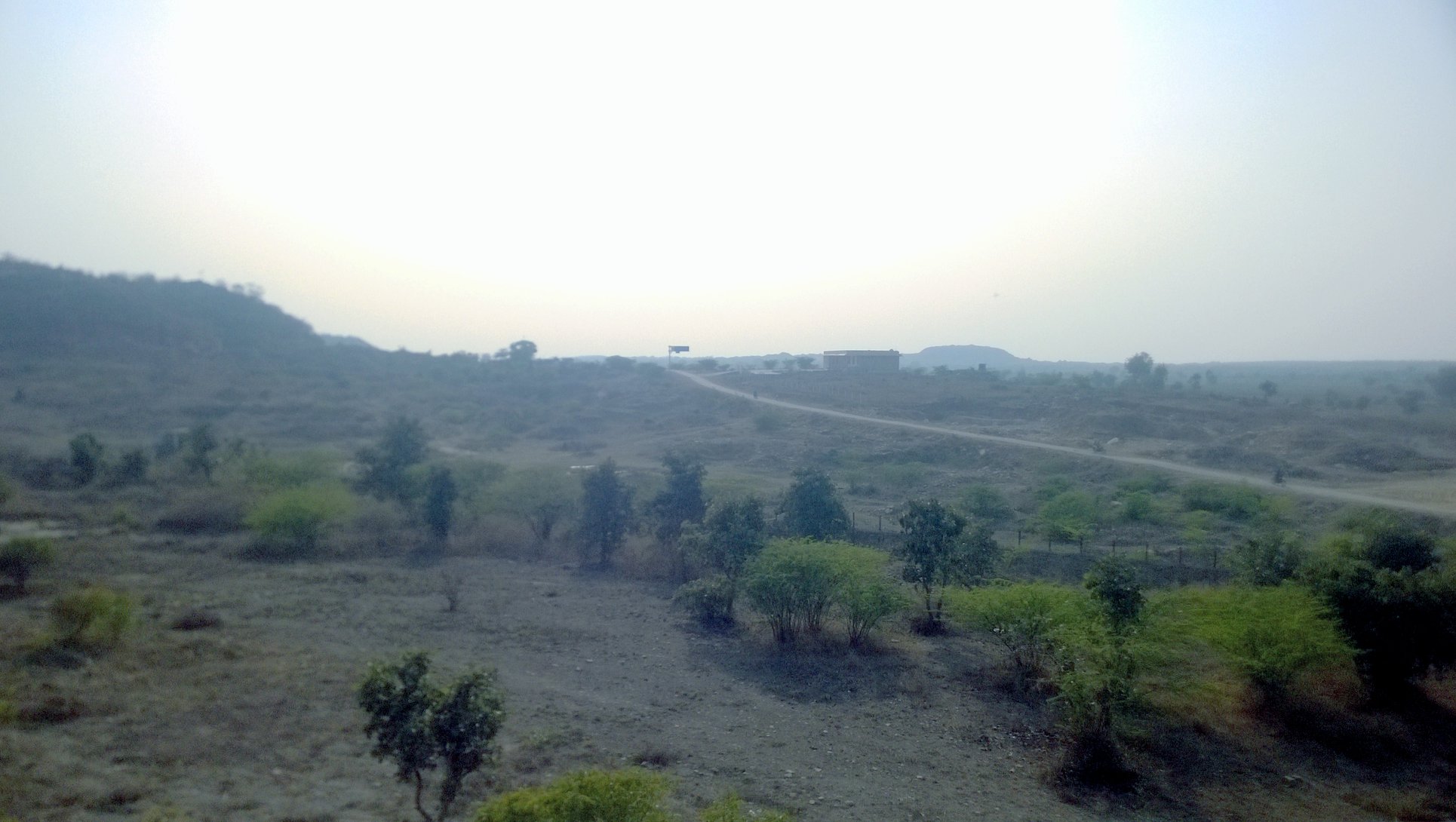
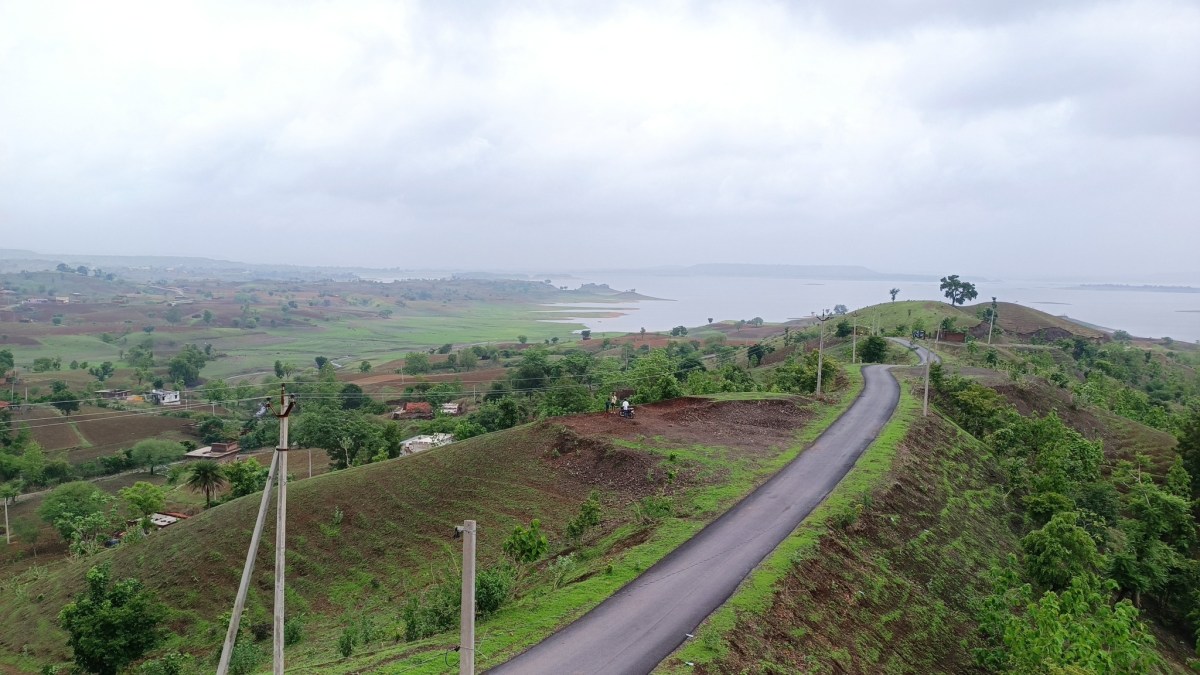
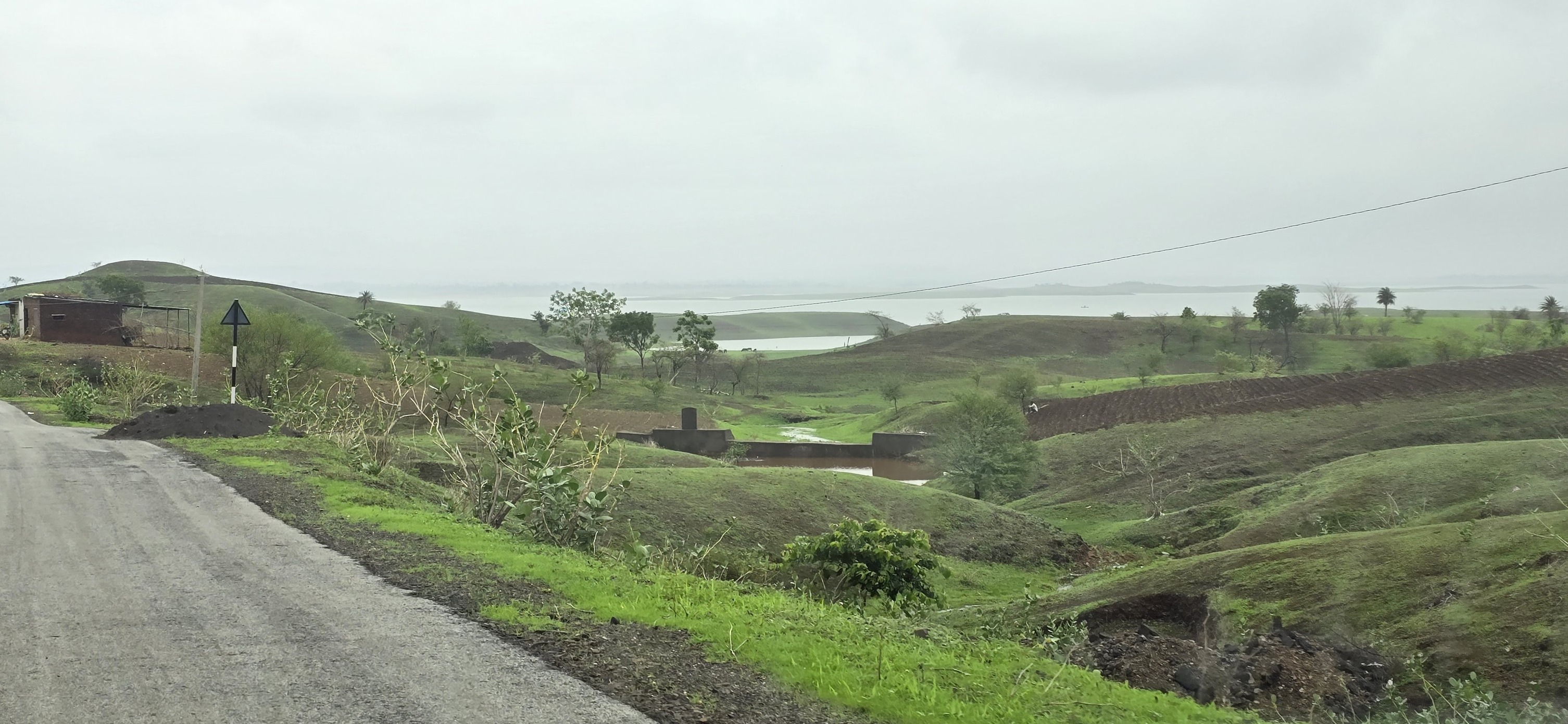
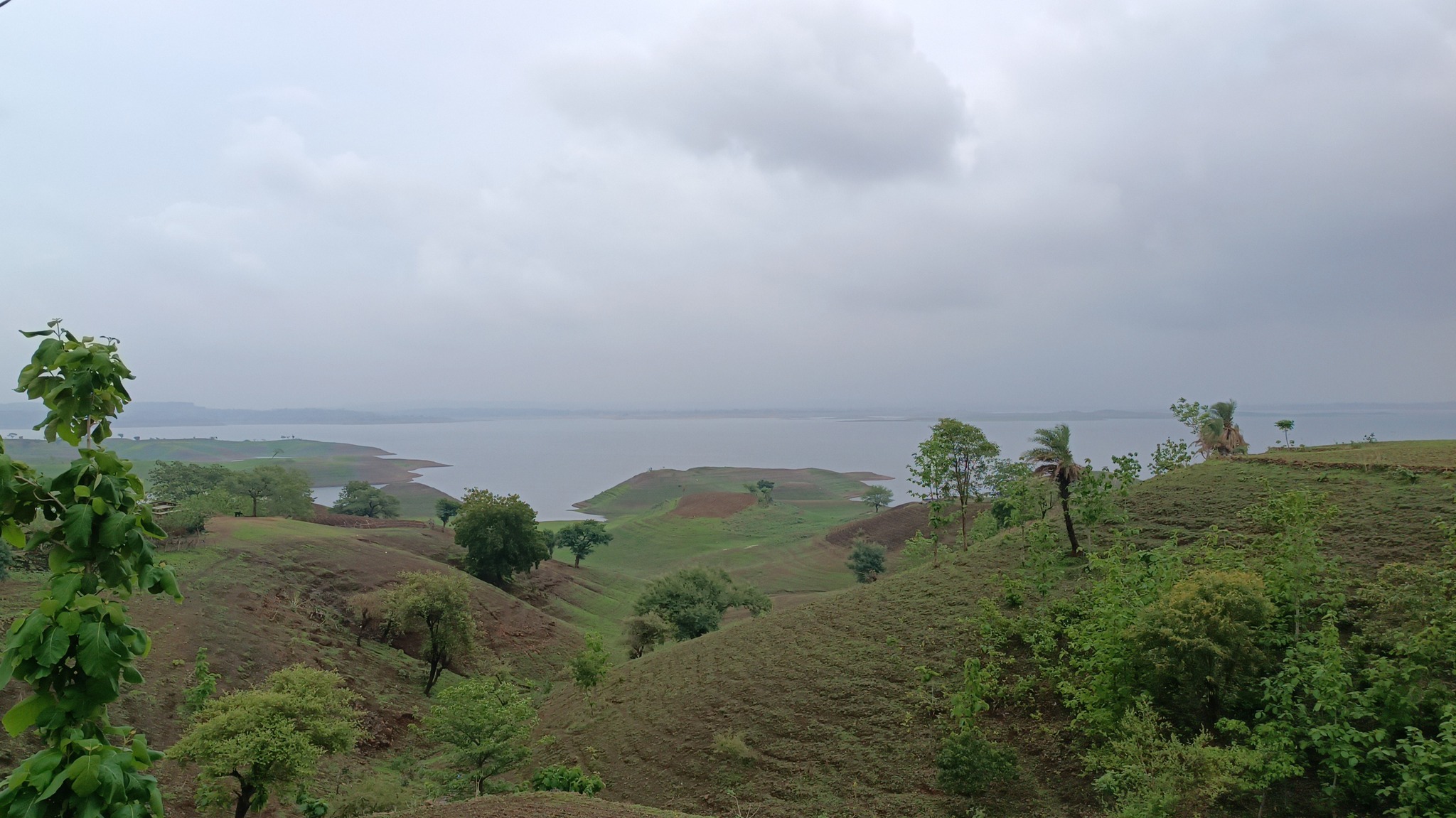
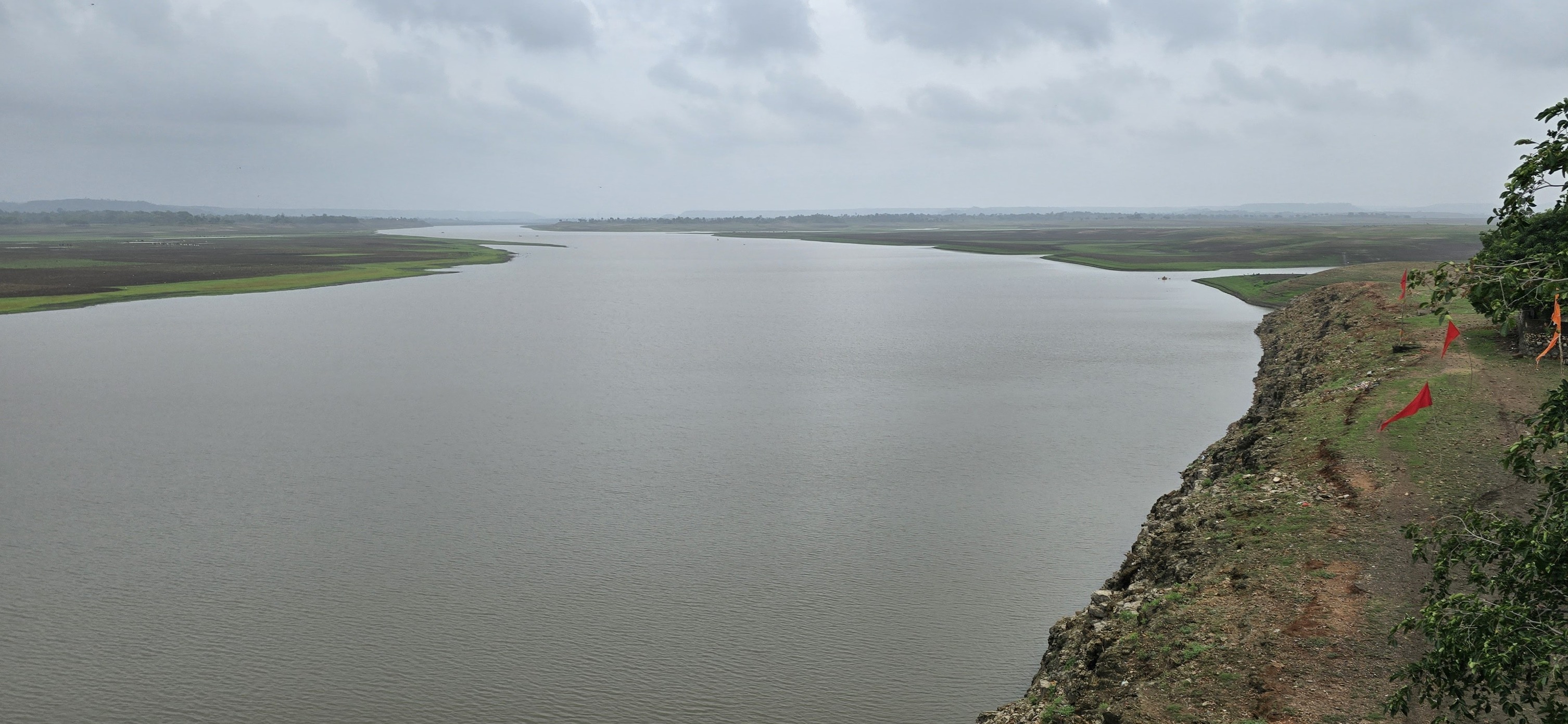
Banswara region lies in the Mahi catchment area in south-west Rajasthan, and is home to the massive Mahi Dam. The region is typified by low rolling hills undulating for miles, whose tops turn into meadows in the monsoons, evoking scenes from a Kashmiri landscape. This topographical feature has also led to formation of islands in the reservoir created by the Mahi Dam.
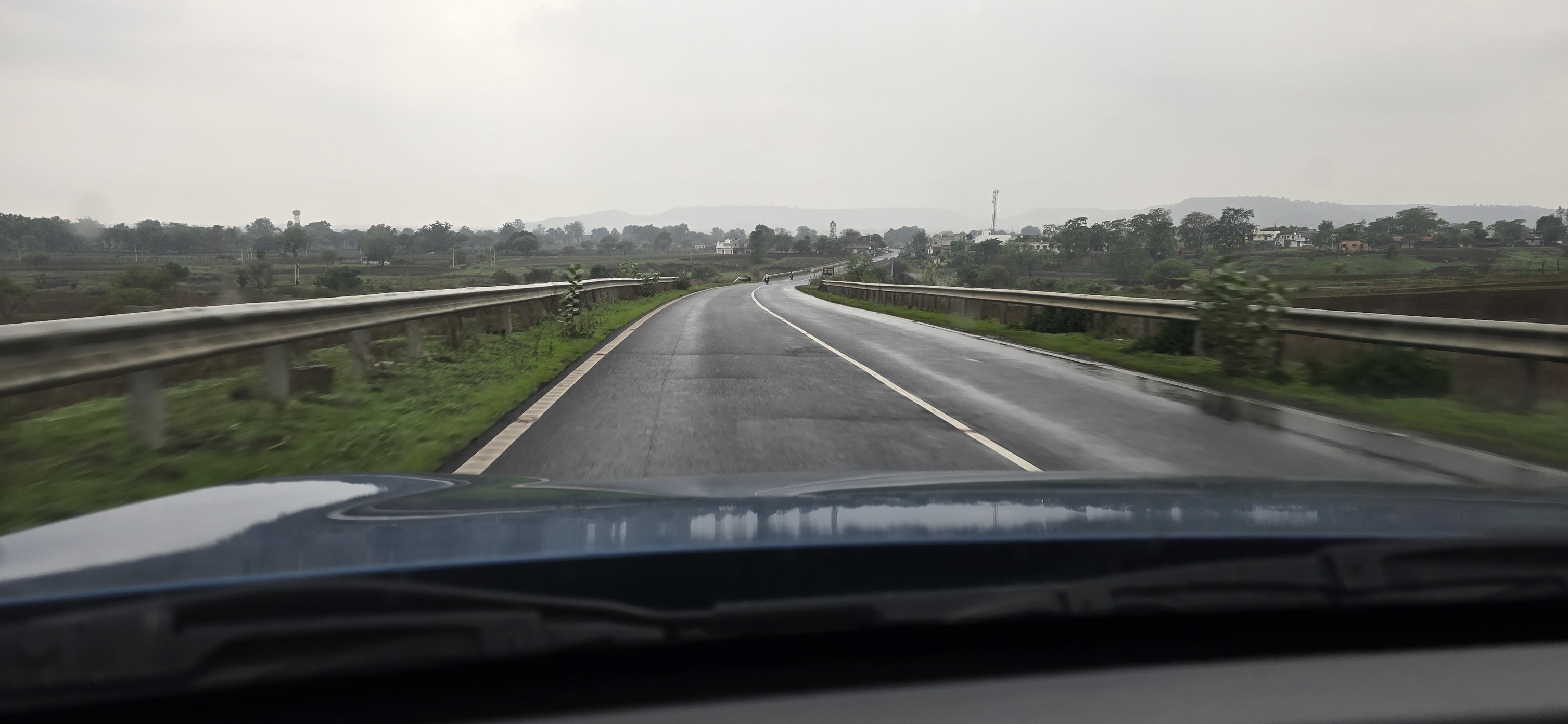
The road, winding across the ridges, leading to a village called Chacha Kota, affords a roller-coaster like ride with breathtaking views of the low rolling hills stretching to the horizon, as well as the islands in the reservoir. With overcast skies, you might even feel you’re gliding through the clouds.
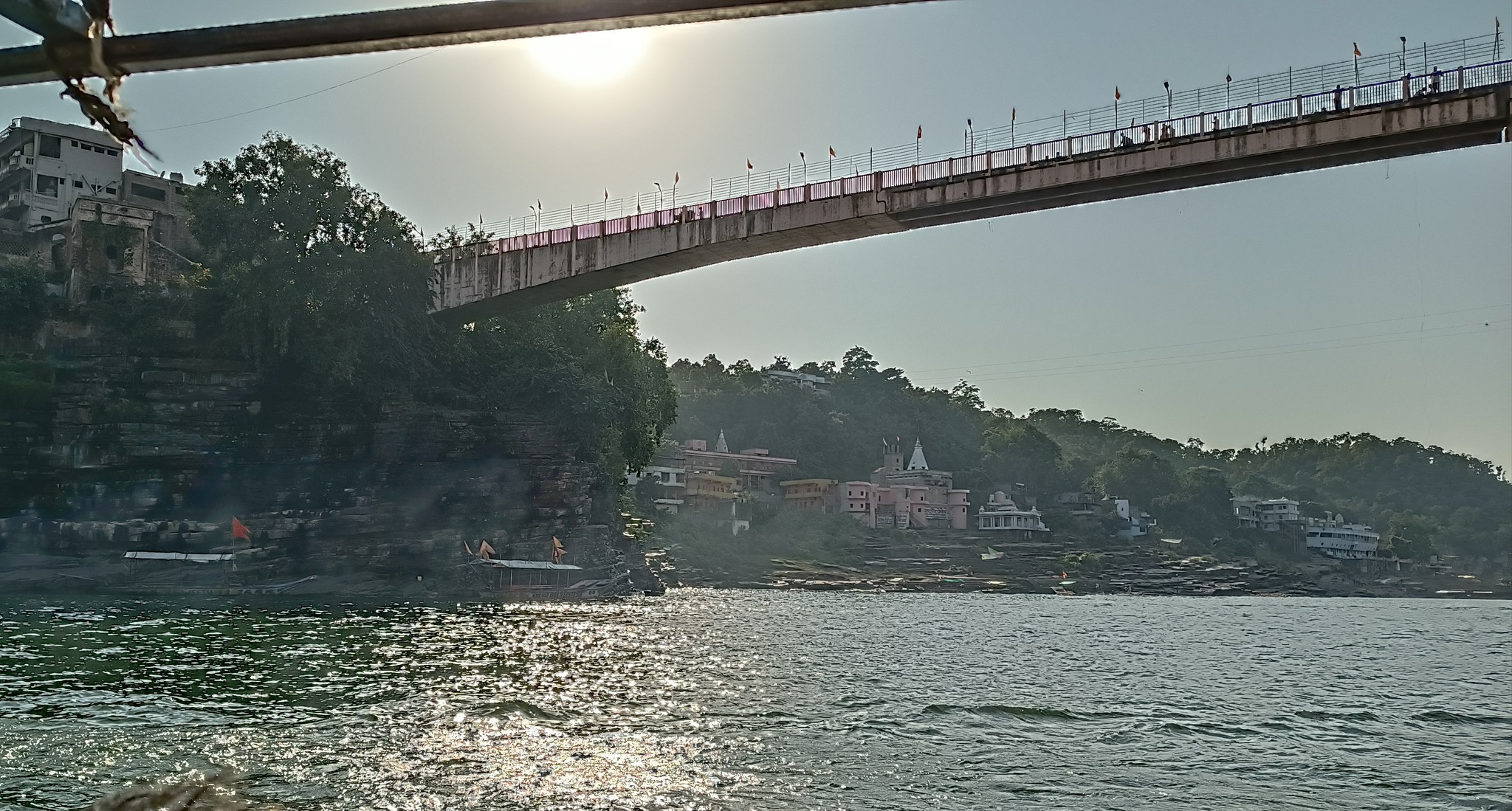
Another point of significance is the long Maharana Pratap Setu (Bridge) over the Mahi River on the road to Ratlam, where the Tropic of Cancer also passes through.
Arthuna

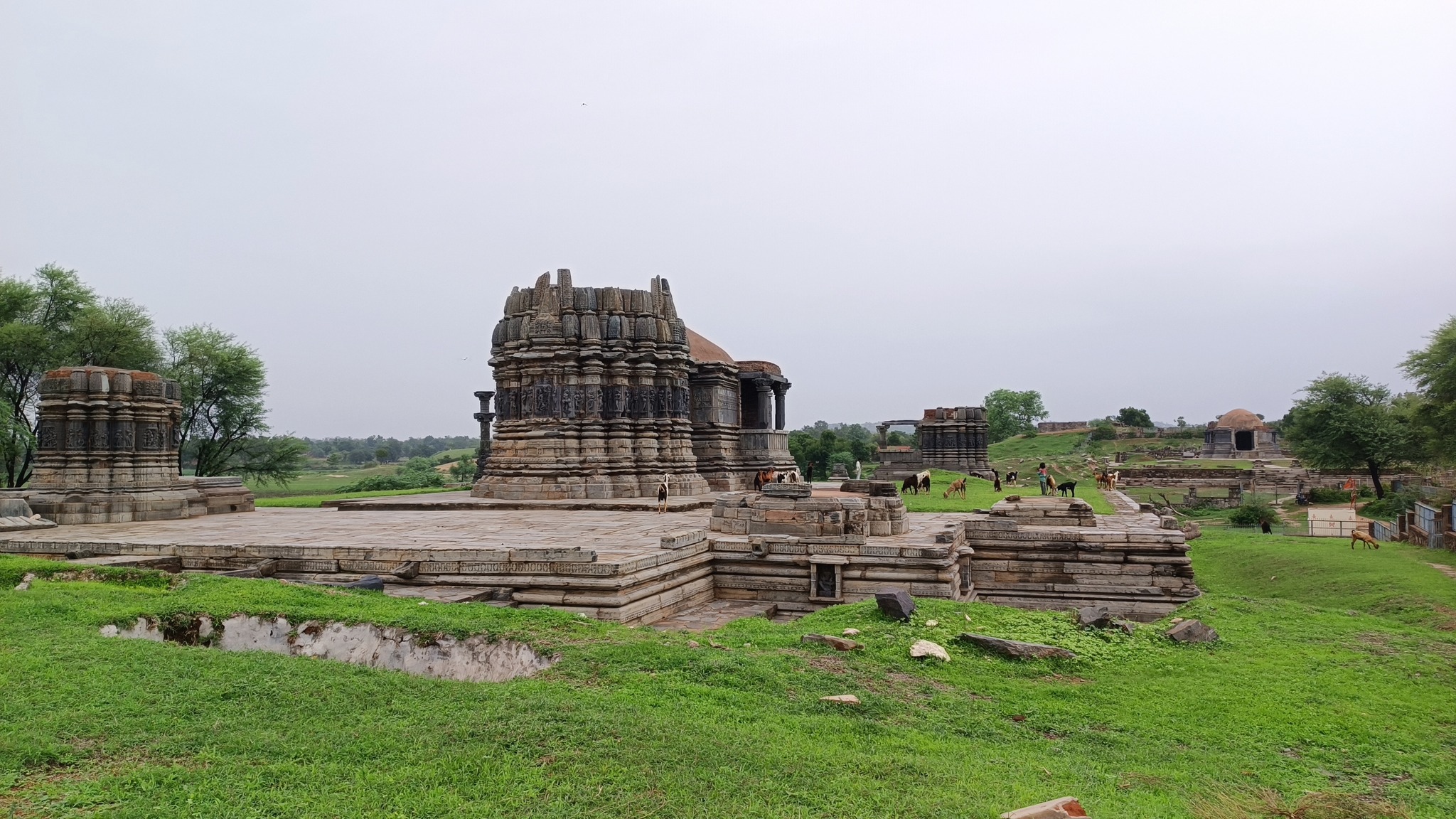
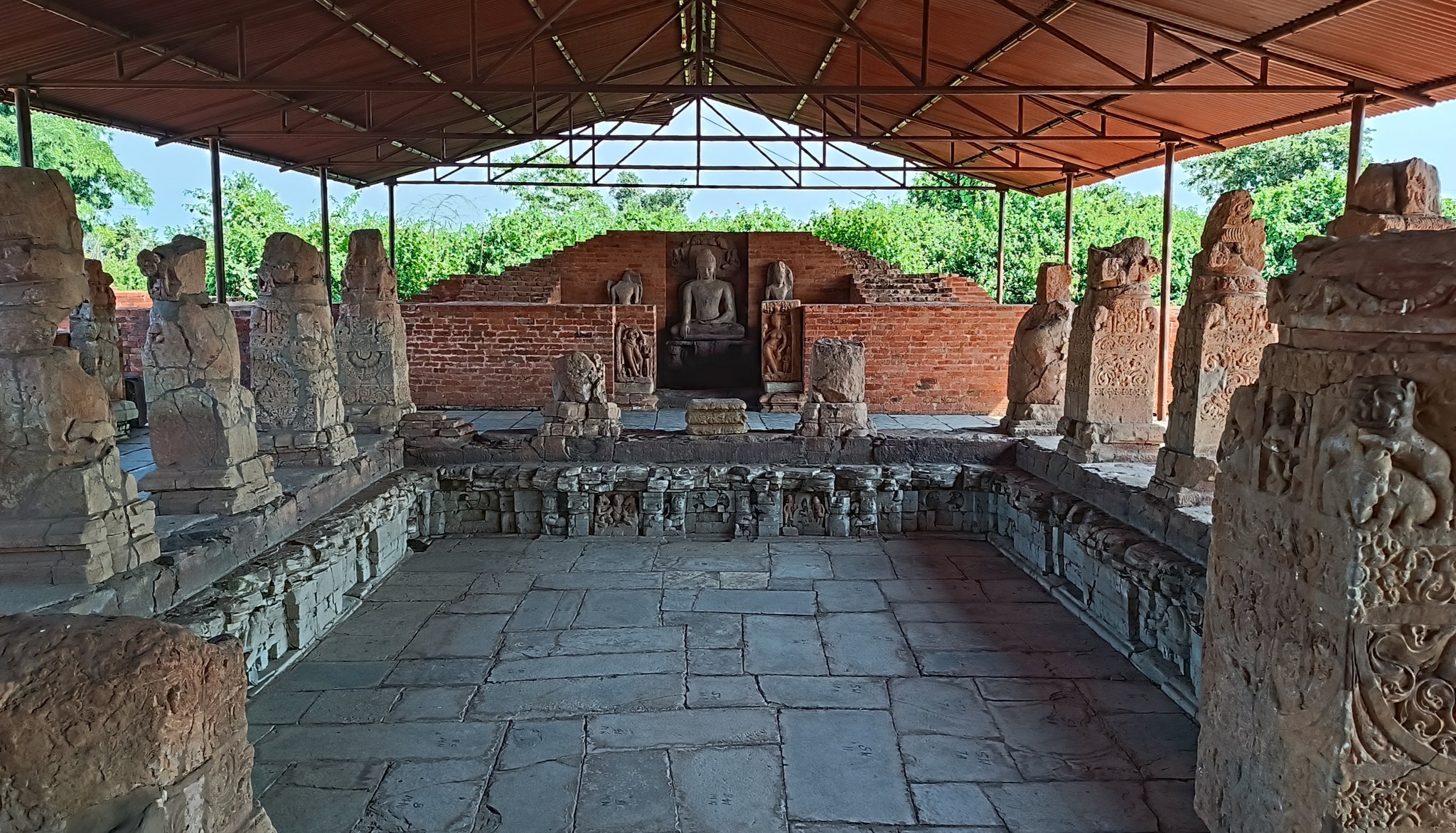
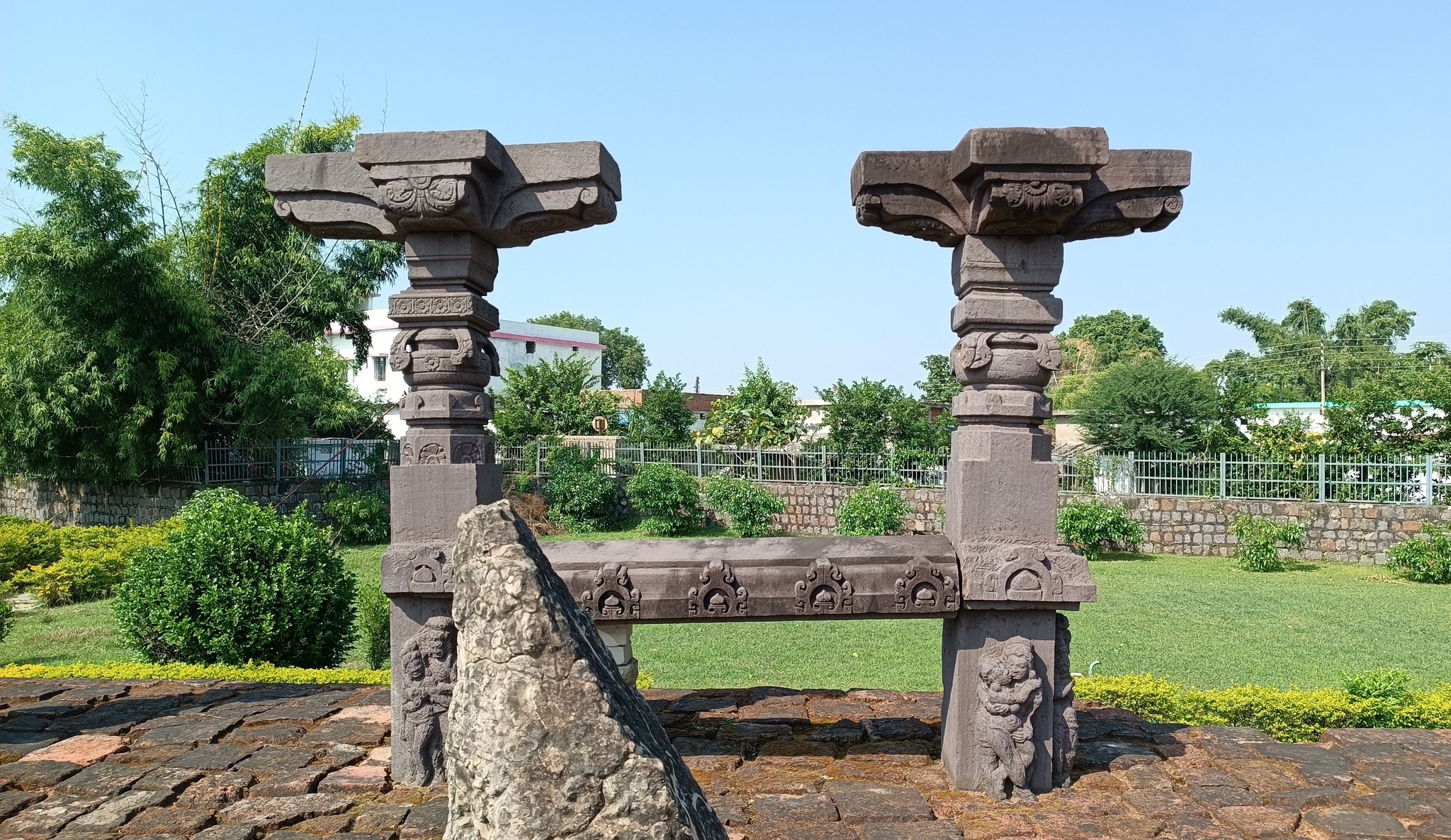
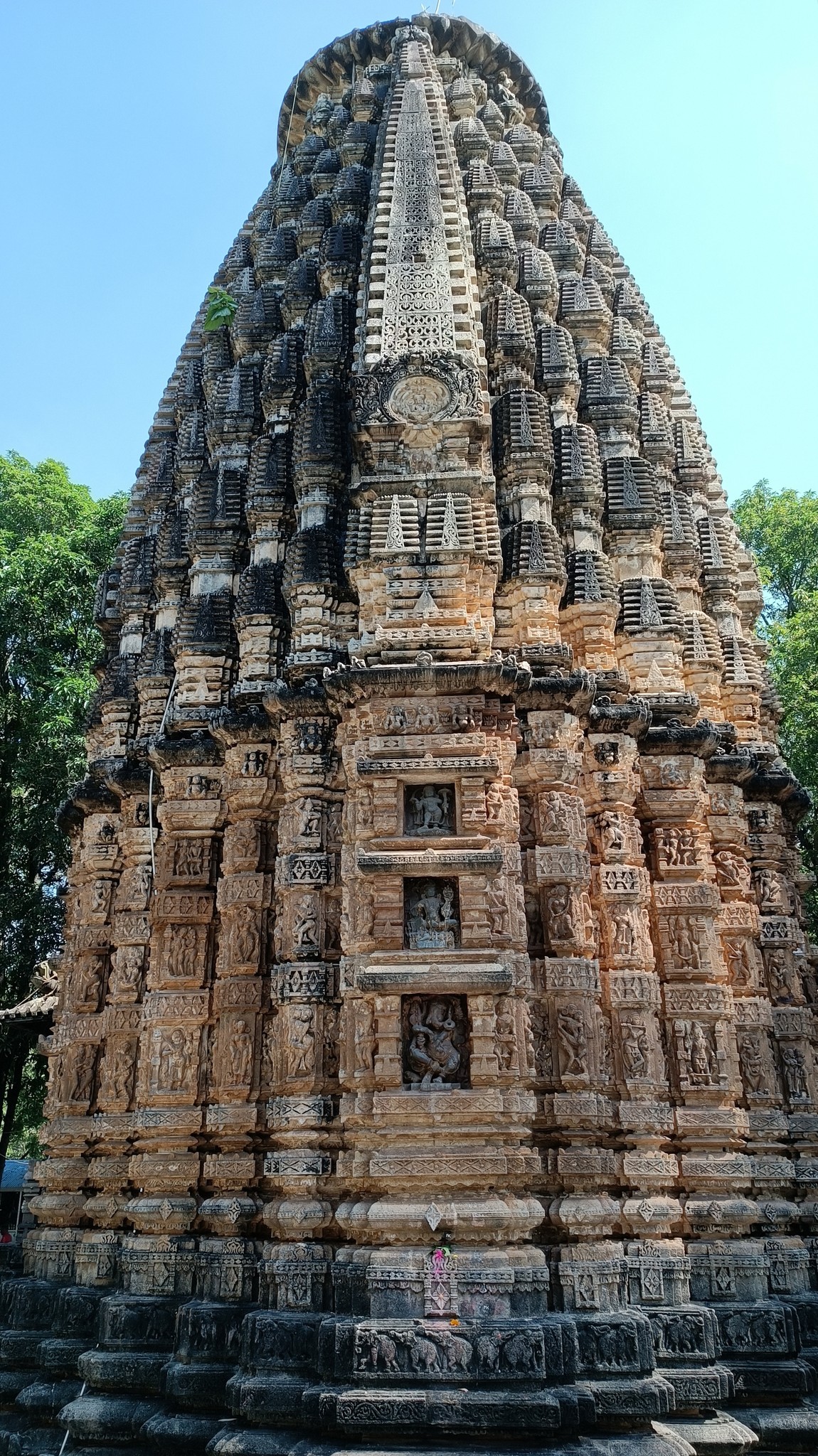
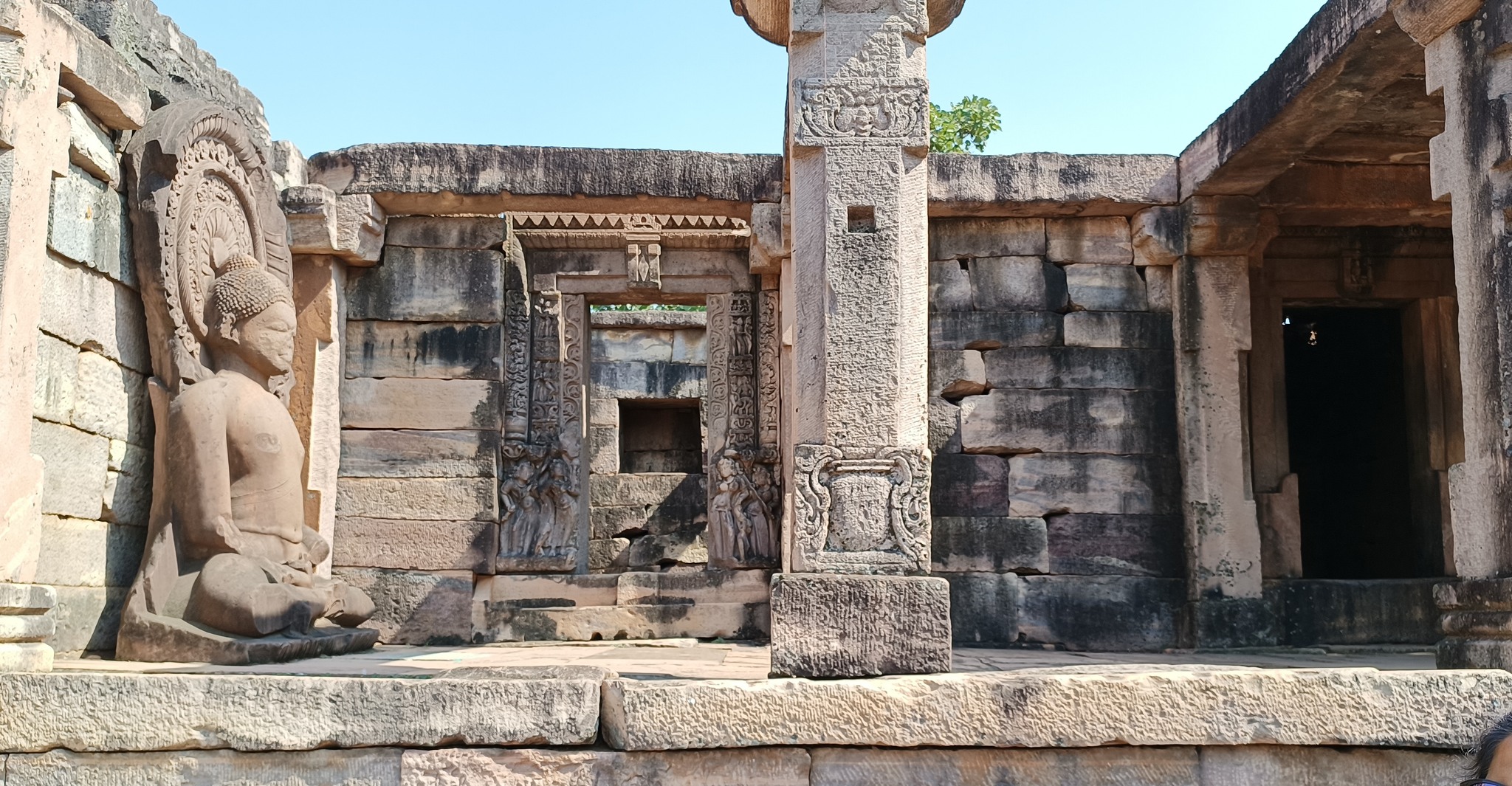
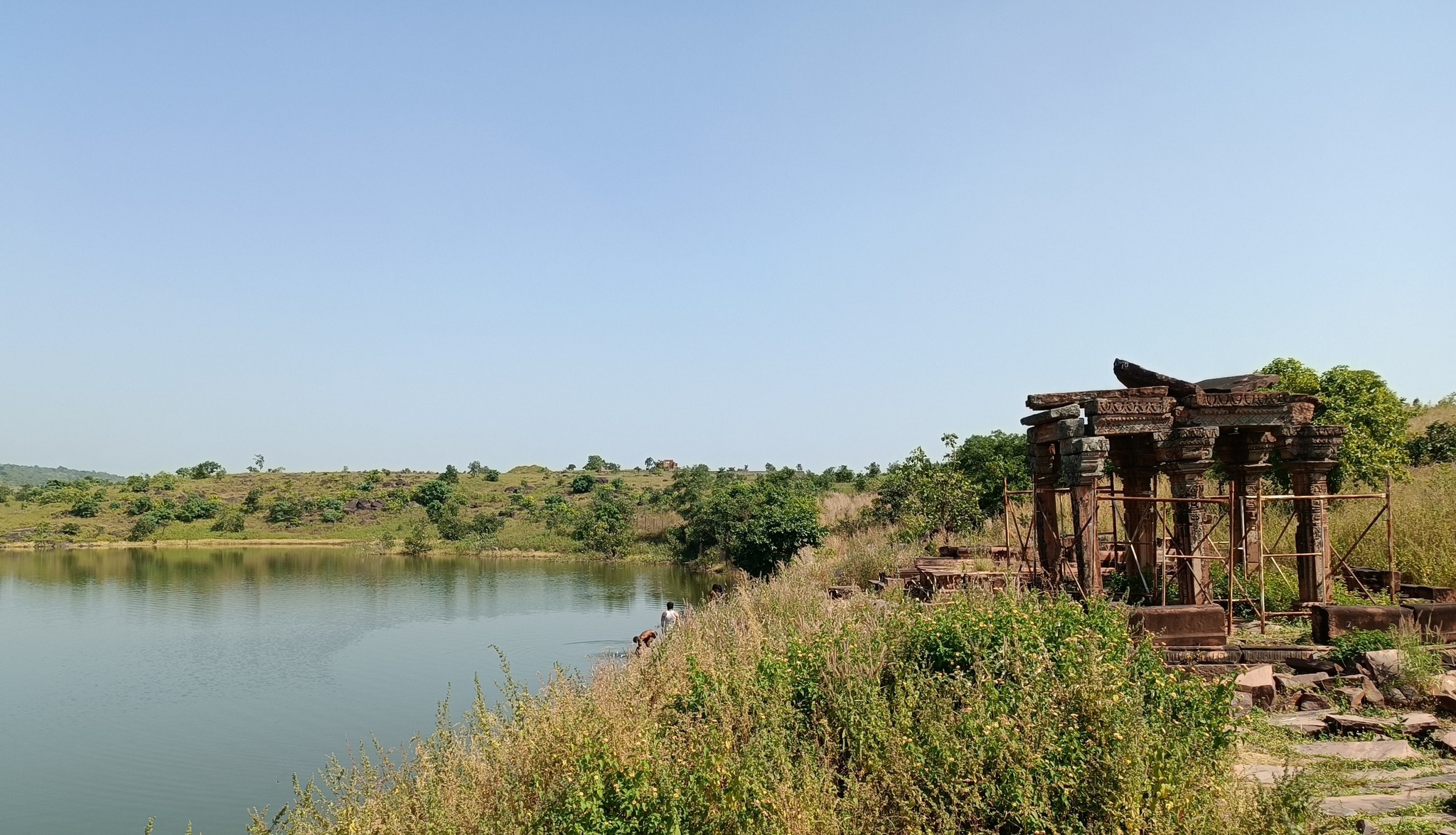
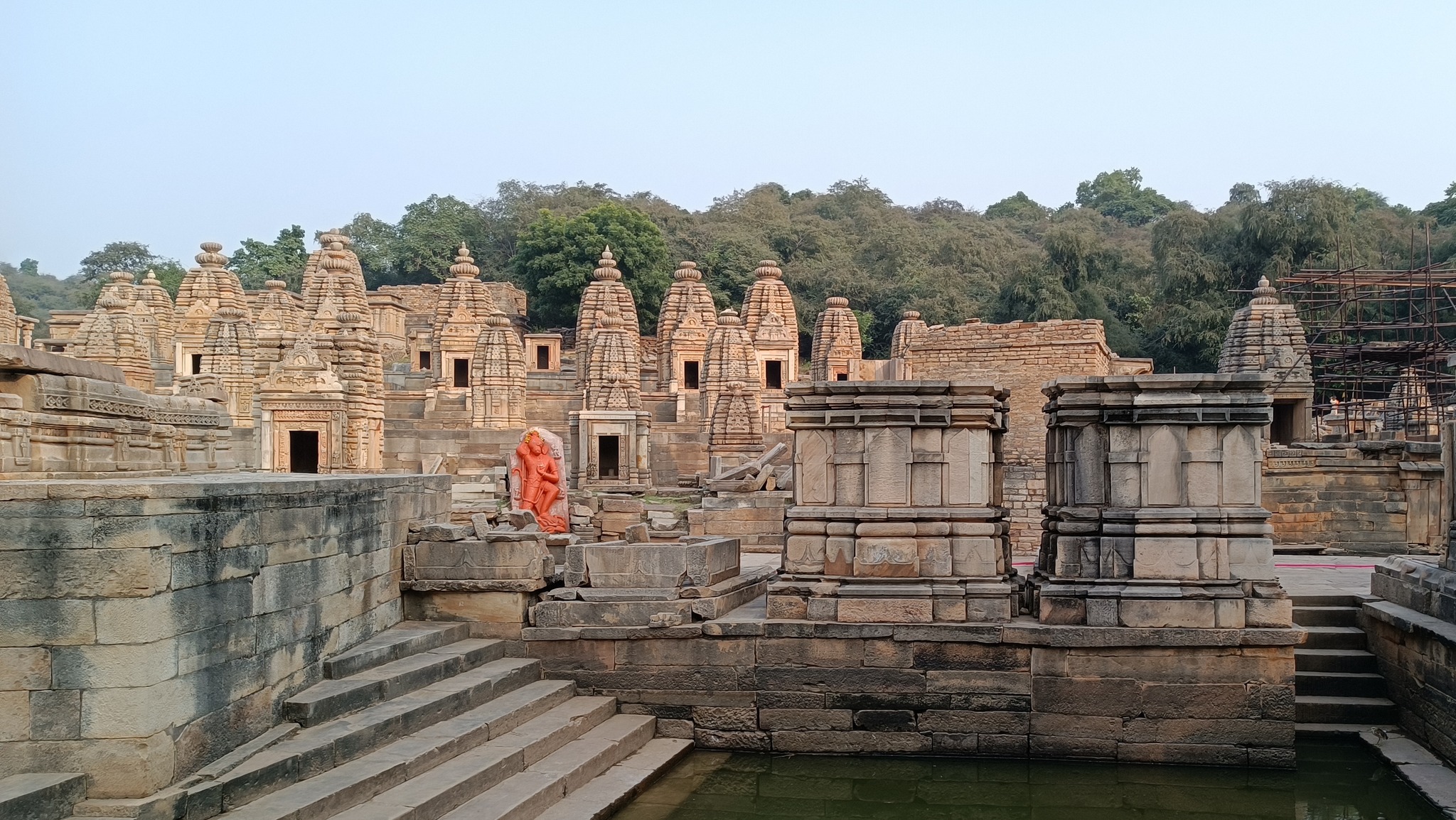
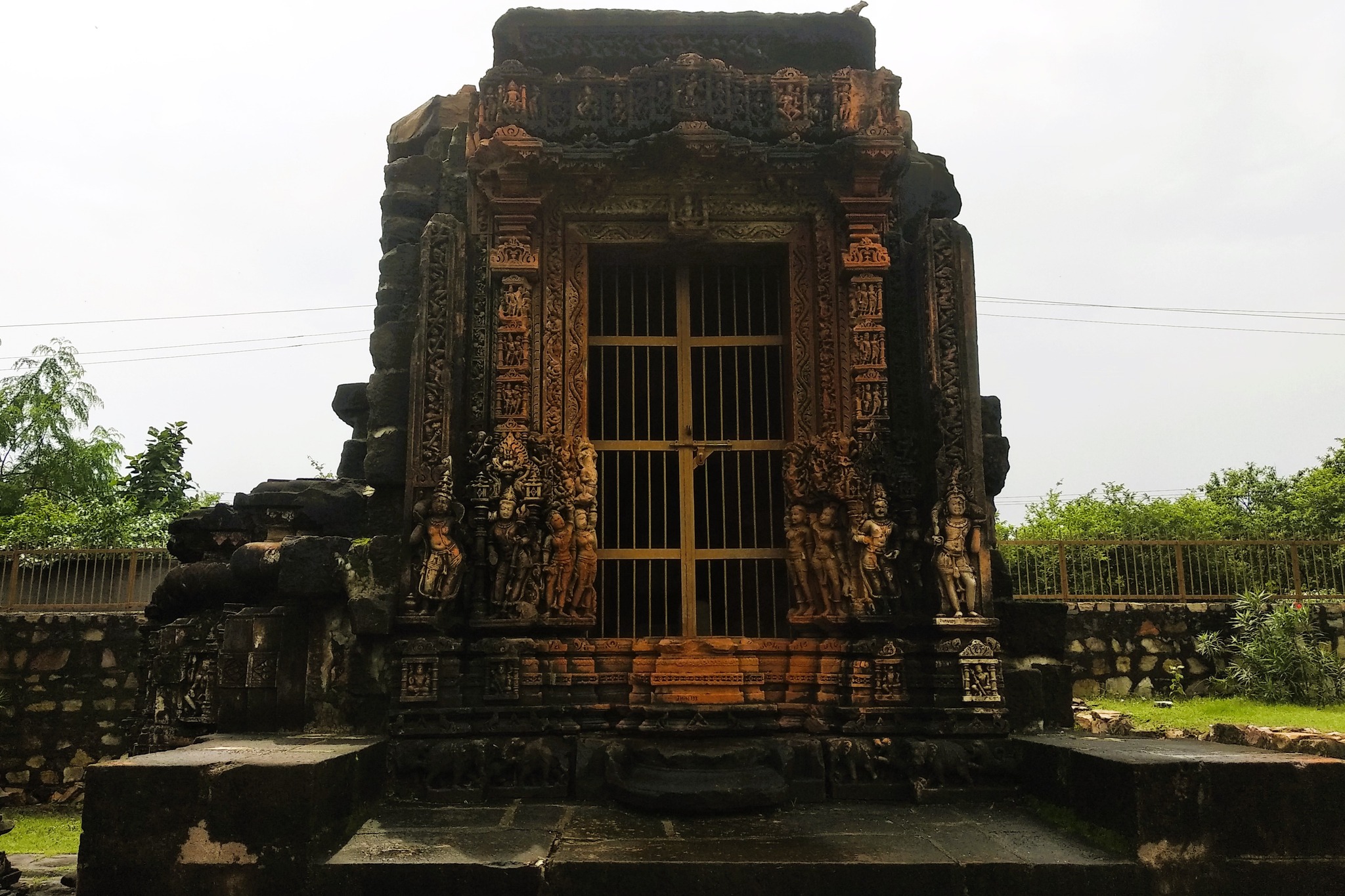
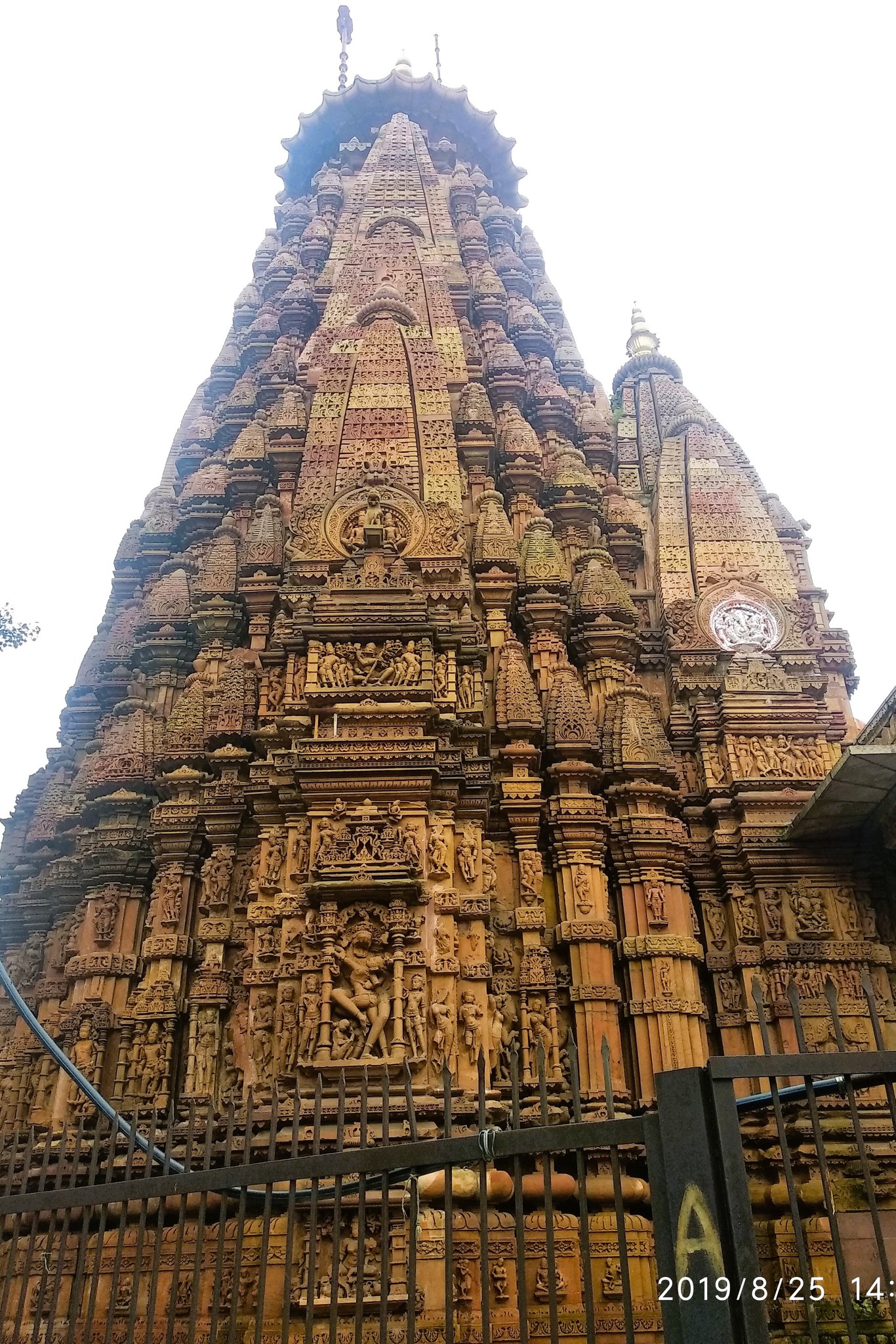
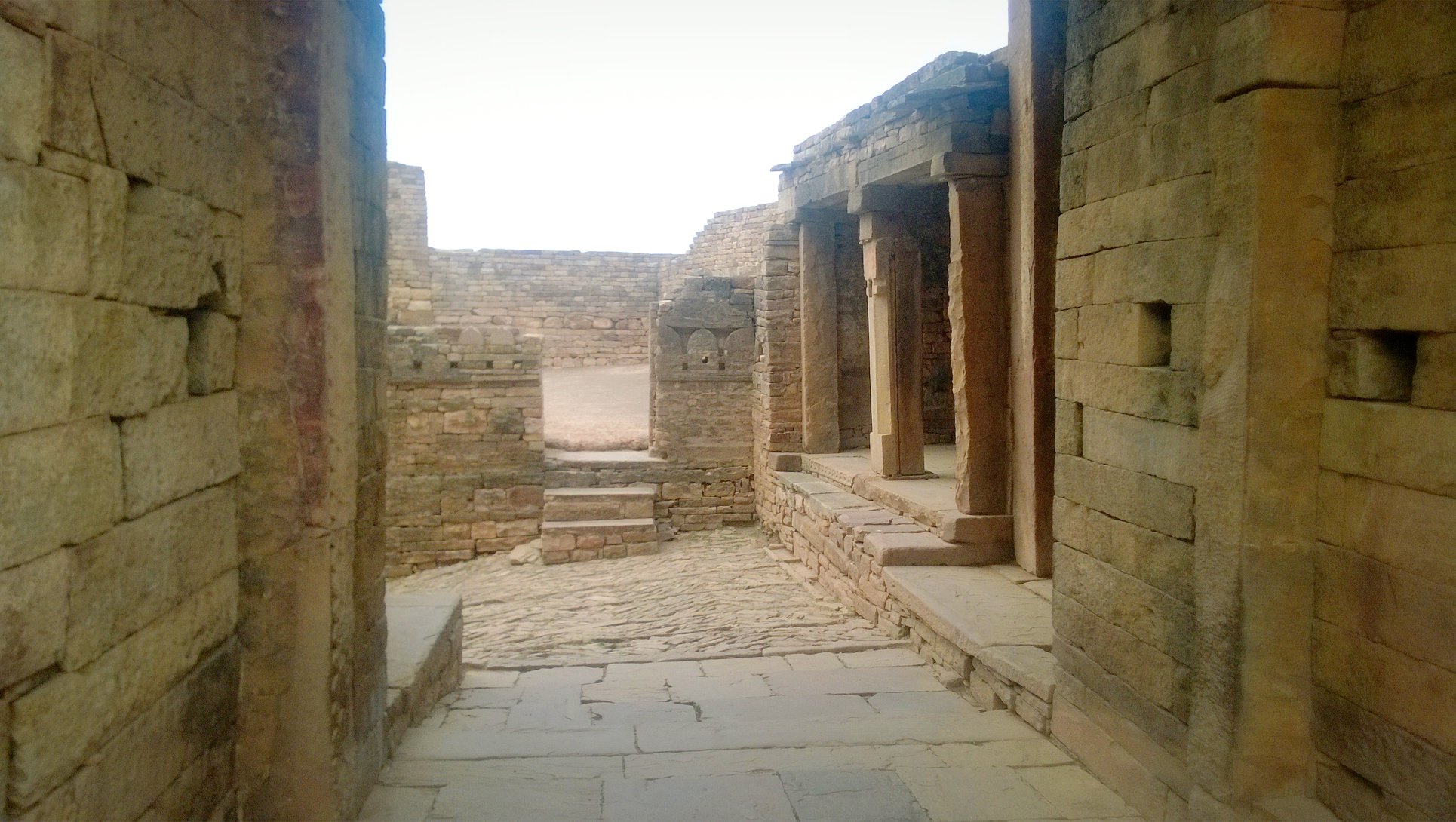
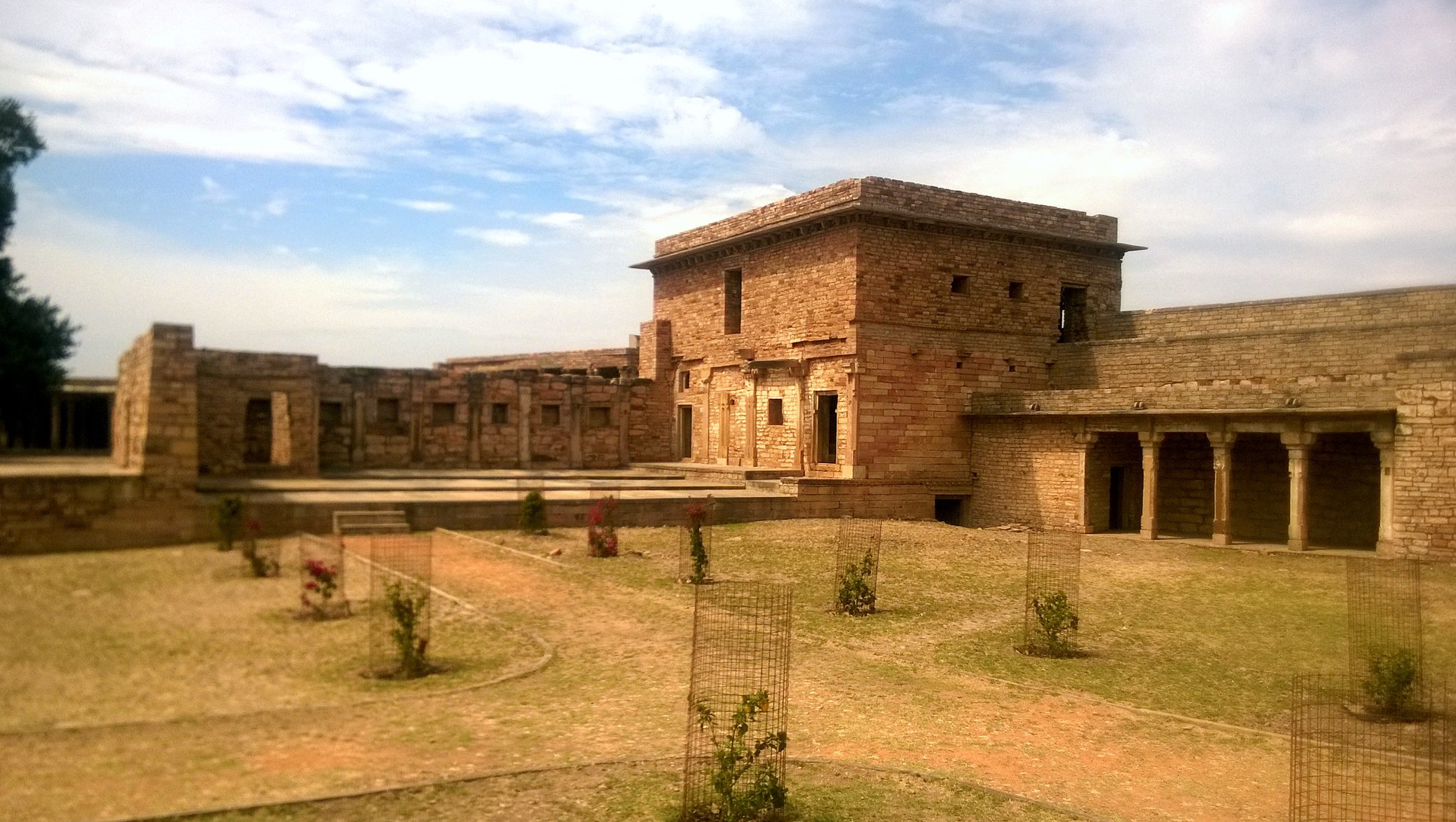
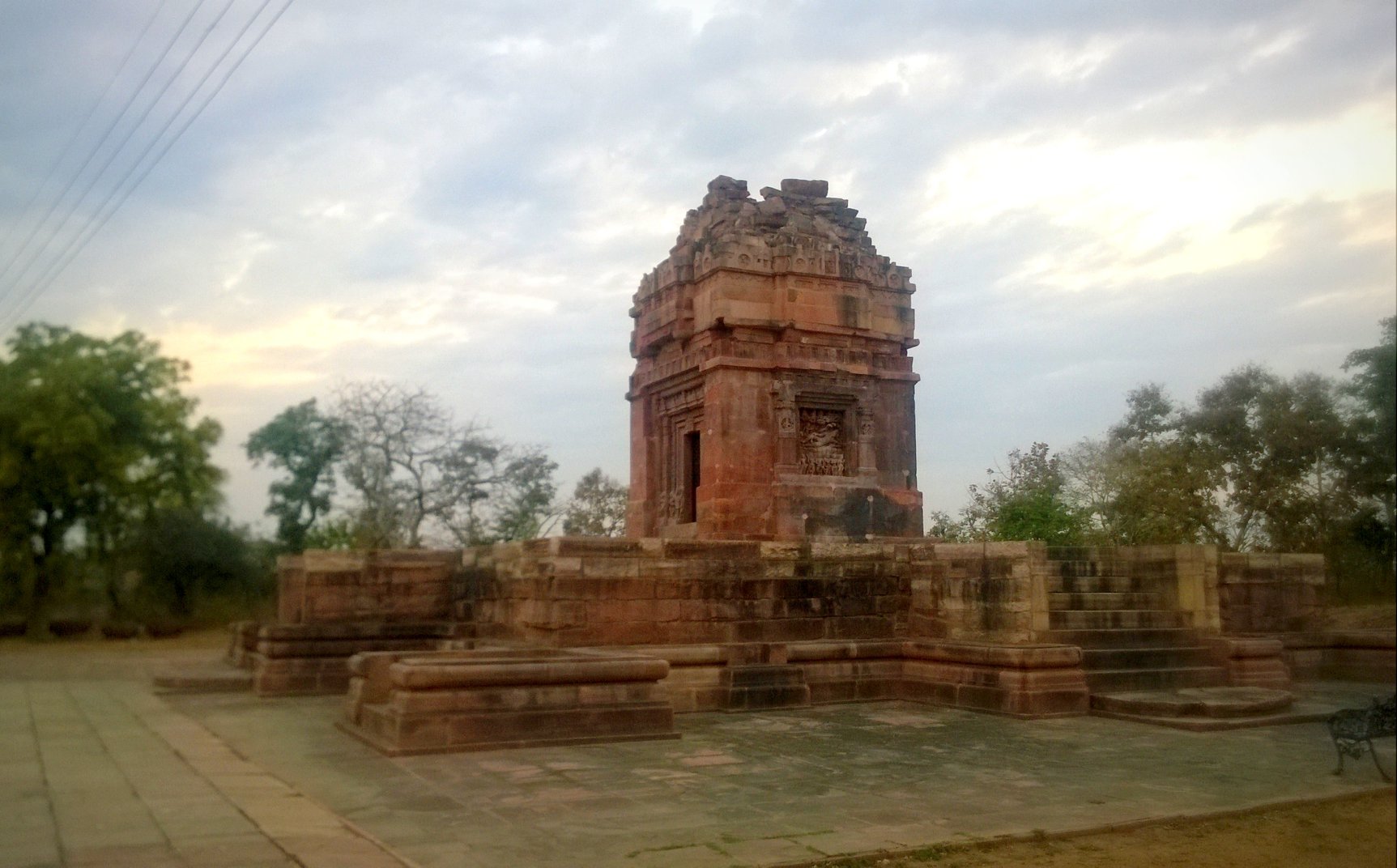
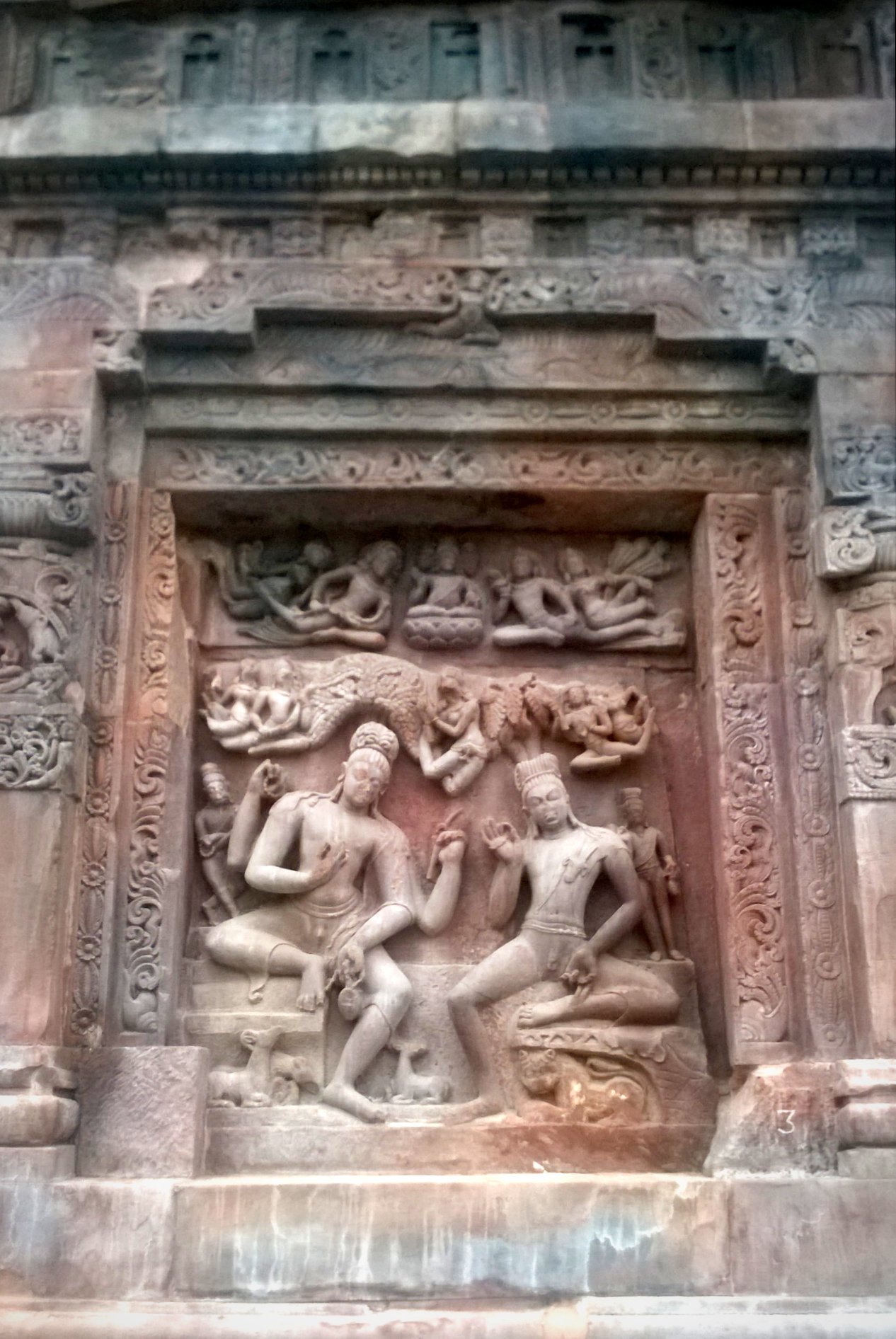
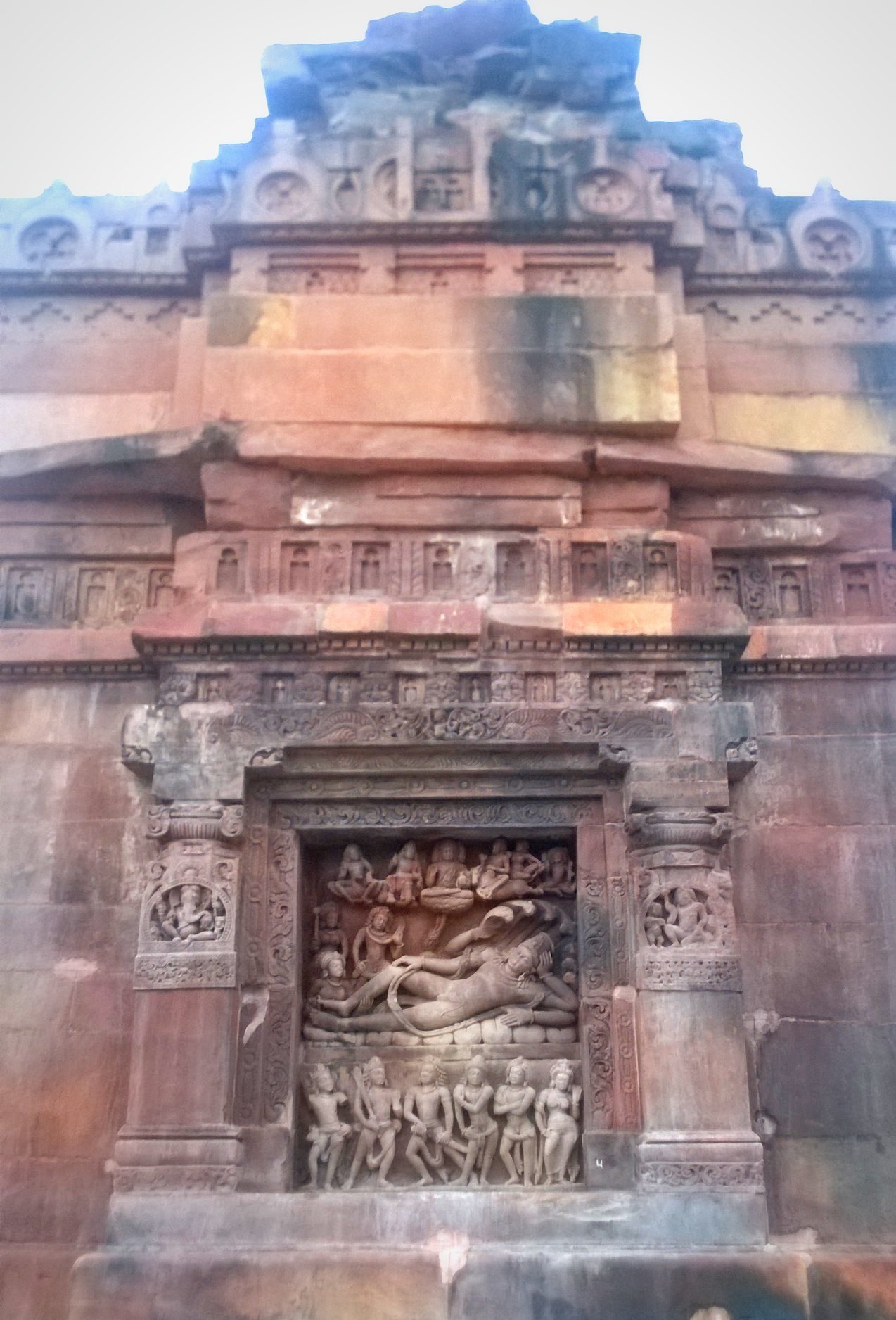
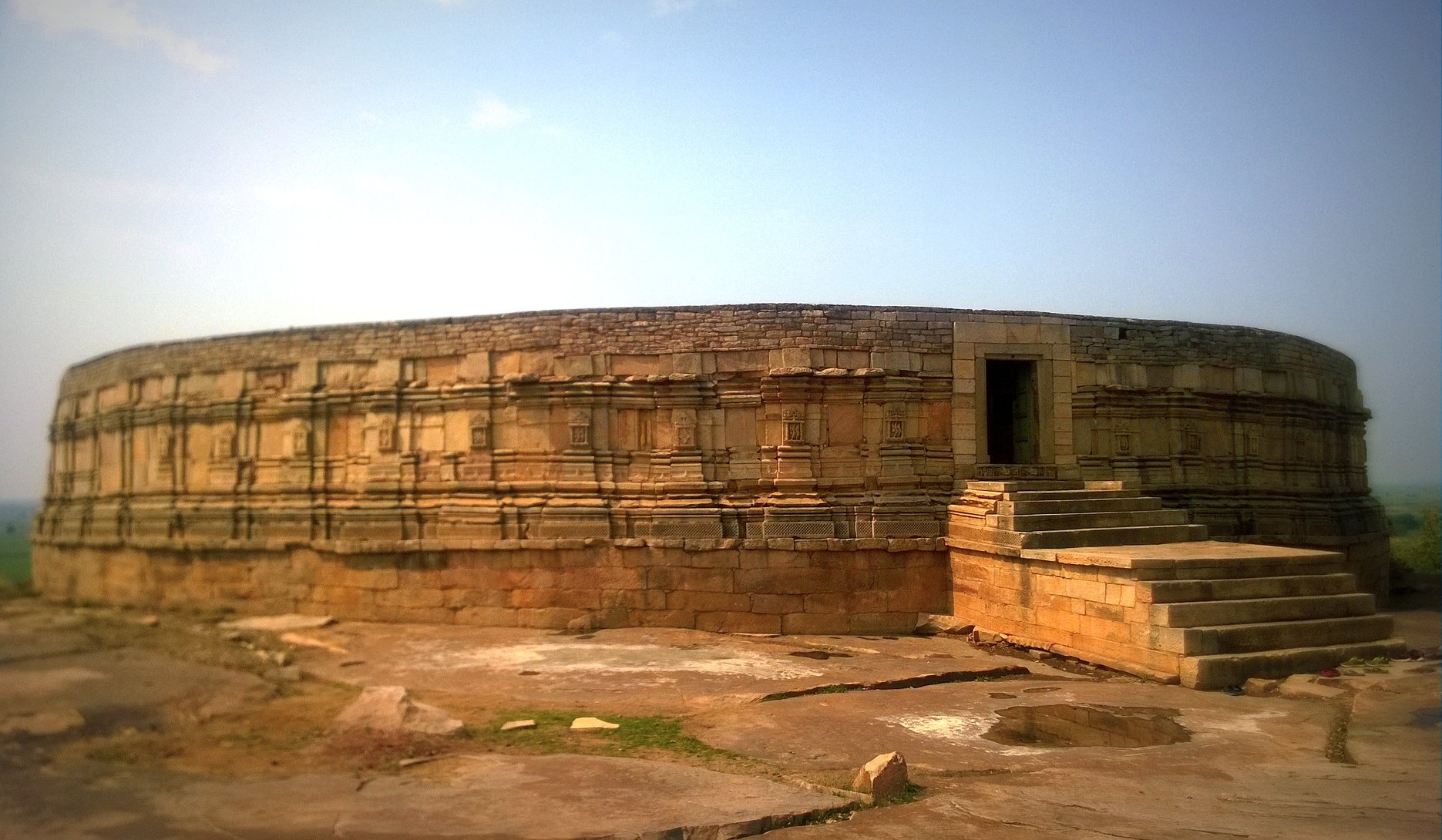
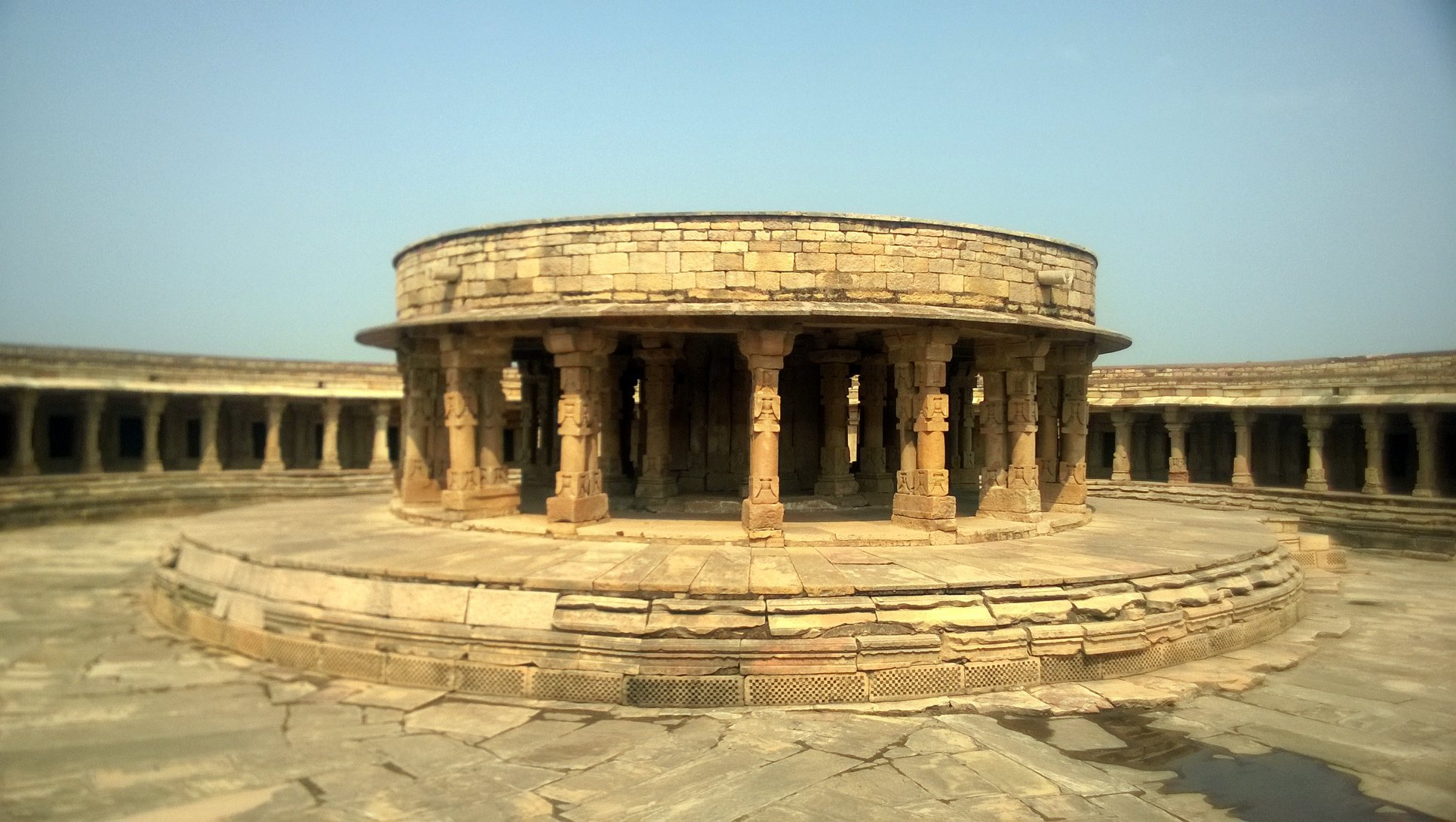
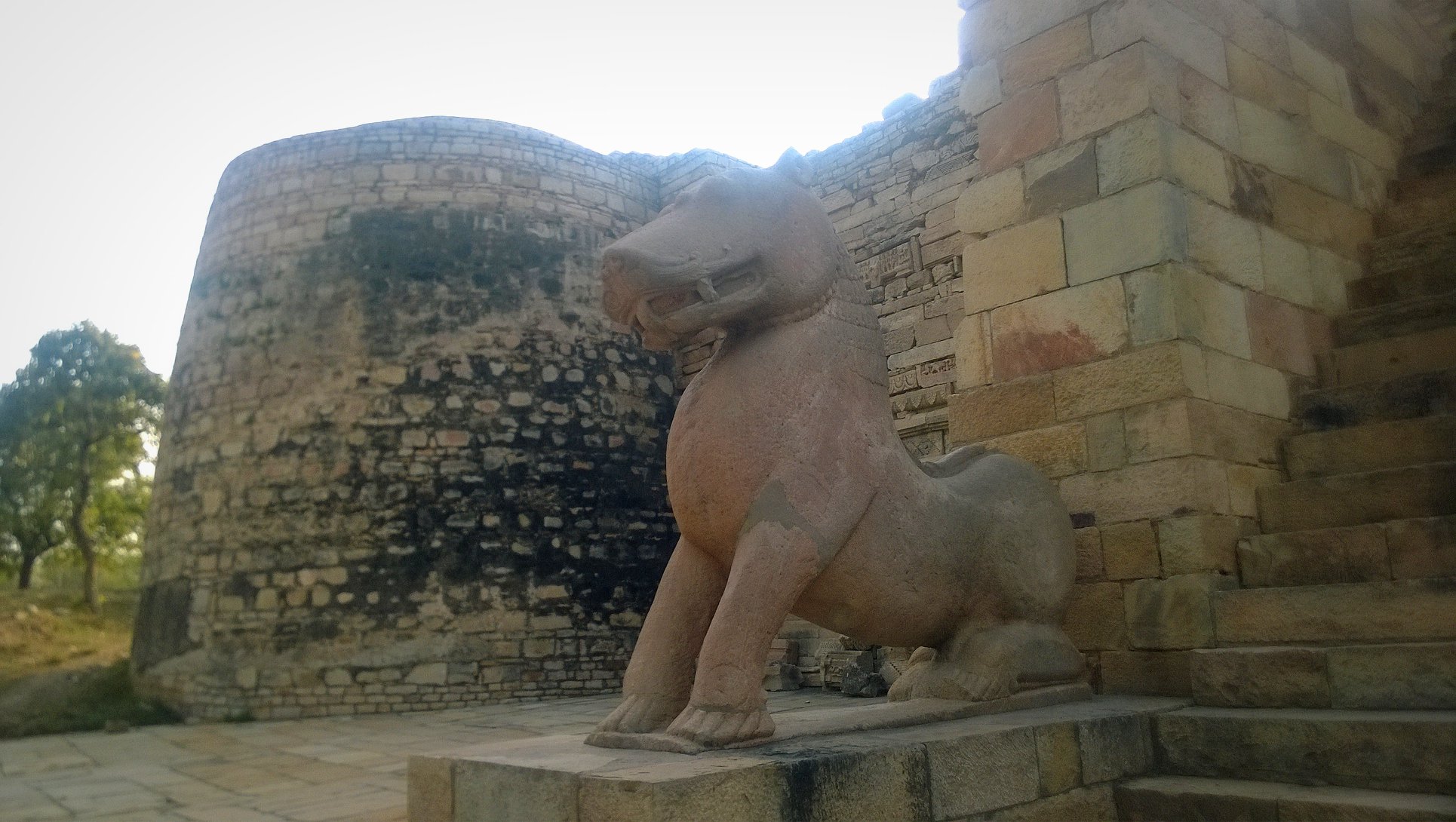
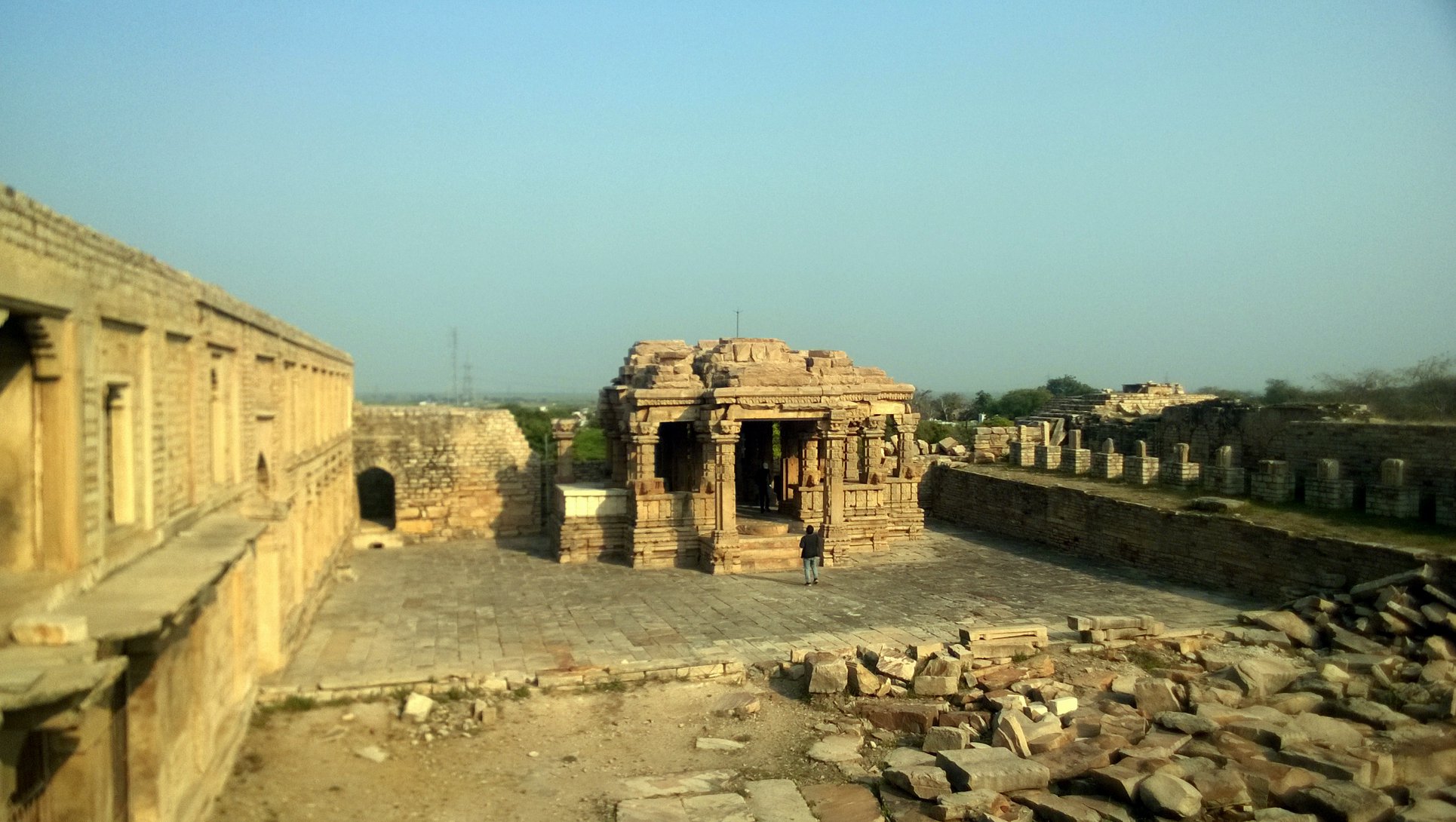
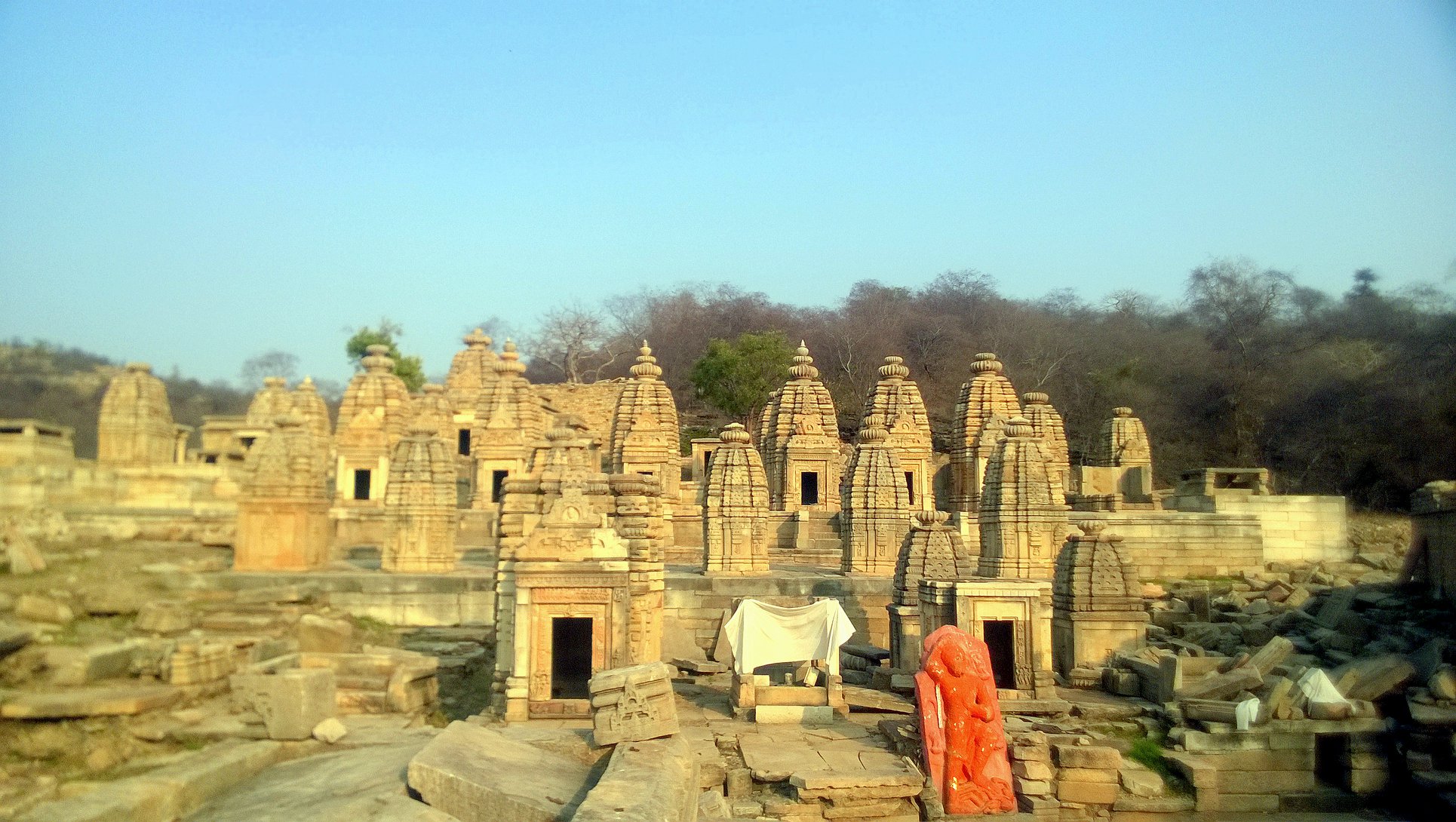
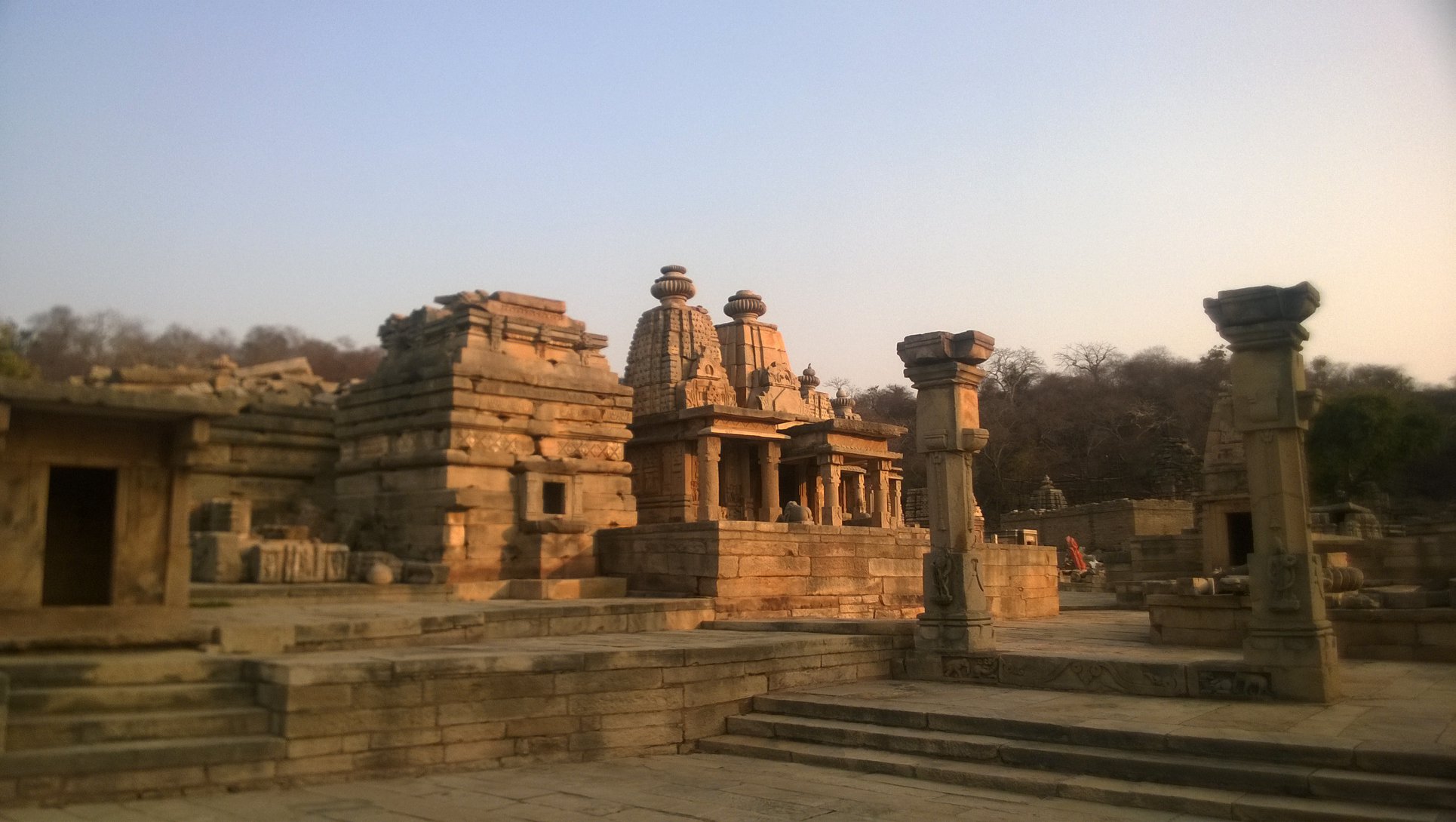
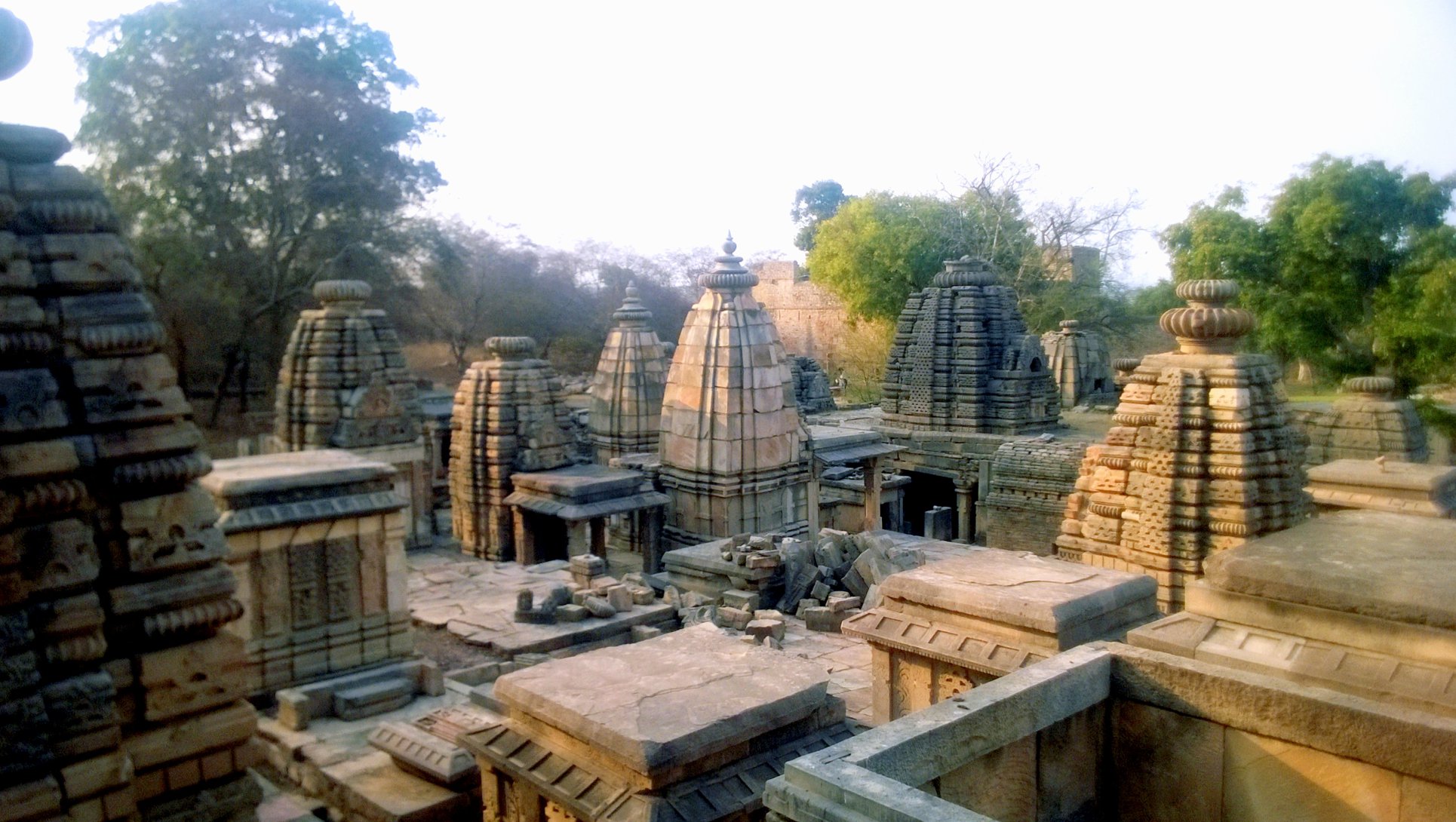
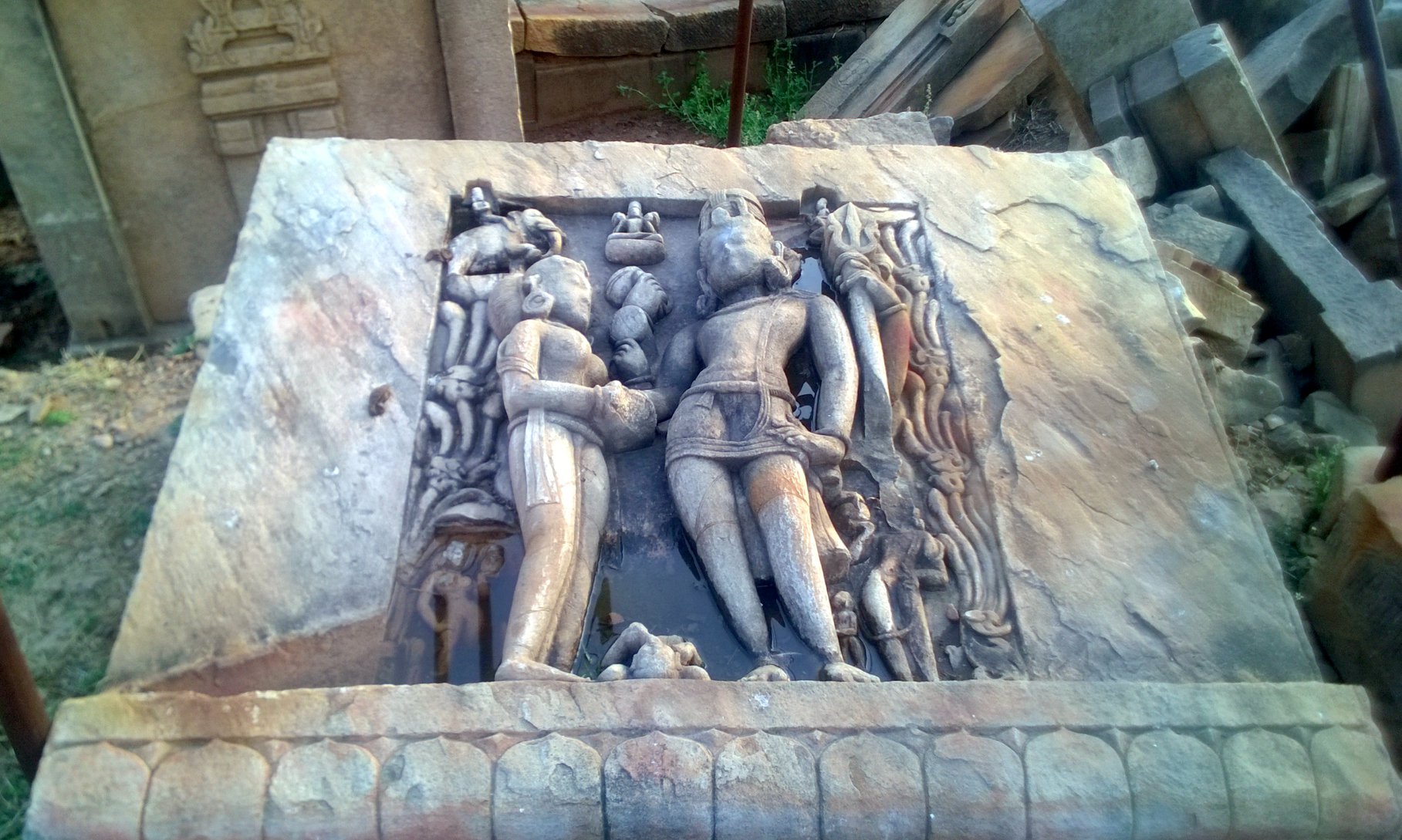
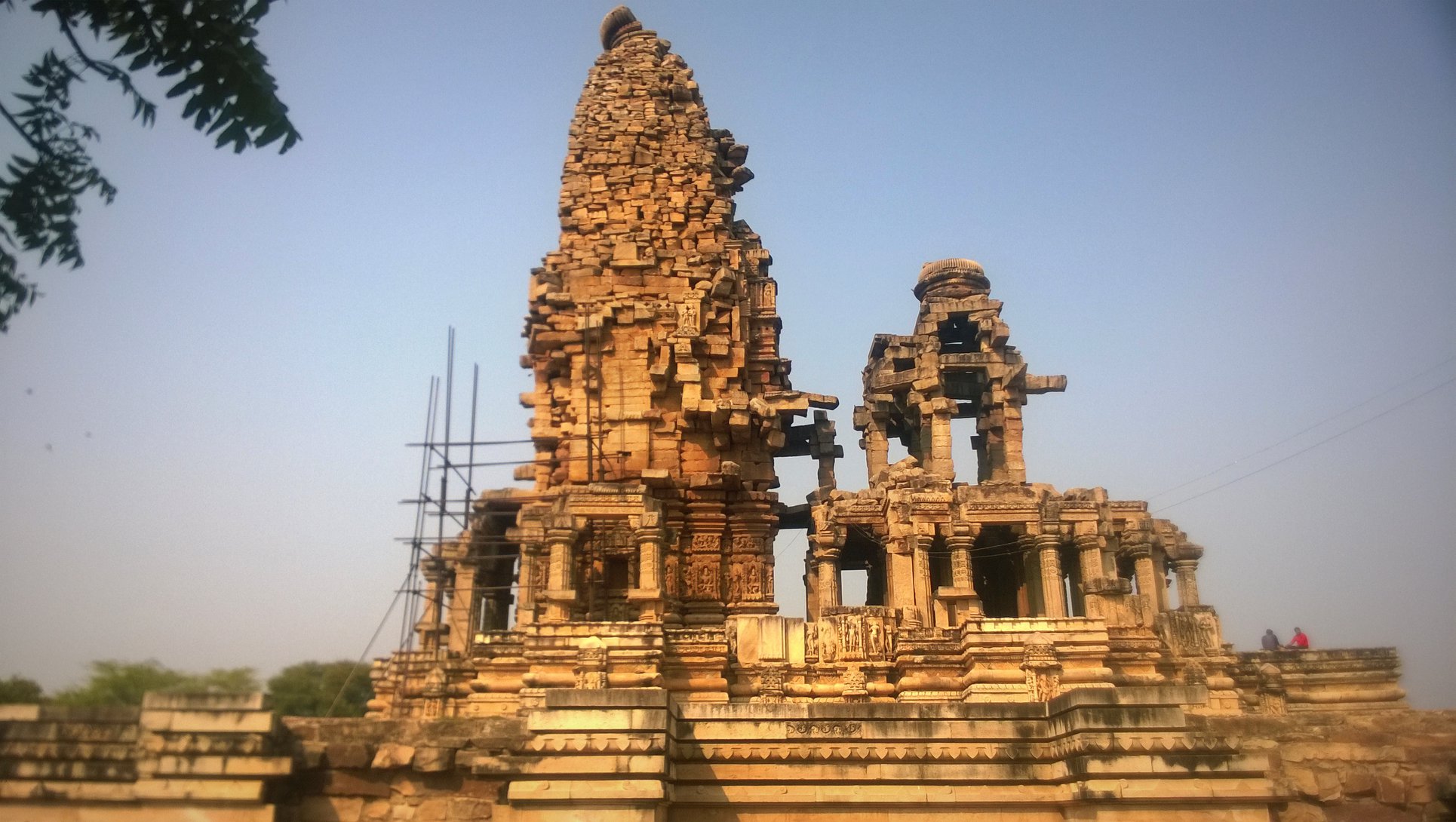
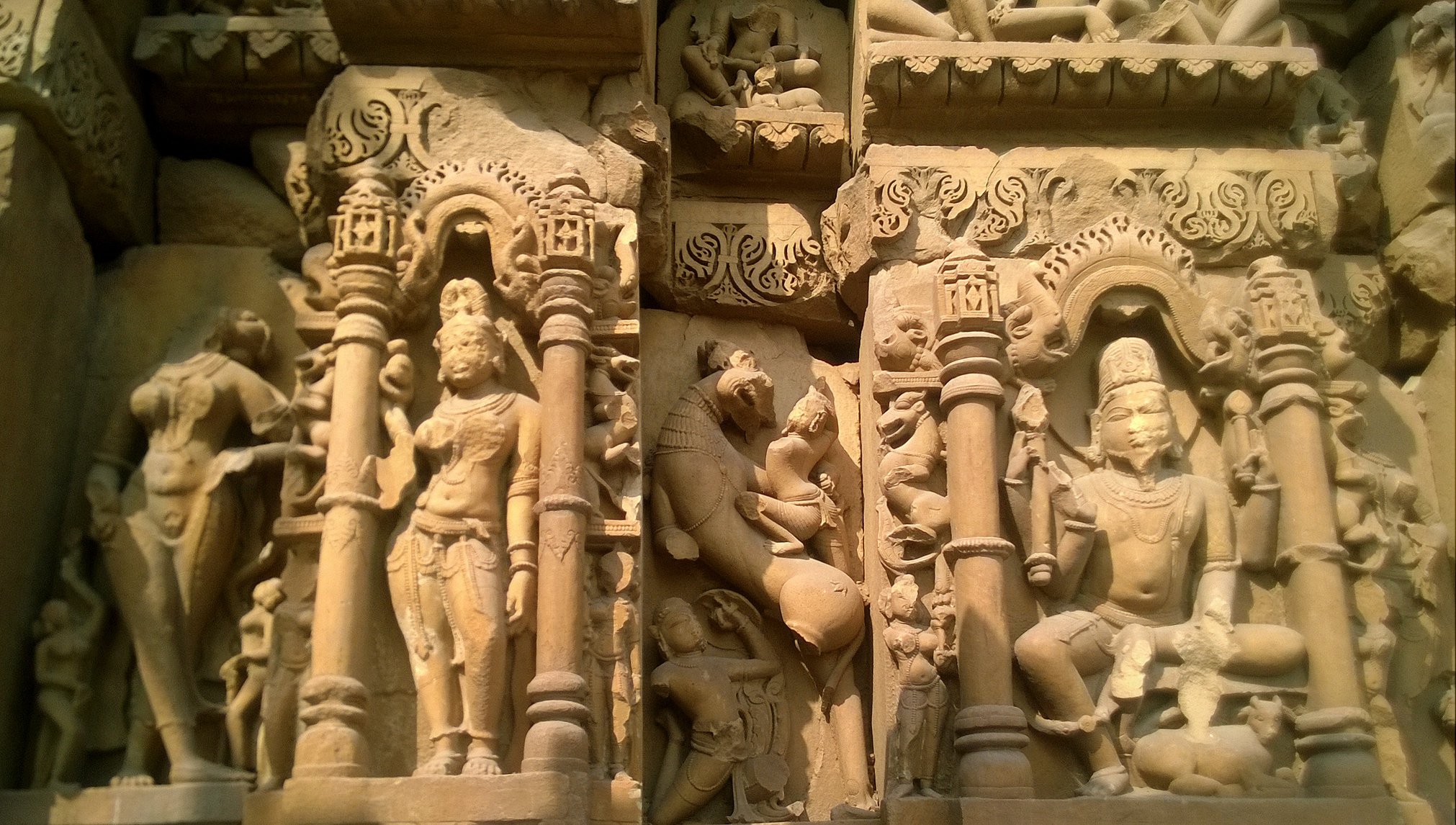
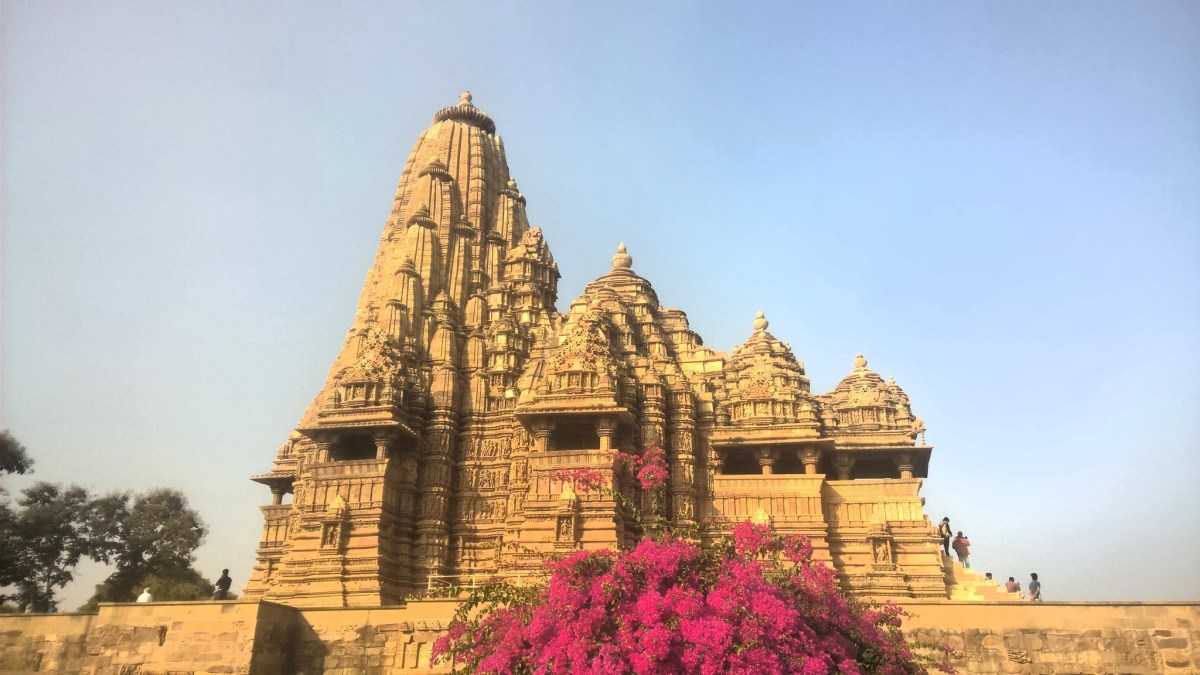
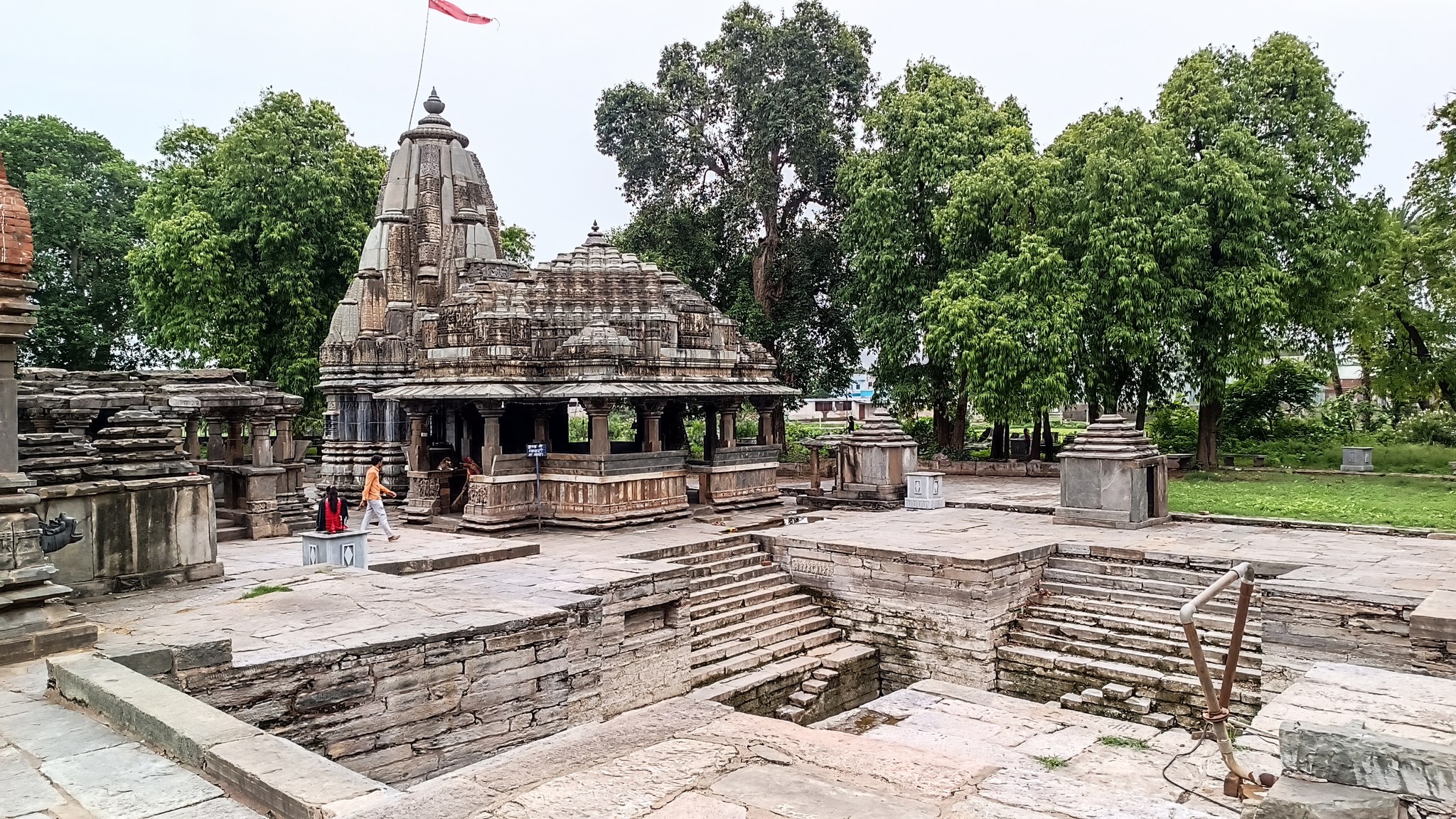
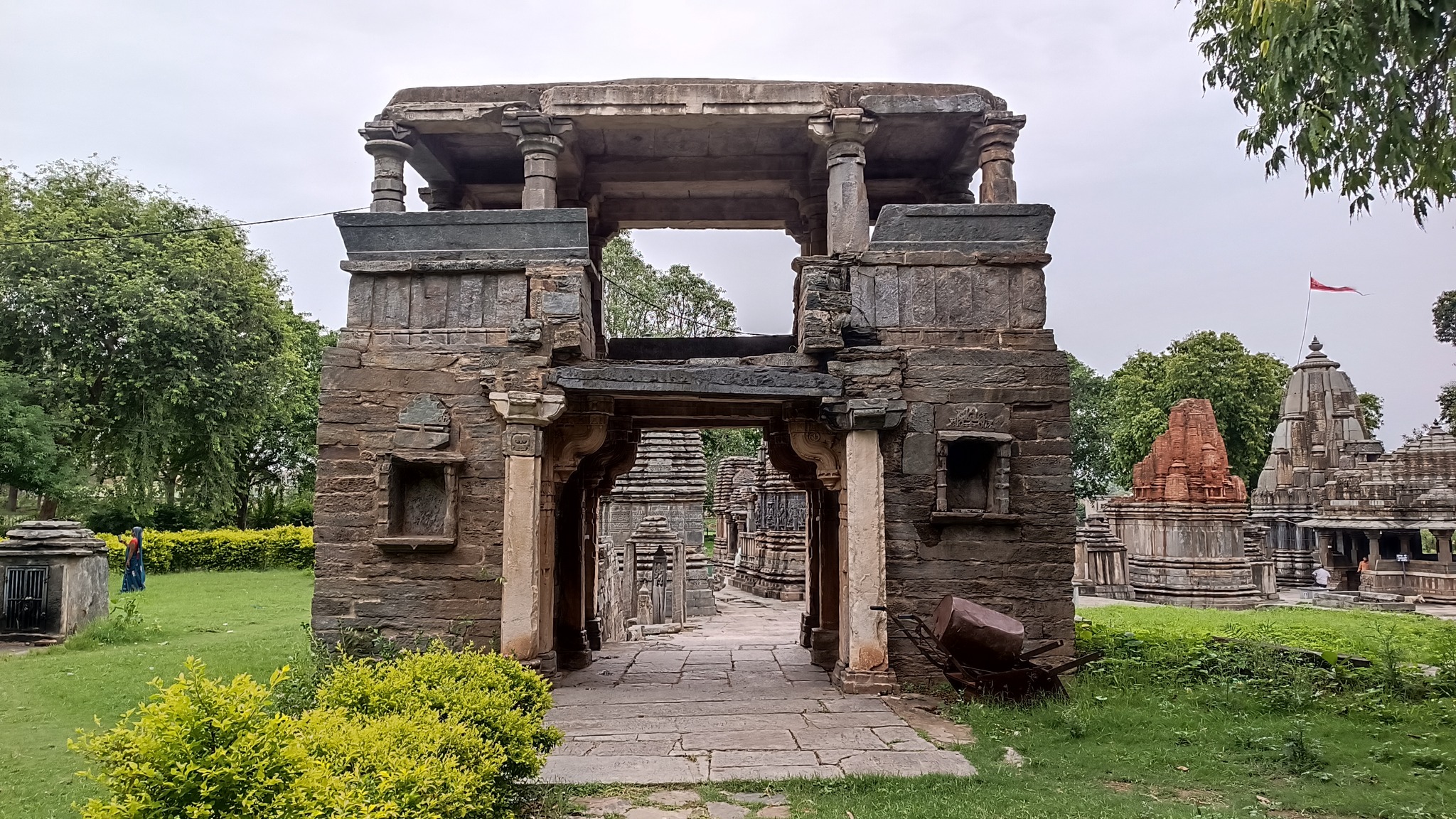
Arthuna, also called Utthunaka, the capital of the Paramaras of Vagad in the 11th-12 century AD, was an important commercial centre at the time. Home to a complex containing multiple temples, from the same period, dedicated to Shiva, and a stepped tank. What is interesting is that outside this complex, there are ruins of even larger temples, and several mounds probably concealing even more structures.
Nathdwara

Home to the temple of Shrinathji, an infant form of Krishna.

Ranakpur

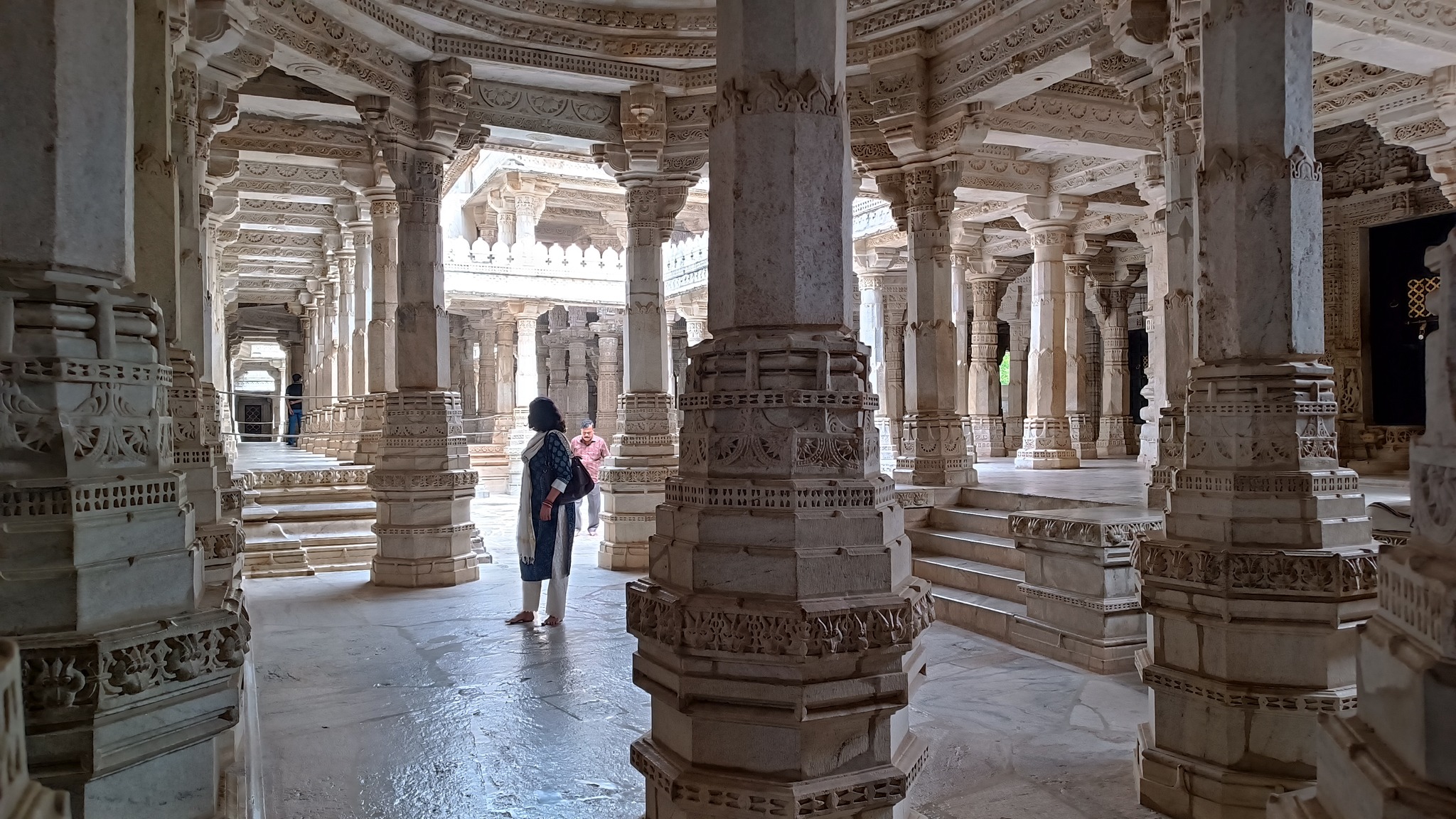
A 15th century Jain temple built entirely in marble sits majestically in the jungle at the Aravalli foothills. I would put this temple alongside the Taj Mahal as a mediaeval wonder of India.

Kumbhalgarh

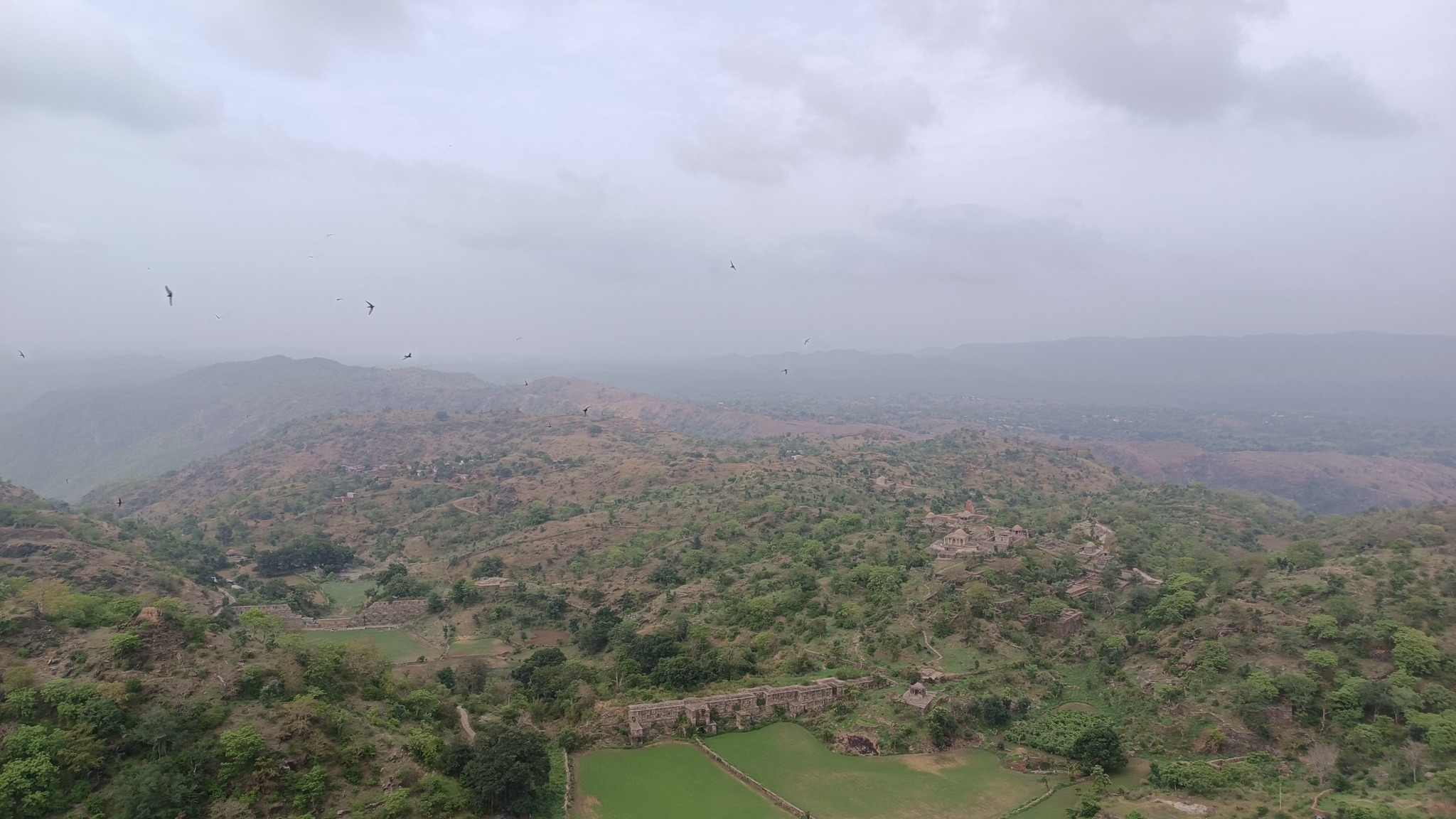
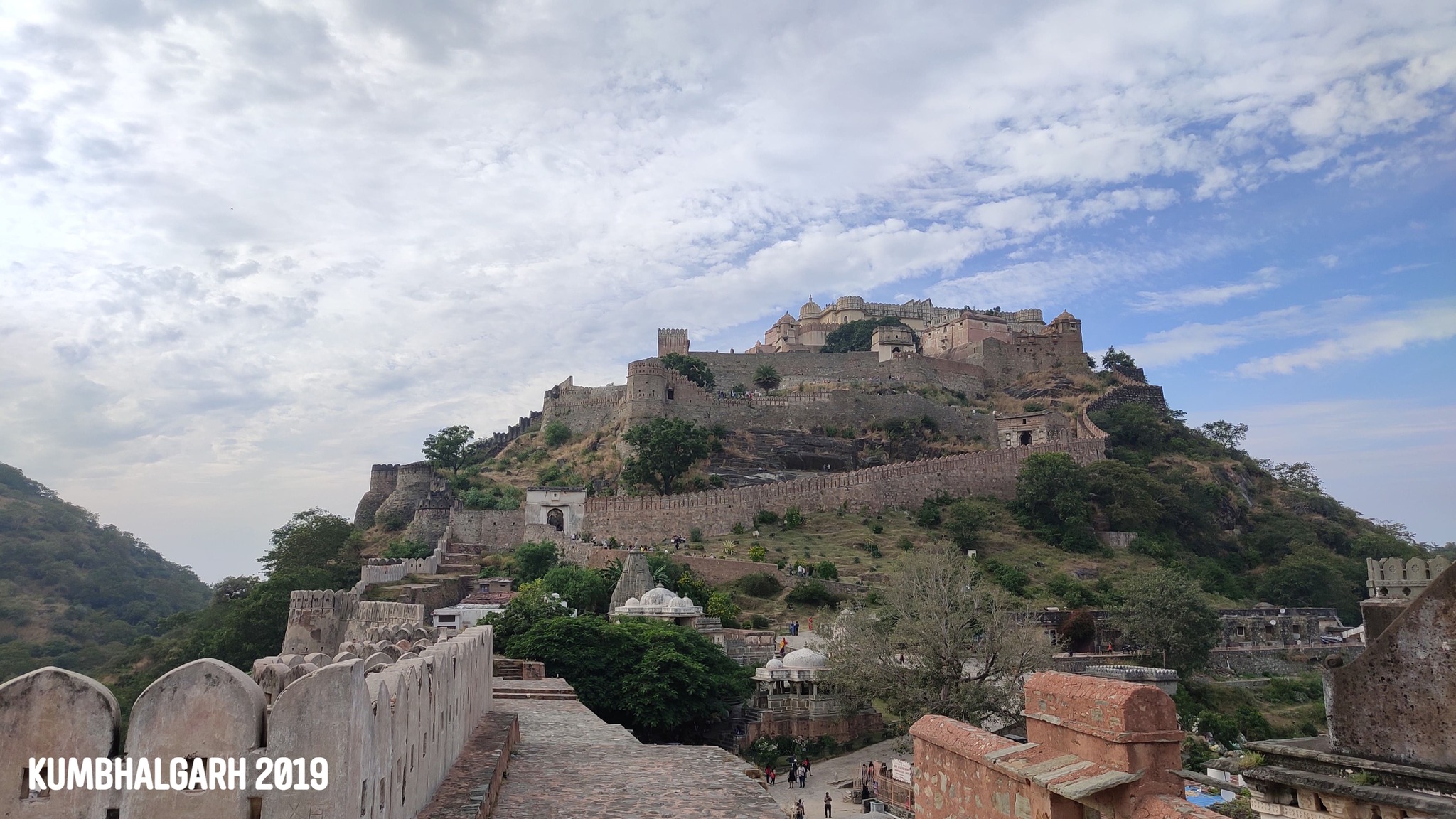
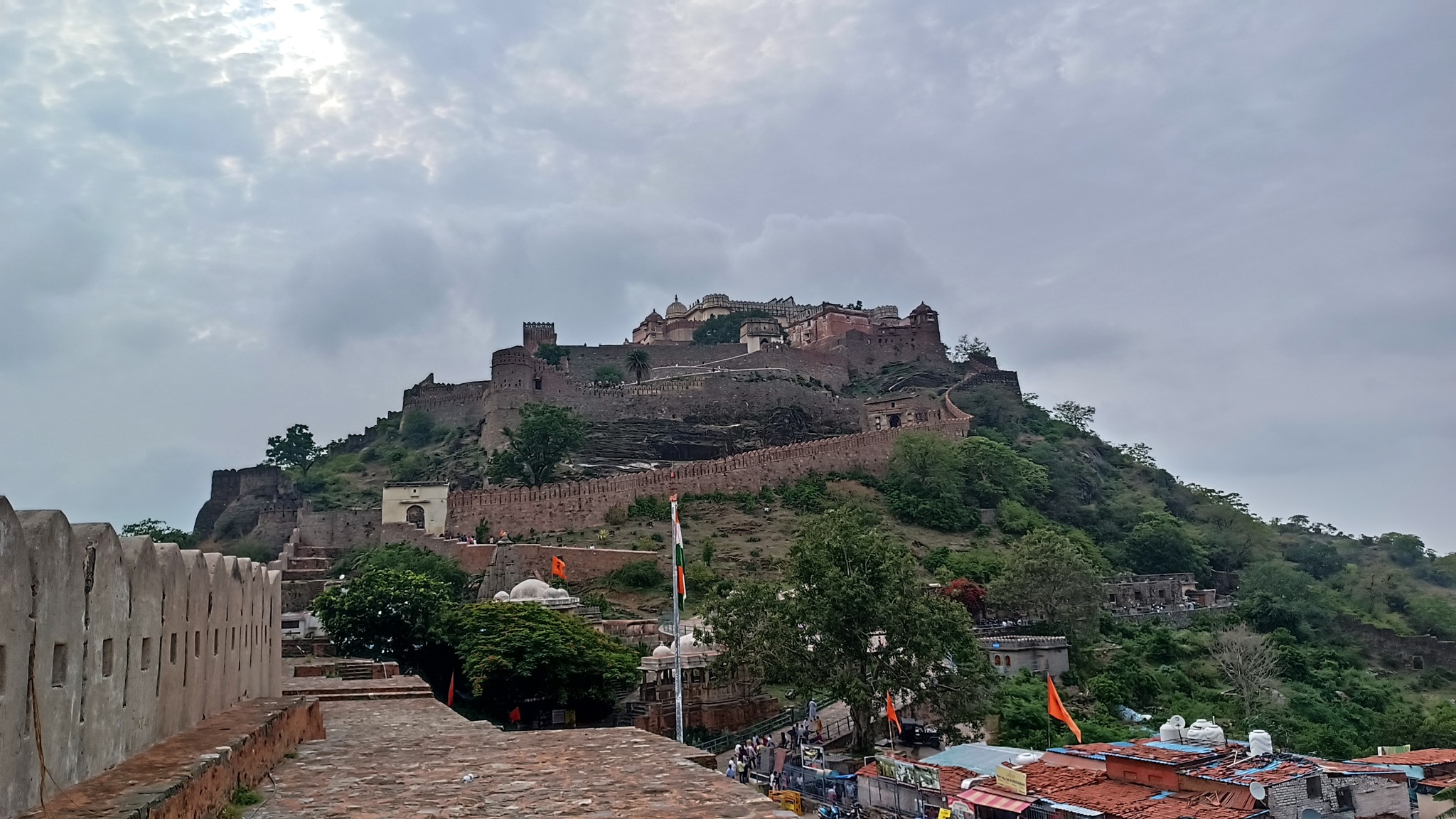
Another historic fort, the birthplace of the legendary Maharana Pratap, and hailed as the fort with the longest fortification wall in India (2nd in the world) at 36 km. From the top of the main palace, aptly named Badal Mahal (or Palace of the Clouds), it is said, one can see the Marwar on one side, and Mewar on the other.
Rakt Talai (Pool of Blood)

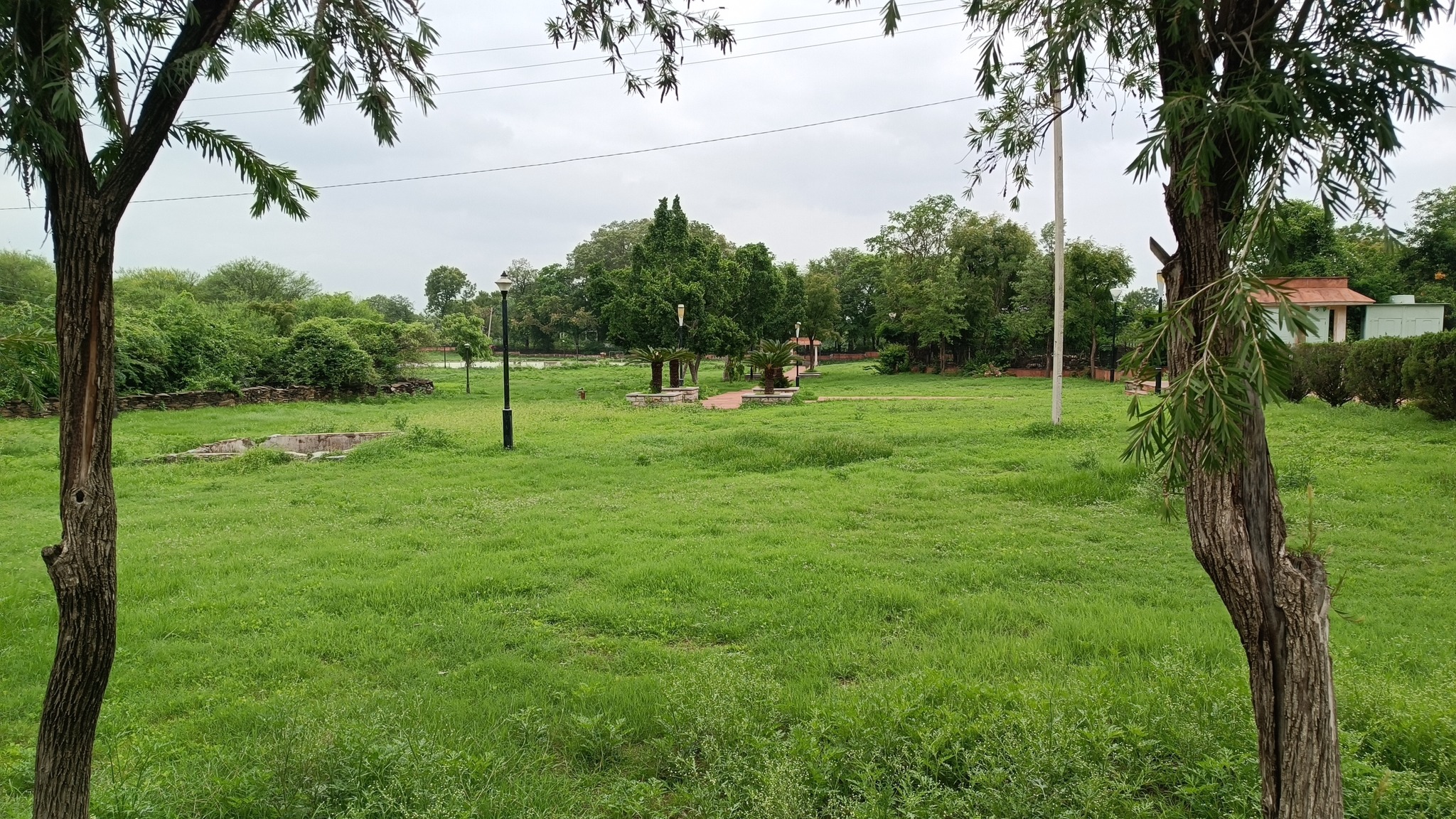
As one crosses Haldighati pass, the region around which served as the battleground between the armies of Maharana Pratap and Akbar, and reaches Khamnore, there comes a depressed patch of land where a pond is said to have existed. The pond is said to have turned red with rainwater that trickled down into it, after mixing with the blood of those fallen in the battle of Haldighati on 18 June 1576.
Trip Summary

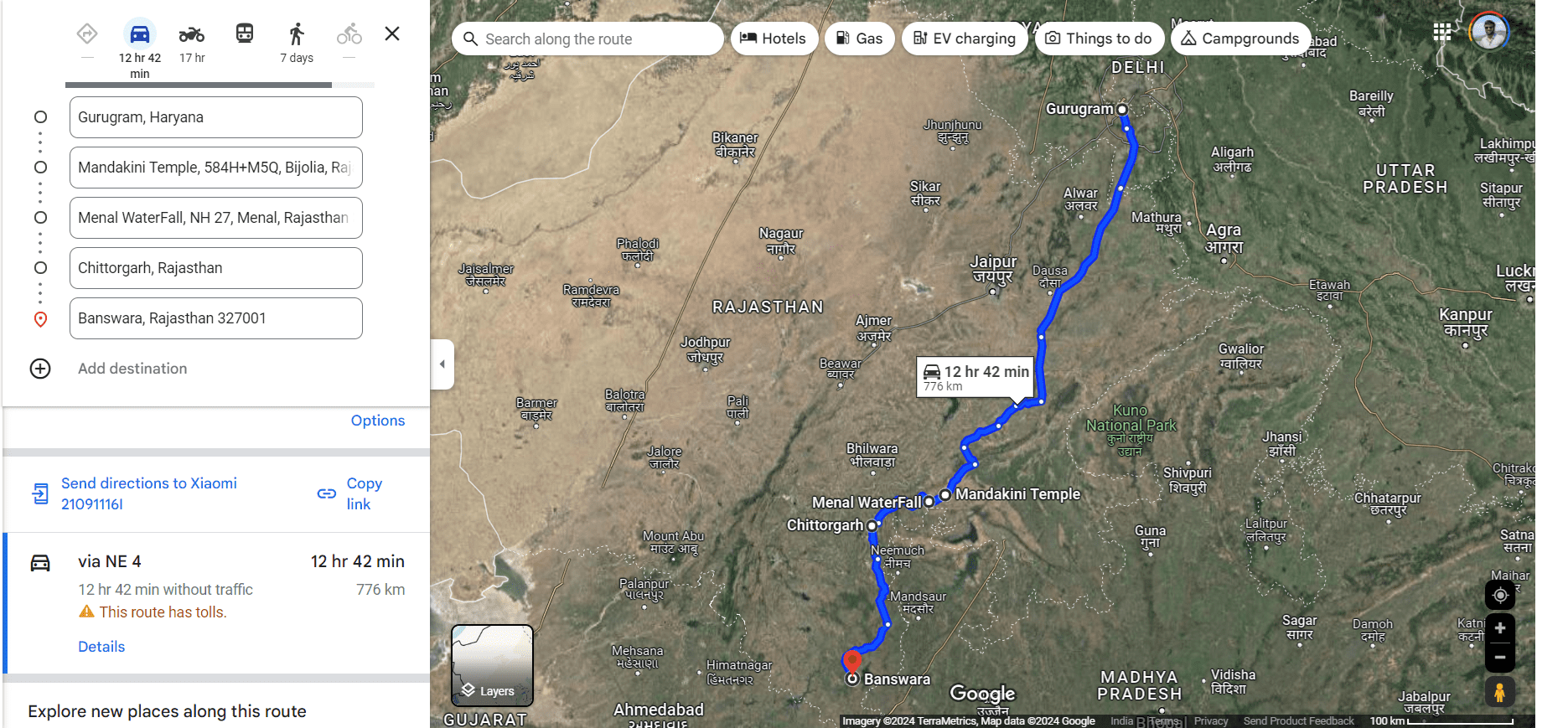
Day 1:
Gurugram to Chittorgarh via Bijolia and Menal

Day 2:
Chittaurgarh fort, and then on to Banswara

Day 3:
Banswara and thereabouts including Mahi River Bridge, Chacha Kota and Mahi Dam.
On to Udaipur via Arthuna and Dungarpur

Day 4:
Udaipur to Nathdwara, then on to Ranakpur and Kumbhalgarh, and back to Udaipur

Day 5:
Udaipur to Gurugram via Haldighati and Bhilwara

Trip maps
Trip statistics
Odisha to Delhi via Madhya Pradesh: Tale of a 3250km Cross Country Drive
2022 turned out to be the year where I did things that I had only ever dreamt of doing – a self-driven cross-country trip!
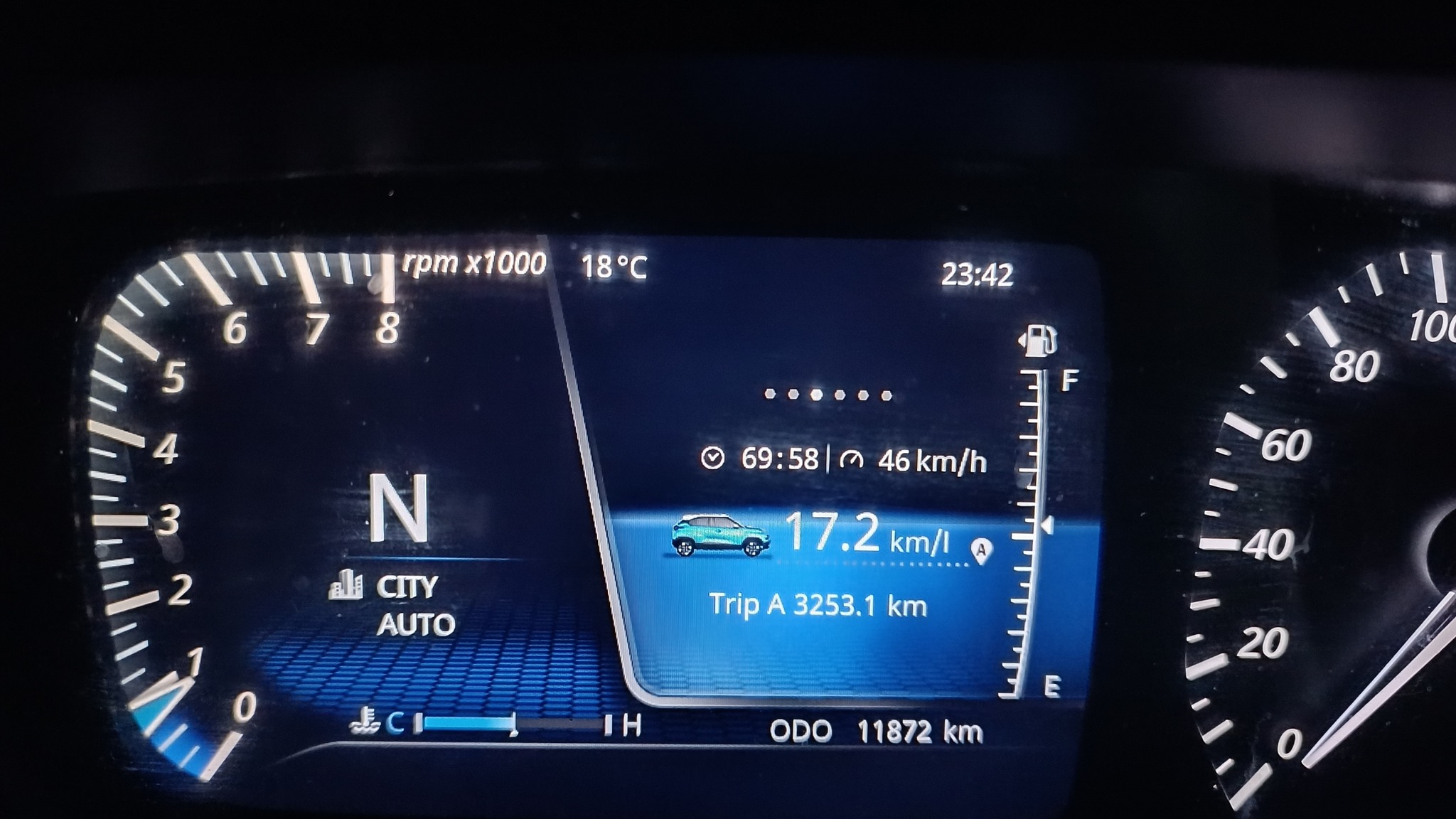
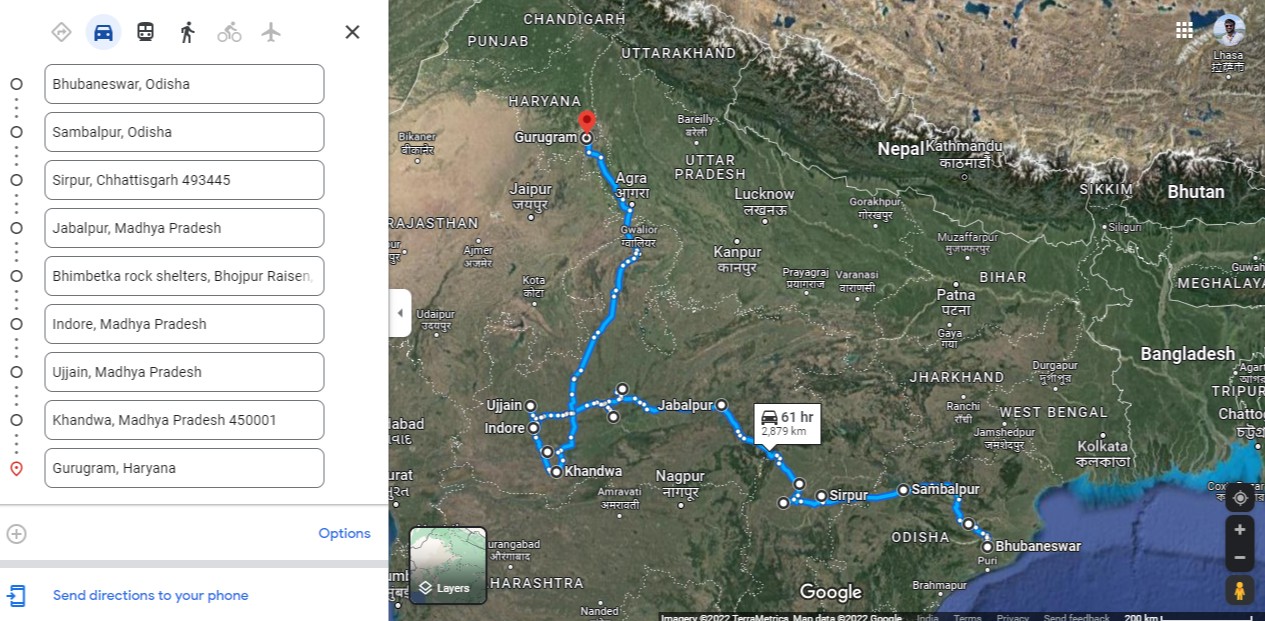
In late October, around Diwali, I drove my parents through a 3250+ km trip from Bhubaneswar to Gurgaon via Chhattisgarh and Madhya Pradesh.

Throughout 2021, while the pandemic was still raging, and concern for my parents back in Odisha constantly kept me on the edge, I mulled the idea many times of driving down to Bhubaneswar from Gurgaon. Little did I know that when the occasion to make the cross-country road trip eventually came, it would be in the reverse direction!

With our new car gathering dust in Odisha, and the family travelling suppressed for more than 2 years, what better way than a cross country road trip to accumulate some miles on the Blue Buck?

As usual, we had only an idea of the stops we would be taking and the route in general, and no advance reservations. The early winter weather was great, we discovered places to see as we advanced.

This is how we stumbled upon the quaint, ancient town of Sirpur on the banks of the Mahanadi, abounding in Shiva temples and Buddhist monasteries. We then took a detour to the Bhoramdeo temple, equalling Khajuraho in artistry, tucked away in a forest by a foothill. And of course, we veered off course for a pilgrimage to the birthplace of Kishore Kumar, who my Dad and I both idolize.

Unfortunately, Google Maps only allows 10 locations, and the route charted does not account for an additional 400km that we gathered exploring local places, over 10 days.

Each major location deserves an individual post to present the place in its fullest glory. In fact, neither a single post, nor the pictures do justice to the beauty, the mystique and the serenity we experienced as we drove through these places.

Sirpur

an ancient town, an important settlement of the South Kosala kingdom located on the Mahanadi river, the capital of the Panduvanshi dynasty, a major town of South Kosala kingdom. It saw its glory days from the 5th to the 12th century AD and is home to numerous Shiva,Vishnu and Shakti temples, Buddhist and Jain monasteries.

Bhoramdeo temple

11th century AD Shiva temple, built in the style of the Khajuraho and Konark temples, also nicknamed ‘Khajuraho of Chhattisgarh. It lies at the edge of the forest at the foothills of a hill range that is traversed through the Chilpi ghat.

The drive through Chilpi Ghat makes you cut across this dense jungle abounding in natural beauty & wildlife.

Jabalpur

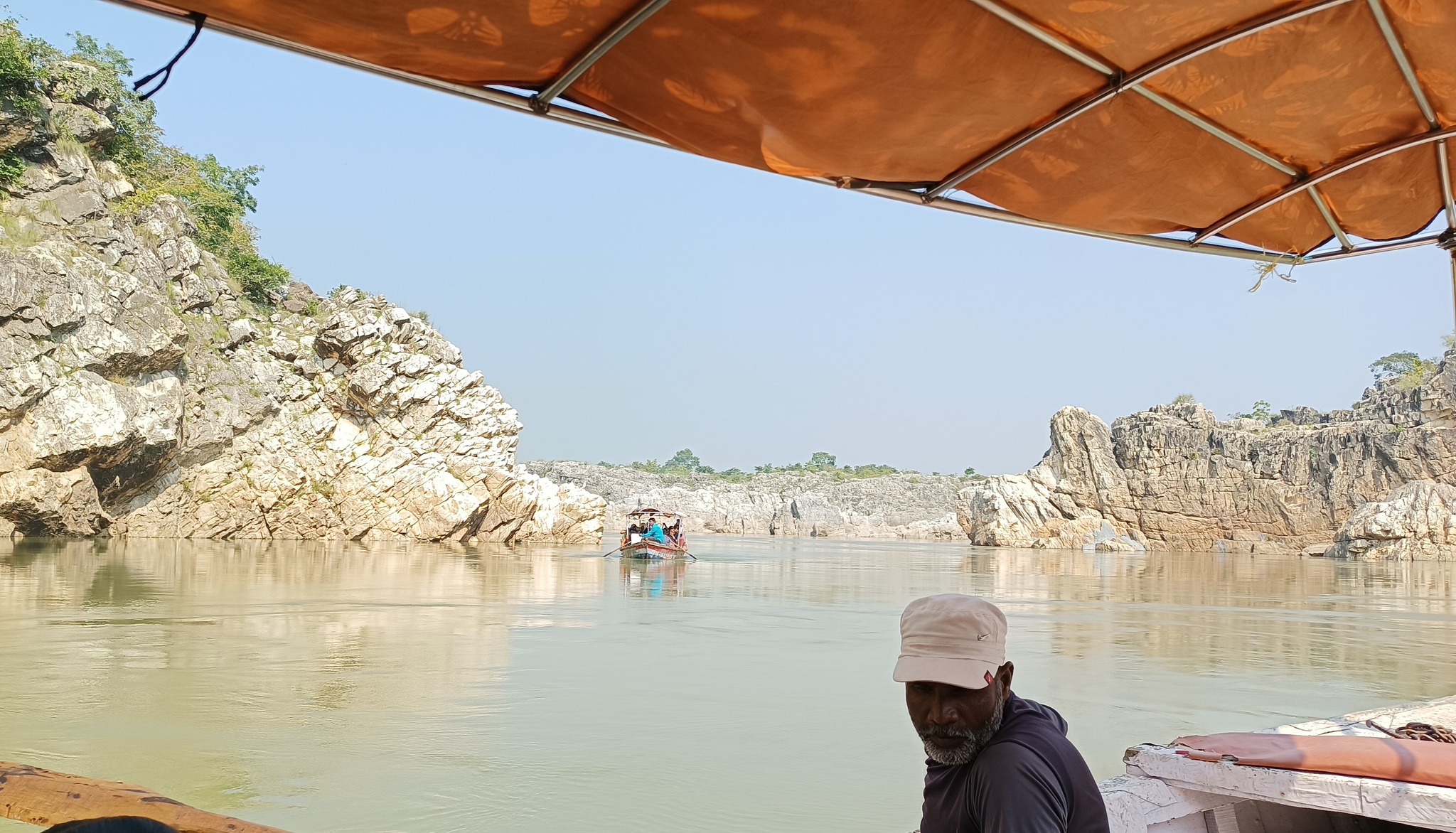
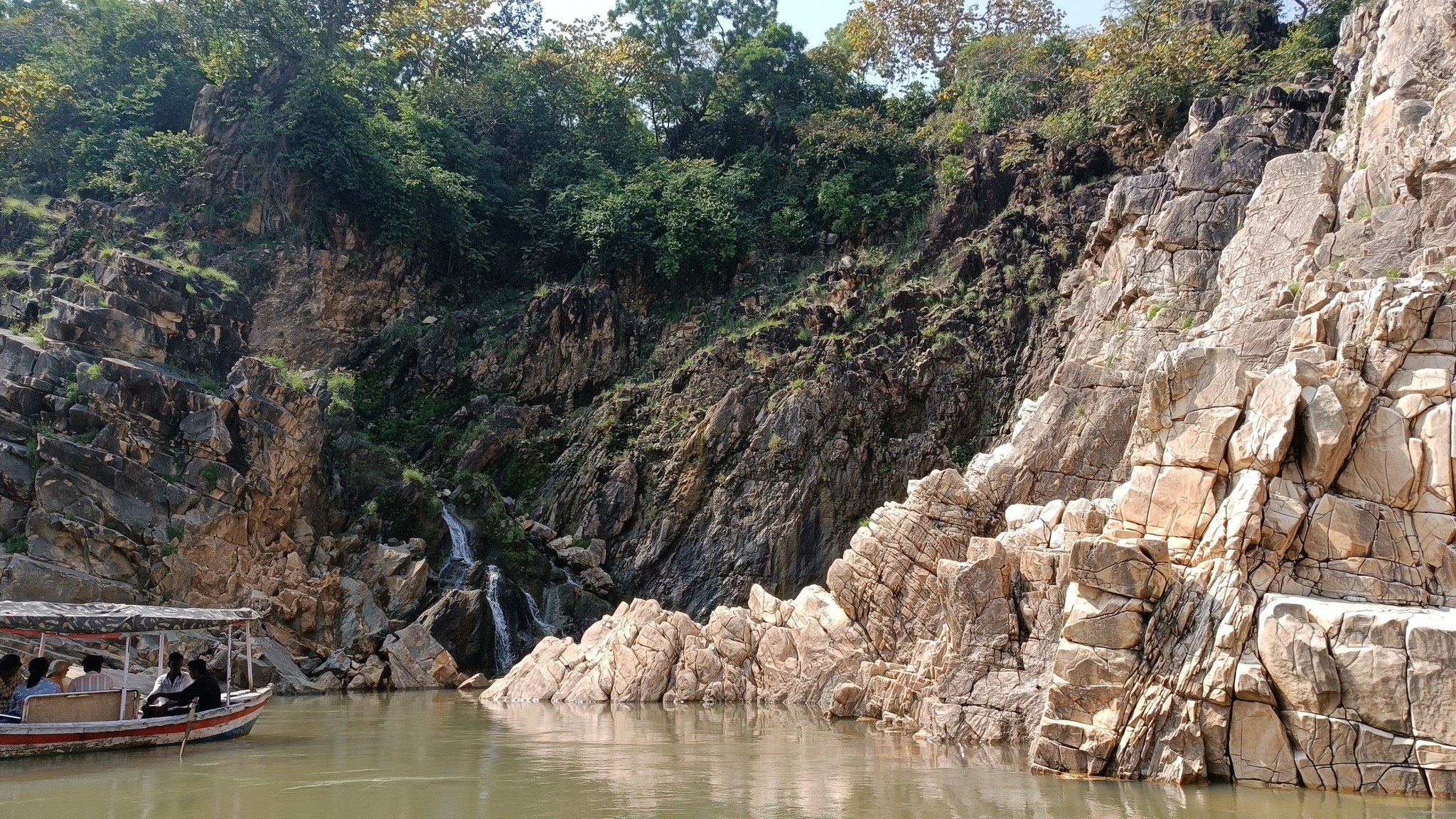
Marble Rocks in the Narmada river at Bedaghat, in a ravine formed in the hills replete with marble stone

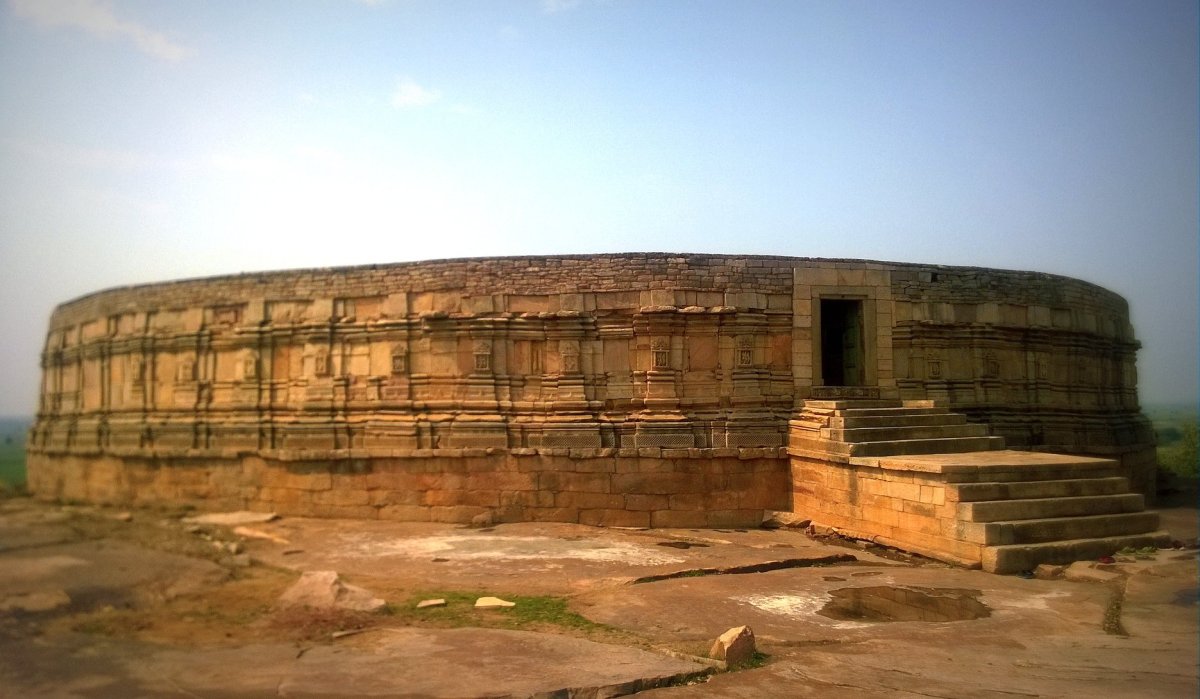
Madan Mahal fort (12th century AD), Chausath Yogini temple (11th century AD), Dhuandhar waterfalls

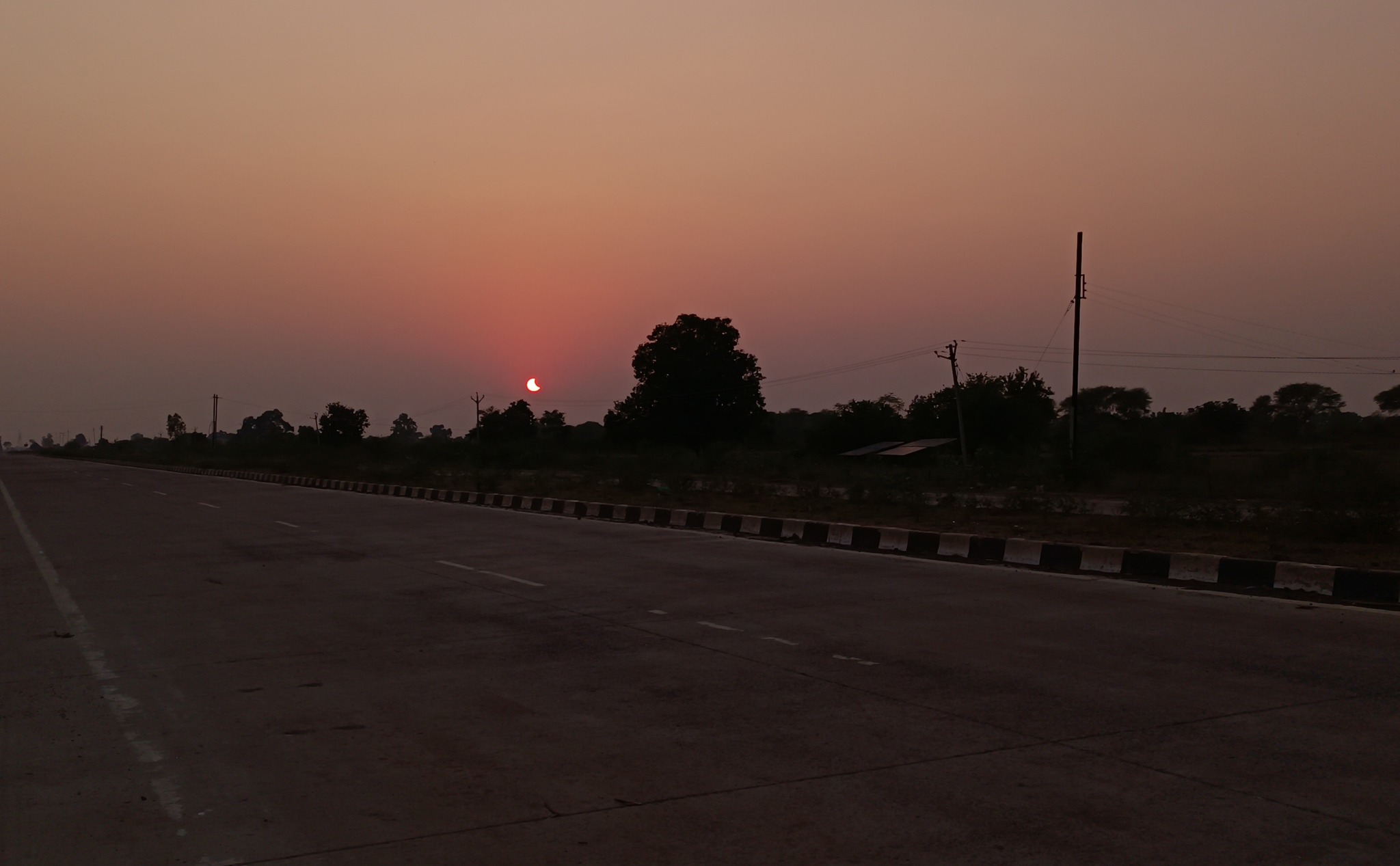
We happened to witness the Solar Eclipse on our way to Vidisha from Jabalpur.

Vidisha

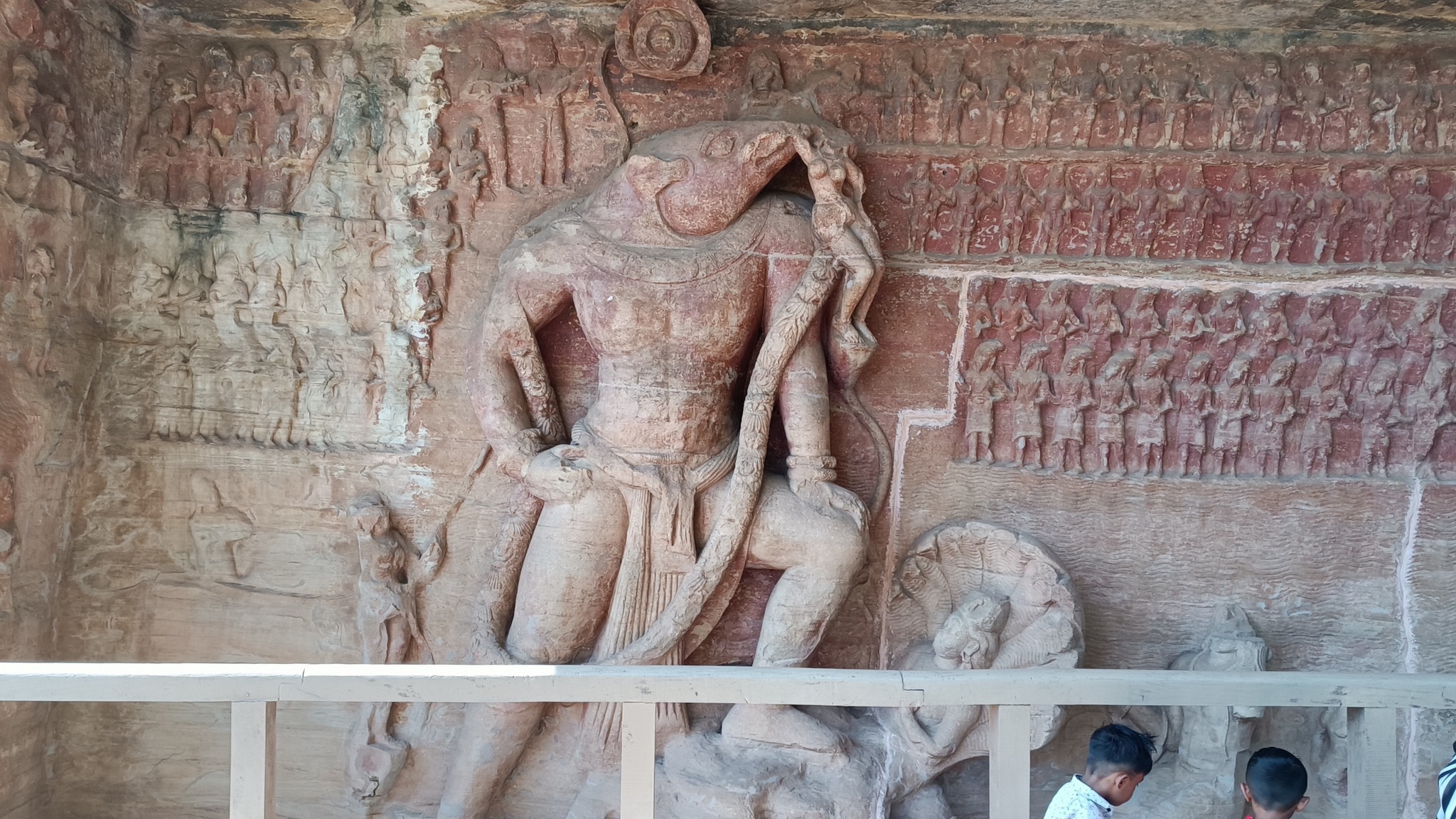
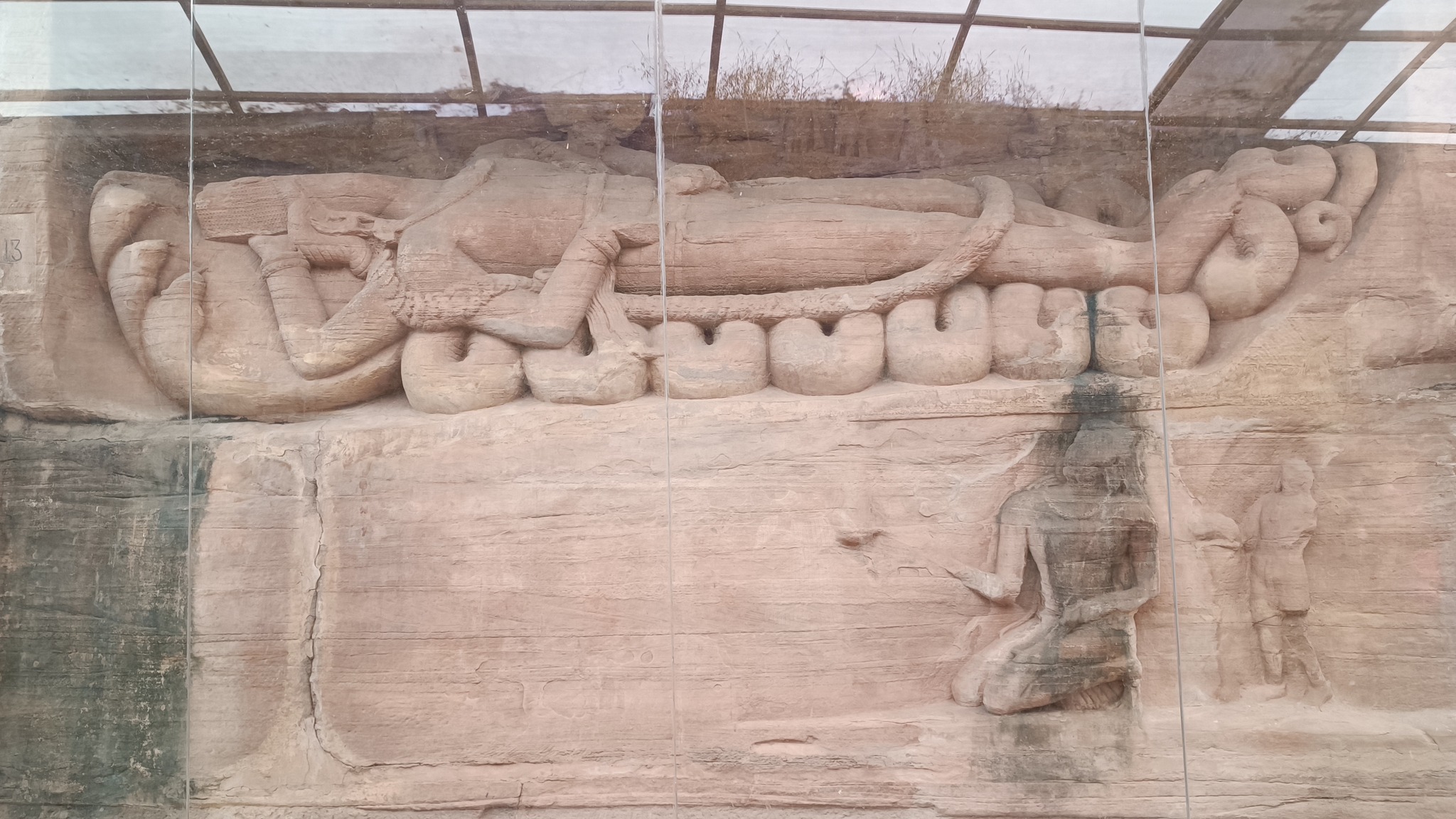
Udaygiri caves, 4th-5th century AD cave complex containing caves with Hindu sculptures (Hindu gods, especially, avatars of Vishnu) as well as Jain sculptures, located on a small hill

Sanchi

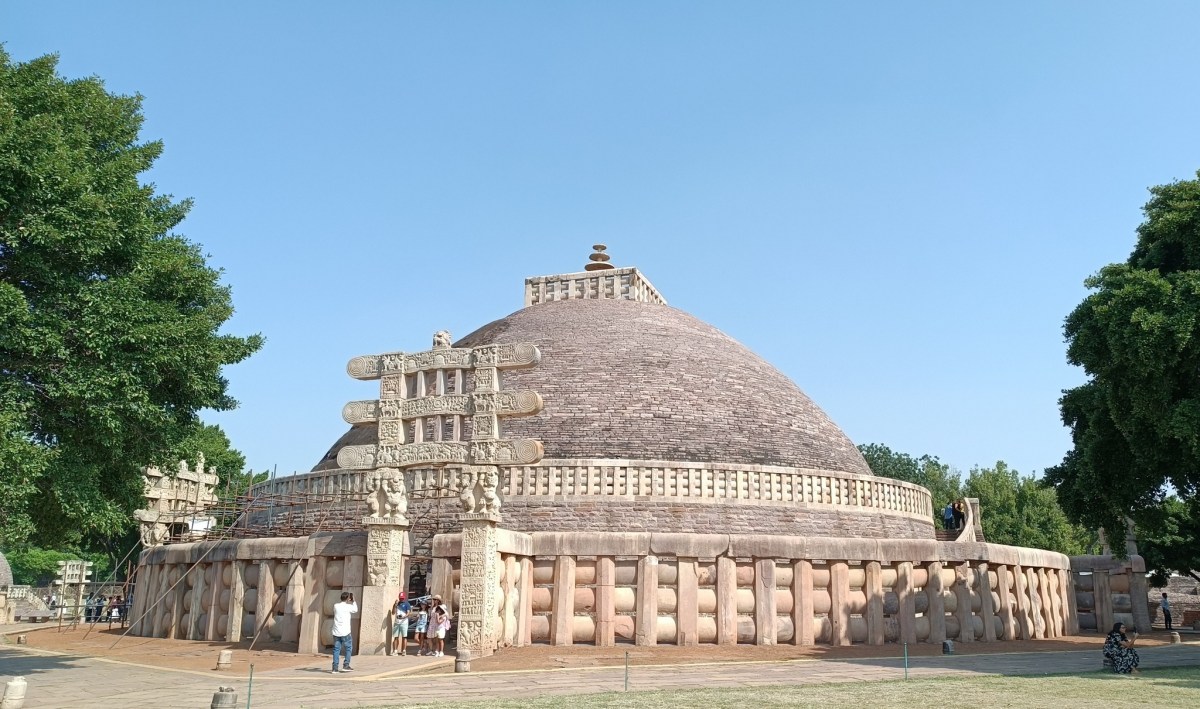
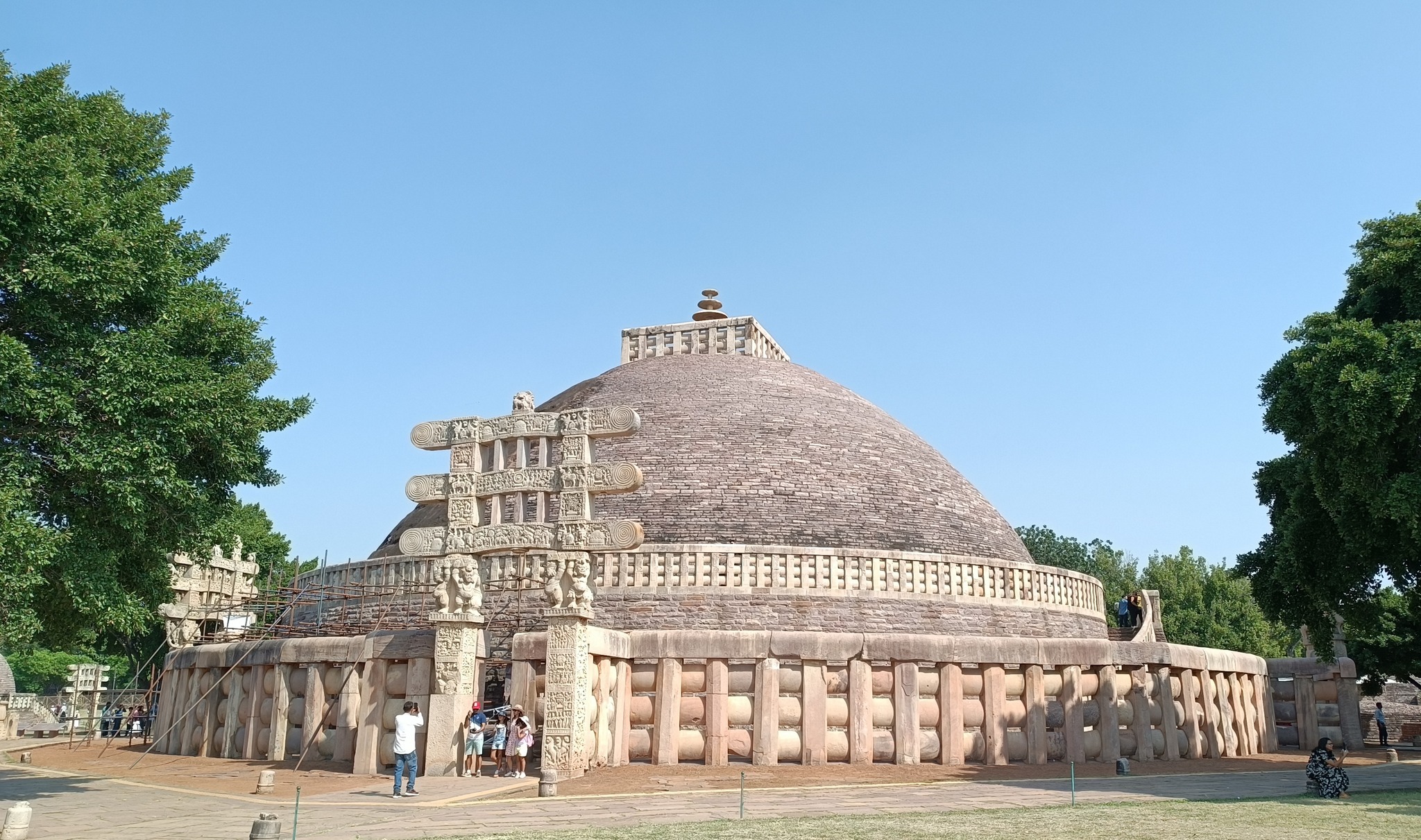
A World Heritage site, with Multiple large stupas dating back to Ashoka’s time (3rd century BC), and Buddhist monasteries dating from

Raisen (near Bhopal)

Raisen fort, an imposing 11th century fort

Bhimbetka rock shelters

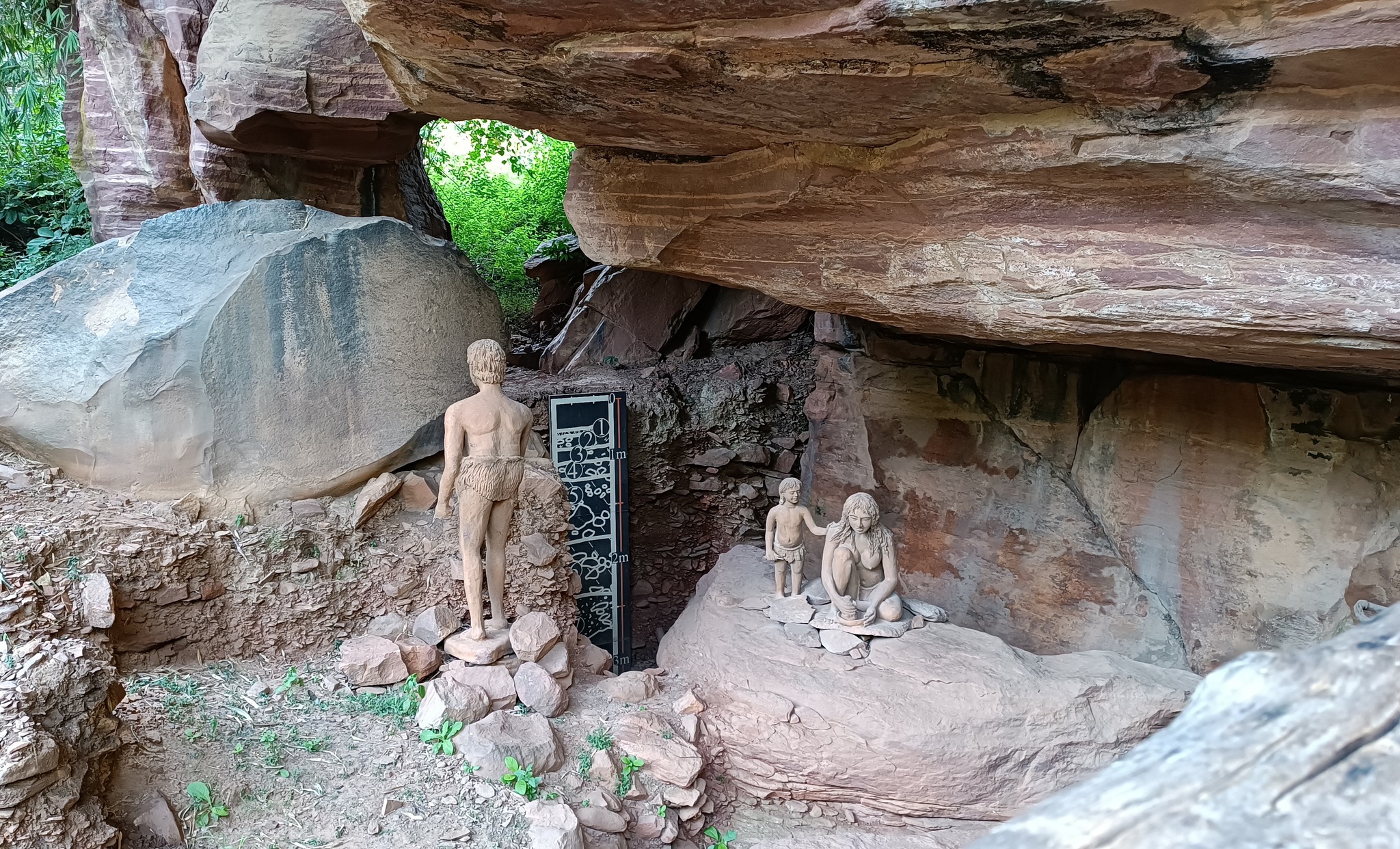
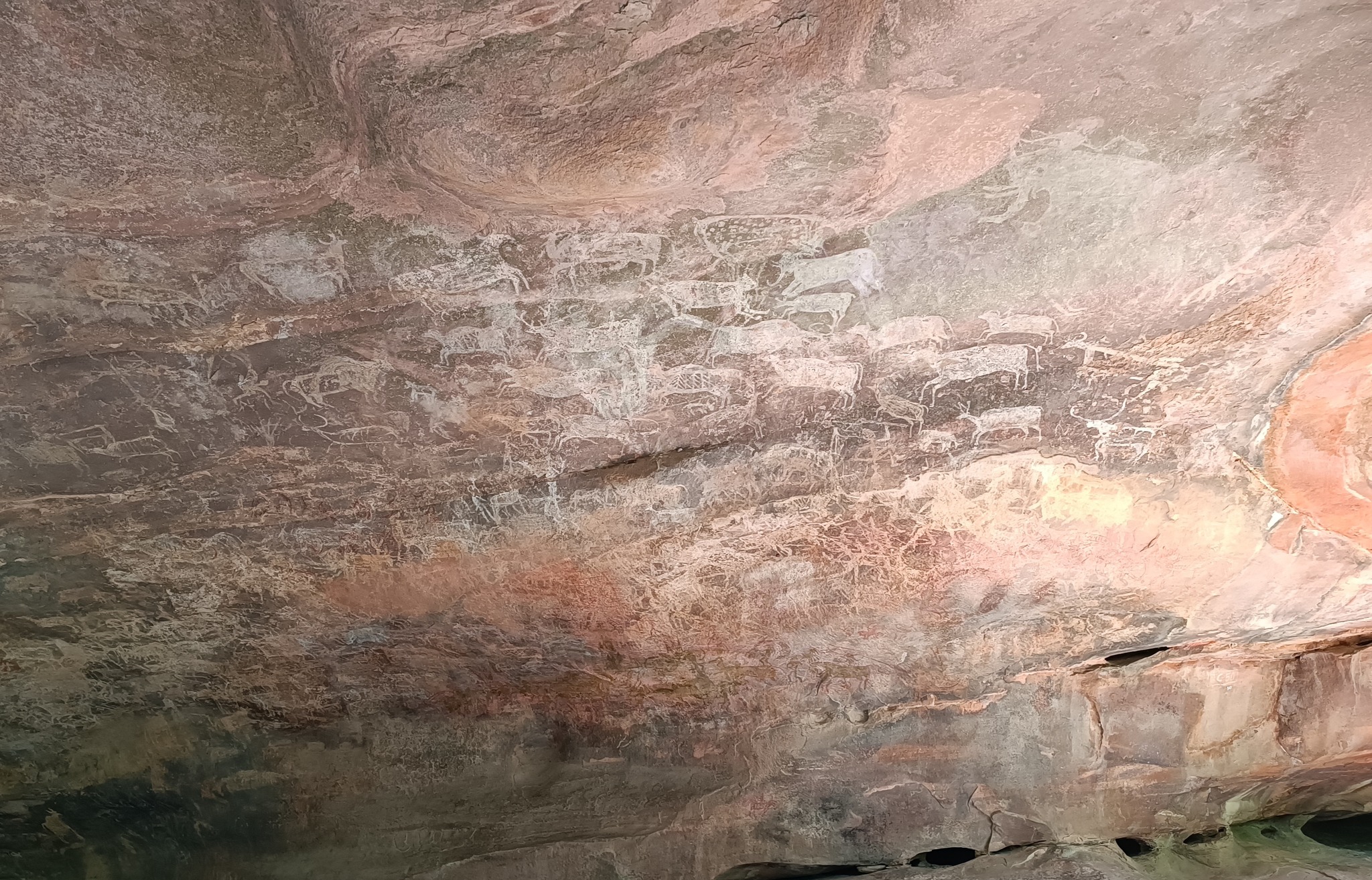
A complex of rock shelters on a hill near Bhopal, which contain paintings made by humans from both the prehistoric as well as historic ages

Bhojeswar temple

A 11th century Shiva temple,housing one of the largest Shiva lingas, commissioned by the legendary Raja Bhoja

Ashapuri group of temples

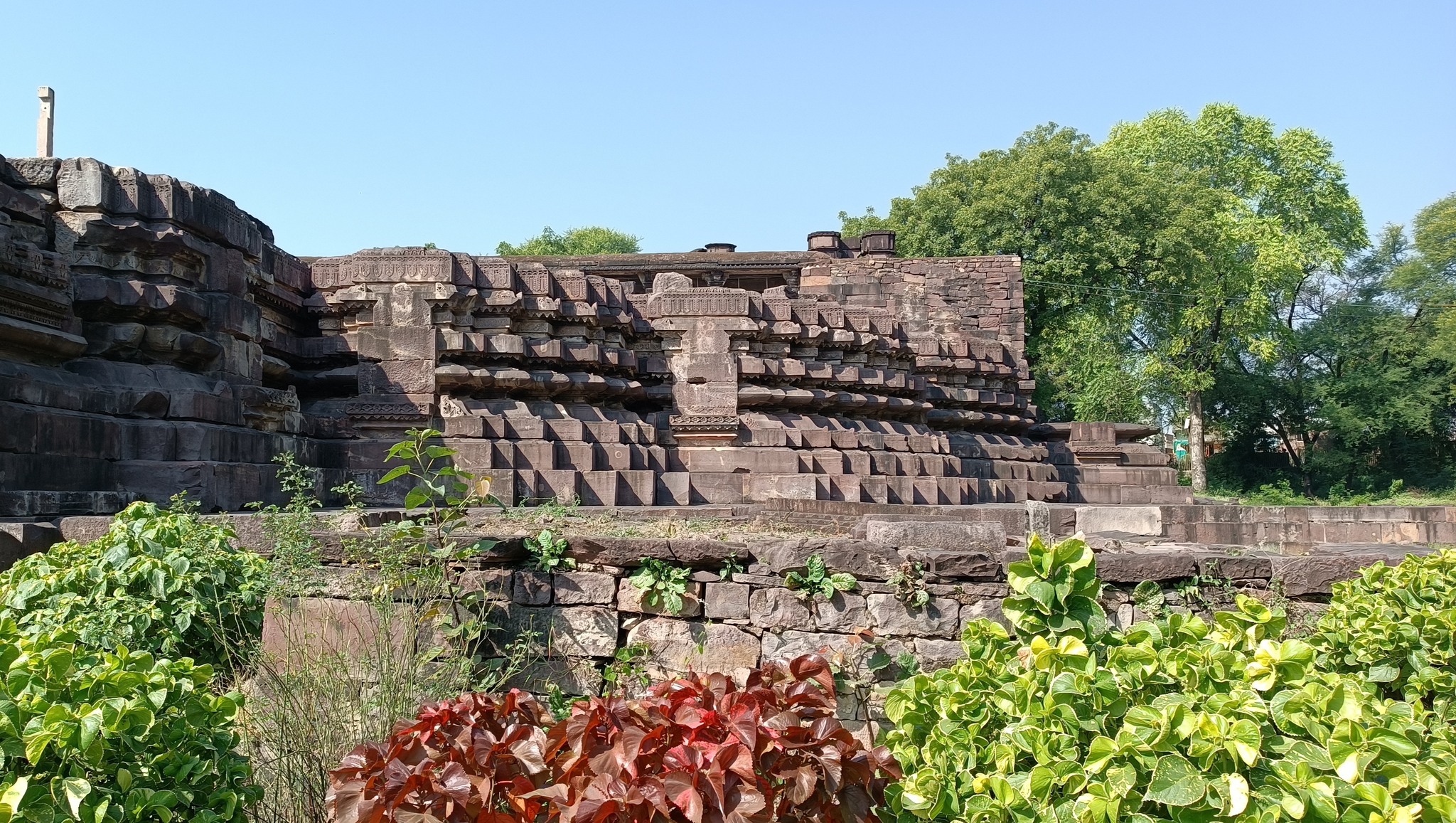
A group of 26 temples, currently in ruins, not very far away from the Bhojeswar temple. They were probably built under the patronage of the Pratiharas and the Parmaras. Their location on the shore of a lake points towards a luxurious setting during its prime, although the site itself would have been of ritualistic purpose.

Ujjain

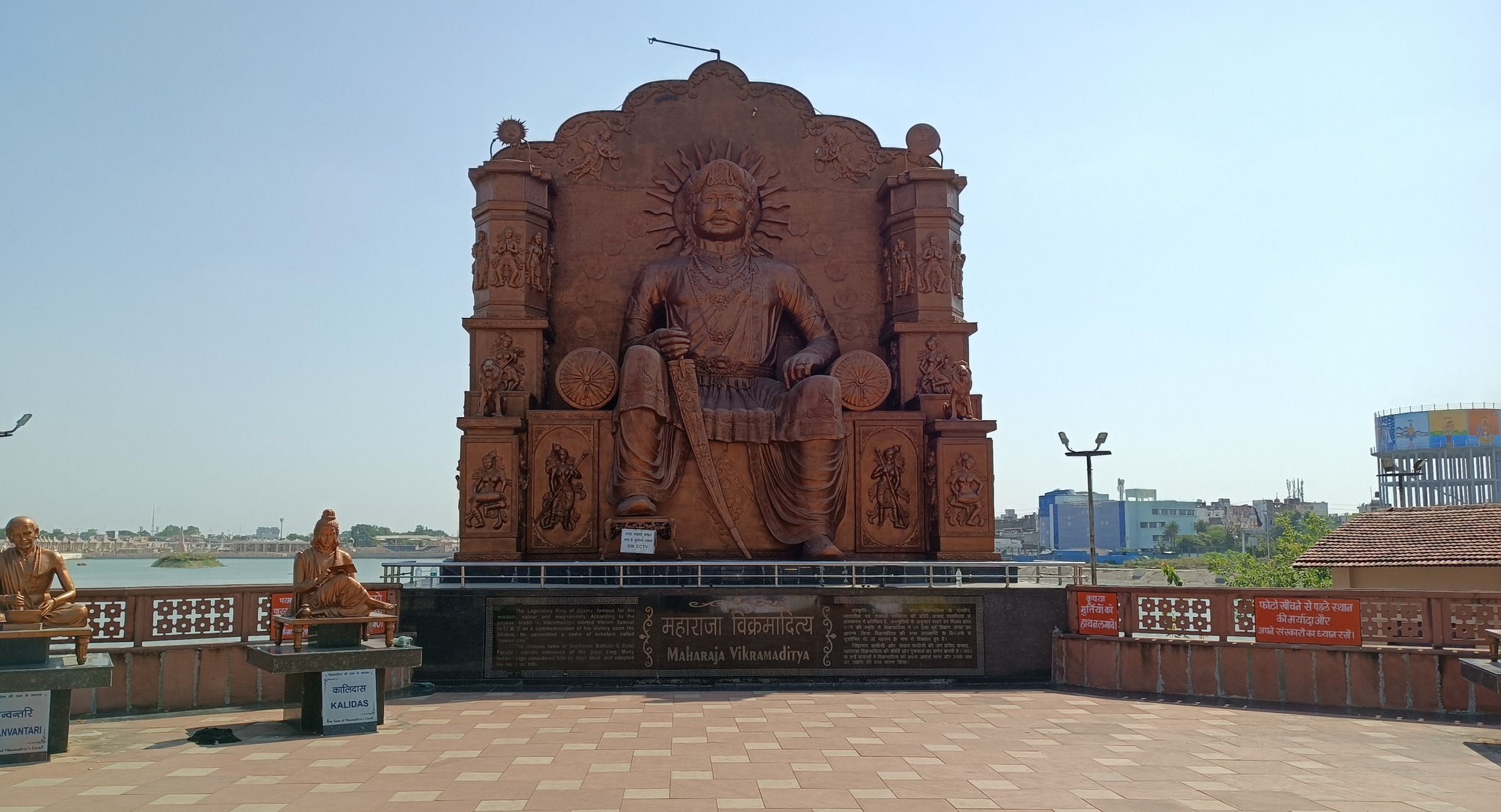
Home to the Mahakaleswar jyotilinga (one of the 12 jyotirlingas), a city of antiquity, capital of the Avanti kingdom, one of the Great Realms of ancient India. Also associated with the mythical King Vikramaditya, of Vikram & Betaal fame.

Omkareswar

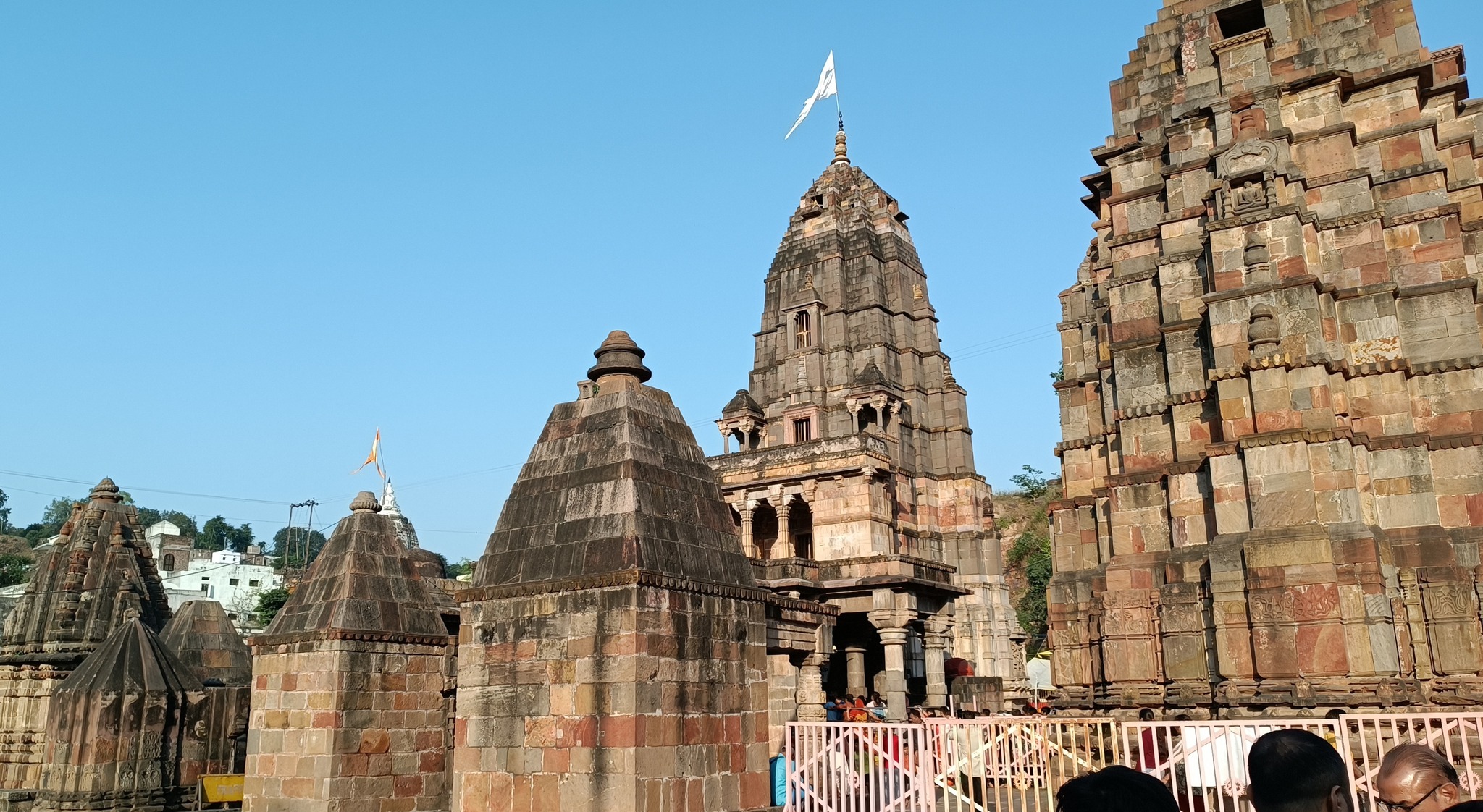
The site of the other jyotirlnga in Madhya Pradesh, Home to the Omkareswar and Mamaleswar temples dedicated to Shiva, located on the Narmada river

Khandwa

A small town in Madhya Pradesh, birthplace of the legendary Kishore Kumar

Gwalior

Bateswar group of temples, a complex containing more than 200 small and large Shiva temples, stacked in tiers., built between 8th to 12th century AD. The complex lies in the cove of a hill, with very little habitation around. The temple complex was restored by the ASI with the help of dacoits.

Read my account of a previous trip to Bateswar here: https://thetimbertrawler.com/2019/03/15/in-search-of-the-treasures-of-bundelkhand-chanderi-deogarh-morena/

Glimpse of the trip

A Decade of Exploring Rajasthan: Jaipur 2012 AD to Jaipur 2022 AD

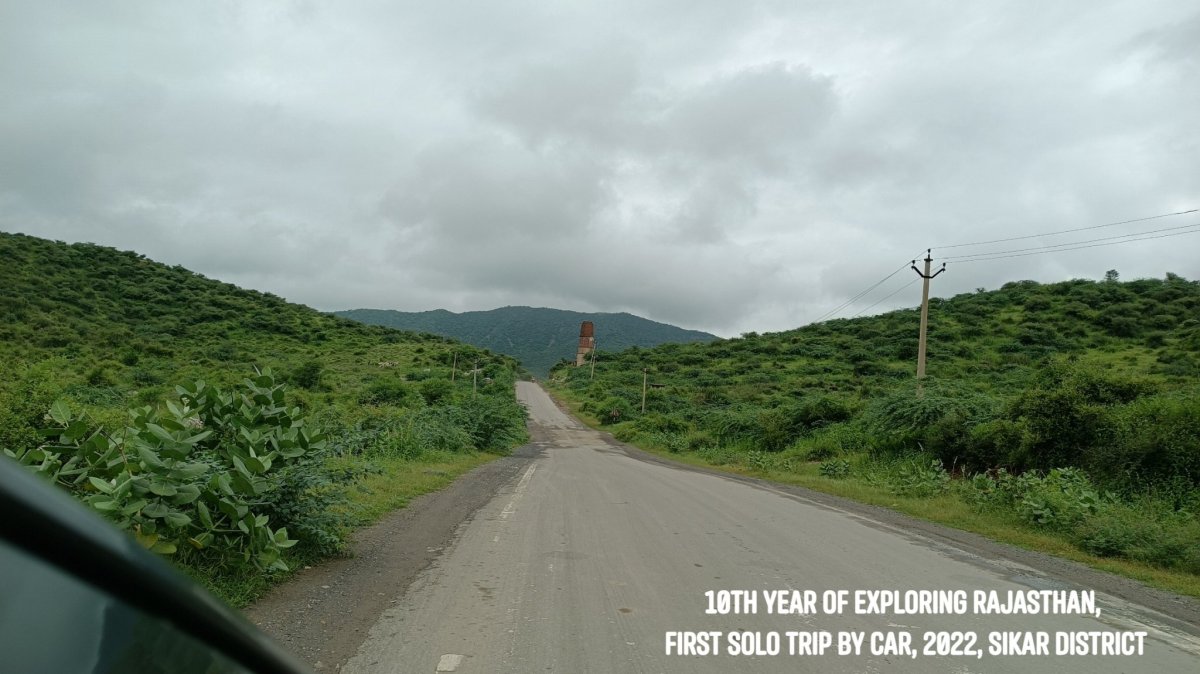
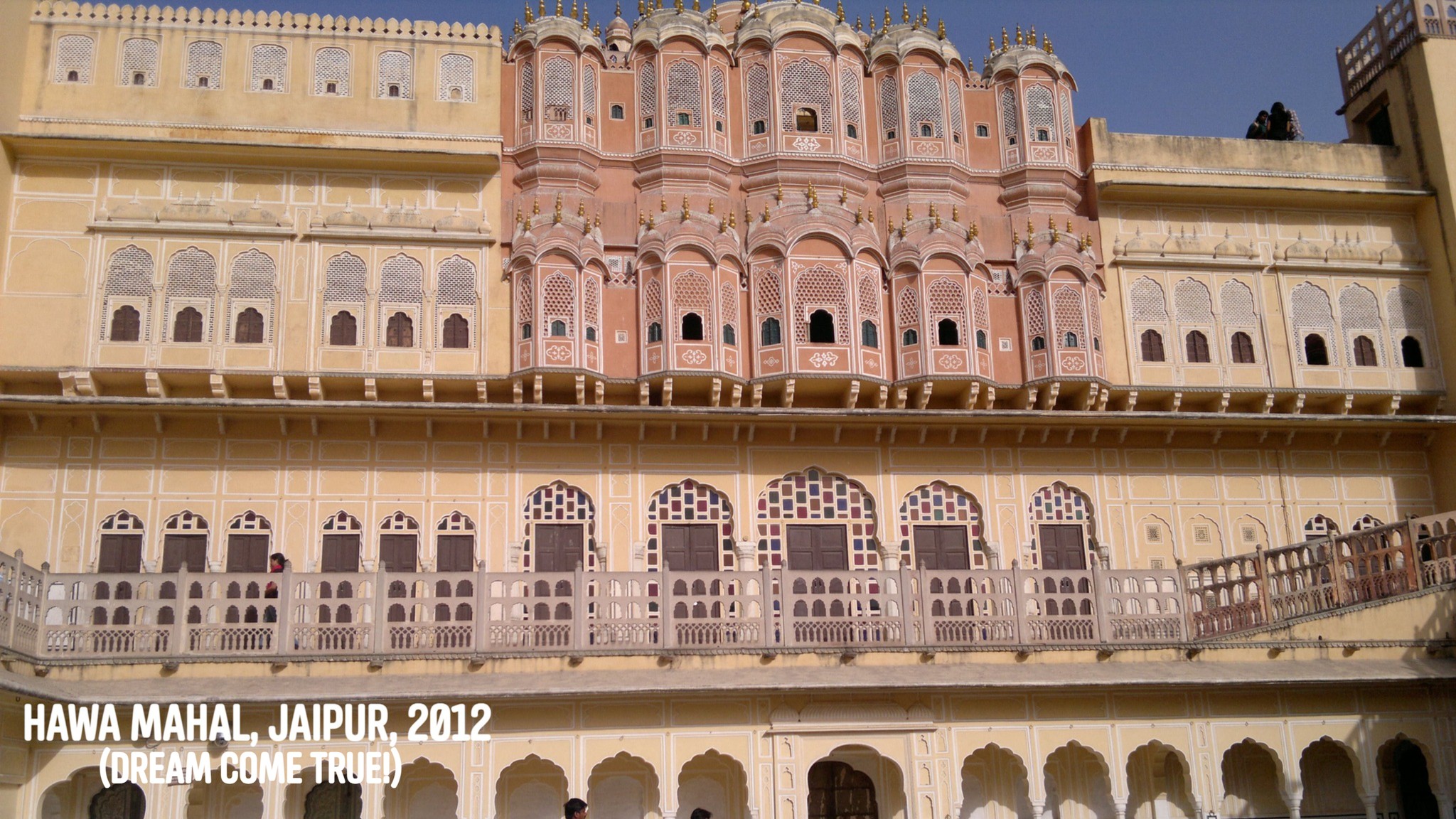
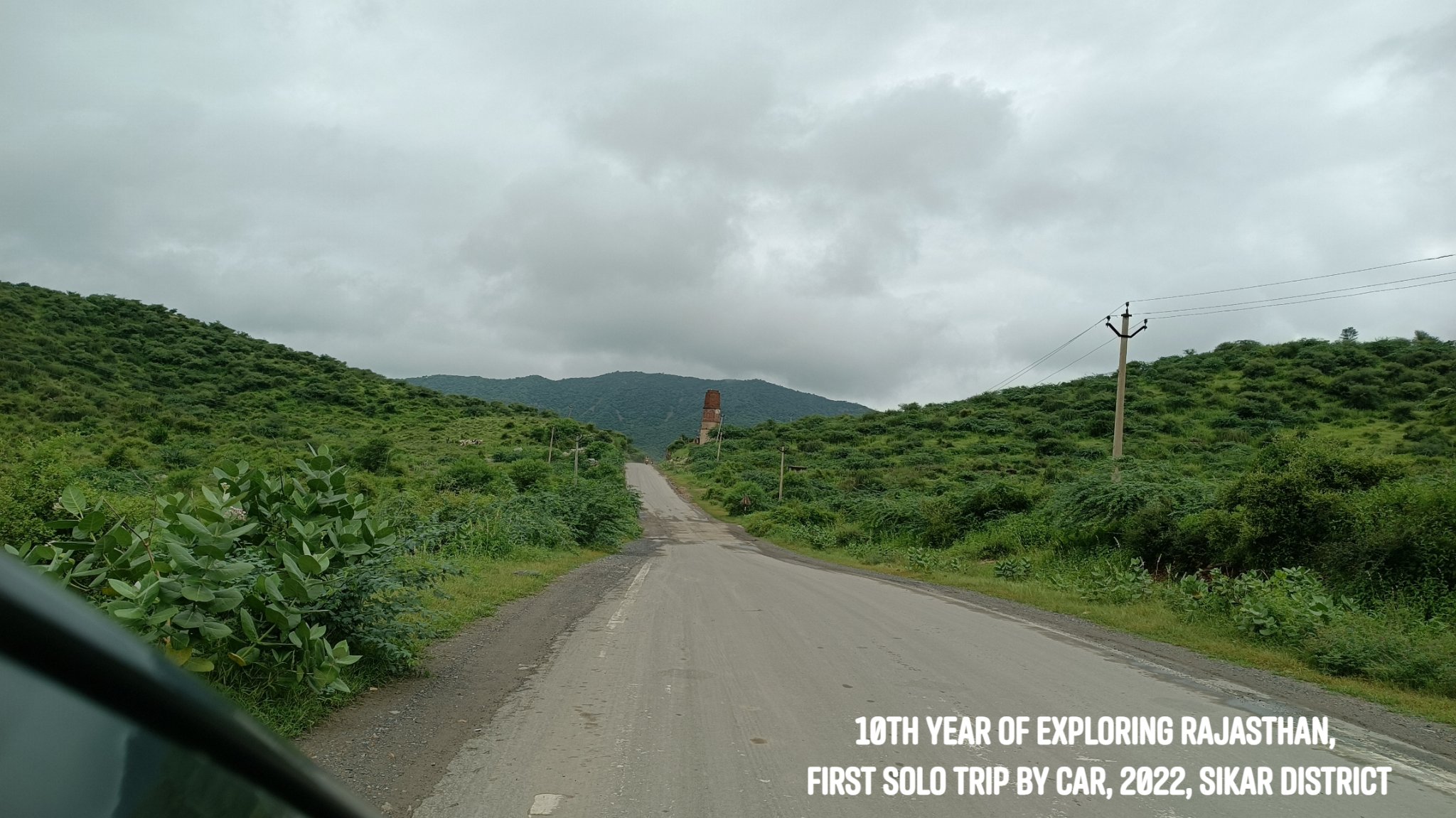
In April 2012, my first ever trip to Rajasthan was solo – by public transport, with the destination being Jaipur. In August 2022, I rounded off a decade of exploring Rajasthan by reprising the solo trip to Jaipur – only this time it was by driving on my own. A 700km self-driven solo adventure!

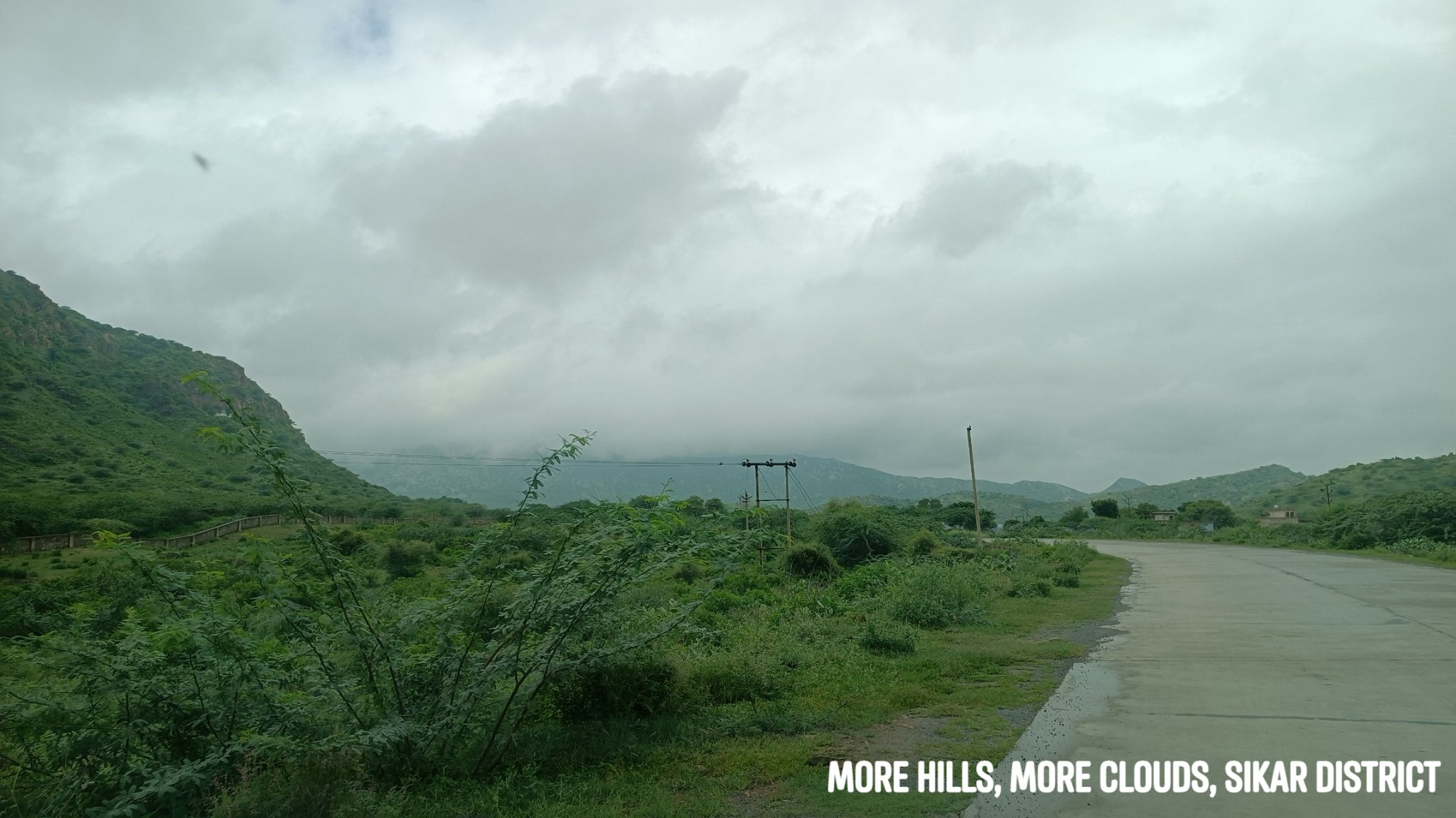
As always, it is rarely about the destination – and so off I went wandering through roads I had not trodden before, exploring a bit of the Aravallis in the Shekhawati region, while the sun and rain played hide and seek, and folds of hills lay in the distance in front and around me, their peaks crowned with fluffs of cloud.

I plead guilty to the charge of scooting off to Rajasthan every chance I get, even at the risk of inviting ridicule. ‘Why don’t you try out some other place this time – why not Himachal, Uttarakhand, UP?’, I have been asked. I say, some people love the mountains, some the beaches – as for me, I yearn most for the desert, the Aravallis, the forts…

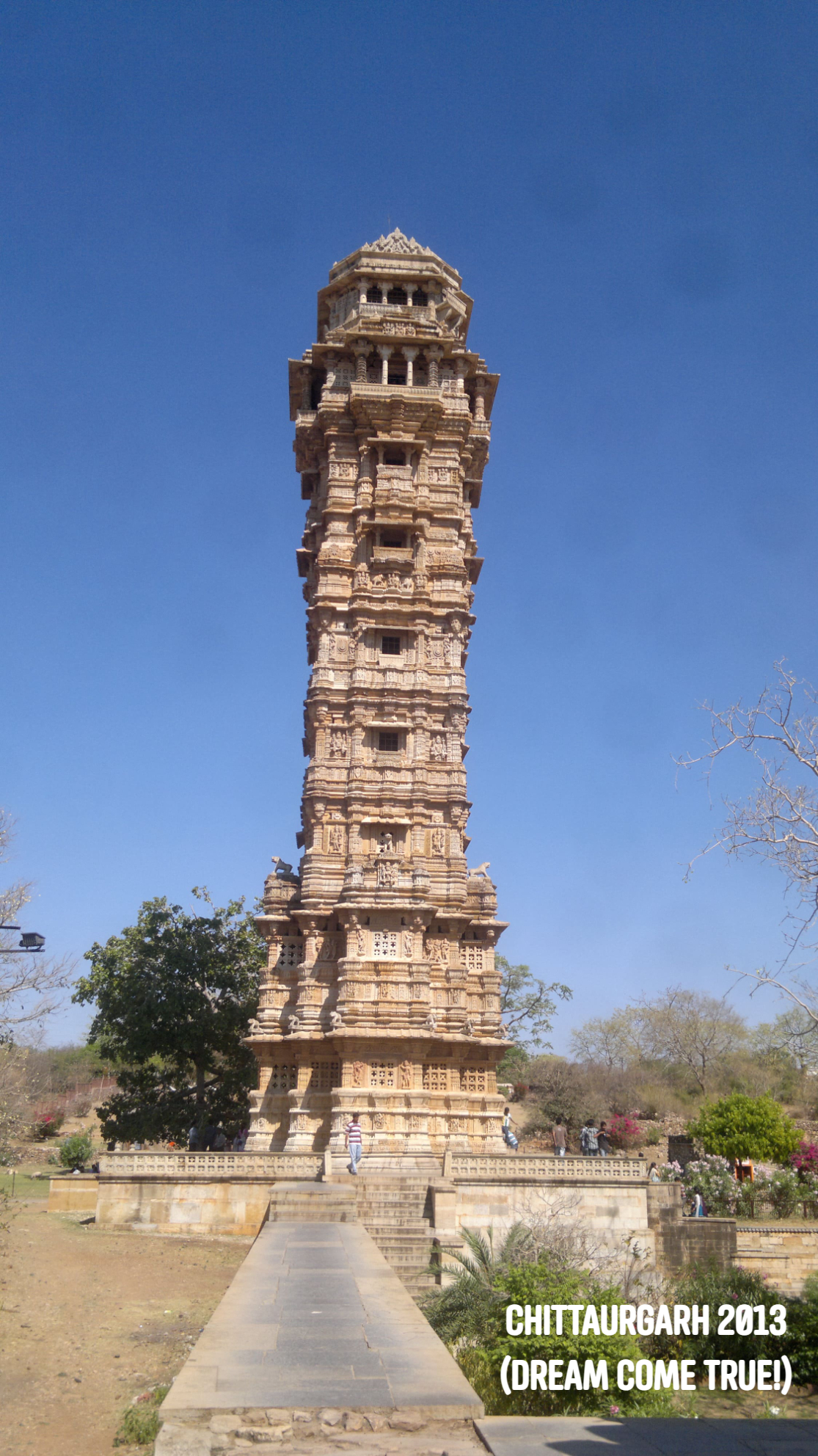
Growing up in Odisha, I had had a fascination with Rajasthan long since I could remember. In Grade 4 – the black-&-white picture of the Hawa Mahal in a textbook, and the mention of the Thar around Bikaner and Jaisalmer, images of the Vijay Stambh at Chittorgarh and the Dilwara temples at Mount Abu were imprinted in my head. A General Knowledge book addressed Jaipur as the Pink City, and Jodhpur as the Blue City. I always wondered looking at those black-and-white pictures how the cities might look like in real life in their famed hues.

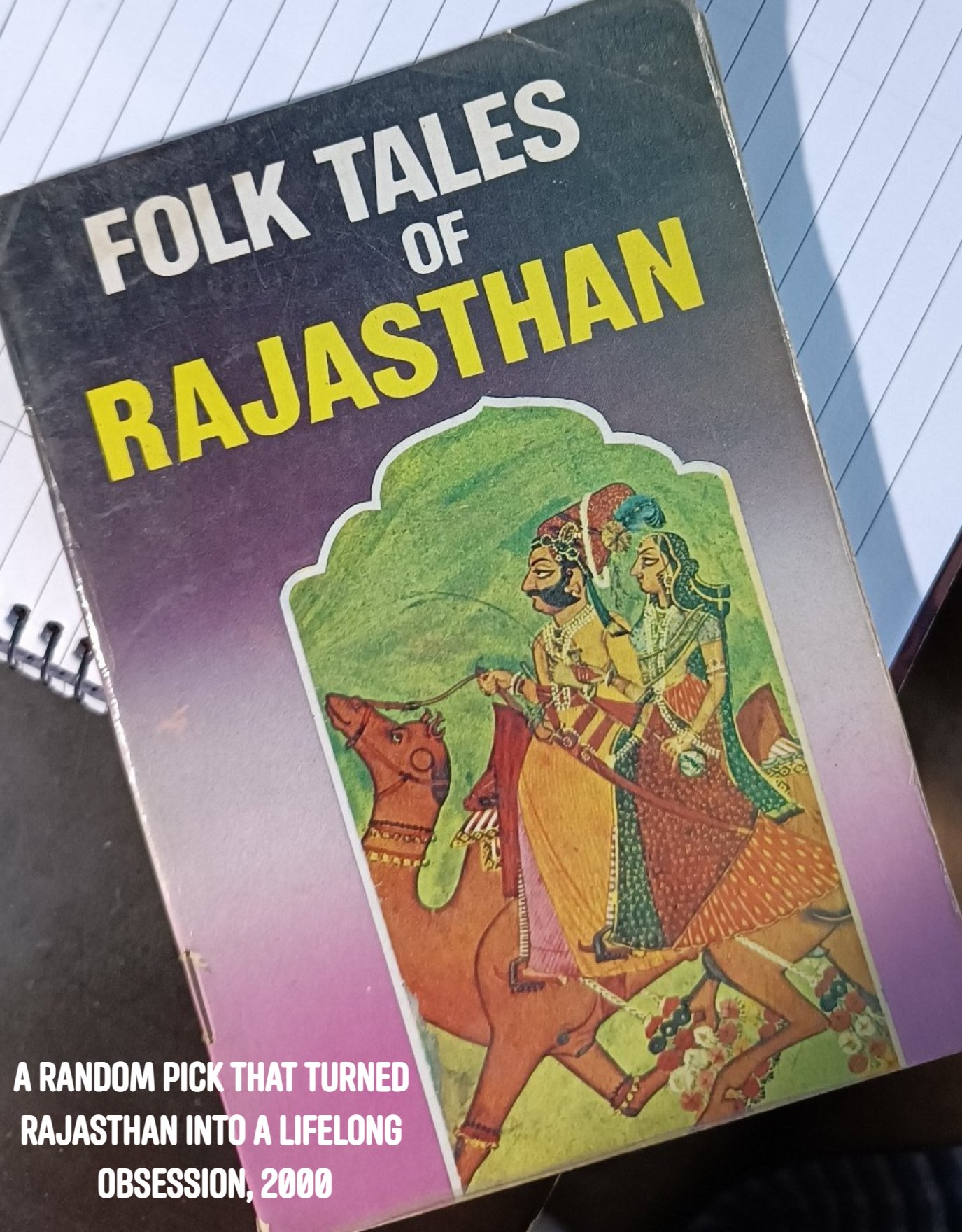
Some years later as we were embarking on a train journey, Dad let me pick up a thin paperback from the book stall on the railway station- it was called ‘Folk Tales of Rajasthan’. While on that train, in my mind, Rajasthan turned into a place of magic, of kings, bards & princesses, of Pabuji, star-crossed lovers & clever thieves, of camels & shifting sands…I was enamoured.

Rajasthan was always just too far away though, and little did I know I would later land up at the gateway to it – Delhi. Little did I know as time progressed, I would reside at a place, on the outskirts of Gurgaon, where I could simply lug a backpack on my back and in half an hour, be inside Rajasthan. Little did I know I would once also drive solo to Rajasthan…

***

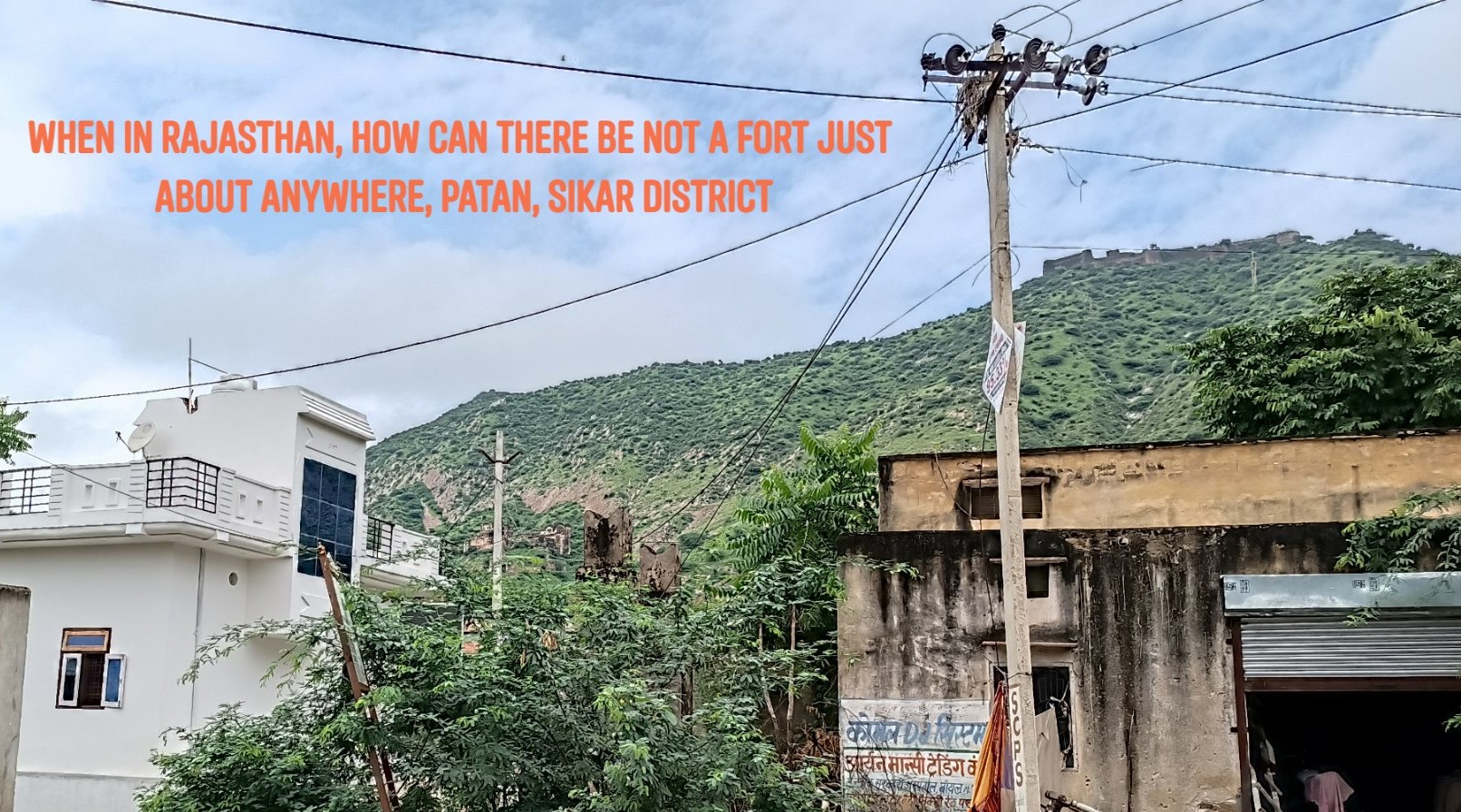
On this trip, instead of driving directly to Jaipur from Gurgaon, I took a detour midway, towards the north and drove through some of the most exotic sounding places – Kotputli, Neem ka Thana, Udaipurwati.

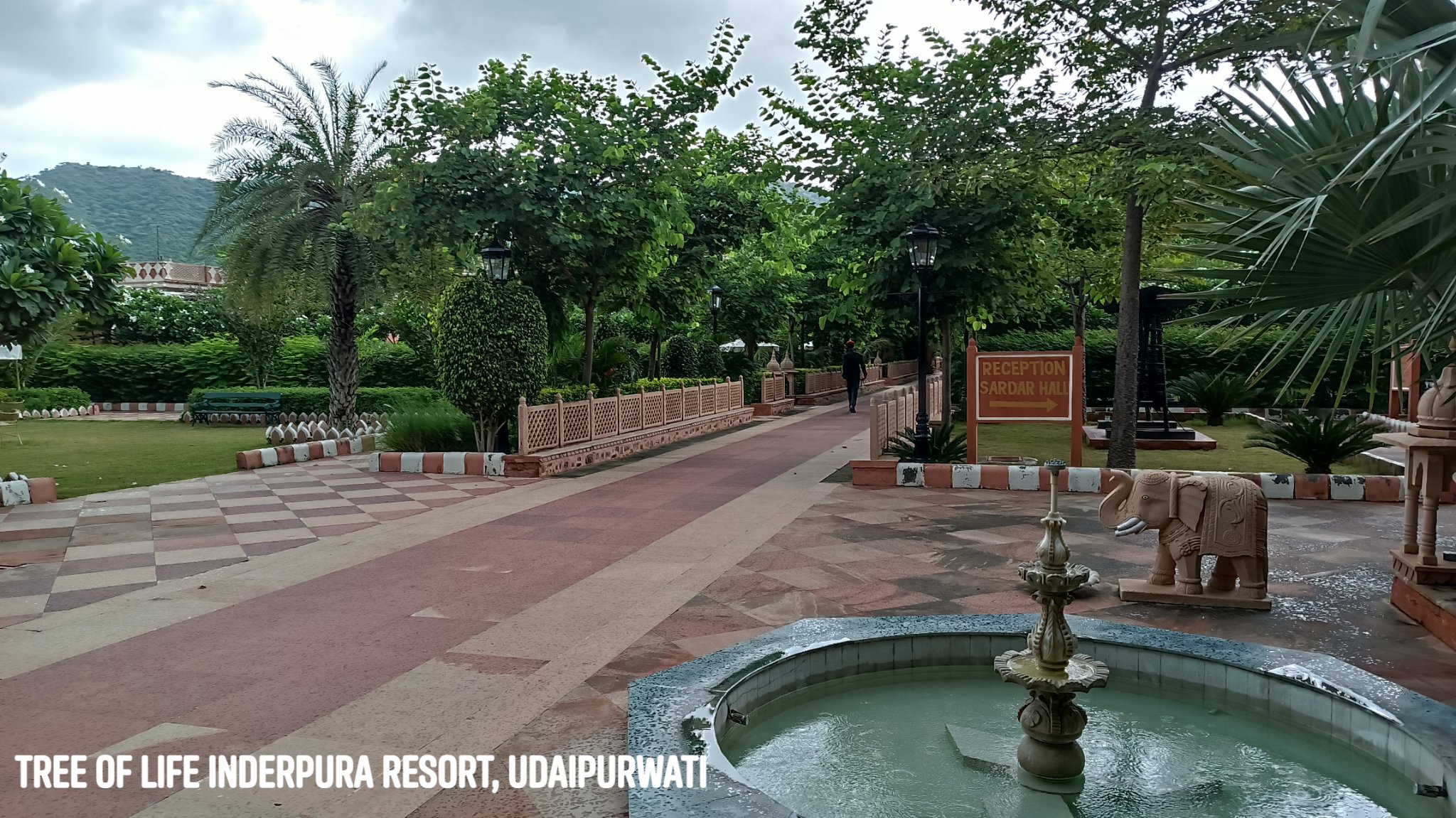
Udaipurwati

A quaint little town nestled within a gap in the Aravallis, is home to an excellent resort called The Tree of Life Inderpura.

Lohargal

Near Udaipurwati, within a crevice in the hills is a holy spot with a natural spring feeding a bathing tank and ancient Sun Temple. According to myth, weapons and armour of a Pandava army that camped here after their victory, dissolved in the water, giving the place its name: Loha (Iron)+Gal (To melt).

From thereon in Jaipur, I visited a couple of places that I had not seen before, both nestled in the Aravallis.

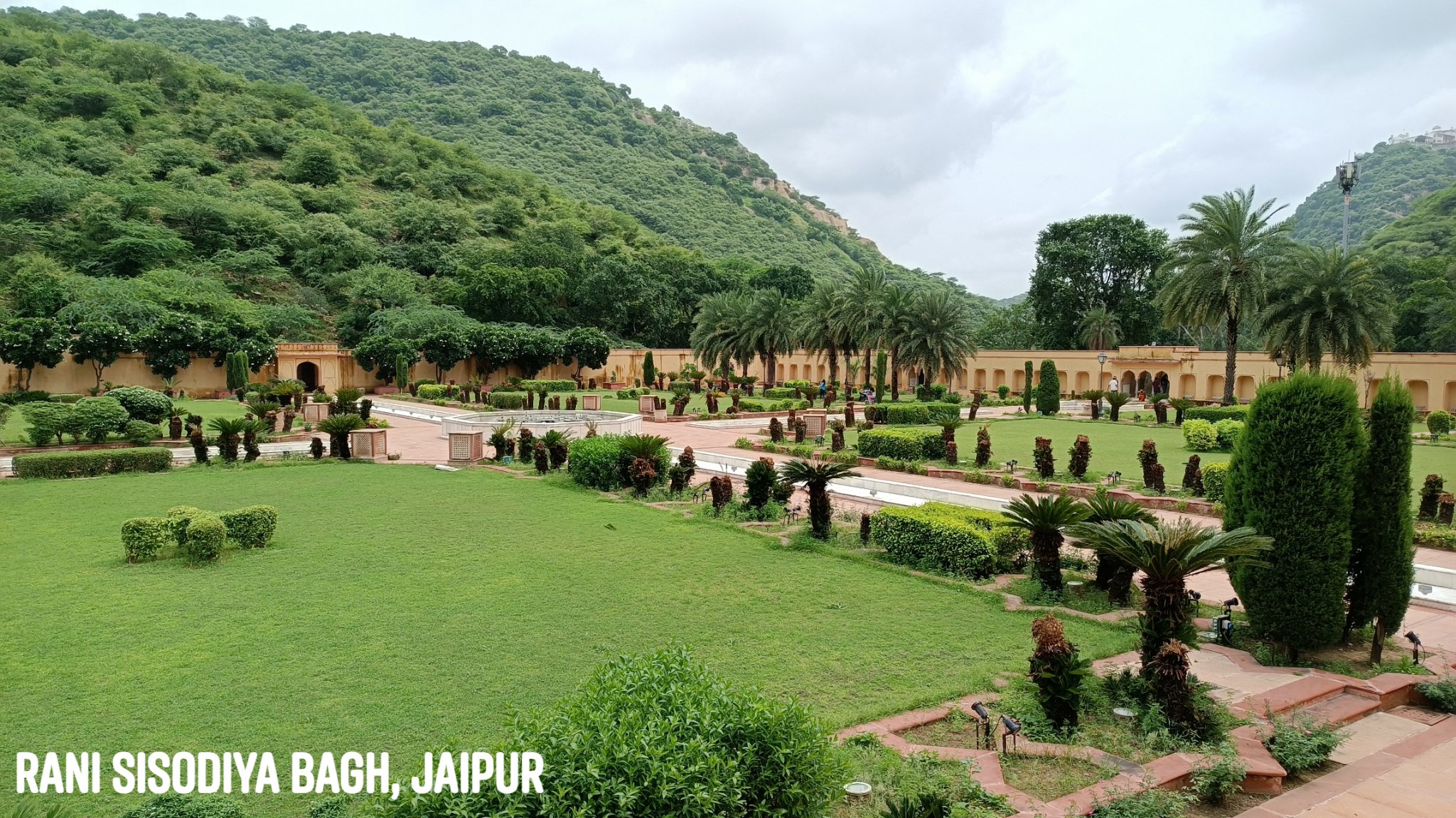
Rani Sisodiya Bagh

A hidden gem of a garden built by Sawai Jai Singh II for a princess of Udaipur, who agreed to marry him only on the condition that she be made the main queen of Jaipur.

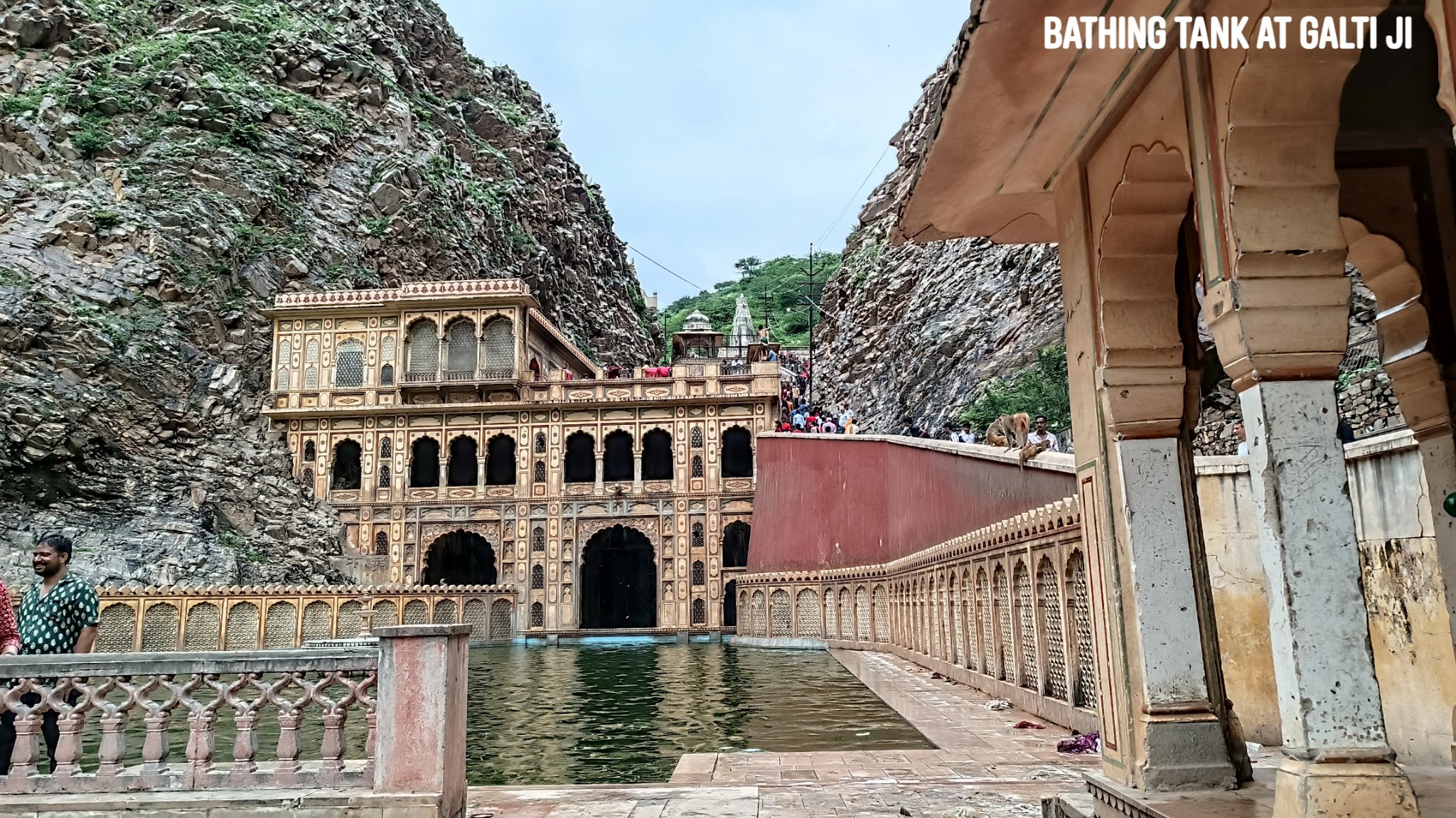
Galta Ji

Home to a bathing tank fed by a perennial spring and a temple dedicated to a hermit named Galta ji, along with temples dedicated to Krishna and Ram. At the peak of the hill is a 350 year old Sun temple, reached after a hike of about 1.5km. The first rays of the Sun reaching Jaipur apparently fall on the idol in the temple. Views from the hill are outstanding.

Trip Summary
Day 1:
Gurgaon to Udaipurwati via Neem-ka-Thana & Patan -250 km, 6 hours
Udaipurwati to Lohargal – 15km, 30 min
Lohargal to Jaipur via Udaipurwati & Reengus – 160km, 3 hours

Day 2:
Jaipur sightseeing of Rani Sisodiya Bagh and Galtaji – 25km, 2 hours
Jaipur to Gurgaon – 230km, 4 hours

Total – 670km

Hopscotch through Hadauti: Kota, Bundi and Jhalawar

In end-August, we planned a weekend excursion to the erstwhile Hadauti region, centred around present-day Kota. Taking the 3.35 PM Garib Rath from Delhi, we reached Kota by 8 PM, and promptly checked-in to a hotel.

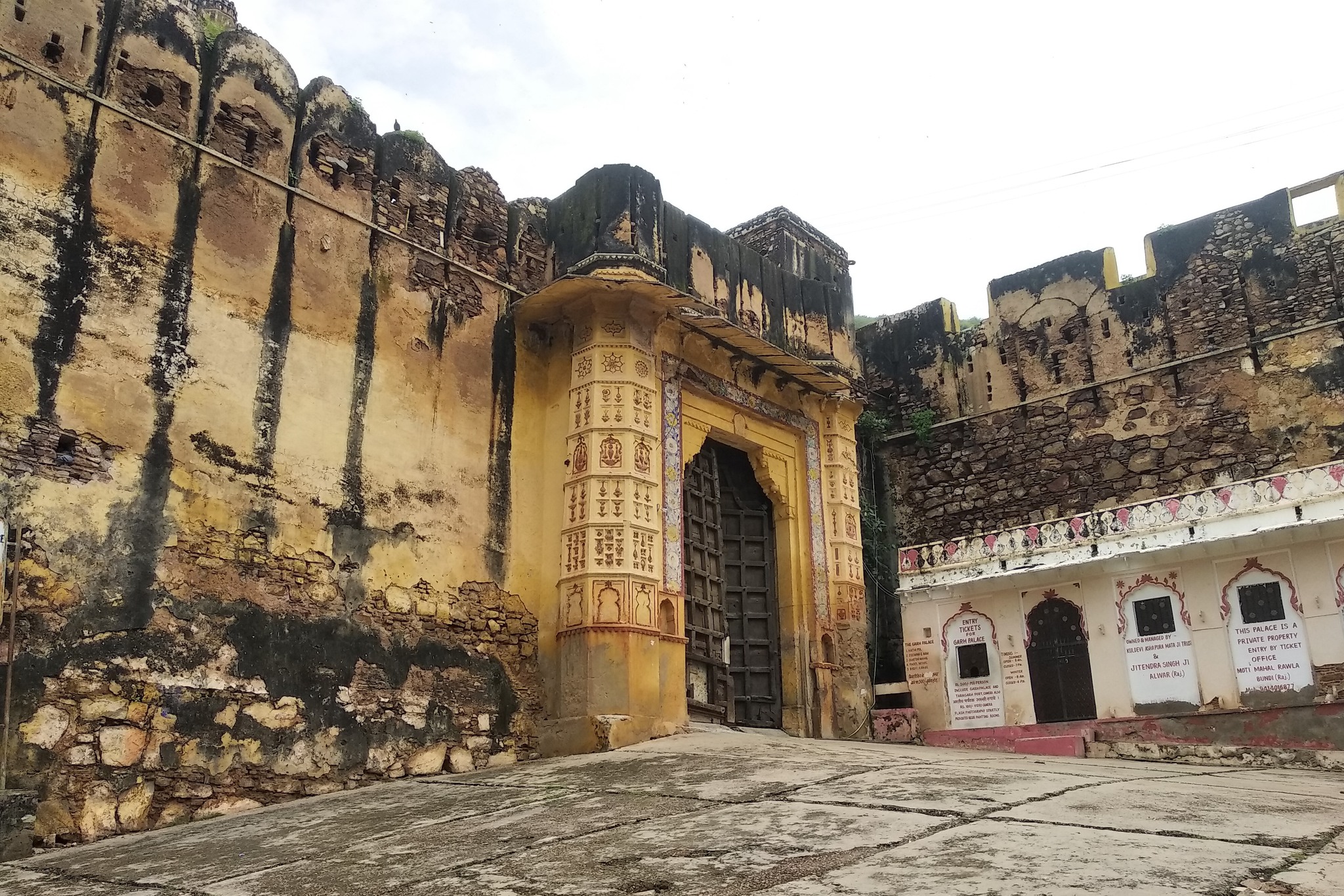
The next day, we booked an outstation Ola taxi, and headed off to first see the Kota Garh Palace standing on the edge of a canyon on the Chambal river. With origins in the 13th century, the fortified palace served as the residence of the Raos and Maharaos, the rulers of the kingdom of Kota. The ground floor is converted into a musuem, while many of the palaces are open to the public – from one of the palaces, the Kota Barrage and Kota river are visible.

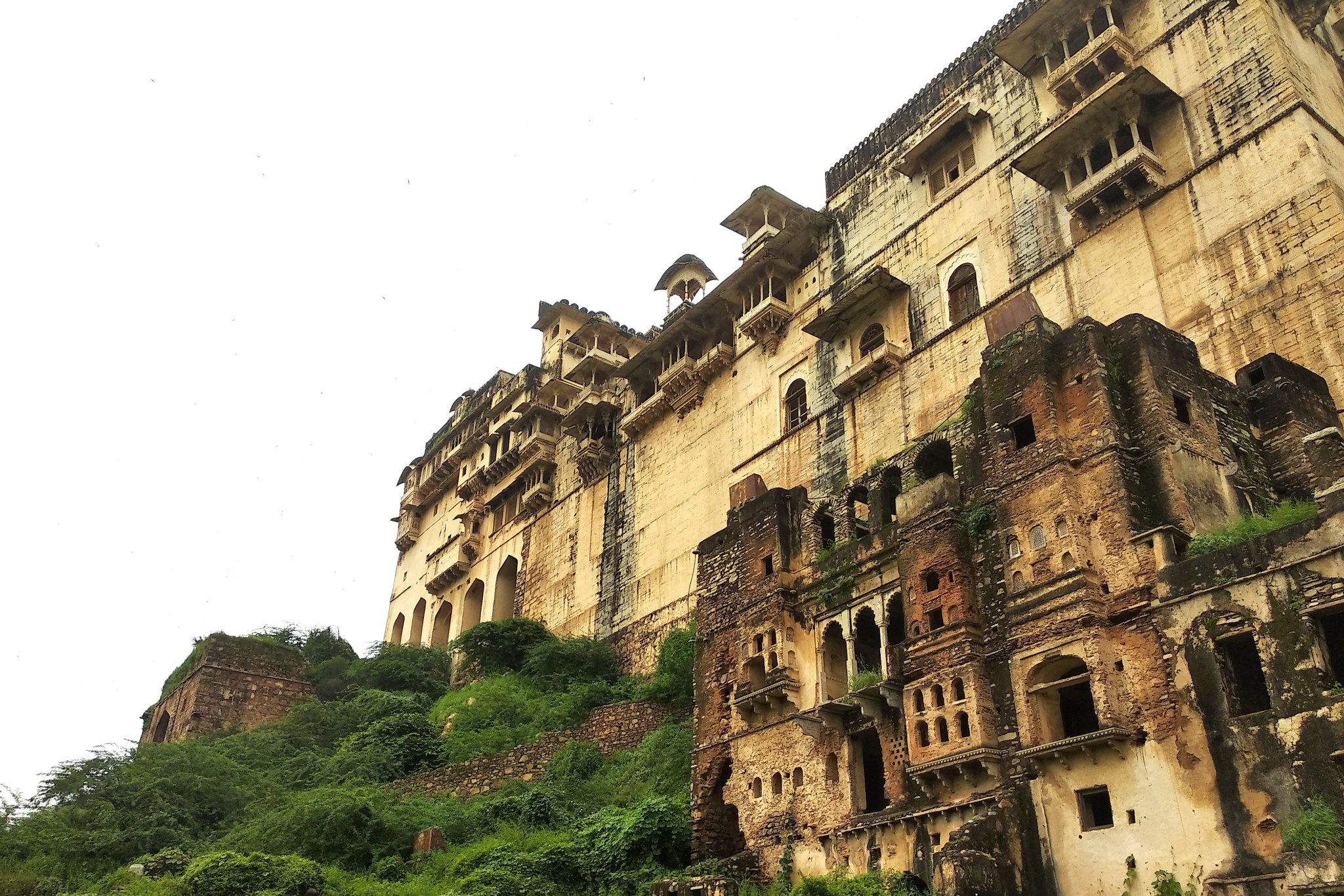
A little later, crossing the mighty Chambal river, and riding for some time, we passed through a tunnel in the Aravallis, and then climbed up a pass in the hills, before we saw a most fascinating sight of a yellow-coloured multi-storeyed structure with balconies, windows and domes etched at a height against the hillside, separated from the road by a large pond with a cenotaph in the centre.

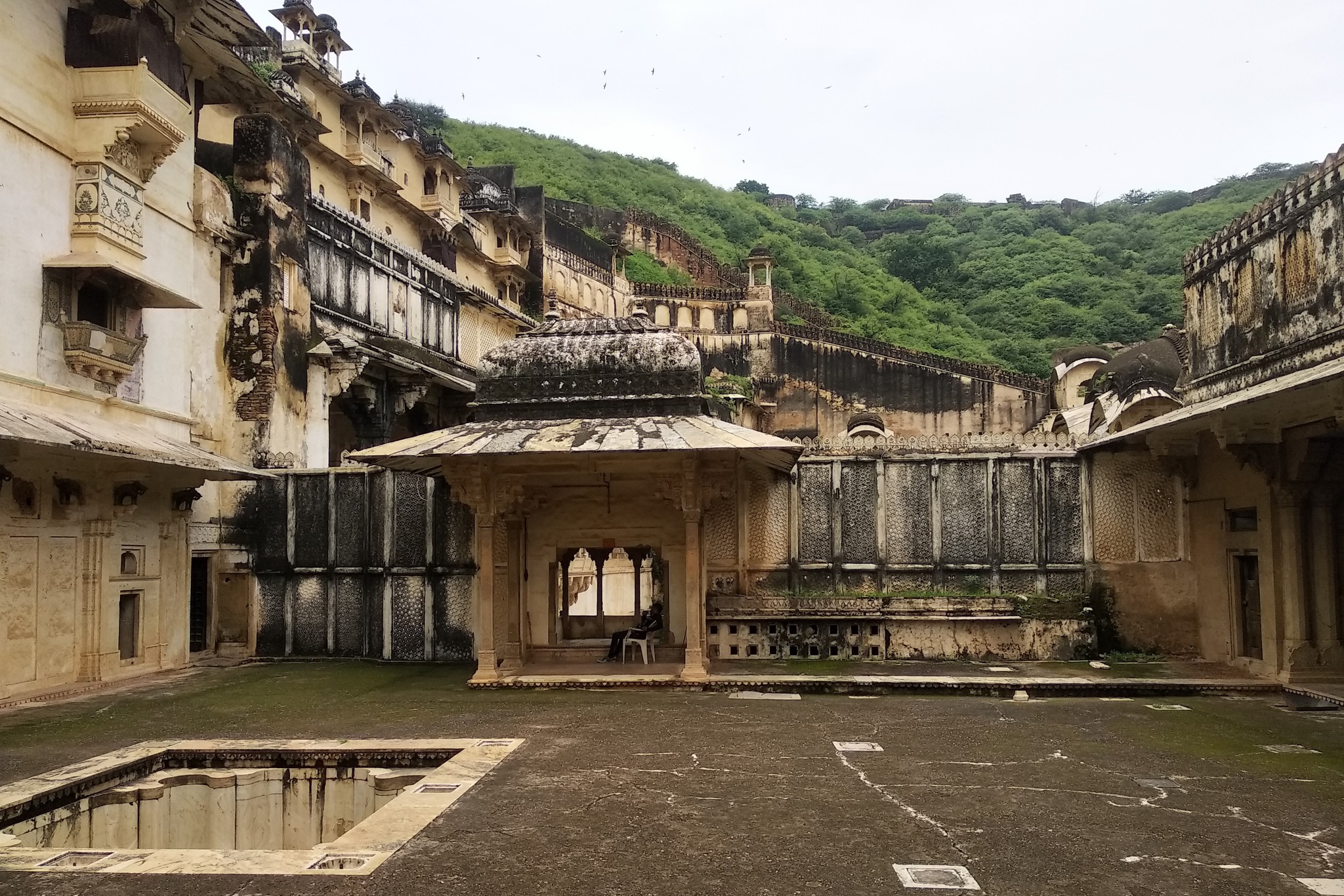
Winding around the pond, we entered the narrow lane of the village located at the foothill, and then rode up a steep incline to reach the large front gate of the Bundi Garh Palace. Soon, we were inside the precincts of the fortified palace, climbing up the winding, steep stony path, admiring the tall walls of the palace hanging on the cliff. Then, we encountered a final tall arched gate that led us into the Garh Palace’s courtyard.

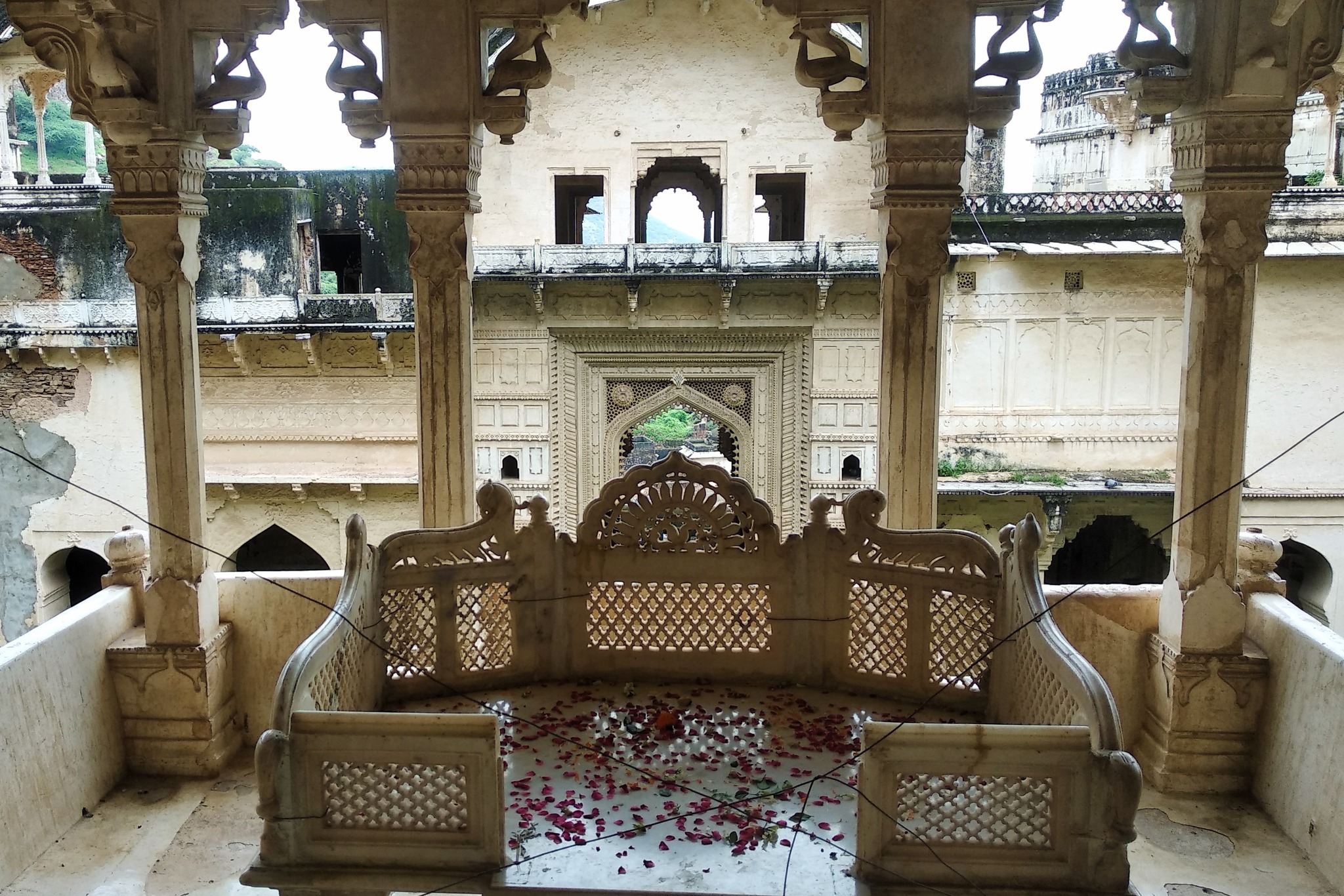
Inside the Garh Palace, we explored multiple storeys of the palace, climbing up the labyrinthine stairs, walked through the many halls and rooms, and reached the roof of the Badal Mahal which owing to it being at one of the highest points of the palace, afforded a panoramic view of the village and the pond nestled in the hills. We then walked to an adjacent structure, called Chitrasala, which houses numerous murals and frescoes.

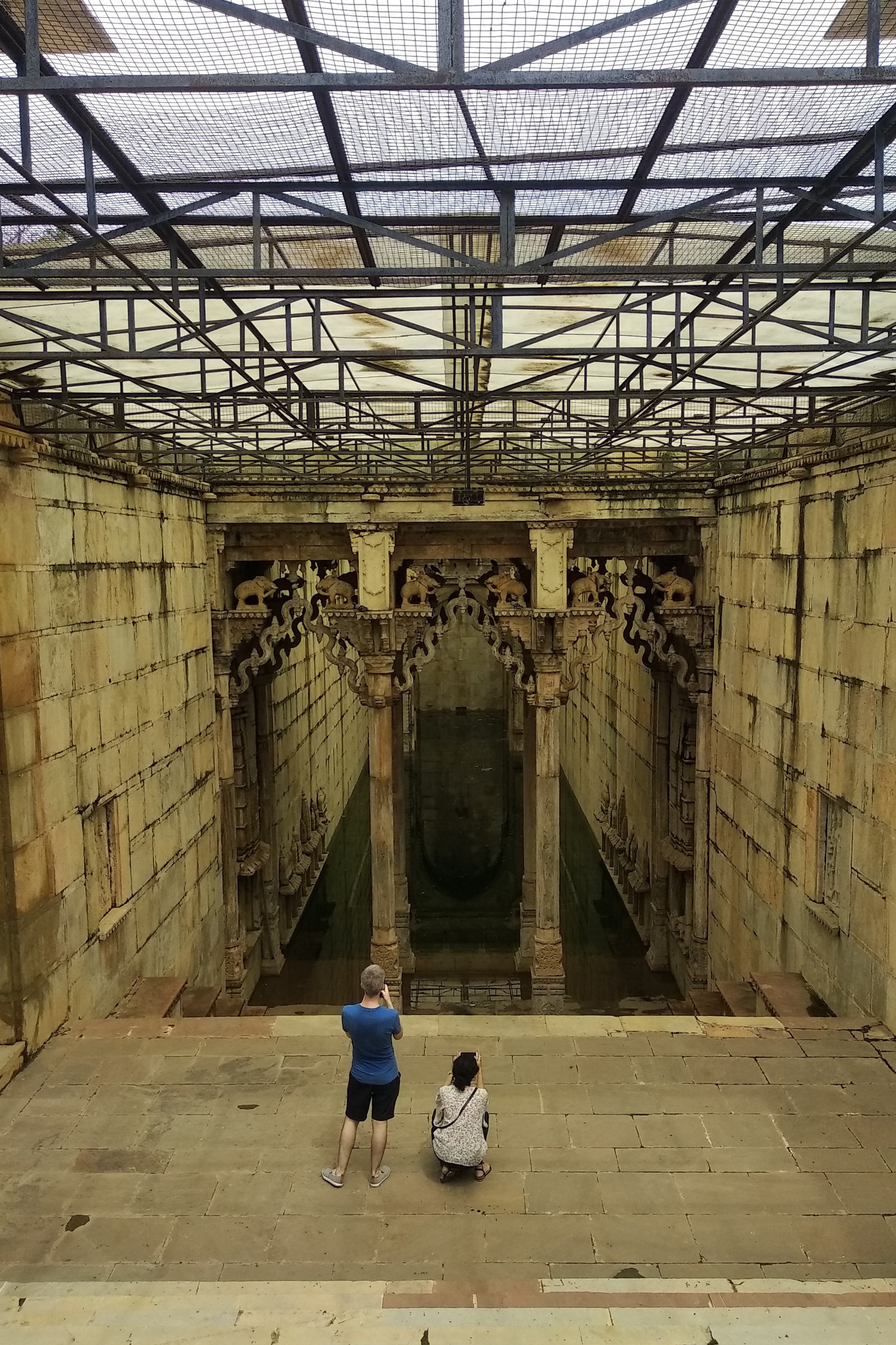
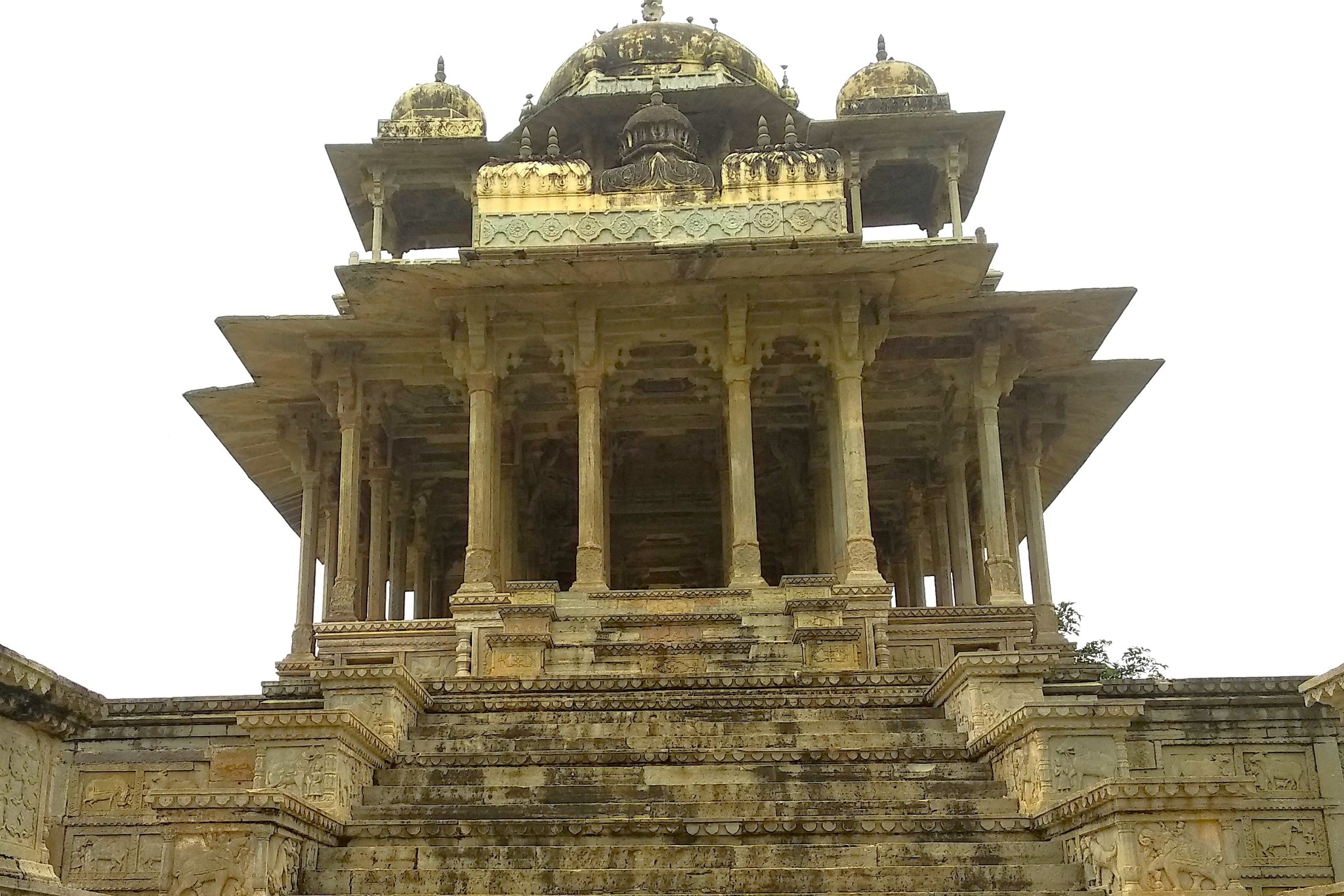
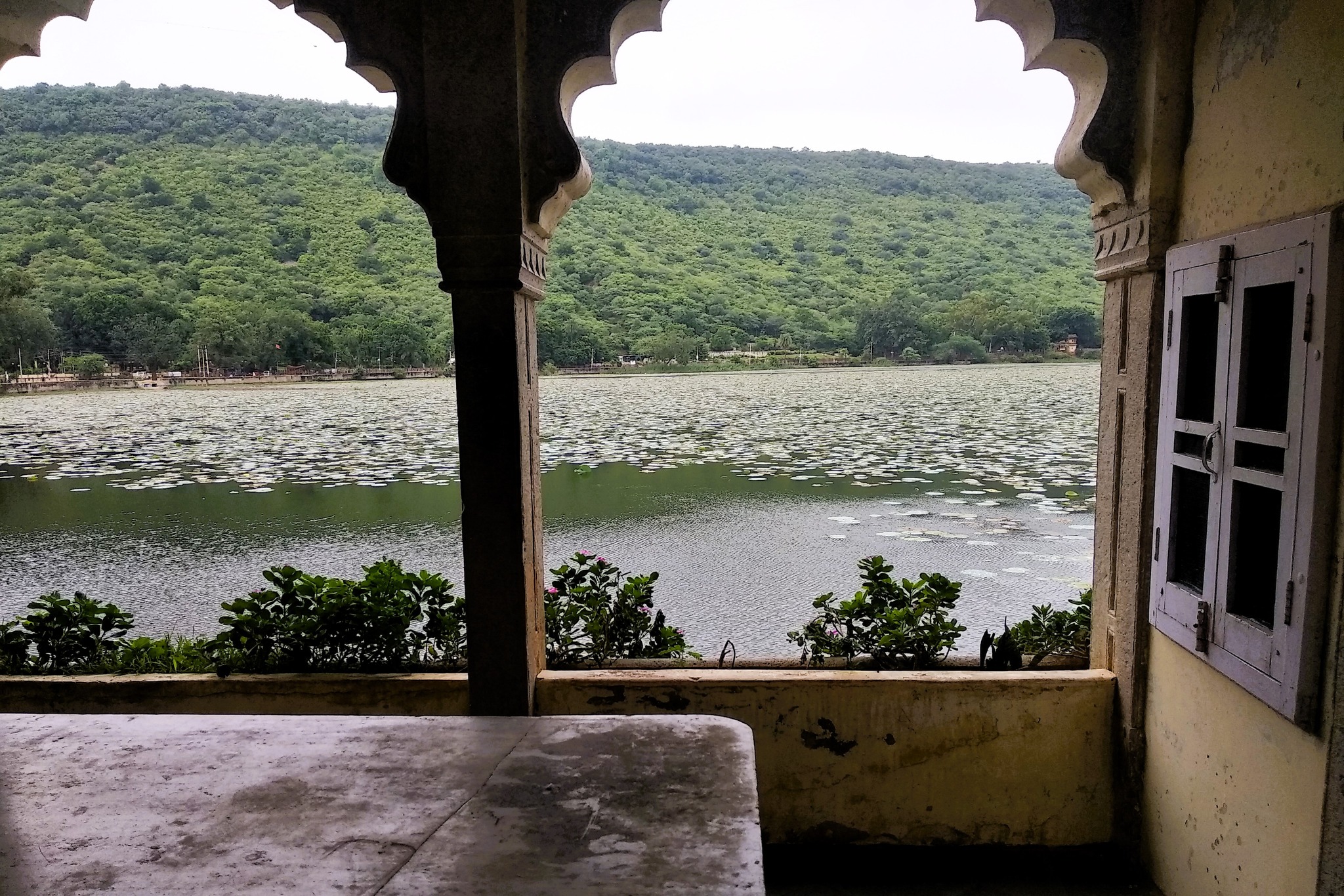
Following this, we made our way through the narrow village lanes to the more urban portion of the town, where we saw the Raniji ki Baori, a 17th century covered stepwell, that is 150 feet deep, and is fairly well-maintained and filled with water even now. Then, we proceeded to the Nawal Sagar lake, located on the outskirts, on the banks of which Rudyard Kipling spent some time in a modest but attractive bungalow. Afterwards, we saw the Chaurasi Khambon ki Chhatri or ’84-Pillared Cenotaph’, another 17th structure with a shivling at the centre of the space enclosed by the pillars.

The next day, we woke up to rain pattering on the parapet of our window. Still, in the light rain which was for the most part a drizzle, we proceeded to Jhalawar, hurtling across the Kota plateau, and then winding across the Mukundra Hills, in pursuit of Gagron fort. From Jhalawar town, we turned northwards passing through the countryside until we could see the fort in the distance.

Then we rolled down a slope, and came face-to-face with the Ahu river, overflowing due to the rains, completely submerging the low bridge that connects the side we were on to the hillock that the fort stands on. With no signs of the rain and river water abating, we turned back, disappointed. It being only noon yet, we figured we could somewhat compensate for the lost opportunity, by exploring some other nearby place – that place turned out to be Jhalrapatan.

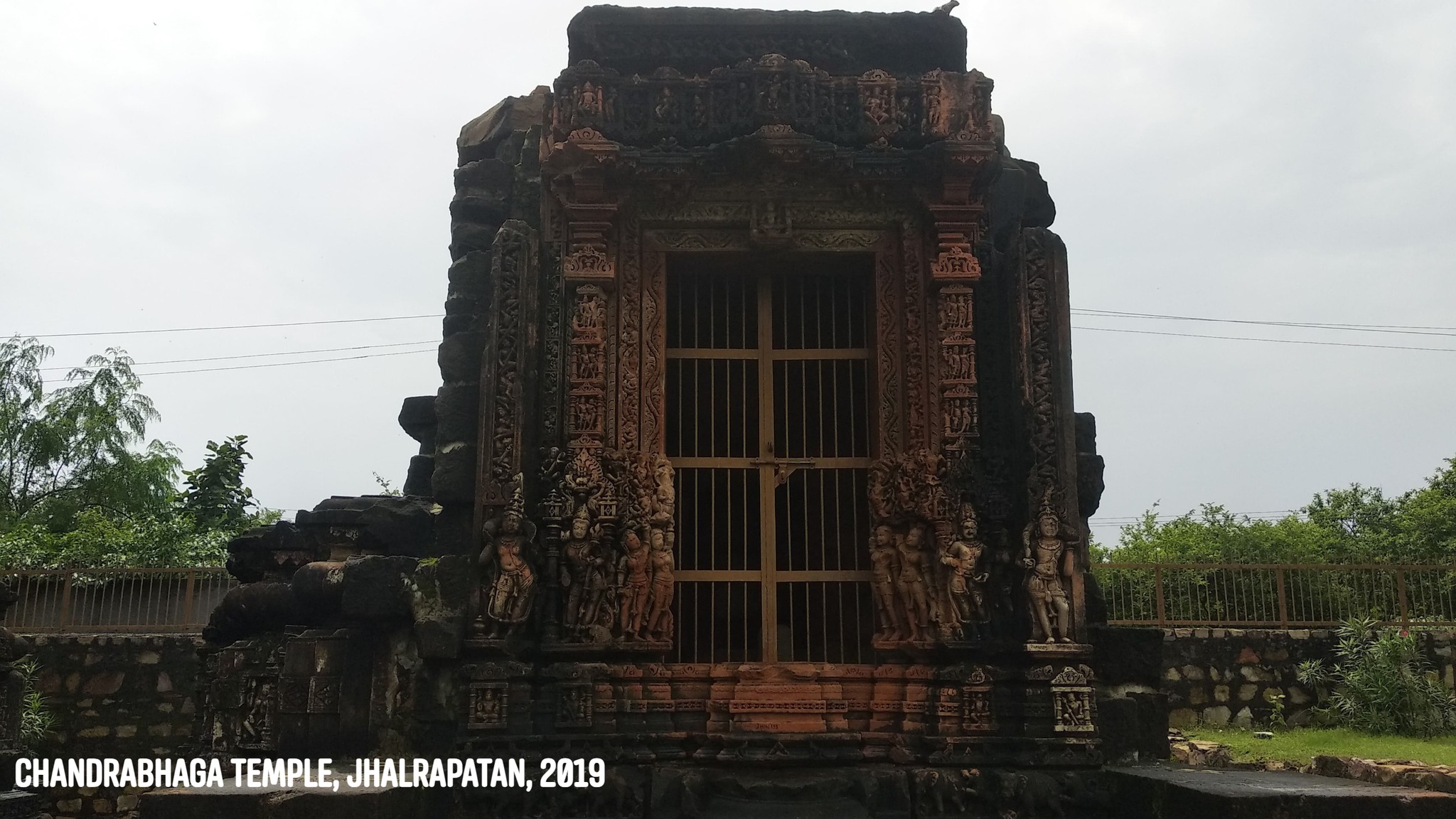
Within half-an-hour we were in Chandrabhaga and Chandramoleshwar temple complex with structures dating back to the 7th century, on the banks of the Chandrabhaga river that runs around Jahlrapatan town, and is also the site for the Chandrabhaga cattle fair held in November every year. Next, we saw the 10th century Surya (Sun) temple that is located in the middle of the town, and headed back to Kota.

We then took an overnight train to Delhi. If not for the rains preventing us from seeing the Gagron fort, the trip as a whole was satisfying, giving us a taste of the heritage and topography of the Hadauti region, making us want to come back again.

In Search of the Treasures of Bundelkhand: Chanderi, Deogarh and Morena

In February 2019, my friend Abhijit & I picked up our backpacks and forayed into the Betwa and Chambal Valleys in search of some less-heralded archaeological treasures. Planned to be a quick weekend trip, we took an overnight train from Delhi, got down at Lalitpur and checked in into a hotel early in the morning. After gorging on a breakfast of the famous local dish poha, we took off by public transport across the Betwa river to the quaint little town of Chanderi which is tucked behind a hill range.

Chanderi, famed today for its sarees, was under the control of Bundela Rajputs of Orchha from the 16th century before it passed to the Gwalior Scindias, and then into British hands in 1844. It is home to a fort and a few other monuments, including Jain caves & Tirthankara sculptures and a Scindia haveli. Chanderi was most recently featured in the Hindi horror-comedy movie, ‘Stree‘. In fact, a beautiful gated hill pass featured towards the movie’s end is what had fascinated me about Chanderi in the first place.

One of the gates leading to Chanderi city. The last scene of the movie ‘Stree’ was shot here.

On our way back, with darkness fast approaching, we took a bold venture into the thick forests of Deogarh on the other side of Lalitpur, in pursuit of a 6th Century Vishnu Temple called Dashavatara (of the 10 incarnations of Vishnu) Temple. It was beyond sun-down, the closing time of most monuments, however, we still got to access the temple as the temple upkeep is not geared towards tourism – a truly unheralded site. As I perused the sculptures and the carvings on the Gupta period temple walls, I trembled with the knowledge that I stood in the vicinity of one of the oldest standing temples of India!

How the early 6th century Dashavatara temple at Deogarh, dedicated to Vishnu, looks like on an early February late evening

As we pushed ahead towards a 8th century Jain Temple Complex in the pitch darkness, the auto-rickshaw we were riding on was hailed by a couple of burly men, who asked to hitchhike to the Jain Temple. They claimed to be policemen and the auto-rickshaw driver had to relent. With our hearts in our mouths, we rode up a hillside to finally reach a well-illuminated temple complex, which was already closed. Fortunately, the men turned out to be who they claimed they were, and let us inside the Temple complex, as the sole visitors at 7pm on a deserted hilltop!

The Shantinath Jain temple complex, Deogarh, at 7PM – we were the only visitors in the darkness

The next morning, we learnt that our early morning train for Morena was running late by 5 hours, forcing us to improvise. So we ditched the train and took two buses back North towards Gwalior via Jhansi, racing against time. Getting down at Gwalior bus station, we approached an autorickshaw driver to ply us around for the whole day. The autorickshaw driver knew nothing about the places we were interested in, but he agreed immediately to the assignment when we pitched to him that it would be we who would show him around for a change! Now, who gets paid for being shown around?

Soon, pulling away from the main road, we ventured into the Chambal Valley. Encountering the occasional shallow ravines and sparse vegetation. Our first stop was the mesmerizing circular Chausath (64) Yogini Temple atop a hill at Mitaoli, a 1 hour drive from Gwalior. 4 km away lies Garhi Padavali, a fort-like temple, our next stop. However, the most intriguing and spell-binding site lay another kilometre from there – the 8th to 10th century Bateshwar Temple Complex, which was only restored a few years ago, with the help of Chambal dacoits!

The Bateshwar temple complex lies protected in a cove in the hillside, and is accessed by turning around the hillside when coming from the Padavali site. The complex comprises more than a hundred small temples stacked in tiers, along with a couple of bigger temples and a water tank at the innermost end of the complex. Standing at the bottommost level of the complex, the tiered lines of temples is a sight to behold! The story of how the temples were restored is in itself a testament to the dedication to his craft, and perseverance of reputed archaeologist K.K.Mohammed, and to the magic of collaboration amidst disjointed forces in the face of forces of vested interests.

The road leading to the Bateshwar temple complex as seen from atop the fortress wall of the Garhi Padhavali temple
View of the stacks of tiered temples inside the Bateshwar temple complex – the temples are mostly small and a testimony to syncretism of the three major traditions of the Shiva, Vishnu and Shakti within Hinduism.

We rounded up the tour with the Kakanmath temple at Sihoniya, 20 km away from Padhavali. Built in the 11th century, the temple is decrepit, but the intricacy of the carvings on the walls are unmissable. After hovering around the site to our heart’s content, as we hurtled towards Gwalior in the autorickshaw through the Chambal ravines and ridges, with the billowing dust-clouds dispersed by the autorickshaw’s wheels bathing, and then clothing us with layers of dirt, I was reminded as to how easy it was for the sands of time to bury things into oblivion, and how, there is so much more from our past to uncover.

Khajuraho: A Personal Odyssey

For more than 15 years, I harboured a longing to see Khajuraho, a dreamy place that I had read about in my school history textbooks, whose mention and descriptions conjured up images of a culturally rich and advanced town bustling with activity in the middle of dense forests.

In December 2016, as I awaited the admission results for the B-school I had applied for, and to keep myself preoccupied to counter anxiety on the exact date the results would be coming out, I scheduled a three-day solo trip to Khajuraho as below:
Day 0: Take overnight train from Delhi to Khajuraho
Day 1: See the temples of Khajuraho
Day 2: See Raneh Falls and Panna Sanctuary, and proceed to Jhansi later in the day
Day 3: See Orchha, and take the evening train from Jhansi and reach Delhi by midnight

But, as Robert Burns said, “The best-laid plans of mice and men often go awry.” Consider the ensuing circumstances I describe below.

With intense anticipation as I reached the Nizamuddin Railway station for the train scheduled at 8 PM, I learned that the train would start with a 6 hour delay, starting eventually at 3 AM. Then, due to intense fog, the train got further delayed, and finally reached Khajuraho at 6 PM, 12 hours late!

With a complete day wiped off from my itinerary, I improvised. I would proceed with the original plan for Day 2, i.e. see the Raneh Falls and the Panna sanctuary, and cram the temple visit in the later half of the day. I would then leave for Jhansi and Orchha early the following morning. Accordingly, on Day 2, I got up earlier than my routine, had an early breakfast, promptly rented out a scooter, fueled it up, then put on the rented helmet, took a glance at the tourist map given to me by the hotel receptionist, and set off for Raneh Falls by 9 AM.

I never got to Raneh Falls though. About two kilometres after taking a right turn for Raneh, with still 13 km to go, and 7 km from Khajuraho, I encountered a patch of sand that had spilt over to the curving road, and I applied my brakes, immediately telling myself, “Uh-oh, you shouldn’t have done that!” The next thing I remembered was my helmet hitting with a thud on a surface, and me lying on the ground. I stood up, but there was no strength in my knee, causing me to fall back on the ground, even as locals gathered around me.

The locals surveyed the damage both I and my scooter had incurred, and reckoned that both were probably fine, but that I most certainly needed some medical attention. They asked an auto-rickshaw driver who had stopped by, to take me to a nearby public health clinic, whereas another local inquiring of me as to where I had put up, offered to deliver the scooter at the hotel.

Shortly, I was on my way to the clinic on the auto-rickshaw, with the pain kicking in as the adrenaline wore off, making me realize that I had a deep cut in my right palm, a wide bruise on my left elbow almost exposing the bone, and a feeling of limpness and burgeoning swelling around my left knee. The doctor strapped a knee cap on my left leg, cleaned up and bandaged my wounds, gave me a shot of painkiller, and prescribed a ton of medicines. Thankfully, there was no fracture, and it seemed to be a case of soft tissue injury, the extent and nature of which were not immediately clear.

By 12.30 PM, I was back in the hotel – and so was the scooter – and laid down, soothed by the effect of the painkiller. Nevertheless, I was not going to be bogged down by this setback, given that I had waited 15 years to visit this place, and so around 4 PM, I set out to see the Western Group of temples which was just a stone’s throw away.

Soon inside the premises of the temple complex and absorbed by a tourist guide into a larger group, I was hobbling across the sprawling lawns and staggering from temple to temple, lumbering up and down the high platforms, taking photographs of the exquisite sculptures and carvings on the temple walls, even as the pain kept stabbing through the shroud of the painkiller. Hanging around for the amazing Light-and-Sound show that is conducted every evening, I was finally back at the hotel, where I had to take another round of painkiller to counter the intense pain.

Now it was clear that the improvised plan for Day 3 was off the plate, and my only objective for the day would be to reach the Jhansi Railway station well in time to catch the train. So, on Day 3, after taking my medicines following breakfast, I was dropped at the bus-stand by a generous local, where I was told I should change buses at Chhatarpur. In the bus itself, the bus conductor, looking at my condition, gave me a place to sit even though the bus was filled to the brim.

At Chhatarpur, I limped from the bus I was in to another, where I got a decent seat by the window, and was soon headed to Jhansi. The road to Jhansi seemed unusually long, what with my injuries giving me rather gentle reminders about their existence, and the looming B-school admission result prompting me to frequently check my email inbox, but mainly because reconstruction on long stretches of the road hampered the bus’s progress.

With the bus permeated by clouds of dirt as we neared Jhansi, I saw an email from the B-school. With the pounding in my heart instantly notching to many gears higher, I opened the email to read that I had been accepted – talk about a silver lining!

In Jhansi, as I got down the bus, I realized for the first time that something was seriously off in my knee, when I felt a bit of wobbling between the femur and tibia – most likely, the result of a torn ligament. Later, aboard the Shatabdi Express which itself had arrived an hour late, with the pain setting back in again as the painkillers wore off, I realized I had forgotten my medicines at the hotel!

Getting down at Delhi, I hailed a cab, and picked up a new stock of the prescribed medicines on my way home, and slowly clambered up the three flights of stairs to my place on the third floor, one step at a time, virtually dragging along my near-lifeless but excruciatingly painful left leg. Back in my bed, I contemplated my next course of action, as I stared at a long path to recovery, amidst the workload at the office, medical consultations and the upcoming B-school admission.

Aravalli Archives: A Birthday in Mount Abu

Having done one solo trip every year for the last four years now, and with almost half the year already passed, I decided to schedule this year’s solo trip on my birthday in early July, and booked a train ticket two weeks in advance to Abu Road by Rajdhani Express, to see Mount Abu, a place lying on my wish list for a long time. In the week leading to my birthday which was on the coming Saturday, my friend from college who lived near Rewari, called me up asking about my birthday plans, and I invited him to join me. So, booking a waitlisted ticket on the same train, he boarded the train at Gurgaon railway station, from where we shared a single berth till our destination.

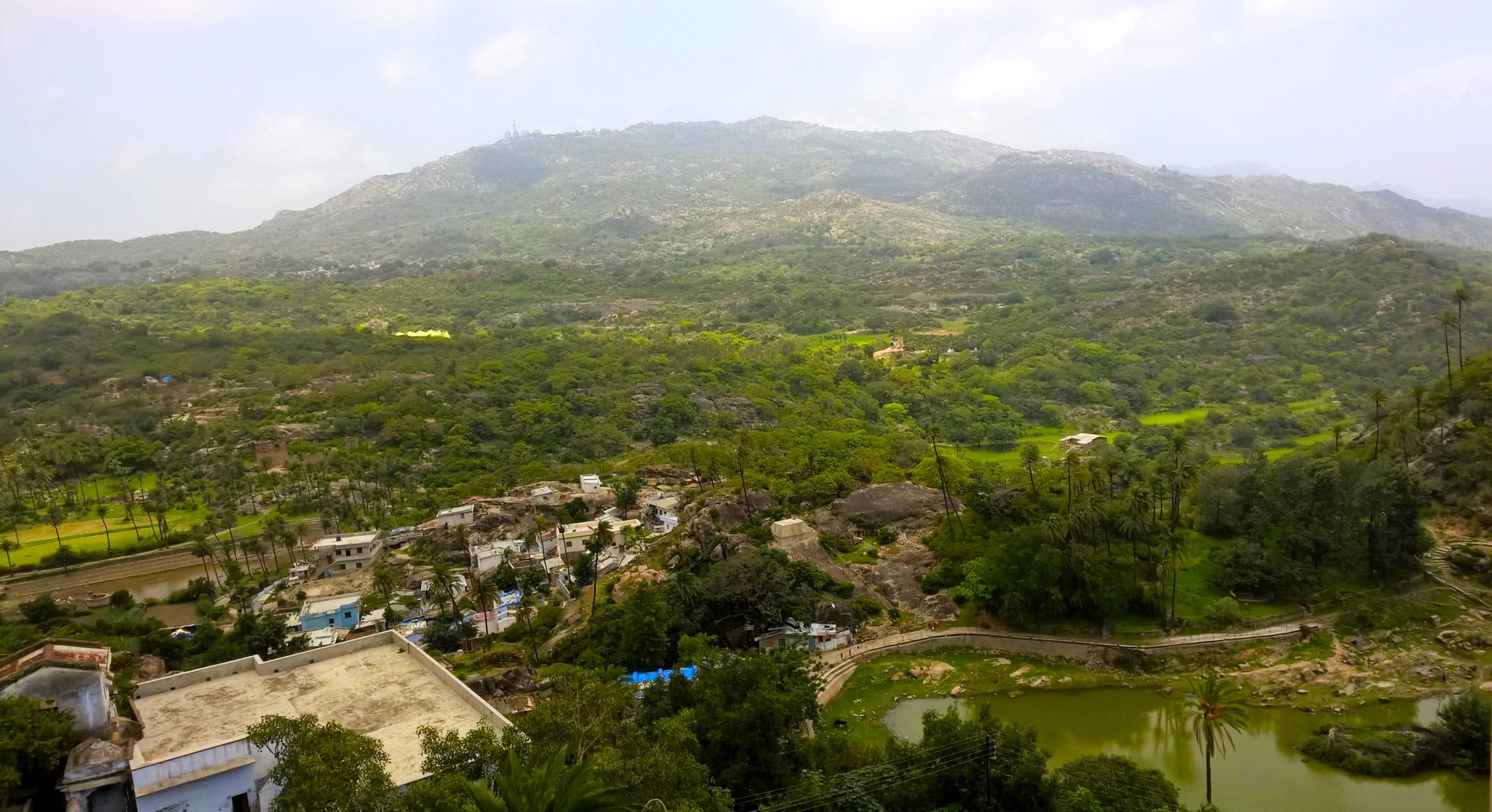
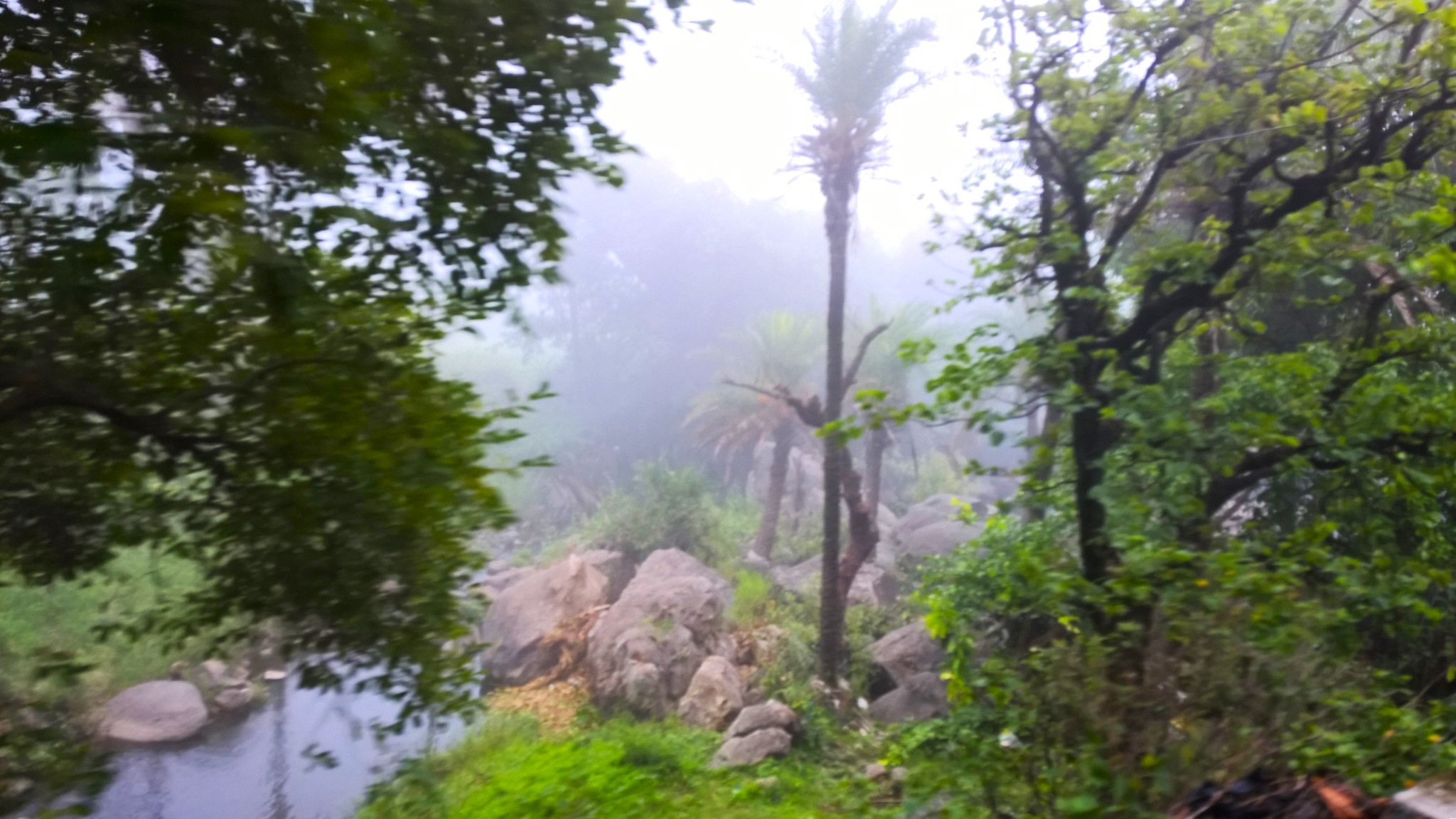
Getting down at Abu Road around 5.30 AM, we caught a public transport bus for Mount Abu. As we ascended through the hill road, we were immediately swimming in a cover of green, with an abundance of date palm trees dotting the roadside. As we gained height, I saw, through my sleepy eyes, that we were submerged in the infinite clouds of mist or actual rain clouds, which was it I am not sure. As we approached Mount Abu town, trying very hard to keep awake, I was taken in by the sight of ponds surrounded by denser forest. The many times I forced myself out of my sleep to see the scenery outside, I was reminded of my the scenery on the way to Ooty and Kodaikanal on my college trips.

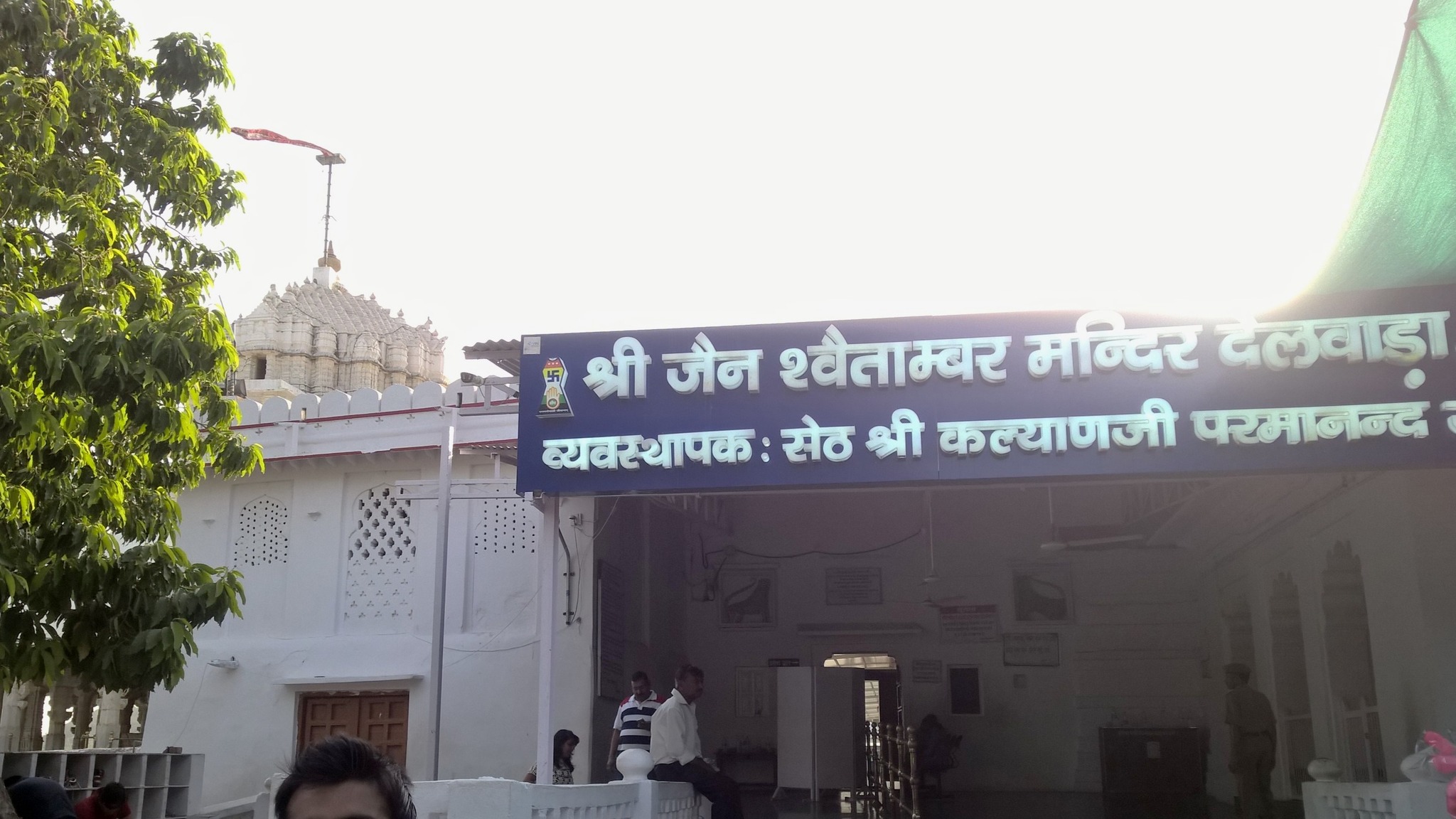
At Mount Abu town, after quickly checking in to a hotel room, we set out for a South Indian breakfast at the city centre. Then, renting a scooter, we set out on the tour, the planning for which my friend entirely left to me on account of it being my birthday. So, we started off with the famous Dilwara Jain temples, the temple that had been synonymous with Mount Abu for me since I was in school, where I had read about the temples in textbooks. The Dilwara Temple complex comprise five primary temples made purely from marble, with two dedicated to Adinatha, the first tirthankara, and the other 3 dedicated to Neminatha, Parshvanath and Mahavira, were built in between 1026 AD and 1582 AD, and serve as an important pilgrimage for Svetambara Jains.

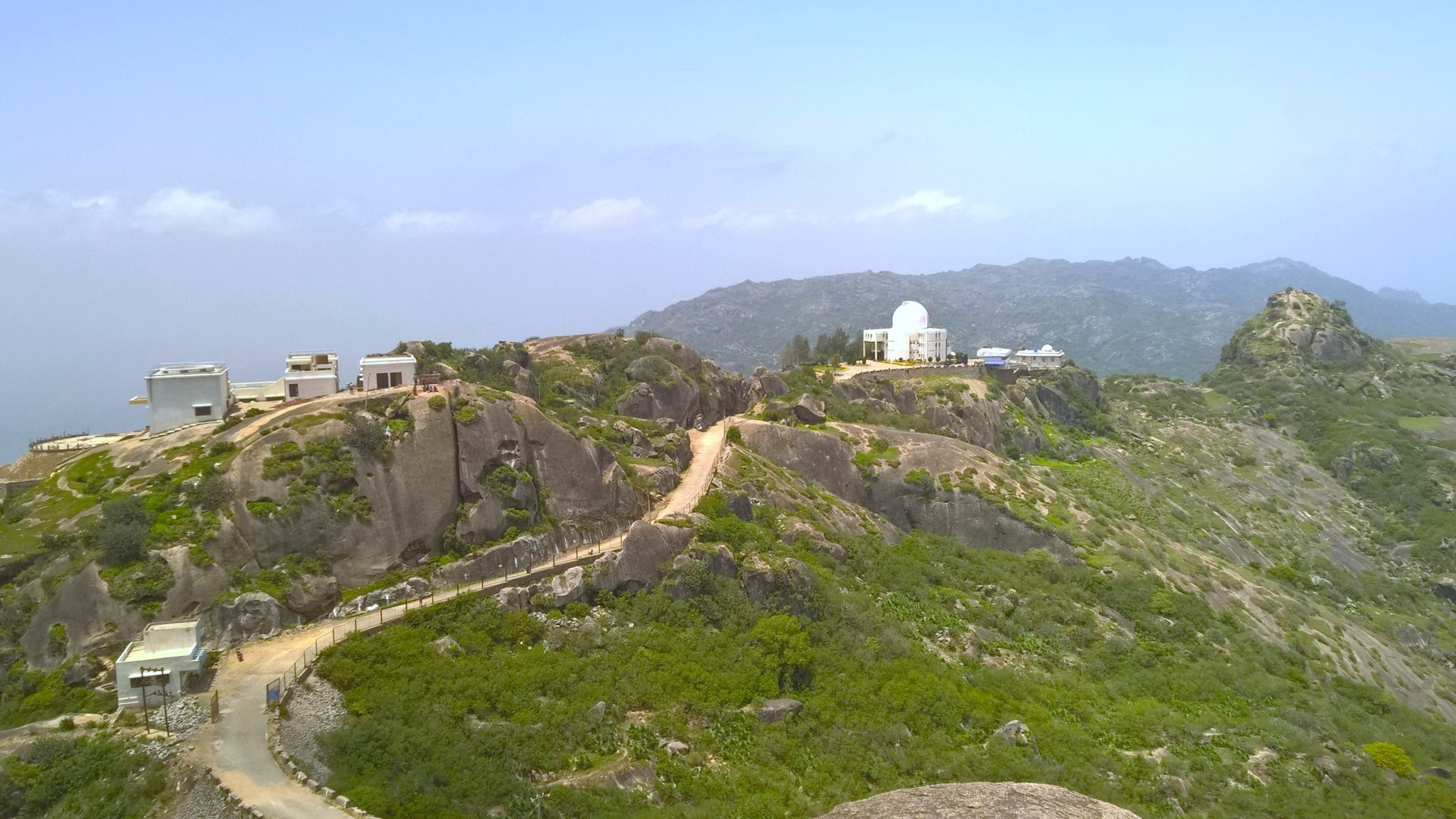
Next, ascending further up the hill road, negotiating mumerous hairpin bends, passing by ponds and patches of forests, we reached Achalgarh. At Achalgarh, climbing up a stony road by foot, we reached the marbe-built Shri Vishnu Jain temple, which also provided breathtaking views of the Aravallis. From there, we rode further up to Guru Shikhar, where we climbed the long flight of stairs to reach the highest point of the Aravallis at 1722 metres. Nearby is the Mount Abu Infrared Observatory (MIRO), which is visible from Guru Sikhar and nearabout, along with green cover on all the nearby peaks and troughs of the Aravallis.

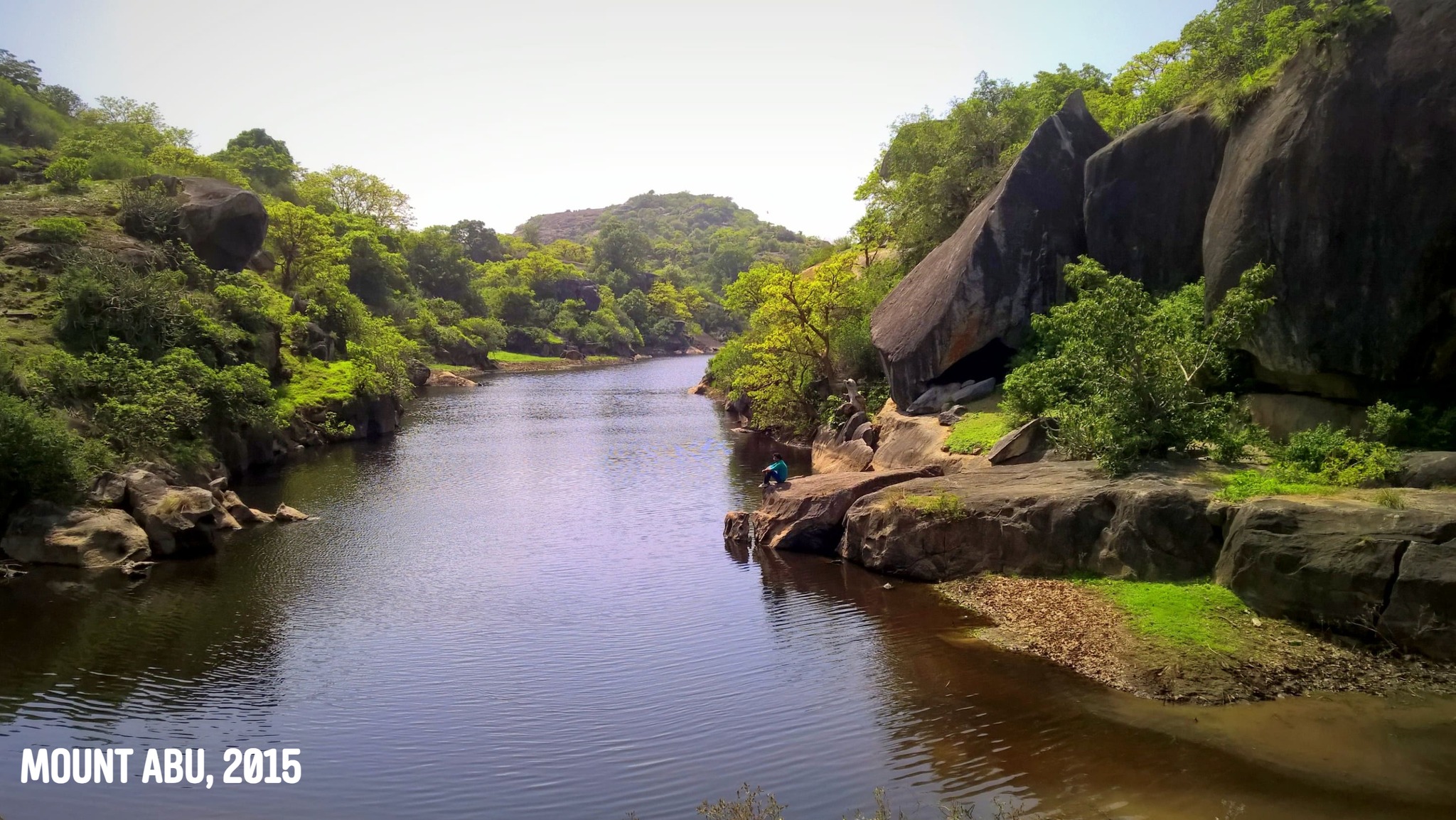
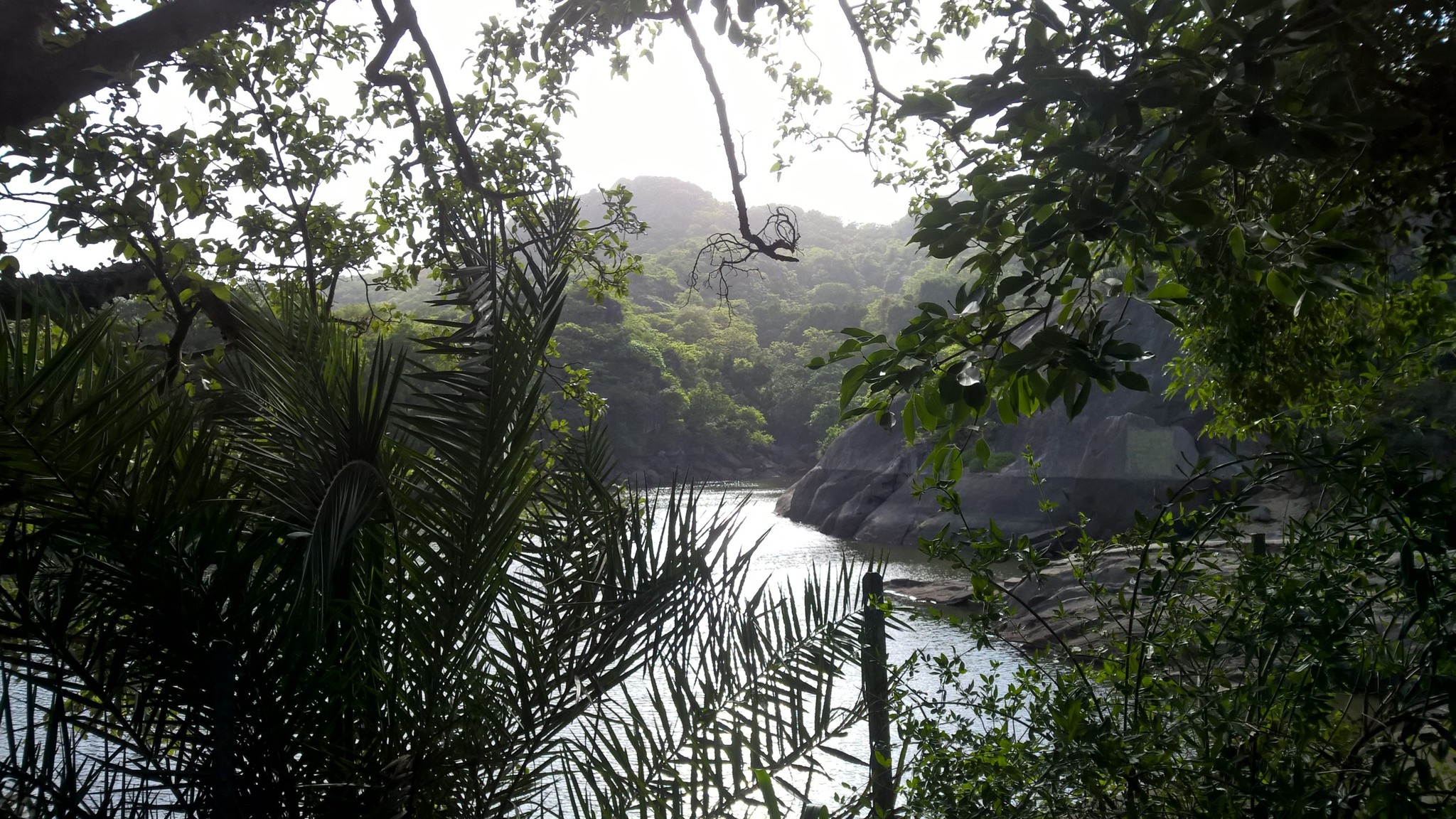
Turning back towards Abu, we stopped whenever some view or location caught the eye, the first such stop being at Lover’s Point, from where we got a picturesque view of the Aravallis nestling the Javai Lake. Then descending a little below after manoeuvering a few curves, we reached Javai Lake itself. Rolling further down, we came upon a water-filled fissure on our right side, where getting down, I sat on the rock for a while experiencing an extraordinary state of calm. A little further, we took a short detour to reach the Mini Nakki Lake.

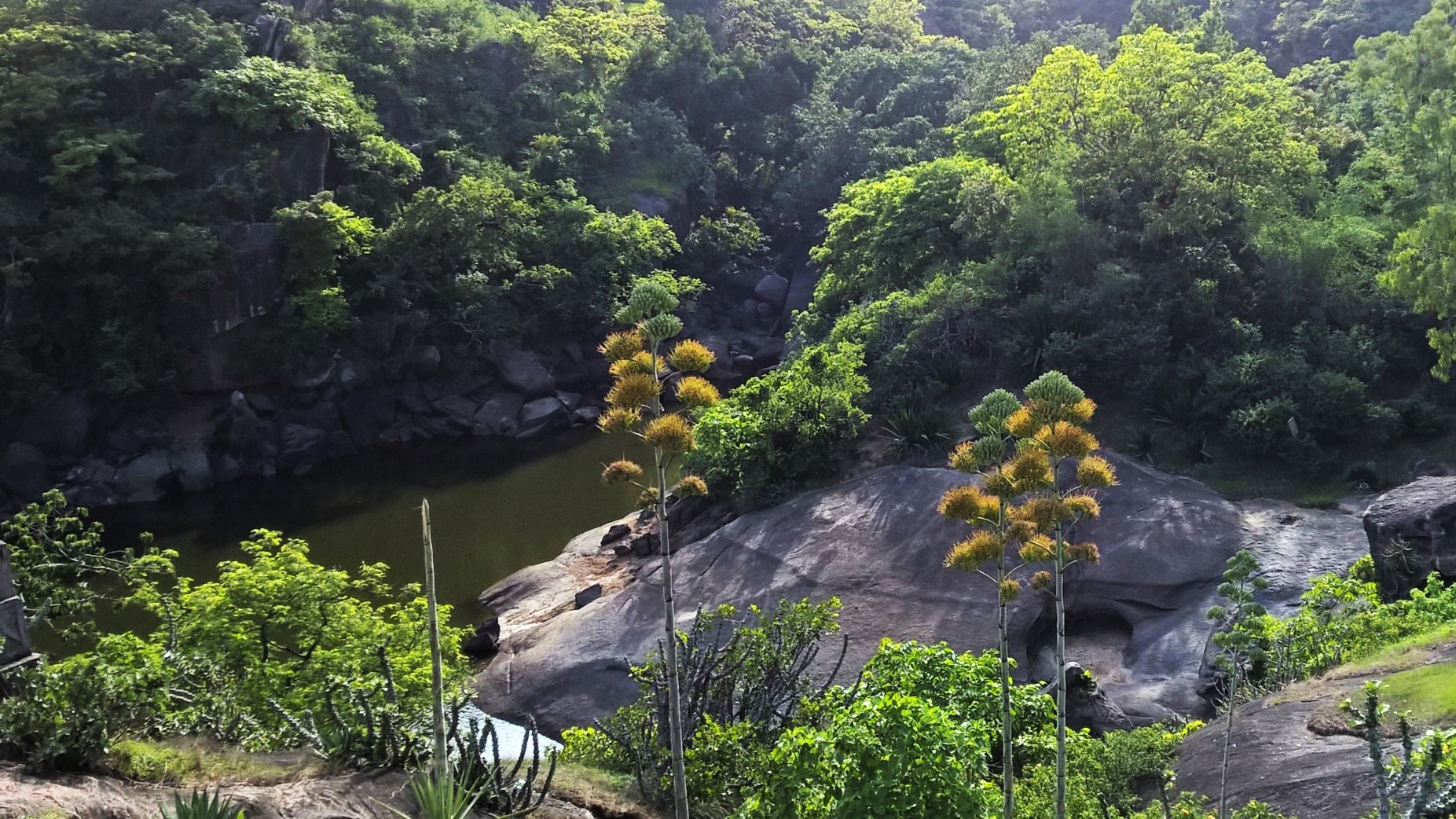
The stop that we made next was at the remarkable Trevor’s Tank, an artificial waterhole, tucked away in the Mount Abu Wildlife Sanctuary, which we reached after taking a kilometre-long diversion. Carved on the side of a barren rocky hill to breed crocodiles by a British engineer after whom it is named, the tank is surrounded by native flora including an abundance of cacti and ferns. The location of the tank could serve both as a picnic spot with family as well as a retreat for some solo contemplation. A trek up the hillock also provides a wider view of the picturesque tank. While this place may not be on most sight-seeing itineraries of Mount Abu, I highly recommend a detour to Trevor’s Tank.

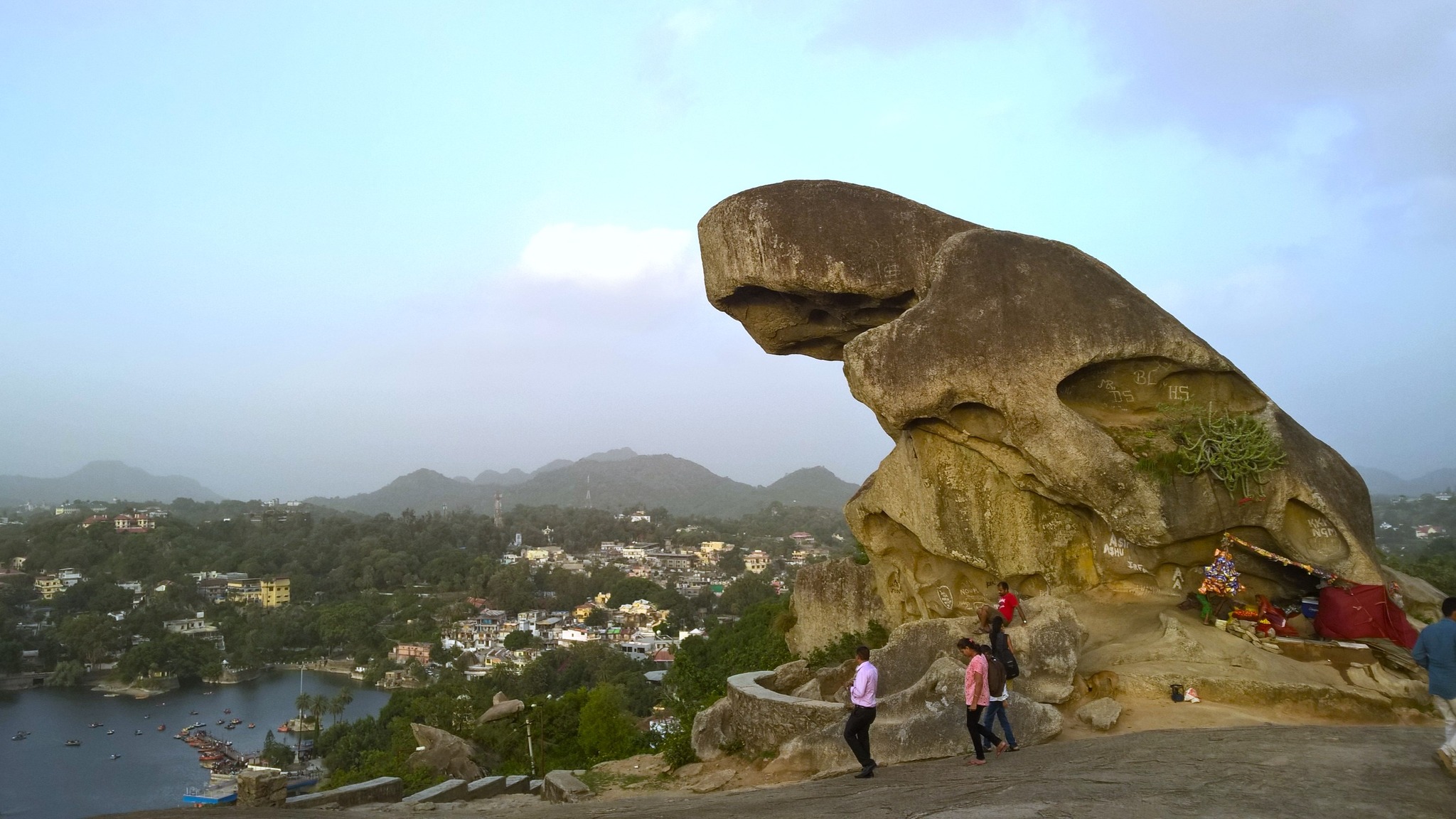
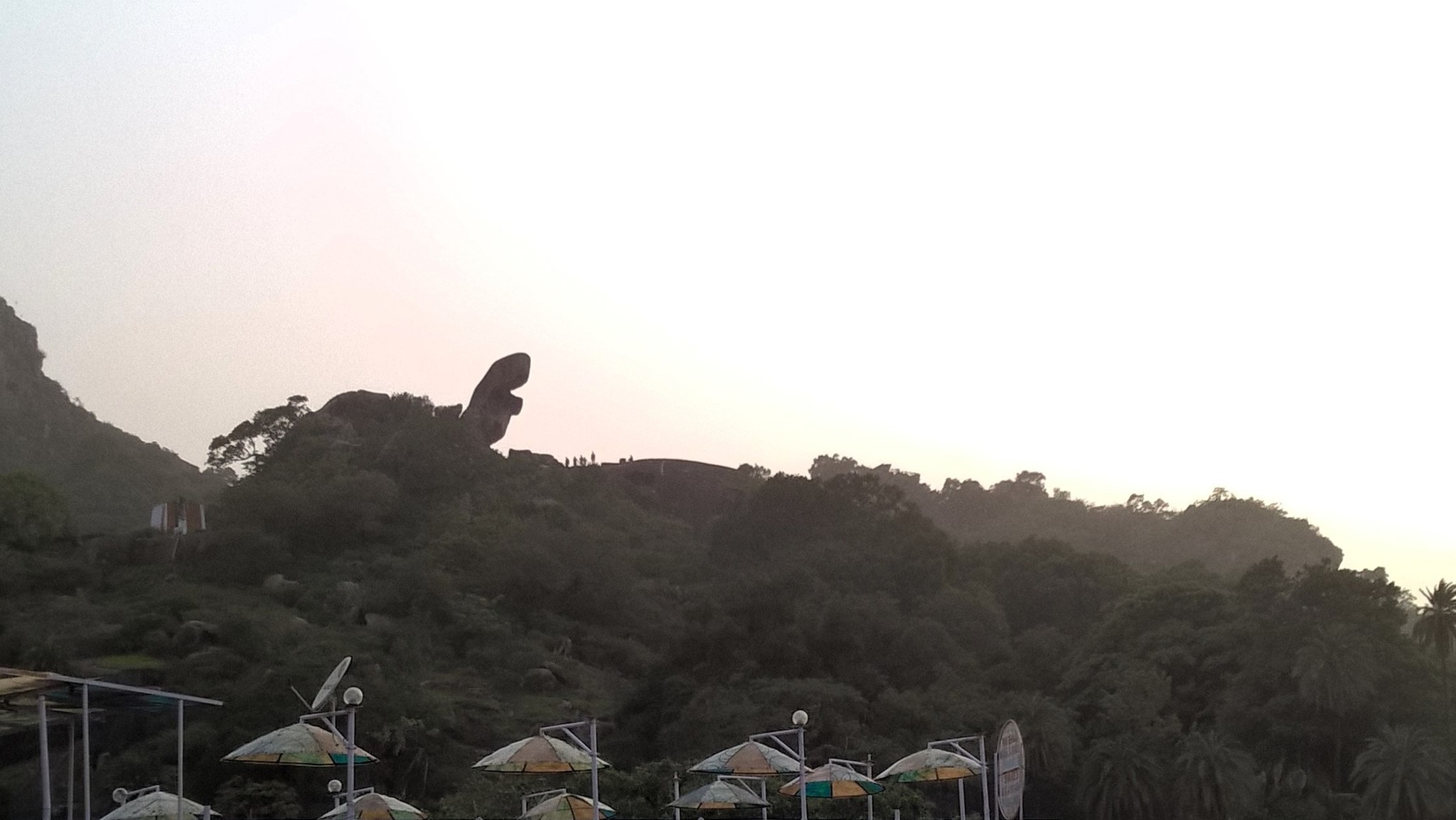
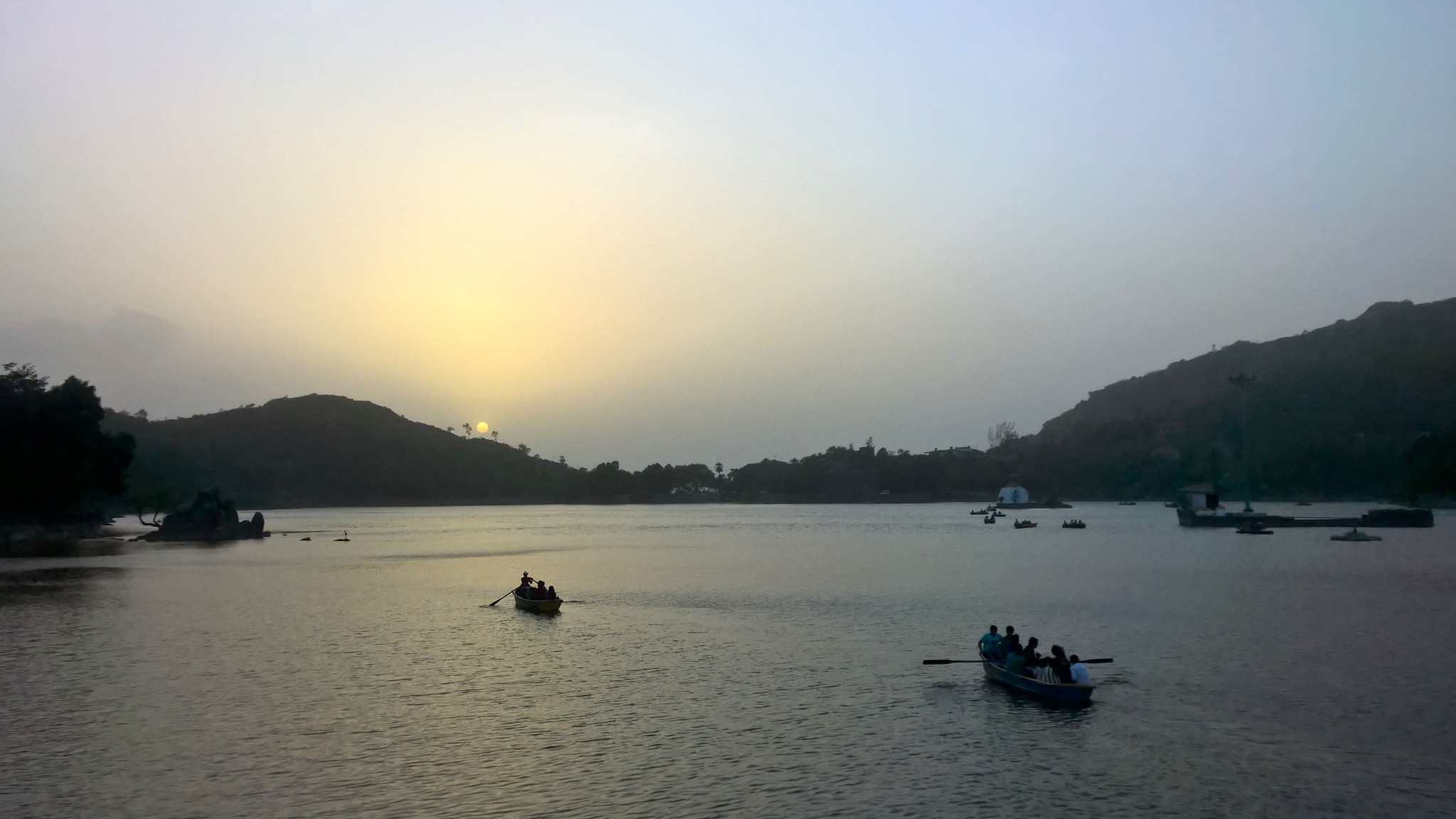
As we neared Abu town, I made a quick but steep and long climb up 360 steps to see the temple of Arbuda Devi, a form of Durga, after whom Abu town is named. It being 6.30 PM, by the time I descended from the temple, we rushed to the Nakki Lake, located at the heart of Abu town. Swami Vivekananda lived for a while in Champaa Caves on its bank, and Mahatma Gandhi’s ashes were also immersed in its waters. On the hillside, which gives excellent views of the town as well as of the Aravallis, there is also natural rock formation resembling a toad, aptly named Toad Point – interestingly, the same rock looks like a tortoise when viewed from another angle from afar. After watching the sunset from the banks of Nakki Lake, I retired to the hotel, where my friend who had skipped the trek up the Nakki Lake hillside, joined me.

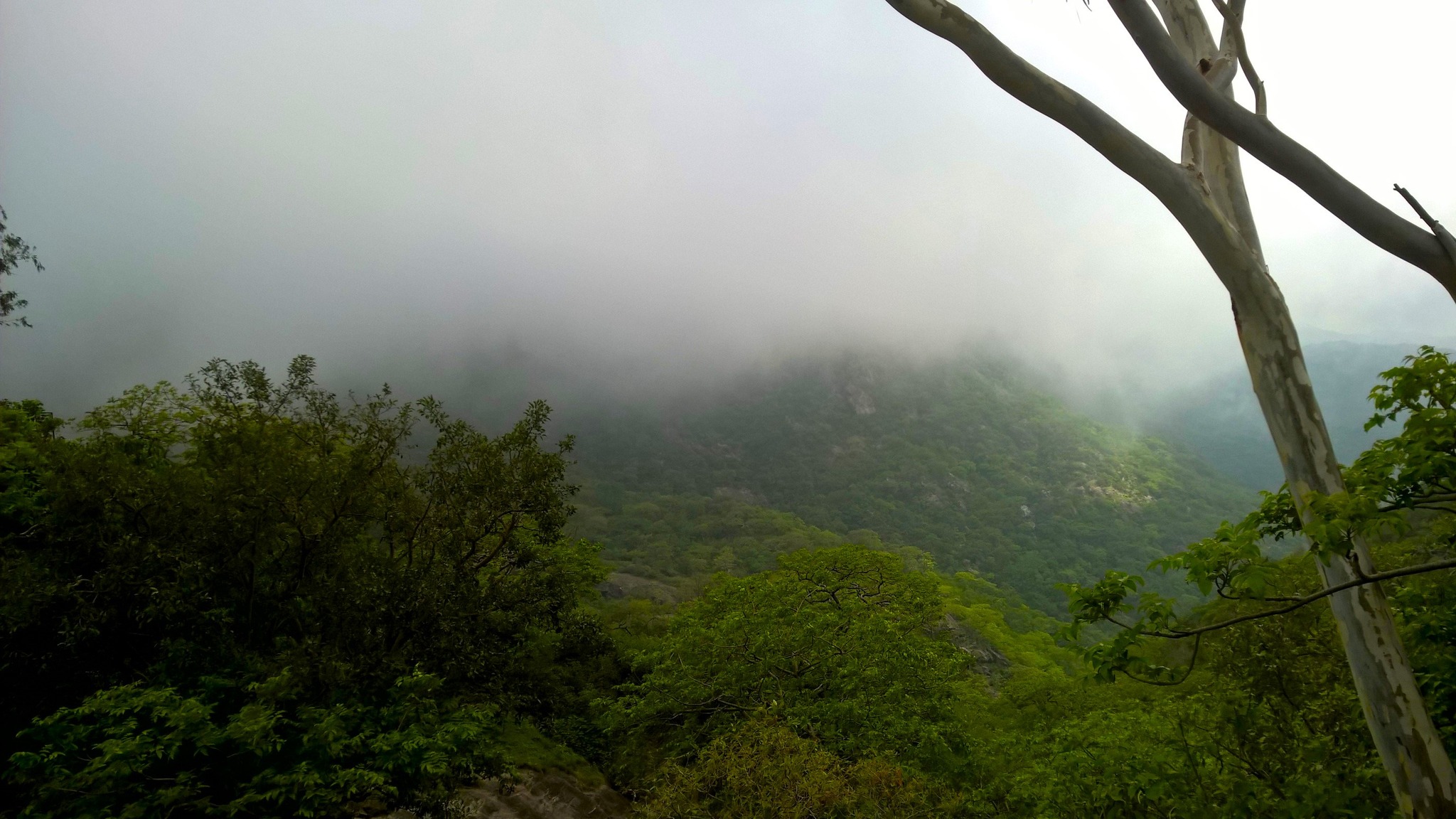
With our whirlwind Abu tour coming to an end, we pondered about how we would get back to Delhi, as I had not booked a return ticket, and had reckoned I would be easily able to get a bus back to Delhi from Udaipur, which was the nearest city to Mount Abu. As it turned out, there were only a couple of buses plying from Mount Abu to Udaipur, the earliest being at 8.30 AM. Thus, the next morning we were headed to Udaipur, again passing through the mist, delighted by views of the hillside shrouded by clouds at eye-level. Sights of streams and ponds ensconced in thick vegetation or surrounded by palm trees, were the icing on the cake.

Reaching the base of the Abu hill range, the bus still passed through the lower ranges of the Aravallis, especially as we approached Gogunda, where the sight of the yellowish sides of the hill which had been cut through to make way for the roads, triggered some sort of a reaction in my brain. That is the exact moment I knew I would want to have more of the Aravallis – these sights combined with the images of the flora I had seen back on Mount Abu, and the previous year in Jodhpur, supplemented by memories of the hill passes at Haldighati, struck a chord somewhere in my heart. What was more, the Aravallis propped up the fantastic forts that I had taken a penchant for over my journeys to Rajasthan over the last four years.

****************

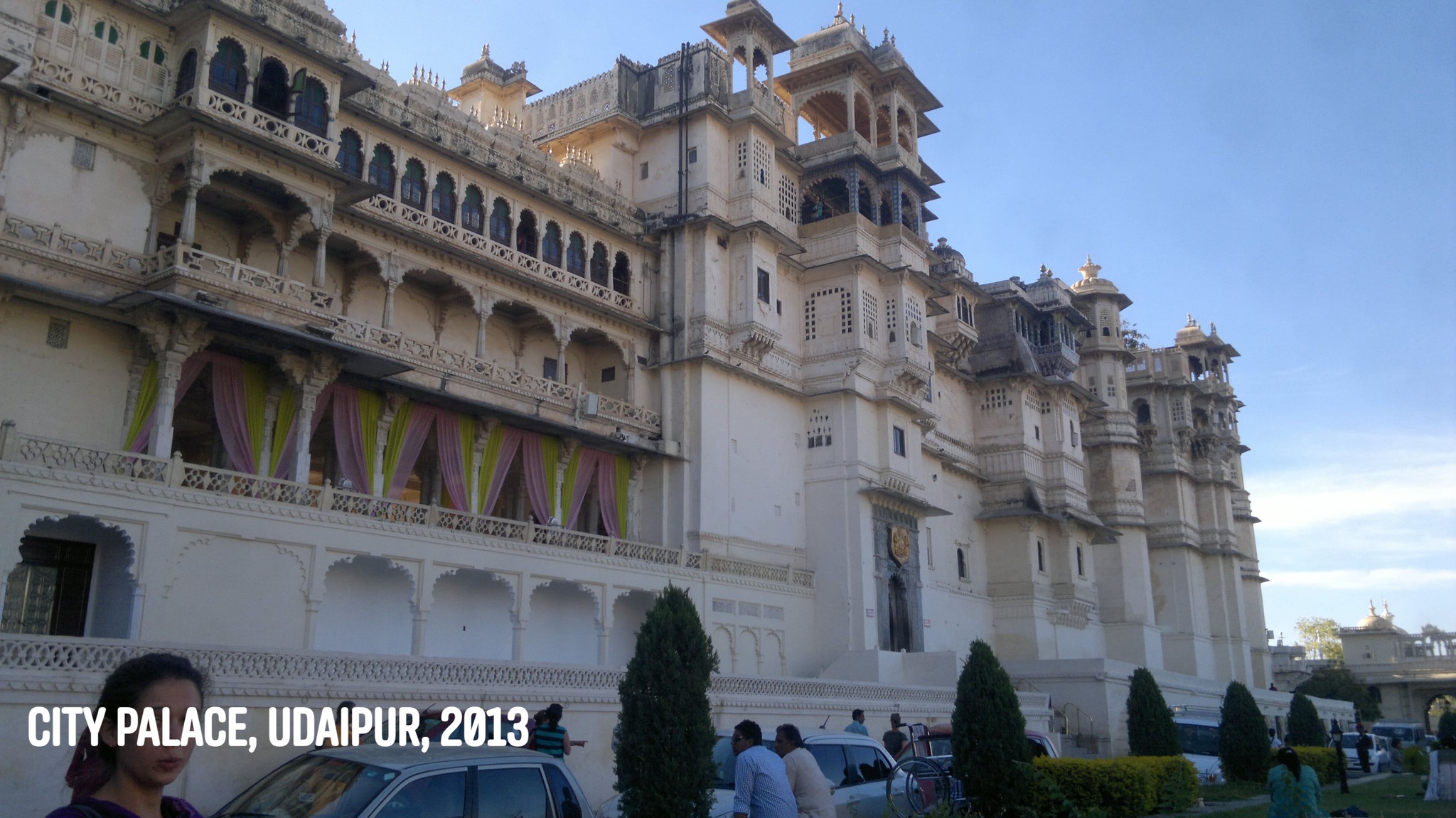
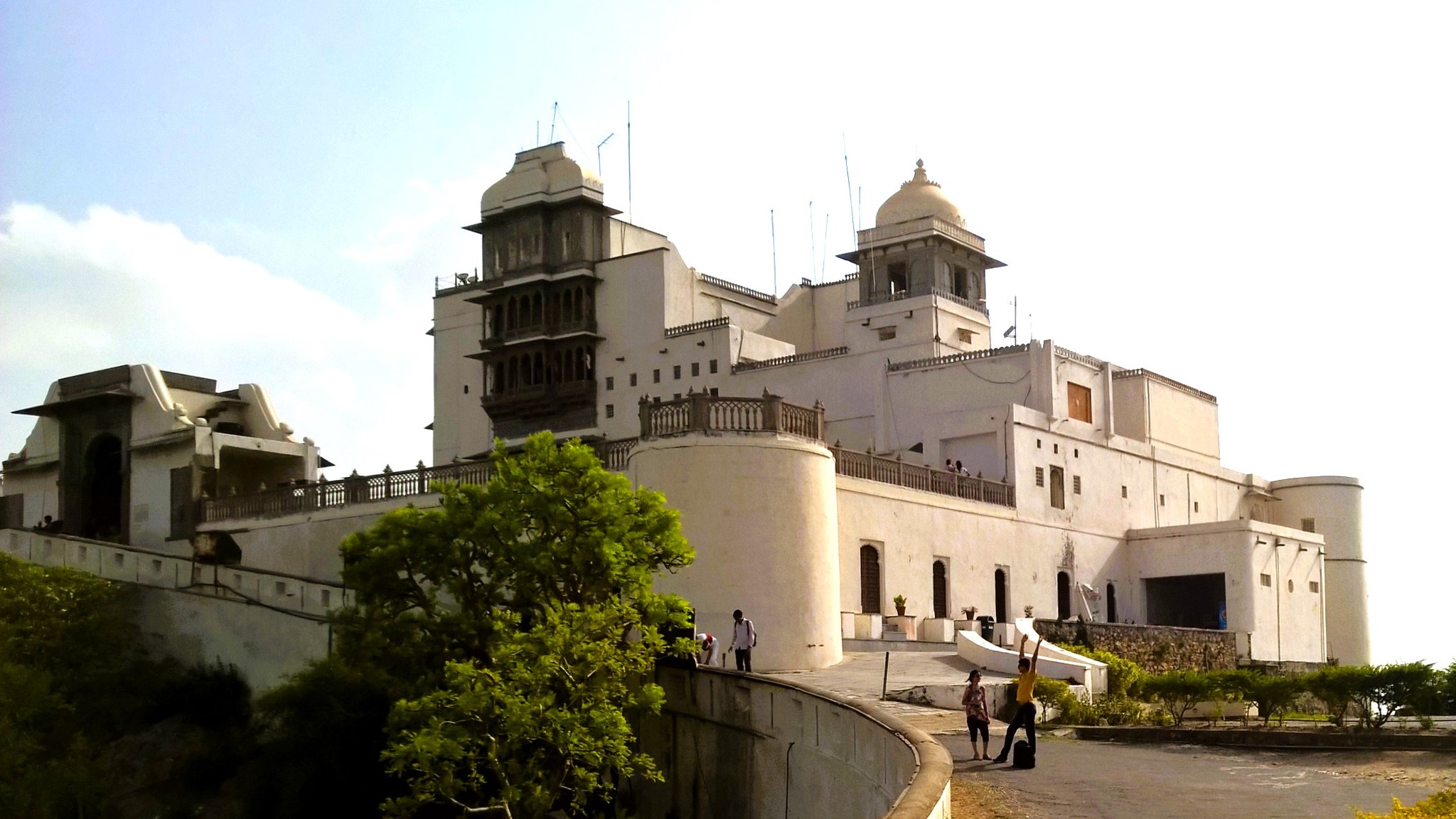
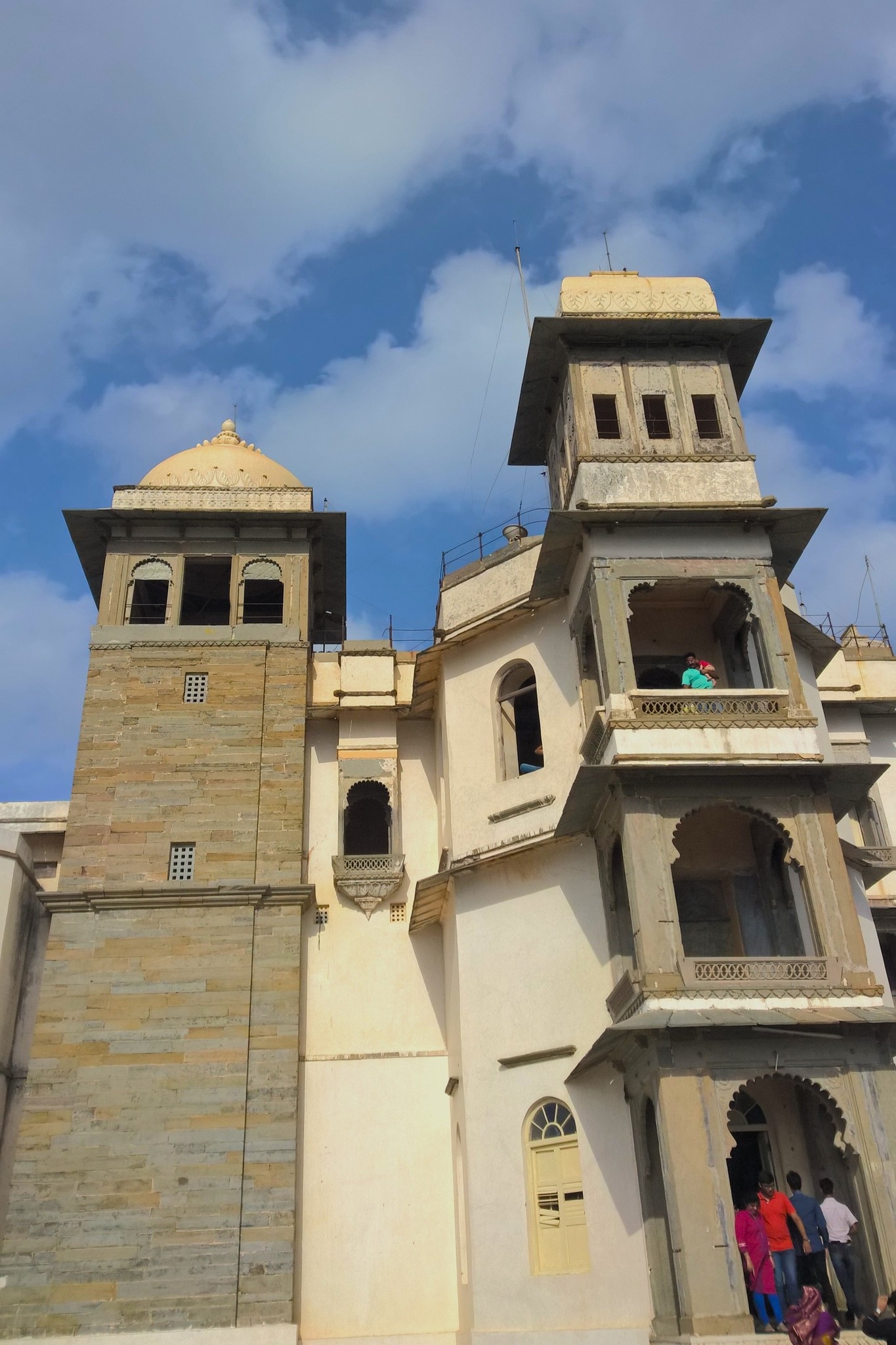
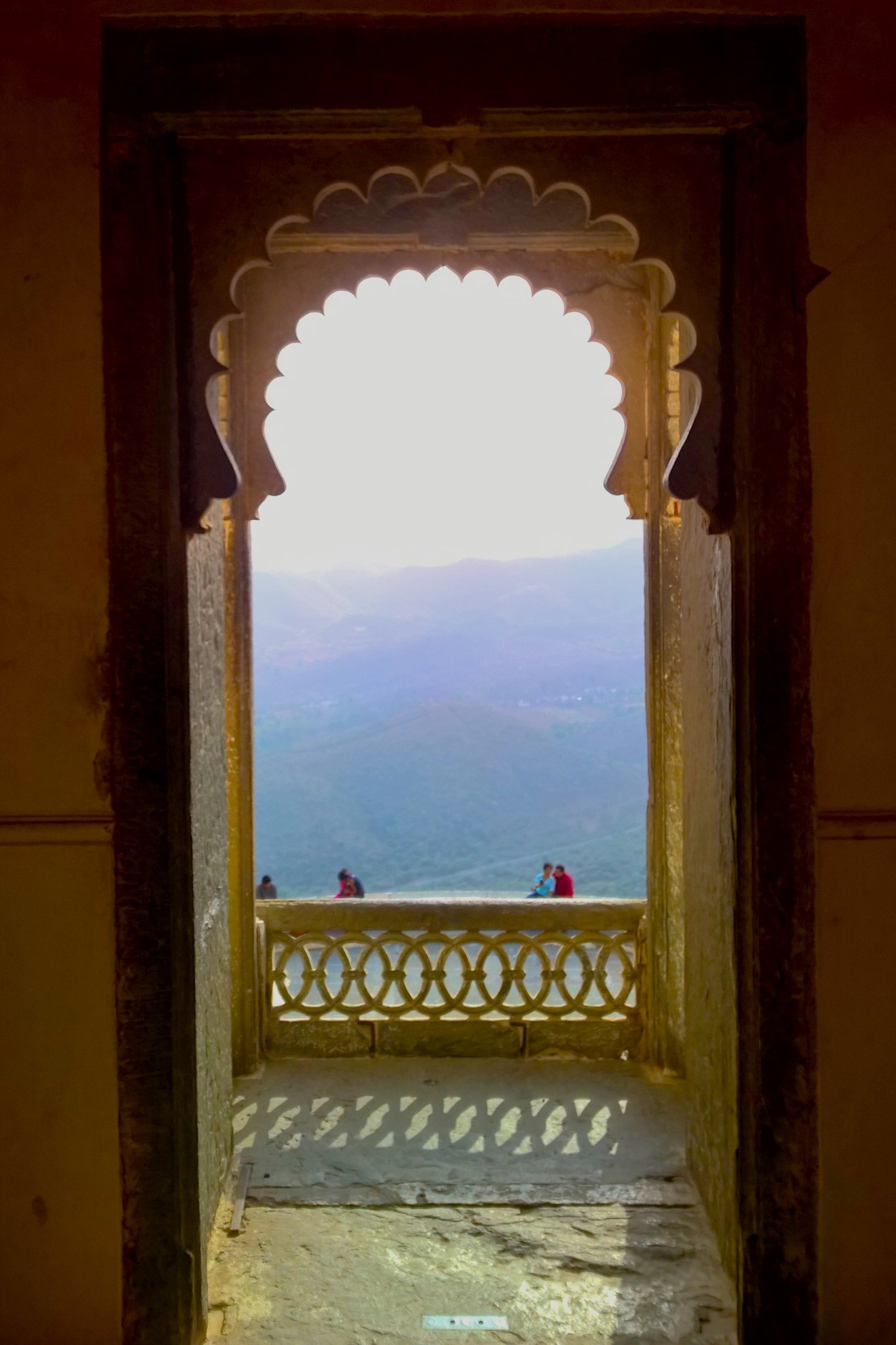
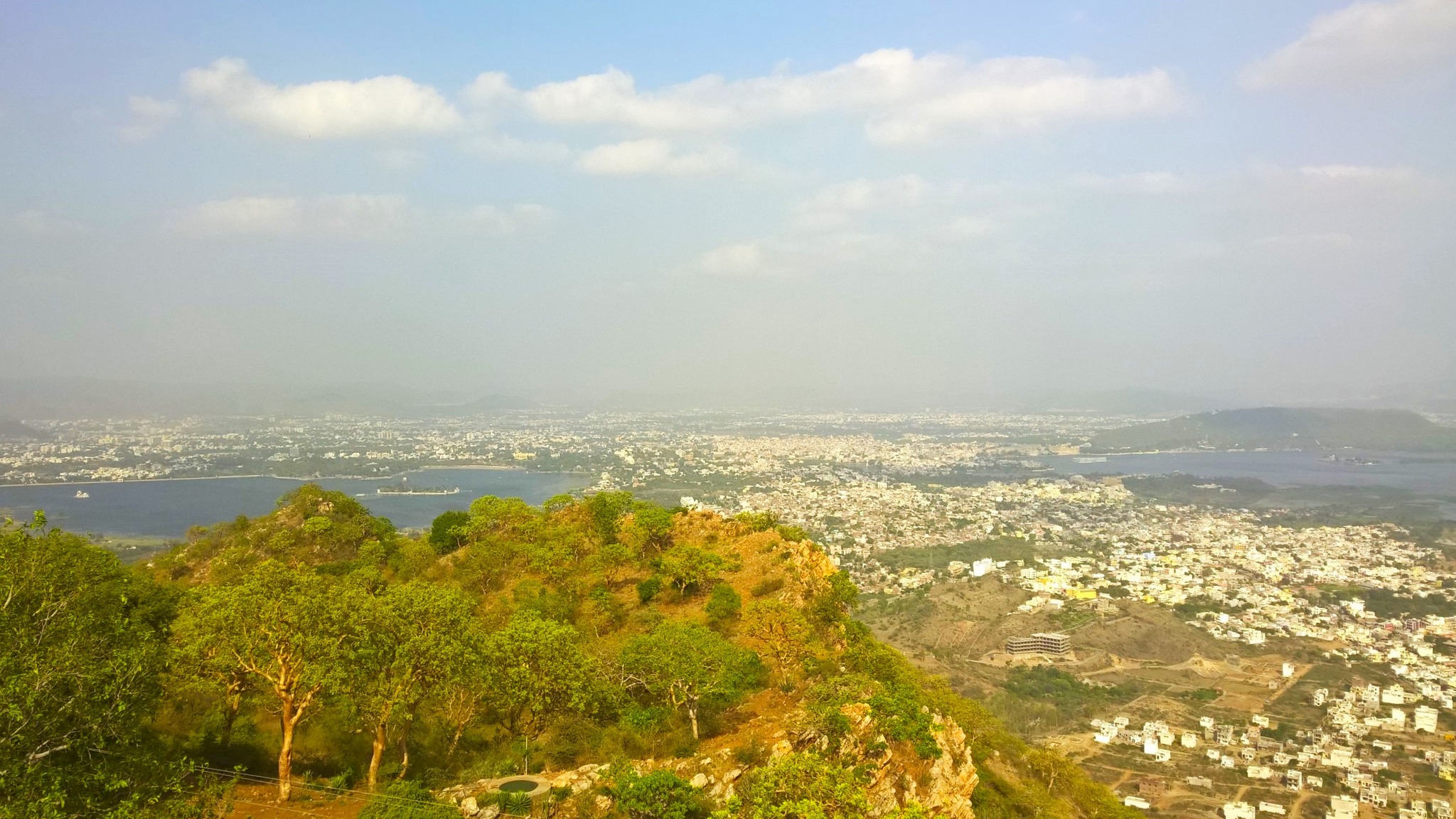
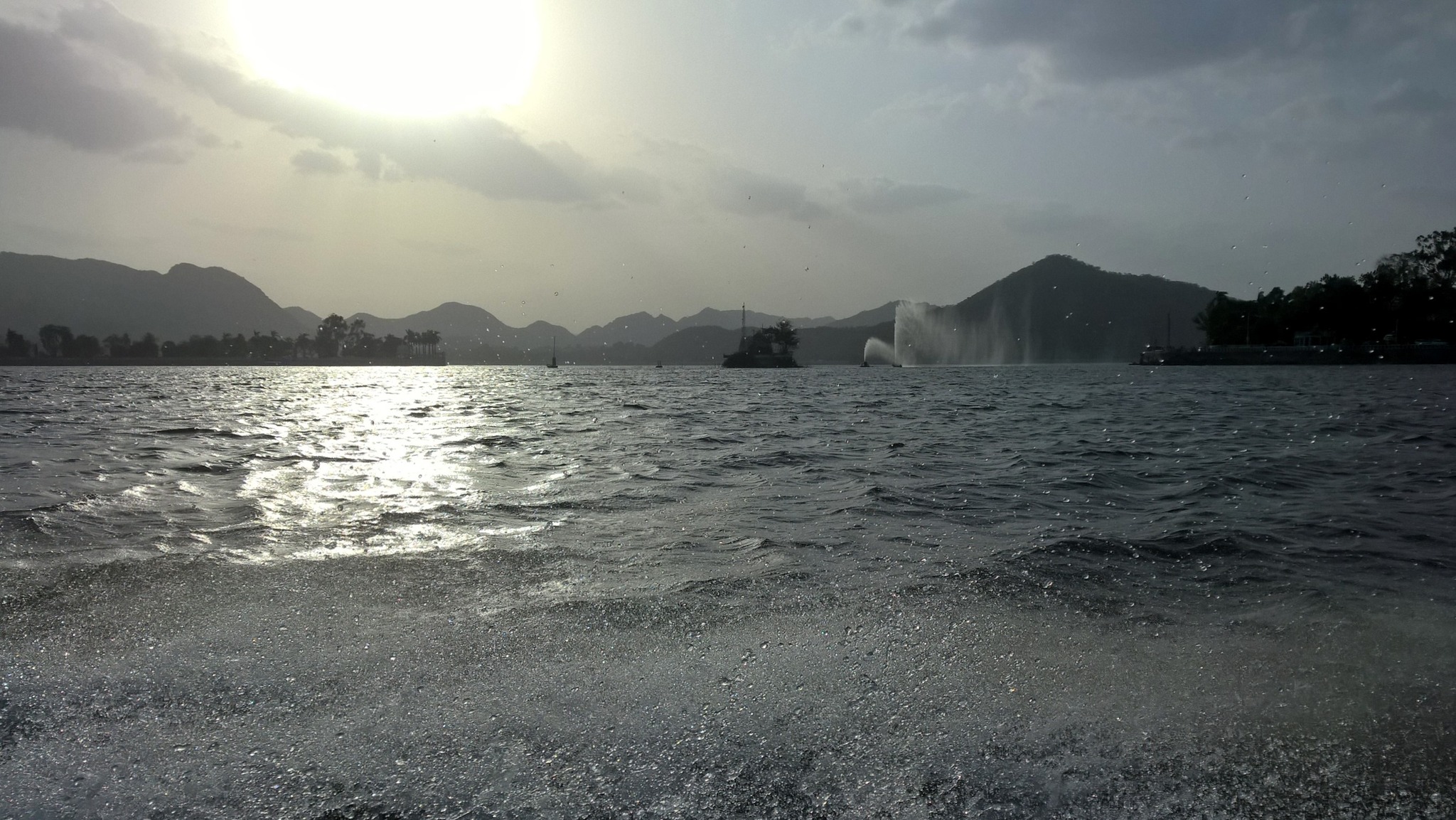
So, for the third year straight, I found myself in Udaipur. I drew up a quick itinerary for us as it was my friend’s first visit to Udaipur. Starting off with a tour of the City Palace, we headed to Sajjangarh Palace, a monsoon palace whose construction was started by Maharana Sajjan Singh in 1884, atop a hill overlooking the Pichola lake. The marble palace is an ideal getaway from the humdrum of the city below, and also affords panoramic views of the city and its lakes, along with picturesque views of the Aravalli hill range behind it. We wrapped up our half-day sojourn at Udaipur with a boat-ride on the Fateh Sagar Lake.

Following dinner, we took an overnight sleeper bus for Delhi, concluding a most memorable birthday weekend. I also found a new love – the Aravallis.