
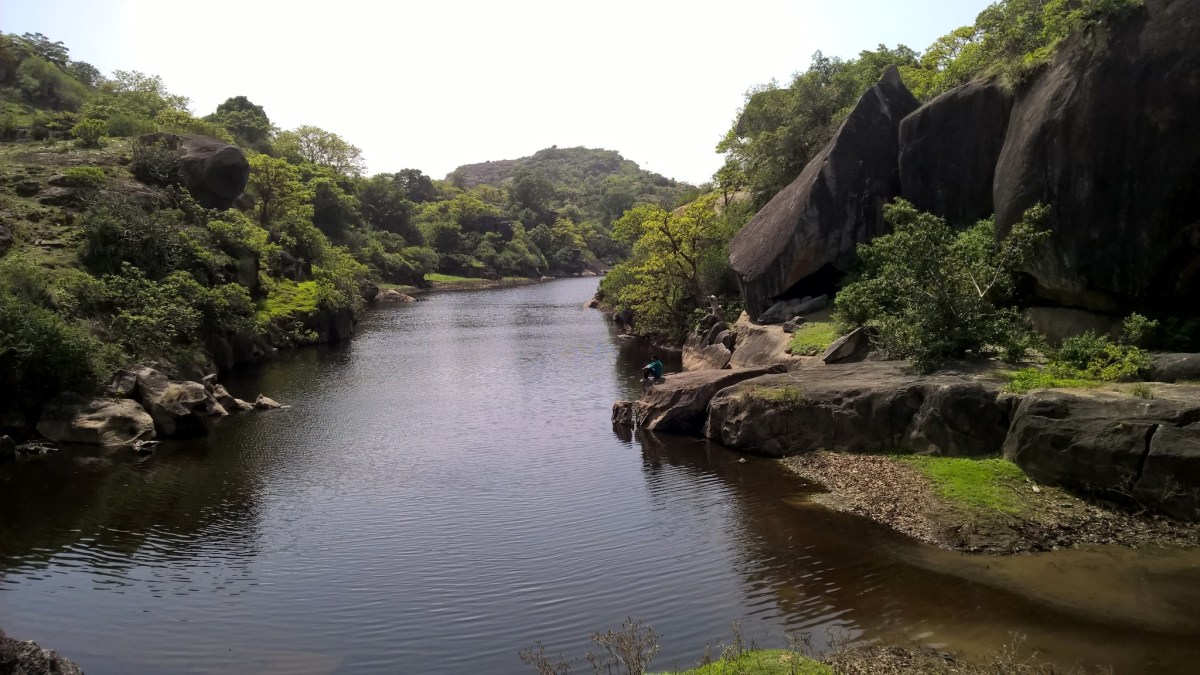
Having done one solo trip every year for the last four years now, and with almost half the year already passed, I decided to schedule this year’s solo trip on my birthday in early July, and booked a train ticket two weeks in advance to Abu Road by Rajdhani Express, to see Mount Abu, a place lying on my wish list for a long time. In the week leading to my birthday which was on the coming Saturday, my friend from college who lived near Rewari, called me up asking about my birthday plans, and I invited him to join me. So, booking a waitlisted ticket on the same train, he boarded the train at Gurgaon railway station, from where we shared a single berth till our destination.
Getting down at Abu Road around 5.30 AM, we caught a public transport bus for Mount Abu. As we ascended through the hill road, we were immediately swimming in a cover of green, with an abundance of date palm trees dotting the roadside. As we gained height, I saw, through my sleepy eyes, that we were submerged in the infinite clouds of mist or actual rain clouds, which was it I am not sure. As we approached Mount Abu town, trying very hard to keep awake, I was taken in by the sight of ponds surrounded by denser forest. The many times I forced myself out of my sleep to see the scenery outside, I was reminded of my the scenery on the way to Ooty and Kodaikanal on my college trips.
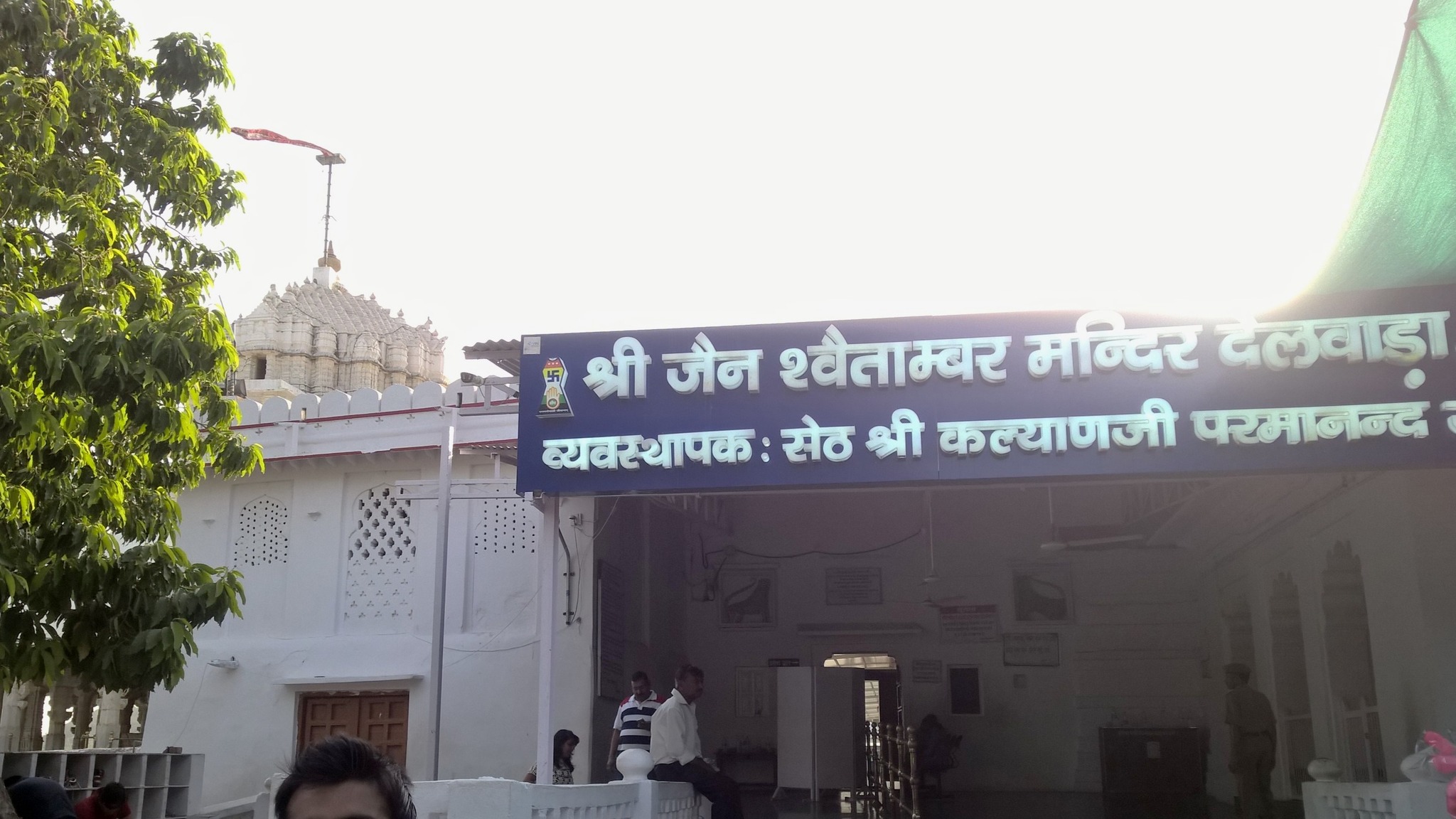
At Mount Abu town, after quickly checking in to a hotel room, we set out for a South Indian breakfast at the city centre. Then, renting a scooter, we set out on the tour, the planning for which my friend entirely left to me on account of it being my birthday. So, we started off with the famous Dilwara Jain temples, the temple that had been synonymous with Mount Abu for me since I was in school, where I had read about the temples in textbooks. The Dilwara Temple complex comprise five primary temples made purely from marble, with two dedicated to Adinatha, the first tirthankara, and the other 3 dedicated to Neminatha, Parshvanath and Mahavira, were built in between 1026 AD and 1582 AD, and serve as an important pilgrimage for Svetambara Jains.
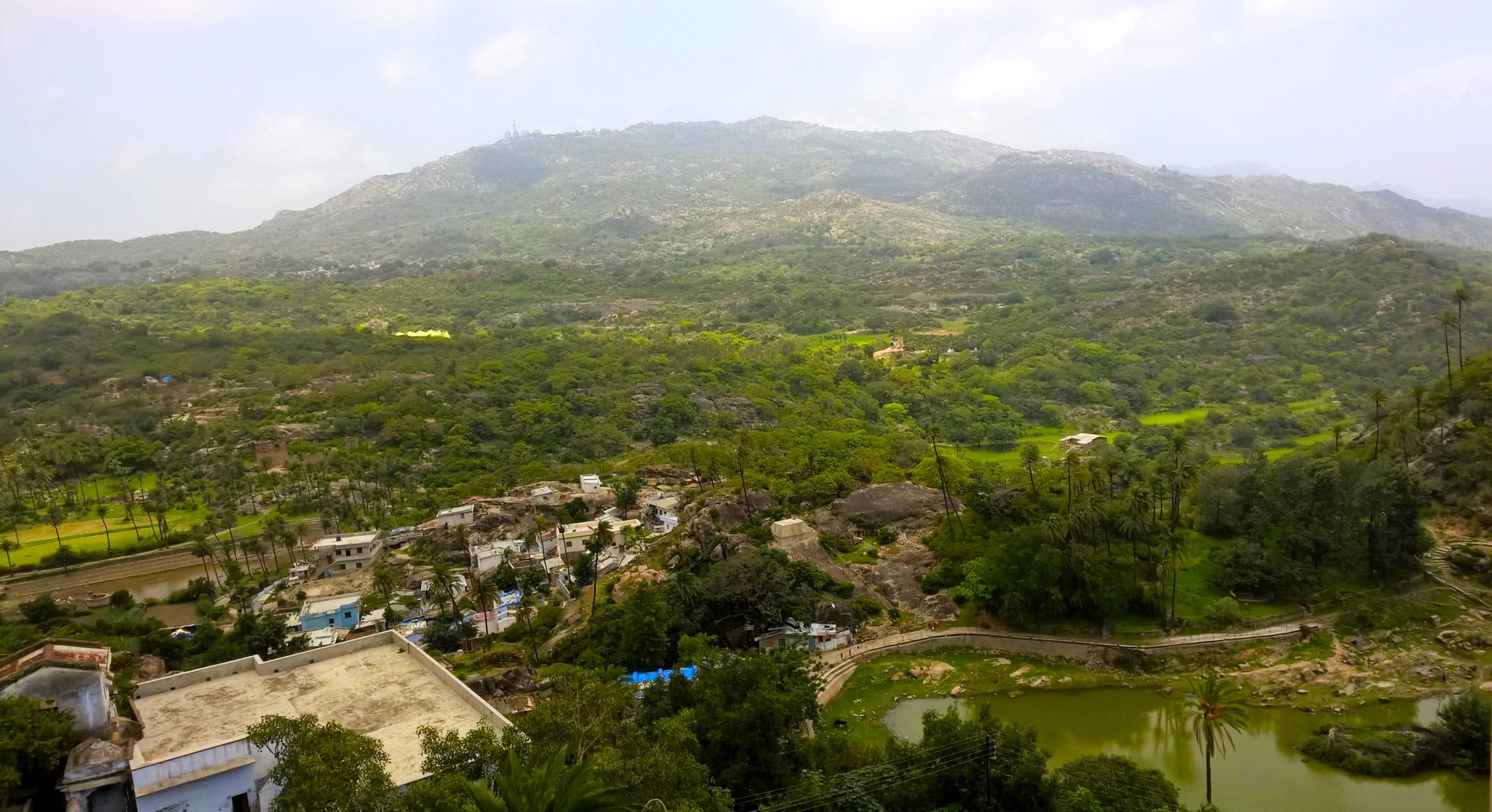
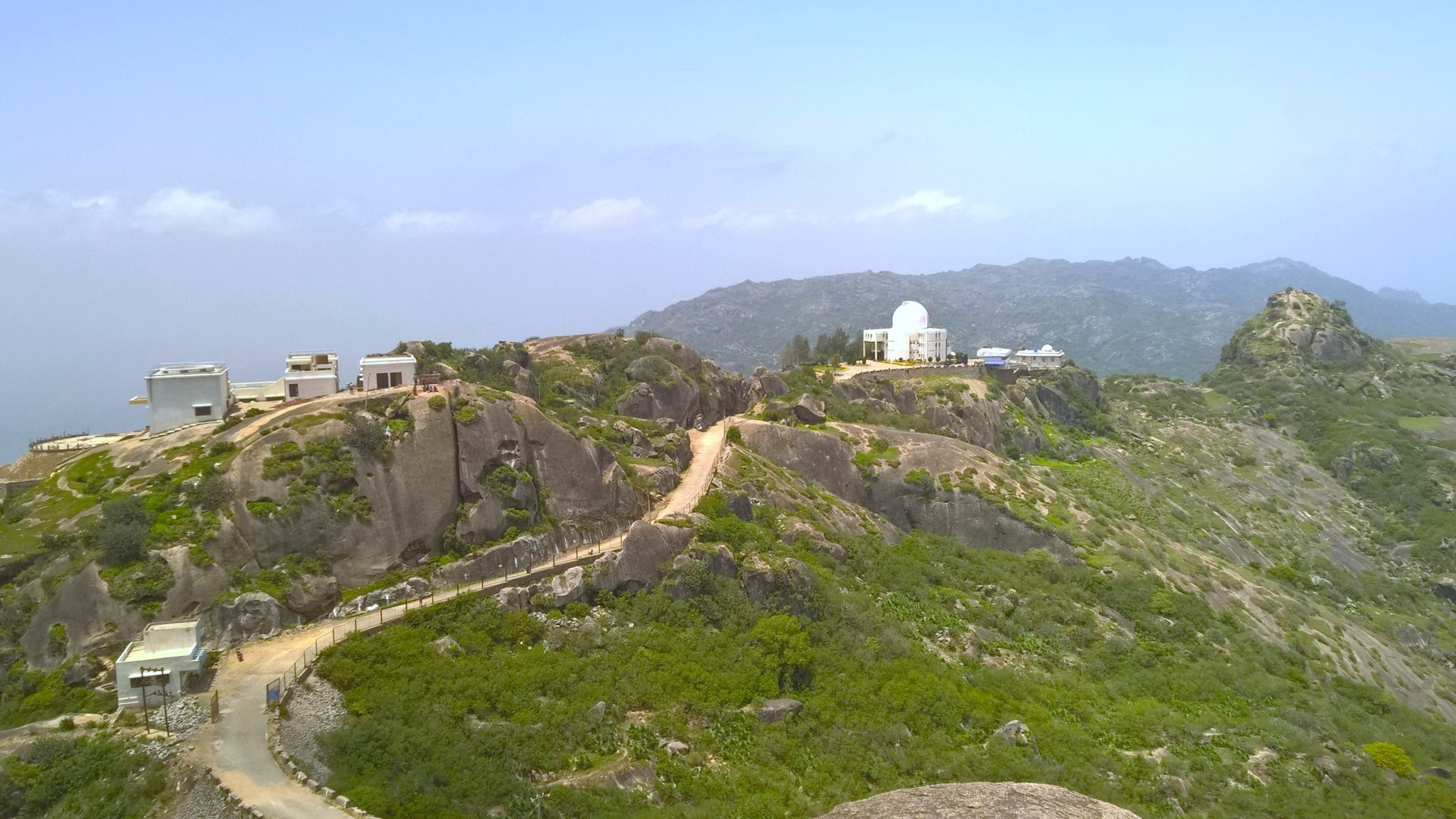
Next, ascending further up the hill road, negotiating mumerous hairpin bends, passing by ponds and patches of forests, we reached Achalgarh. At Achalgarh, climbing up a stony road by foot, we reached the marbe-built Shri Vishnu Jain temple, which also provided breathtaking views of the Aravallis. From there, we rode further up to Guru Shikhar, where we climbed the long flight of stairs to reach the highest point of the Aravallis at 1722 metres. Nearby is the Mount Abu Infrared Observatory (MIRO), which is visible from Guru Sikhar and nearabout, along with green cover on all the nearby peaks and troughs of the Aravallis.
Turning back towards Abu, we stopped whenever some view or location caught the eye, the first such stop being at Lover’s Point, from where we got a picturesque view of the Aravallis nestling the Javai Lake. Then descending a little below after manoeuvering a few curves, we reached Javai Lake itself. Rolling further down, we came upon a water-filled fissure on our right side, where getting down, I sat on the rock for a while experiencing an extraordinary state of calm. A little further, we took a short detour to reach the Mini Nakki Lake.


The stop that we made next was at the remarkable Trevor’s Tank, an artificial waterhole, tucked away in the Mount Abu Wildlife Sanctuary, which we reached after taking a kilometre-long diversion. Carved on the side of a barren rocky hill to breed crocodiles by a British engineer after whom it is named, the tank is surrounded by native flora including an abundance of cacti and ferns. The location of the tank could serve both as a picnic spot with family as well as a retreat for some solo contemplation. A trek up the hillock also provides a wider view of the picturesque tank. While this place may not be on most sight-seeing itineraries of Mount Abu, I highly recommend a detour to Trevor’s Tank.

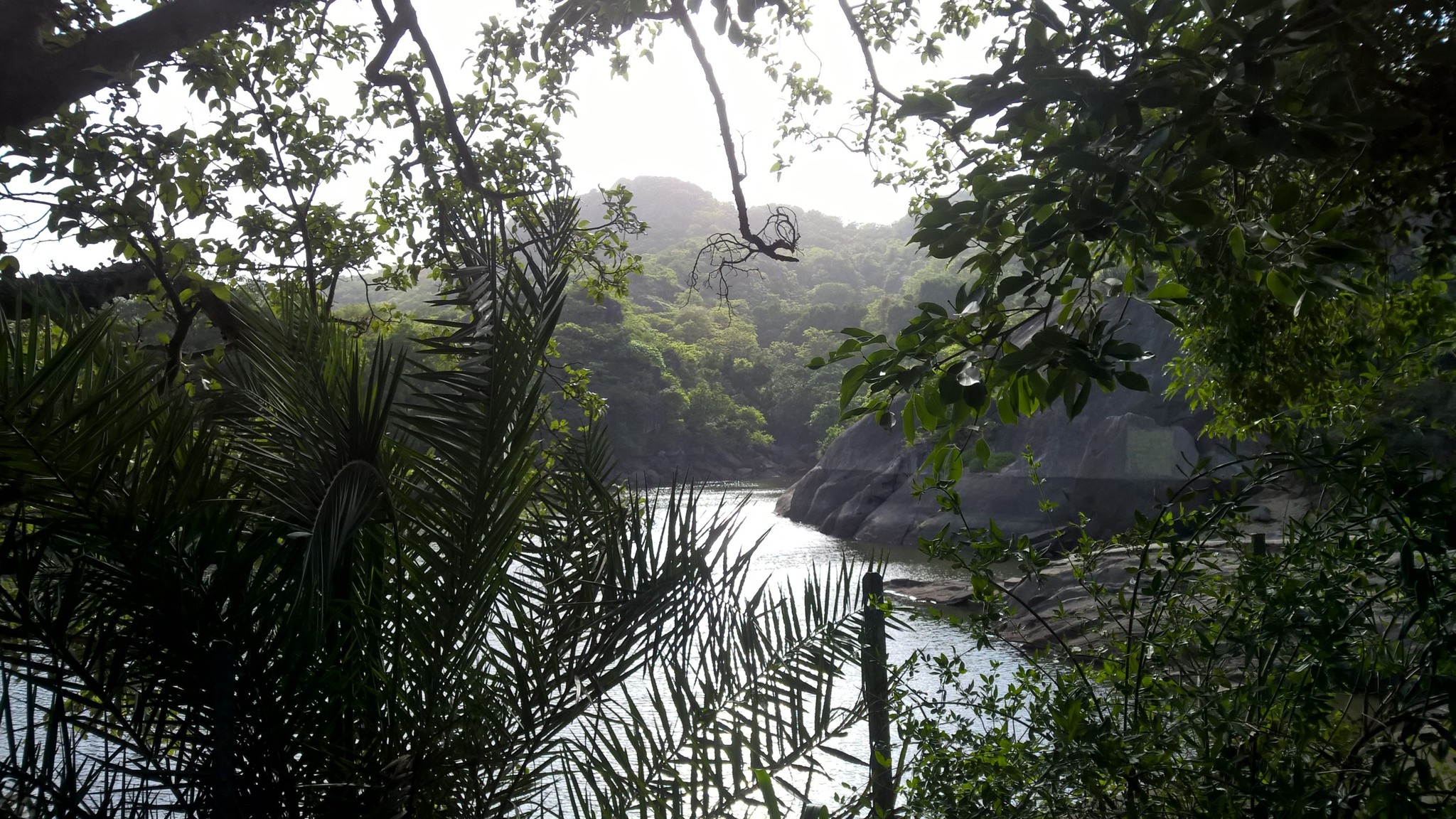
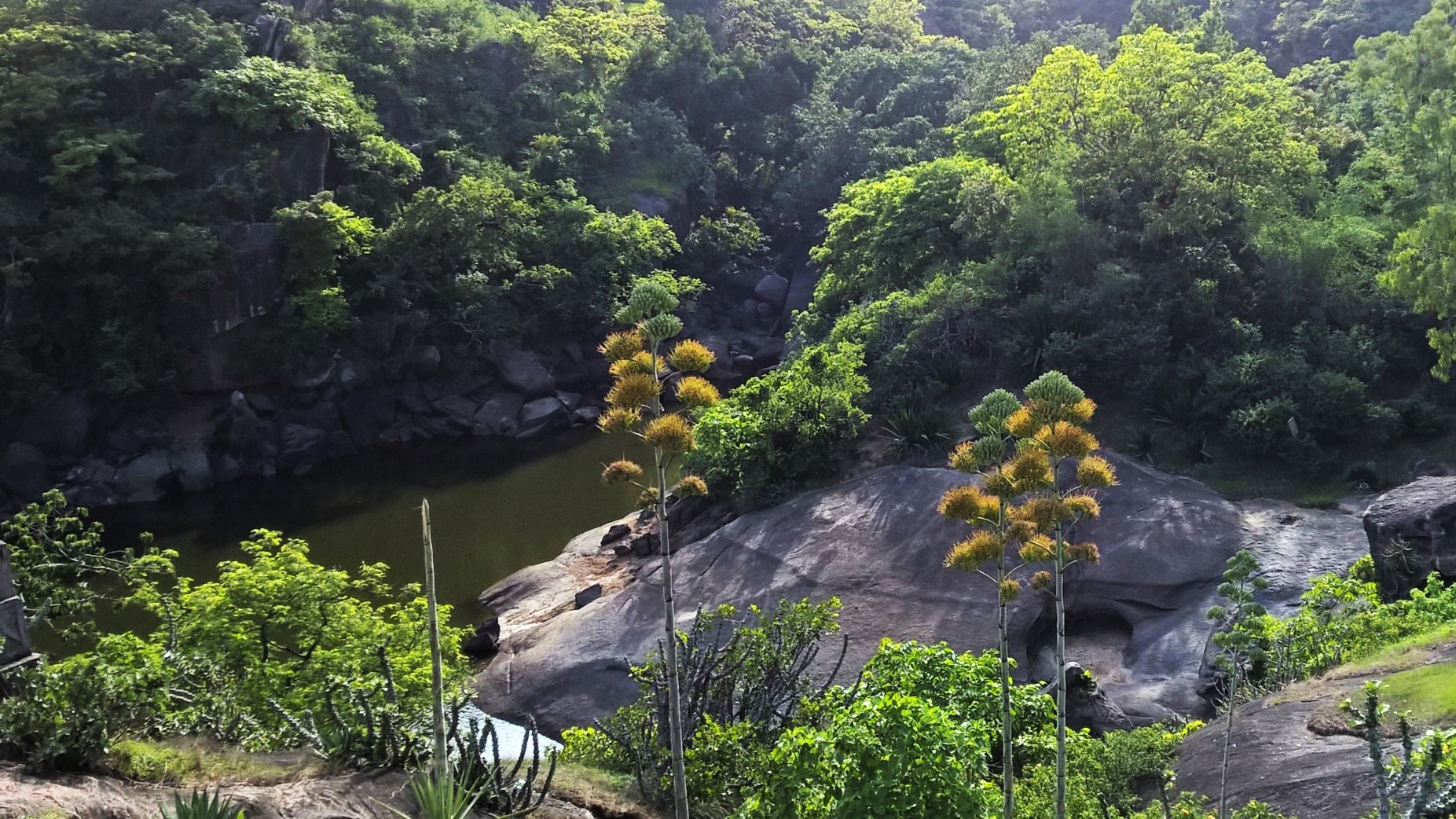
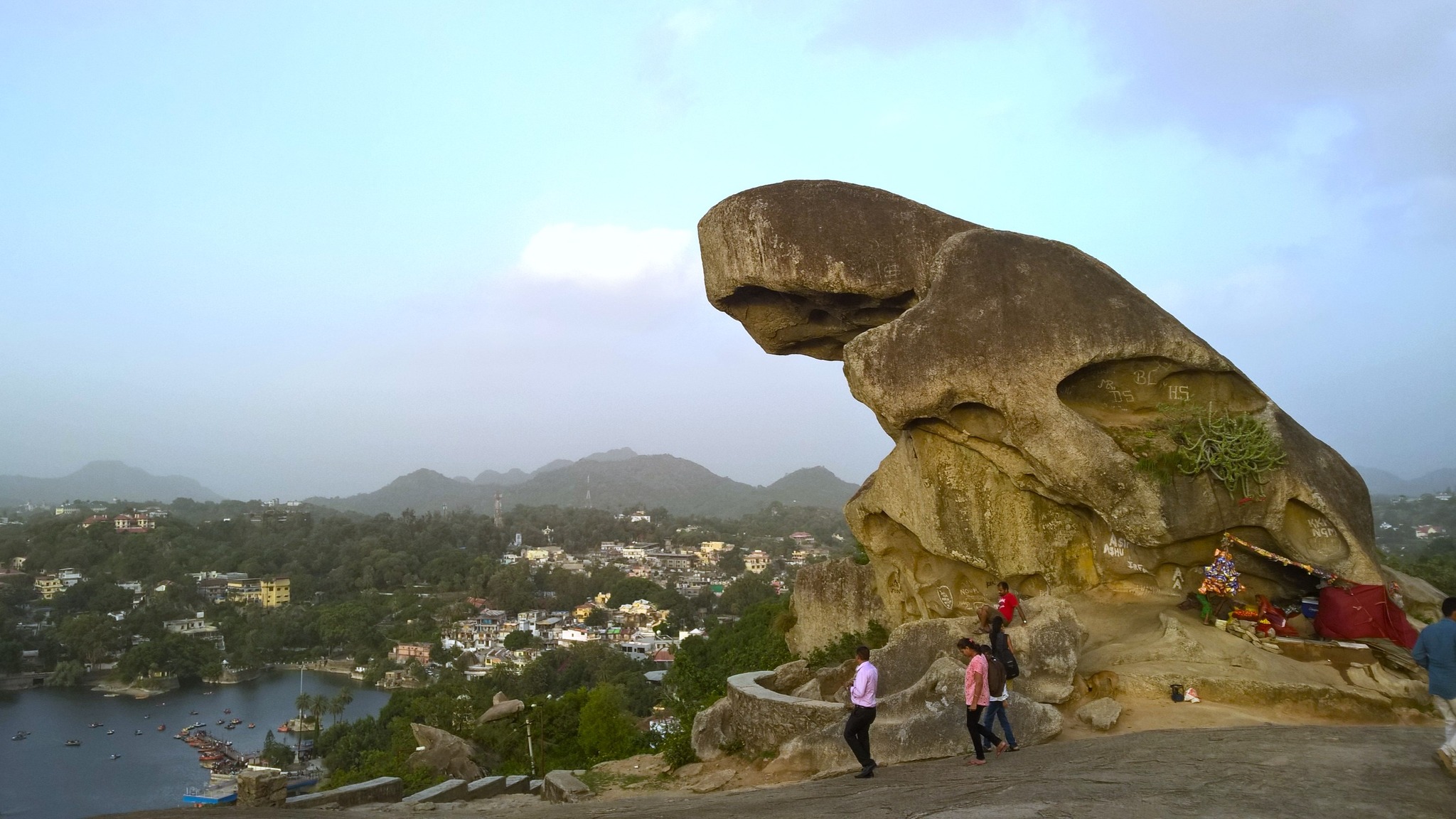
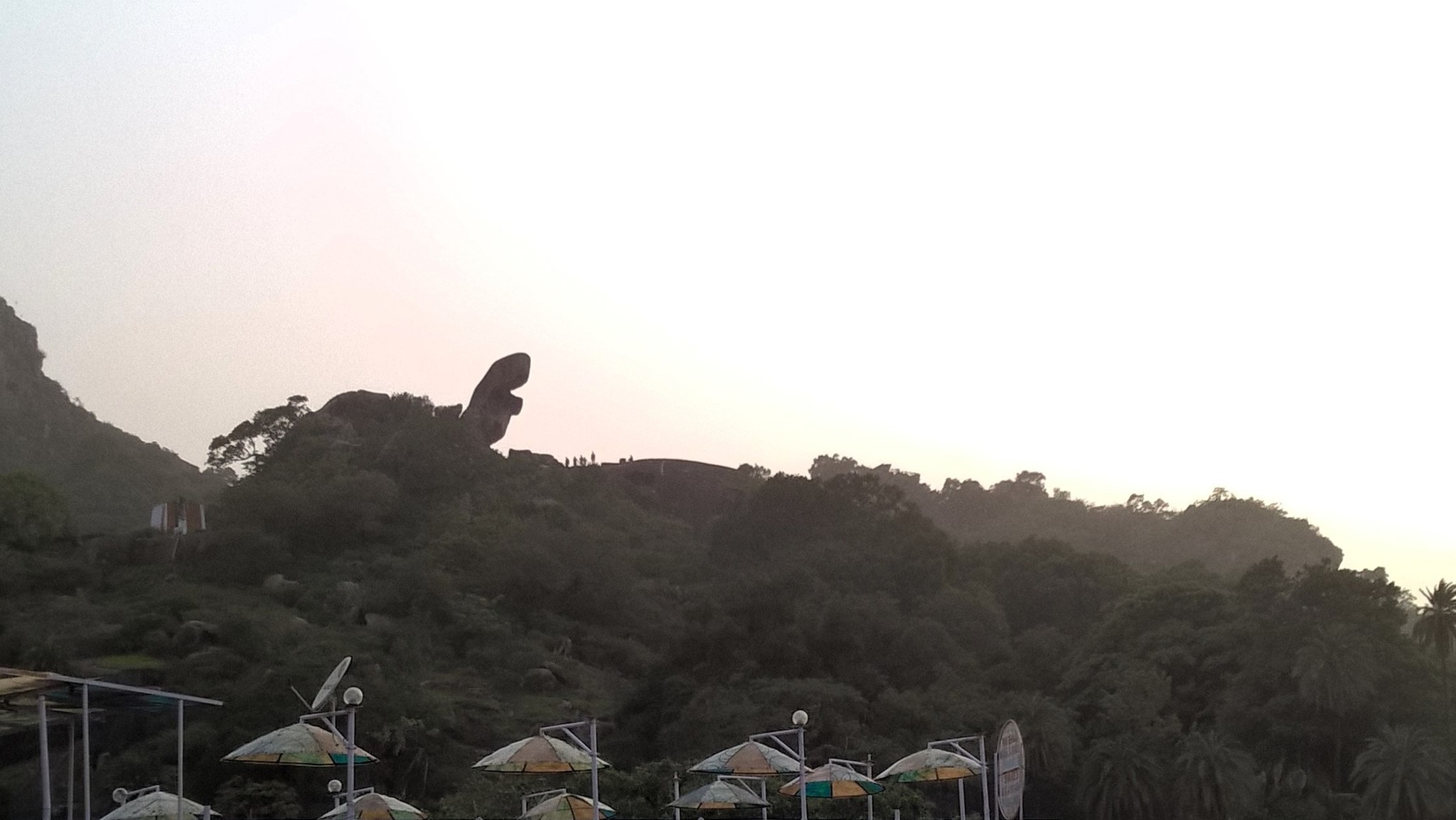
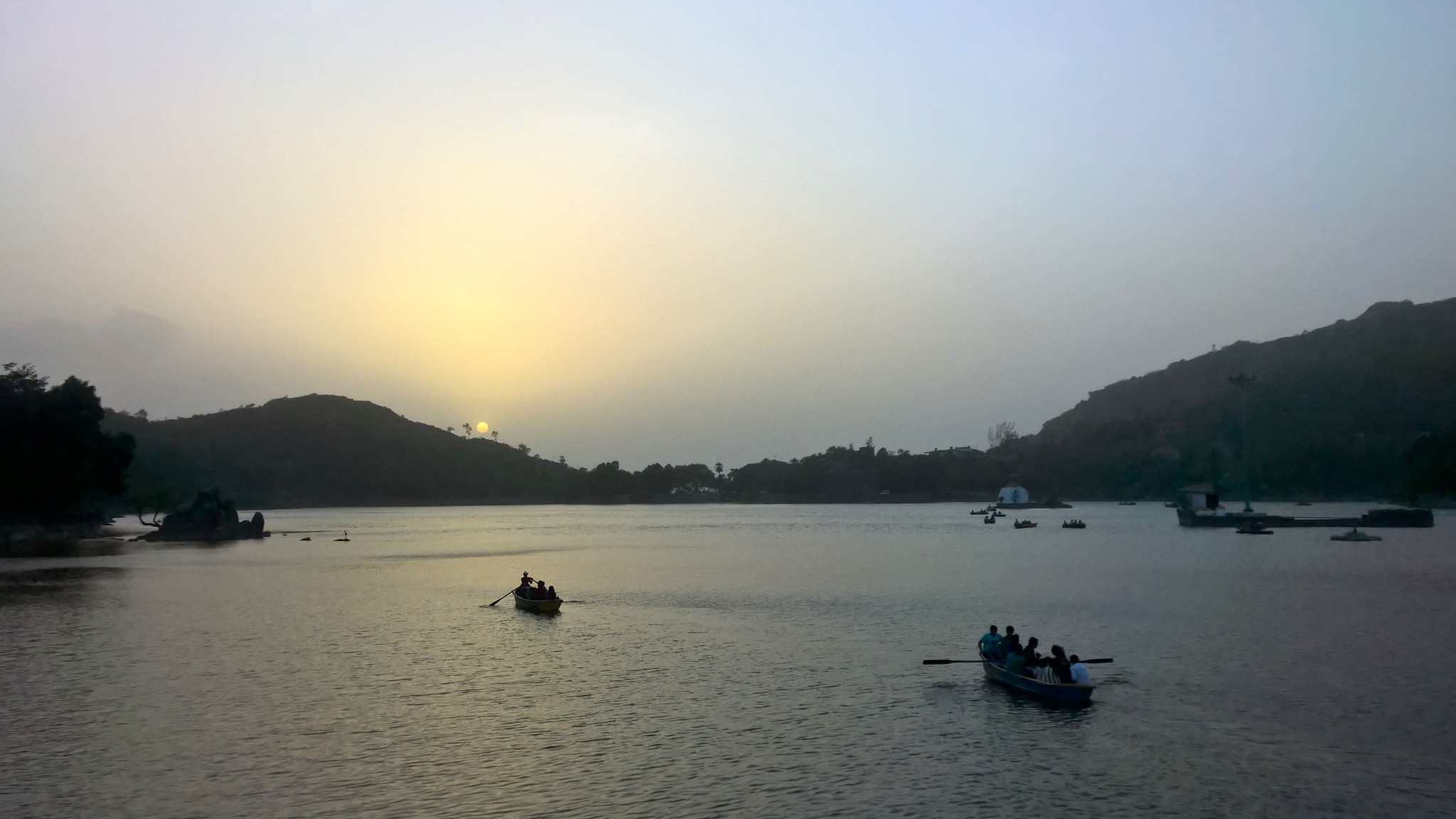
As we neared Abu town, I made a quick but steep and long climb up 360 steps to see the temple of Arbuda Devi, a form of Durga, after whom Abu town is named. It being 6.30 PM, by the time I descended from the temple, we rushed to the Nakki Lake, located at the heart of Abu town. Swami Vivekananda lived for a while in Champaa Caves on its bank, and Mahatma Gandhi’s ashes were also immersed in its waters. On the hillside, which gives excellent views of the town as well as of the Aravallis, there is also natural rock formation resembling a toad, aptly named Toad Point – interestingly, the same rock looks like a tortoise when viewed from another angle from afar. After watching the sunset from the banks of Nakki Lake, I retired to the hotel, where my friend who had skipped the trek up the Nakki Lake hillside, joined me.

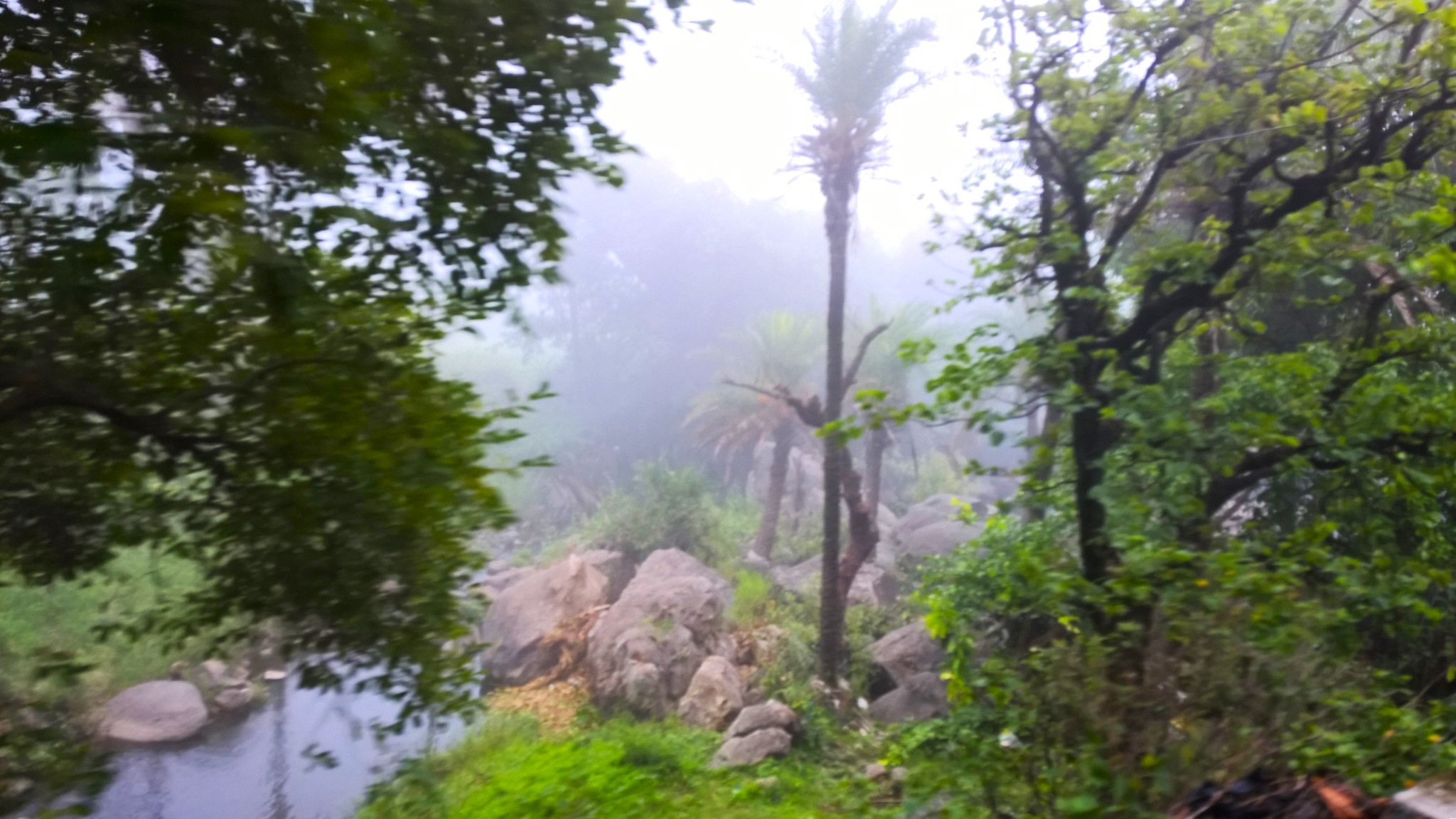
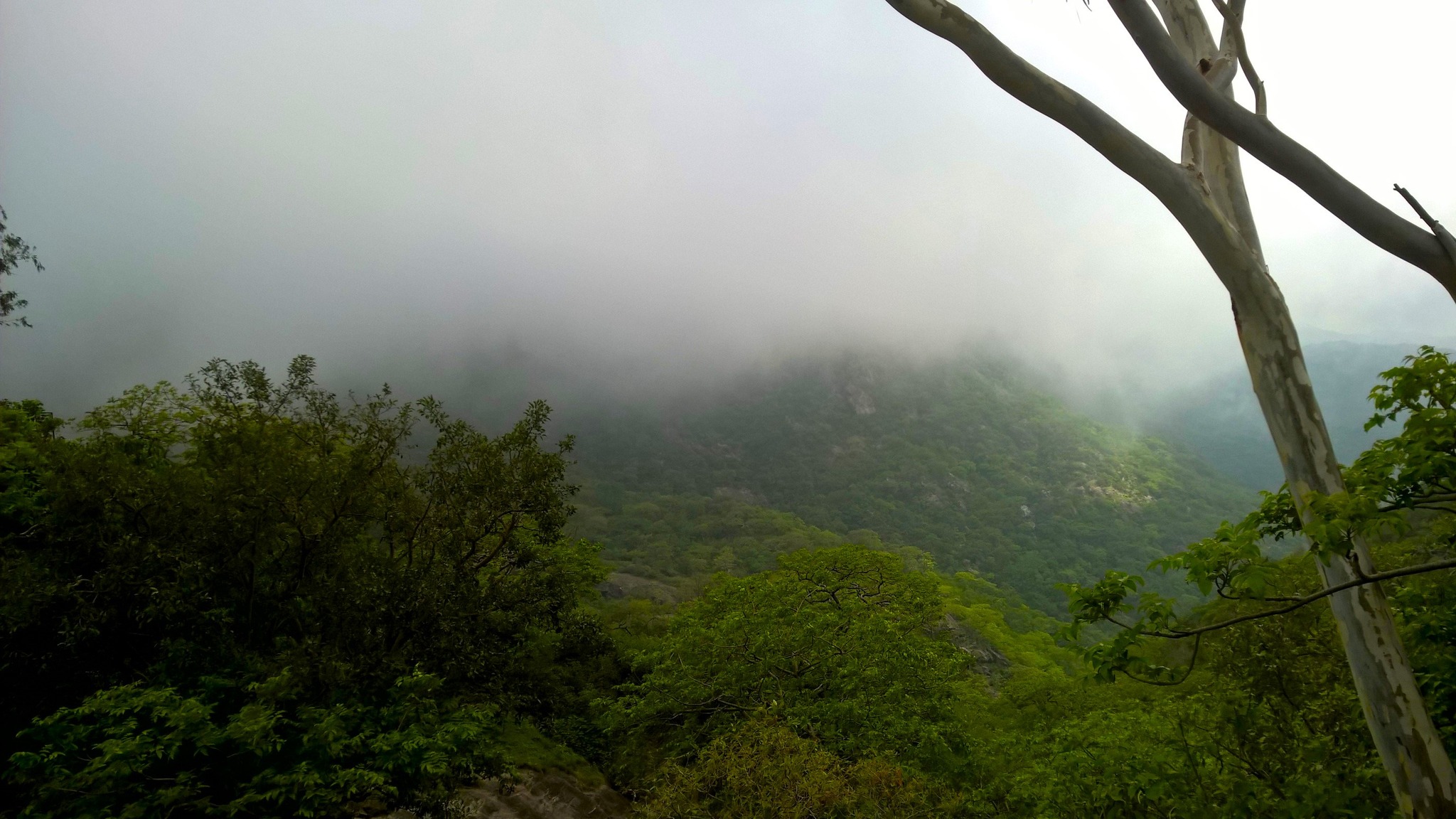
With our whirlwind Abu tour coming to an end, we pondered about how we would get back to Delhi, as I had not booked a return ticket, and had reckoned I would be easily able to get a bus back to Delhi from Udaipur, which was the nearest city to Mount Abu. As it turned out, there were only a couple of buses plying from Mount Abu to Udaipur, the earliest being at 8.30 AM. Thus, the next morning we were headed to Udaipur, again passing through the mist, delighted by views of the hillside shrouded by clouds at eye-level. Sights of streams and ponds ensconced in thick vegetation or surrounded by palm trees, were the icing on the cake.
Reaching the base of the Abu hill range, the bus still passed through the lower ranges of the Aravallis, especially as we approached Gogunda, where the sight of the yellowish sides of the hill which had been cut through to make way for the roads, triggered some sort of a reaction in my brain. That is the exact moment I knew I would want to have more of the Aravallis – these sights combined with the images of the flora I had seen back on Mount Abu, and the previous year in Jodhpur, supplemented by memories of the hill passes at Haldighati, struck a chord somewhere in my heart. What was more, the Aravallis propped up the fantastic forts that I had taken a penchant for over my journeys to Rajasthan over the last four years.
****************
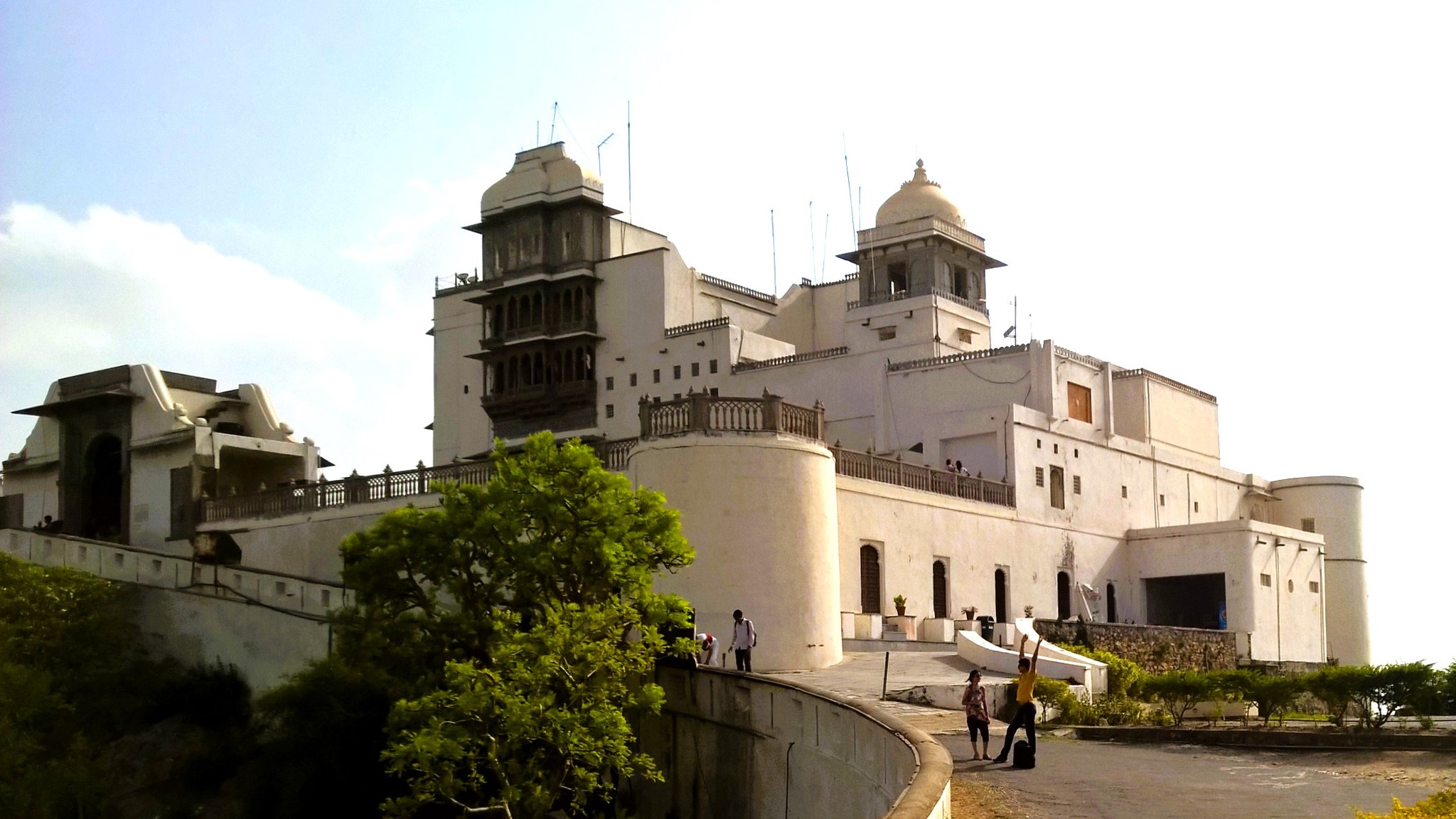
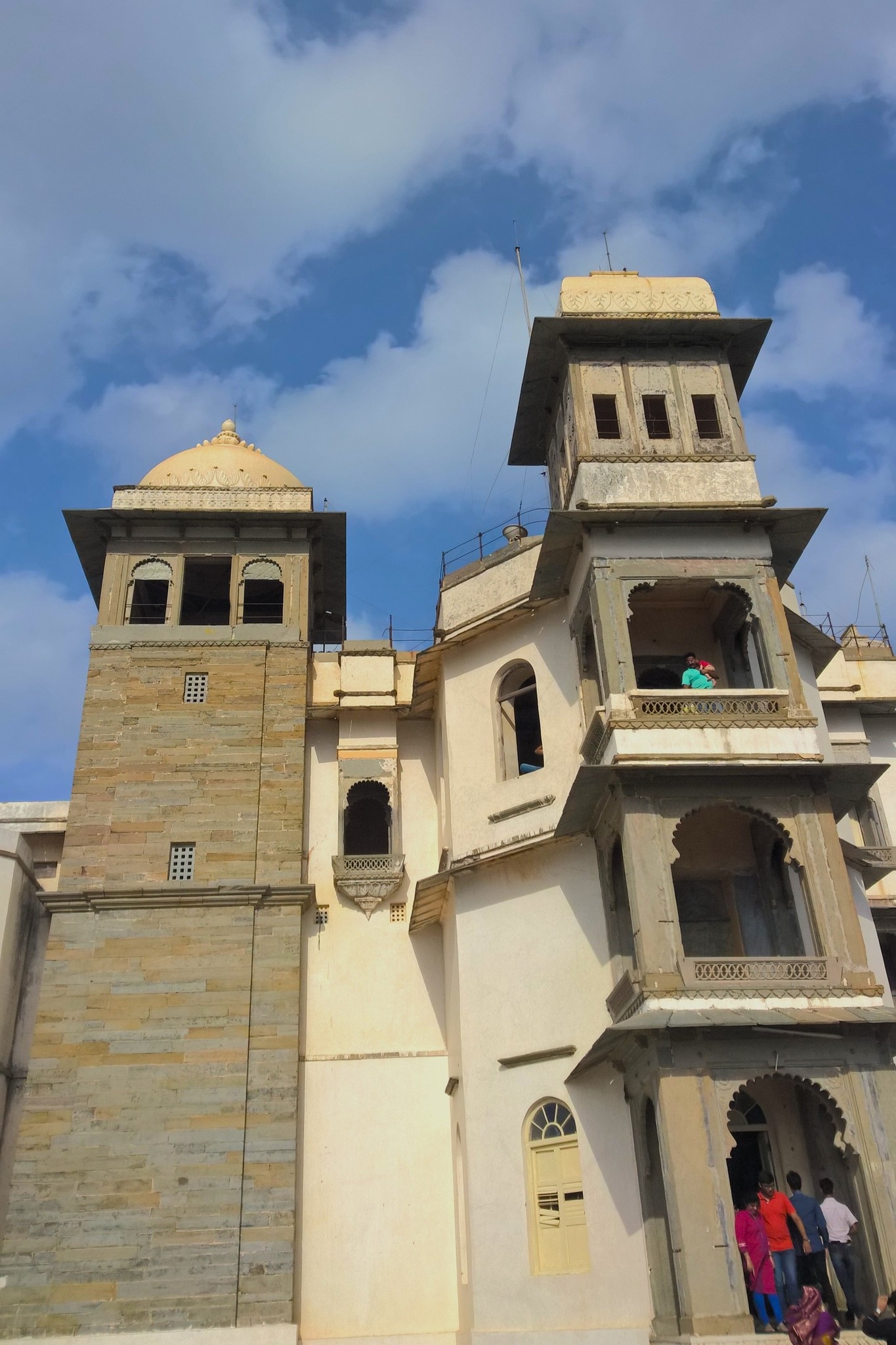
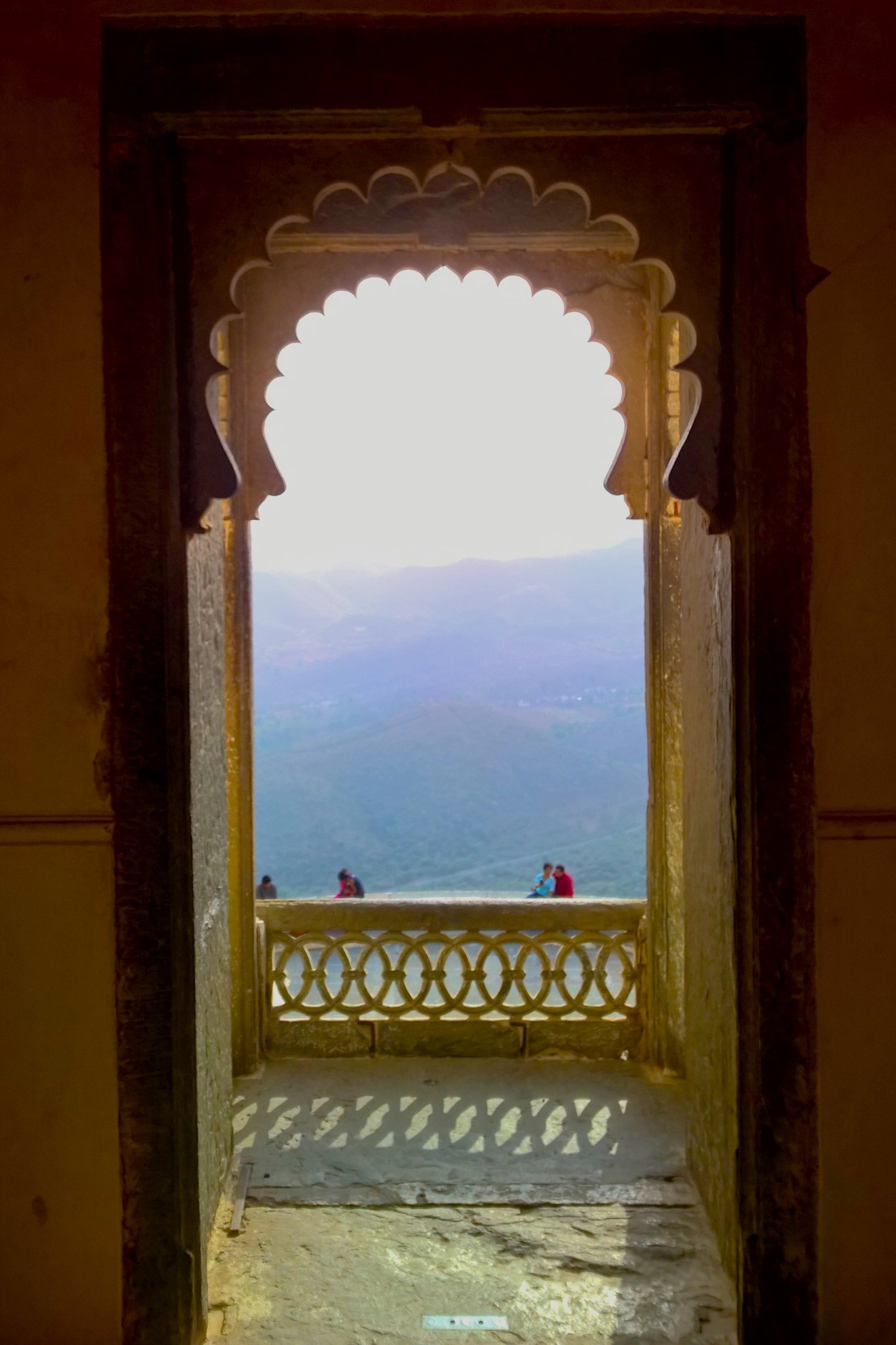
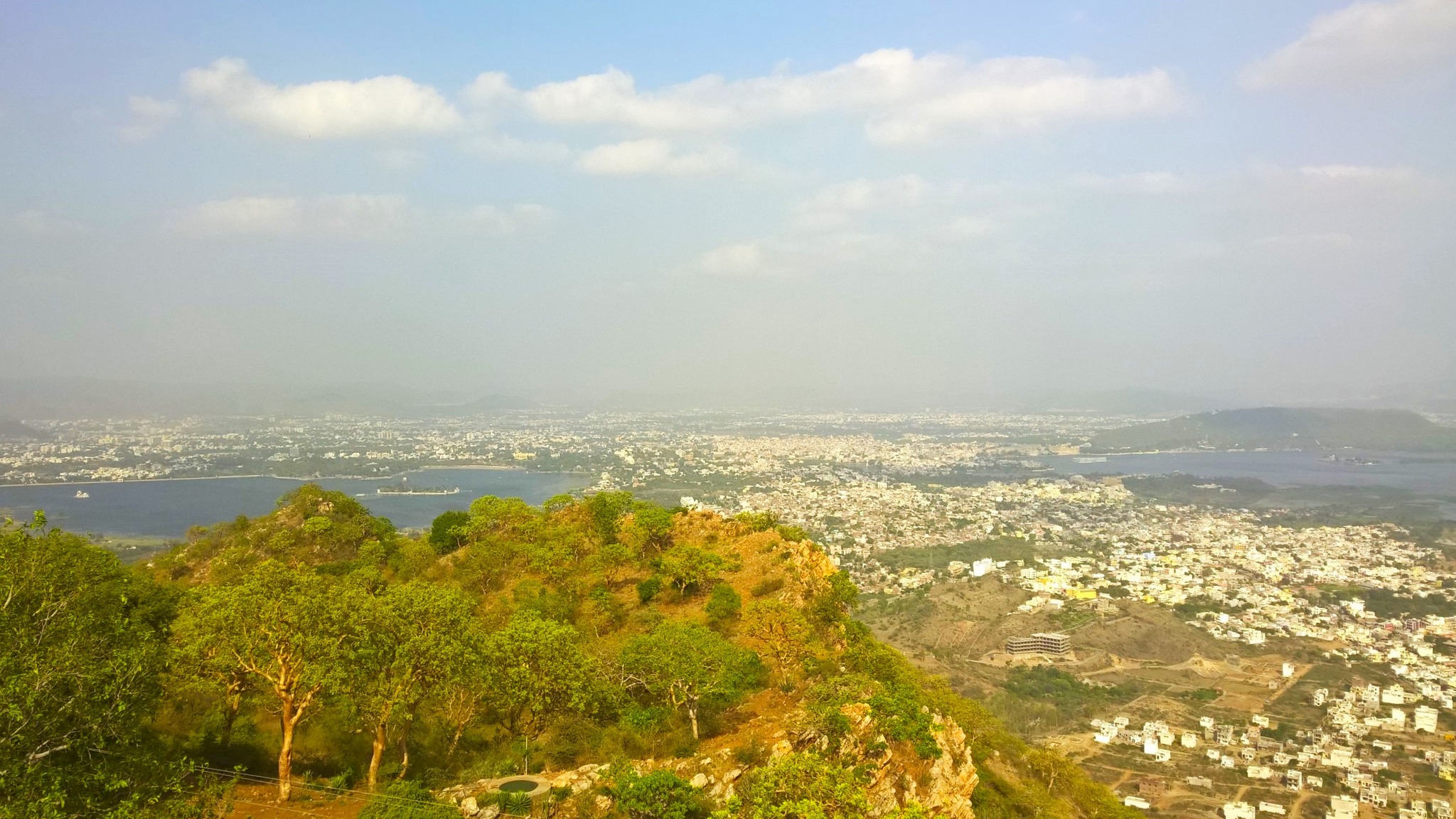
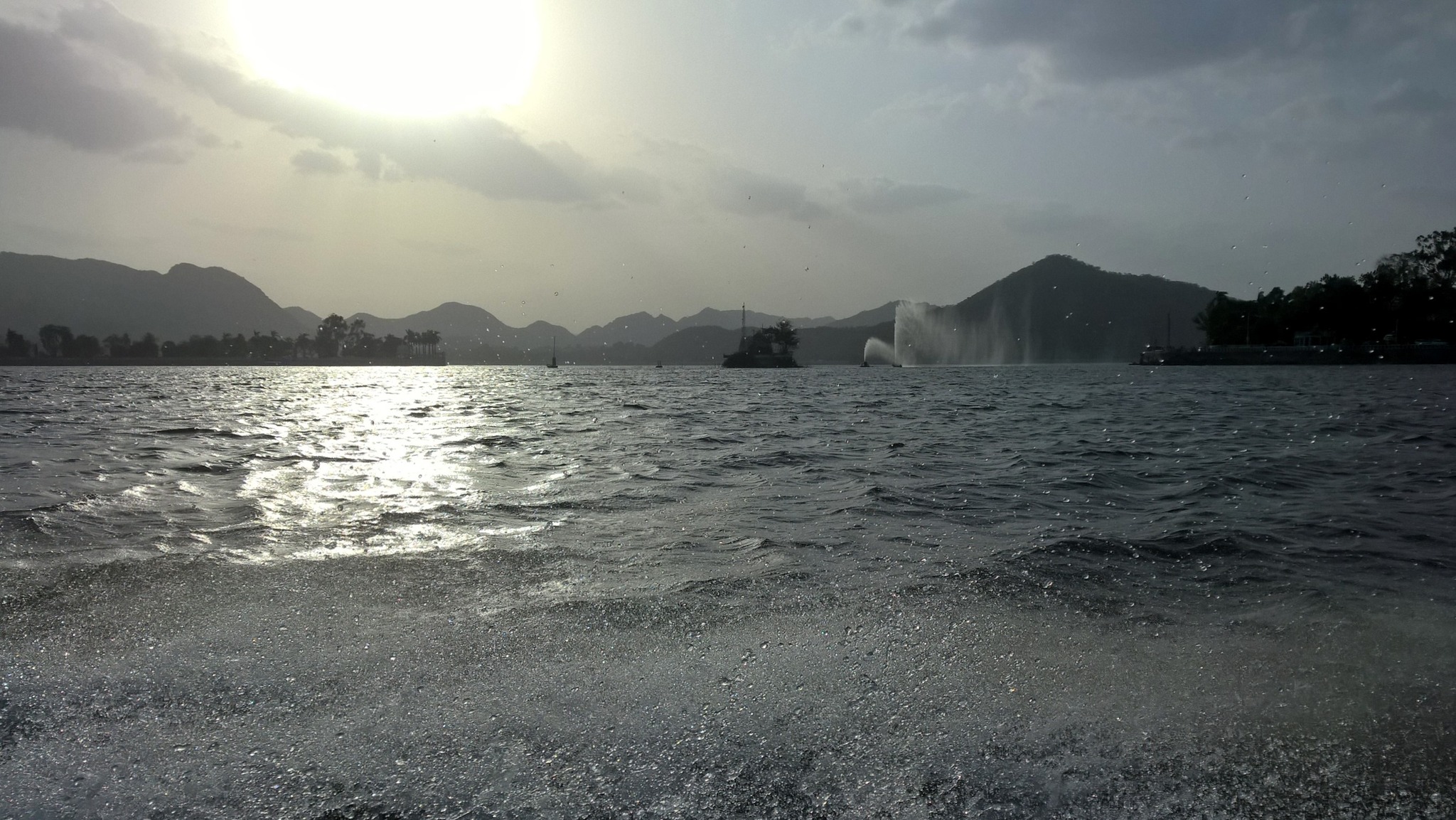
So, for the third year straight, I found myself in Udaipur. I drew up a quick itinerary for us as it was my friend’s first visit to Udaipur. Starting off with a tour of the City Palace, we headed to Sajjangarh Palace, a monsoon palace whose construction was started by Maharana Sajjan Singh in 1884, atop a hill overlooking the Pichola lake. The marble palace is an ideal getaway from the humdrum of the city below, and also affords panoramic views of the city and its lakes, along with picturesque views of the Aravalli hill range behind it. We wrapped up our half-day sojourn at Udaipur with a boat-ride on the Fateh Sagar Lake.
Following dinner, we took an overnight sleeper bus for Delhi, concluding a most memorable birthday weekend. I also found a new love – the Aravallis.
 The Timber Trawler