With parents finally being able to visit Gurugram after the second wave of Covid-19 pandemic had receded, it was time to unwind with a weekend trip. We decided to check out relatively lesser-known places, hoping to beat any semblance of crowds. Previously, I had visited Mandawa, and enamoured by the scenery of the areas I had passed through to reach there, I had been longing to have a taste of the larger area surrounding Mandawa – Shekhawati. With our personal vehicle at our disposal, exploring Shekhwati would now be feasible.
Part 1: Shekhawati
We kicked off our trip by first heading off to Pilani – which my father, on account of being an educator had wanted to see for a long time – via Loharu. After getting a glimpse of the BITS Pilani University, we proceeded to Alsisar, on a narrow arterial road that cut through cotton fields, and part-flat, part-undulating arid patches populated with khejri and babul trees. At Alsisar, cutting through the town on our way to Alsisar Mahal, we were immediately enchanted by the stately havelis sporting painted facades. A tour through Alsisar Mahal, a 18th century palace-turned-heritage hotel standing right in the middle of the town, transported us to a more wistful time.
Laxmi Narayan temple, Alsisar
A lane in AlsisarCourtyard of Alsisar Mahal
A hall in Alsisar Mahal
At this point, we did not have an itinerary for the rest of the day, the only objective being that we reach Mandawa by the end of the day. So, we then drove towards Malsisar, a twin town of Alsisar – it is said the towns are named after two sisters, Alsi and Malsi, respectively – and took a turn left towards Bissau just at the periphery of Malsisar. Now, as the cotton fields gave way to patches growing millet, with the landscape gradually turning more arid, cattle lounged about in the shade of the sparsely scattered trees. Soon, as we approached Bissau, dunes started appearing in the distance – we were at the edge of the Thar.
Cotton fieldsCattle lounging in shade
Sand dunes near Bissau
Our next stop was Churu, known as the gateway to the Thar and also one of the three largest towns of Shekhawati, the other two being Jhunjhunu and Sikar. Intent on seeing the Churu fort, we had to drive through the city centre, that was very busy on account of traffic on rather narrow roads, flanked by havelis on both sides. However, the fort not being open in the sense that tourists could visit, we concluded our Shekhwati sojourn for the day and started south towards Mandawa.
A sand dune on the outskirts of Fatehpur
As evening fell and we approached Fatehpur, we passed by sand dunes shining in the moonlight, stopping at one particular sand dune where camel rides were being offered. Soon, passing through quite narrow lanes of Fatehpur, another town abounding in havelis, we reached Mandawa around 7.30pm and checked-in for the night at a fairly new haveli. The haveli, the receptionist told us, had recently played host to a crew that was in Mandawa for shooting an OTT series featuring Sonakshi Sinha (this series later turned out to be Dahaad). Following dinner at the rooftop on the haveli, we went off to sleep, as a day-long detour from Shekhawati awaited us the following day.
Hanuman Prasad Newatia Haveli, Fatehpur
Part-2: Nagaur
The following day, after breakfast, we started off for Nagaur, a place that had been on my radar for a few years now. Once again passing through the haveli-laden, narrow lanes of Fatehpur, we headed west this time, straight into the Thar desert. As the the density of houses grew thinner, so did vehicular traffic, however, the traffic was supplanted with hordes of saffron-clad devotees walking by foot to some place that we did not know yet. In echoes of kawad yatra that happens in North India in July, trucks laden with similarly attired devotees, playing bass and disco-beat laden devotional songs too were headed in the same direction. We realized they were headed to the Salasar Balaji Temple once we crossed Salasar.
Beyond Salasar, as the two-lane highway winded through the arid, undulating land, we would be alternating between sights of crests of low sandy mounds rolling in the distance when riding a crest ourselves and the prospect of climbing up a pass between sandy mounds when passing through a trough. The cherry on top was the tarmac, smooth and devoid of a single pothole, making it a pleasure to drive on. Sparsely populated towns, that we mostly by-passed, greeted us on the highway, before we entered the throes of the conspicuously bigger city of Nagaur, and promptly navigated through, first the wider streets, and then the narrow lanes, on our way to the older part of the city.
Being on the offbeat track, Nagaur is not heard of as often as the likes of Jaipur, Udaipur, Jodhpur, Jaisalmer etc., and yet turned out to be a pleasant surprise, what with a UNESCO site in the form of the Ahichhatrapur Fort or the Nagaur fort. Nagaur once served as an important stop on trade routes passing through the Thar desert. But it has had a chequered past ever since it encountered Ghanznavid invasions in the 9th-10th centuries. It kept changing hands and was fought for amidst bigger states placed around it, but its protectors fought equally hard to retain it.
Main fort gate of Ahichhatrapur fort, Nagaur
Inside the Ahichhatrapur fort, itself opulently built with a formidable fortification wall enclosure, we walked through the multiple palaces, namely, Sheesh Mahal, Deepak Mahal and the Hadi Rani Mahal, interspersed by large courtyards with lush gardens, placid pools and exquisite fountains. We lost ourselves in the corridors running from one arched-door to another, with the pillars sporting colourful motifs and the ceilings rife with frescoes. After spending almost 2 hours, being awed by the beautiful antiquities inside the fort, a different world in itself, we had our lunch around 2.30 pm and were back by 6 PM at Mandawa, where we checked into the 200-year-old Radhika Haveli.
Glimpses of the structures inside the Ahichhatrapur fort, Nagaur
Part 3: Mandawa
Radhika Haveli is a typical Shekhwati style haveli with a large courtyard in the middle of a rectangular-shaped two-storeyed living area. Rooms lie stacked one after another, ranging from sizes small to big, with old-style windows, with their painted and glazed wooden shutters, opening to the lane outside. We realised the floor of our room was two-tiered, with the higher tier, the narrower of the two, running by the side of the wall with the window. The old queen-bed lay between the cylindrical pillars holding up the ceiling, and a coffee table along with old-style chairs stood beside the window.
Our room in Radhika HaveliCourtyard of Radhika Haveli
At around 8 PM, stepping out by foot in search of a pharmacy, we were immediately confronted by a desolate lane, which the faint streetlights did little to illuminate, prompting us to retreat and resume the search with our car. Back in the room, when we switched off the lights using the lever on the antique round-shaped bakelite base, we were engulfed by an atmosphere of eery quietude.
A lane in MandawaA lane in Mandawa
The next morning, the hosts at the Radhika Haveli pampered us with a complimentary sumptuous breakfast comprising poha, puri-sabzi, idli-sambhar, fruit, tea and coffee and were still flooding us with so more food, when we had to decline because we were beyond full. Thereon, through the maze of streets criss-crossing the agglomeration of painted havelis, we proceeded to do a tour of havelis, to name a few, Jhunjunwala haveli and Chokhani haveli, and spots where scenes of some famous movies, namely, P.K. and Bajarangi Bhaijaan, were shot.
Inside Chokhani haveliKitchen, Chokhani haveli
Painted facade of a haveli in Mandawa
An old well in front of Mandawa KothiInside Jhunjunwala haveli
Noon onwards, we immersed ourselves in appreciating and purchasing some of the local art and handicrafts, of which Mother was simply not getting enough of. By 2 PM, we were still not done, as the variety on offer was overwhelming, and Mother was having a hard time choosing, her misery ending when Father said, ‘why choose when you can take all!’ By 2.30 PM, with a six hour journey lying ahead of us, we had to bid adieu to Mandawa, with a heavy heart and unsatiated mind, and head back to Gurugram, reaching by 8 PM. The good thing about places that one leaves feeling pangs of ‘unfinished business’ is that one could always go back to those places.
Trip Summary
Trip map
Day 1 Gurugram to Mandawa via Pilani, Alsisar and Churu (320 km). Overnight stay in Mandawa.
Day 2 Mandawa to Nagaur and back to Mandawa (370 km). Overnight stay in Mandawa.
In August-end, a full month after the 2nd vaccine shot, we finally gathered the courage to venture out on a 1000+km road trip. It would also be my first ever 1000+km driving on my own, after having learnt driving a few months prior. Moving to the suburbs of Gurgaon has meant that I now live at the gateway to my most favourite area of this great country – Rajasthan (though it only ties with Odisha for my affection!). So, it was only natural that my first long drive be to places in Rajasthan that have been on my bucket list for ages now.
Beejak ki Pahadi, Bairat
In a nook in the Aravallis, near a town called Bairat, are remains of a Buddhist Monastery of unknown antiquity, where Ashokan inscriptions from around 3rd century BC have been found. It can be reached by veering off the Delhi-Jaipur Expressway 70km before Jaipur on NH 248A, then taking a right turn onto a narrow road from Bairat town, and finally, taking a mix of long flight of steps and ramps to the top of a hill.
Bairat or erstwhile Viratnagar itself is said to have been founded by King Virata, in whose kingdom the five Pandavas (of Mahabharata) spent the thirteenth year of their exile in disguise. The site of the monastery affords a majestic view of the valley below and undulating hills on the horizon.
Steps leading to hilltopInformation plate for the site
View of the countryside from hilltop
Remains of the 3rd century BC Buddhist temple, one of the oldest recorded temples in India
P.S.: I came to know later that this is one of the oldest places of worship that we have recorded history of in India .
Abhaneri
A quaint little village south of Alwar that is home to an exquisite stepwell, Chand Baori, an engineering marvel in its own right and a well regarded temple dedicated to Harshat Mata. Both of these monuments are said to be 1200 years old – the stepwell’s beauty is something that can only be grasped upon seeing for oneself.
The Chand Baori stepwell at AbhaneriThe Harshat Mata temple at Abhaneri
Sambhar Lake
A place that had been on my wish list since I was a schoolboy – it contributes roughly 9% of India’s total salt production and plays host to migratory birds. With swathes of white stretching as far as the eye can see, one cannot be far off calling this a mini Rann-of-Kachh. I had heard that one could spot flamingos here, but nothing had prepared me for the sight of thousands and thousands of flamingos resembling a pink stripe stretching from one end to the other. Now, if only I had binoculars, or even a DSLR camera, at hand!
A view of the saltpans
A flamboyance of flamingoes in the distance
Pushkar
The holy city, according to legend, was the only place where Brahma would be worshipped as per Savitri’s curse (though a few more Brahma temples have cropped up elsewhere since). Also, as per legend, the Pushkar Lake was the source of the mythical Sarasvati river. Pushkar is nestled within the Aravallis, with amazing views of the hills against the clear skies. Another major attraction is the annual camel fair held here.
The holy Pushkar tankView of the Aravallis from the hotel
Ajmer
Separated from Pushkar by Aravallis and connected by a pass called the Pushkar Ghati, Ajmer is home to Dargah Ajmer Sharif and a gargantuan lake. Unfortunately, we could not visit any place in Ajmer.
View of the Anasagar lake and a portion of Ajmer city while coming down the Pushkar Ghati hill pass to Ajmer from Pushkar
Kishangarh
The capital of a former princely state of the same name, home to an elegant looking fort, which unfortunately is not open to tourists, and the vast Gundolav lake reminiscent of the lakes of Udaipur. Just outside the city is a National Geological Monument dedicated to Nepheline Syenite, traces of which dating back to 1590 million years to 1910 million years can be found.
Entrance of the Kishangarh fortView of the Gundolav lake
Trip Summary
Day 1 Gurgaon to Beejak Ki Pahari – 165 km, 4 hours Beejak ki Pahari to Abhaneri – 120 km, 3 hours Abhaneri to Ajmer – 250 km, 4 hours
Day 2 Ajmer to Sambhar Lake – 100km, 2.5 hours Sambhar Lake to Pushkar – 105 km, 2.5 hours
Day 3 Pushkar to Kishangarh – 40km, 1 hour Kishangarh to Gurgaon – 360km, 8 hours
Total – 1140km
How to reach Beejak ki Pahadi No public transport available, so you will have to use your private transportation (personal vehicle or cab). It is a 5 hour drive from Delhi, 2 hour drive from Jaipur.
How to reach Sambhar Lake While there is a handful of trains from Jaipur to Sambhar Lake railway station, the timings may not be suitable for a day trip. Moreover, seeing around Sambhar Lake area after getting down from the Sambhar Lake station might be a hassle due to paucity of local transport options. In the absence of public transport, you would want to either use your personal vehicle or cab. It is a 1.5 hour drive from Jaipur.
Inspired by the experience of spending Diwali in the hills the previous year, I decided to spend the Diwali this year too at an interesting place. The place was not very hard to choose, as I had been planning to take my parents to Udaipur soon, and thought it would be wonderful to see Diwali over Lake Pichola.
Accordingly, a fortnight before Diwali, seeing a great deal for the day, for which most hotels were already booked or overpriced, I booked a room in Hotel Thamla Haveli that stands right on the bank of Lake Pichola exactly opposite the Gangaur Ghat. On the other hand, not getting tickets on the Chetak Express, the only train connecting Gurgaon and Udaipur, I improvised and booked tickets on a 2 PM train instead from Jaipur, which we would reach by bus.
Day 1: Off to Udaipur
On the day preceding Diwali, we reached our designated pick-up point at Rajiv Chowk around 6 AM, only to learn that we had left behind the food Mother had painstakingly cooked and packed for the journey. So, I rushed back home, which thankfully was only one-and-a-half kilometers from our bus-stop, to pick up the food, and was back in time to catch the bus.
Relishing the views of the Aravallis and the countryside on the way, we reached Jaipur at 12, catching the train to Udaipur as planned. This being a day train, we had the opportunity to see the landscape the railway line passed through, including the topography of areas around Ajmer, where I felt a strong pang of desire inside me to visit Ajmer sometime soon. We reached Udaipur around 9 PM and soon checked-in to a hotel near the railway station.
Day 2: Diwali in the City of Lakes
The next morning, i.e. on Diwali day, after breakfast, we checked out of the hotel and moved over to Thamla Haveli, checking-in around 11.30 AM. We were quite pleased to know that the window of our room opened to, and in fact, hung right over the Pichola lake – if you fell from the window, you drop right into the water! Then, we checked out Ambrai Ghat, which was only a 200 metre walk from our hotel and gave us an exhilarating view of the City Palace sitting across the Pichola Lake.
Morning at the Ambrai Ghat on Lake Pichola, Udaipur
After that, we hired an autorickshaw to show us around Udaipur the whole day, and first proceeded to Sajjangarh Palace, a monsoon palace that stands on the top of a hill, overlooking the city and the Fatehsagar and Pichola lakes. From the terrace of the palace, we also got breathtaking views of the Aravallis. Descending from Sajjangarh Palace, we had lunch near Saheliyon ki Bari, an early 18th century garden, which we visited next. Next up was the City Palace, which I was seeing for the fourth time in as many visits. We ended the day by visiting the Jagadish temple, which stands right on the road that the Palace tour exits to.
Saheliyon ki Bari, Udaipur
Back at the haveli, from our window we were treated to the electrifying sights that we had hoped to see – the fireworks going over the skyline across the lake, with their reflections sparkling over the lake’s surface. As we climbed to the rooftop restaurant for dinner, we were rewarded with even clearer views of the Diwali celebrations. We finally went to sleep, as Diwali celebrations drew to a close.
The city and sky are lit up on Diwali night, as seen from Thamla Haveli, Udaipur
Day 3: An Excursion to Kumbhalgarh
The next morning at 7.30 AM, we walked to the Ambrai Ghat again and were mesmerized by the views of the city palace bathing in the morning sun. Soon after, I booked an outstation Ola cab after some struggle, to take us to Kumbhalgarh. Starting at 11 AM, we drove for about two hours, mostly through the Aravallis, to reach Kumbhalgarh fort which was taking forever to appear. However, given the scenic beauty on the road, the drive was not that boring after all.
This being our first ever visit to Kumbhalgarh, we took the guided tour savouring every nook and cranny of the palaces and every bit of information dished out by the guide. From the rooftop of the Badal Mahal, we beheld the most magnificent views of the Aravallis and the Marwar plains beyond. Before we realized it, we had already spent two hours.
Descending from the palace, after a quick light meal at one of the shanties located inside the fort premises, we checked out the Vedi temple, and other nearby temples, and capped off the fort visit with a walk along the famed fortress wall of Kumbhalgarh, from where one gets a clear view of the palaces sitting on the hilltop.
Entering Kumbhalgarh fort
Rana Kumbha’a Palace as seen while climbing upApproach to Badah Mahal, Kumbhalgarh
Vedi temple and other temples alongside the famed wall as seen from the approach to the palace
The fort palaces as seen from the fort wall, Kumbhalgarh
Glimpses of Kumbhalgarh fort
By now, it was already 4 PM, leaving us with little for the next stop on our itinerary, Ranakpur. In any case, any possibility of seeing Ranakpur was nipped in the bud shortly, when our cab driver refused point-blank to drive through the hills to the famous Jain temple, on account of the impending darkness, compounded by the fact that the temple closes by 5 PM anyway.
So, we had to leave Ranakpur for another day, another trip! Returning to Udaipur by 7 PM, we checked in to Broadway Hotel near Saheliyon ki Bari, and retired for the day after dinner.
Day 4: Exploring Nearabouts: Eklingji and Haldighati
The next day began with yet another struggle to obtain a confirmed booking for an Ola outstation cab, which I managed to get after attempting for about an hour. Given the dire circumstances, we had to leave out Nathdwara temple from the itinerary, opting instead to go to Eklingji. We finally managed to hit the road at around 10 AM, heading to and reaching Eklingji just in time for the darshan starting at 10.30 AM.
From the Eklingji temple, we proceeded to Sahasra Bahu temples at Nagda, a couple of kilometers away, which comprises a pair of 10th century Vishnu temples. The site seemed to be a popular spot for pre-wedding shoots. Thereon, we drove on to Haldighati Musuem, where we went through memorabilia related to Maharana Pratap, had our lunch, and proceeded to the Haldighati Pass. Turning back, we got down at Udaipur railway station , where we caught the 6:15 PM train to Chittaurgarh, reaching the latter after two hours.
The Sahasra Bahu temples, Nagda
A popular spot for pre-wedding photoshootsIntricate work on the temple walls
The Sahasra Bahu temples from another angle
Day 5: On to Chittorgarh
Next morning, I was back again at the place that I love most in Rajasthan – Chittorgarh, for the third time, but it still felt like I was coming here for the first time! We booked an auto-rickshaw whose driver doubled up as our guide, and took us around the fort area which in itself feels like a self-contained region, with a populated area on one side, and the remaining area covered with forests, including a deer sanctuary, and sprinkled with palaces, temples, towers and water tanks.
We started off with the Kubhashyamand Meera temples, then rode over to Vijaya Stambh, then saw the Jauhar kundand Samadhisvara temple. For there, we moved to the to Kalika Mata temple, and then Rani Padmini Palace. Then taking a wide curve, we switched to the other side of the hill, where we saw the fort’s main entrance gate, Suraj Pol, while also being treated to a breath-taking view of sparsely populated valley below. We then went over to a handicrafts shop, where we bought some scented silk fabric items.
By 1 PM, having completed one full round around the periphery of the fort, it was time leave, with a heavy heart, as far as I was concerned. Nevertheless, down in the city, we had a Rajasthani meal, and were in the railway station at 2.30 PM.
Chittorgarh fort sits atop of the flat long hill, as seen from Chittorgarh railway station
With part of our return train journey happening in daylight, we were again able to enjoy the interesting landscape, especially as we neared Bundi, where the railway line descended to the barren escarpment below. Then entering a tunnel, the train emerged out to amble along the edge of a reservoir on the other side of which ran the Aravallis. As we reached Kota, night had fallen, and when we opened our eyes early next morning, we were already approaching Gurgaon.
In end-August, we planned a weekend excursion to the erstwhile Hadauti region, centred around present-day Kota. Taking the 3.35 PM Garib Rath from Delhi, we reached Kota by 8 PM, and promptly checked-in to a hotel.
The next day, we booked an outstation Ola taxi, and headed off to first see the Kota Garh Palace standing on the edge of a canyon on the Chambal river. With origins in the 13th century, the fortified palace served as the residence of the Raos and Maharaos, the rulers of the kingdom of Kota. The ground floor is converted into a musuem, while many of the palaces are open to the public – from one of the palaces, the Kota Barrage and Kota river are visible.
The Kota Garh PalaceIn one of the rooms in Kota Garh Palace
View of the Chambal from a balcony in Kota Garh Palace
A little later, crossing the mighty Chambal river, and riding for some time, we passed through a tunnel in the Aravallis, and then climbed up a pass in the hills, before we saw a most fascinating sight of a yellow-coloured multi-storeyed structure with balconies, windows and domes etched at a height against the hillside, separated from the road by a large pond with a cenotaph in the centre.
The Bundi Garh Palace beckons from across the pond
Winding around the pond, we entered the narrow lane of the village located at the foothill, and then rode up a steep incline to reach the large front gate of the Bundi Garh Palace. Soon, we were inside the precincts of the fortified palace, climbing up the winding, steep stony path, admiring the tall walls of the palace hanging on the cliff. Then, we encountered a final tall arched gate that led us into the Garh Palace’s courtyard.
Main outer entrance of the Bundi Garh Palace The imposing sidewall of the Badal Mahal
Main inner entrance of the Garh Palace
Inside the Garh Palace, we explored multiple storeys of the palace, climbing up the labyrinthine stairs, walked through the many halls and rooms, and reached the roof of the Badal Mahal which owing to it being at one of the highest points of the palace, afforded a panoramic view of the village and the pond nestled in the hills. We then walked to an adjacent structure, called Chitrasala, which houses numerous murals and frescoes.
The seat where the king gave audience
A courtyard in the Garh PalaceA hall in the Garh Palace
View from a balcony in the Garh Palace
The adjoining structure housing the ChitrasalaA fresco on the wall & ceiling in Chitrasala
Following this, we made our way through the narrow village lanes to the more urban portion of the town, where we saw the Raniji ki Baori, a 17th century covered stepwell, that is 150 feet deep, and is fairly well-maintained and filled with water even now. Then, we proceeded to the Nawal Sagar lake, located on the outskirts, on the banks of which Rudyard Kipling spent some time in a modest but attractive bungalow. Afterwards, we saw the Chaurasi Khambon ki Chhatri or ’84-Pillared Cenotaph’, another 17th structure with a shivling at the centre of the space enclosed by the pillars.
Raniji ki Baori, Bundi
The 84-pillared cenotaph, BundiPorch of Kipling’s Bungalow, Nawal Sagar, Bundi
The next day, we woke up to rain pattering on the parapet of our window. Still, in the light rain which was for the most part a drizzle, we proceeded to Jhalawar, hurtling across the Kota plateau, and then winding across the Mukundra Hills, in pursuit of Gagron fort. From Jhalawar town, we turned northwards passing through the countryside until we could see the fort in the distance.
River crossing in Mukundra Hills, on the way to Jhalawar from Kota
Then we rolled down a slope, and came face-to-face with the Ahu river, overflowing due to the rains, completely submerging the low bridge that connects the side we were on to the hillock that the fort stands on. With no signs of the rain and river water abating, we turned back, disappointed. It being only noon yet, we figured we could somewhat compensate for the lost opportunity, by exploring some other nearby place – that place turned out to be Jhalrapatan.
The overflowing Ahu river, cutting us off from the hillock upon which Gagron fort sits
Within half-an-hour we were in Chandrabhaga and Chandramoleshwar temple complex with structures dating back to the 7th century, on the banks of the Chandrabhaga river that runs around Jahlrapatan town, and is also the site for the Chandrabhaga cattle fair held in November every year. Next, we saw the 10th century Surya (Sun) temple that is located in the middle of the town, and headed back to Kota.
Chandrabhaga Temple complex, JhalrapatanA temple in Chandrabhaga temple complex
Surya (Sun) temple, Jhalrapatan
We then took an overnight train to Delhi. If not for the rains preventing us from seeing the Gagron fort, the trip as a whole was satisfying, giving us a taste of the heritage and topography of the Hadauti region, making us want to come back again.
In November 2014, my then-colleagues and I committed to attending our colleague’s wedding near Dausa. So, we took the opportunity to see Ranthambore, and had our tickets booked for Sawai Madhopur in the 7 PM Mewar Express. I took the day off from work and decided to go watch the movie Interstellar in the afternoon – I reckoned I could just go pick my stuff from Safdarjung Enclave, where I lived, after the movie and be able to make it in time to reach the Nizamuddin railway station to catch the train.
But by the time the movie finished, it was already 5 PM, and I figured halfway to my place, going back to pick my baggage was out of the question – so, I made an instant decision to simply head straight to the railway station, in the only clothes I was wearing and without my eye-glasses, although I had my contacts on. Anyway, as soon as I boarded the train – I became the butt of my colleagues’ jokes… but I wasn’t going to miss a good opportunity to travel with my colleagues-cum-friends for the world. Getting down at Sawai Madhopur at midnight, we checked-in at a resort.
The next morning, after we had fun in the pool, we took off to the local market, where I bought myself a change of house-wear, and a bottle of liquid for my contacts, with which also came a free lens case. With that and lunch done, we headed to the Ranthambore Tiger Sanctuary for an afternoon safari. Making our way through the grasslands, and later, the dense jungle, in pursuit of the tiger, we passed by dried streams with pebbled beds and watering holes, and saw nilgai, sambhar and numerous birds, but no tiger.
Glimpses from the afternoon safari at Ranthambore National Park/ Tiger Sanctuary
At noon the next day, we set off for the trip to the Ranthambore fort deep in the Ranthambore forest. The ride uphill on the winding road through dense forest, with a stream running alongside, supplemented by sighting of deer and birds, made the ride memorable. By 2.30 pm, we were inside the fort, and one of first things we did was taking in views of the hillside and the valley from the many rooms on the fort wall. Then we trekked our way to see the numerous palaces, a 32-pillared cenotaph, a pond called Rani Kund and the adjunct Dargah, The Lakshmi Narayan temple, the Kali temple, and then passing by the big bathing tank, we reached the Annapurna temple and ended the tour with a visit to the Trinetra Ganesh temple that lies at the end of the fort.
Enroute Ranthambore fort, the road cuts through forest alongside a stream
A steep long climb ensues
A tunnel-cum-entrance
The 32-pillared cenotaph
View of the forest and lake from atop the fortMain bathing tank inside the fort
A troop of monkeys relaxes at sunset
By now, we had spent close to 3 hours, without realizing how quickly time had passed. When we rushed back to the entrance of the fort, we realized there was no public transport left to take us back to town! However, courtesy of an offer from a good Samaritan truck driver, we hopped inside the canopy-covered semi-trailer of his truck. As the truck rolled down the potholed uneven road in the darkness, with us getting thrown around like drums, we laughed and at the same time, prayed that we reach the foothill safely, which we did by 6.30 PM.
Next morning, we left at 6 AM for another safari, this time it was the morning version, at the Ranthambore Tiger Sanctuary. With the early winter morning chill still hanging in the air, we saw deer, nilgais, sambhar, peacocks, and a host of jungle birds, but still no tiger. At 2 PM, we proceeded to Batodi, the groom’s native place, and accompanied the groom to Kothin, near Dausa, where he was getting married, reaching there by 7 PM. After the wedding, we caught a 3 AM train from Bandikui back to Delhi.
The forest glistens in the first rays of the sun
Glimpses of the morning safari
July 2014: Chittorgarh
The precursor to the aforementioned Ranthambore trip was actually another wedding-centred trip, that I had been on with the same group of colleagues, to Chittorgarh in July, that too on my birthday!
Taking the 7 PM Mewar Express from Nizamuddin, we had reached Chittorgarh early next morning. Freshening up, we had set off at 9 AM, squeezed inside an autorickshaw, to see Chittorgarh fort. So, somehow on my 28th birthday, I had wound up in my most favorite place, the second time in two years!
Attending our colleague’s wedding that night, we had proceeded to Udaipur the next day, where we saw the City Palace and the Maharana Pratap Memorial overlooking the Fateh Sagar Lake. Later in the evening, we caught the Mewar Express again and reached Delhi the next morning.
Near the front entrance of Chittorgarh fort
Near Vijaya Stambh, Chittorgarh fortAt City Palace. Udaipur
Outside the City Palace by the side of Lake Pichola, Udaipur
While I had primarily been a solo traveller up to that point, I realized I could enjoy myself in a group trip too, with the right set of people – the people in these journeys might be ex-colleagues now, but ones I truly cherish as friends, and would give anything to be able to re-live those times.
With my B-school admission fast approaching, and my mobility improving 2.5 months into the recovery after my accident in Khajuraho, I decided to make one last big trip before I left Delhi for the year-long intensive course. So, my friend and colleague Amit and I took off to Jaisalmer by Ranikhet Express, which started around 10 AM from Delhi after a 6 hour delay. That did not put a dent to our itinerary though, since we reached Jaisalmer early the following morning instead of reaching the same night.
After a quick check-in at a motel just below the Jaisalmer fort and freshening up, we set out to have breakfast at a roof-top restaurant. And then, undecided on what to do next, we loitered around, first in search of a hostel, where Amit wanted to put up, while I dissuaded him from the same telling him that we were better off spending that money on an outstation trip, and camping out in the desert. Anyway, we still went to check out a Zostel property, ran into an old acquaintance of Amit and again got back to bickering about the next steps – the bone of contention being, whether we should first see Jaisalmer and then go outstation or do it vice versa.
Part 1: Off to the Border
The bickering was only the beginning of our shenanigans. Continuing to dawdle and finally agreeing upon a plan to go outstation first , we reached a lassi shop near the road leading into the Jaisalmer fort, where we were told we could get our lassis spiked with bhaang, an offer that my wise friend took up on. It tasted about the same, my friend reported while downing the drink, even as I found a cab driver and started negotiating with him for a two-day trip. Shortly, we were on the road leading to Tanot, on the border with Pakistan.
As soon as we left Jaisalmer town behind, we were looking at swathes of yellow with windmills standing tall in the distance. As we pushed deeper into the Thar desert, Amit kept tell me about how useless the lassi was, as it had no effect on him. Meanwhile, the density of vegetation kept decreasing and the distance between the occasional hamlet gradually increased.
About an hour-and-half of driving deep into the desert, passing by expanses of sand dunes with smatterings of grass and shrub, we came upon a steep decline – ahead of us was a depression in the ground, stretching from one end to the other. It looked like the dried bed of a river – only the surface of the bed still looked indistinguishable from the higher ground all around – even as the road winded down the depression and rose again on the other side. There was no trace of vegetation, with only a handful of huts strewn around being the only habitation for as far as we could see of the other side of the ‘river bed’.
Google Maps told us that the place was called Ranao or Ranau, and it was quite a sight, prompting us to stop and stare. We got down, admiring and taking pictures of the landscape. By now, an air of whimsy was descending upon Amit, and he suggested we take staged ‘candid’ photographs of ourselves in the marvellous background, resulting in us whiling away time posing for self-timed clicks for the next half hour.
The road declines to a depression that resembles a dried ‘river bed’ at Ranao
Staged ‘candid’ at Ranao (taken on Amit’s Canon DSLR camera)
Moving on from Ranao, another half hour later, we were at Tanot, where Amit was washed over by a wave of religiosity and euphoria, forcing him to admit that the lassi was finally taking effect. Paying our respects at the Tanot Mata temple, we proceeded alongside the Pakistan border towards Longewala, through completely empty desert, with only electric poles with transmission lines, the narrow tarred road, our car and its passengers indicating the only traces of human existence. At Sadewala, midway to Longewala, we finally saw humans – a few kids, with whom we took a few pictures.About 45 minutes after leaving Tanot, we were at the Longewala War Memorial, where again under the spell of Amit’s exuberance, we clicked a host of zany pictures.
Tanot Mata temple
Dunes at Sadewala, on the way to Longewala, driving parallel to the Pakistan border
Longewala War Memorial
It was now already 4.30 PM – with the prospect of darkness descending soon, we decided to turn back in the direction of Jaisalmer. By 6 PM, we were at the Sam Sand Dunes, horsing around amidst the camels in the glare of the setting sun, for about an hour, after which we checked-in to the first desert tent-camp resort that our eyes fell on. Watching the folk-arts programme, and having dinner, we went off to sleep.
Tomfoolery at the Sam Sand Dunes (Taken on Amit’s Canon DSLR camera)
Part 2: Jaisalmer and Nearabouts
Actually, the title for this part should have been: Nearabouts of Jaisalmer and Jaisalmer, as we started the day 45 km away from Jaisalmer, at Sam. Although the effect of bhang on Amit had worn off, still taking some cues from the freedom it gave us, we did some more tomfoolery on the Sam sand dunes, and moved to the south, reaching the Desert National Park, which I had been forced to miss in my sole previous trip to Jaisalmer due to paucity of time.
The Desert National Park is a vast area of desert including a variety of topographical features, such as, sand flats, dunes, craggy rocks, and compact salt bottoms, straddling the Jaisalmer and Barmer districts. Earmarked by the government to preserve the unique and fragile ecosystem of the Thar, the park is home to species, including the monitor lizard, desert fox, Russell’s viper, and many migratory and resident birds, of which one of the most noteworthy is the Indian Bustard.
Nevertheless, from the little Park office located just some distance inside the park, we booked a safari, and spent more than an hour roving inside the park, taking pictures with a flock of sheep, and then spotting eagles, monitor lizards, and finally, an Indian Bustard. On the whole, the safari was easily one of the most memorable experiences of my life. For those on a leisurely trip to Jaisalmer and mildly interested in nature, the Desert National Park is highly recommended, in fact, a must-visit.
At the Desert National Park, a must visit! (Picture credits: Amit)
After the safari, we took an interior road that ran through the sands, then passed by craggy outcrops on which stood tall windmills, and more than an hour later, reached Khabha fort, a compact structure that stood like a lone sentinel on the edge of a low cliff in the middle of the desert. Down in the escarpment lay the stony ruins of an abandoned town, a sight similar to which we found in Kuldhara, which we reached half an hour later. Touted as a haunted village, Kuldhara does give off eerie vibes, more so in the sense of transporting you to a time gone by than anything else.
Khabha fort (Picture credits: Amit)
Ruins at Khabha, as seen from Khabha fort
We then re-entered Jaisalmer, and headed off to theJaisalmer fort, where we spent another hour walking through the corridors and halls in the palaces and the alleys along the fort wall. After that we headed off to Akal Wood Fossil park that lies about half hour south-east of Jaisalmer, which we reached around 5 PM. We trudged through the barren, desolate rocky land, coming across preserved fossilized wood dating back to more than 200 million years, then climbed on a flat hill, and surveyed the intriguing landscape.
As it began to get dark, we headed back to Jaisalmer city, and bid adieu to the cab driver, who by then had become a partner in our shenanigans, at Gadisar Lake. Spending the twilight at the lake, we headed off to the railway station to catch the overnight Leelan Express train to Bikaner.
Inside Jaisalmer fortLandscape at Akal Wood Fossil Park
Twilight at Gadisar lake, Jaisalmer
Part 3: Bikaner
Next morning, we got down at Bikaner railway station and checked-in to a hotel nearby. After resting a while, freshening up, and having breakfast, we hired an auto-rickshaw to take us around for the day, and were in Junagarh fort by noon.
Bikaner city was founded Rao Bika in 1488 AD, after striking out on his own not wanting to inherit Jodhpur state from his father, despite being heir apparent to the throne. The Junagarh fort, itself was built from 1589 to 1594 AD by the sixth ruler of Bikaner, Raja Rai Singh. Earlier called Chintamani, the fort only got its present name in the early 20th century after the royal family moved to the nearby Lalgarh Palace, ‘Juna’ meaning ‘old’. The Junagarh fort is open to public as musuem, with many daily use items including furniture intact in their respective places in the rooms, giving a glimpse of how the royal family of Bikaner lived in the past.
Walking through the various palaces, halls, hallways, corridors, flights of steps, terraces – every succeeding ruler progressively adding more structures and accommodations – we finally came upon a large section, which held in display a DH-9 De Havilland single-engine biplane that saw action in the First World War. This was installed by piecing together the parts from one of two such warplanes shot down in the First World War, which were gifted to Bikaner state in recognition of the 500-strong camel cavalry support provided by Maharaja Ganga Singh to the British Government in the war then-dubbed as the Imperial War.
Palace just inside the entrance of Junagarh fortThe DH-9 de Havilland at Junagarh fort
At around 2 PM, we left the fort, had lunch and reached the ICAR-National Research Centre on Camel lying on the outskirts of the city, where we learned about five breeds of camels, namely, Bikaneri, Jaisalmeri, Kachchi, Mewari and Jalori, and their respective lifecycles. We also learned how significant and integral the camel is to the human sustenance in the Thar – the camel is useful not while it is alive, but also after it dies, when its skin, fat and bones including teeth are turned into useful products, such as water bags, pouches, lighting oil, ornaments , decorative items etc.
At ICAR-National Research Centre on Camel, Bikaner
Around 4.30 PM, we reached the old part of Bikaner, where lie many havelis of merchants and royal ministers of the past, one of the most notable havelis being the Rampuria Haveli. Just behind the Rampuria Haveli is the Bhanwar Niwas, now turned into a hotel, which we took a short walking tour of by requesting the gateman. Then, walking through the narrow lanes, we came upon the 12th century Bhandasar Jain temple – dedicated to the the 5th Tirthankara Sumatinatha – notable for its beautiful leaf paintings, frescoes and ornamented mirror work.
Rampuria Haveli, Bikaner (picture taken on Amit’s Canon DSLR camera)
Dining Hall in Bhanwar Niwas, BikanerBhandasar Jain temple
At long last, we surveyed the Rajasthani snack shops, now run by descendants of the originators of traditional Bikaneri snacks, such as Bikaneri bhujia, lehsun sev, gathia etc, packets of which we picked up for family members back home. After dinner at one of the restaurants in the old town, we headed to railway station to catch the overnight train to Delhi, and were back in our office the next day.
For many years I had seen the name ‘Alwar’ – on other buses while I waited for the bus to Jaipur or on road signage on my many forays to Jaipur. I had even passed through Alwar on one occasion on a bus, and had memories of a city glaring under the sun against the backdrop of yellowish, intermittently green hills. Alwar, despite being three hours away from Delhi, gets overshadowed by the names of bigger places, but now in October 2016, since I had ticked the big names off my list, I turned my attention to Alwar. And am I glad that I did!
Part 1: Alwar Calling
My friend and I caught the bus at 8 AM from Dhaula Kuan, from where I had boarded the Rajasthan or Haryana Roadways buses headed to Jaipur on all of my previous Rajasthan solo trips. By noon, we were in Alwar, where we had lunch near the bus-stop, and gathered information about places and access modes in Alwar. The Bala Qila (Alwar fort), perched on the hill overlooking the city and clearly visible from where we stood, beckoned to us – it was a no-brainer as to where we should start our Alwar sight-seeing with.
Hiring an auto-rickshaw, we headed off to Bala Qila, for which we took the fort road that winded around the side of the hill, passing through jungle, accompanied by a sharp drop into the valley on one side. We were pleasantly surprised by the size and condition of the main palace which was largely intact – the palace may not be the size of the palaces in the forts of Jaipur or Jodhpur, but the fort in itself was self-contained and seemed to possess every characteristic typical of a Rajasthani fort.
The origins of the fort date back to 928 AD, when it was built by Parmar Rajputs, however, it was resconstructed in 1521 AD by the Khanzada rulers who had wrested the fort from the Nikumbh Rajputs in 1492 AD. We explored the many floors of the palace and were smitten by the verdant vistas of the Aravallis from the arched windows of the palace. Later we walked on the fort wall towards a watching platform that provided a clear view of the city below.
View of Bala Qila from the fort wall leading to a watching platform on the south side
Inside Bala QilaOn the terrace of the palace in Bala Qila
View of Aravallis from a balcony in Bala Qila
Descending back to city at the foothills, we checked out the City Palace or Vinay Vilas Mahal, built in 1793 AD, with a part now converted to Museum and the other part housing government offices. The beautiful Moosi Maharani ki Chhatri, a cenotaph for Raja Bakhtawar Singh and his queen Moosi Rani, built in 1815 AD with marble roof and red sandstone pillars, stands adjacent to the City Palace, on the bank of water tank called Sagar Jalashay, which is fed by water flowing down the Aravallis at the foothills of which the tank lies.
Our next stop was the Siliserh lake, an artificial lake built in 1845 by Maharaja Vinay, nestled in the Aravallis, a little outside the city, providing a picturesque view of the rounded tops of the Arvallis kissing the sky. Enjoying the gentle breeze along with the views, we took a boat ride exploring the length and breadth of the lake. Thereon, we headed to the Jaisamand Lake, another artificial lake not very far from the Siliserh Lake but a little closer to the city, notable for a series of chhatris (cenotaphs).
Moosi Maharani ki Chhatri, AlwarCity Palace, Alwar
Sunset at Siliserh Lake, Alwar
Part 2: An Unplanned Extension
Our plan for the second day was to take a morning safari of the Sariska National Park that lies about 33 km from where we stayed. Waking up quite early in the morning, and starting around 5.30 AM, we walked about a kilometre to the main road leading to Sariska, hoping to get some sort of conveyance to Sariska. After about fifteen minutes of waiting, as the chances began to seem slim of us making it to Sariska in time for the safari, an autorickshaw driven by a Sardarji (a turbaned sikh man) drew alongside us . We negotiated a price for the half-day trip to Sariska and were soon headed to Sariska with renewed hope for the safari.
Passing through the road sliding up and down, curving ever so slightly to the right and the left, along the foothills the Aravallis, with the cool breeze hitting our faces, we soon encountered a narrow valley in the Aravallis which we crossed alongside a narrow river. In this stretch lies a place called Natni ka Bara, where a bridge stands connecting the main road to a white-coloured temple with a narrow tall spire on the other side of the river. In the early morning mist, the sight of the bridge and the temple standing in the middle of the valley was etched in my mind.
By 6.50 AM we were at the Safari Booking Office at entry gate of the Sariska National Park, where we were promptly denied entry because entry for the morning safari had already closed. We should have been there before 6.30 AM, they said, not relenting despite multiple requests, suggesting that we come back by or wait till 2.30 PM for the afternoon safari. As we were staring at a long wait, a safari guide who was hanging around suggested we do some more sightseeing instead of waiting, Bhangarh fort being his topmost recommendation.
Now, I had already been to Bhangarh fort – touted as a haunted place – and retained very fond memories of the same, but my friend had not, and I would not mind visiting Bhangarh again just to relive the aura of eeriness I had felt on my earlier visit. We calculated that we should be back to the park gate well in time for the afternoon safari, as we had five hours in hand. However, our autorickshaw driver did not seem keen at all, because it would be a 100 km round trip for him. Nevertheless, the safari guide, on account of being a local convinced him to take the ride, sweetening the deal with extra money, of course.
By 7.30 AM, we were on our way to Bhangarh, in an autorickshaw, of all things! From there on, we never lost sight of the Aravallis, which alternated between running alongside us and sliding away only to return. We hoped to reach by 9 AM, if not for the second half of the route where the road was under construction sending billows of dust in all directions including inside the auto-rickshaw as the vehicle plodded through. Soon we passed through Ajabgarh, where abandoned houses flank the road at one end of the village. Just outside the village, a compact fort sits atop a hillock against the backdrop of taller hills, while the road winds around a lake, called Jai Sagar, filled with a cover of lotus and lilies. At long last, by 9.45 AM, we were inBhangarh.
Part 3: All is Well That…
At Bhangarh, we began by exploring the ruined marketplace and residential area near the main entrance. Then walking further flanked by a series of ruined shops on both sides, through the stretch called the Jauhari Bazaar, and crossing a stream, we entered the fort enclosure where sprawling lawns, numerous temples and the main palace welcomed us. Walking through main palace gate, we approached the first layer of buildings having two wings in the form of long pillared hallways on either side of the passage. Both wings had indications of occult practices being conducted, further bolstering the sense of haunting around the place.
After enjoying the views of the Alwar district countryside accentuated by the Aravallis standing like long flattop platforms from the top of the existing structure of Bhangarh, we walked back to the parking lot, where the auto-rickshaw driver was waiting. After another two hours of riding through the dust clouds over the under-repair road, we were back at the Sariska National Park gate by 1.15 PM, where we were faced by the next challenge – finding 4 more co-passengers for the jeep safari, else we would be paying the fees for 6 passengers for the jeep. Luckily, we ran into a family of 3, consisting of another (!) Sardarji and his wife and kid – who readily agreed to share the ride with us.
Walking through Jauhari Bazaar, Bhangarh
Inside the fort enclosure and approaching the fort, Bhangarh
View of the countryside from atop Bhangarh fort
After a quick, light lunch at the canteen near the safari booking counter, we set out on the jeep safari on a trail that took us deep into the Sariska forest. We sighted sambhar, deer, peacocks and countless birds, complemented by thrilling sights of watering holes, and streams cutting through the jungle. Though we did not see a tiger, I would still count this as a very memorable safari in terms of the density of wildlife seen.
Sambhar laze around in a stream, Sariska National Park
Sambhar lounge about, Sariska National ParkA watering hole, Sariska National Park
Deer in Sariska National Park
By 5 PM, we were back on our way to Alwar, with a thick layer of dust having settled on our bodies. When the sardarji finally dropped us off at the place where he had picked-up, he wore a long face, as he grappled with the sight of the coating of dust shrouding his auto-rickshaw – surely, he regretted having picked us up in the morning, and more so, for having agreed to the impromptu extension of the ride to Bhangarh. As if on cue, I handed him a couple hundred more rupees, hopping to alleviate his dejection.
Now, as we wandered around looking for conveyance to the bus station, we were approached by a couple who looked like students on separate two-wheelers. Lo and behold, it was another Sardarji (!), who along with his apparent girlfriend, offered us both a ride on their motorcycle and scooter respectively. By 8 PM, as we boarded the bus headed back to Delhi, it struck us that we had encountered the grace of good Samaritan Sardarjis every time we faced a difficult situation the whole day!
Post-script: My first trip to Bhangarh, September 2014
My first trip to Bhangarh happened by virtue of a day-long trip with a travel group called ROOTS. We had started around 6 AM from Delhi, passed through Sohna and then Alwar, and reached Bhangarh by 1 PM – a journey of almost 7 hours, a testament to the condition of roads that prevailed two years ago.
In any case, I had been awestruck by the atmosphere and ambience of the place, with the setting of the lawns and the fort etched at some height in the hillside seeming like a leaf out of a fairytale. When the tour of fort had ended, I found myself yearning more.
Walking through Jauhari Bazaar, BhangarhApproaching the gate of the Fort enclosure
View of the Gopinath temple, with the fort in the background,Bhangarh
Gopinath temple at the entrance of fort enclosureSomeshvar temple near the fort gate
A section of the fort wall, Bhangarh
Entrance to the palace, Bhangarh fortView from palace gate, Bhangarh fort
Leaving Bhangarh, we had then stopped by Ajabgarh, where we were intrigued by the sight of the abandoned houses lining up both the sides of the road for quite a stretch as we entered Ajabgarh village. Later, we had hiked up the hill to explore the compact fort even as darkness was falling. The hilltop also afforded a view of the expansive lake, called Jai Sagar, abounding in lotus and lilies, below by the roadside.
One of the many abandoned houses at one end of the village
Ajabgarh fort beckons from atop a hillock
View of a turret from outside the Ajabgarh fort
A courtyard inside Ajabgarh fortA room in Ajabgarh fort
View of the Jai Sagar lake from Ajabgarh fort
By then, it had already been 6.30 PM, with the twilight looming over the village, imparting it with an even eerier character. In the darkness, we had passed through the Aravallis with the moon smiling from behind the clouds, and the silhouettes of the hills accompanying us till we had crossed Sariska.
By 1 AM, we were back in Delhi, the journey turning out to be way longer than originally scheduled, but at the same time ending up being more memorable than I had ever expected.
Eager to get away from the humdrum of our job, my colleague Amit and I, decided to make a weekend getaway to Jaipur.
This being my third visit to Jaipur and Amit’s first, I drew from my previous experience, and we booked a day-long package with an auto-rickshaw driver, who took us to Hawa Mahal, Jantar Mantar, Amer fort, Jaigarh fort, and finally, to Nahargarh fort. Later, in the evening, we got a taste of Rajasthani culture and cuisine at Chokhi Dhani.
Hawa Mahal, Jaipur
Amer fort, JaipurSaffron Garden, Maota Lake, Amer
Jaivana cannon, largest cannon in the world at its time of manufacture in 1720 AD, Jaigarh fort
At the roof of Nahargarh fort
Now, where do we go to the next day? I really wanted to go to Sambhar Lake, but not able to find any information on how to reach there, we considered other places, which is when I remembered Mandawa, from two movies released a couple of years ago, namely, P.K. and Bajarangi Bhaijaan. It turned out Mandawa could be reached by public transport, complemented by a bit of local transport.
So, the next day at 8 AM, we set off by public road transport to Mukundgarh. As we passed Sikar, and then, Nawalgarh, I was fascinated by the set-ups of the towns – lying as disjointed clusters in the midst of the semi-arid landscape, with not much construction found along the road connecting the towns. The road cutting through each town was flanked on both sides by houses with their facades aligned, albeit in a jagged manner, with other houses on their respective side of the road. The houses, mostly painted yellow or white, wore an old world charm, transporting you to at least a hundred or more years back.
Getting down at Mukundgarh, we got around to looking for conveyance to Mandawa, when a strange-looking vehicle drew up alongside us. It was an auto-rickshaw which was decked up with fancy colourful decorations, with even more decorations on the inside, and covered with a canopy that formed a closed compartment! We were so intrigued that we hopped into the fanciful auto-rickshaw without even haggling.
As we advanced on the road to Mandawa, we saw the landscape gradually becoming more and more arid, and as we got nearer to Mandawa, we could see on both sides endless expanses of undulating sandy flats with a few sprinklings of low trees and shrub, even as villages each comprising just a handful of huts greeted us from time to time. Soon, we saw a bigger cluster of houses, and were welcomed by an arched gate on a wall that seemingly enclosed a town inside – Mandawa was here.
As we entered the gate, we were ushered in by two arrays of verandahs of the buildings abutting either side of the narrow road. Some buildings hosted shops, some others were residences, and some were merely the entrance to a larger building standing behind the front row.
Entrance gate, Mandawa
Before we could get a hang of the place, we entered a bylane that apparently led to the Mandawa castle, but failing to locate the gate, we kept walking, past many havelis, until we reached an open area somewhere adjacent to the castle. We saw a shanty serving Maggi instant noodles and tea, and decided to first fill our tummies, while scratching our heads as to how really to explore the place, in the absence of a guide or any prior knowledge.
This is when appeared a boy – someone we would later refer to as Chhutku – barely 8 years of age, with disheveled hair, dressed in crumpled, undersized clothes, who sensing we were the touristy types, offered to show us around, for a price, and kept insisting on it until we had finished our meal. Partly to humour him, and partly impressed with his enterprise at such an early age, we relented.
So, courtesy of Chhutku, we saw a handful of havelis, with their painted facades, part covering the balconies jutting out and peering over the street, and part forming the front wall proudly strutting their evocatively painted visages, all but weathered by time. One particular haveli, Jhunjhunwala Haveli, aptly nicknamed the Golden Haveli, houses a room with intricately painted golden-coloured decorations, along with artifacts from a time gone by – giving us a glimpse of the lives and times of the merchants that built and lived in the lavish residences.
Frescoes on the inside of a haveli in Mandawa
Jhunjhunwala’s Golden Haveli, Mandawa
A typical Mandawa laneArtifacts from the past, Mandawa
The inner courtyard of the Mandawa Haveli, now turned into a hotel
After the tour of the havelis, Chhutku bid us adieu at the Mandawa Castle, where we learnt the castle had long since been operating as a hotel, but was also open to tourists in lieu of a hefty fee. Nevertheless, we took the opportunity to see around the castle, get views of the town and the countryside from the rooftop, and take pictures around the sprawling swimming pool.
Entering the Mandawa Castle precincts
Skyline of Mandawa and beyond
At long last, darkness fell, and it was time to confront the dilemma of whether to stay the night or return to Delhi – it was resolved when we learnt that there was a 10 PM public road transport bus running directly to Delhi. Following dinner at a Tripadvisor-recognized restaurant, we boarded the bus, still not having got a bearing of where exactly we were located with respect to Delhi.
By 5 o’clock in the morning though, when I opened my eyes as we entered Delhi, I was still hungover from the overwhelming and intriguing air of the quaint town that stood astride the trading routes of the past. Although located amidst the barrenness of the desert, the unique vantage point of the town in those times ensured that its mien and ambience remained anything but barren.
Having done one solo trip every year for the last four years now, and with almost half the year already passed, I decided to schedule this year’s solo trip on my birthday in early July, and booked a train ticket two weeks in advance to Abu Road by Rajdhani Express, to see Mount Abu, a place lying on my wish list for a long time. In the week leading to my birthday which was on the coming Saturday, my friend from college who lived near Rewari, called me up asking about my birthday plans, and I invited him to join me. So, booking a waitlisted ticket on the same train, he boarded the train at Gurgaon railway station, from where we shared a single berth till our destination.
Getting down at Abu Road around 5.30 AM, we caught a public transport bus for Mount Abu. As we ascended through the hill road, we were immediately swimming in a cover of green, with an abundance of date palm trees dotting the roadside. As we gained height, I saw, through my sleepy eyes, that we were submerged in the infinite clouds of mist or actual rain clouds, which was it I am not sure. As we approached Mount Abu town, trying very hard to keep awake, I was taken in by the sight of ponds surrounded by denser forest. The many times I forced myself out of my sleep to see the scenery outside, I was reminded of my the scenery on the way to Ooty and Kodaikanal on my college trips.
At Mount Abu town, after quickly checking in to a hotel room, we set out for a South Indian breakfast at the city centre. Then, renting a scooter, we set out on the tour, the planning for which my friend entirely left to me on account of it being my birthday. So, we started off with the famous Dilwara Jain temples, the temple that had been synonymous with Mount Abu for me since I was in school, where I had read about the temples in textbooks. The Dilwara Temple complex comprise five primary temples made purely from marble, with two dedicated to Adinatha, the first tirthankara, and the other 3 dedicated to Neminatha, Parshvanath and Mahavira, were built in between 1026 AD and 1582 AD, and serve as an important pilgrimage for Svetambara Jains.
Entrance to the Dilwara temple, photography inside the temple premises is not permitted
Next, ascending further up the hill road, negotiating mumerous hairpin bends, passing by ponds and patches of forests, we reached Achalgarh. At Achalgarh, climbing up a stony road by foot, we reached the marbe-built Shri Vishnu Jain temple, which also provided breathtaking views of the Aravallis. From there, we rode further up to Guru Shikhar, where we climbed the long flight of stairs to reach the highest point of the Aravallis at 1722 metres. Nearby is the Mount Abu Infrared Observatory (MIRO), which is visible from Guru Sikhar and nearabout, along with green cover on all the nearby peaks and troughs of the Aravallis.
View from Achalgarh fort
View of the Mount Abu Infrared Observatory (MIRO) from Guru Sikhar
Turning back towards Abu, we stopped whenever some view or location caught the eye, the first such stop being at Lover’s Point, from where we got a picturesque view of the Aravallis nestling the Javai Lake. Then descending a little below after manoeuvering a few curves, we reached Javai Lake itself. Rolling further down, we came upon a water-filled fissure on our right side, where getting down, I sat on the rock for a while experiencing an extraordinary state of calm. A little further, we took a short detour to reach the Mini Nakki Lake.
View of Javai Lake nestled in Aravallis, from Lover’s Point
A chance discovery in between Lover’s Point and Javai Lake
The stop that we made next was at the remarkable Trevor’s Tank, an artificial waterhole, tucked away in the Mount Abu Wildlife Sanctuary, which we reached after taking a kilometre-long diversion. Carved on the side of a barren rocky hill to breed crocodiles by a British engineer after whom it is named, the tank is surrounded by native flora including an abundance of cacti and ferns. The location of the tank could serve both as a picnic spot with family as well as a retreat for some solo contemplation. A trek up the hillock also provides a wider view of the picturesque tank. While this place may not be on most sight-seeing itineraries of Mount Abu, I highly recommend a detour to Trevor’s Tank.
View of Trevor’s Tank
View of Trevor’s Tank through the ferns
View of Trevor’s Tank from the adjacent hillock
As we neared Abu town, I made a quick but steep and long climb up 360 steps to see the temple of Arbuda Devi, a form of Durga, after whom Abu town is named. It being 6.30 PM, by the time I descended from the temple, we rushed to the Nakki Lake, located at the heart of Abu town. Swami Vivekananda lived for a while in Champaa Caves on its bank, and Mahatma Gandhi’s ashes were also immersed in its waters. On the hillside, which gives excellent views of the town as well as of the Aravallis, there is also natural rock formation resembling a toad, aptly named Toad Point – interestingly, the same rock looks like a tortoise when viewed from another angle from afar. After watching the sunset from the banks of Nakki Lake, I retired to the hotel, where my friend who had skipped the trek up the Nakki Lake hillside, joined me.
Evening falls on Nakki Lake
Toad Point on the hill beside Nakki Lake
The toad looks like a turtle from another angleChampaa caves where Vivekananda lived
Sunset on the Nakki lake
With our whirlwind Abu tour coming to an end, we pondered about how we would get back to Delhi, as I had not booked a return ticket, and had reckoned I would be easily able to get a bus back to Delhi from Udaipur, which was the nearest city to Mount Abu. As it turned out, there were only a couple of buses plying from Mount Abu to Udaipur, the earliest being at 8.30 AM. Thus, the next morning we were headed to Udaipur, again passing through the mist, delighted by views of the hillside shrouded by clouds at eye-level. Sights of streams and ponds ensconced in thick vegetation or surrounded by palm trees, were the icing on the cake.
Floating through the clouds…on a bus, on the way down from Mount Abu
Reaching the base of the Abu hill range, the bus still passed through the lower ranges of the Aravallis, especially as we approached Gogunda, where the sight of the yellowish sides of the hill which had been cut through to make way for the roads, triggered some sort of a reaction in my brain. That is the exact moment I knew I would want to have more of the Aravallis – these sights combined with the images of the flora I had seen back on Mount Abu, and the previous year in Jodhpur, supplemented by memories of the hill passes at Haldighati, struck a chord somewhere in my heart. What was more, the Aravallis propped up the fantastic forts that I had taken a penchant for over my journeys to Rajasthan over the last four years.
****************
So, for the third year straight, I found myself in Udaipur. I drew up a quick itinerary for us as it was my friend’s first visit to Udaipur. Starting off with a tour of the City Palace, we headed to Sajjangarh Palace, a monsoon palace whose construction was started by Maharana Sajjan Singh in 1884, atop a hill overlooking the Pichola lake. The marble palace is an ideal getaway from the humdrum of the city below, and also affords panoramic views of the city and its lakes, along with picturesque views of the Aravalli hill range behind it. We wrapped up our half-day sojourn at Udaipur with a boat-ride on the Fateh Sagar Lake.
View of Sajjangarh Palace
A portion of the palace as seen from the courtyardView of Aravallis through a window
View of Udaipur city, Fateh Sagar lake (left) and Pichola lake (right) from Sajjangarh Palace
A boat ride on Fateh Sagar lake
Following dinner, we took an overnight sleeper bus for Delhi, concluding a most memorable birthday weekend. I also found a new love – the Aravallis.
March 2014. Spring was here, again, bringing with it pangs of fernweh – a feeling of ‘far-sickness’, a longing for distant places – nagging away at my being. The train of heartbreak had barely left the station, all the more reason why I needed to get away in the opposite direction, all on my own, reinforcing at least to myself, the sense of liberation that came of detachment from all things that brew emotional dependence.
However, I could not detach myself from the yearning for the distant lands I had read about in school or seen on TV – the so-called sand dunes and camel rides in the Thar desert in and around Jaisalmer and Bikaner. And then there was Jodhpur, which a General Knowledge book addressed as the Blue City, something about the colour describing a city only piquing the curiosity to see the place in person. I had also taken a liking for forts, my favorite being Chittorgarh, and all these places in the Thar – Jaisalmer, Bikaner and Jodhpur – wore their forts on their sleeves.
After gaining ample confidence from my solo trips to Jaipur and Udaipur in the two preceding years, it was now time to up the ante or increase the dosage, if you will, given how the duration of my previous two Rajasthan trips had incremented by a day each, with the Jaipur sojourn being one day long and the Udaipur one being for two days. Also, the destination on the second trip, Udaipur, was farther from Delhi than was Jaipur, making it imperative that I strike out even further into Rajasthan this year. With these thoughts in mind, choosing the Holi long weekend, Holi falling on 17th March 2014, a Monday, I straightaway booked well in advance a train ticket for my return from Jaisalmer for the evening of Holi.
Finally, on the evening of 13th March, a Friday, I was standing again at Iffco Chowk after office waiting for the next state road transport bus headed to Jaipur. On the bus, it was a familiar feeling with familiar sights, passing through the outskirts of Gurgaon, then passing through the hill forest beyond Manesar, where I remember listening to the Mad Season album by Matchbox Twenty, and then crossing the barrage near Rewari. By 10 PM, I was in Jaipur, where after having a Rajasthani dinner, I hopped onto a state transport bus to Jodhpur, getting a seat beside a foreigner lady accompanied by his Indian guide. By 6 AM next morning, I was in Jodhpur, where like in my Udaipur trip, I simply walked some distance and checked-in to a budget hotel. And started feeling feverish!
Exploring the Blue City
Nevertheless, feeling feverish was a familiar feeling on my solo trips, which I countered this time, by taking a paracetamol tablet following a breakfast of poha. Then, like on my previous trips, I hired an auto-rickshaw with a whole-day tour package that I determined based on the recommendations given by the hotel receptionist, and reached Umaid Bhawan Palace, the current residence of the ruling dynasty of Jodhpur. Located on a hillock, the construction of the palace was started in 1929 by the Maharaja Umaid Singh, 37th Rathore ruler of Marwar state to provide employment to famine-strike farmers, and was completed in 1943, when the Maharaja started occupying it.
The Umaid Bhawan Palace
From there, I proceeded to Madore, a place that I only learnt about in Jodhpur, located about 8 km from the city, purported to be the native place of Mandodari, Ravana’s wife. Historically, Mandore, the seat of the Gurjara-Pratiharas in the 6th century AD, later became the capital of the Rathores before Rao Jodha shifted to the newly-founded city of Jodhpur. At Mandore, I was completely mesmerized by the scenes unfolding in front me – beautifully manicured lawns surrounding sandstone temples and cenotaphs, with a stone path trailing beside a canal abounding in lotus and lilies, that crossed a water tank and winded up the hill, with a the ruins of a fort lying on top of the hill. From the hilltop, spires of temples, the domes of the cenotaphs and the lushness of the lawns down in the garden below presented the most eye-pleasing views.
Temples in Mandore Garden
A swimming tank in Mandore GardenRuins of the Mandore fort
A canal inside Mandore Garden
Leaving Mandore with reluctance, the autorickshaw driver drove me to Balsamand Lake, on the banks of which lies a summer palace, and from there, returned inside the city, stopping at Jaswant Thada. The Jaswant Thada, a cenotaph built of Makrana Marble for Maharaja Jaswant Singh II in 1899, itself is located on the top of a flat, barren red-coloured hill of igneous rock, only punctuated with water pools and barely any vegetation, and has the scenic backdrop of the Mehrangarh fort on one side. After admiring the striking landscape around the Jaswant Thada, I moved on to the Mehrangarh fort.
Landscape around Jaswant thadaSide view of the Jaswant Thada
View of Mehrangarh fort from Jaswant Thada complex
The construction of Mehrangarh fort was started in 1459 AD by Rao Jodha, who founded Jodhpur city after moving from Mandore the same year, with most of the current structures being constructed in the 17th century. The fort stands atop a 122 metre high rocky hill overlooking the city, with its distinct red sandstone profile with the red coloured hill base standing out and visible from long distances all around. I walked through the numerous tall arched gates, and then gawked at the imposing palaces and exquisitely done interiors, before ending the tour at the raised long platform lining the fort wall the end of the fort where the cannons stand.
Mehrangarh fort
An entrance gate of Mehrangarh fortPalace facade inside Mehrangarh fort
Cannons inside Mehrangarh fort
Descending from Mehrangarh, we again headed to the outskirts, this time in the west passing on a road flanked by kumat plants with their golden coloured ears, to Kaylana lake, an artificial lake built by Pratap Singh in 1872, in the midst of igneous rock formations. After spending the sunset on the Kaylana Lake, I returned to the city, stopping at the clock tower, and retired to bed, after a day well spent, with my heart throbbing in anticipation of seeing the desert the next day.
Off to the Dunes
The next morning, I left the hotel and was inside a road transport bus headed to Jaisalmer by 8.30 AM. As we left the city, the landscape became progressively arid, with it becoming more distinctively barren and sandy as the bus approached Pokhran, where khejri trees stood scattered with large expanses of empty space between each other. I distinctly remember listening to the album The Bends by Radiohead as I marvelled at the white-yellowish sparsely vegetated soil shimmering under the sun. At 3 PM, as I stepped down at Jaisalmer, a streak of electrified excitement passed through my body. Soon, I was picked up by a local who I had called beforehand based on a colleague’s referral.
Landscape on the way to Jaisalmer somewhere between Jodhpur and Pokhran
The first sight that struck me as I rode pillion on the local’s motorcycle was that of the Jaisalmer fort radiating in all its golden glory with multiple golden coloured stony turrets stacked one after the other along the edge of a golden coloured rocky hillock. It was the physical manifestation of the images that I had created in my mind from reading in a book or hearing in the context of a movie (Sonar Kella by Satyajit Ray) or seeing in pictures or documentaries. But stepping physically inside that physical manifestation of my mental image had to wait, for there was yet another mental image born from childhood dreams that I had to physically soak in first – the sand dunes.
View of Jaisalmer fort (‘Sonar Kella’, or golden fort, as nicknamed by Satyajit Ray)
So checking into a budget hotel at the foot of the hill on which the fort is located, I rented a scooter from a nearby shop, and armed with a map and directions provided by the rent-a-bike shop scooted off towards Sam. As I left the periphery of the city, habitation and vegetation disappeared, while the road dipped and rose in curves streaking across the arid landscape shooting and disappearing into the horizon. Alongside the road, stood tall windmills in the midst of tall grass, with the skyline in the background lined by a long sandy ridge running from one end to another end of the purview.
As I rode up and down the wavy road, stopping at places to click photographs of the landscape, the thin clusters of huts and the camels either solitary or in groups whiling away time, I was welcomed by flat patches of sand with sparse vegetation on both sides. After almost an hour of riding, resorts in the form of desert camps started appearing, signalling the arrival of the Sam Sand Dunes. Right at the location where the Jaisalmer local’s contact person at Sam Sand Dunes had indicated earlier over the phone, there stood a camel with its minder waiting for me. And soon, the camel, with its minder and I seated on its back, heaved with a jerk from its kneeling position to stand upright, even as I saw the ground beneath sinking away, and lurched into the vast expanse of shimmering mounds of sand lying in front of me.
Glimpses of the landscape on the way to Sam Sand Dunes from Jaisalmer city
After staggering up and down the peaks and troughs of the dunes for about a kilometer, the camel stopped, and the minder beckoned me to get down, and soak in the atmosphere and the sands. As I sat on the sand, sifting through it, taking a fistful of it, and letting it stream down from my hands, I was overcome by the delight and glee of a child that has been left to play in a theme park. I sat marvelling at nature’s unique creation, observing the ribbed contours formed on the sand due to effects of wind, and the trails of footprints left behind by camels and humans and the tracks of the wheel carts swishing across the undulations. Beholding the sun setting behind the dunes, I turned around only to be awestruck by the near full moon hovering just over the horizon in the opposite direction.
The Sam Sand Dunes
A moonlit meeting
In the twilight, I trod by foot over the sand dunes back to the point where I had parked my scooter, and headed across the road to the resort where the Jaisalmer local had arranged for my dinner. After witnessing a folk programme of Rajasthani music and dance, and gorging on the buffet of Rajasthani cuisine, I headed back on my scooter to the city. Riding all alone at 8.30 PM in the night, with the seas of moonlit sands glimmering all the way to the horizon on both sides of road, the near full moon hanging right over my head keeping me company and the cool breeze blowing against my face, I reckoned that I had transcended all bounds of the material world – I was floating in a meditative plane, wanting the ride to never end. It was pure bliss.
Folk programme inside a desert camp resort
Riding alone through the desert on a moonlit night
Desert Frenzy
The next day was going to be jam-packed, what with my return scheduled on the 6 PM train that evening. So, I started around 9.30 AM after breakfast on the scooter, and headed back on the same road leading to Sam Sand Dunes. Midway though, I took a left turn and headed off on the narrow road piercing the desert, and reached Kuldhara, an abandoned village, also touted as a haunted site, right in the middle of the desert. At Kuldhara, there lay rows of abandoned stone houses with only their walls remaining, alongside a temple around which the town’s life seems to have centered around. Adjacent to the lies a garden dubbed Jurassic Cactus Park, with a fascinating assortment of cactus varieties.
Established in the 13th century by Paliwal Brahmins who had emigrated from Pali, and is said as per a local legend, to have been abandoned overnight and cursed by the villagers when the prime minister Salim Singh set eyes on the village chief’s daughter and threatened the villagers with dire consequences if they defied his wish. However, research seems to suggest that Kuldhara and other such villages nearby were abandoned gradually over time, mainly due to damage due to earthquakes and dwindling water supply, and the abandonment seems to have been precipitated by early 19th century due to the oppressive tax regime of Jaisalmer state propagated by Salim Singh.
Ruins at Kuldhara village
Cacti at Jurassic Cactus Park in Kuldhara village
Pushing further into the desert, all alone on the scooter, with nary a human in sight, I headed towards Khabha. About half an hour later, passing through sands with occasional patches of 3 feet tall grass beneath some of which, one or more camels would be resting, I beheld a ridge, resembling a plateau on which stood a compact golden-coloured fort. Ascending up the ridge, I was soon inside the Khabha fort, with tiny turrets lining its peripheral wall, where I was amazed to find a museum of natural history. The fort stood all alone in desolation, a lone sentinel on the edge of a low cliff in the middle of the desert, overlooking, in the escarpment below, the stony ruins of an abandoned village, a sight similar to that I had just seen in Kuldhara.
Somewhere in the desert on the way to Khabha
View of Khabha fort from the foot of the ridge
Ruins at Khabha as seen from Khabha fort
Leaving Khabha, I rode back towards the Sam road, and crossed it to move over to the other side, where the landscape was relatively greener, and then riding parallel to the Sam road but towards Jaisalmer, I reached Lodurva, which was the capital of the Bhattis before Rawal Jaisal founded Jaisalmer in 1156 CE. At Lodurva, I visited the Shree Parshvanath temple, dedicated to the 23rd Tirthankara, built in the 9th century in yellow limestone and sandstone, which was destroyed in 1152 by invaders, and later renovated and repaired in 1615 AD. Riding further, I was accosted by a couple of youth on a motorcycle who were intent on smearing rangoli, since it was Holi. I sped as fast as I could, with the duo in hot pursuit, finally managing to lose them, and only stopped, nearer to Jaisalmer, at the Amar Singh Jain temple.
The Parshvanath temple at Lodurva
It was now 1 PM, and I had on my wish list, still one more outstation site to see, but this site was located on the other side of the city. Calculating the time I had in hand, I crossed Jaisalmer city, and sped on the Barmer highway to reach Akal Wood Fossil Park, lying about 18 km south-east of Jaisalmer, where I was welcomed by a couple of emus and an assortment of wood fossils dating back to 200 million years. I rode through the desolate desolate brown rocky land, coming across more preserved fossilized wood dating and pairs of pillars for which there was no explanation. After wandering for a while inside the fascinating park, I headed back to the city, where I stopped at Gadisar Lake, an artificial lake created in 1156 to serve as the main water source for the then newly-founded city.
Welcomed by emus in Akal Wood Fossil Park
Riding deep into the Akal Wood Fossil Park
A pair of pillars in Akal Wood Fossil ParkWood fossils in Akal Wood Fossil Park
Gadisar Lake in Jaisalmer city
After surrendering the scooter at the rent-a-bike shop, at around 4 PM, I finally found myself inside Jaisalmer fort. Soon, I was walking through the streets of the bustling town lying inside the fort premises. After whizzing past the courtyards, corridors and halls in the palaces, I came upon the the alleys running along the ramparts of the fort, winding around the turrets, in maze-like form. Standing on the ramparts, I was treated to breathtaking views of the cityscape and the barren, desert landscape beyond it with its meeting point with the sky shrouded in a haze of sand, leaving me in a trance.
Inside Jaisalmer fort
Walking on the ramparts of Jaisalmer fort
Panoramic view of the city and beyond from the ramparts of Jaisalmer fort
My reverie was broken when the local who had arranged my accommodation and camel ride at Sam Sand Dunes called, asking if I was prepared to be dropped at the railway station. Walking down the fort road, I was not able to escape an assault of rangoli launched by a passerby, rendering patches of colour on my shirt and hair, leaving me fuming. But then, I saw a group of white tourists who had completely immersed themselves enjoyment of the festival of colours, and I told myself, what’s the big deal?, and greeted them, followed by exchanges of polite colour smearing.
As I mounted the motorcycle to sit behind the Jaisalmer local, with my backpack lugging on my back, I took one parting look at the mesmerizing golden fort sitting proudly and timelessly on the rock. An hour later, I was inside the train, fondly scrolling through the gallery on my Nokia Lumia phone, with the photographs on my phone, the smudges of rangoli on my person, and the wistfulness in my heart, being the only remaining and undying vestiges of my tryst with the Thar.

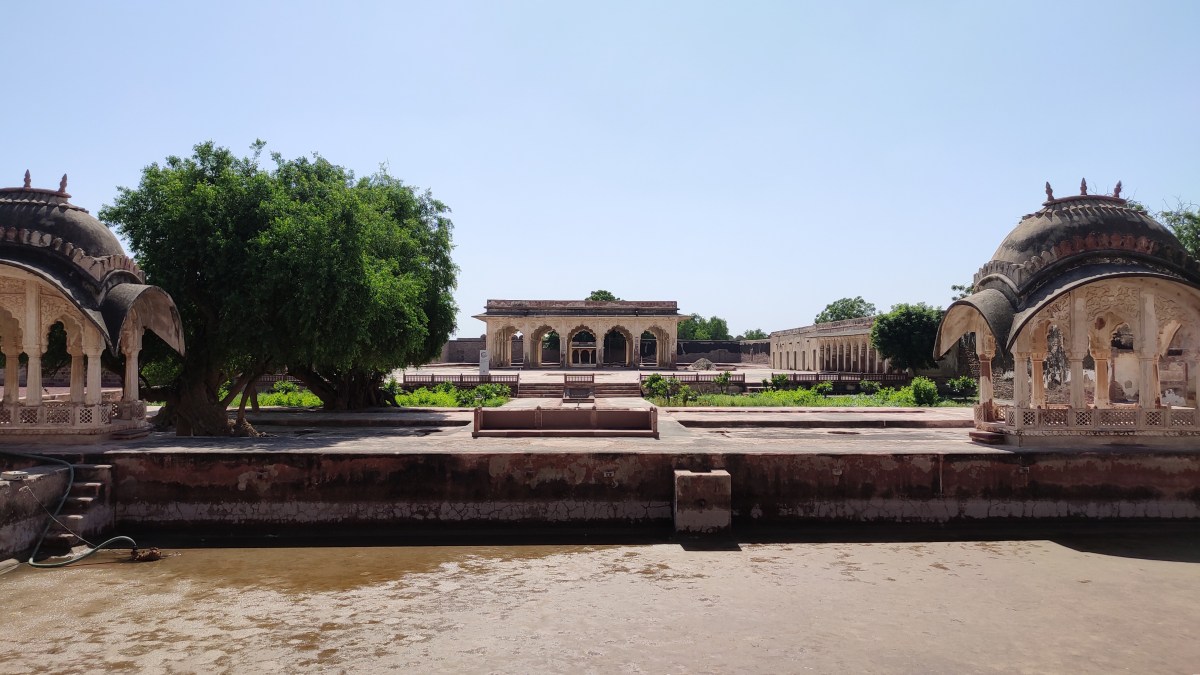
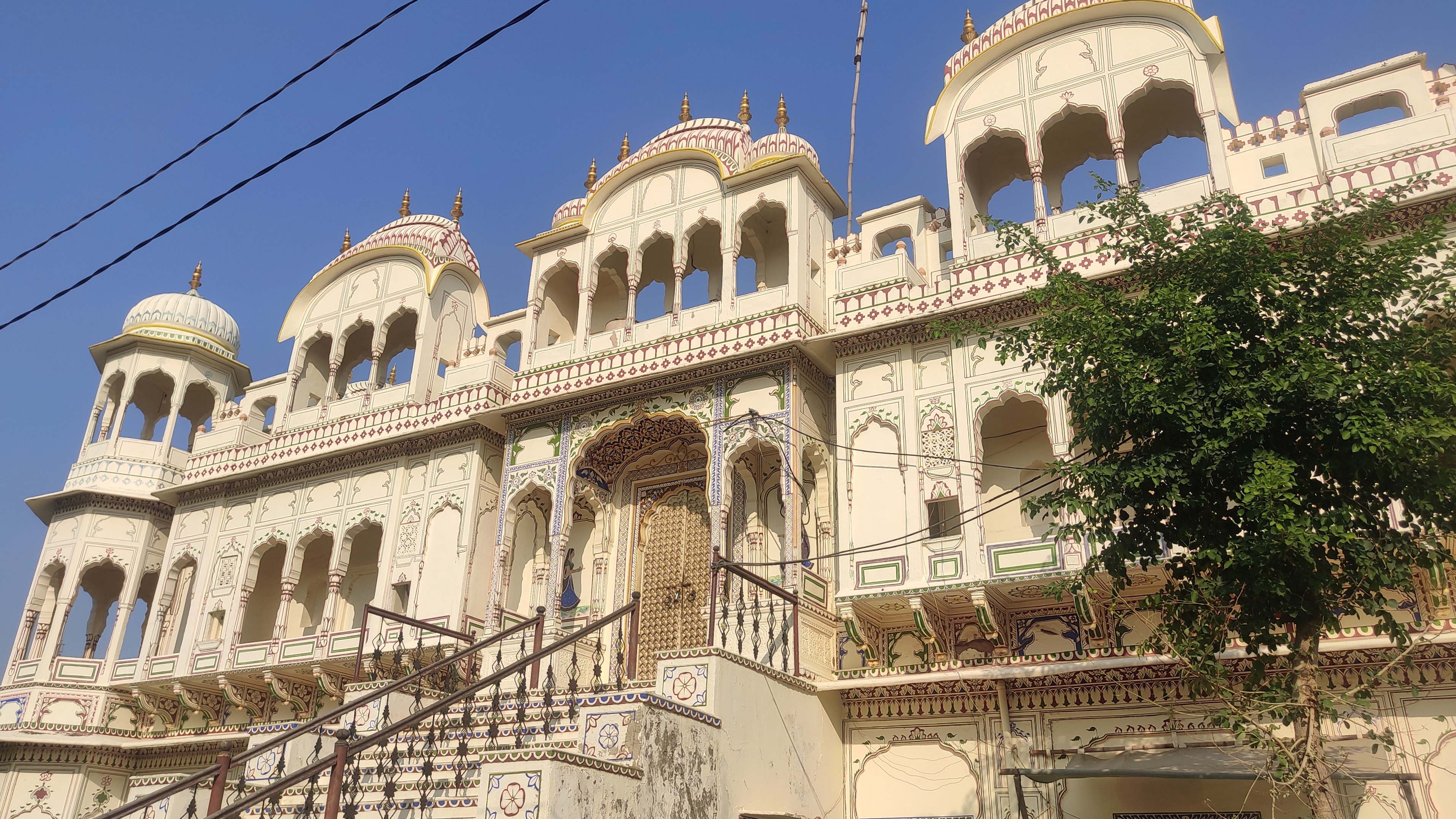

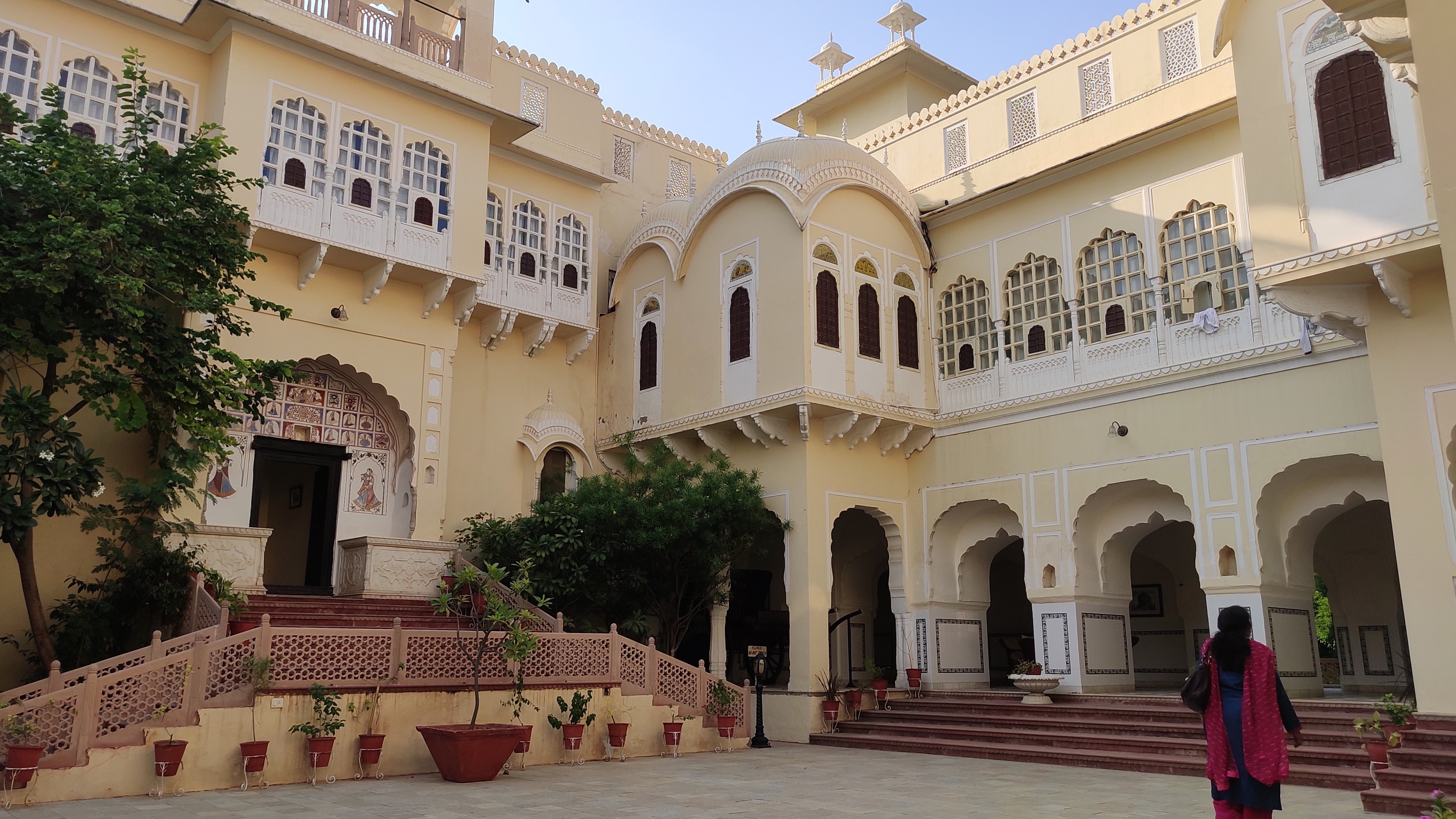
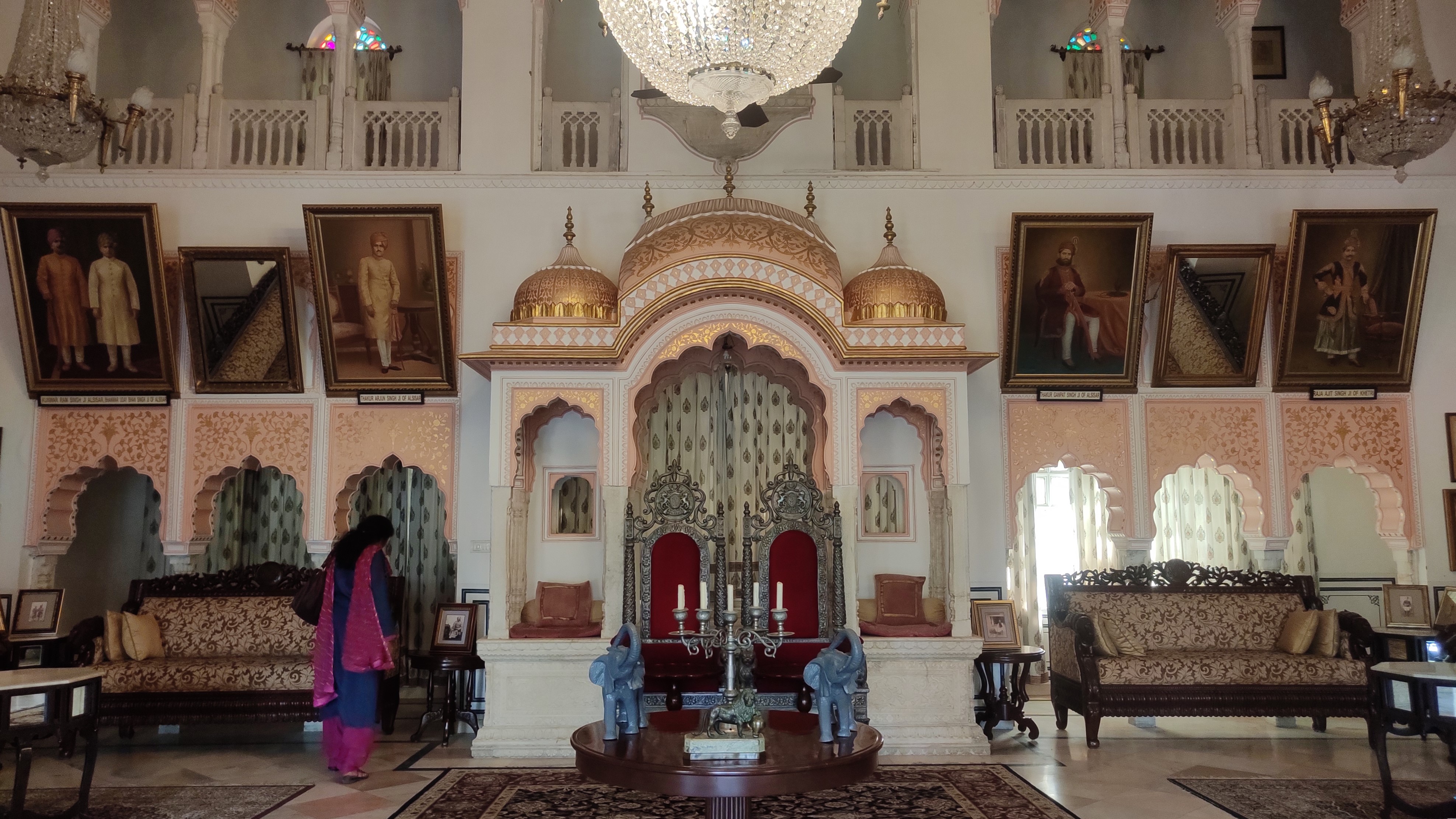
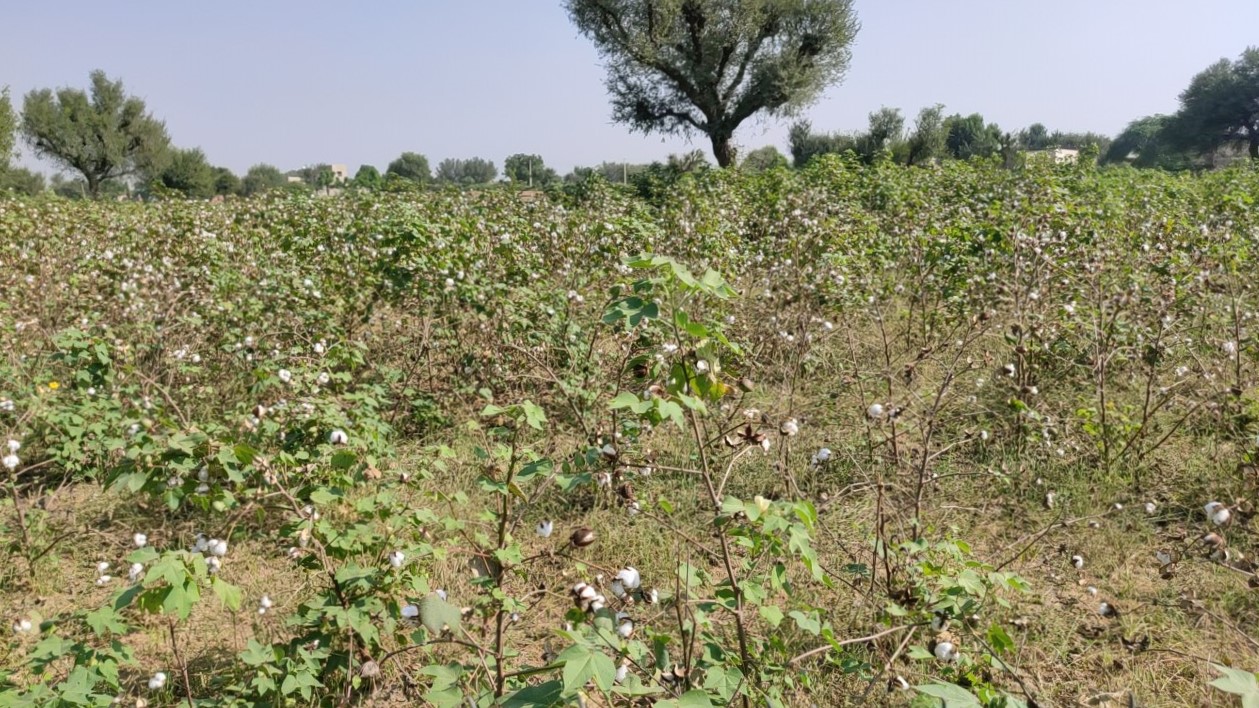
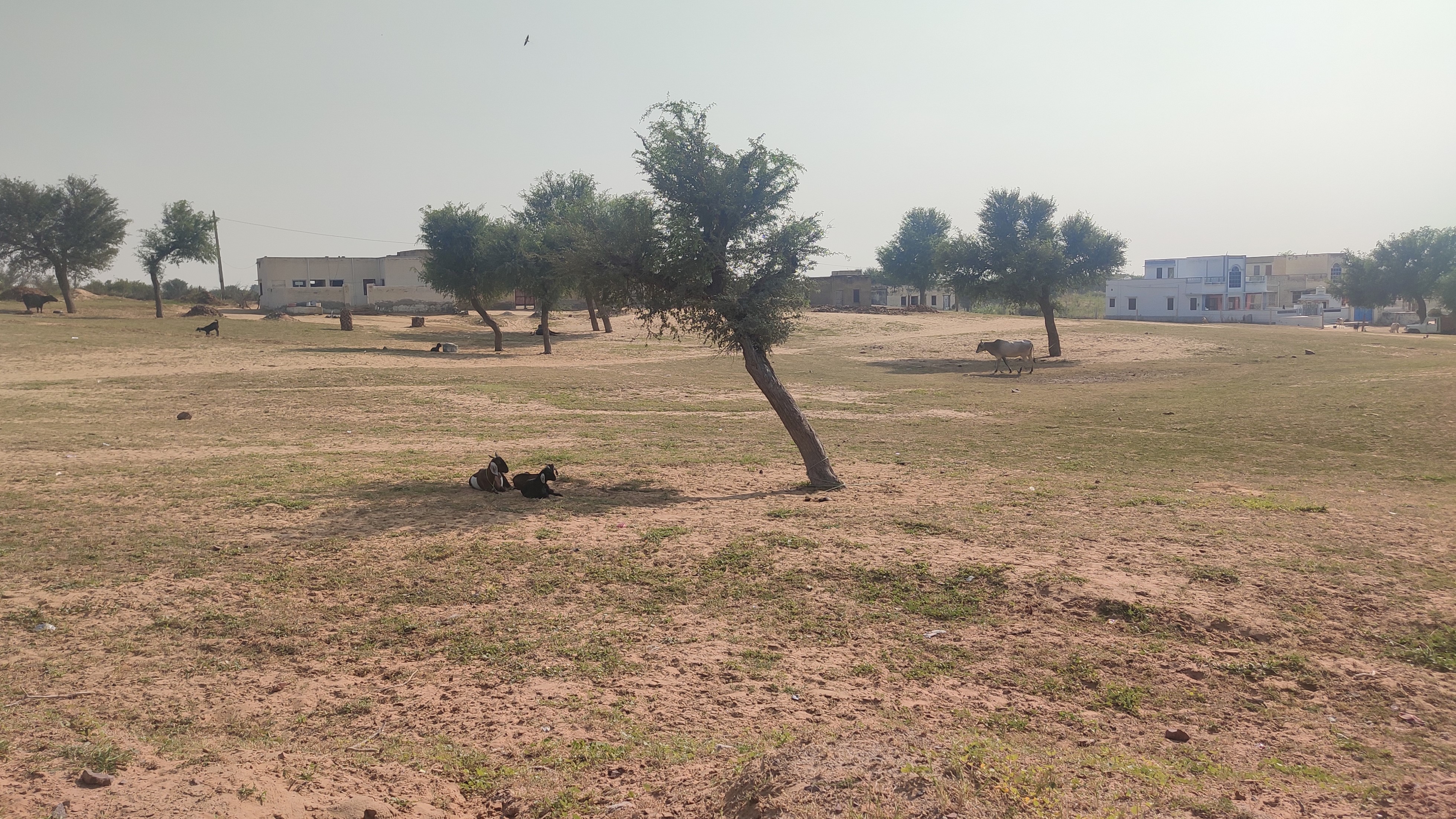
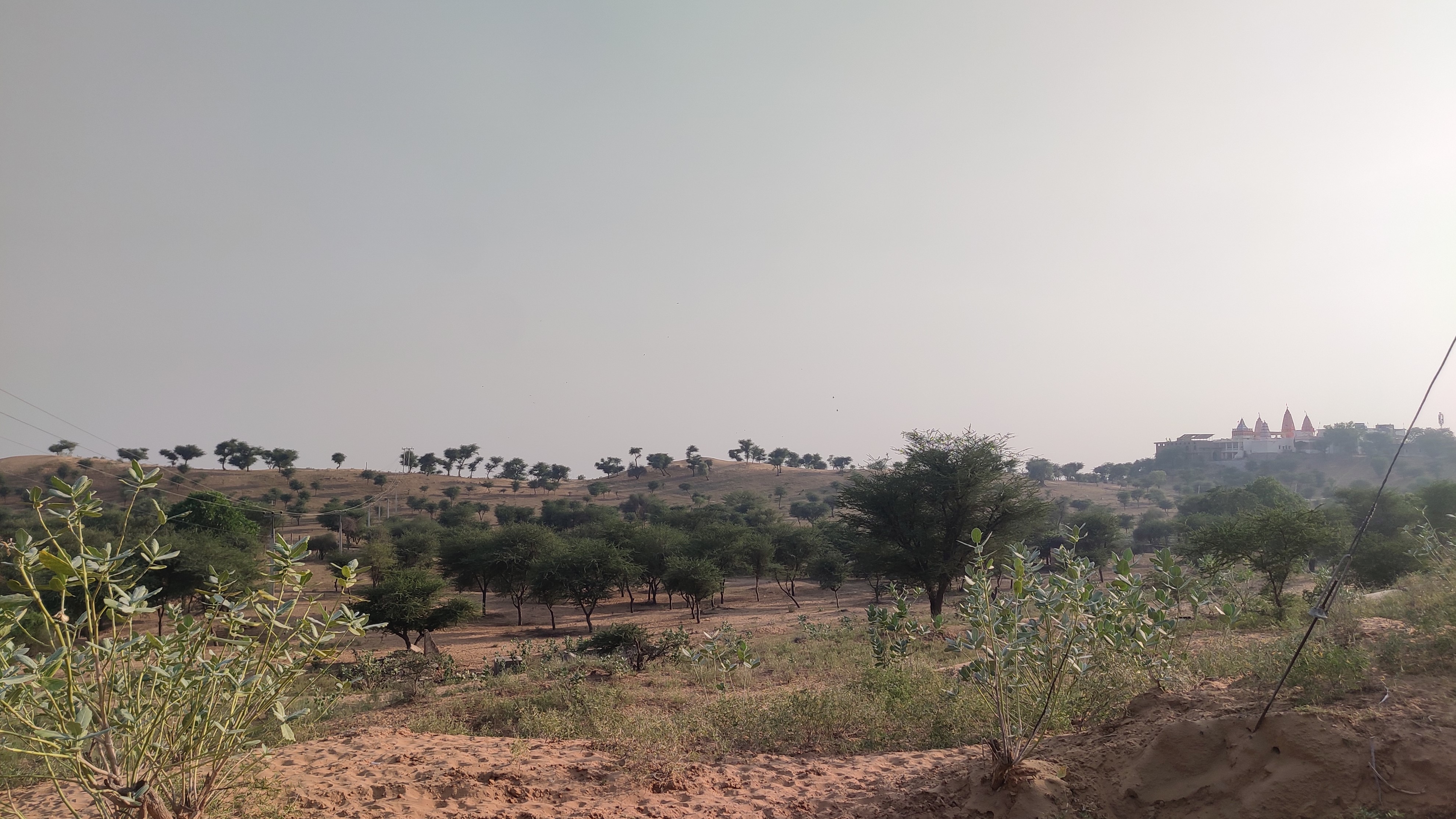
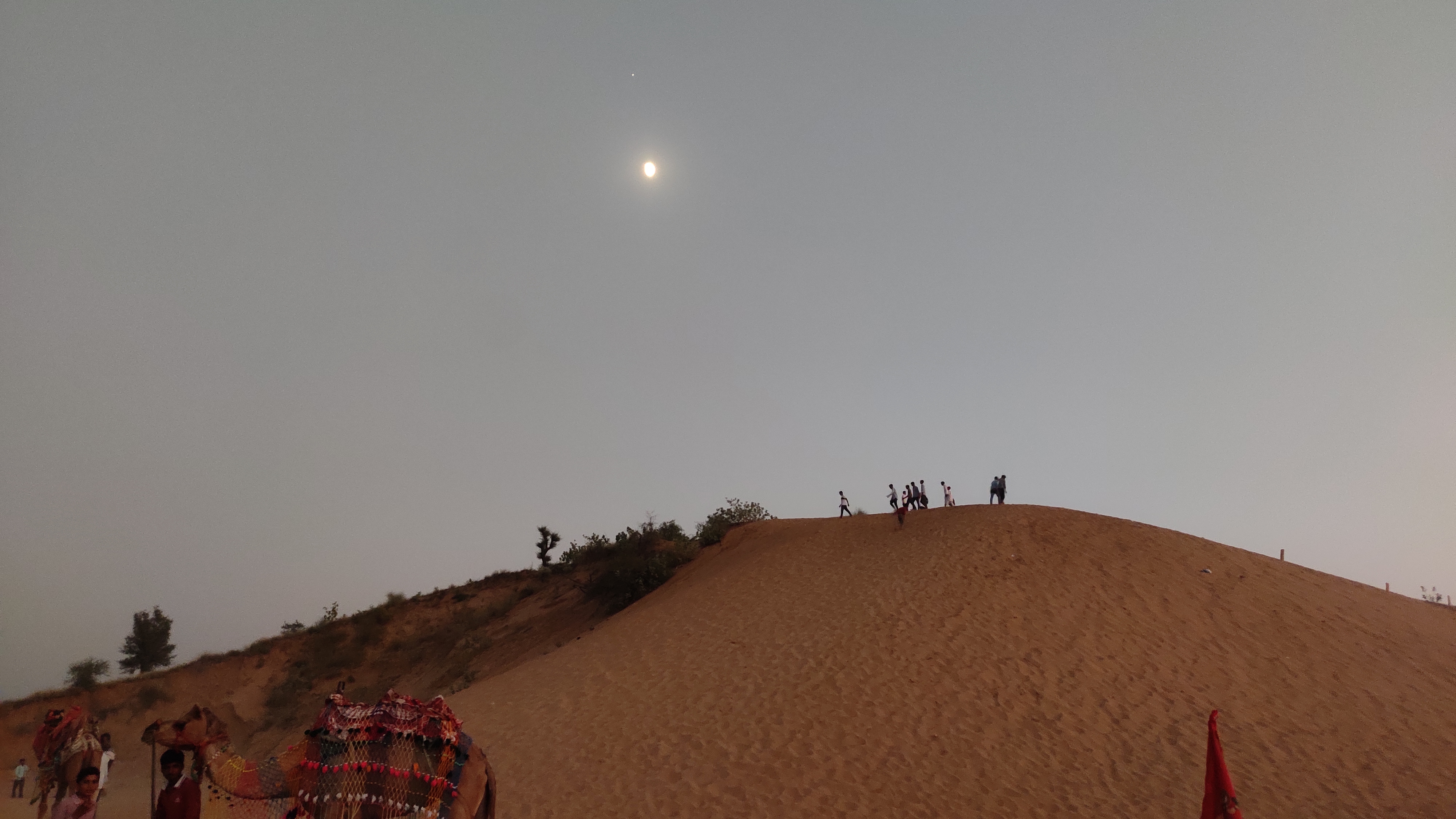

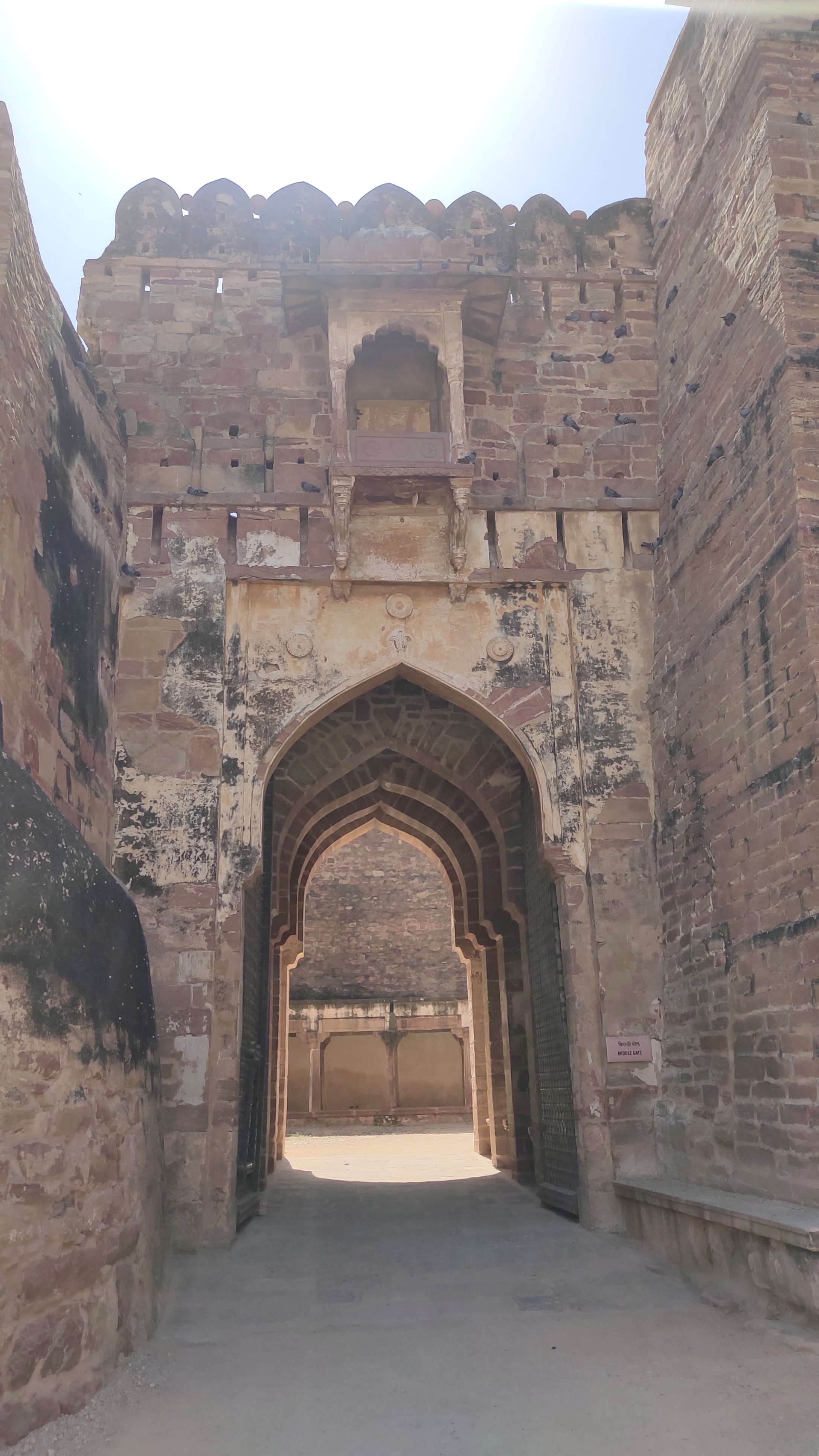

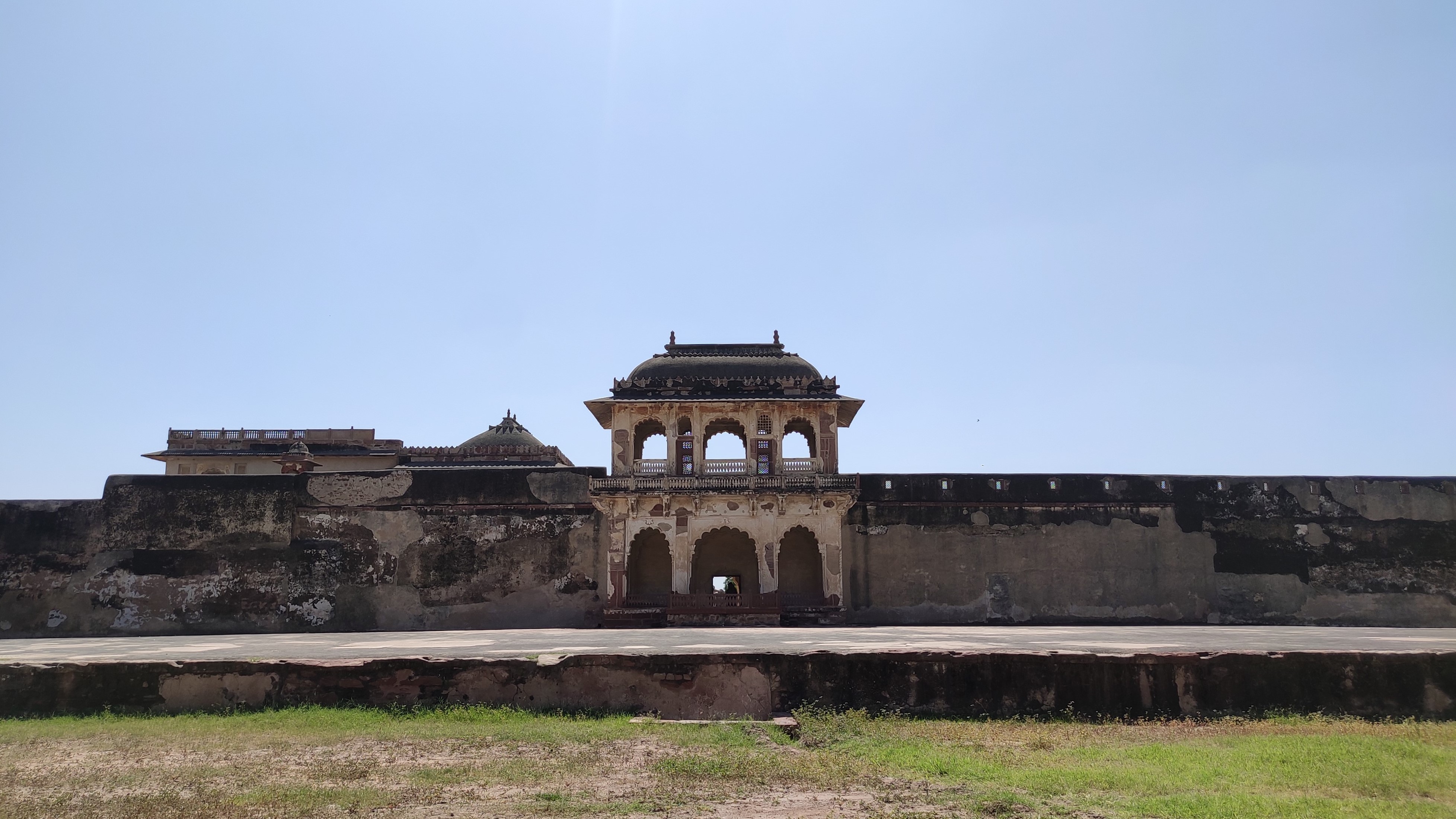
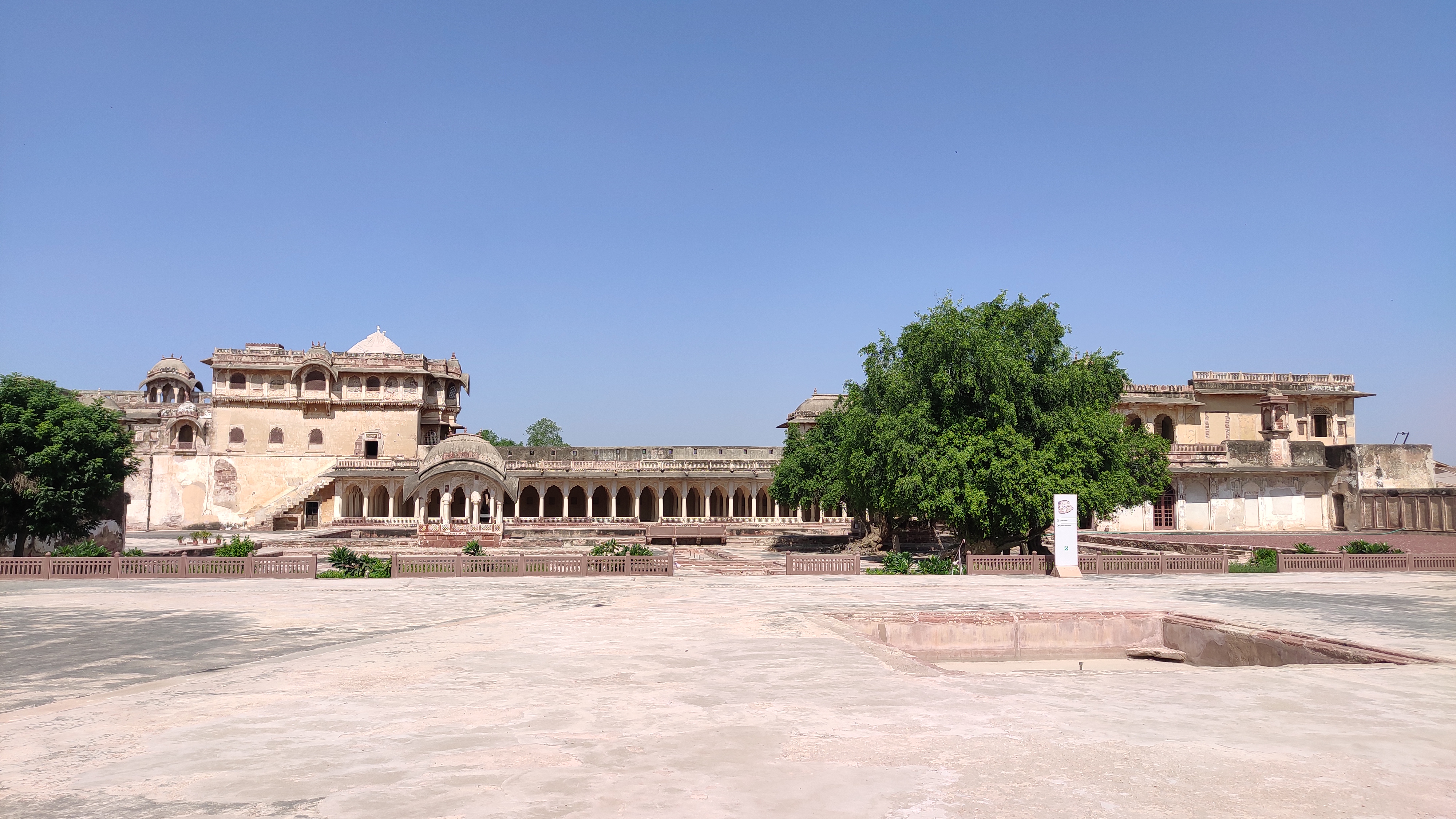
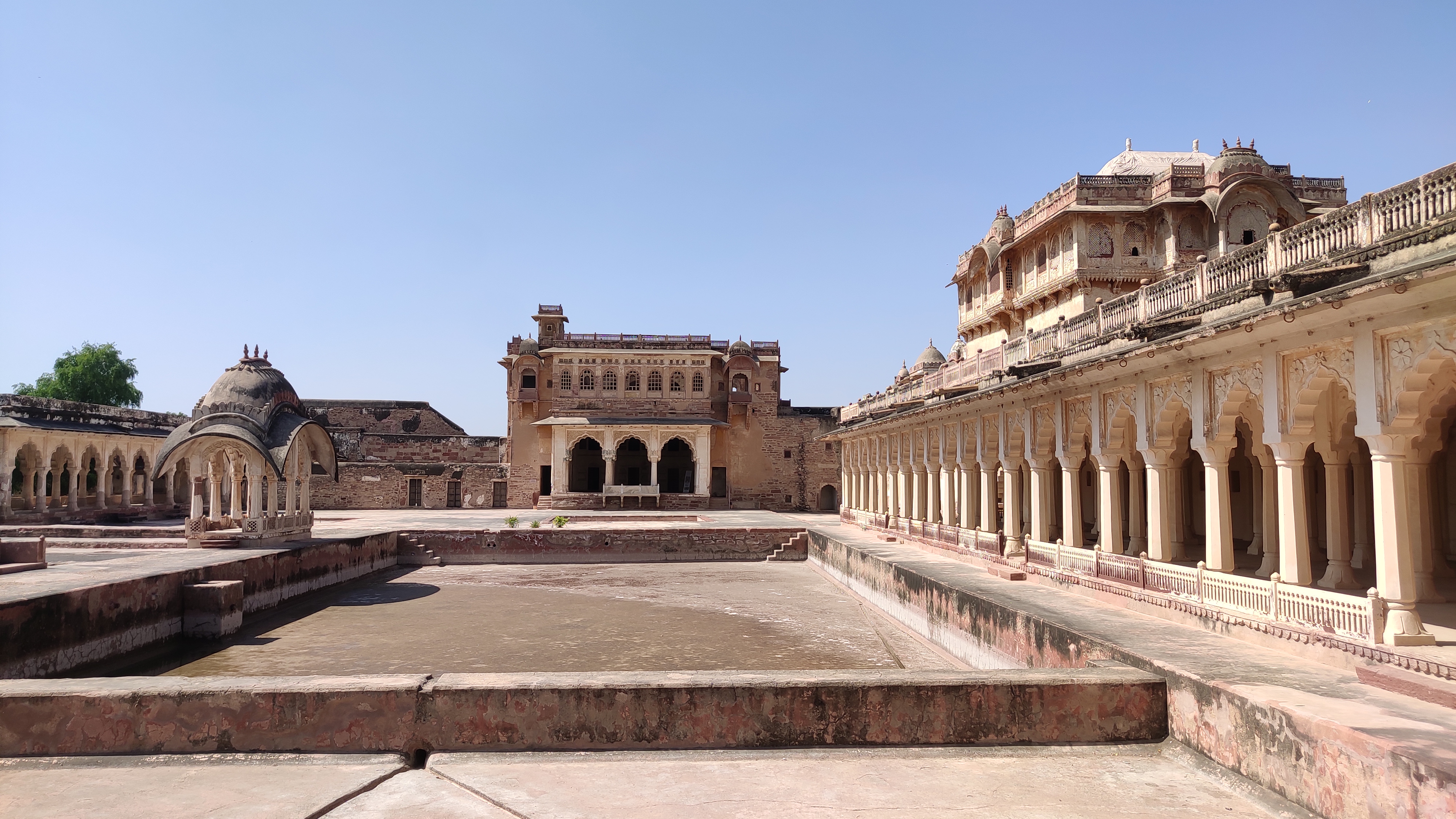
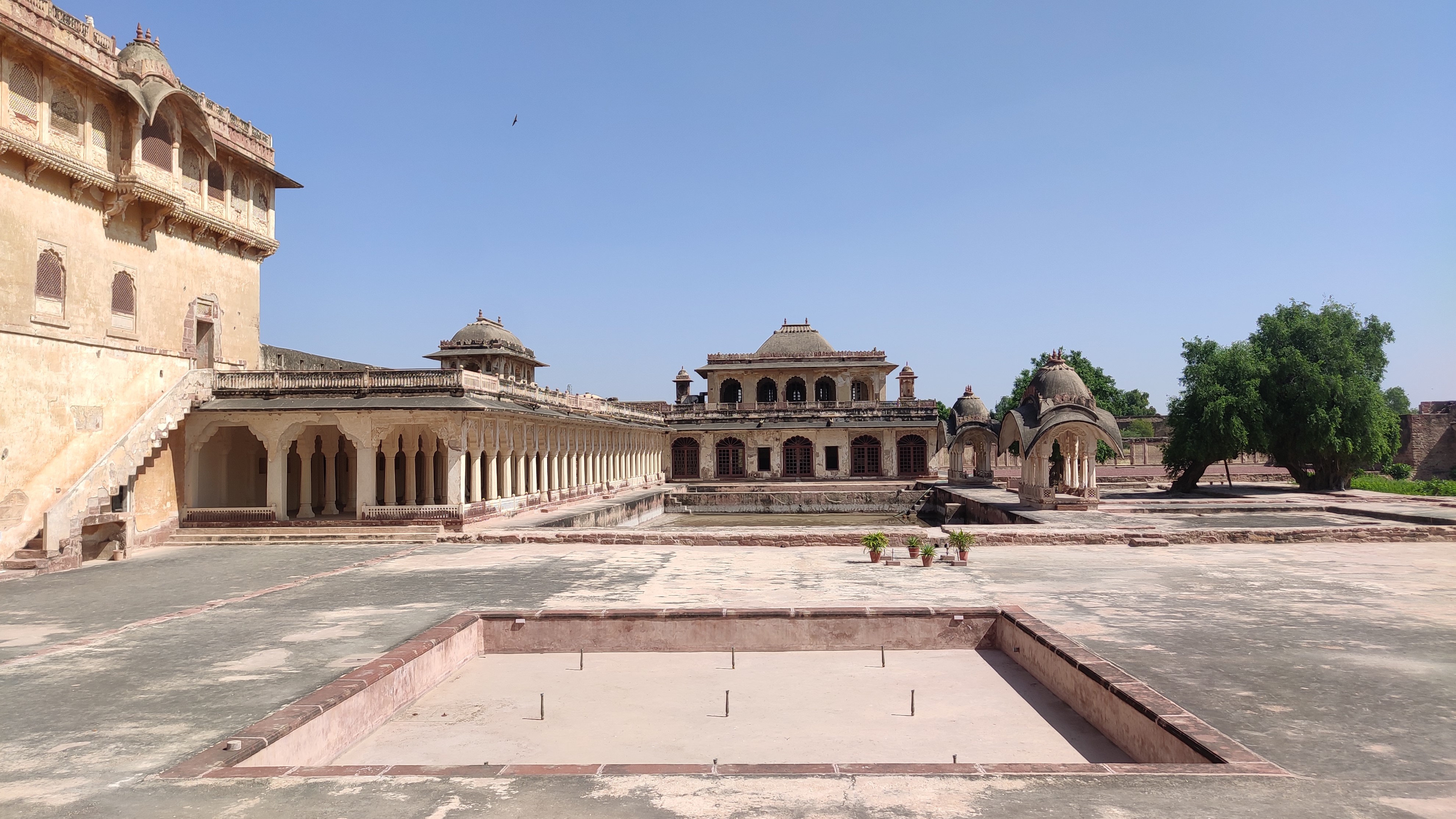
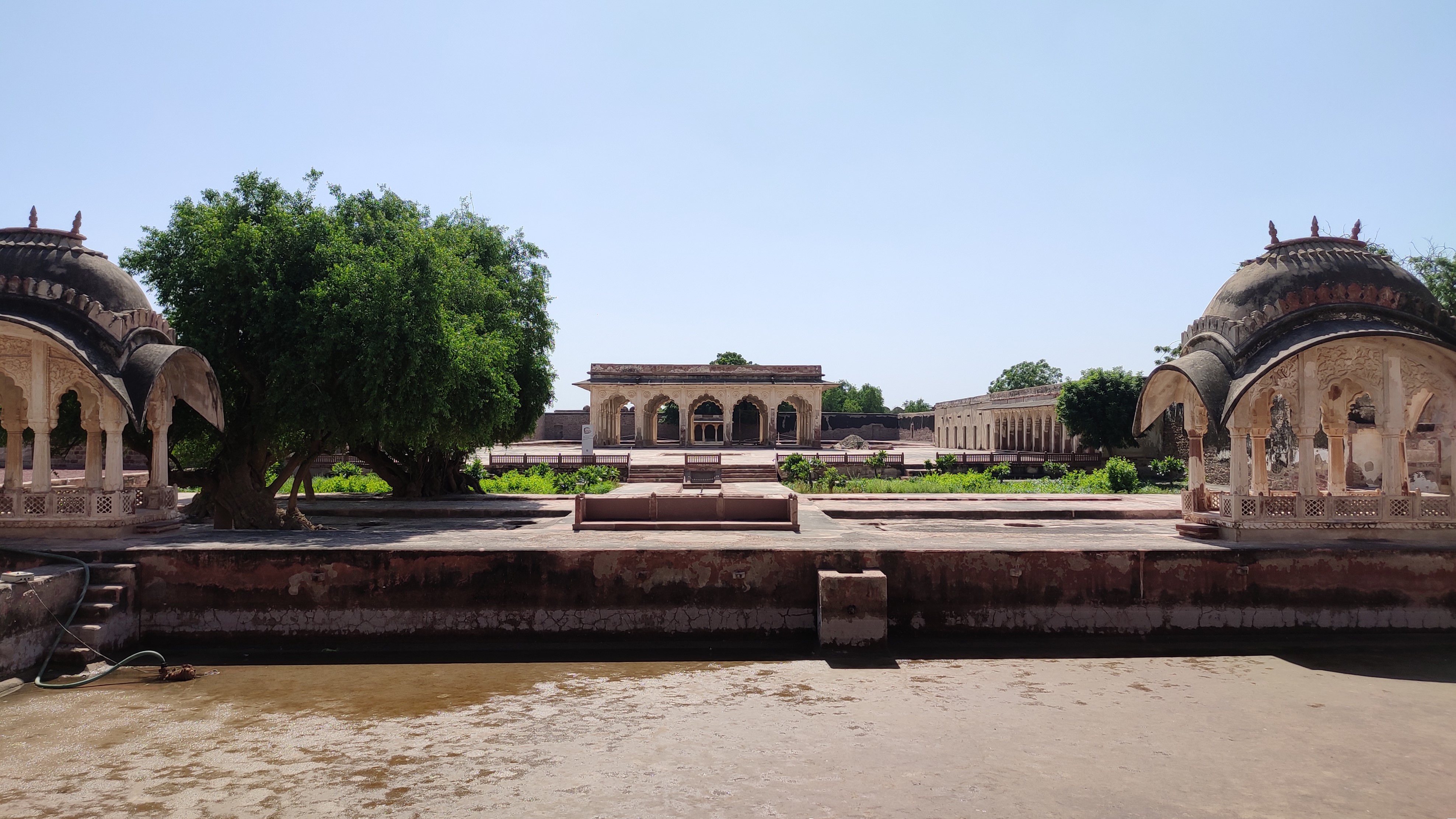
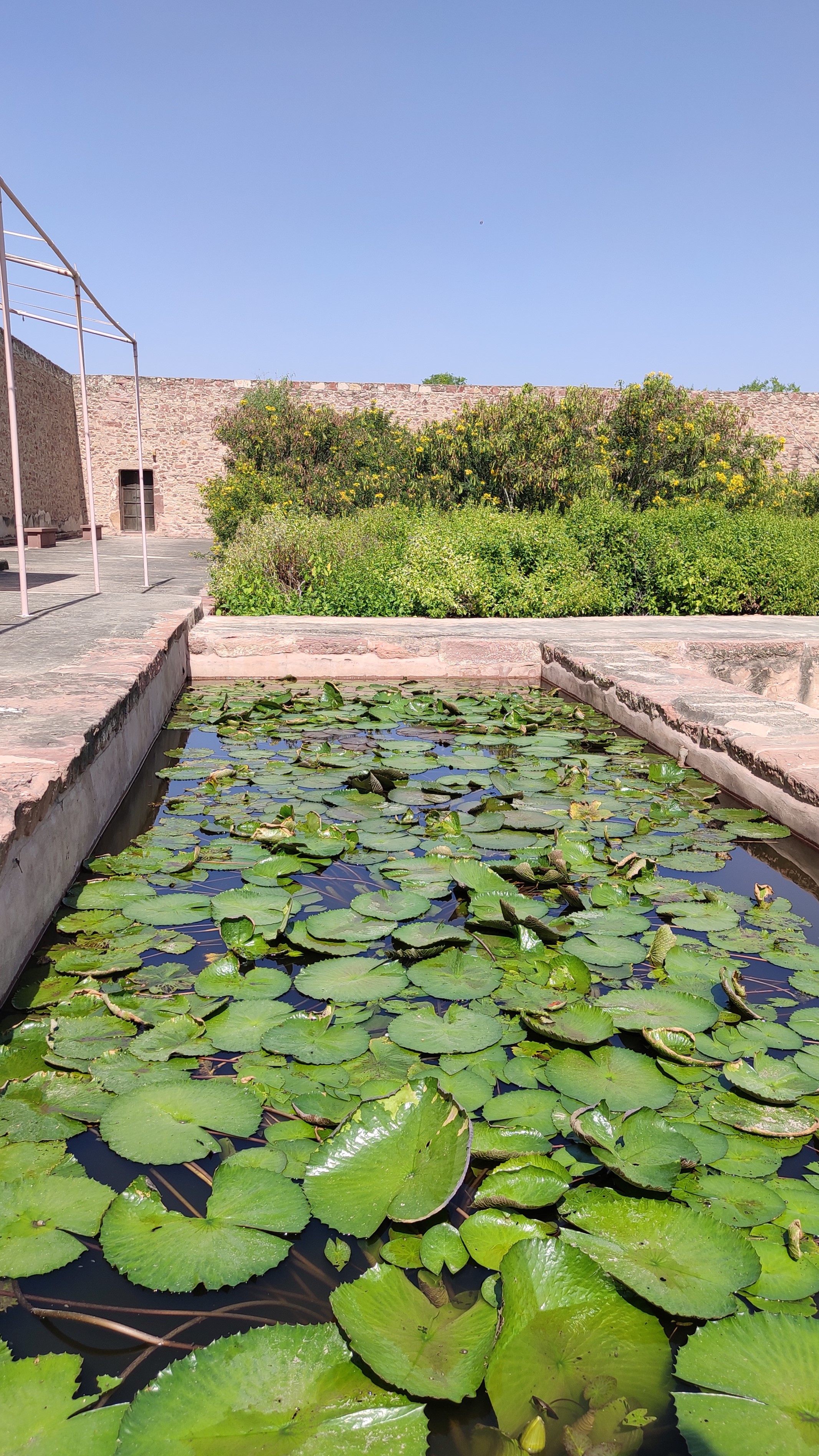
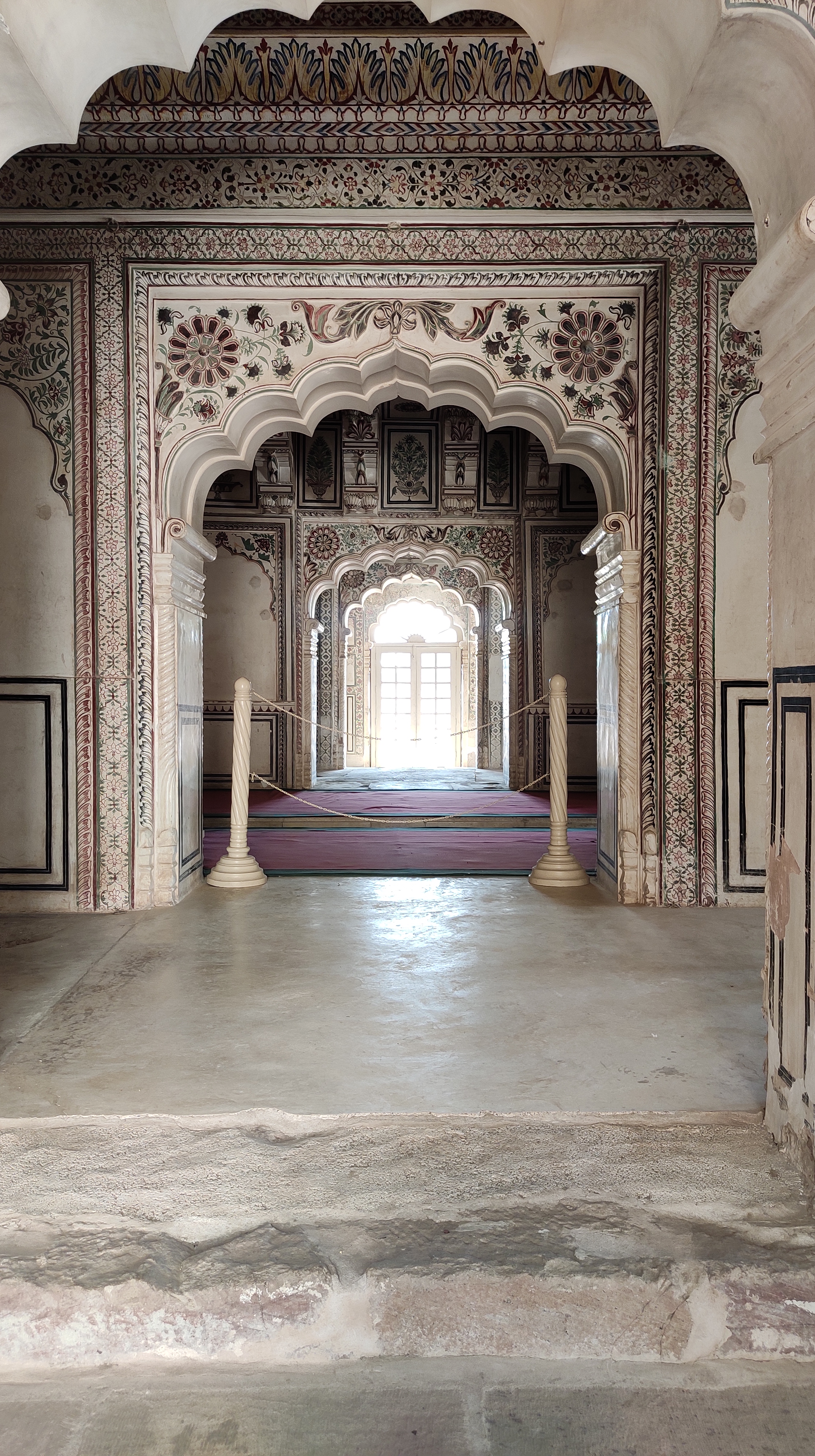

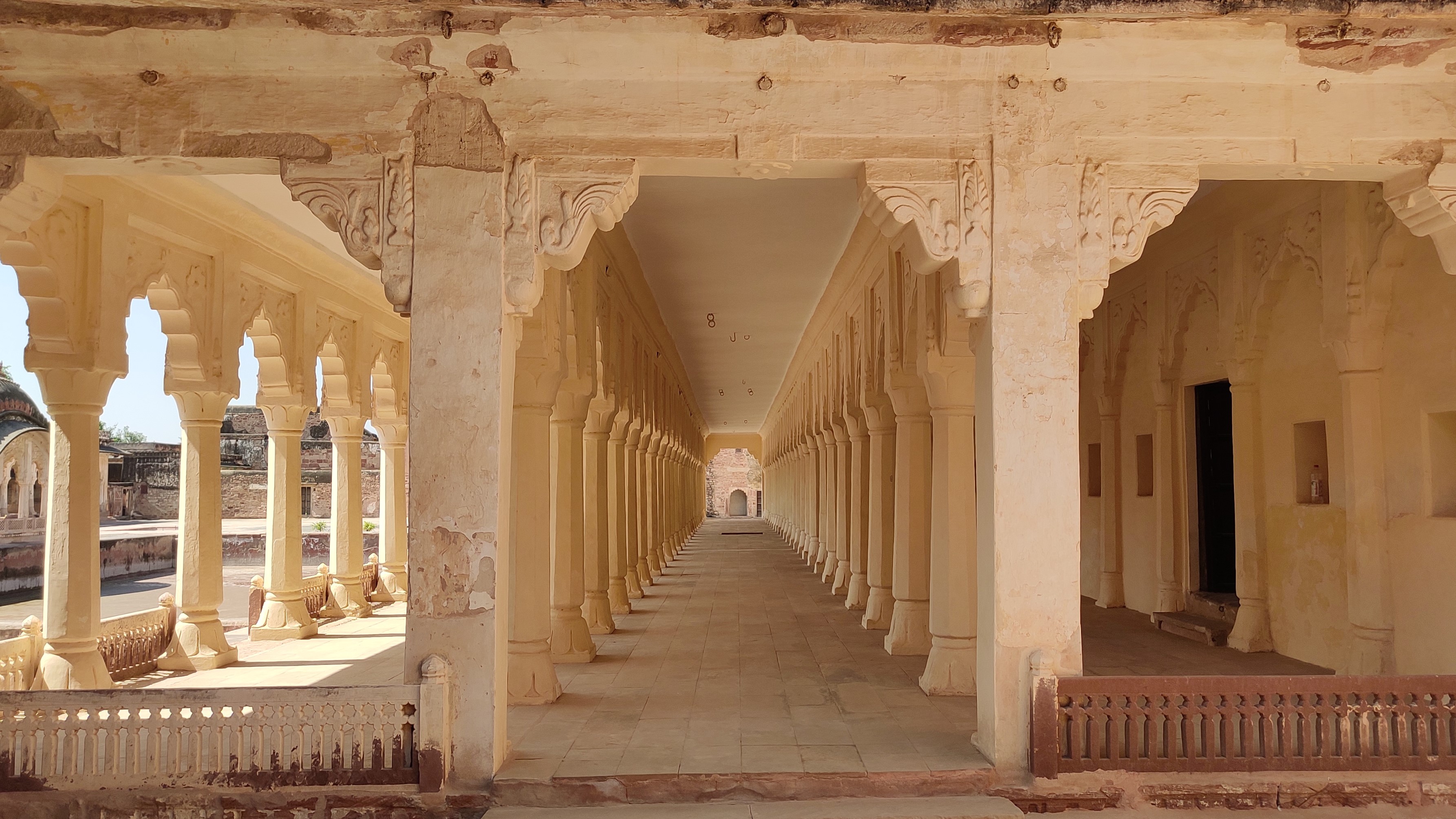
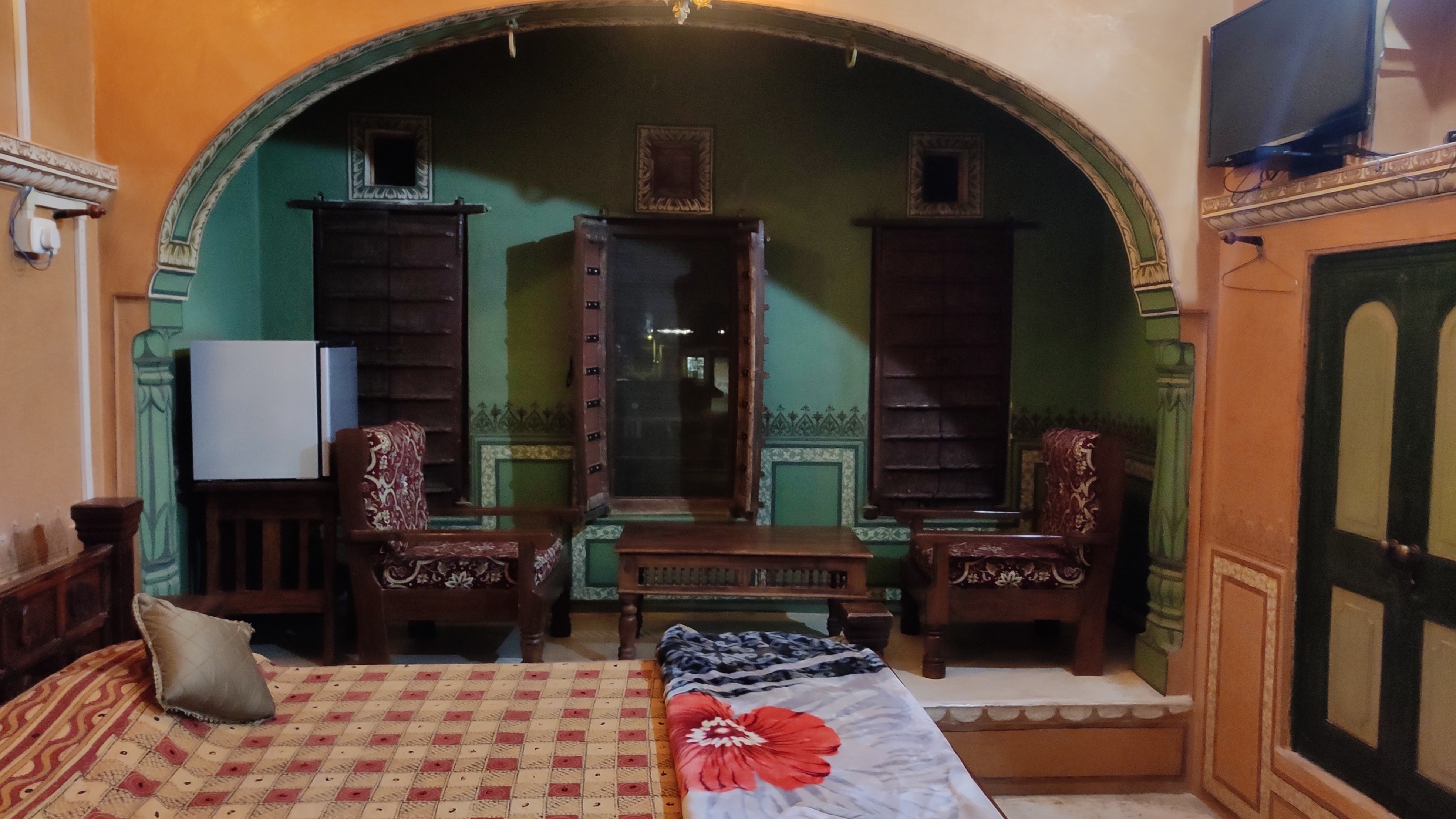
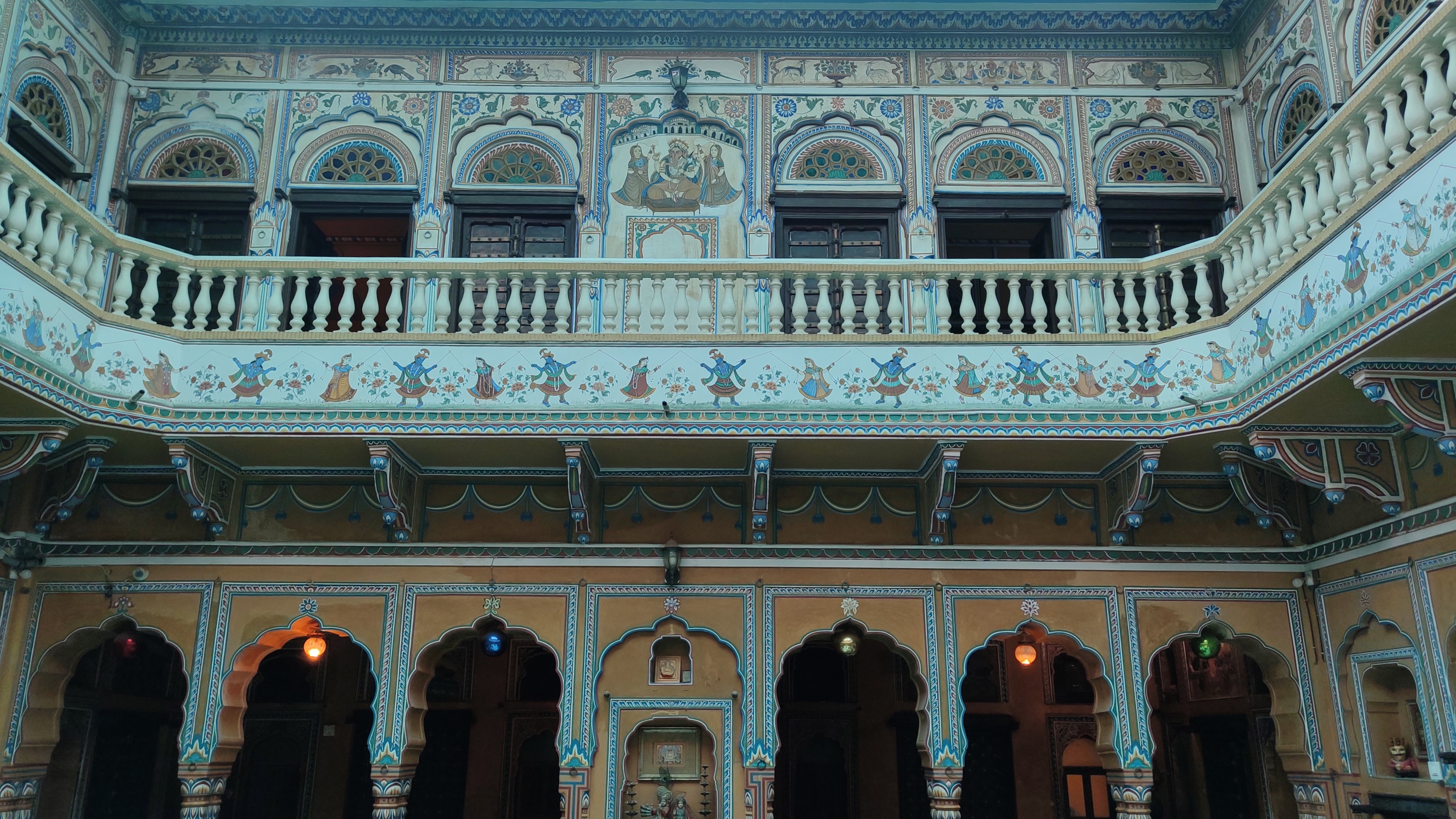
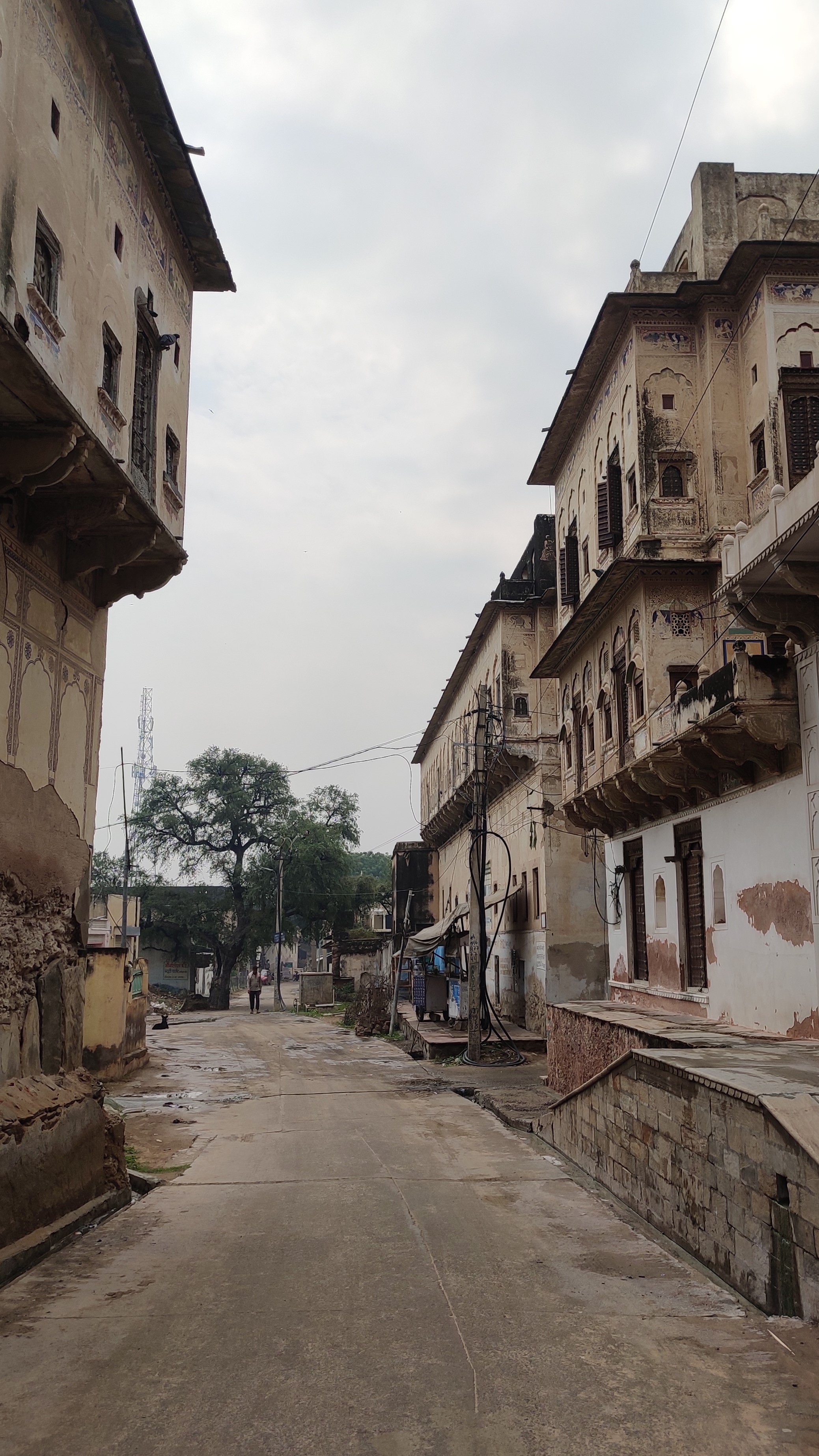
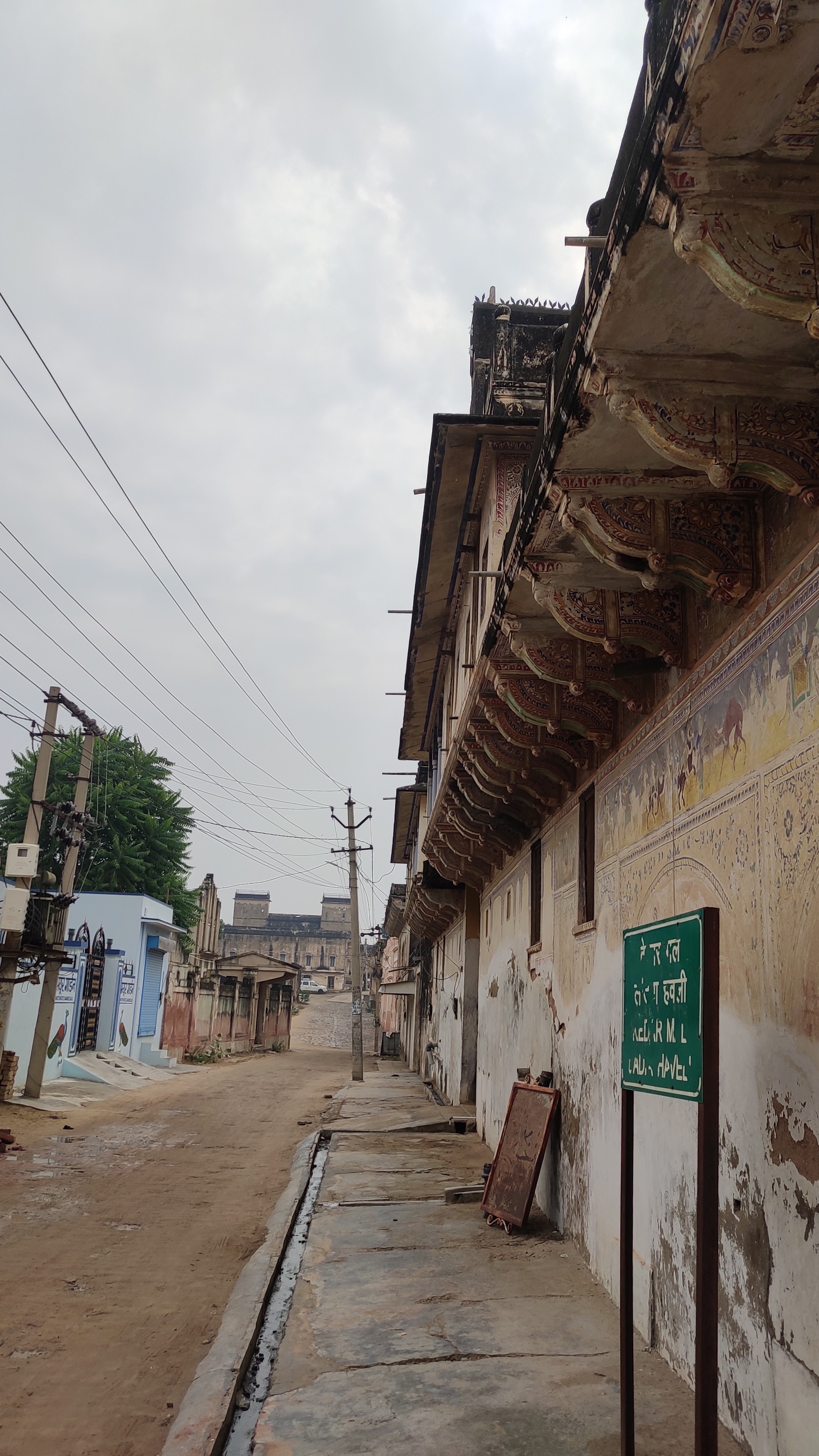
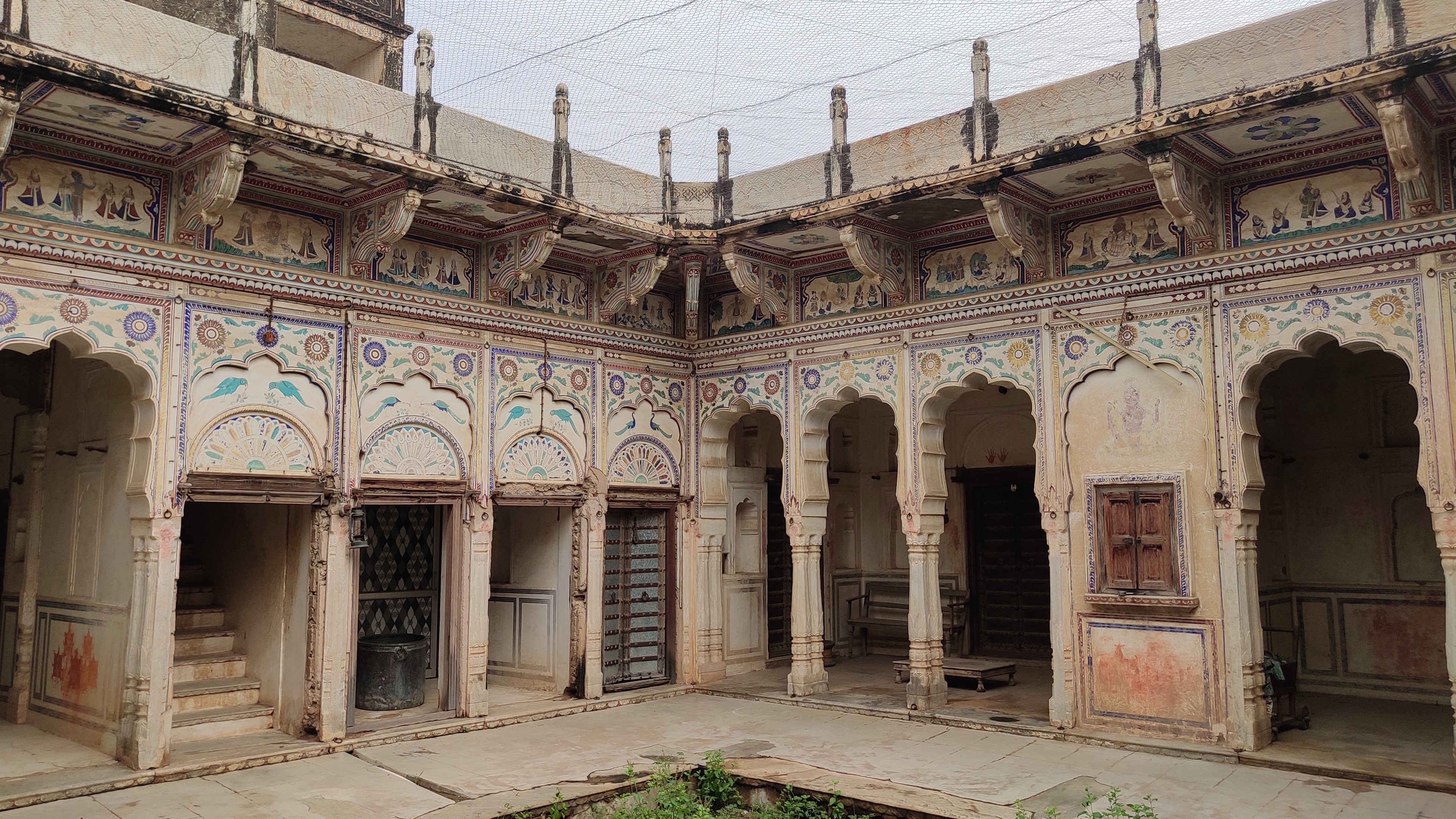
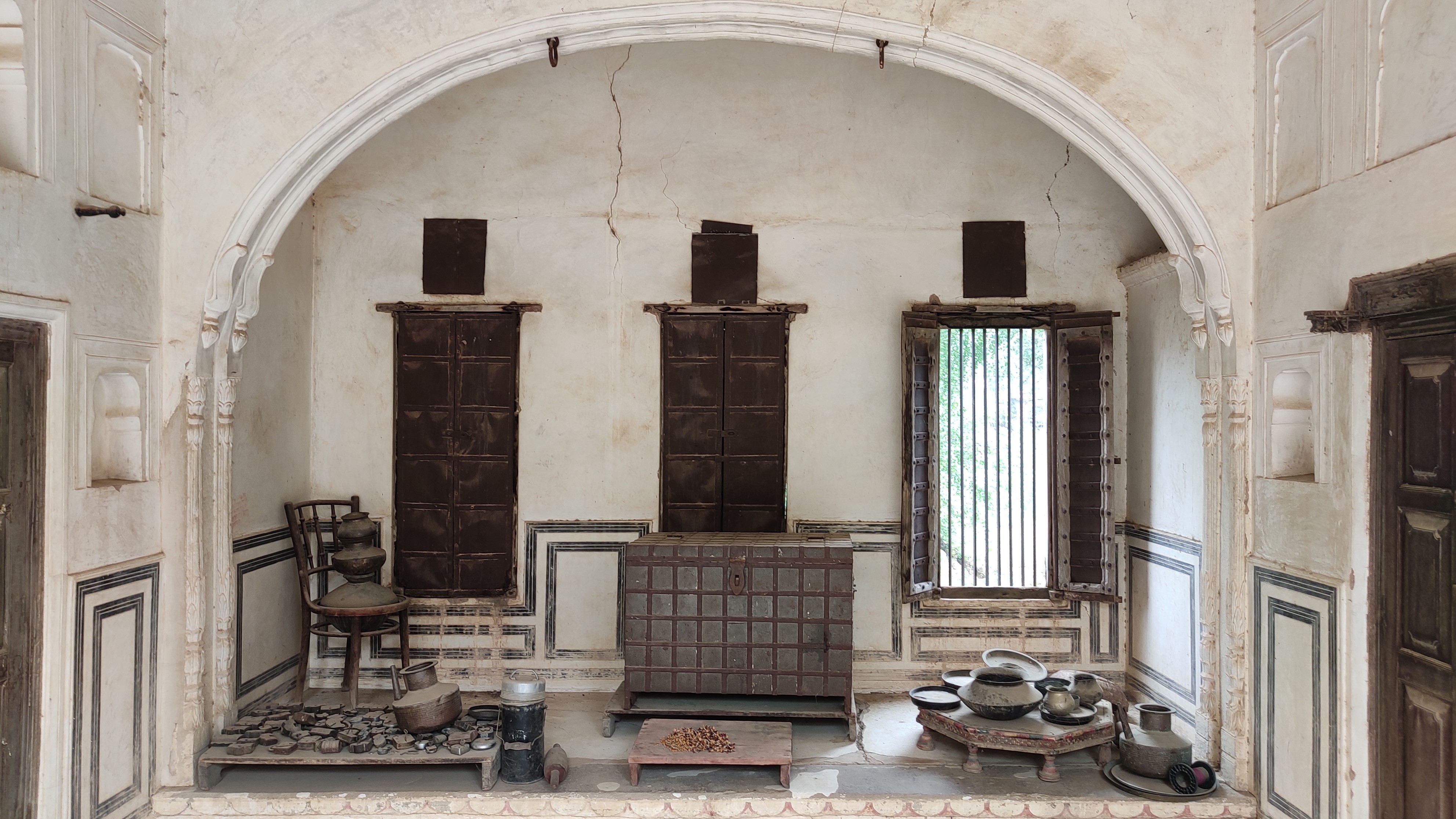
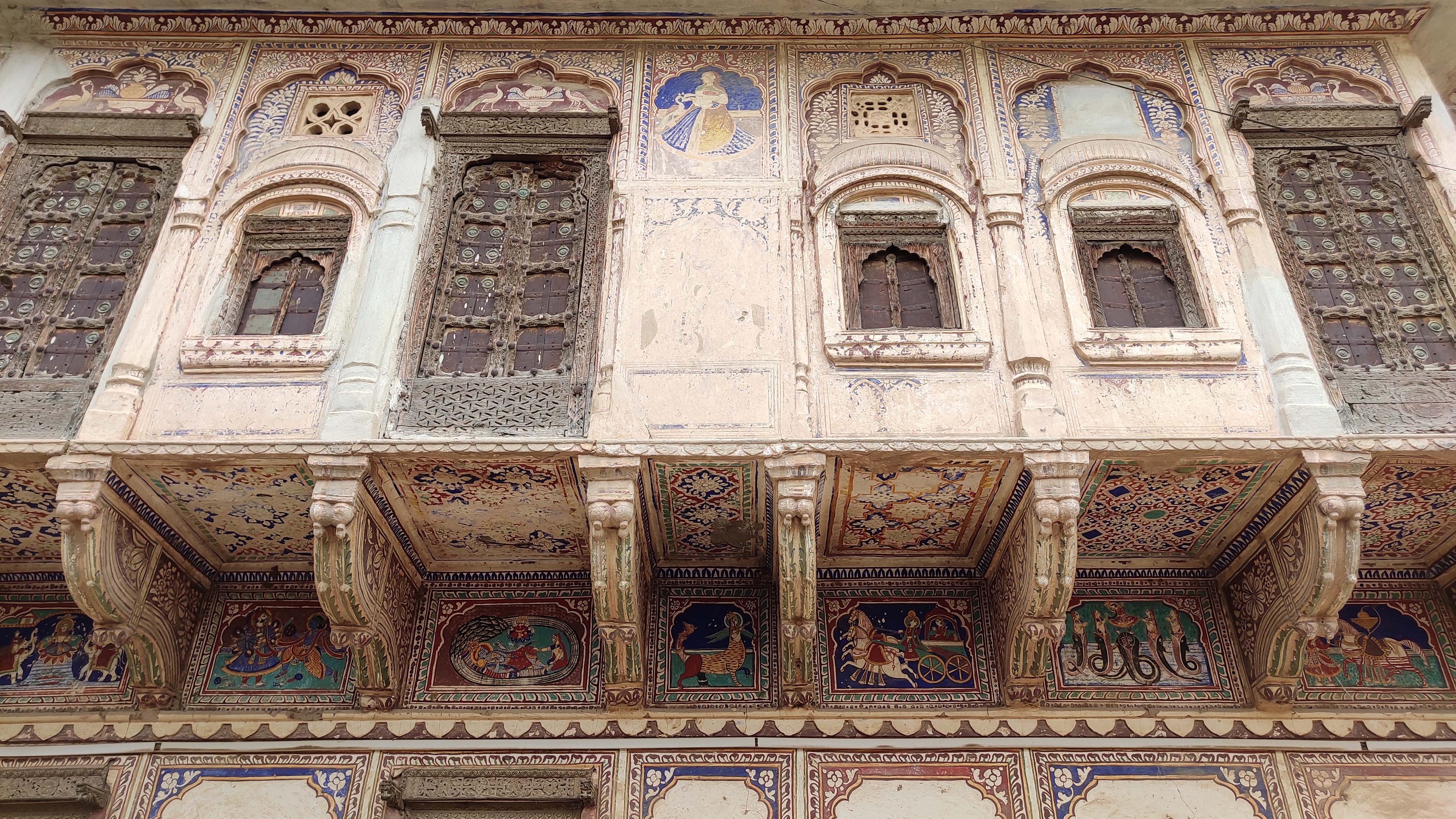
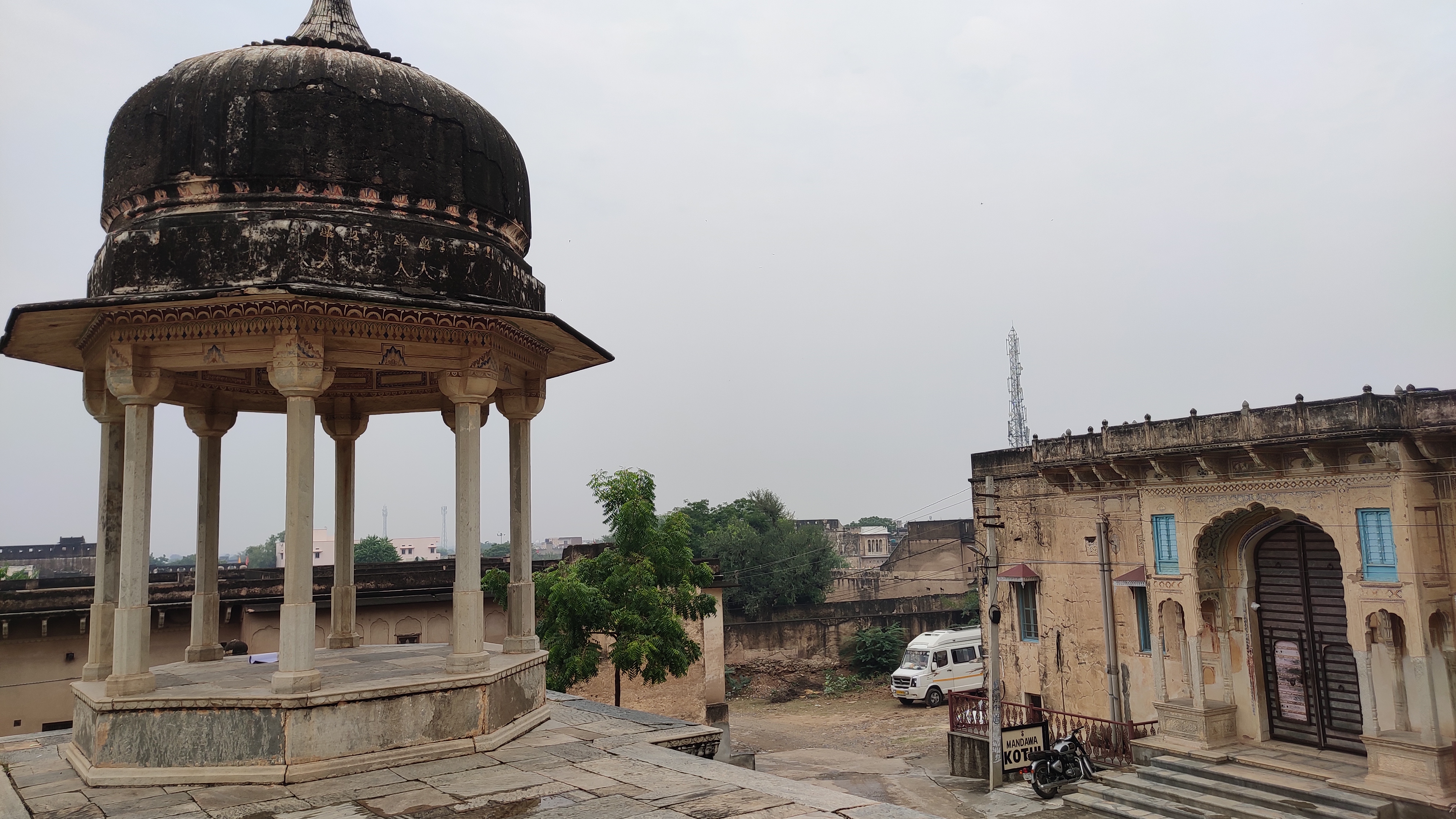

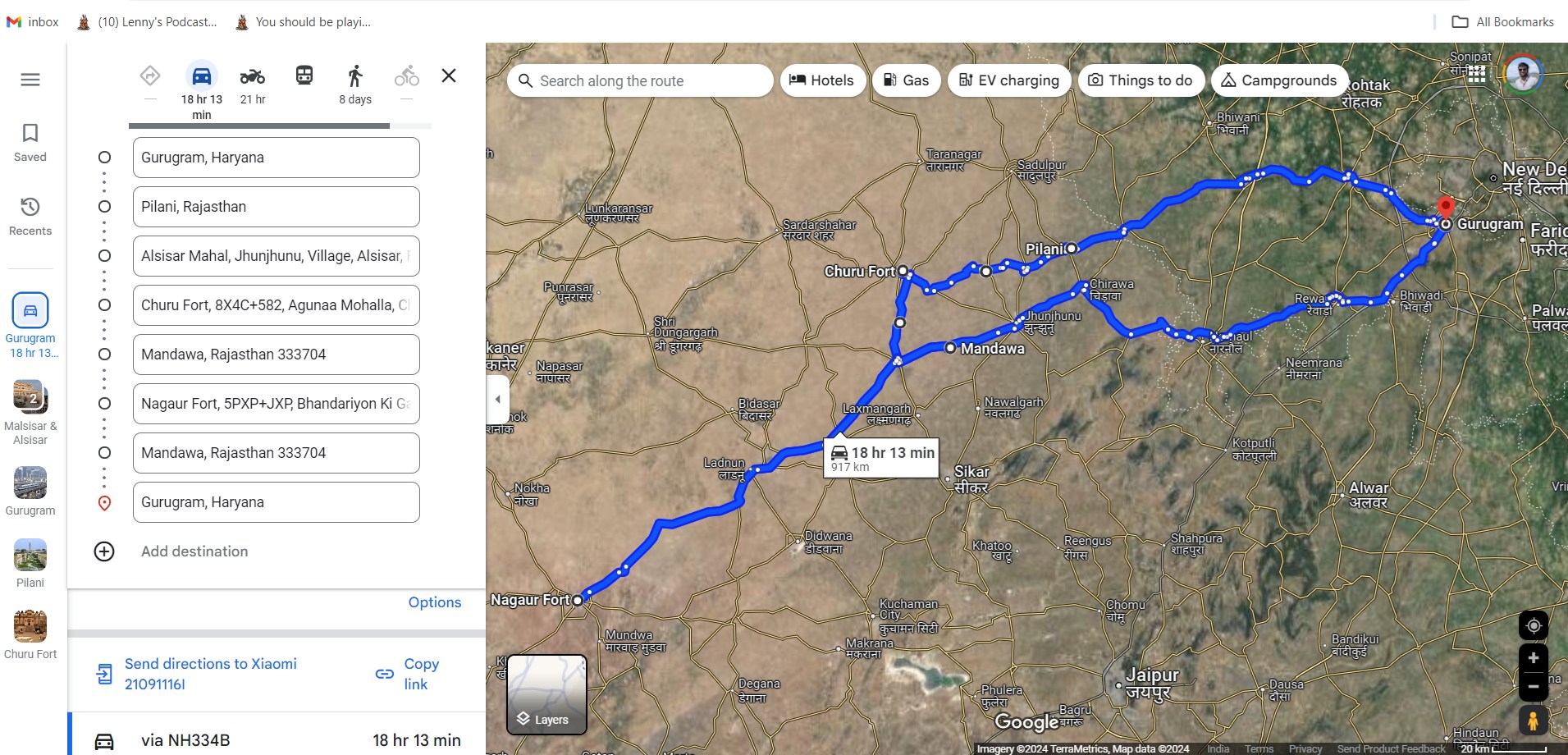
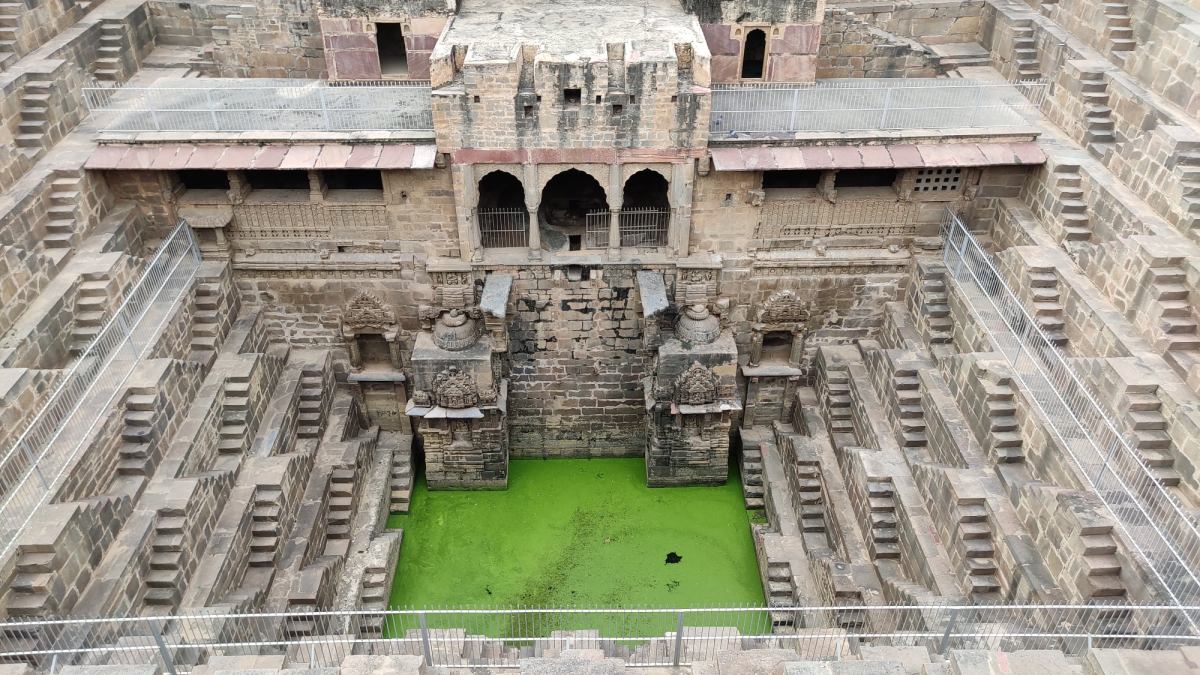

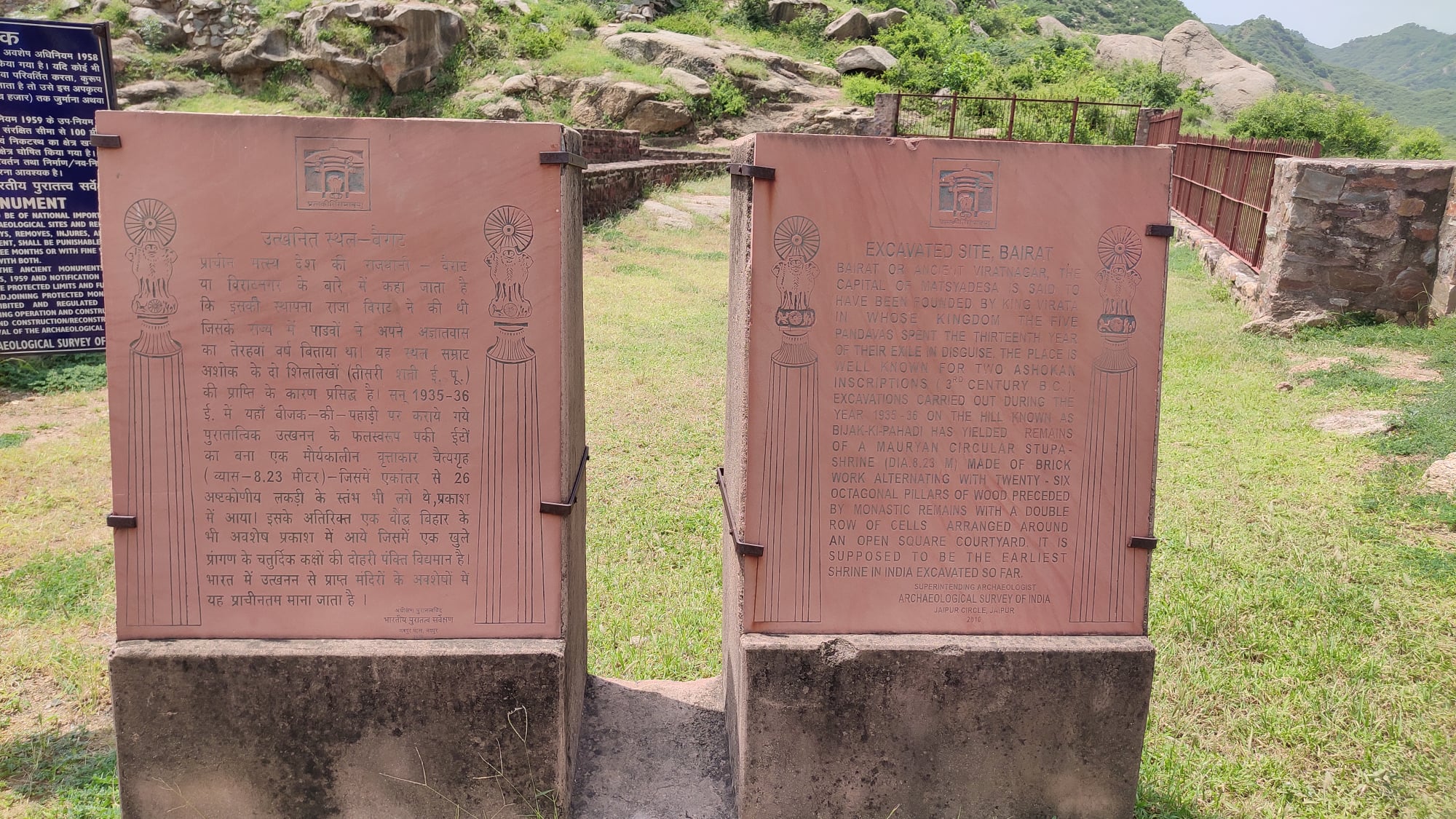
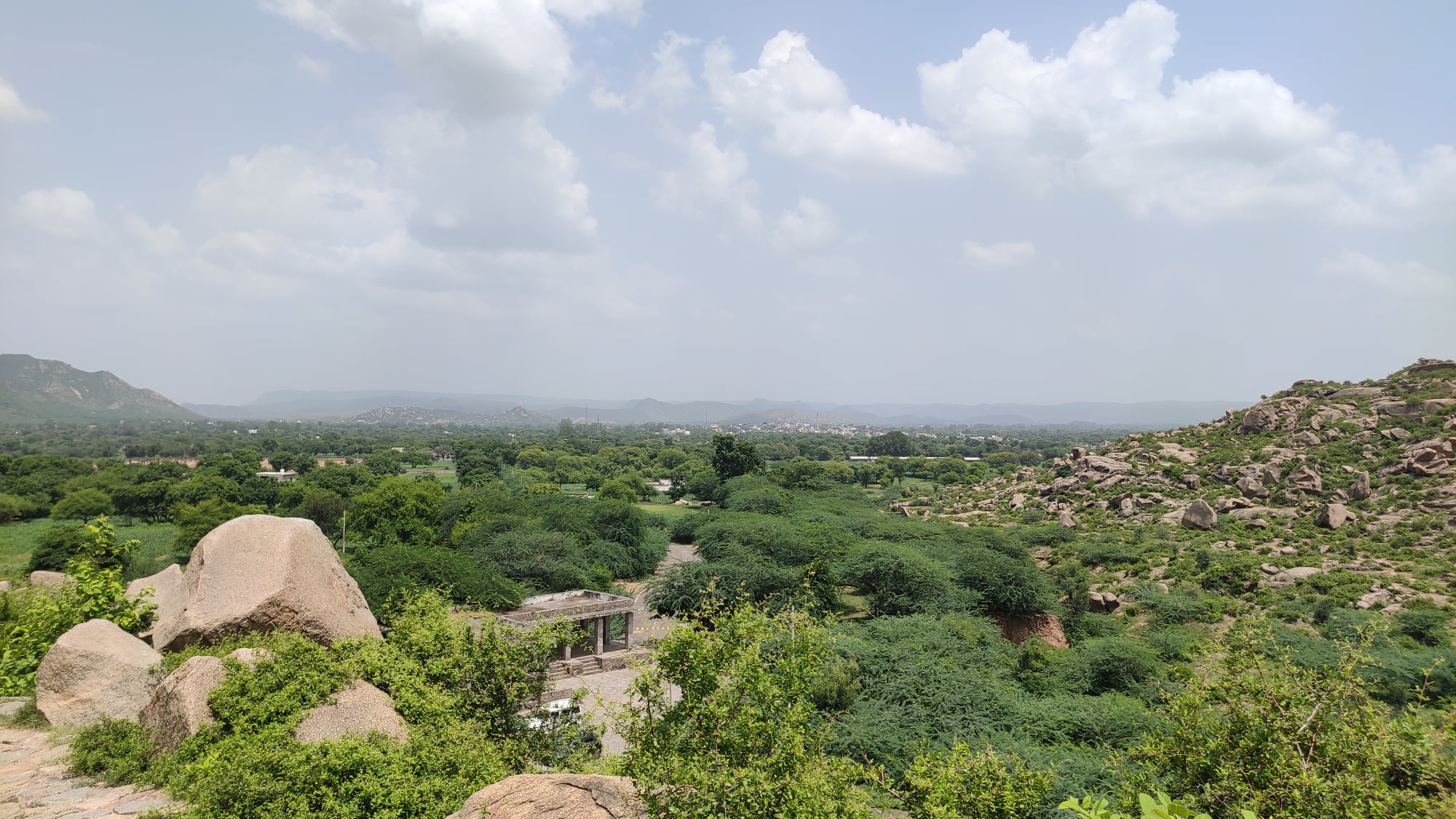


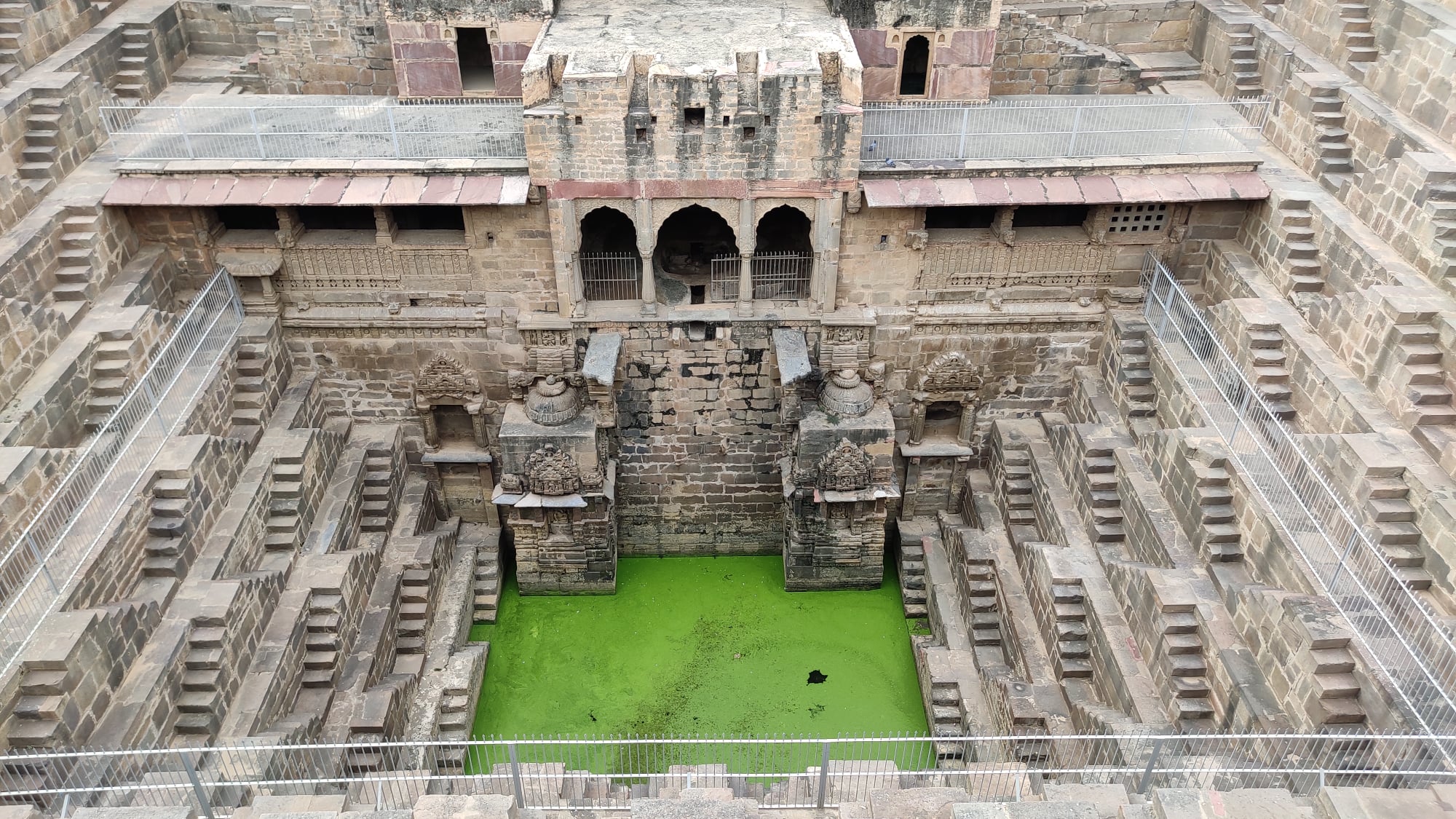
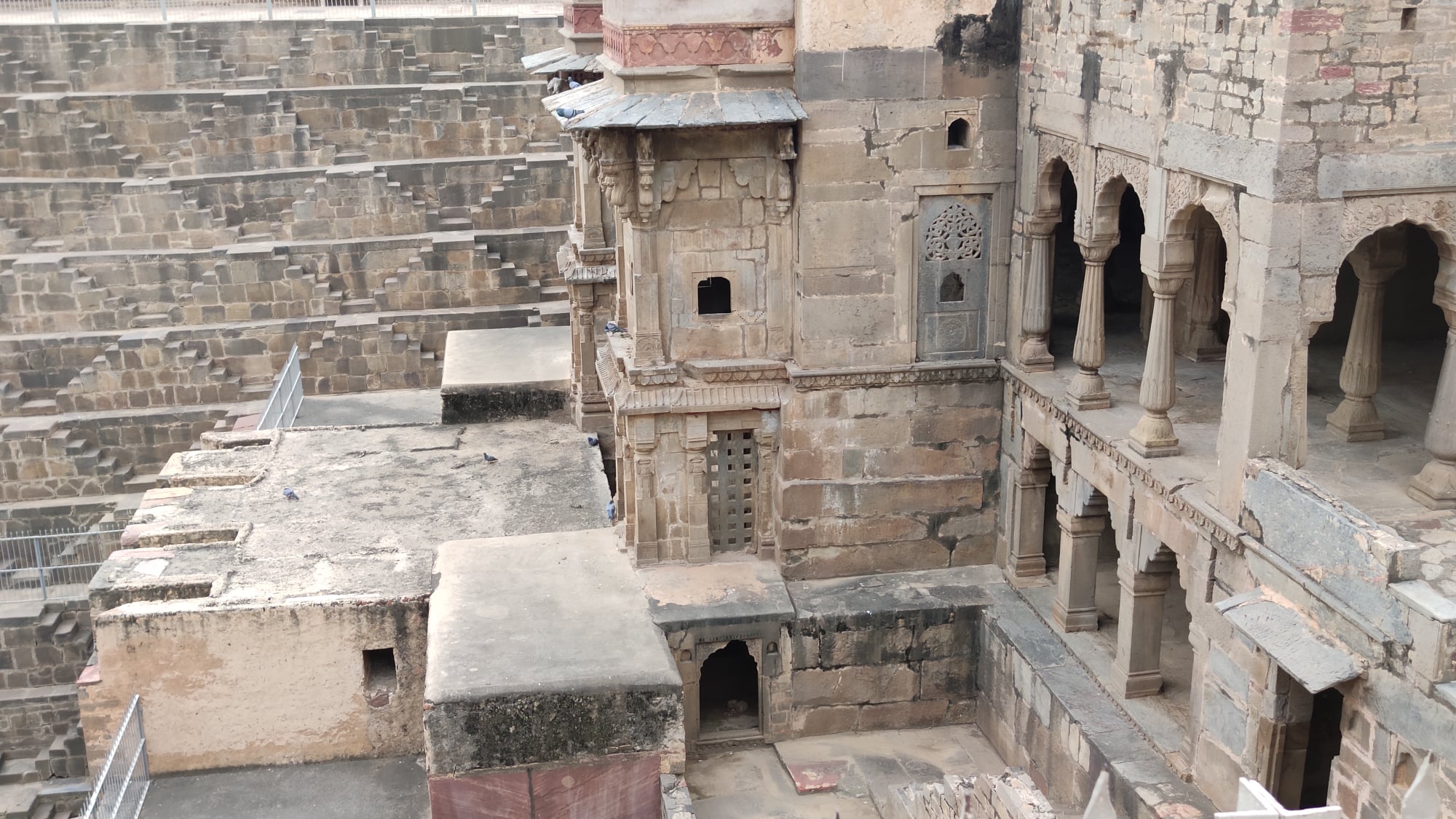
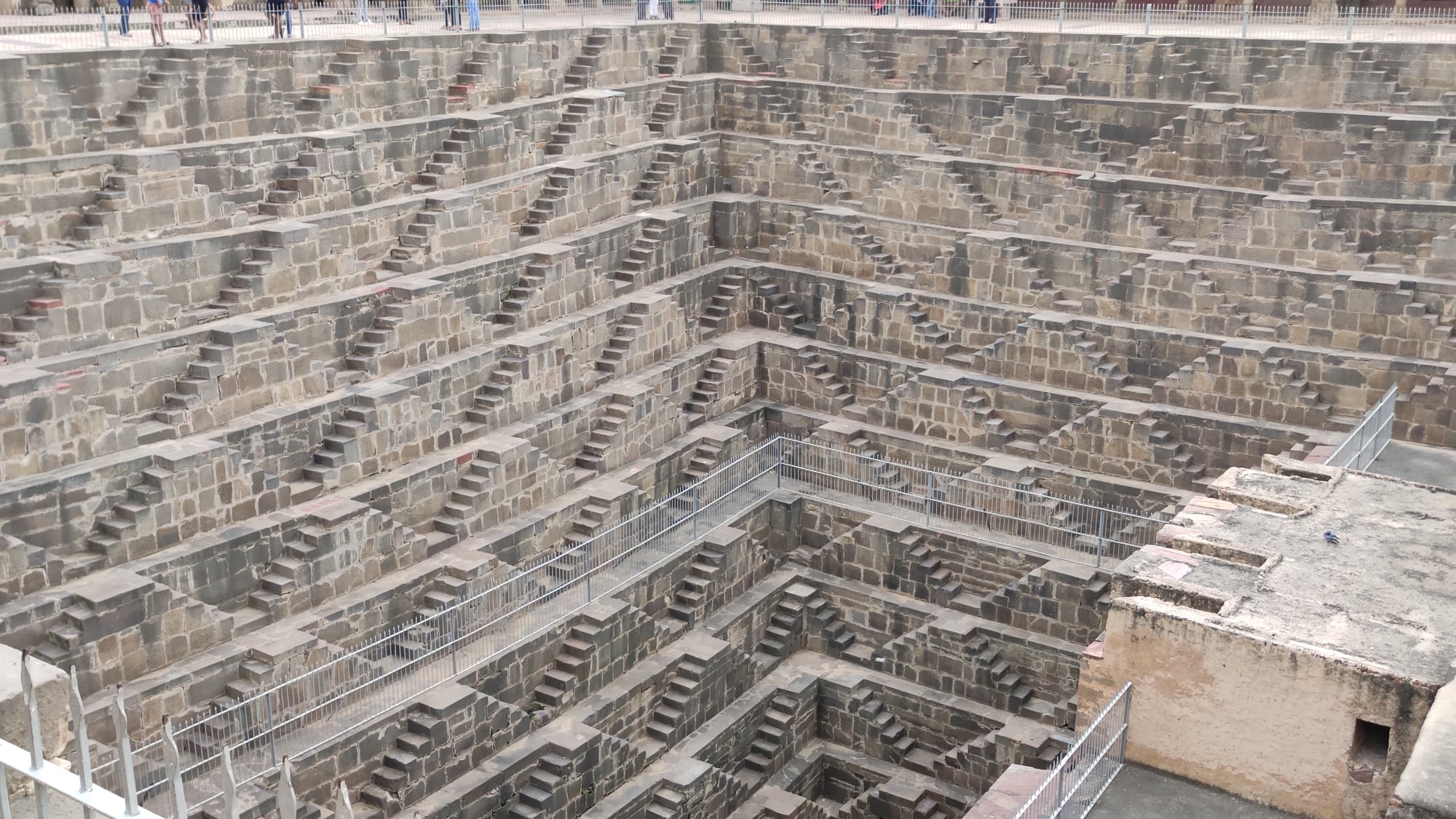
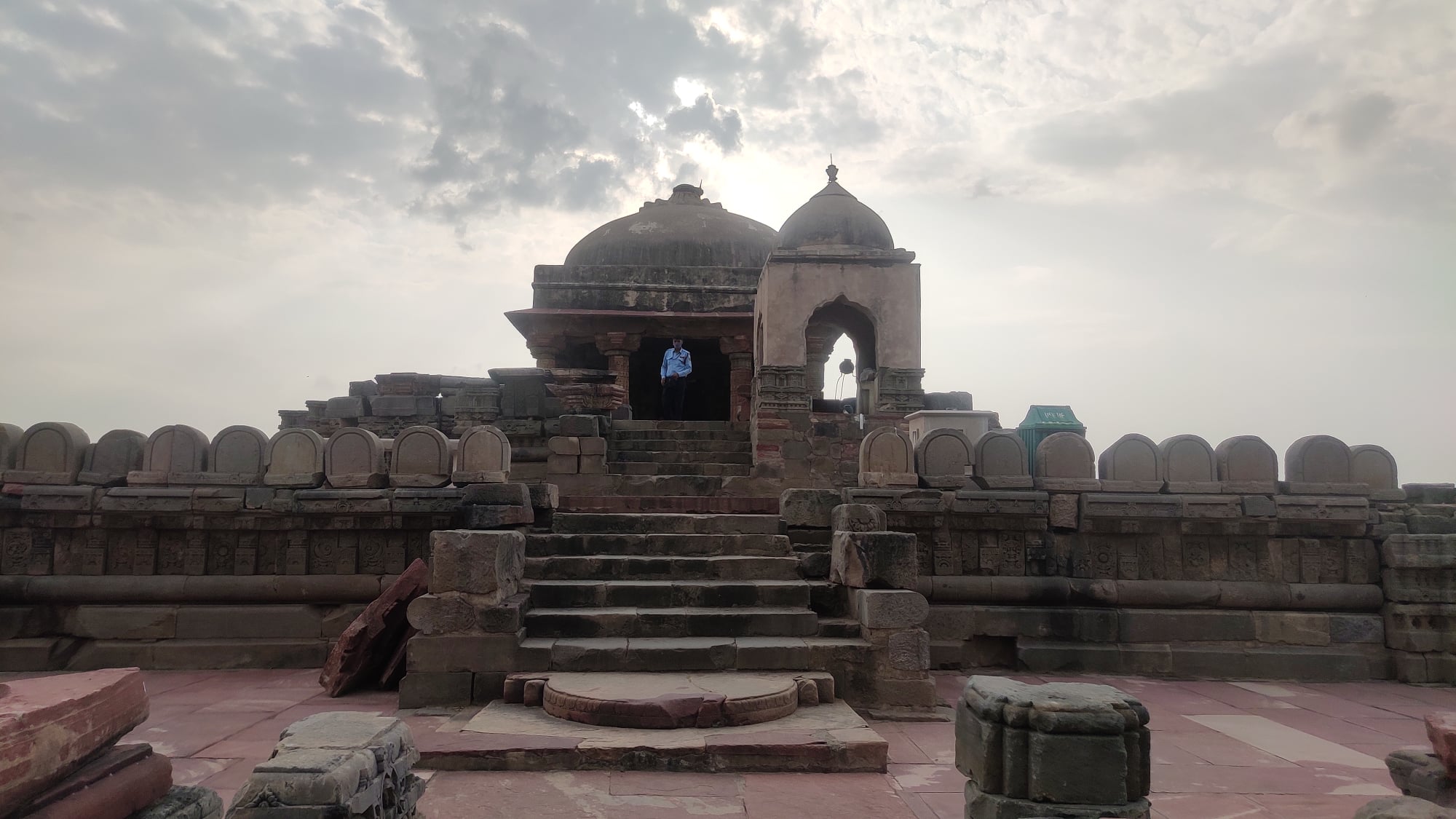
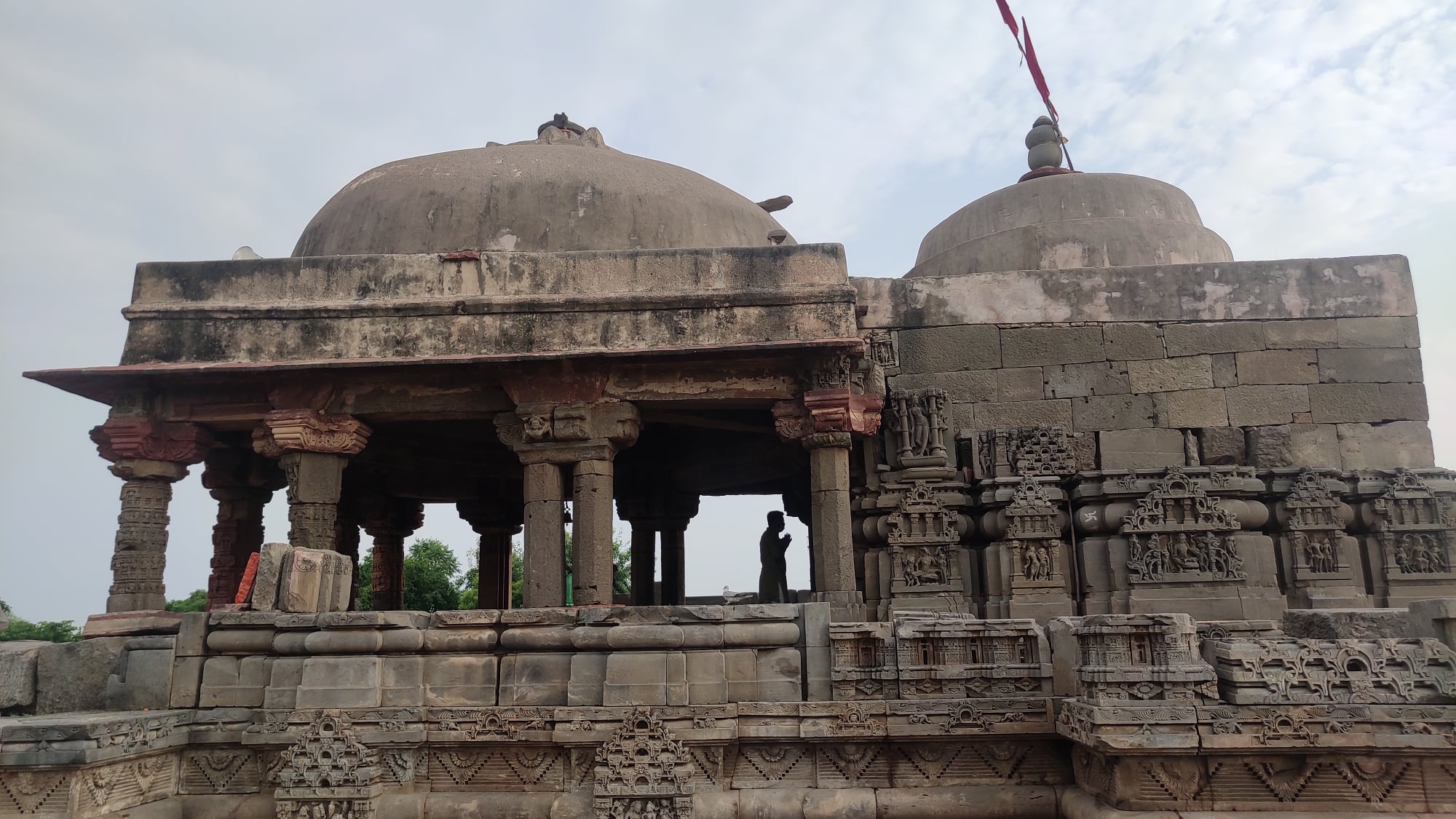

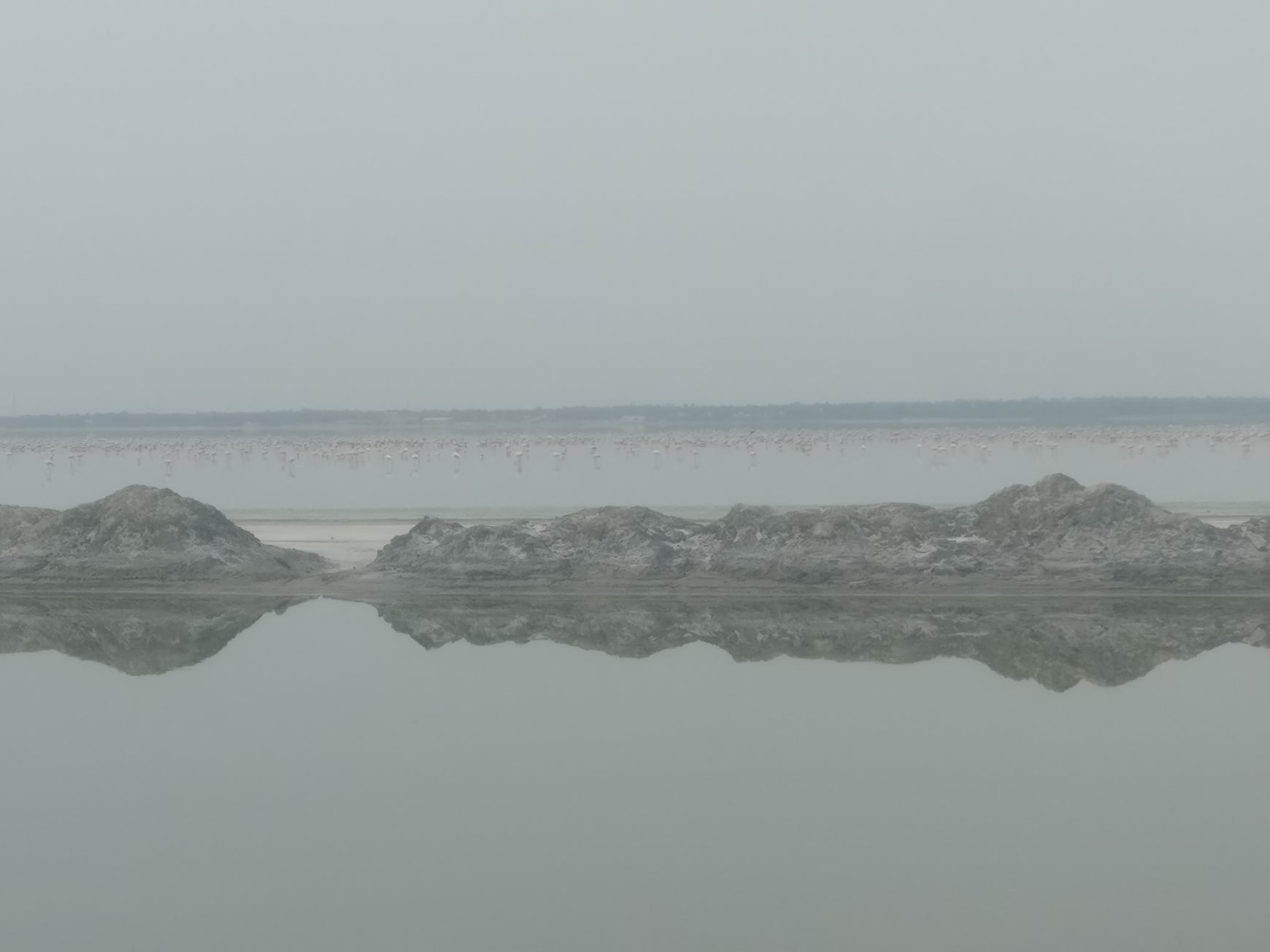
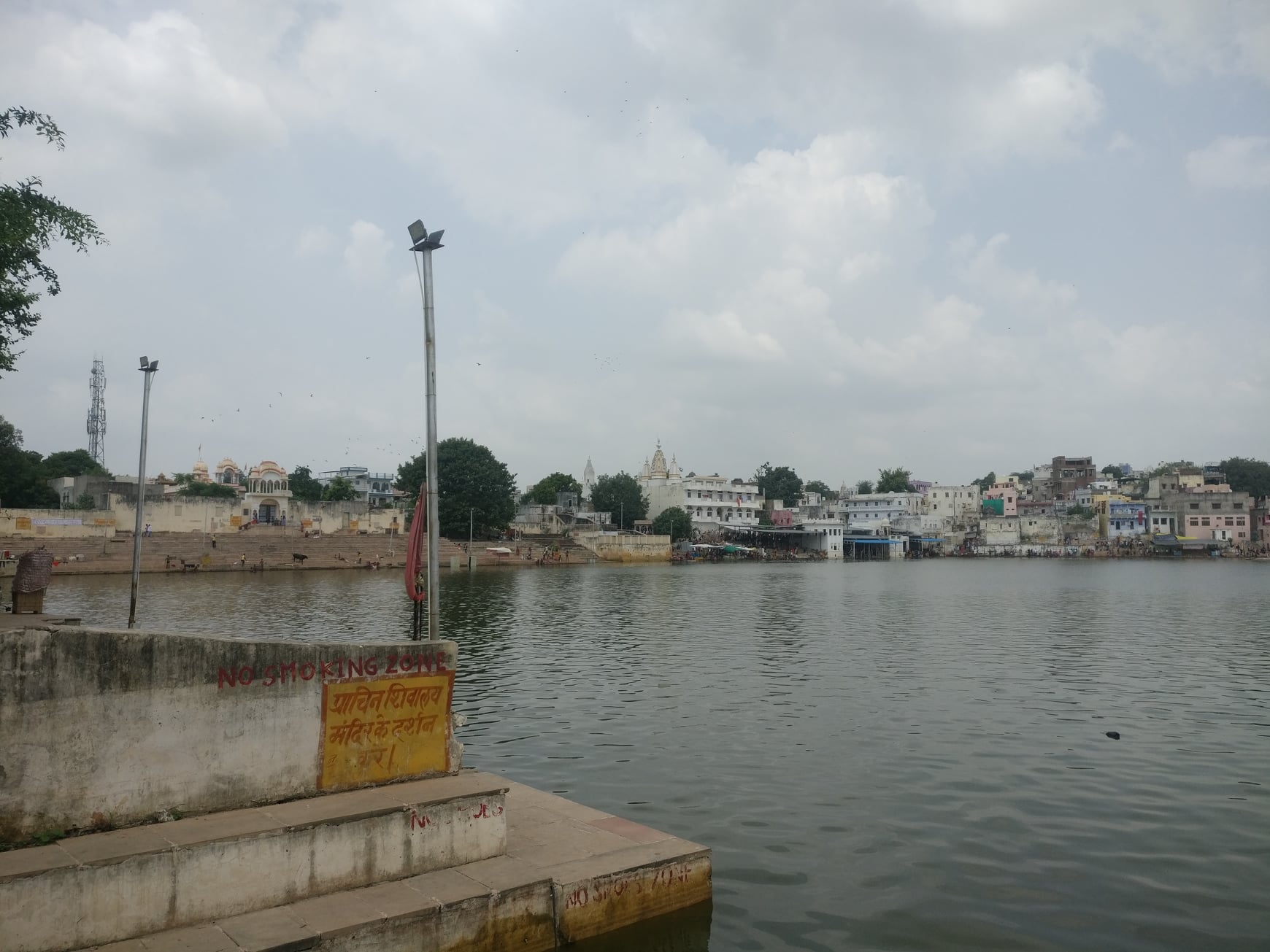
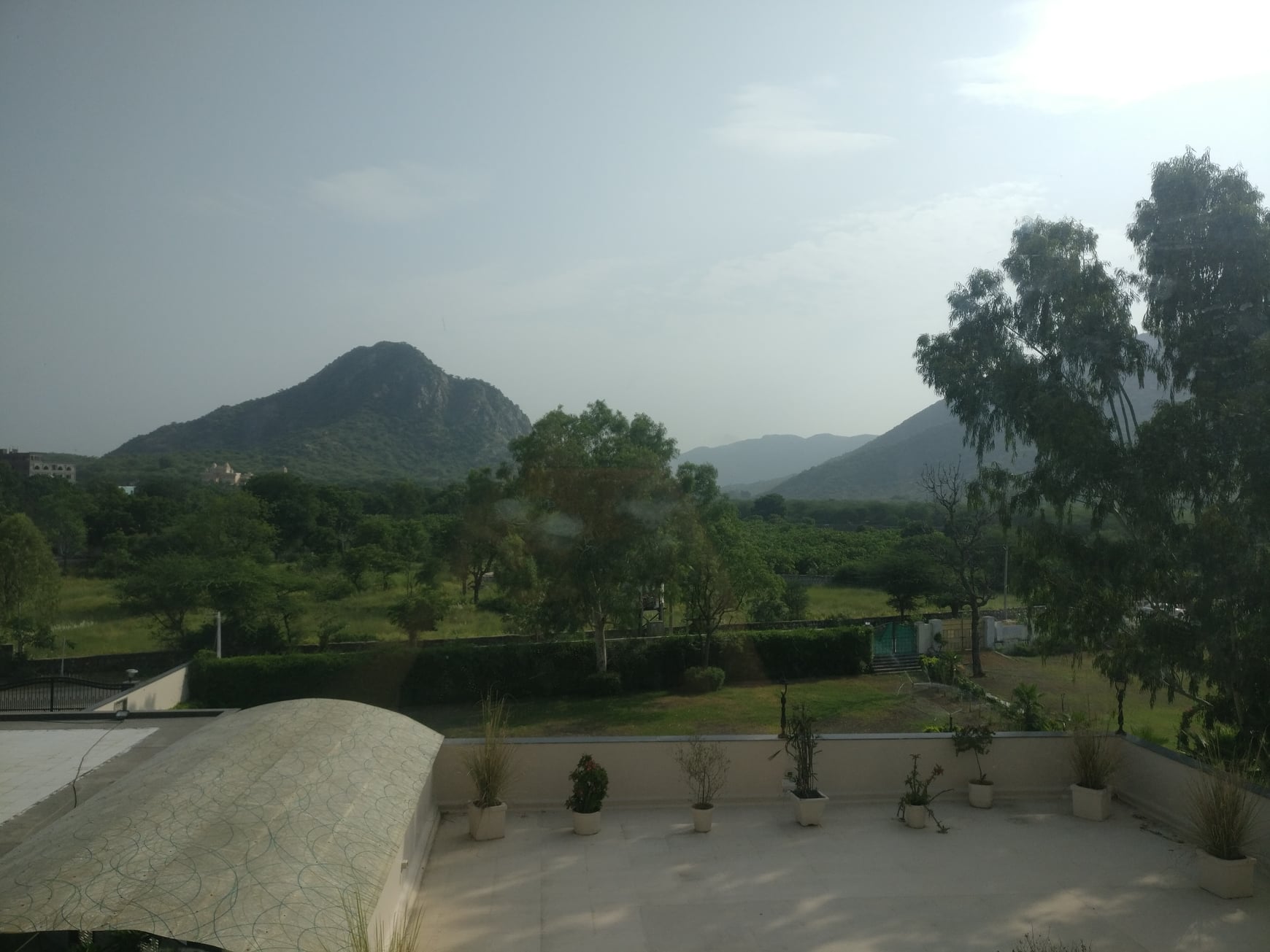
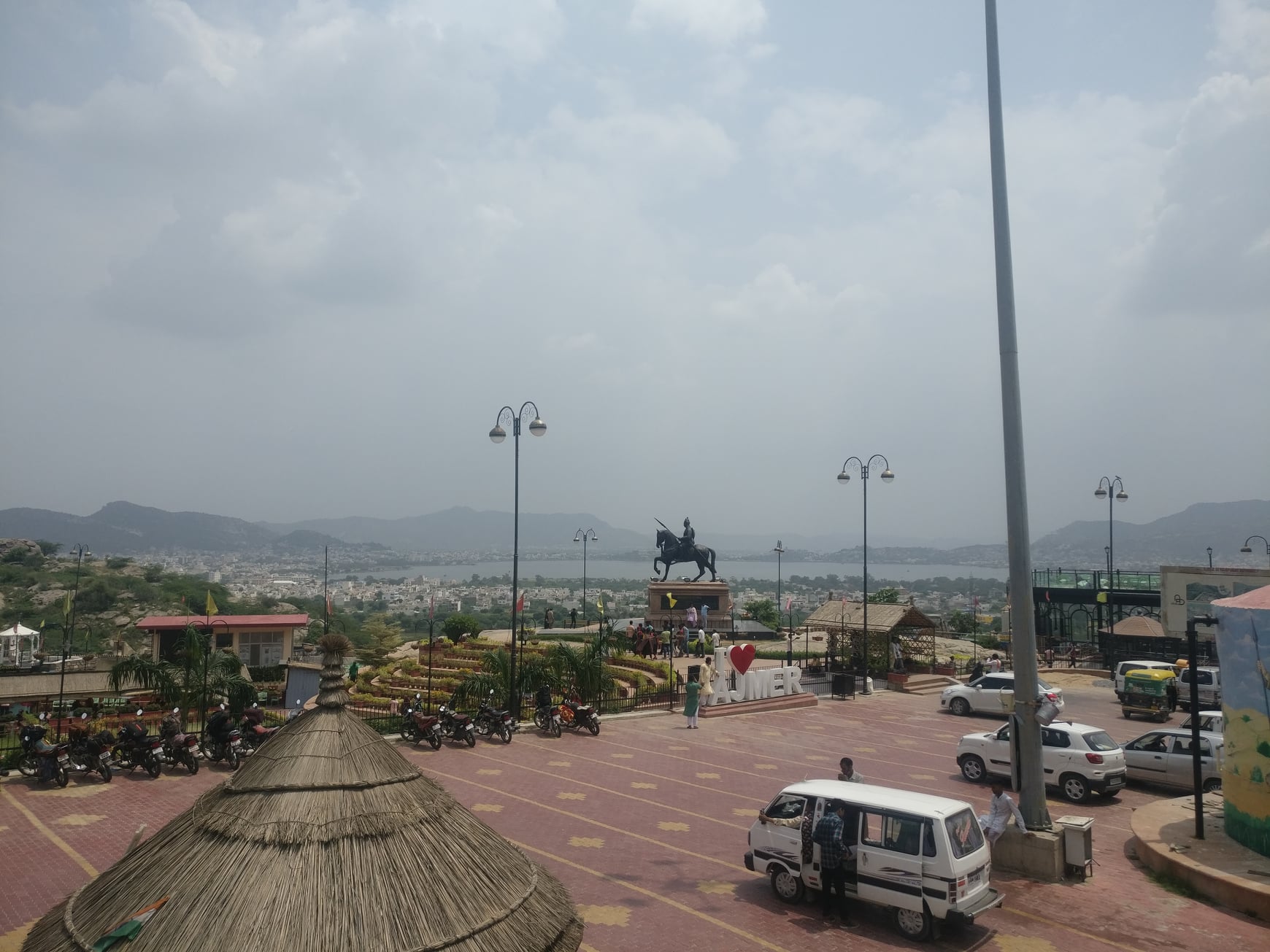

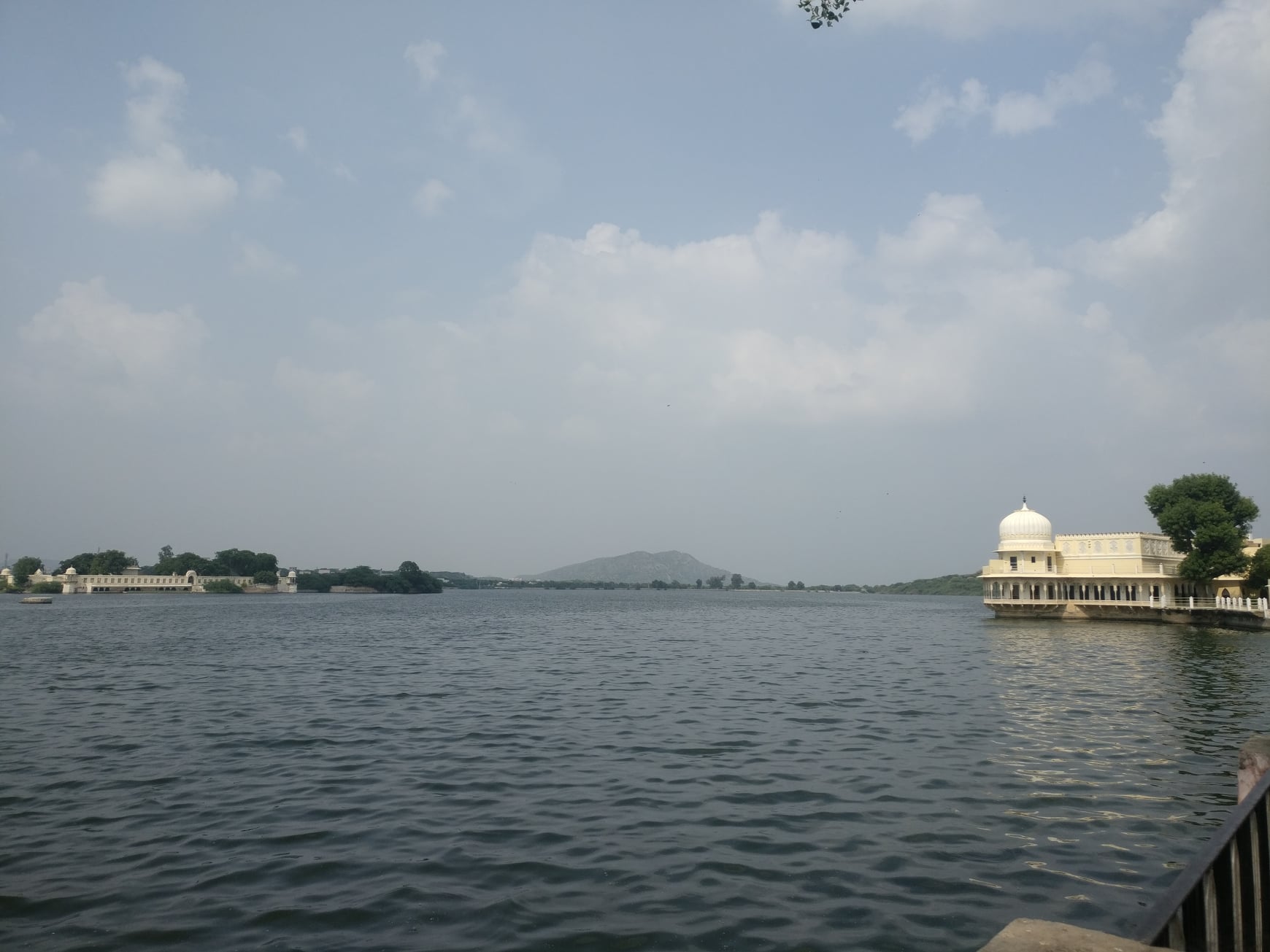
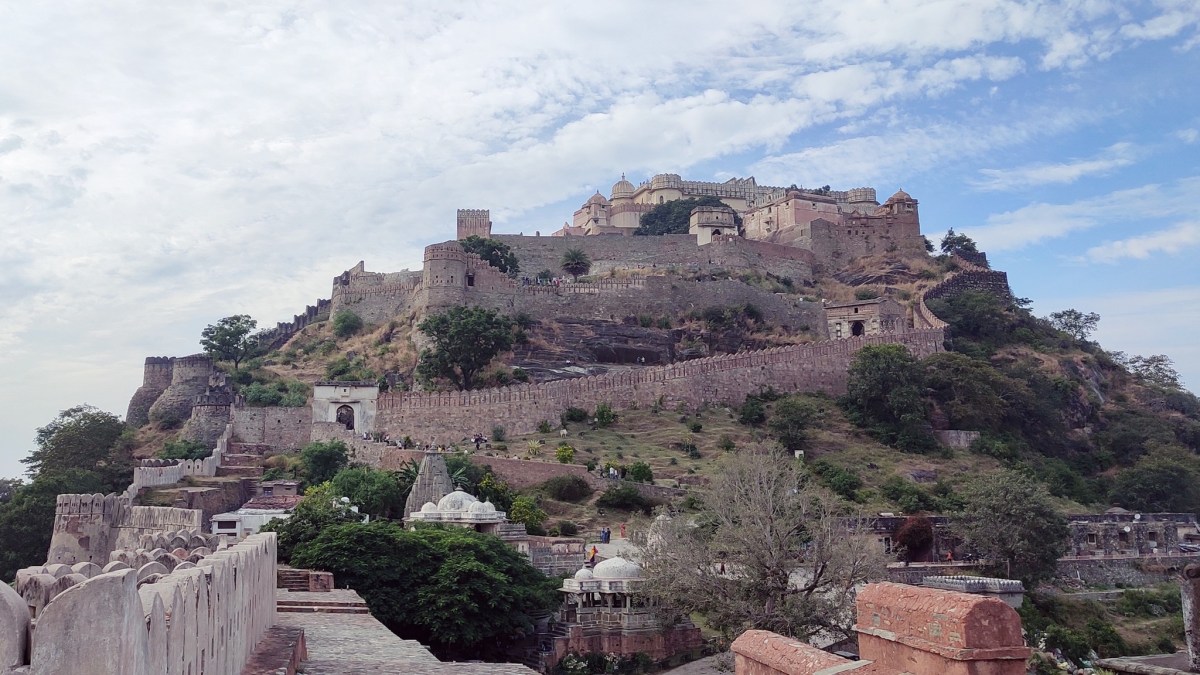
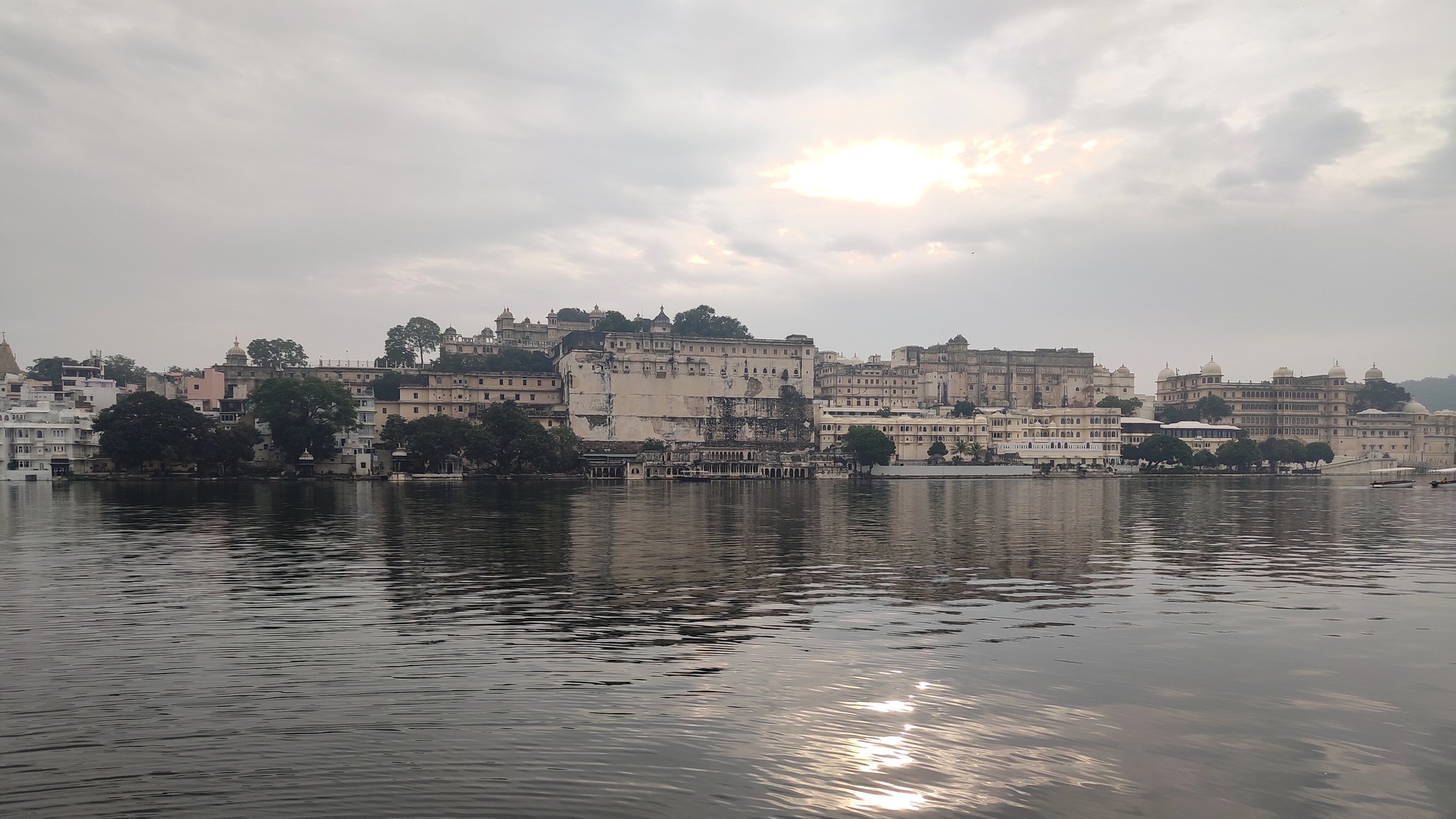
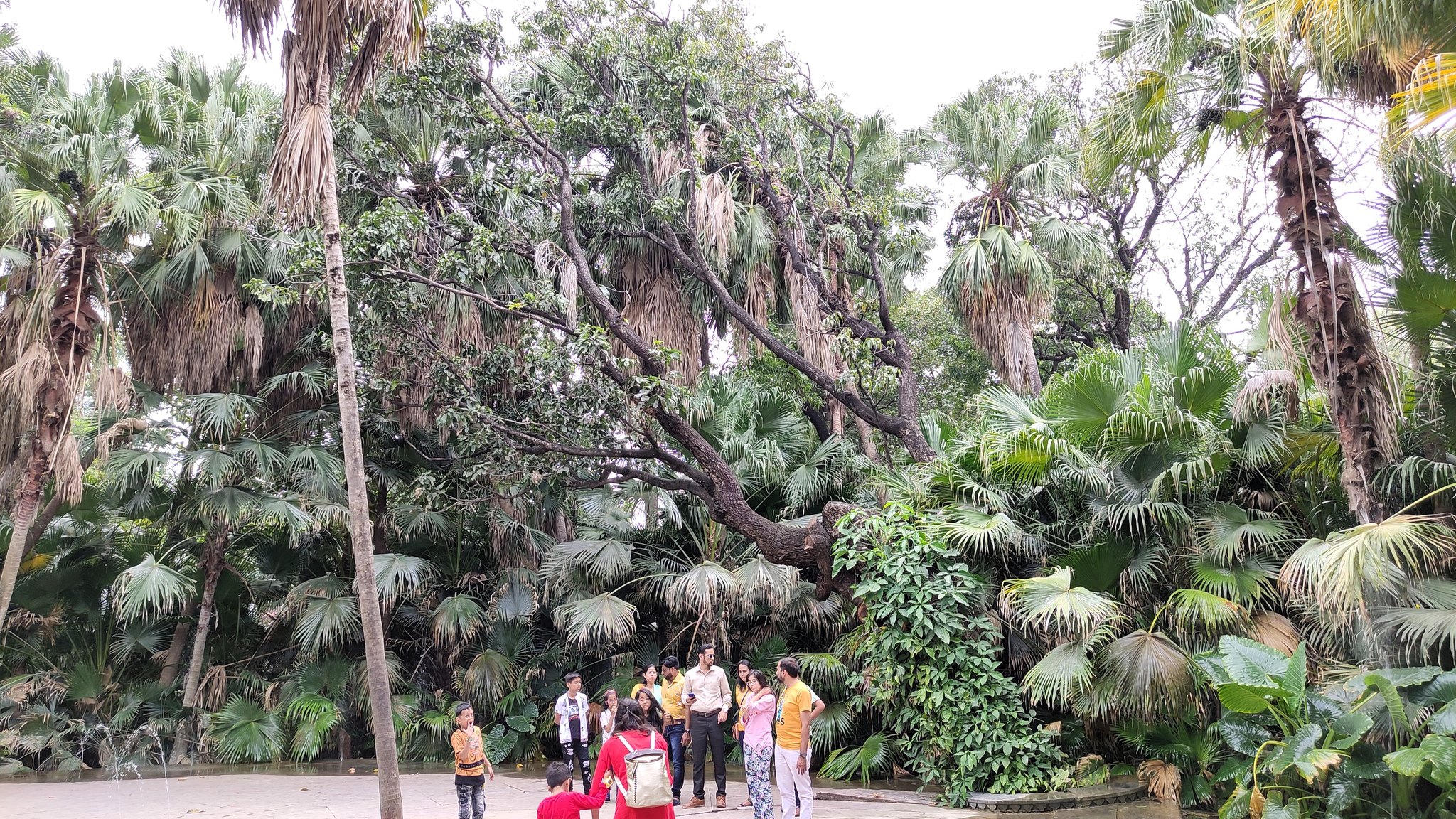
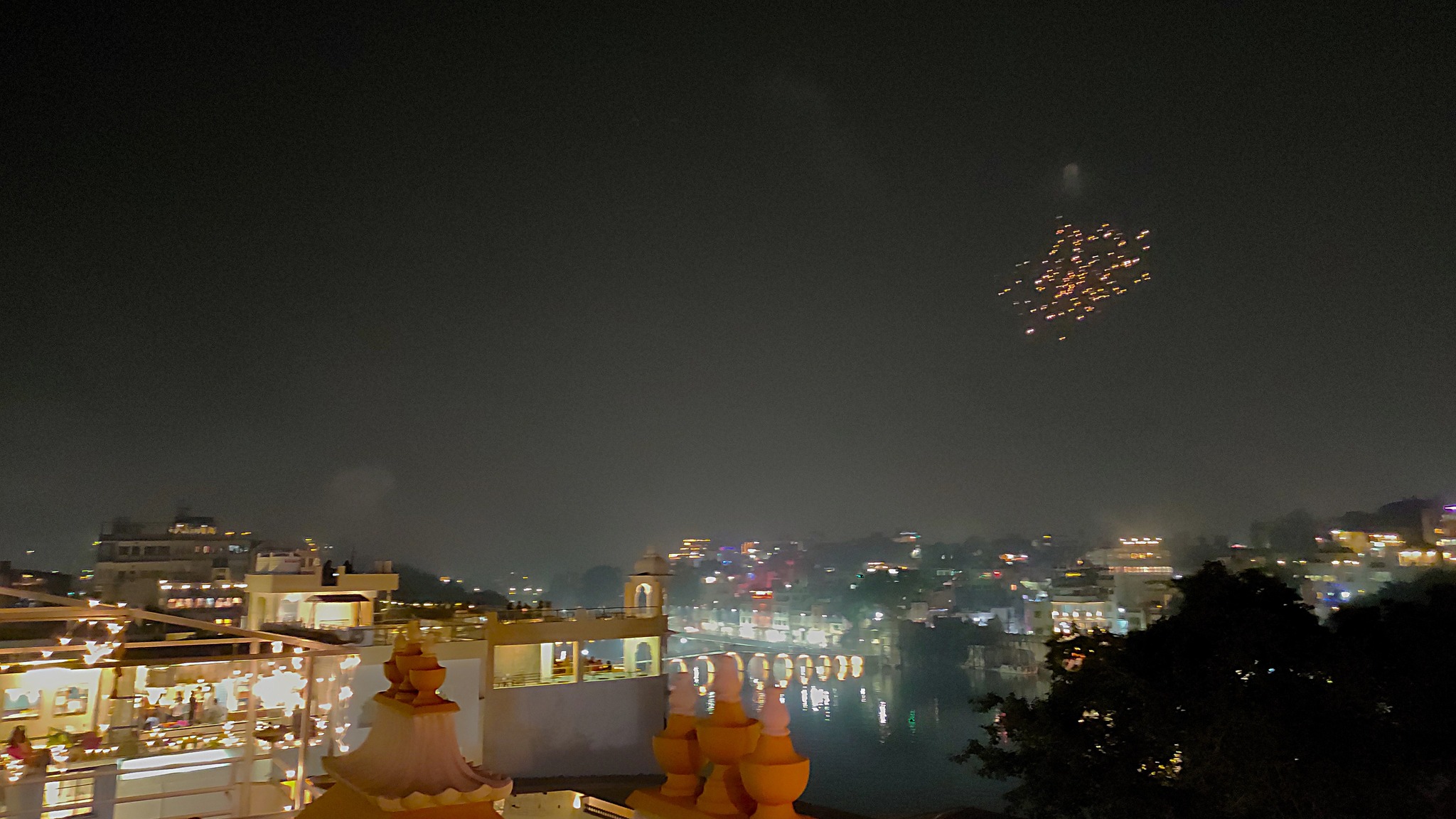
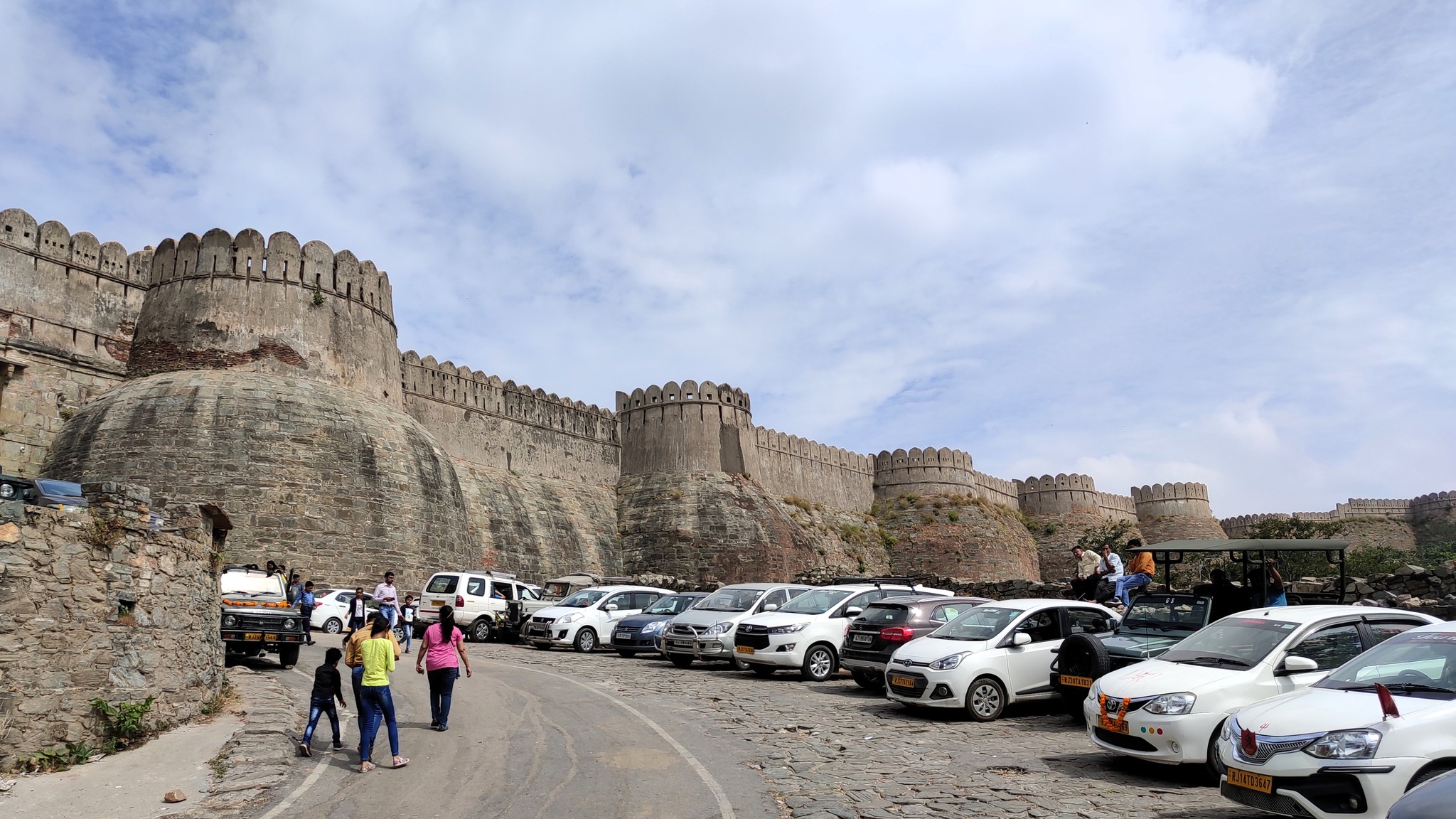
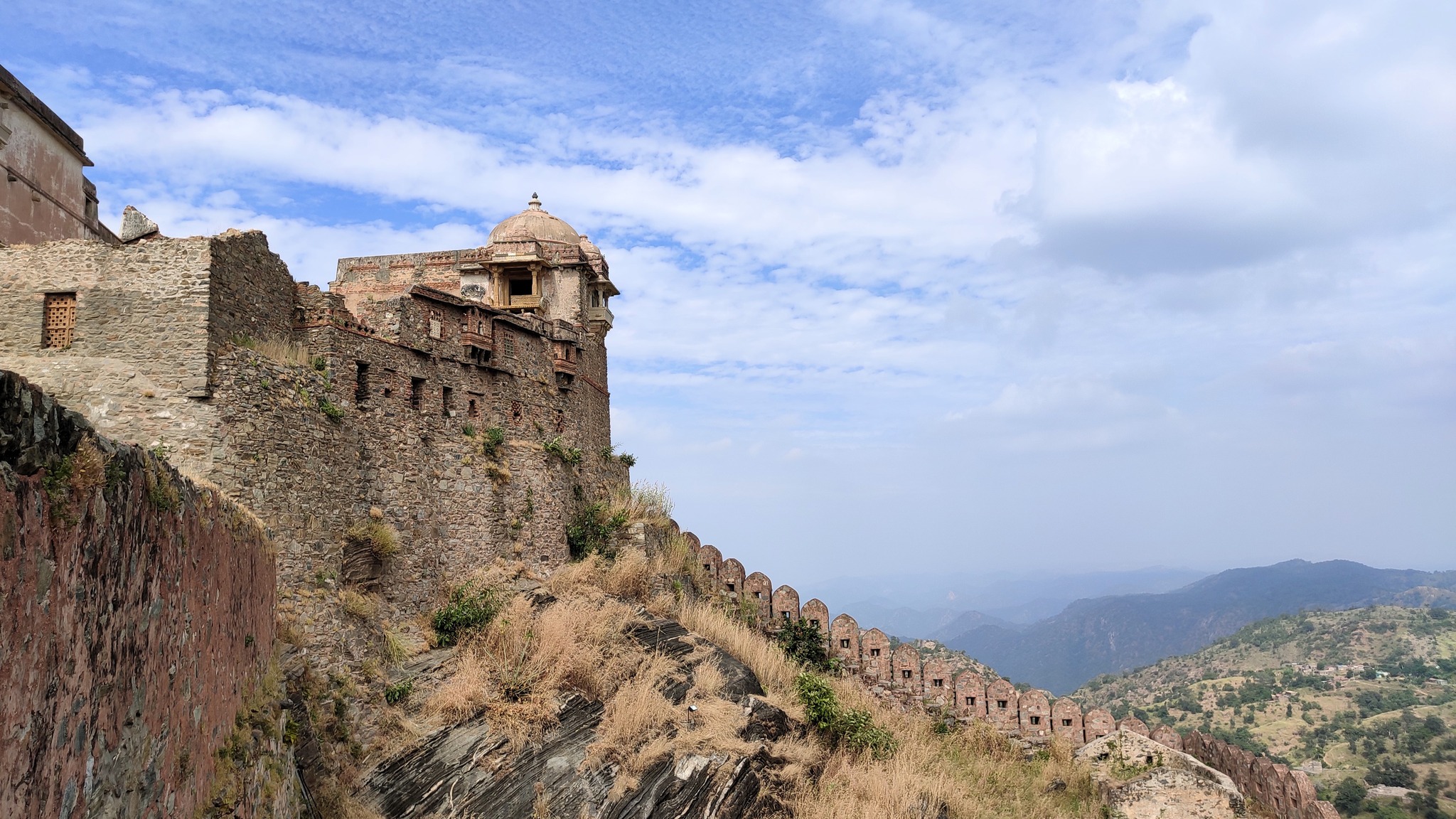
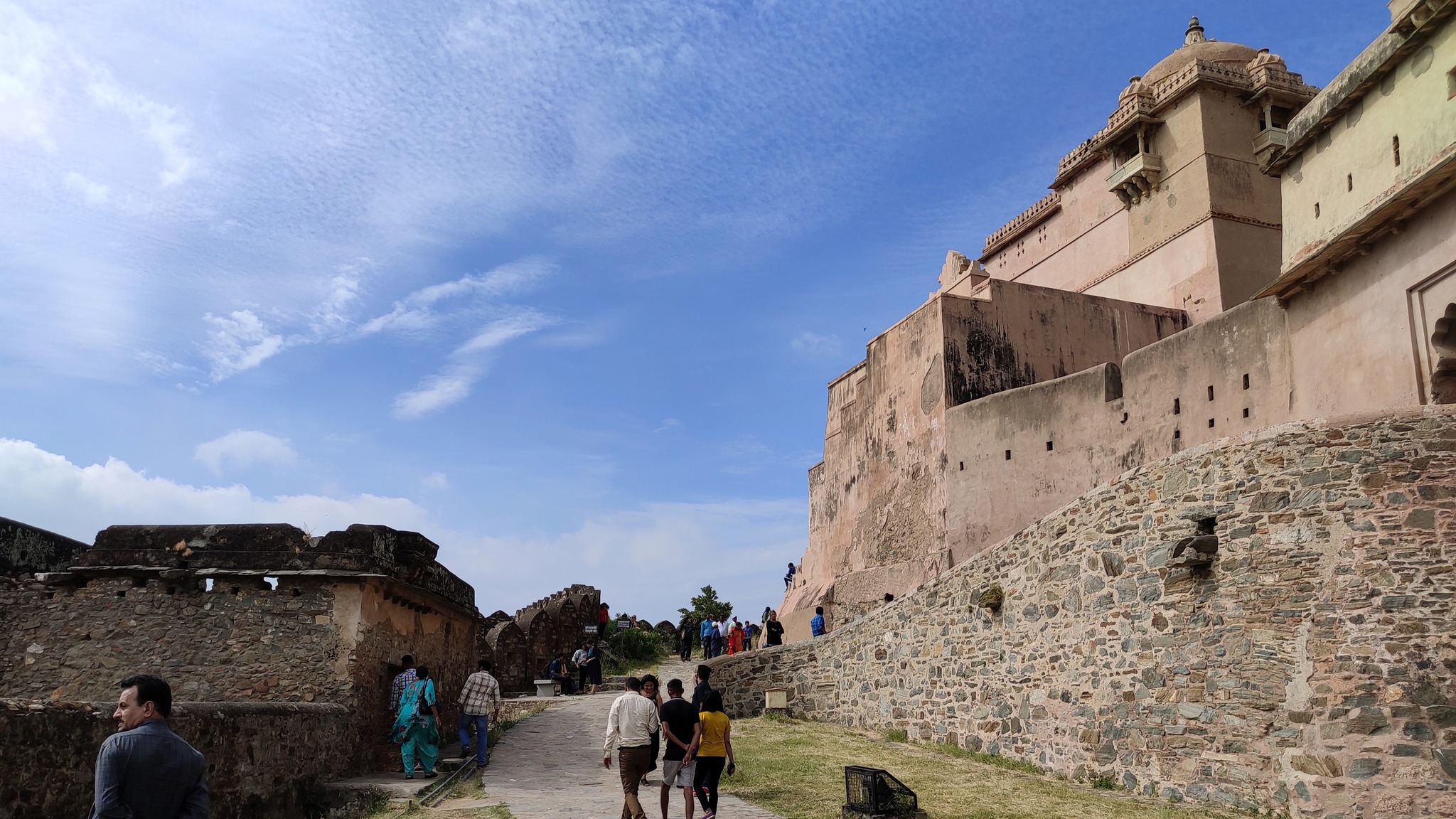
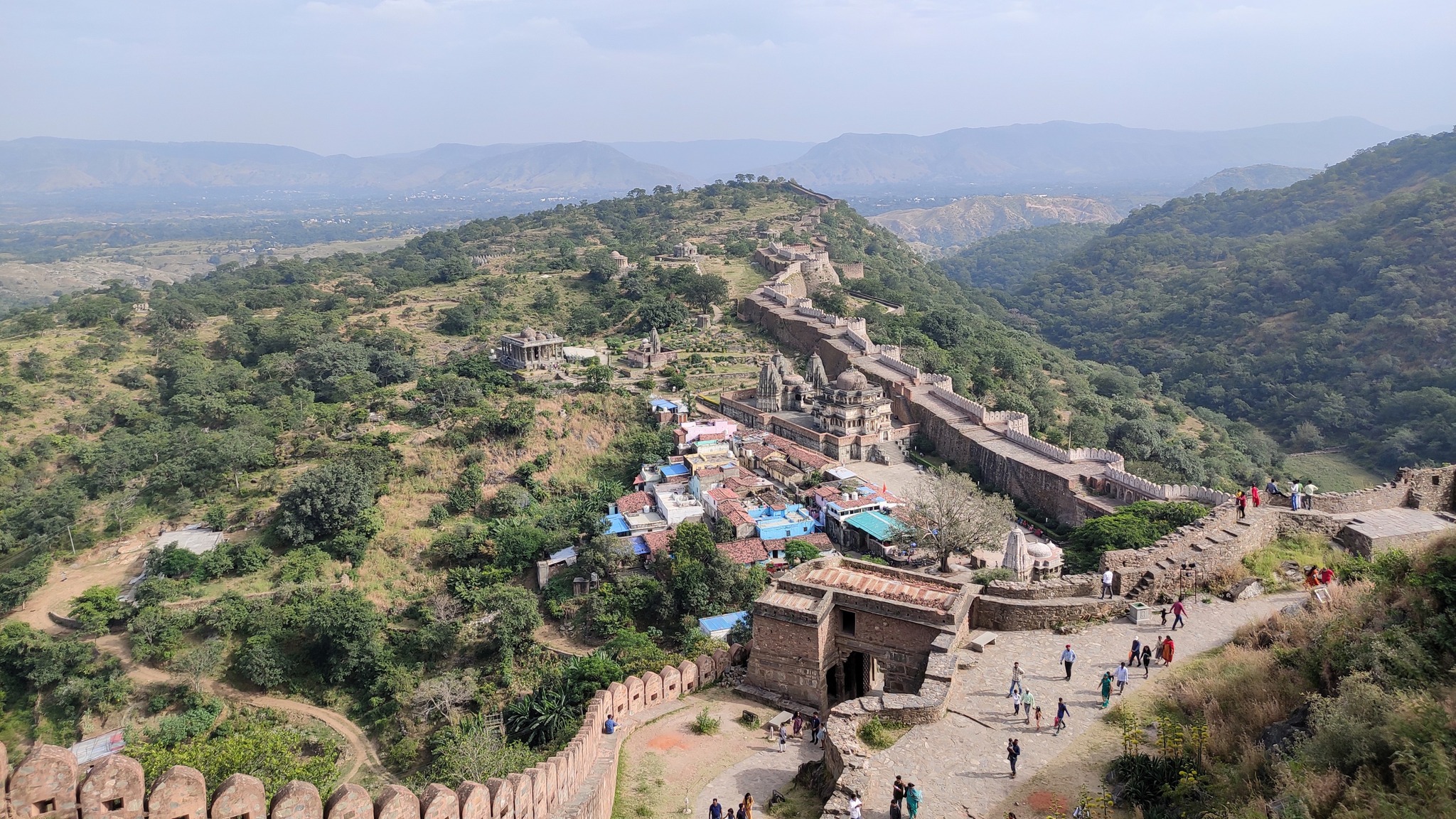
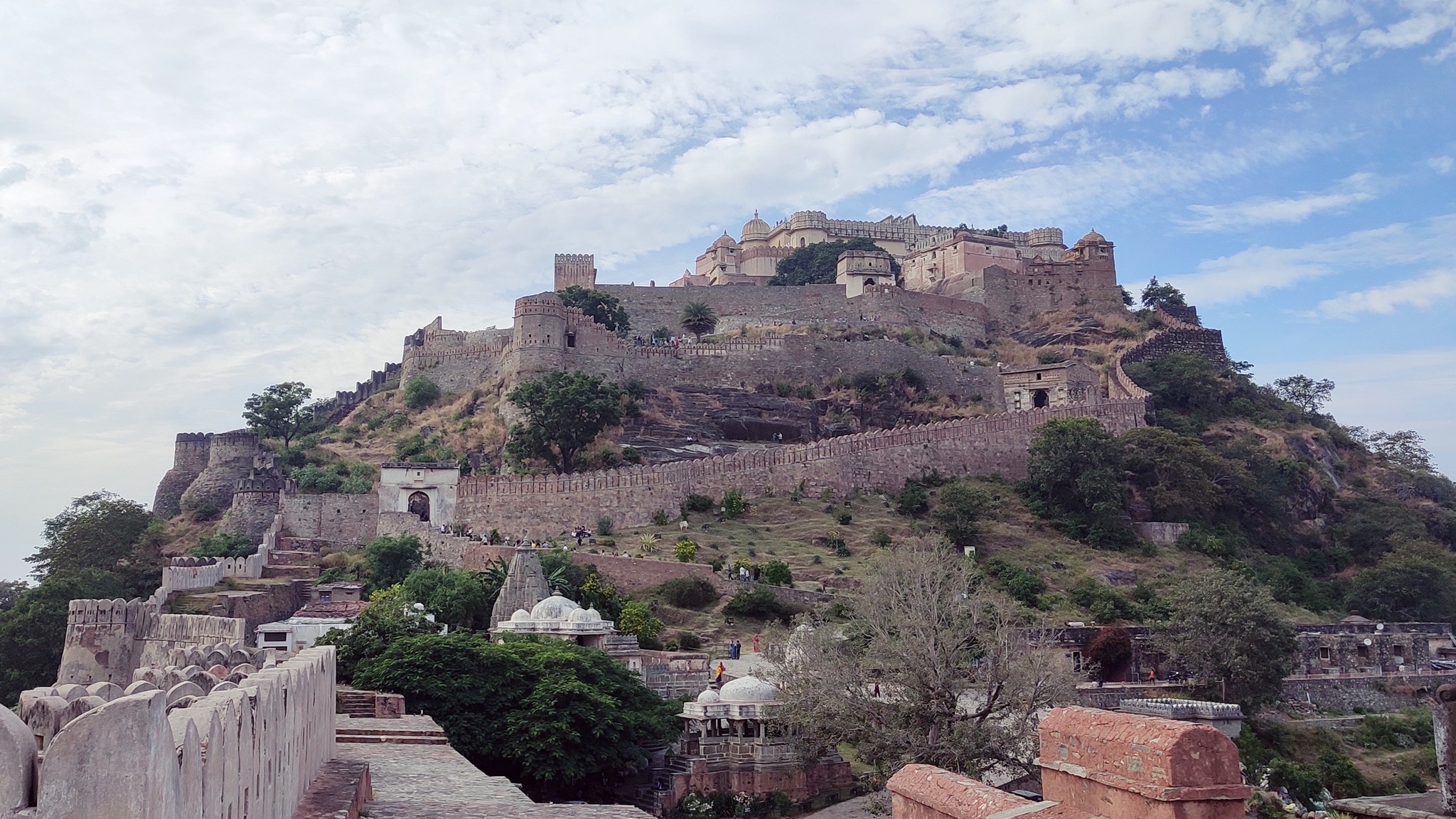
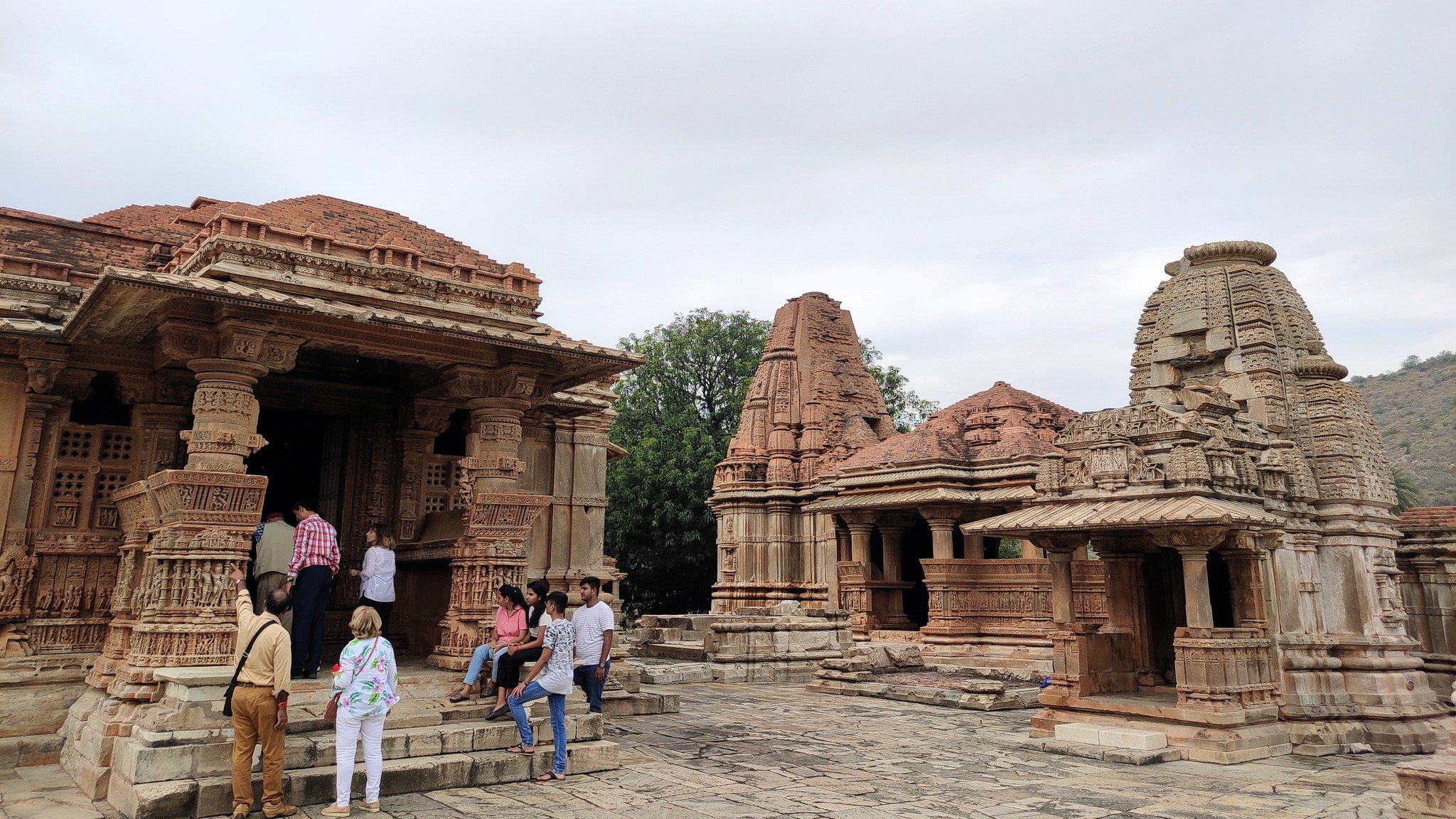
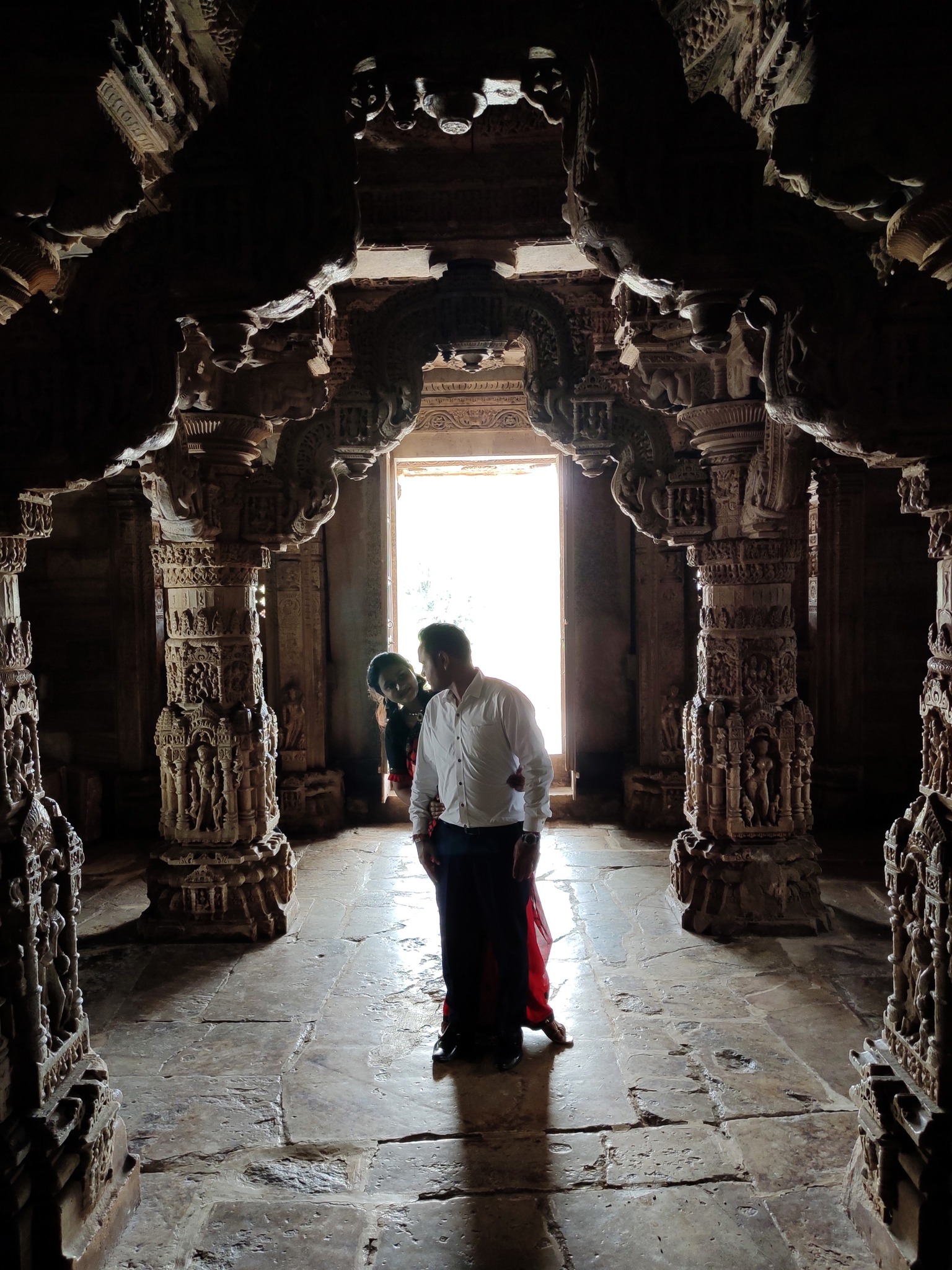

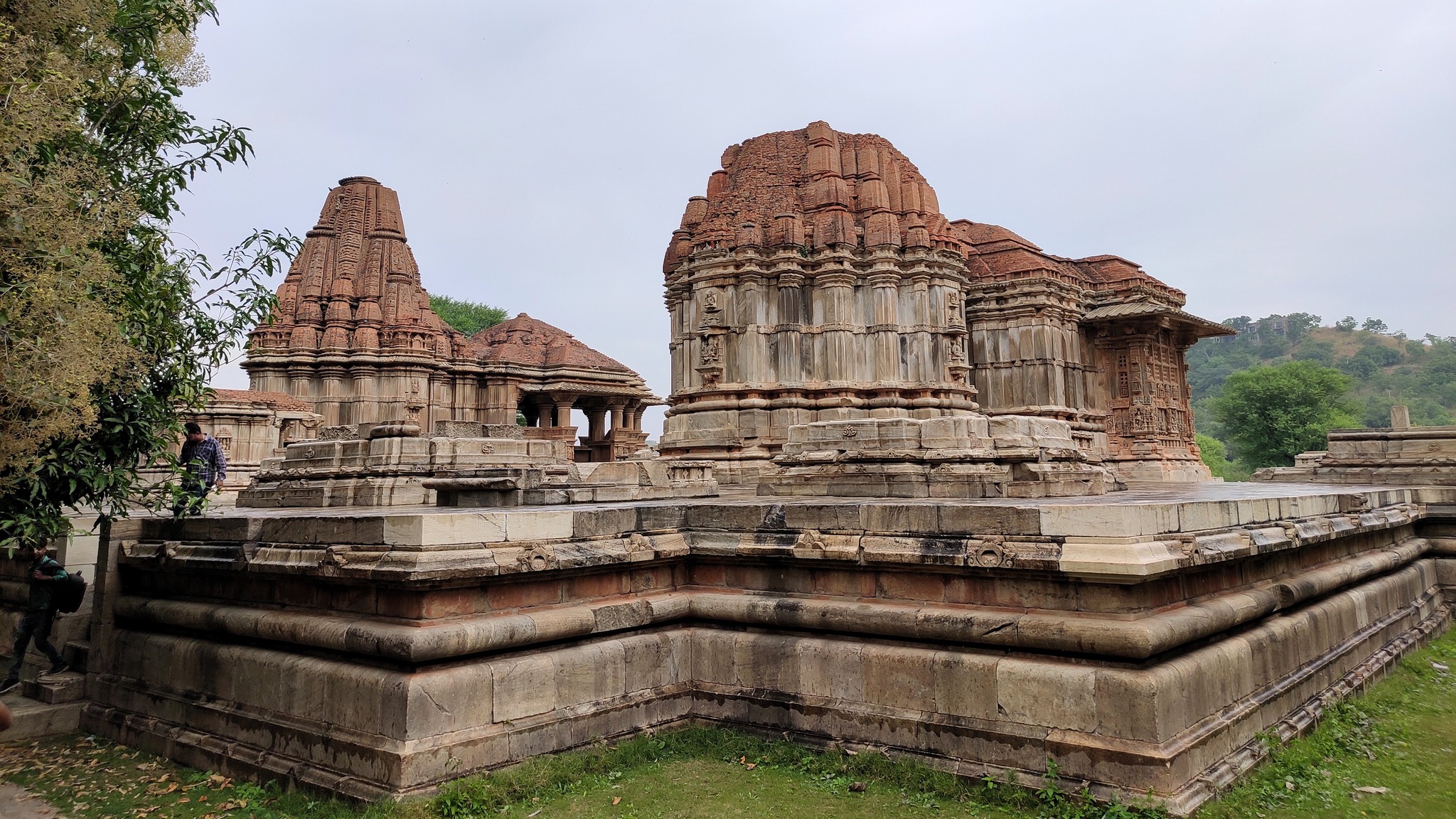
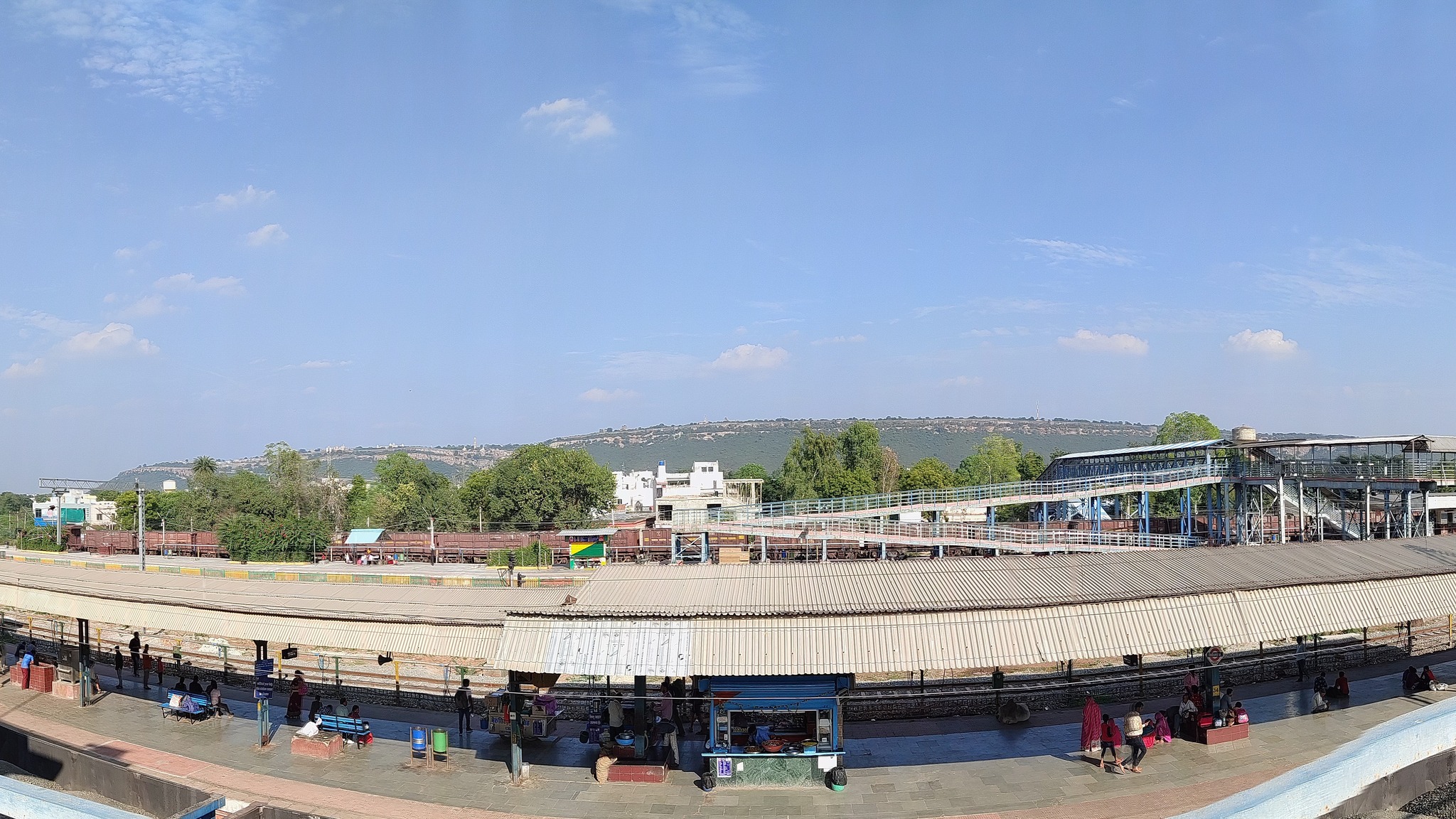
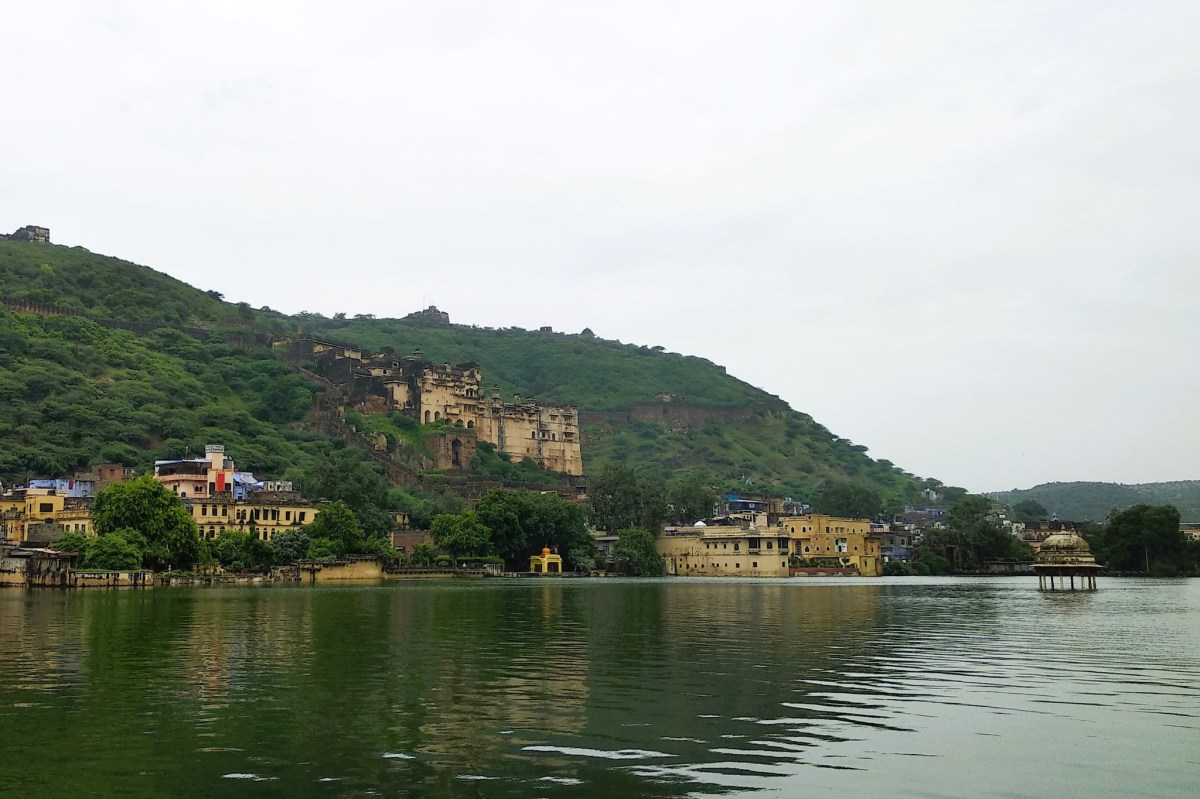

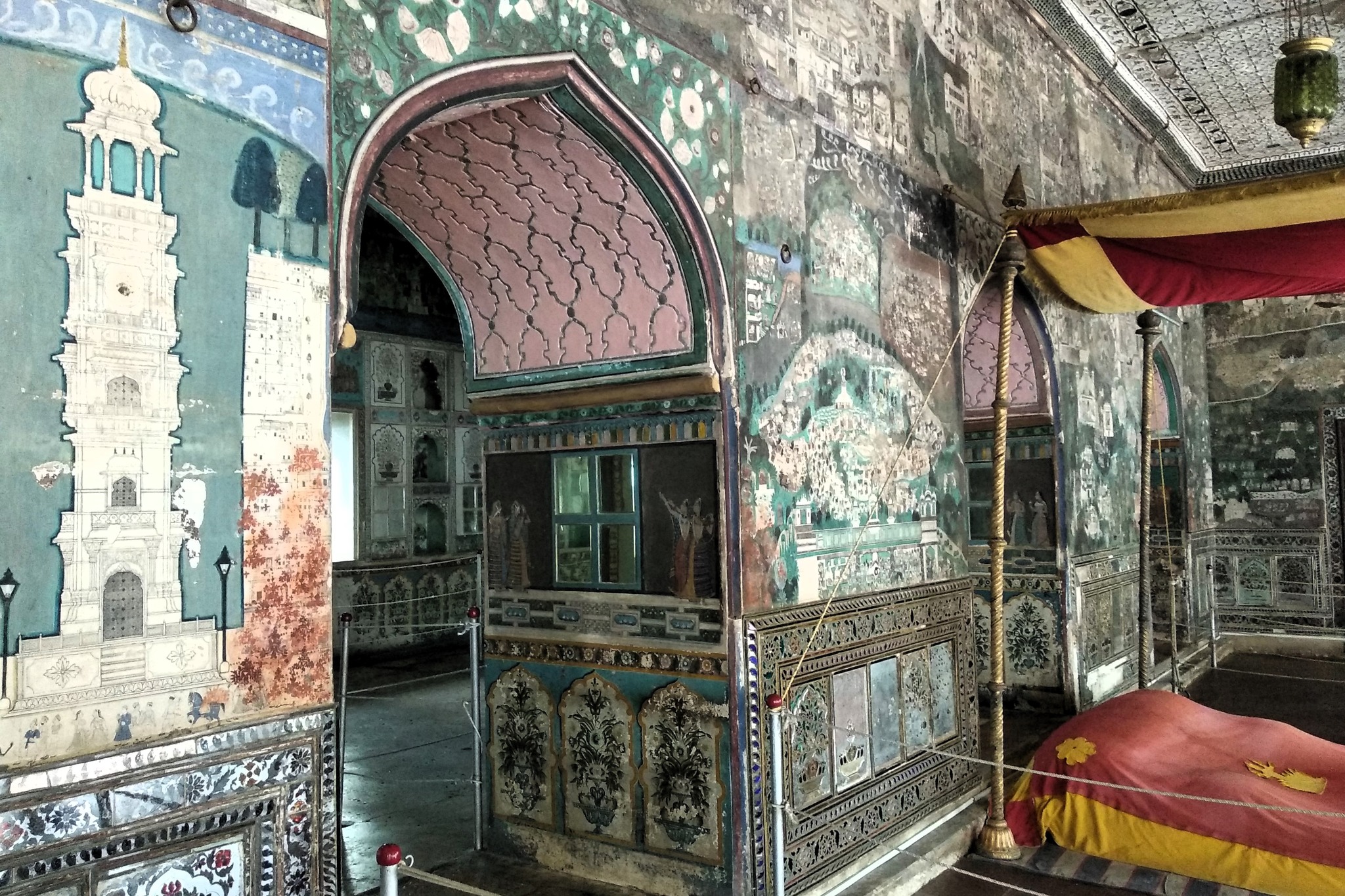
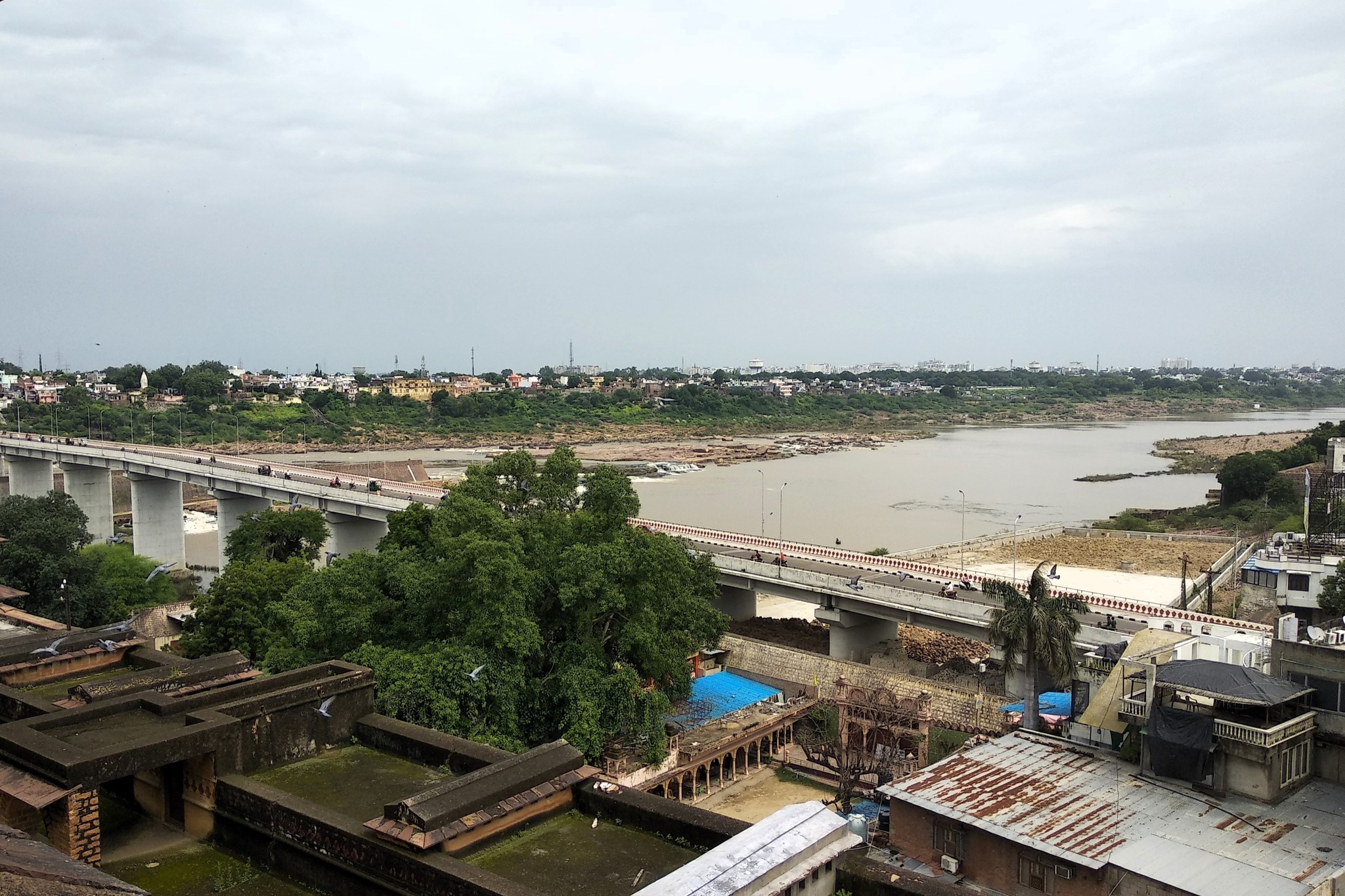
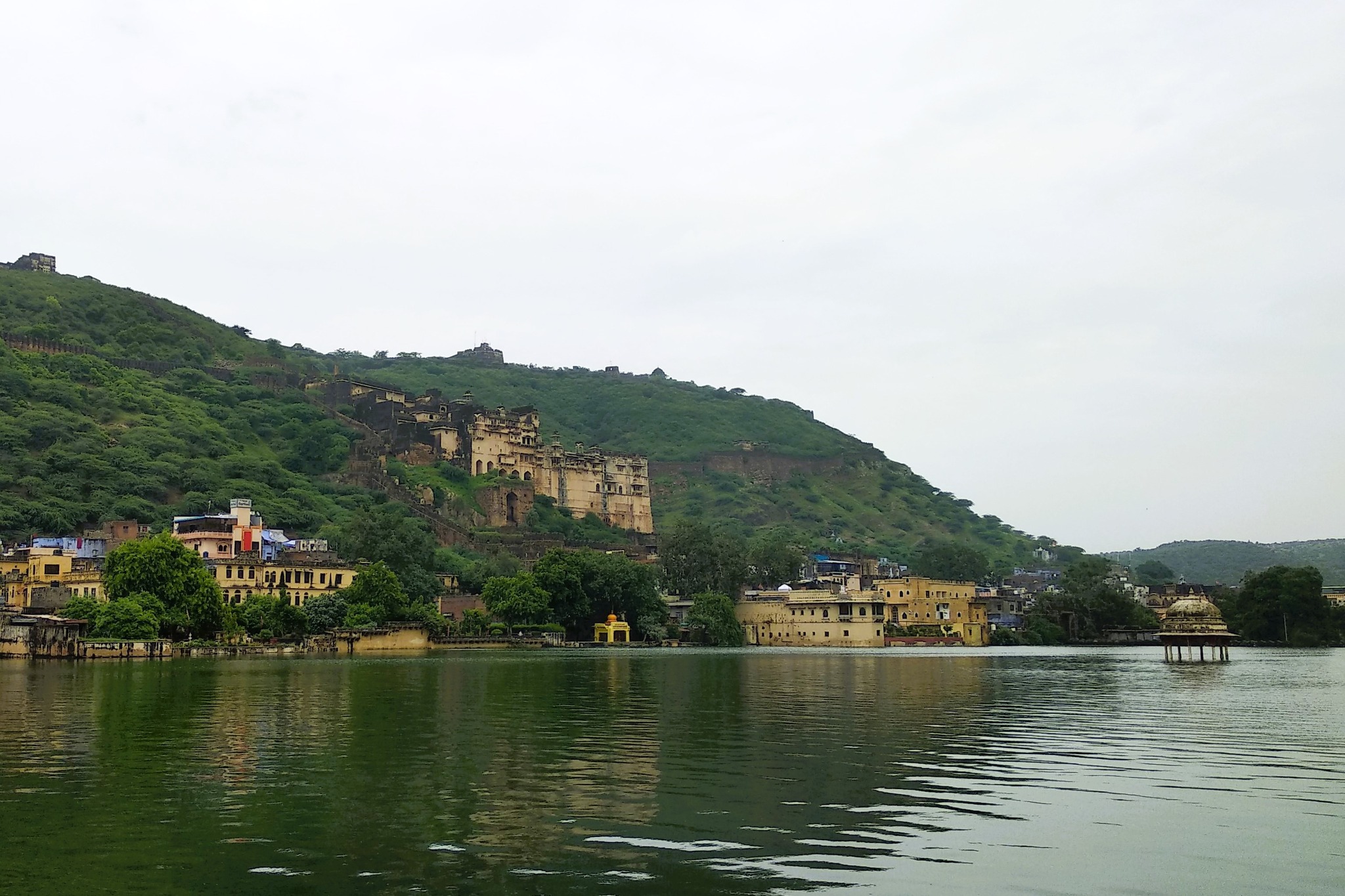
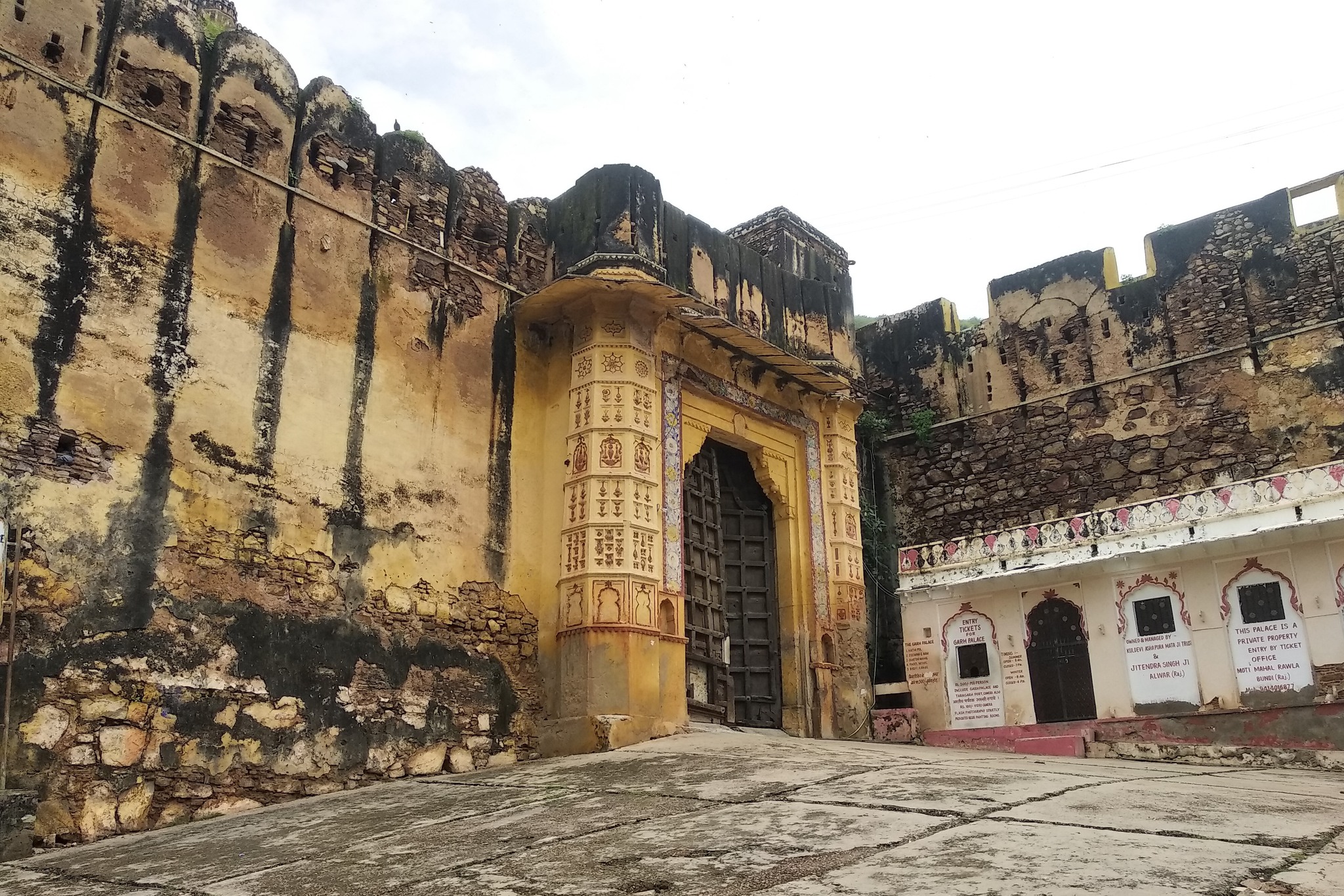
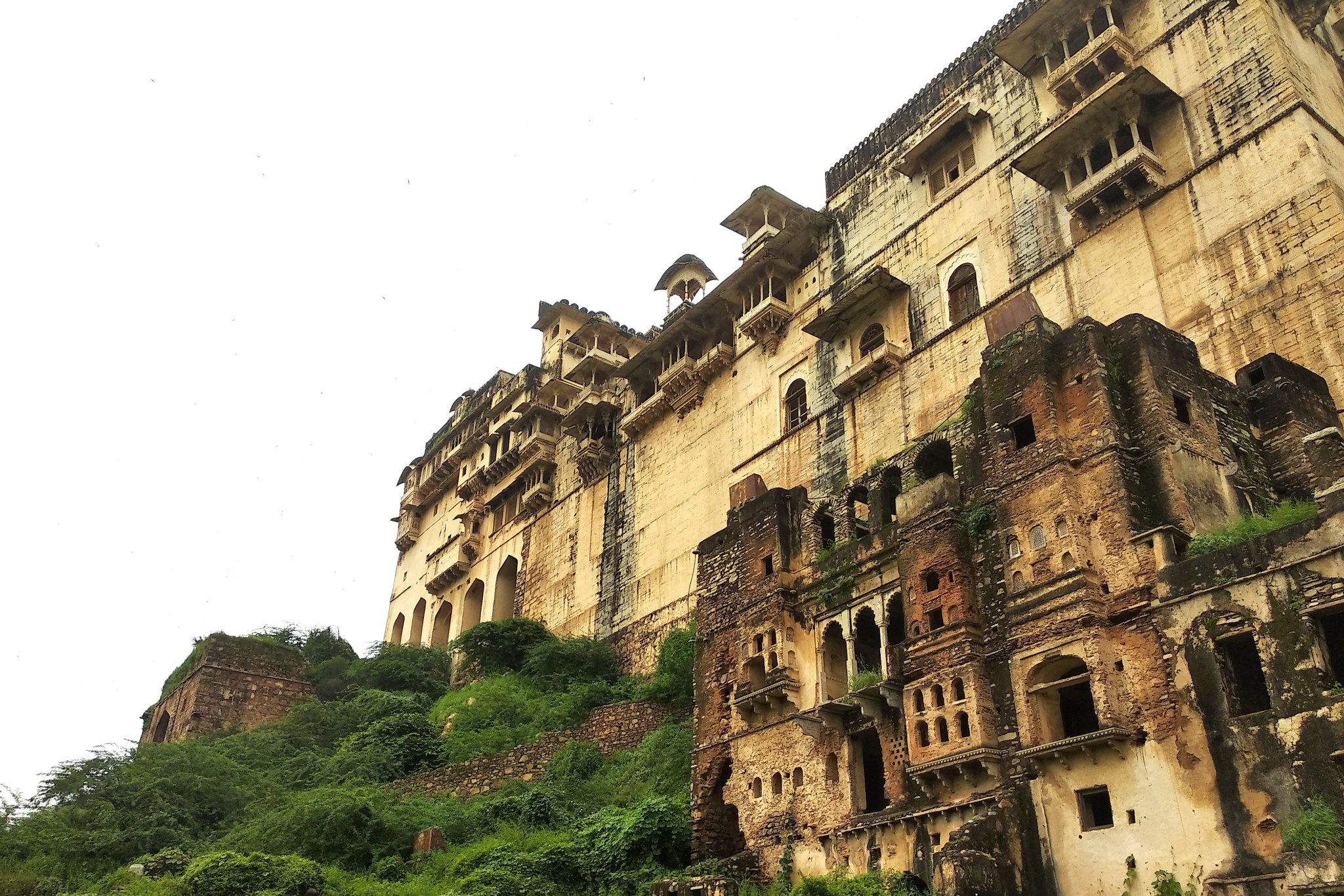

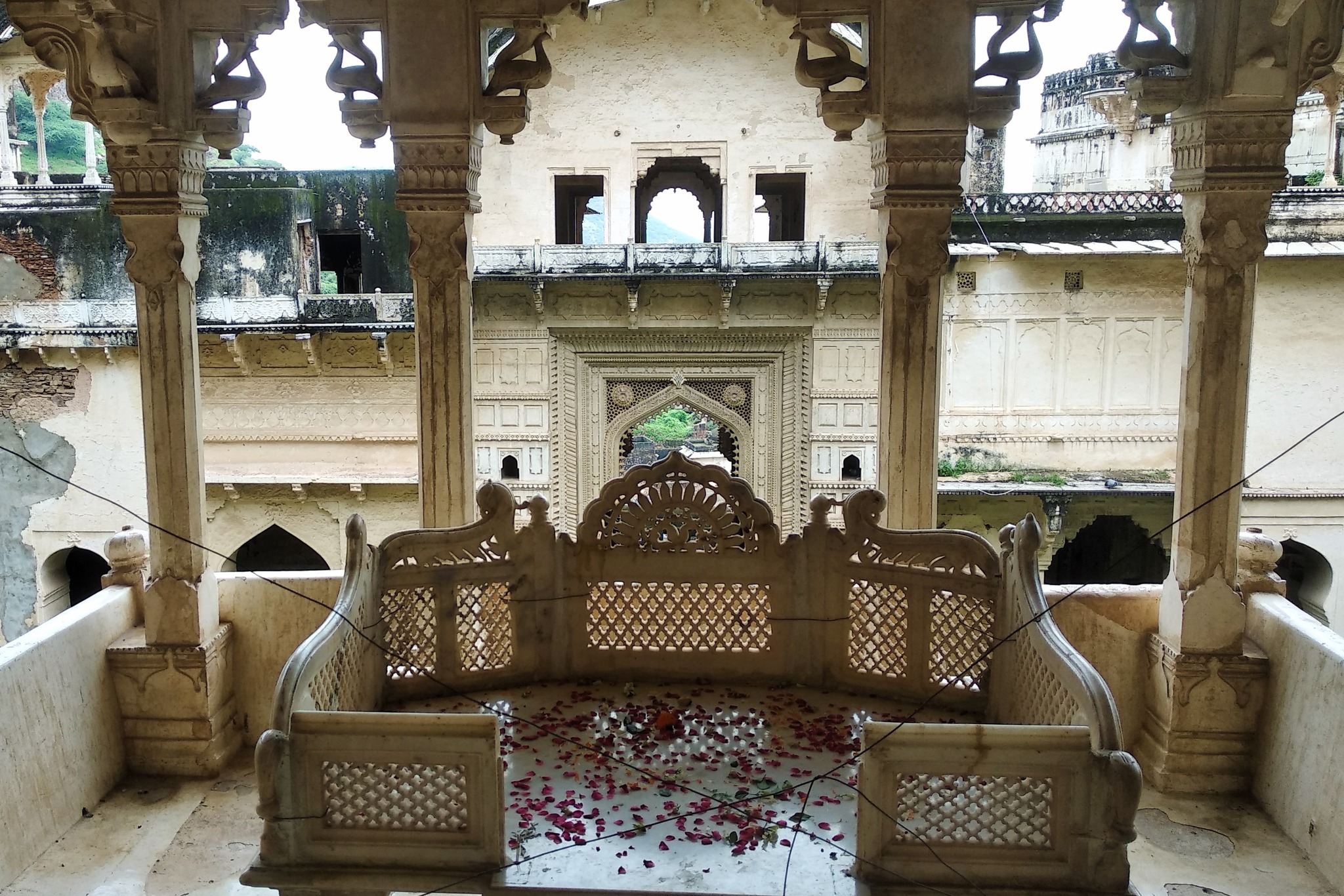
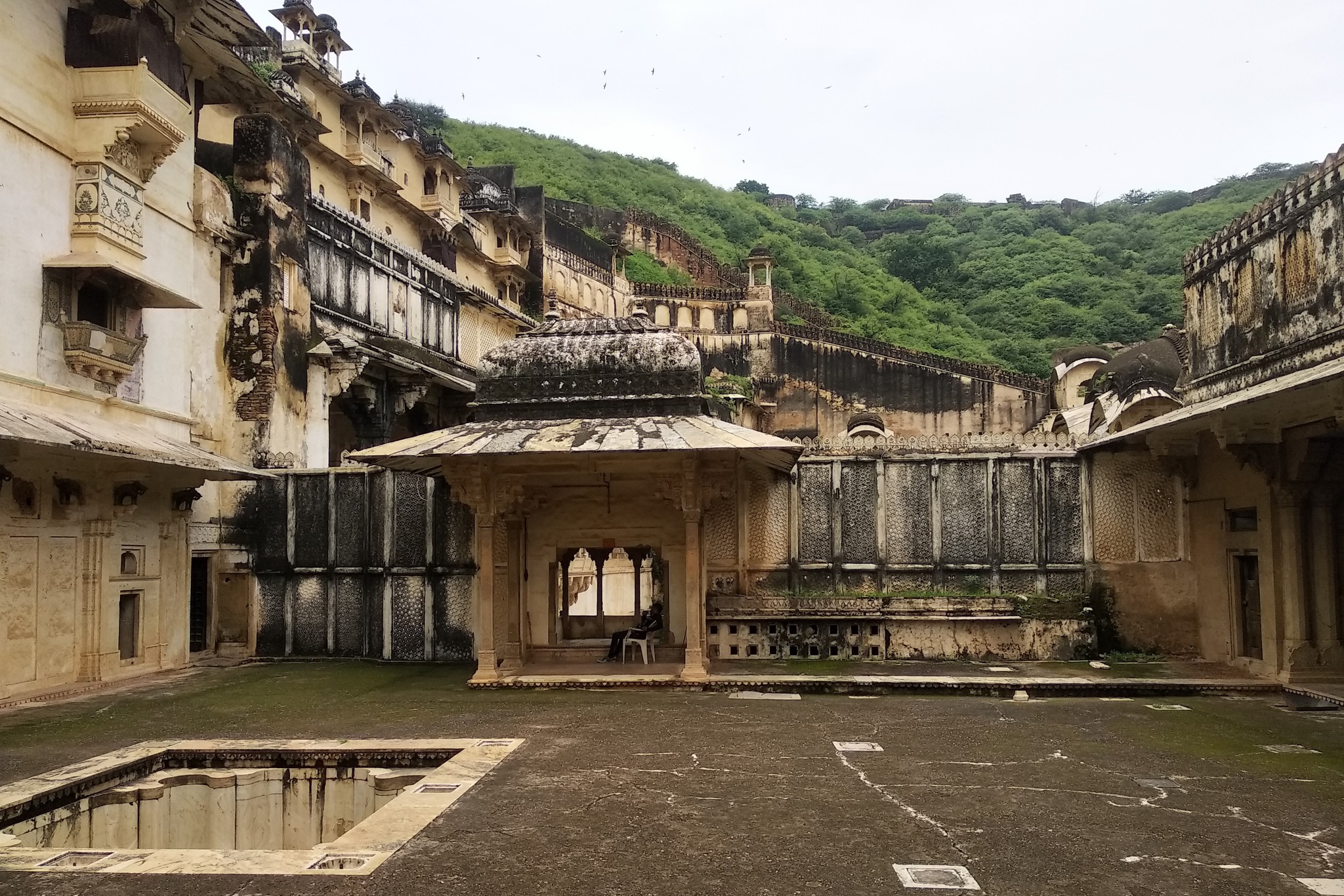
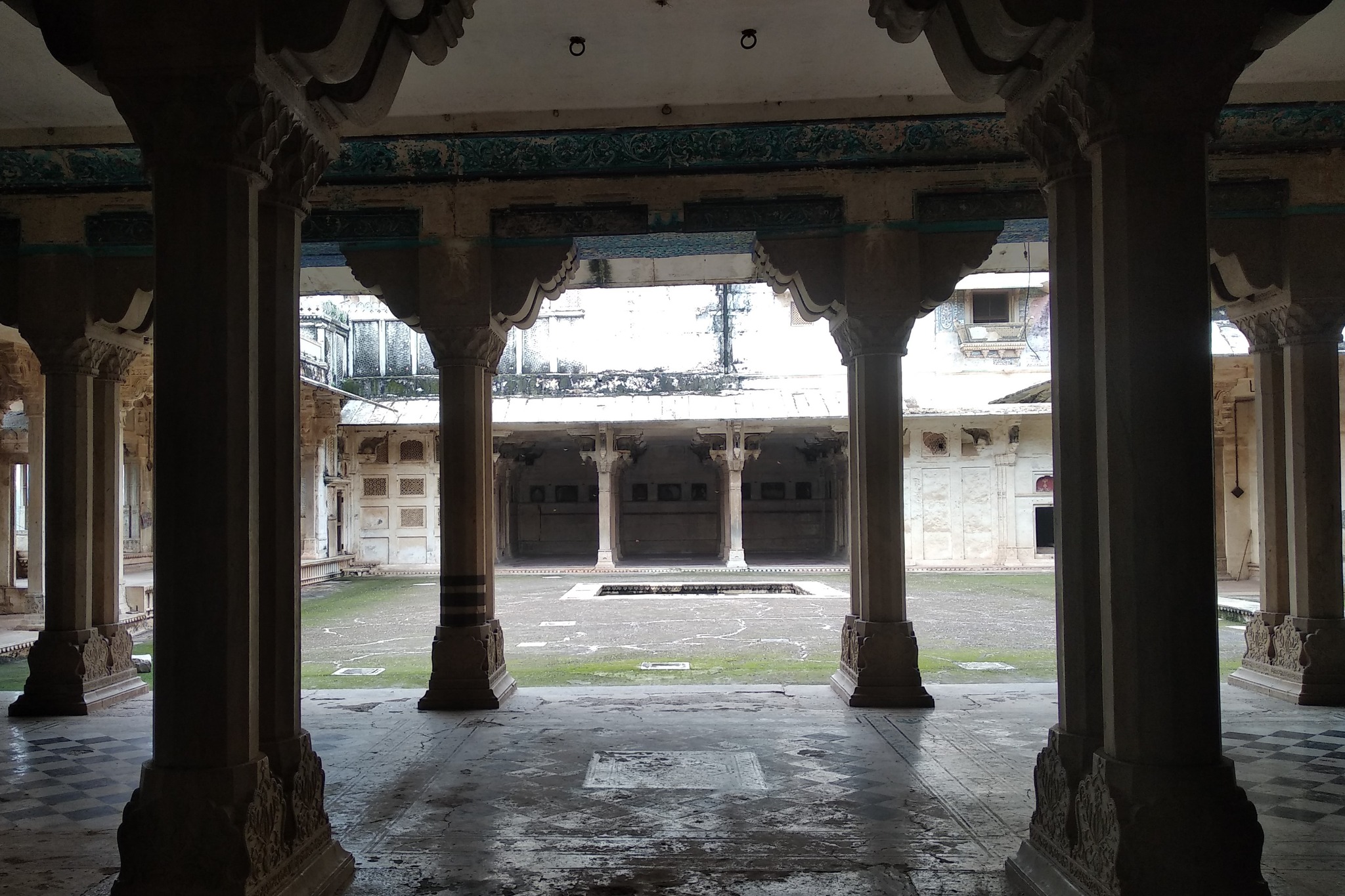
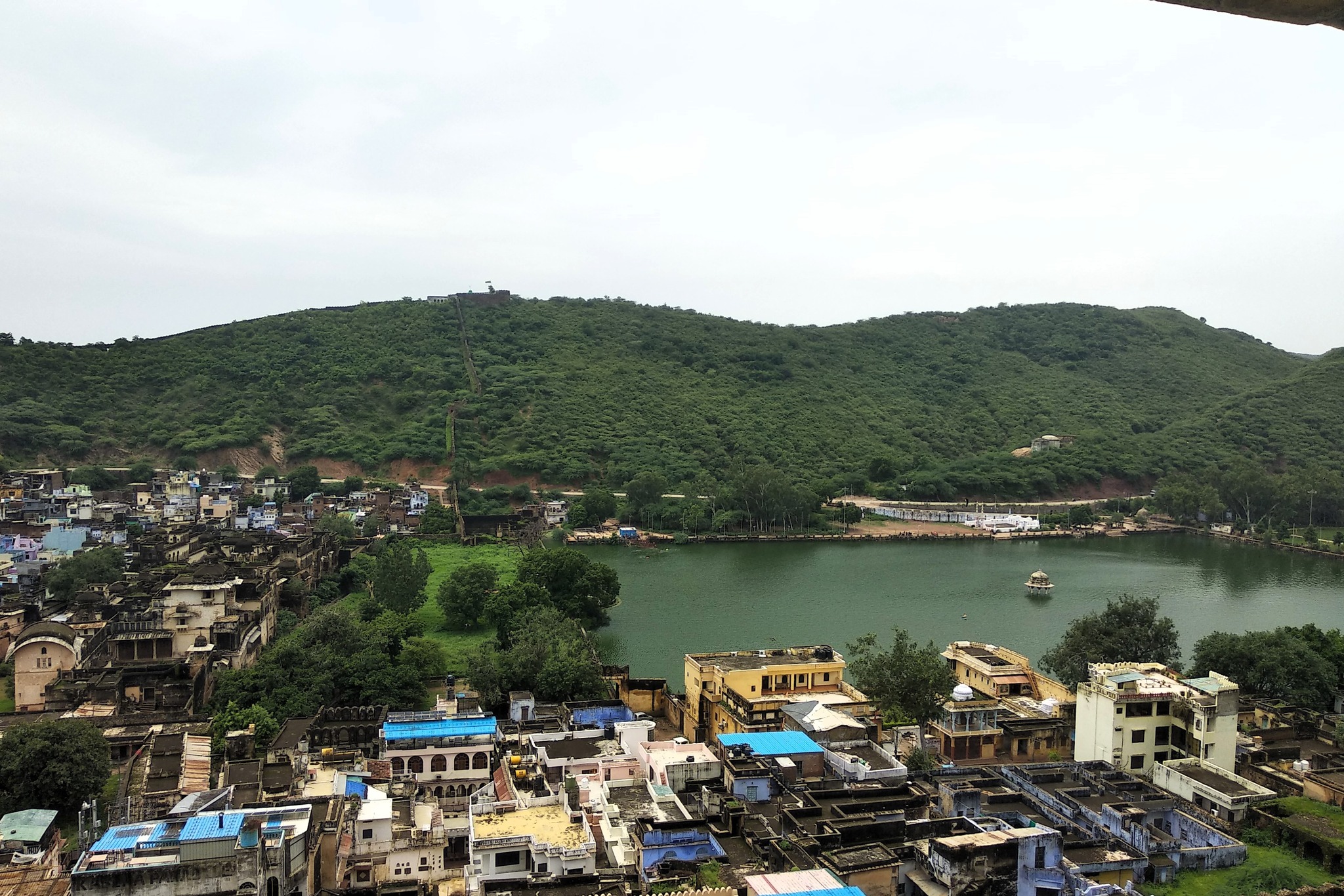
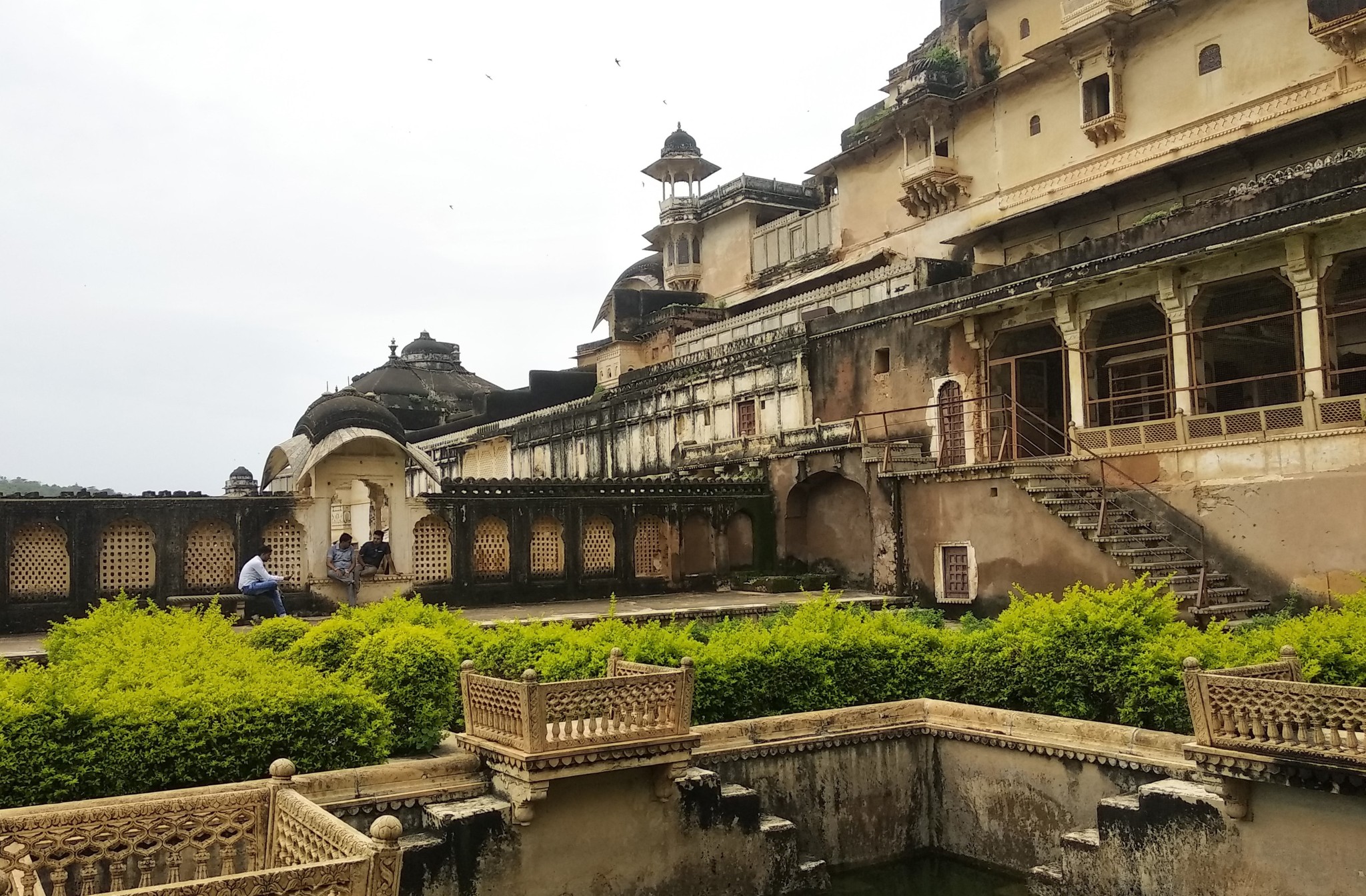
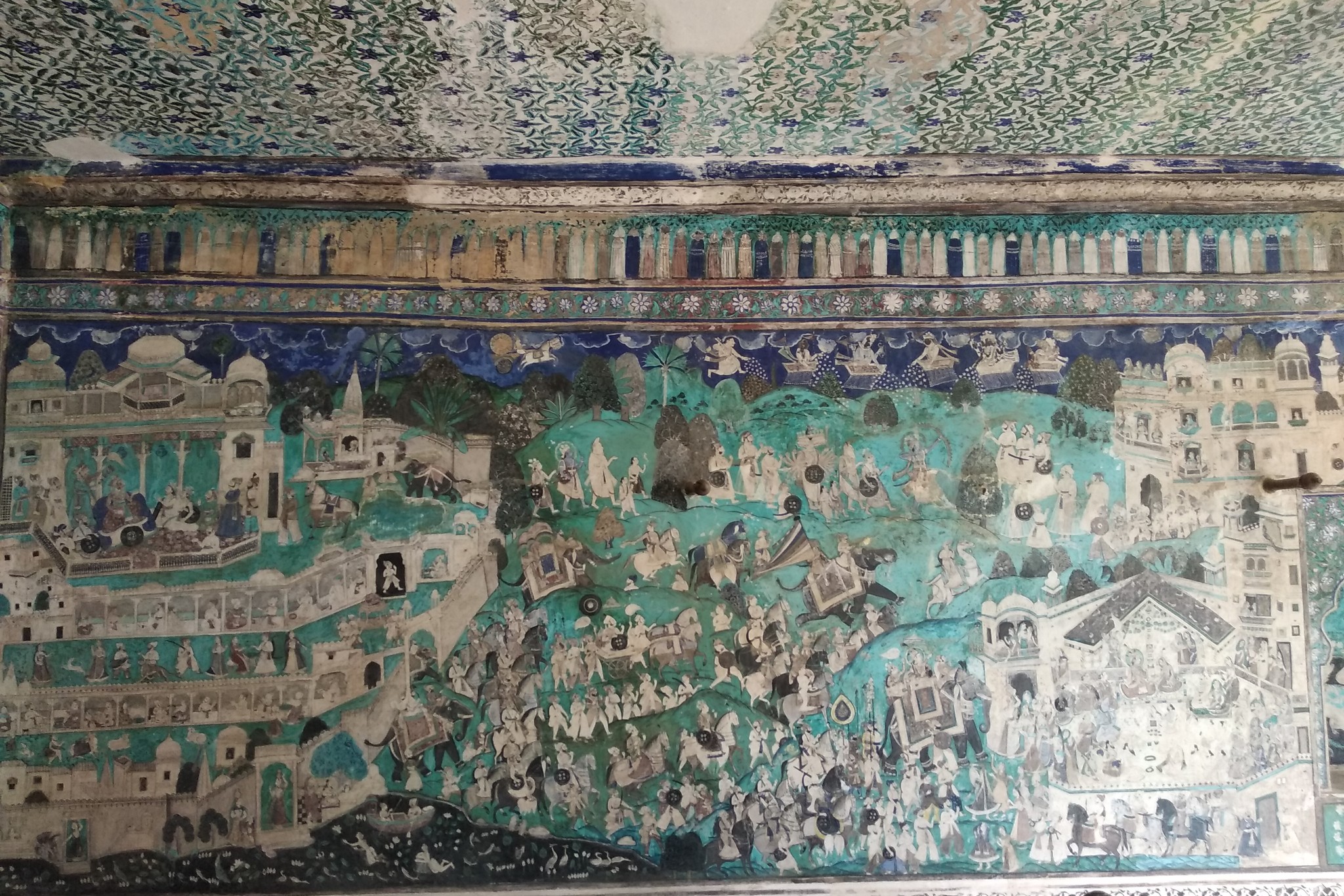
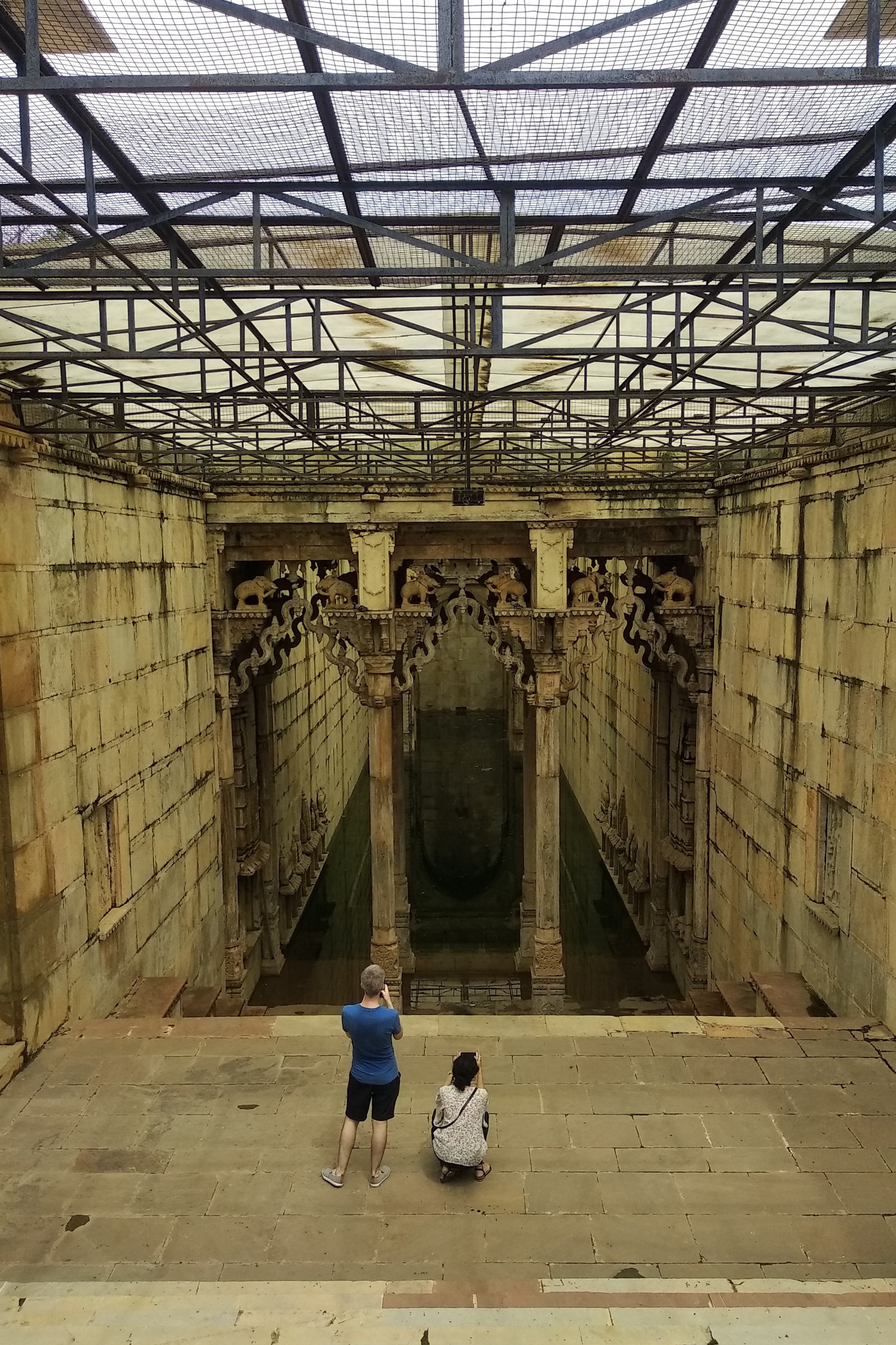
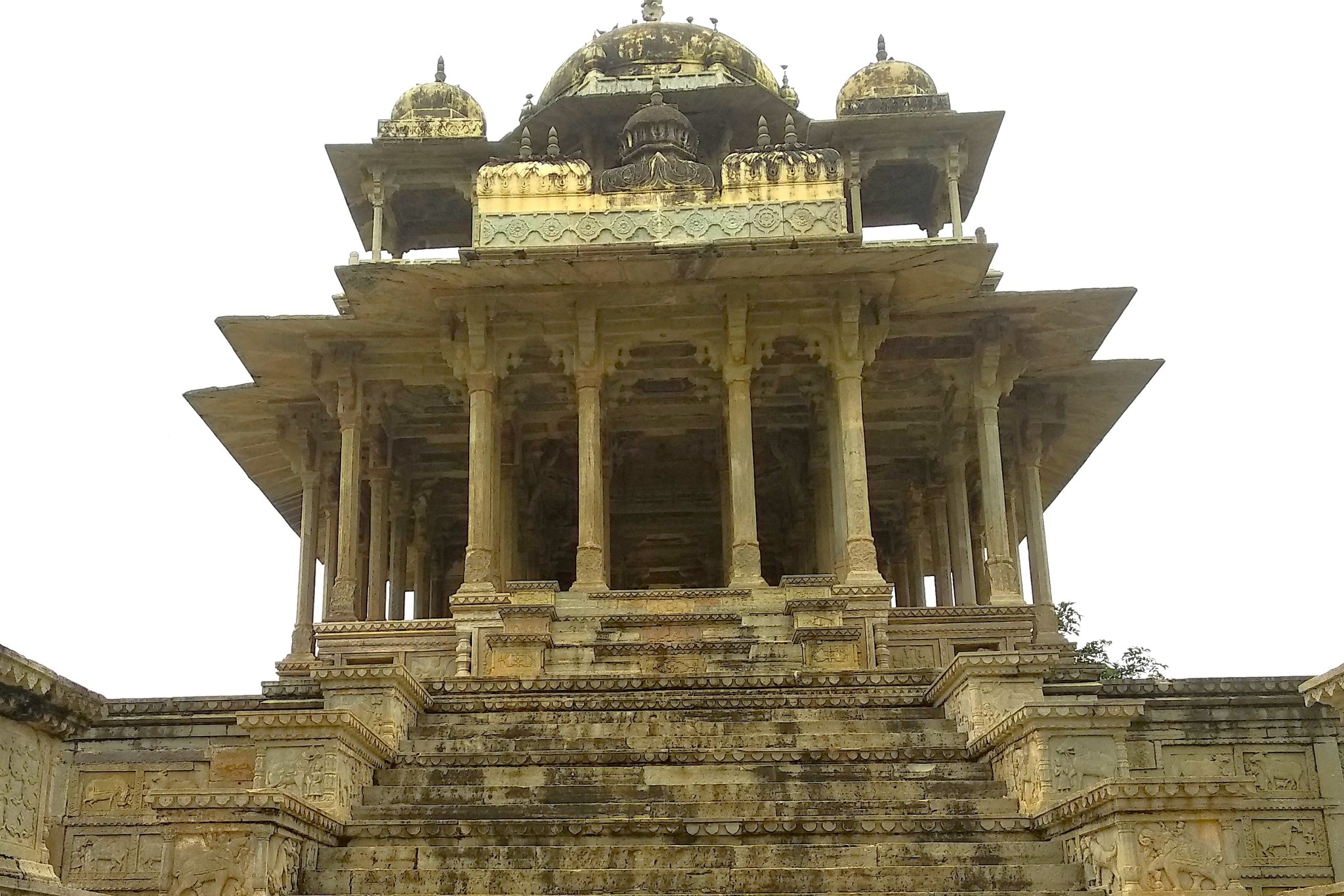
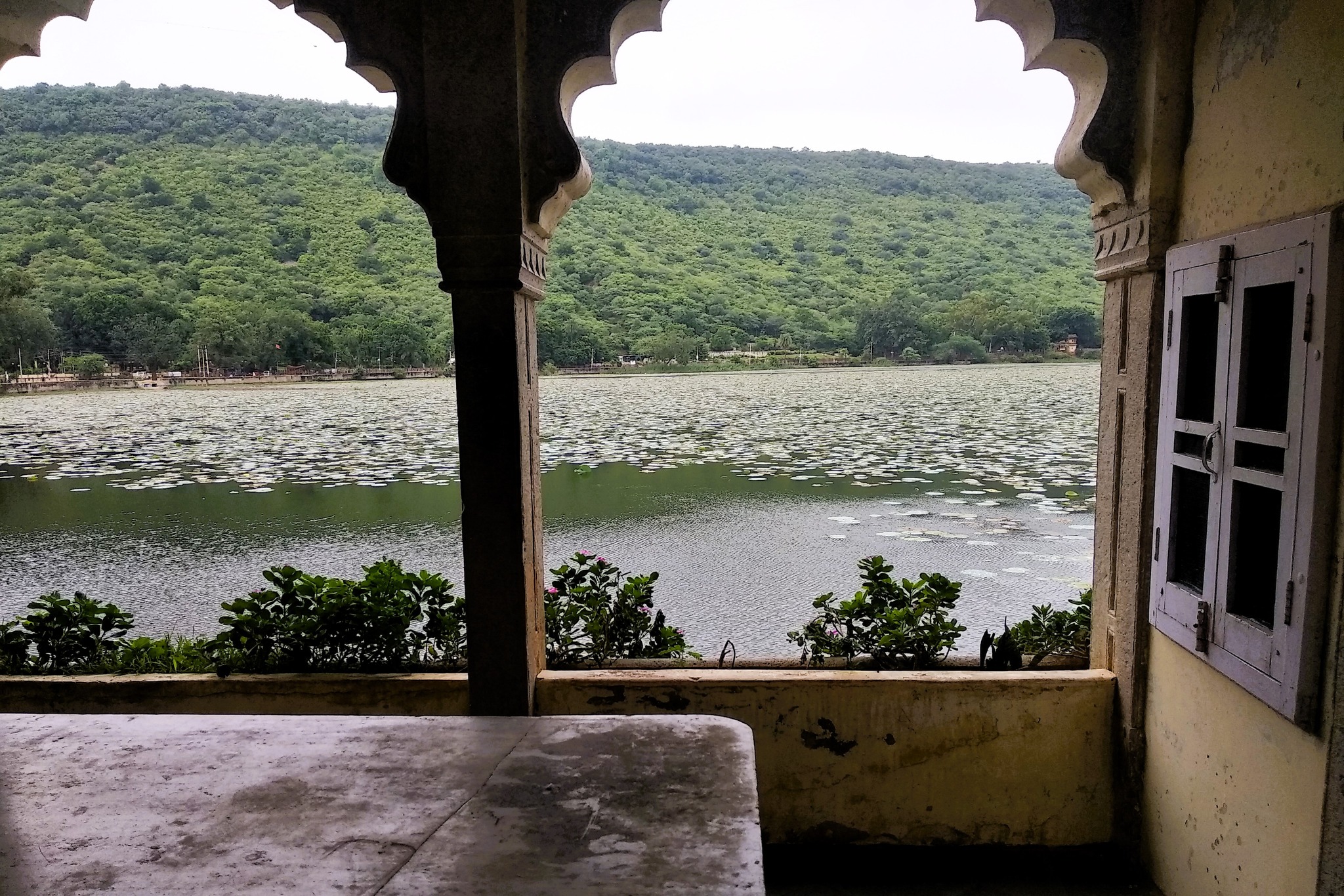
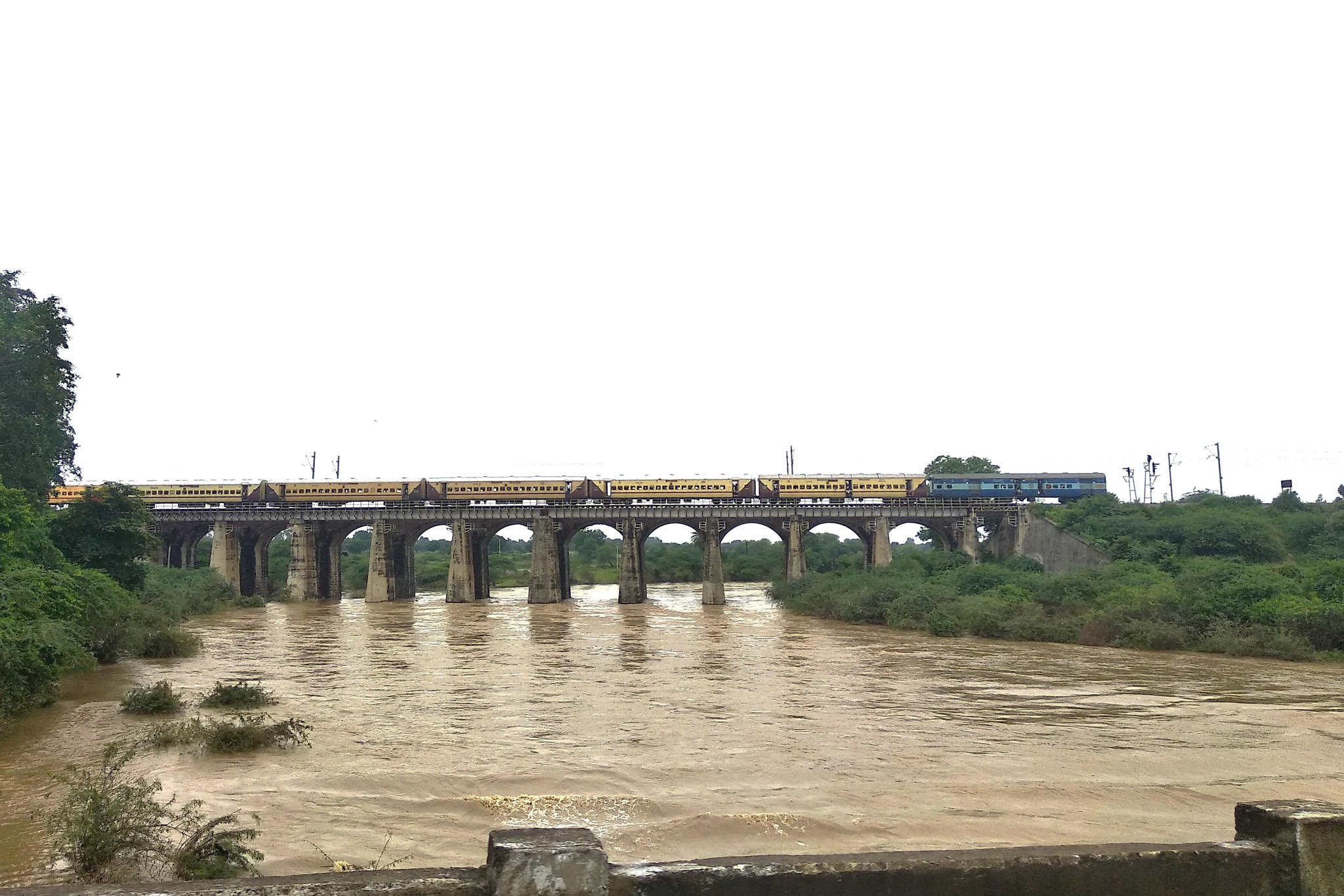
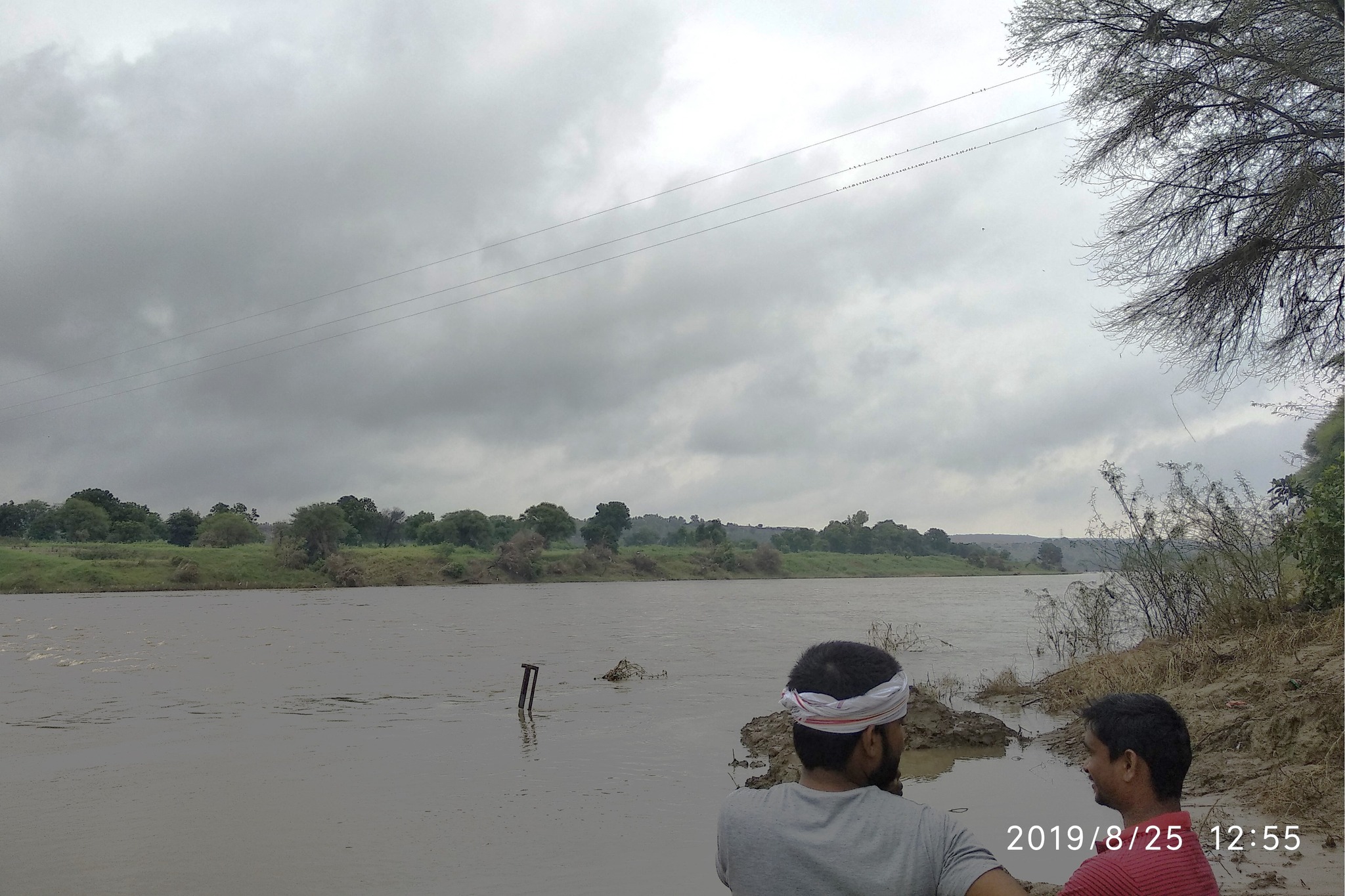
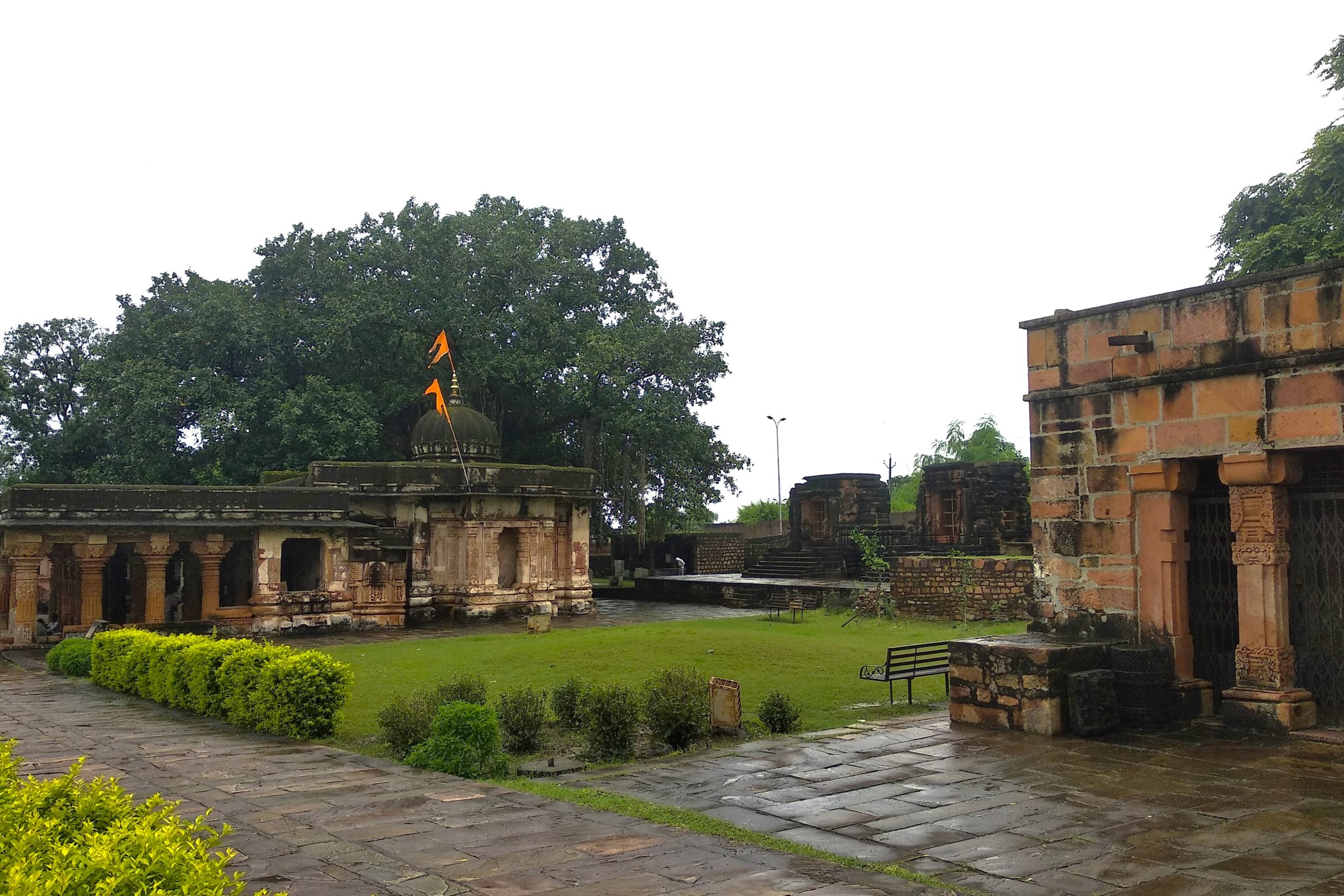
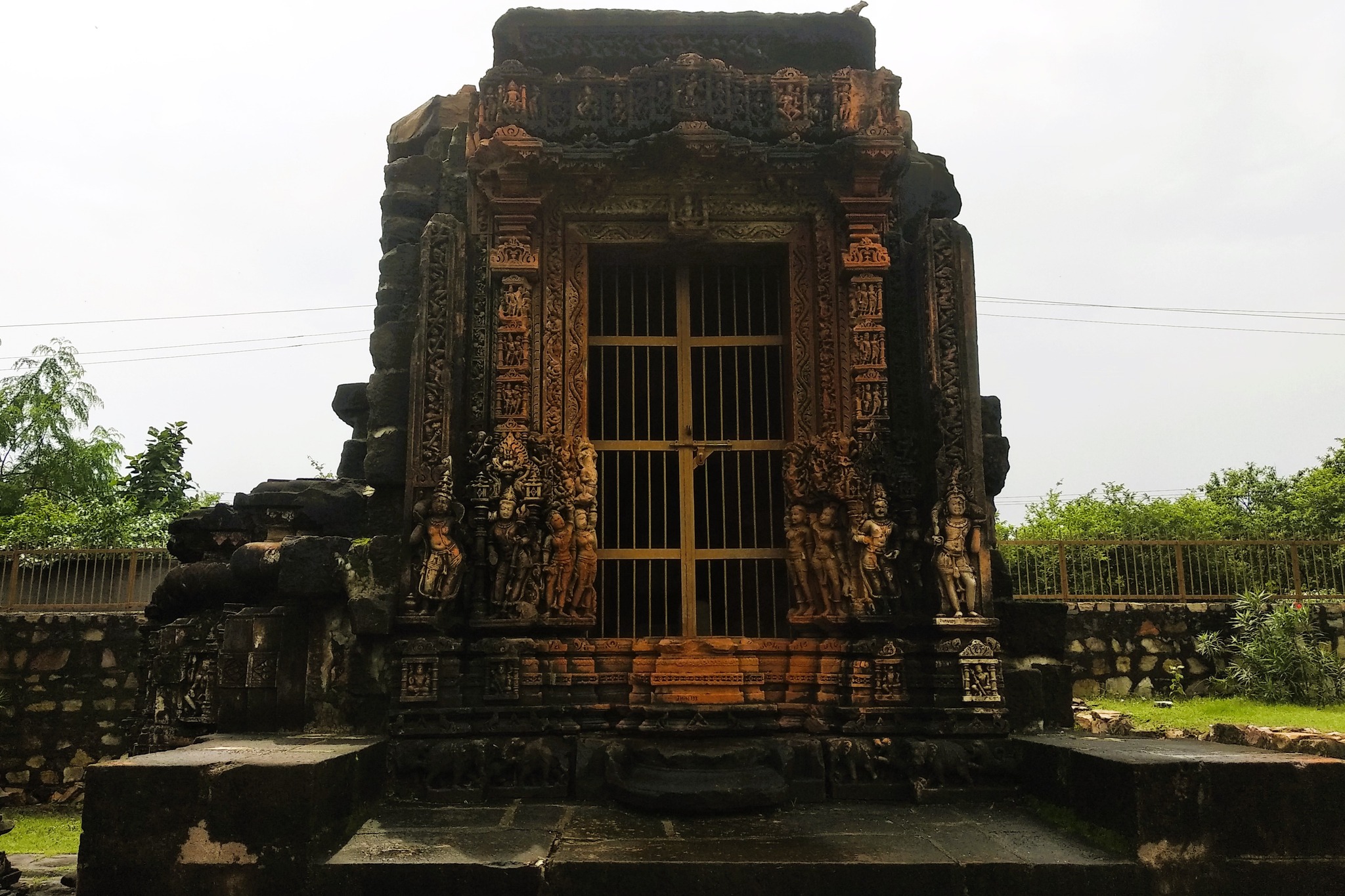
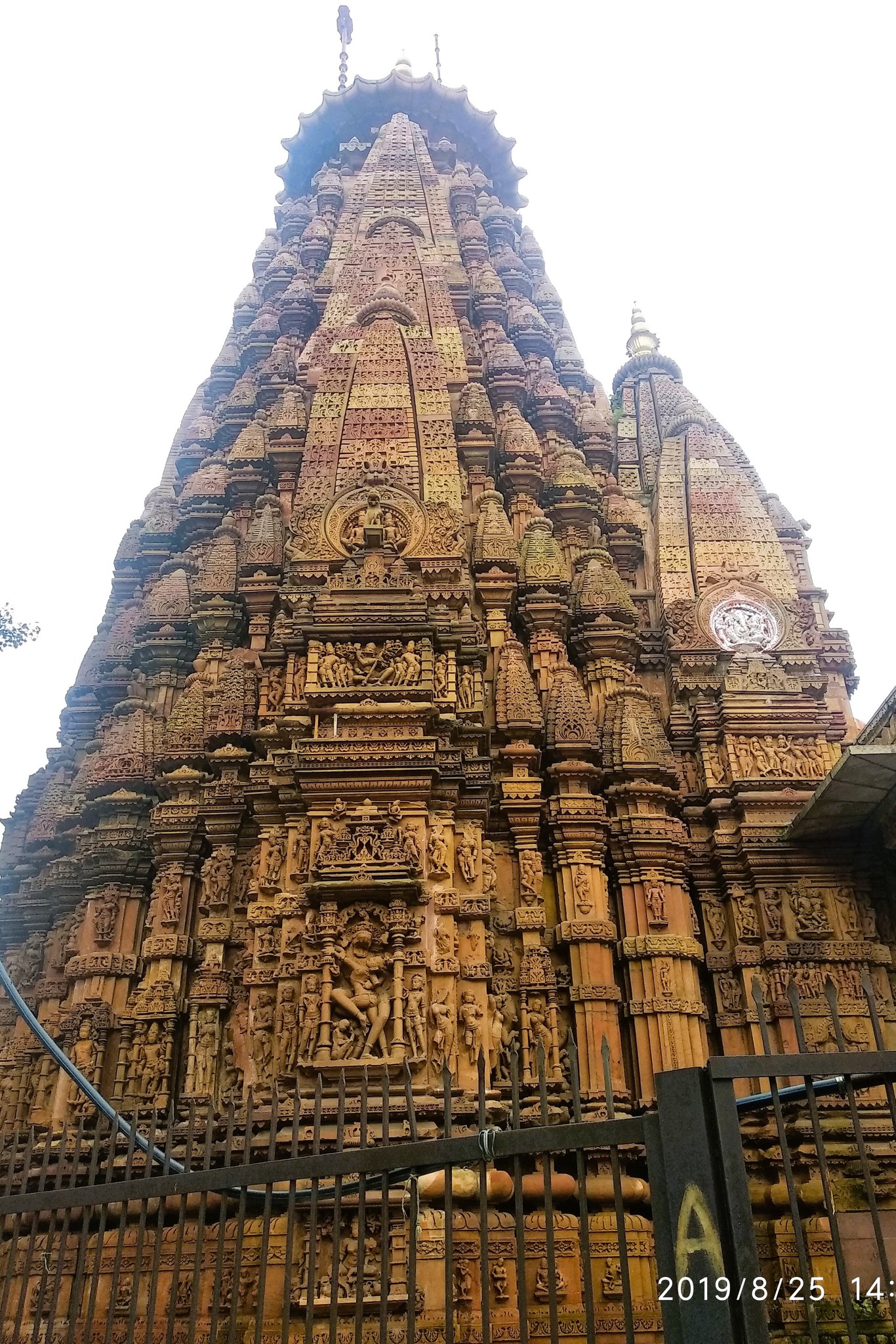
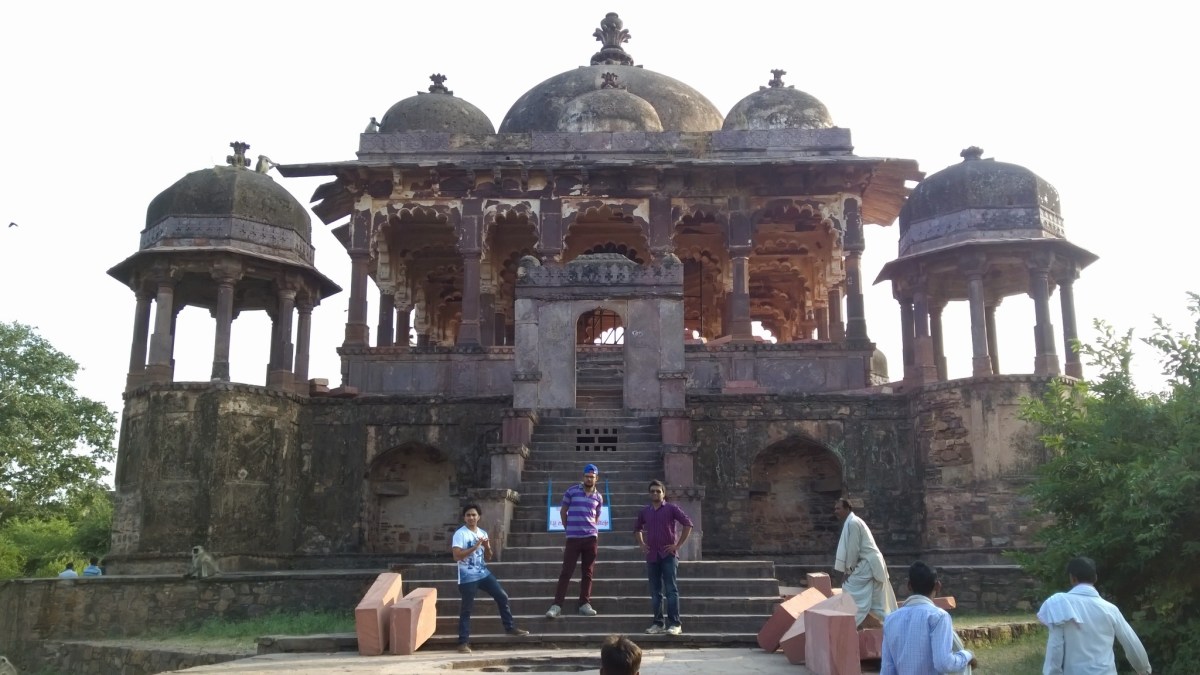
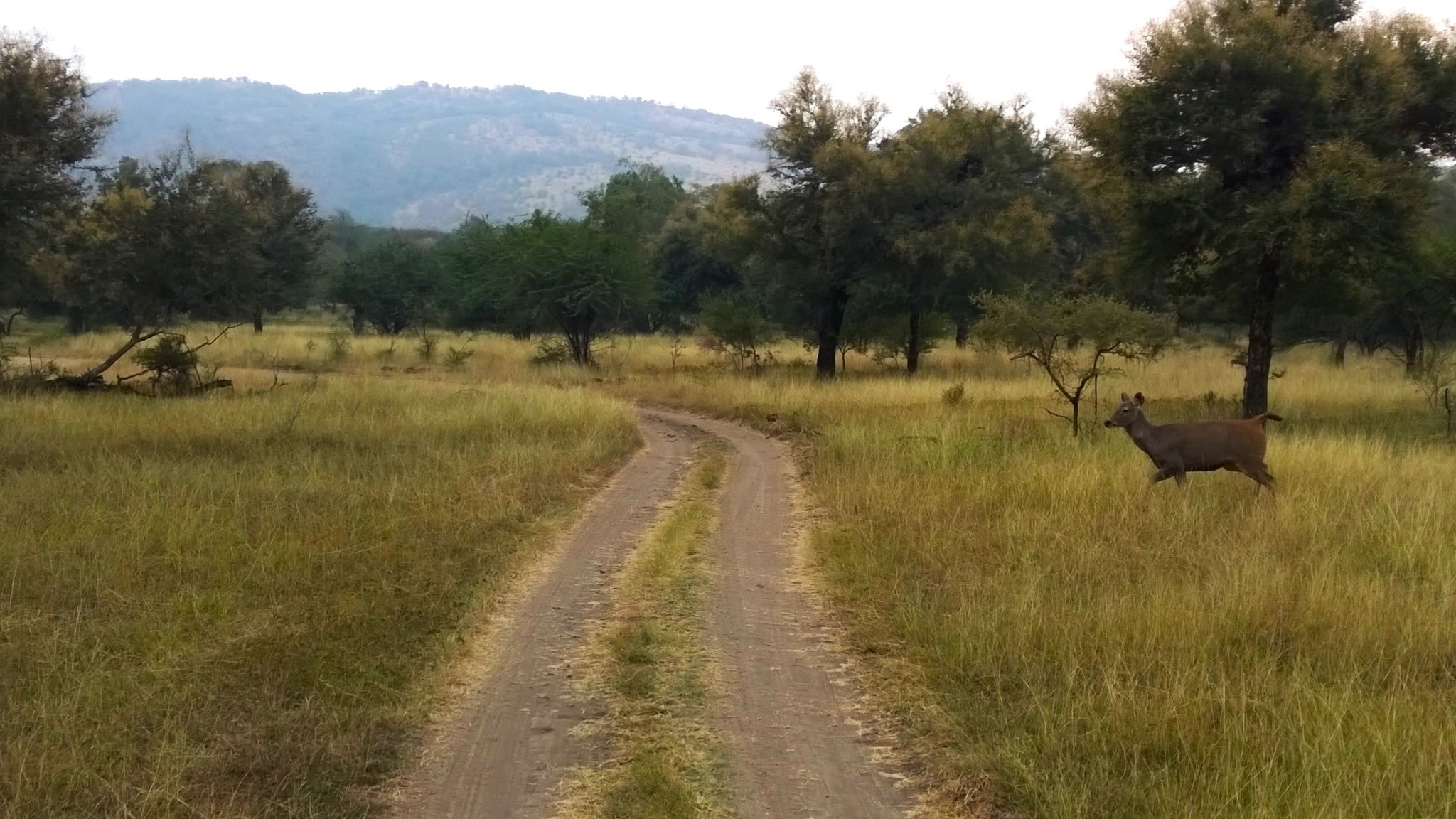
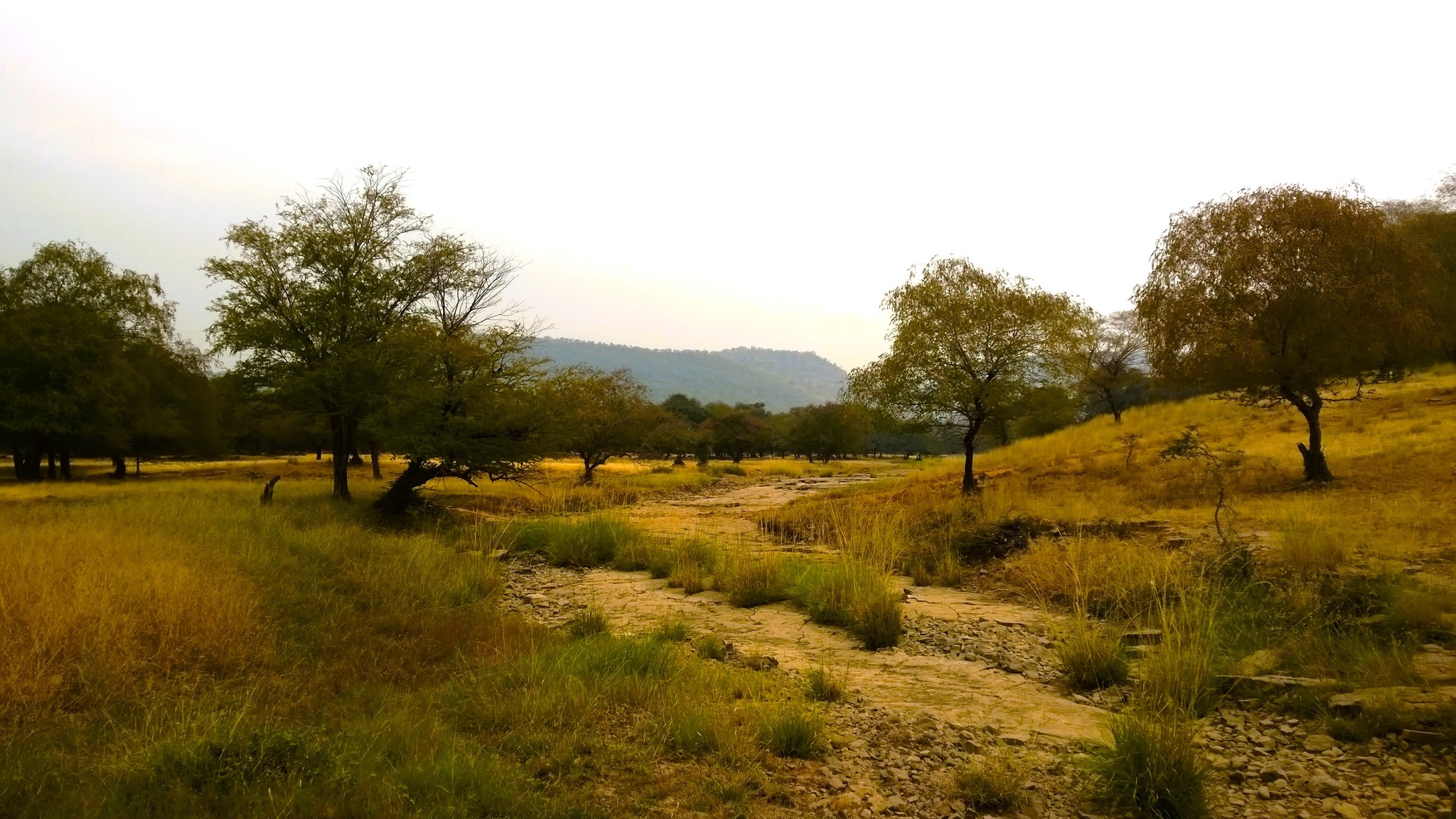

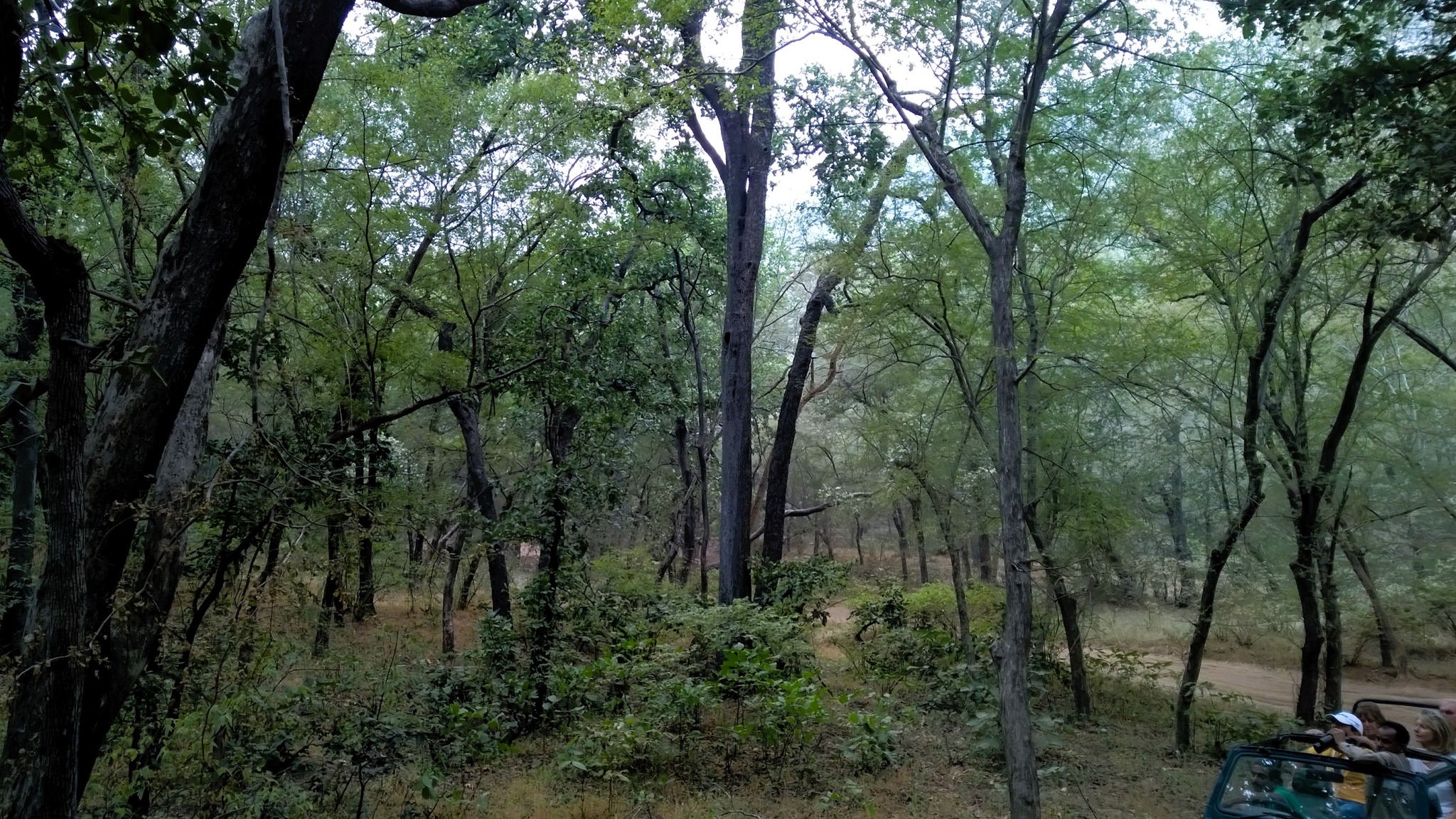
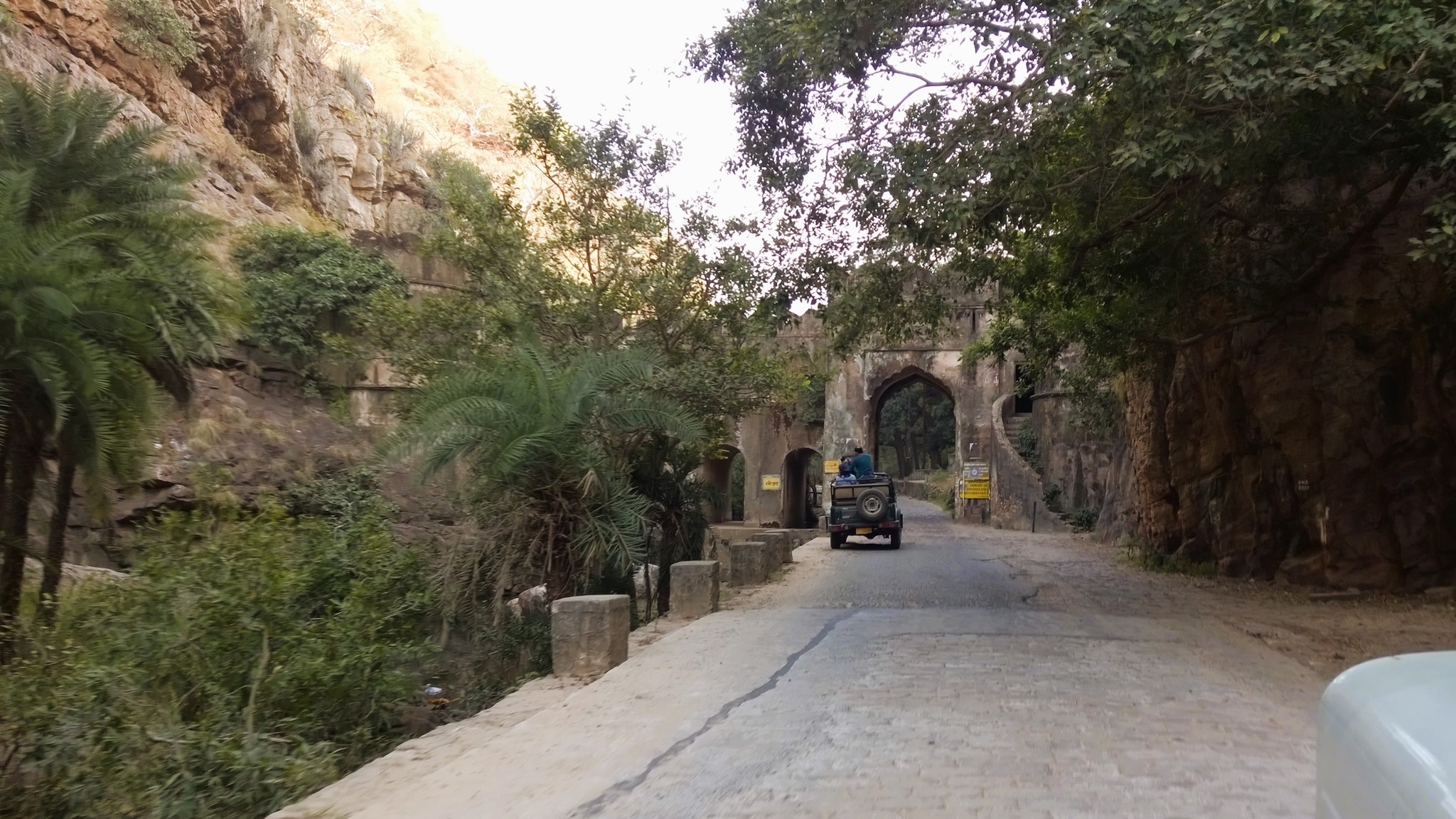
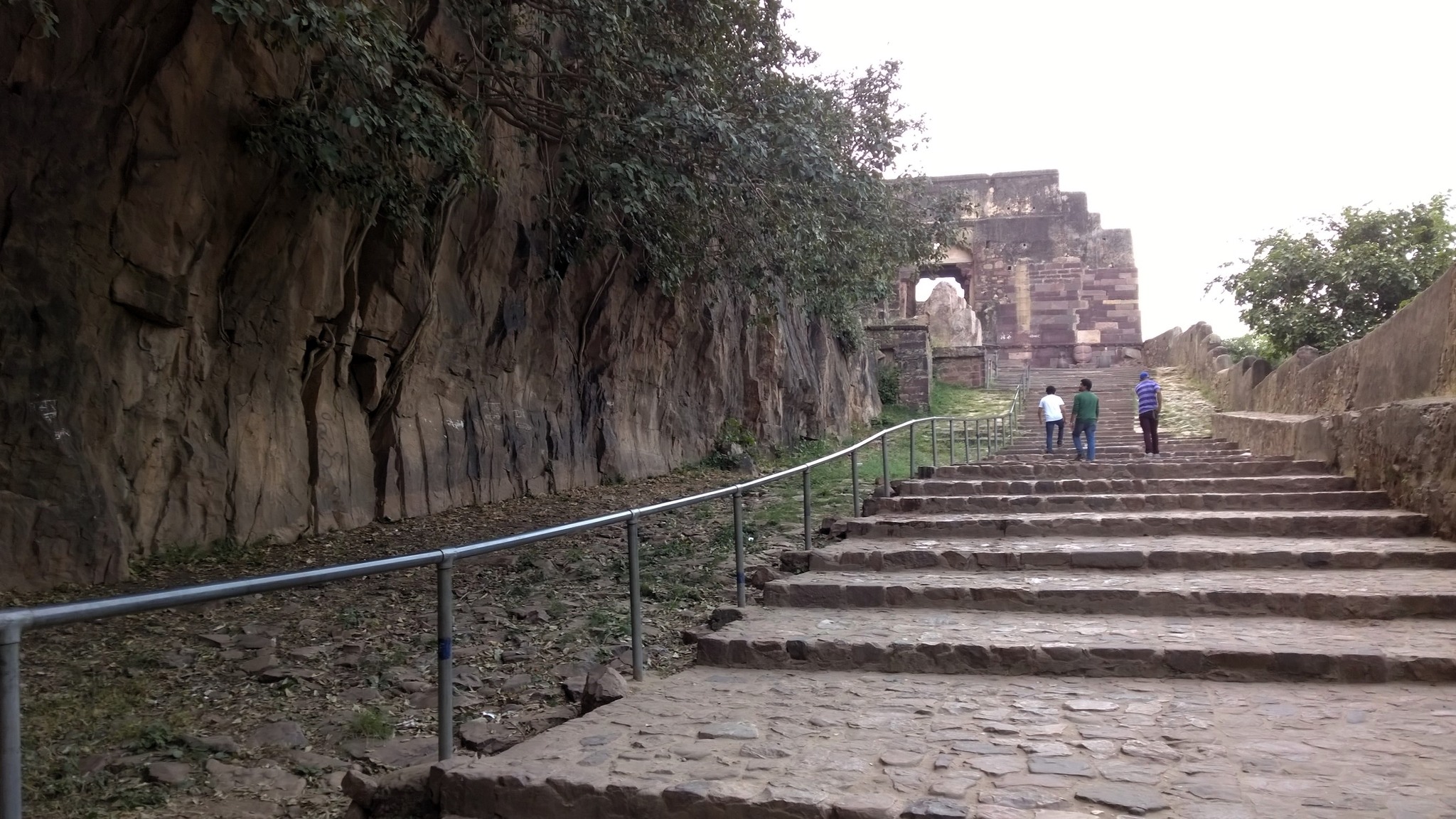
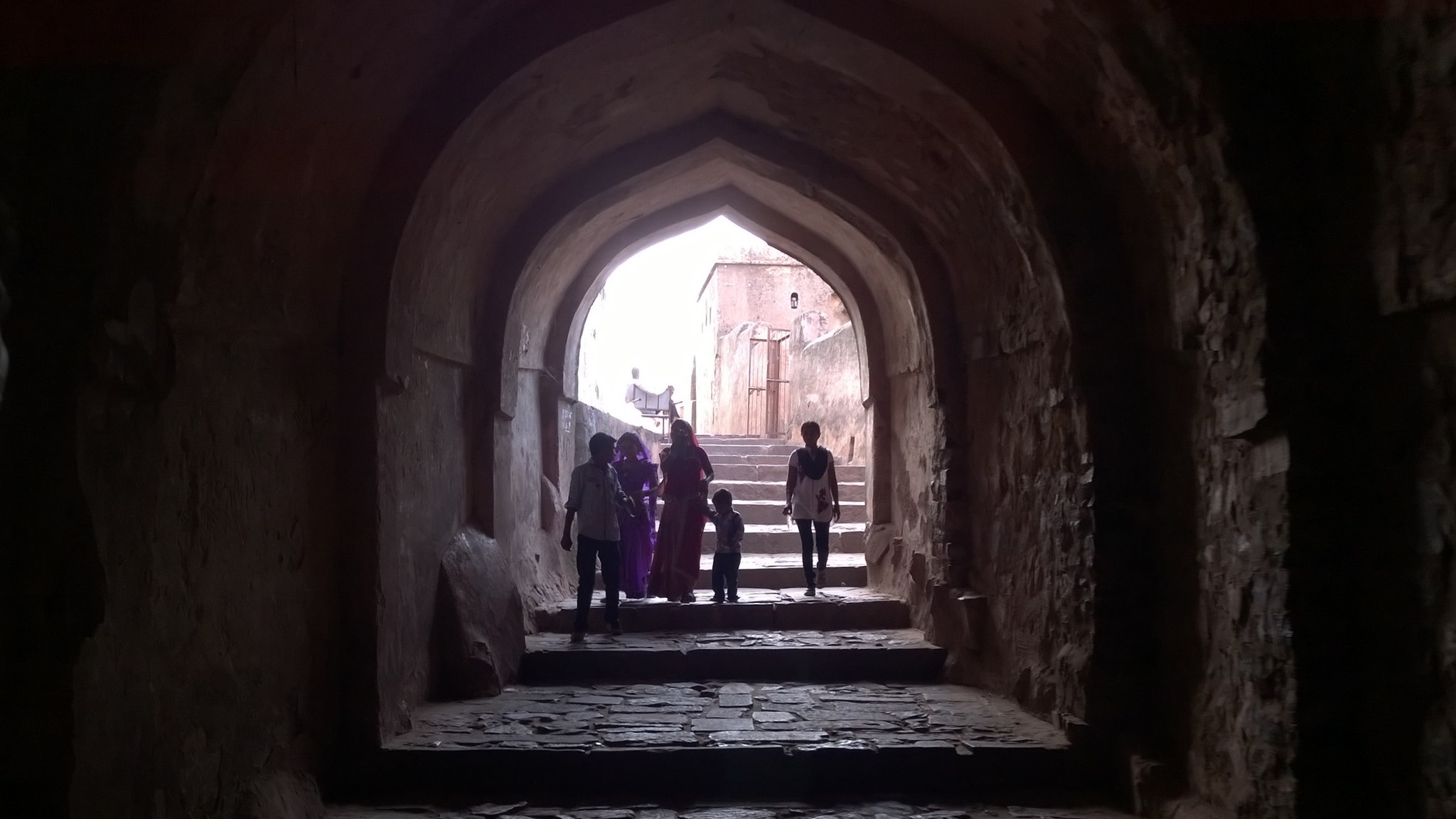
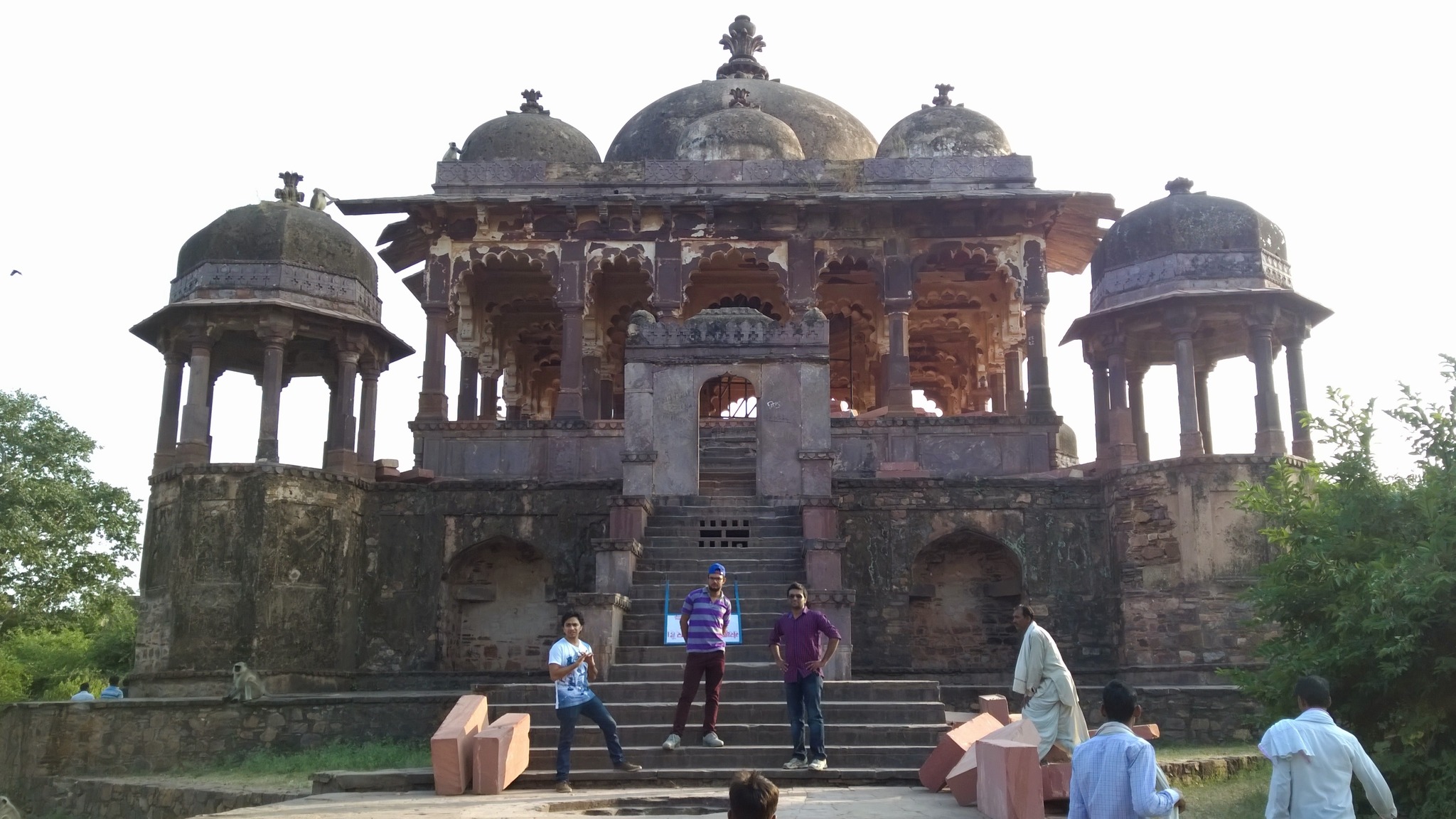
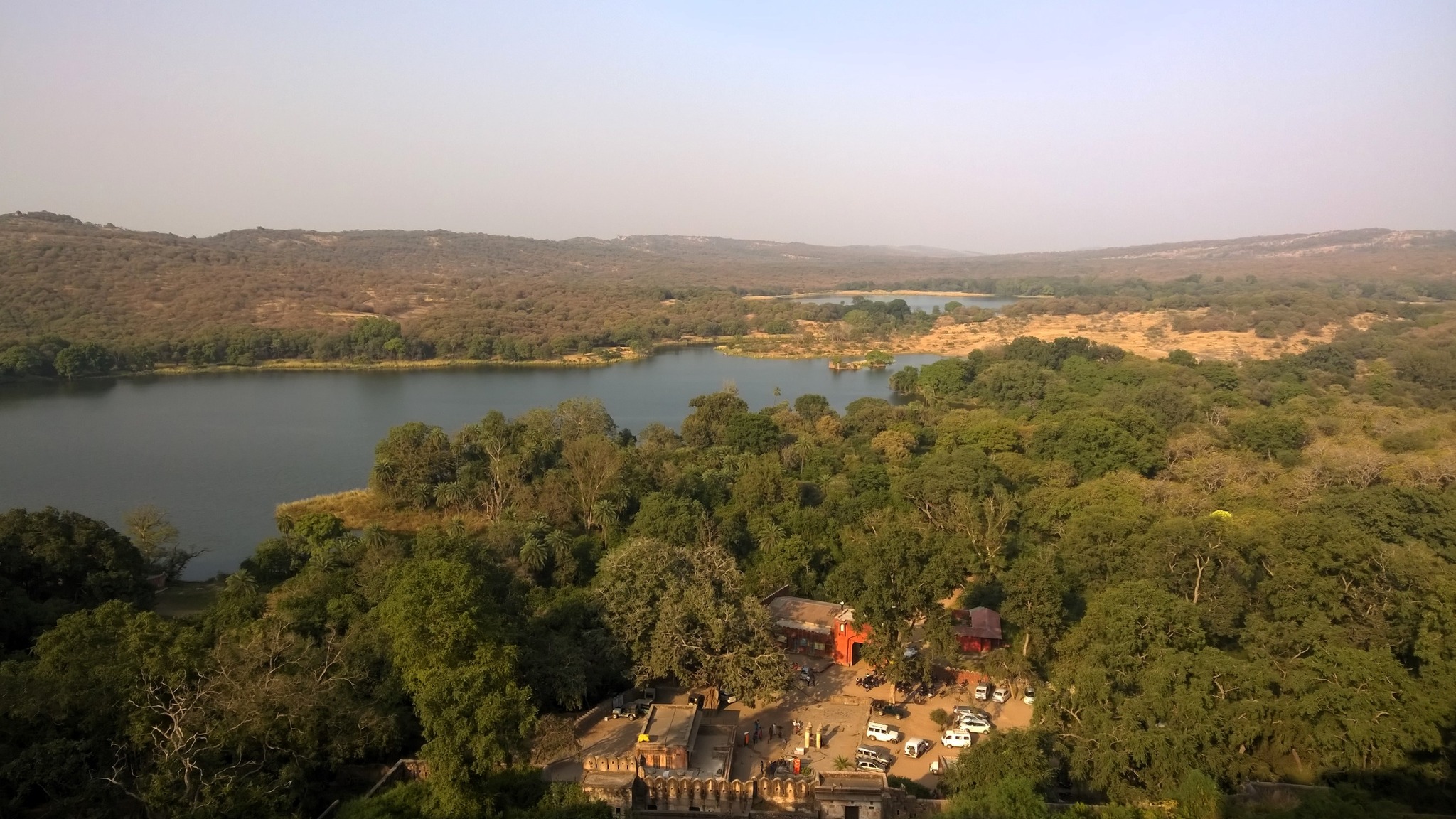


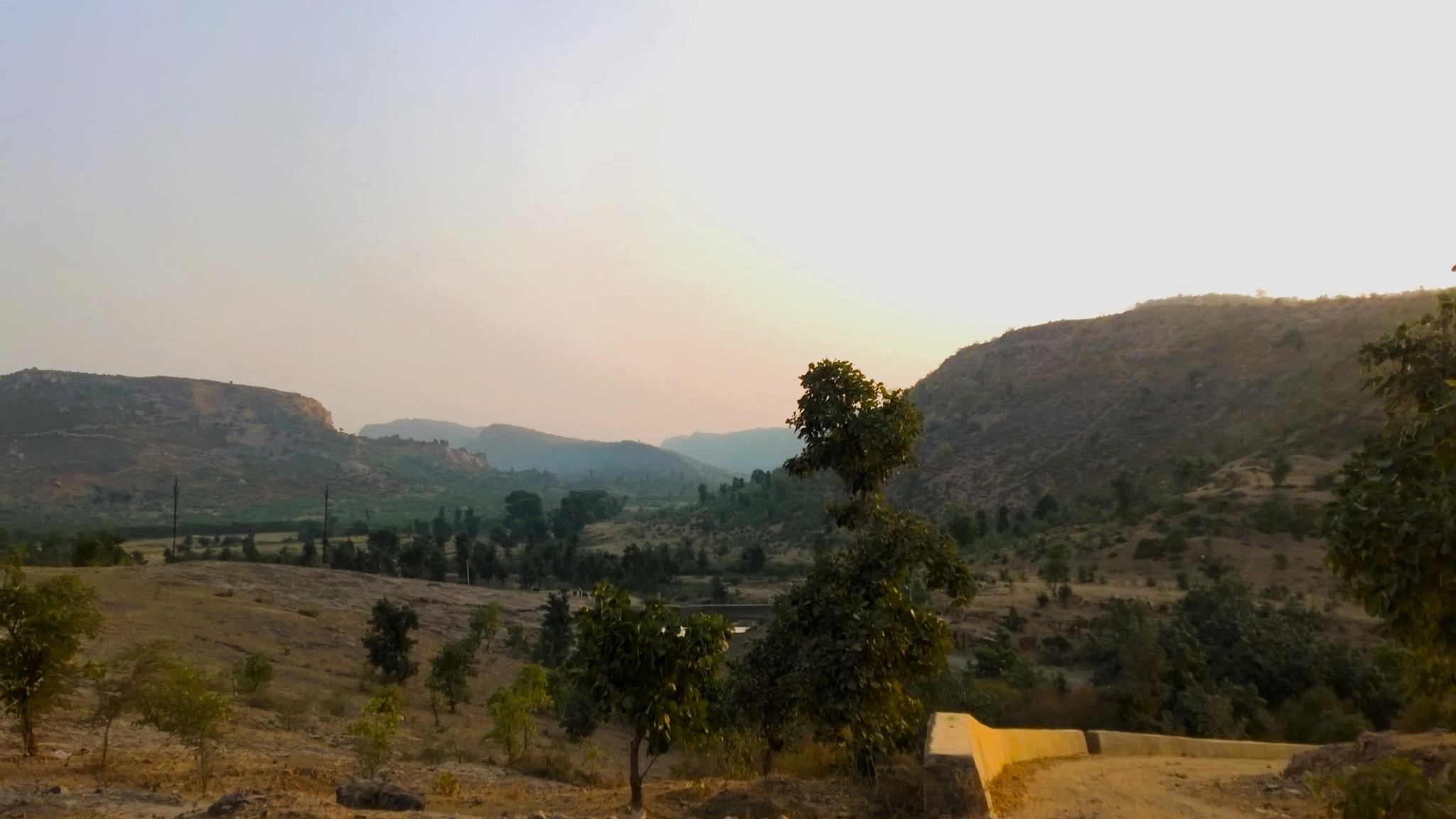
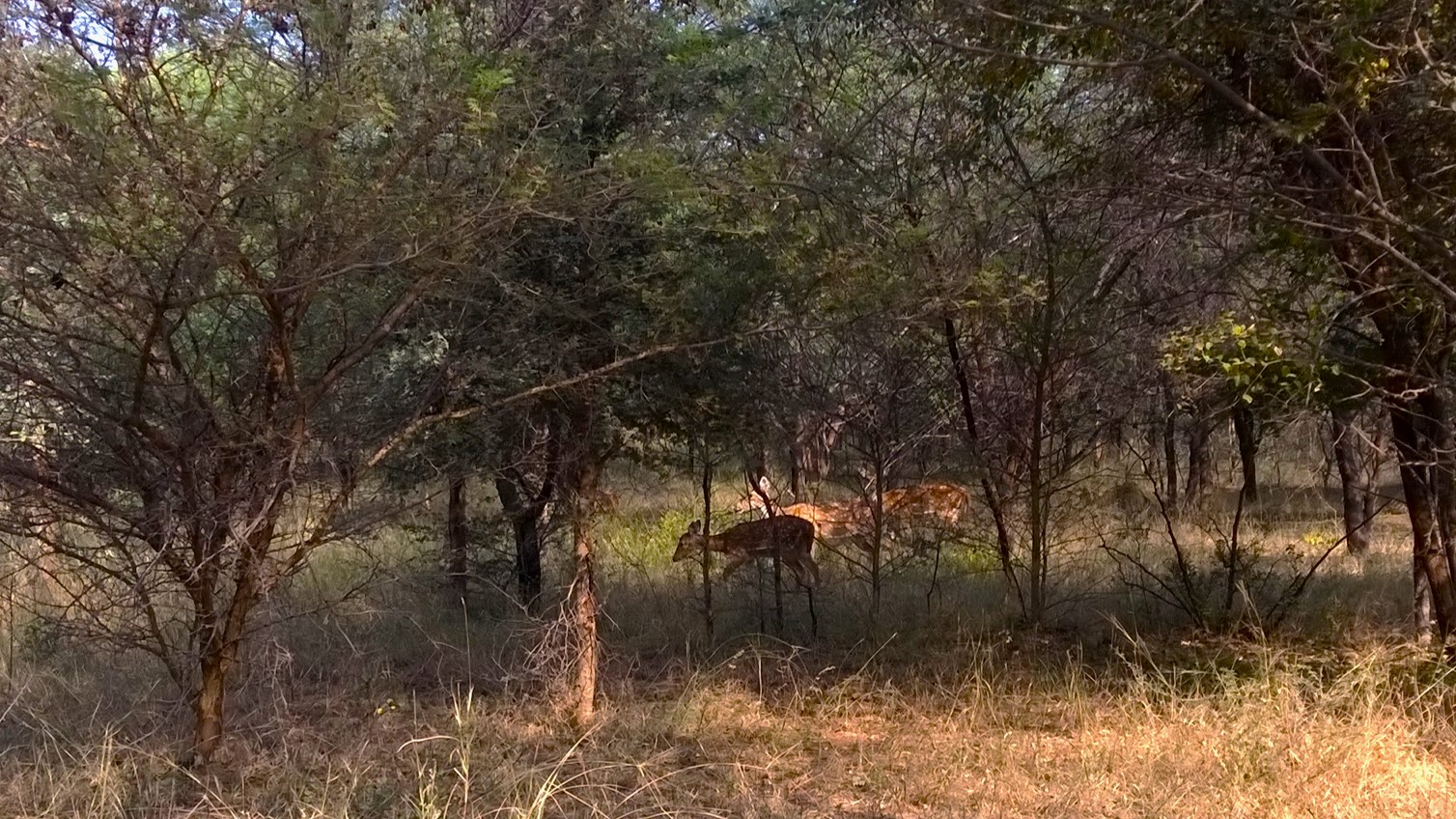
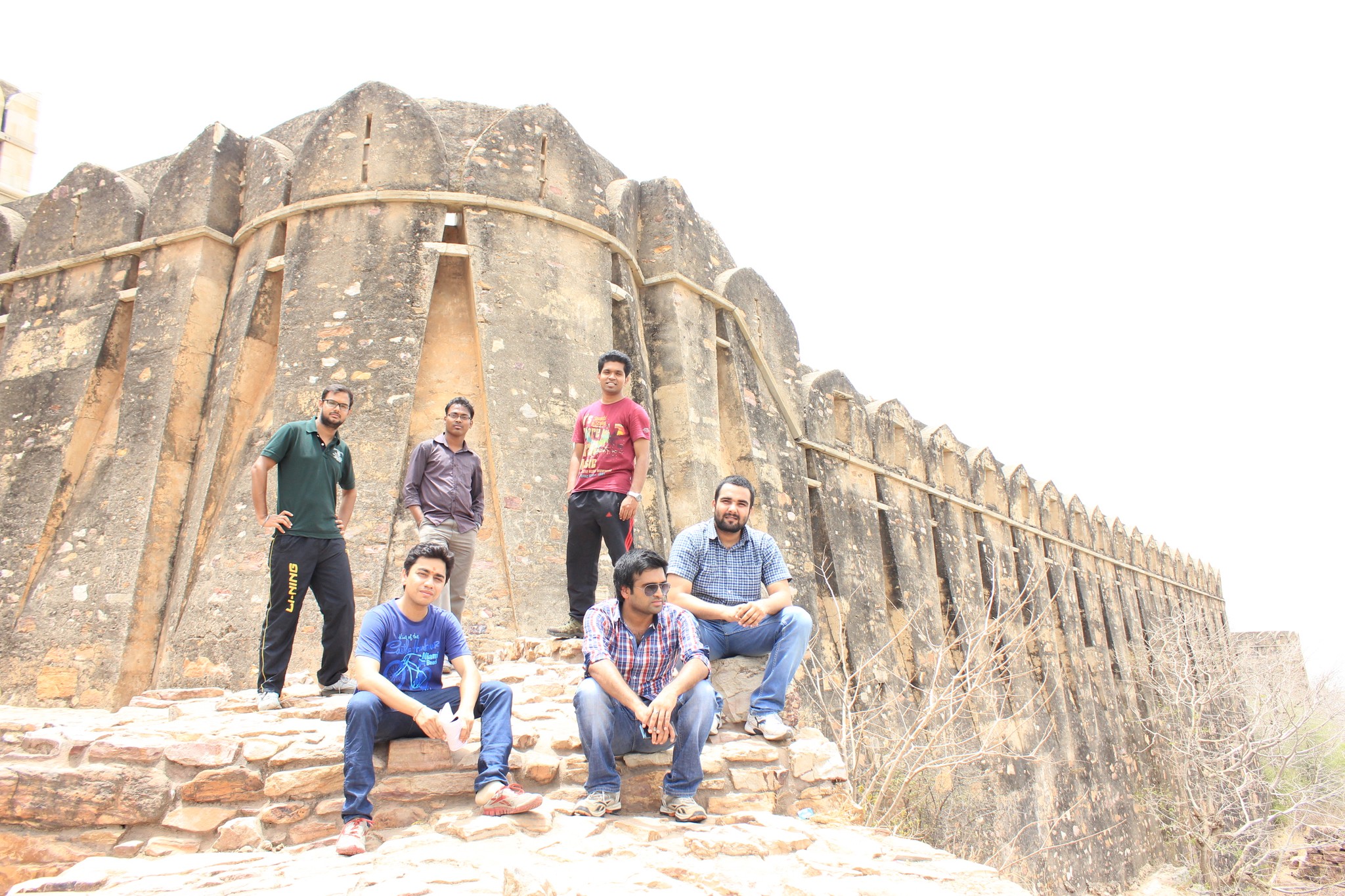
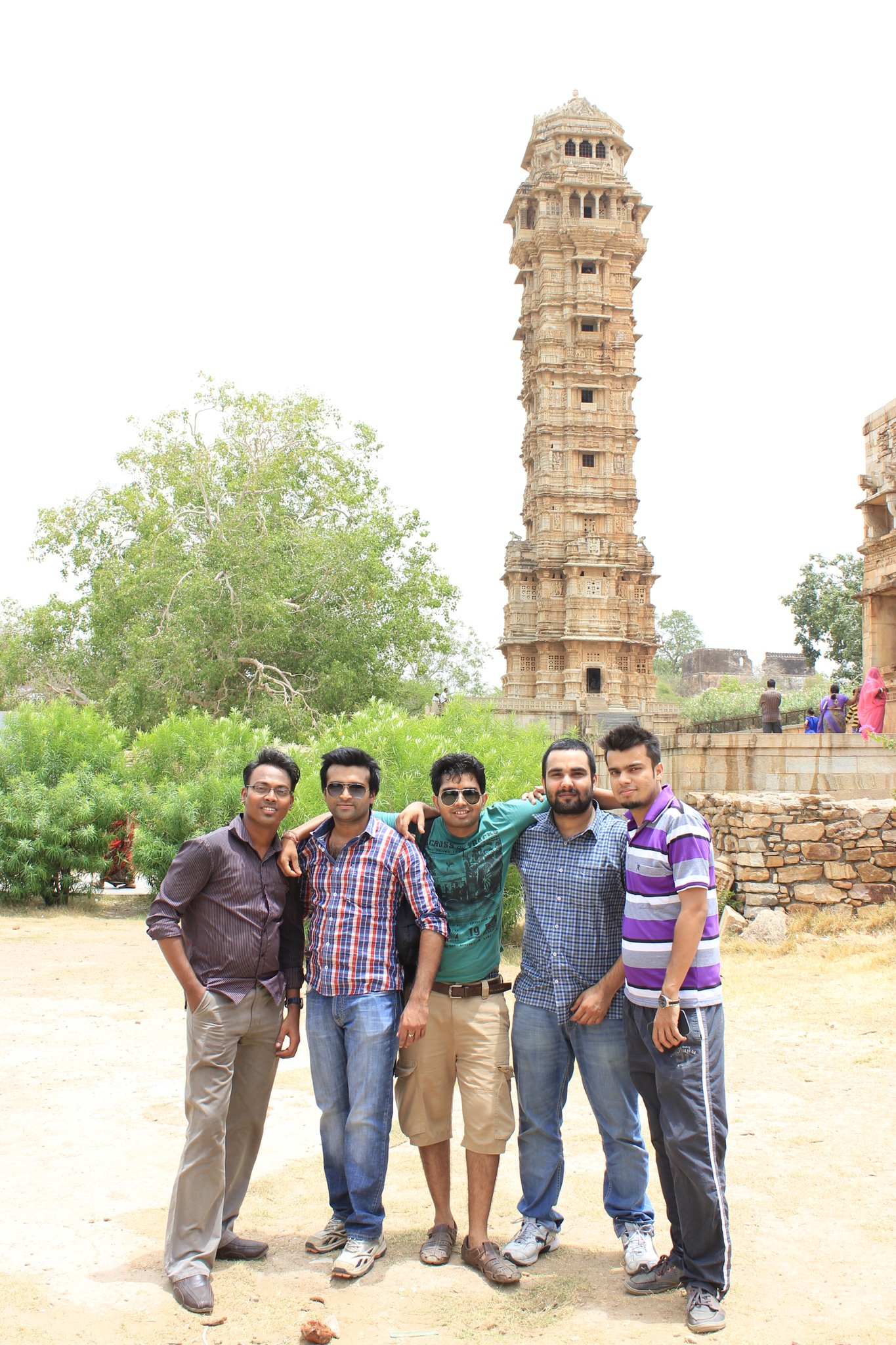

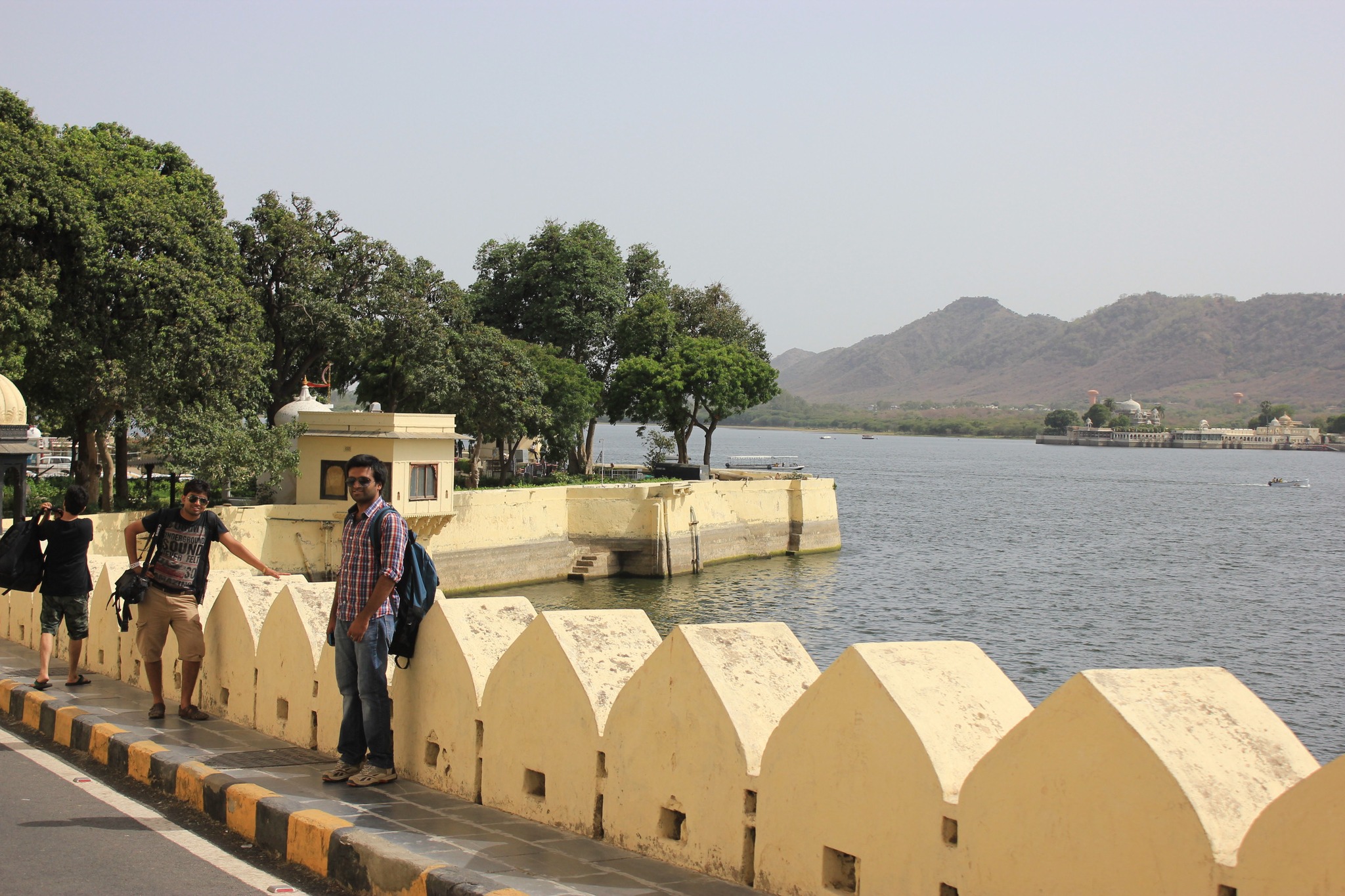
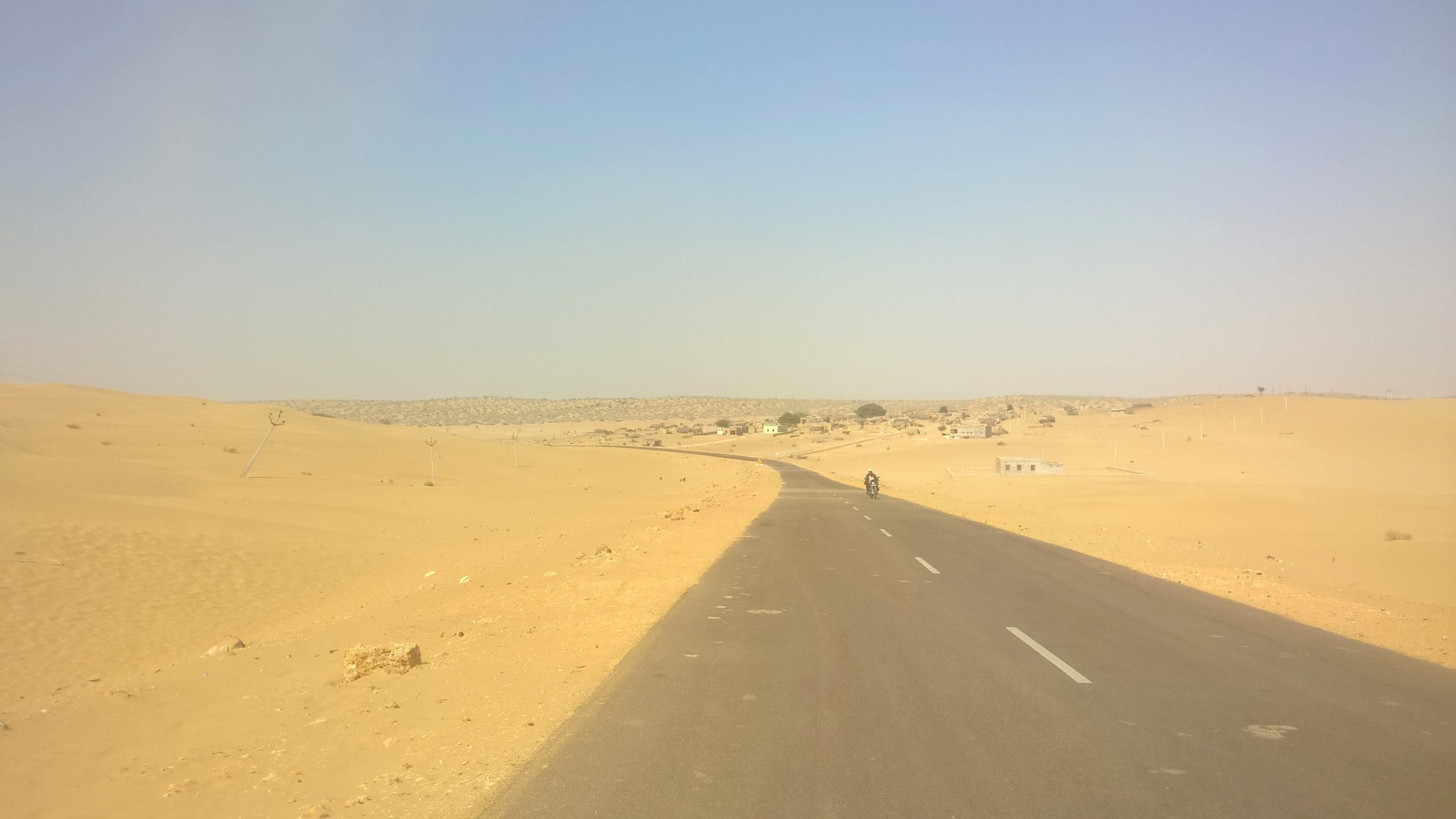
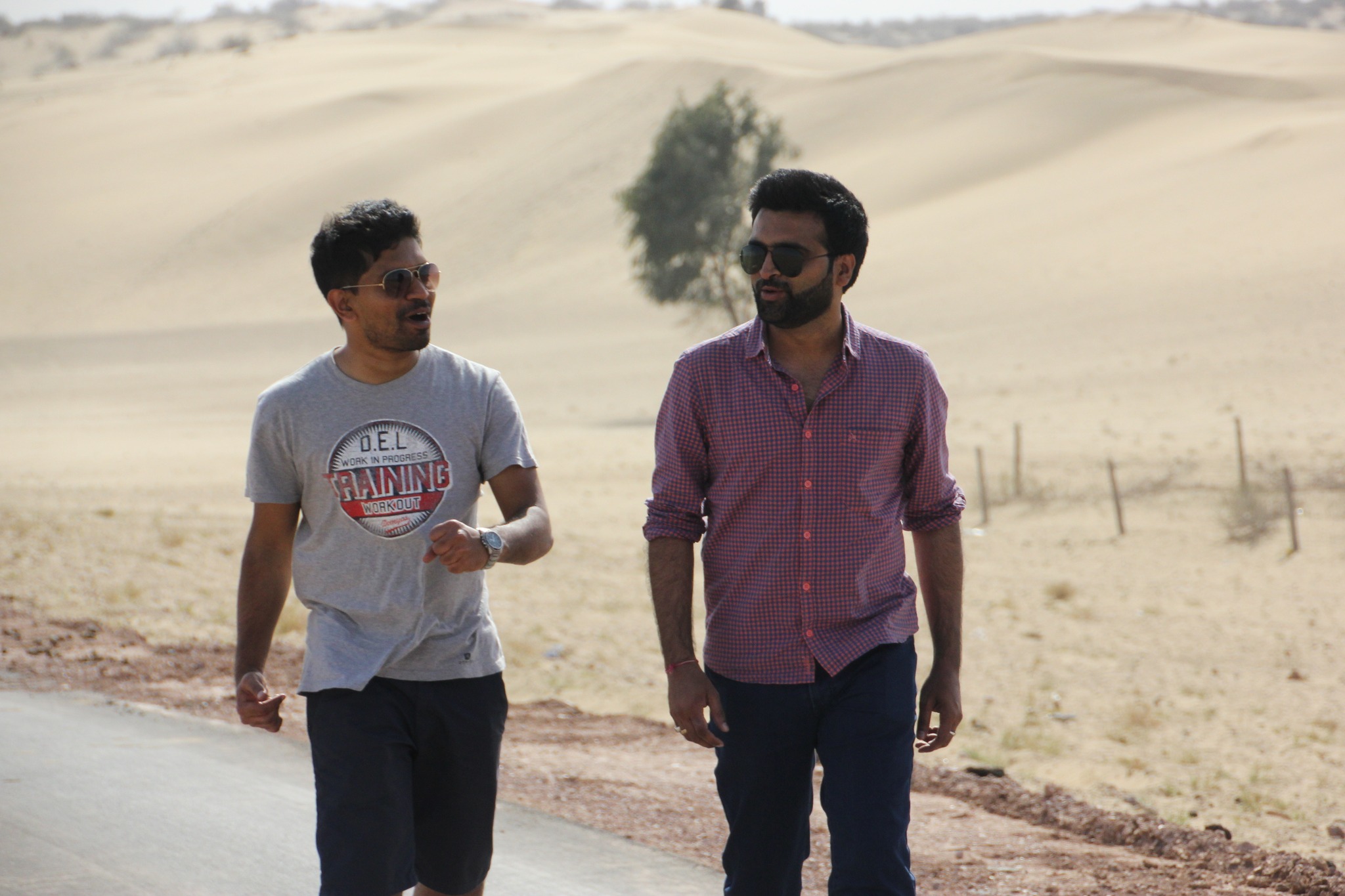
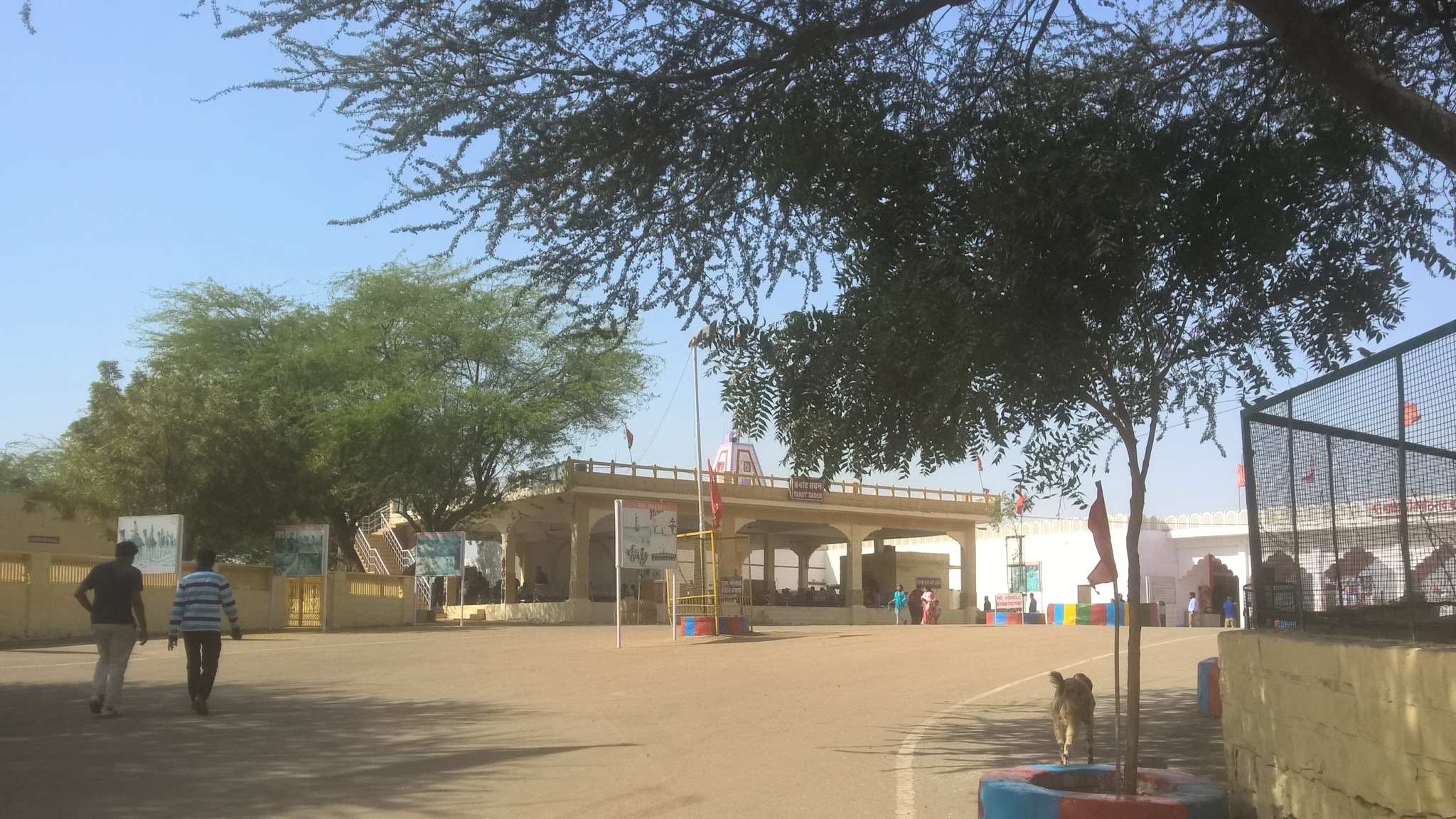

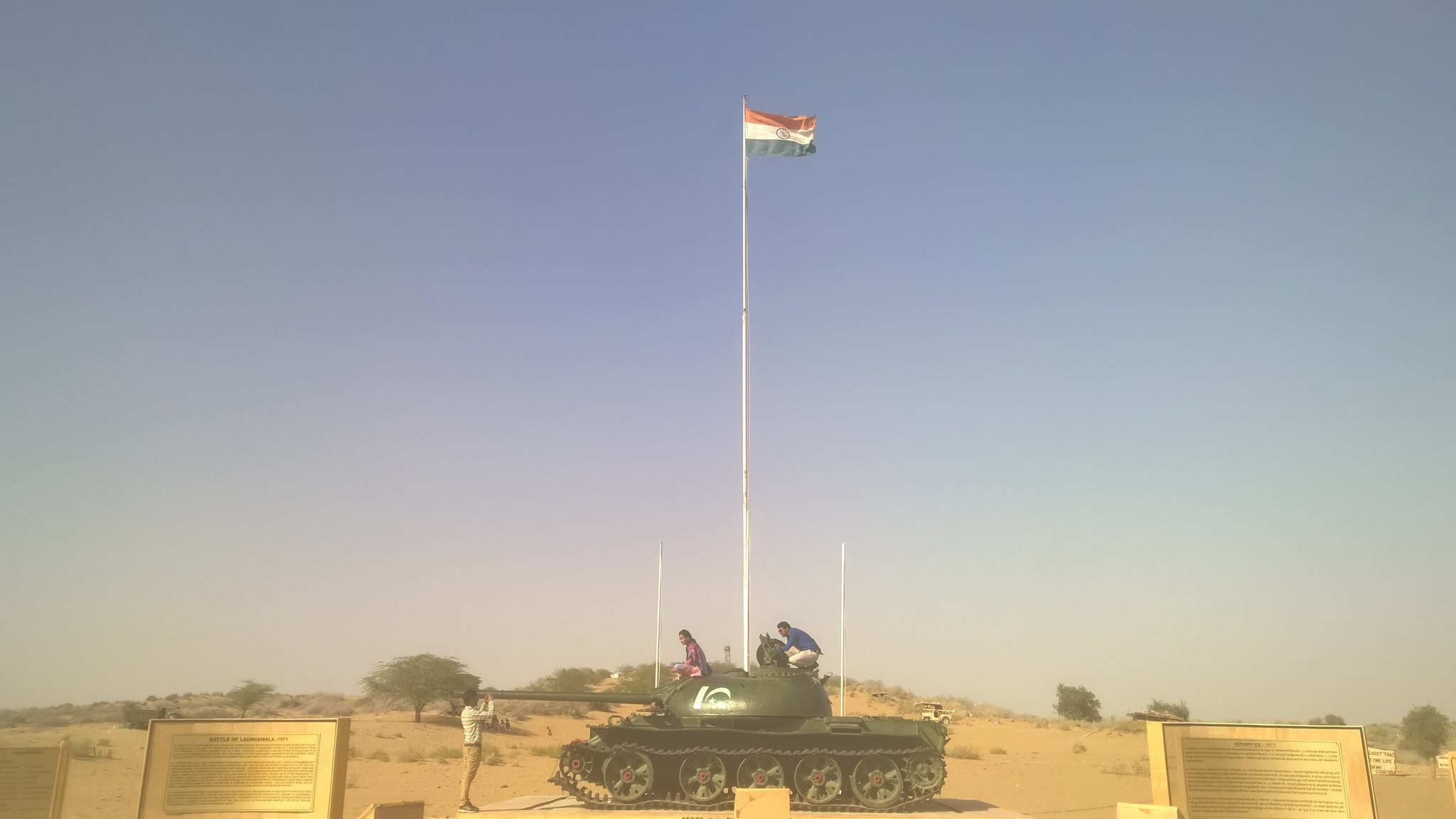
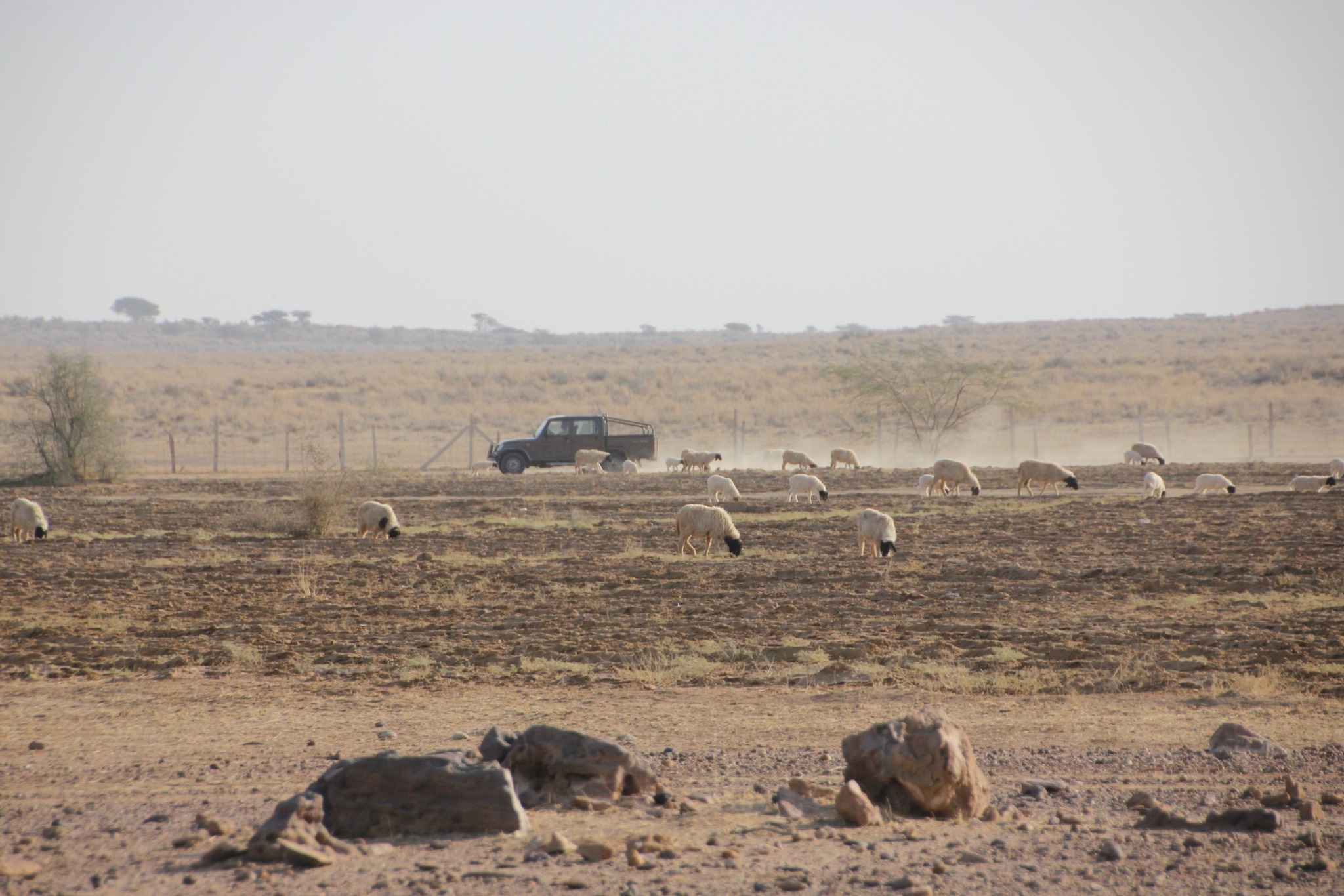
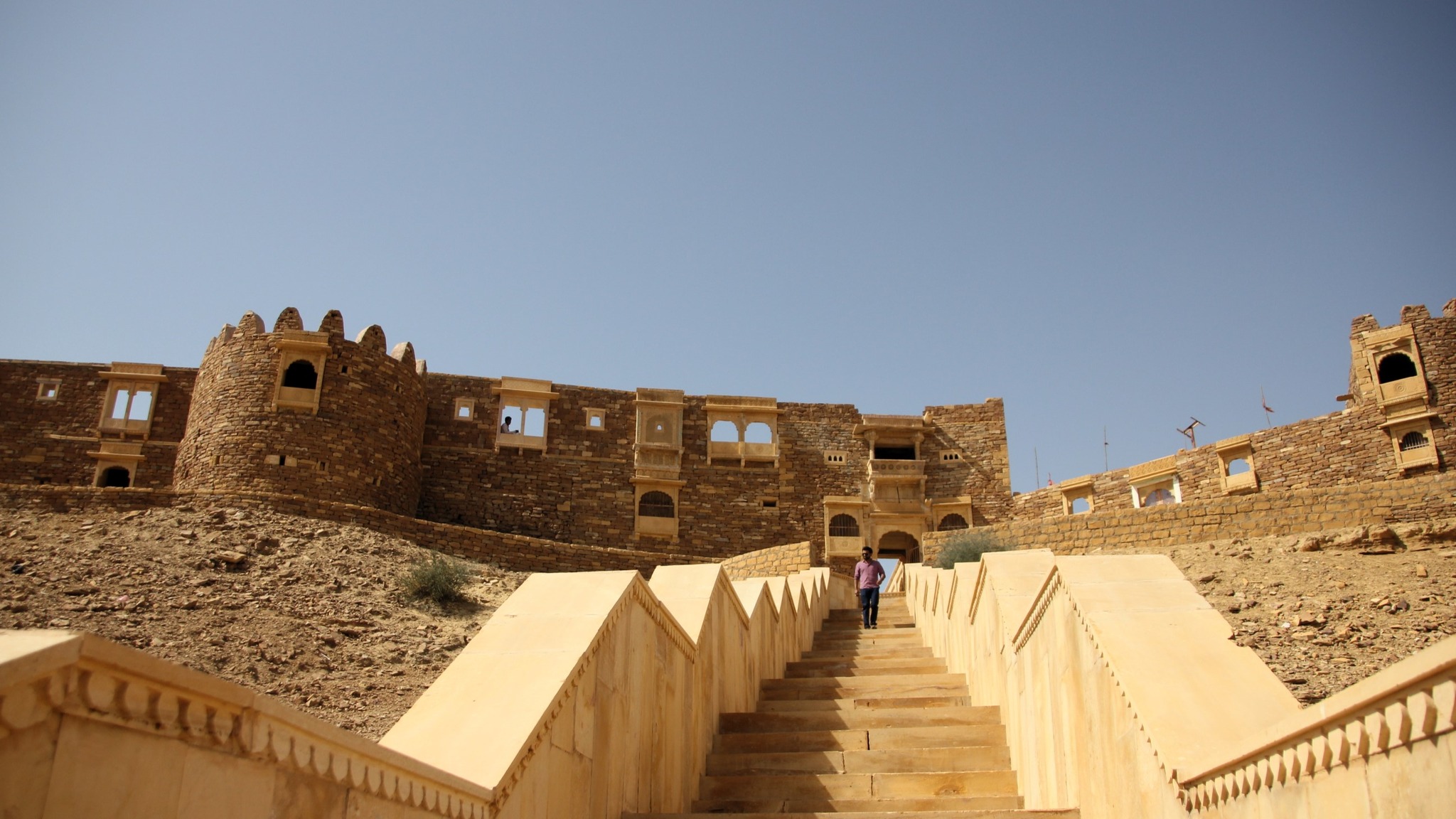
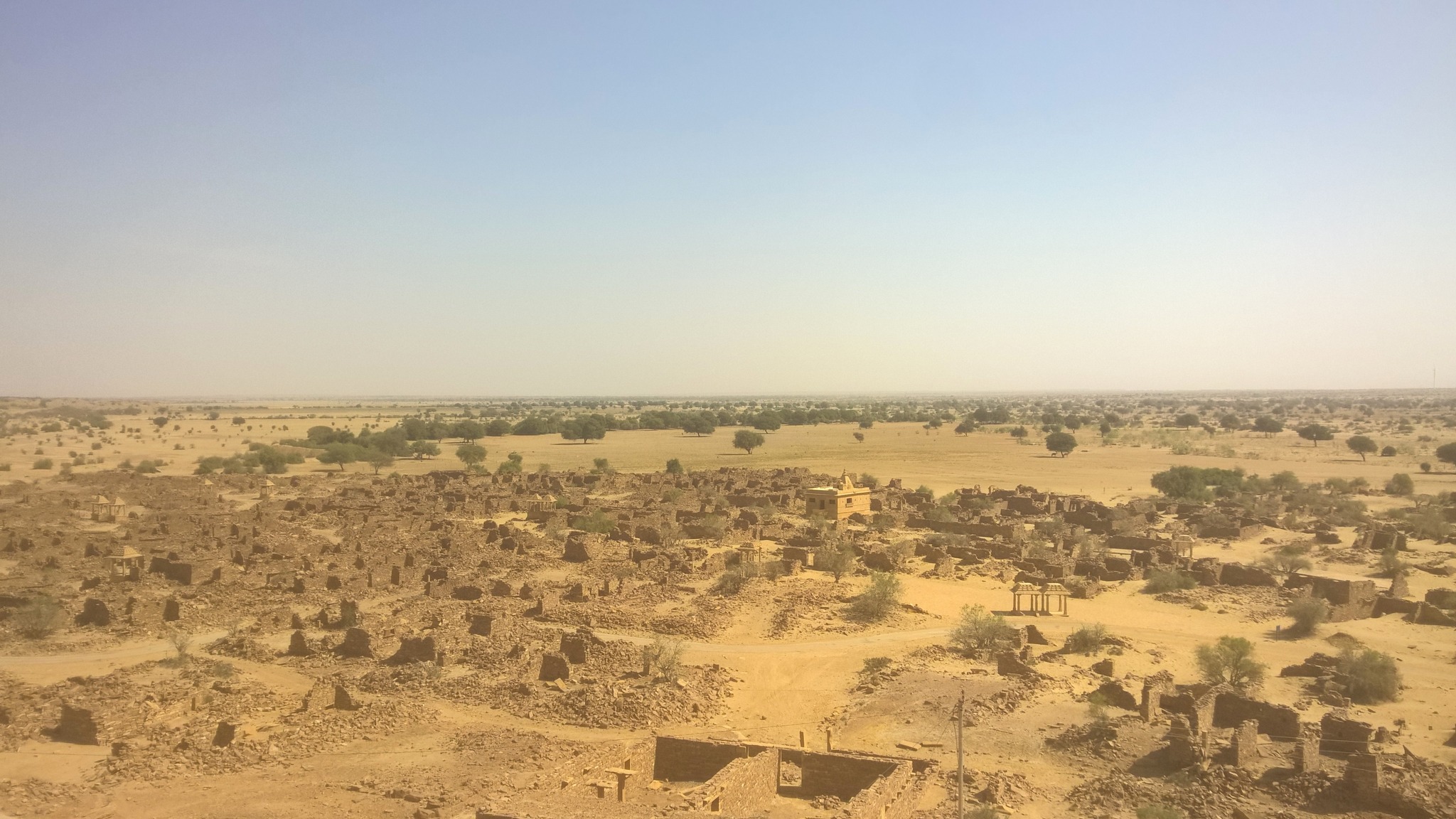
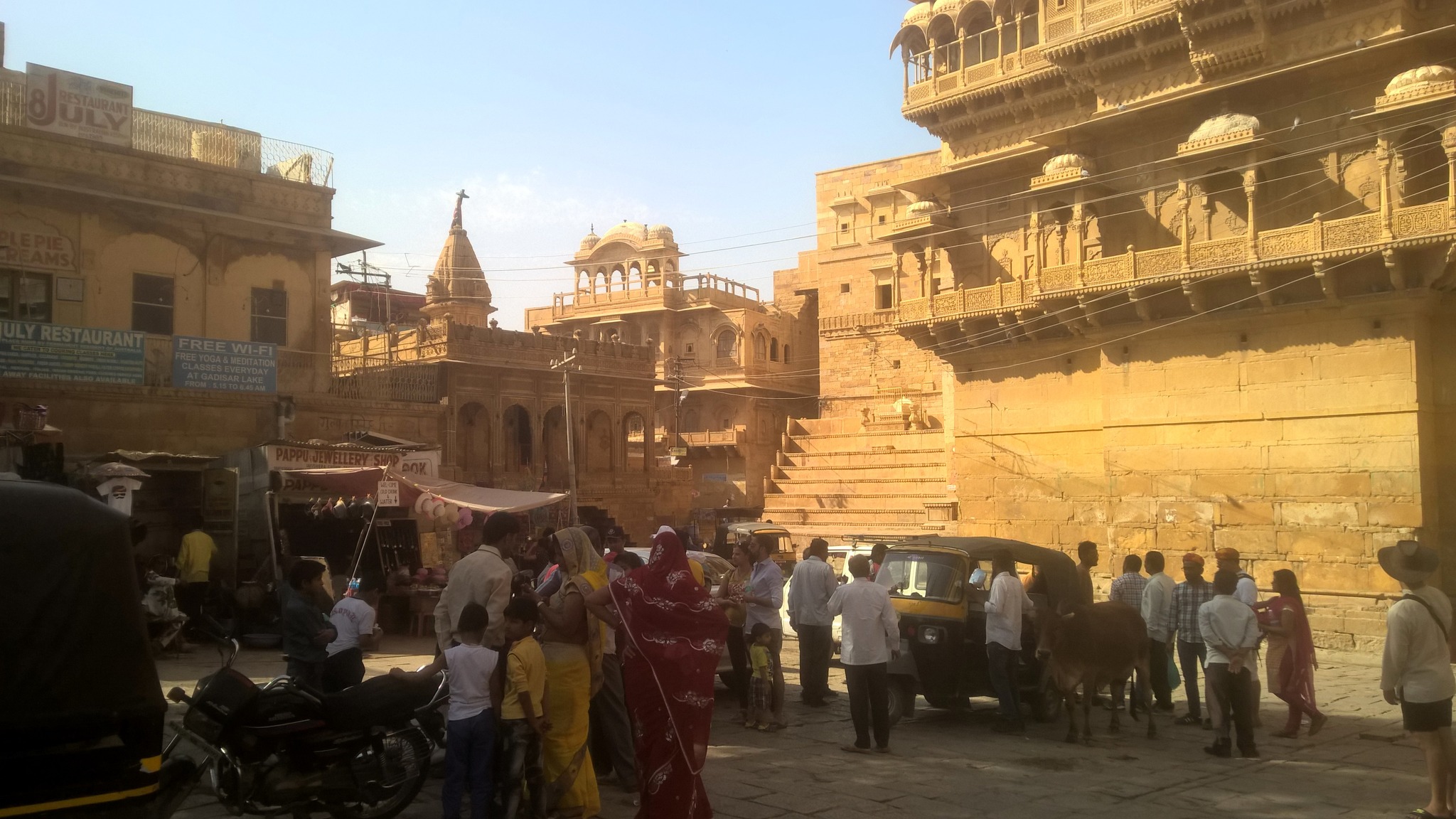

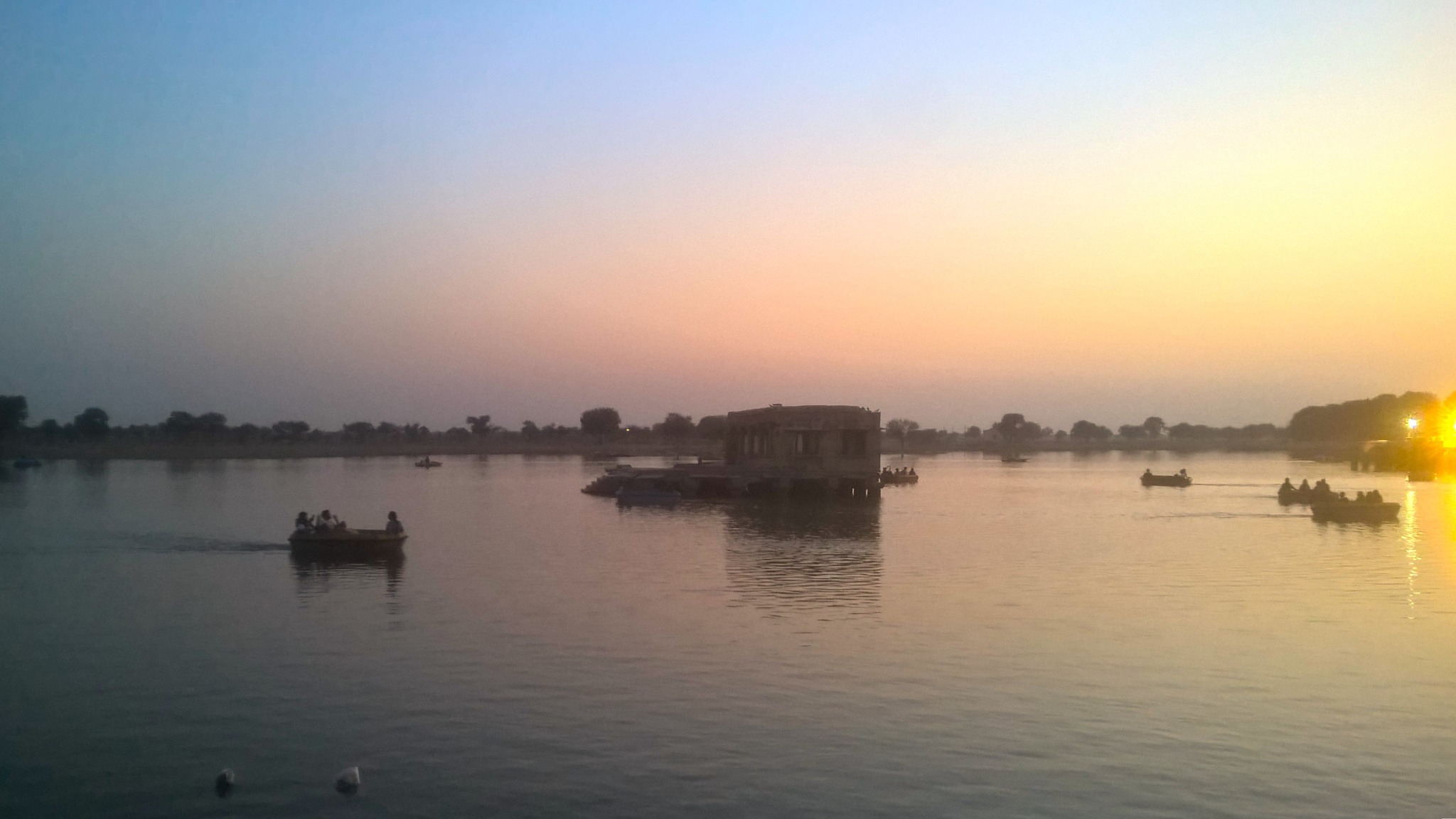
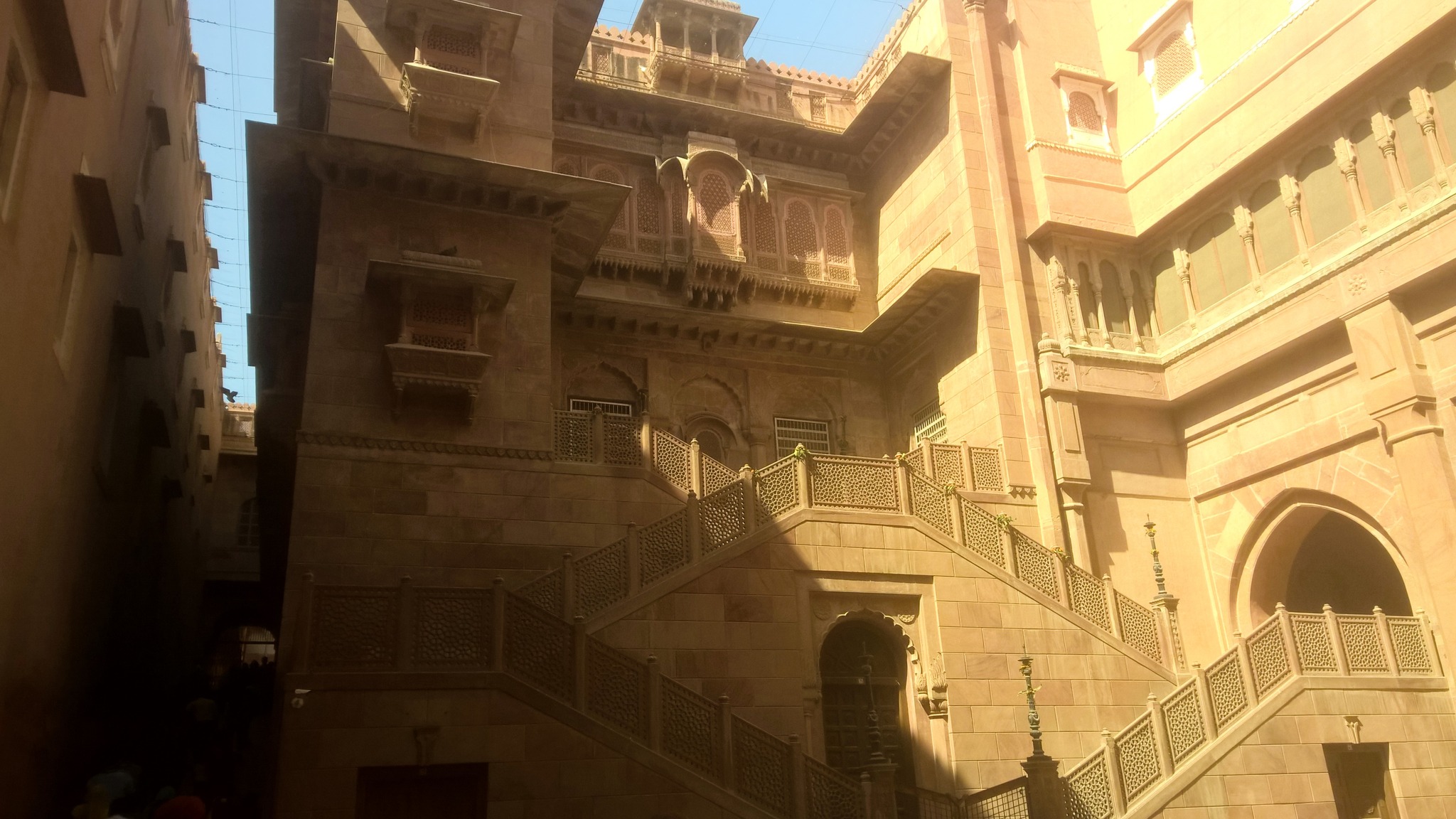
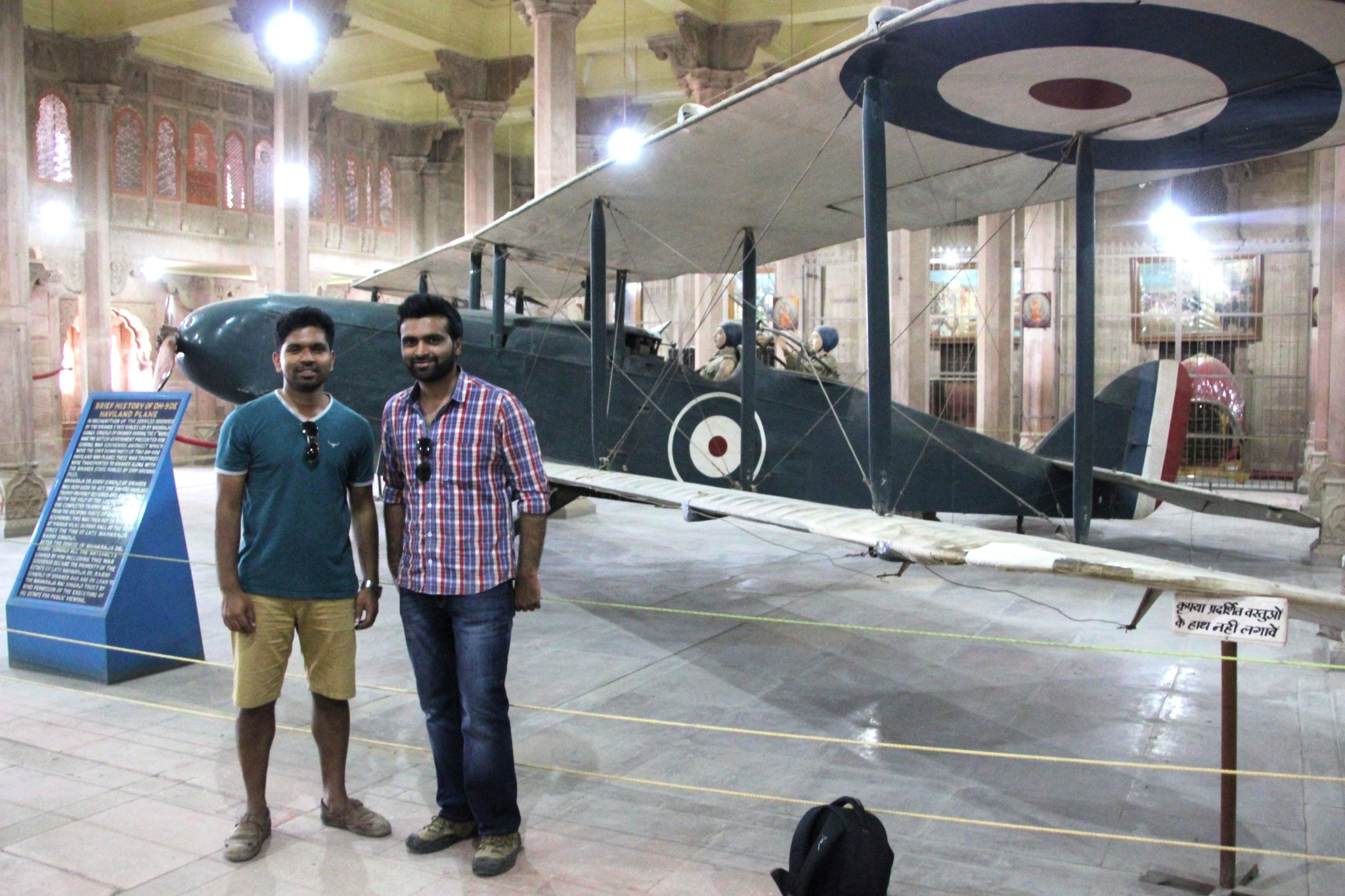
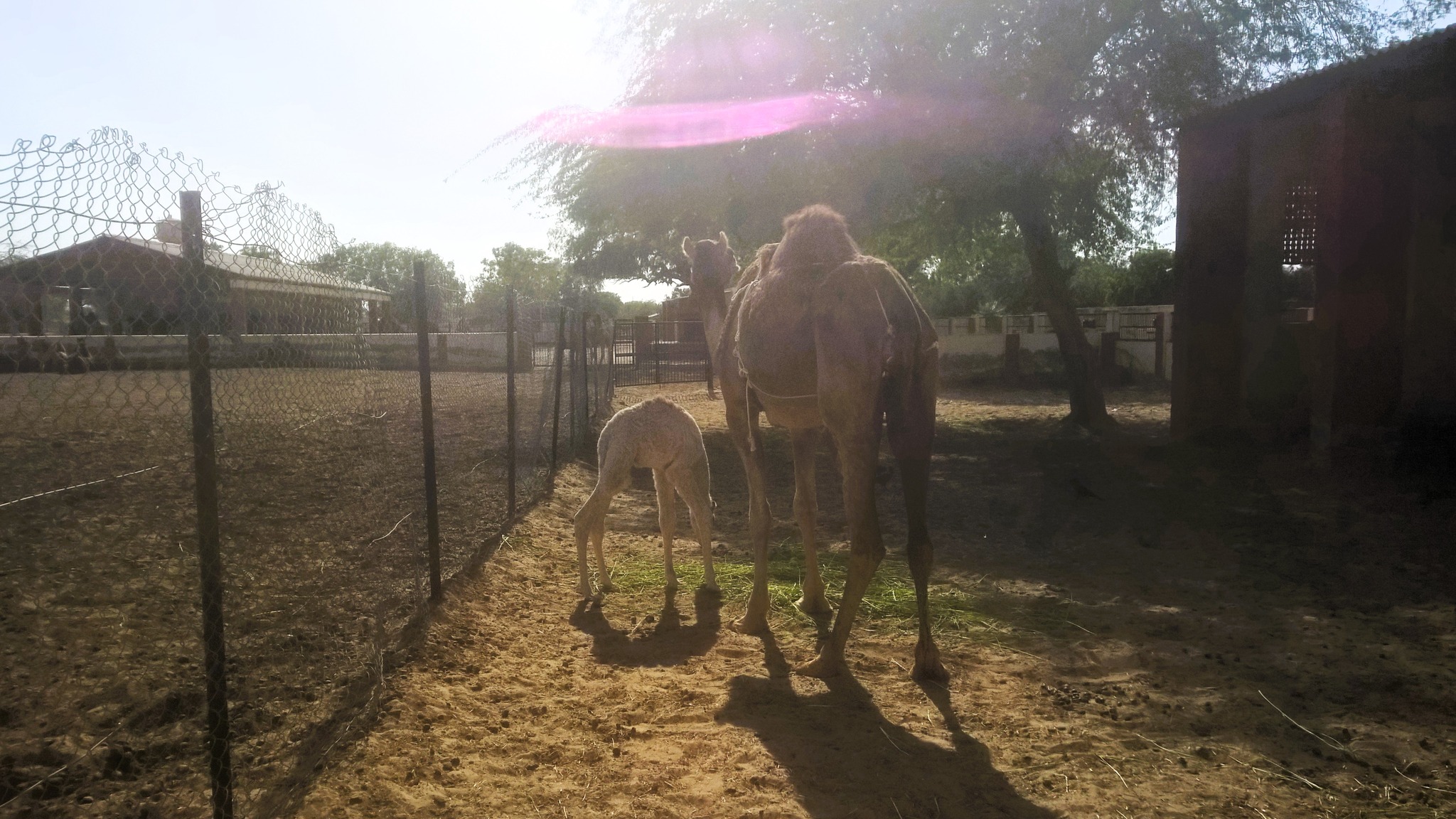
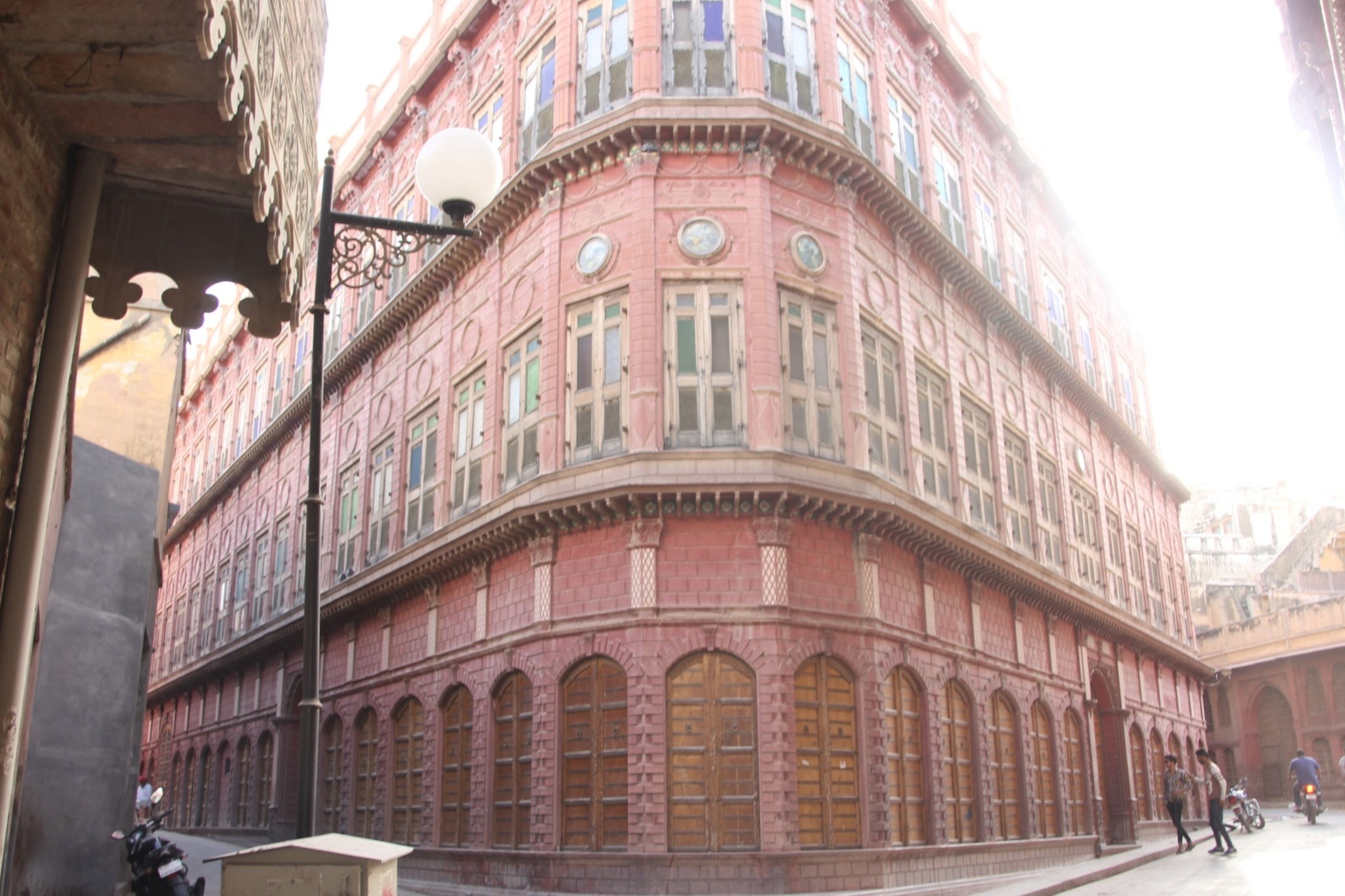
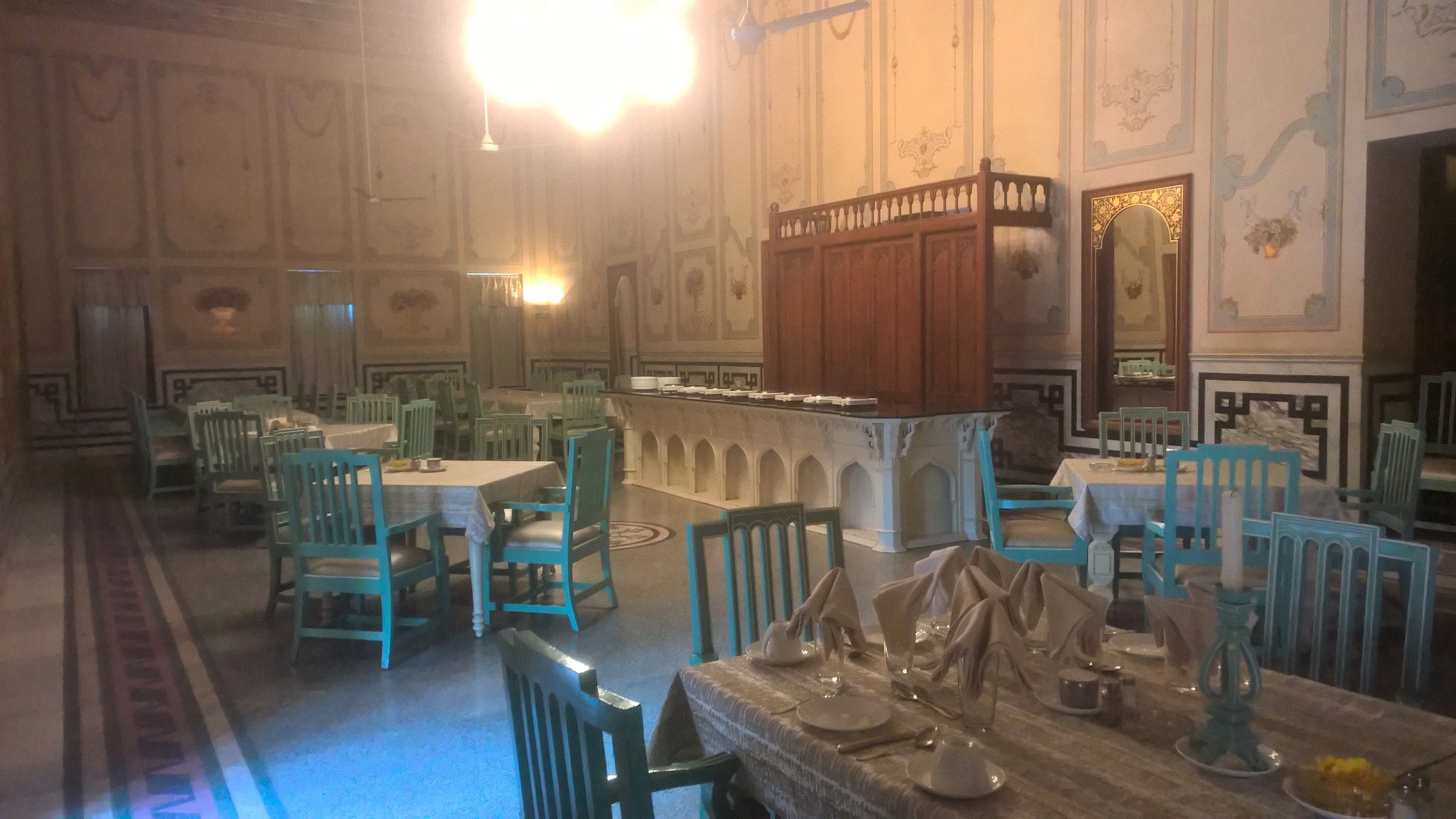


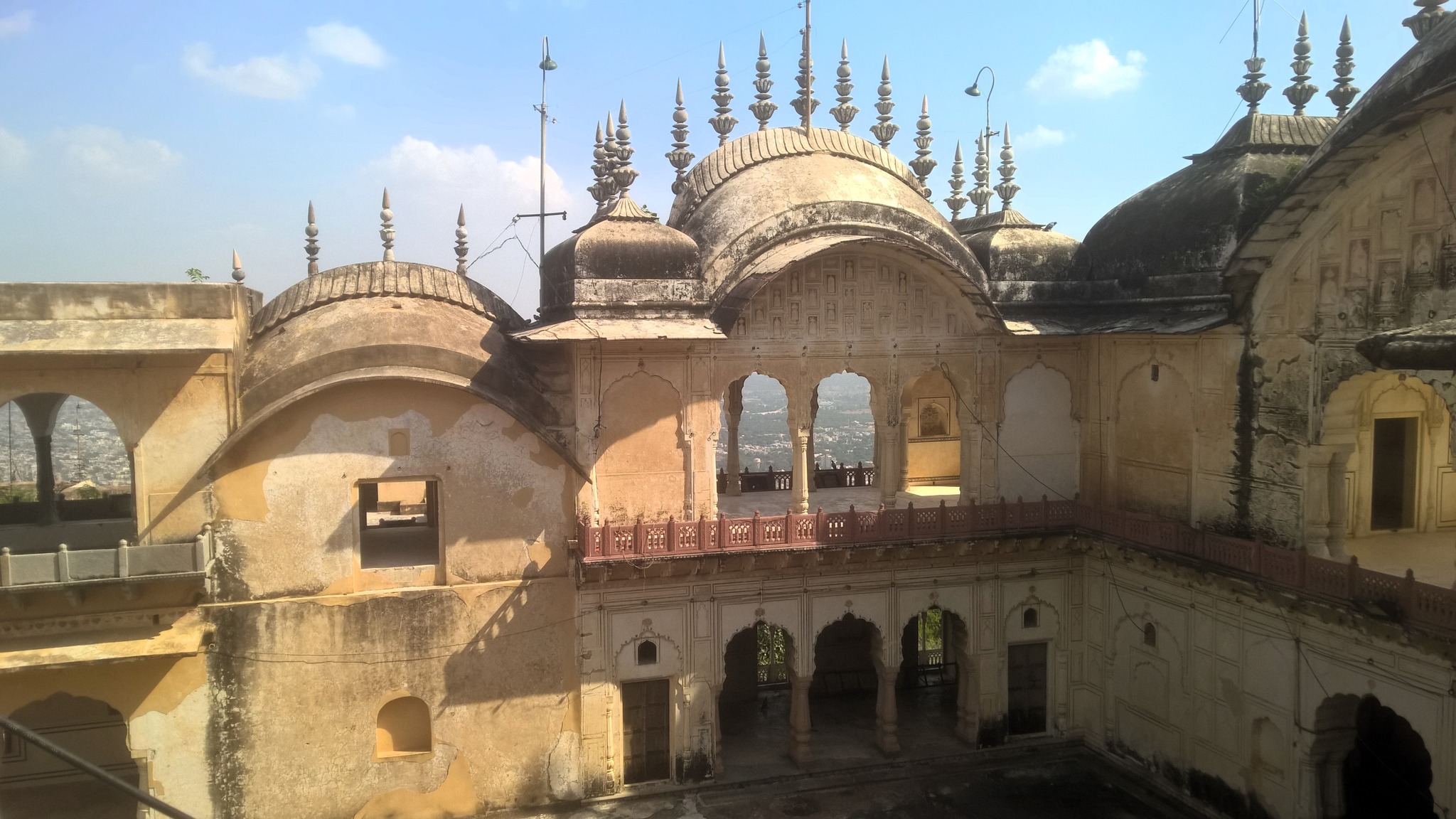
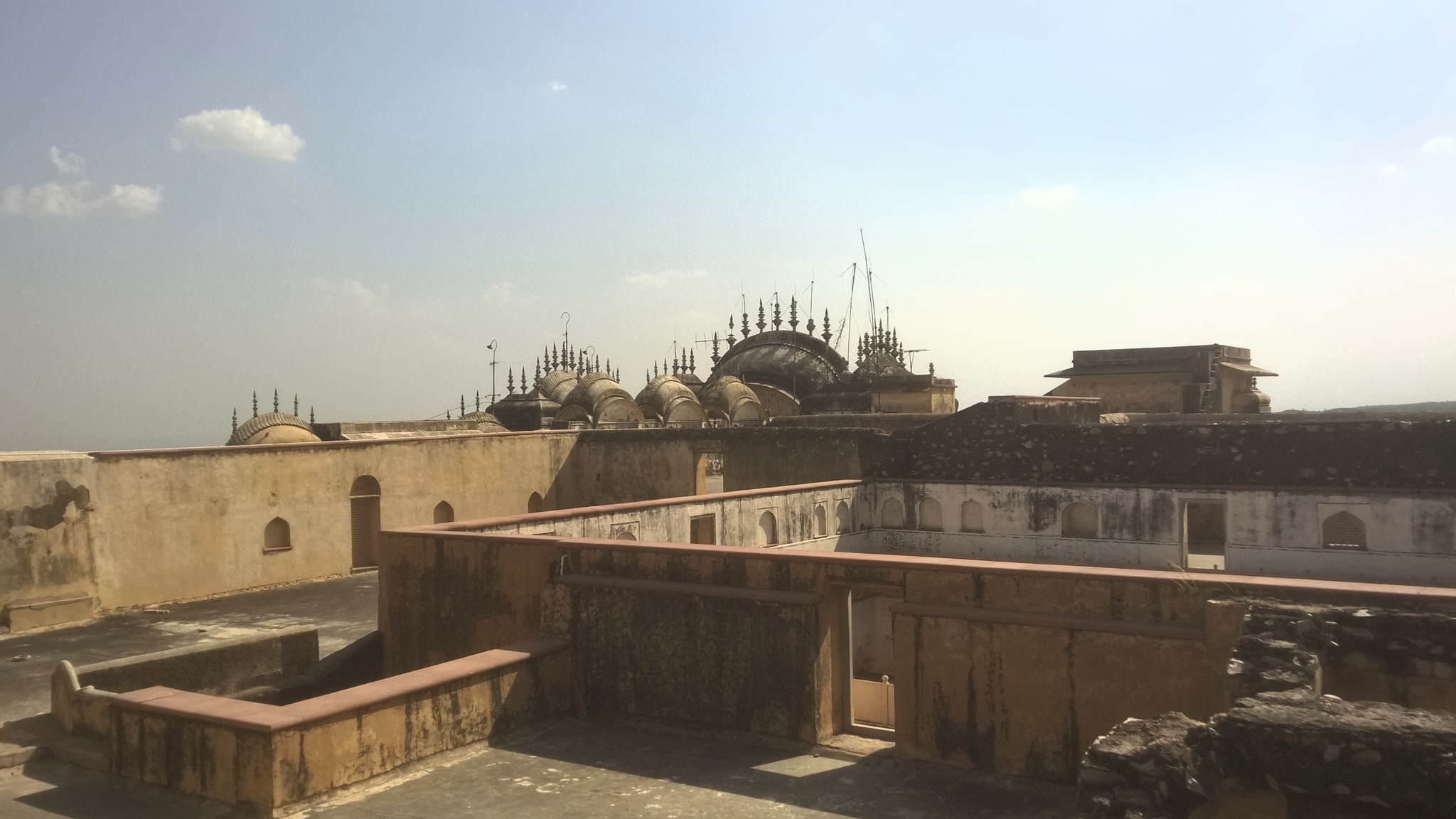
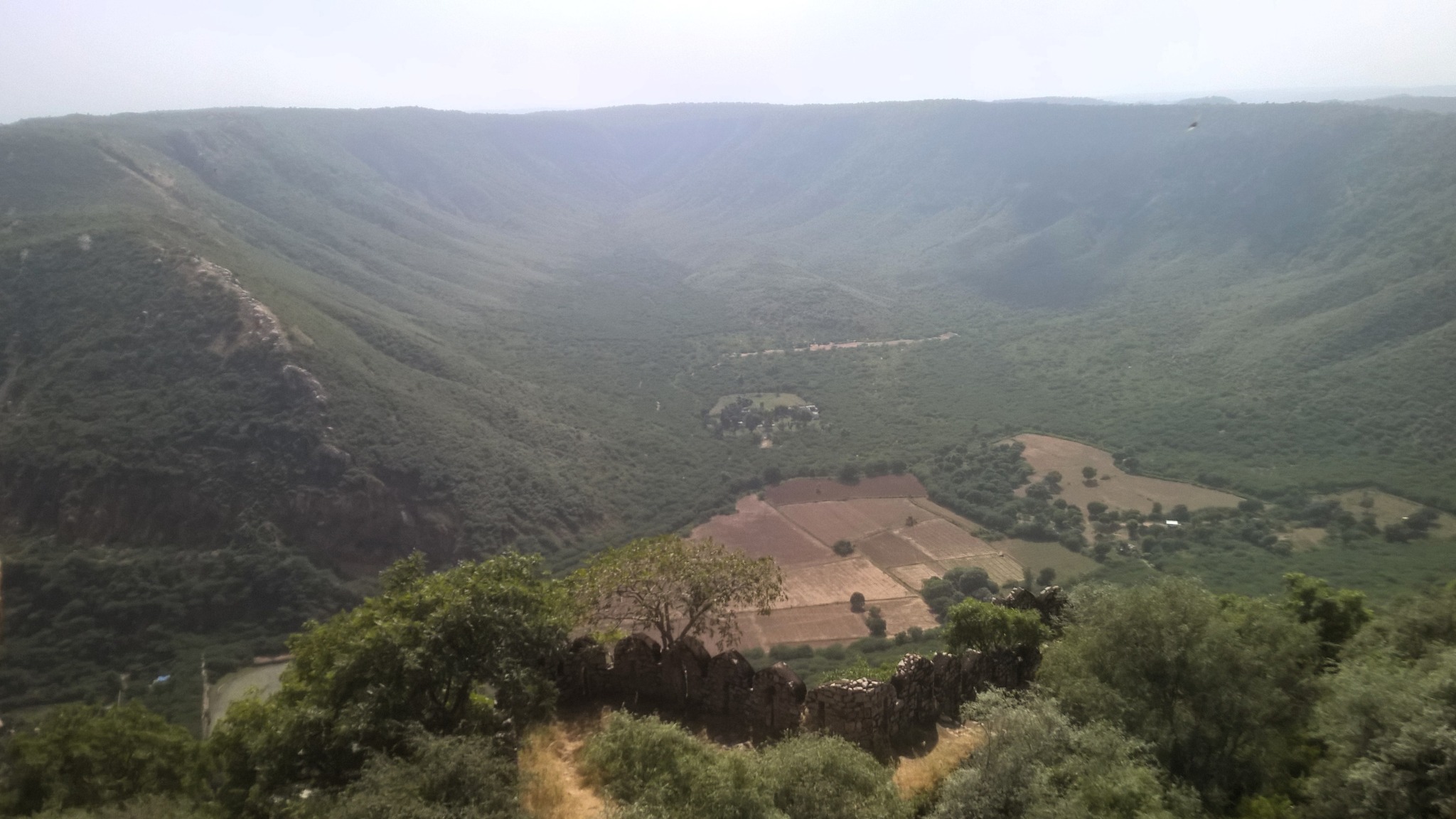

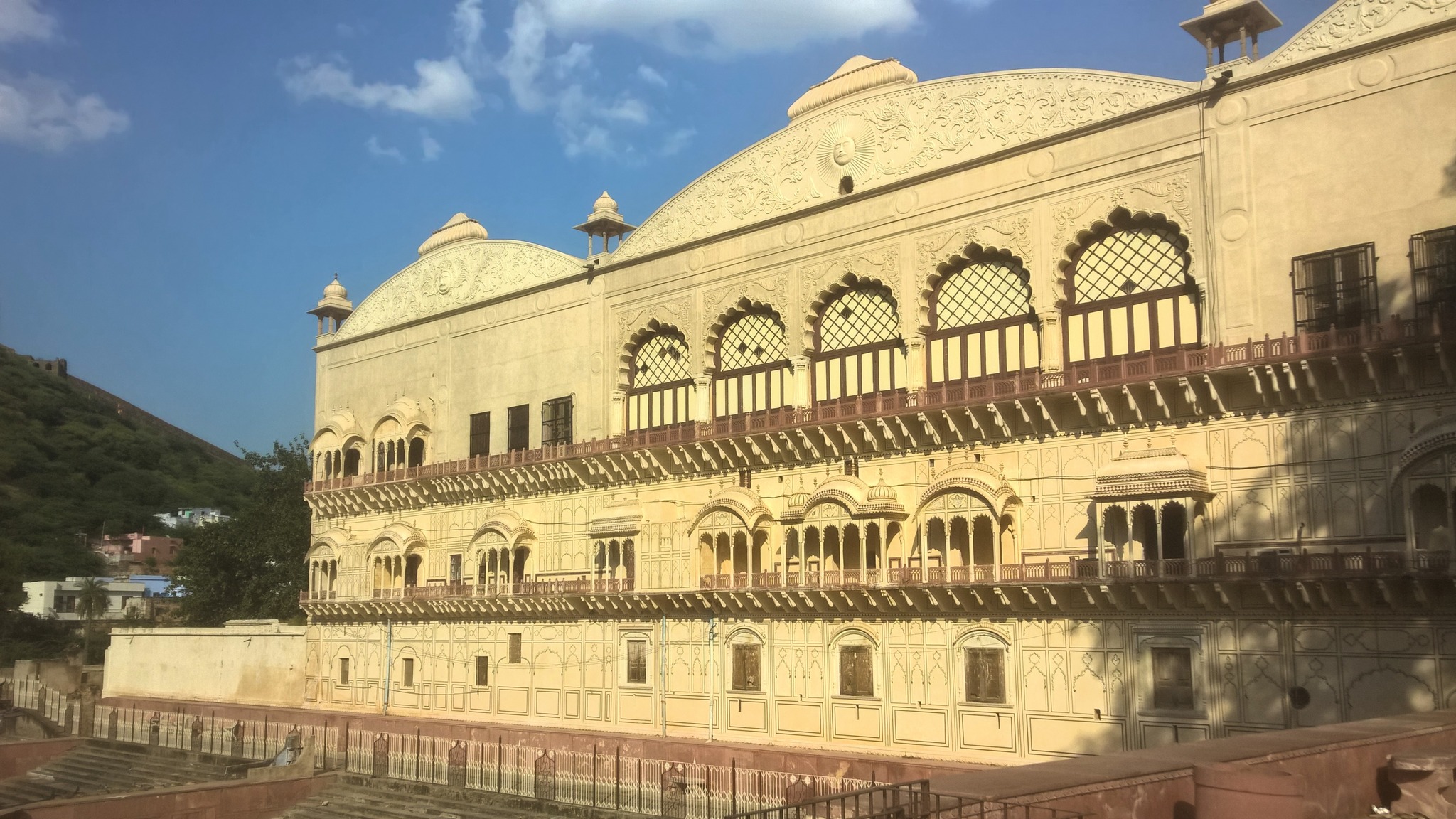
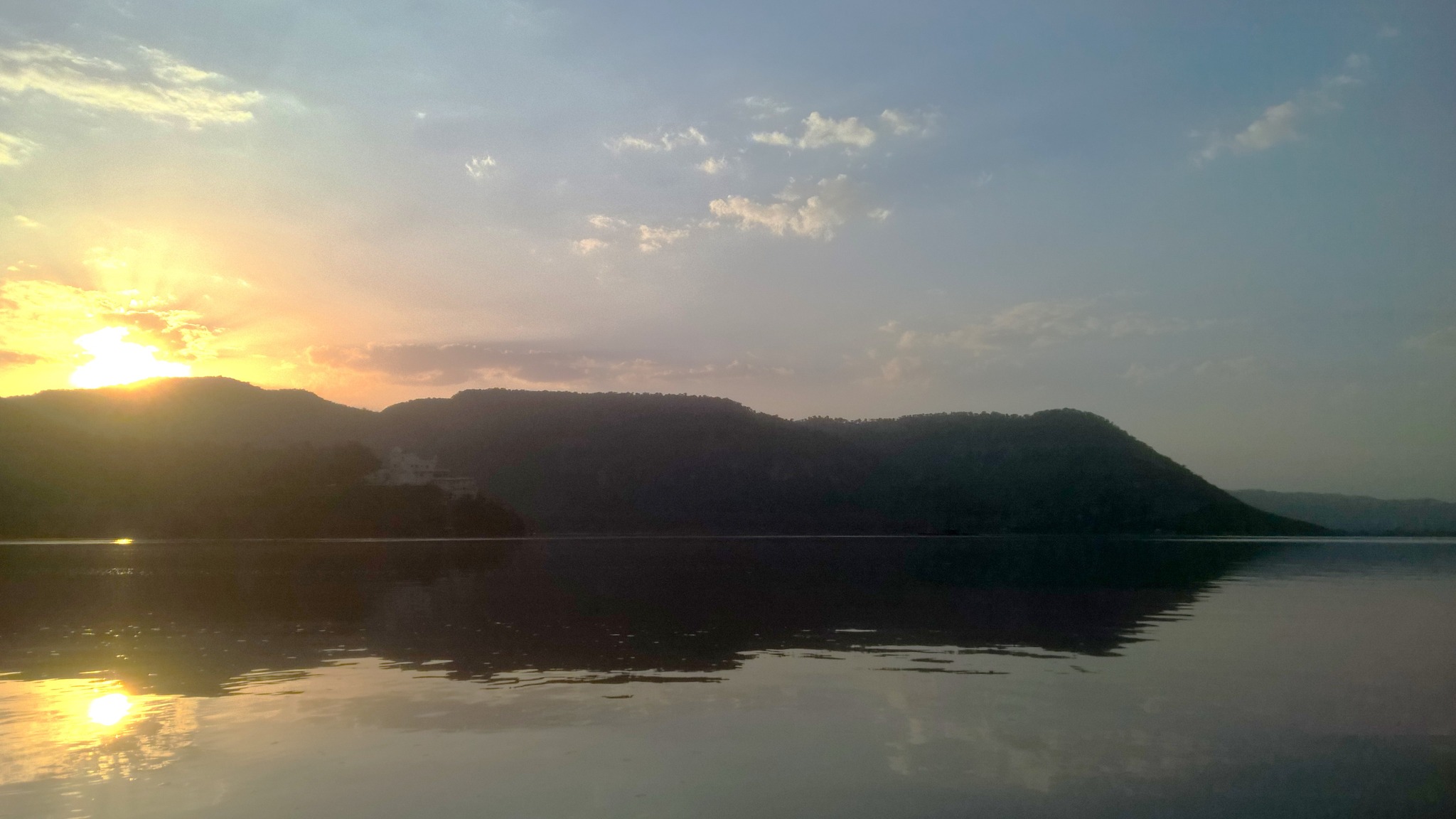
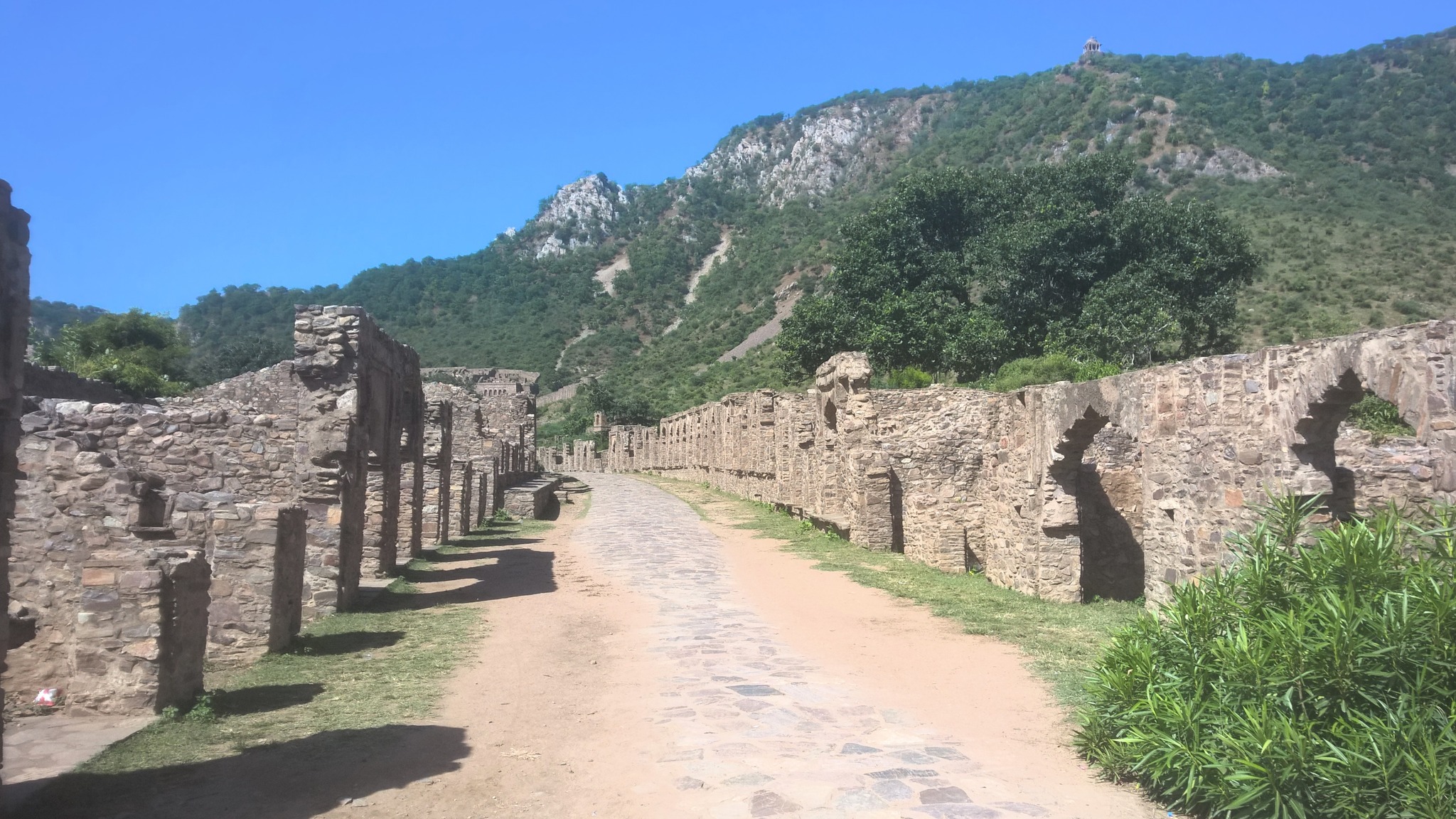
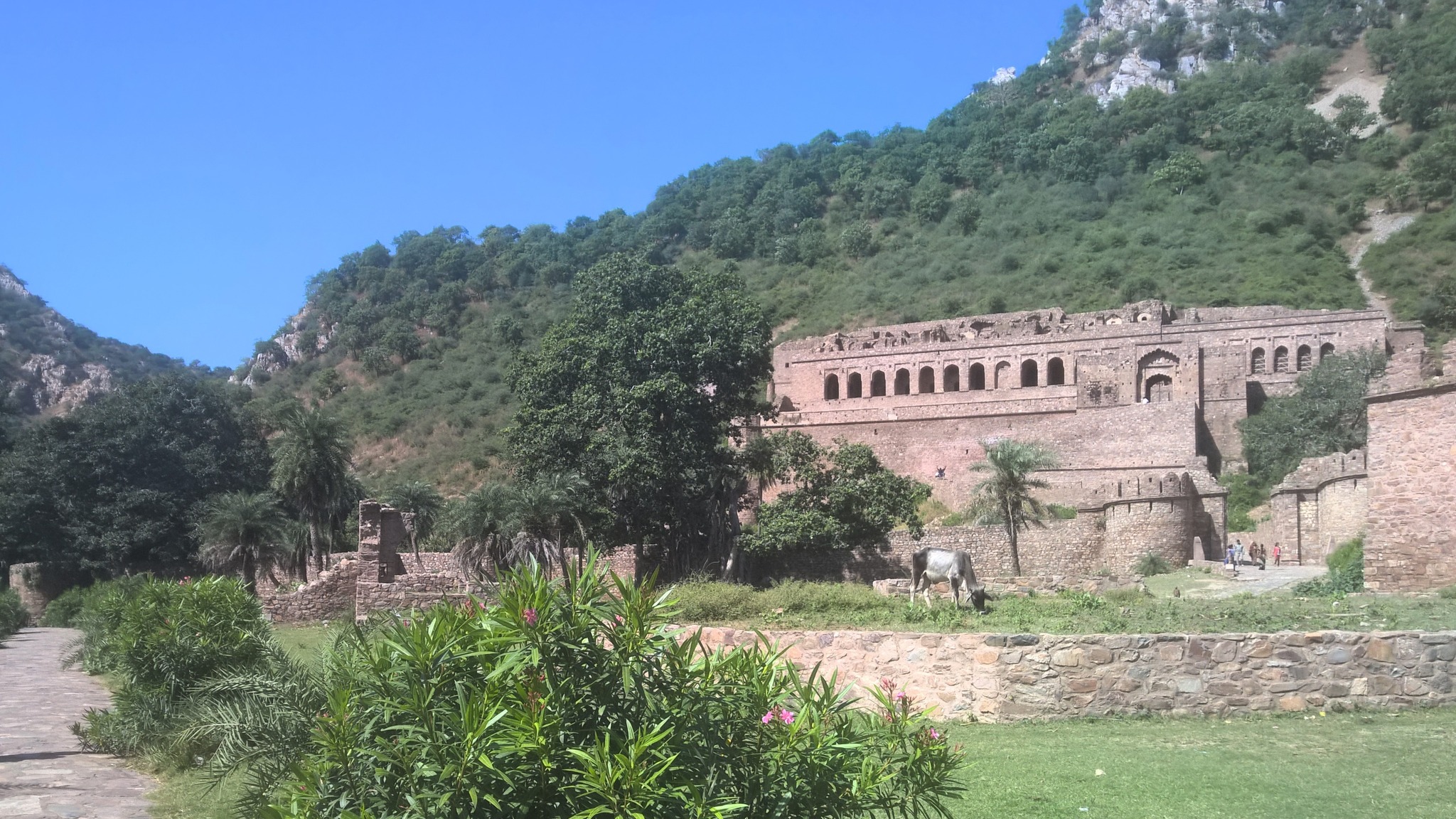
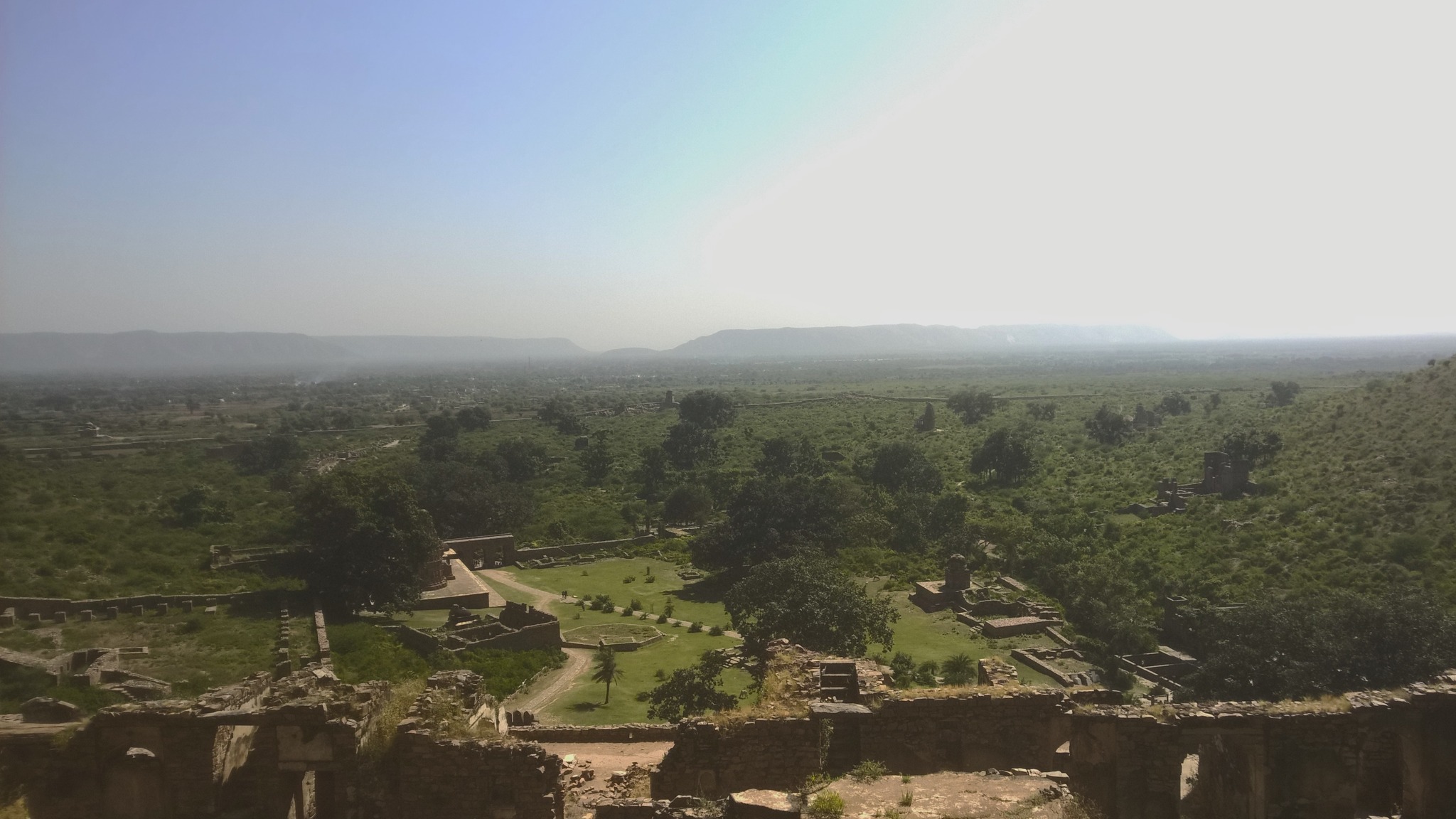

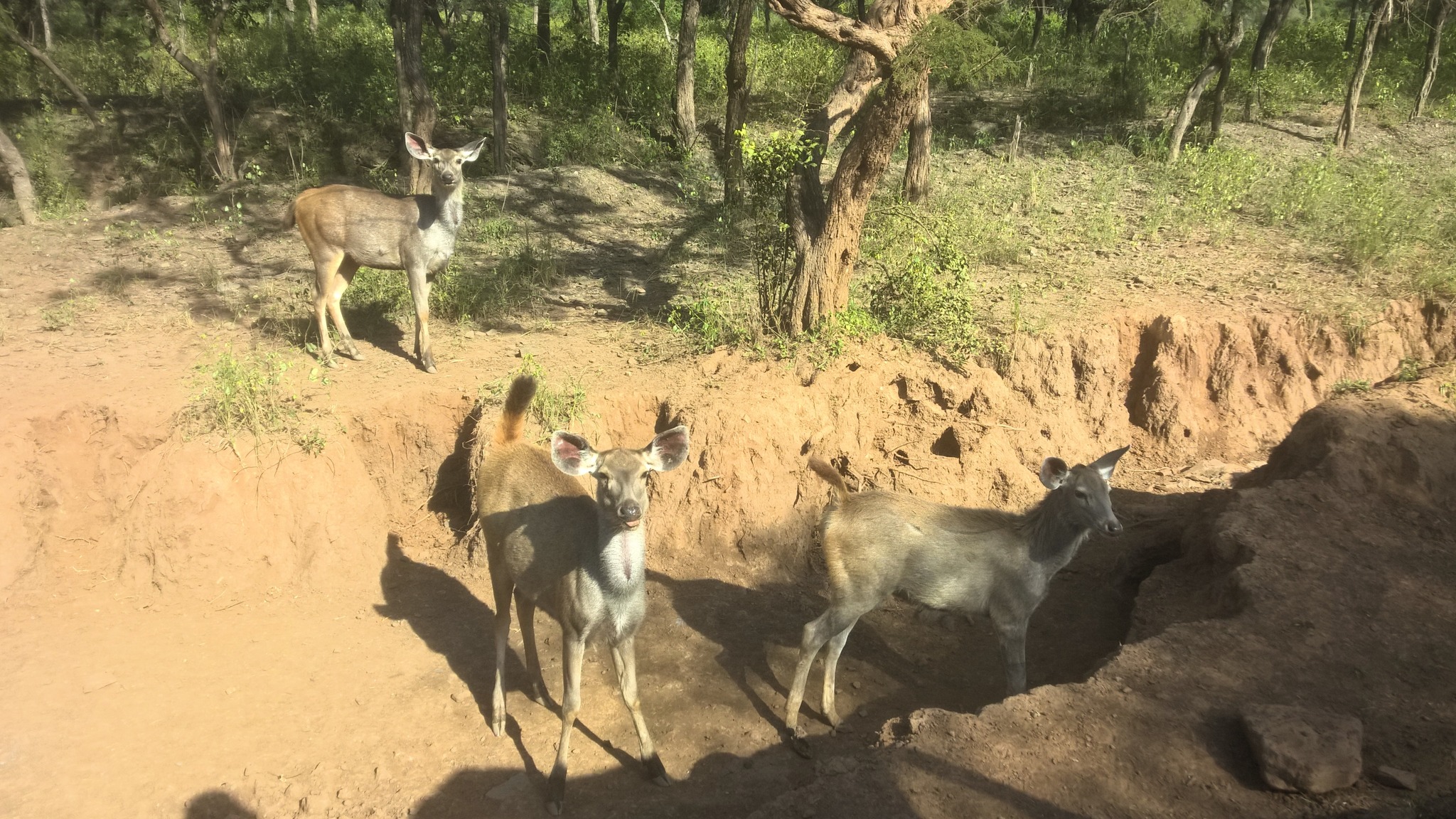

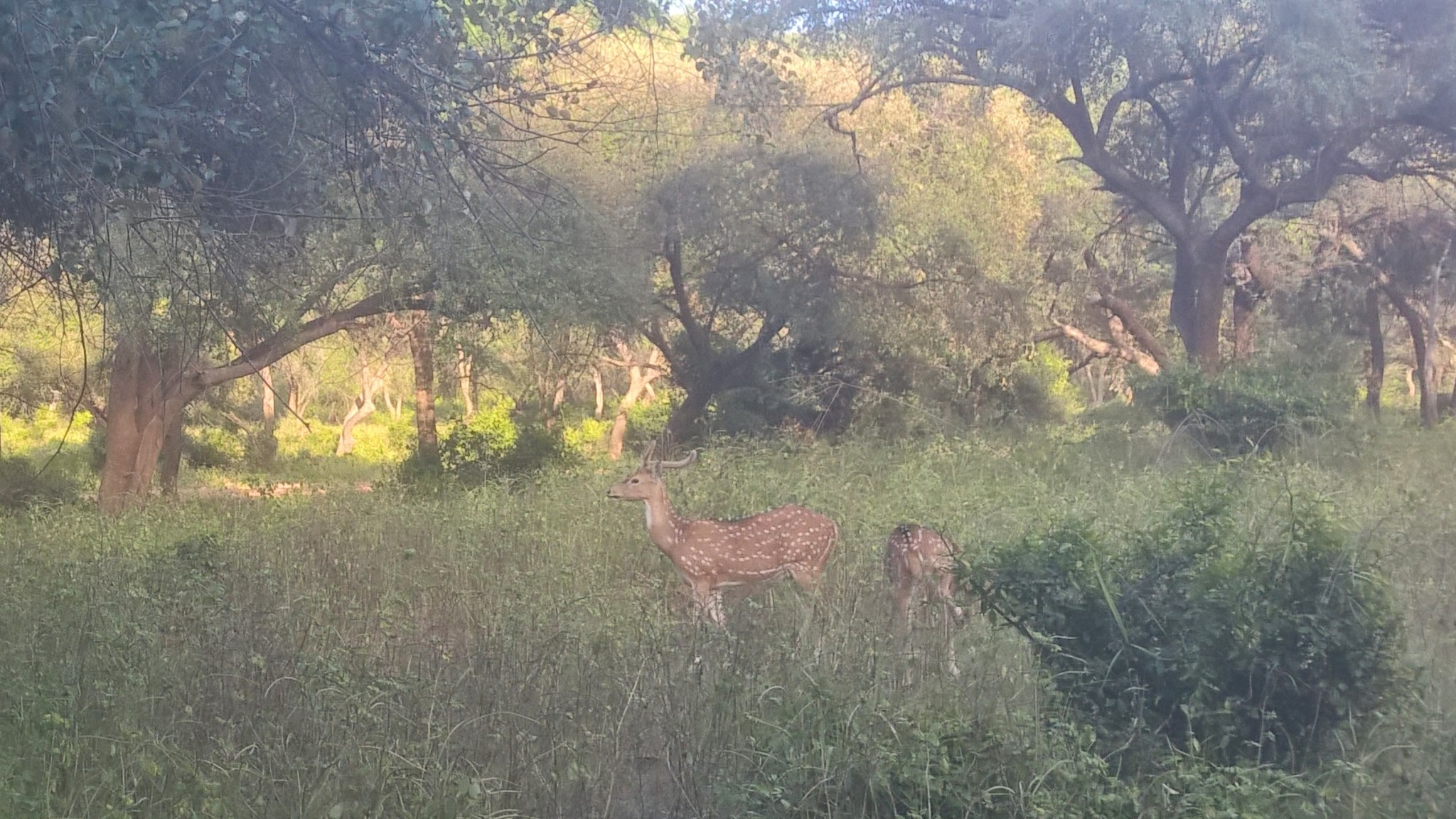
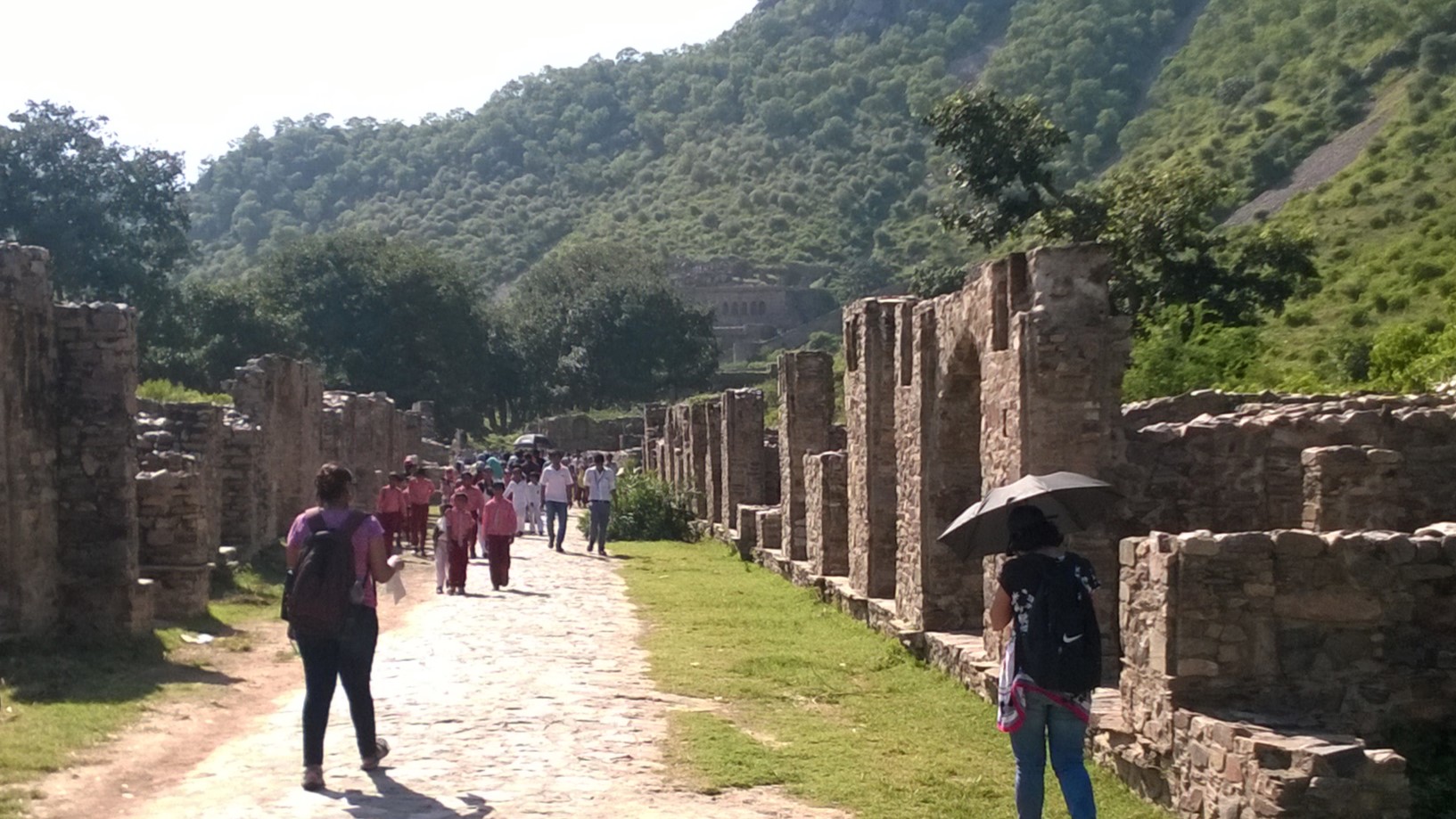
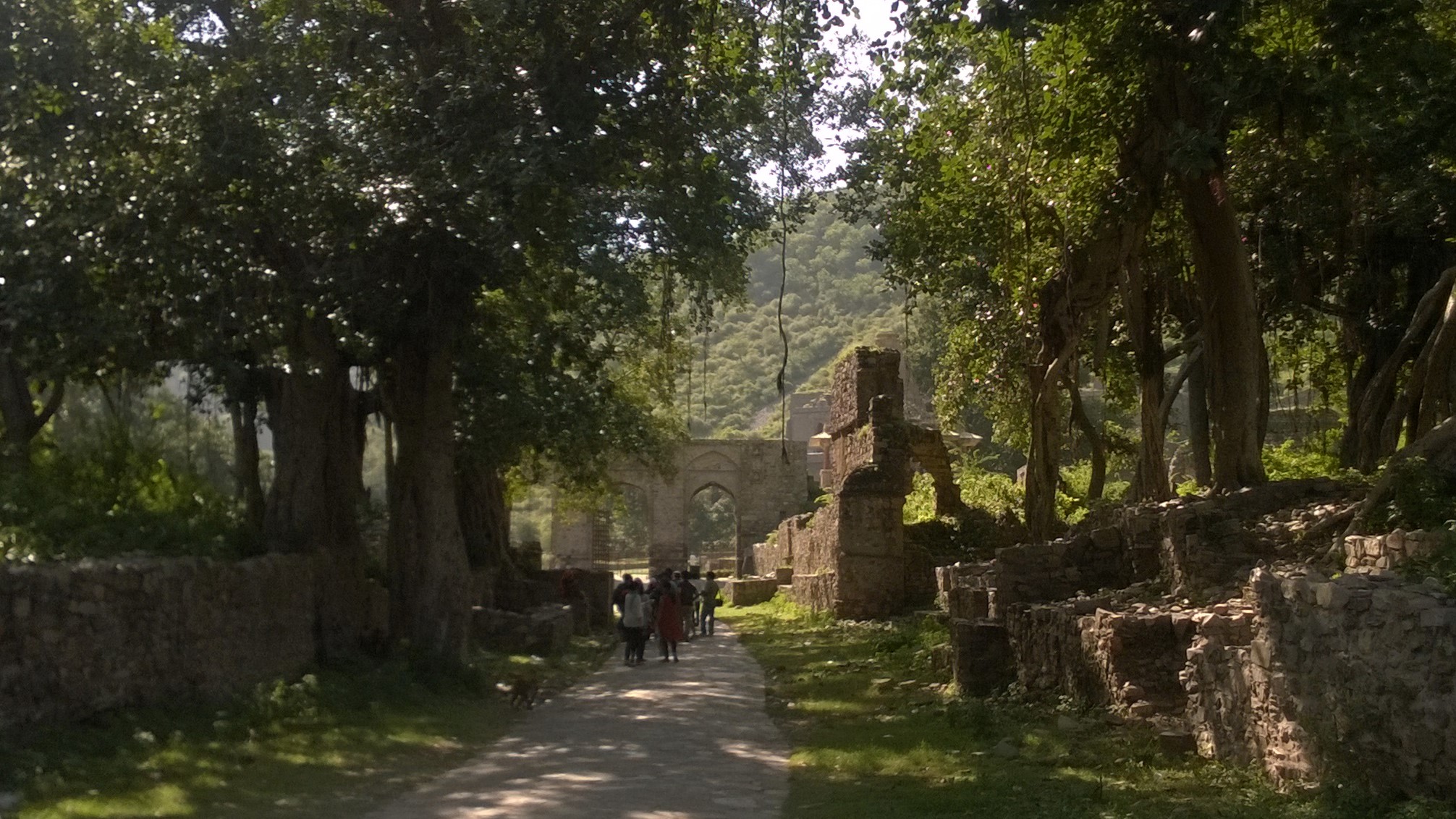
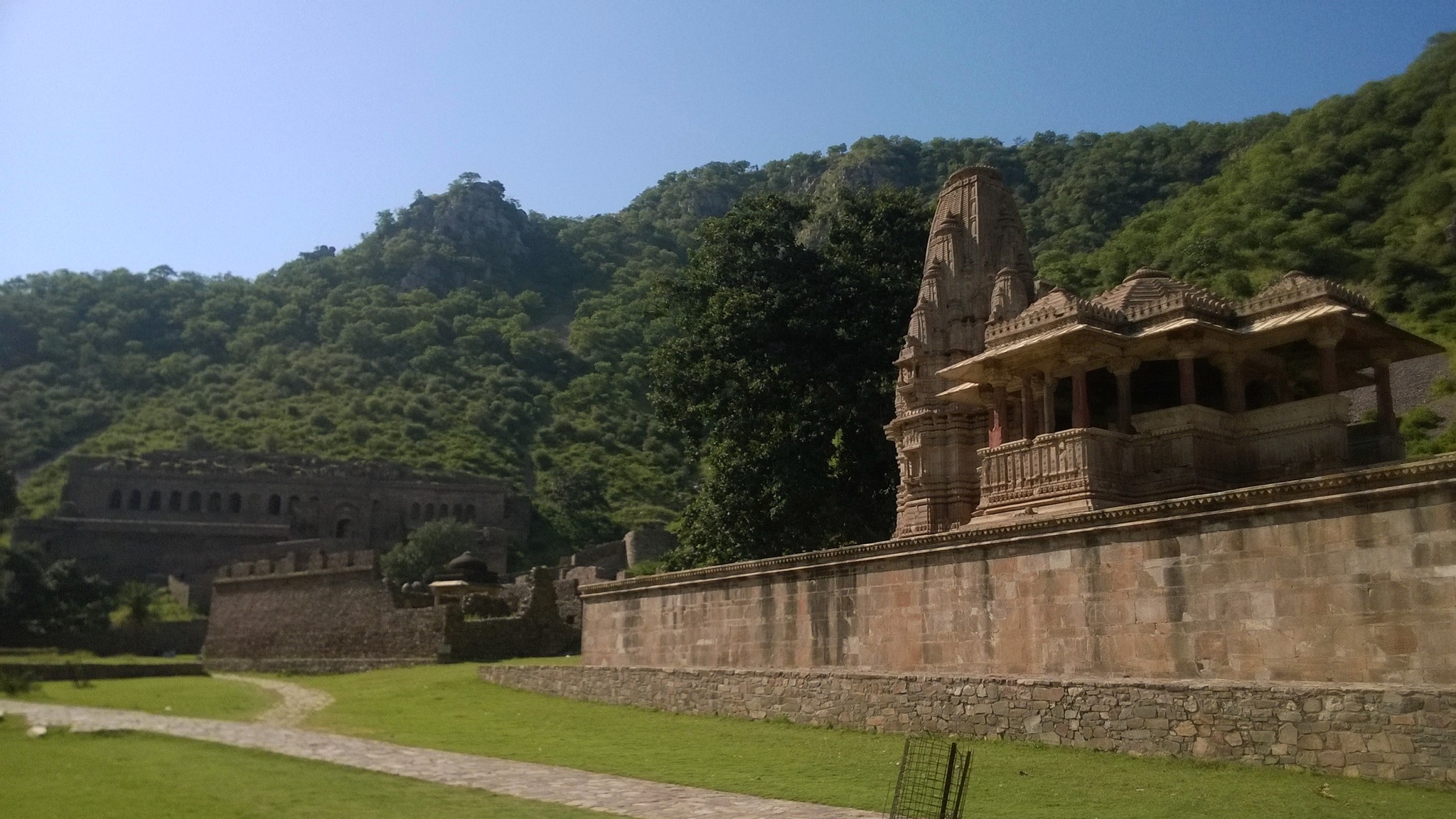
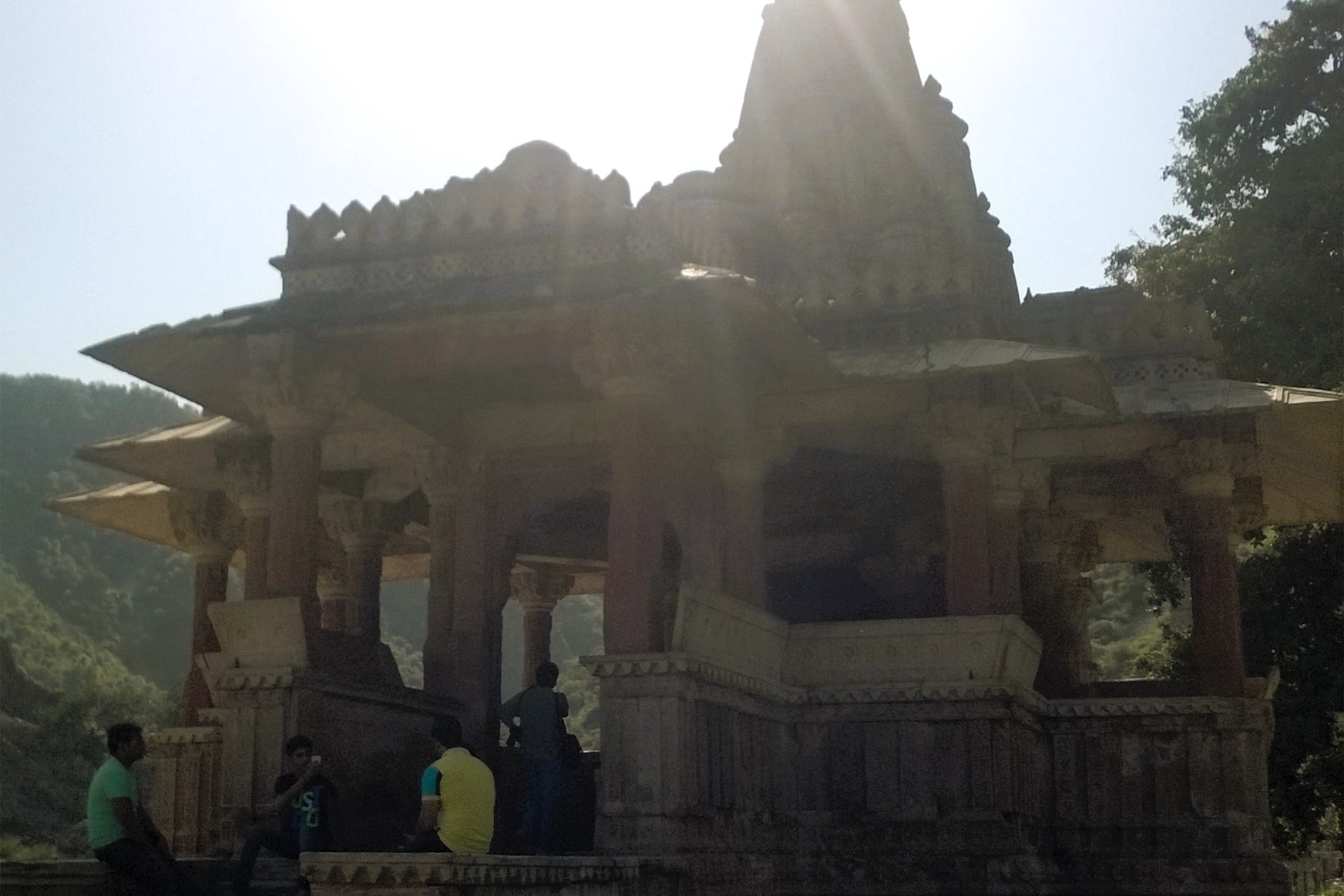


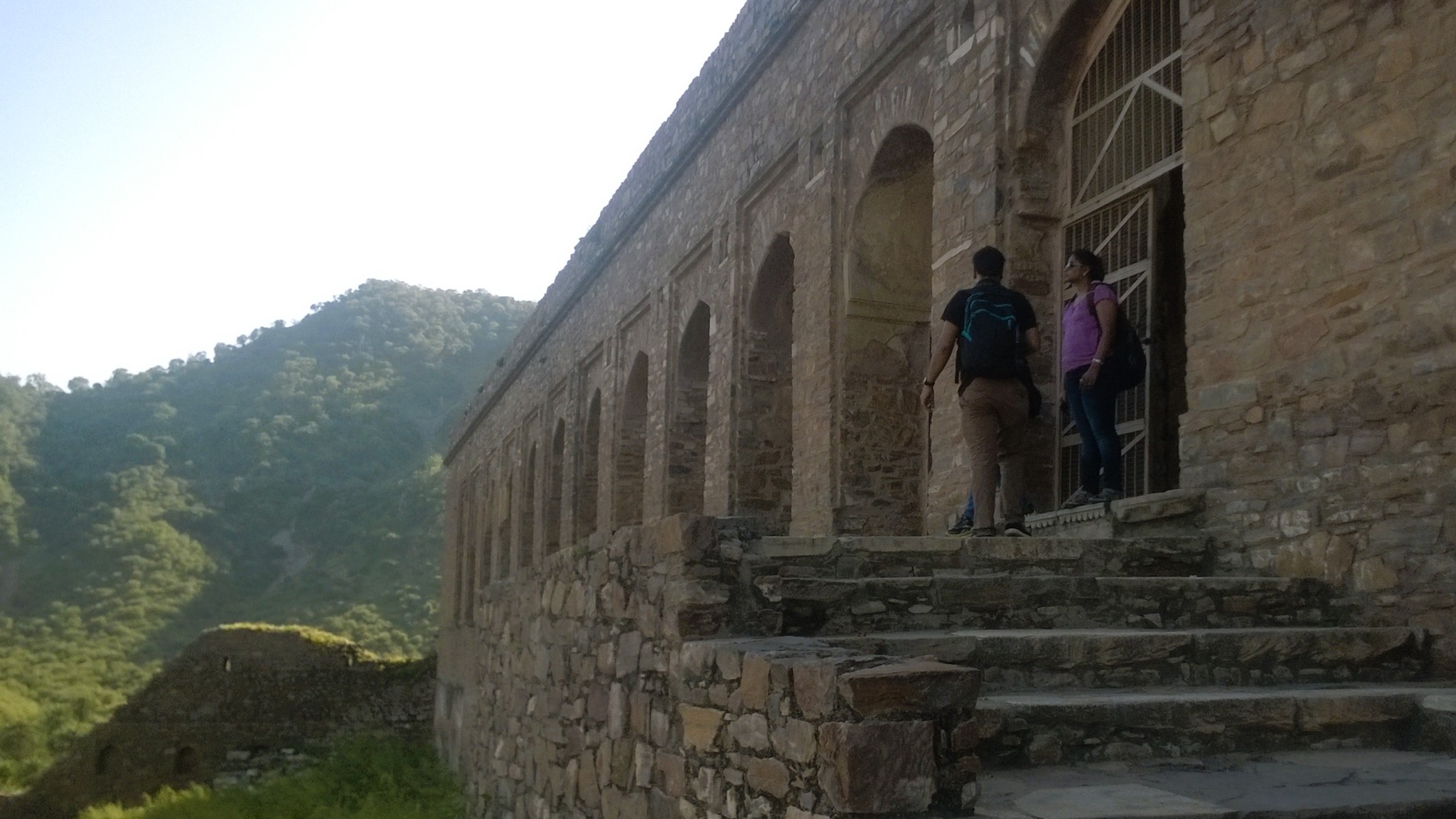
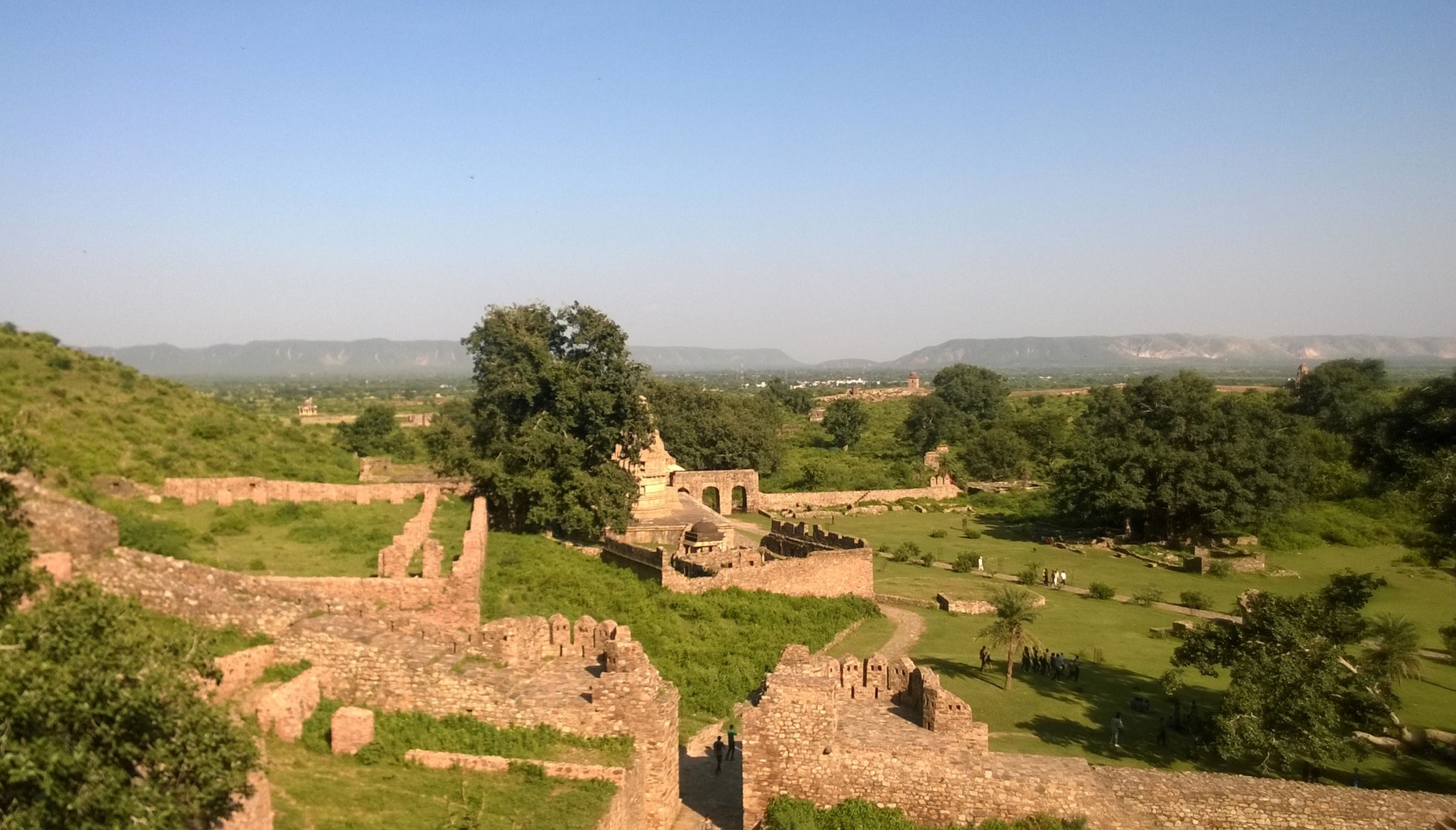
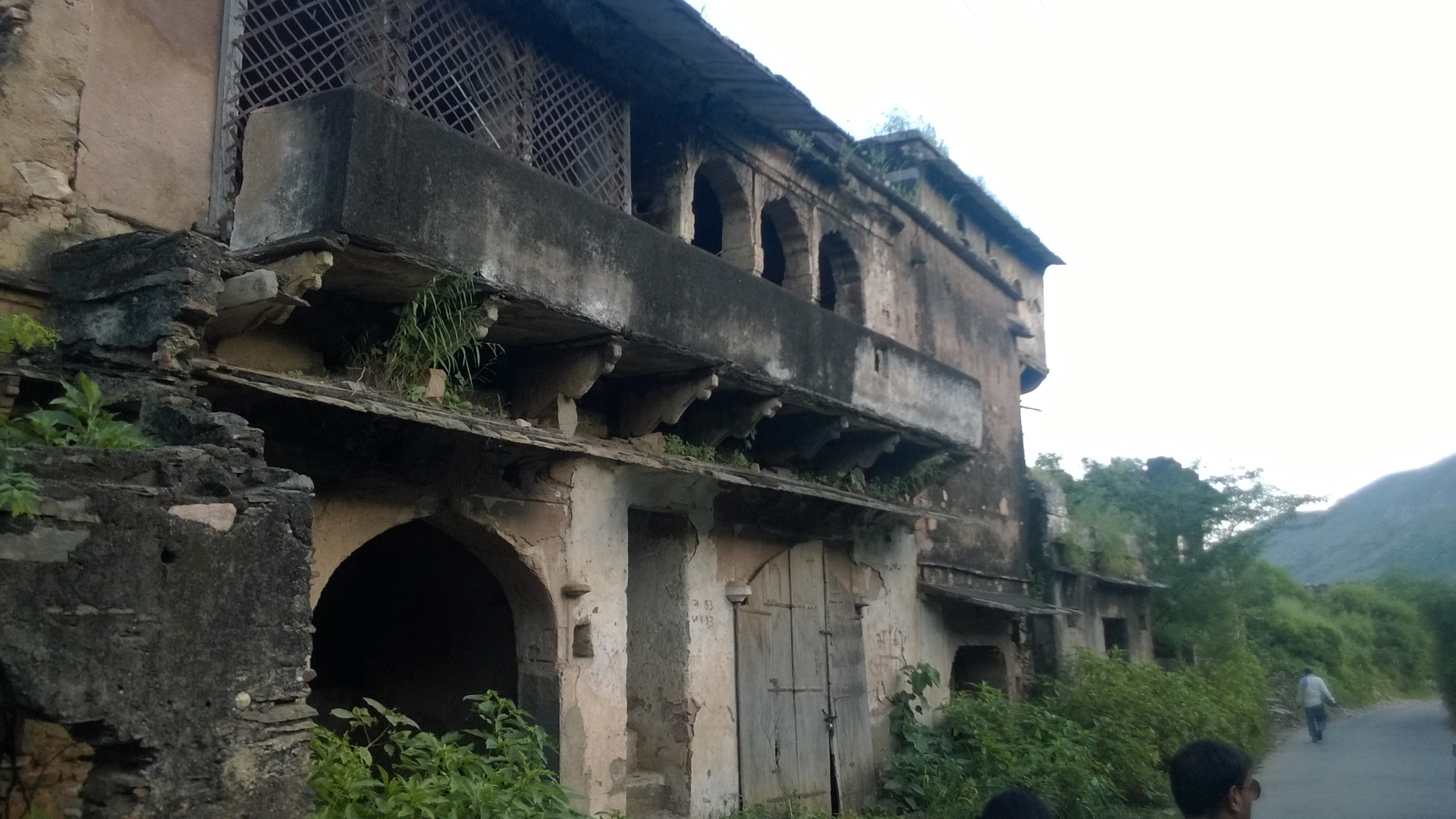

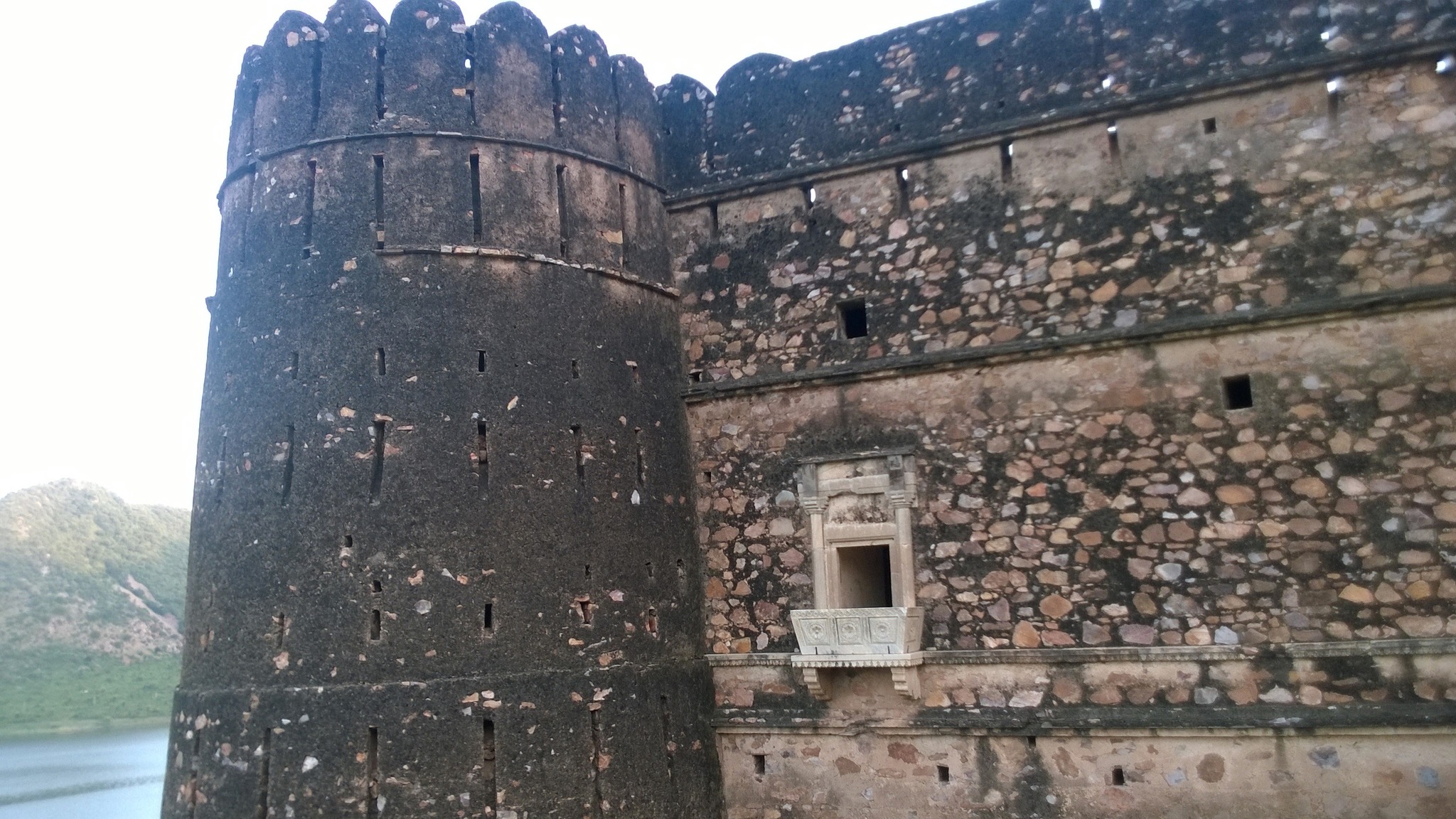


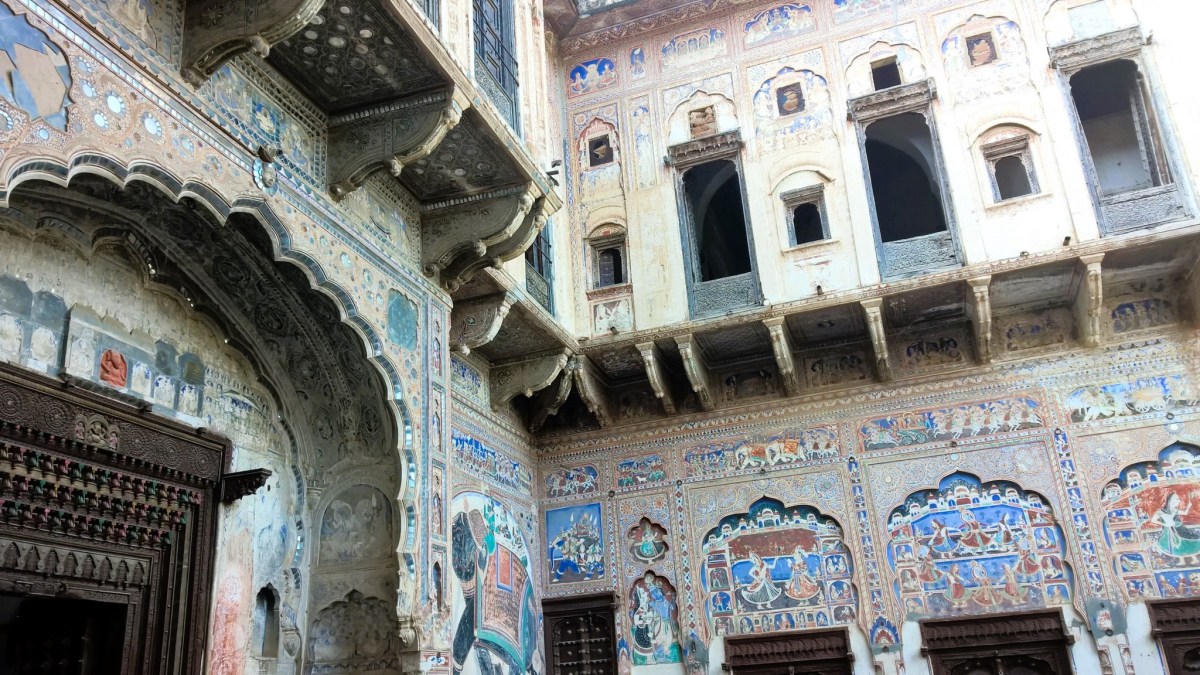
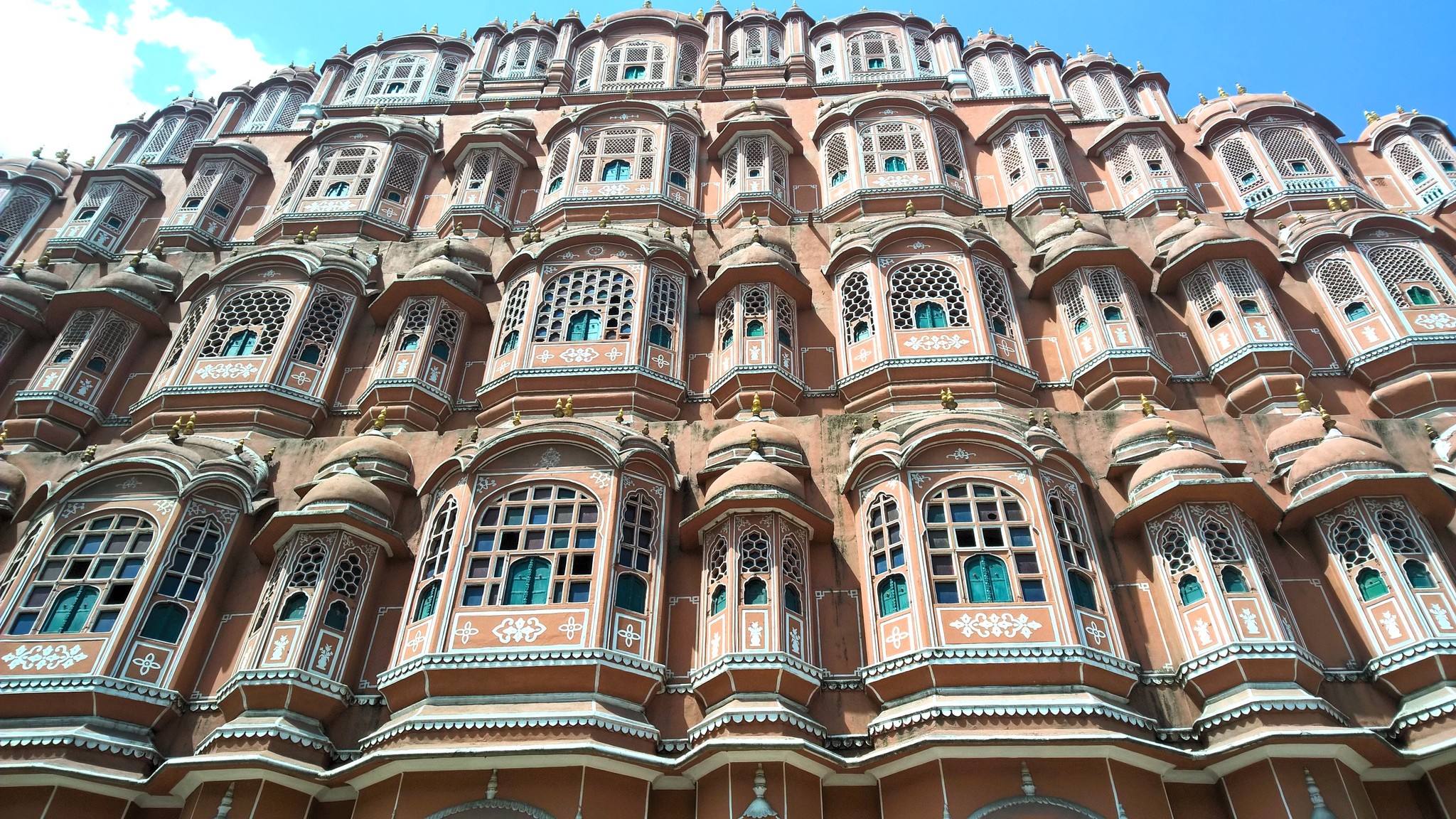
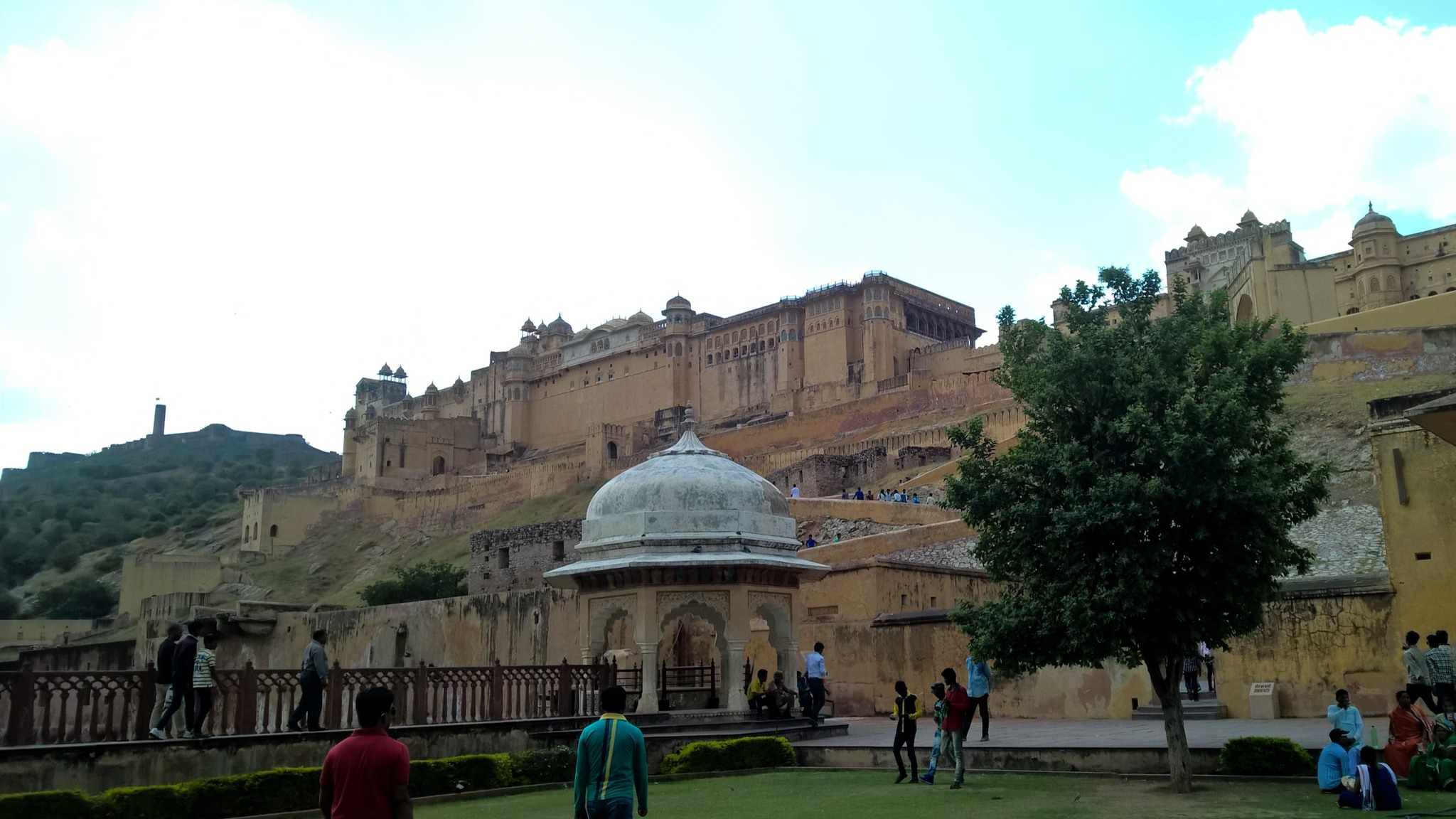
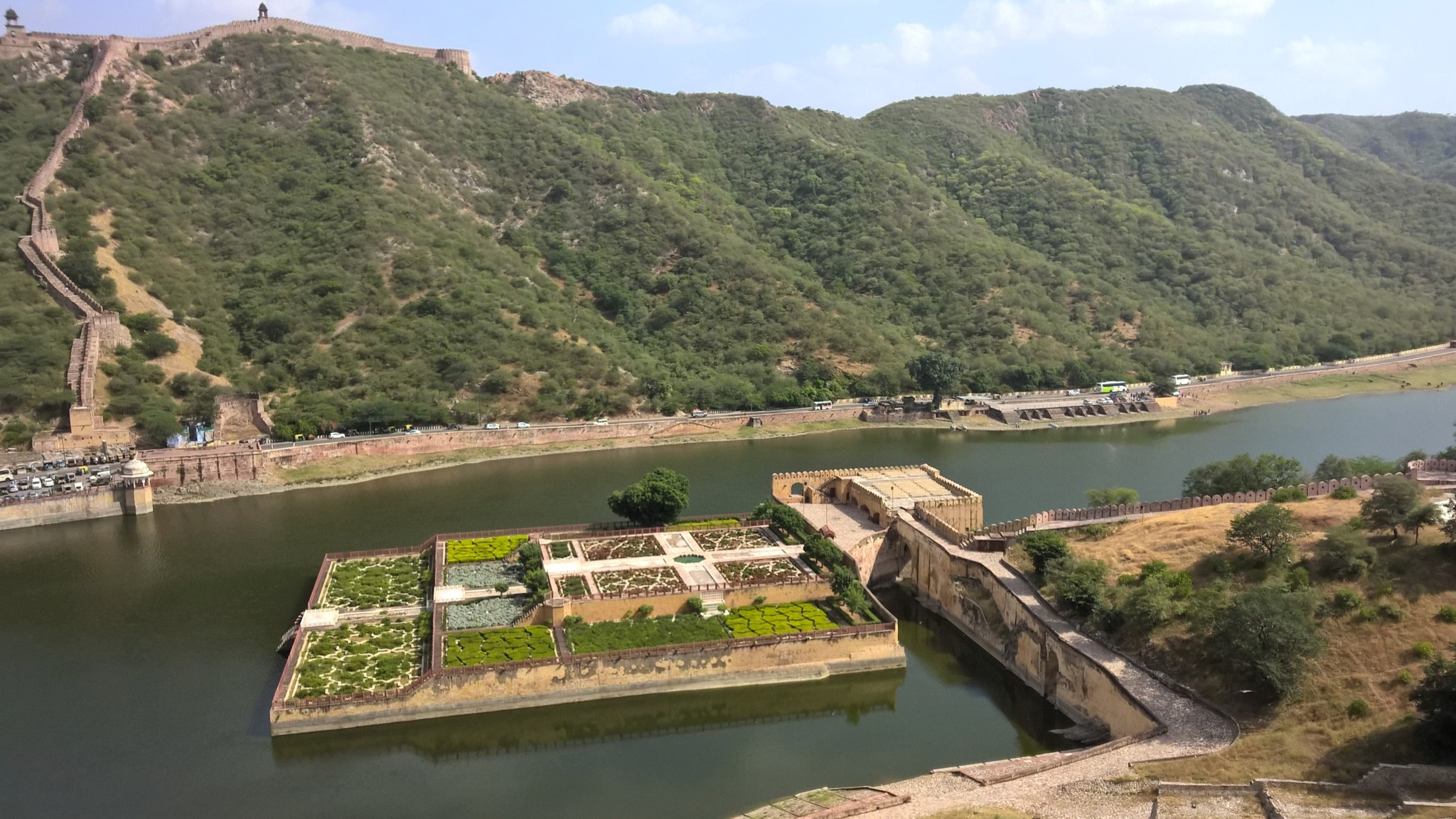
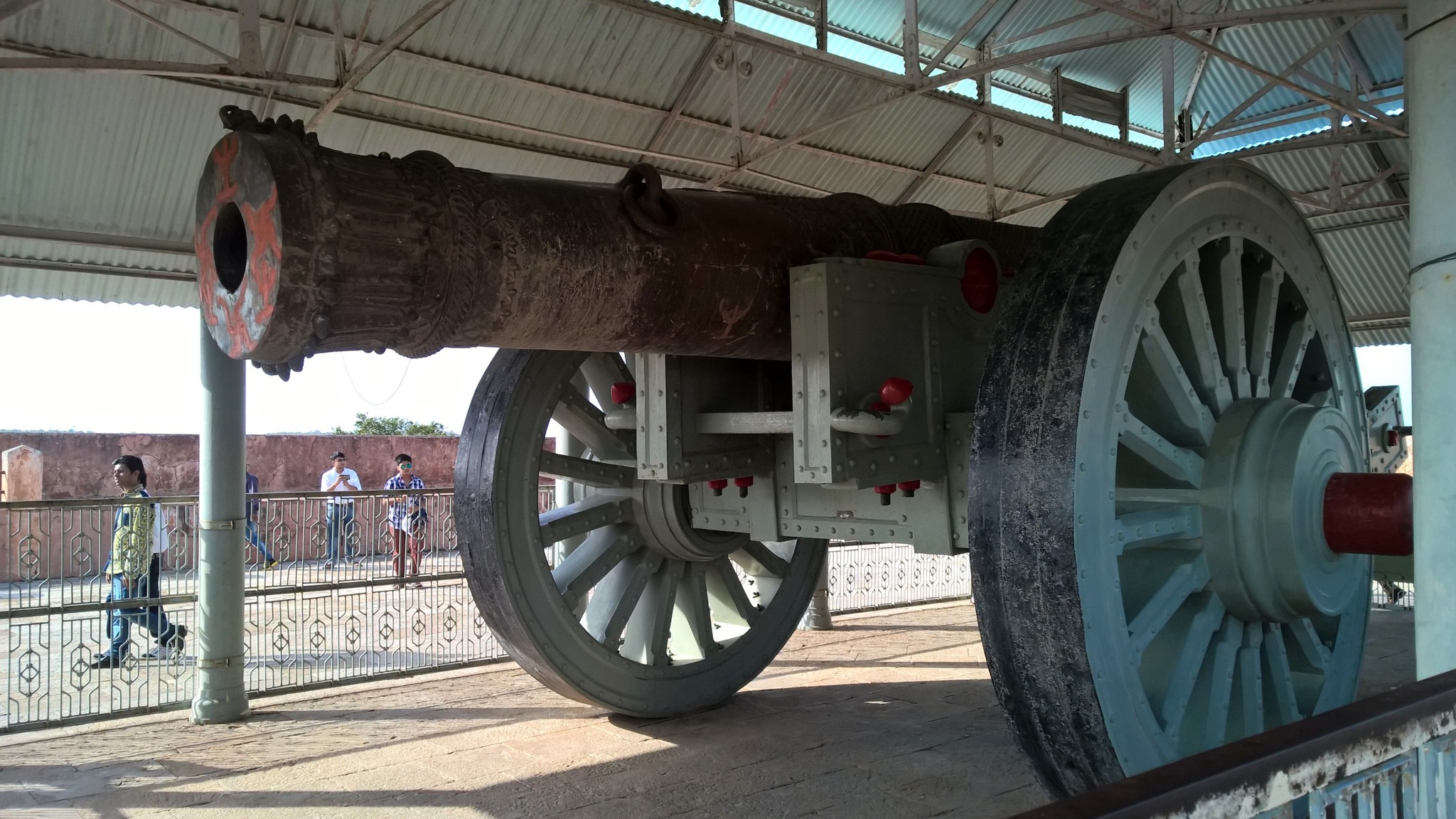

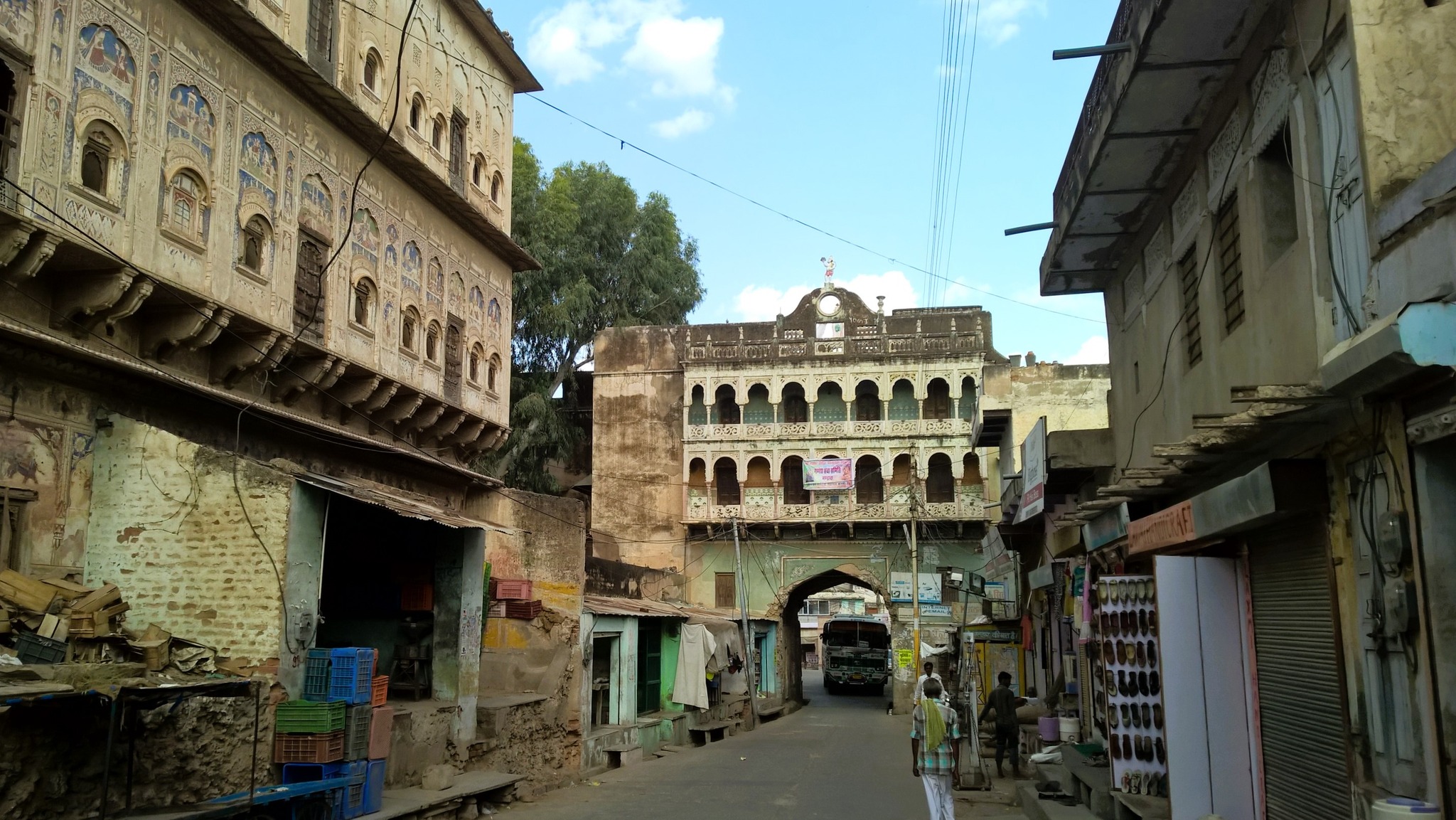

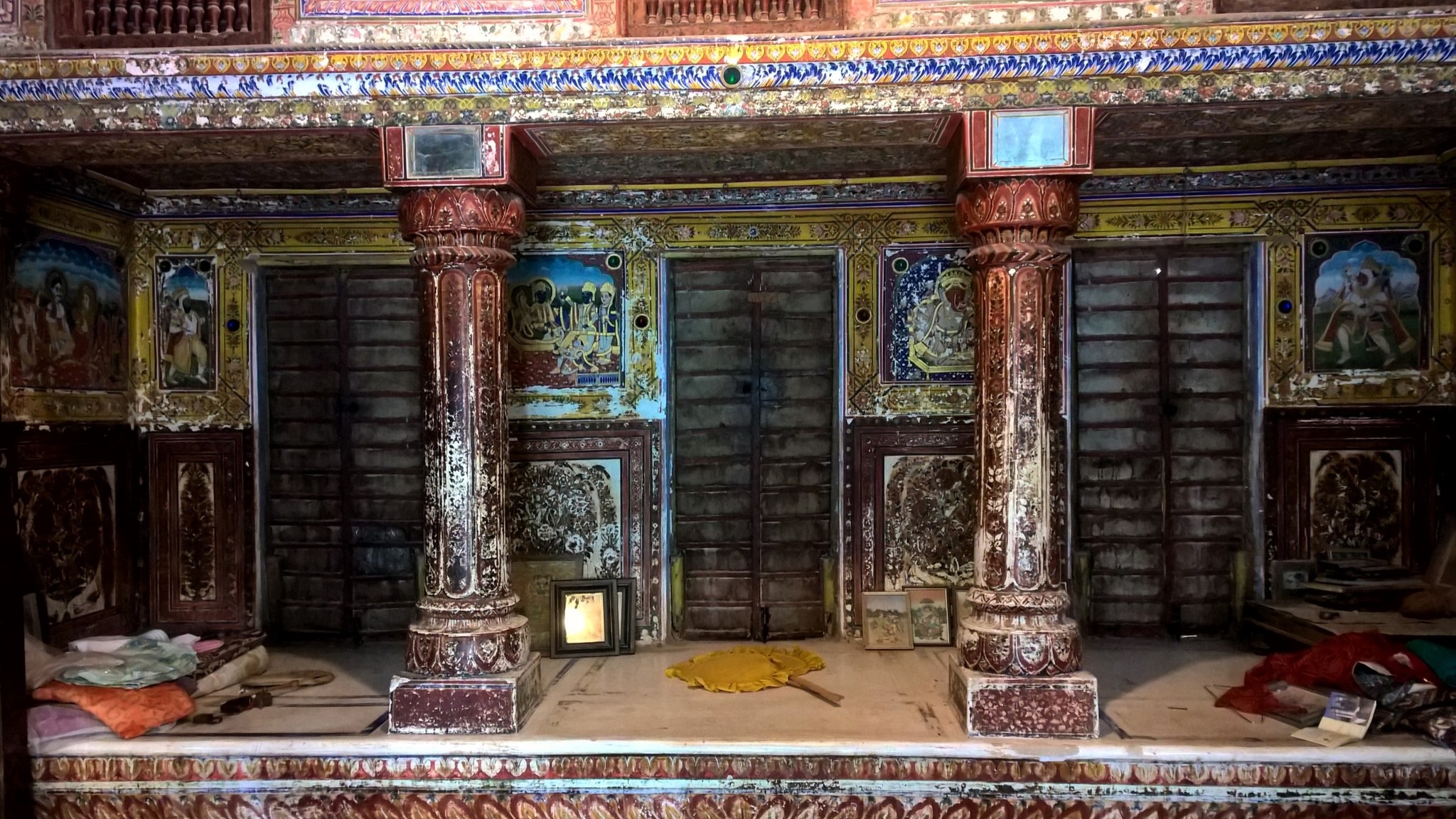
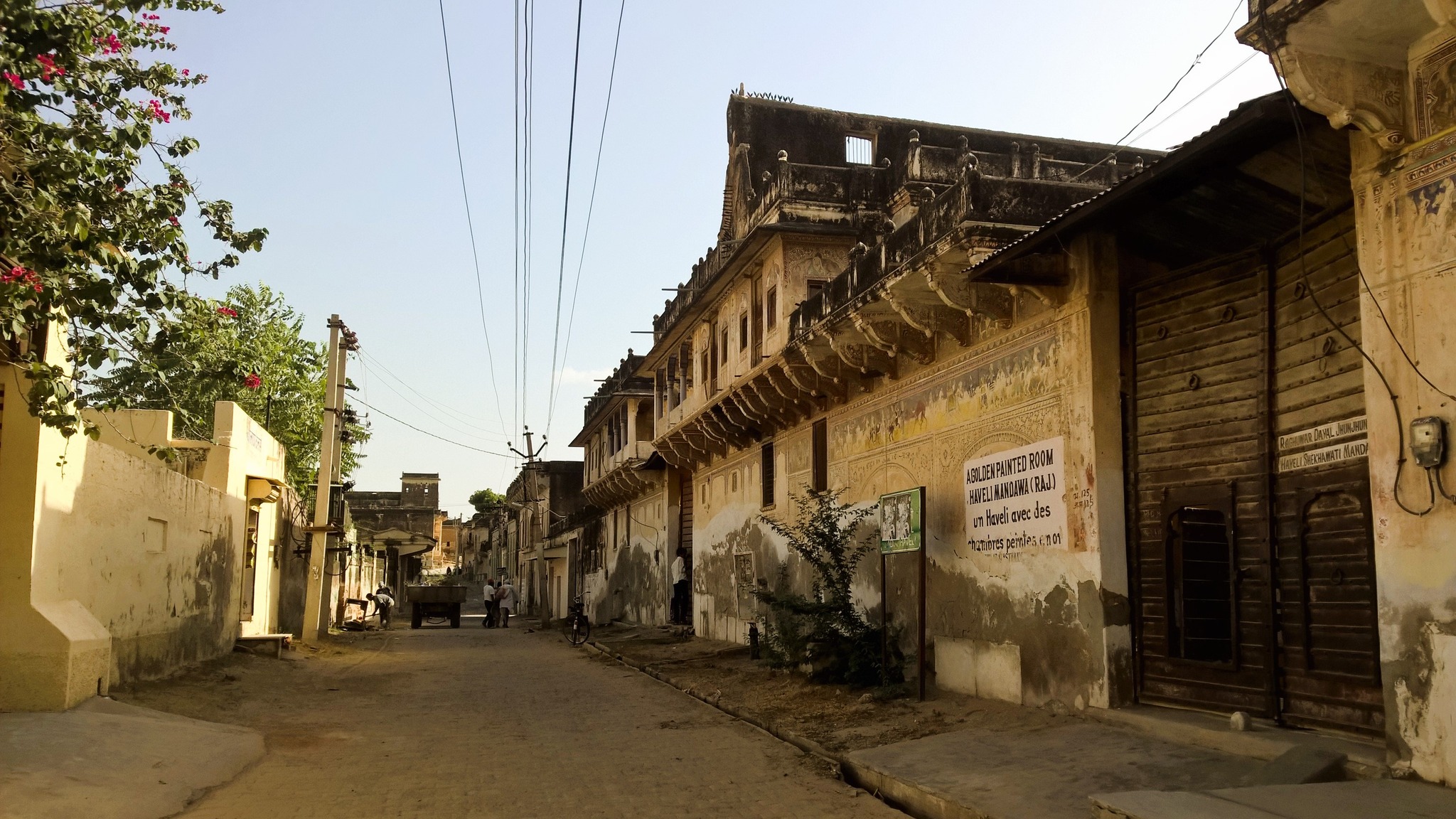
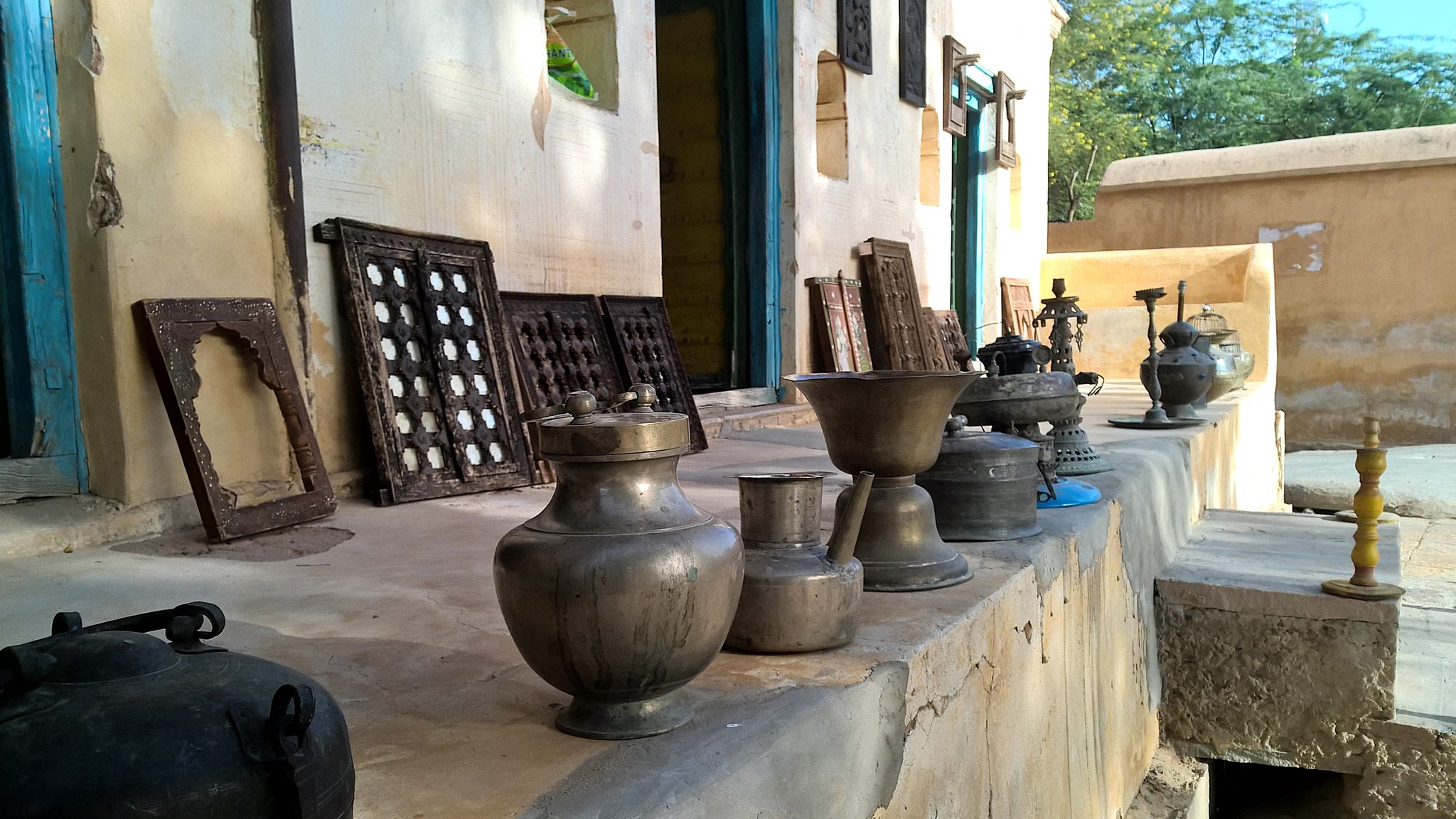
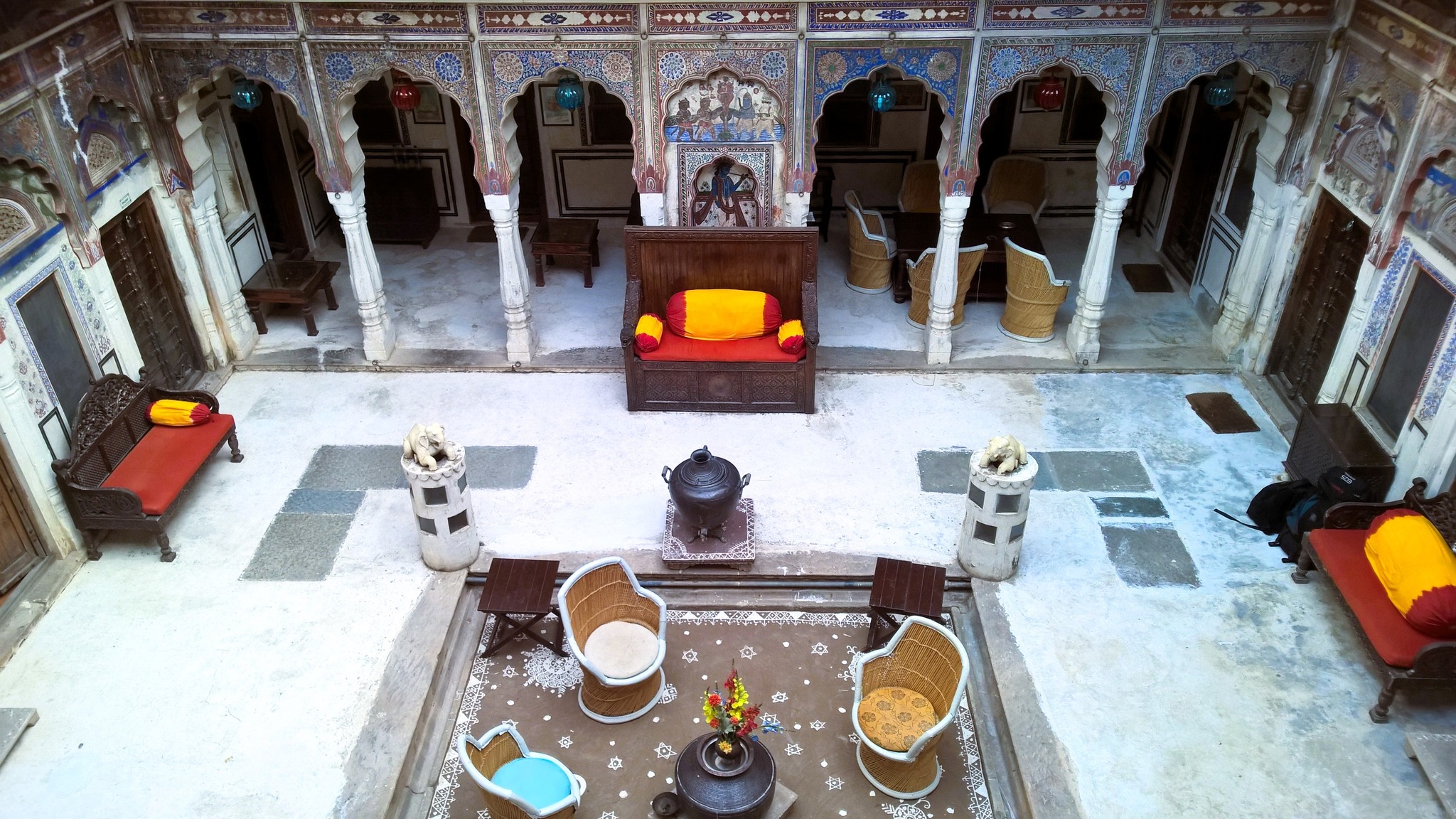

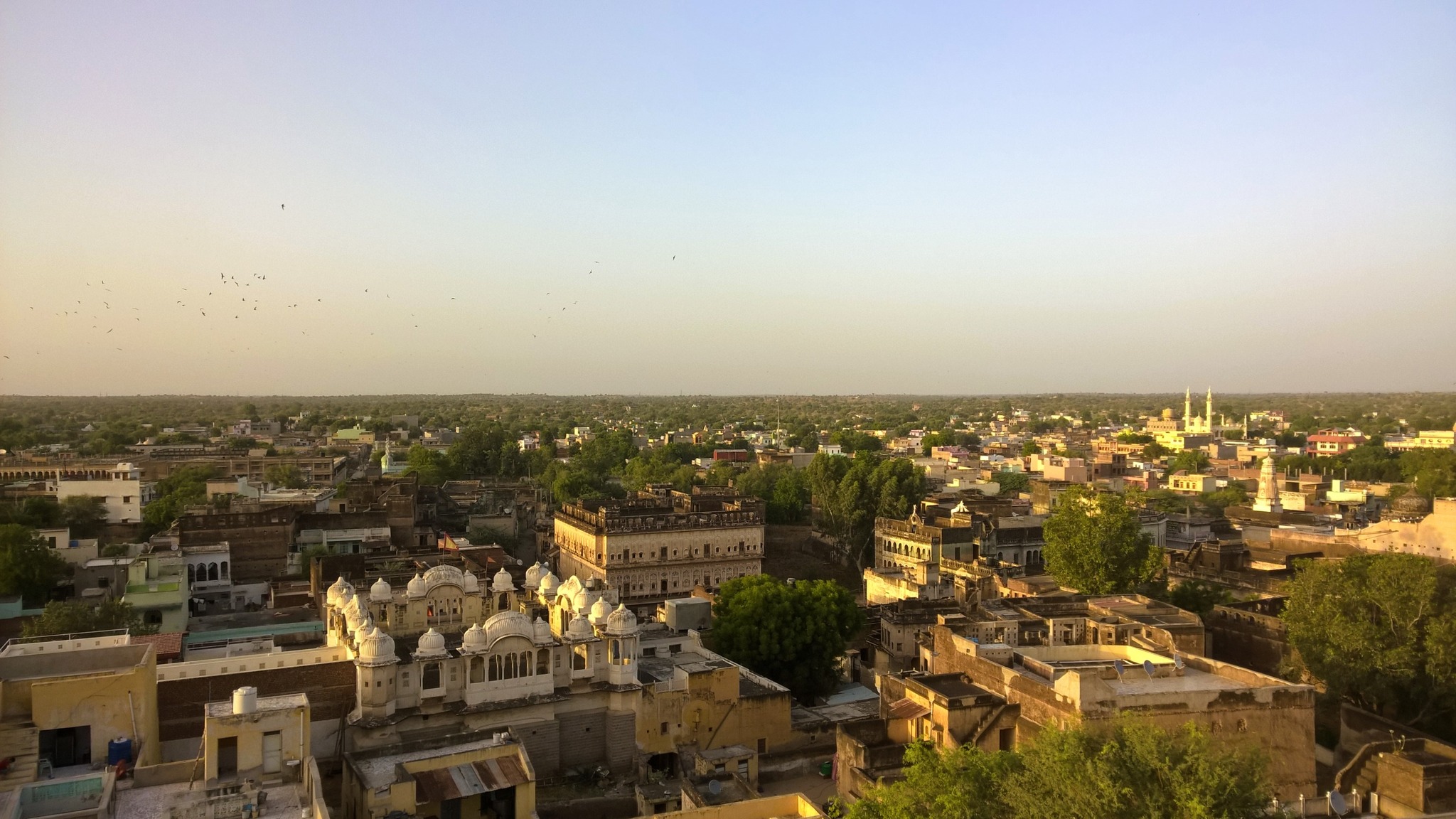
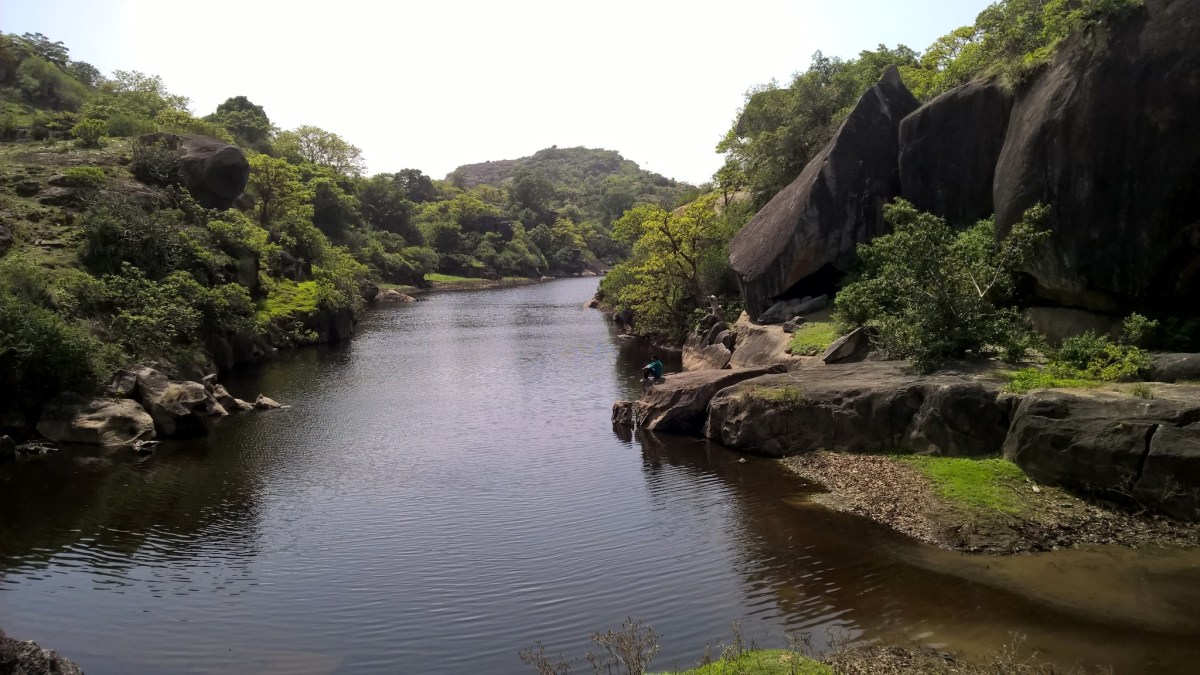
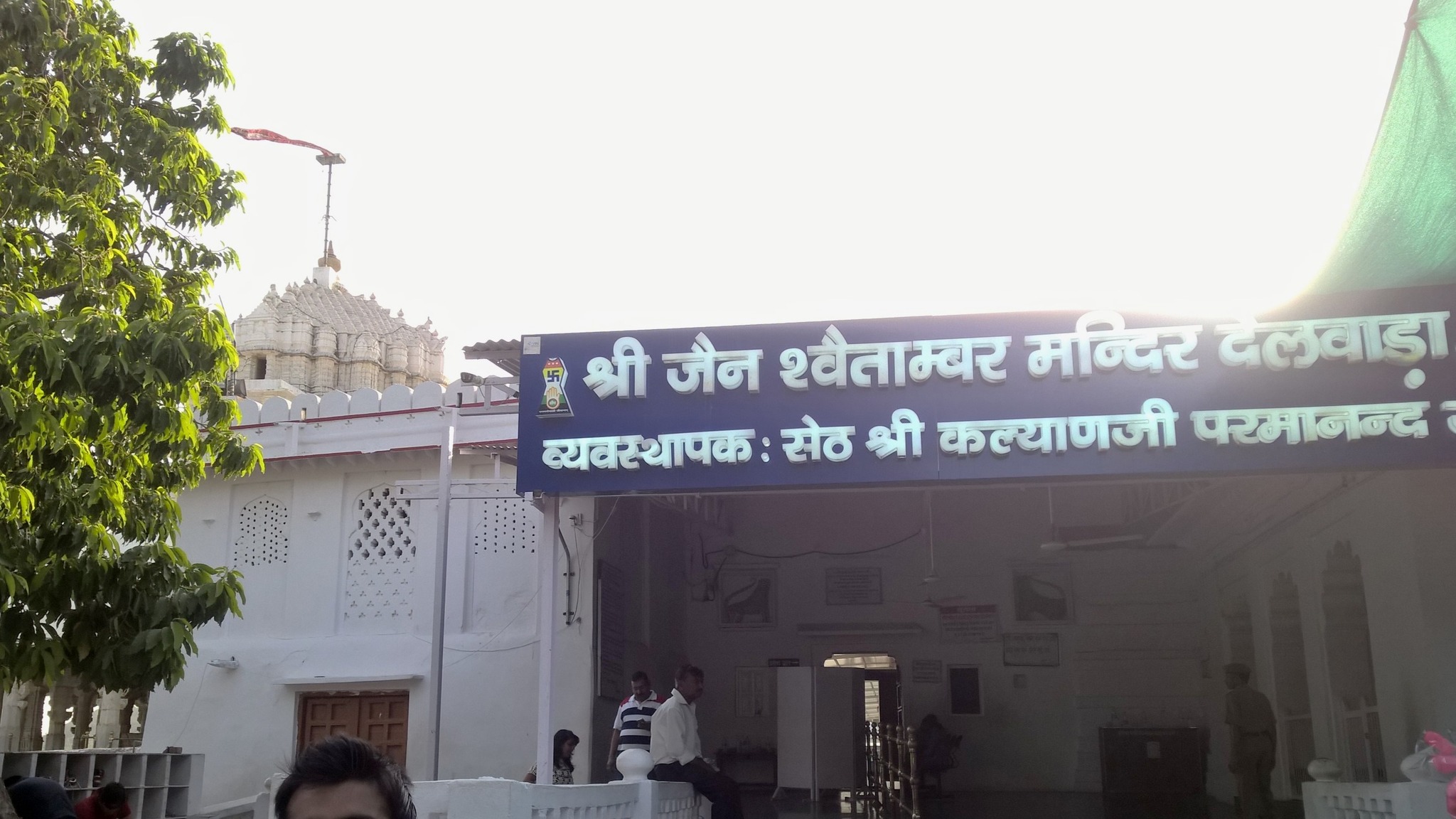
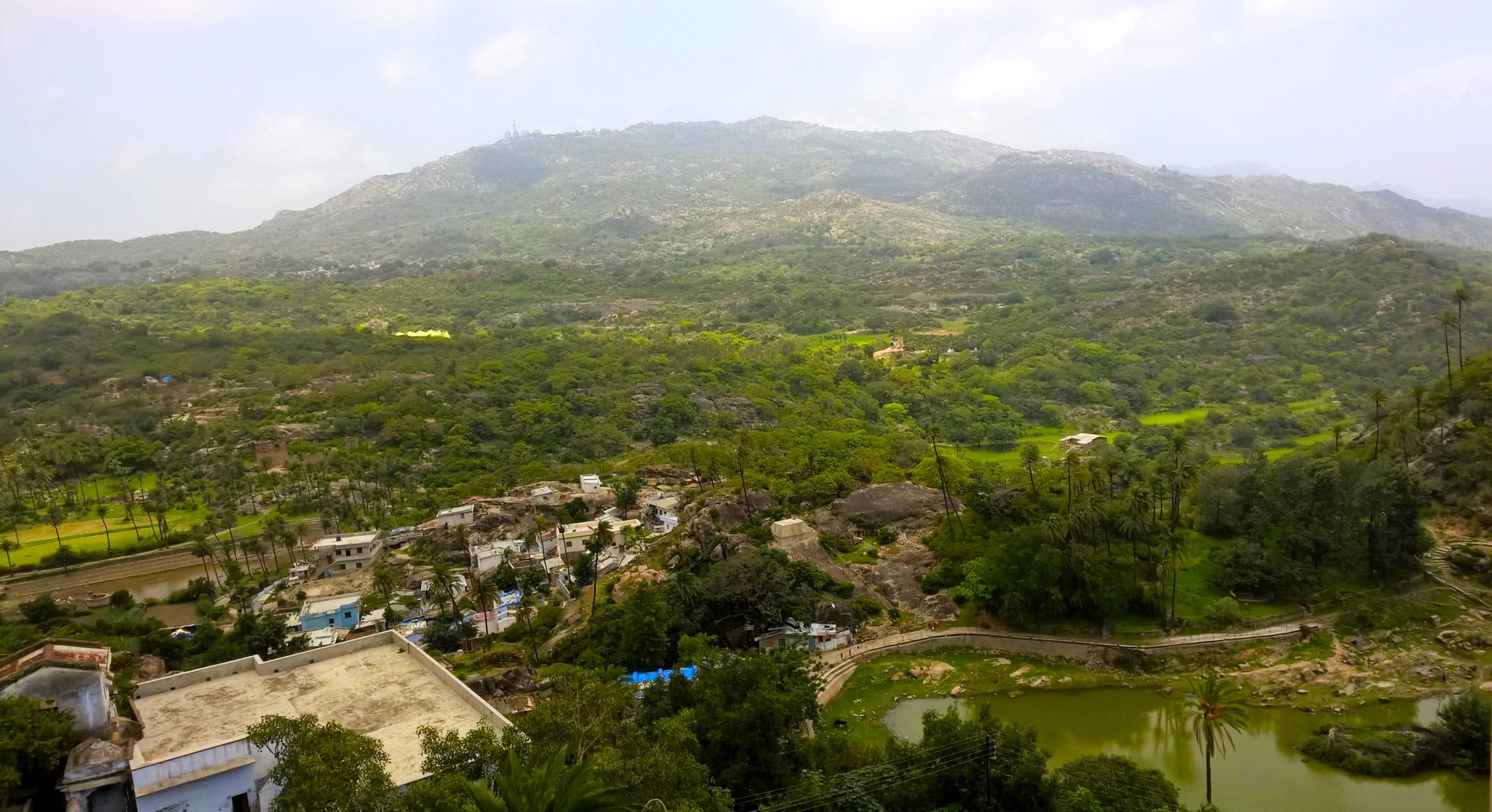
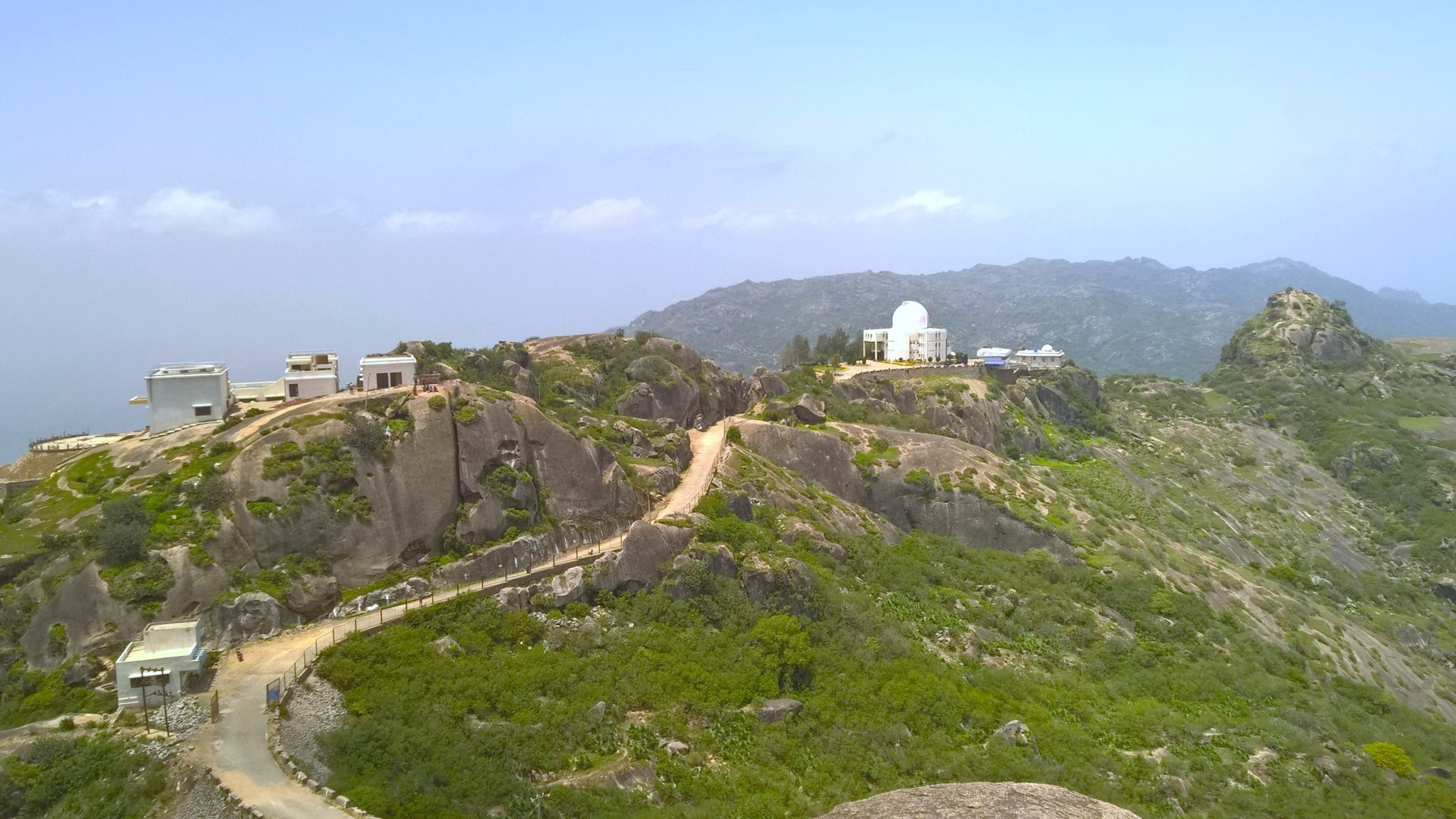


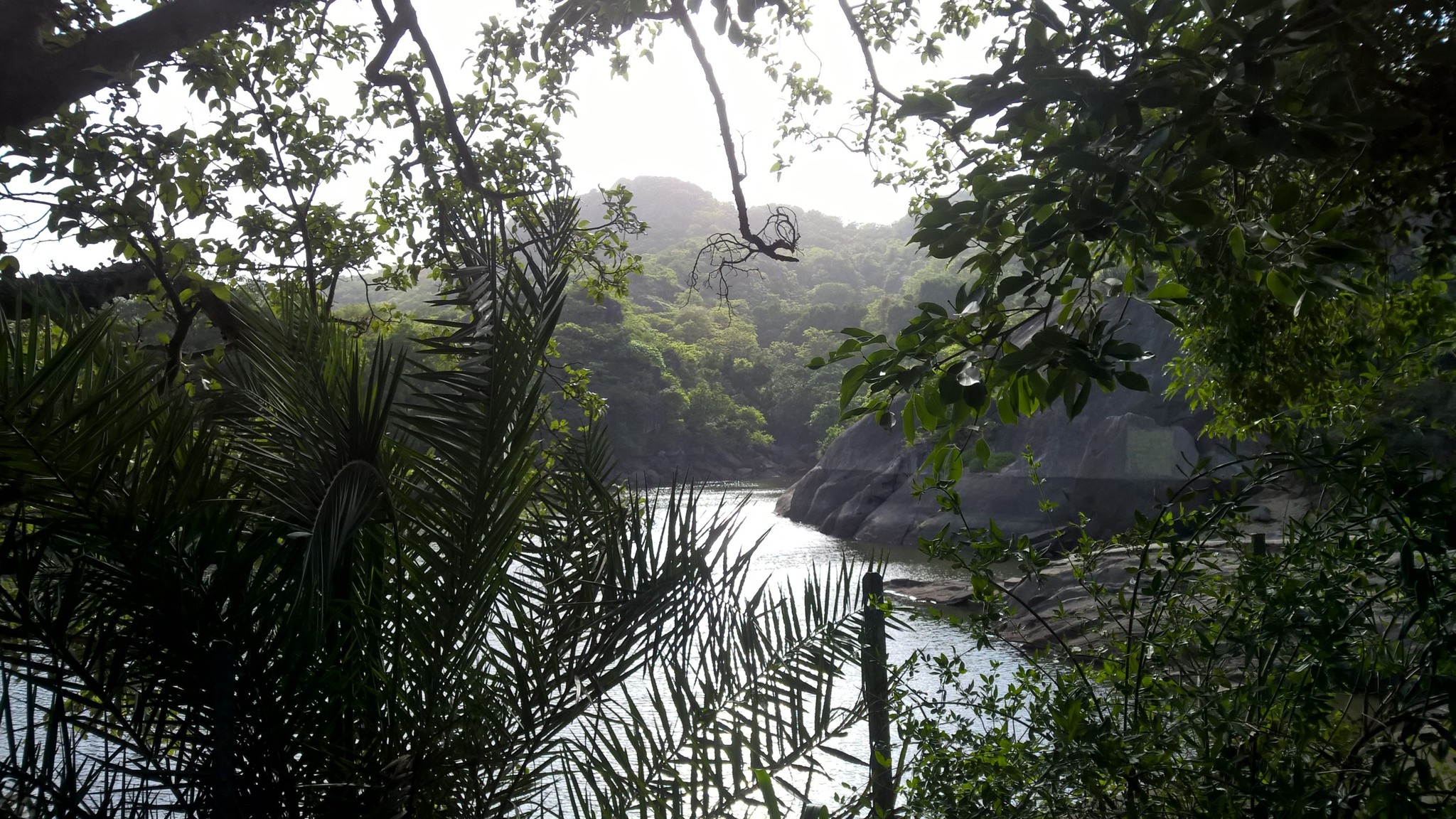
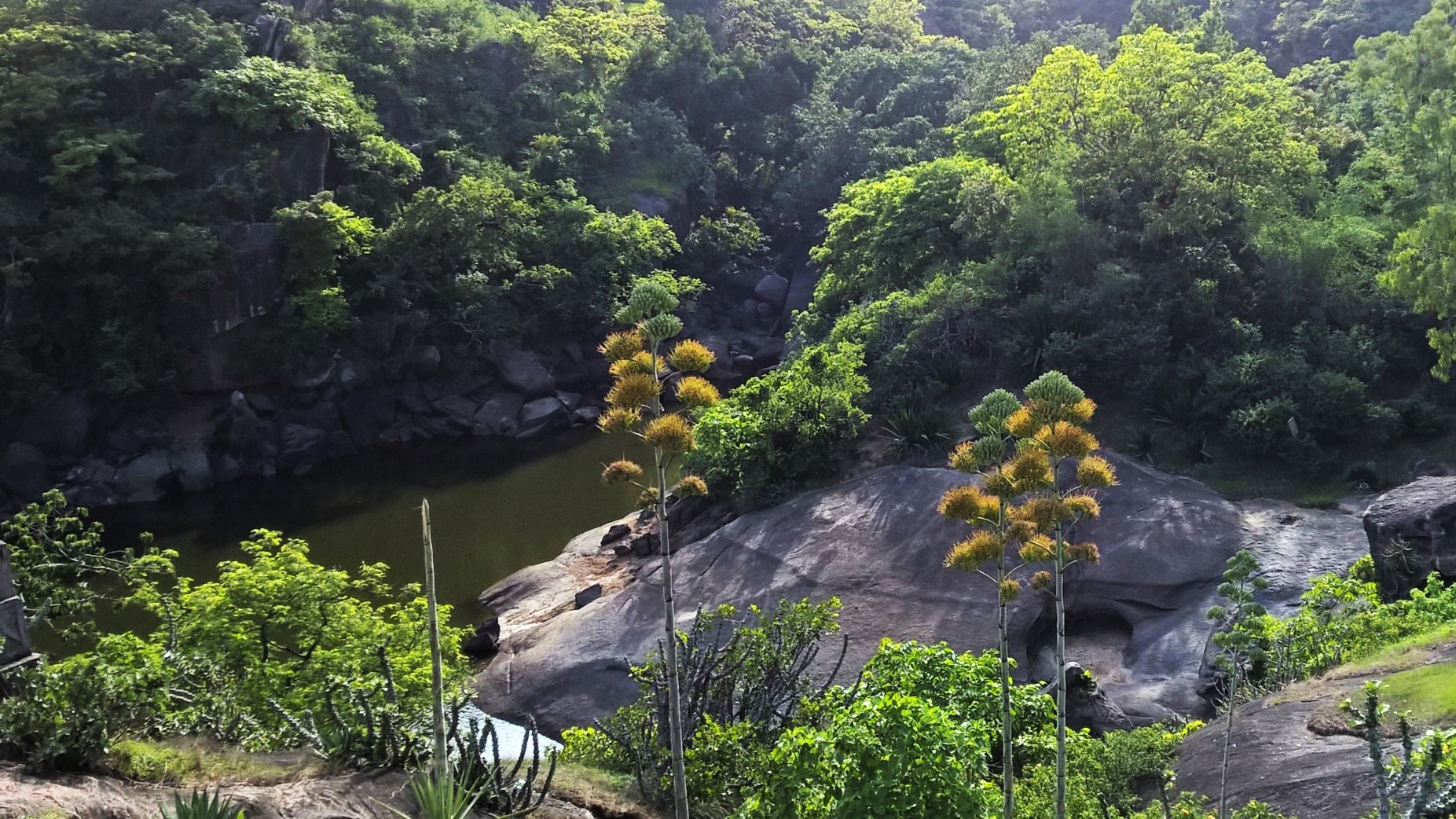

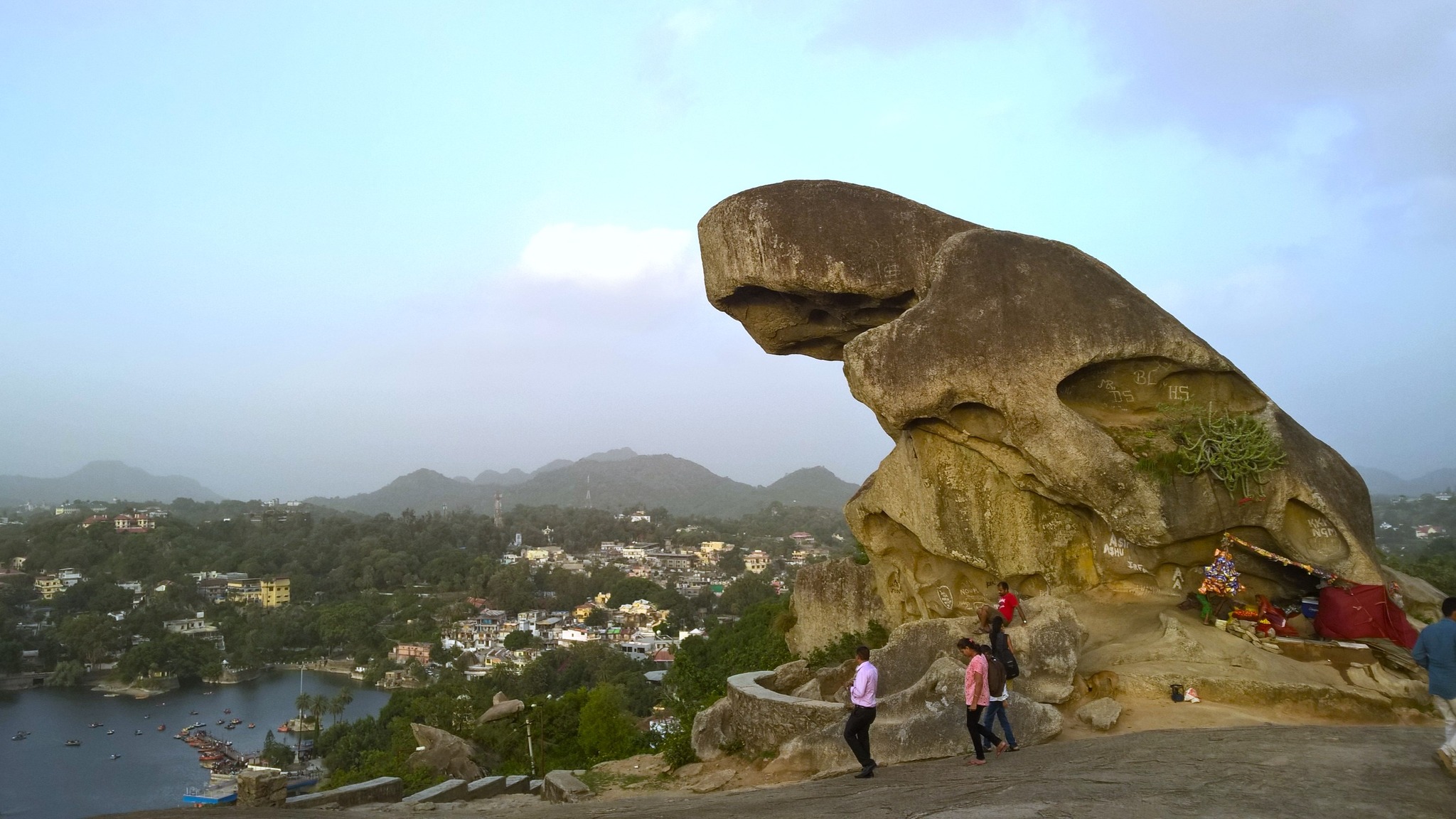
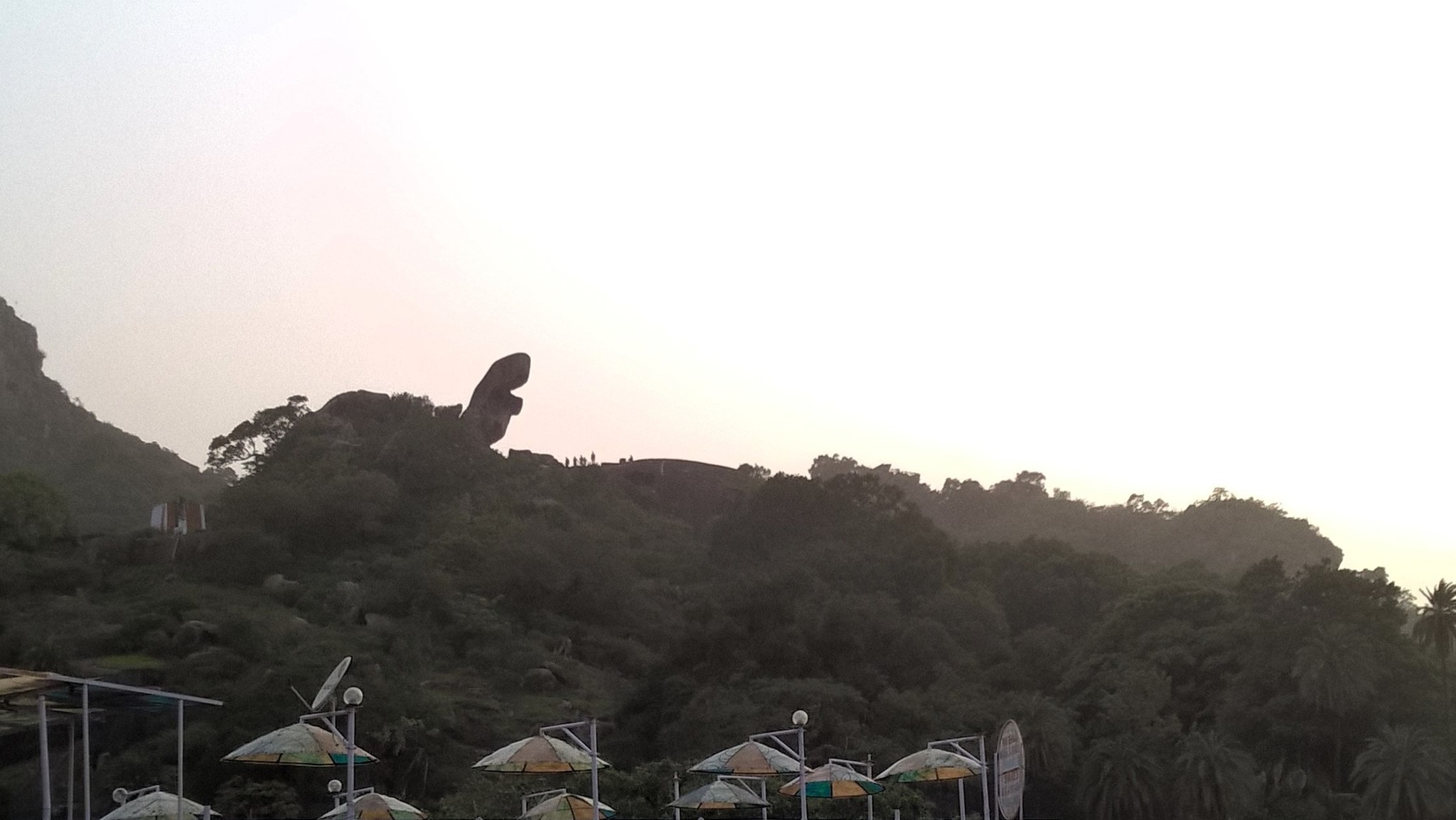
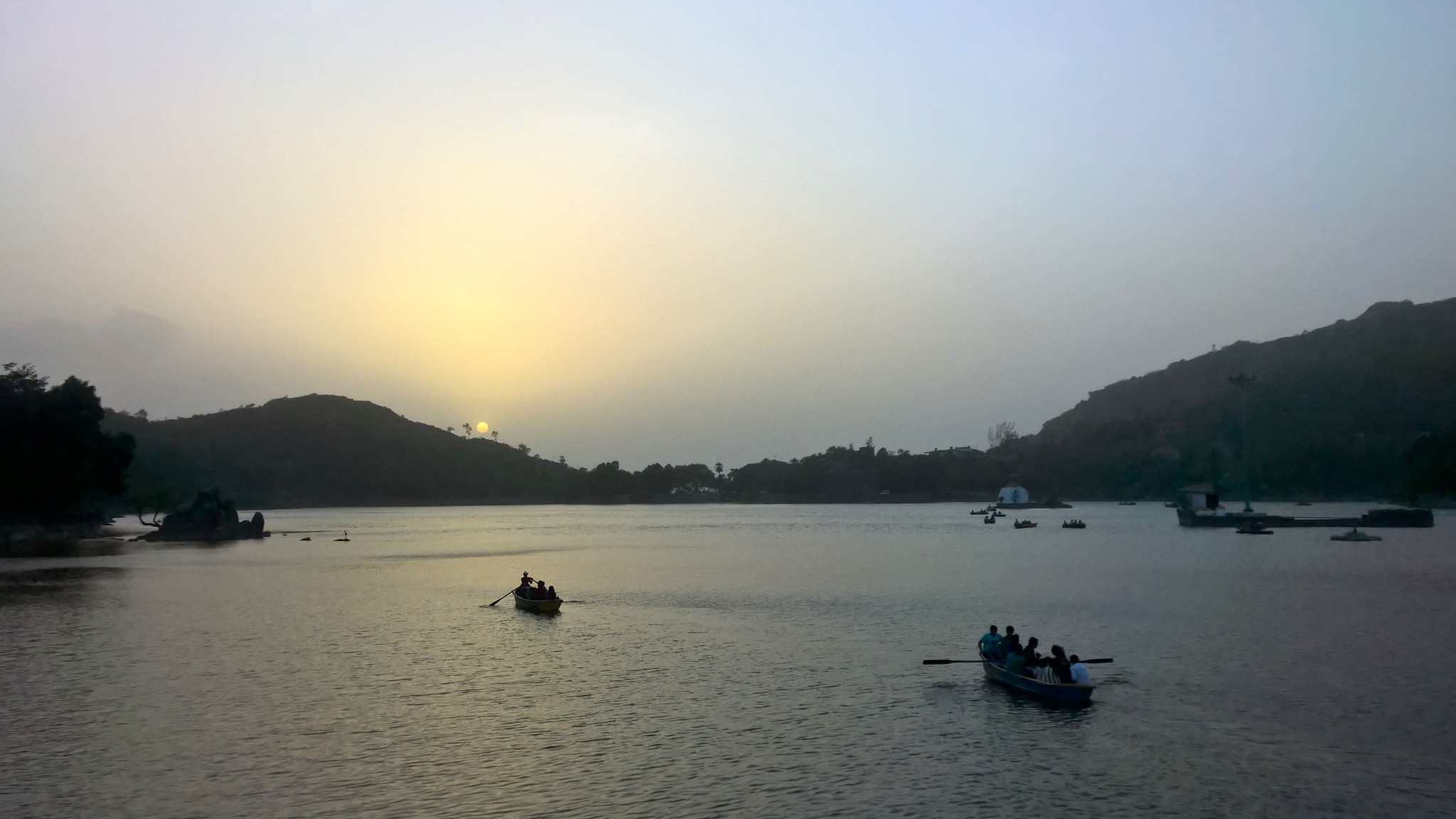
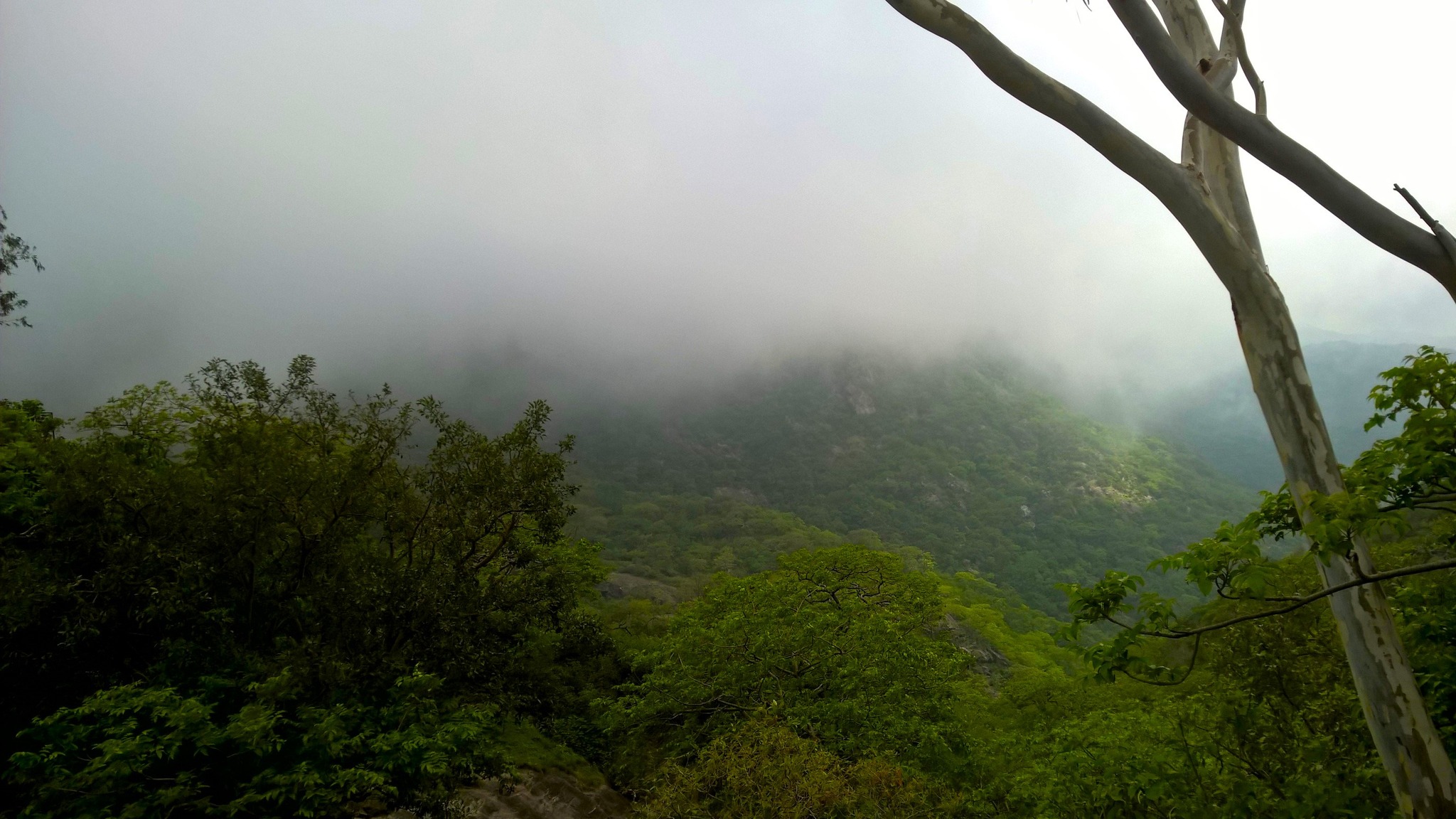
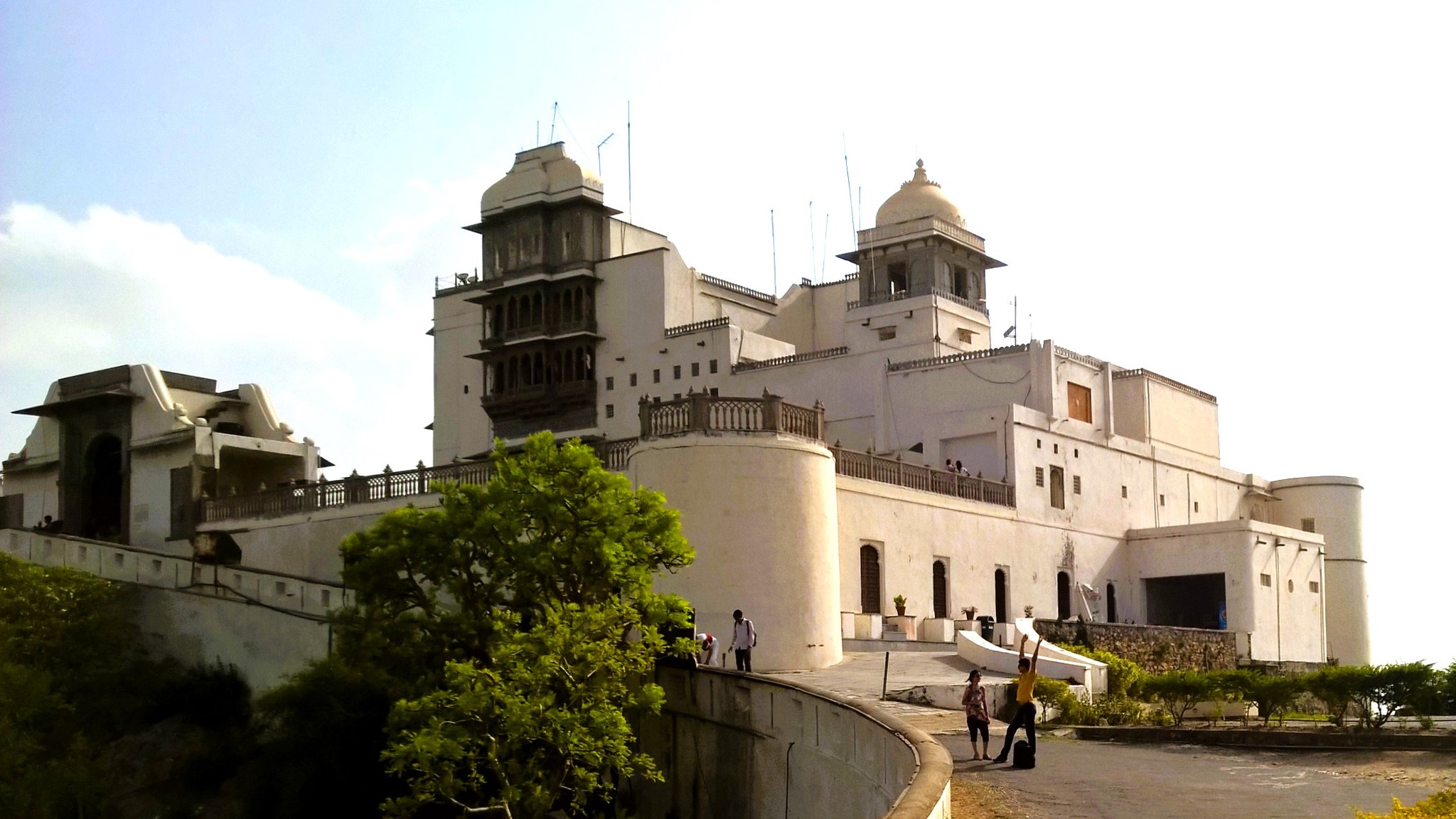
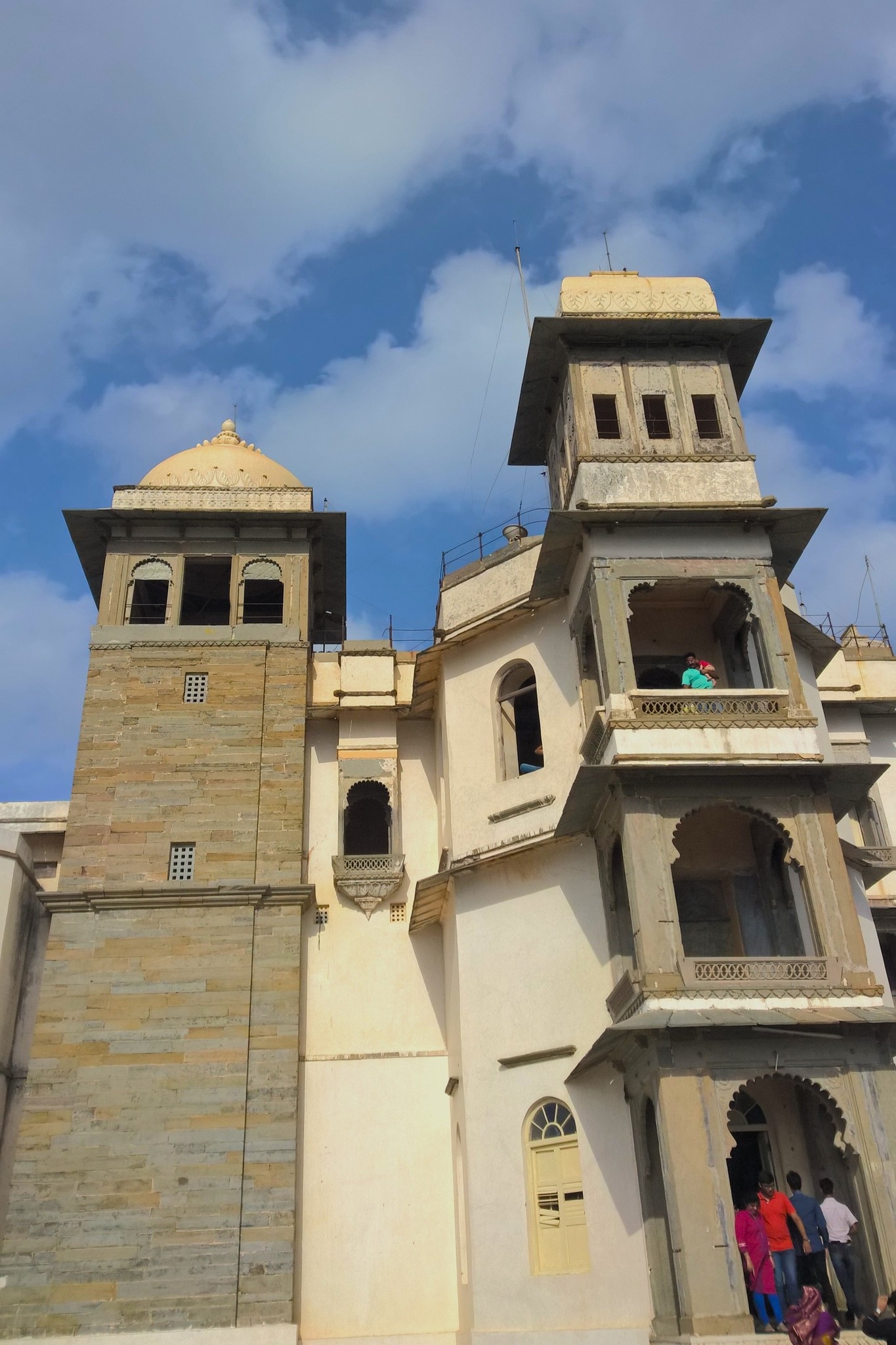
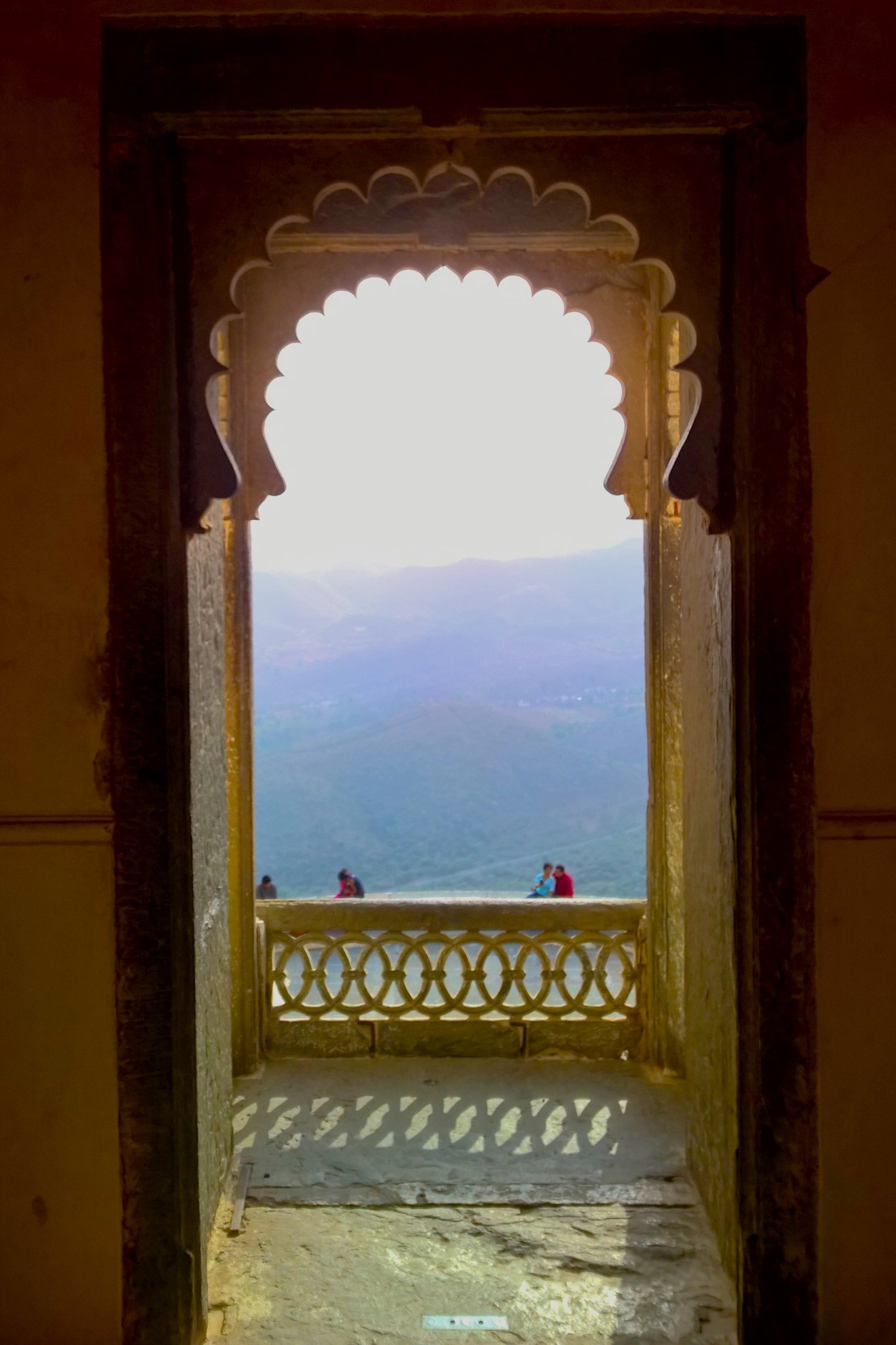
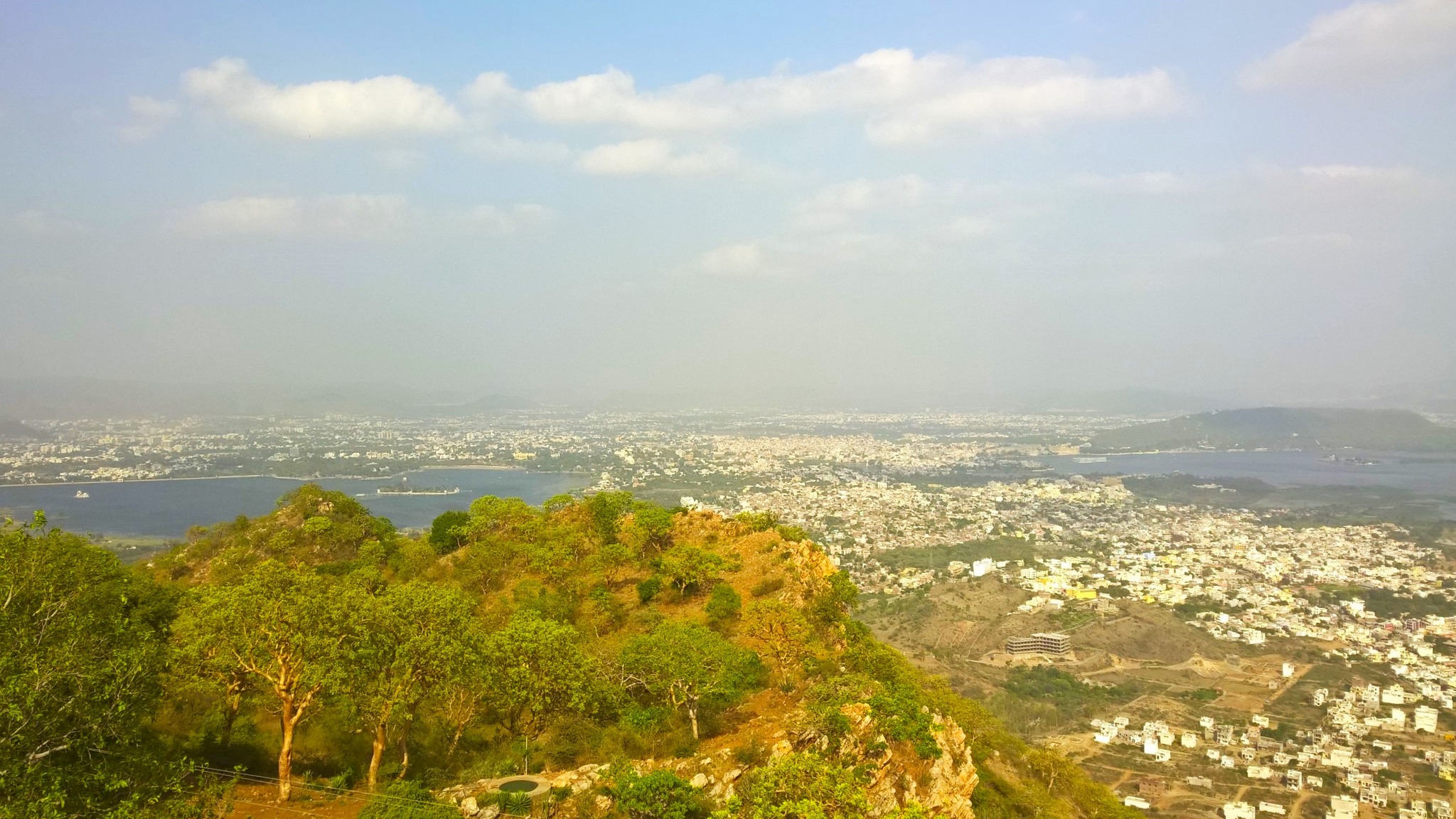
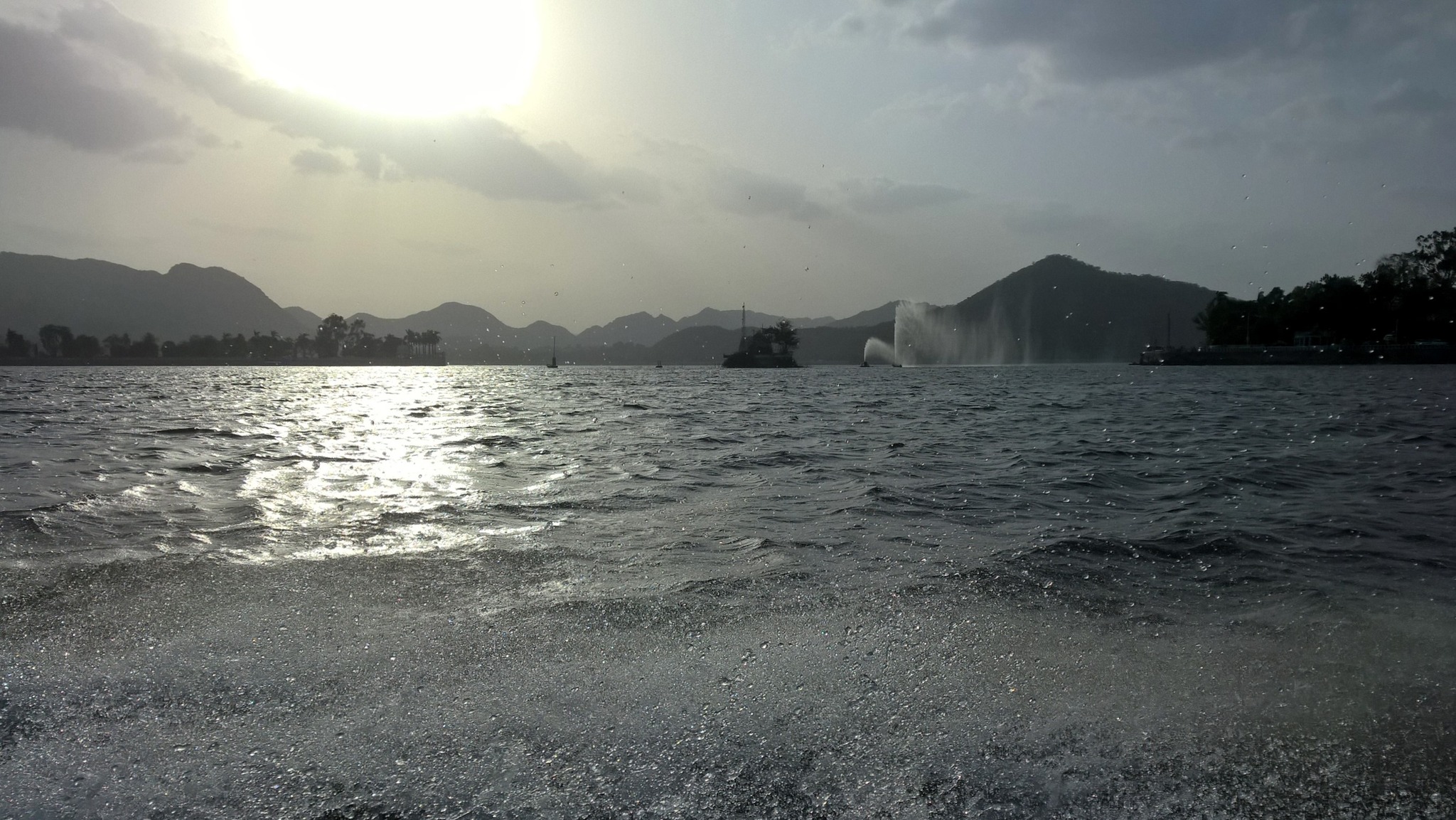
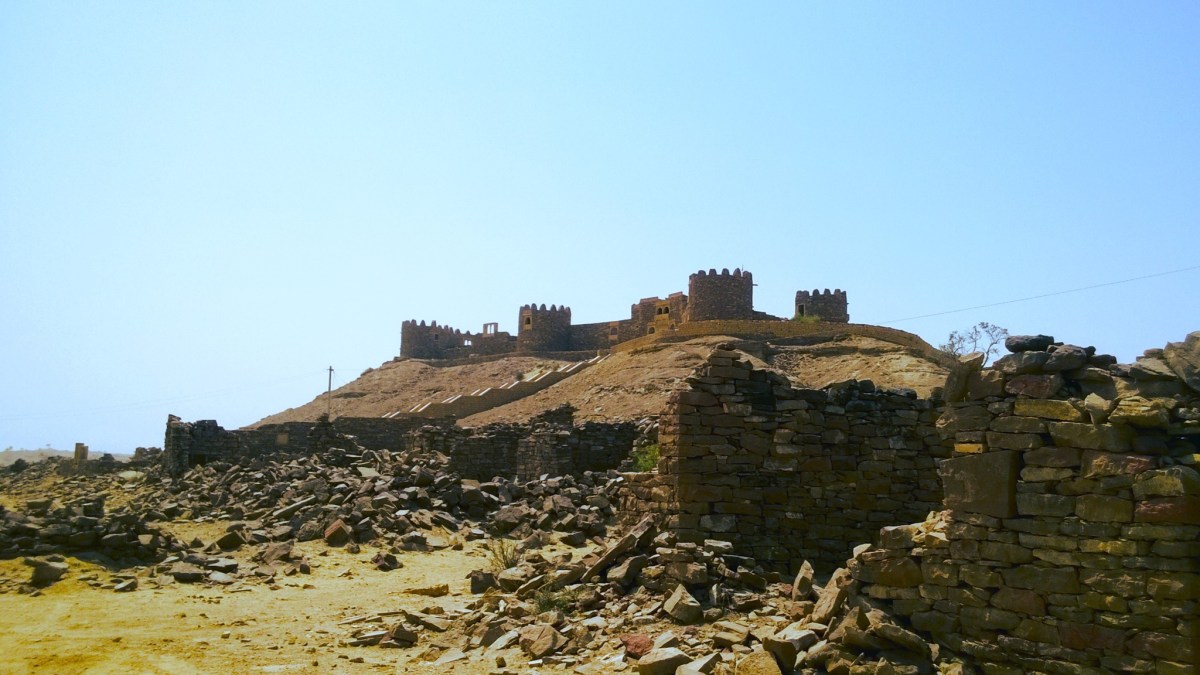

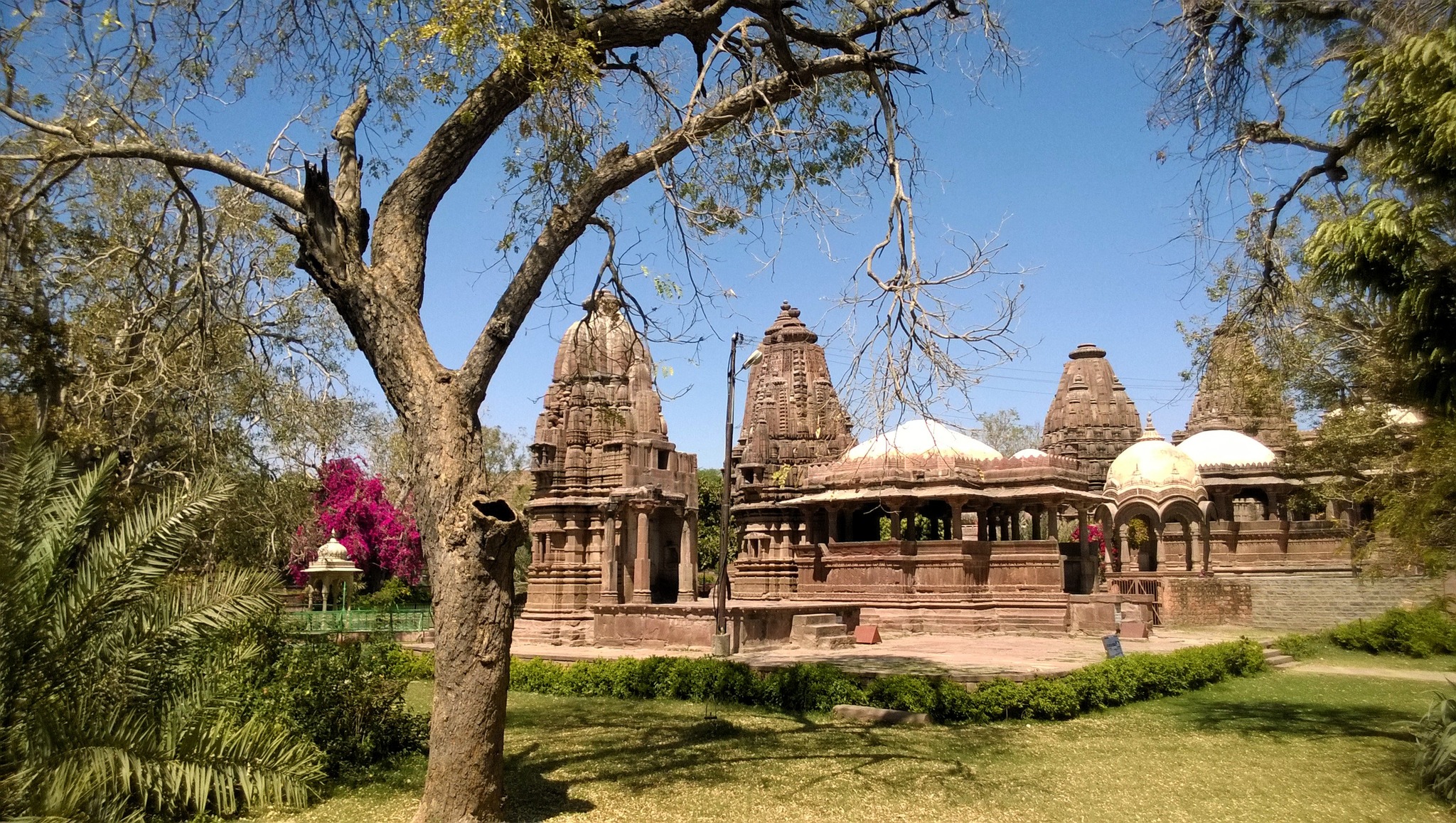
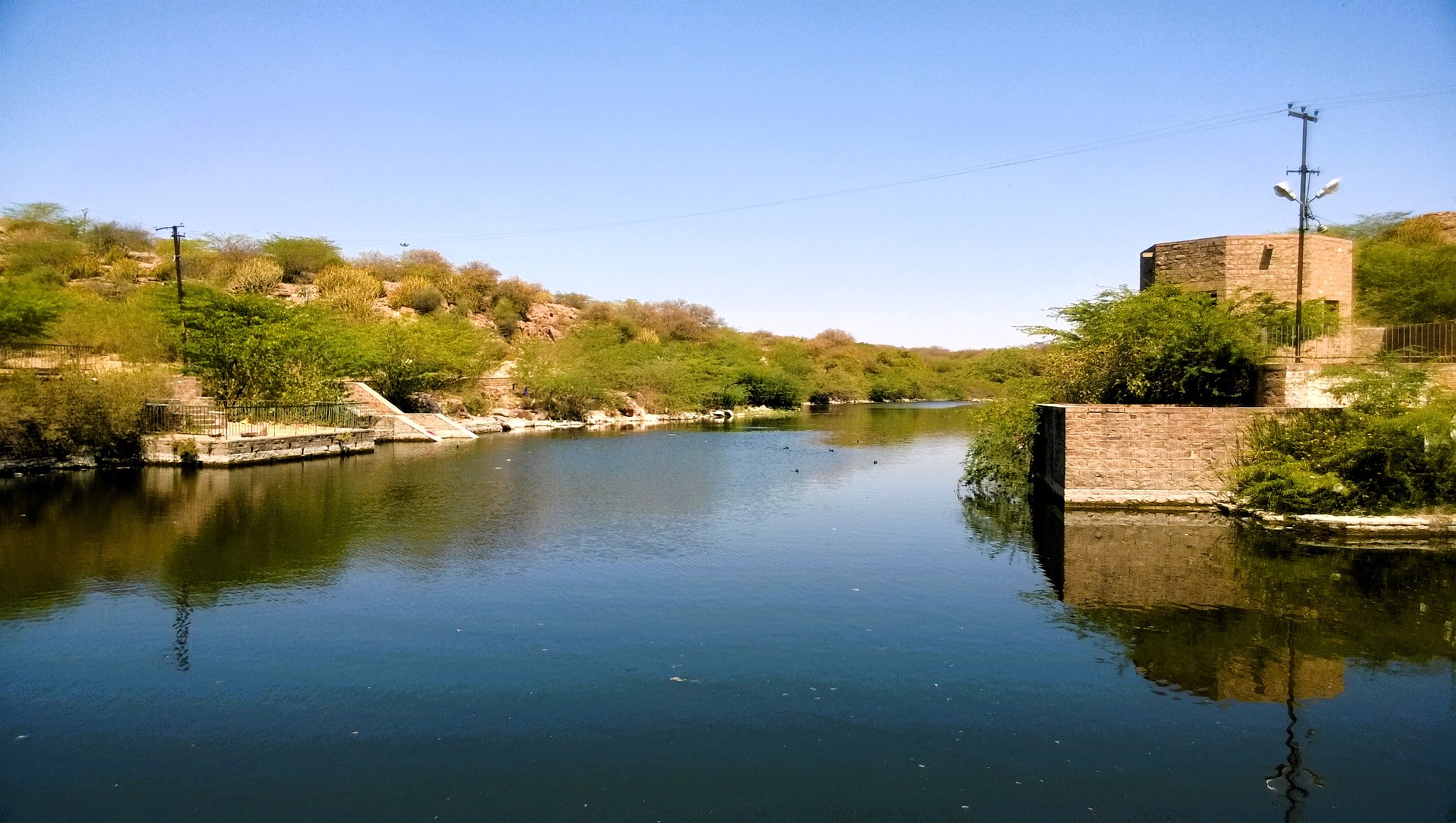
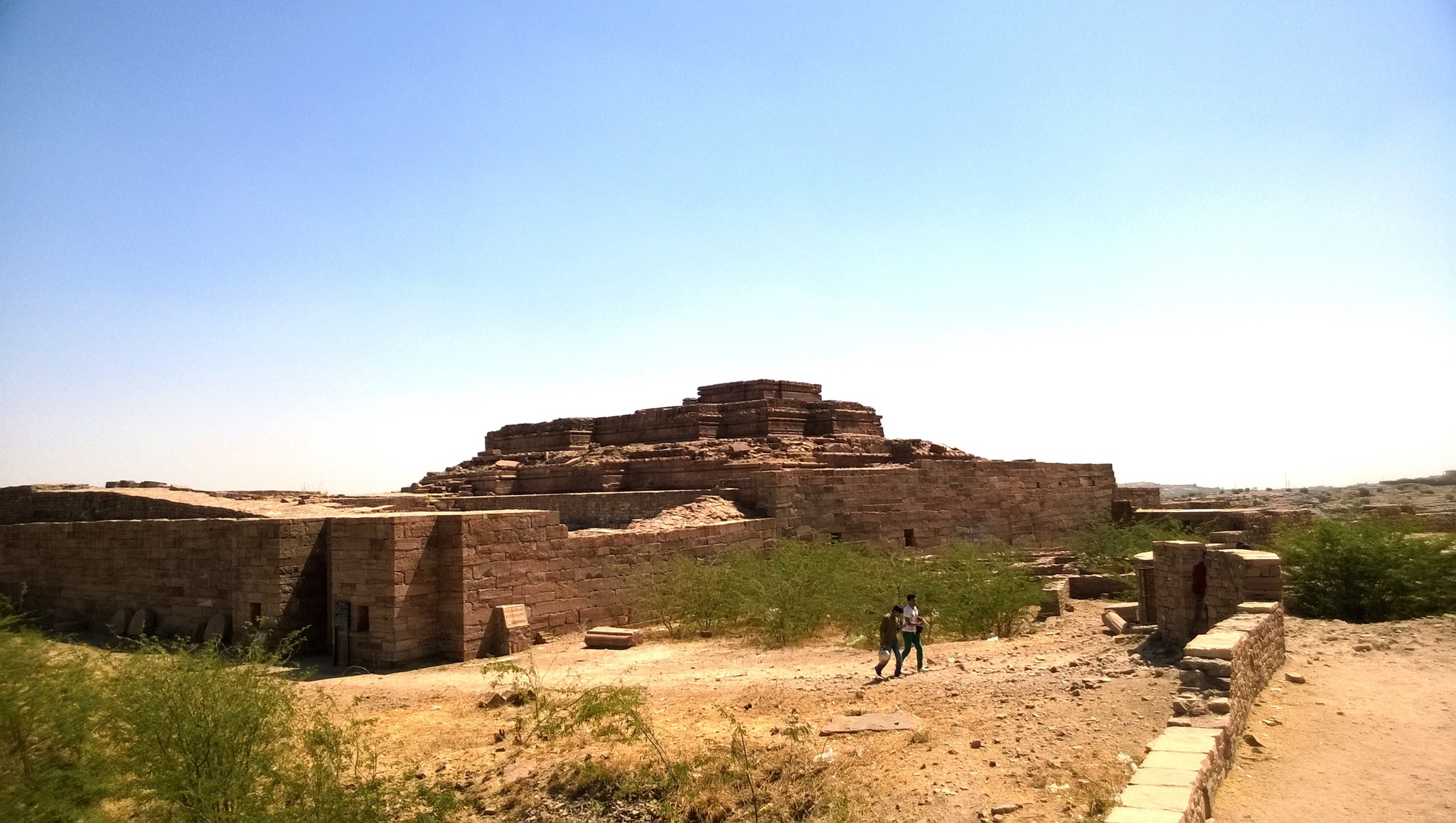
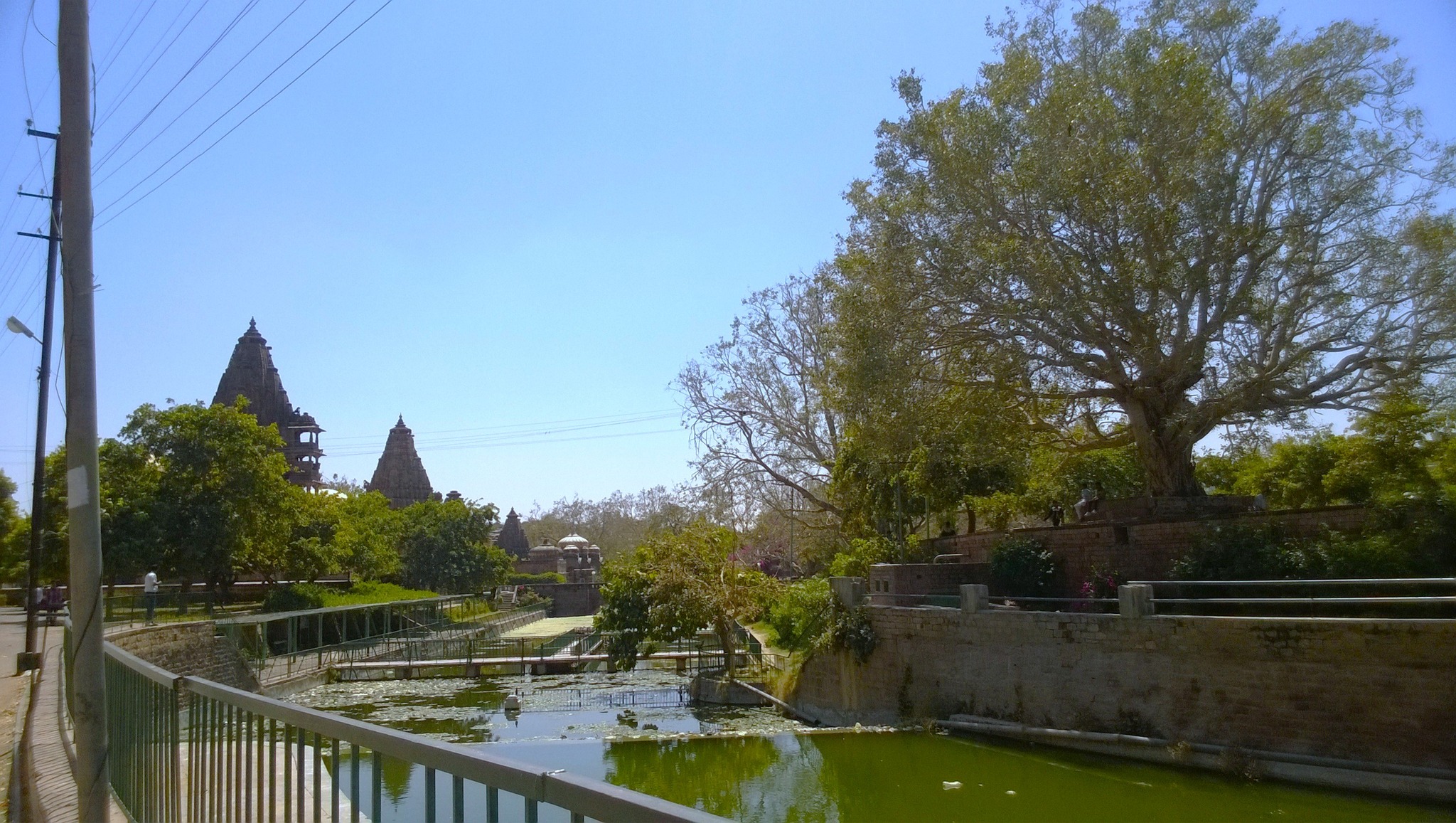

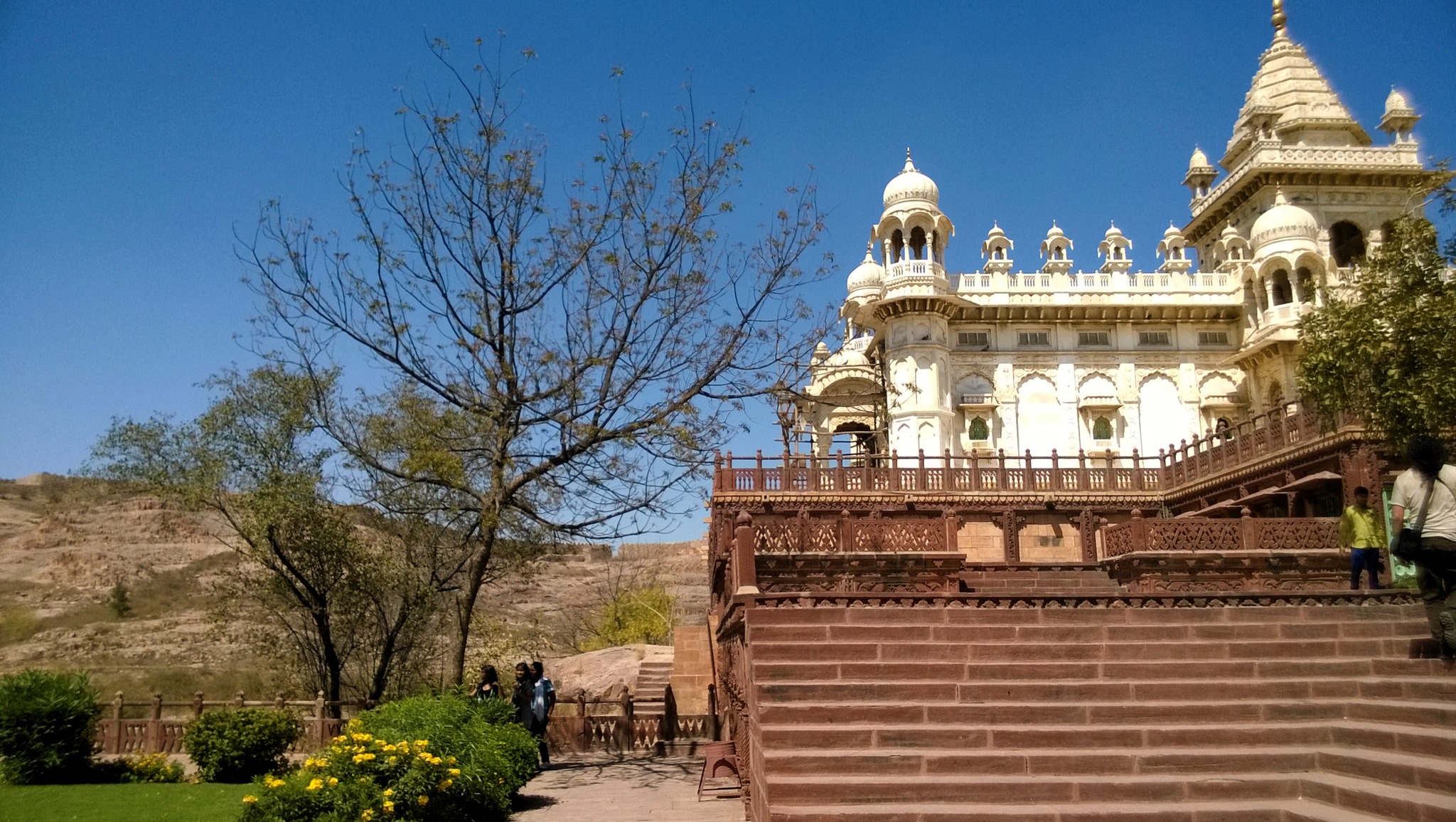
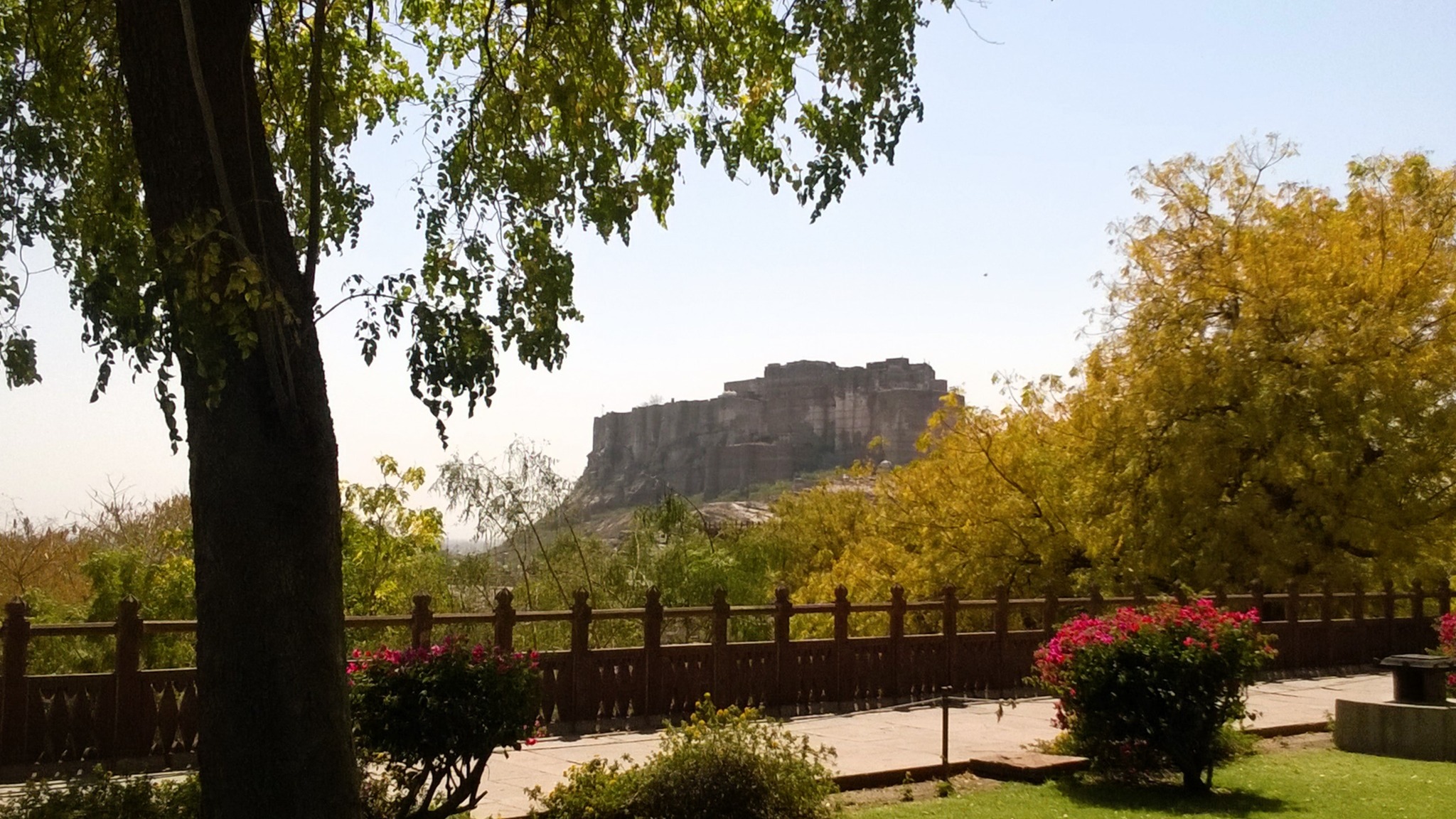
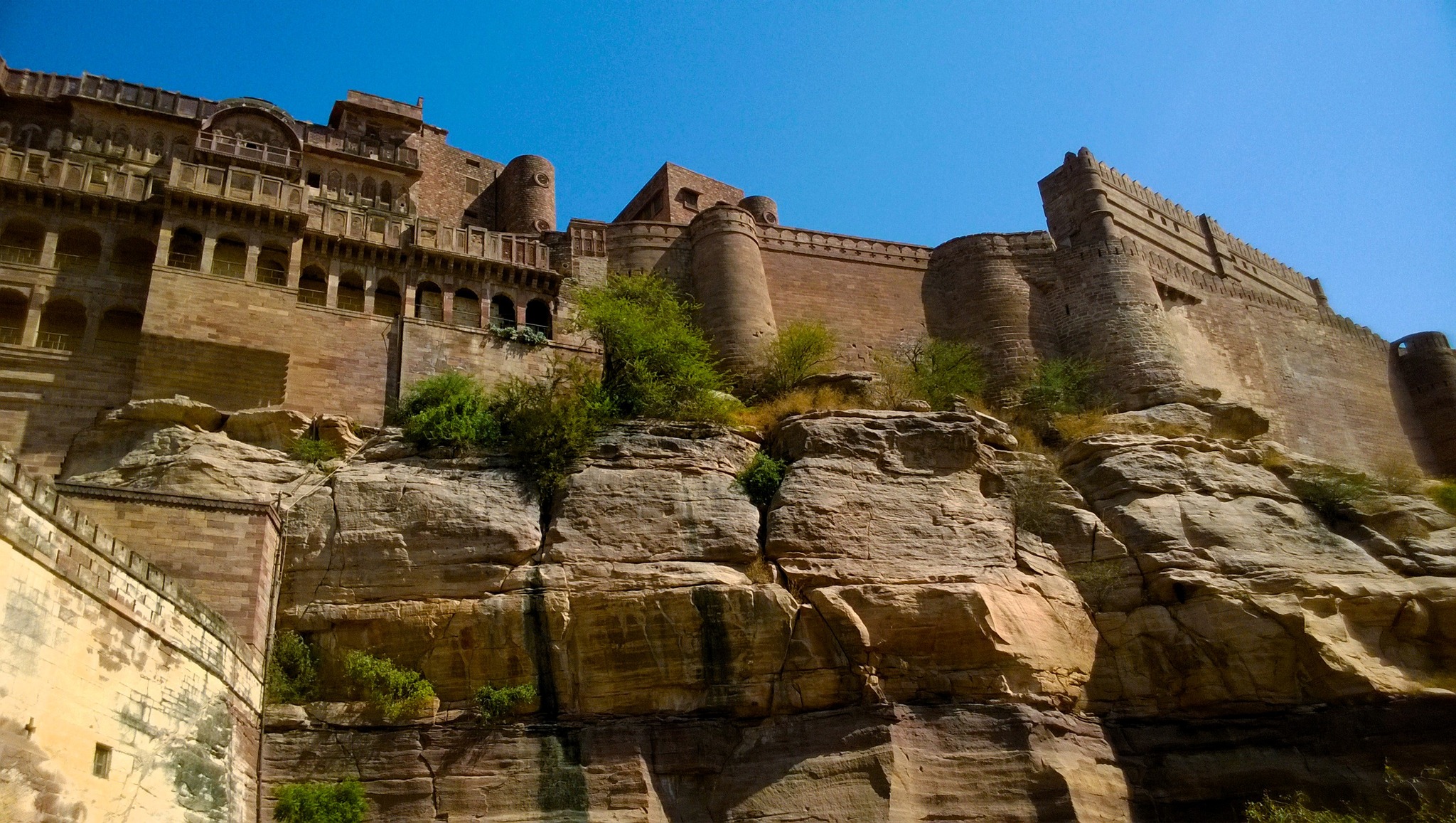
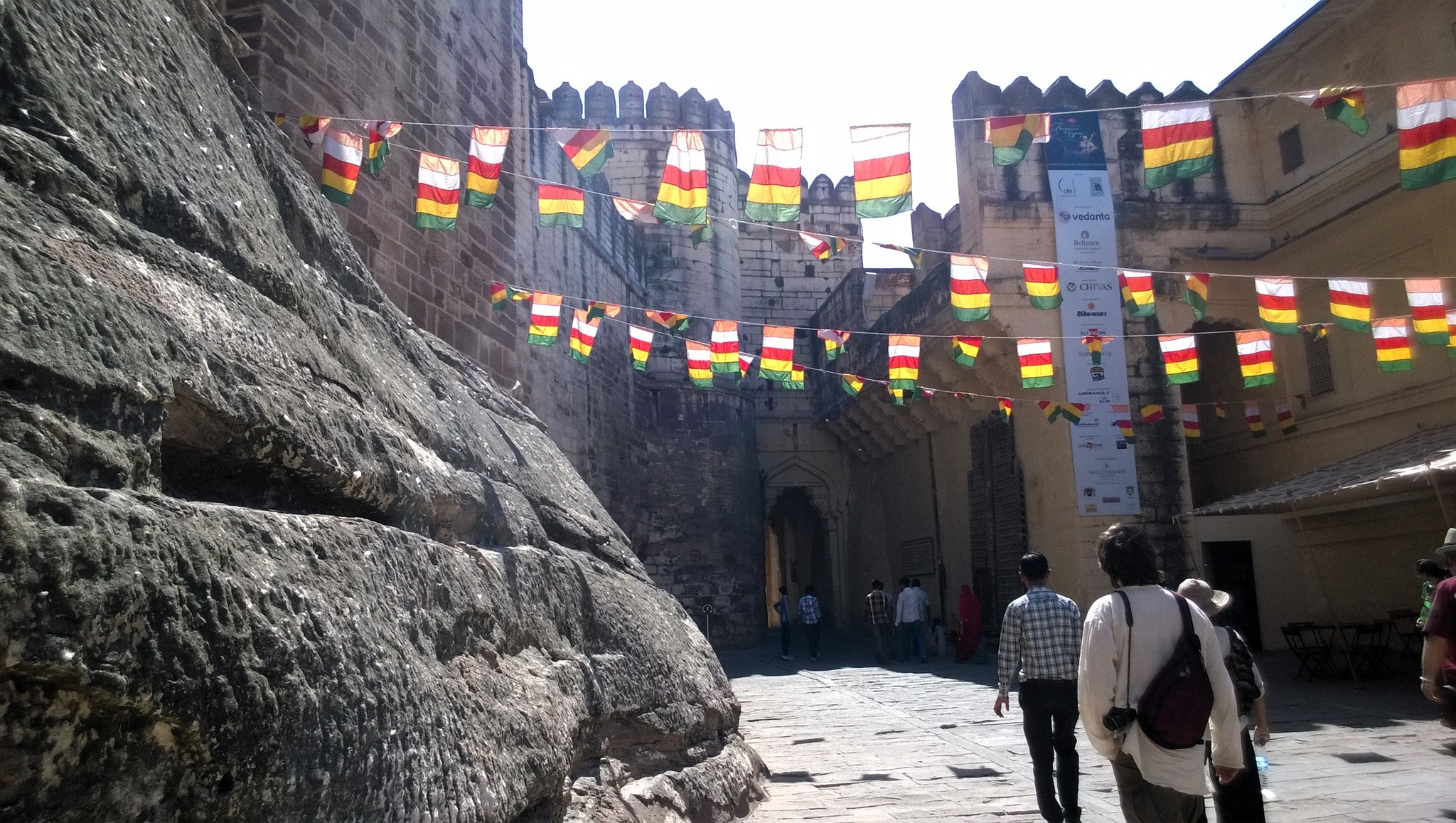
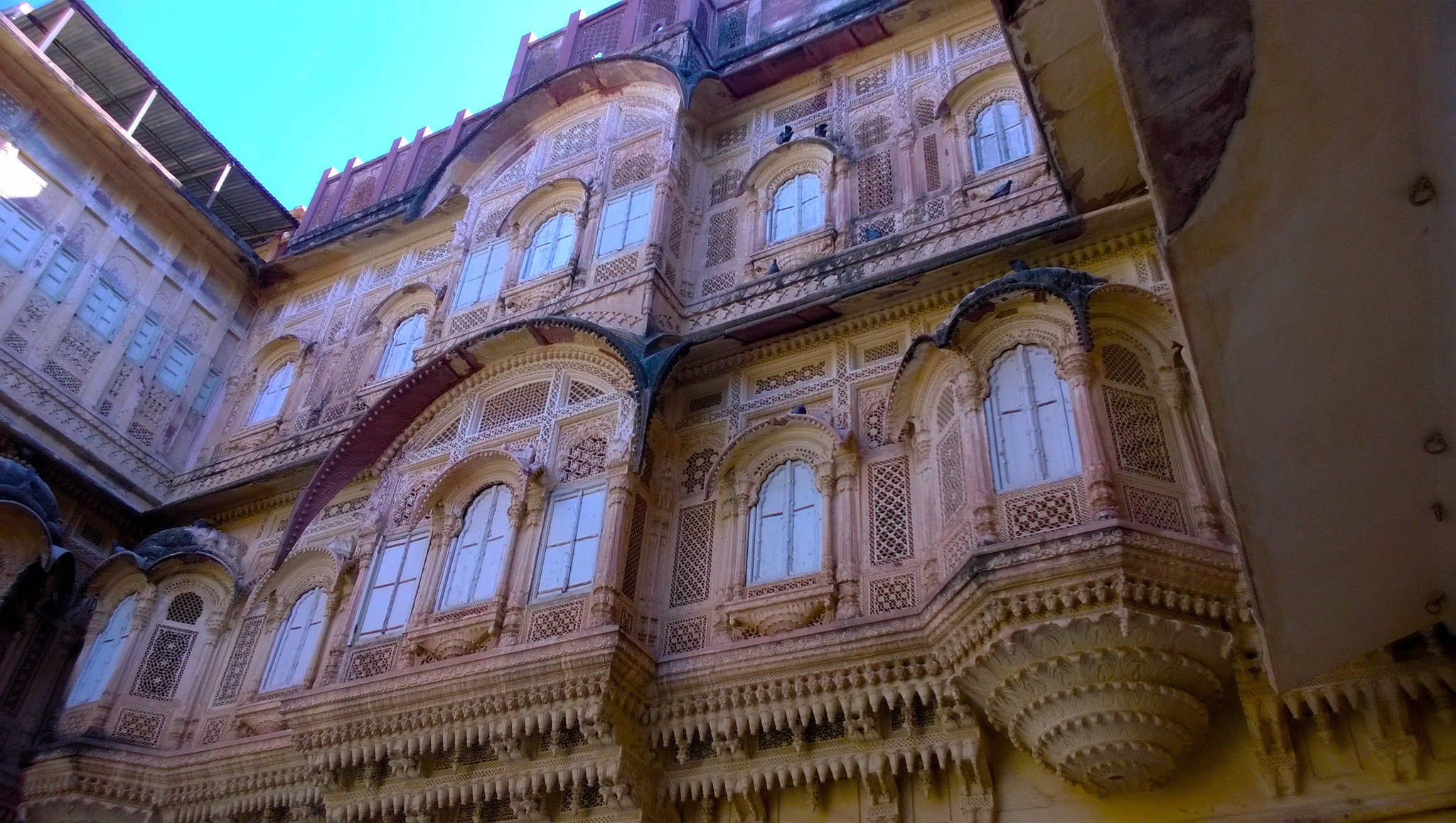
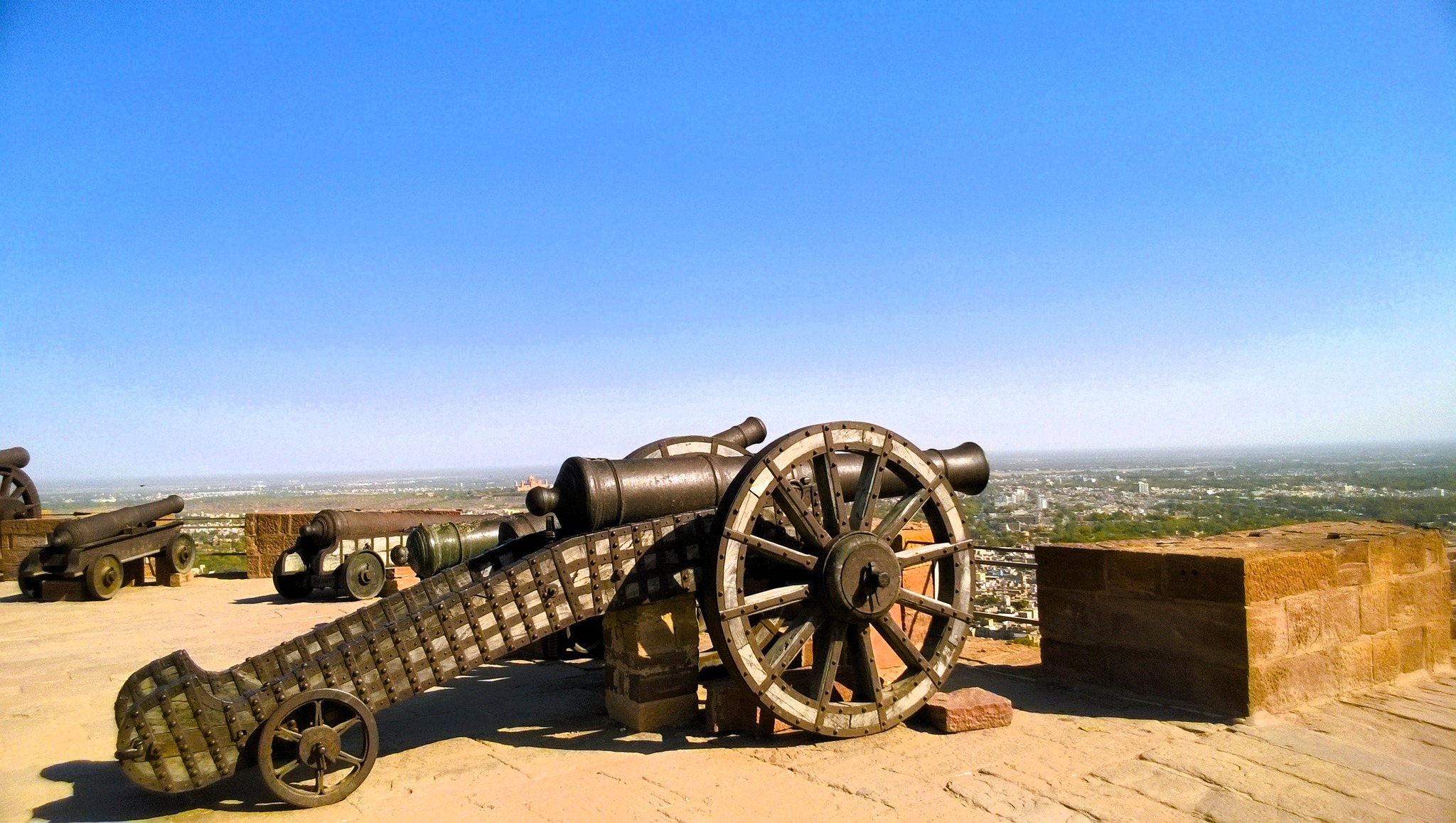

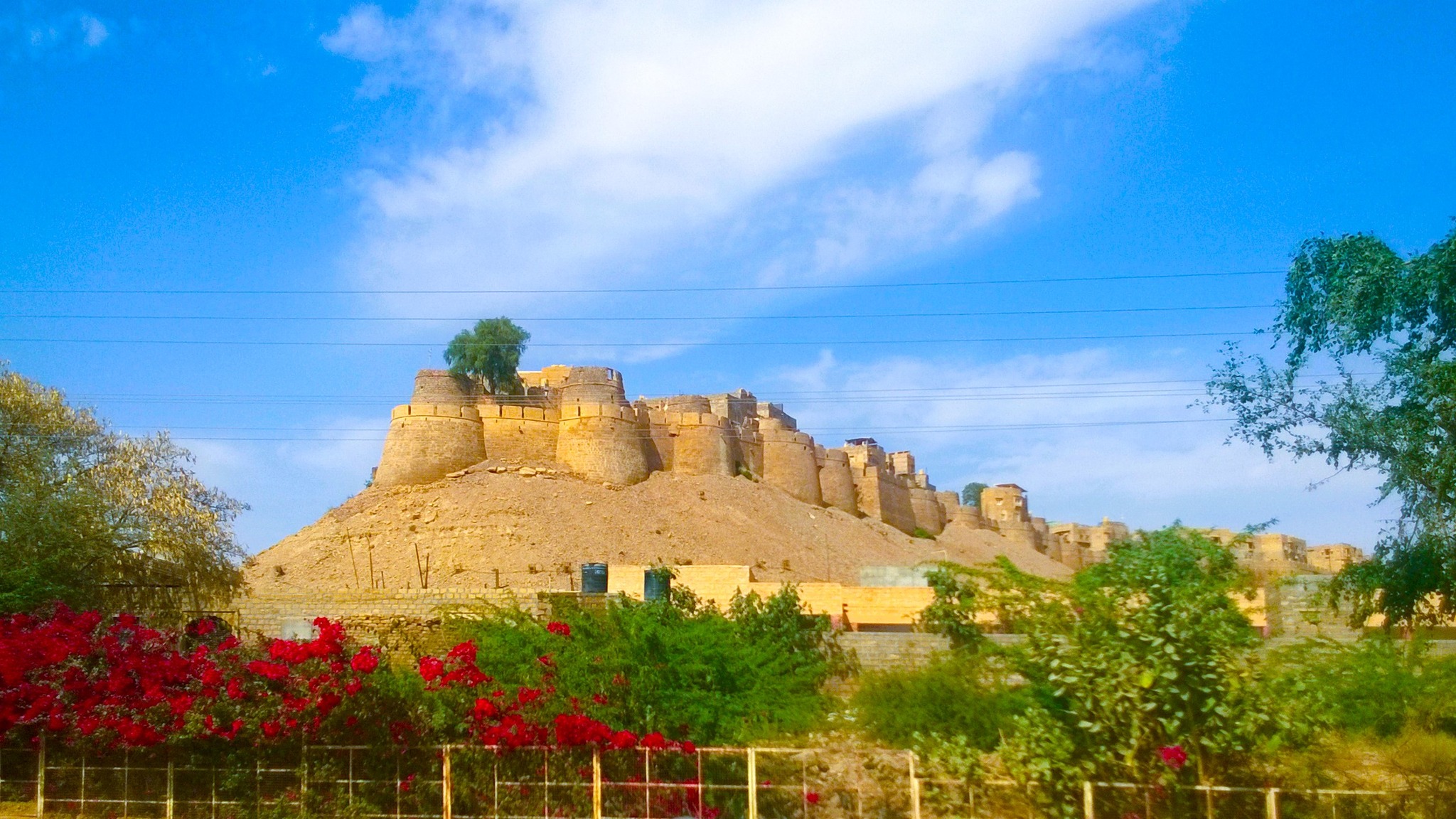


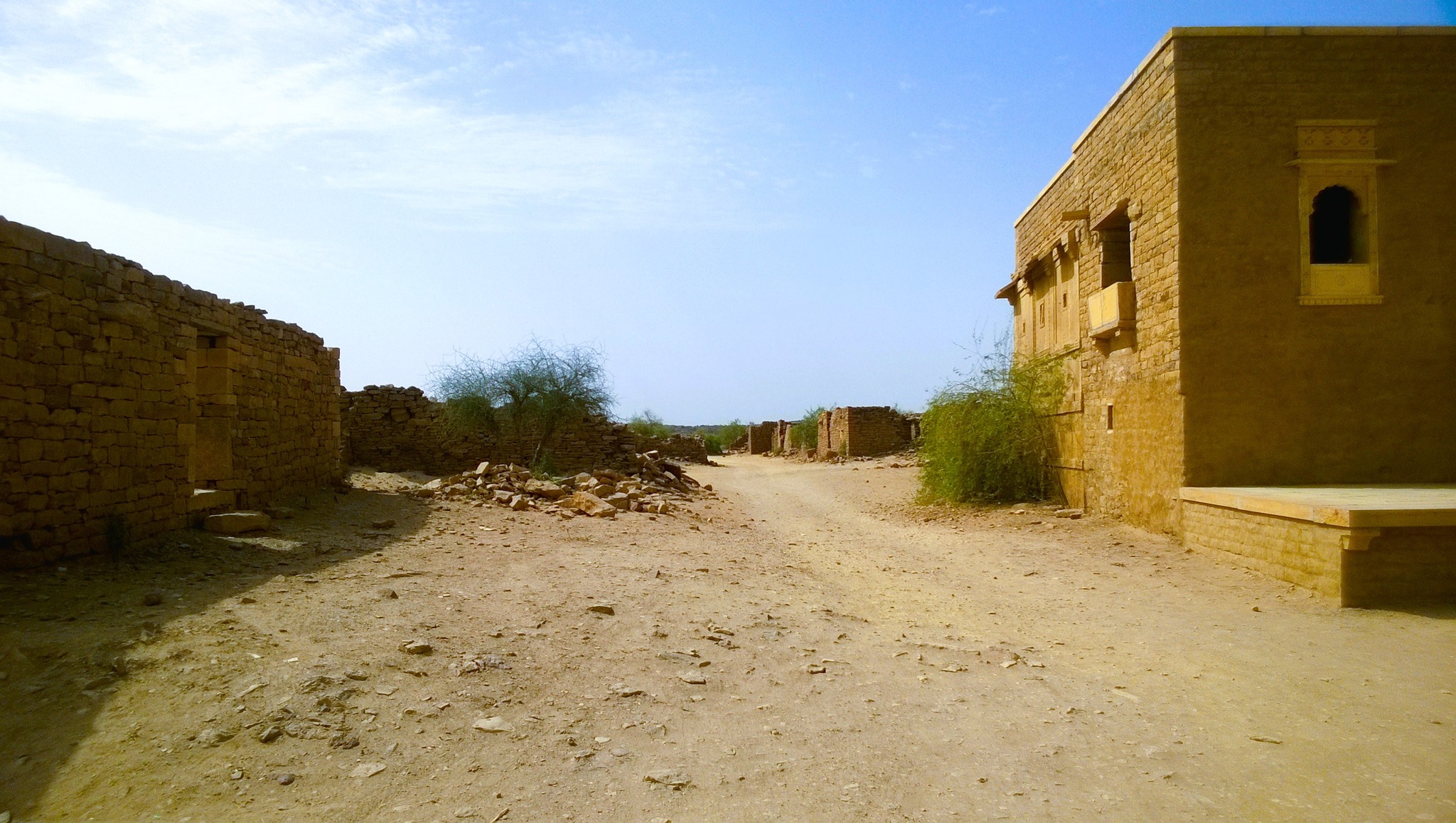
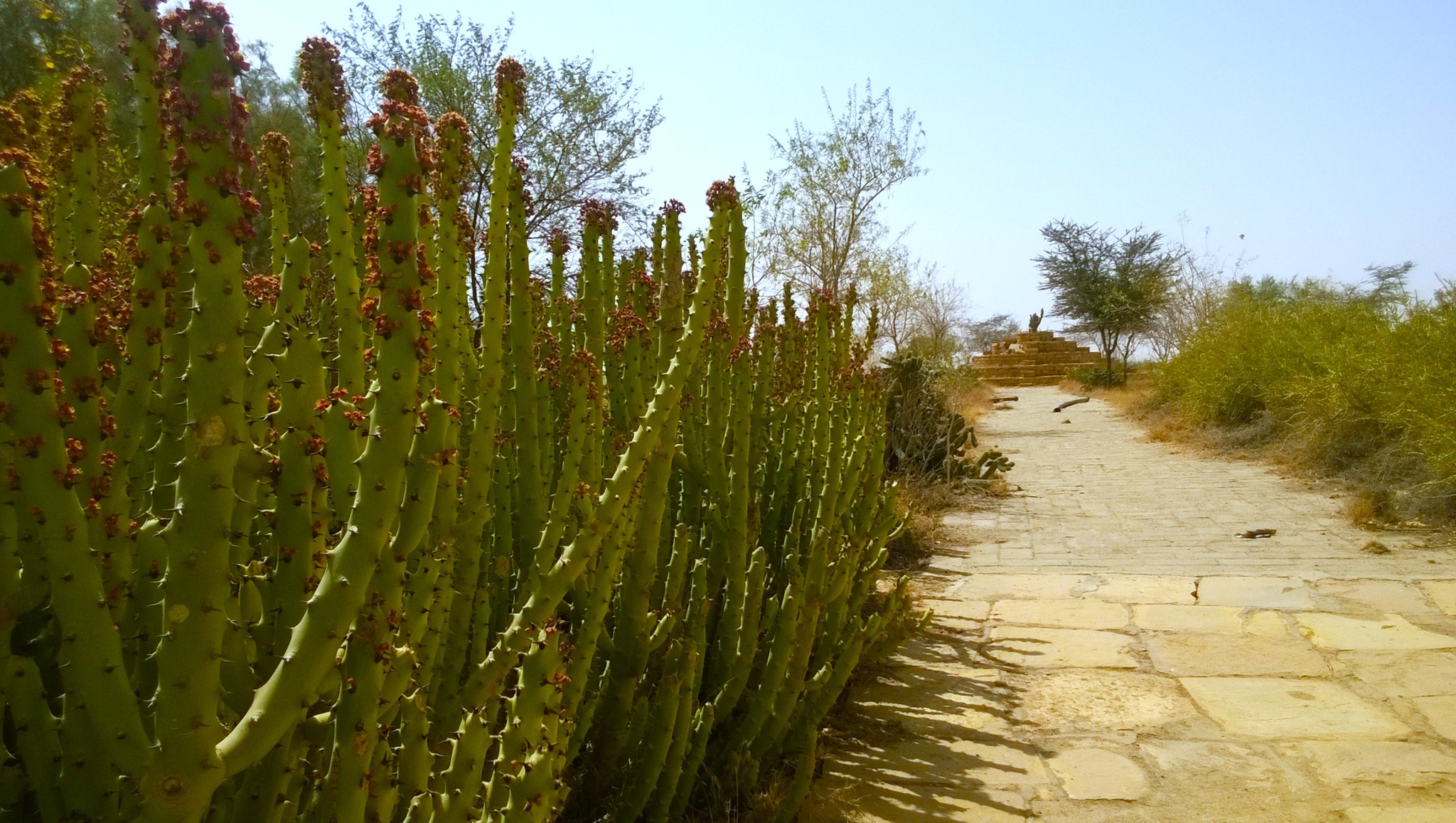
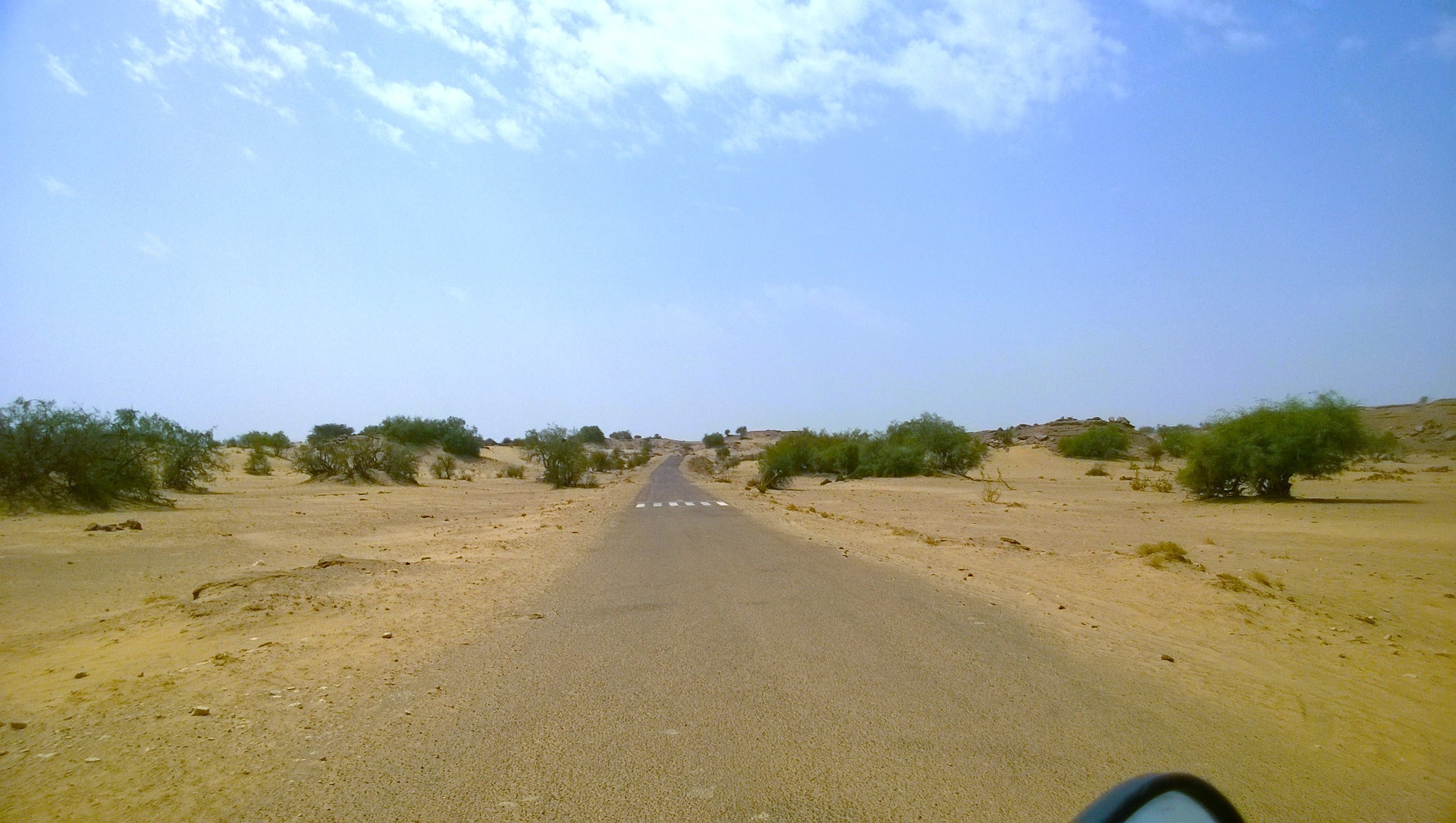
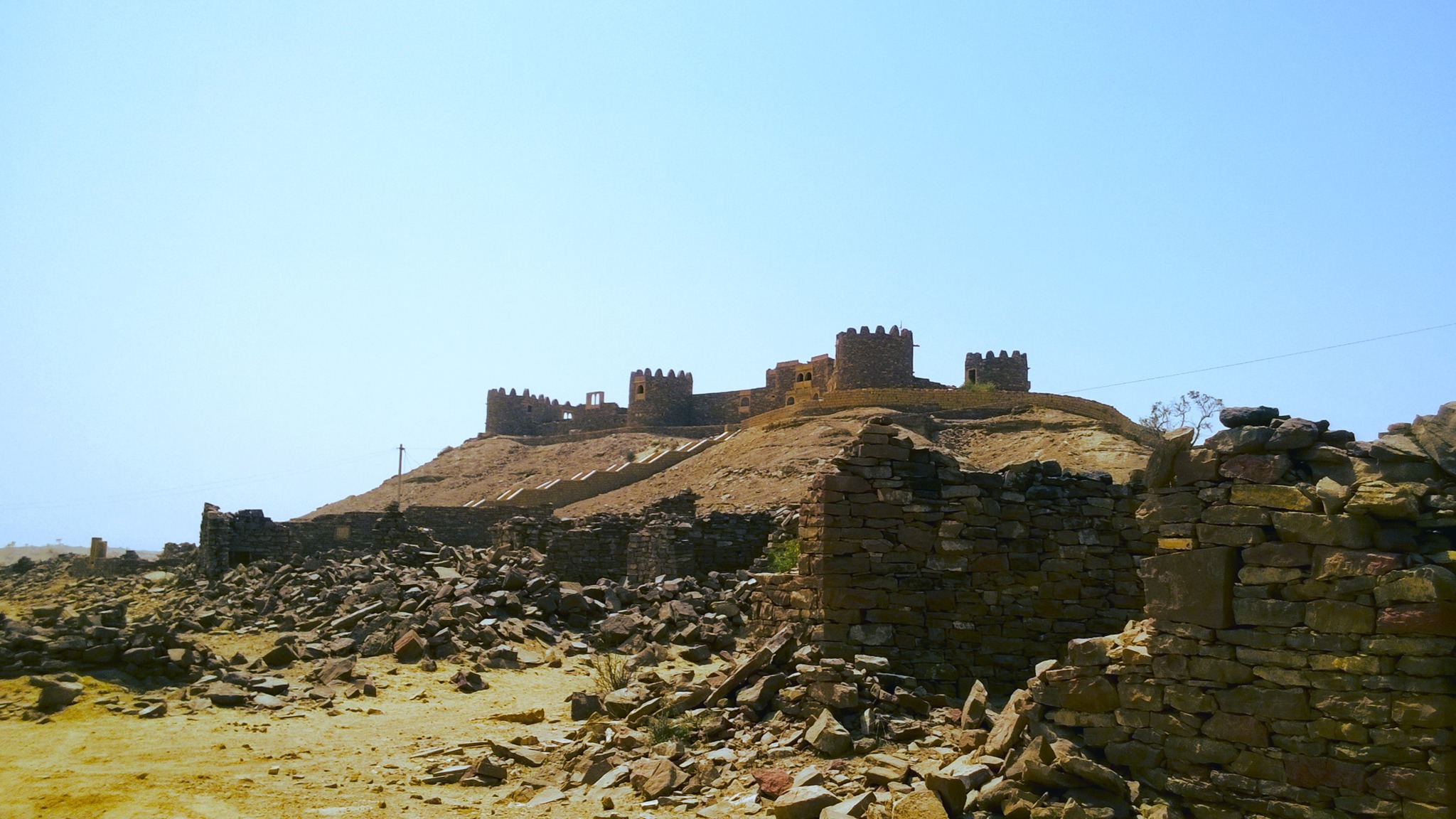
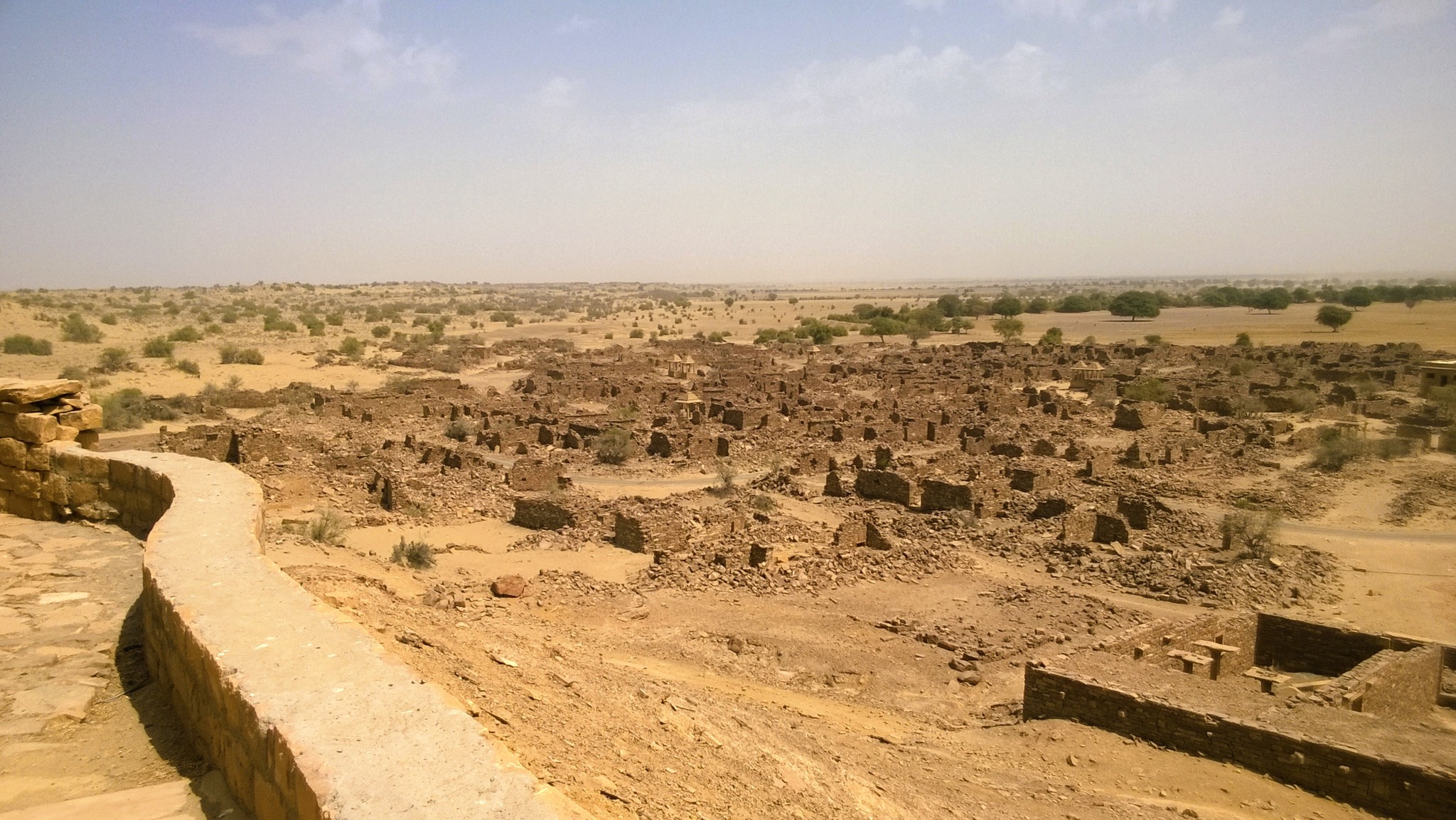
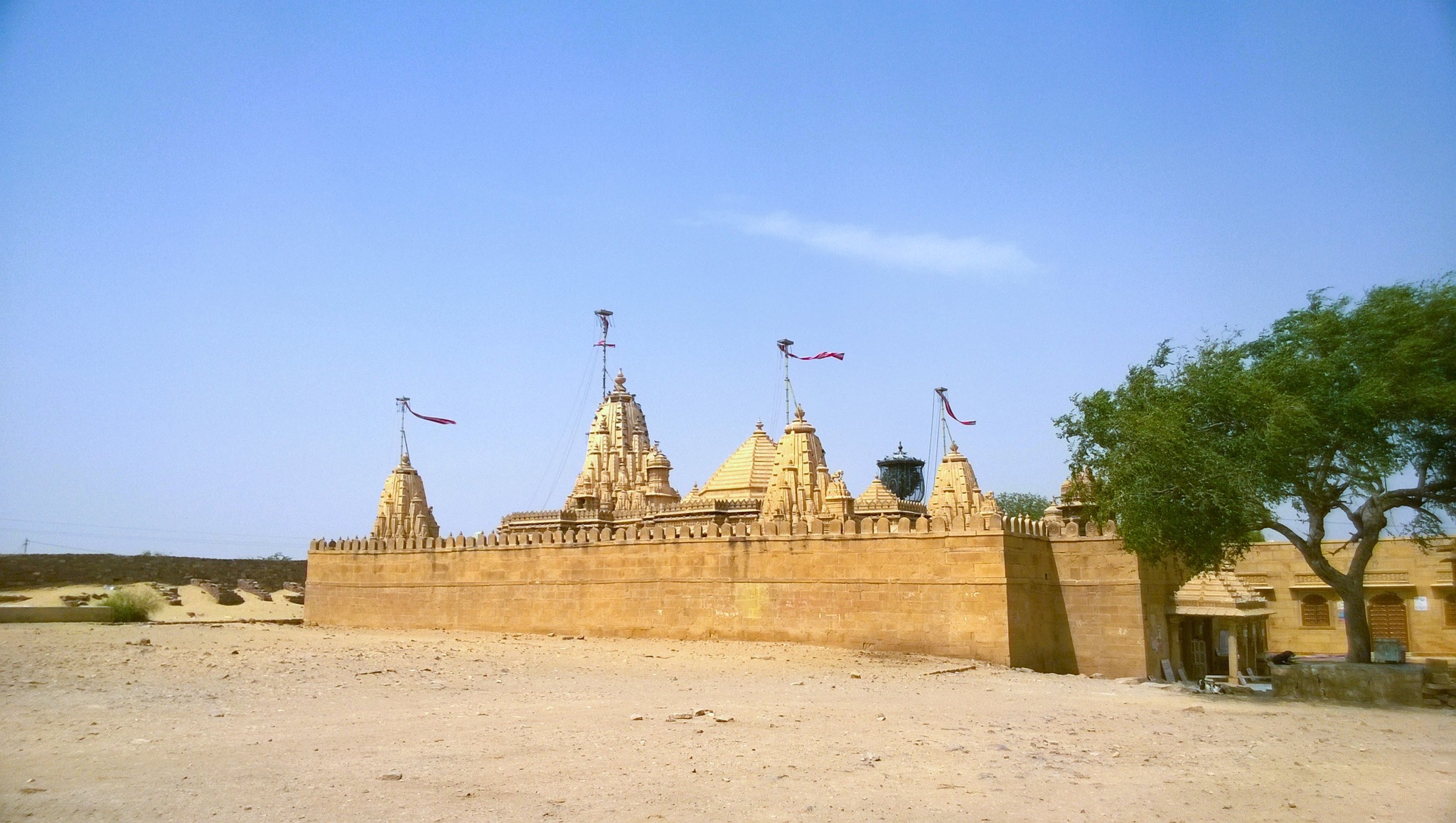

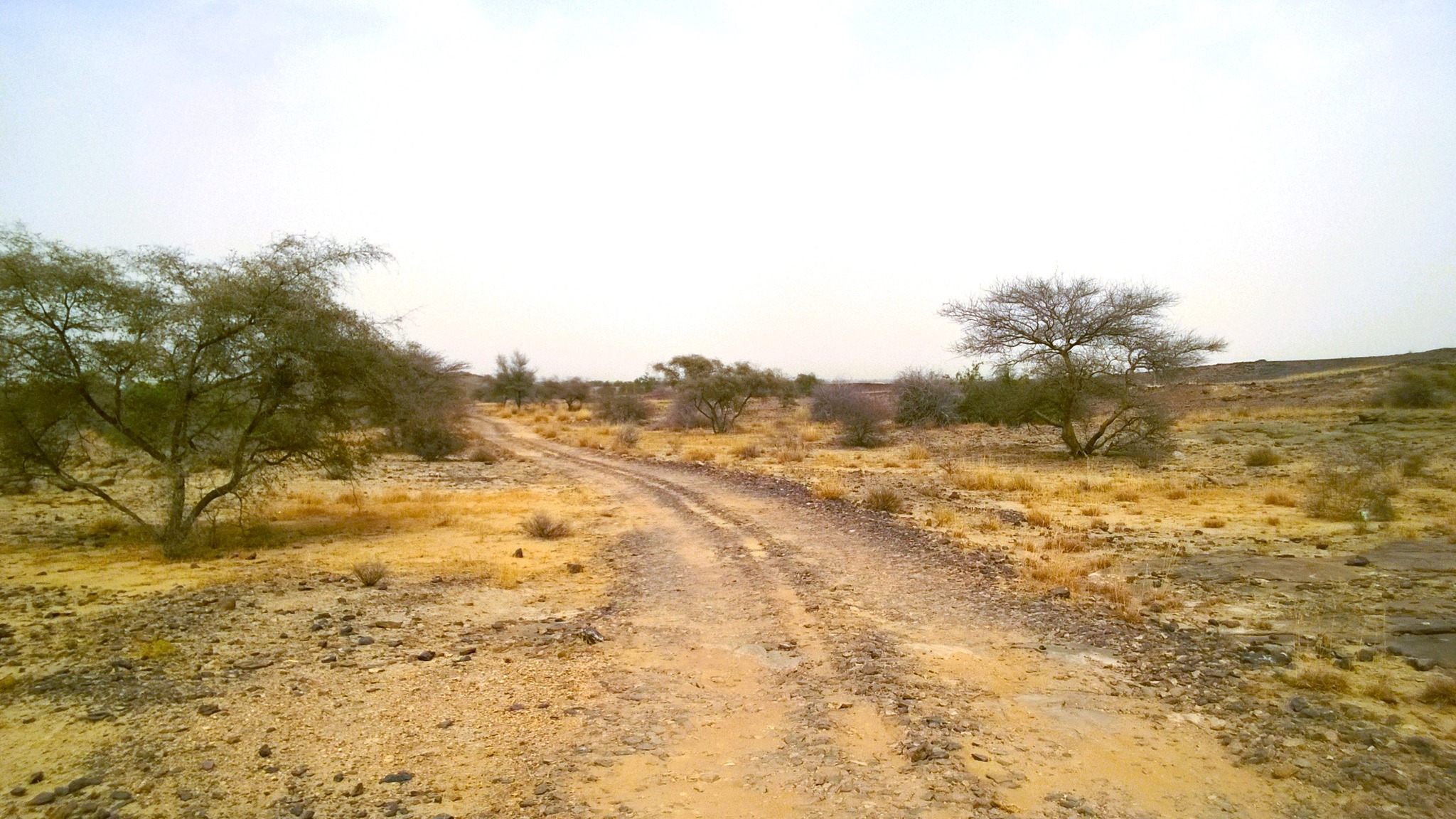
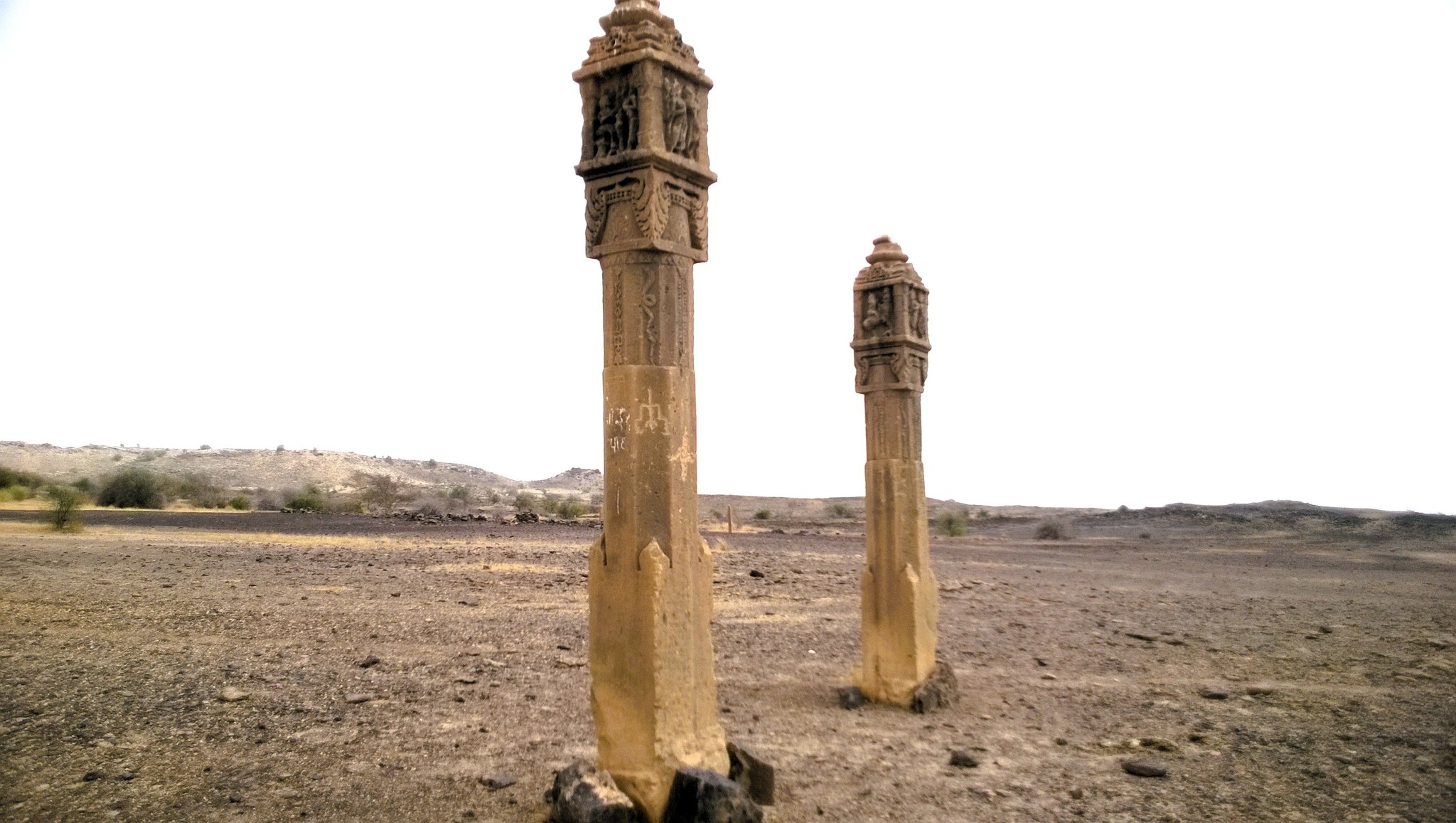
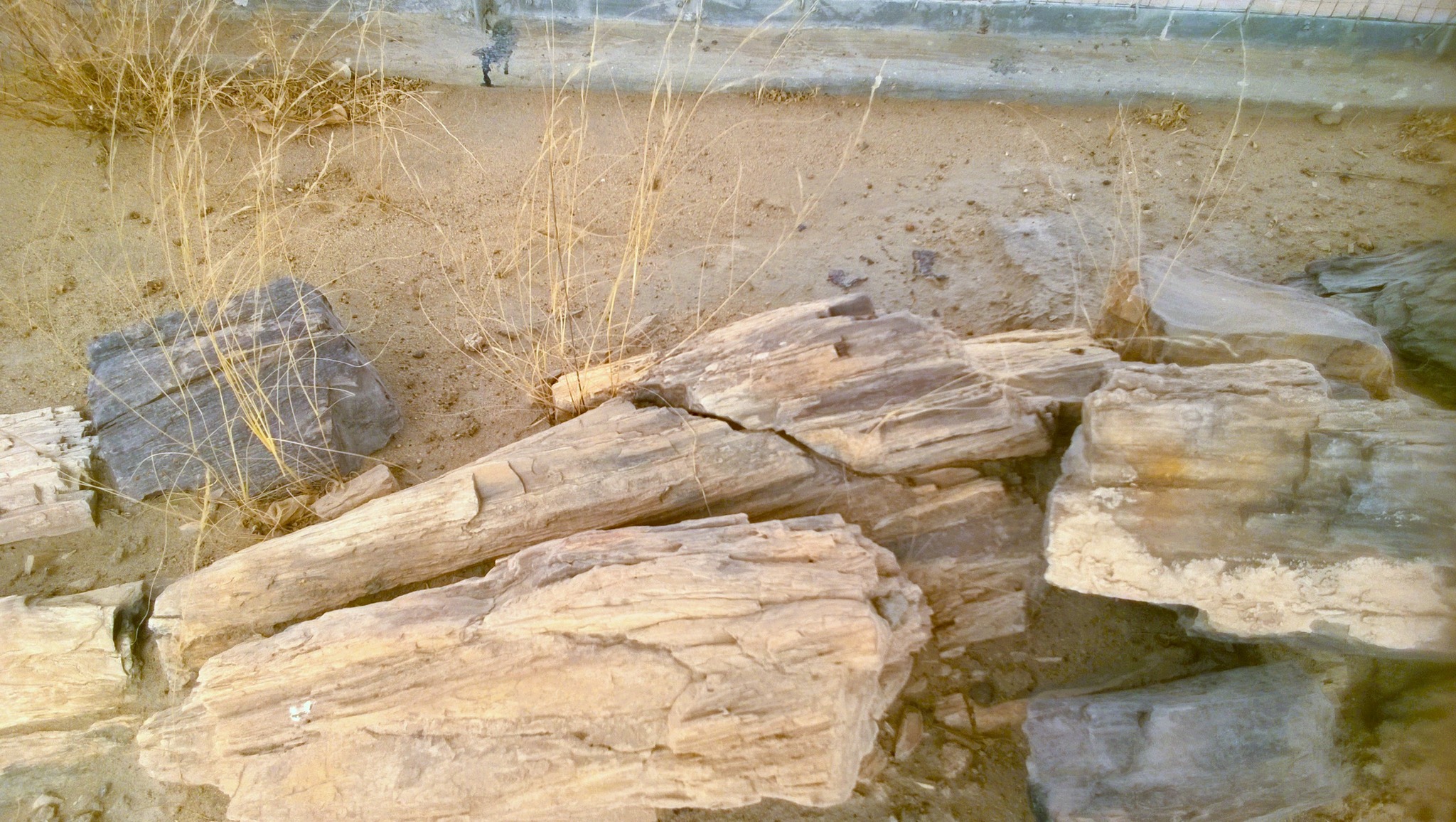
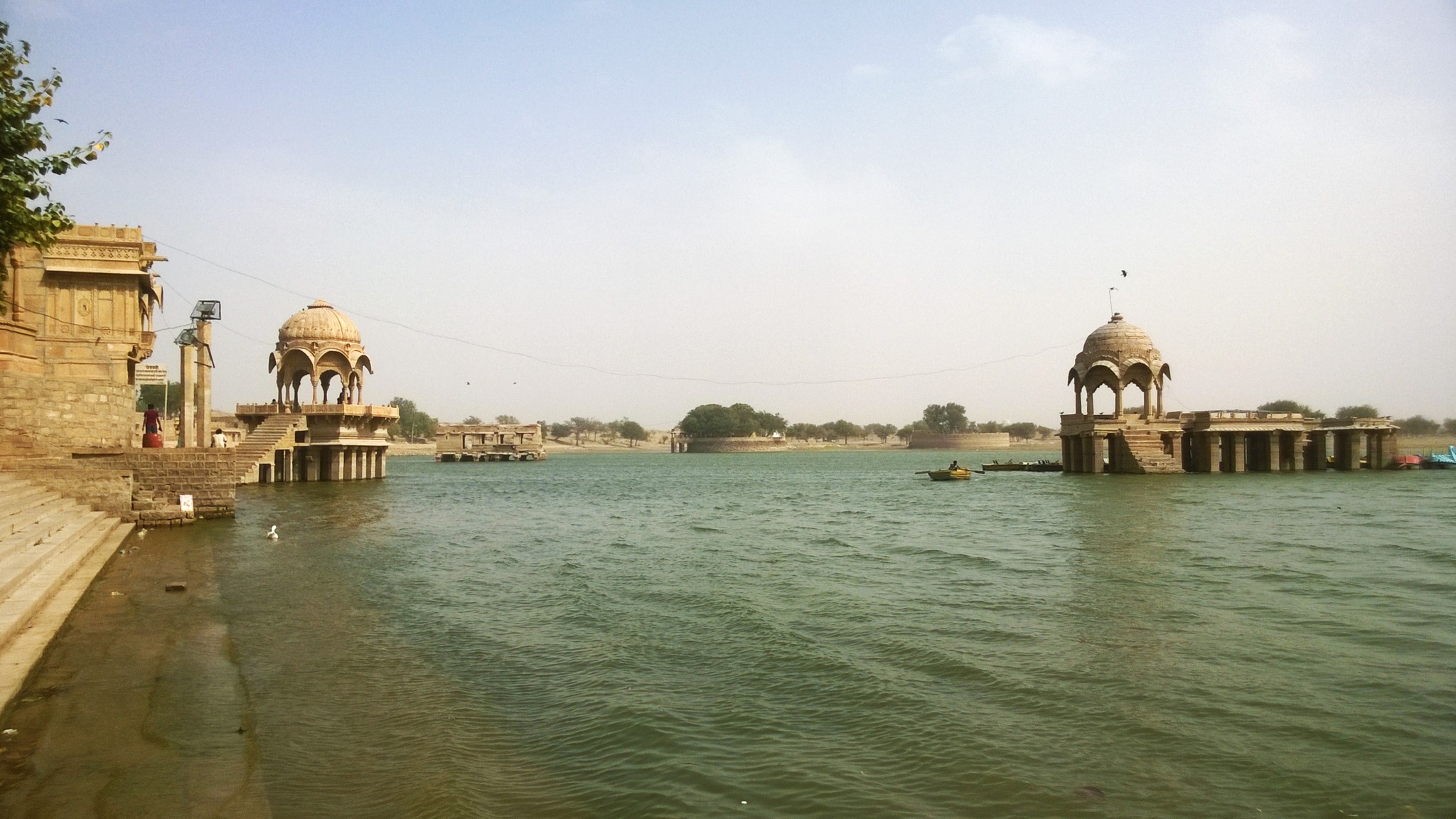

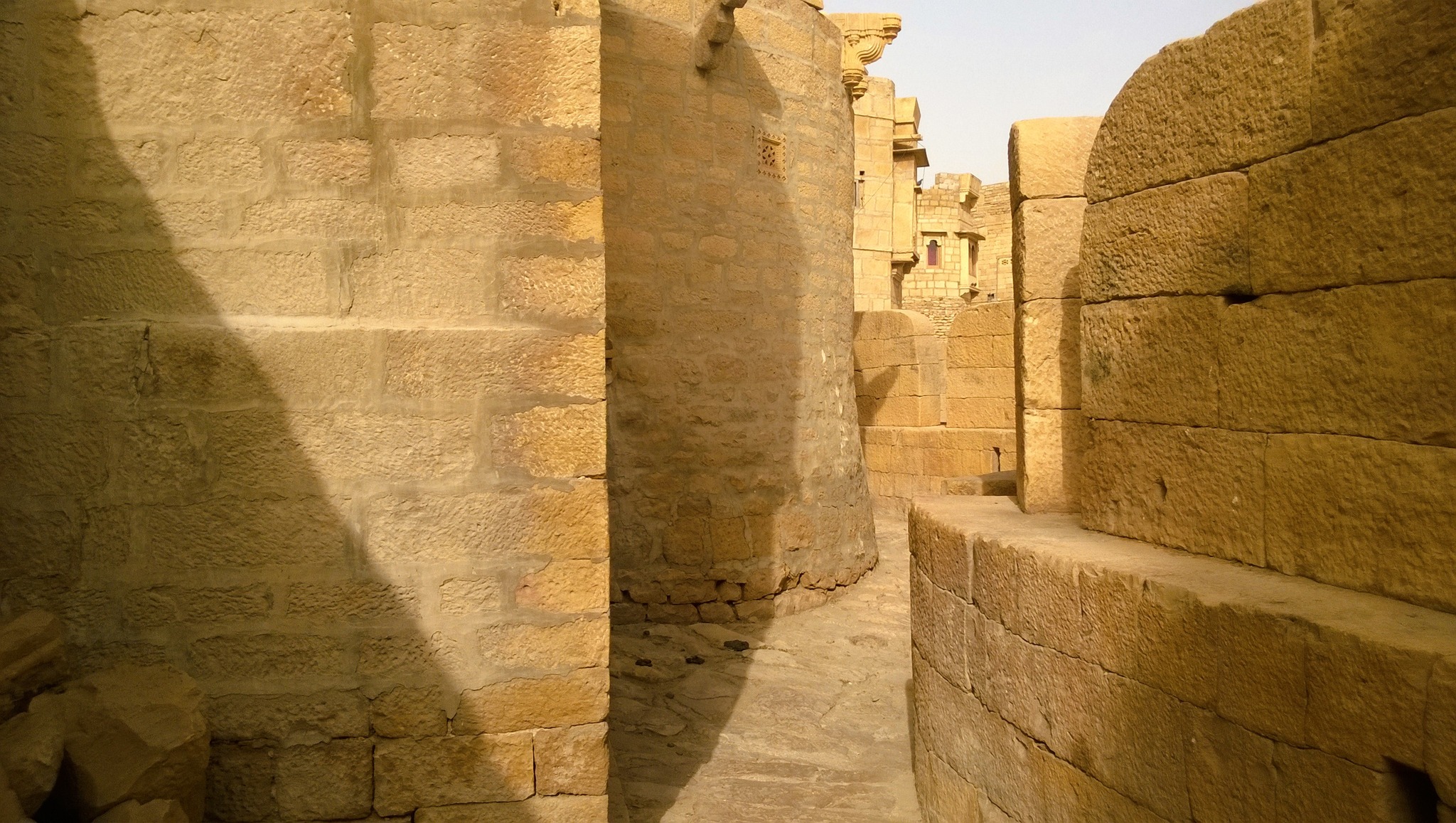
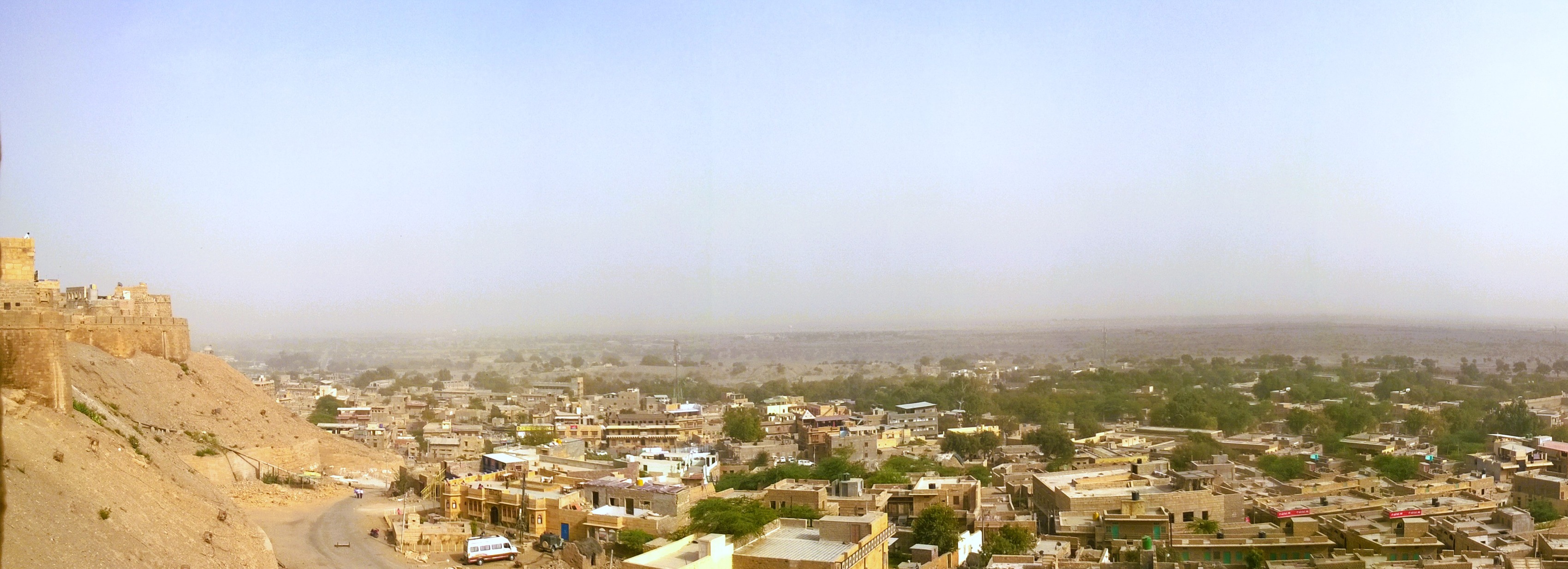
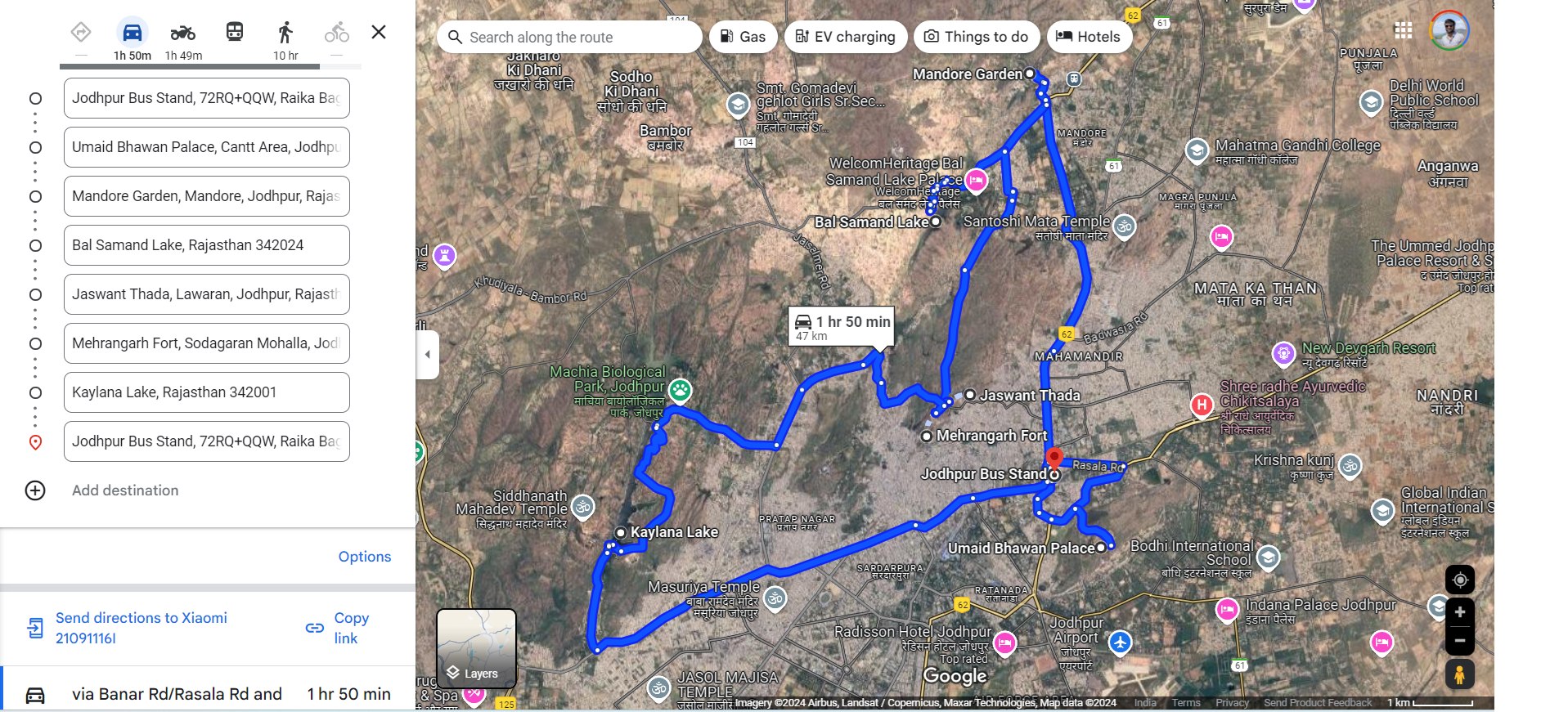
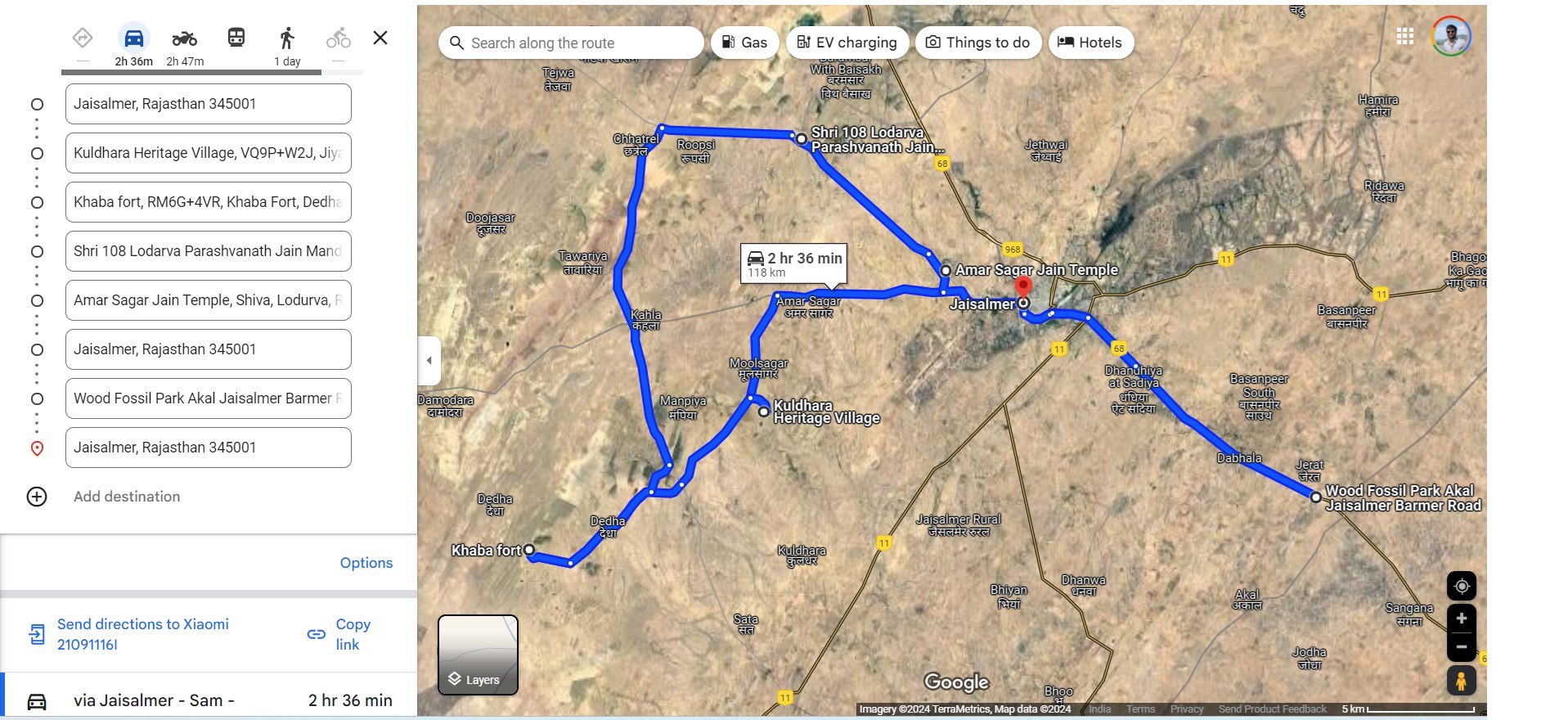
 The Timber Trawler