

Despite spending the first half of my life in Odisha, it was only last weekend that I finally got the chance to trace the pearls of heritage hidden along an innocuous but highly-fabled river, reduced now to a rivulet, called Prachi.
Centuries ago, the Prachi river along with its valley, was host to a flourishing civilization that not only prospered on trade with Southeast Asia (Bali, Indonesia etc.) thanks to its ‘sadhaba’ (sailor) sons but also reveled in art & architecture of the highest order, being home to some of the most skilled artisans & sculptors. At the same time, the region was also a melting pot for the seamless chronological prevalence of Jainism, Buddhism, Shaivism, Shaktism & Vaishnavism leading to a syncretic religious fervour.
Some accounts date the region’s earliest artifacts to even before the Indus Valley Civilization. Yet the currently standing vestiges of the civilization dotted along the valley afford us a peek only into the period from 7th century AD to the 15th century AD. Nevertheless, these bear fine witness to the cultural richness of the erstwhile Kalinga, being some of the finest representatives of the distinctive Kalingan temple architectural style.
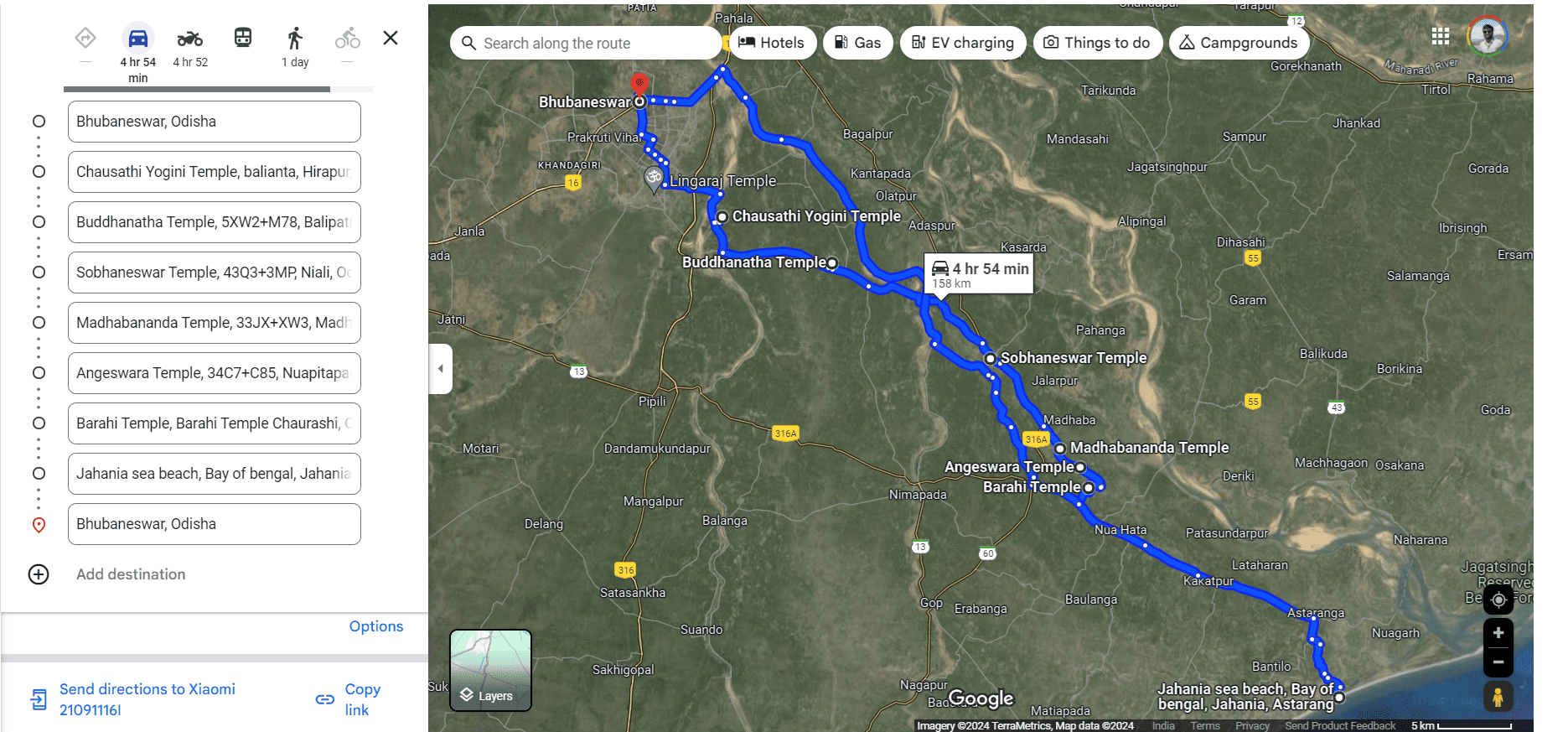
Trail on this trip covered the following places: Chausathi Yogini Temple (Hirapur, Bhubaneswar), Buddhanath Temple (Garedipanchan, Balipatna), Sobhaneswara Temple (Niali), Madhabananda Temple (Niali), Angeswara Temple (Pitapada), Varahi Devi Temple (Chaurashi), Mangala Temple (Kakatpur) and Jahania Beach (Astaranga).
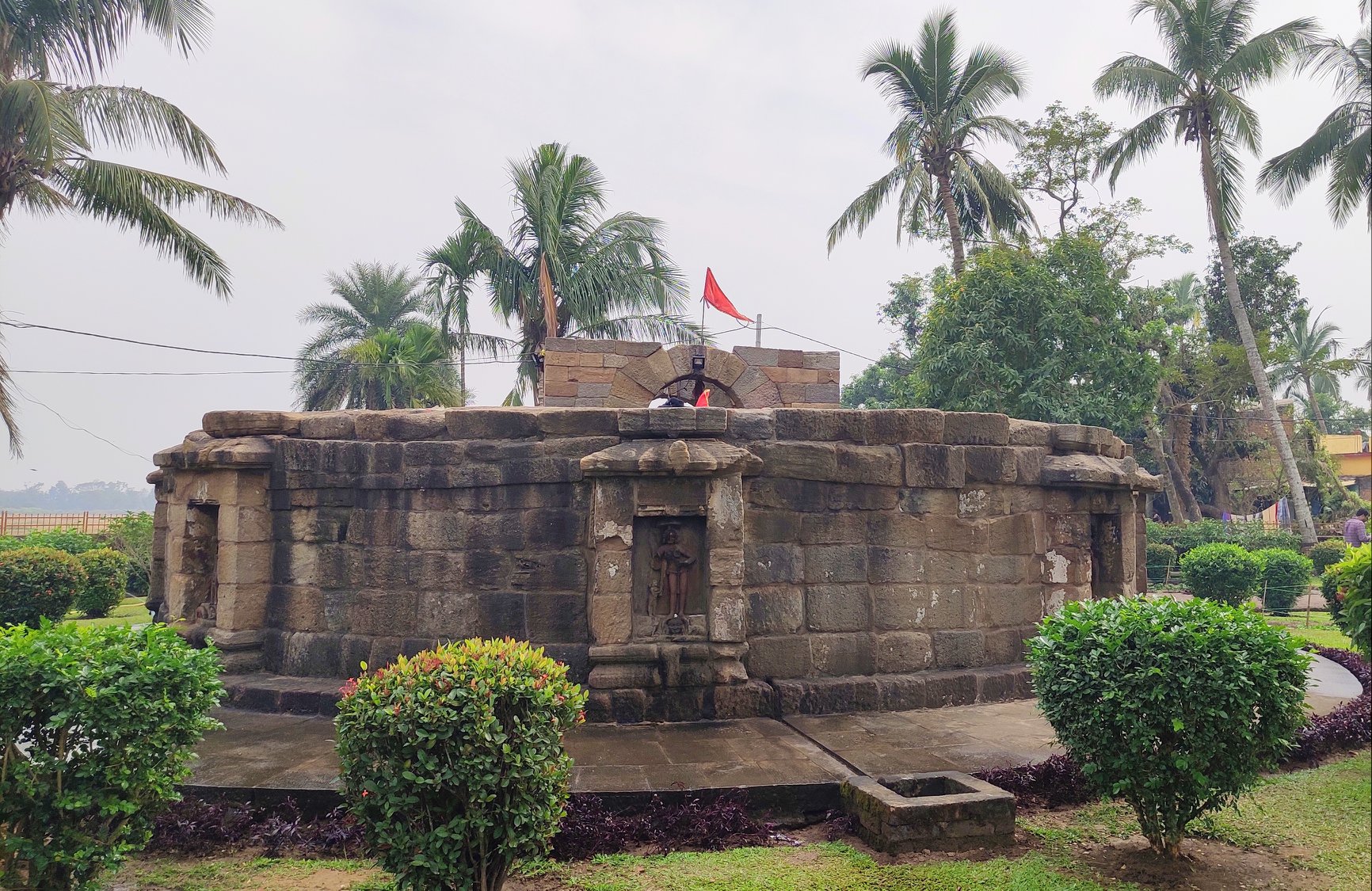
We first stopped at the 9th century AD Chausathi (64) Jogini Temple, the tantric temple built in circular fashion, at Hirapur just at the outskirts of Bhubaneswar. The legend behind the temple, according to priests, goes: Goddess Durga took the form of 64 demi-goddesses in order to defeat a demon. After the fight, the 64 goddesses (Joginis) asked Durga to commemorate them in the form of a temple structure. Accordingly, 56 idols line the inner walls of the structure with the remaining 8 carved on the 8 sides of a central square platform (altar).

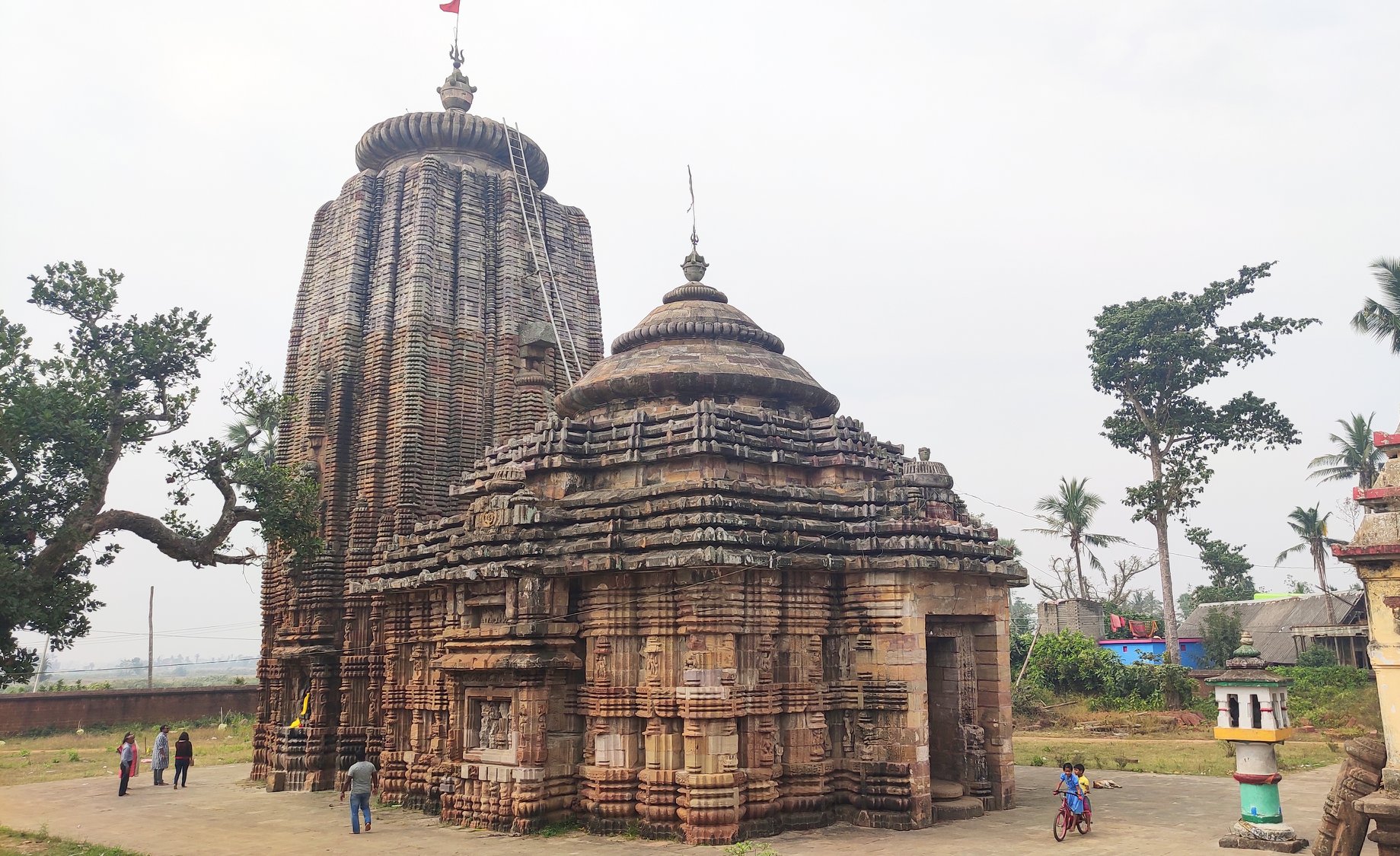
Next stop was Buddhanath Temple, an 12th Cent. AD. Shiva Temple, located in Garedi Panchana, 11km from Hirapur . The temple is said to be built on tantric principles, and was apparently also a Buddhist monastery at some point of time.

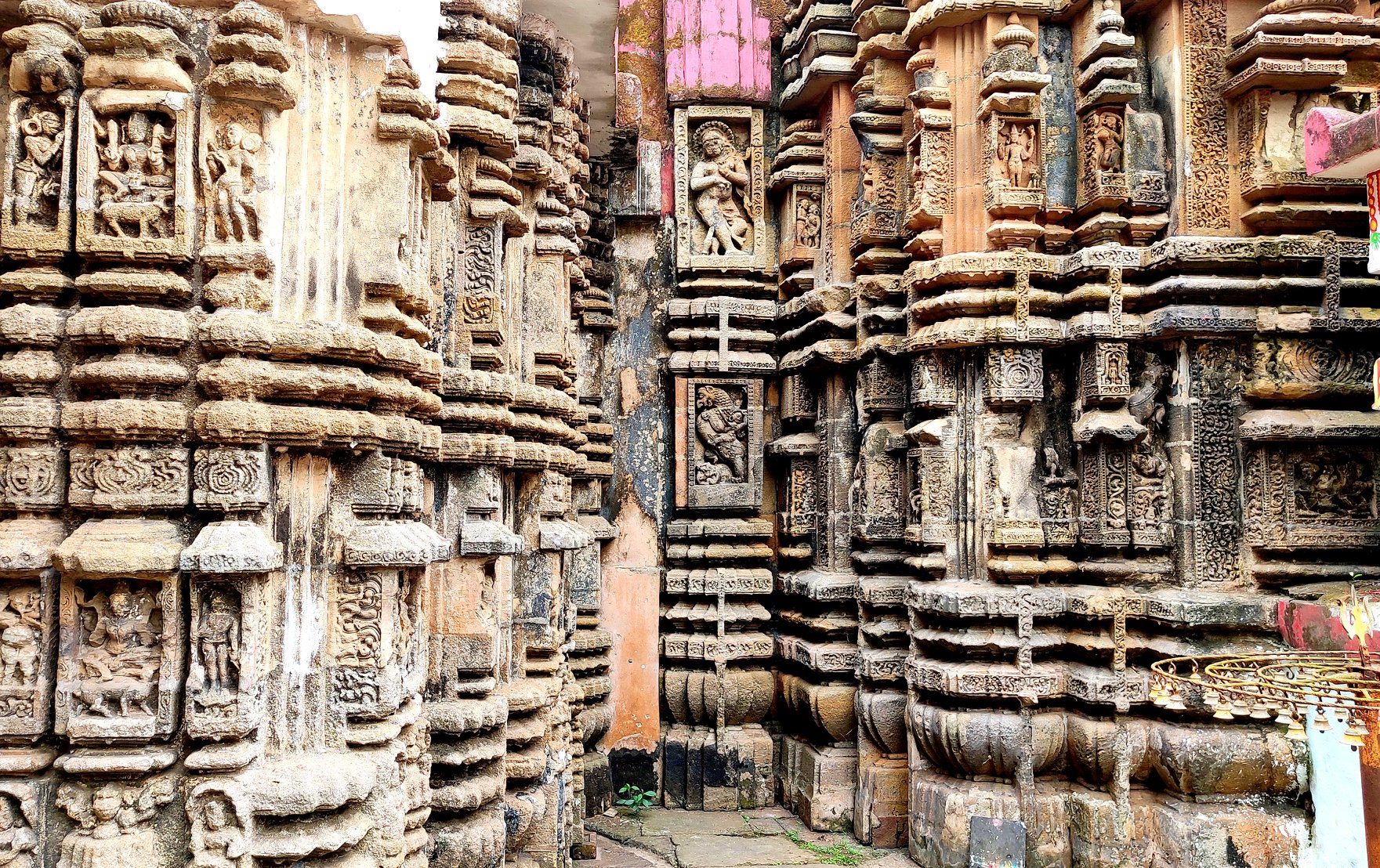
15km further away, lies the Sobhaneswara Temple, another 12th Cent. AD, temple at Niali, of which only the lower half survives from the original structure, with the upper half being restored by later kings. Consequently, the lower half provides another demonstration of the intricate stone art of Kalingan artisans.
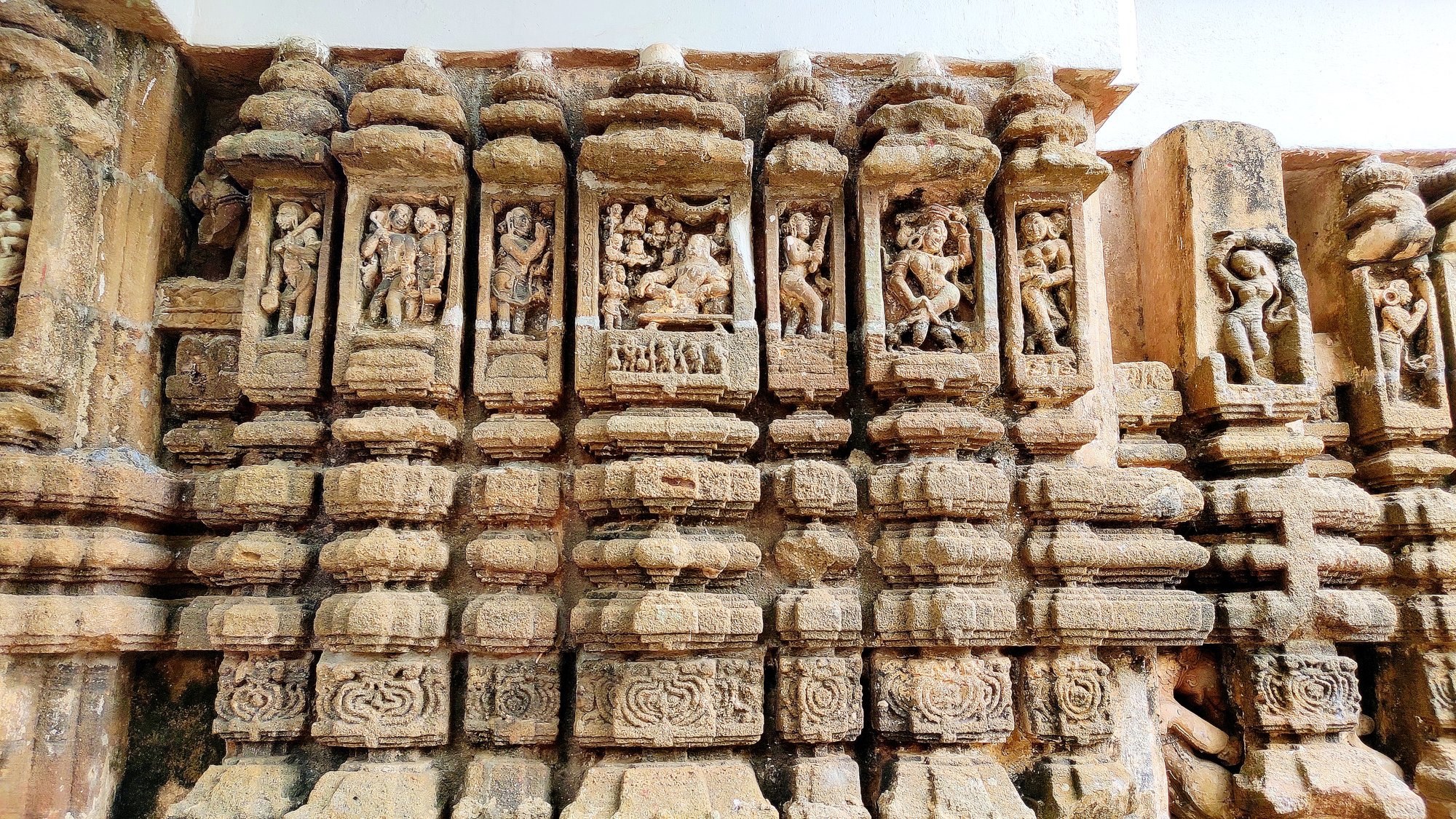
Next stop was the Madhabanada Temple, built in the 13th Cent. AD, located at Madhaba. Said to commemorate Madhaba (Krishna) located near the site where Jayadeva, the author of the famed Geeta Gobinda, is purported to have worshipped Madhaba.
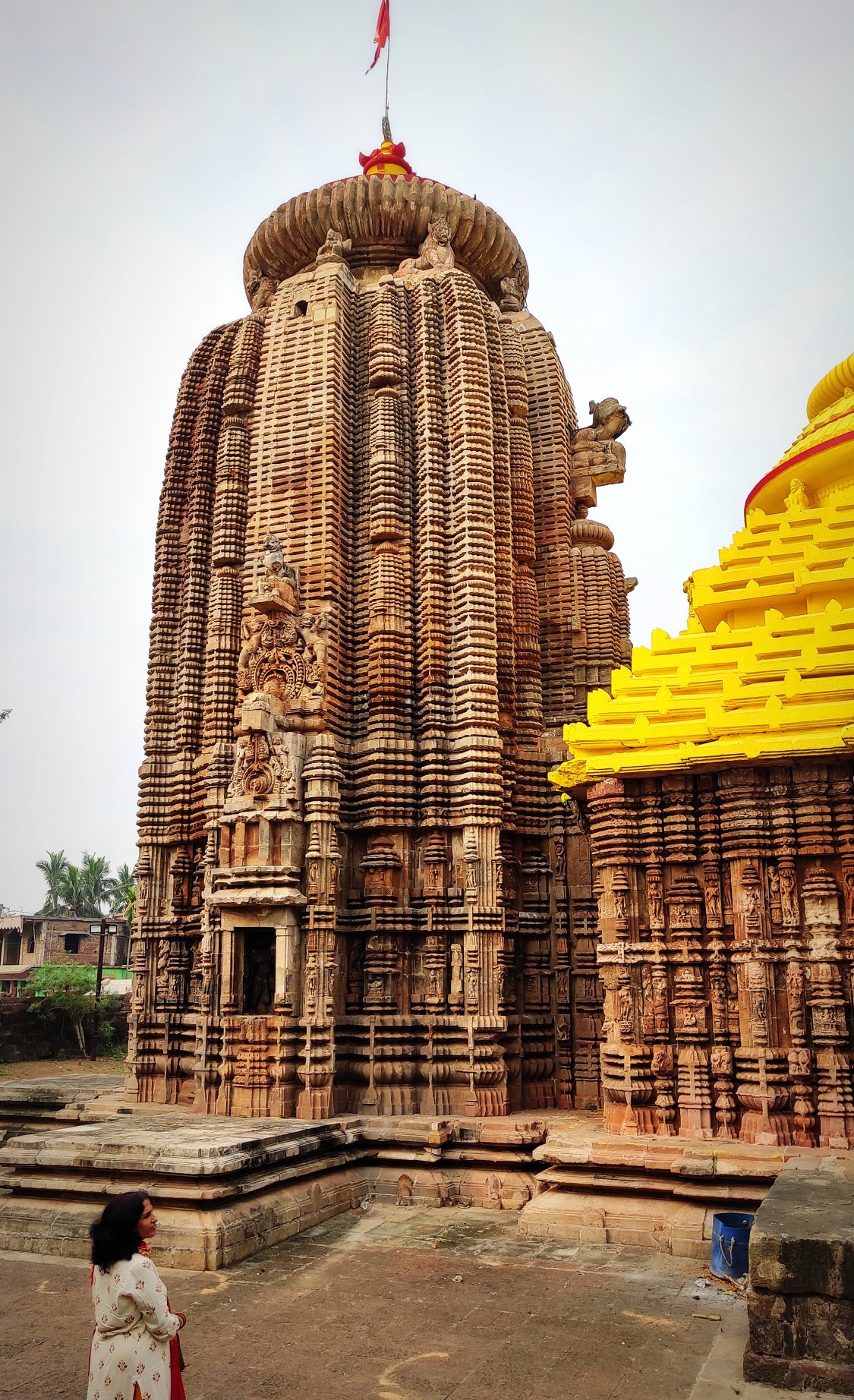

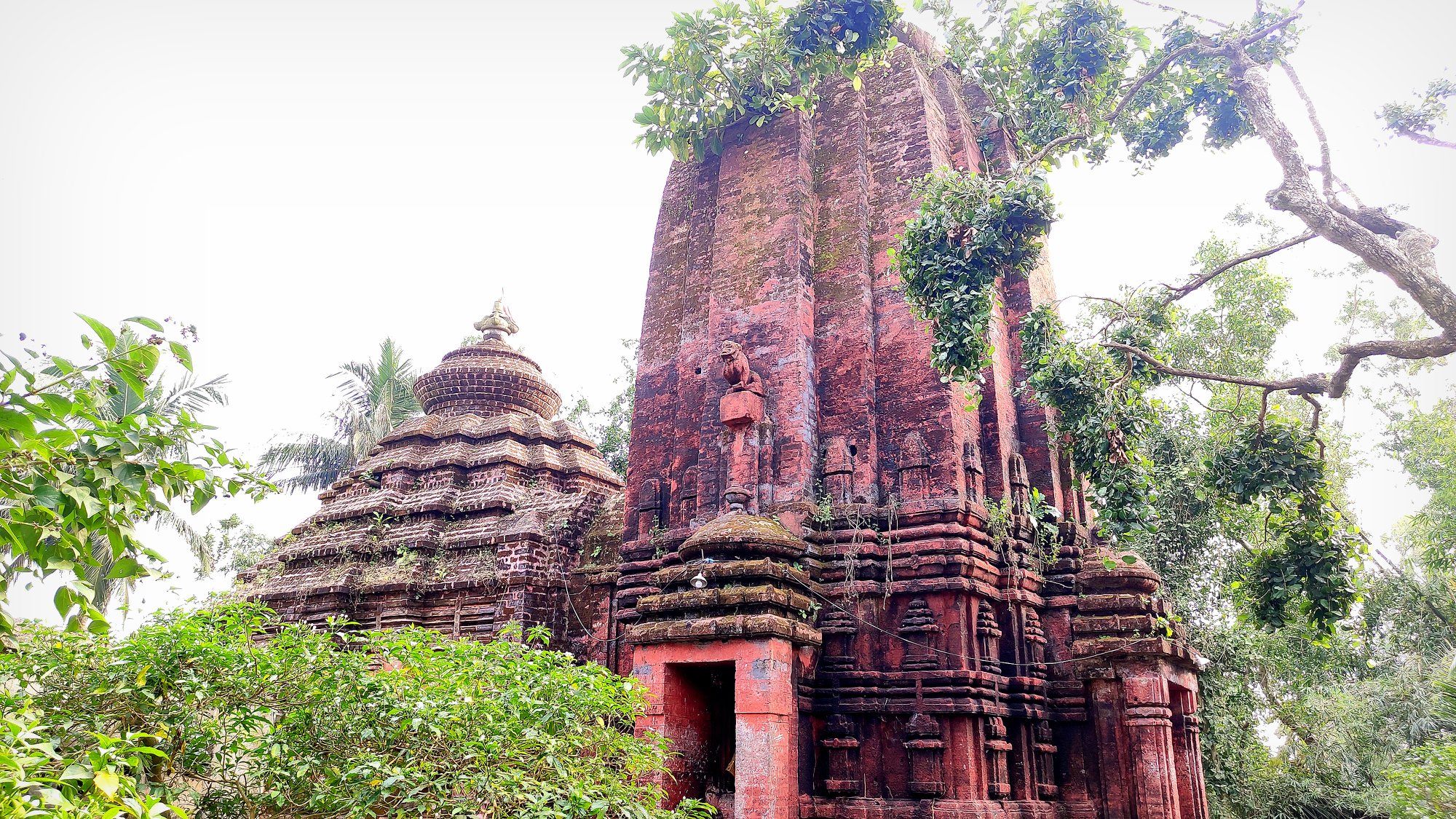
Just a couple of km away, lies the Angeswara Temple, a 10th Cent. AD. Shiva temple, which is probably one of the few surviving brick structures from the era.
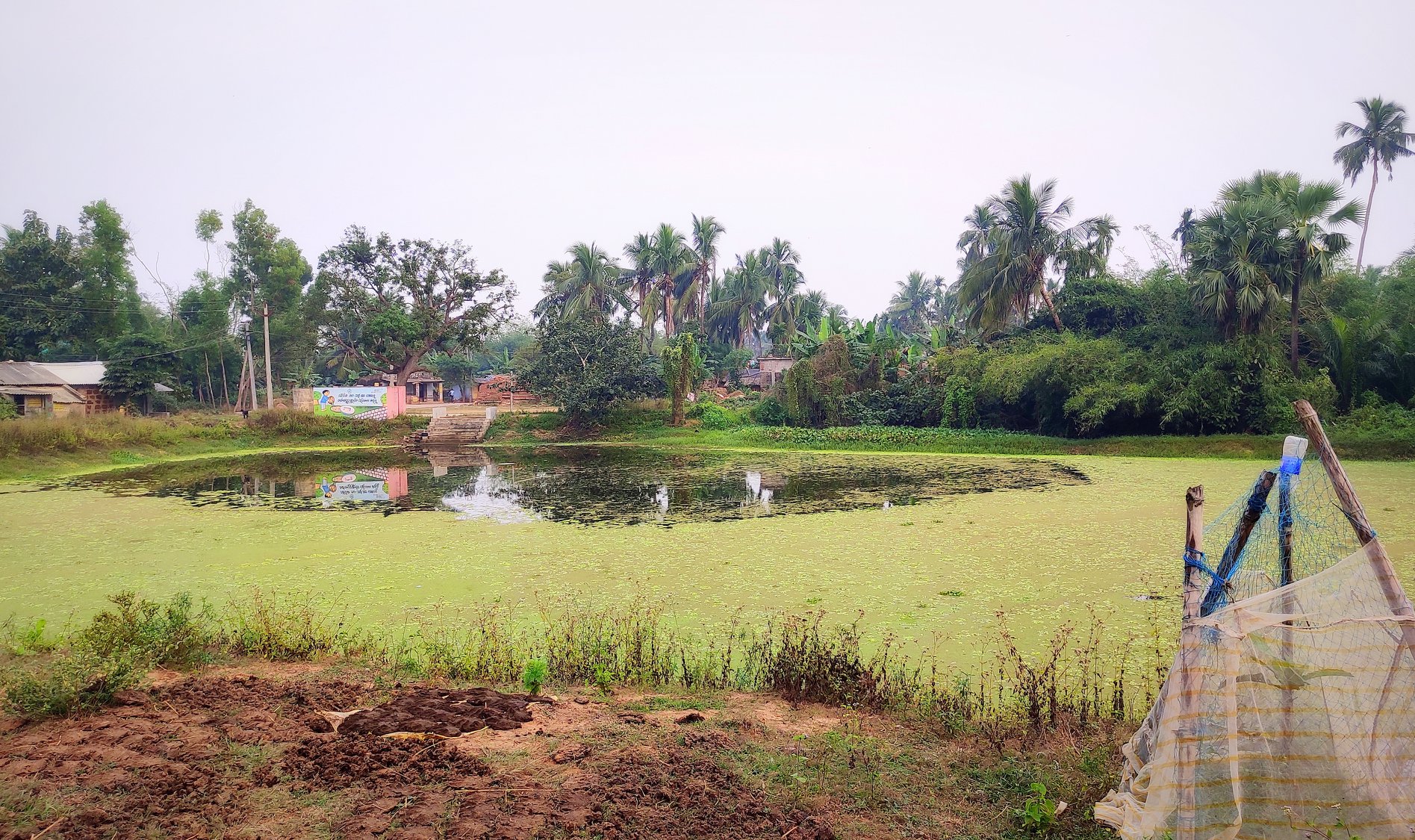
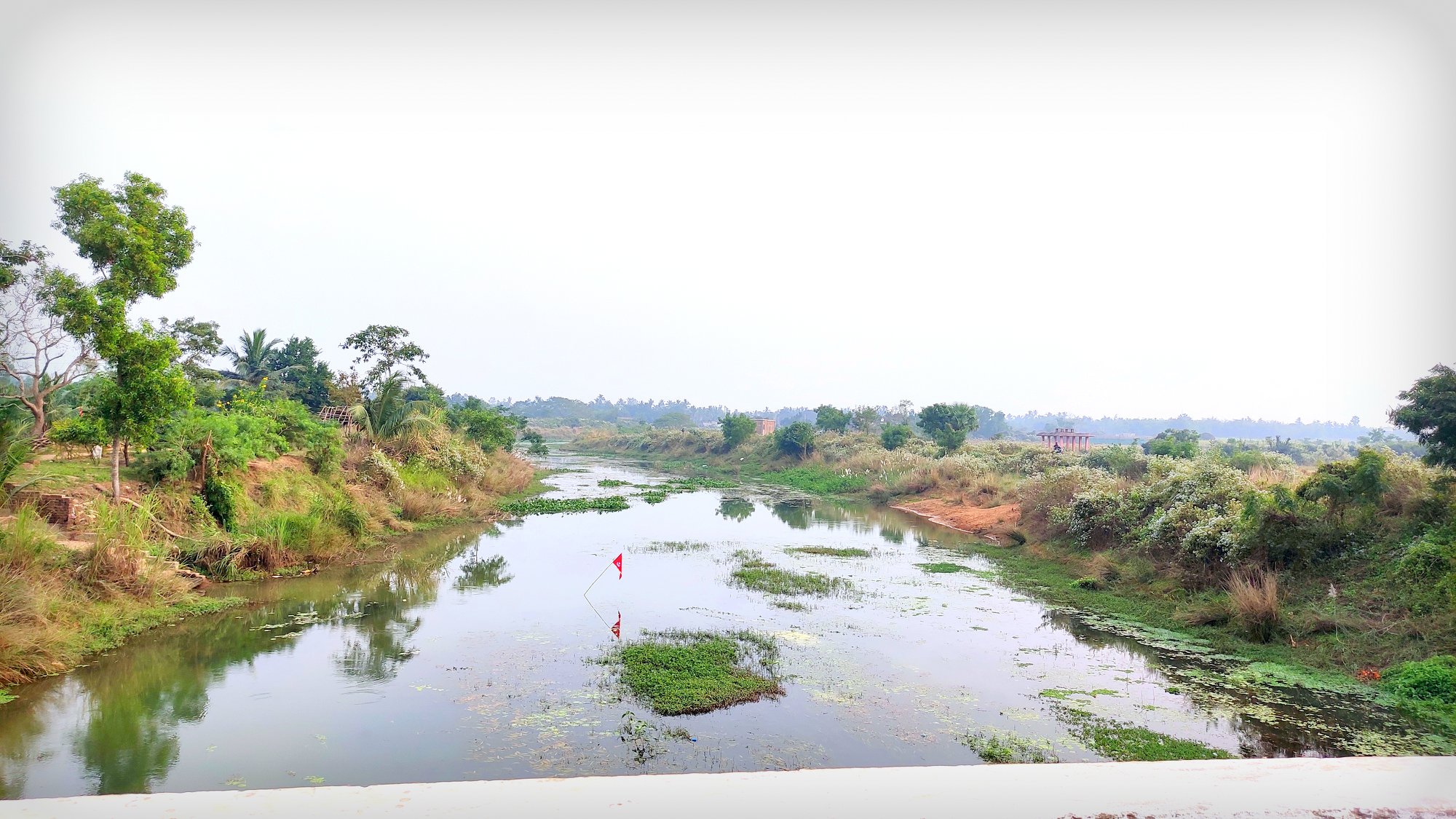
As we proceeded from Angeswara, we finally made rendezvous with the river whose valley we were exploring – the Prachi river today is a pale shadow of the splendour attributed to in historical records.
4 km further from the Angeswara temple, is the Barahi temple, a 10th Cent. AD temple dedicated to Maa Barahi, the shakti form of Baraha, the boar-form of Lord Vishnu’s incarnations. This temple incorporates Khakra style, a variation of of Kalingan temple architecture, reminiscent of Mahabalipuram temples.
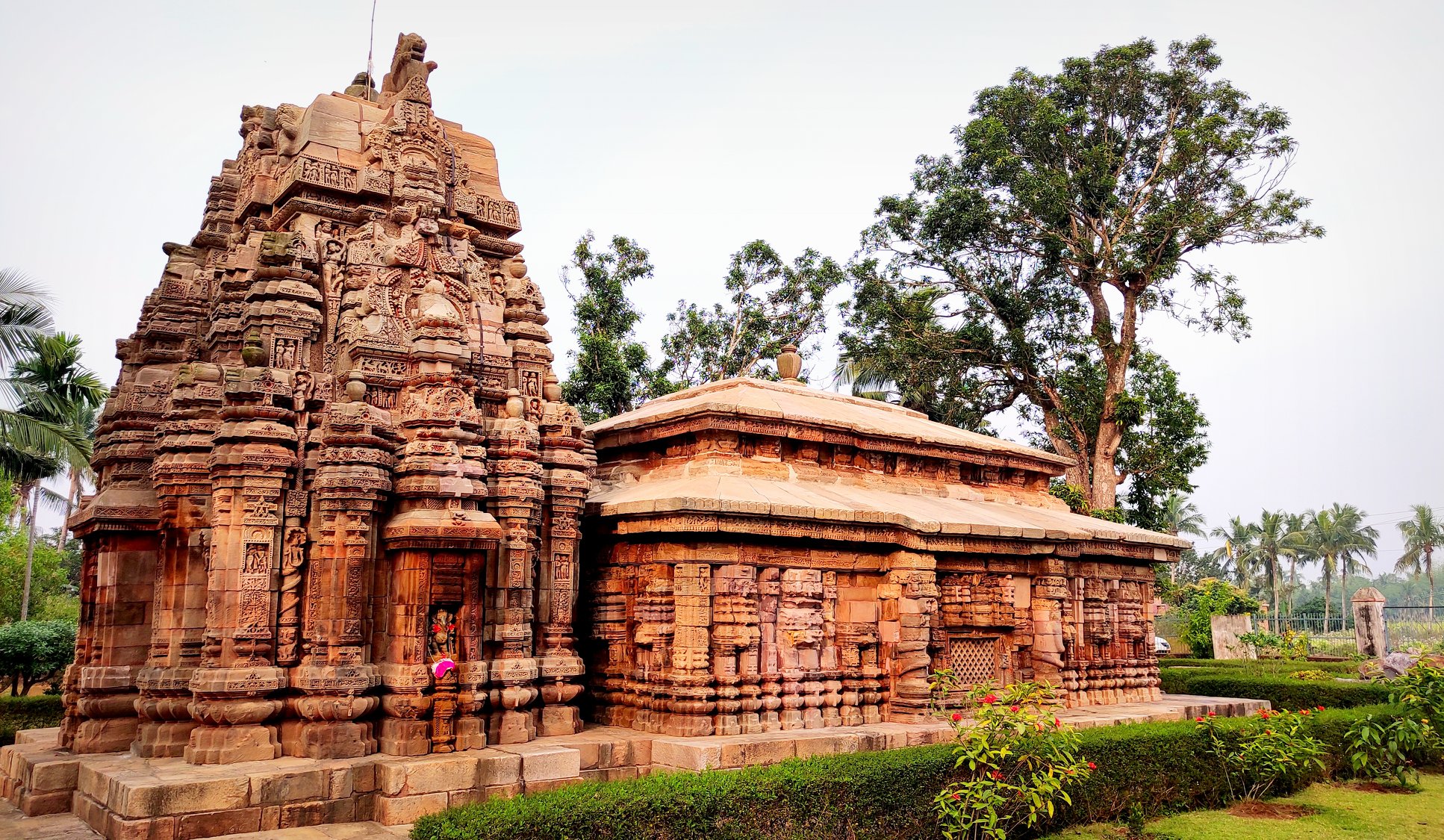
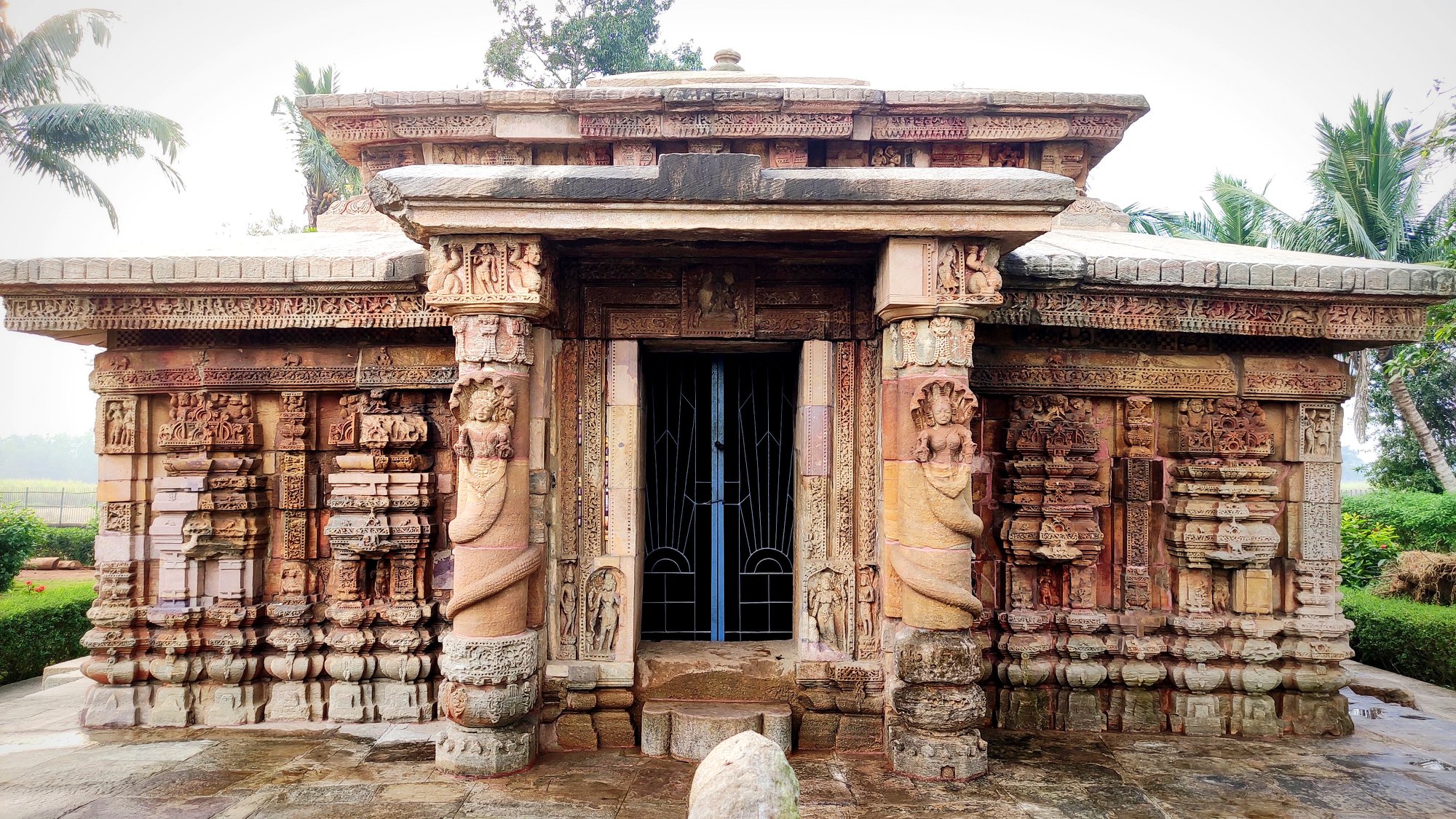
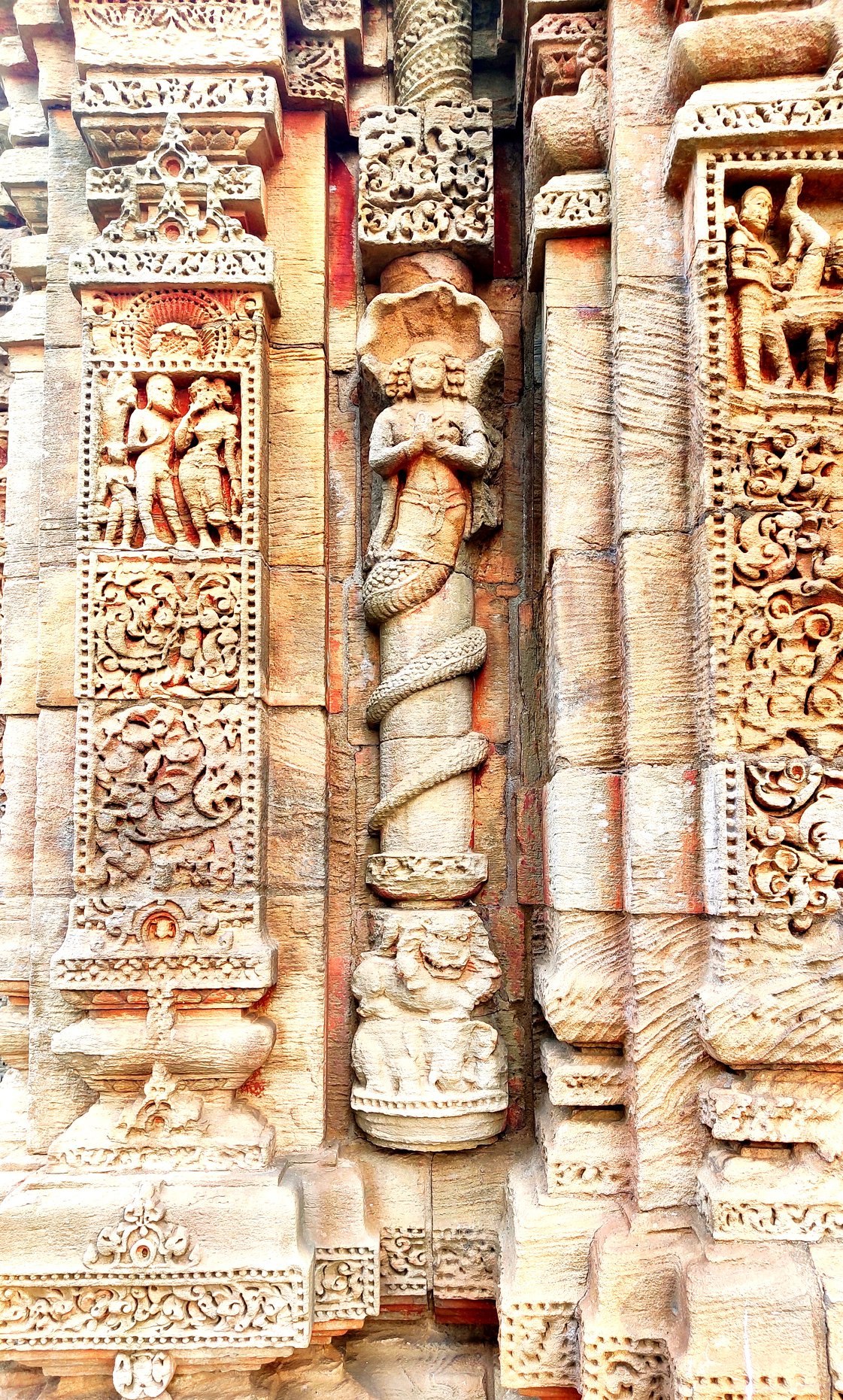
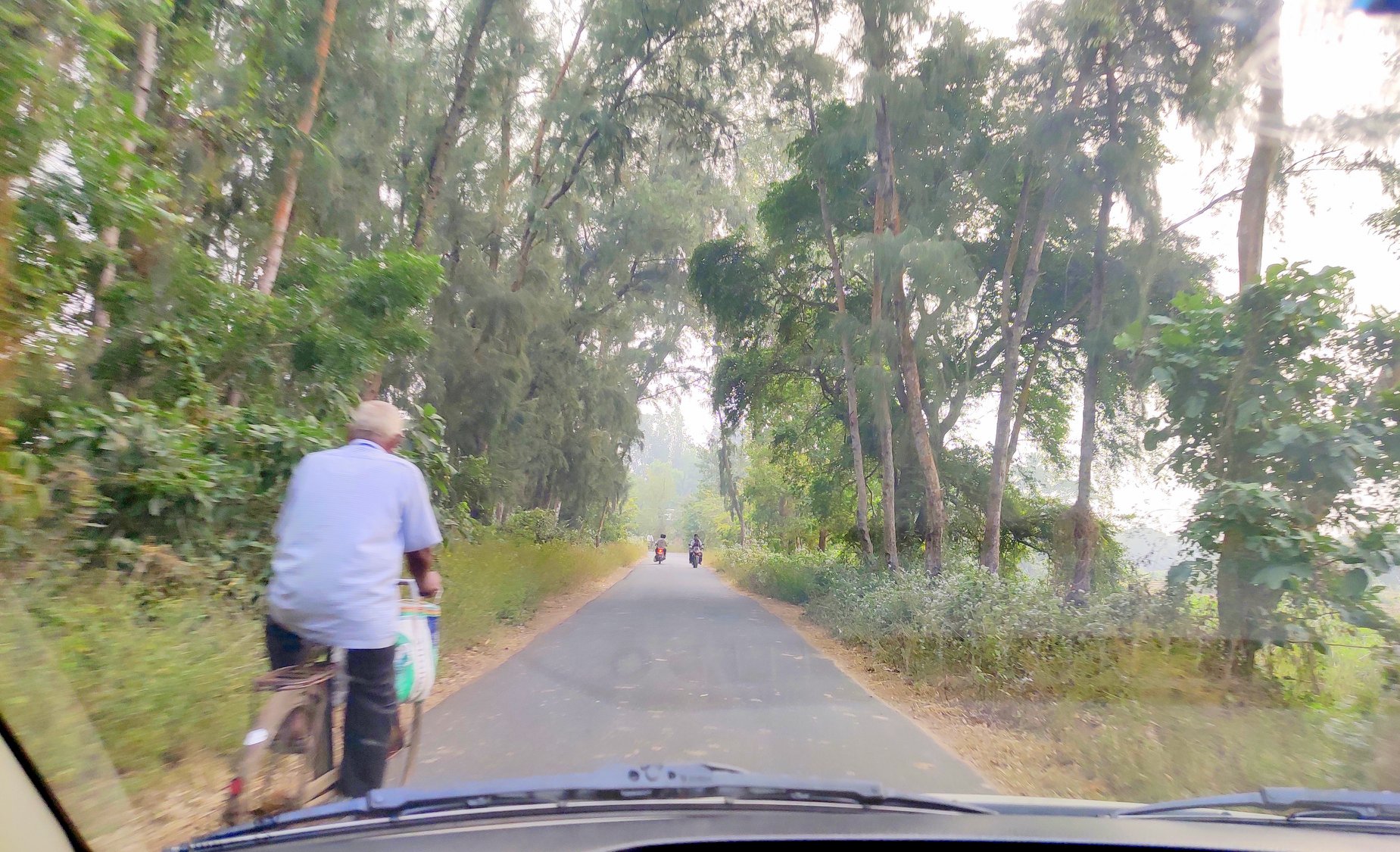
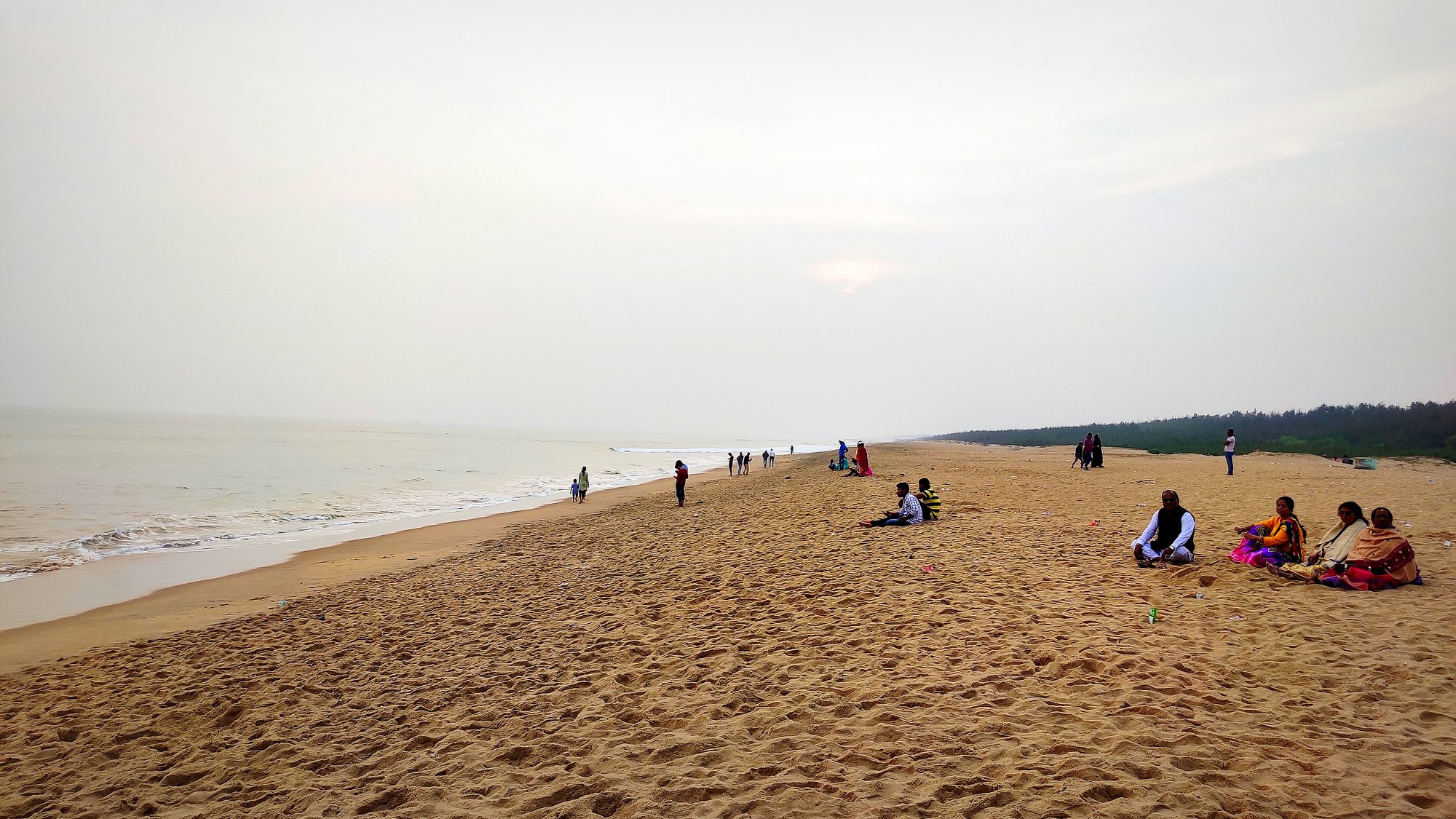
Moving on from Barahi, we reached a crossroads at Charichhak, and were faced with two choices – take a right turn and see a few more monuments from the Prachi Valley or take a left, to the sea. With the evening about to descend, we chose the road leading to Astaranga, which has an adjunct beach at Jahania. Astaranga, literally, of the seven colours, seemed to be a fitting finale for this trip, as it sat upon the mighty Kalinga Sea, which the Kalingan sons traversed to spread the Kalingan glory far and wide.
Read more about the above places
Buddhanath temple: https://odishatourguide.com/temple_post/buddhanath-temple/
Shobhaneswara temple: https://odishatourguide.com/offbeat…/sobhaneswara-temple/
Madhabananda temple: https://odishatourguide.com/temp…/madhaba-temple-at-niali/
Angeswara temple: https://odishatourguide.com/offbeat_places/angeswara-temple/
Barahi temple: https://odishatourguide.com/offbeat_places/barahi-temple/
How to reach
You have to invariably take private transport and follow Google maps, since many of these sites are not on a major road. Alternatively, you could join some of the day-long heritage walks organized from Bhubaneswar by a few heritage enthusiasts.
Route map (source: Google Maps)
 The Timber Trawler