Gagron, Ramgarh and Kalinjar: An Inquiry into the Antiquities of Upper Vindhya Range

The little one touched down in late February on his annual visit to the homeland, and as has been the family’s wont, we set out on another self-driven road trip. This time I wanted to introduce my little brother to the pink-splashed, fort-dotted landscape of Jaipur. But that was not all of the plan – the plan also included exploring the antiquities lying in the upper Vindhya hill ranges.

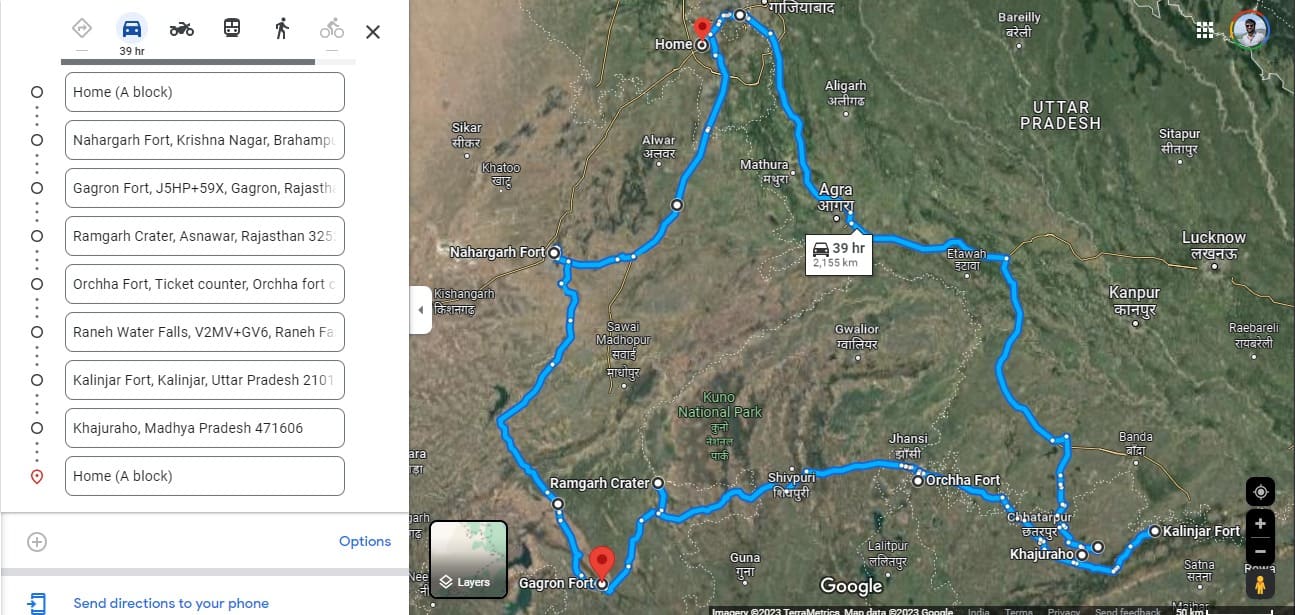
One of those long-distance trips that uncharacteristically start at noon, it was the perfect opportunity to check out the Delhi-Mumbai Expressway (DME) which had just opened for the public. And soon we would be in Jaipur and climbing the hairpin bends up the Aravallis to reach Nahargarh fort in pitch darkness.

Following a quick family sight-seeing session in Jaipur, we crossed the Chambal river & Kota city onto the tiger-rich Mukundra Hills in pursuit of a hill-cum-water fort which had eluded me in my last two attempts – once due to floods and the other time, due to paucity of time. We then proceeded to a geological marvel in the form of a Meteorite Impact Crater (MIC) in the middle of nowhere, which also is home to a mysterious ancient Shiva temple.

Then we skirted around the Kuno National Park to push into Bundelkhand, touching some places that formed the backdrop at crucial junctures in the history of Bundelkhand, as well as of British India. We then advanced to that land of exotic temples – Khajuraho, which would then lead us to an intriguing fort straight out of the scenes of an Indiana Jones movie.

Highlights of the trip

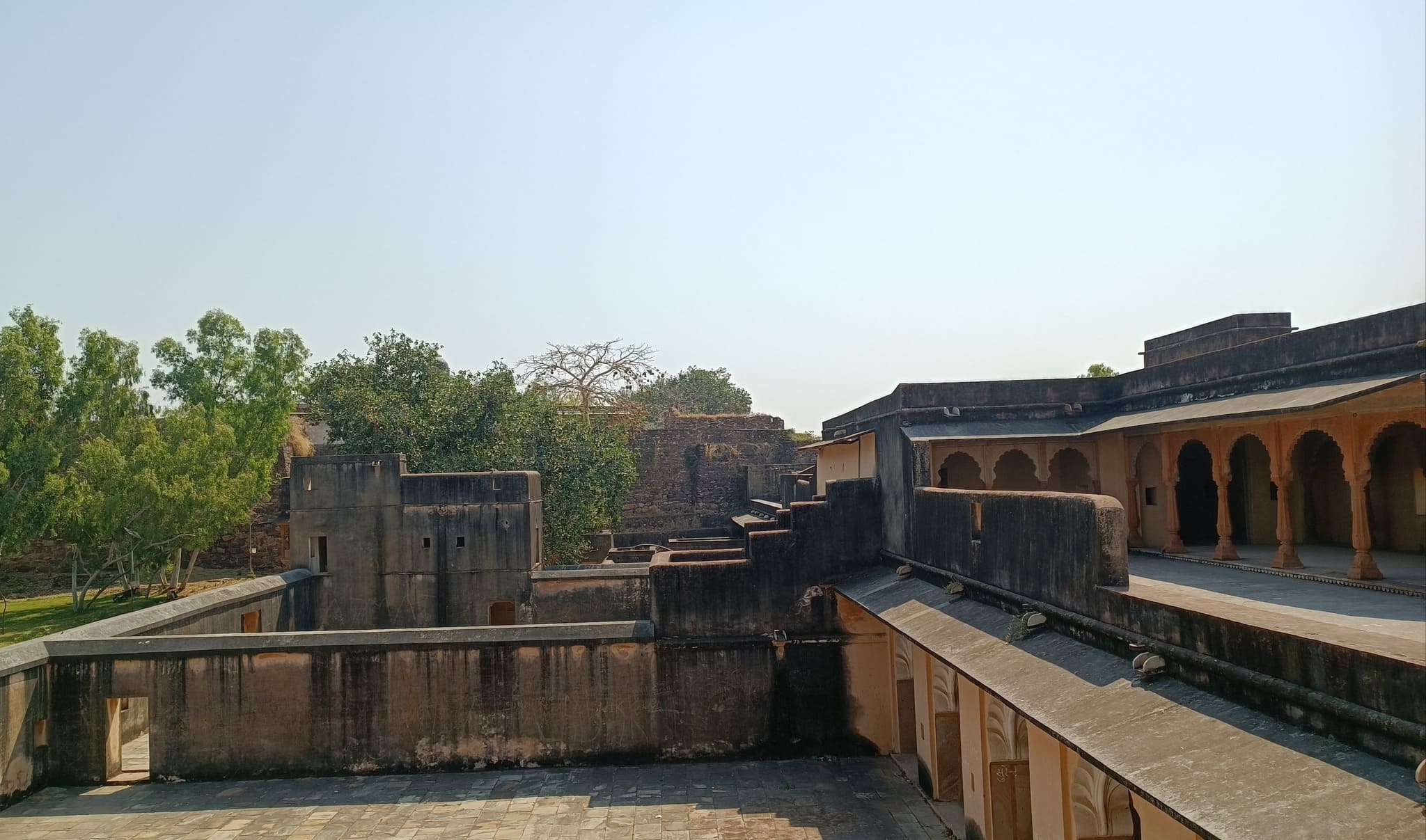
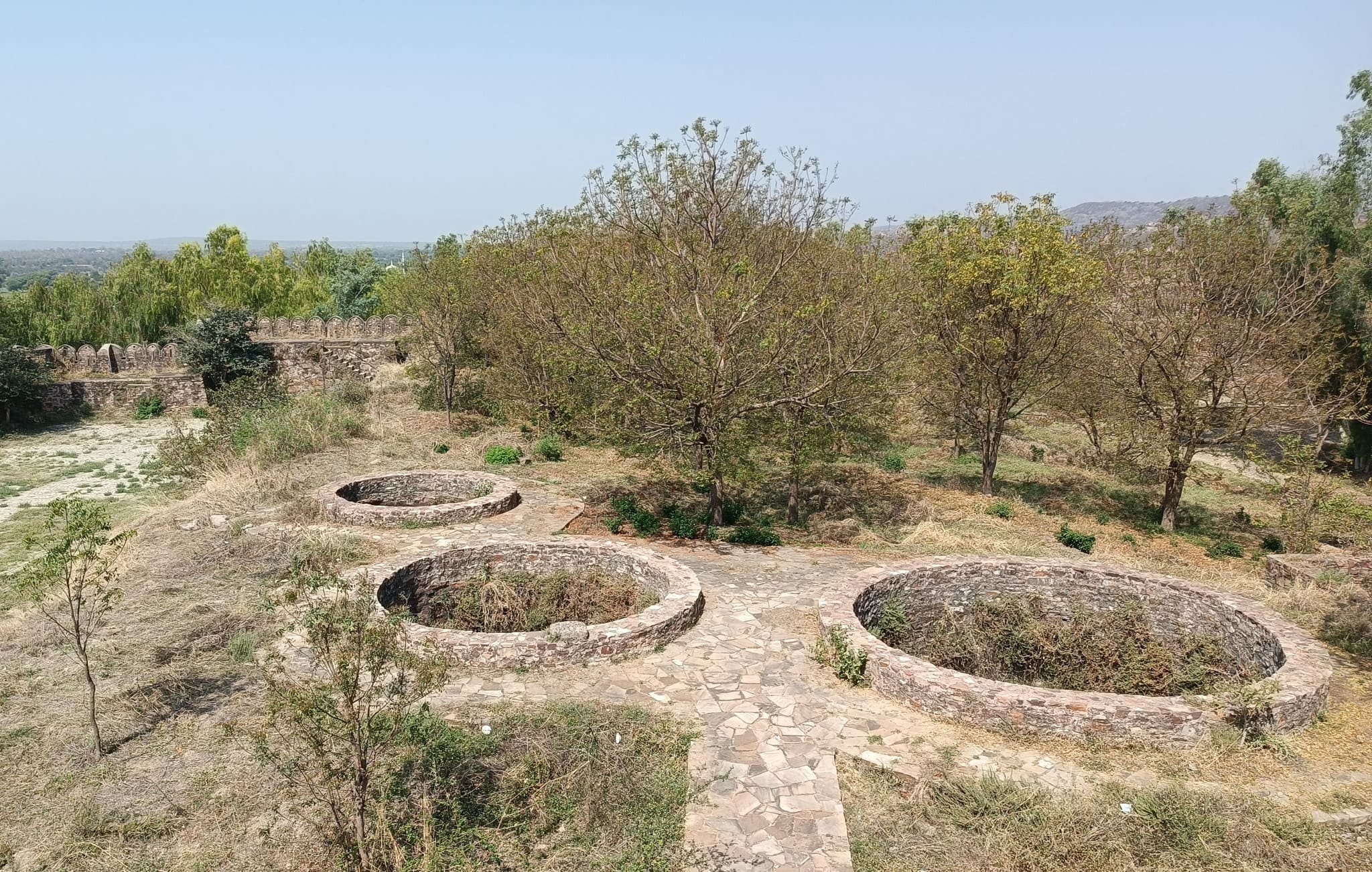
Gagron Fort

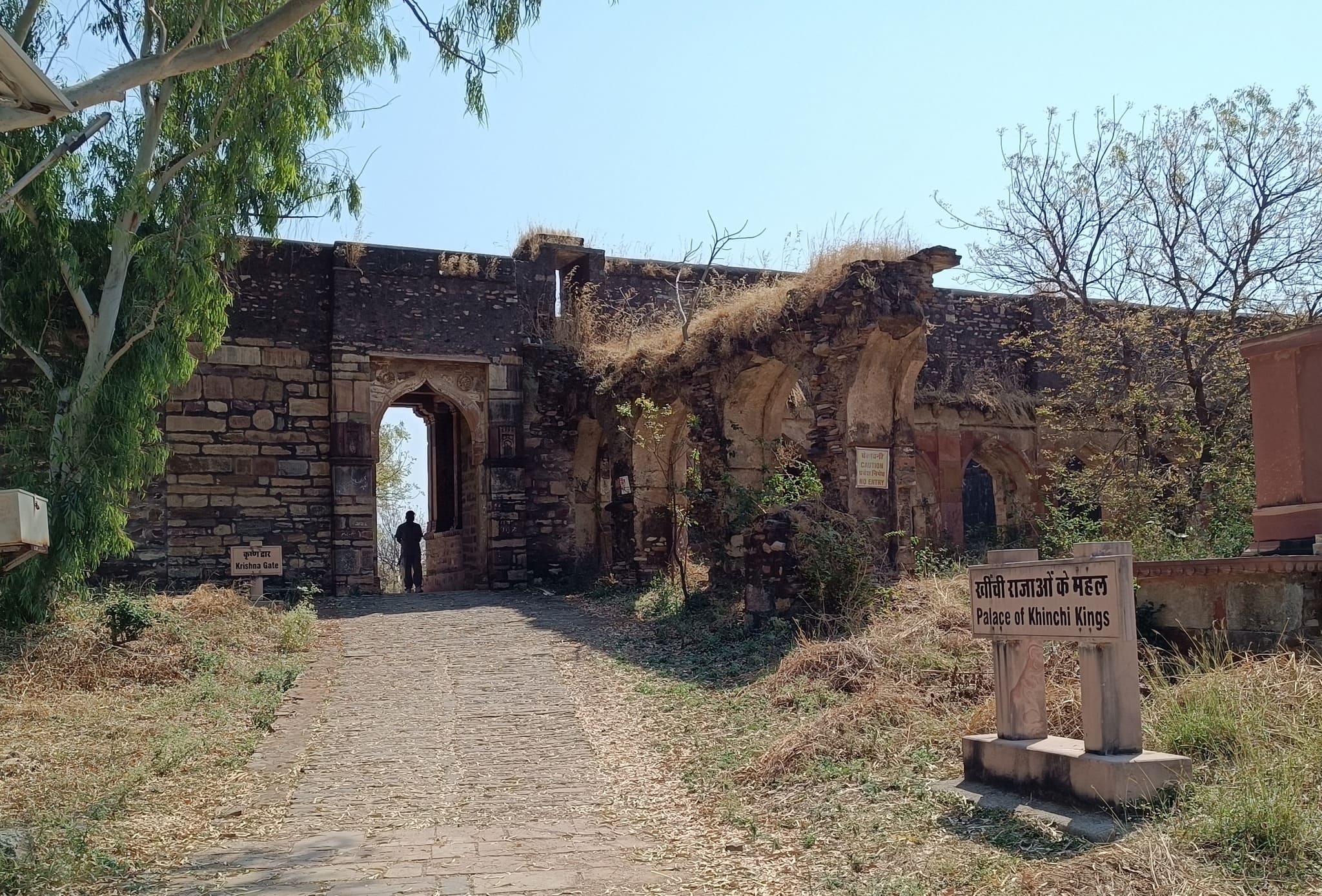
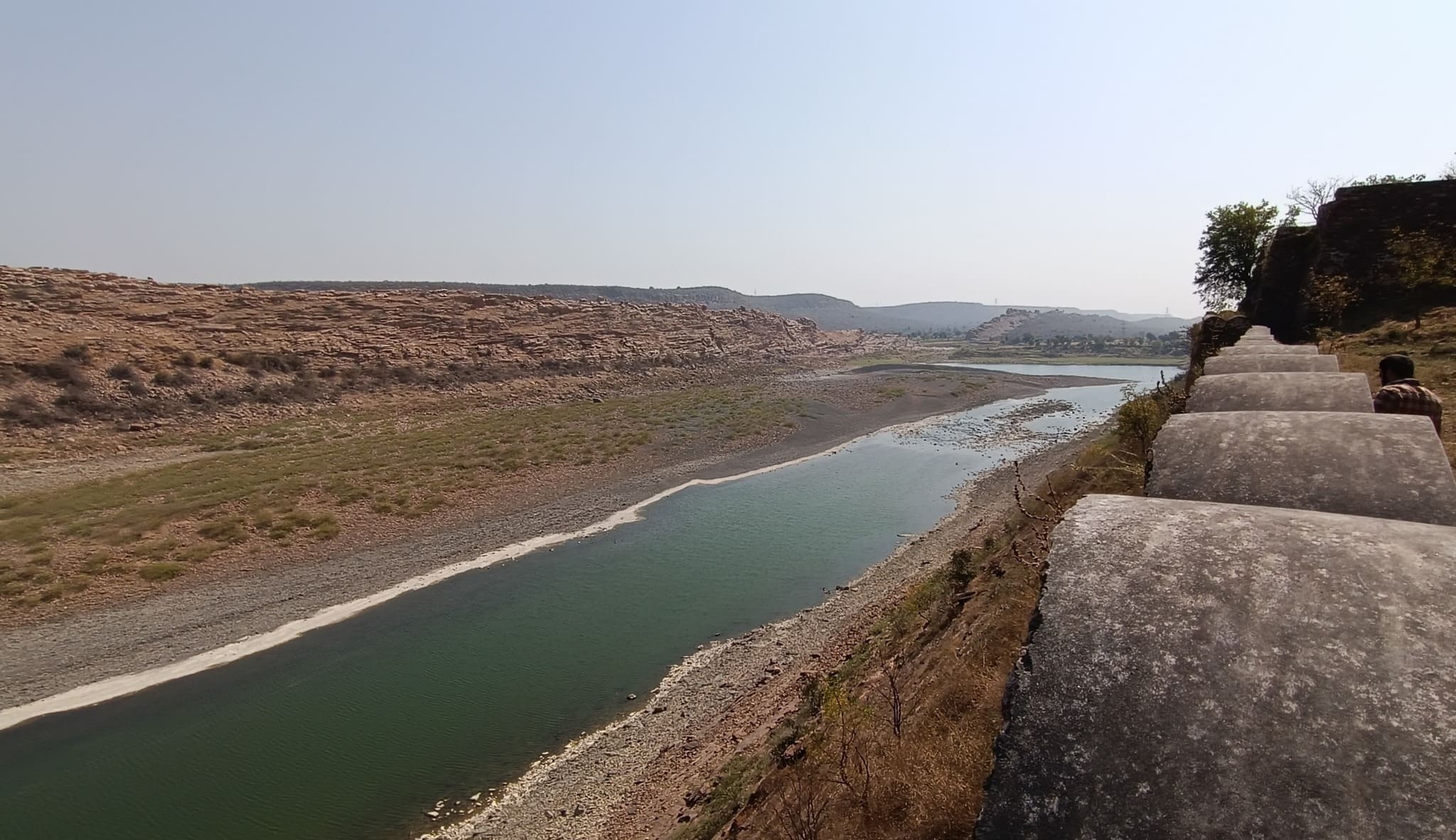
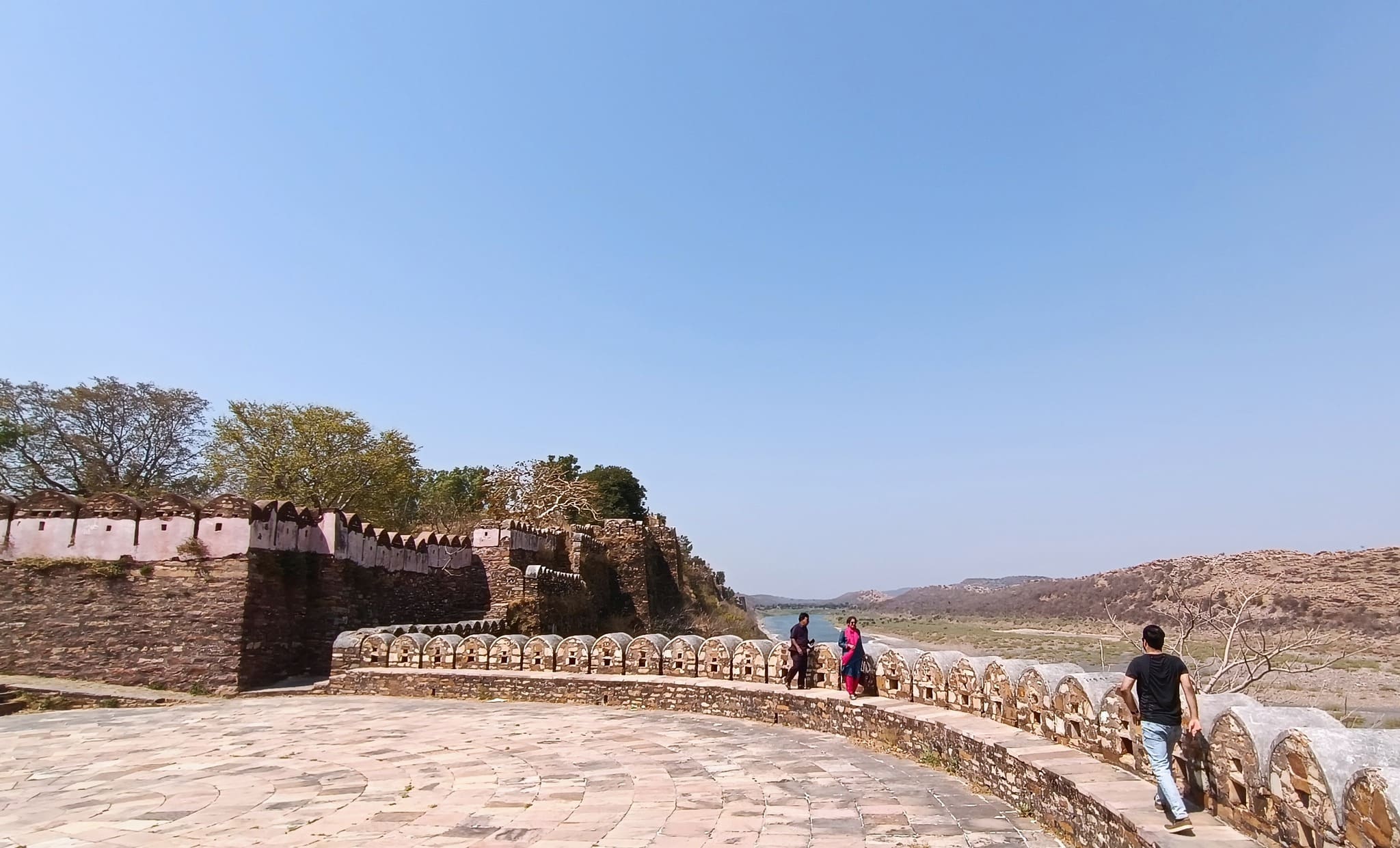
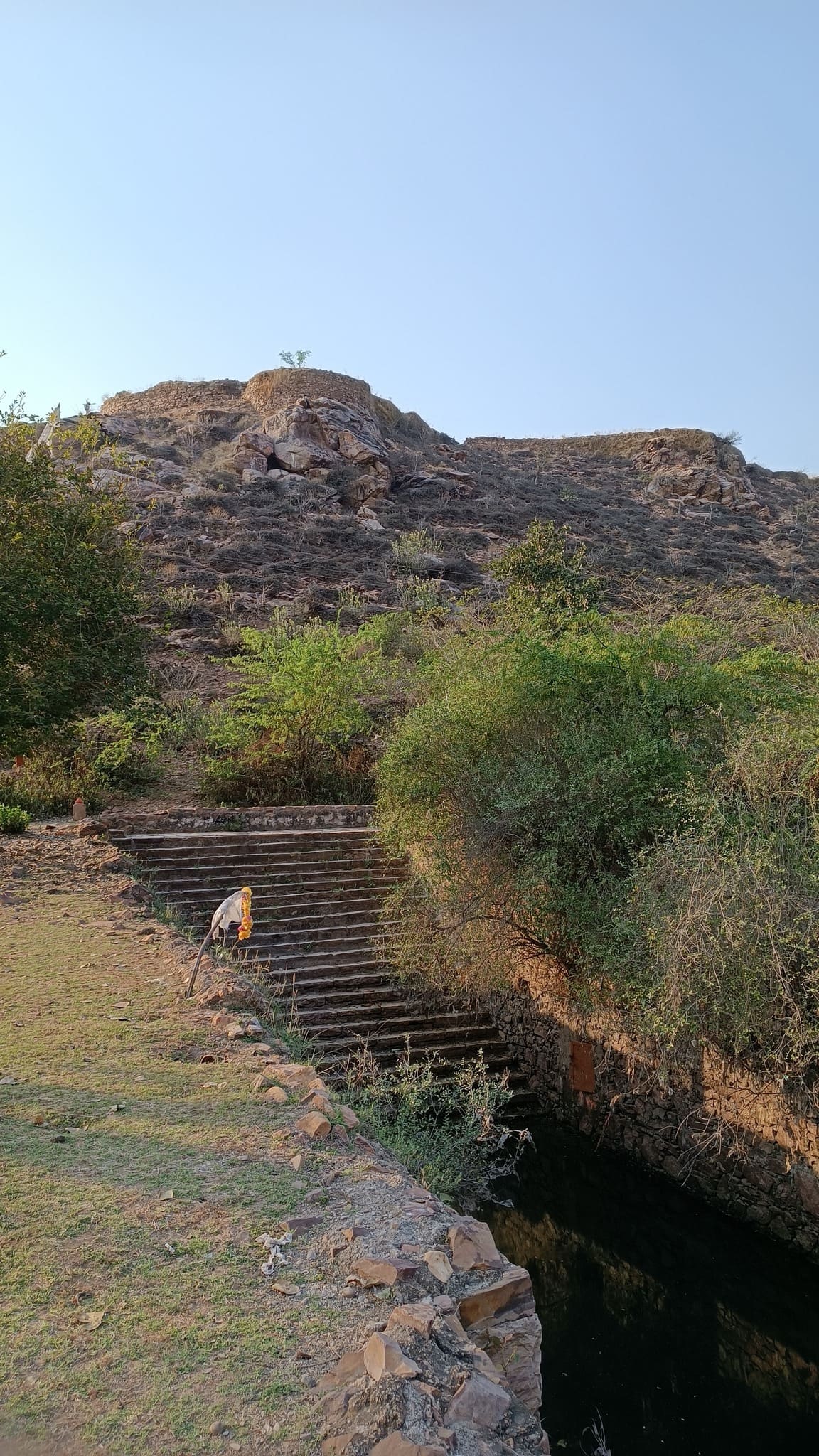
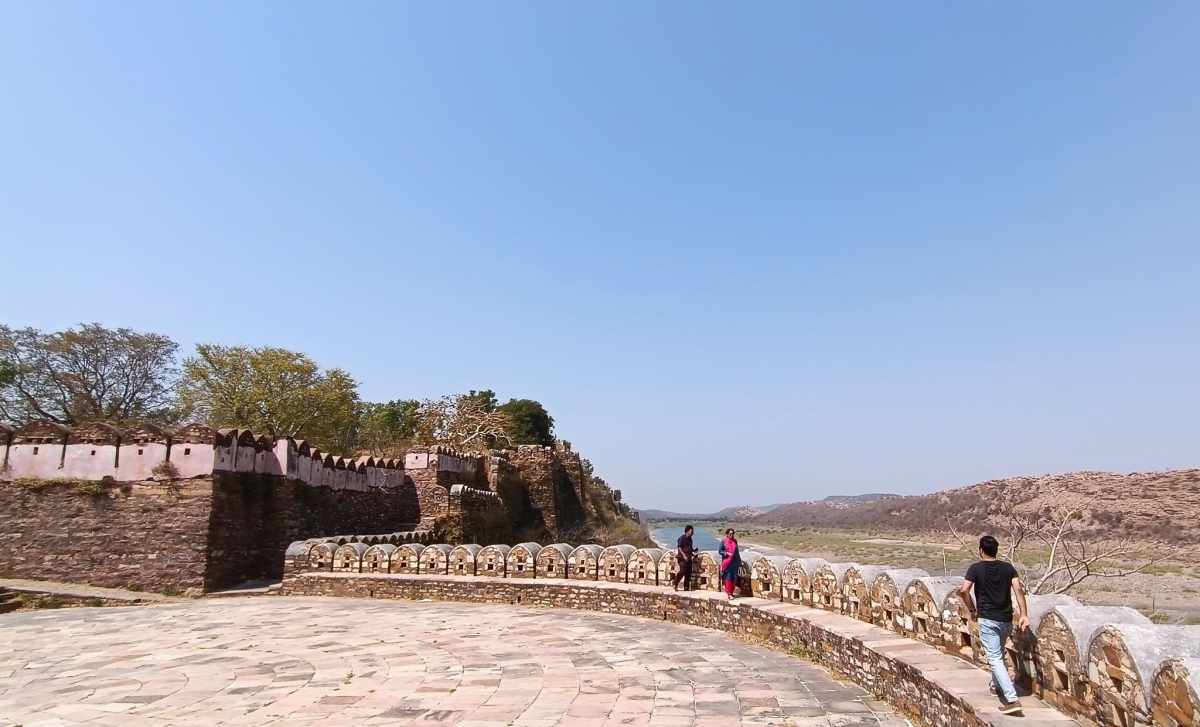
A 12th century hill fort that also doubles up as a water fort, by virtue of lying on the confluence of 2 rivers, with one river winding around the hill supporting the fort, giving protection by water on 3 sides. The fort itself is akin to a ship with the watchtower called Ram Burj situated at the fort’s edge where standing feels as if standing on a ship’s bow. The fort ramparts afford views of the sparsely vegetated rocky surface of the hill with the aquamarine Kali Sindh flowing along the hill base on one side and of the Ahu river on the other side. This fort rounds up for me, the six hill forts of Rajasthan that constitute a UNESCO World Heritage Site series.
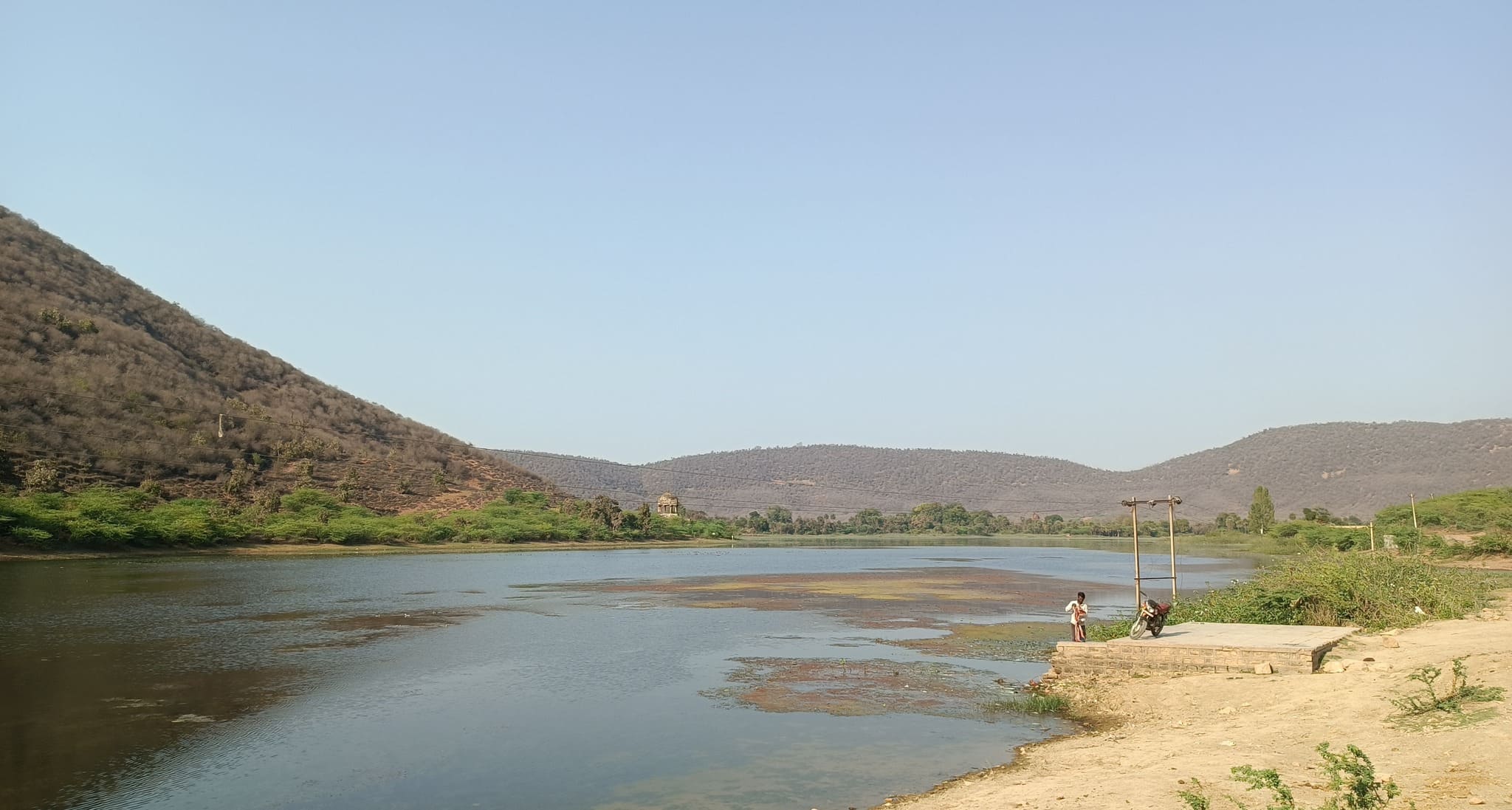
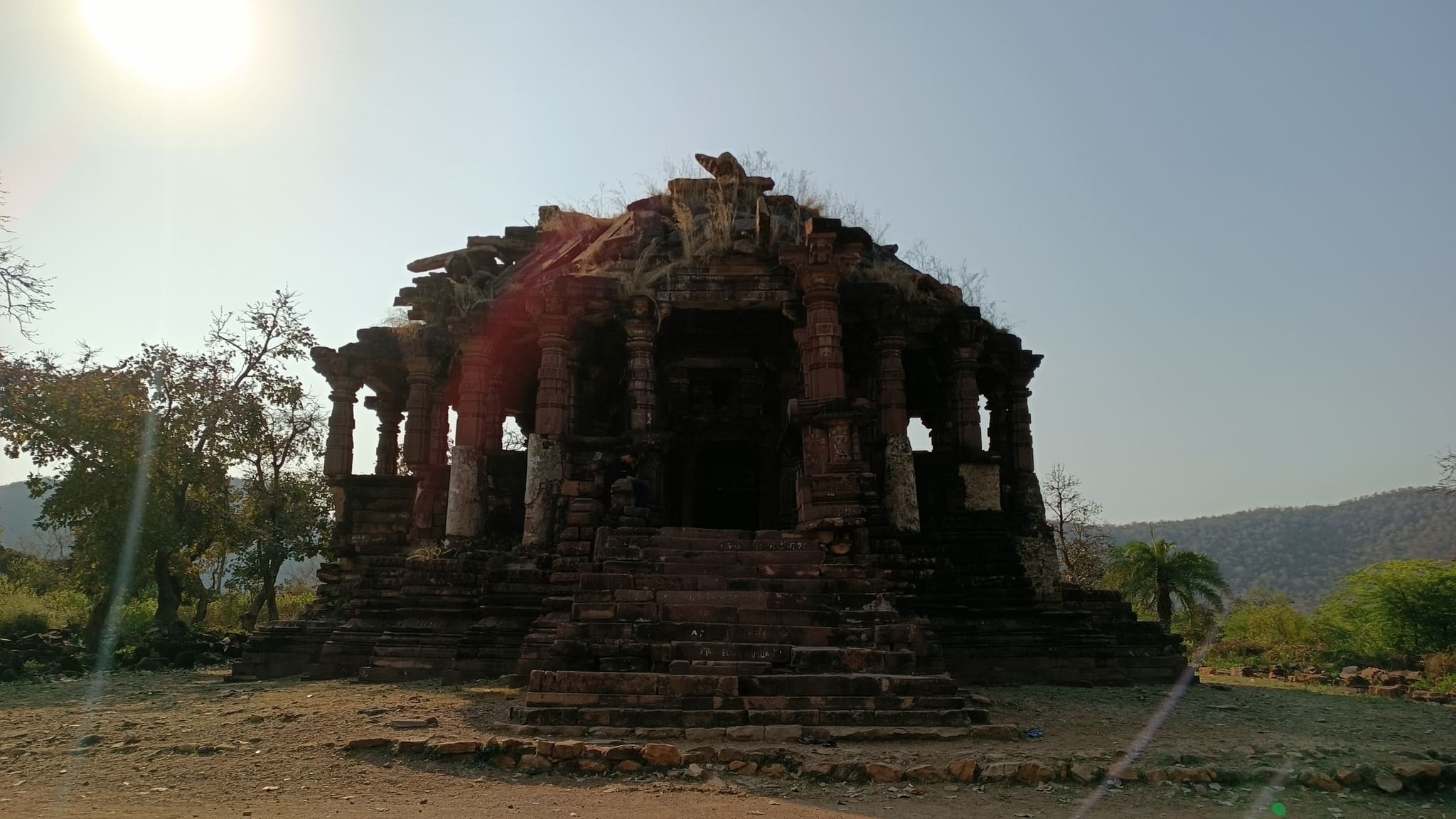
Ramgarh Crater

A Meteorite Impact Crater (MIC) formed more than 600 million years ago. The site is characterized by a rim of hills in the shape of a circle with only a narrow pass providing access to the inner area. At the centre of the crater are the Bhand Devra Temple, a 10th century Shiva temple, and a pond abounding in water lilies and lotus. Once formally recognized by the Earth Impact Database, this would be the second largest MIC in India.
Orchha

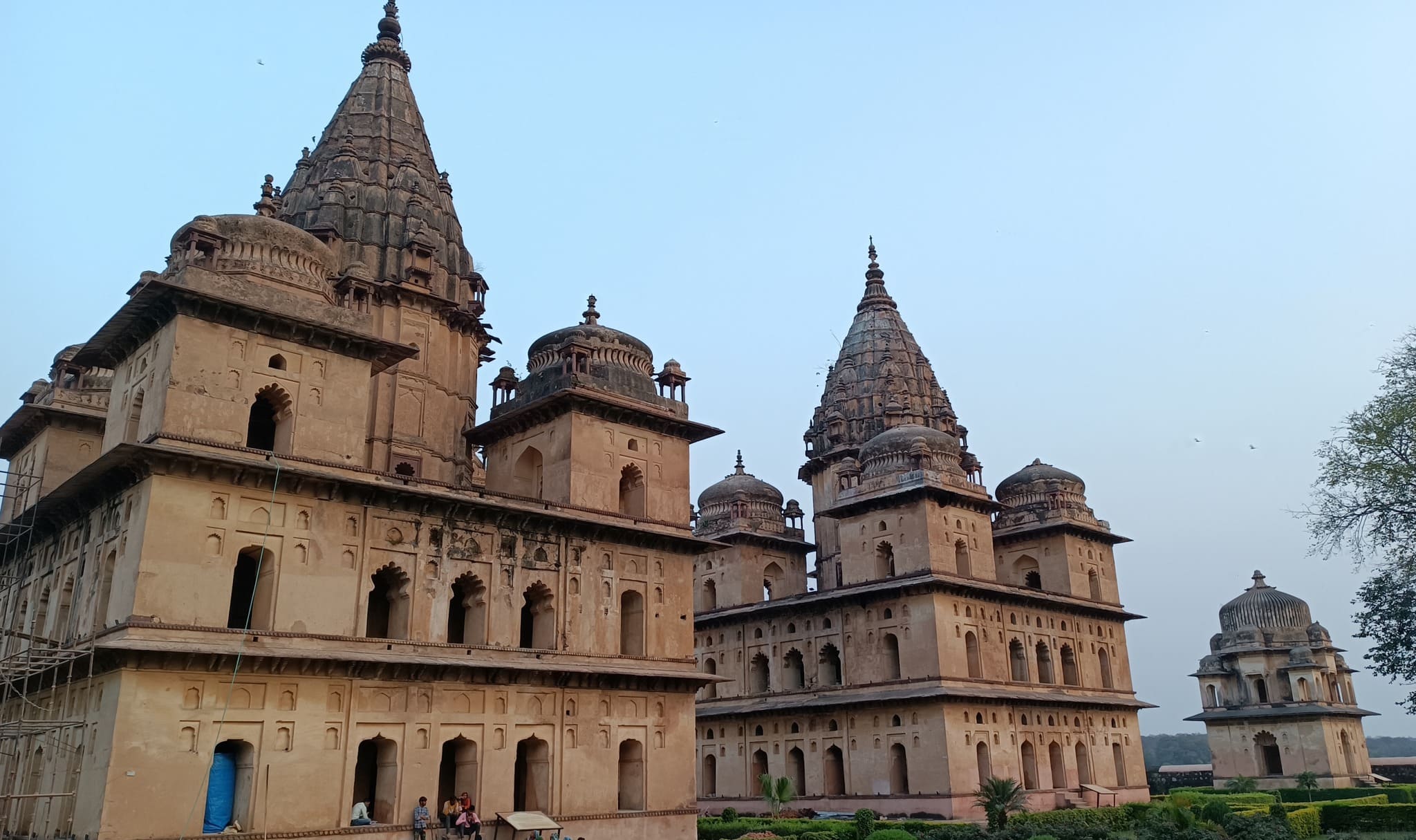
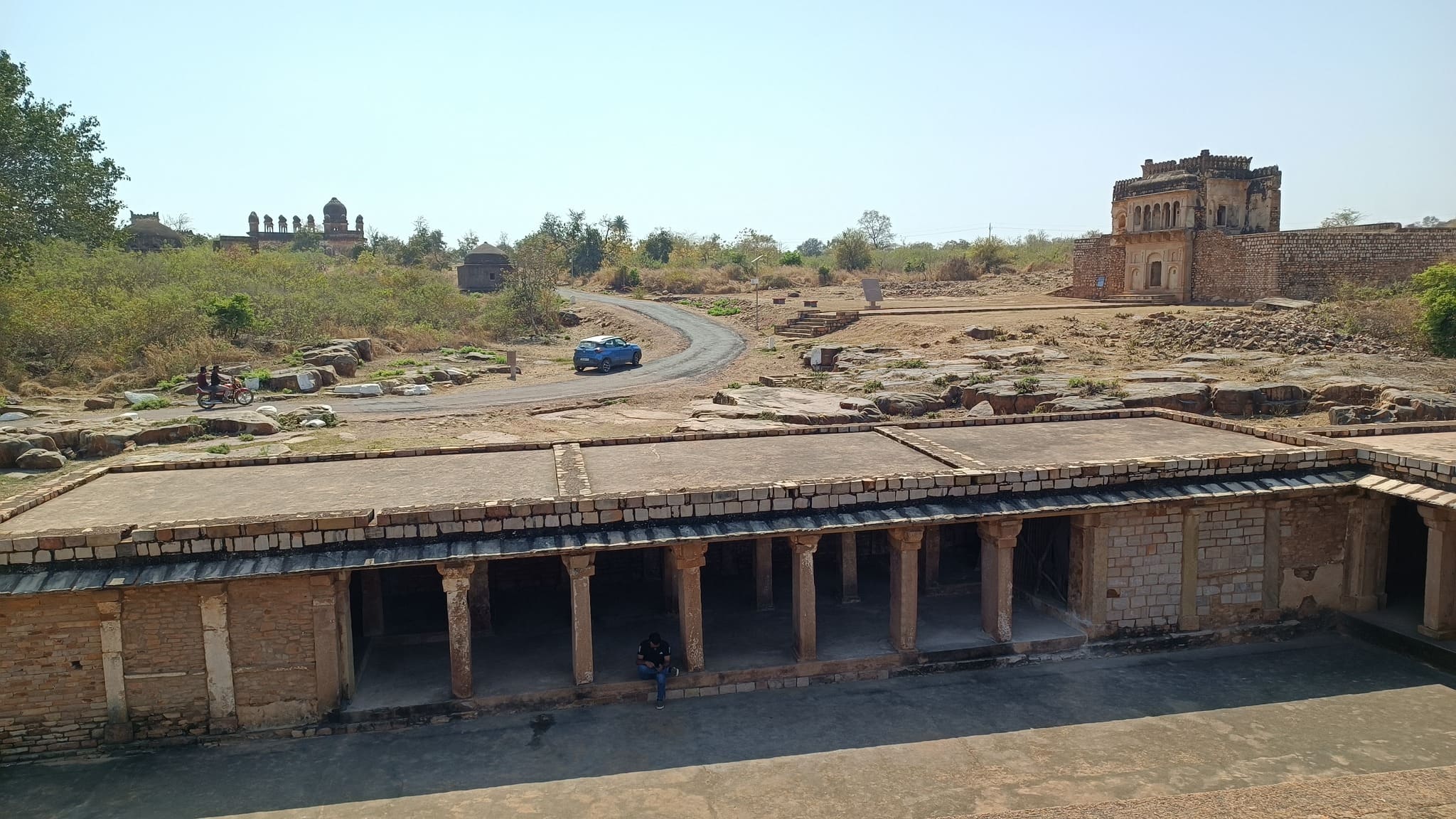
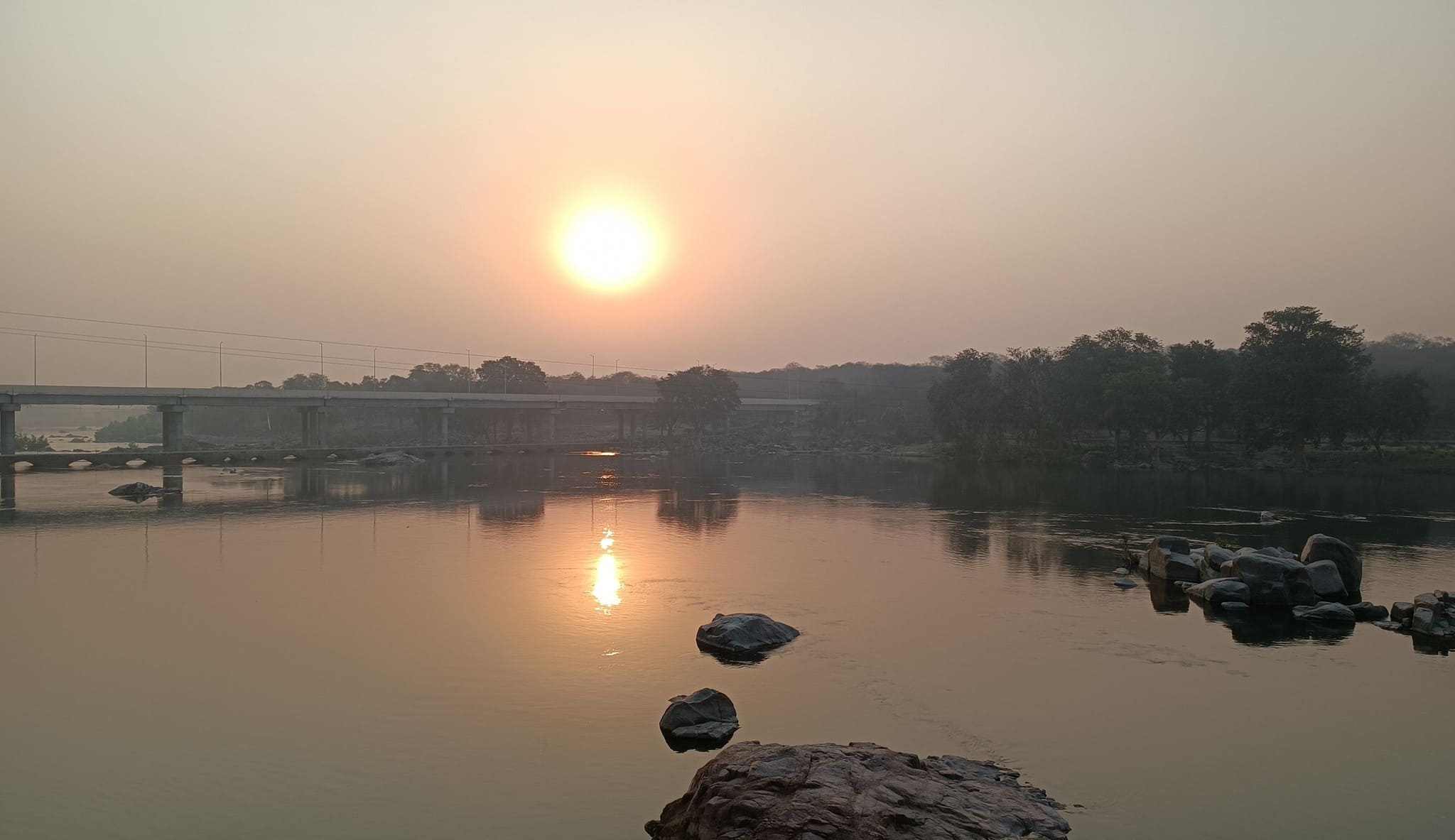
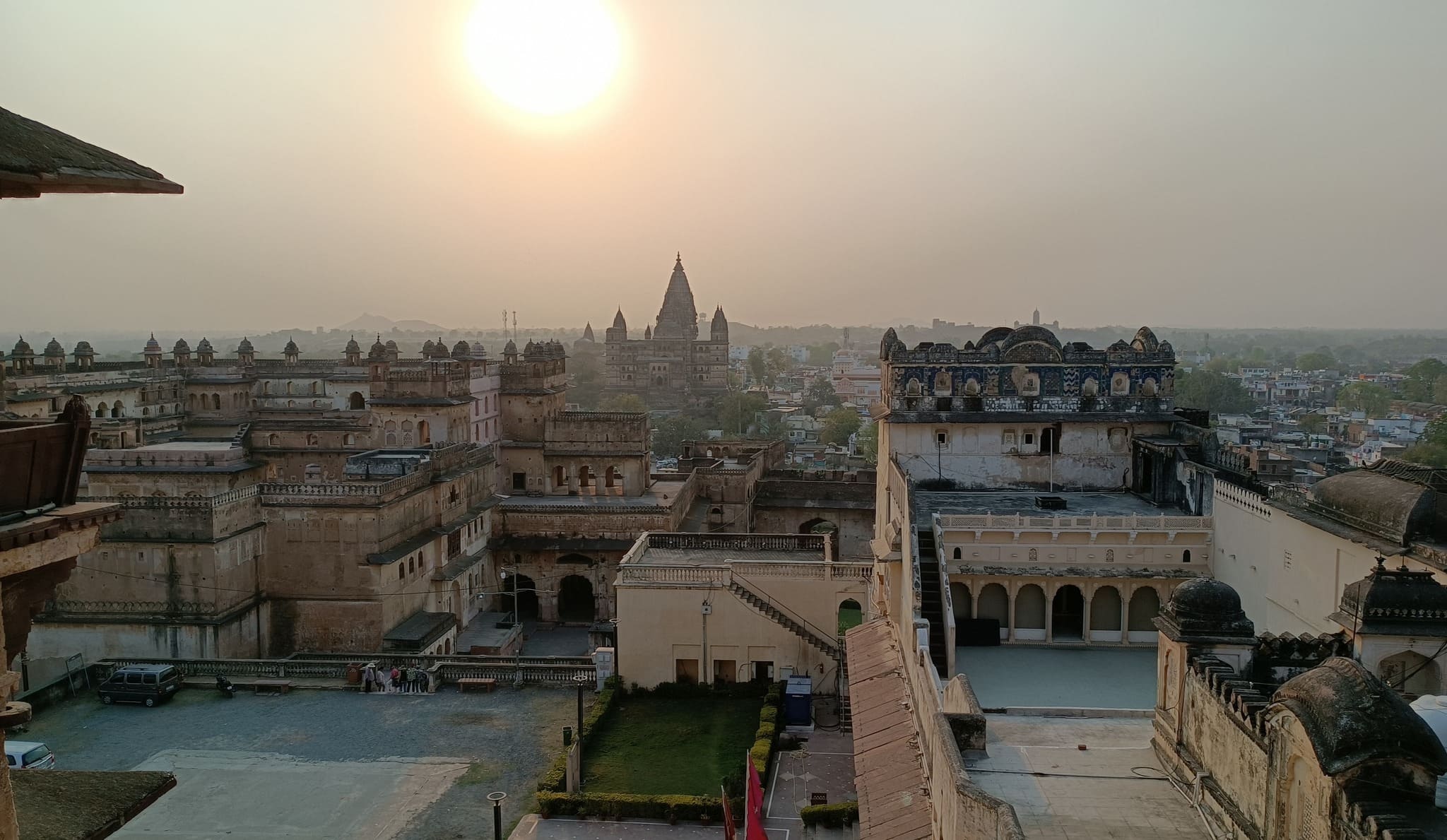
A sleepy yet historically ornate riverside town of Orchha, hidden away from the hustle & bustle of the main roads. The palace complex housing two large palaces, the Chaturbhuj temple and the chhatris (memorials) on the Betwa river evoke a sense of nostalgia for a time gone by. It was established by Bundelas in the 16th century AD and named so because it was apparently “hidden” inside forests.
Garh Kundar

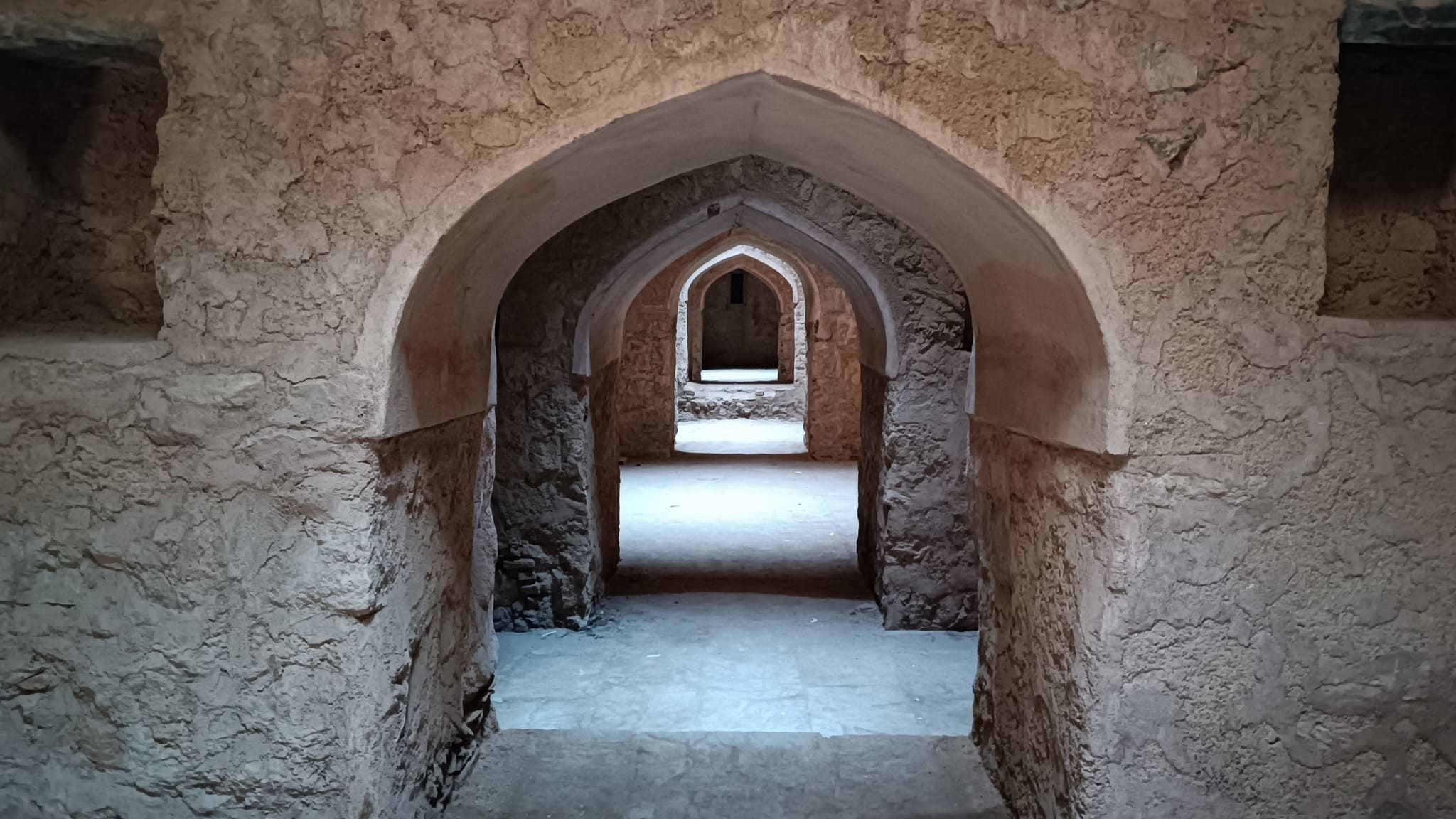
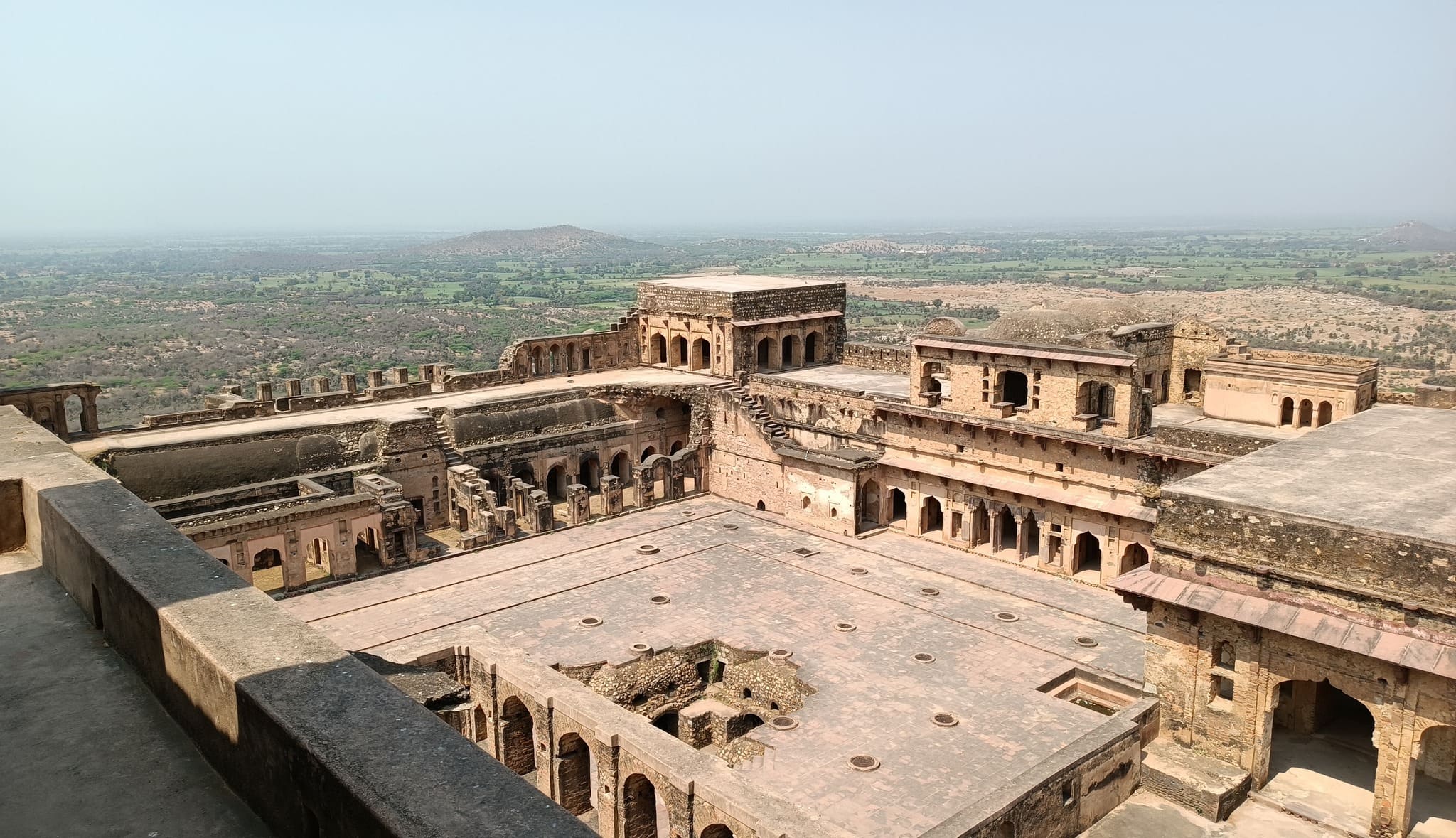
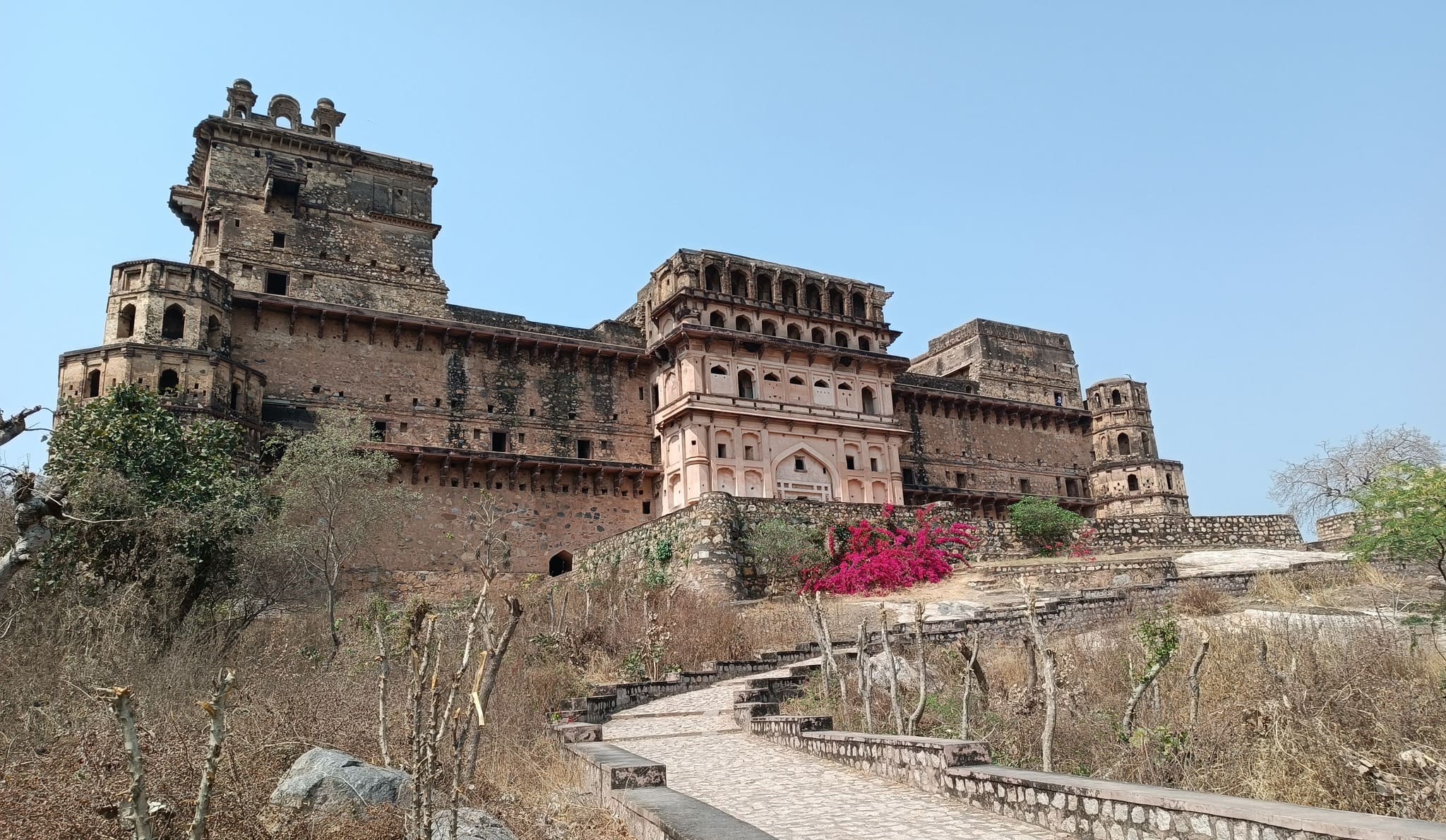
An enigmatic palace perched atop a rocky outcrop in the Bundelkhand region that is accessed after driving for a long time in the wilderness. It served as the residence of the Bundelas before Orchha was founded. There also exists a legend of betrayal and beguiling intrigue between two warring clans, leading to the murder of a groom’s procession in the underground caverns of the fort.
Raneh Falls

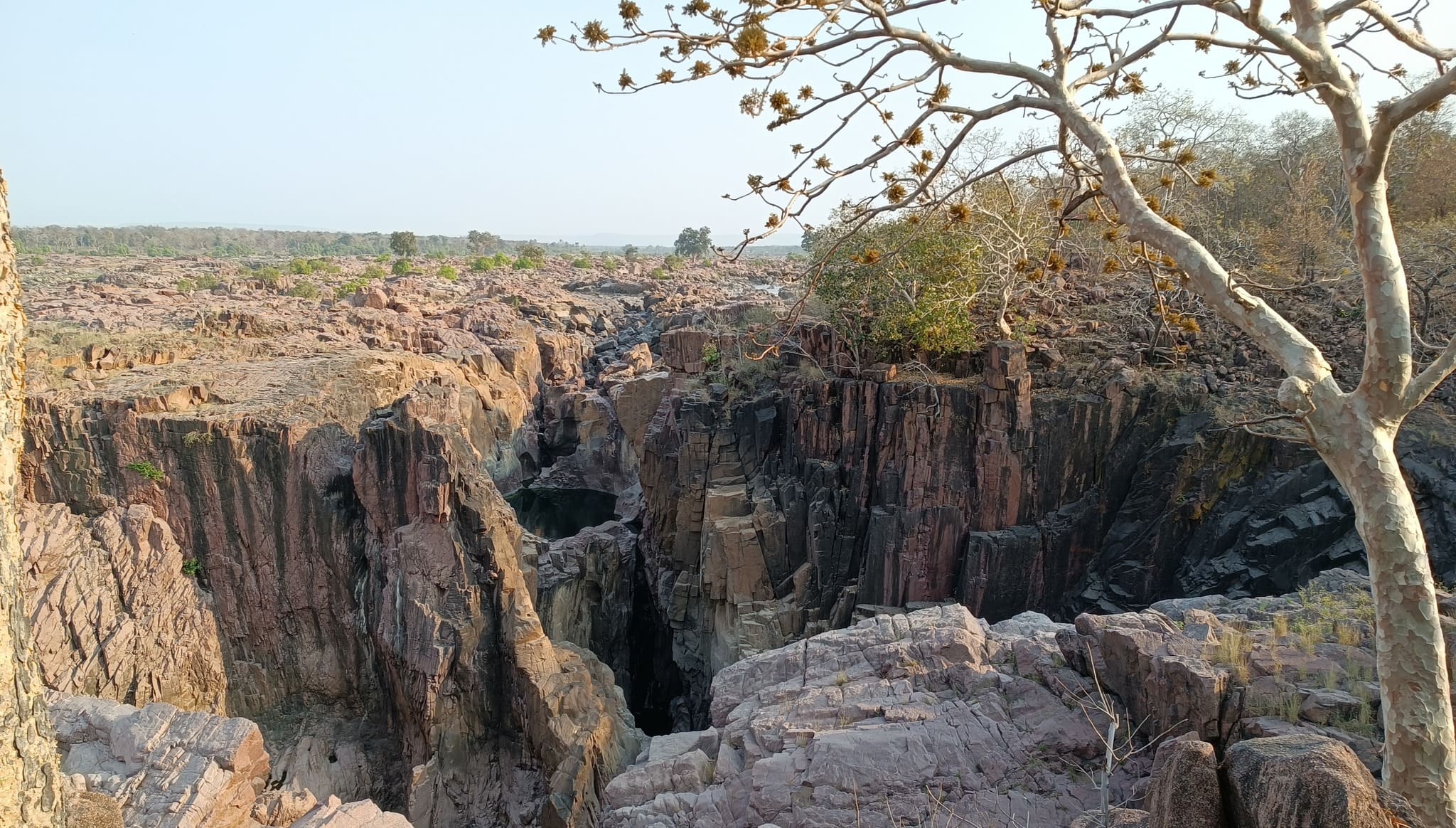
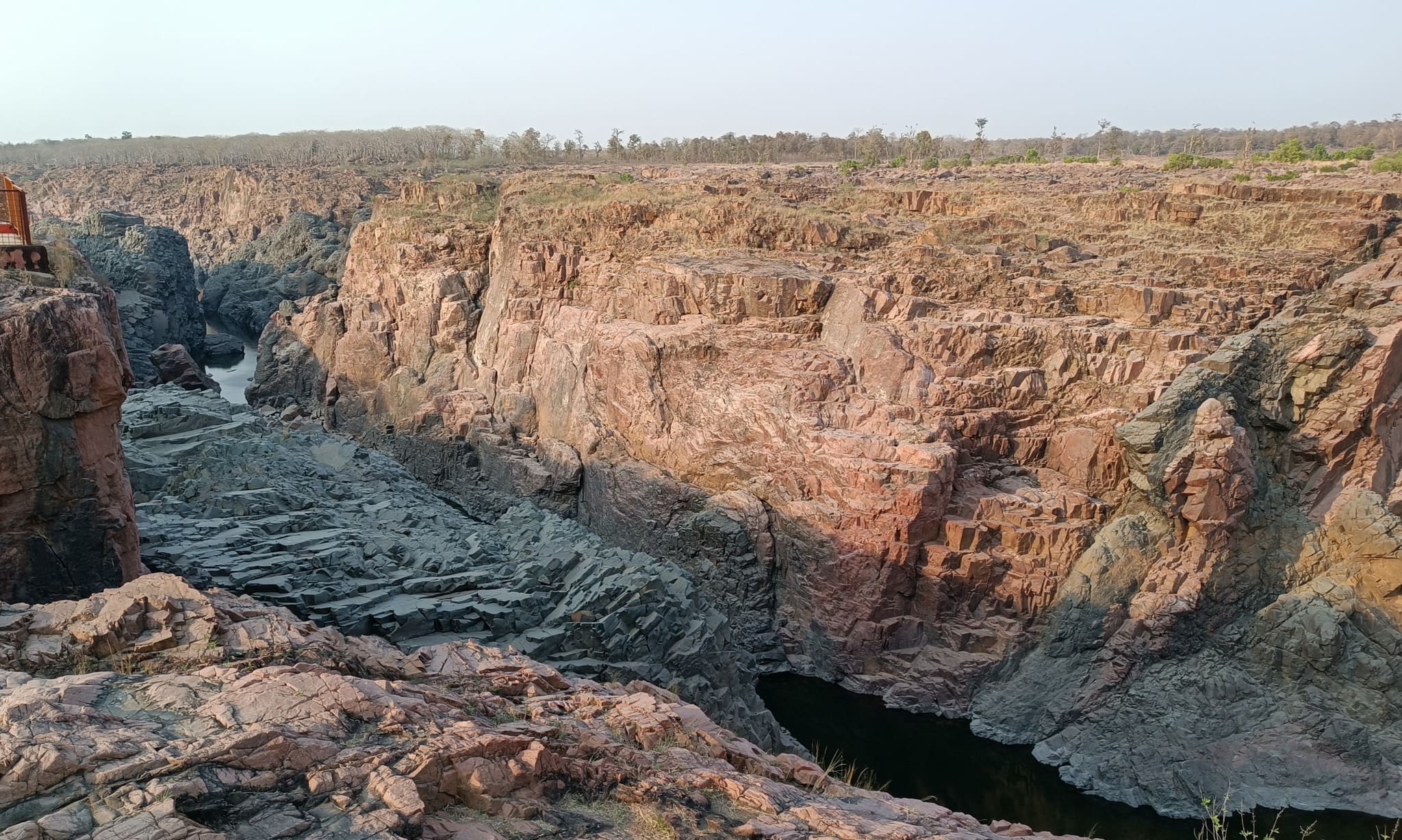
A series of waterfalls in the canyon formed by the Ken river. One can see granite in varying shades of colours ranging from pink, red to grey.
Khajuraho

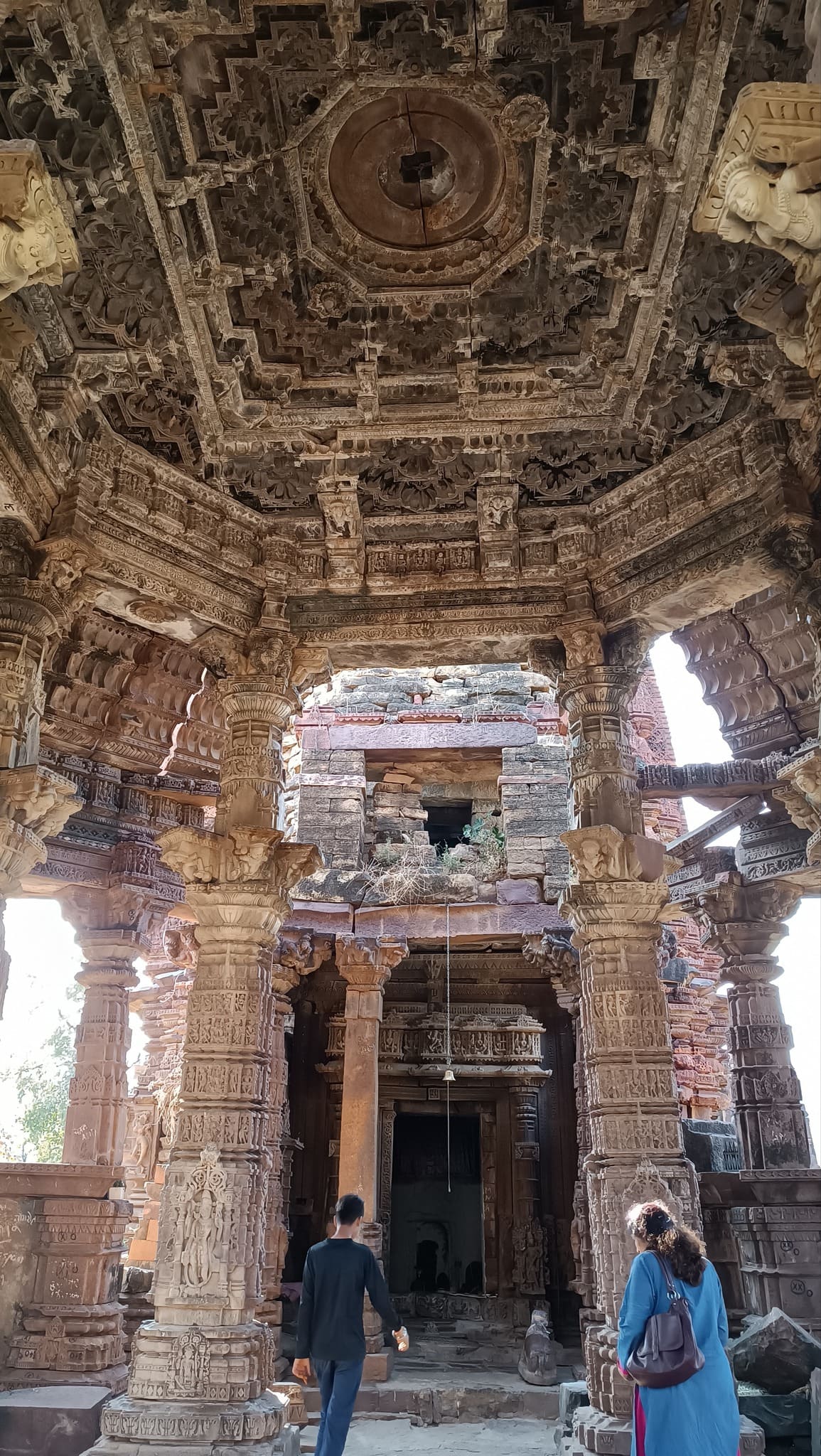
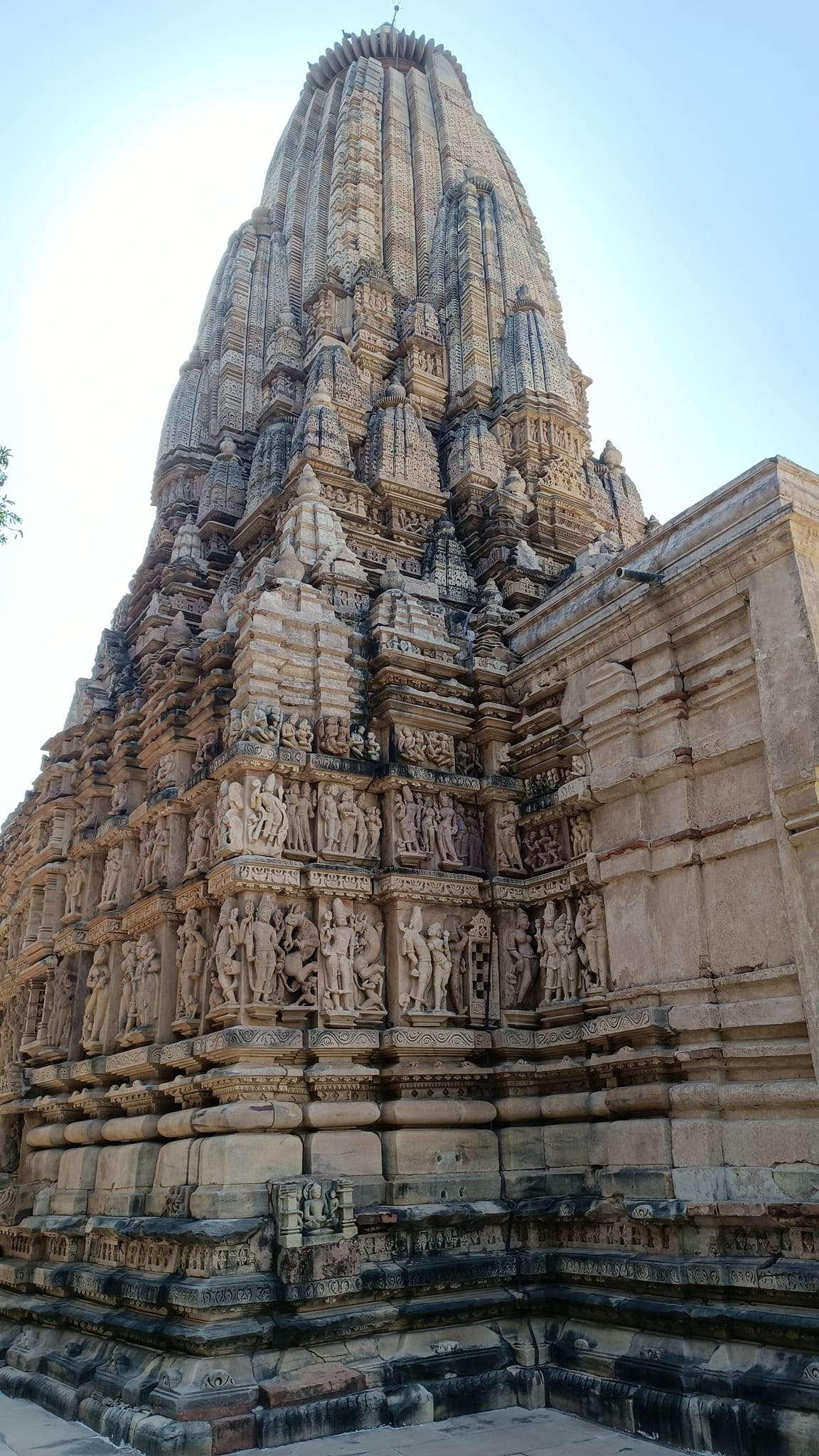
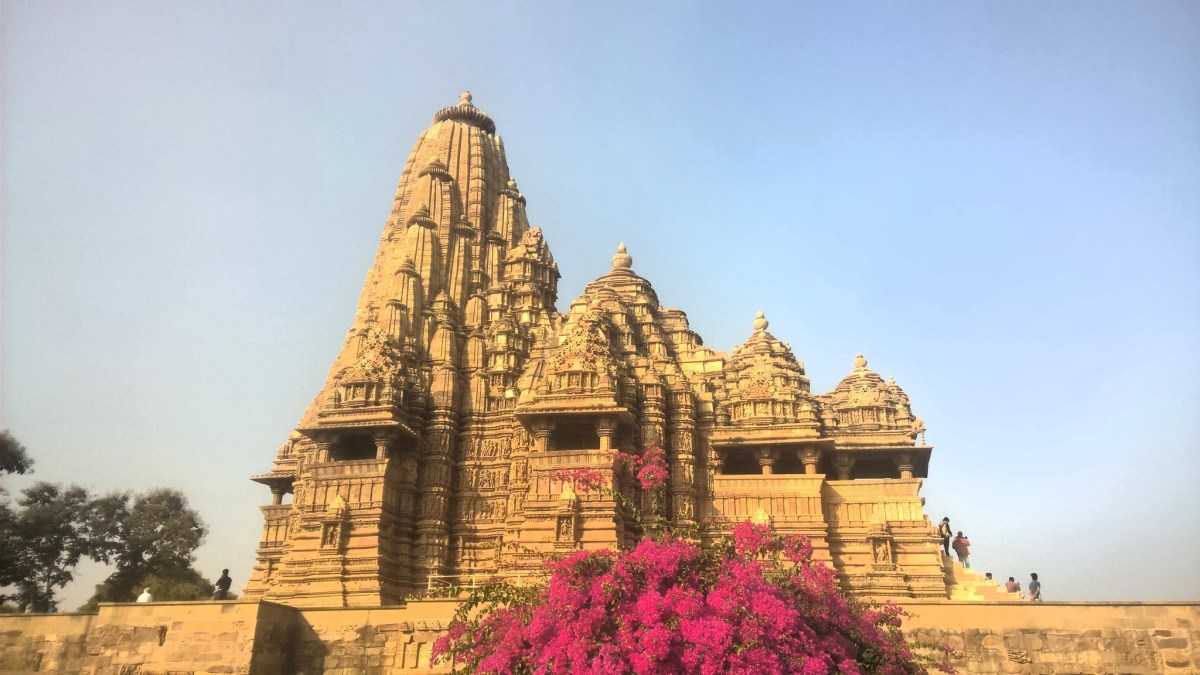
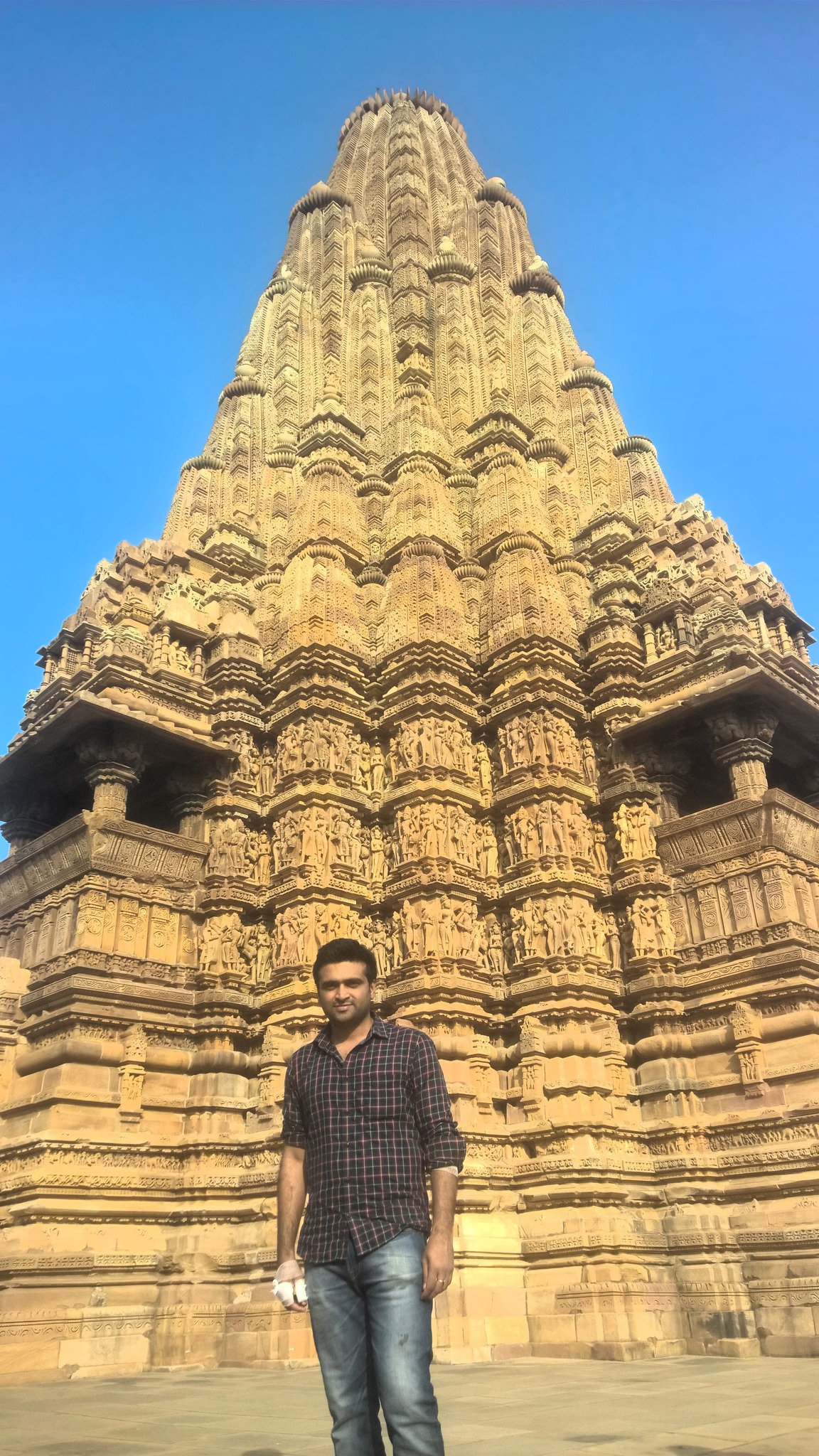
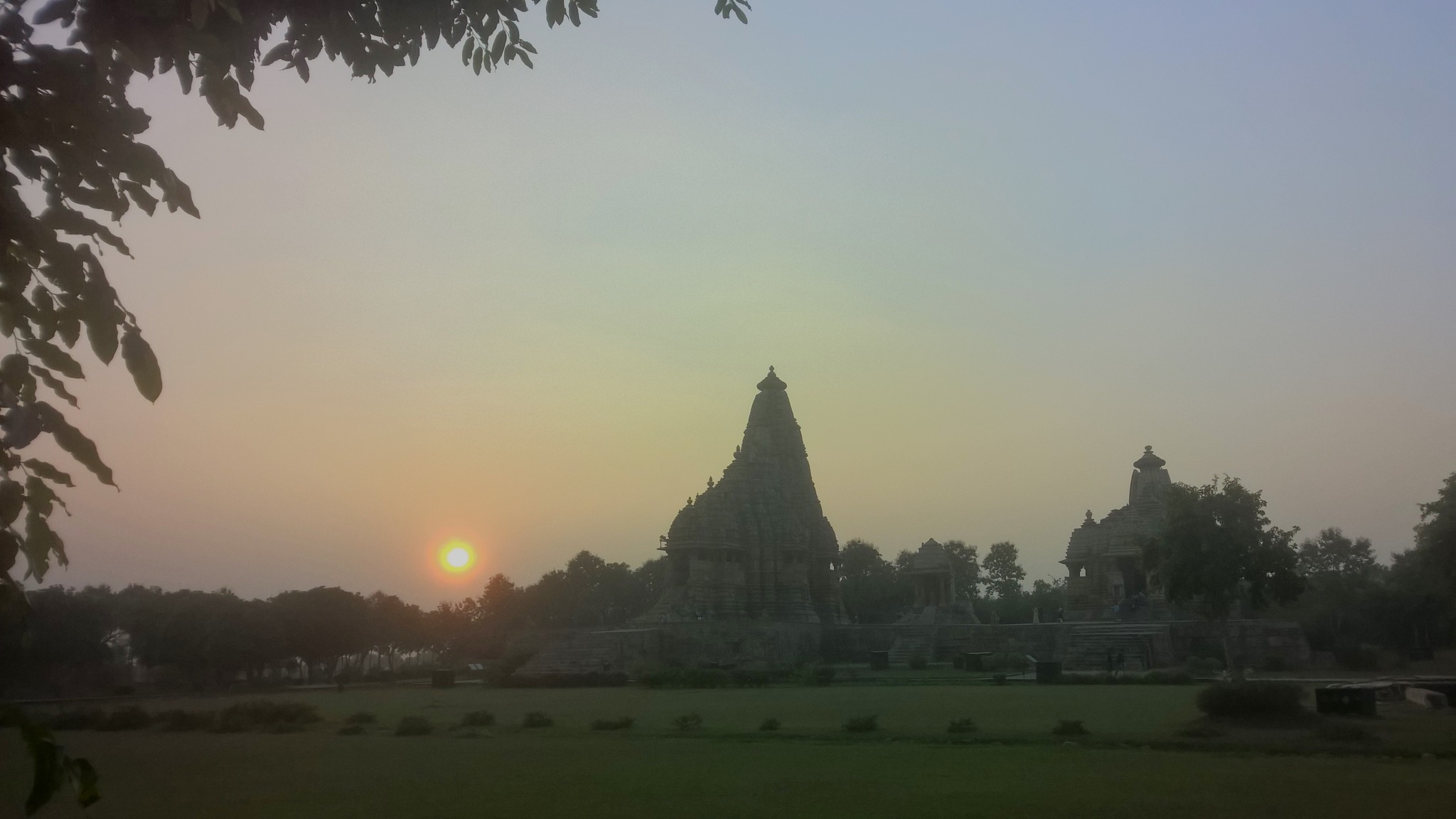
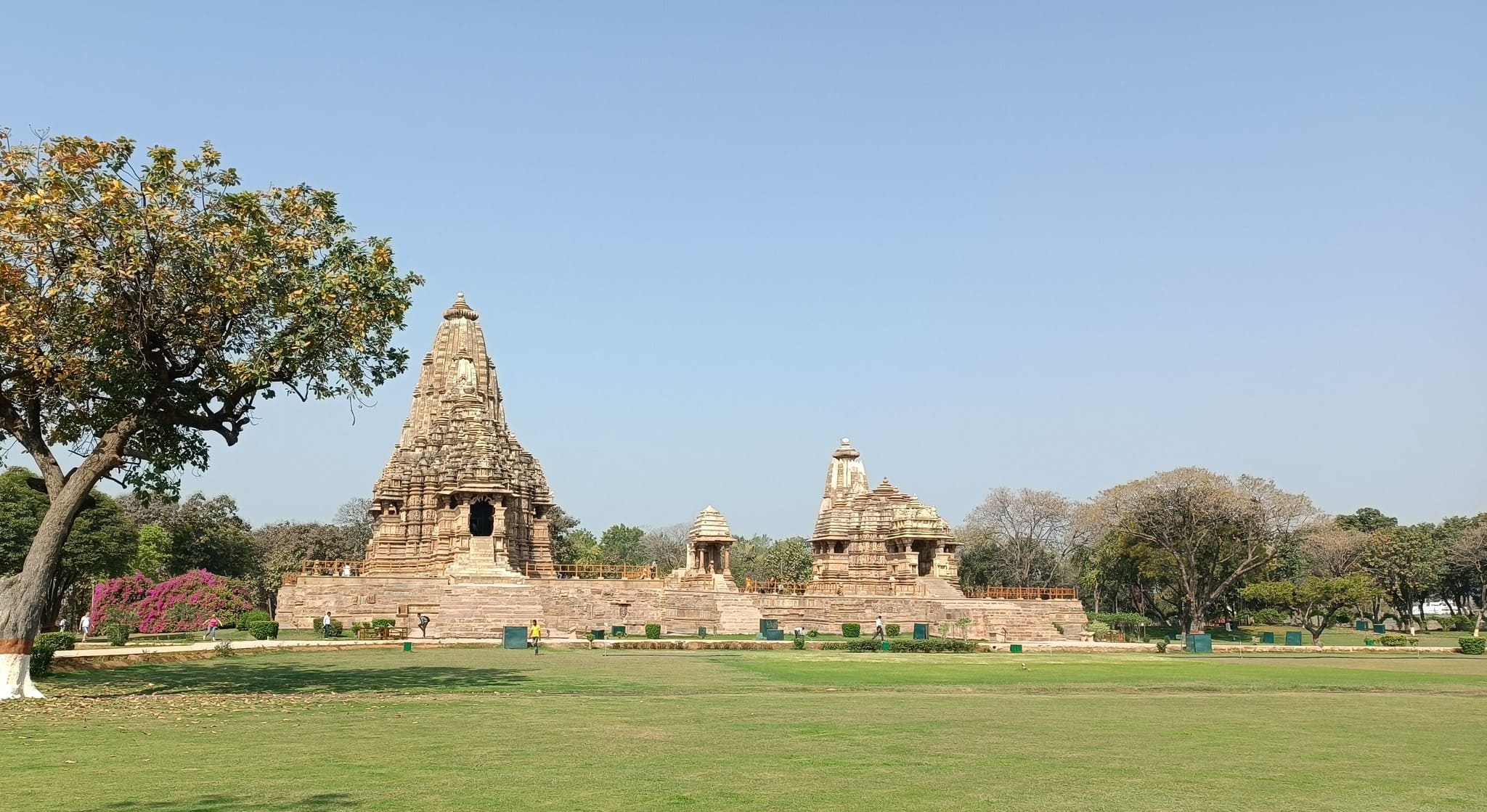
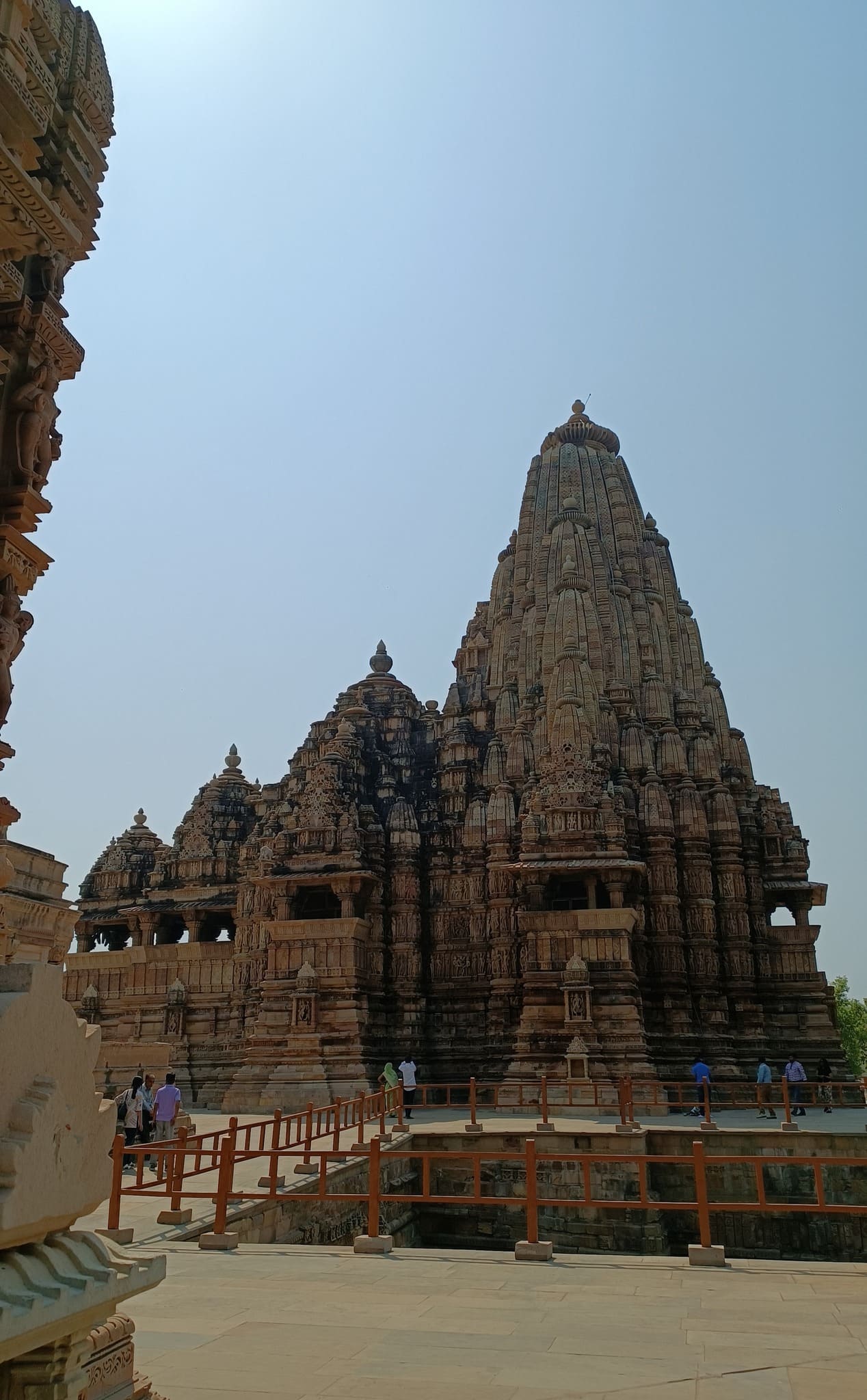
Perhaps, one of the best known places of India, home to picture-perfect temples with exquisite workmanship in the carvings and sculptures dotting the structures.
Kalinjar Fort

A place so ancient that it finds mention in mythological texts, with the fort being so important that it became the scene of many a battle and many an invasion, leading to its control passing through many dynasties from the Guptas, the Chedis during the times of Buddha to Mauryas to Chandelas to Mughals and finally to British hands.
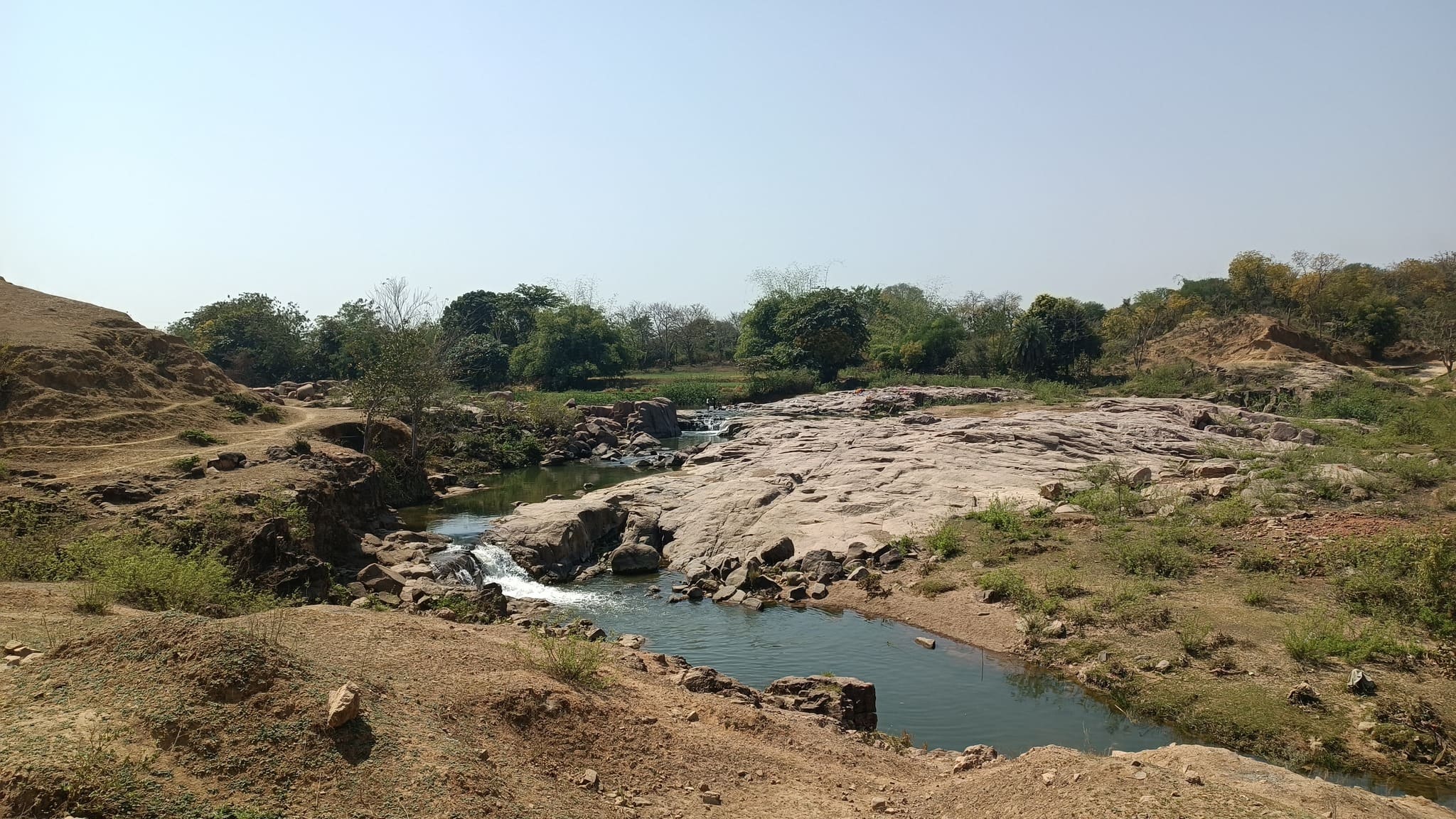
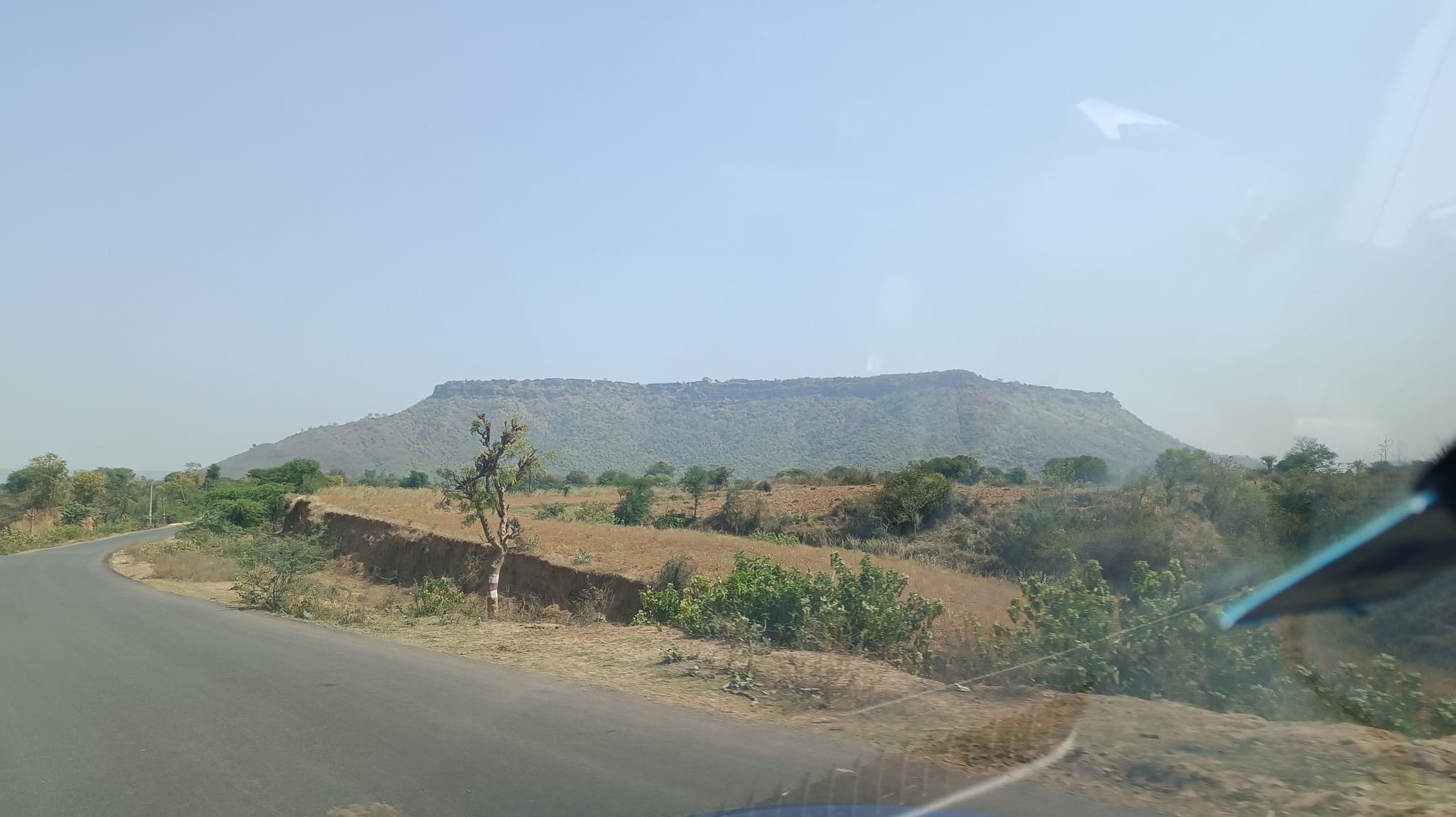
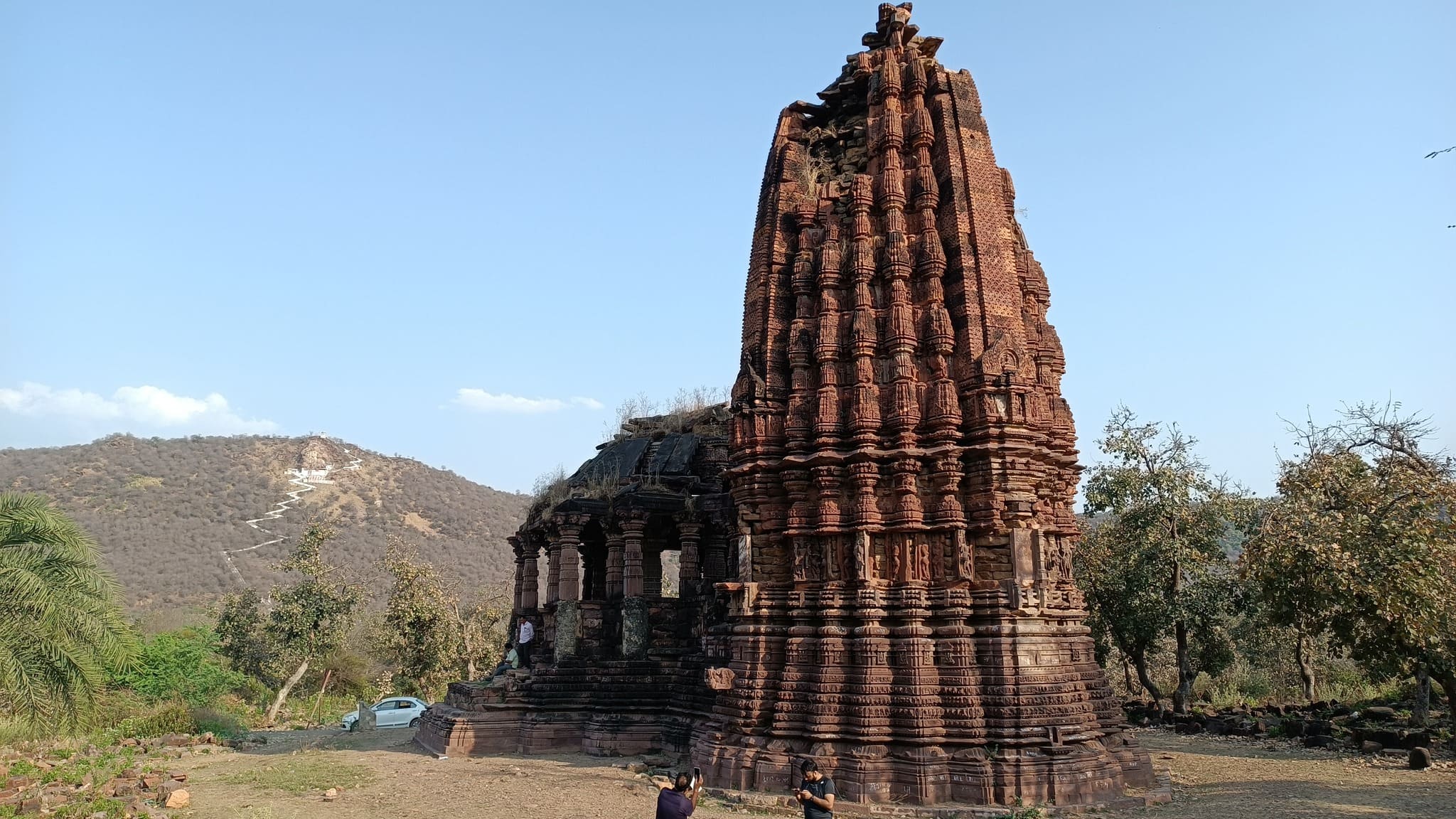
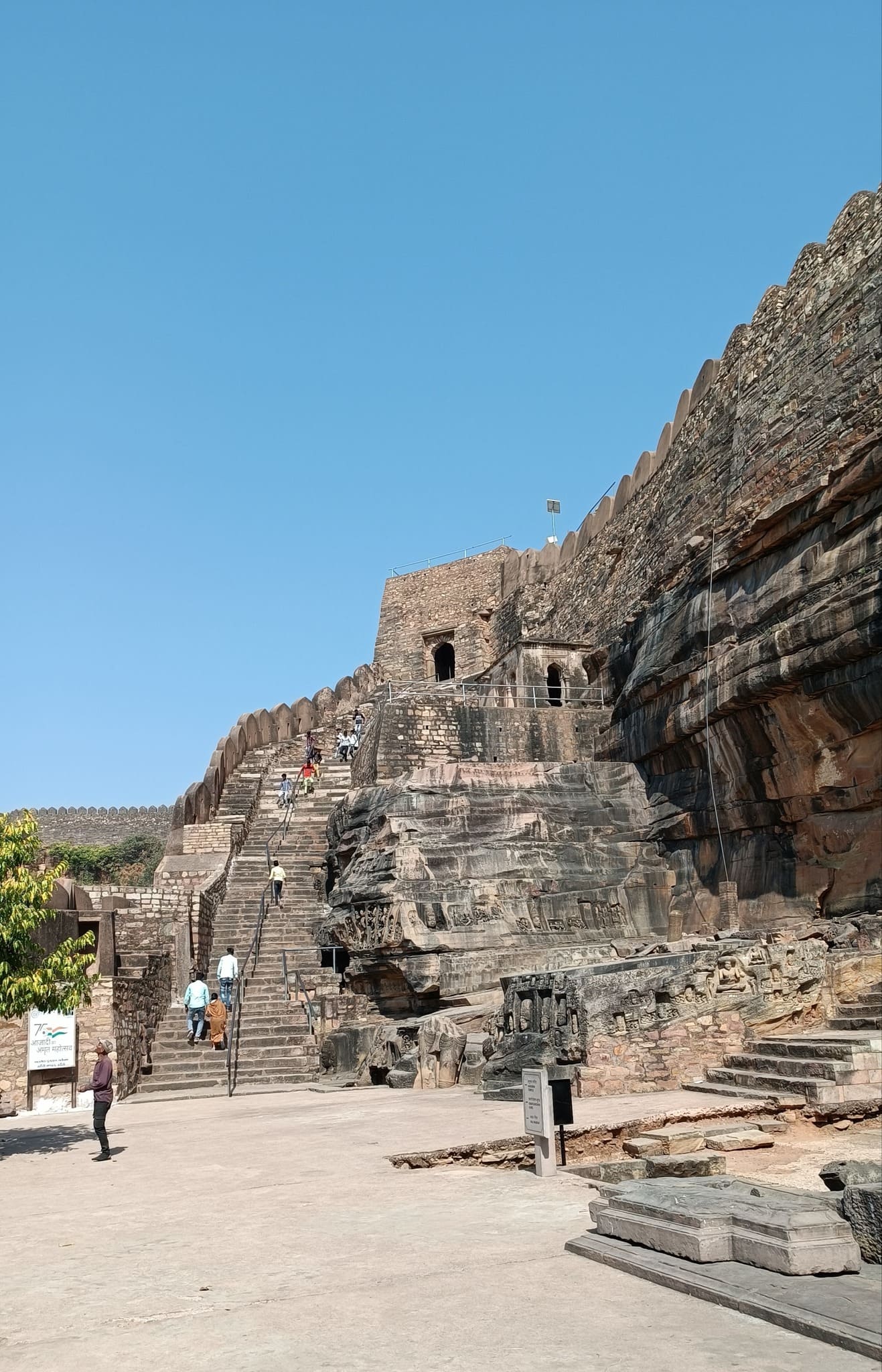
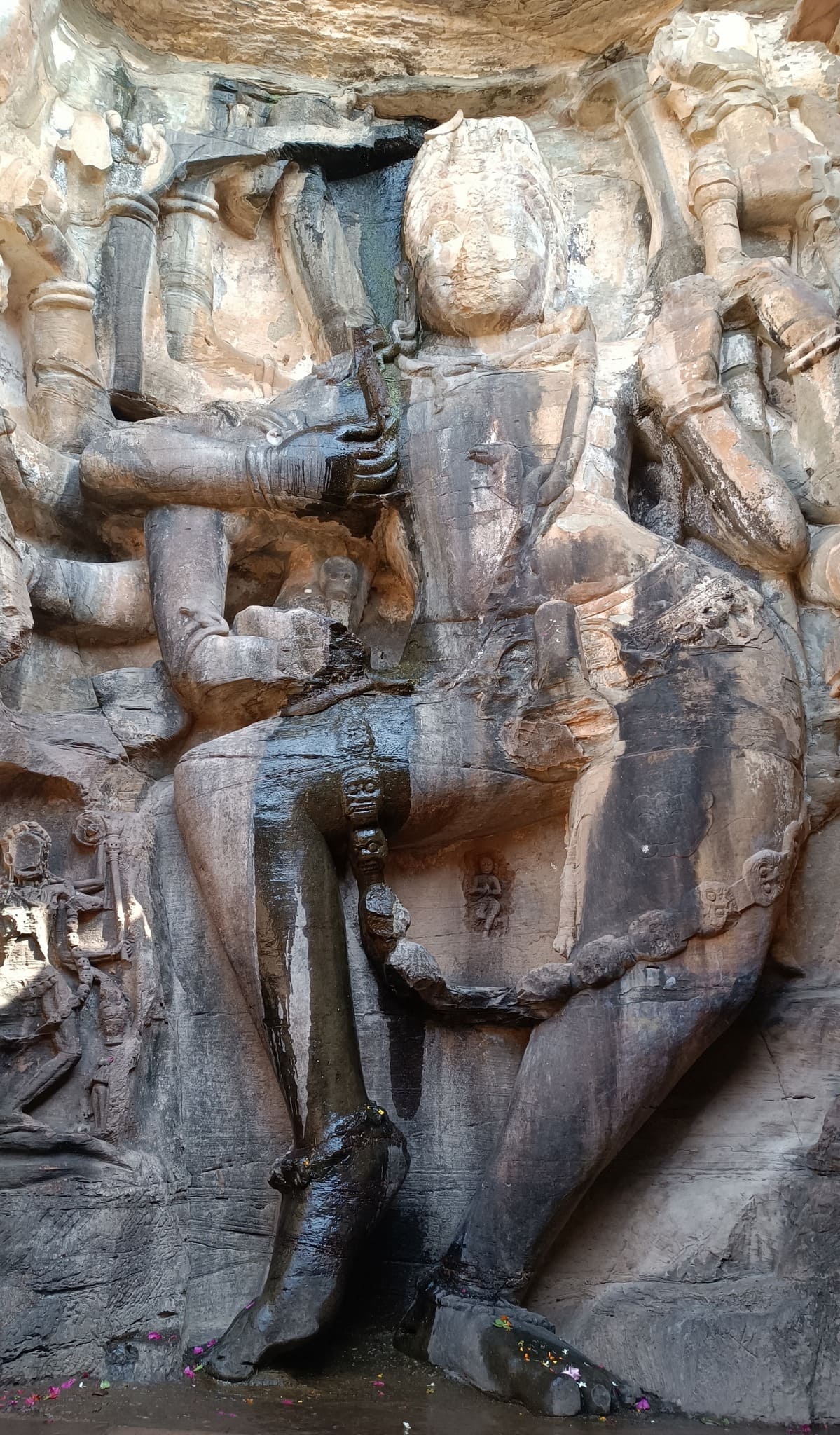
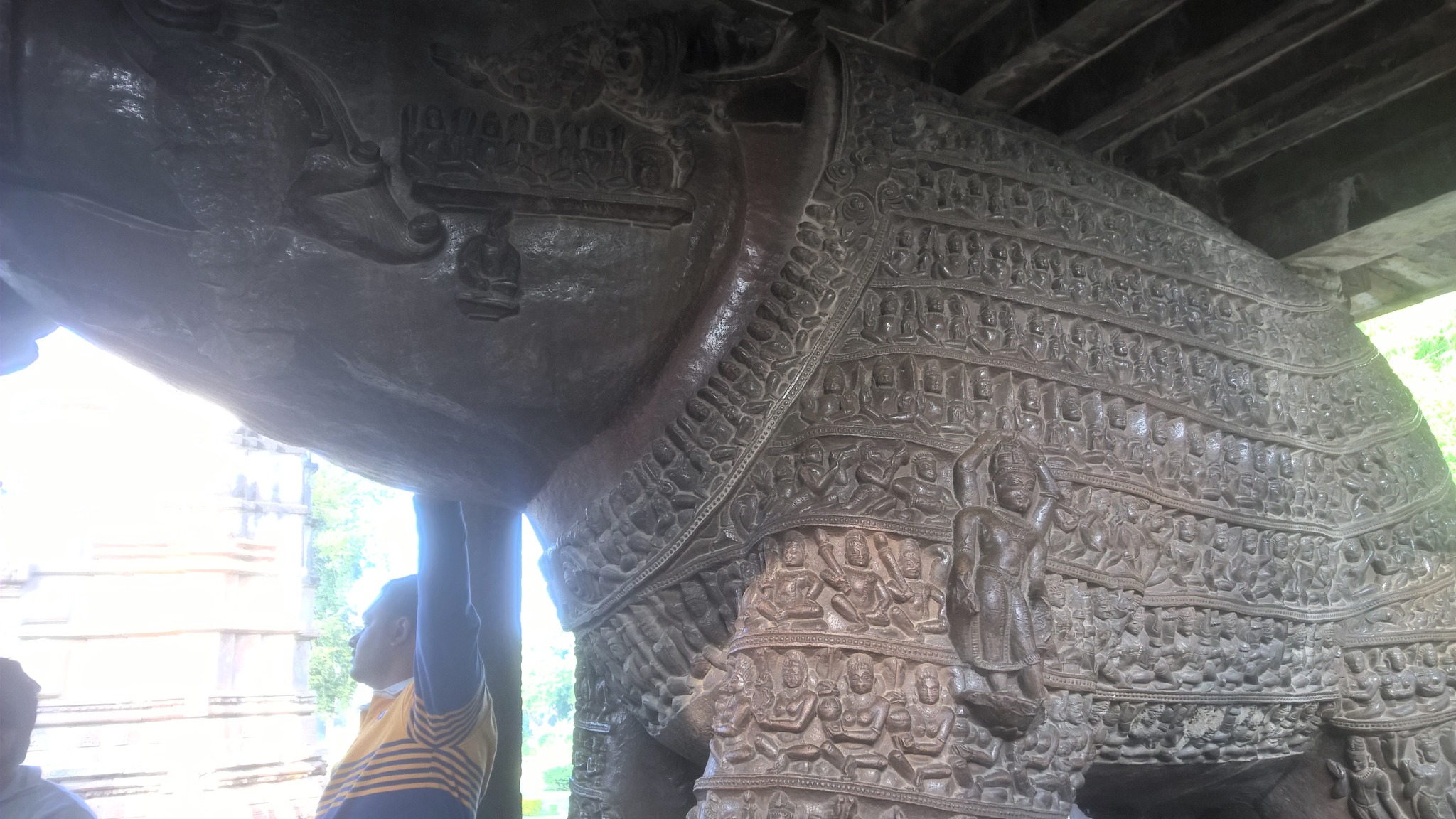
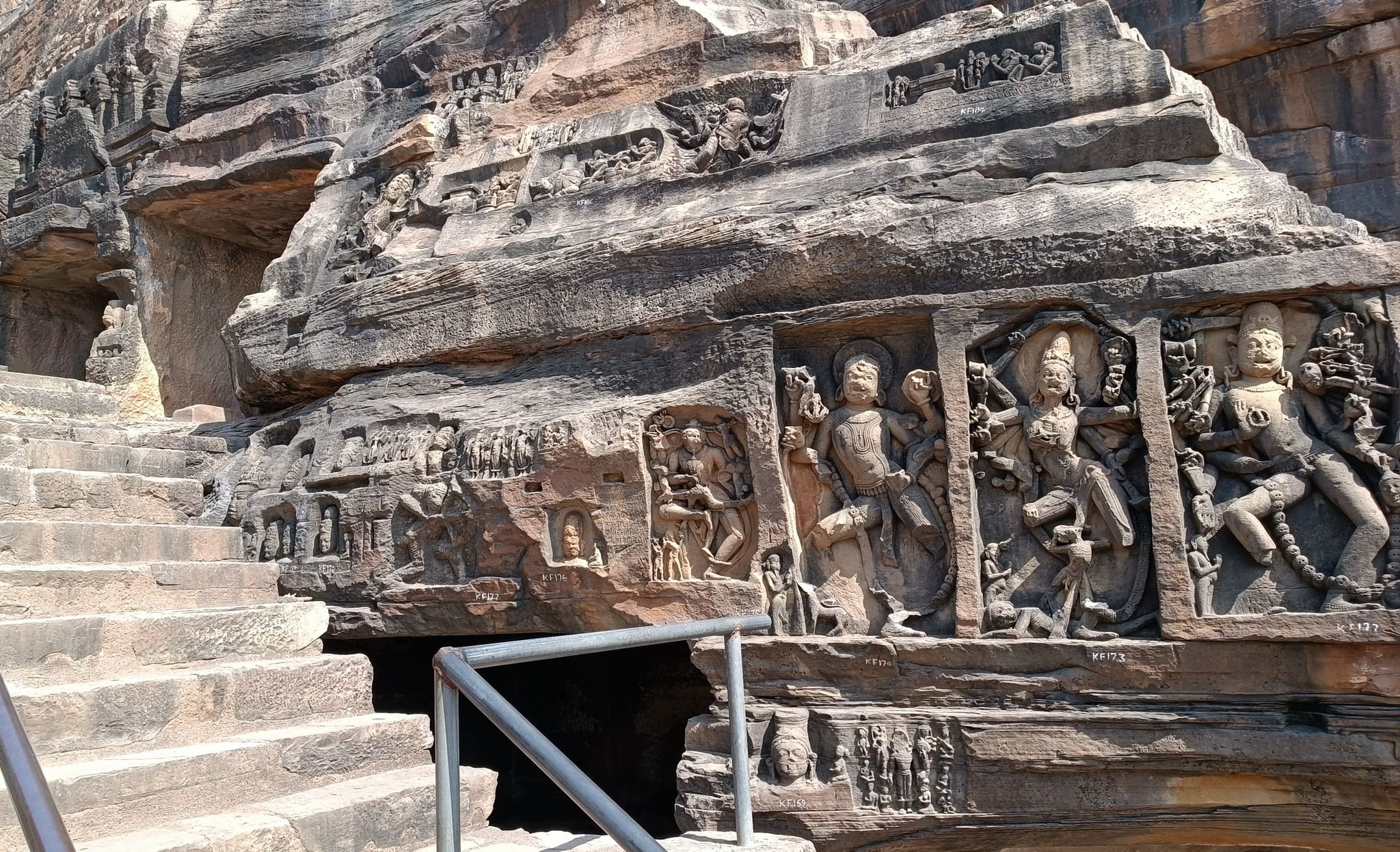
The fort sits on a flat-top hill, sprawling across a vast area replete with forest, ponds, and palaces. However, the most remarkable of the monuments is a temple formed out of a cave in the hillside, with the entrance embellished with a ruined pillared stone structure. The stone steps leading down to the temple are adorned with figures and caves carved into the rocky hillside that immediately transport one into the realm of perilous treasure hunts portrayed in an Indiana Jones adventure.

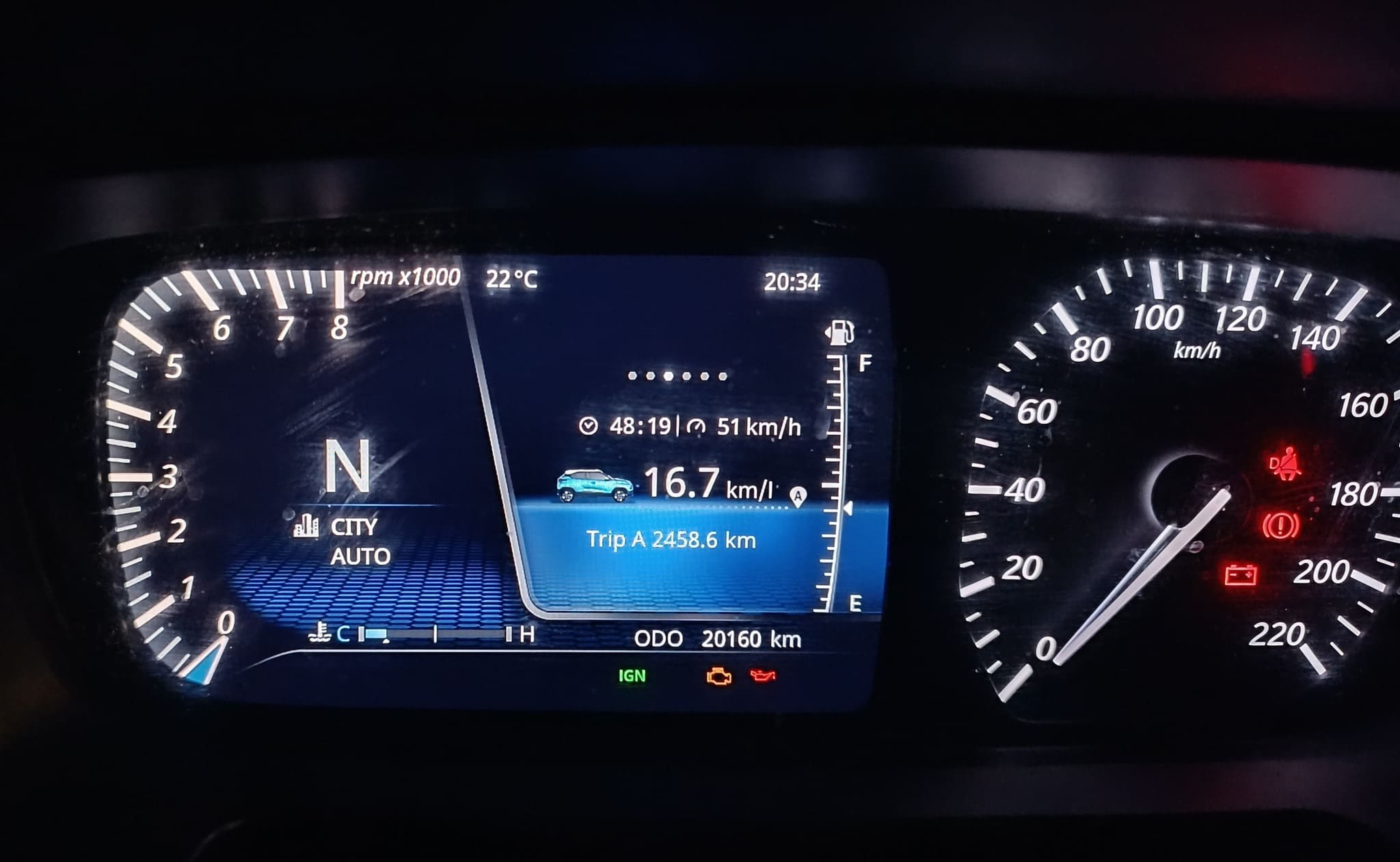
Road Trip at a glance
Khajuraho: A Personal Odyssey

For more than 15 years, I harboured a longing to see Khajuraho, a dreamy place that I had read about in my school history textbooks, whose mention and descriptions conjured up images of a culturally rich and advanced town bustling with activity in the middle of dense forests.

In December 2016, as I awaited the admission results for the B-school I had applied for, and to keep myself preoccupied to counter anxiety on the exact date the results would be coming out, I scheduled a three-day solo trip to Khajuraho as below:
Day 0: Take overnight train from Delhi to Khajuraho
Day 1: See the temples of Khajuraho
Day 2: See Raneh Falls and Panna Sanctuary, and proceed to Jhansi later in the day
Day 3: See Orchha, and take the evening train from Jhansi and reach Delhi by midnight

But, as Robert Burns said, “The best-laid plans of mice and men often go awry.” Consider the ensuing circumstances I describe below.

With intense anticipation as I reached the Nizamuddin Railway station for the train scheduled at 8 PM, I learned that the train would start with a 6 hour delay, starting eventually at 3 AM. Then, due to intense fog, the train got further delayed, and finally reached Khajuraho at 6 PM, 12 hours late!

With a complete day wiped off from my itinerary, I improvised. I would proceed with the original plan for Day 2, i.e. see the Raneh Falls and the Panna sanctuary, and cram the temple visit in the later half of the day. I would then leave for Jhansi and Orchha early the following morning. Accordingly, on Day 2, I got up earlier than my routine, had an early breakfast, promptly rented out a scooter, fueled it up, then put on the rented helmet, took a glance at the tourist map given to me by the hotel receptionist, and set off for Raneh Falls by 9 AM.

I never got to Raneh Falls though. About two kilometres after taking a right turn for Raneh, with still 13 km to go, and 7 km from Khajuraho, I encountered a patch of sand that had spilt over to the curving road, and I applied my brakes, immediately telling myself, “Uh-oh, you shouldn’t have done that!” The next thing I remembered was my helmet hitting with a thud on a surface, and me lying on the ground. I stood up, but there was no strength in my knee, causing me to fall back on the ground, even as locals gathered around me.

The locals surveyed the damage both I and my scooter had incurred, and reckoned that both were probably fine, but that I most certainly needed some medical attention. They asked an auto-rickshaw driver who had stopped by, to take me to a nearby public health clinic, whereas another local inquiring of me as to where I had put up, offered to deliver the scooter at the hotel.

Shortly, I was on my way to the clinic on the auto-rickshaw, with the pain kicking in as the adrenaline wore off, making me realize that I had a deep cut in my right palm, a wide bruise on my left elbow almost exposing the bone, and a feeling of limpness and burgeoning swelling around my left knee. The doctor strapped a knee cap on my left leg, cleaned up and bandaged my wounds, gave me a shot of painkiller, and prescribed a ton of medicines. Thankfully, there was no fracture, and it seemed to be a case of soft tissue injury, the extent and nature of which were not immediately clear.

By 12.30 PM, I was back in the hotel – and so was the scooter – and laid down, soothed by the effect of the painkiller. Nevertheless, I was not going to be bogged down by this setback, given that I had waited 15 years to visit this place, and so around 4 PM, I set out to see the Western Group of temples which was just a stone’s throw away.

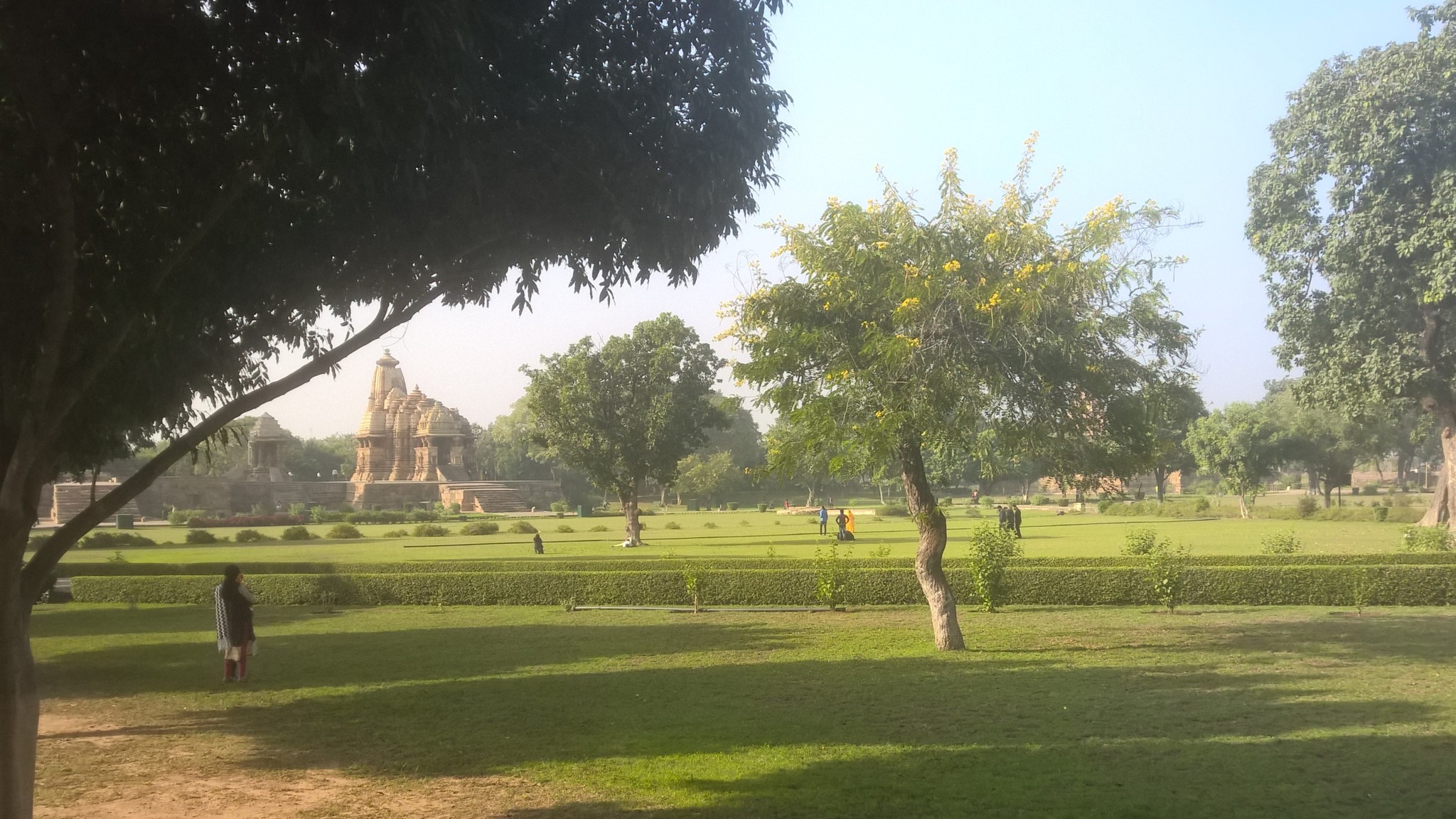
Soon inside the premises of the temple complex and absorbed by a tourist guide into a larger group, I was hobbling across the sprawling lawns and staggering from temple to temple, lumbering up and down the high platforms, taking photographs of the exquisite sculptures and carvings on the temple walls, even as the pain kept stabbing through the shroud of the painkiller. Hanging around for the amazing Light-and-Sound show that is conducted every evening, I was finally back at the hotel, where I had to take another round of painkiller to counter the intense pain.

Now it was clear that the improvised plan for Day 3 was off the plate, and my only objective for the day would be to reach the Jhansi Railway station well in time to catch the train. So, on Day 3, after taking my medicines following breakfast, I was dropped at the bus-stand by a generous local, where I was told I should change buses at Chhatarpur. In the bus itself, the bus conductor, looking at my condition, gave me a place to sit even though the bus was filled to the brim.

At Chhatarpur, I limped from the bus I was in to another, where I got a decent seat by the window, and was soon headed to Jhansi. The road to Jhansi seemed unusually long, what with my injuries giving me rather gentle reminders about their existence, and the looming B-school admission result prompting me to frequently check my email inbox, but mainly because reconstruction on long stretches of the road hampered the bus’s progress.

With the bus permeated by clouds of dirt as we neared Jhansi, I saw an email from the B-school. With the pounding in my heart instantly notching to many gears higher, I opened the email to read that I had been accepted – talk about a silver lining!

In Jhansi, as I got down the bus, I realized for the first time that something was seriously off in my knee, when I felt a bit of wobbling between the femur and tibia – most likely, the result of a torn ligament. Later, aboard the Shatabdi Express which itself had arrived an hour late, with the pain setting back in again as the painkillers wore off, I realized I had forgotten my medicines at the hotel!

Getting down at Delhi, I hailed a cab, and picked up a new stock of the prescribed medicines on my way home, and slowly clambered up the three flights of stairs to my place on the third floor, one step at a time, virtually dragging along my near-lifeless but excruciatingly painful left leg. Back in my bed, I contemplated my next course of action, as I stared at a long path to recovery, amidst the workload at the office, medical consultations and the upcoming B-school admission.