Odisha to Delhi via Madhya Pradesh: Tale of a 3250km Cross Country Drive

2022 turned out to be the year where I did things that I had only ever dreamt of doing – a self-driven cross-country trip!

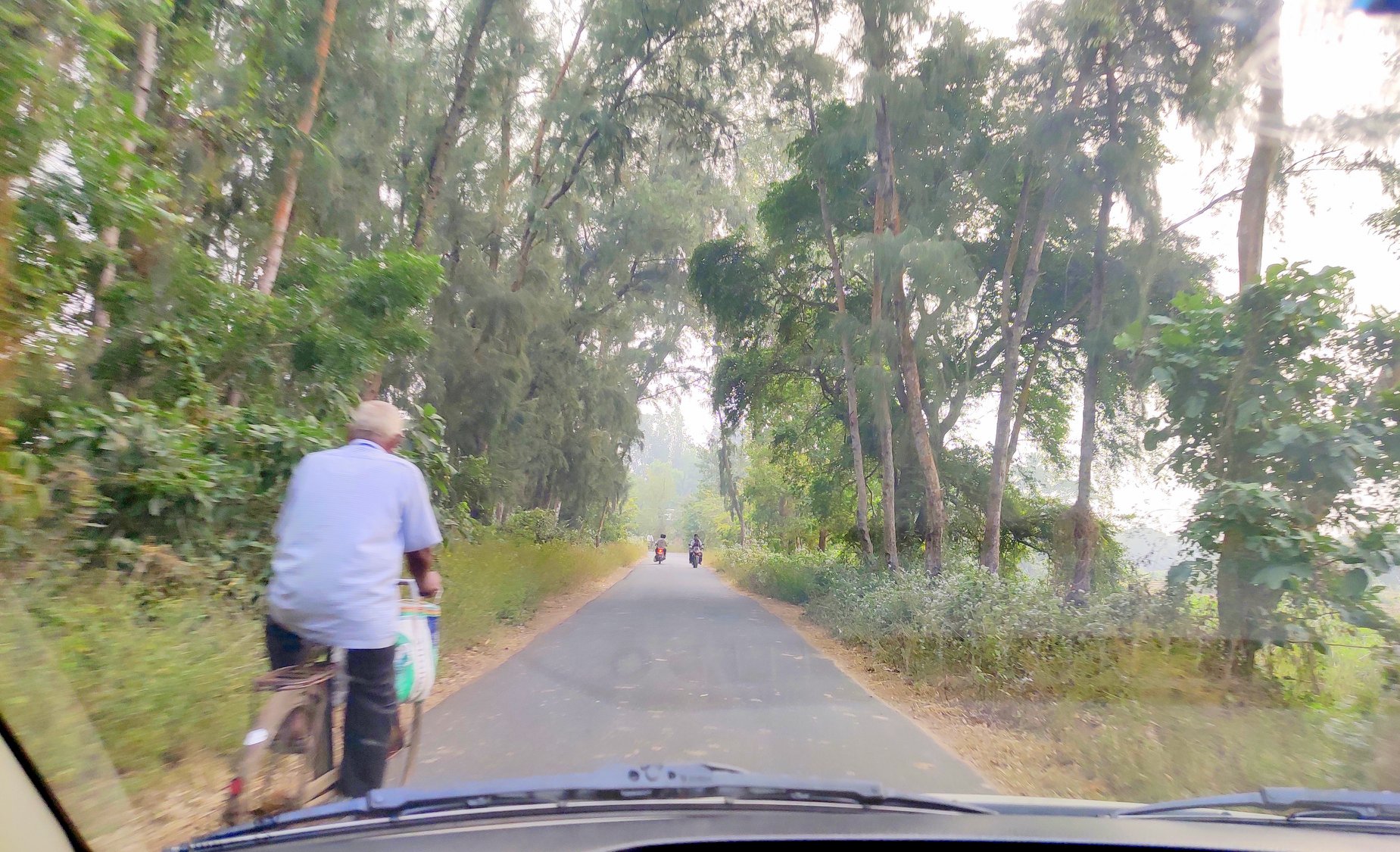
In late October, around Diwali, I drove my parents through a 3250+ km trip from Bhubaneswar to Gurgaon via Chhattisgarh and Madhya Pradesh.

Throughout 2021, while the pandemic was still raging, and concern for my parents back in Odisha constantly kept me on the edge, I mulled the idea many times of driving down to Bhubaneswar from Gurgaon. Little did I know that when the occasion to make the cross-country road trip eventually came, it would be in the reverse direction!

With our new car gathering dust in Odisha, and the family travelling suppressed for more than 2 years, what better way than a cross country road trip to accumulate some miles on the Blue Buck?

As usual, we had only an idea of the stops we would be taking and the route in general, and no advance reservations. The early winter weather was great, we discovered places to see as we advanced.

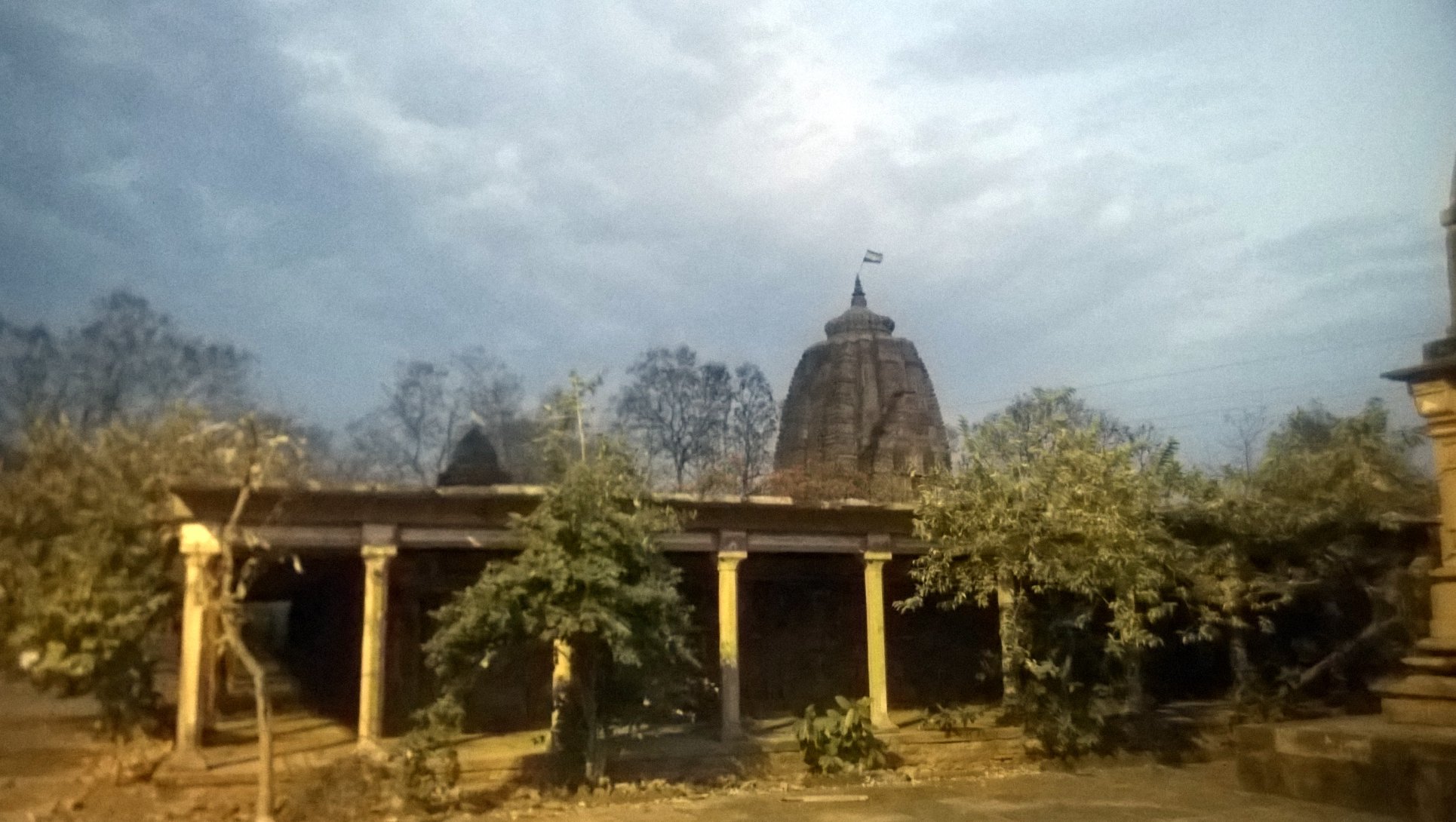
This is how we stumbled upon the quaint, ancient town of Sirpur on the banks of the Mahanadi, abounding in Shiva temples and Buddhist monasteries. We then took a detour to the Bhoramdeo temple, equalling Khajuraho in artistry, tucked away in a forest by a foothill. And of course, we veered off course for a pilgrimage to the birthplace of Kishore Kumar, who my Dad and I both idolize.

Unfortunately, Google Maps only allows 10 locations, and the route charted does not account for an additional 400km that we gathered exploring local places, over 10 days.

Each major location deserves an individual post to present the place in its fullest glory. In fact, neither a single post, nor the pictures do justice to the beauty, the mystique and the serenity we experienced as we drove through these places.

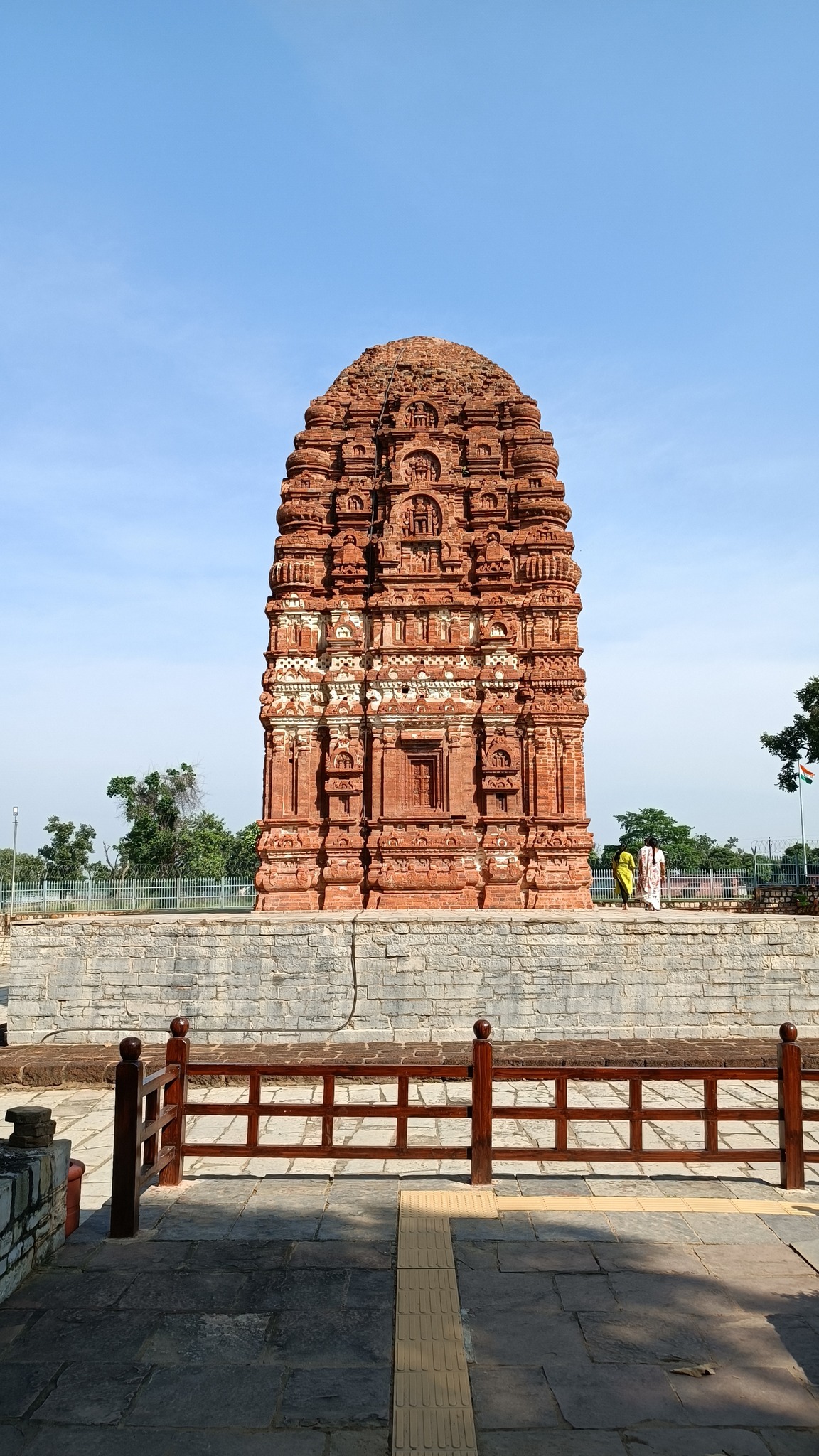
Sirpur

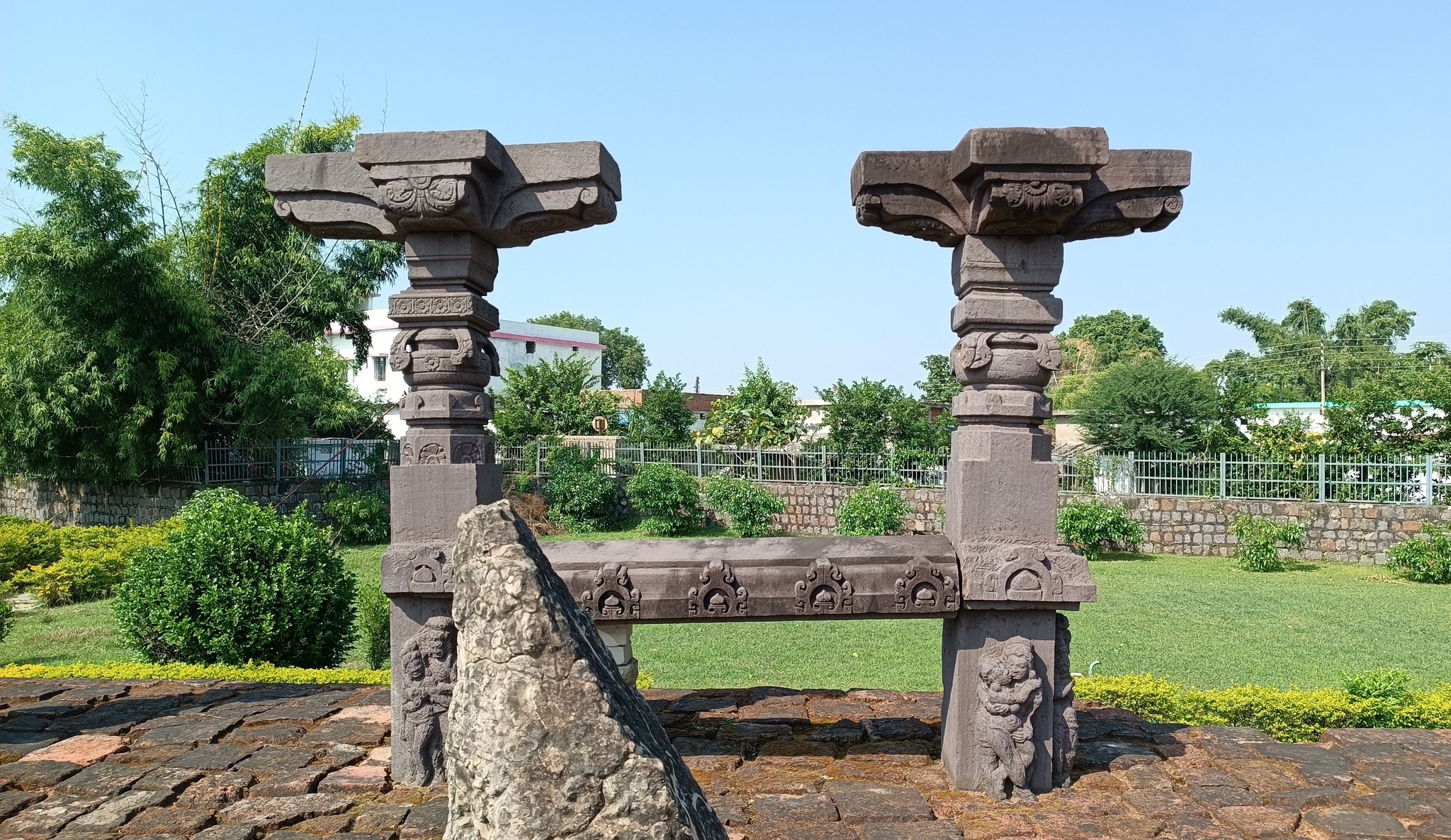
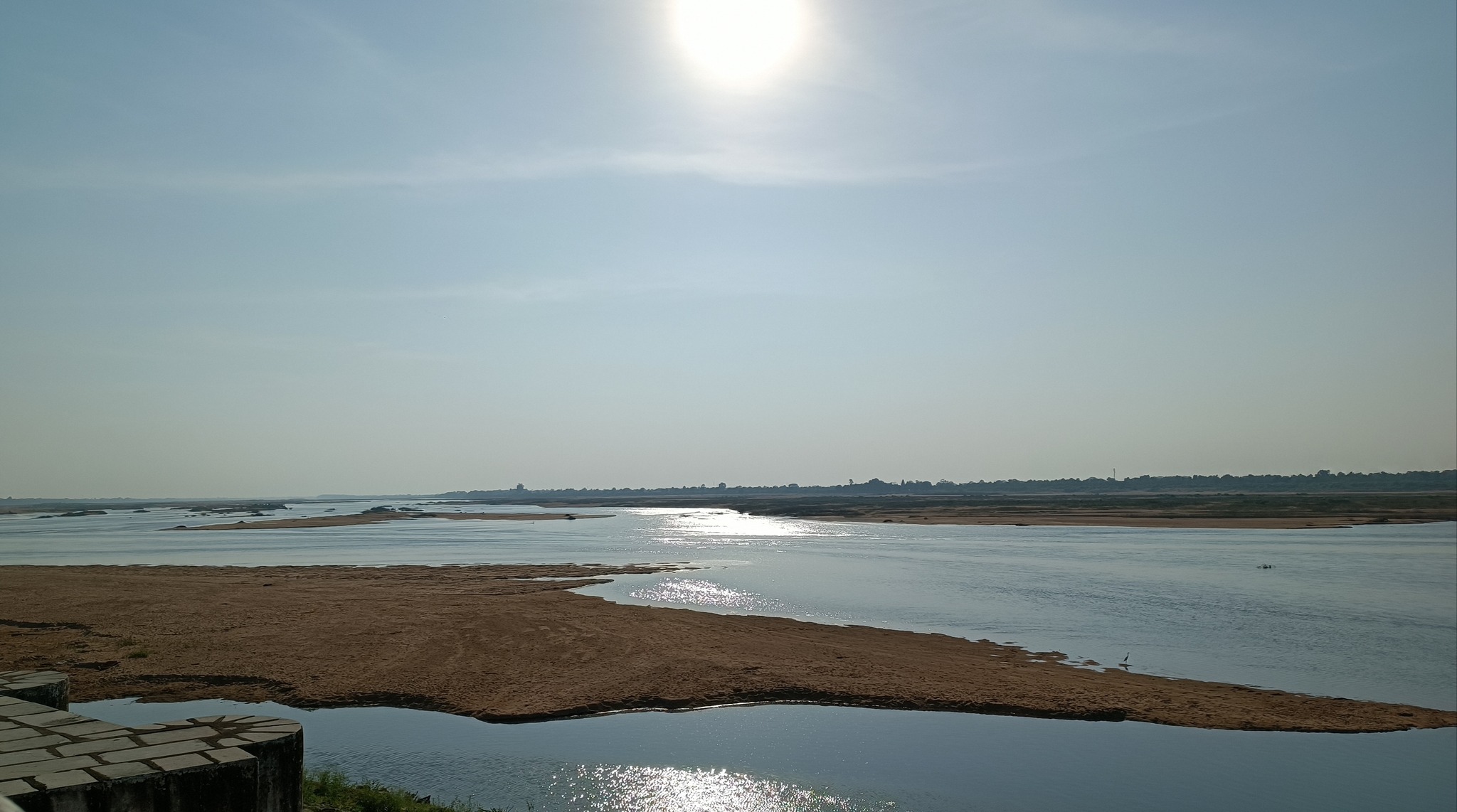
an ancient town, an important settlement of the South Kosala kingdom located on the Mahanadi river, the capital of the Panduvanshi dynasty, a major town of South Kosala kingdom. It saw its glory days from the 5th to the 12th century AD and is home to numerous Shiva,Vishnu and Shakti temples, Buddhist and Jain monasteries.

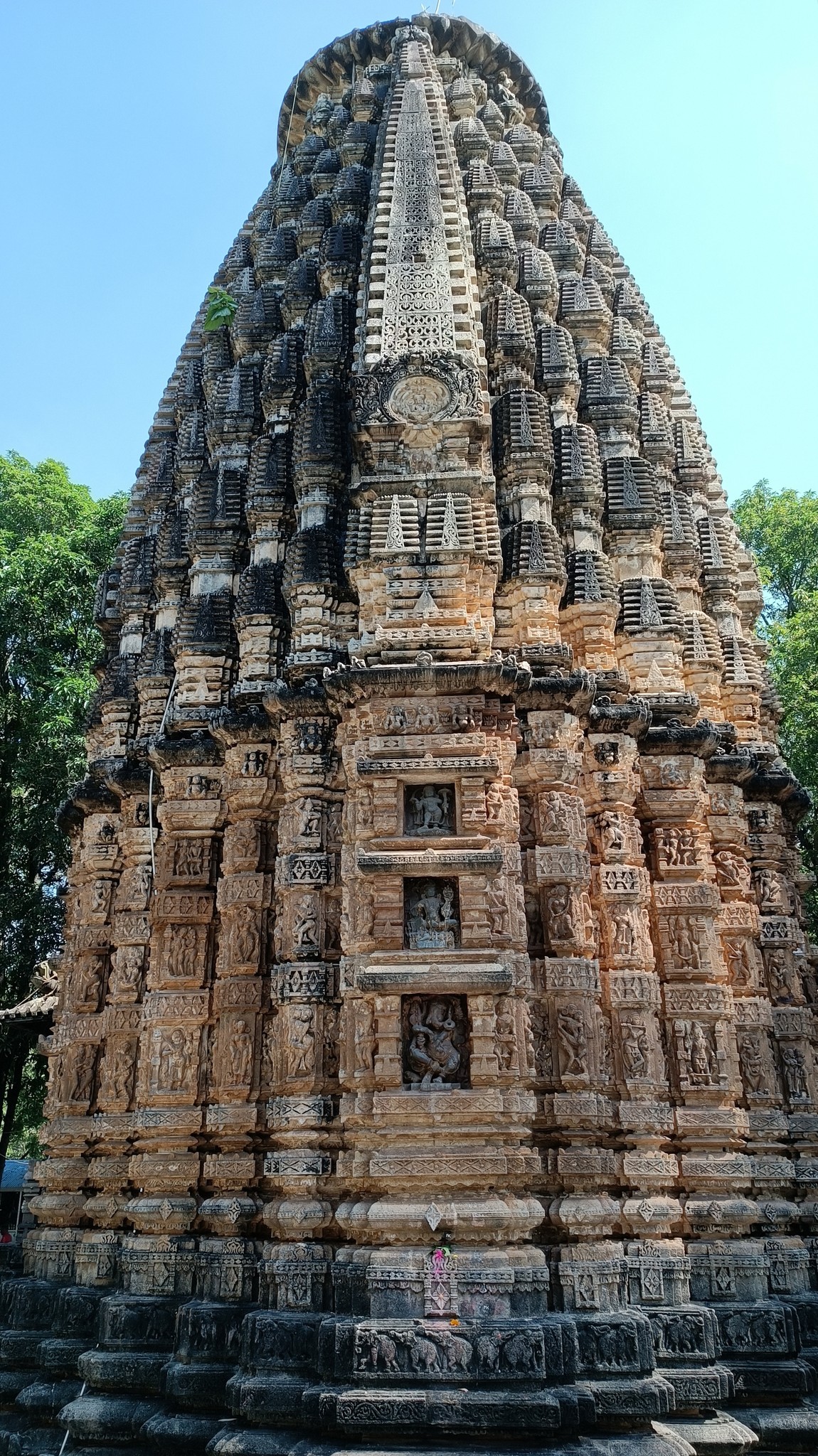
Bhoramdeo temple

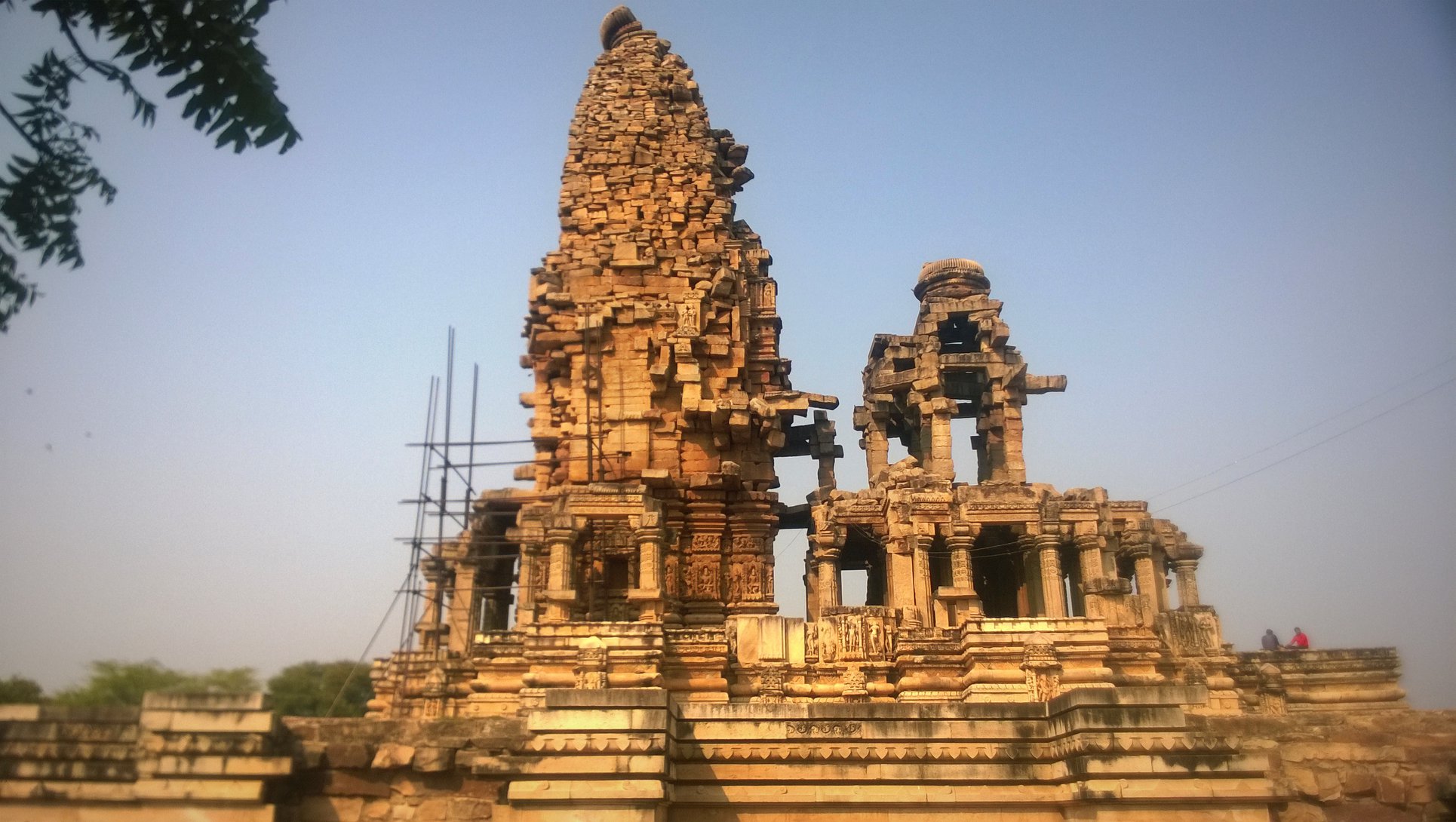
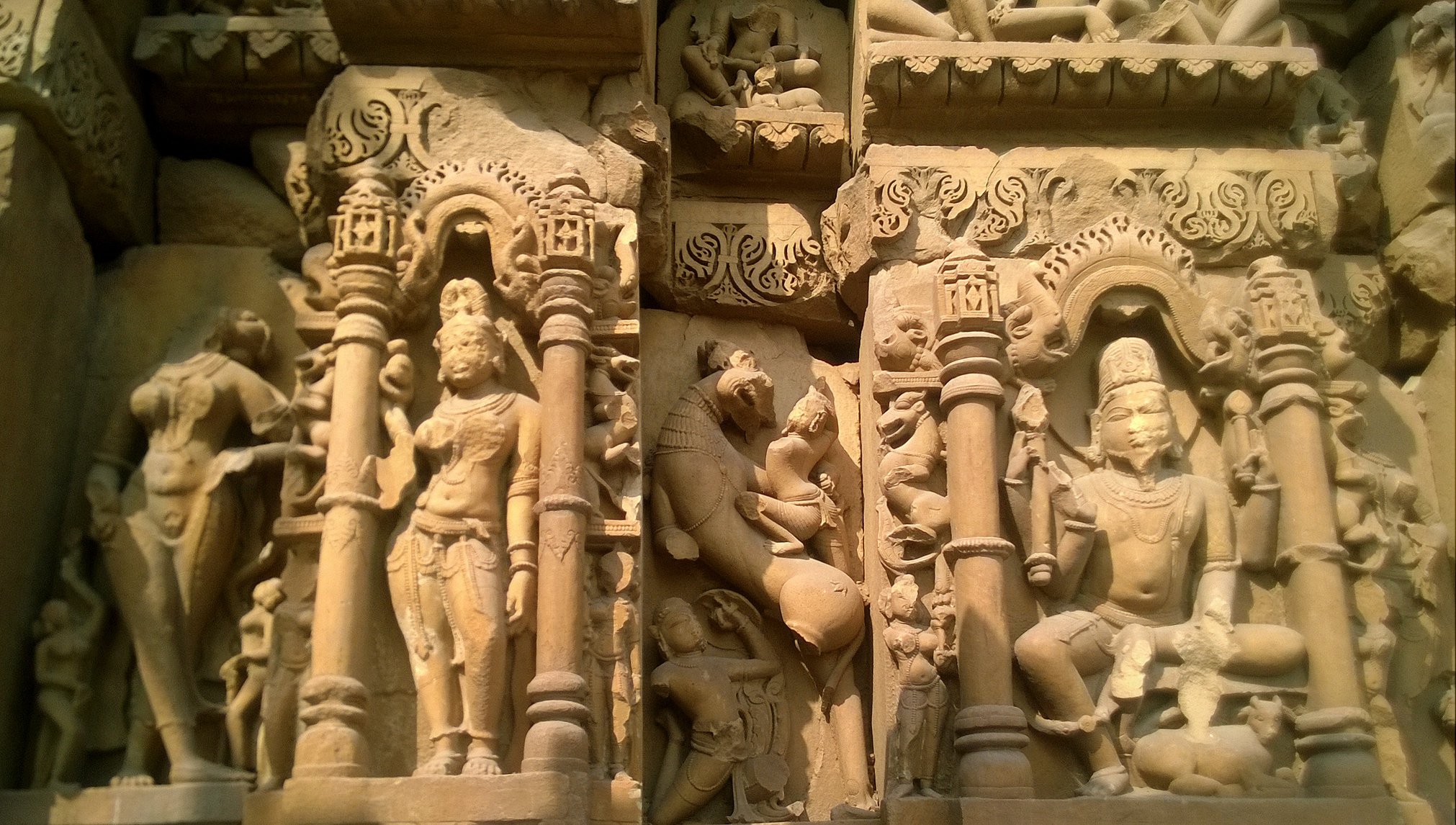
11th century AD Shiva temple, built in the style of the Khajuraho and Konark temples, also nicknamed ‘Khajuraho of Chhattisgarh. It lies at the edge of the forest at the foothills of a hill range that is traversed through the Chilpi ghat.

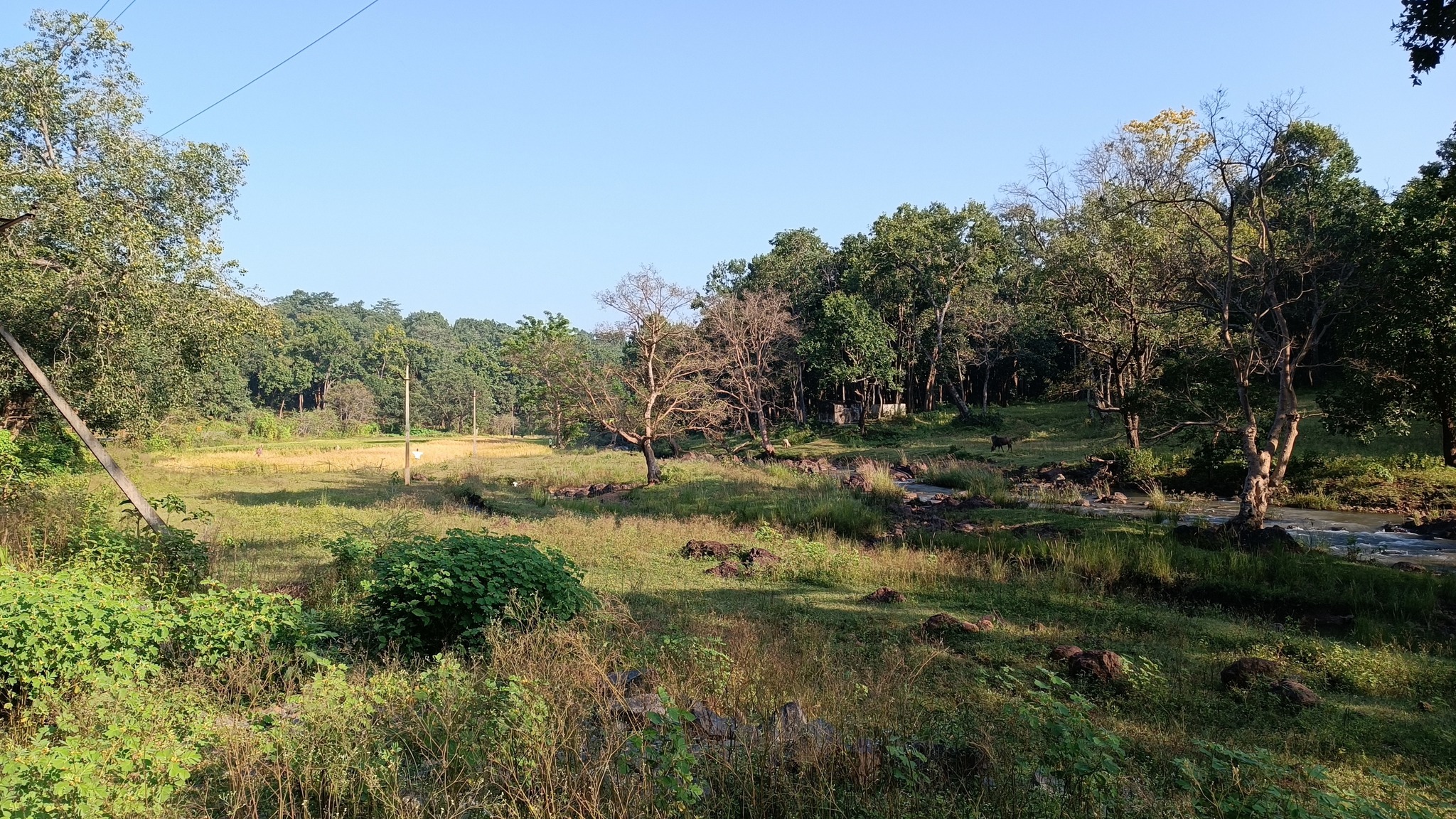
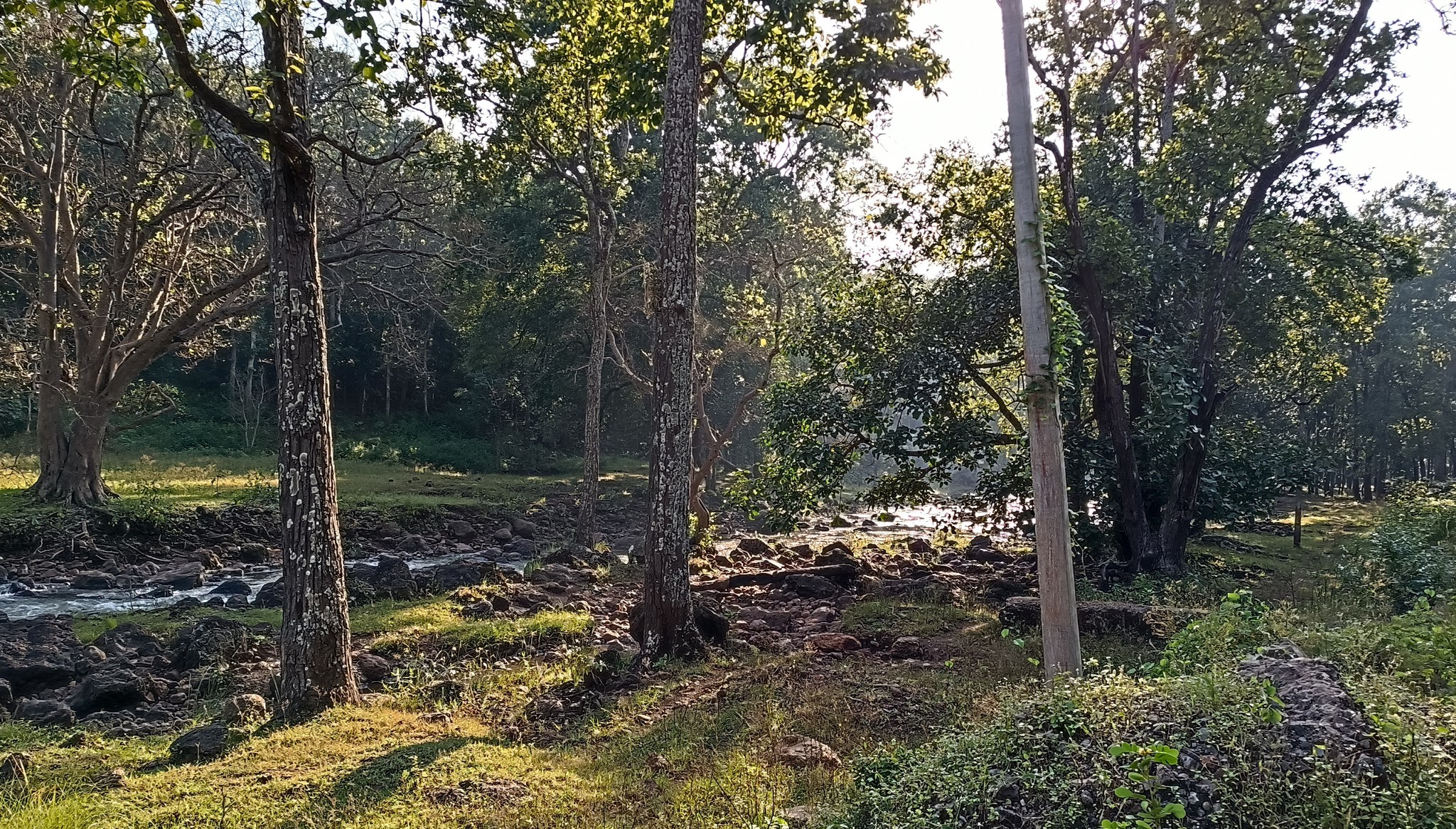
The drive through Chilpi Ghat makes you cut across this dense jungle abounding in natural beauty & wildlife.
Jabalpur

Marble Rocks in the Narmada river at Bedaghat, in a ravine formed in the hills replete with marble stone
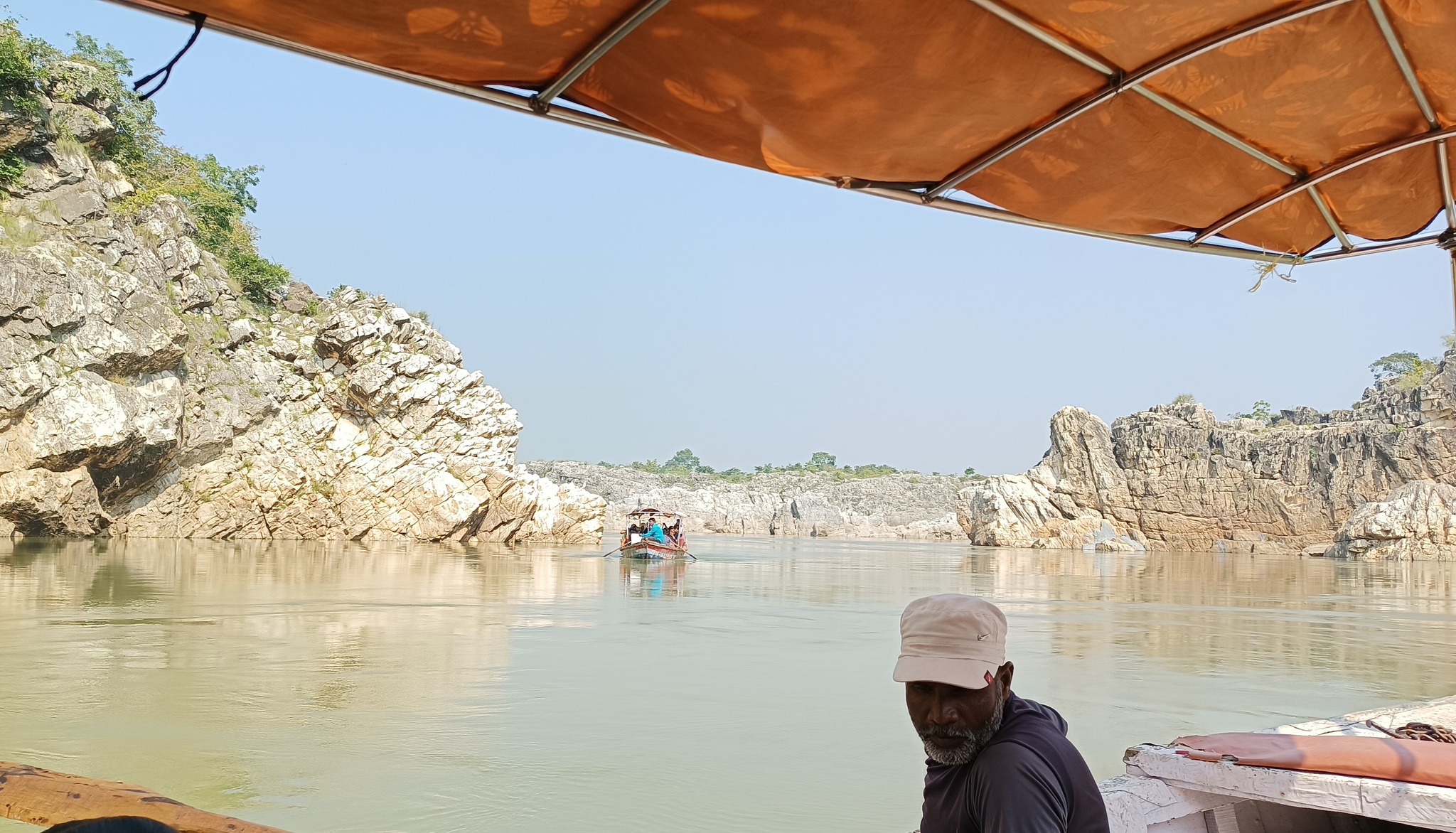
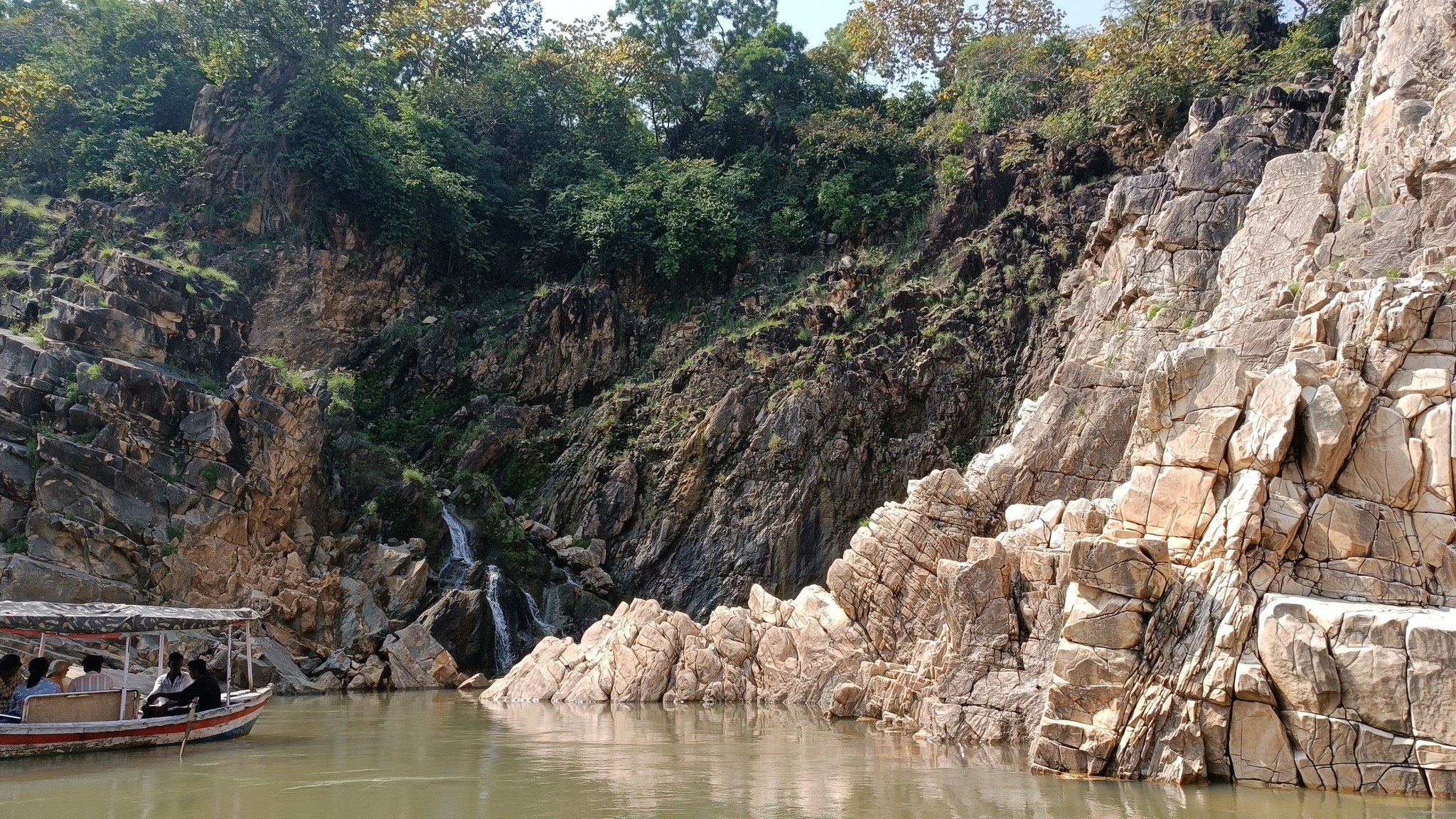
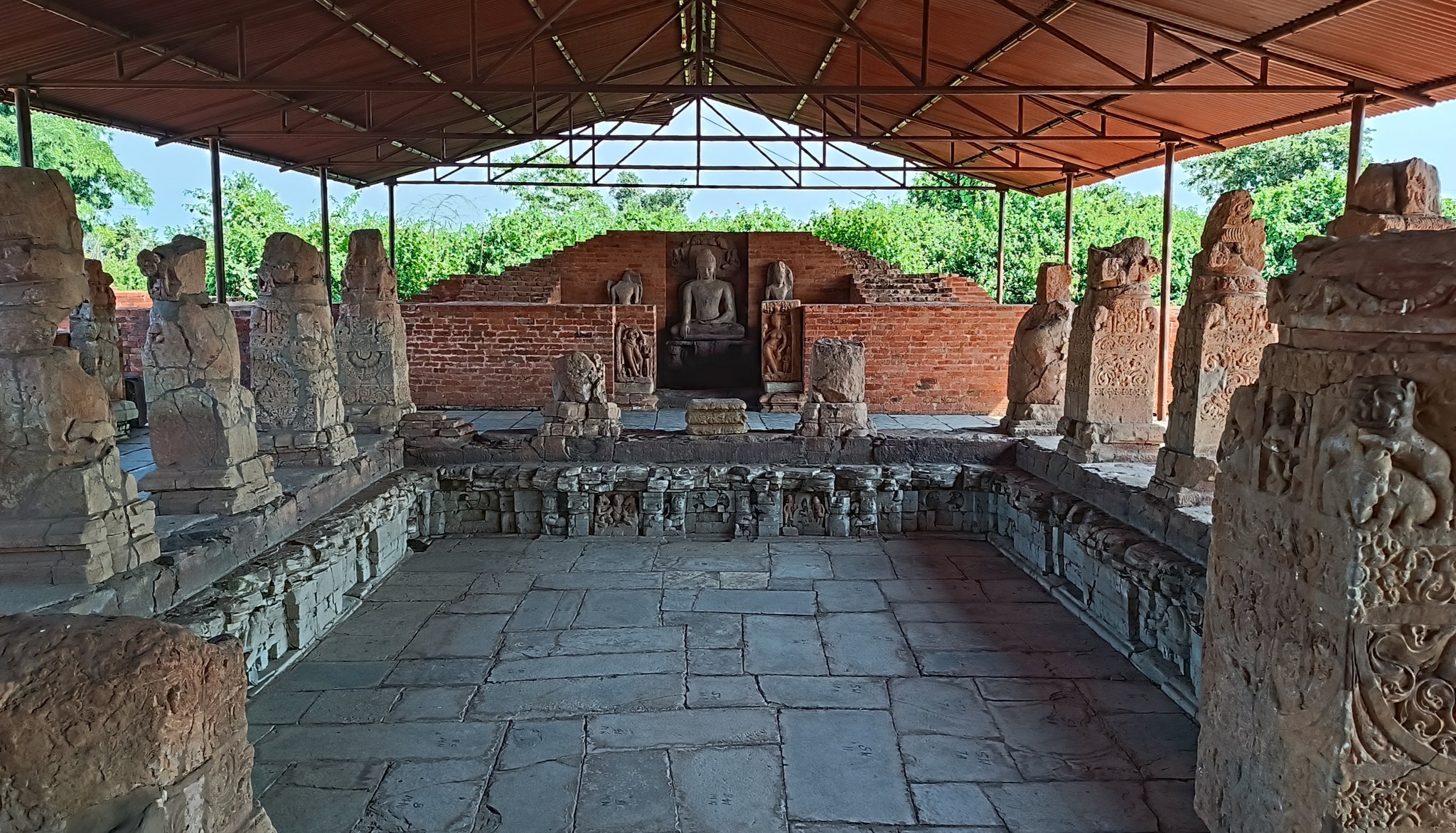
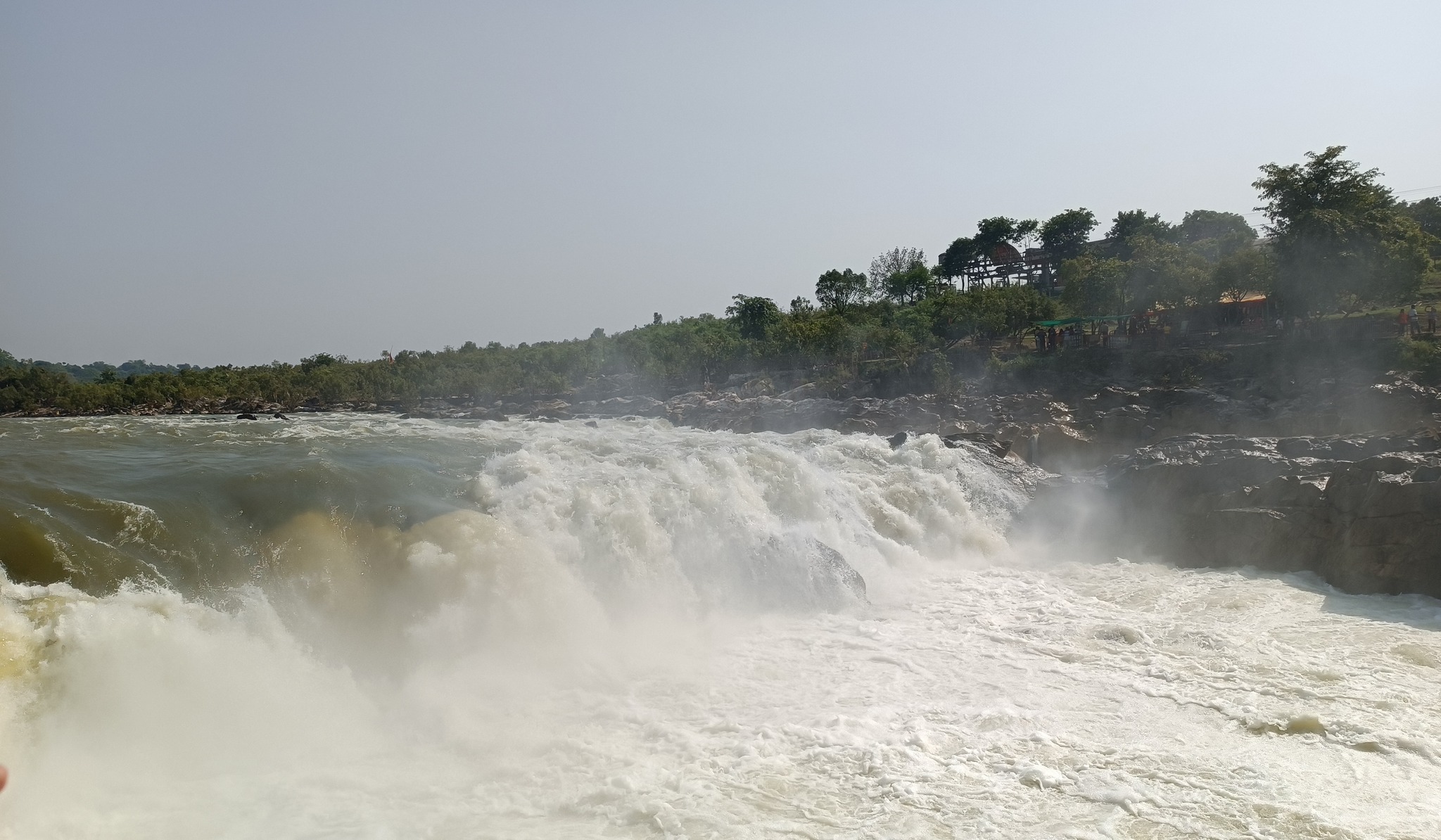
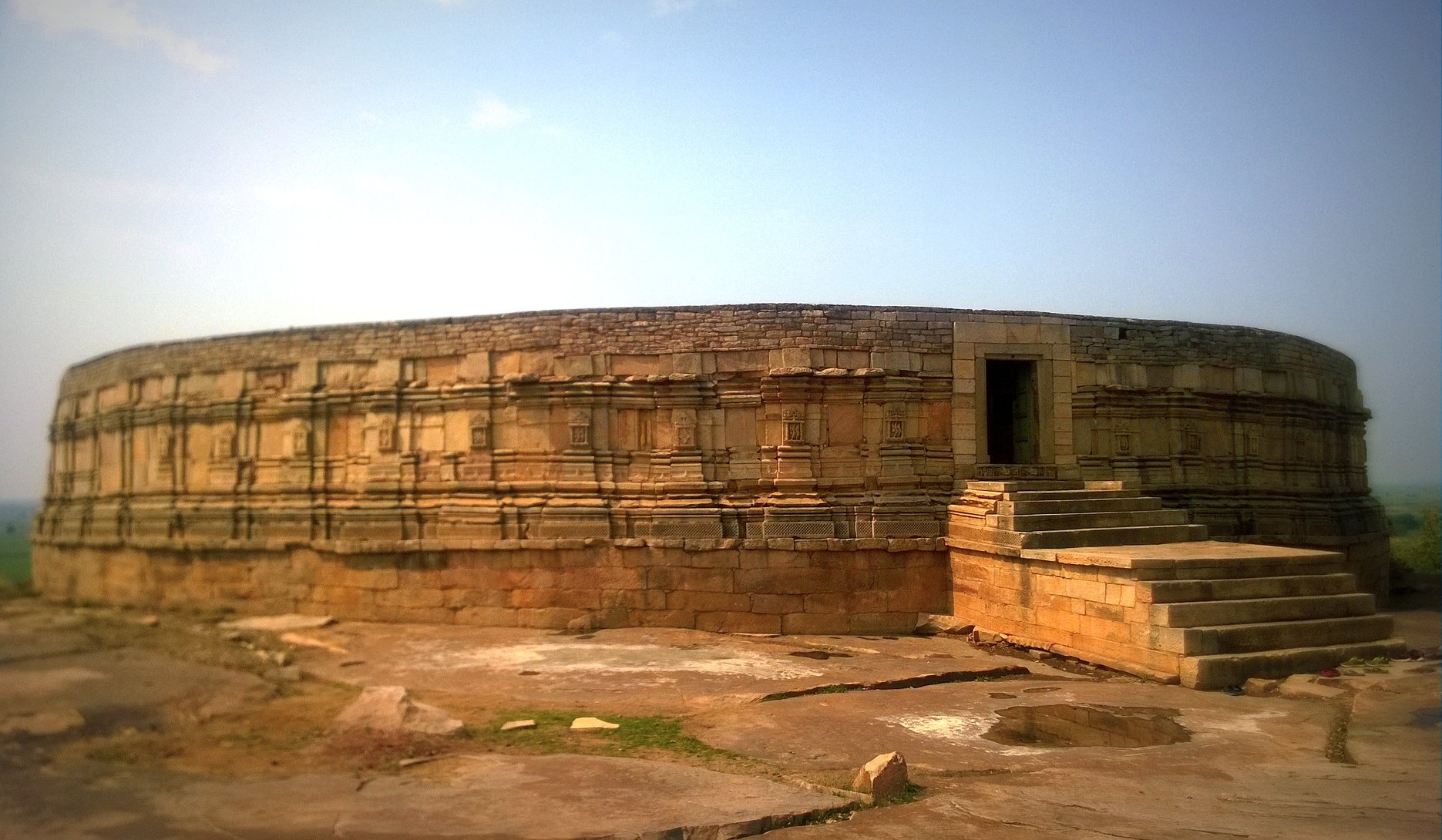
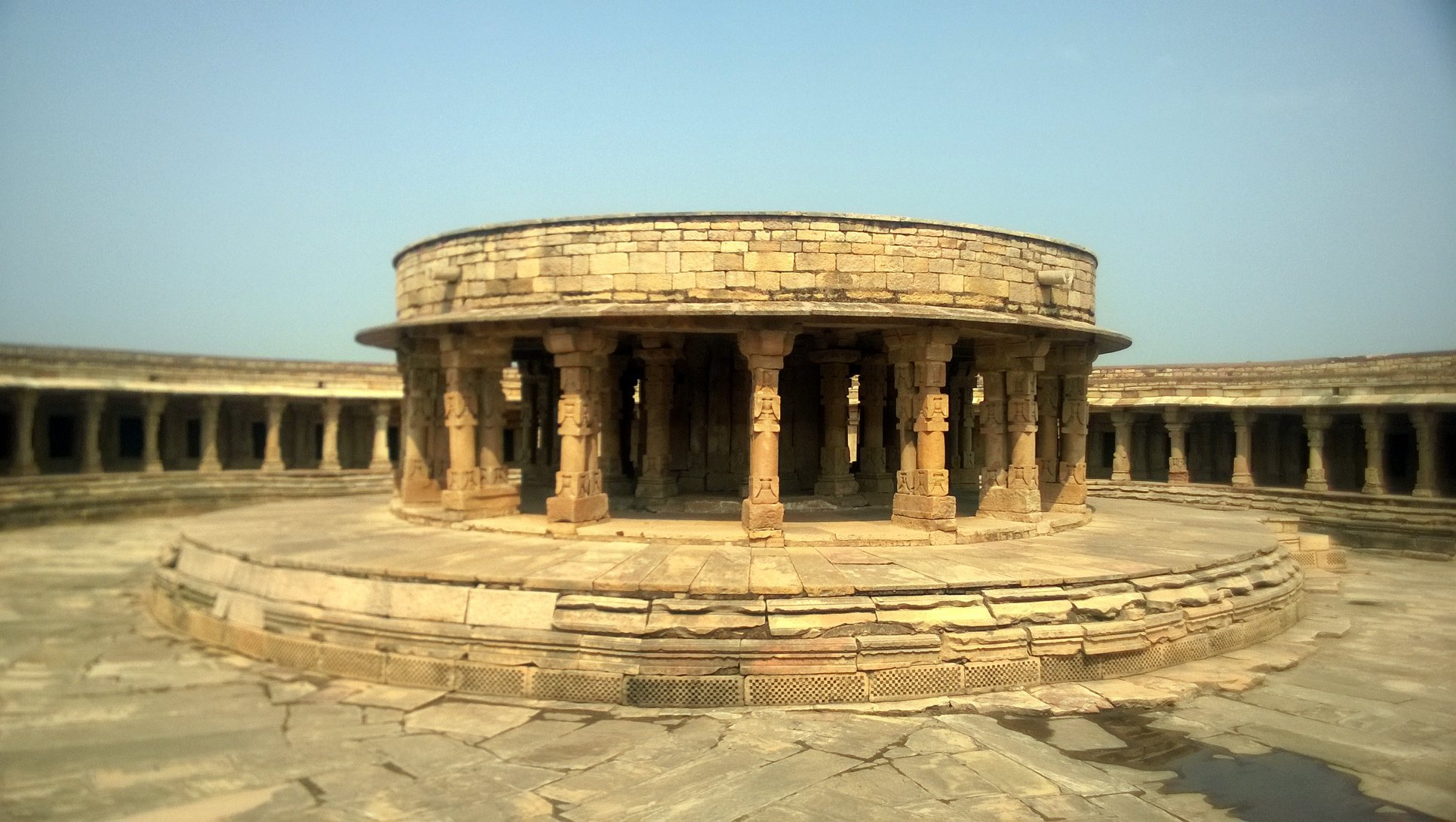
Madan Mahal fort (12th century AD), Chausath Yogini temple (11th century AD), Dhuandhar waterfalls
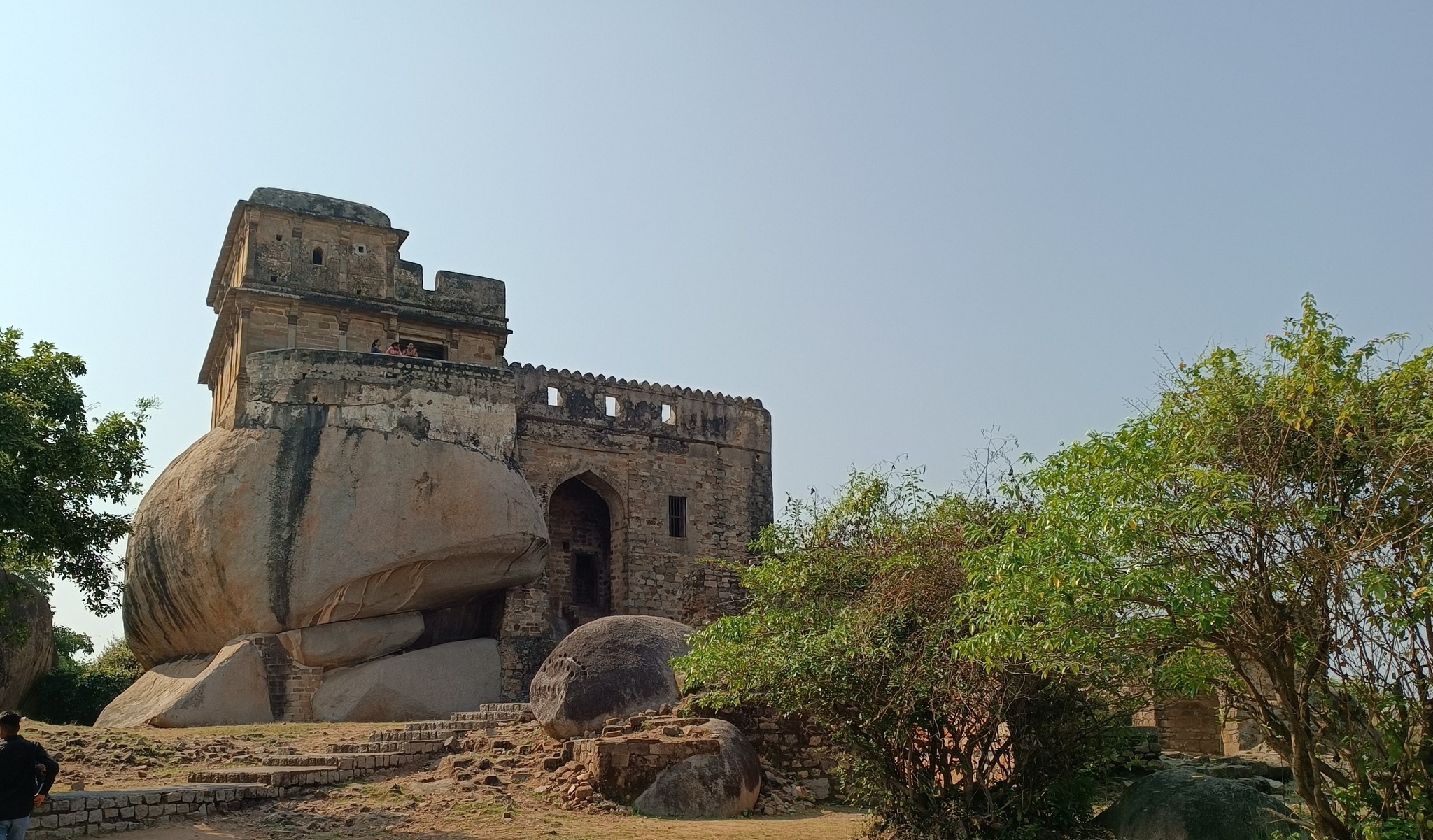
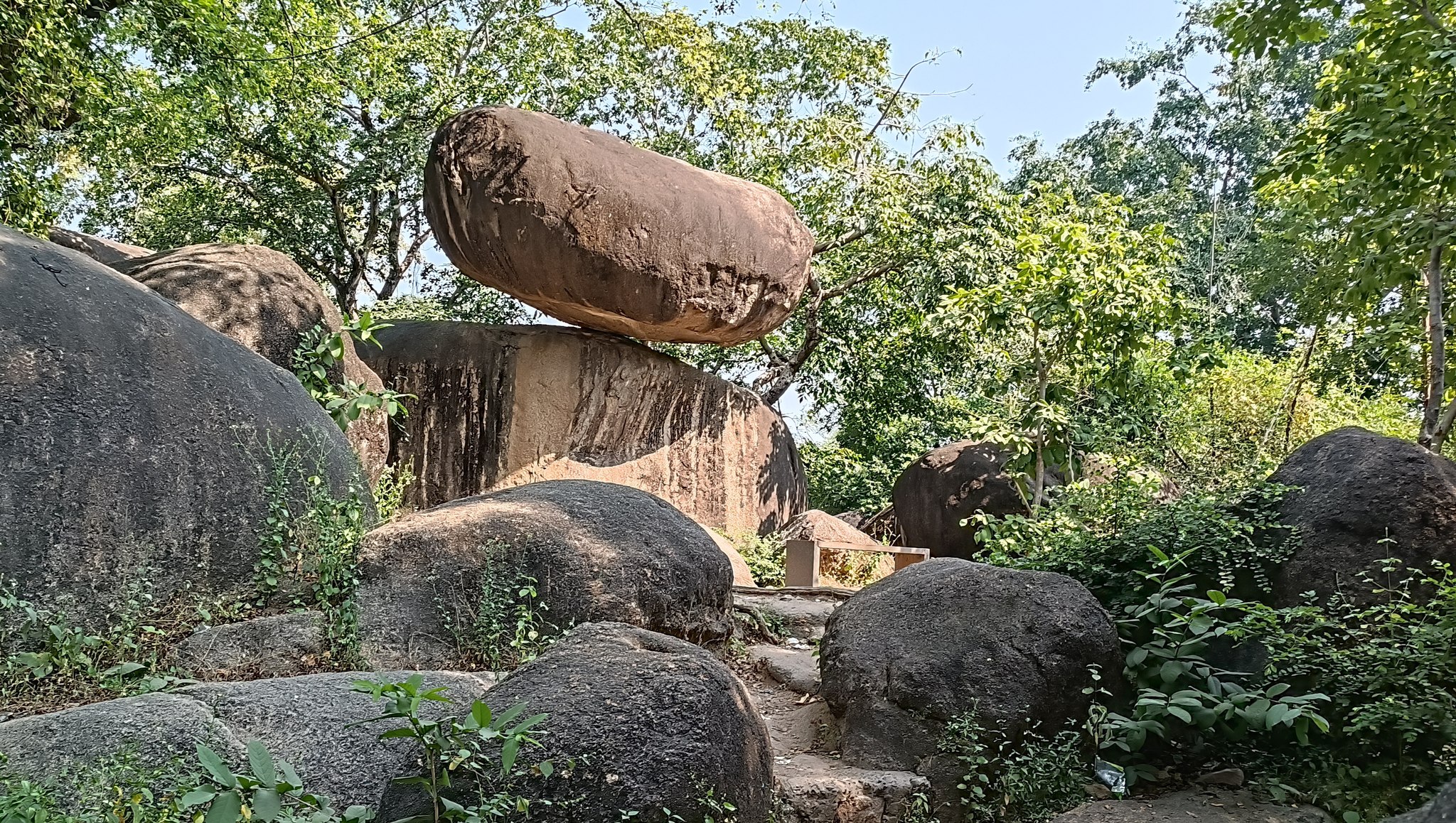
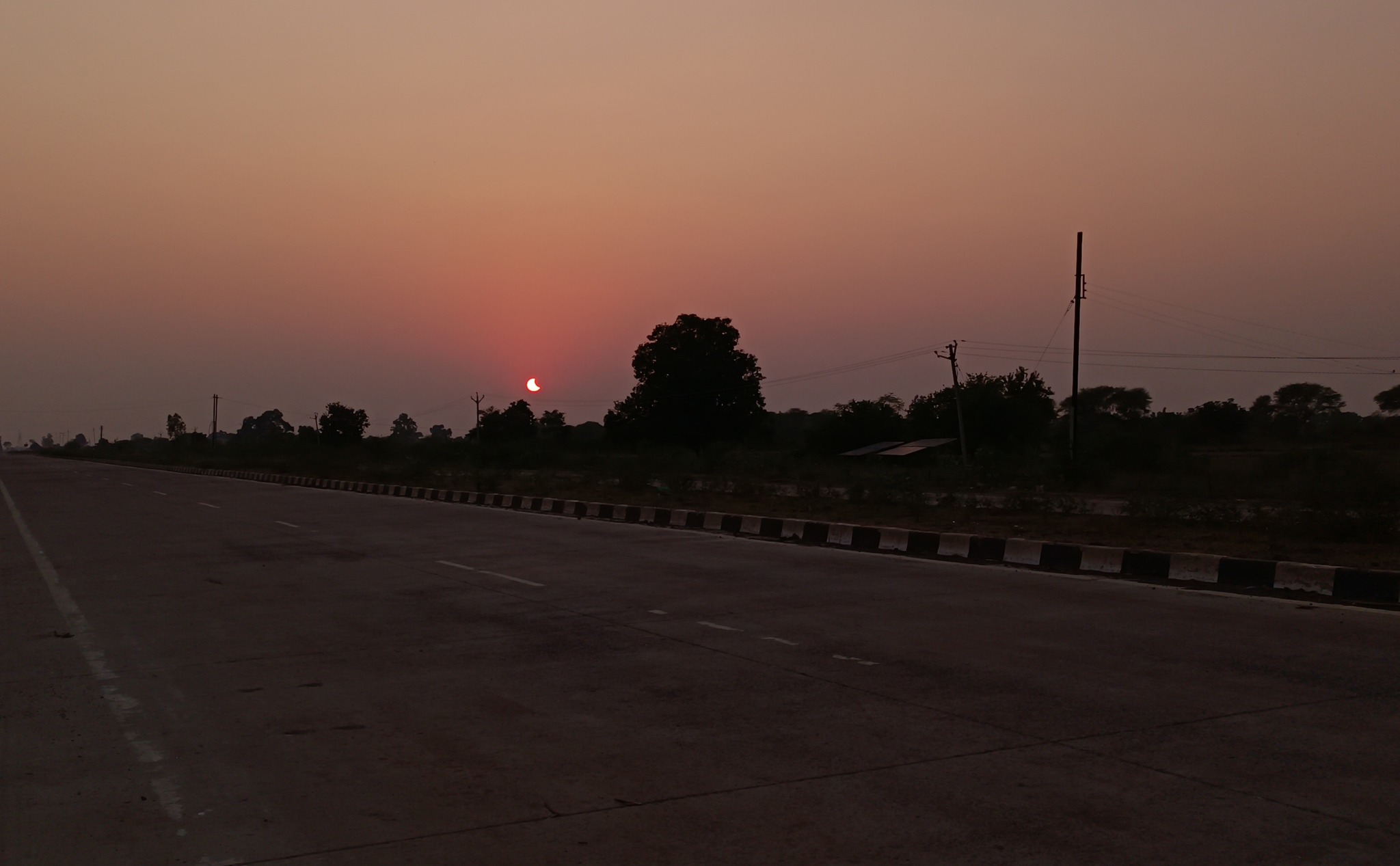
We happened to witness the Solar Eclipse on our way to Vidisha from Jabalpur.
Vidisha

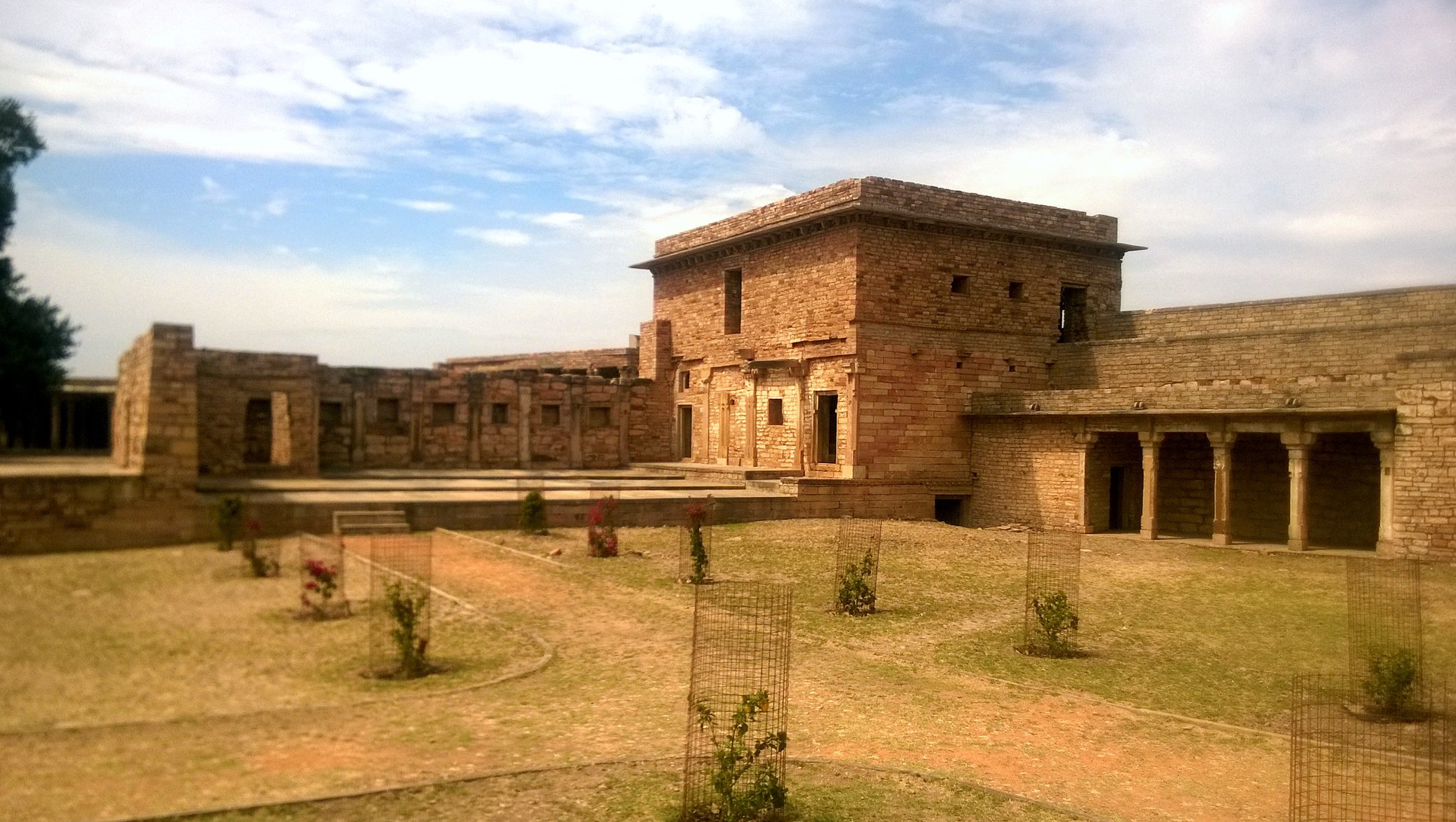
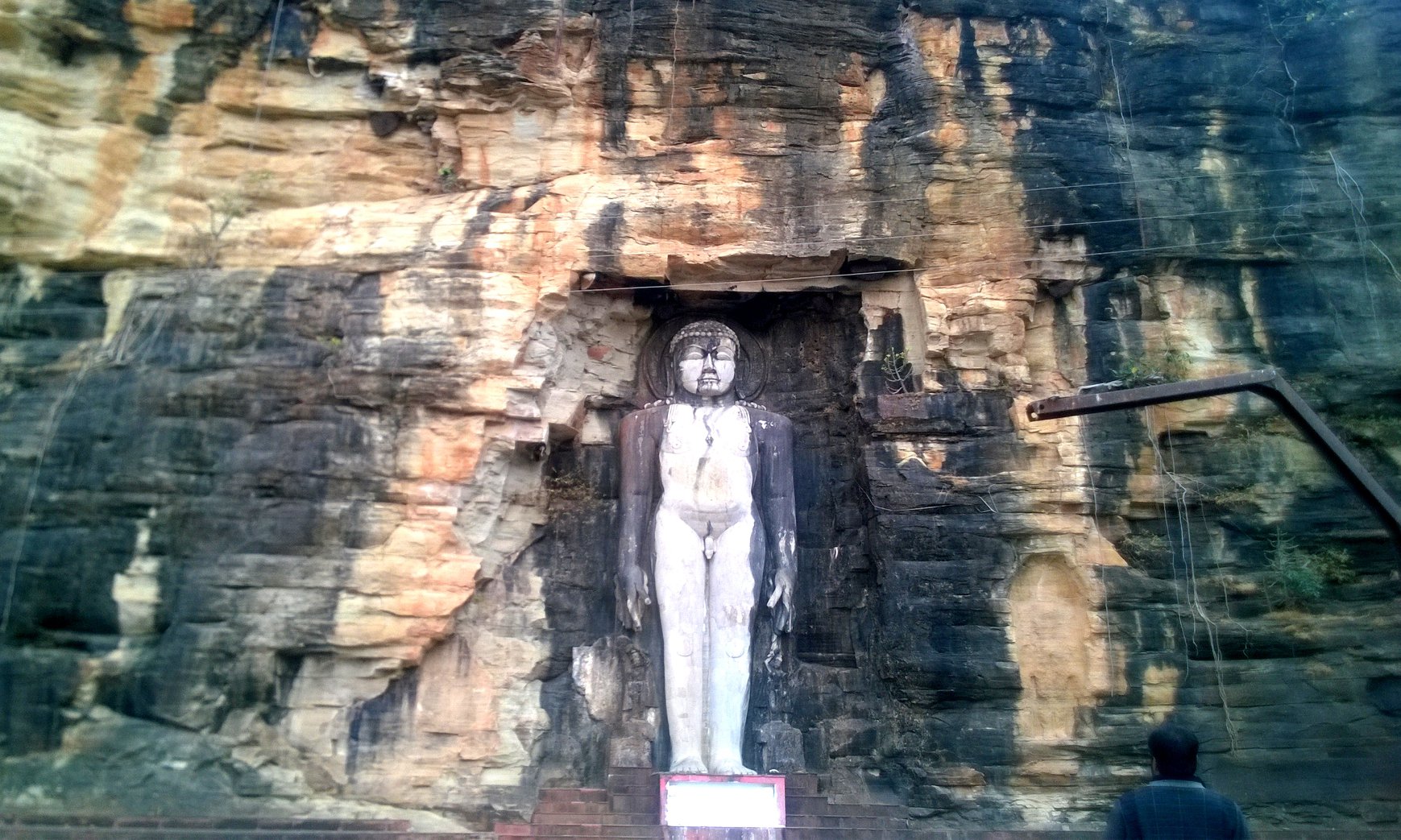
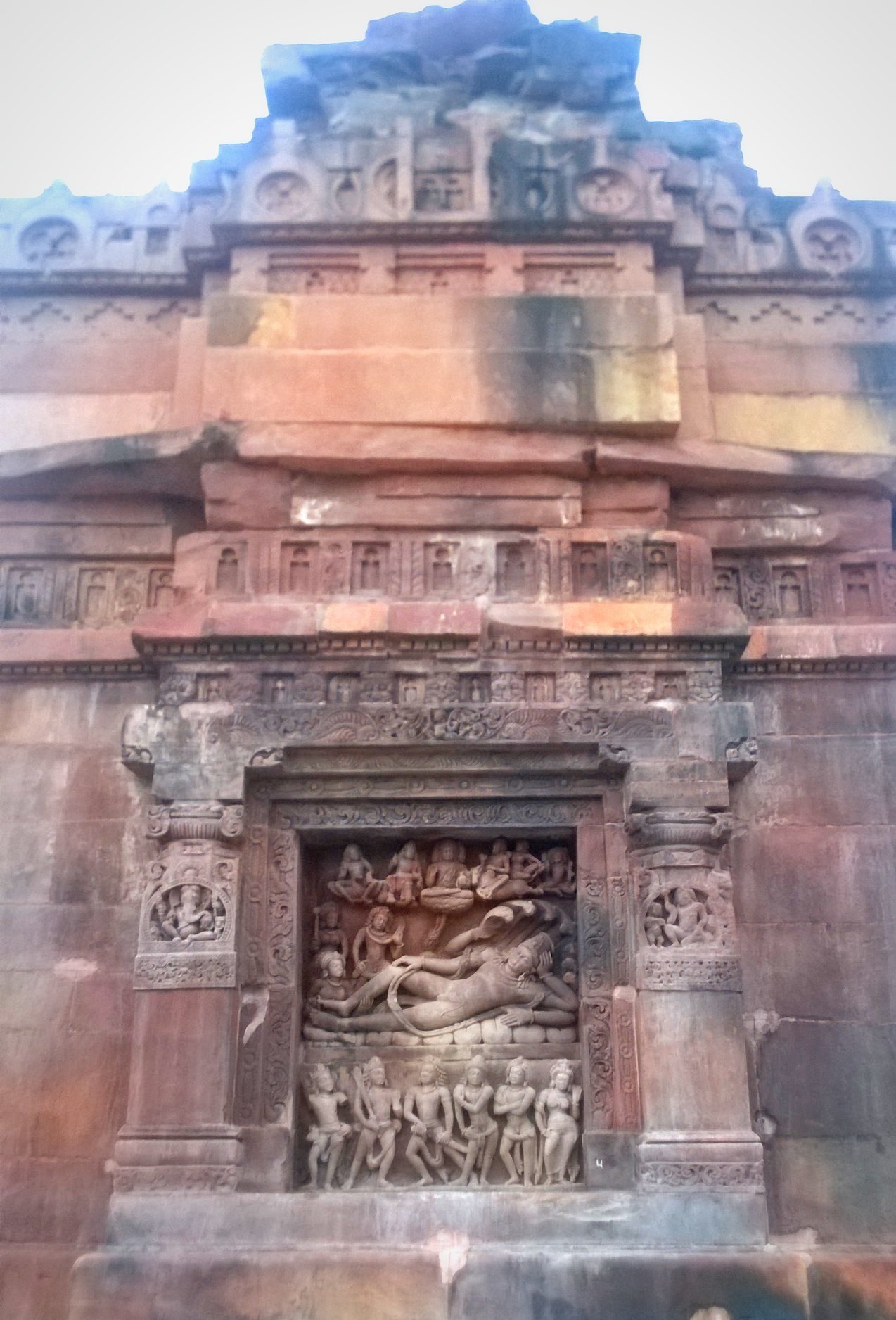
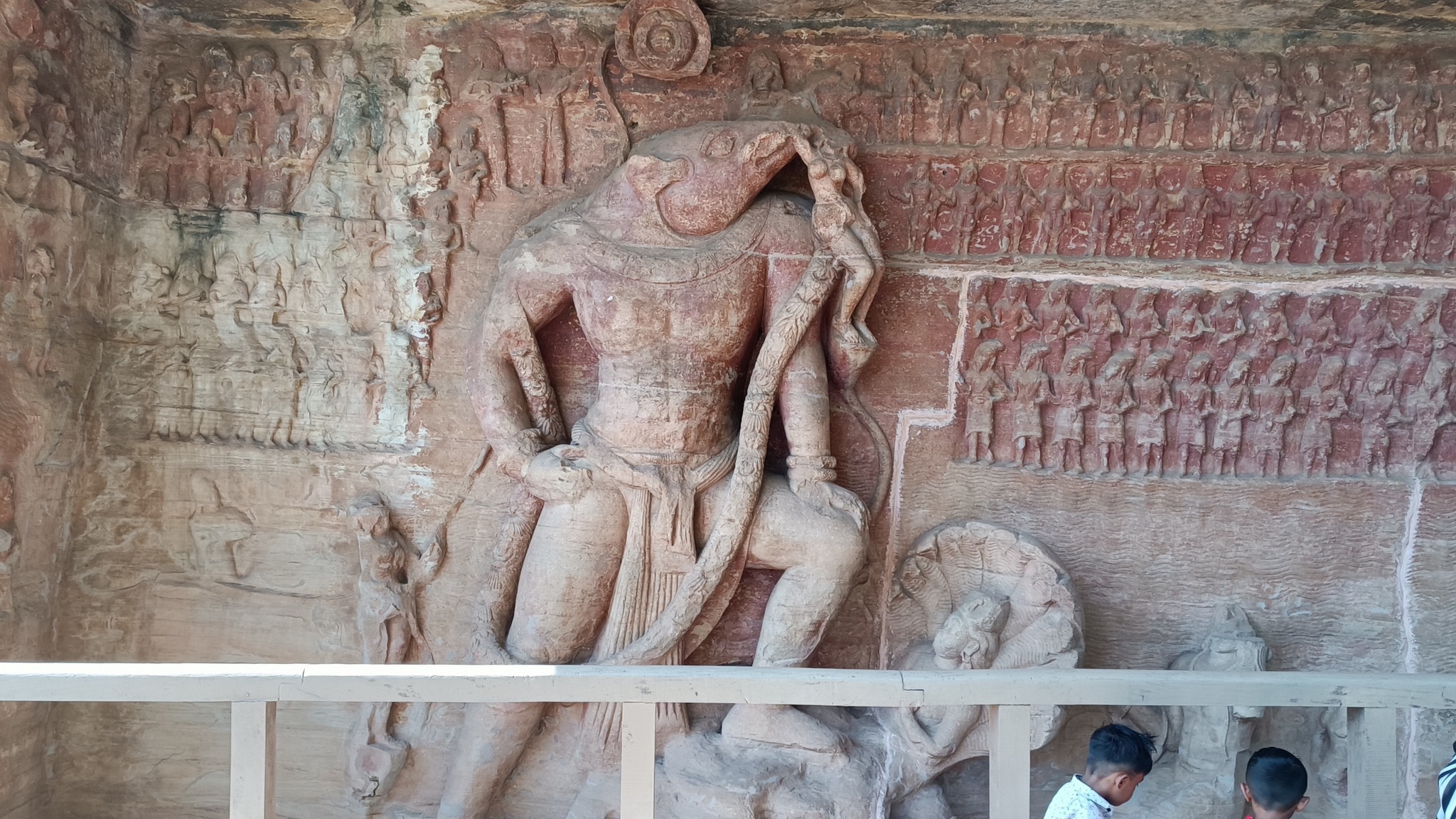
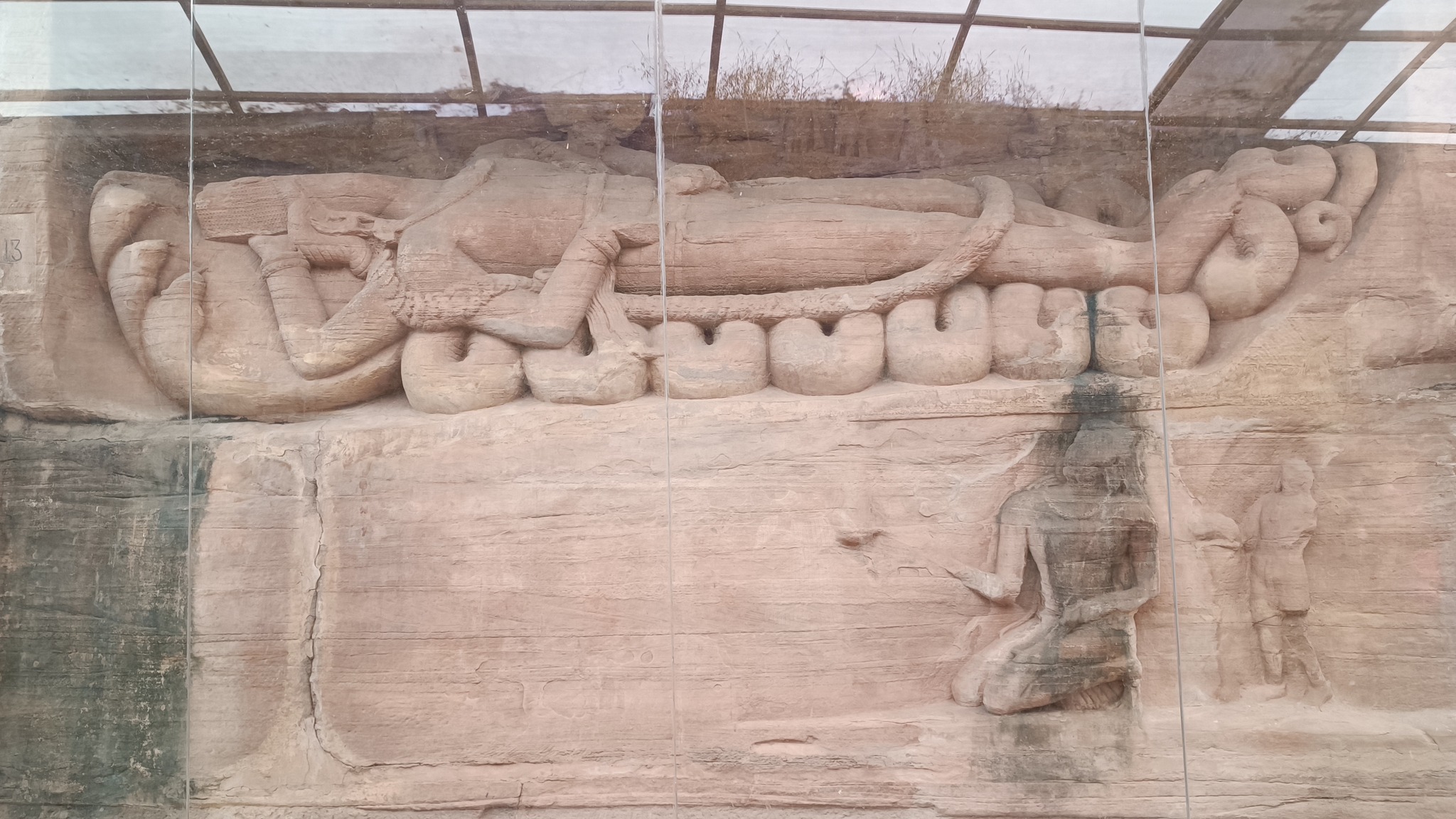
Udaygiri caves, 4th-5th century AD cave complex containing caves with Hindu sculptures (Hindu gods, especially, avatars of Vishnu) as well as Jain sculptures, located on a small hill
Sanchi

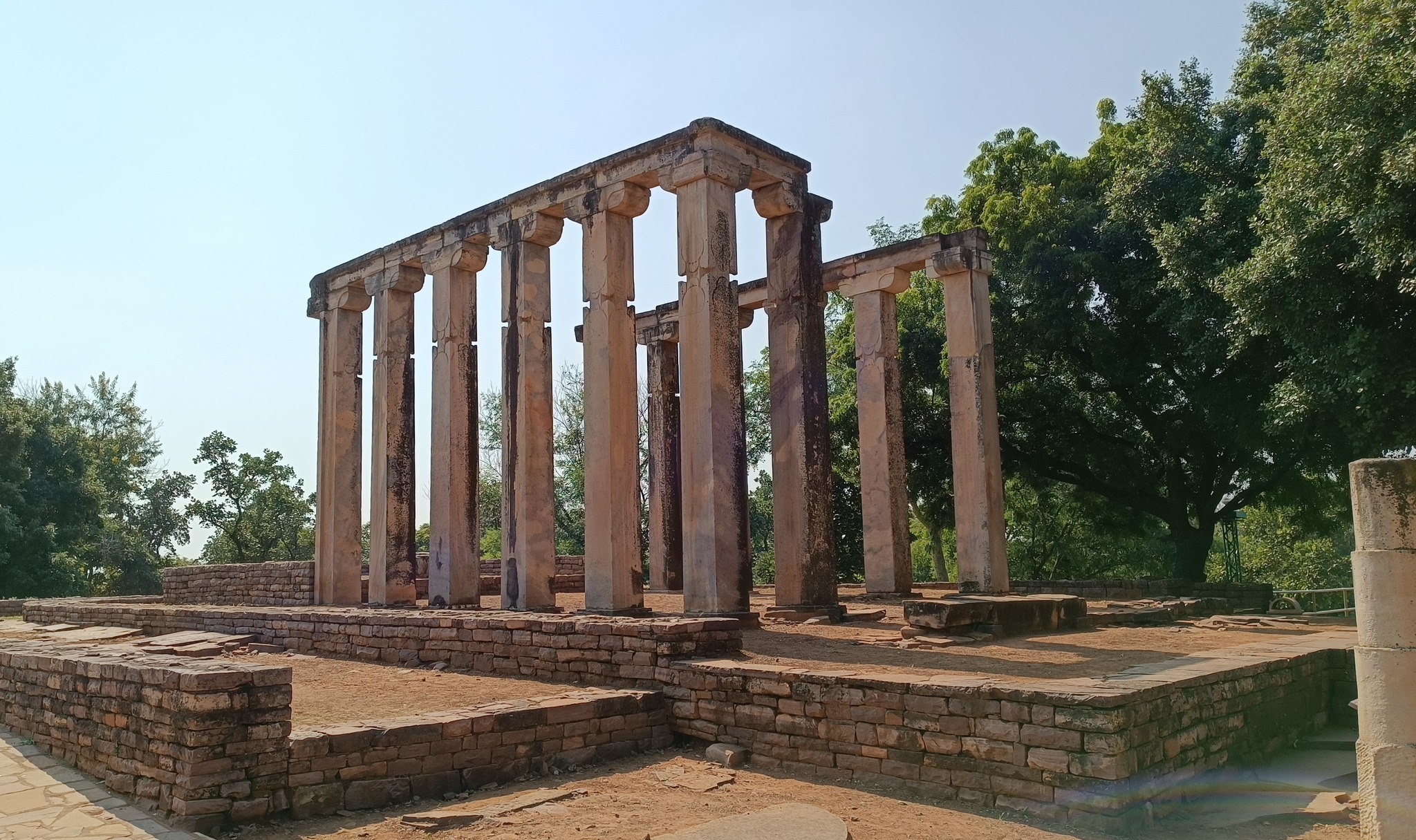
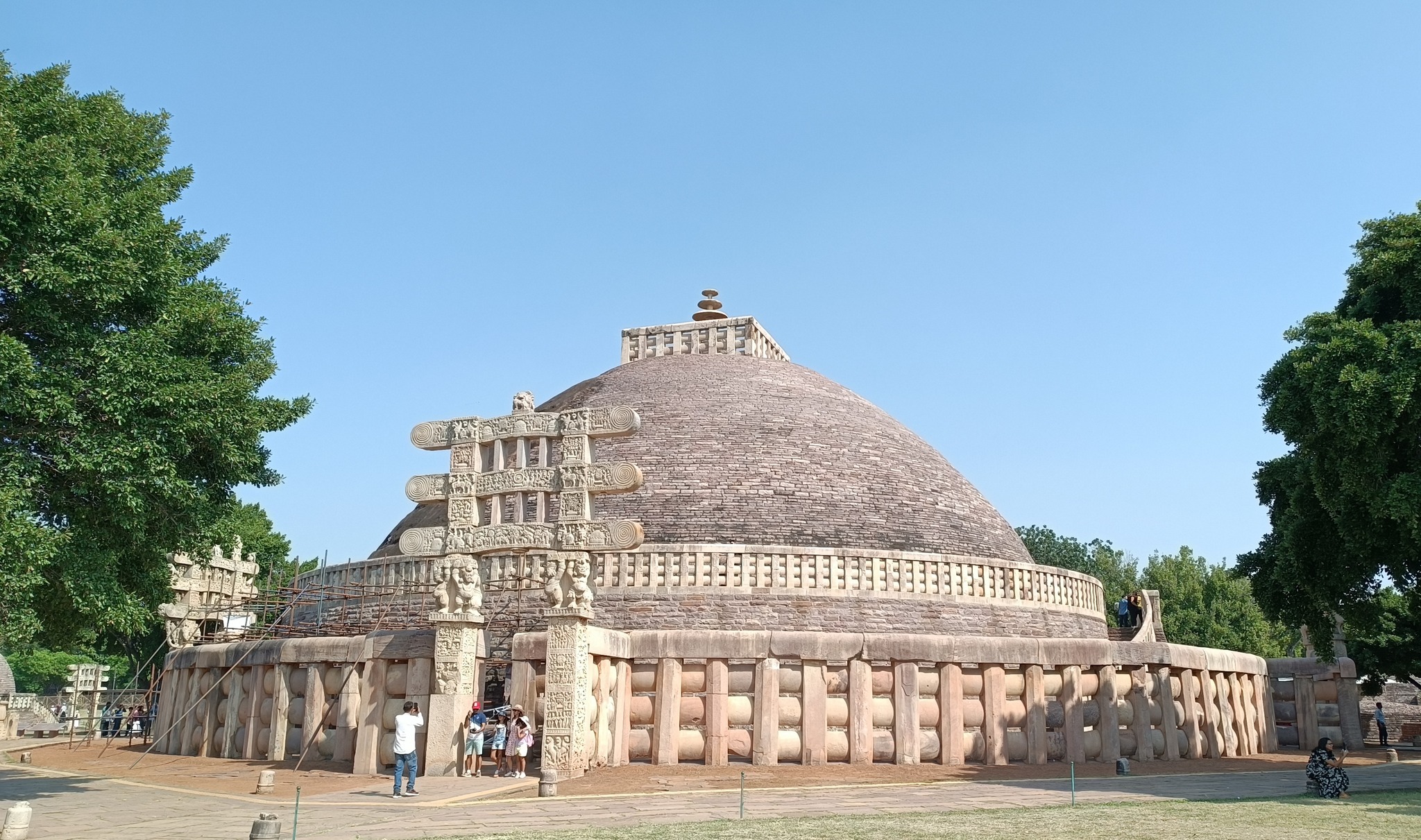
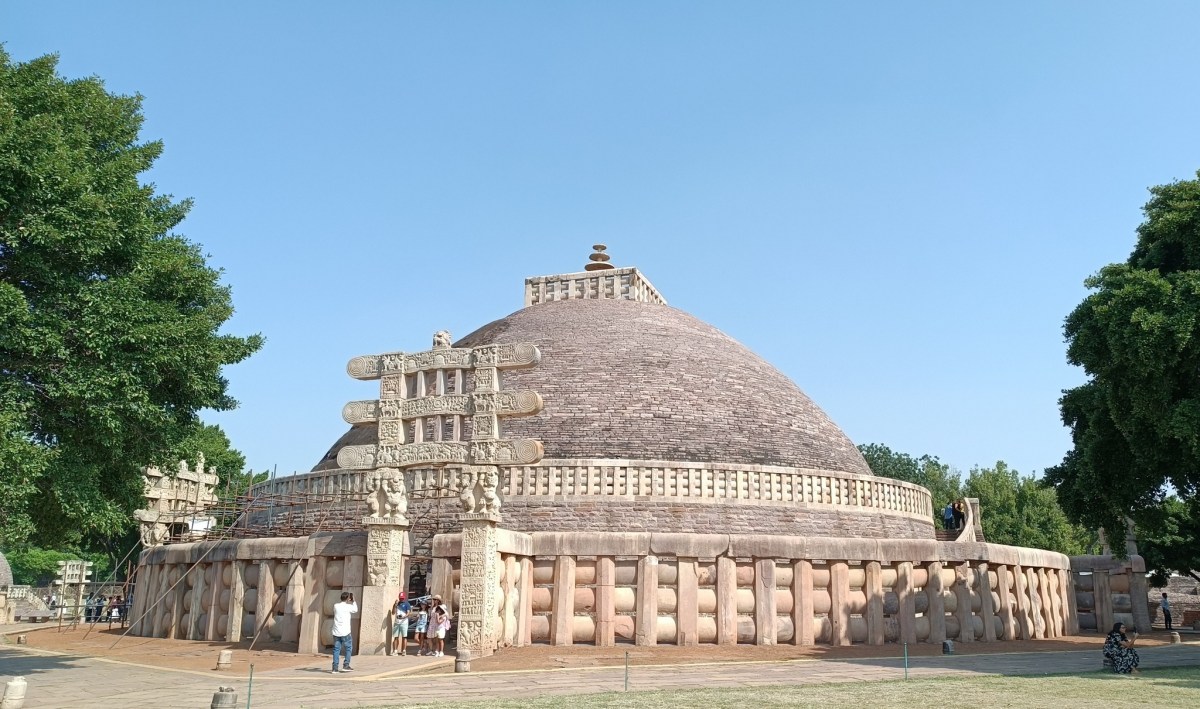
A World Heritage site, with Multiple large stupas dating back to Ashoka’s time (3rd century BC), and Buddhist monasteries dating from
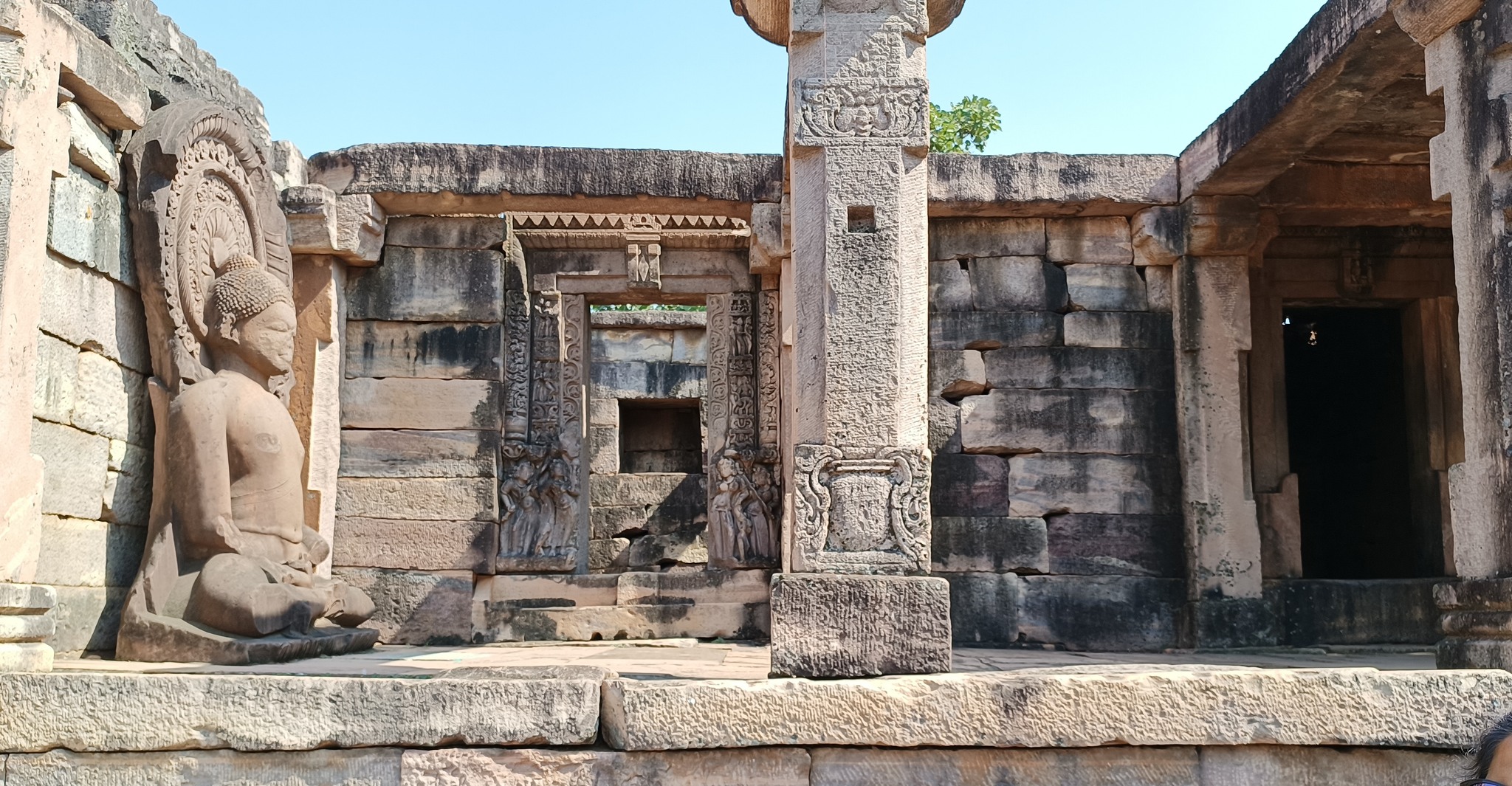
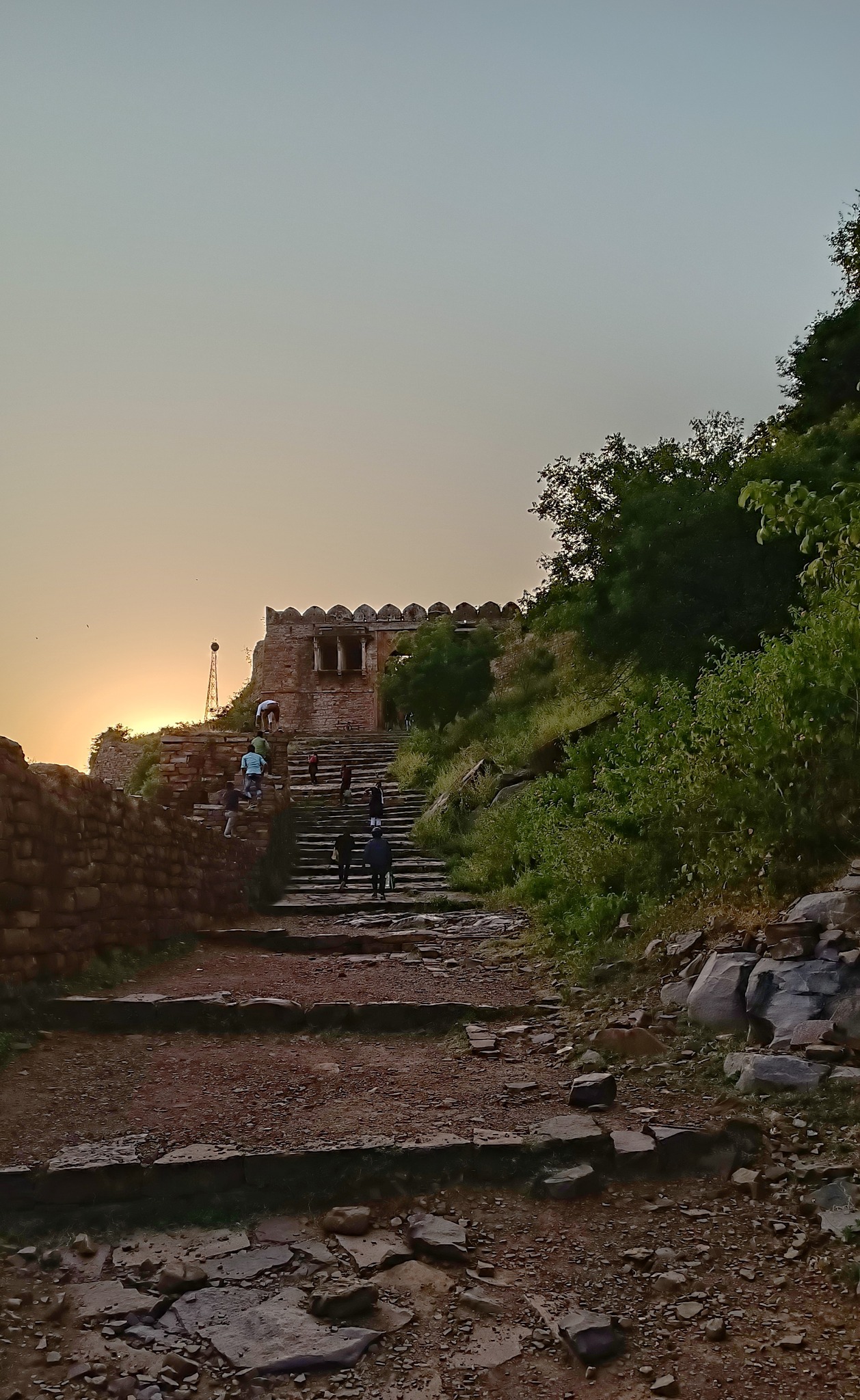
Raisen (near Bhopal)

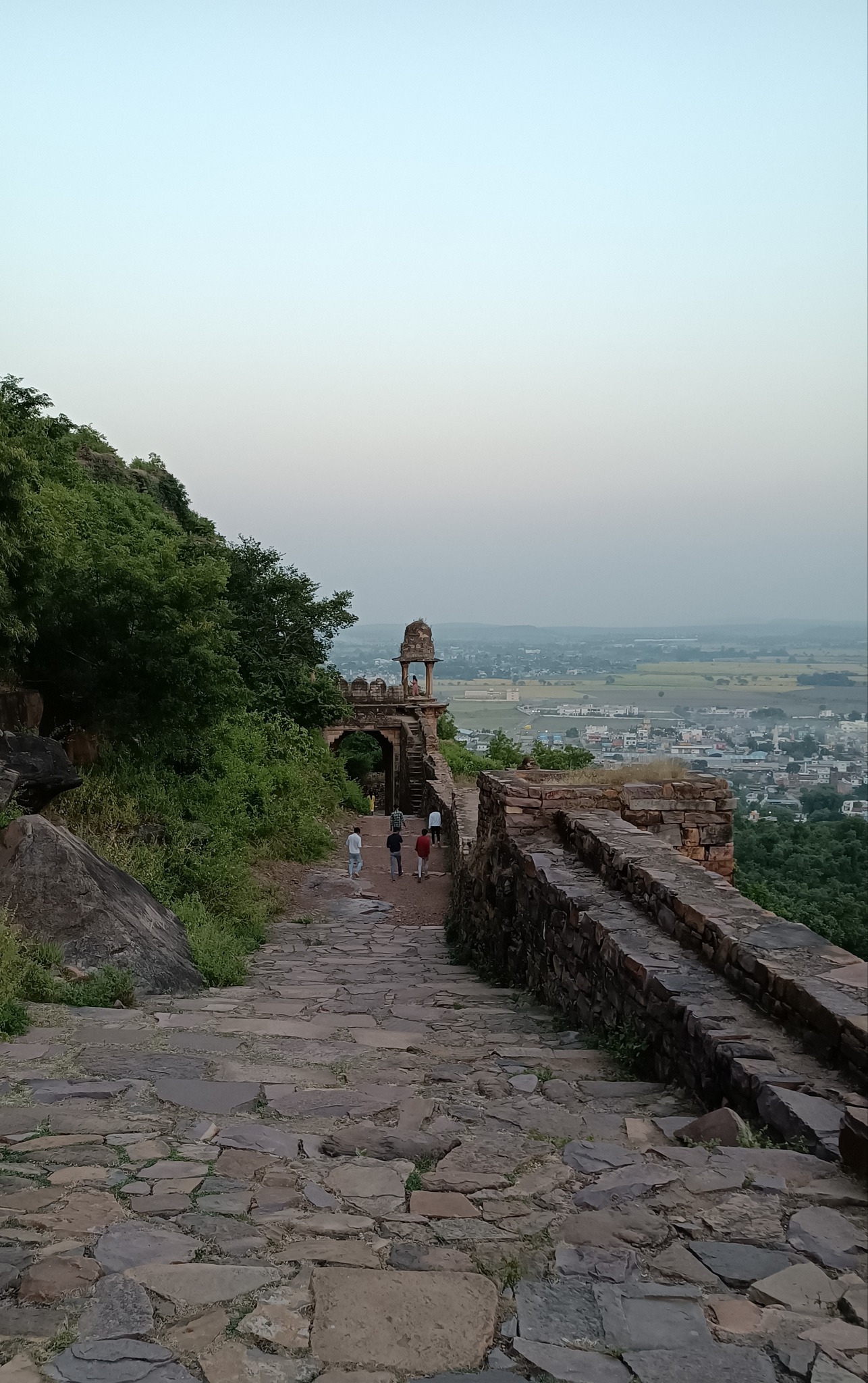
Raisen fort, an imposing 11th century fort
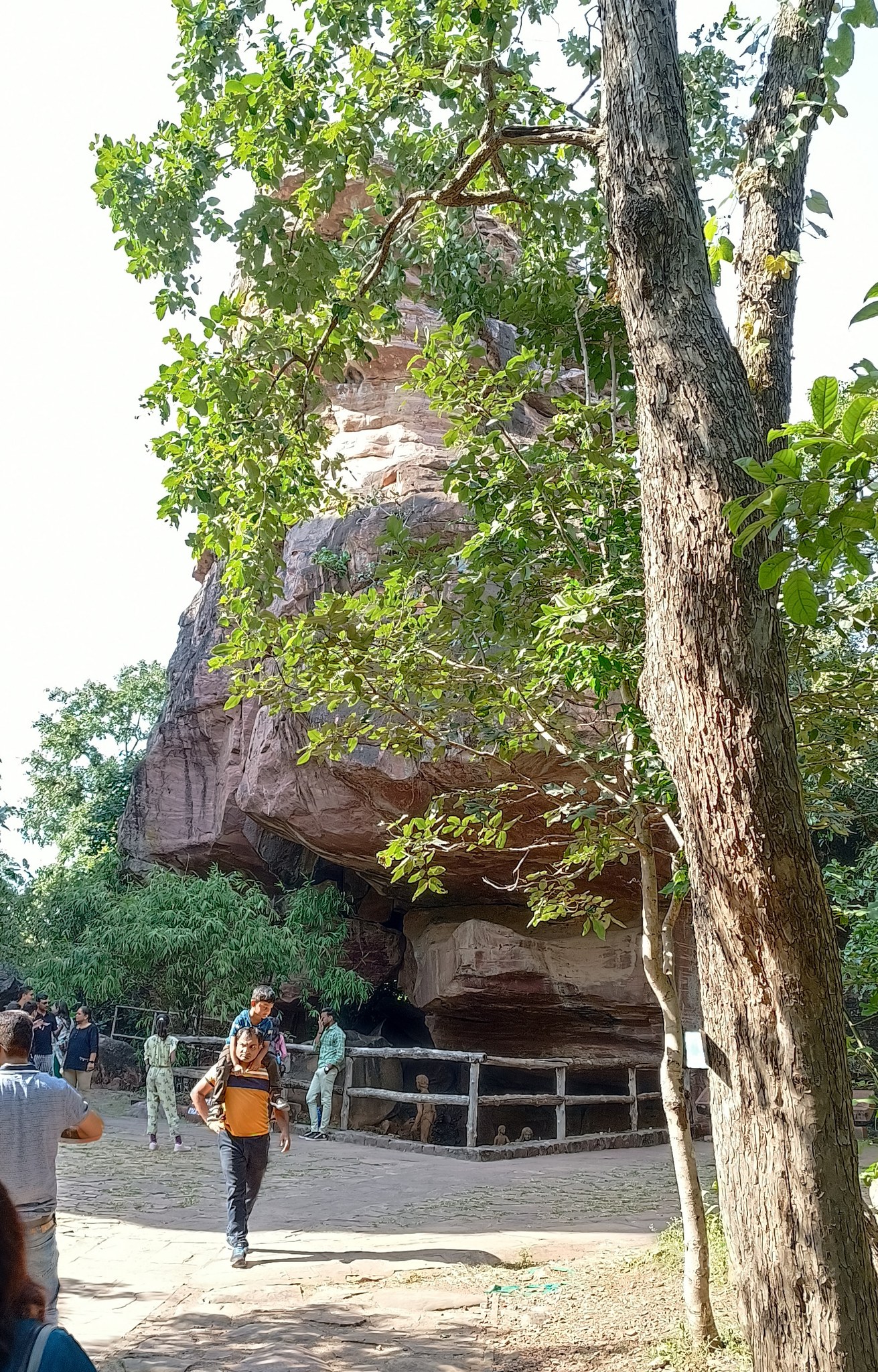
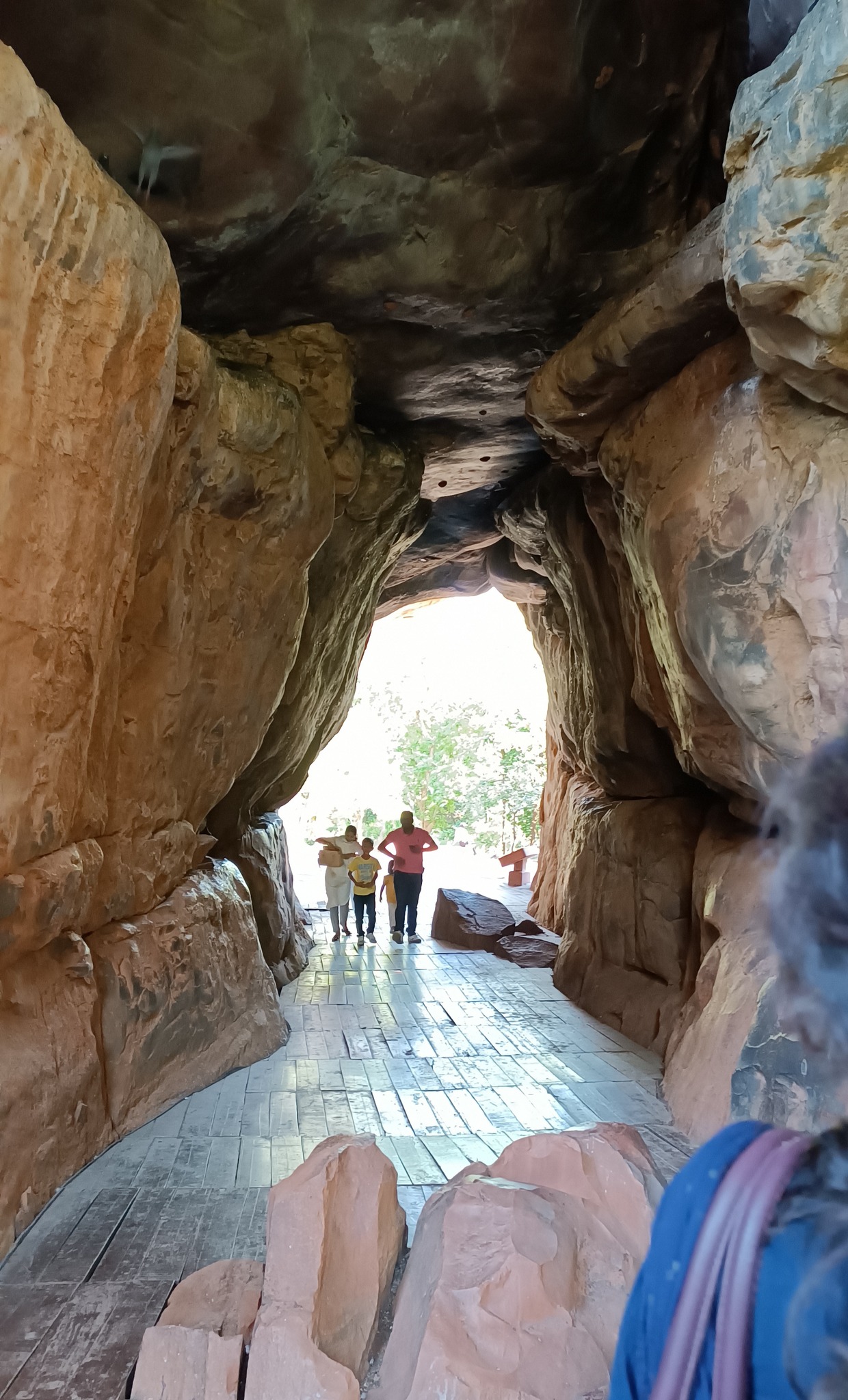
Bhimbetka rock shelters

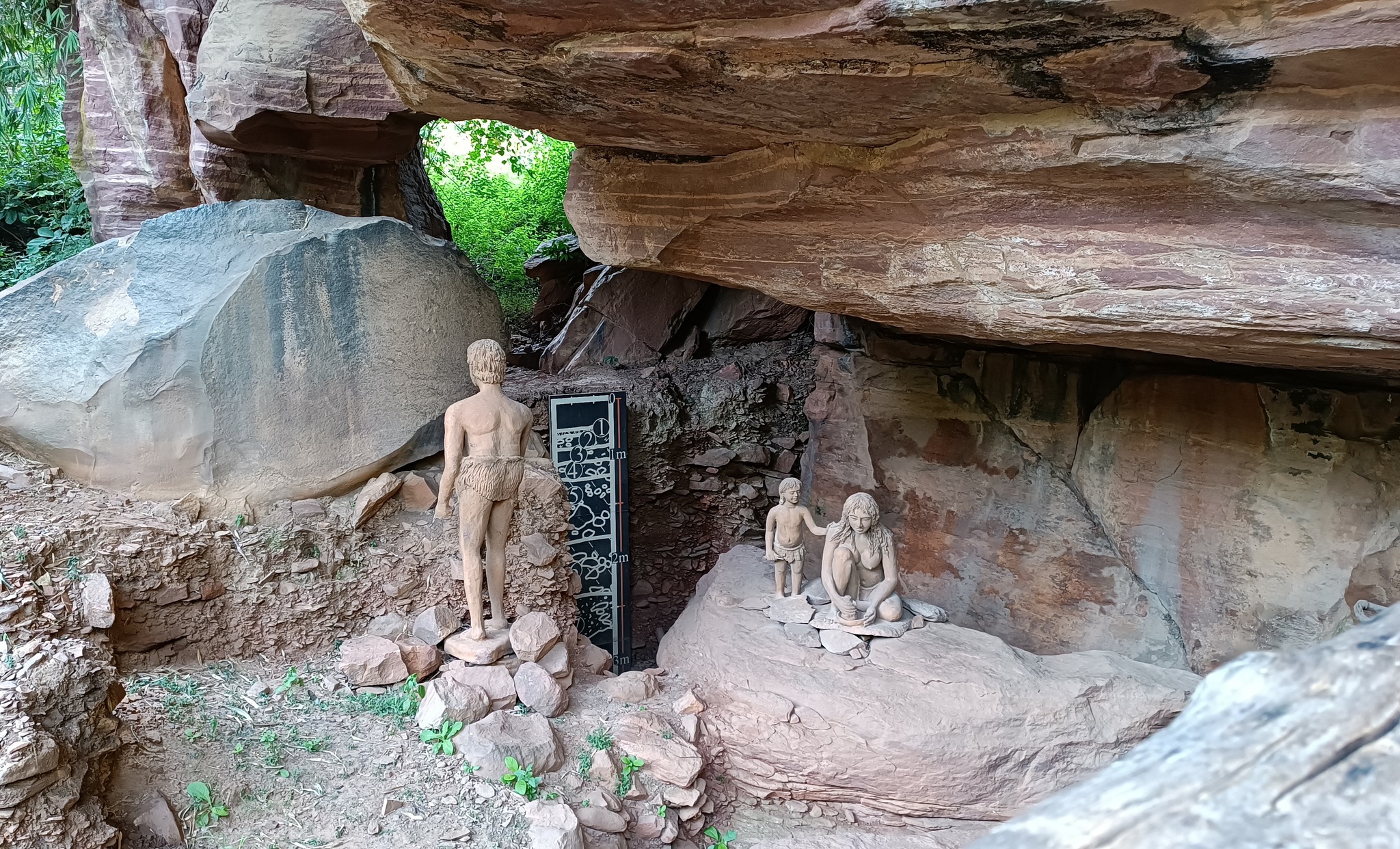
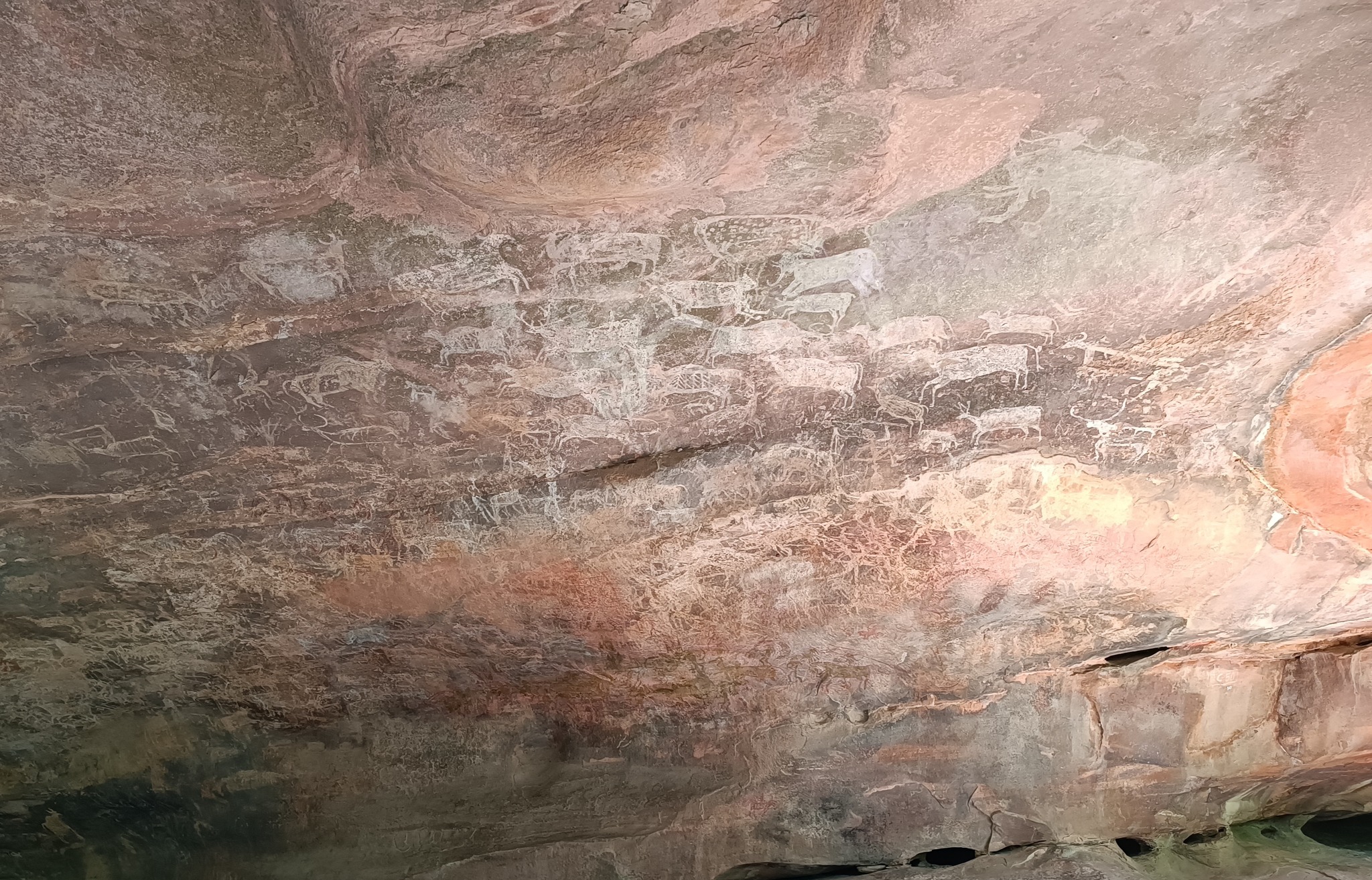
A complex of rock shelters on a hill near Bhopal, which contain paintings made by humans from both the prehistoric as well as historic ages
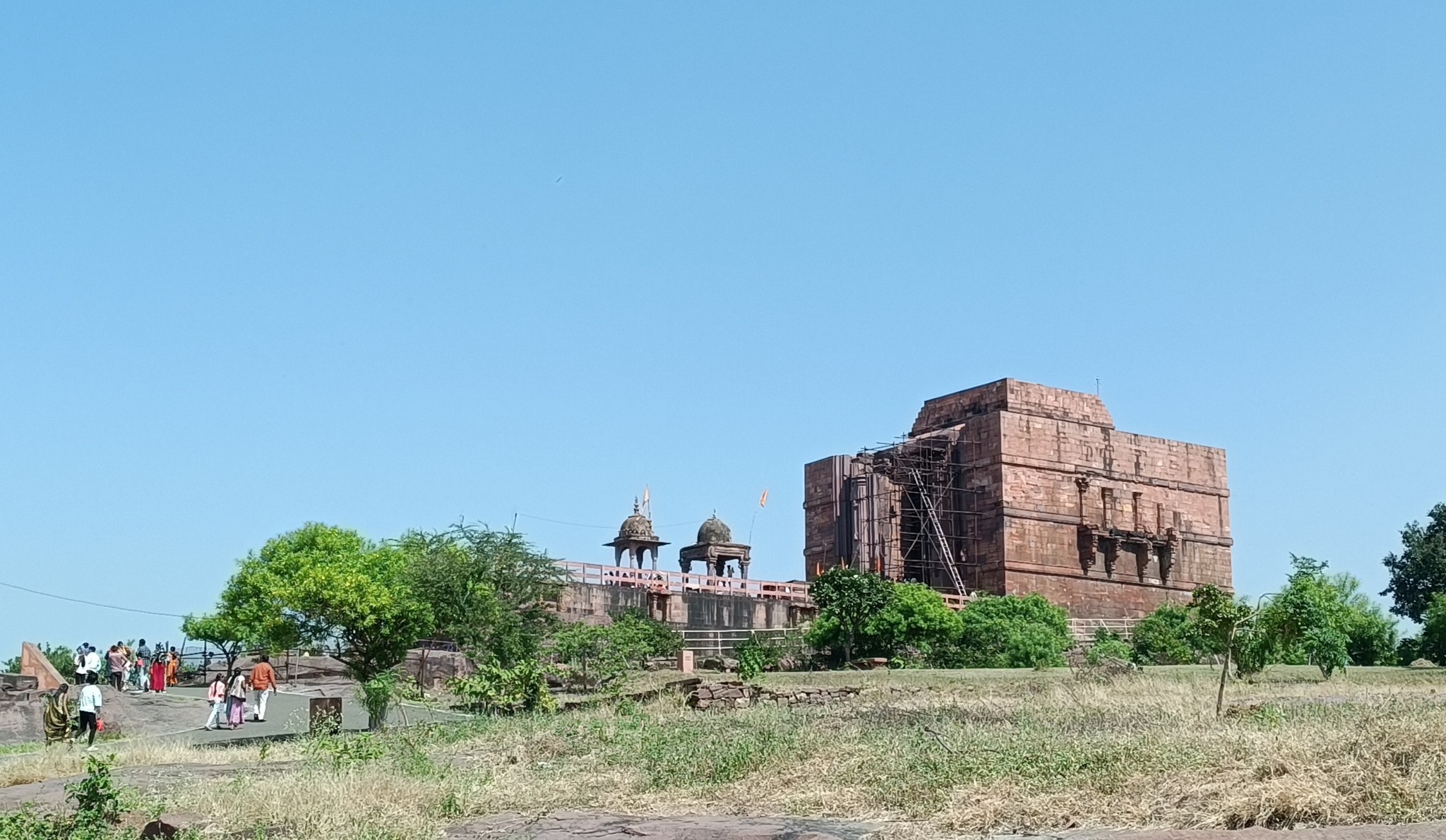
Bhojeswar temple

A 11th century Shiva temple,housing one of the largest Shiva lingas, commissioned by the legendary Raja Bhoja
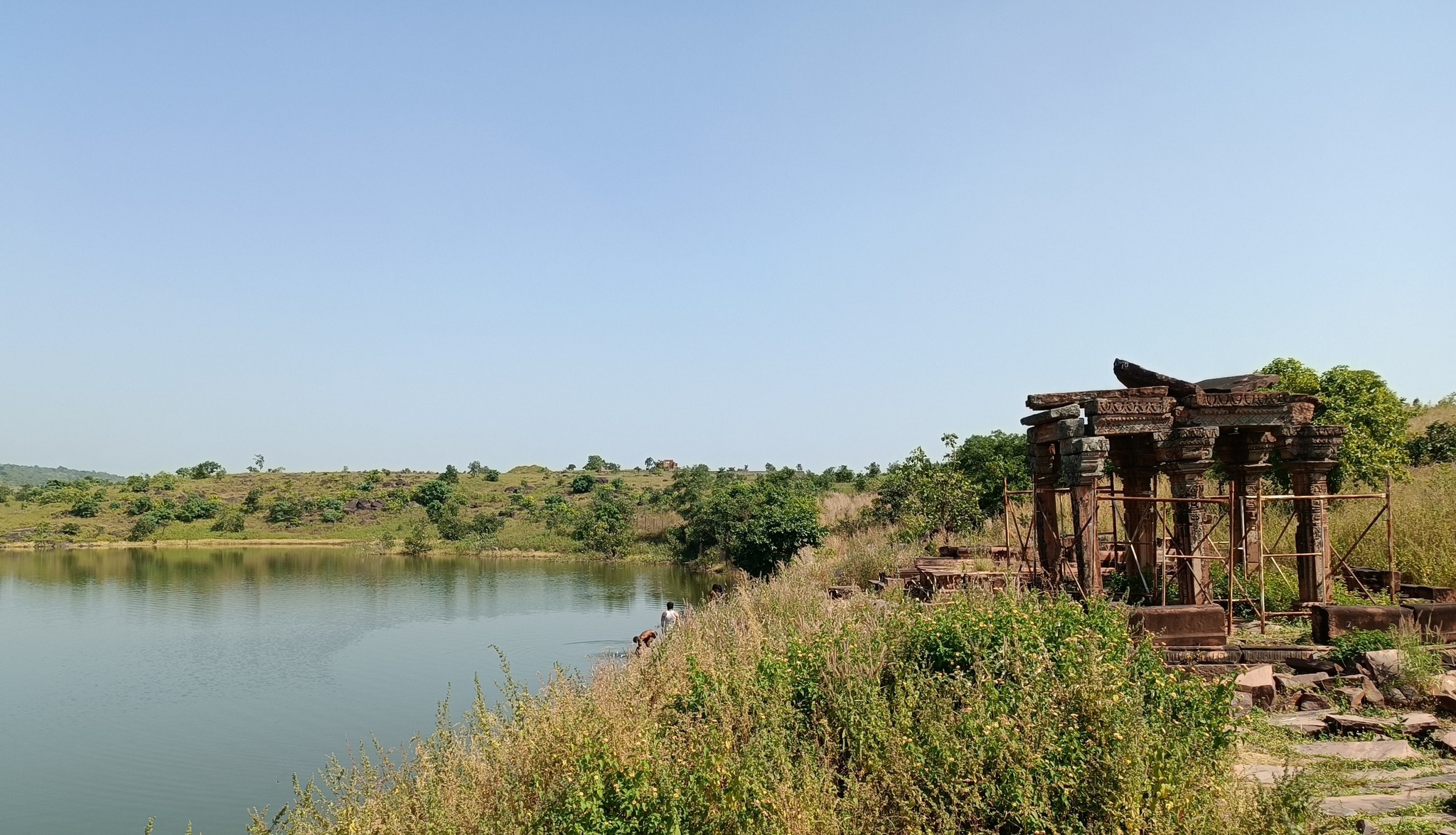
Ashapuri group of temples

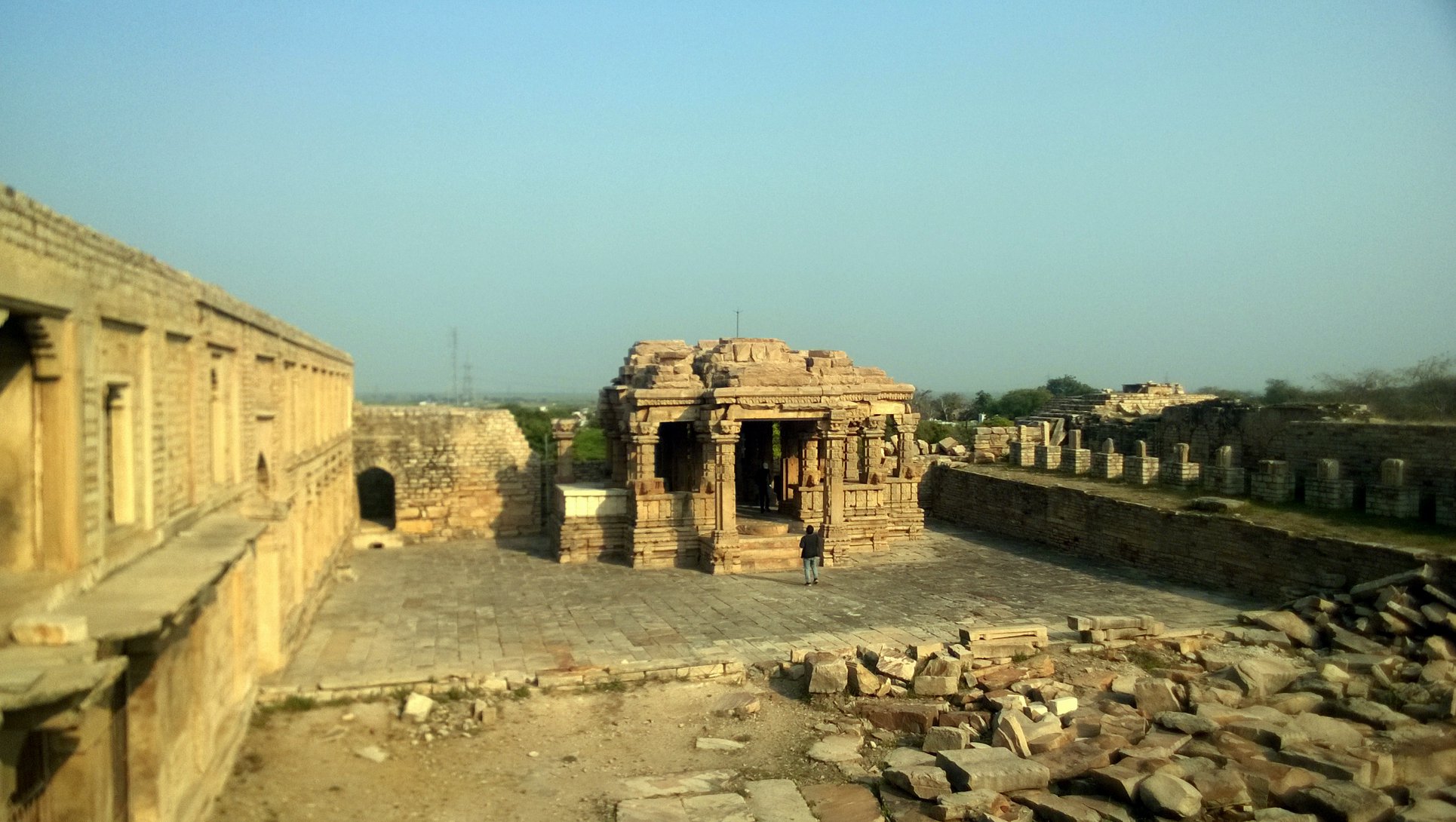
A group of 26 temples, currently in ruins, not very far away from the Bhojeswar temple. They were probably built under the patronage of the Pratiharas and the Parmaras. Their location on the shore of a lake points towards a luxurious setting during its prime, although the site itself would have been of ritualistic purpose.
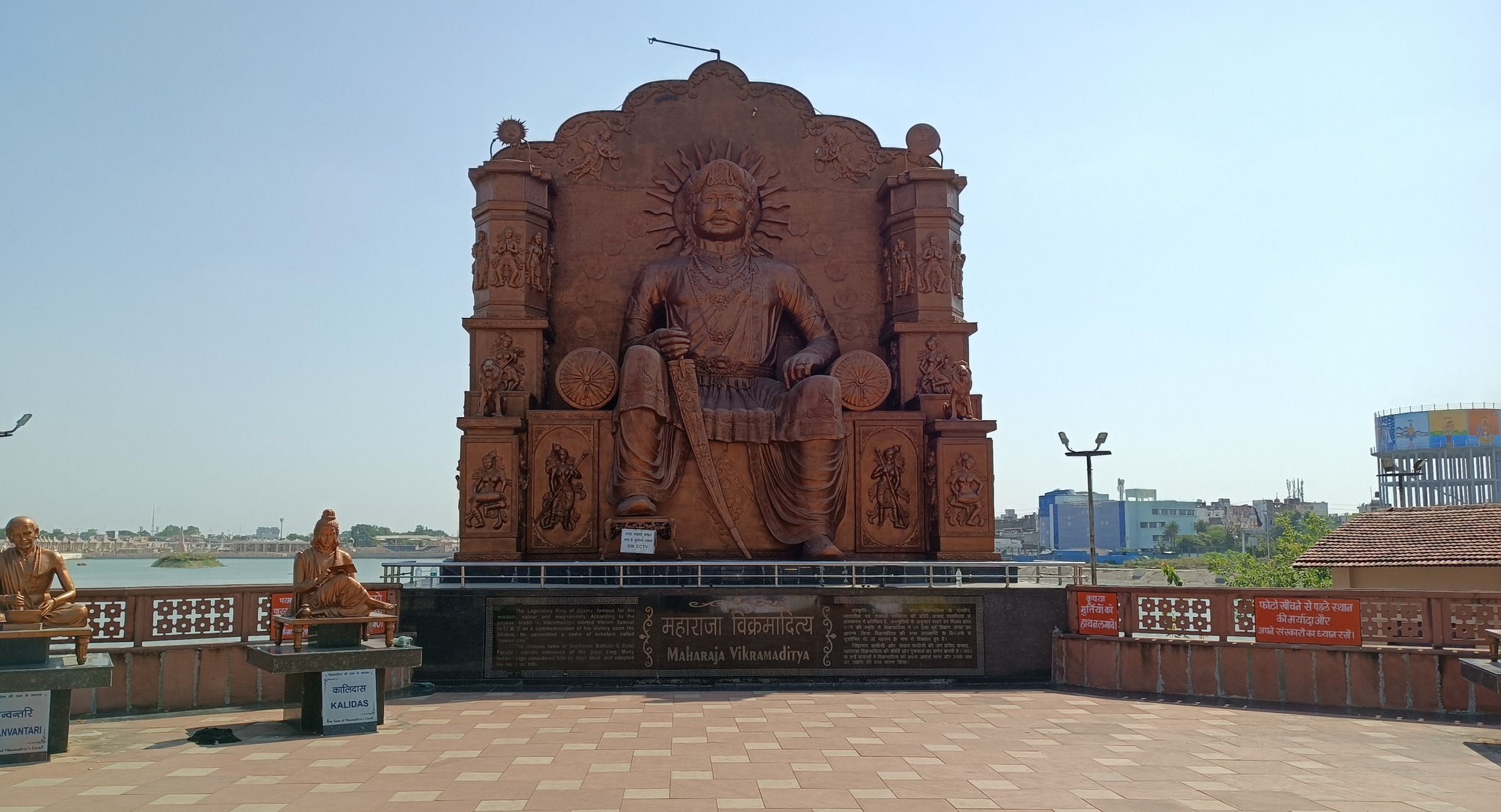
Ujjain

Home to the Mahakaleswar jyotilinga (one of the 12 jyotirlingas), a city of antiquity, capital of the Avanti kingdom, one of the Great Realms of ancient India. Also associated with the mythical King Vikramaditya, of Vikram & Betaal fame.
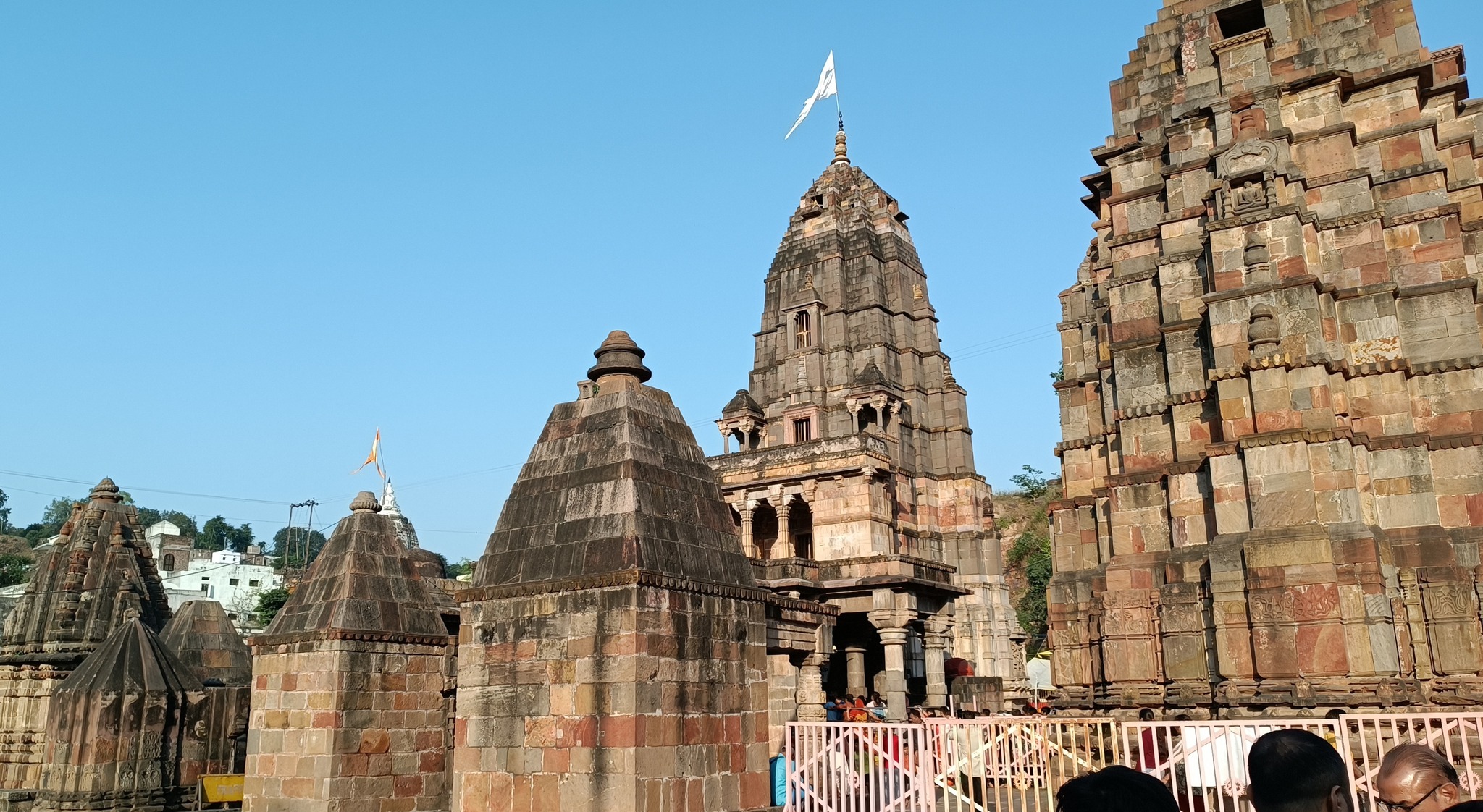
Omkareswar

The site of the other jyotirlnga in Madhya Pradesh, Home to the Omkareswar and Mamaleswar temples dedicated to Shiva, located on the Narmada river
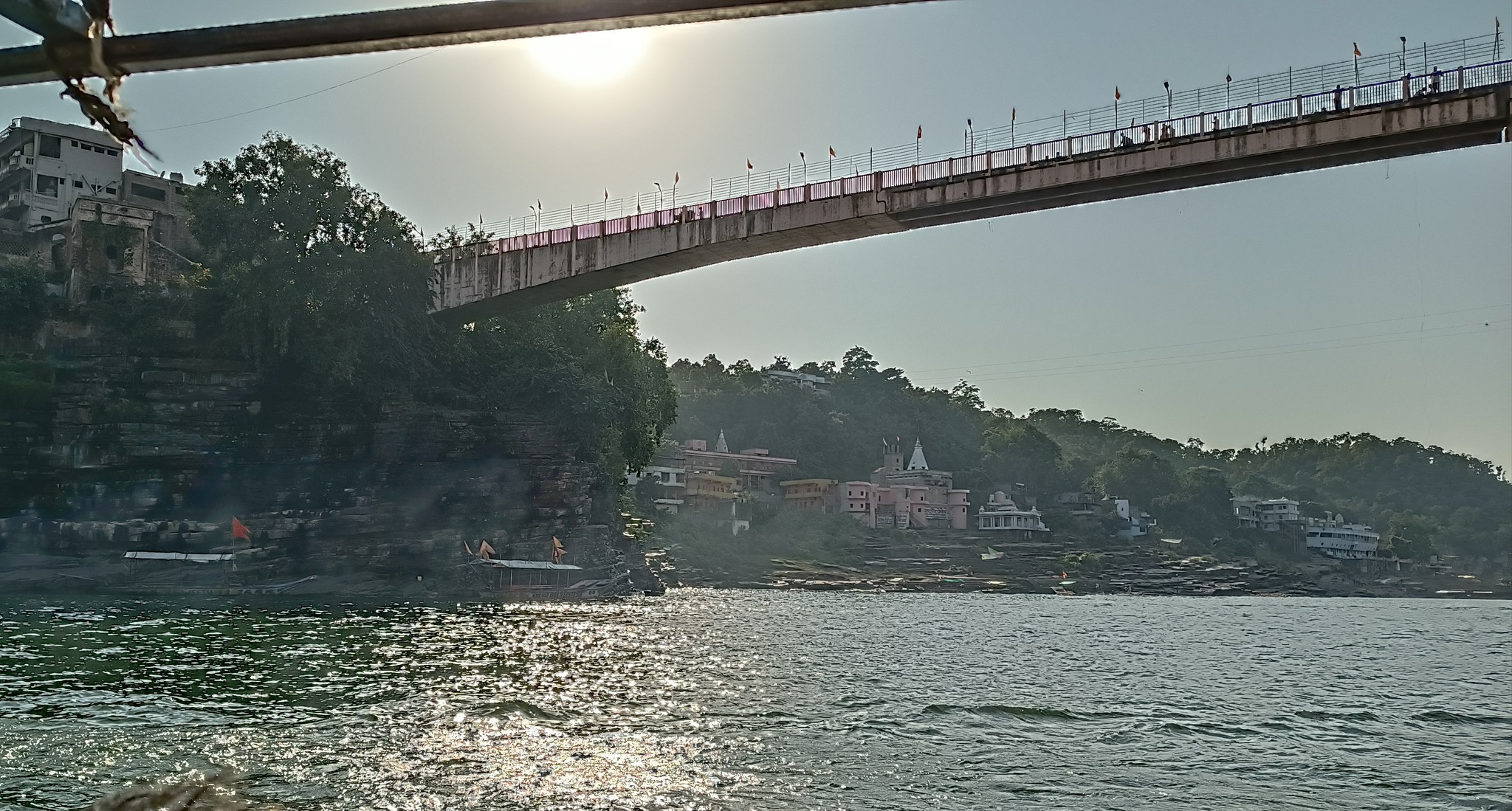
Khandwa

A small town in Madhya Pradesh, birthplace of the legendary Kishore Kumar

Gwalior

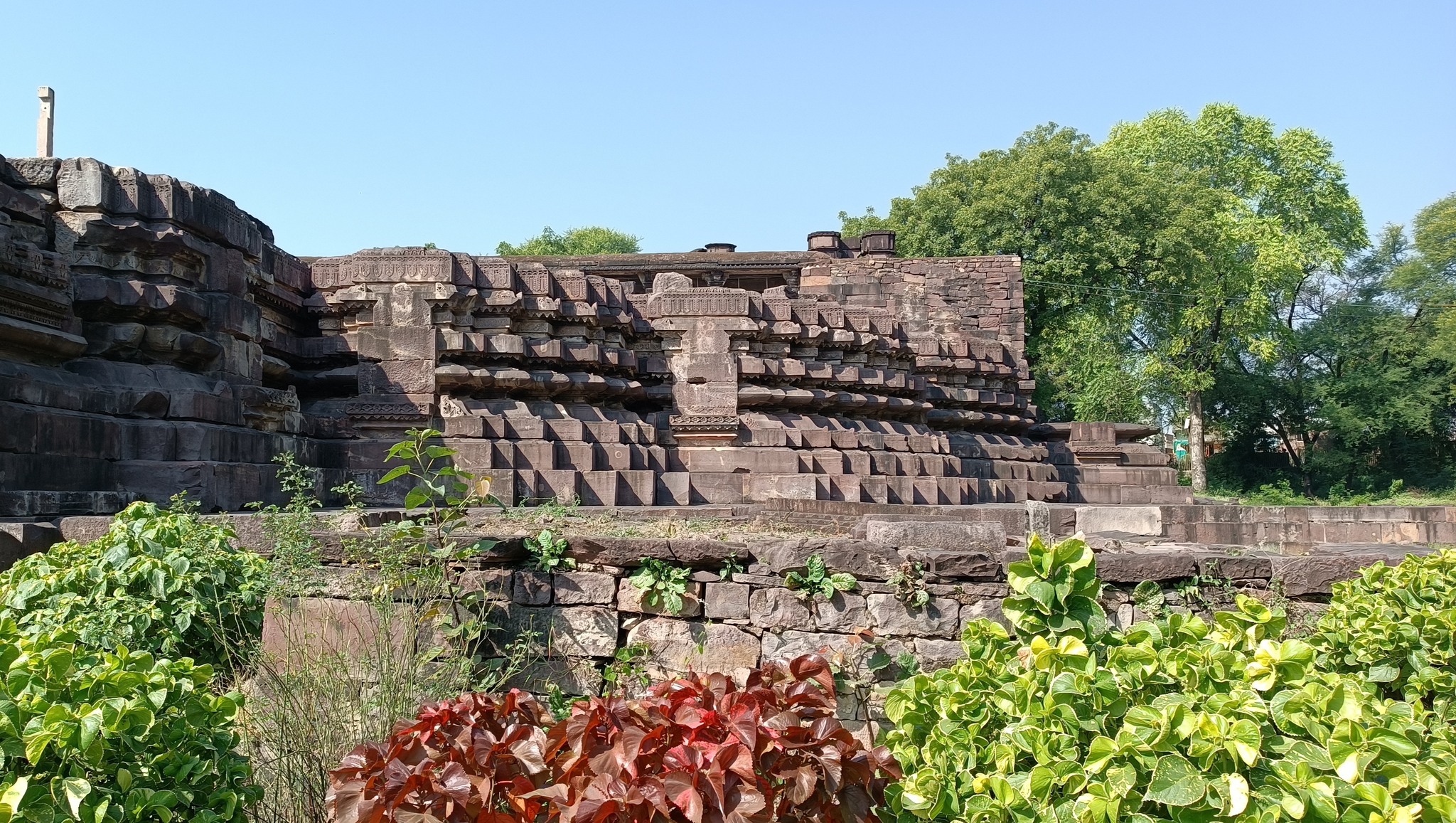
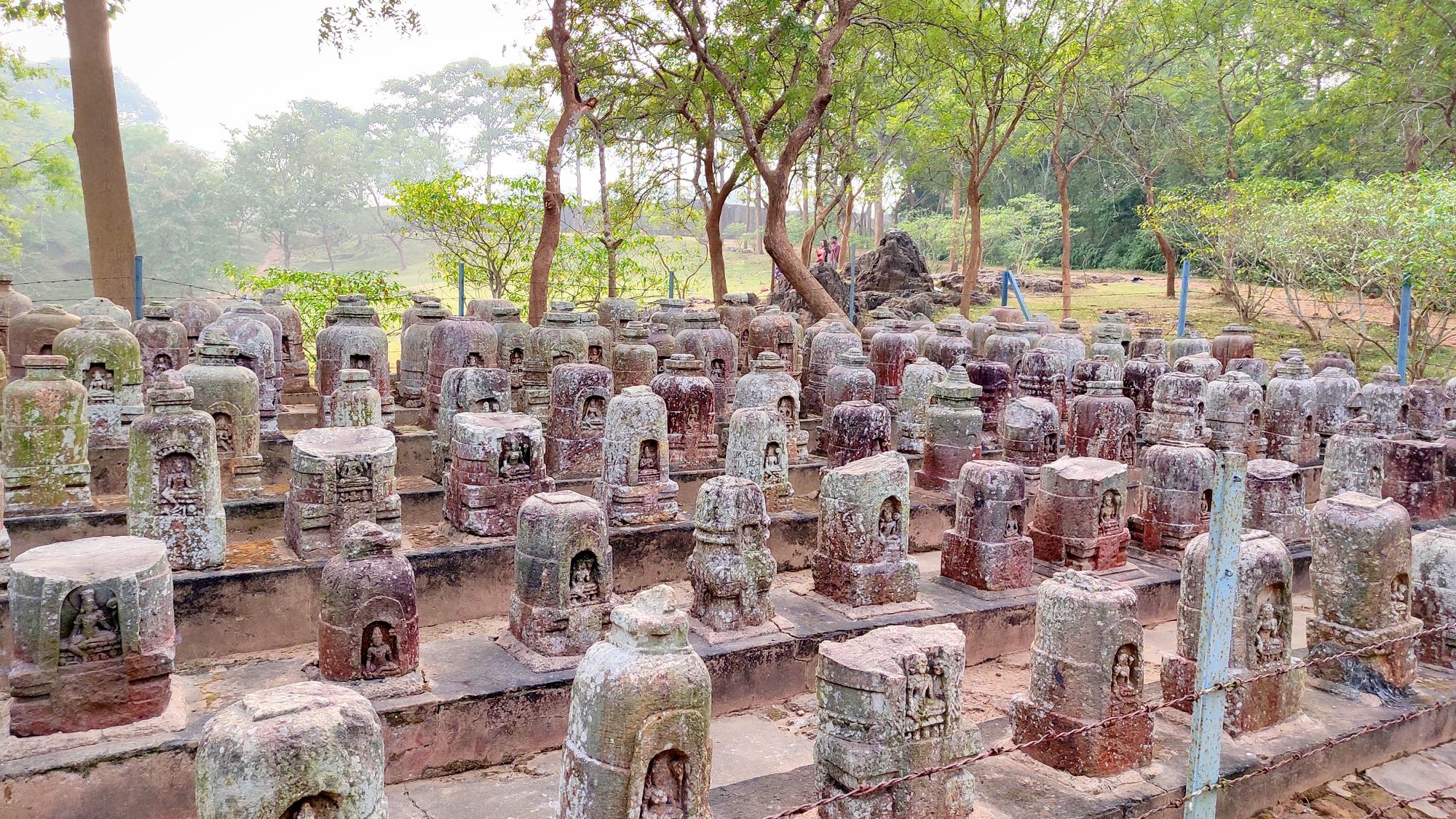
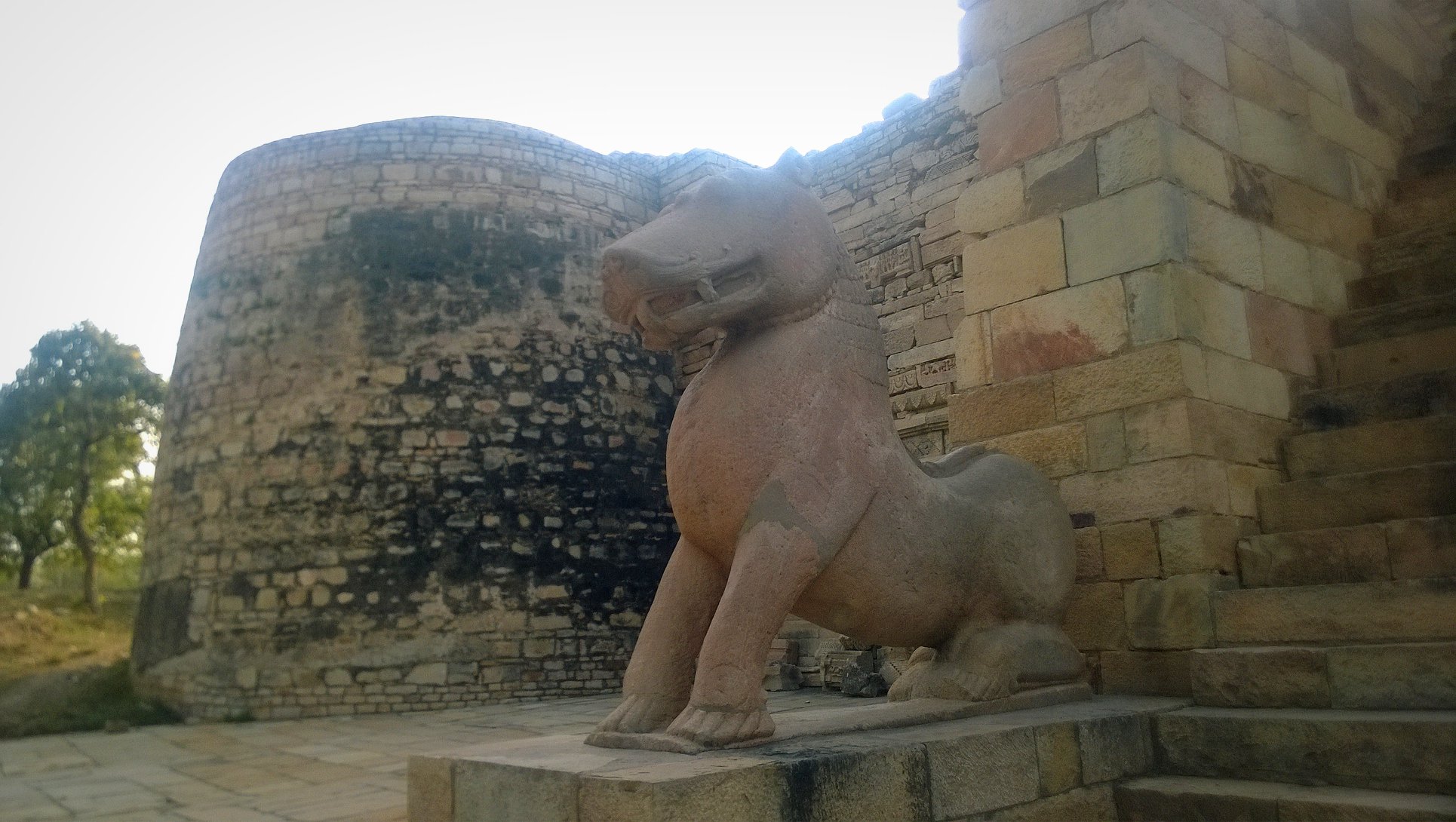
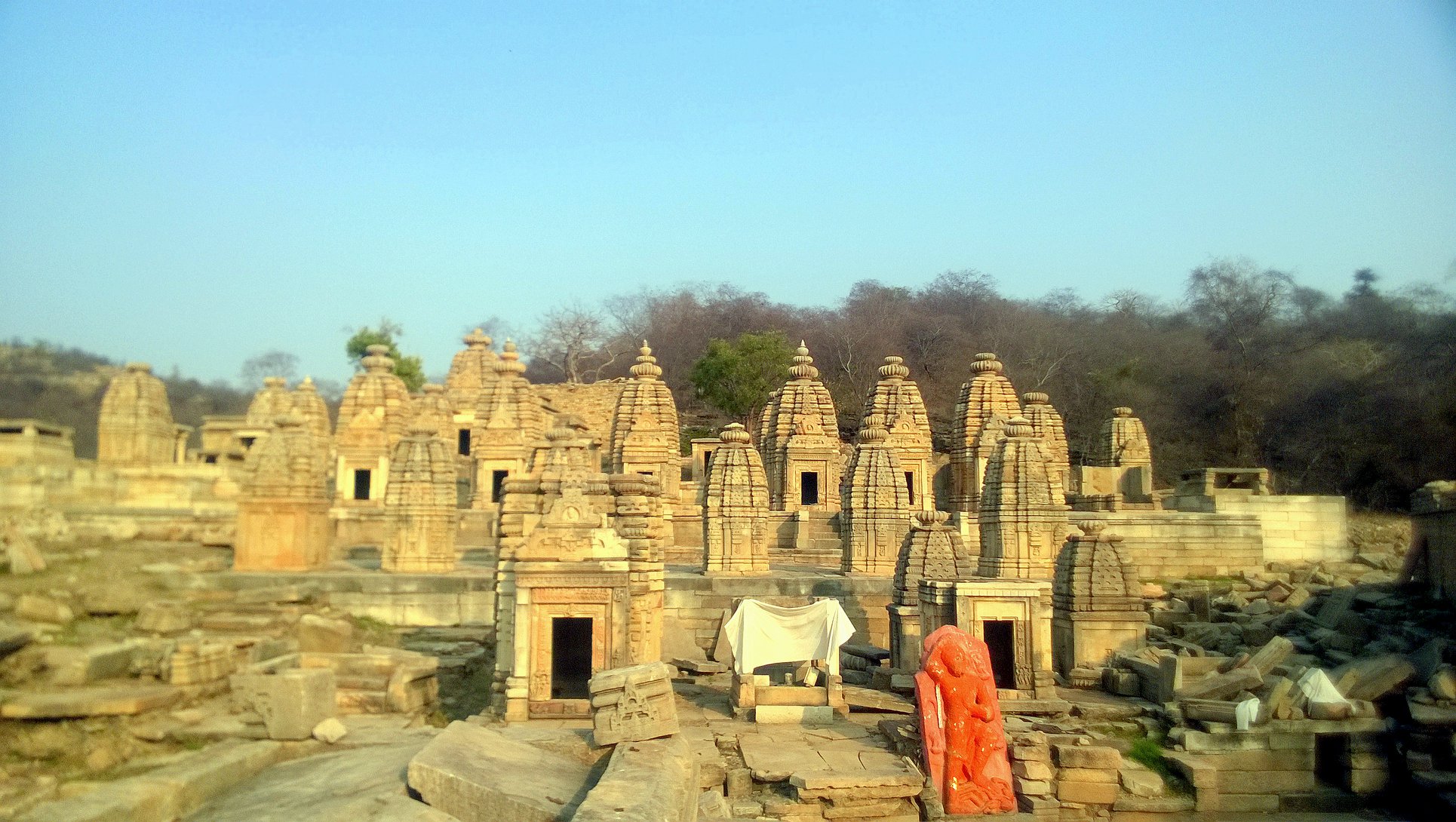
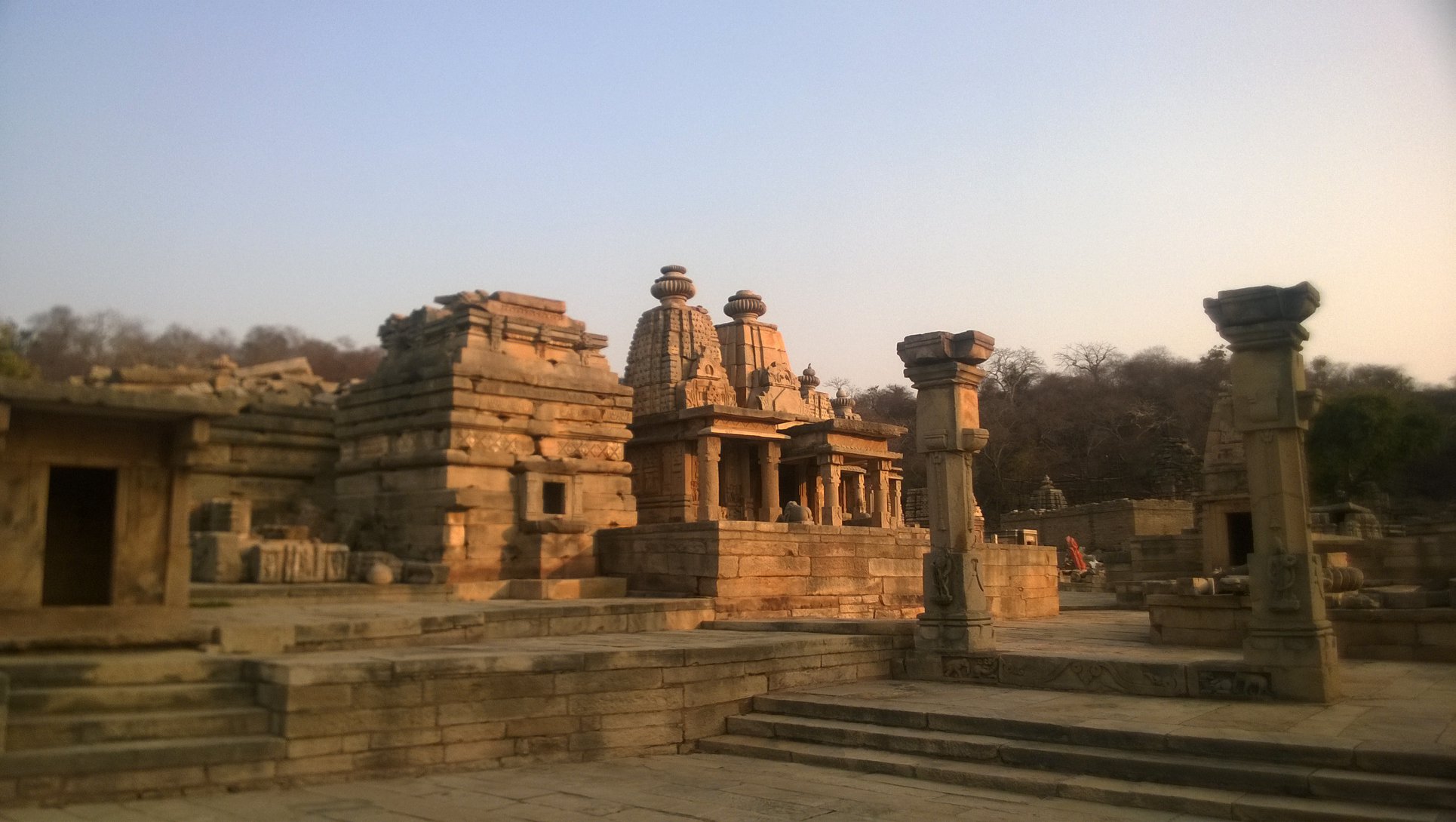
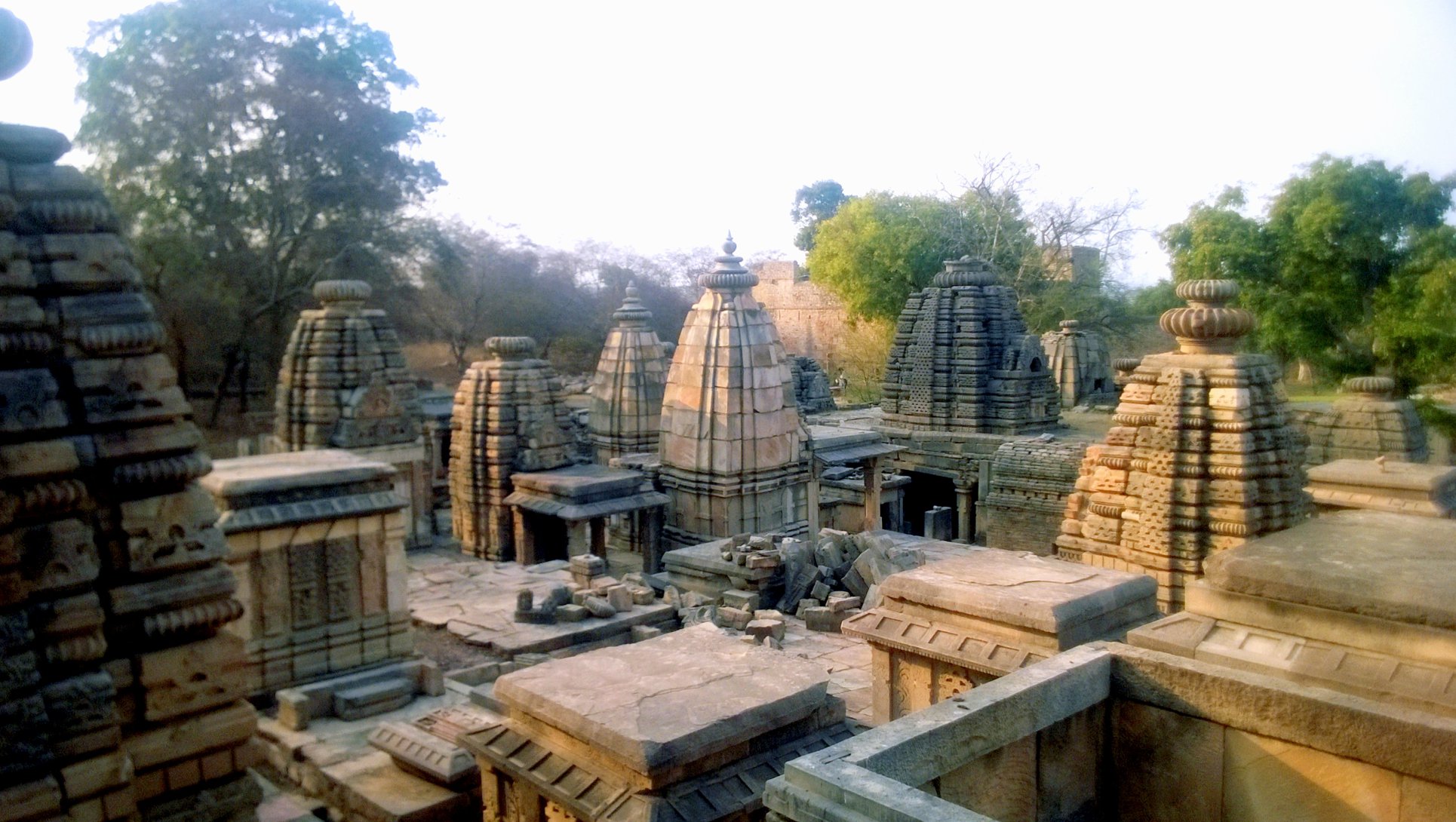
Bateswar group of temples, a complex containing more than 200 small and large Shiva temples, stacked in tiers., built between 8th to 12th century AD. The complex lies in the cove of a hill, with very little habitation around. The temple complex was restored by the ASI with the help of dacoits.
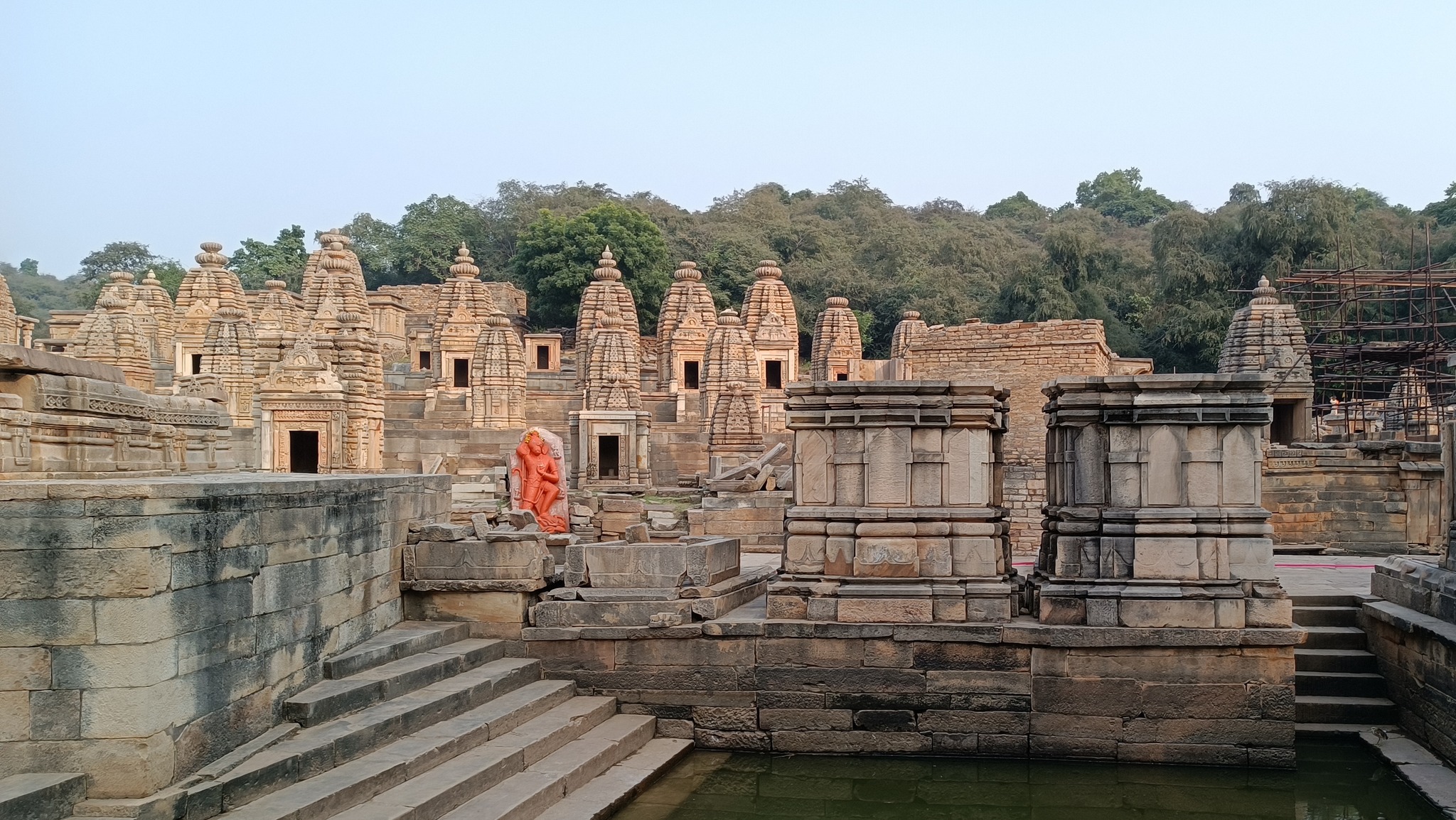
Read my account of a previous trip to Bateswar here: https://thetimbertrawler.com/2019/03/15/in-search-of-the-treasures-of-bundelkhand-chanderi-deogarh-morena/

Glimpse of the trip
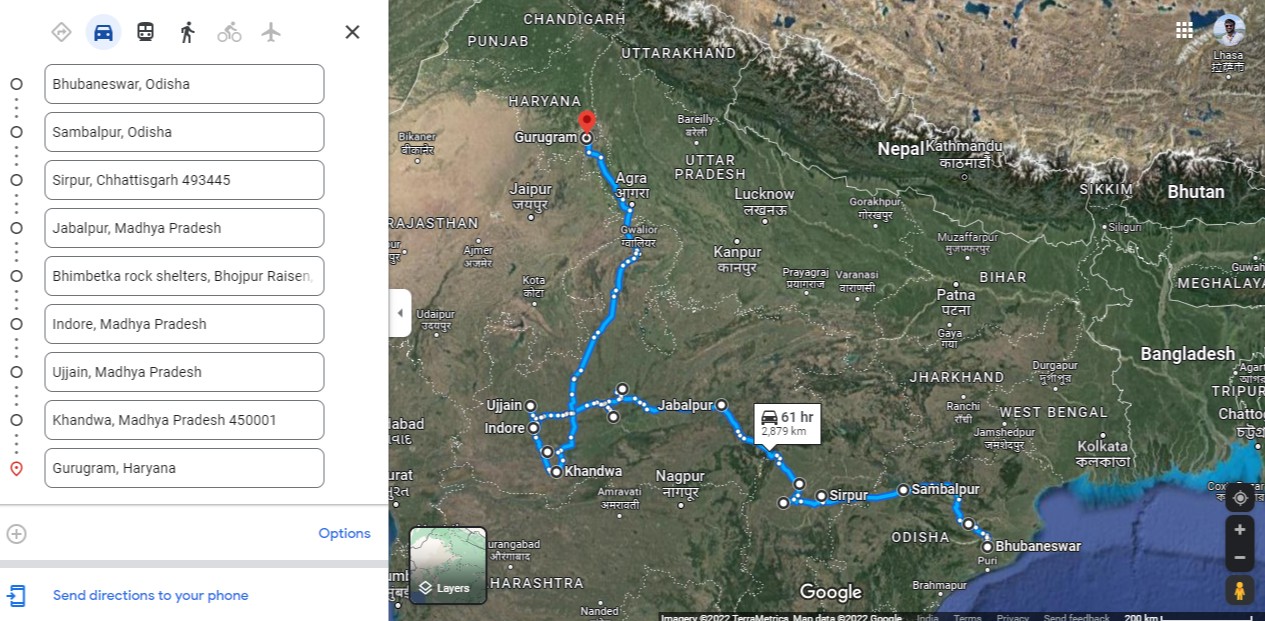
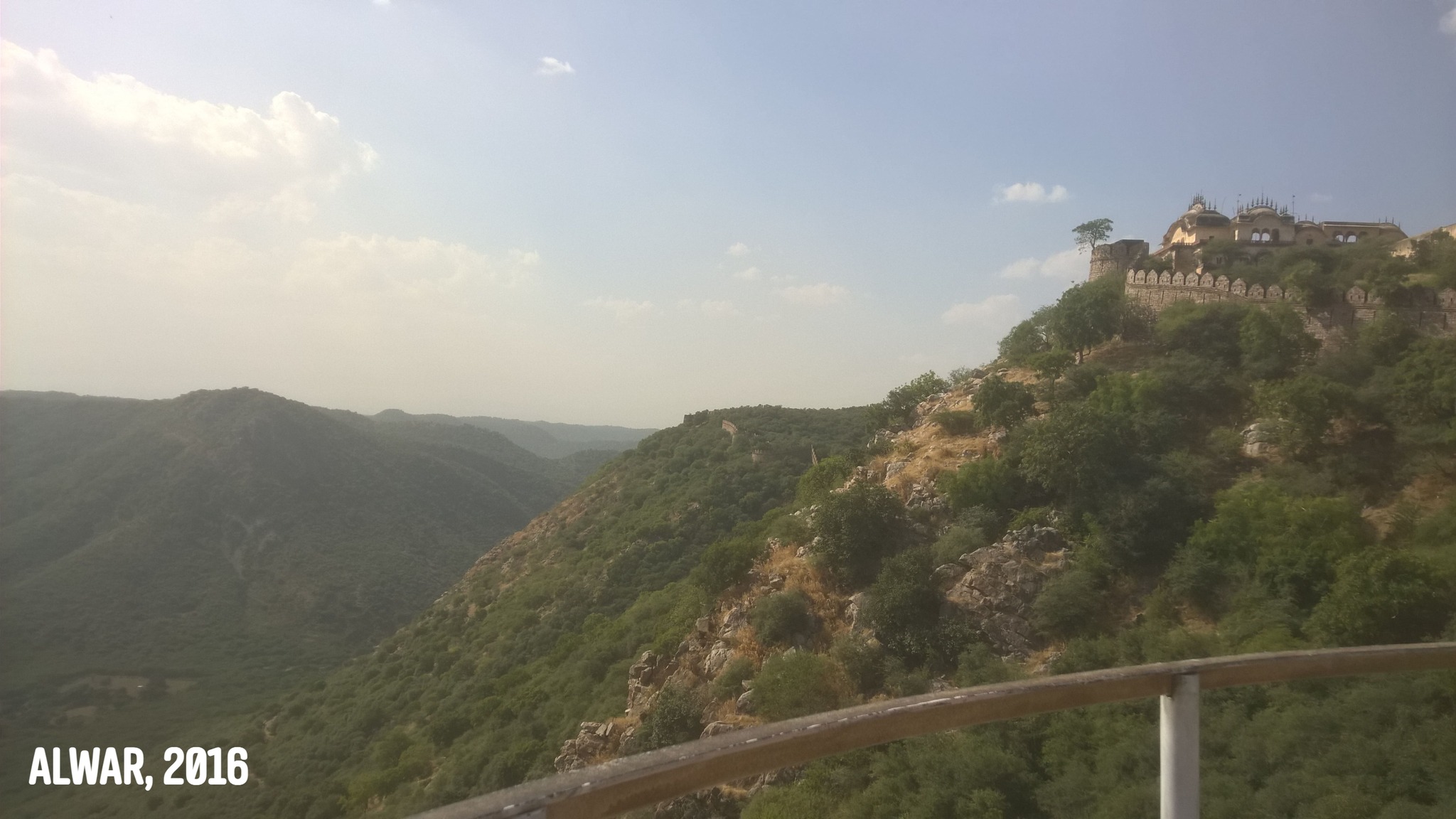
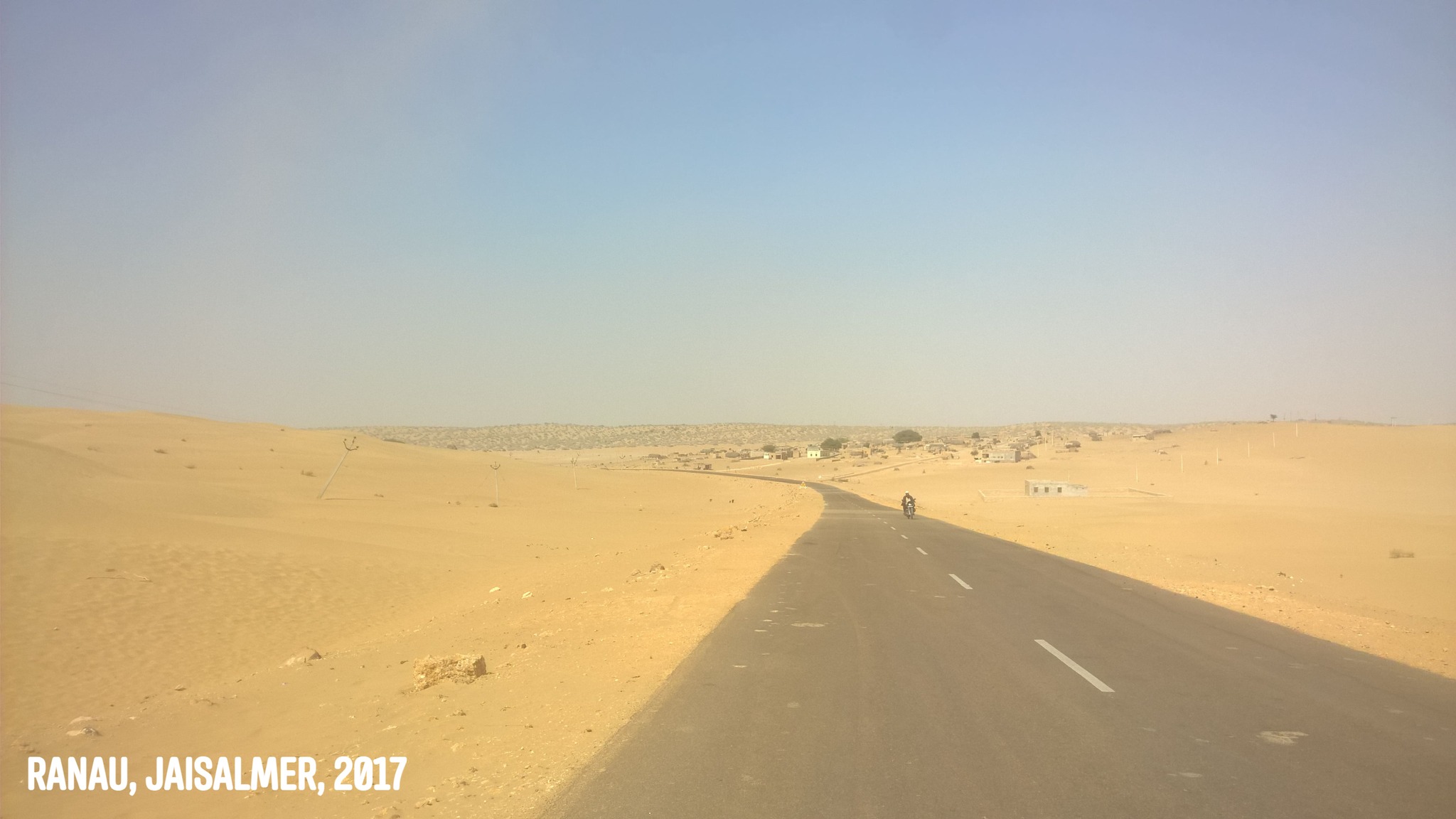
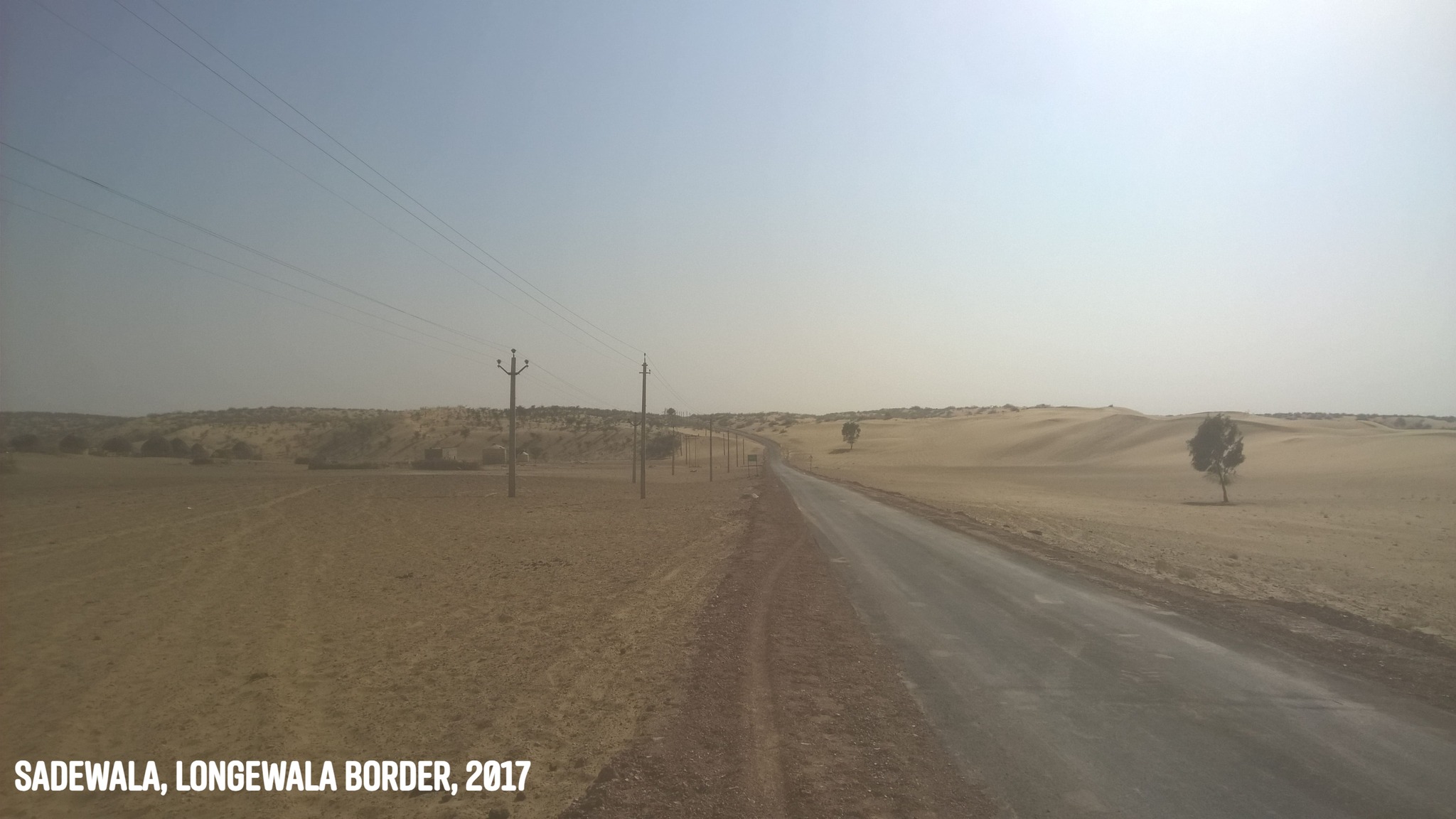
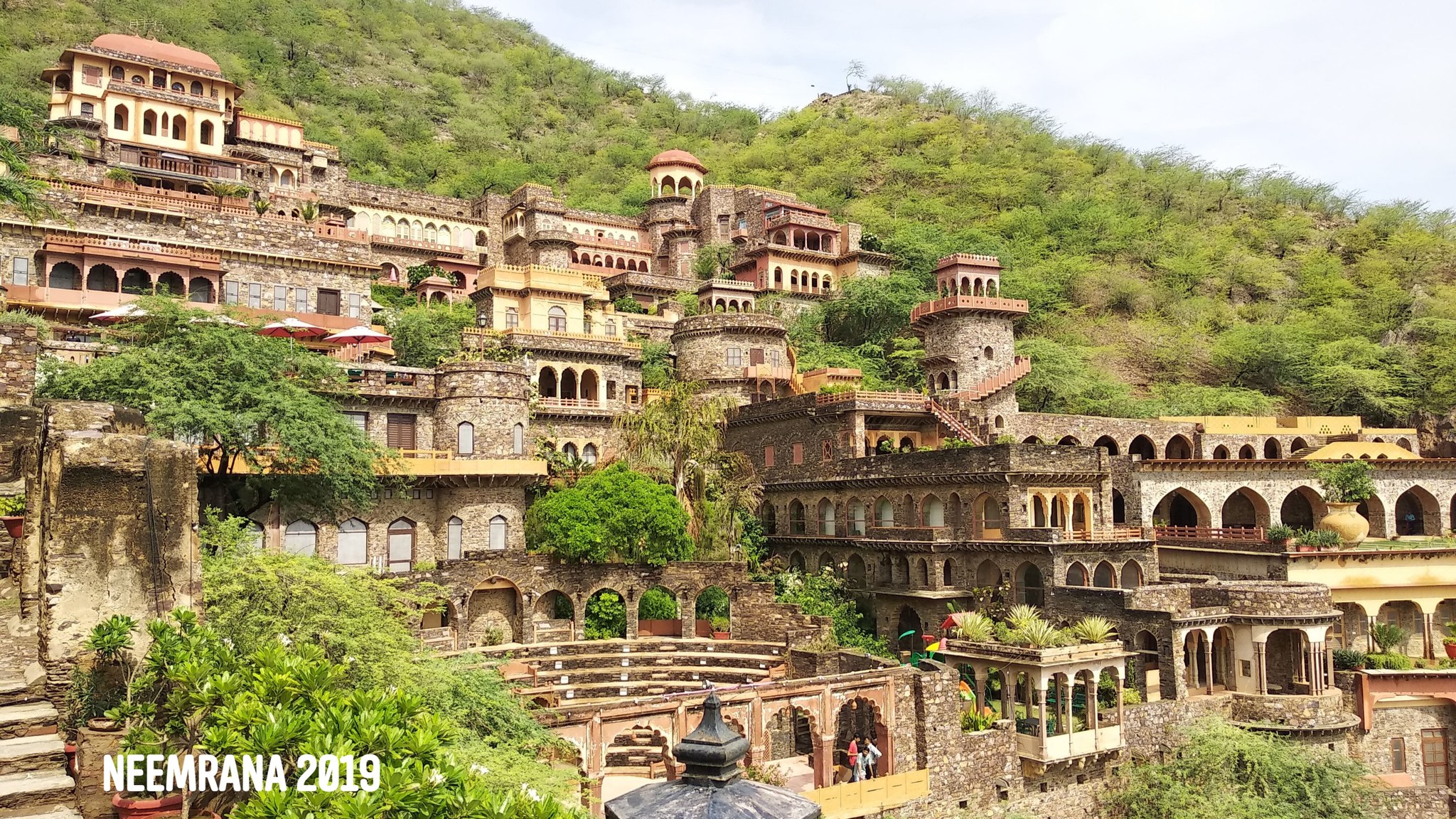
A Decade of Exploring Rajasthan: Jaipur 2012 AD to Jaipur 2022 AD

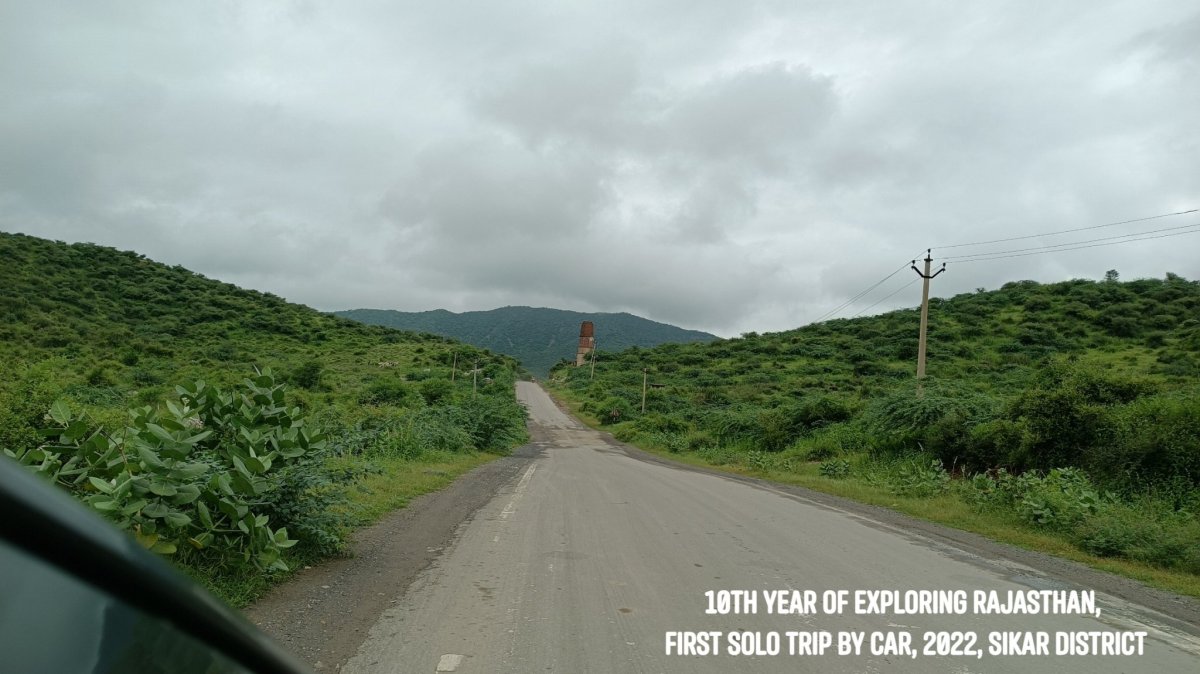
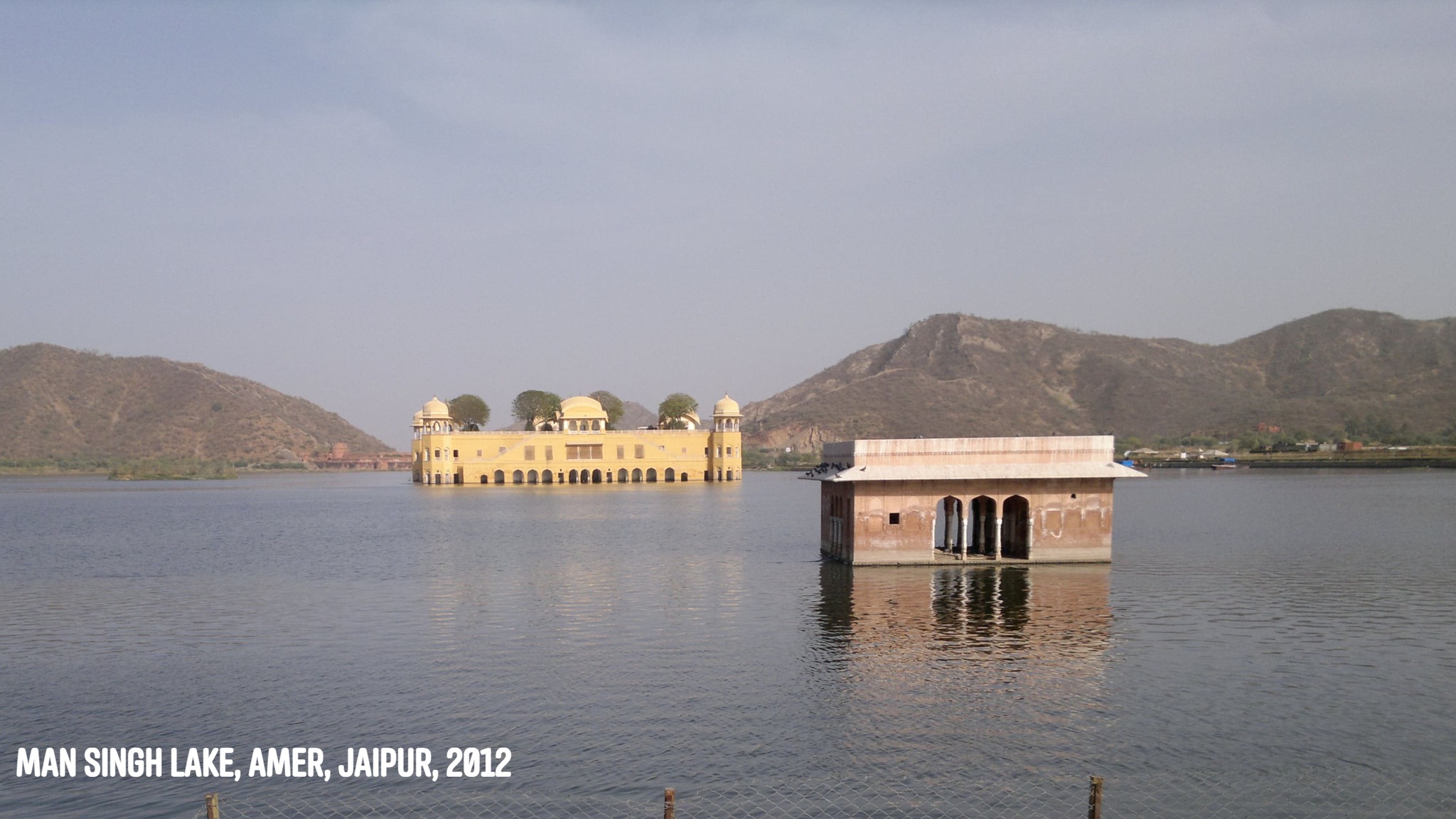
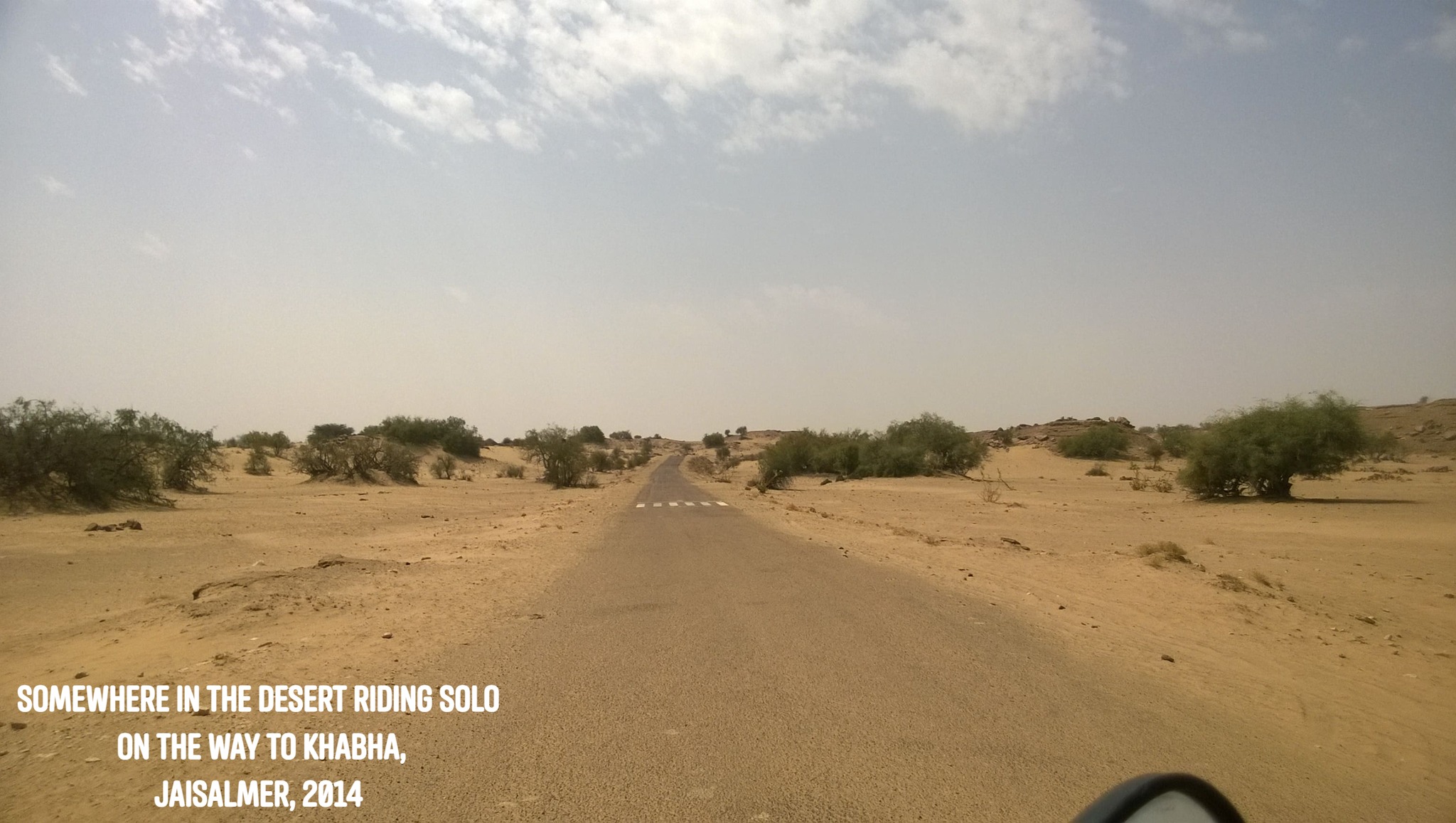
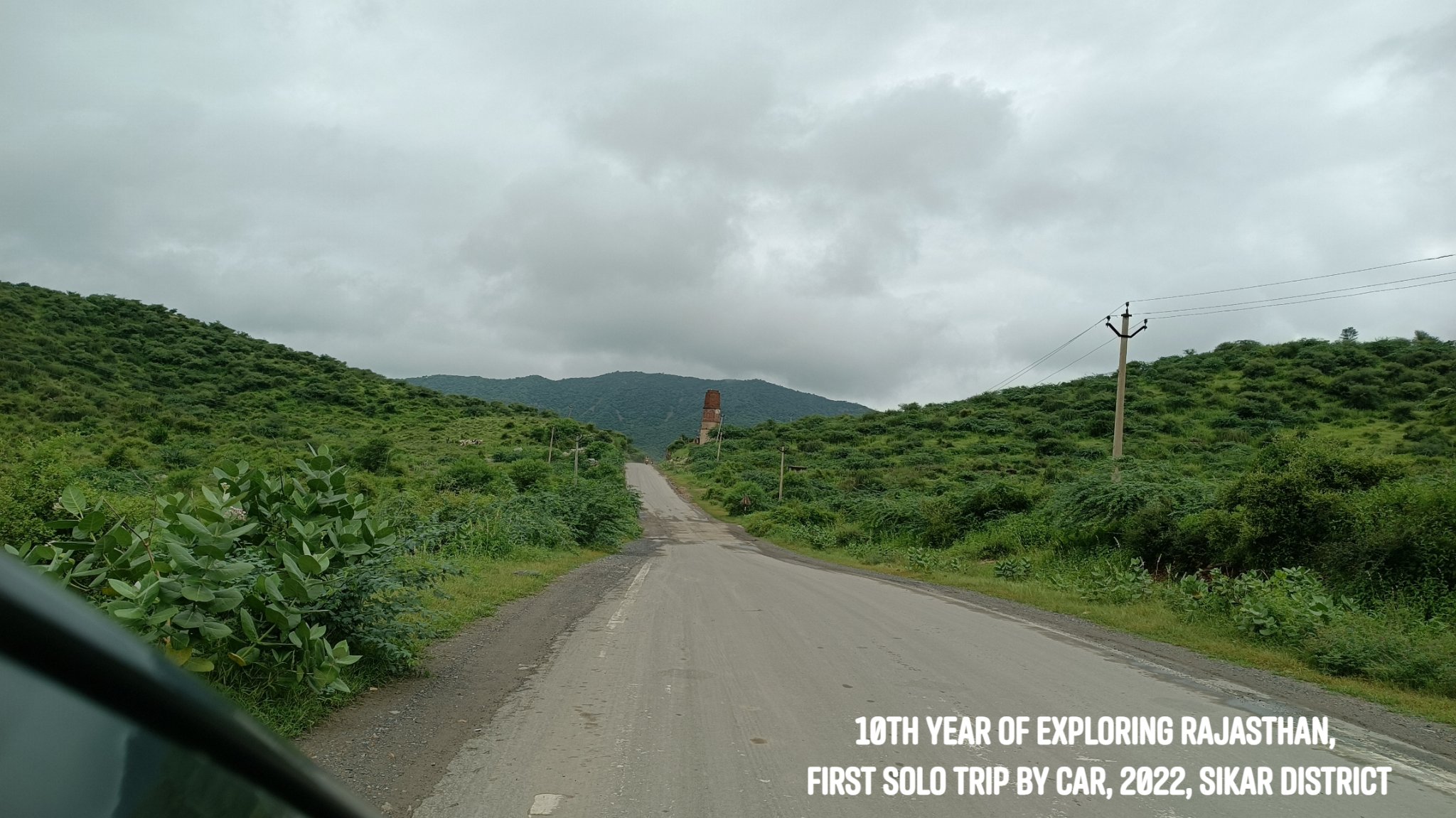
In April 2012, my first ever trip to Rajasthan was solo – by public transport, with the destination being Jaipur. In August 2022, I rounded off a decade of exploring Rajasthan by reprising the solo trip to Jaipur – only this time it was by driving on my own. A 700km self-driven solo adventure!

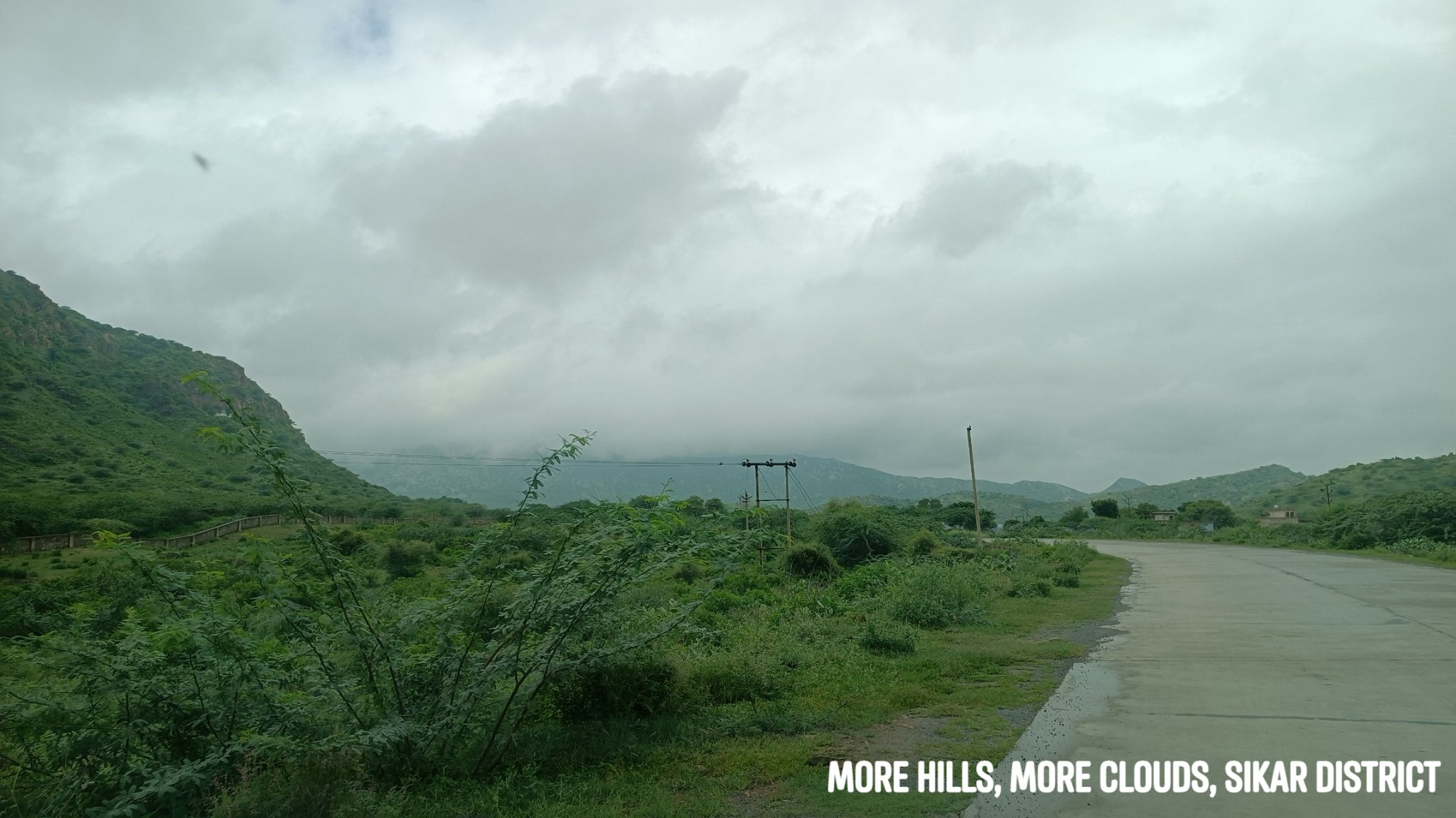
As always, it is rarely about the destination – and so off I went wandering through roads I had not trodden before, exploring a bit of the Aravallis in the Shekhawati region, while the sun and rain played hide and seek, and folds of hills lay in the distance in front and around me, their peaks crowned with fluffs of cloud.

I plead guilty to the charge of scooting off to Rajasthan every chance I get, even at the risk of inviting ridicule. ‘Why don’t you try out some other place this time – why not Himachal, Uttarakhand, UP?’, I have been asked. I say, some people love the mountains, some the beaches – as for me, I yearn most for the desert, the Aravallis, the forts…

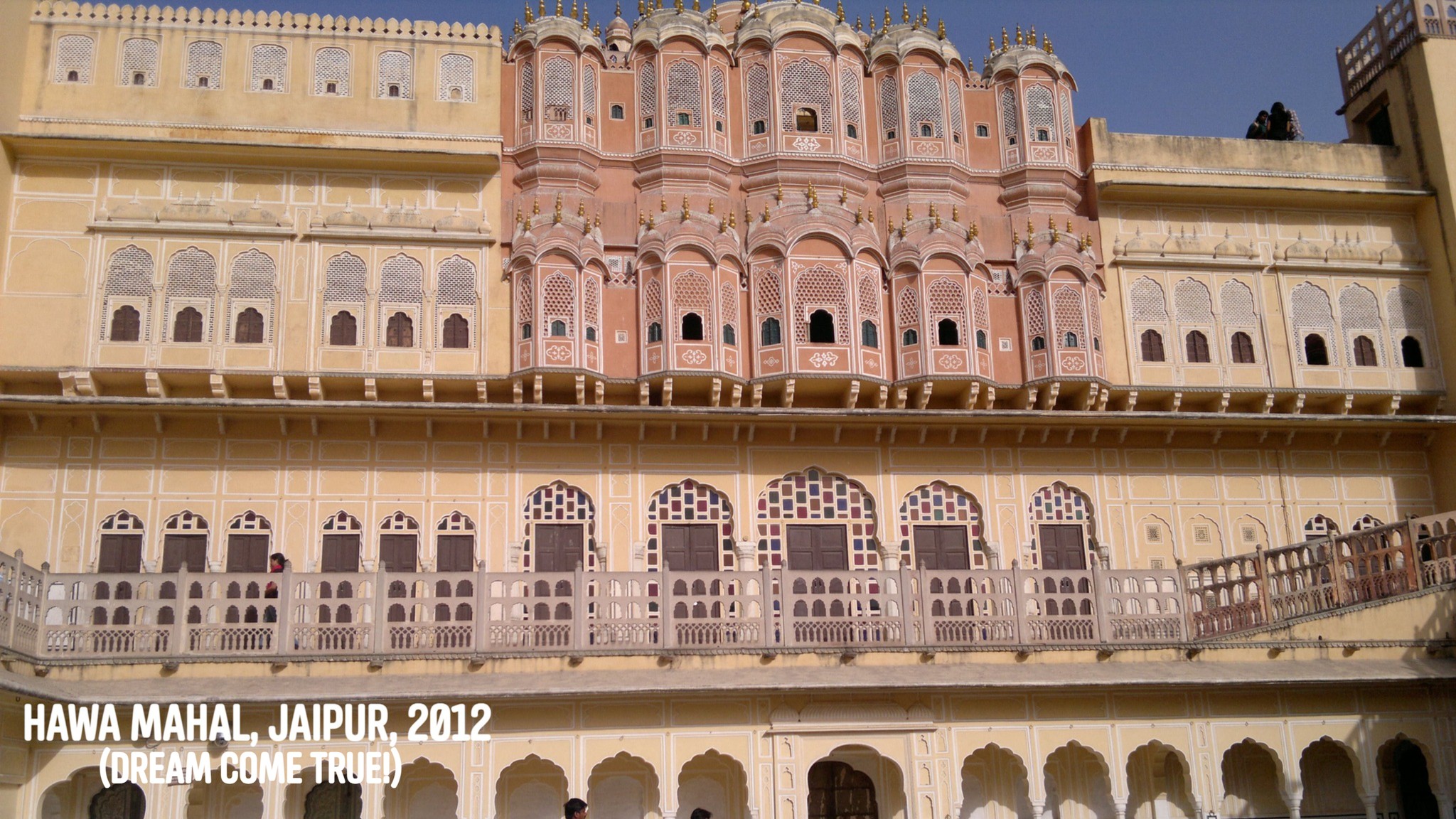
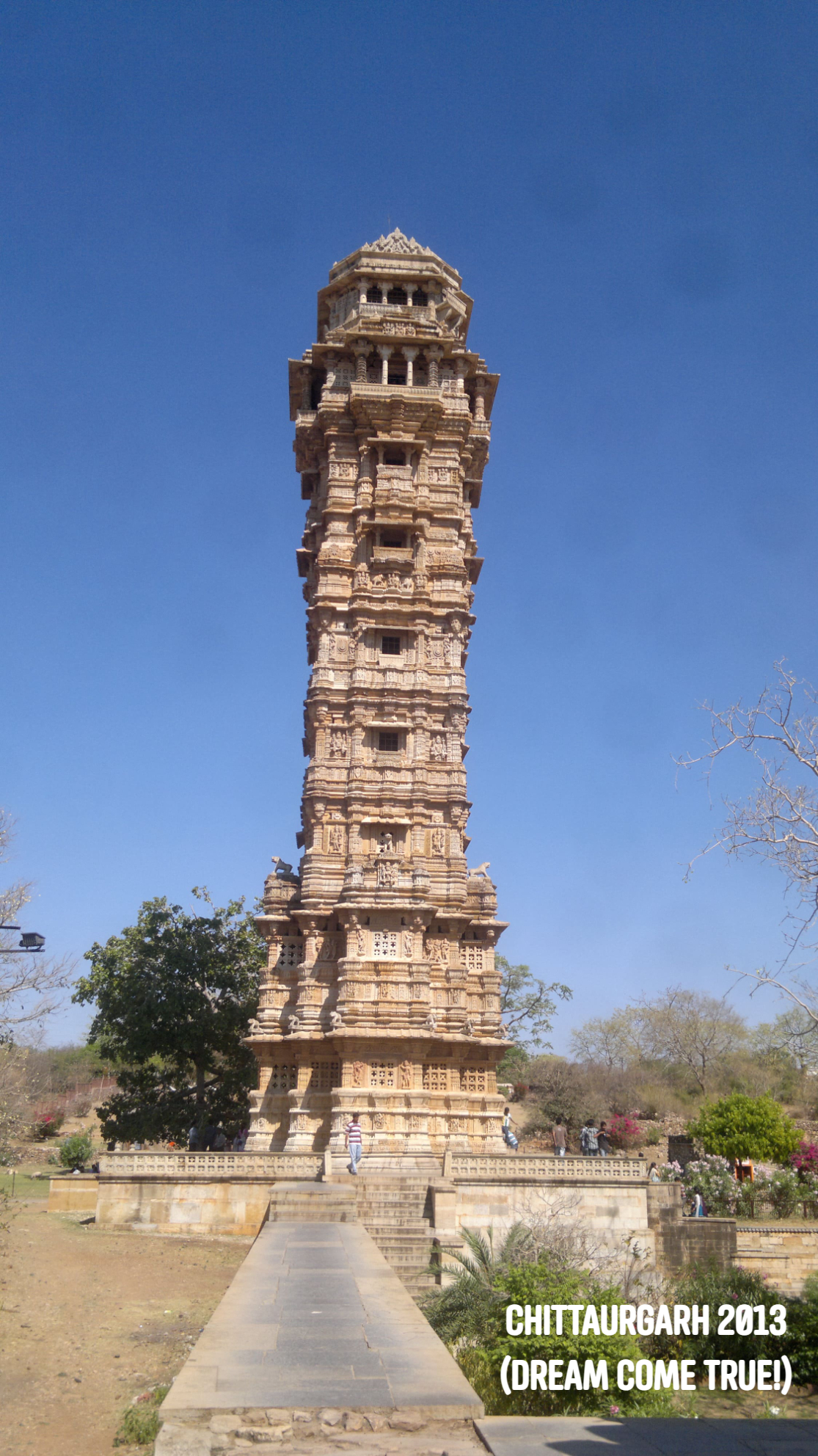
Growing up in Odisha, I had had a fascination with Rajasthan long since I could remember. In Grade 4 – the black-&-white picture of the Hawa Mahal in a textbook, and the mention of the Thar around Bikaner and Jaisalmer, images of the Vijay Stambh at Chittorgarh and the Dilwara temples at Mount Abu were imprinted in my head. A General Knowledge book addressed Jaipur as the Pink City, and Jodhpur as the Blue City. I always wondered looking at those black-and-white pictures how the cities might look like in real life in their famed hues.

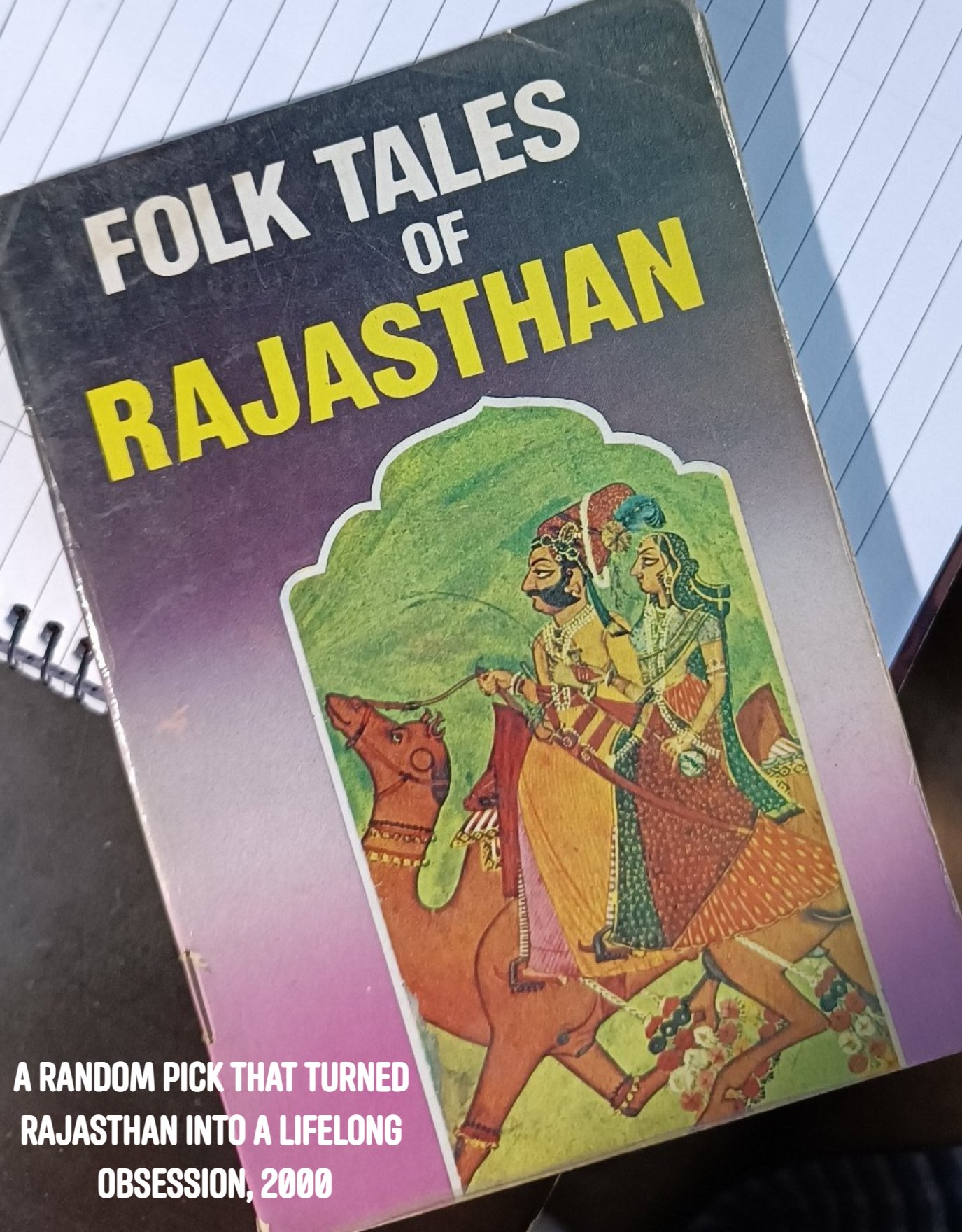
Some years later as we were embarking on a train journey, Dad let me pick up a thin paperback from the book stall on the railway station- it was called ‘Folk Tales of Rajasthan’. While on that train, in my mind, Rajasthan turned into a place of magic, of kings, bards & princesses, of Pabuji, star-crossed lovers & clever thieves, of camels & shifting sands…I was enamoured.

Rajasthan was always just too far away though, and little did I know I would later land up at the gateway to it – Delhi. Little did I know as time progressed, I would reside at a place, on the outskirts of Gurgaon, where I could simply lug a backpack on my back and in half an hour, be inside Rajasthan. Little did I know I would once also drive solo to Rajasthan…

***

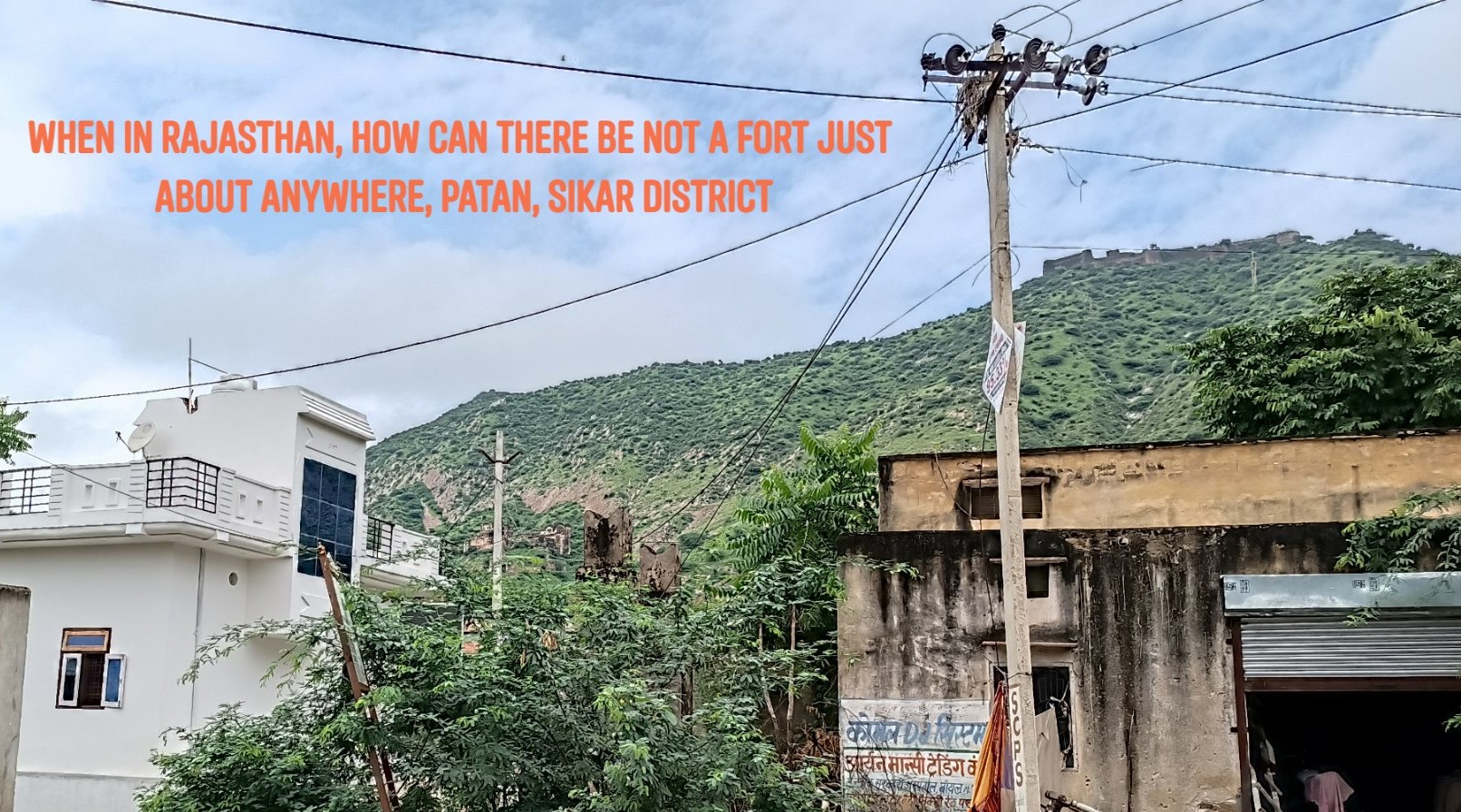
On this trip, instead of driving directly to Jaipur from Gurgaon, I took a detour midway, towards the north and drove through some of the most exotic sounding places – Kotputli, Neem ka Thana, Udaipurwati.

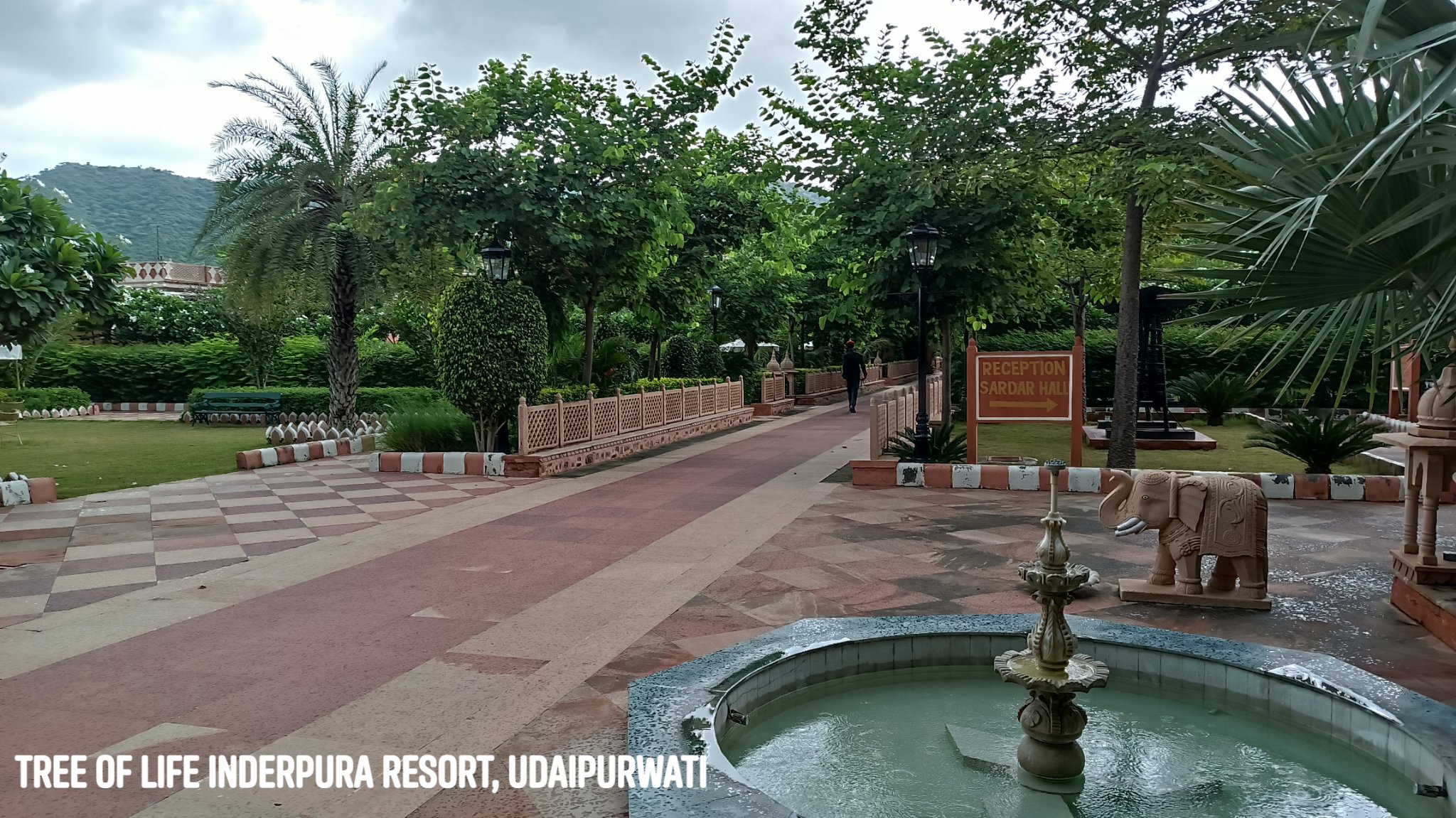
Udaipurwati

A quaint little town nestled within a gap in the Aravallis, is home to an excellent resort called The Tree of Life Inderpura.

Lohargal

Near Udaipurwati, within a crevice in the hills is a holy spot with a natural spring feeding a bathing tank and ancient Sun Temple. According to myth, weapons and armour of a Pandava army that camped here after their victory, dissolved in the water, giving the place its name: Loha (Iron)+Gal (To melt).

From thereon in Jaipur, I visited a couple of places that I had not seen before, both nestled in the Aravallis.

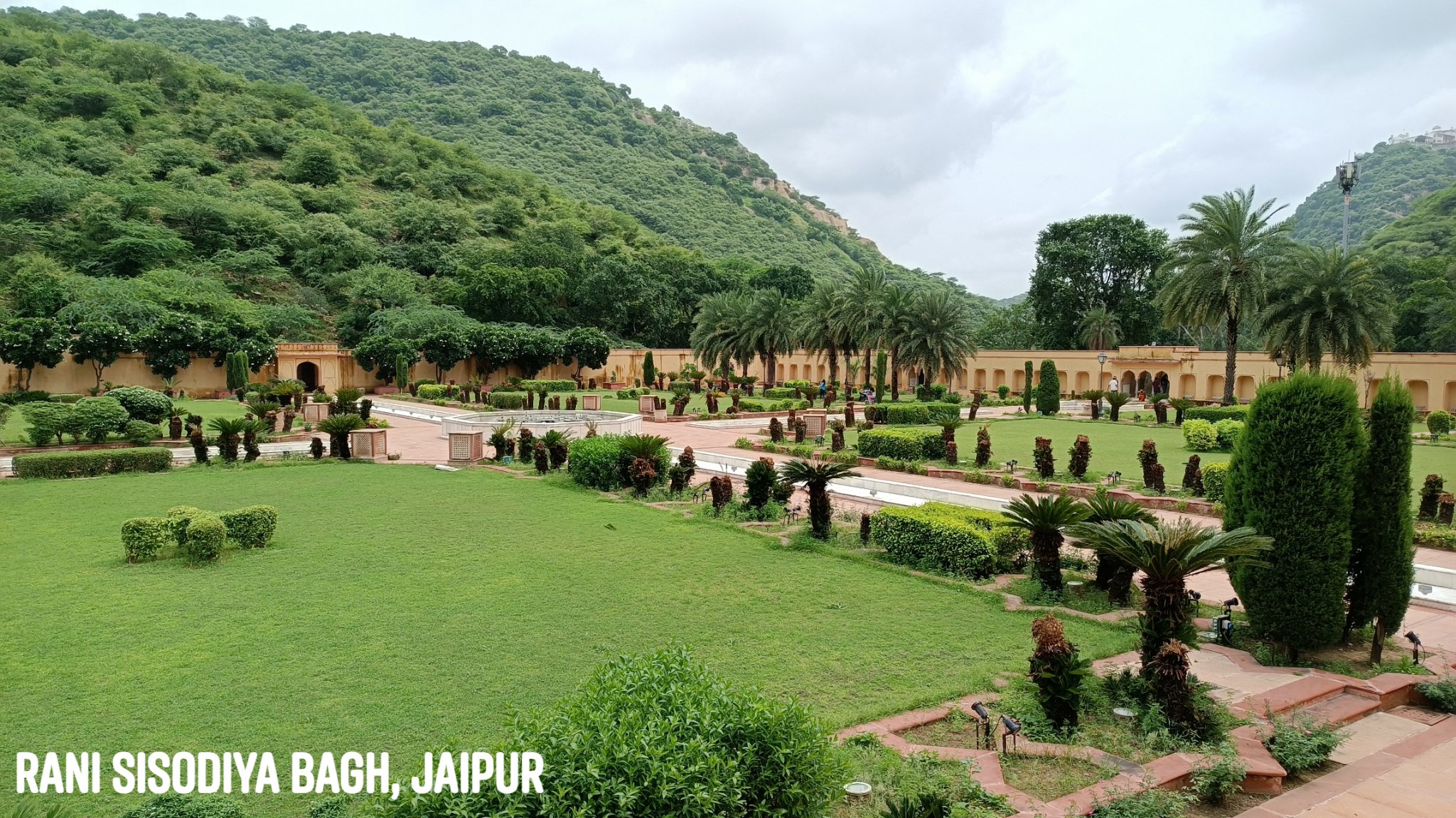
Rani Sisodiya Bagh

A hidden gem of a garden built by Sawai Jai Singh II for a princess of Udaipur, who agreed to marry him only on the condition that she be made the main queen of Jaipur.

Galta Ji

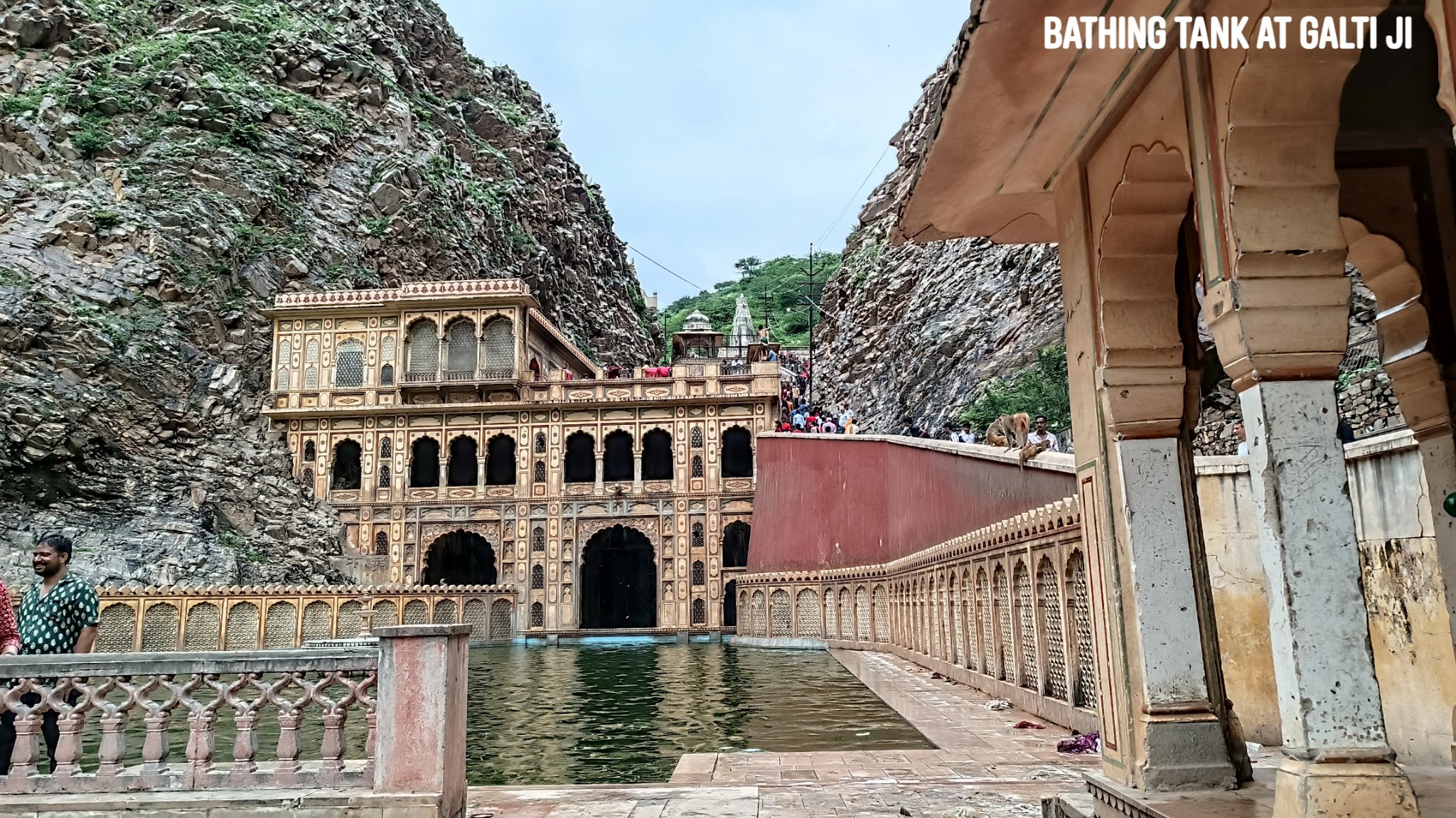
Home to a bathing tank fed by a perennial spring and a temple dedicated to a hermit named Galta ji, along with temples dedicated to Krishna and Ram. At the peak of the hill is a 350 year old Sun temple, reached after a hike of about 1.5km. The first rays of the Sun reaching Jaipur apparently fall on the idol in the temple. Views from the hill are outstanding.

Trip Summary
Day 1:
Gurgaon to Udaipurwati via Neem-ka-Thana & Patan -250 km, 6 hours
Udaipurwati to Lohargal – 15km, 30 min
Lohargal to Jaipur via Udaipurwati & Reengus – 160km, 3 hours

Day 2:
Jaipur sightseeing of Rani Sisodiya Bagh and Galtaji – 25km, 2 hours
Jaipur to Gurgaon – 230km, 4 hours

Total – 670km

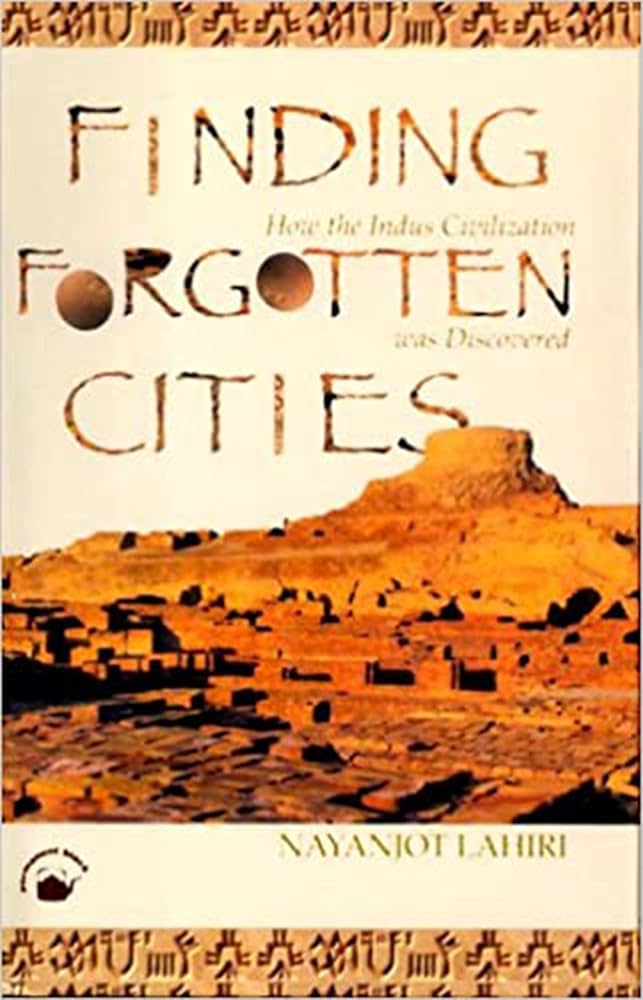
Book Review: Finding Forgotten Cities by Nayanjot Lahiri

Finding Forgotten Cities is an exhilarating account of how Harrapa and Mohenjo-Daro were discovered and findings were pieced together to advance the case for the Indus Civilization for the first time in 1924, with ample attention given to all the major characters that played an indispensable part in the story.

From this account, the Britishers that were at the forefront of the Archaeological Survey of India (ASI), especially John Marshall himself, the Director General of the ASI during the discovery and, in fact, for a good part of the first quarter of the 20th century, seem to emerge as unlikely heroes, but for whose love and passion for the antiquities of India, the beauty and significance of portals to India’s past may have been lost to the sands of time.

At times thrilling, and at times exuberant, the narrative unfolds like in a novel, with interesting detours into circumstances within which the ASI had to work. I just wished there were more details on some of the people besides Marshall and Rakhaldas Bannerji. Also, modern colour photographs would have helped paint a more vivid picture. Sometimes, the narrative while being pegged in a certain year went forwards and backwards too often, thereby causing me to lose the base year.

Nevertheless, being enamored with the Indus Civilization since my childhood, I finally had the opportunity to be transported back to a time where I could be a fly-on-the-wall even as the ancient cities I was fascinated with were getting uncovered.

Highly recommended for history lovers in general, and Indus Valley Civilization aficionados, in particular.

Buy Finding Forgotten Cities on Amazon India.

Disclosure: I first posted this review on Goodreads.

The Diamond Triangle of Odisha: Lalitgiri, Ratnagiri & Udaygiri

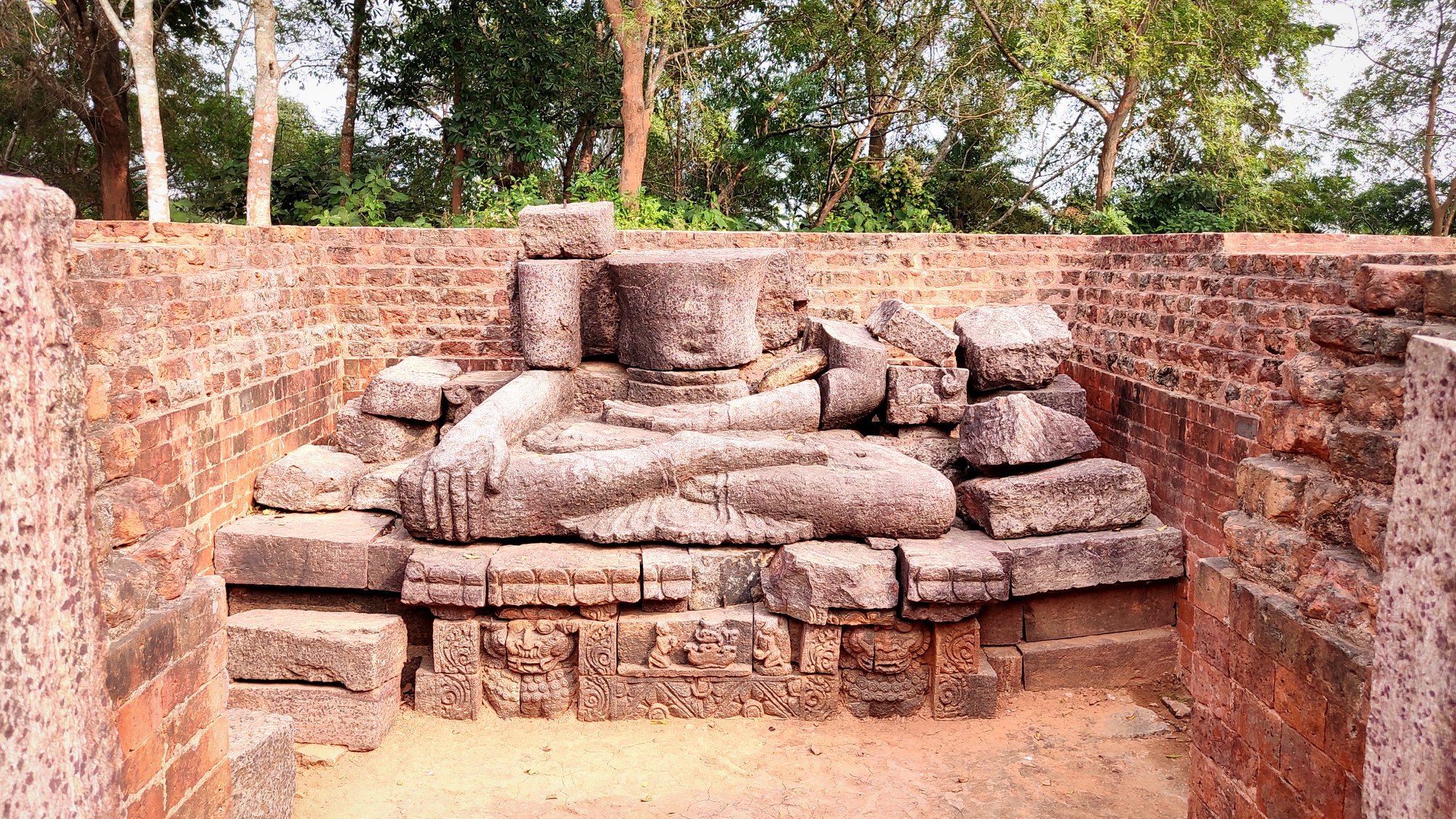
Just in time for Christmas, the family set off on another ‘hidden gem’ heritage trail inside Odisha. This time we explored the Diamond triangle comprising three hill-based Buddhist hot-spots which flourished between 7th and 13th Century AD, namely Lalitgiri, Ratnagiri and Udayagiri.

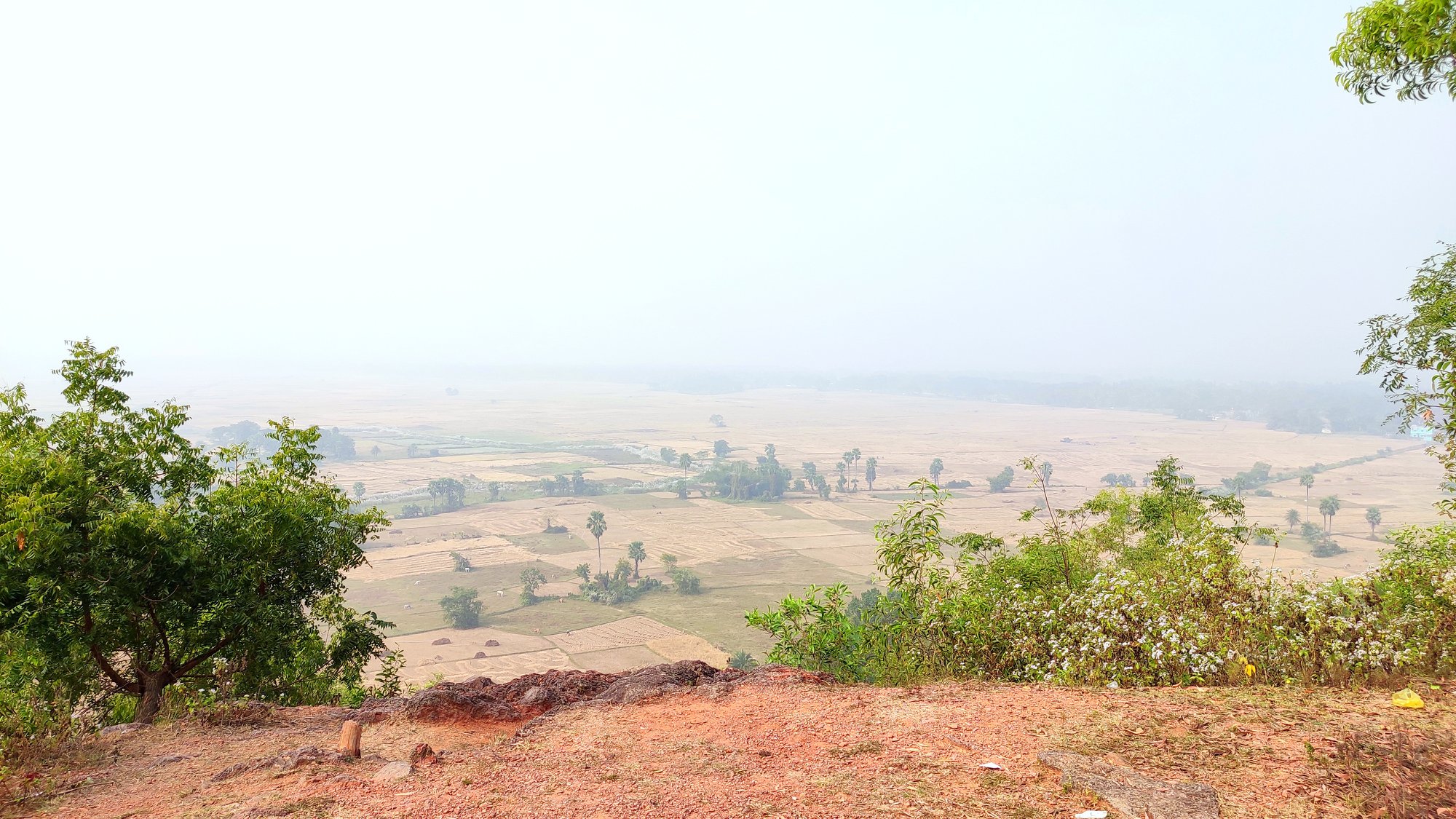
The three locations set in low but sparsely populated hillsides or hilltops prove without doubt to be the most idyllic backdrop for a life of material detachment and quiet contemplation for the Buddhist monks. Consistent with Kalinga’s nature of acceptance and tolerance of all religious and spiritual dispositions, these spots display the syncretism of both the Mahayana and Hinayana schools of Buddhism.

Lalitgiri

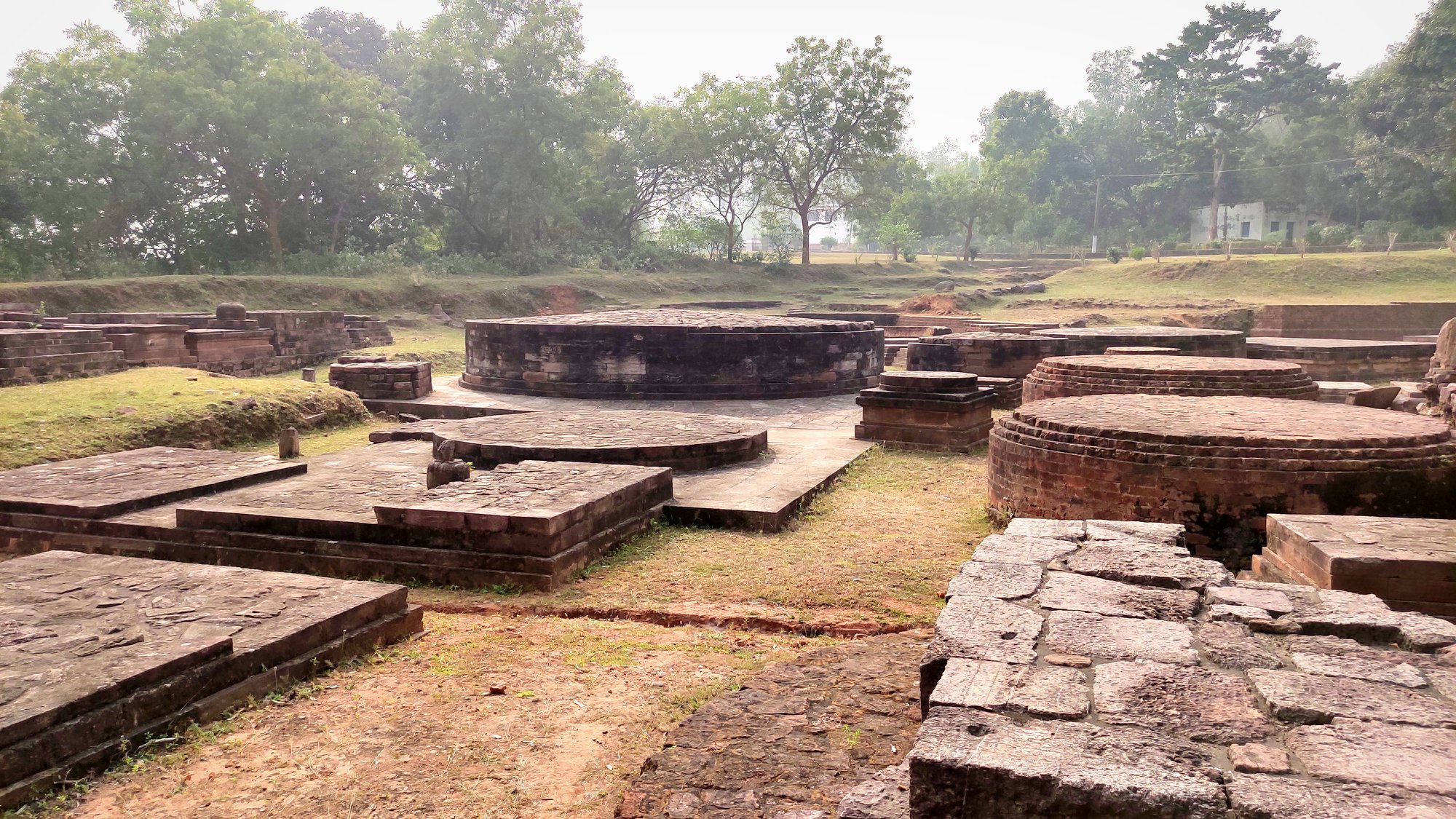
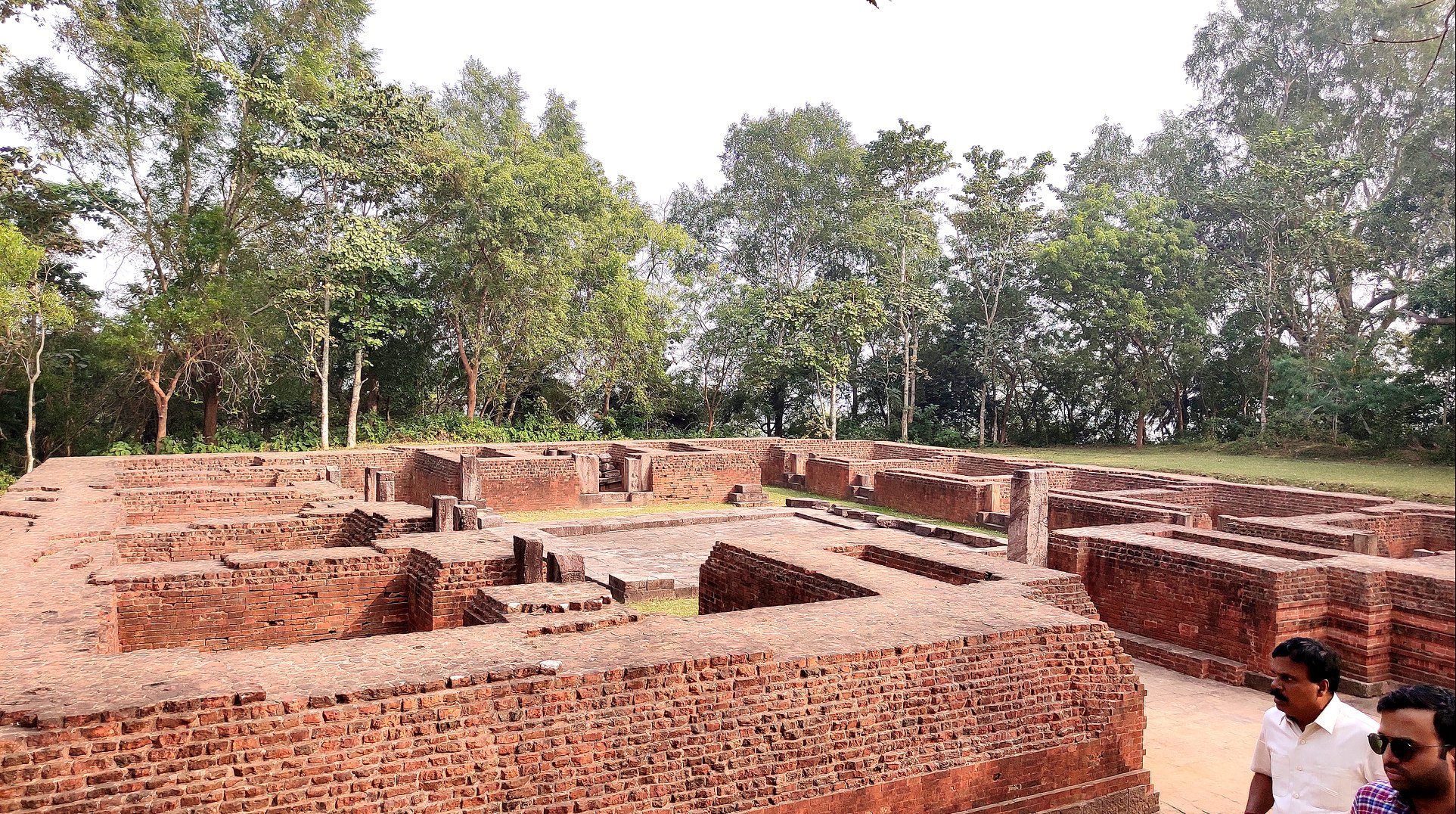
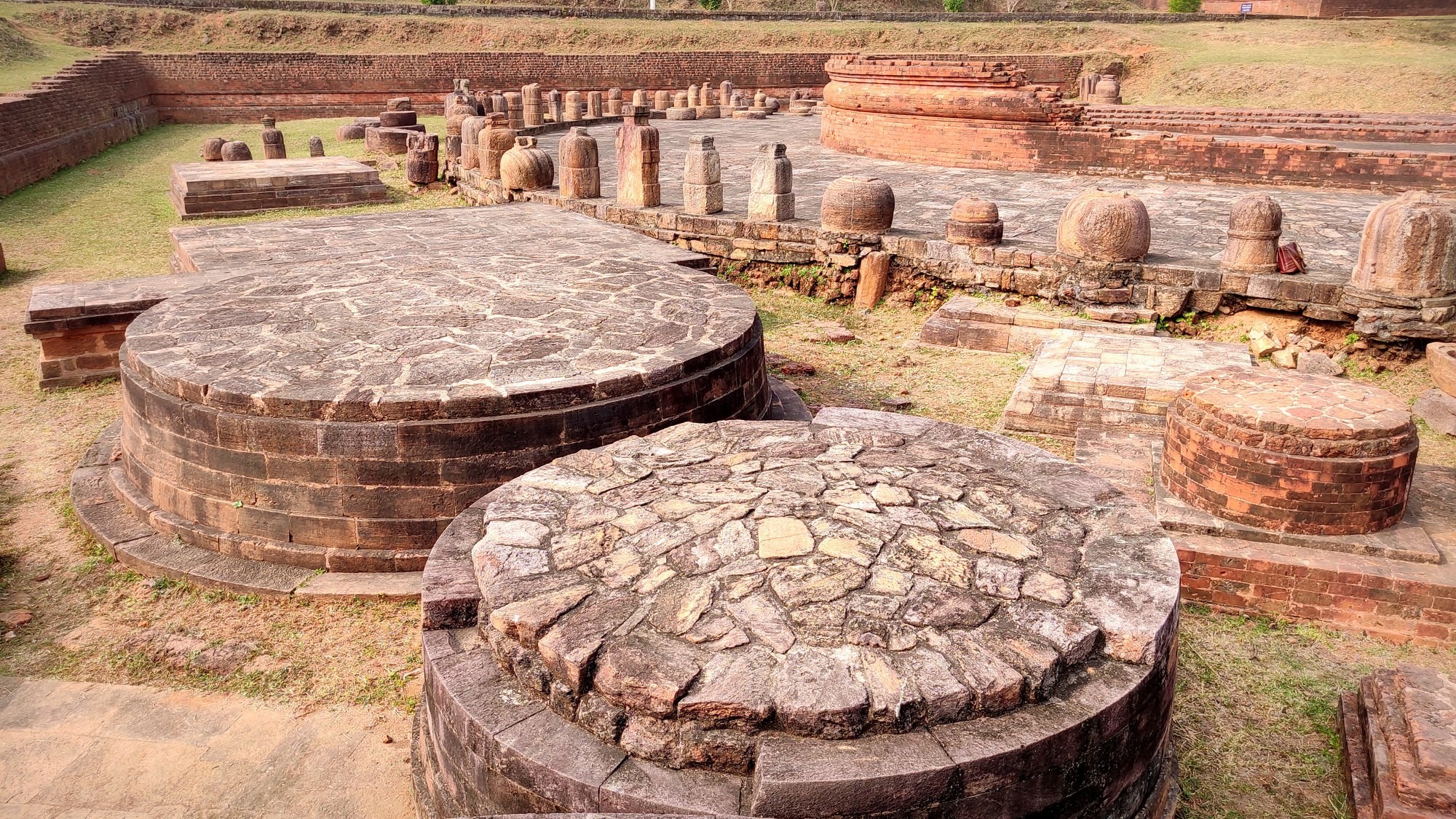
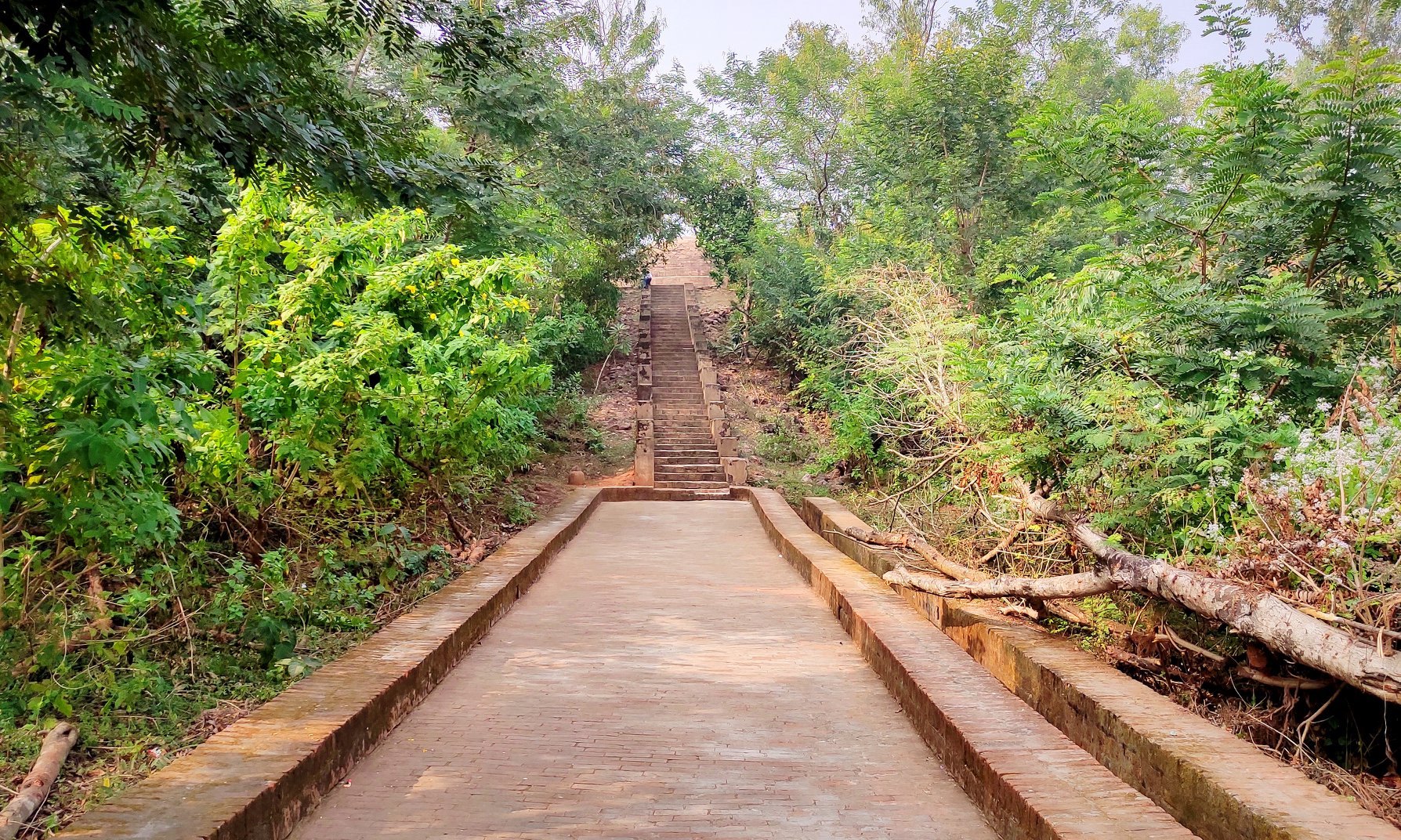
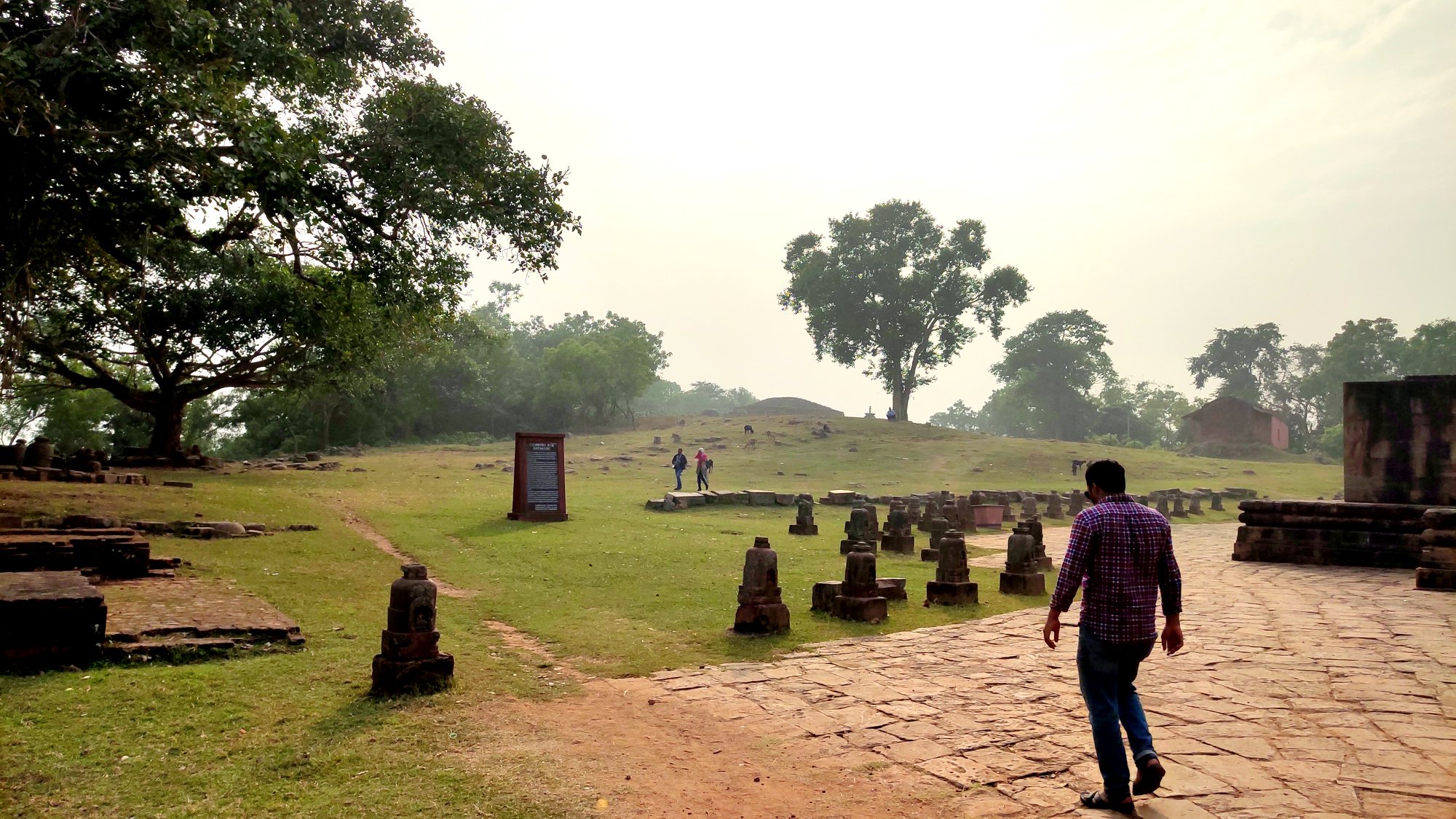
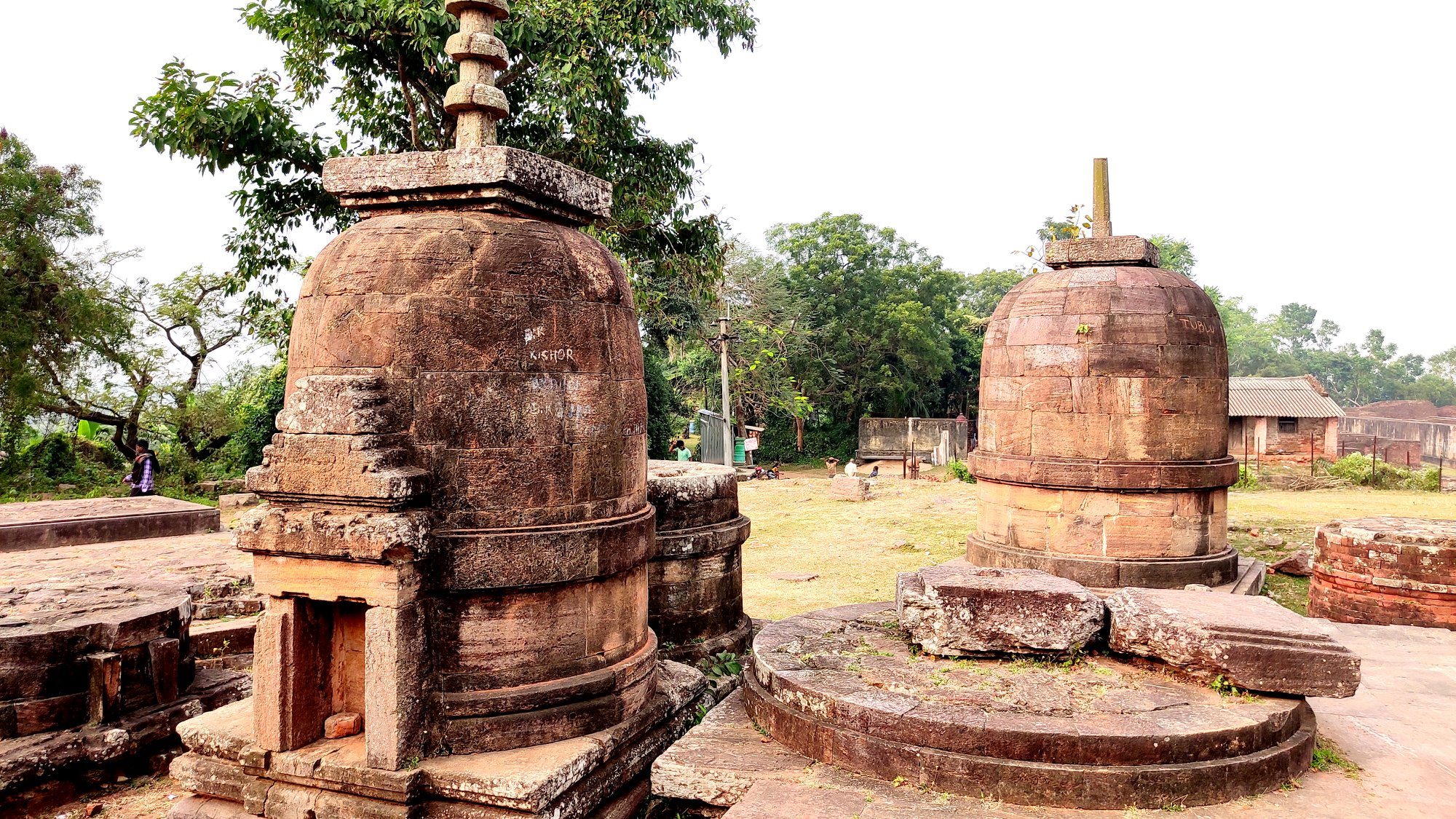
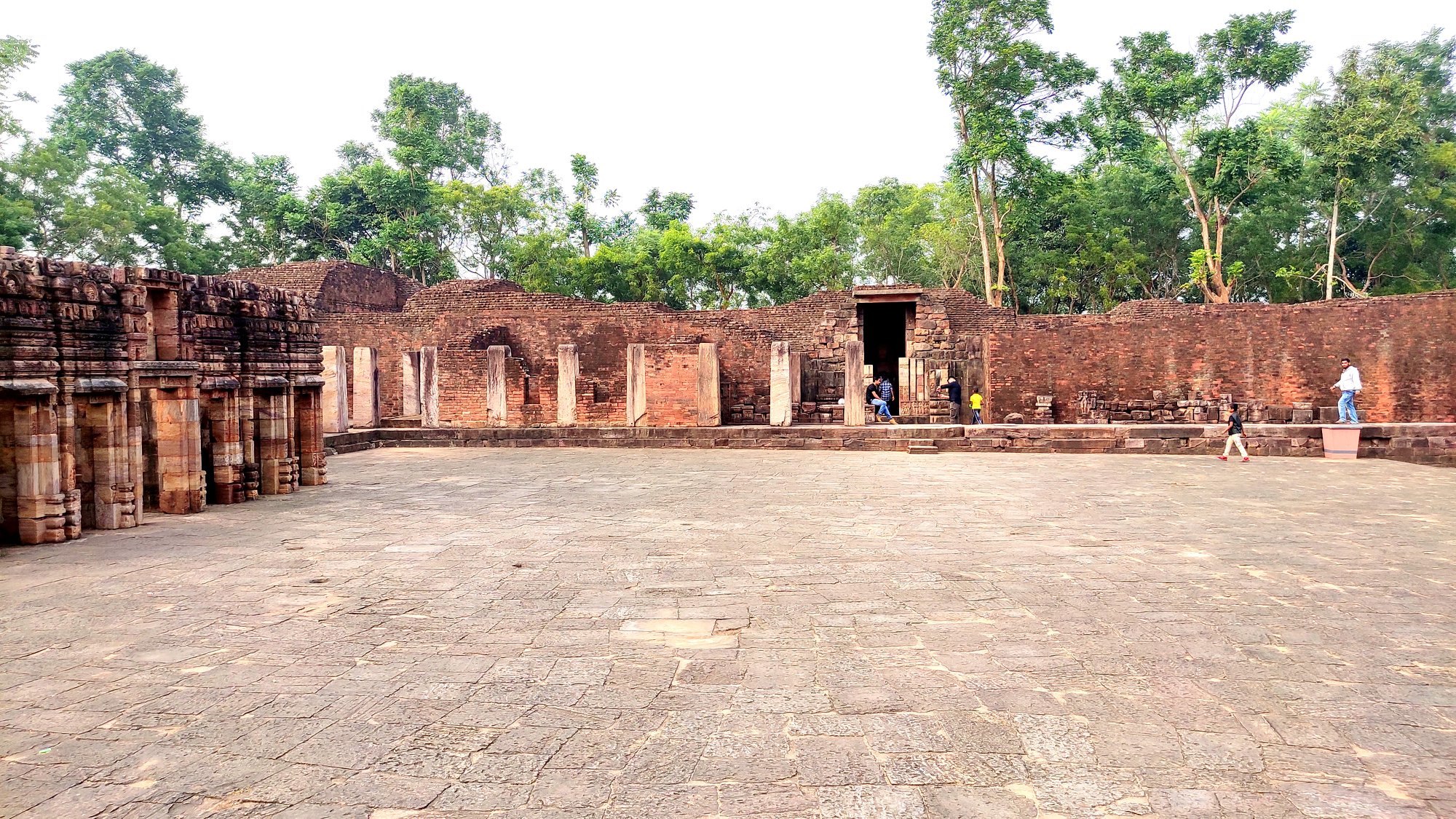
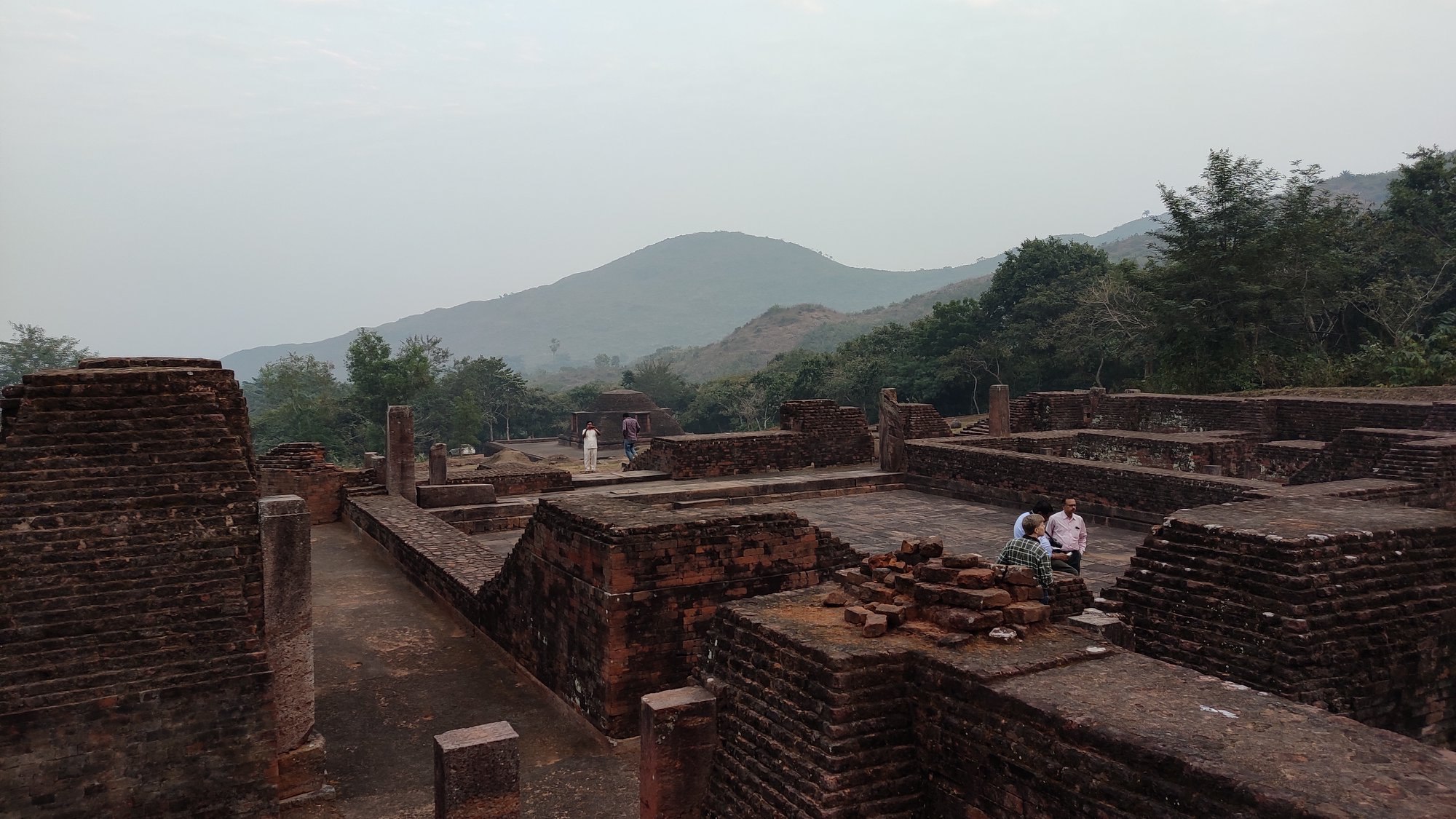
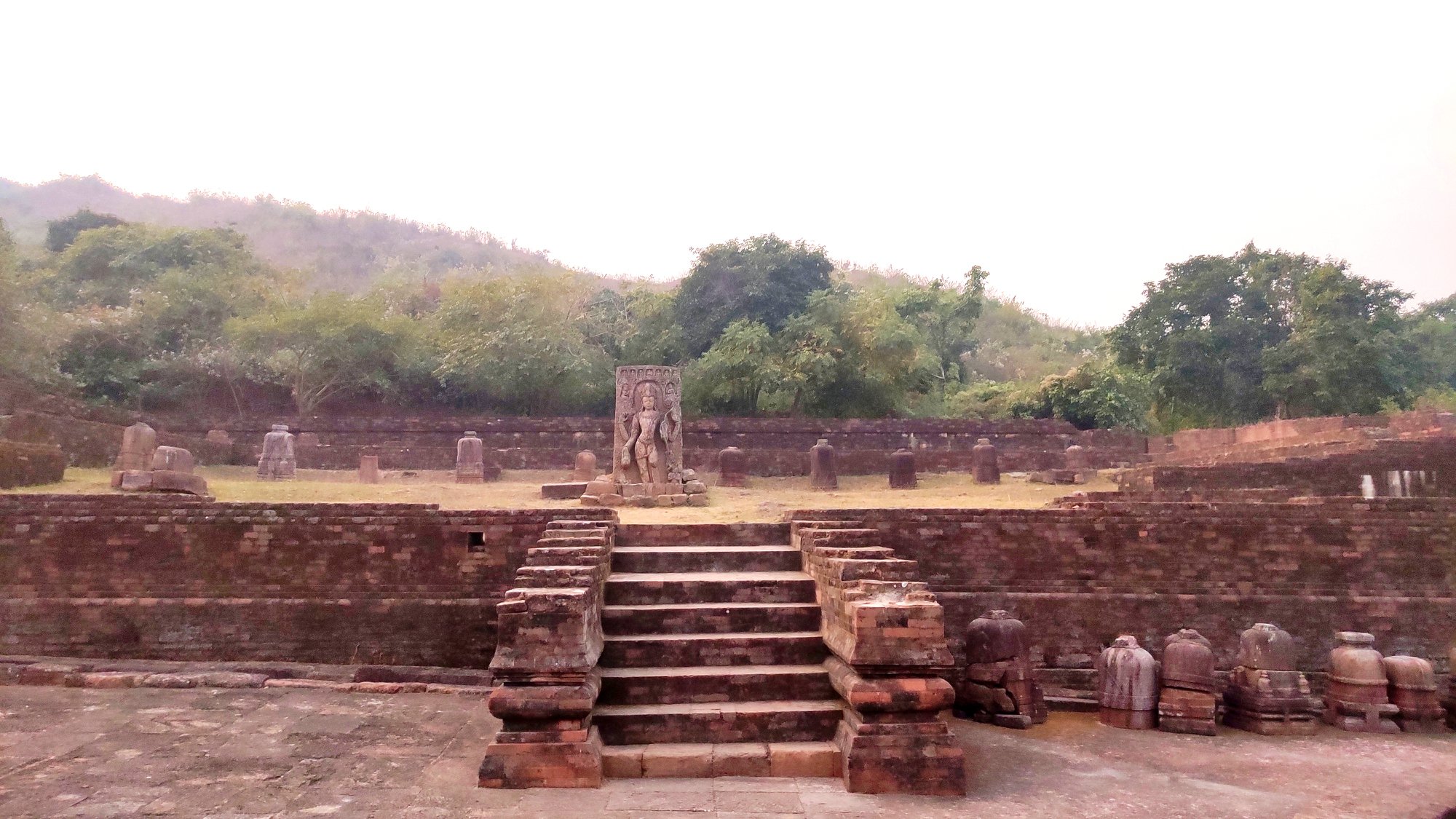
Starting off at around 9AM from Bhubaneswar, we first reached Lalitgiri around 11 AM via the Chandikhol-Paradeep road. After a walk up the hill on the wide metalled road, we first came upon the Archaeological museum which we deferred for seeing on our return from the trail. Walking further, we came upon multiple structures: Viharas (monasteries) in ruins – the monasteries dating from 9th to 11th century contained rooms, a chamber for holding a Buddha status – and a 6th-7th century Chaityagriha (prayer hall) with a stupa in the middle and several votive stupas strewn around.

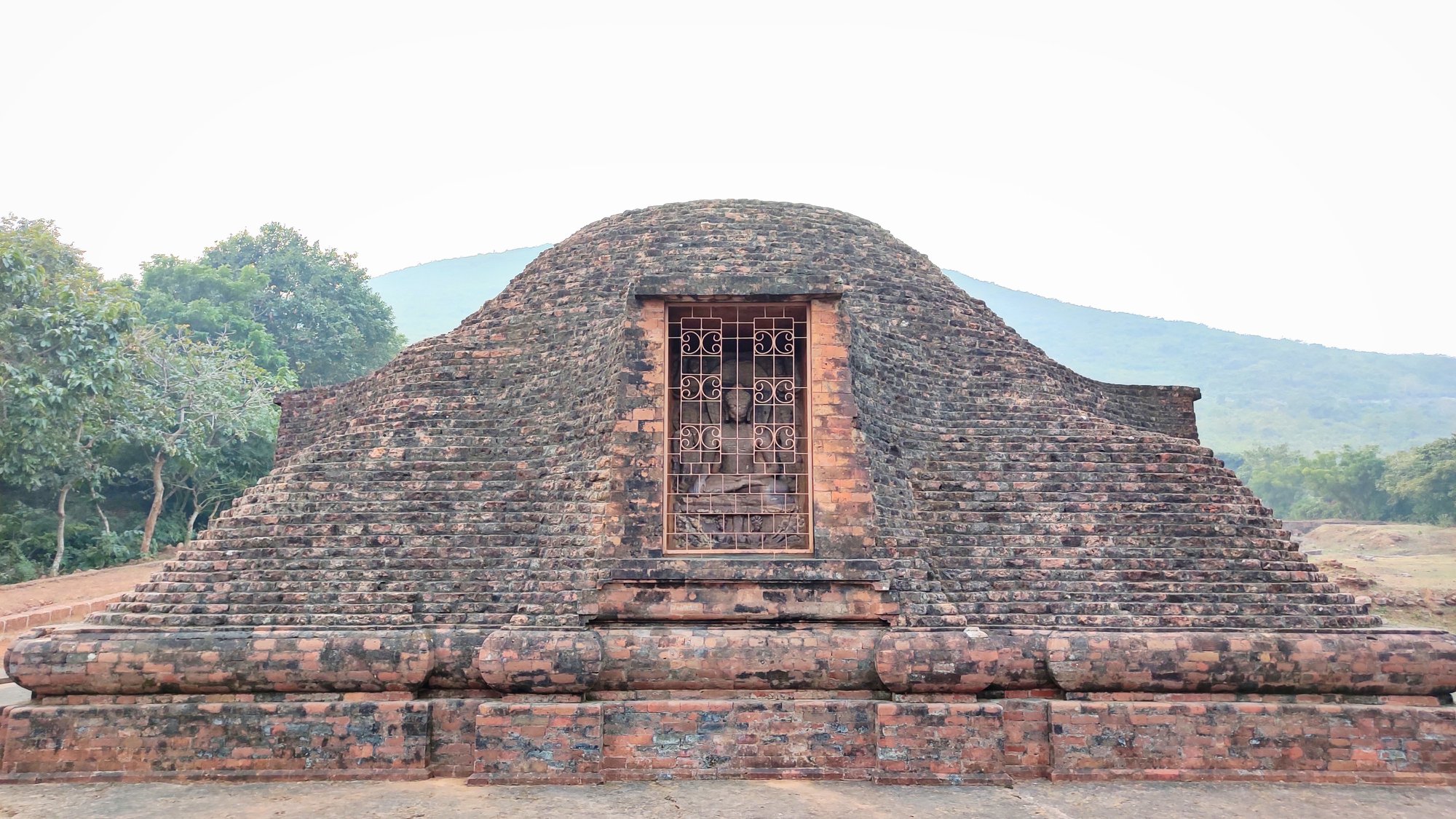
At the furthest end of the trail, atop another small hill, lay a lone relatively larger stupa, where two rare stone caskets containing relics of Buddha were found. The casket, made of khondalite, itself housed three smaller concentric caskets made of steatite, silver and gold respectively, with the innermost gold casket contain a piece of Buddha’s bone. These relics as well as well multiple sculptures, including those of the Buddha and Tara, are now displayed at the museum. All told, Buddhism is said to have prevailed at this site right from the post Mauryan period, i.e. 3nd century BC to 13th century AD.

Ratnagiri

Leaving Lalitgiri around 12.30 PM, we crossed the Brahmani river and reached Ratnagiri around 1.30 PM. Ratnagiri looked unique due to fact that the road to the monasteries and stupa lay in a pass between two crests of the hill, flanked on both sides with neatly manicured lawns. Here, we decided to first see the museum, where many relics and artifacts found at the site are displayed. However, what interested me more was the additional information displayed in various sections about the history of the evolution and dissemination of Buddhism and of other Buddhist sites in India.

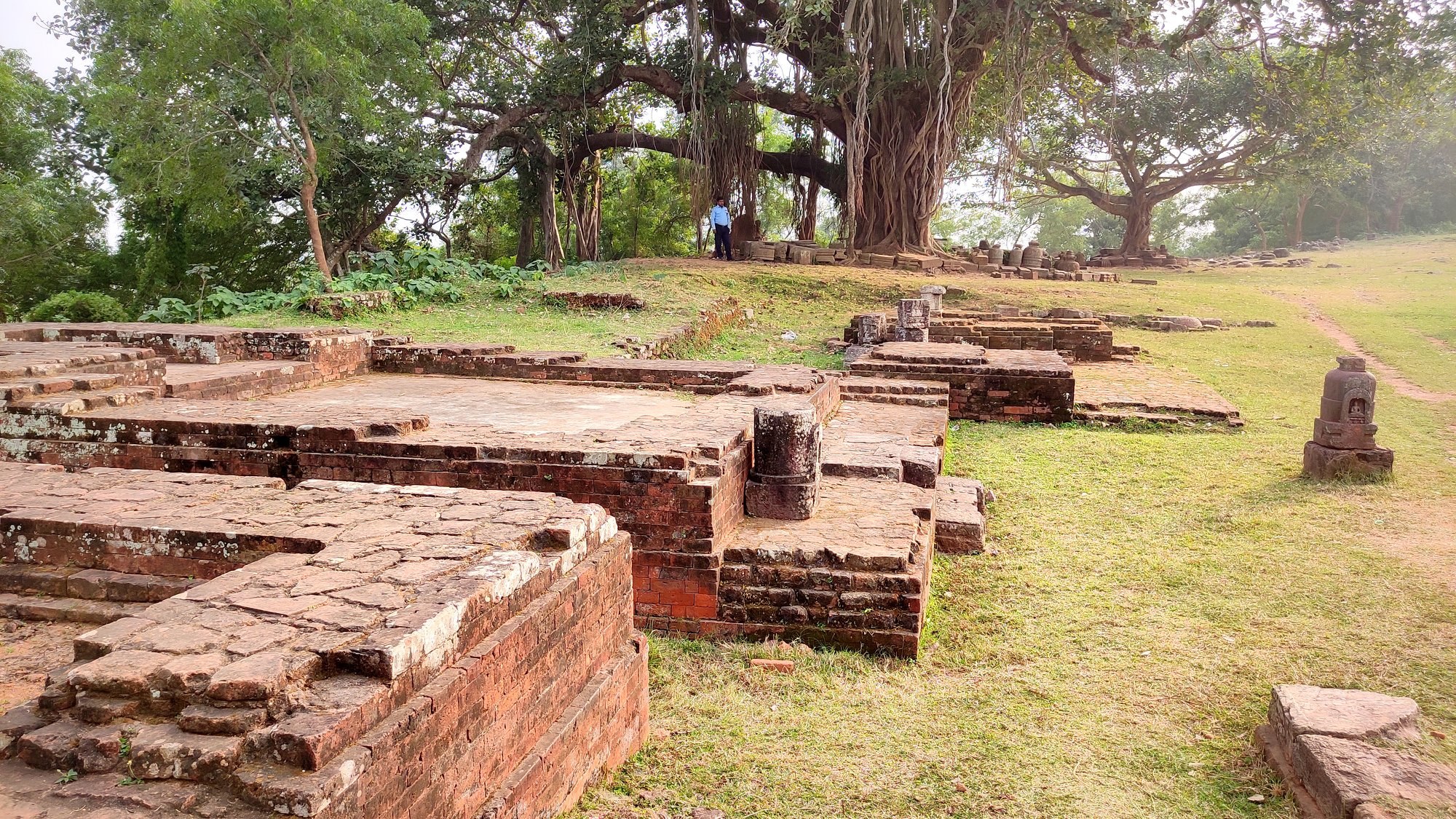
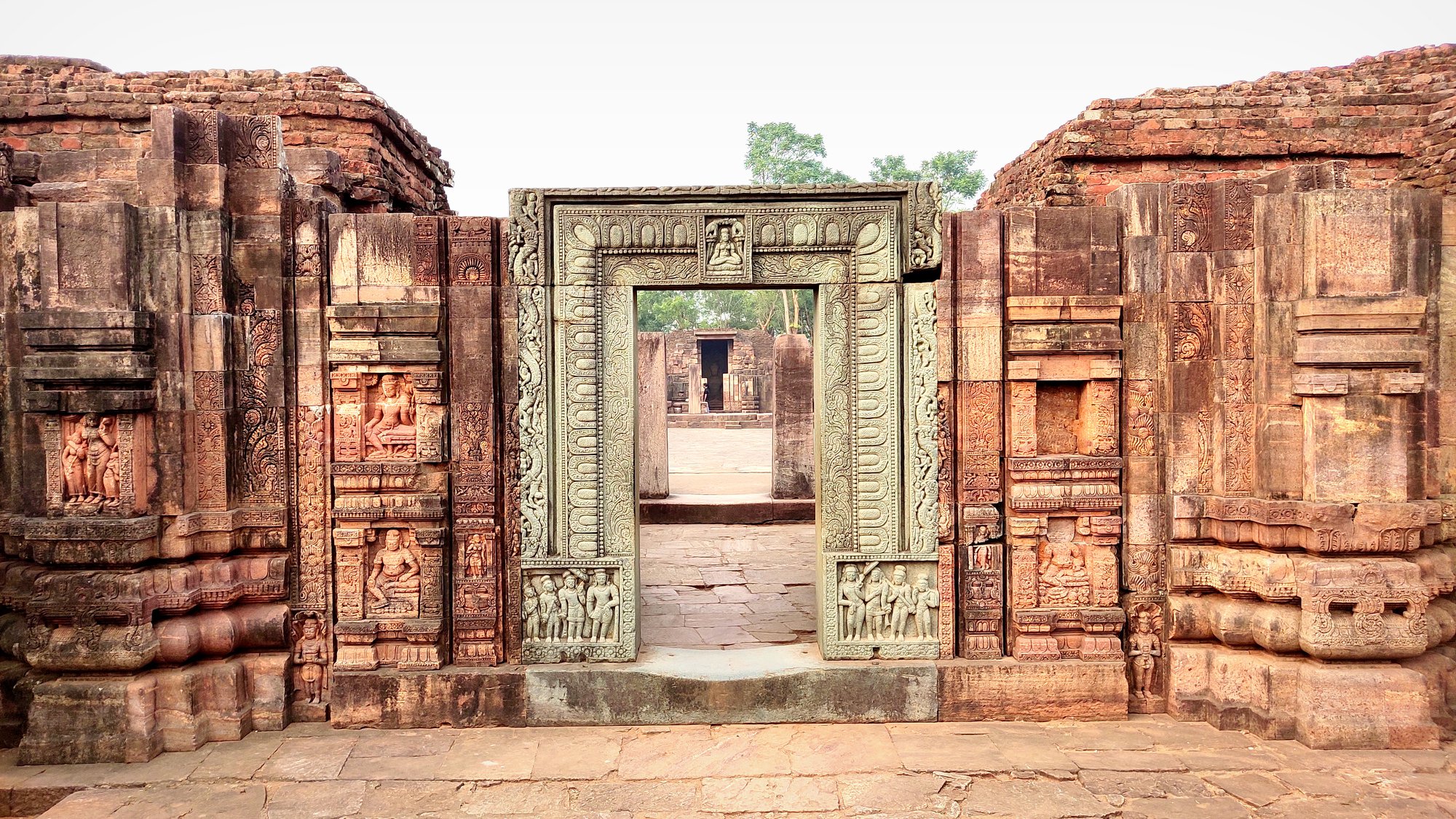
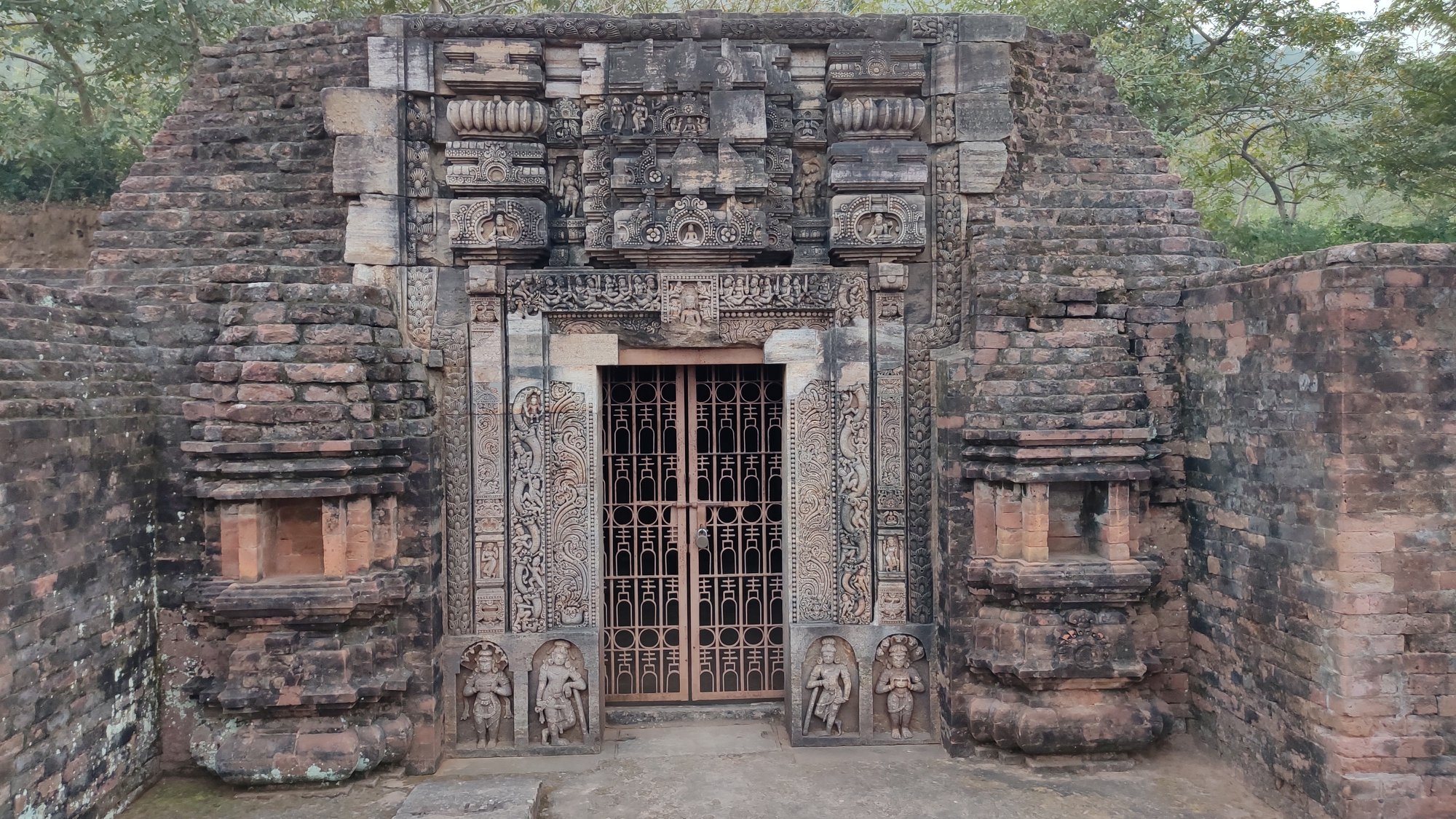
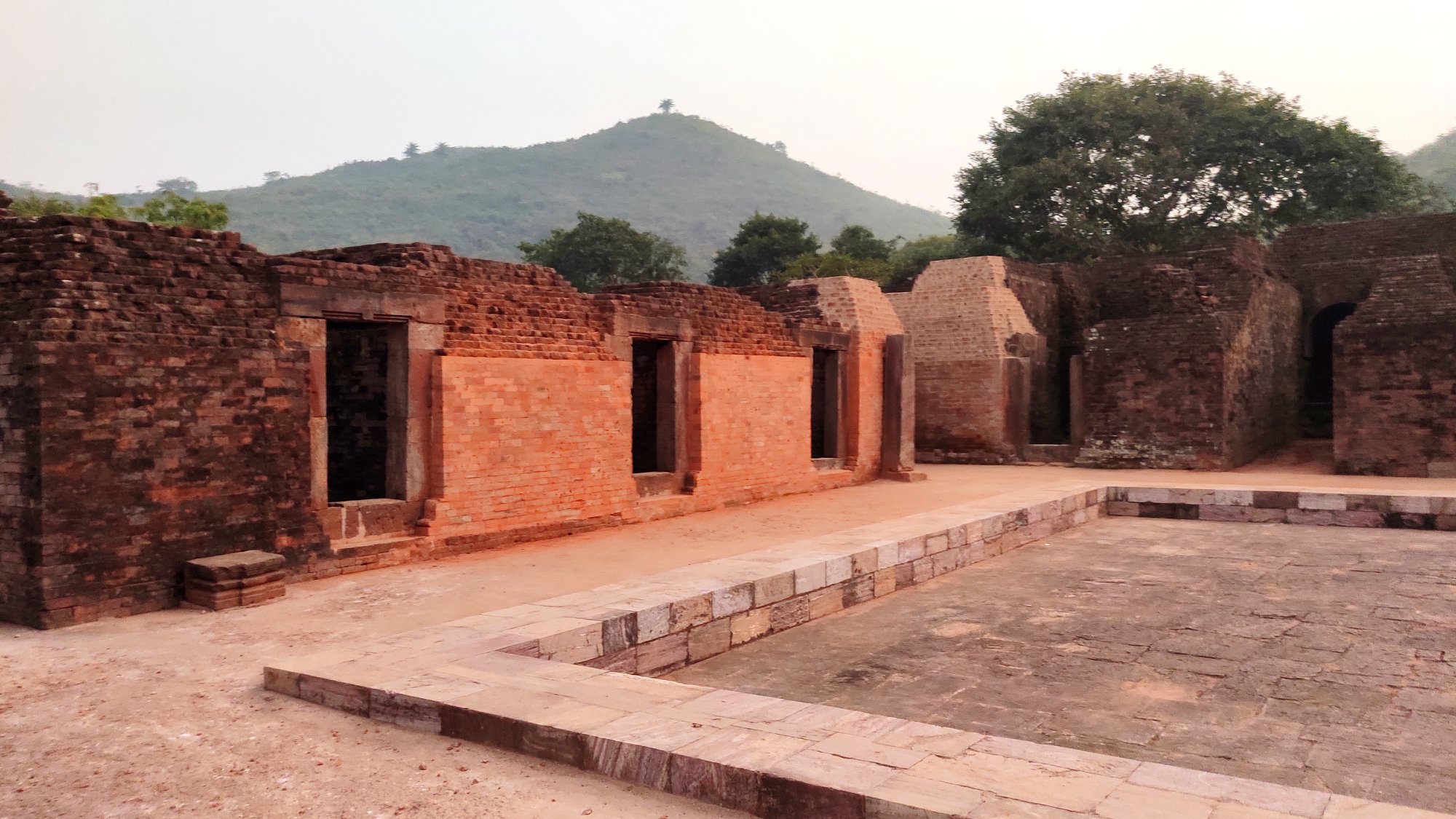
Walking up the hill, we were wowed by the iconic elaborately carved stone doorway at the entrance of the largest of the 3 monasteries, which could be dated to the 8th century. This monastery has a large courtyard with rooms surrounding the same, and a shrine for the statue of Buddha, at the wall farthest opposite from the main entrance. Besides this monastery, there are 2 smaller monasteries, and a 9th century stupa, surrounded by smaller votive stupas. Beyond all these structures, is the Mahakal Temple, built over an earlier stupa, and recently relocated to its current location by the ASI.

Udaygiri

After a light meal in lieu of lunch, we crossed the Brahmani river yet again and reached Udaygiri around 4PM. Udaygiri seems, out of the three sites, to be the site with the least attention paid to maintenance. The two monasteries are far-flung not only from each other but also from the entry gate, and can be accessed after walking quite a bit through jungle. Here too the monasteries with statues of Buddha, lay in ruins.

Adjunct to one of the monasteries, lies a chaityagriha with the main stupa, with several smaller stupas surrounding it – the stupas are dated between 1st and 12th centuries. Several stupas, including votive ones stand beside the other monastery too. Of note is a stepped well near the second monastery, the depth of which we could not gauge because it was already dark.

By now, it was already 5 PM, and given that it was peak winter, we were faced with the prospect of walking back through the jungle in pitch dark. Nevertheless, what is a family that does not bravely maneuver difficult paths! So, using our mobile phones are torches, we navigated our way through the narrow path cutting through the forest, making the least of sounds lest we attract undue attention from the wildlife. By 5.3o PM, we were back at the entrance, and were soon headed back to Bhubaneswar, after successfully completing the day-long Diamond Triangle trip.

A Peek into Prachi Valley in Odisha

Despite spending the first half of my life in Odisha, it was only last weekend that I finally got the chance to trace the pearls of heritage hidden along an innocuous but highly-fabled river, reduced now to a rivulet, called Prachi.

Centuries ago, the Prachi river along with its valley, was host to a flourishing civilization that not only prospered on trade with Southeast Asia (Bali, Indonesia etc.) thanks to its ‘sadhaba’ (sailor) sons but also reveled in art & architecture of the highest order, being home to some of the most skilled artisans & sculptors. At the same time, the region was also a melting pot for the seamless chronological prevalence of Jainism, Buddhism, Shaivism, Shaktism & Vaishnavism leading to a syncretic religious fervour.

Some accounts date the region’s earliest artifacts to even before the Indus Valley Civilization. Yet the currently standing vestiges of the civilization dotted along the valley afford us a peek only into the period from 7th century AD to the 15th century AD. Nevertheless, these bear fine witness to the cultural richness of the erstwhile Kalinga, being some of the finest representatives of the distinctive Kalingan temple architectural style.

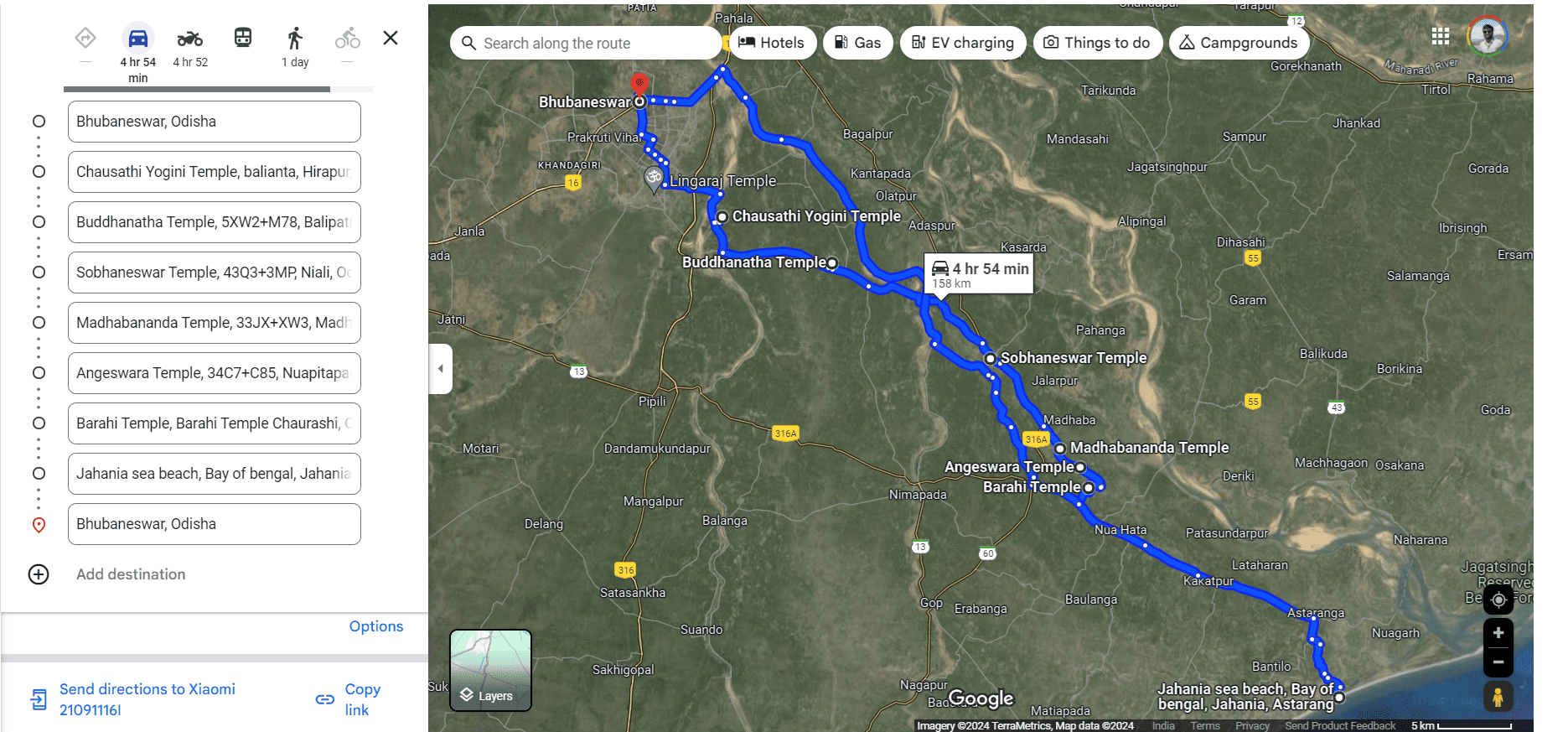
Trail on this trip covered the following places: Chausathi Yogini Temple (Hirapur, Bhubaneswar), Buddhanath Temple (Garedipanchan, Balipatna), Sobhaneswara Temple (Niali), Madhabananda Temple (Niali), Angeswara Temple (Pitapada), Varahi Devi Temple (Chaurashi), Mangala Temple (Kakatpur) and Jahania Beach (Astaranga).

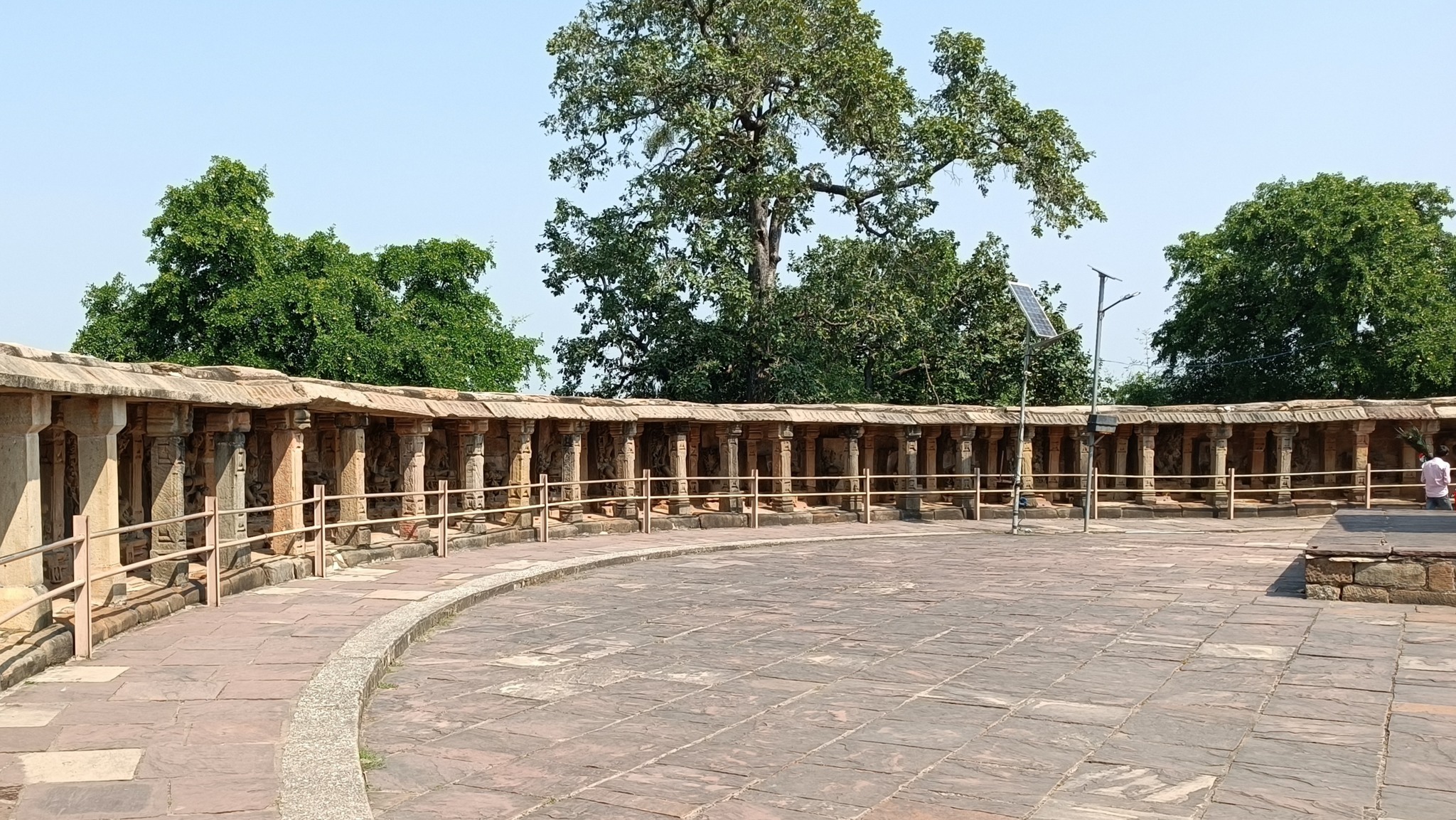
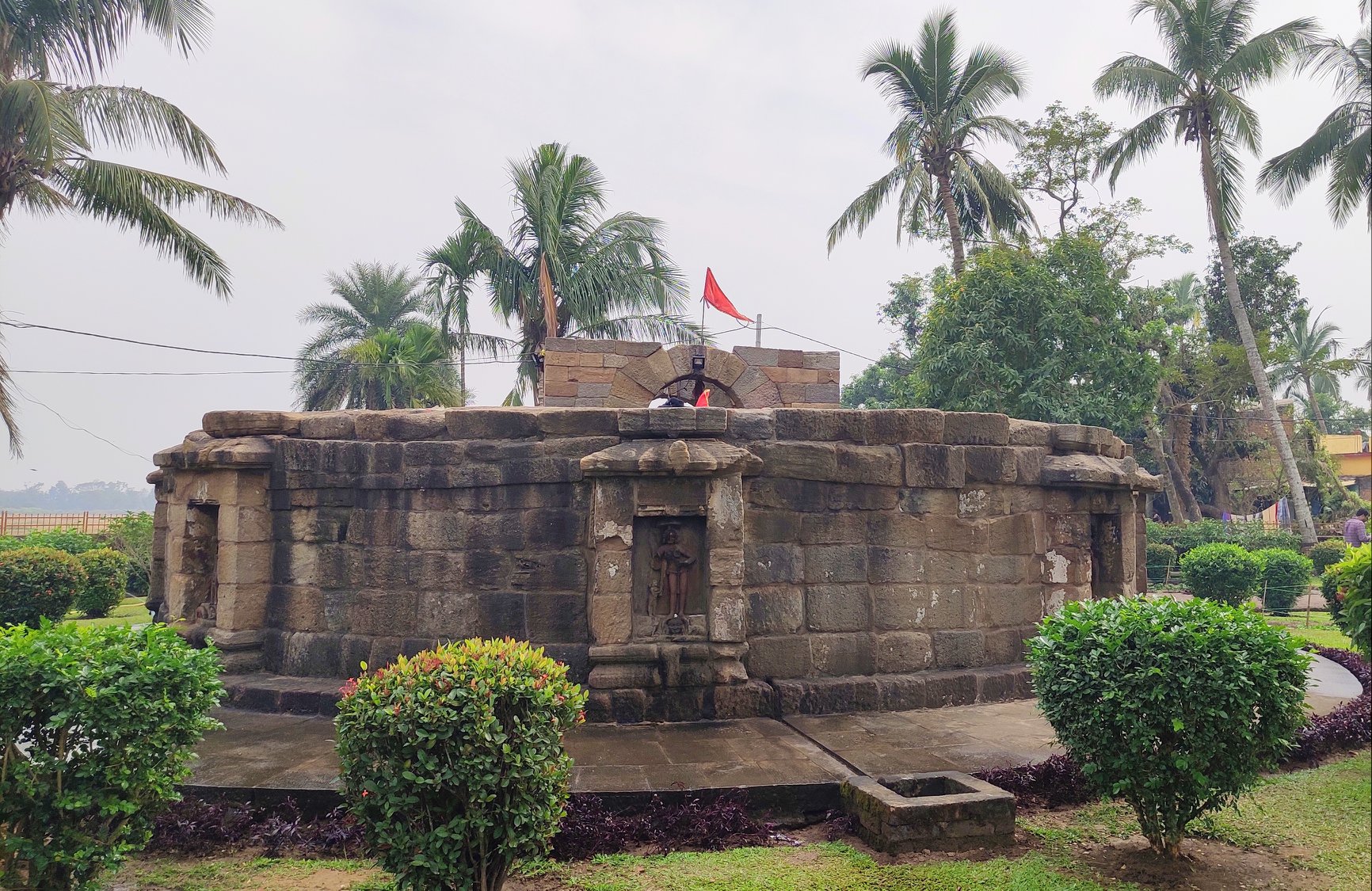
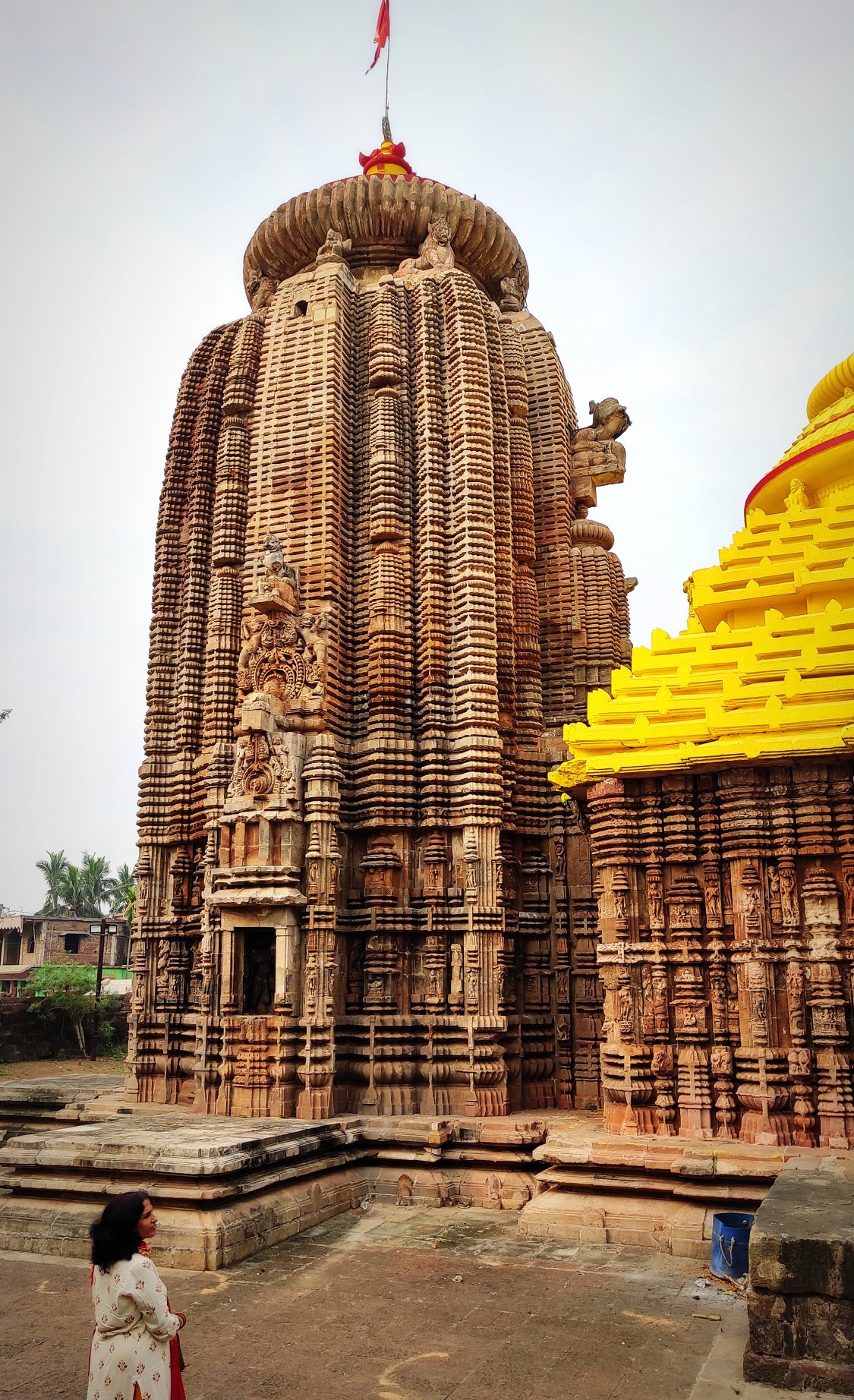
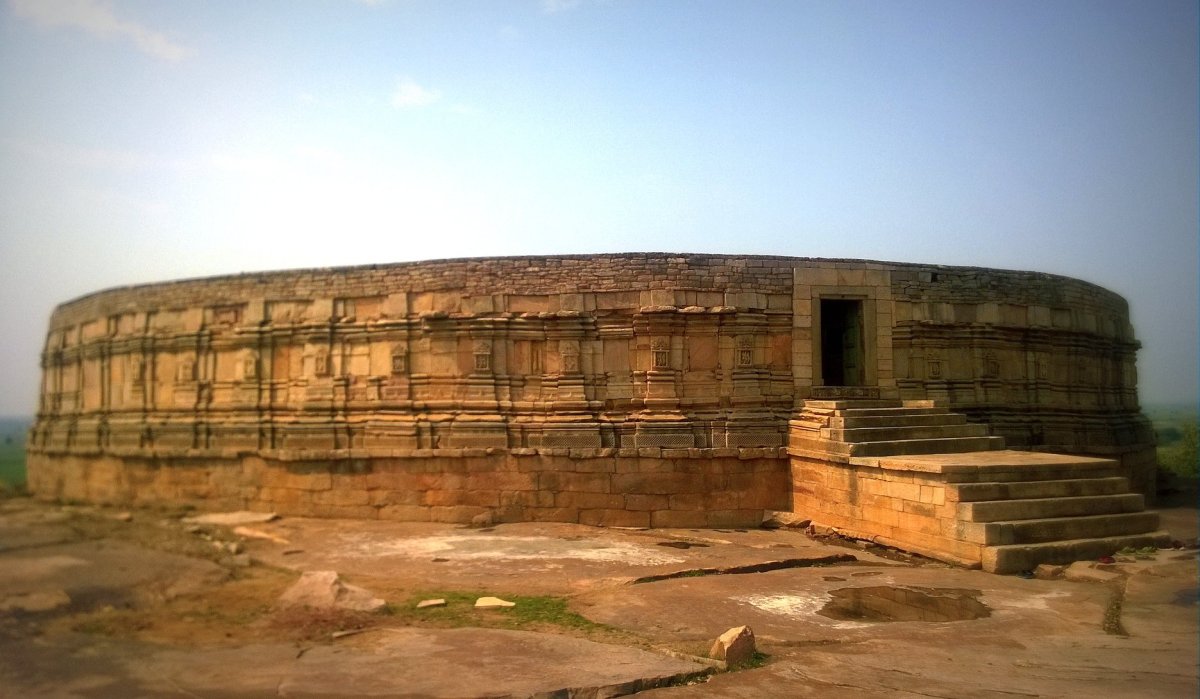
We first stopped at the 9th century AD Chausathi (64) Jogini Temple, the tantric temple built in circular fashion, at Hirapur just at the outskirts of Bhubaneswar. The legend behind the temple, according to priests, goes: Goddess Durga took the form of 64 demi-goddesses in order to defeat a demon. After the fight, the 64 goddesses (Joginis) asked Durga to commemorate them in the form of a temple structure. Accordingly, 56 idols line the inner walls of the structure with the remaining 8 carved on the 8 sides of a central square platform (altar).

Next stop was Buddhanath Temple, an 12th Cent. AD. Shiva Temple, located in Garedi Panchana, 11km from Hirapur . The temple is said to be built on tantric principles, and was apparently also a Buddhist monastery at some point of time.

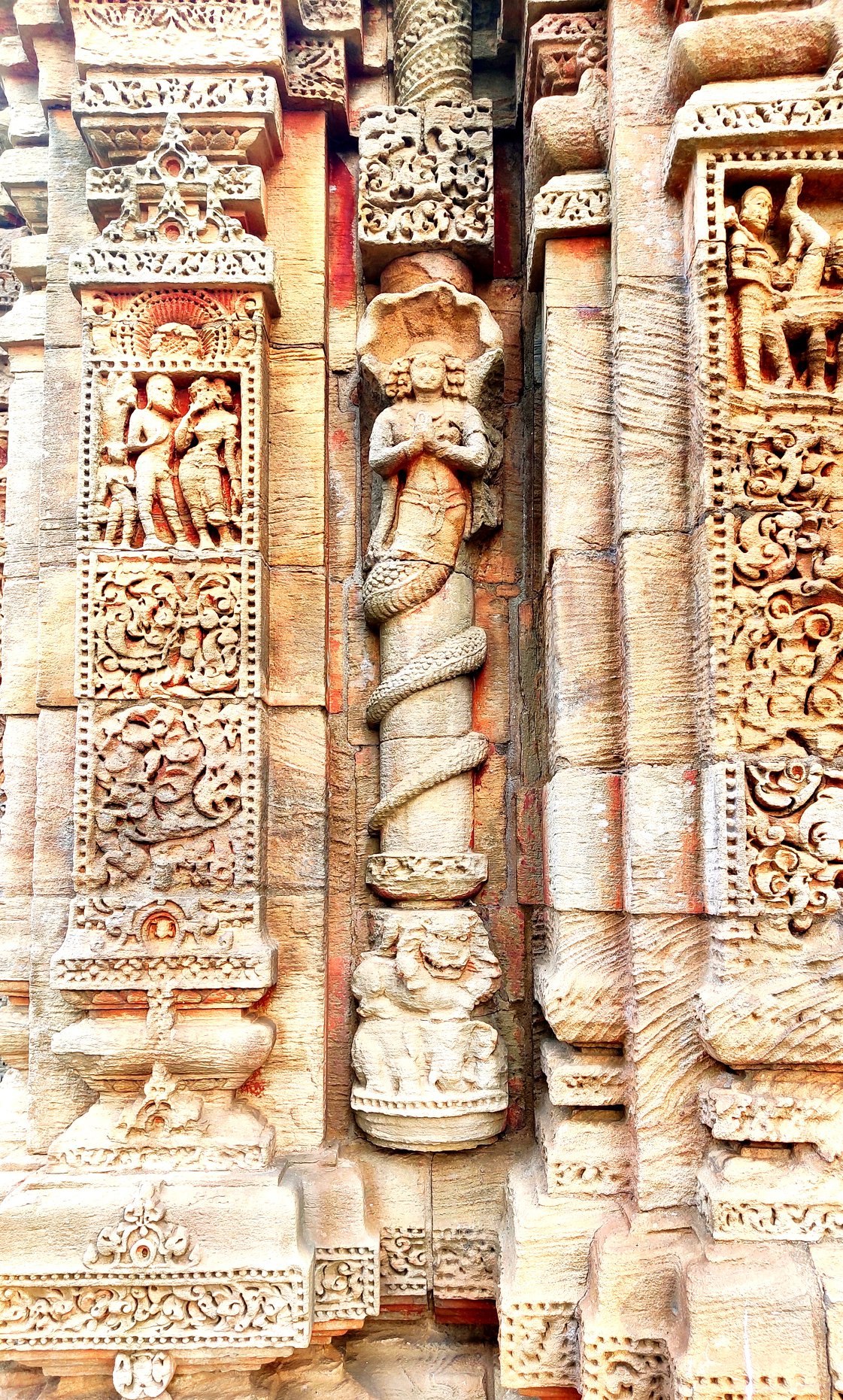
15km further away, lies the Sobhaneswara Temple, another 12th Cent. AD, temple at Niali, of which only the lower half survives from the original structure, with the upper half being restored by later kings. Consequently, the lower half provides another demonstration of the intricate stone art of Kalingan artisans.

Next stop was the Madhabanada Temple, built in the 13th Cent. AD, located at Madhaba. Said to commemorate Madhaba (Krishna) located near the site where Jayadeva, the author of the famed Geeta Gobinda, is purported to have worshipped Madhaba.

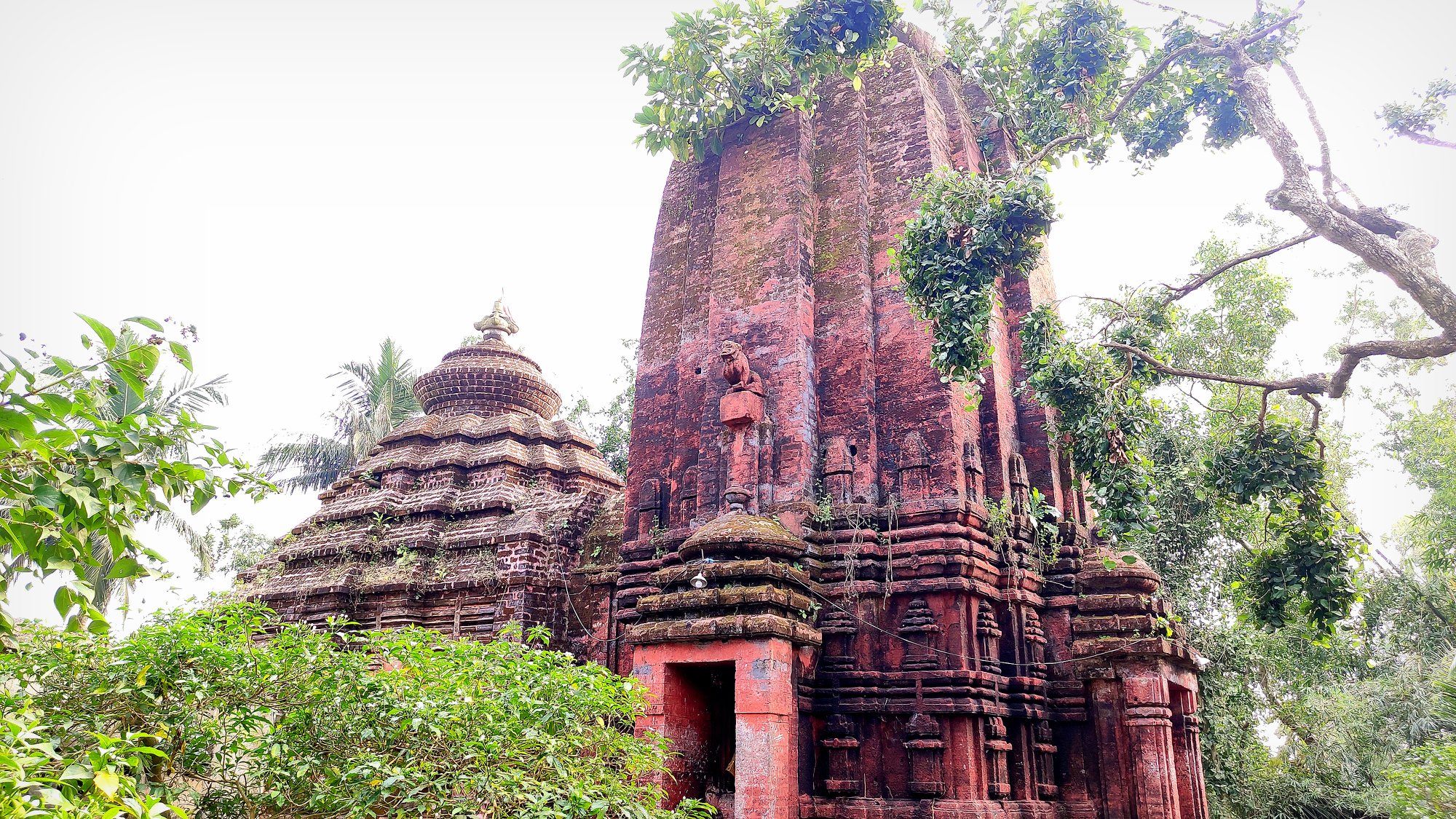
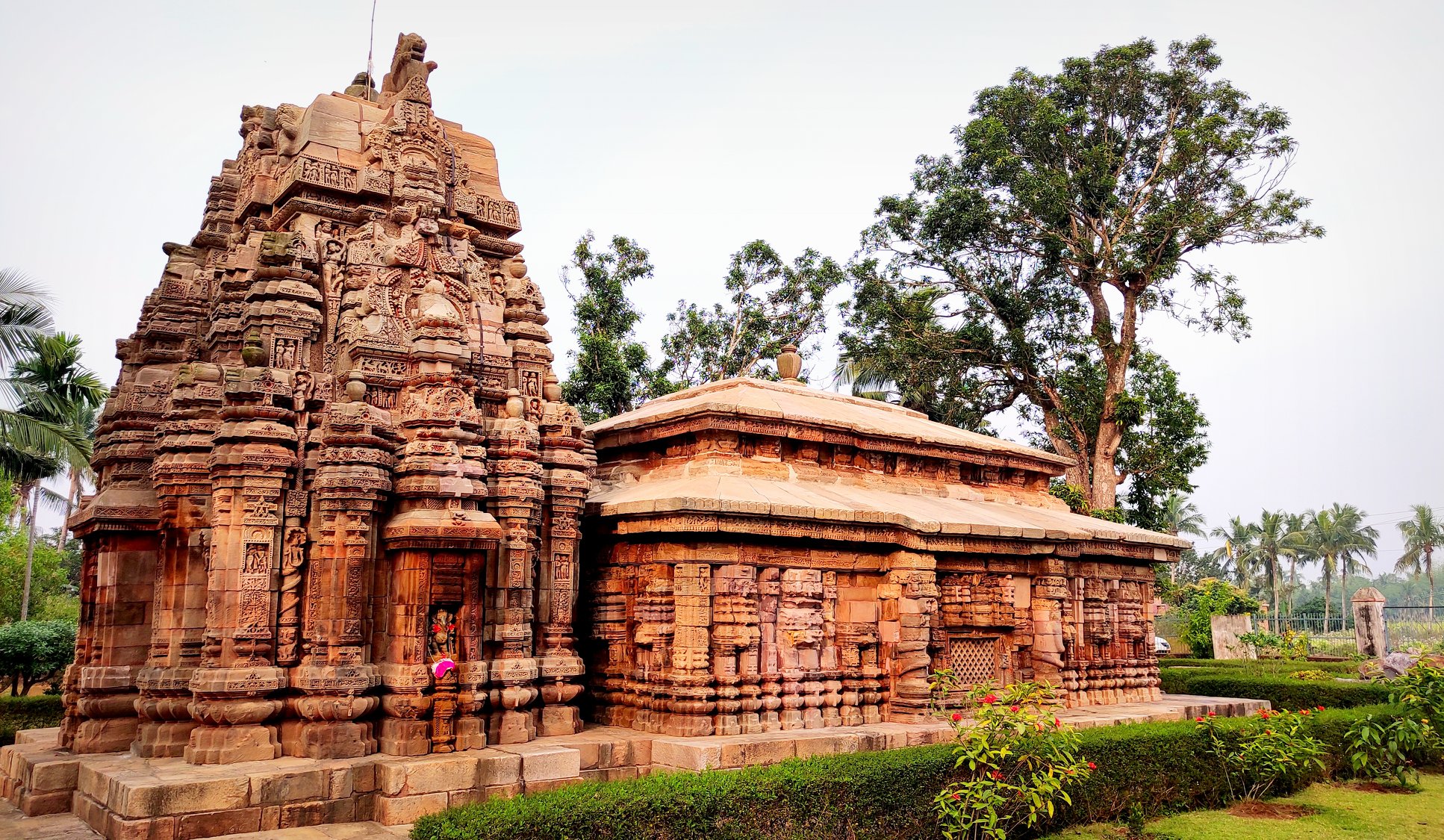
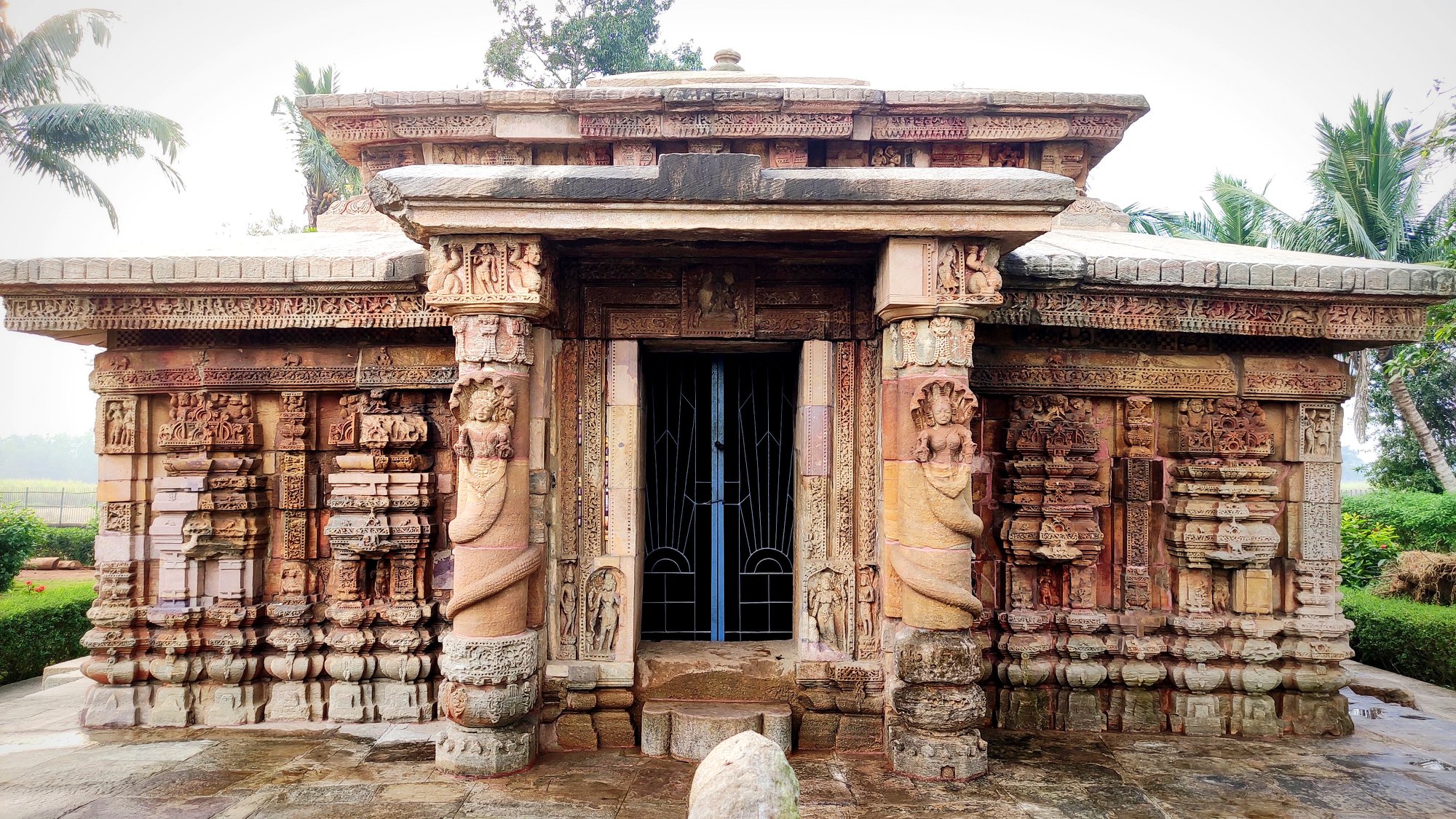
Just a couple of km away, lies the Angeswara Temple, a 10th Cent. AD. Shiva temple, which is probably one of the few surviving brick structures from the era.

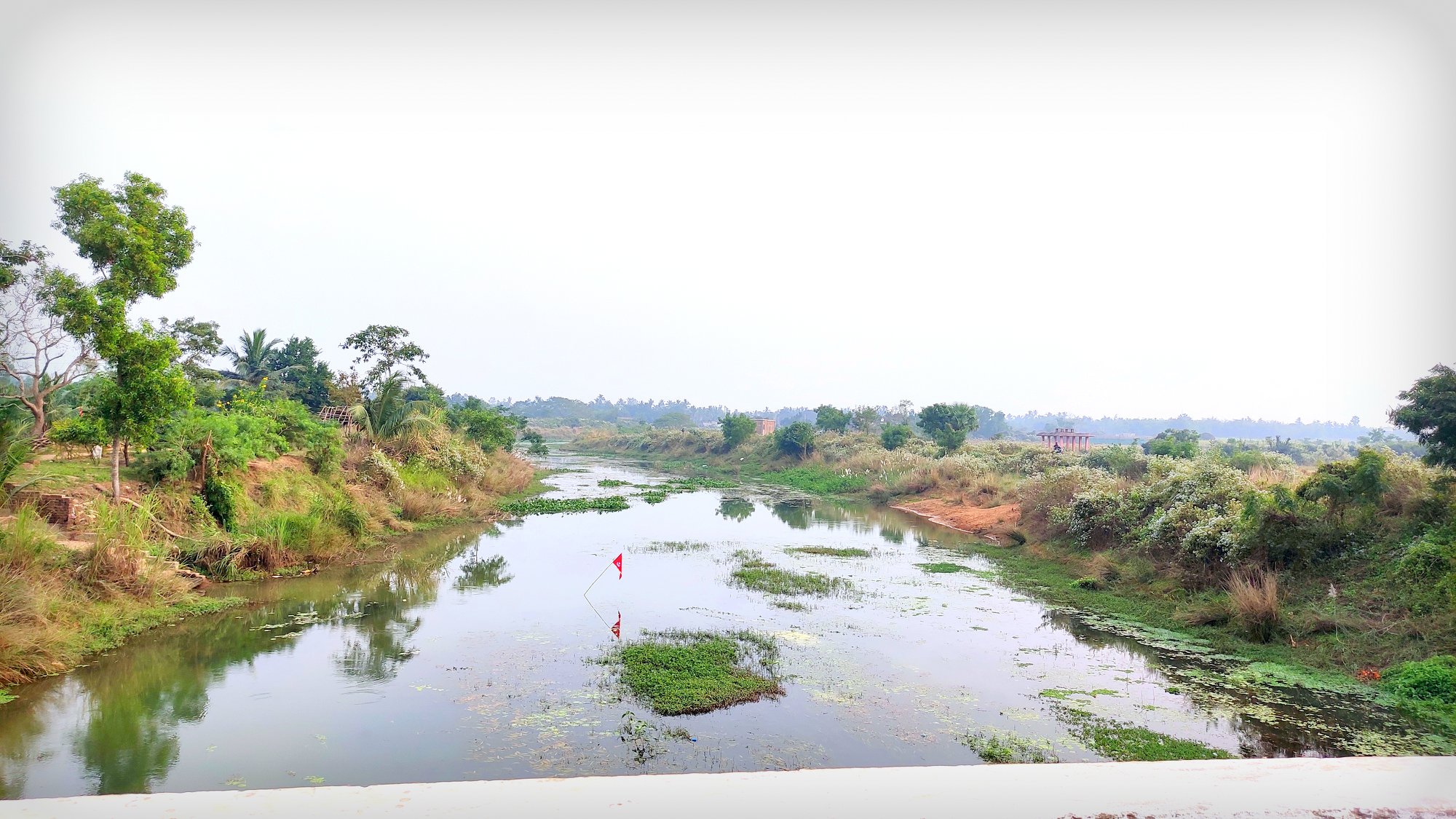
As we proceeded from Angeswara, we finally made rendezvous with the river whose valley we were exploring – the Prachi river today is a pale shadow of the splendour attributed to in historical records.

A glimpse of the sacred Prachi river, now almost reduced to a trickle.

4 km further from the Angeswara temple, is the Barahi temple, a 10th Cent. AD temple dedicated to Maa Barahi, the shakti form of Baraha, the boar-form of Lord Vishnu’s incarnations. This temple incorporates Khakra style, a variation of of Kalingan temple architecture, reminiscent of Mahabalipuram temples.

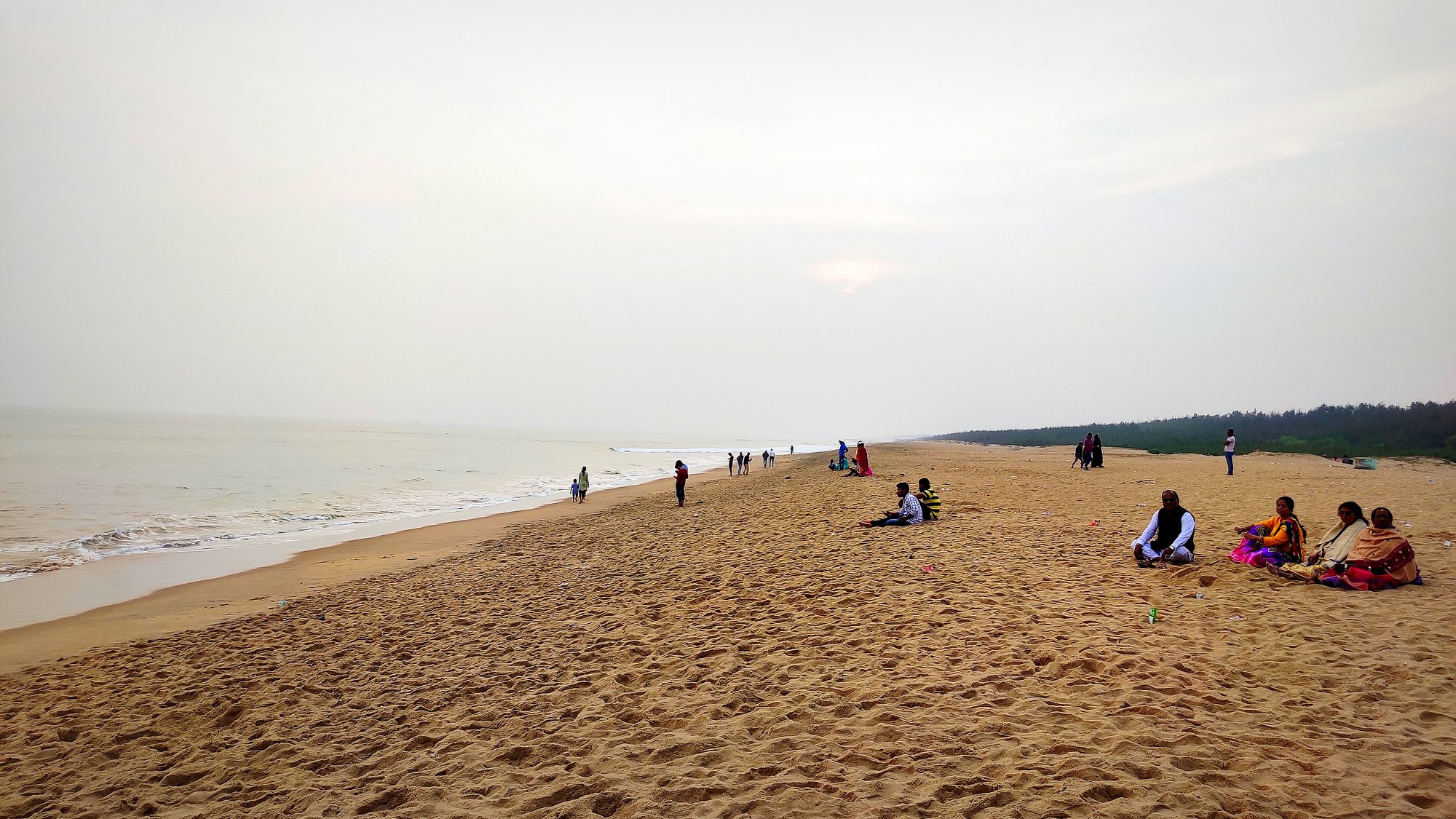
Moving on from Barahi, we reached a crossroads at Charichhak, and were faced with two choices – take a right turn and see a few more monuments from the Prachi Valley or take a left, to the sea. With the evening about to descend, we chose the road leading to Astaranga, which has an adjunct beach at Jahania. Astaranga, literally, of the seven colours, seemed to be a fitting finale for this trip, as it sat upon the mighty Kalinga Sea, which the Kalingan sons traversed to spread the Kalingan glory far and wide.

Read more about the above places
Buddhanath temple: https://odishatourguide.com/temple_post/buddhanath-temple/
Shobhaneswara temple: https://odishatourguide.com/offbeat…/sobhaneswara-temple/
Madhabananda temple: https://odishatourguide.com/temp…/madhaba-temple-at-niali/
Angeswara temple: https://odishatourguide.com/offbeat_places/angeswara-temple/
Barahi temple:  https://odishatourguide.com/offbeat_places/barahi-temple/

How to reach
You have to invariably take private transport and follow Google maps, since many of these sites are not on a major road. Alternatively, you could join some of the day-long heritage walks organized from Bhubaneswar by a few heritage enthusiasts.

Route map (source: Google Maps)

In Search of the Treasures of Bundelkhand: Chanderi, Deogarh and Morena

In February 2019, my friend Abhijit & I picked up our backpacks and forayed into the Betwa and Chambal Valleys in search of some less-heralded archaeological treasures. Planned to be a quick weekend trip, we took an overnight train from Delhi, got down at Lalitpur and checked in into a hotel early in the morning. After gorging on a breakfast of the famous local dish poha, we took off by public transport across the Betwa river to the quaint little town of Chanderi which is tucked behind a hill range.

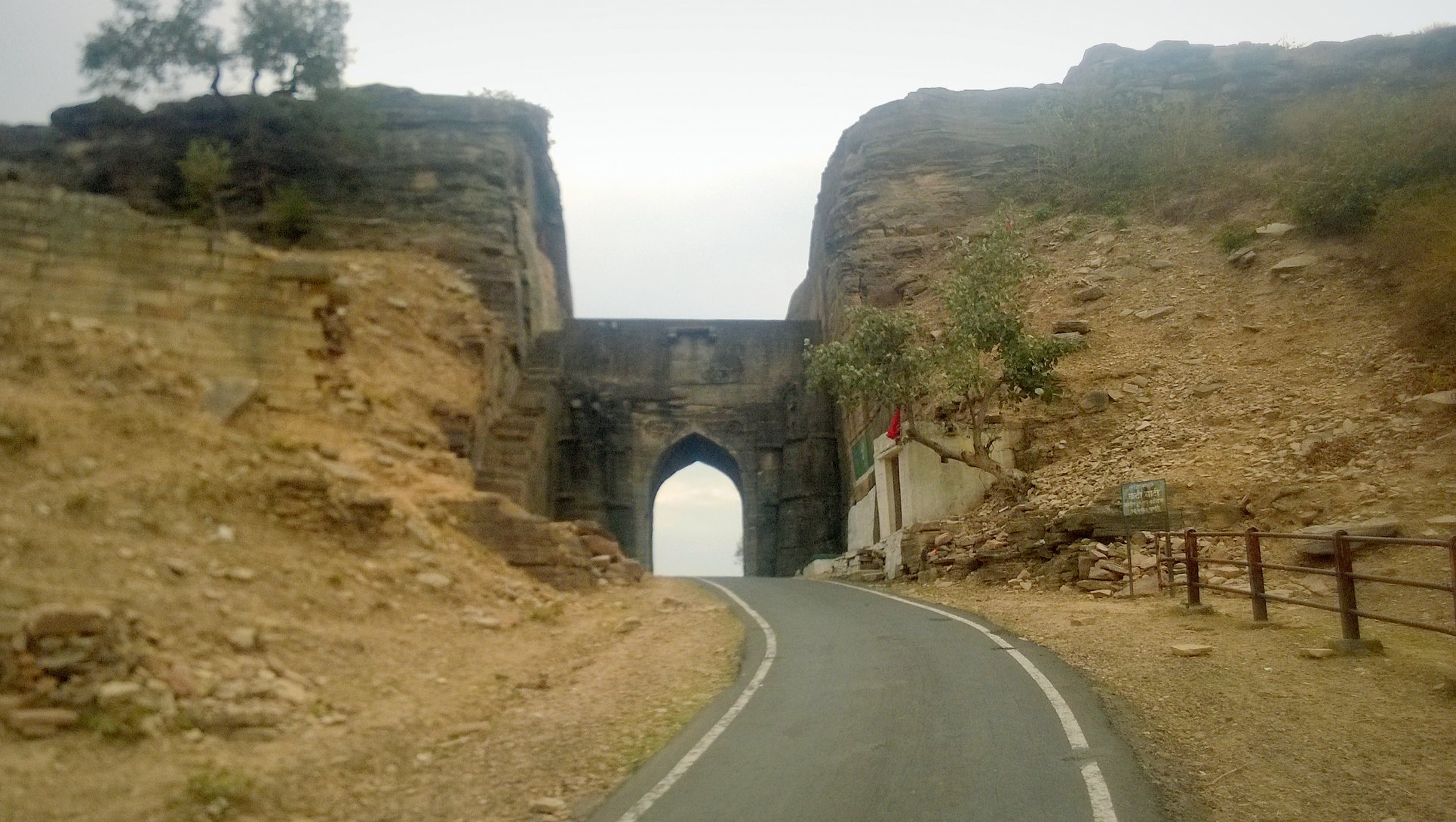
Chanderi, famed today for its sarees, was under the control of Bundela Rajputs of Orchha from the 16th century before it passed to the Gwalior Scindias, and then into British hands in 1844. It is home to a fort and a few other monuments, including Jain caves & Tirthankara sculptures and a Scindia haveli. Chanderi was most recently featured in the Hindi horror-comedy movie, ‘Stree‘. In fact, a beautiful gated hill pass featured towards the movie’s end is what had fascinated me about Chanderi in the first place.

One of the gates leading to Chanderi city. The last scene of the movie ‘Stree’ was shot here.

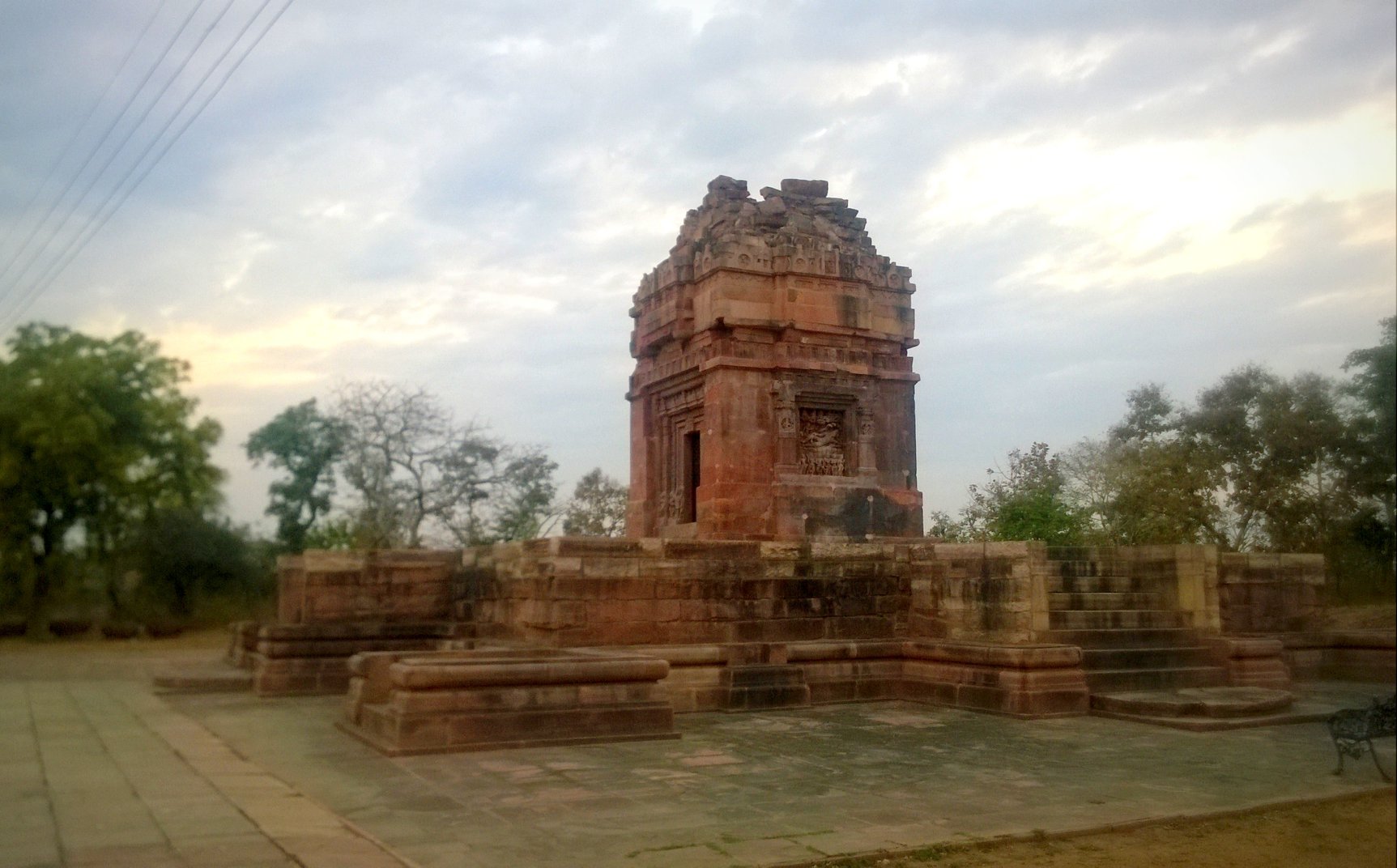
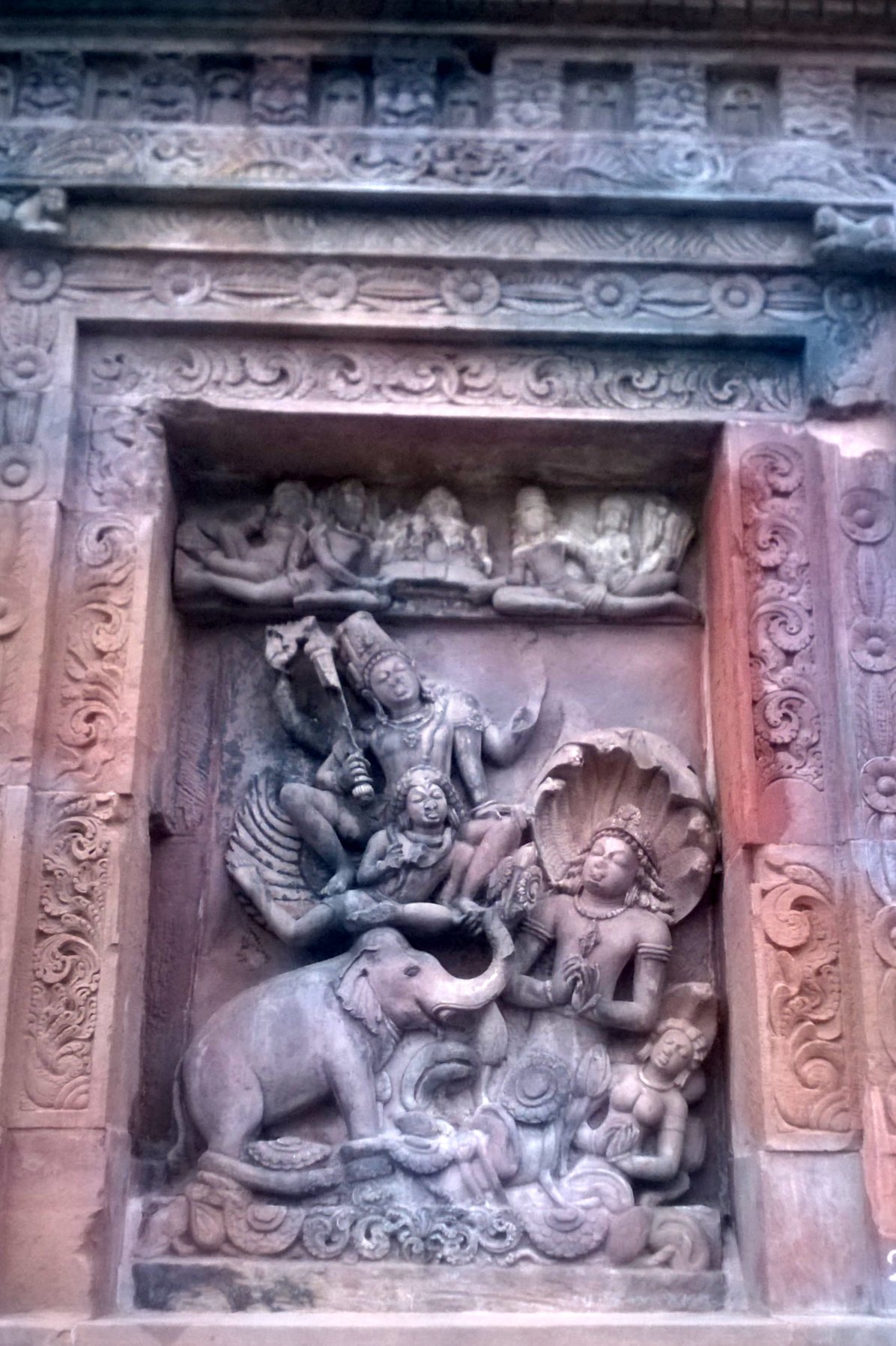
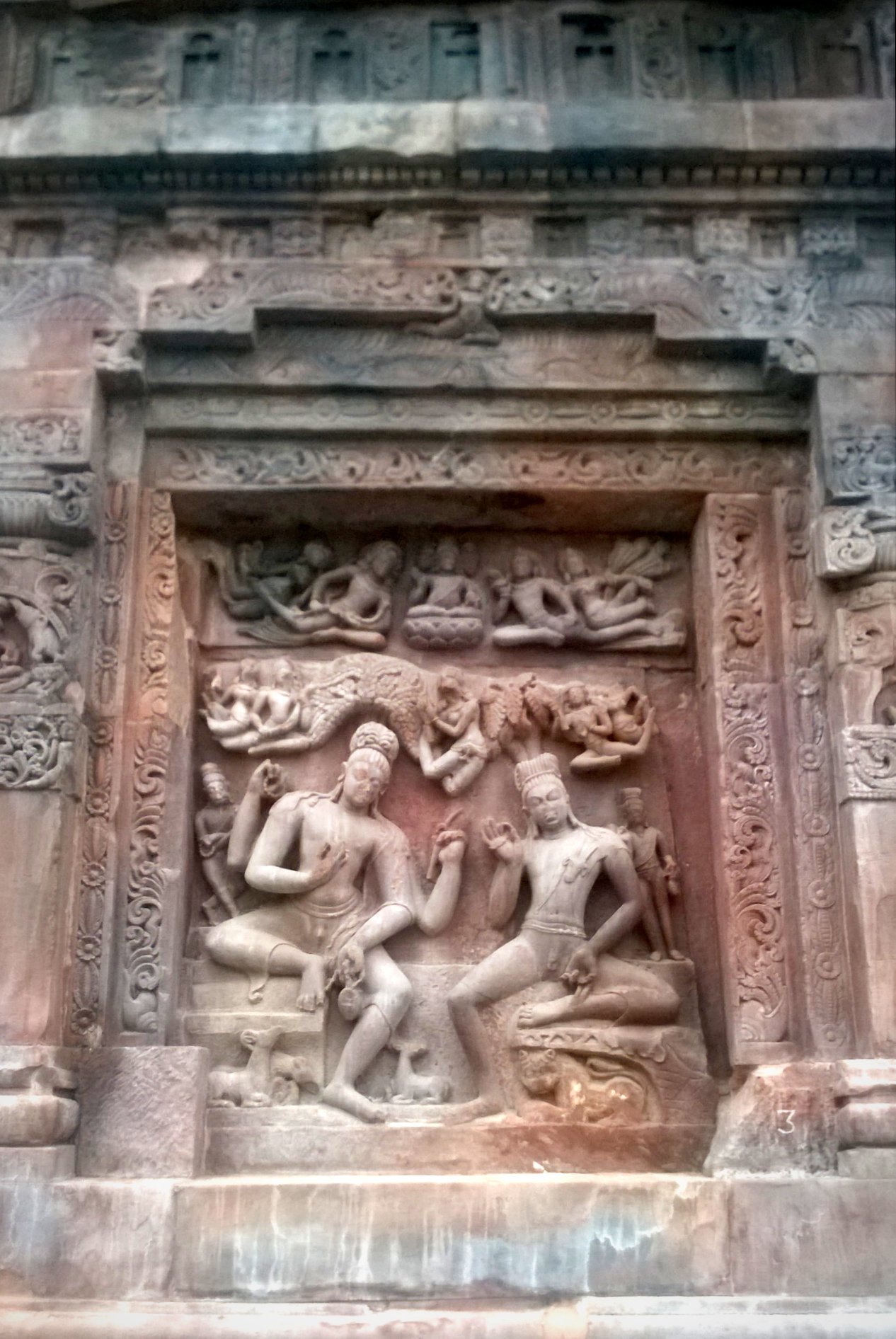
On our way back, with darkness fast approaching, we took a bold venture into the thick forests of Deogarh on the other side of Lalitpur, in pursuit of a 6th Century Vishnu Temple called Dashavatara (of the 10 incarnations of Vishnu) Temple. It was beyond sun-down, the closing time of most monuments, however, we still got to access the temple as the temple upkeep is not geared towards tourism – a truly unheralded site. As I perused the sculptures and the carvings on the Gupta period temple walls, I trembled with the knowledge that I stood in the vicinity of one of the oldest standing temples of India!

How the early 6th century Dashavatara temple at Deogarh, dedicated to Vishnu, looks like on an early February late evening

As we pushed ahead towards a 8th century Jain Temple Complex in the pitch darkness, the auto-rickshaw we were riding on was hailed by a couple of burly men, who asked to hitchhike to the Jain Temple. They claimed to be policemen and the auto-rickshaw driver had to relent. With our hearts in our mouths, we rode up a hillside to finally reach a well-illuminated temple complex, which was already closed. Fortunately, the men turned out to be who they claimed they were, and let us inside the Temple complex, as the sole visitors at 7pm on a deserted hilltop!

The Shantinath Jain temple complex, Deogarh, at 7PM – we were the only visitors in the darkness

The next morning, we learnt that our early morning train for Morena was running late by 5 hours, forcing us to improvise. So we ditched the train and took two buses back North towards Gwalior via Jhansi, racing against time. Getting down at Gwalior bus station, we approached an autorickshaw driver to ply us around for the whole day. The autorickshaw driver knew nothing about the places we were interested in, but he agreed immediately to the assignment when we pitched to him that it would be we who would show him around for a change! Now, who gets paid for being shown around?

Soon, pulling away from the main road, we ventured into the Chambal Valley. Encountering the occasional shallow ravines and sparse vegetation. Our first stop was the mesmerizing circular Chausath (64) Yogini Temple atop a hill at Mitaoli, a 1 hour drive from Gwalior. 4 km away lies Garhi Padavali, a fort-like temple, our next stop. However, the most intriguing and spell-binding site lay another kilometre from there – the 8th to 10th century Bateshwar Temple Complex, which was only restored a few years ago, with the help of Chambal dacoits!

The Bateshwar temple complex lies protected in a cove in the hillside, and is accessed by turning around the hillside when coming from the Padavali site. The complex comprises more than a hundred small temples stacked in tiers, along with a couple of bigger temples and a water tank at the innermost end of the complex. Standing at the bottommost level of the complex, the tiered lines of temples is a sight to behold! The story of how the temples were restored is in itself a testament to the dedication to his craft, and perseverance of reputed archaeologist K.K.Mohammed, and to the magic of collaboration amidst disjointed forces in the face of forces of vested interests.

The road leading to the Bateshwar temple complex as seen from atop the fortress wall of the Garhi Padhavali temple
View of the stacks of tiered temples inside the Bateshwar temple complex – the temples are mostly small and a testimony to syncretism of the three major traditions of the Shiva, Vishnu and Shakti within Hinduism.

We rounded up the tour with the Kakanmath temple at Sihoniya, 20 km away from Padhavali. Built in the 11th century, the temple is decrepit, but the intricacy of the carvings on the walls are unmissable. After hovering around the site to our heart’s content, as we hurtled towards Gwalior in the autorickshaw through the Chambal ravines and ridges, with the billowing dust-clouds dispersed by the autorickshaw’s wheels bathing, and then clothing us with layers of dirt, I was reminded as to how easy it was for the sands of time to bury things into oblivion, and how, there is so much more from our past to uncover.

A Hike Through History at Hampi

With just three weeks remaining for my post-graduate course in Hyderabad to complete, I decided to head for a quick weekend trip to a place that had been on my bucket list for a long time – Hampi. So, I took an overnight bus from Hyderabad and was in Hampi by 8.30 AM. After checking in at Clark’s Inn, I went about hiking around Hampi – the capital of the legendary Vijayanagara empire – taking a walk through the annals of history.

Hampi is identified with Kiskindhya of the Ramayana, where Bali and Sugriva, the vanara brothers lived. Anjanadri Hill near Hampi is believed by locals to be the birthplace of Hanuman. Hampi is also called as Pampakshetra because of Pampa, an old name for the Tungabhadra River, which runs through the area. Hampi is also said to be the village of Pampa Devi, another name of goddess Parvati, Shiva’s wife. Another explanation is that Hampi became a place where five faces of Shiva (Paramesvarasya Panchamukhnam), namely, Virupaksha, Jambunatha, Somesvara, Vanibhadresvara and Kinnaresvara, began to be worshipped in the form of Panchalingas (five lingas).

Highlights of the trip are below:
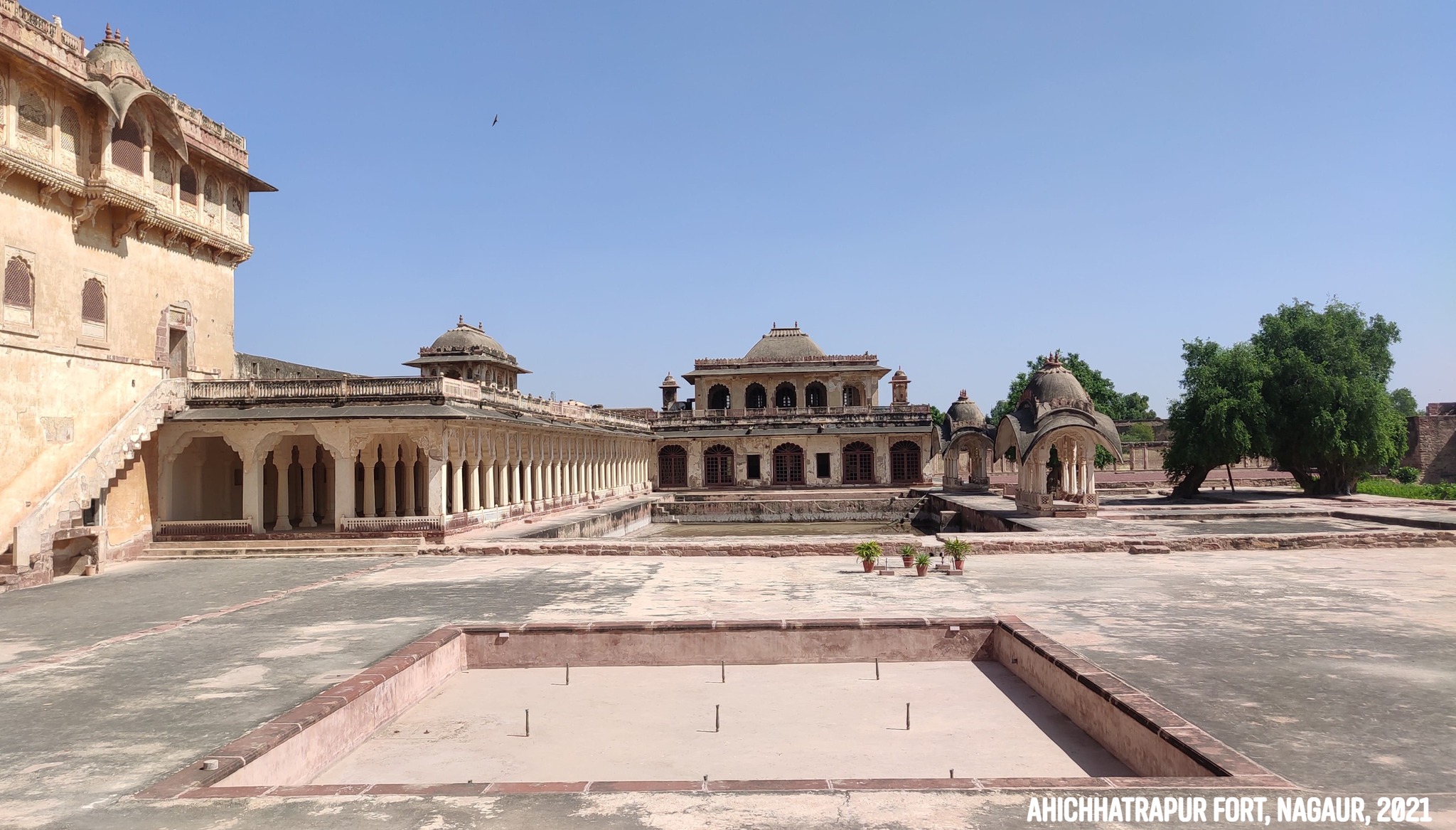
Day 1

Vitthala Temple and Market complex

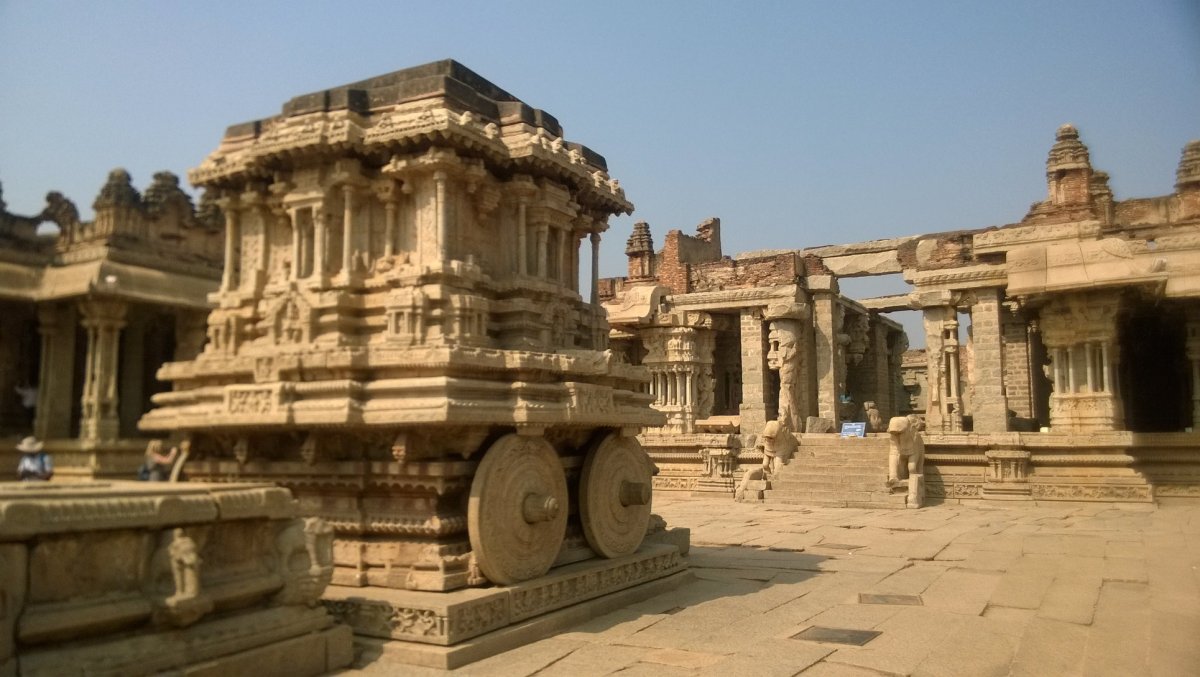
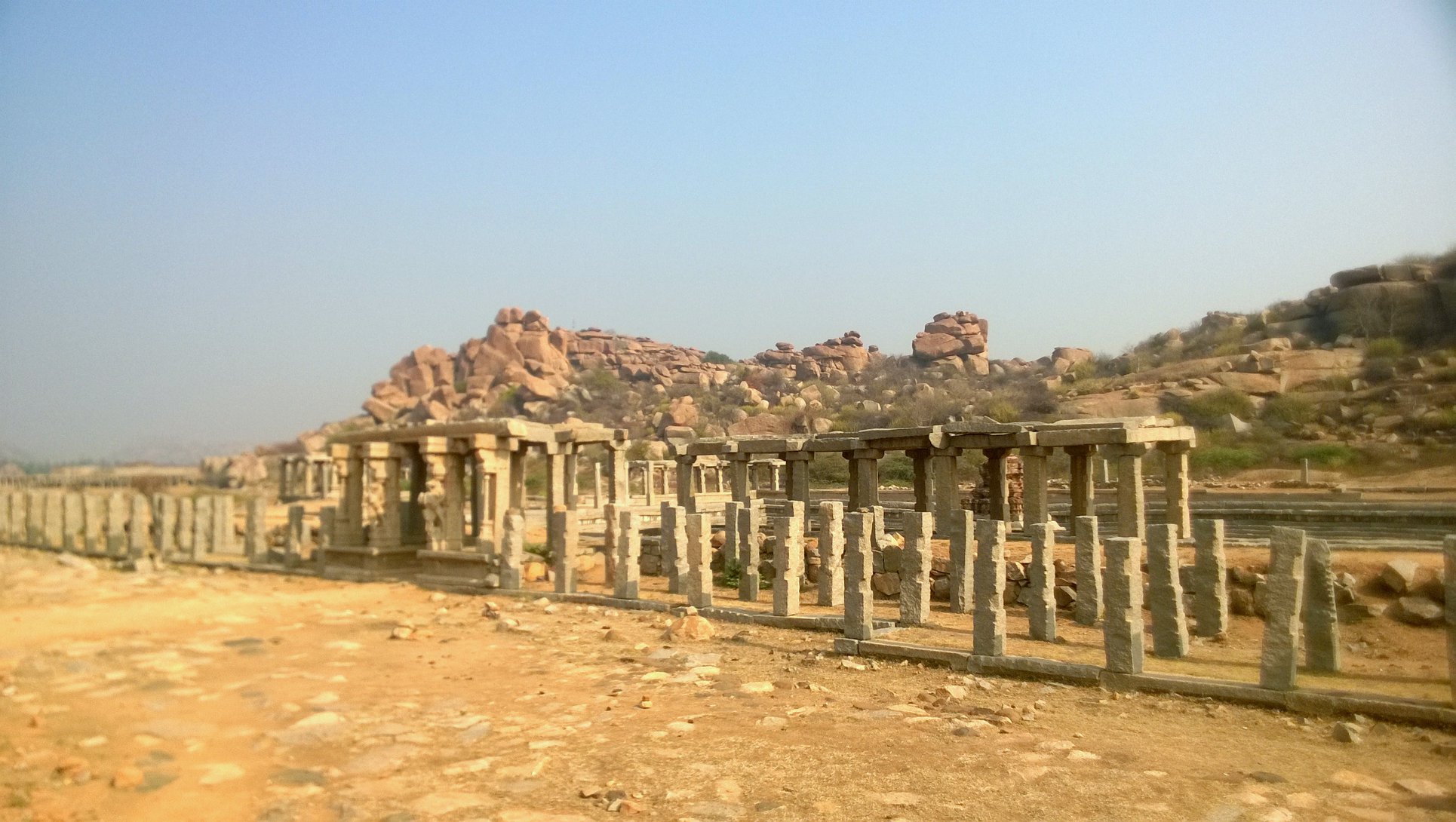
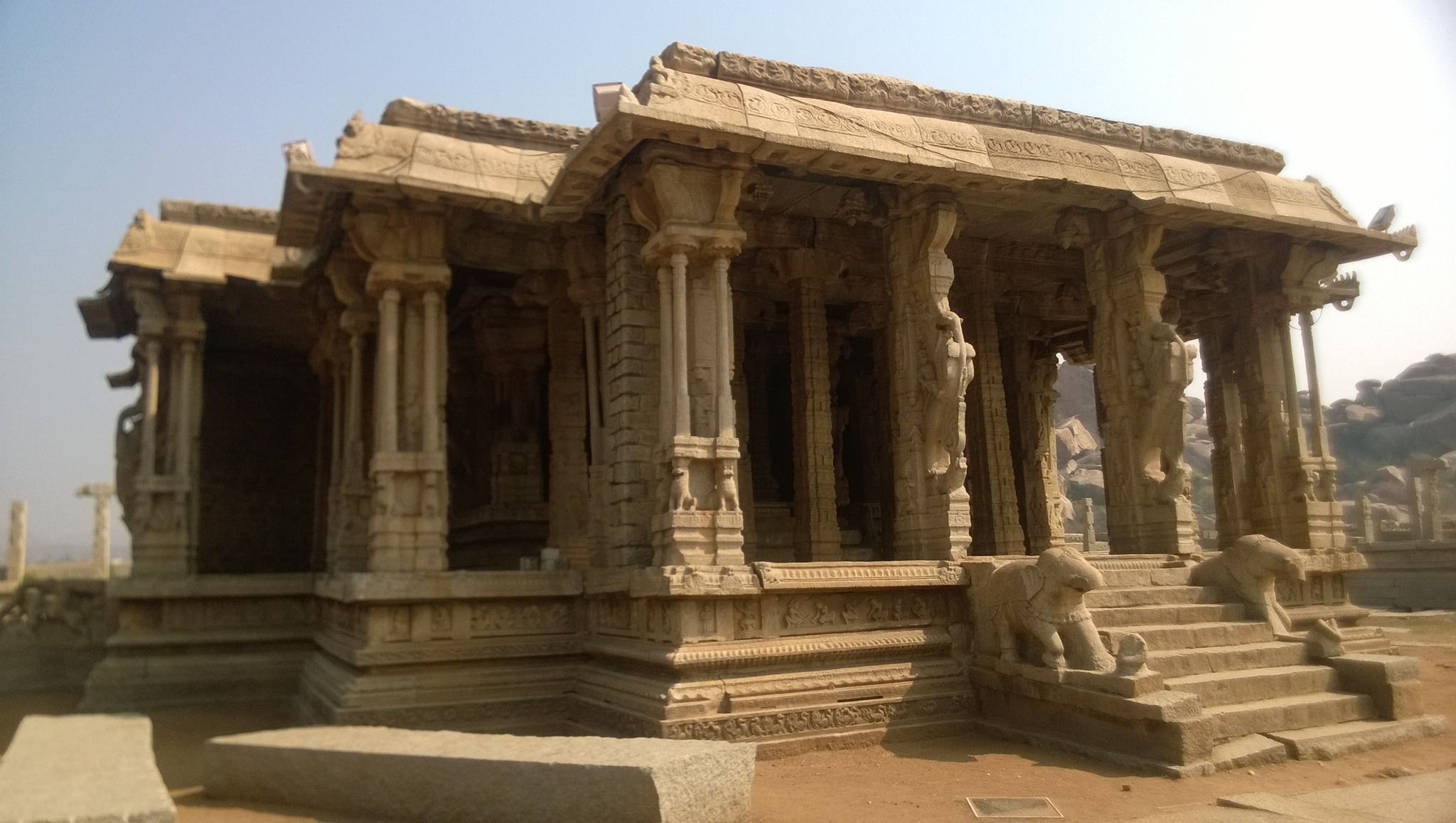
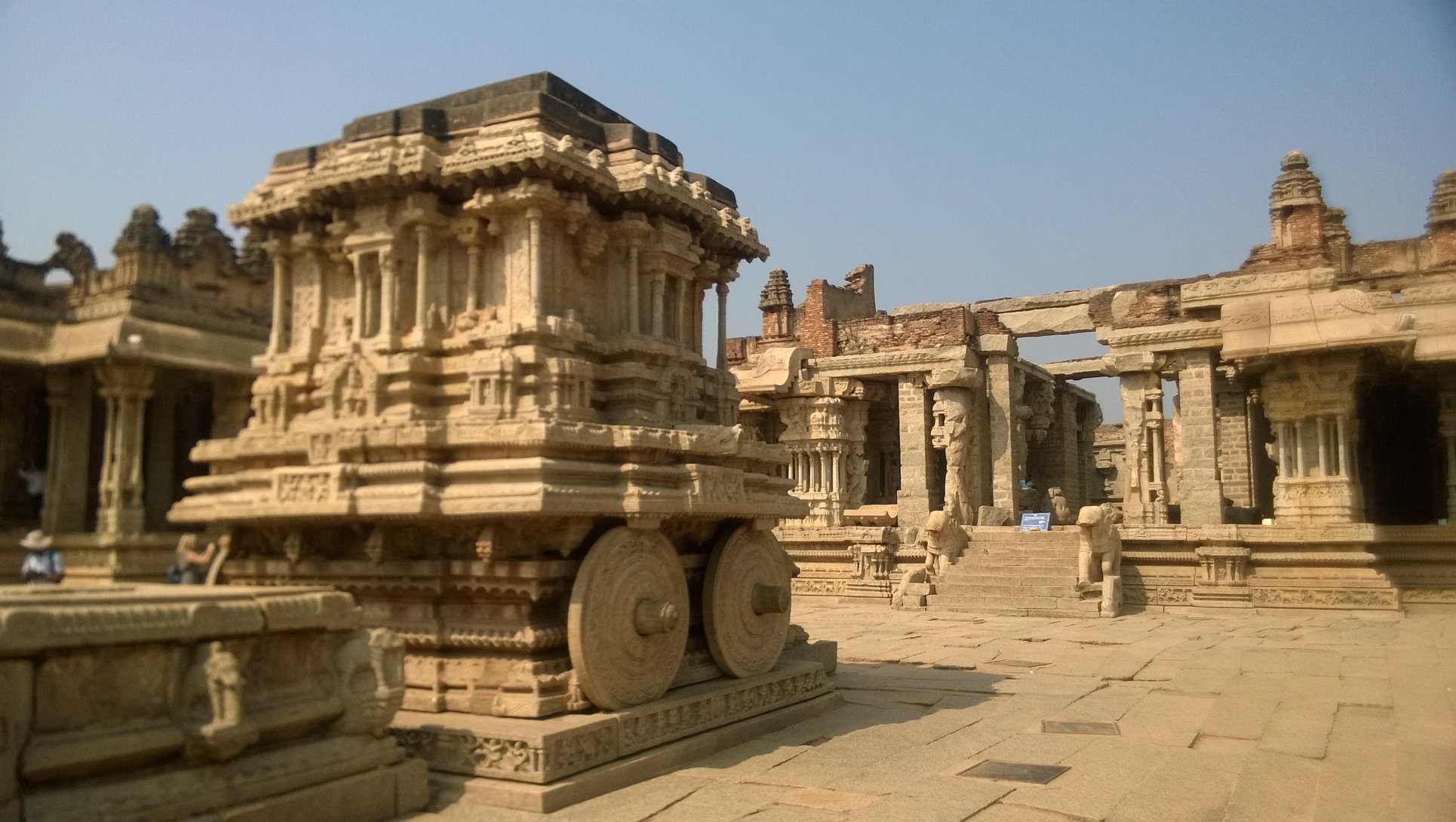
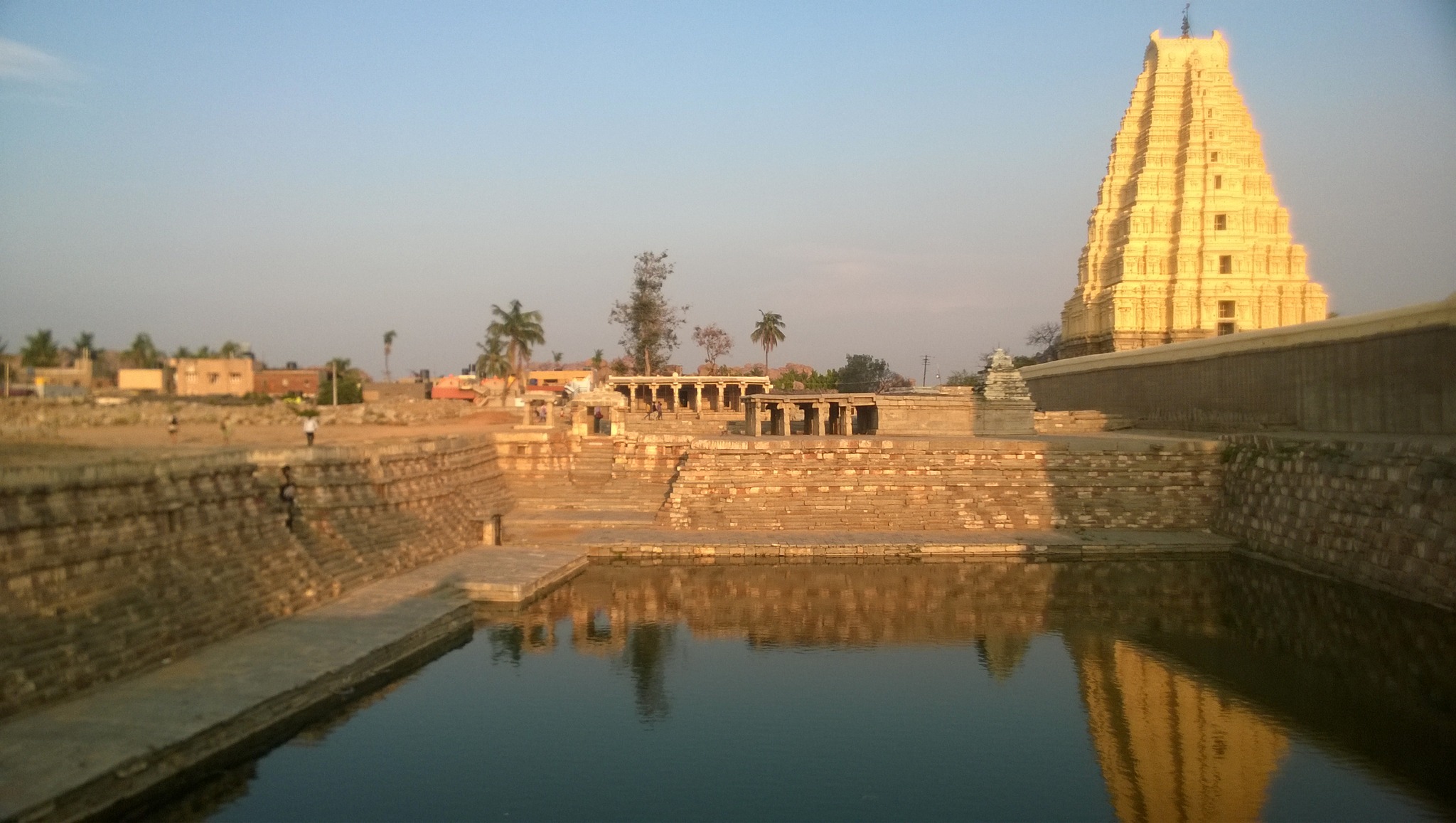
The 15th century temple, construction of which was started by Devaraya II and continued during the reign of Krishnadevaraya and later kings, is famous of the musical pillars and the stone chariot placed in front of the main temple structure. The carvings and sculptures on the temple and all structures around it, is a testament to the high workmanship achieved by the artists of Hampi.The long straight boulevard leading to the temple complex is flanked on both sides by long continuous lintels supported by a series of pillars – these structures once contained shops. Behind one of the shopping arcade is a pond.

The Royal Enclosure

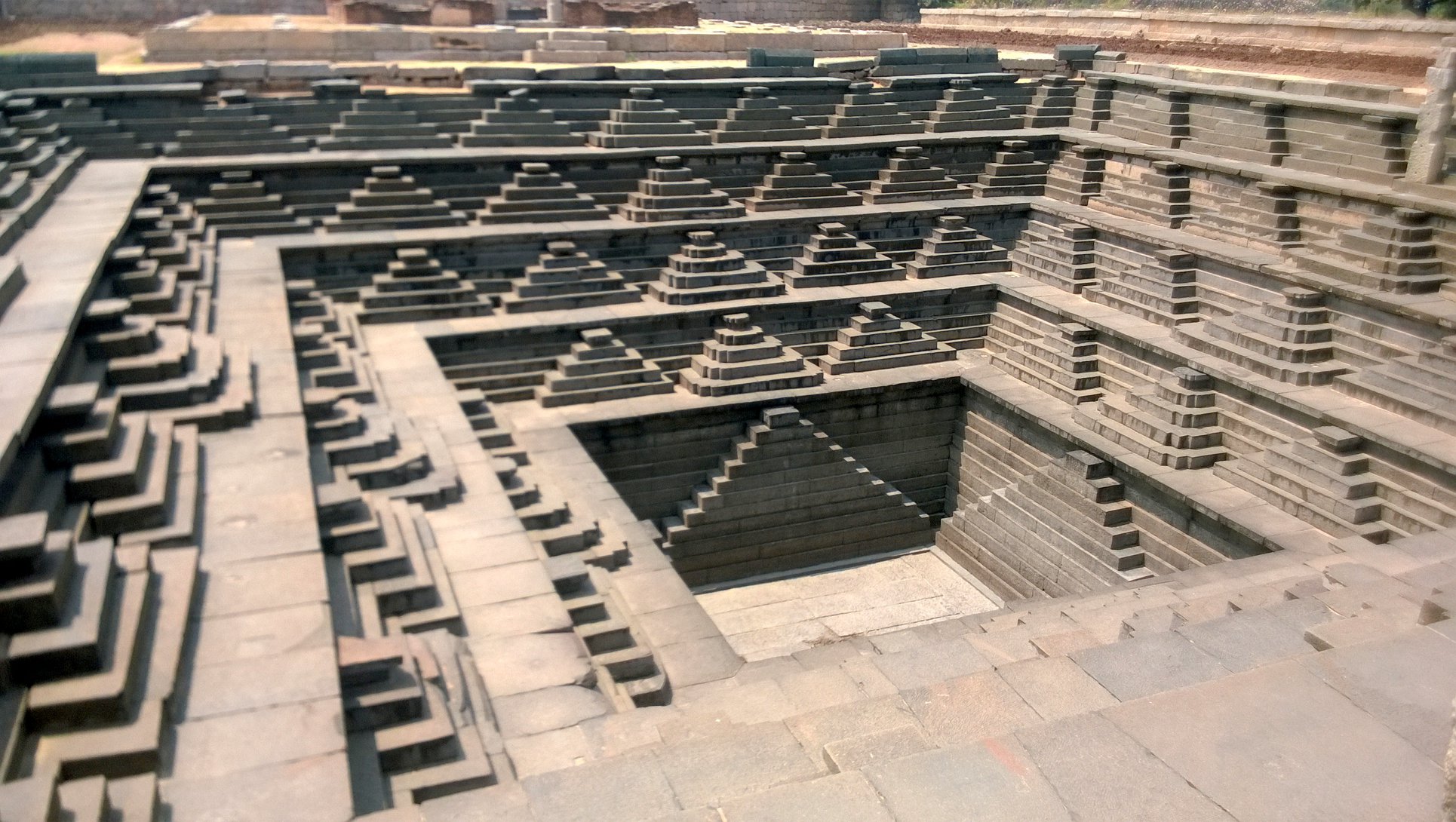
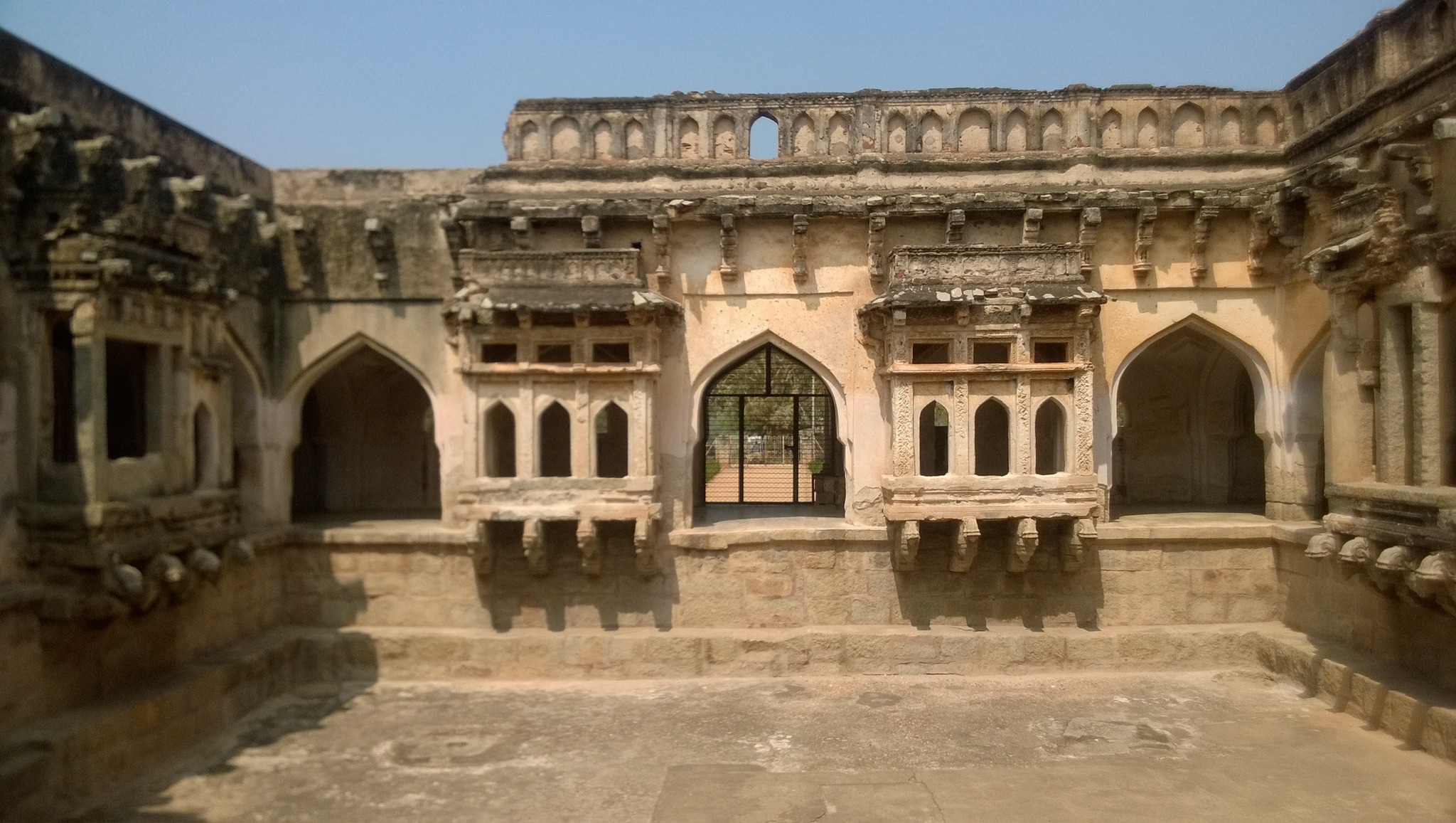
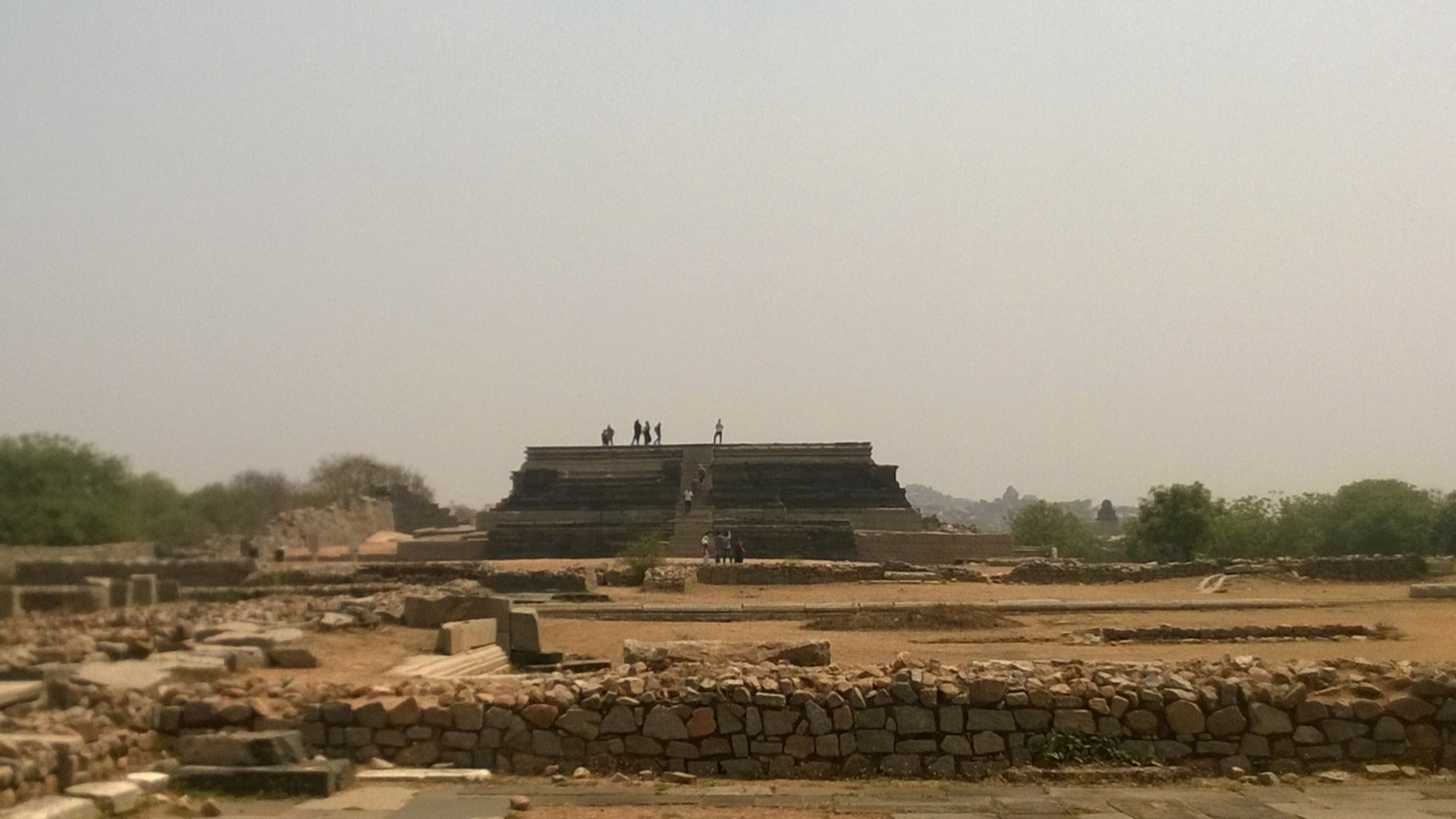
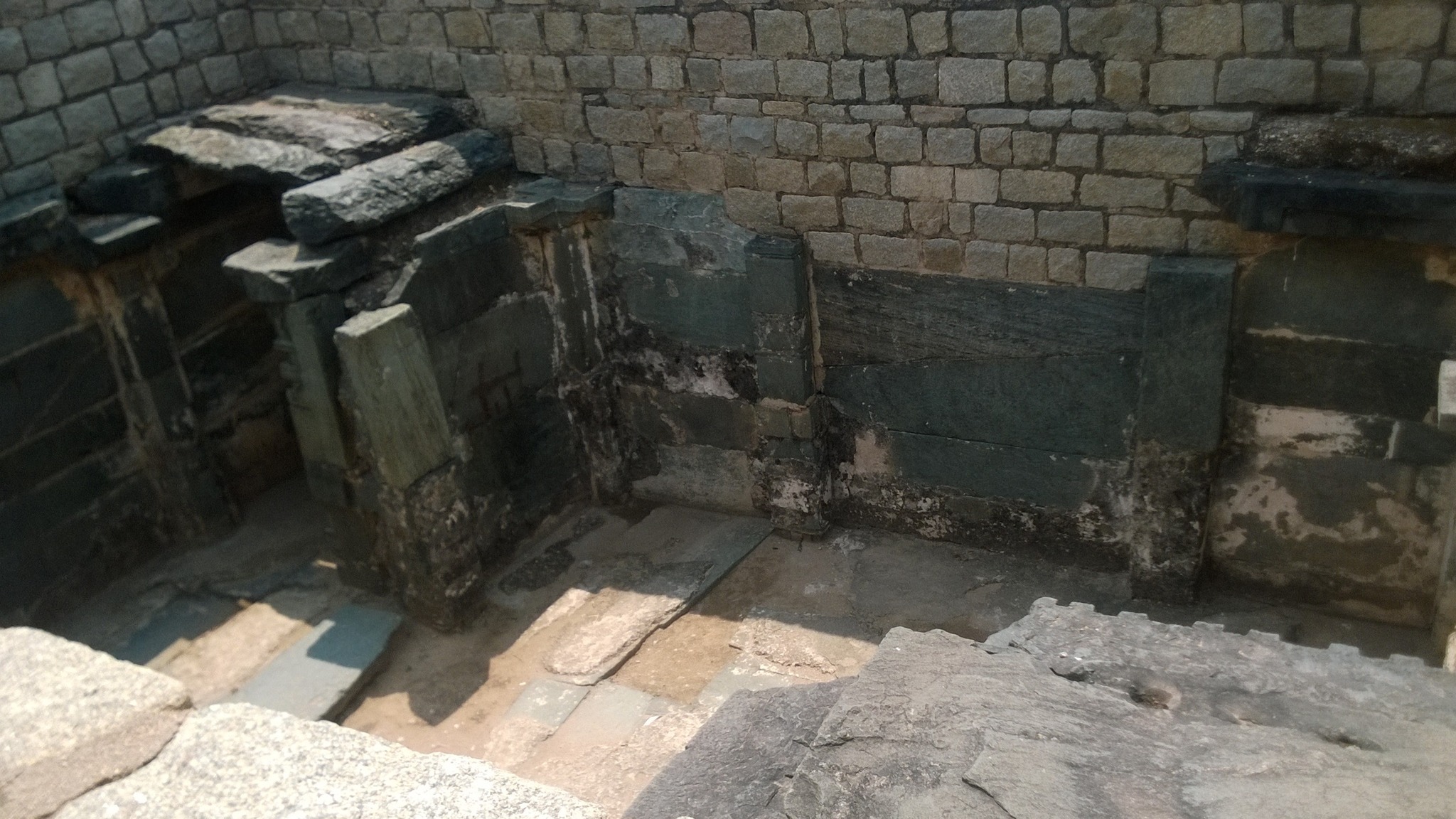
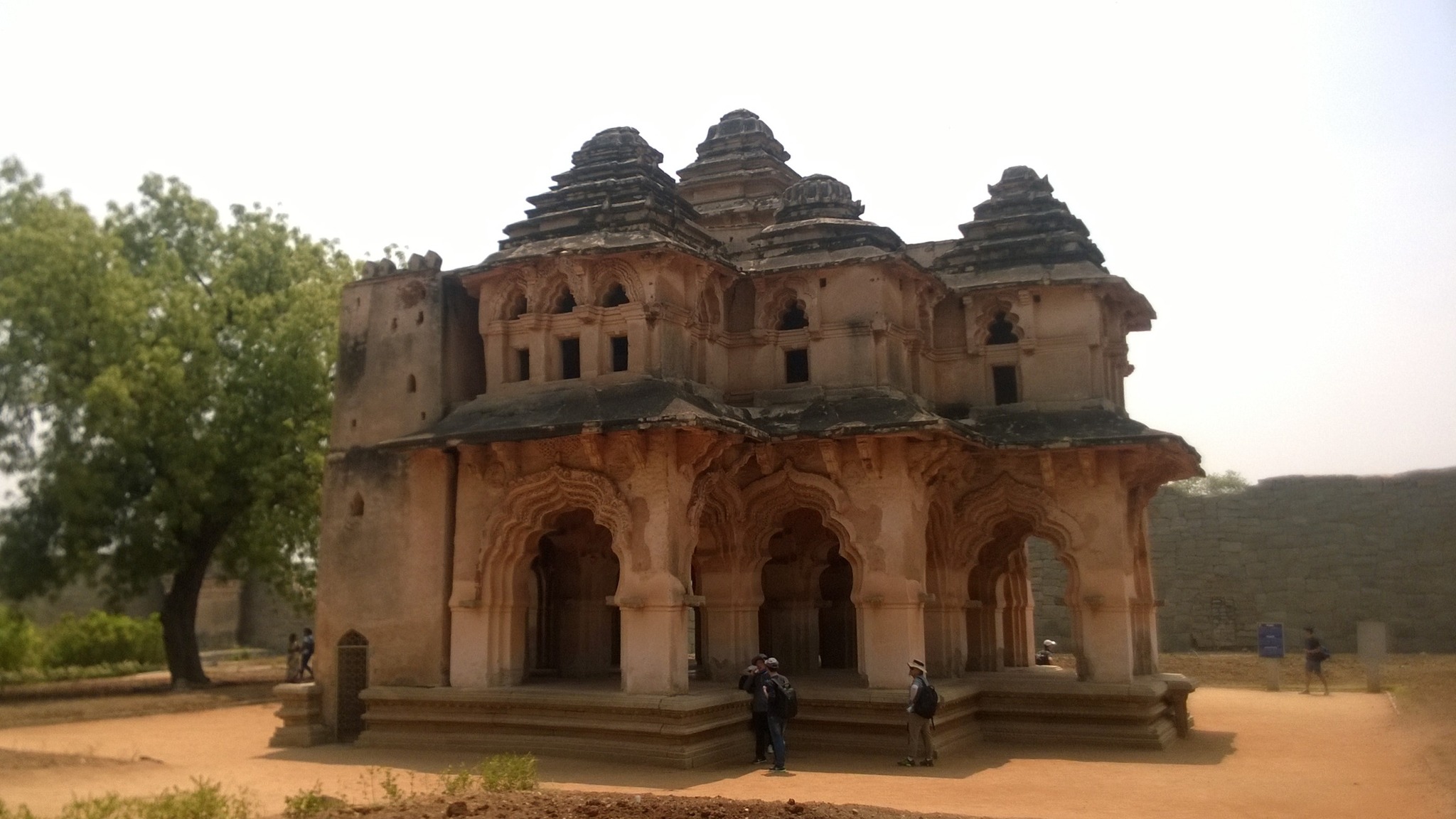
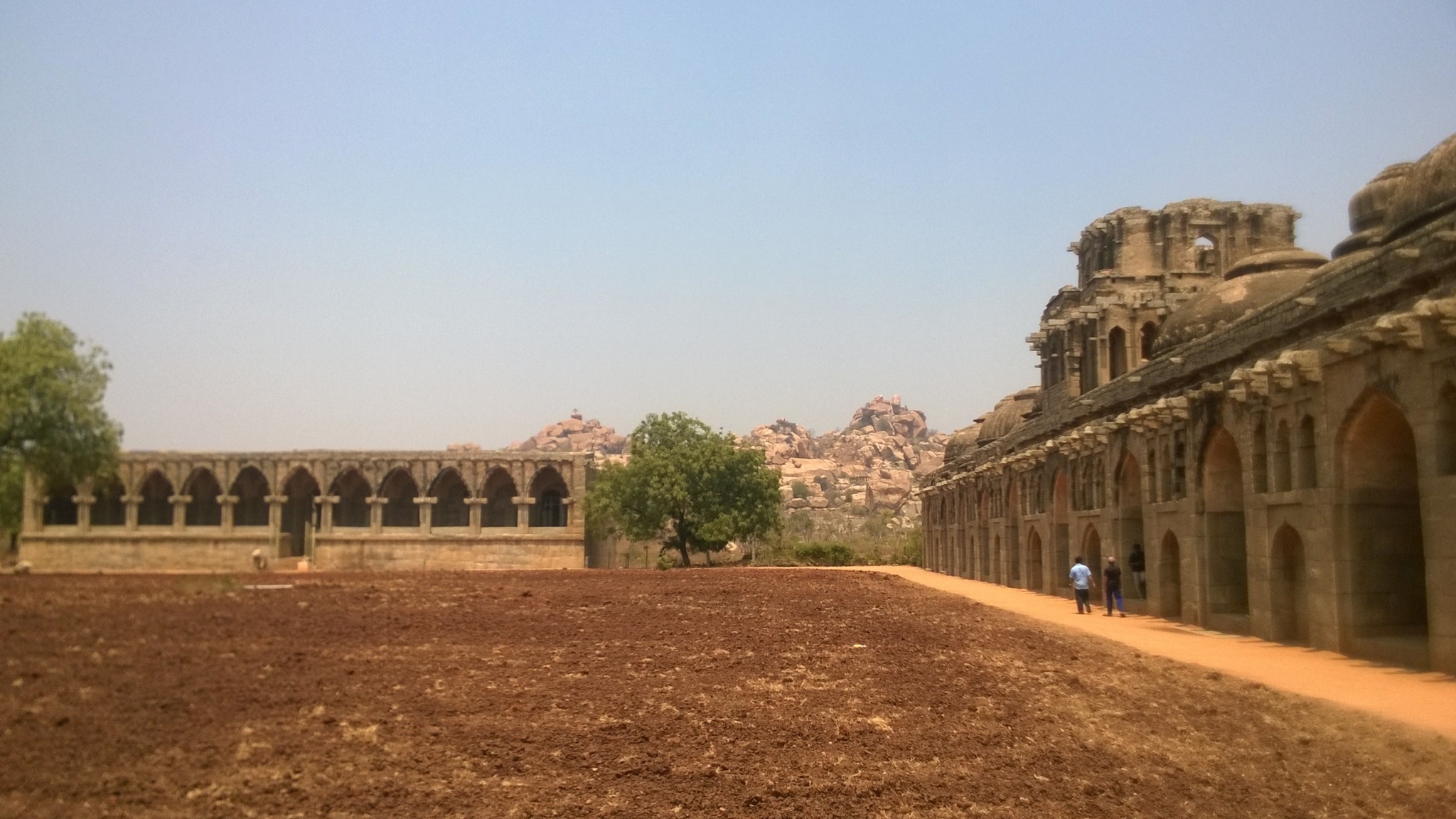
The Royal Enclosure is the area where the royal family lived and administerefdfrom. The major highlights of the area include a stepped tank called the Pushakarini Kola, a platform for conducting ceremonies called the Mahanavami Dibba, an ornate bath complex called the Queen’s bath, a hall purported to be for the King’s public audience, and a labyrinthine building with secret underground chambers. A little farther from the above mentioned structures are a structure of unknown antiquity and purpose called the Lotus Mahal that employs an Indo-Islamic style of architecture, and the elephant stables.

A series of notable temples/shrines

Further on the trail, were a series of temples and shrines, namely,
Madhaba (Ranga) temple, temple built in 1545 AD exclusively for holding concerts of dance, vocal and instrumental music;
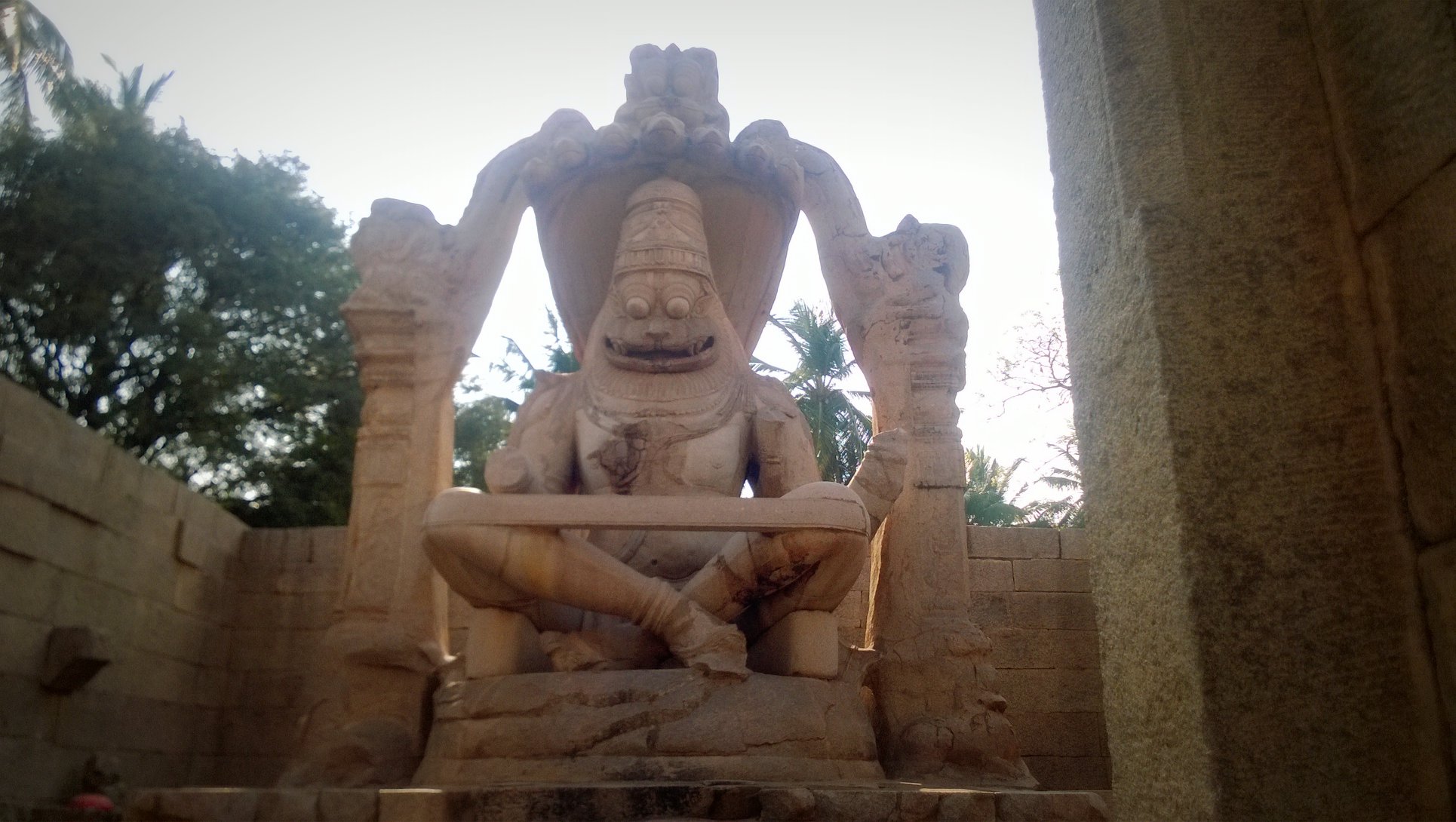
Shri Lakshmi Narsimha temple, built in 1528 AD, houses a fearsome monolithic 6.7 meter statue of Lord Narasimha;
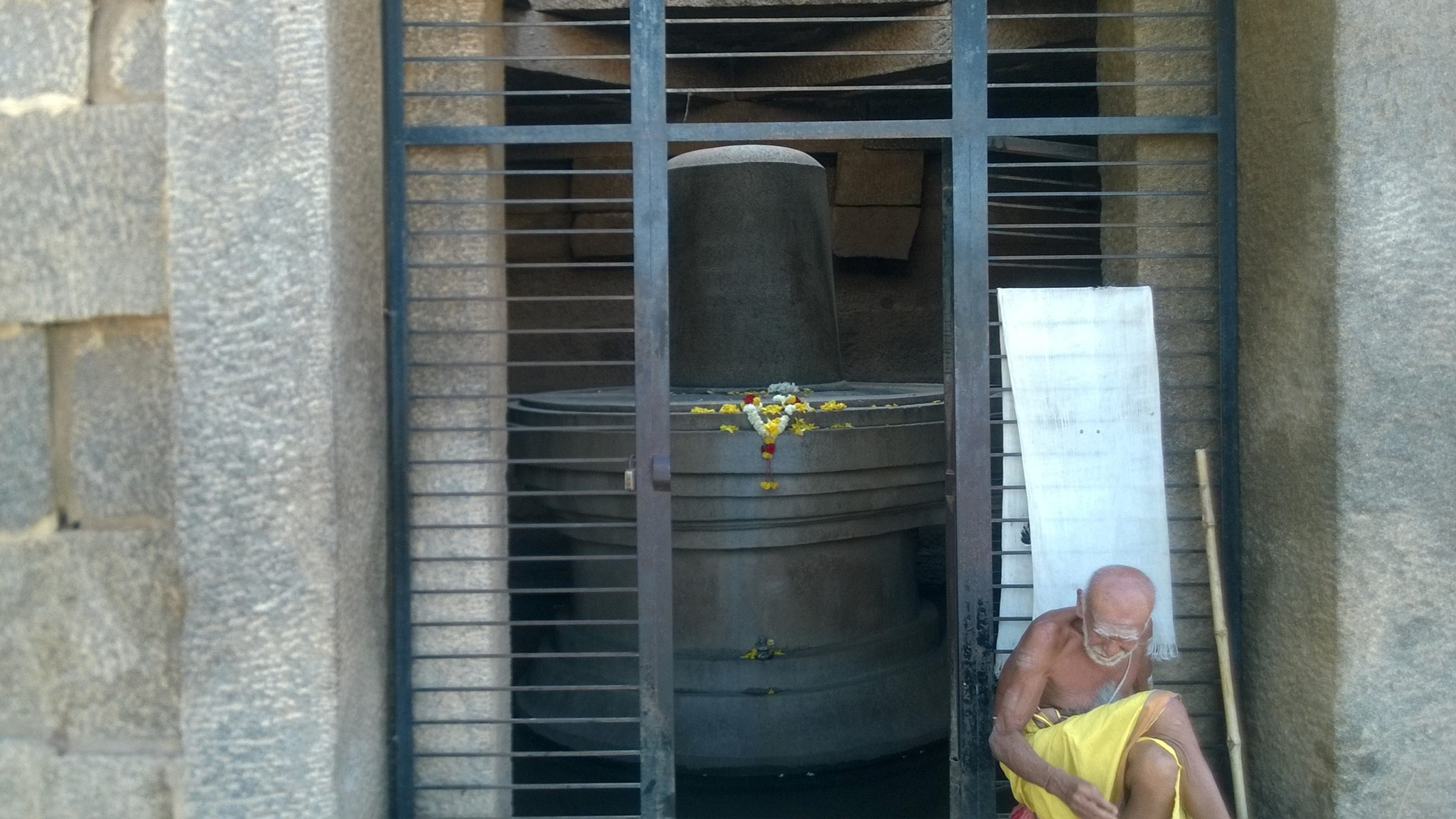
Shree Badavilinga Gudi – a near-3 meter high shivlinga, whose lower part remains in water drawn from the Tungabhadra river, throughout the year;
Krishnawamy temple, an ornate temple built by Krishnadevaraya in 1513 AD, with a Balakrishna image sourced from Odisha;
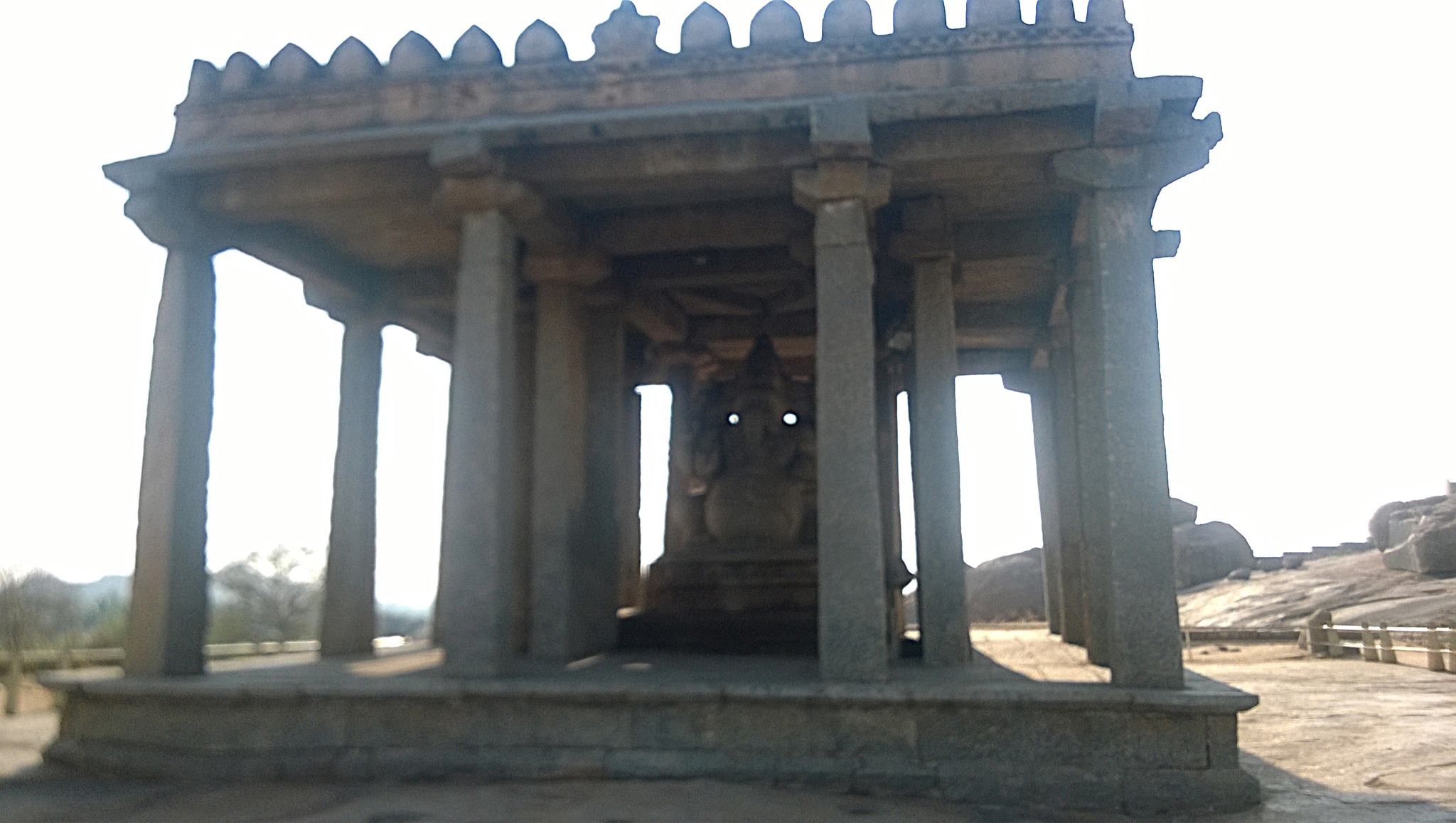
Saasivekaalu Ganesha a 2.4 meter 16th century monolithic four-armed idol of Lord Ganesha

Hemakuta Group of Monuments
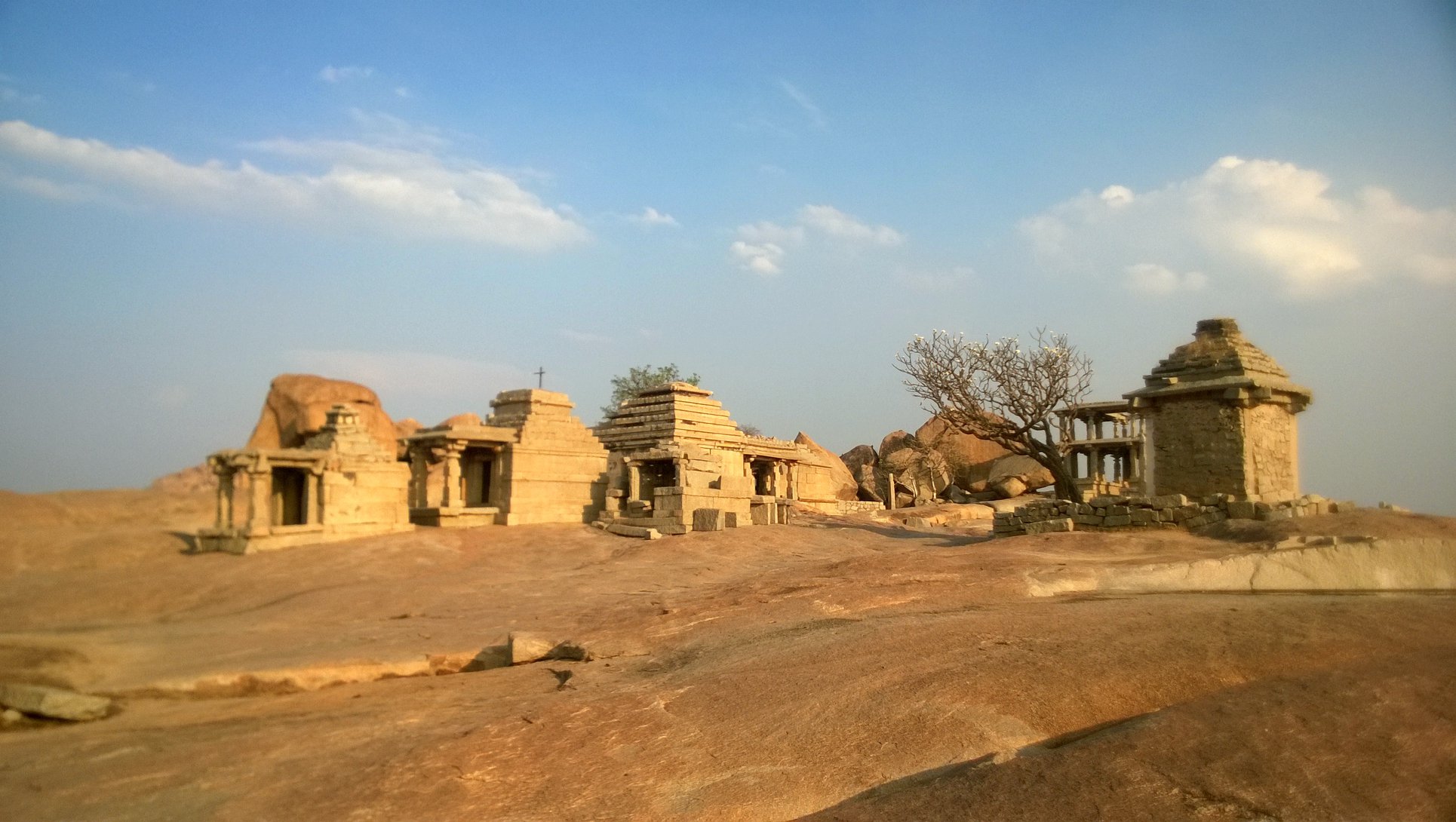
Walking a little further up the Ganesha idol, there is a bald hillock, upon which stands a cluster of temples – about 30 in number – of varying shapes and sizes, and datable between 9th and 16th century AD. Legend says Shiva was meditating on the Hemakuta hillock at the time the gods wanted Parvati to marry Shiva, and sent Manmatha, the god of love, to distract him. Infuriated, Shiva opened his third eye, thereby burning down Manmatha, and also melting down stones and boulders causing them to collected as pool called the Manmatha Honda at the foothills. Hemakuta hill affords a nice view of the sunset as well as of the Virupaksha temple and the Tungabhadra river.

Virupaksha temple complex

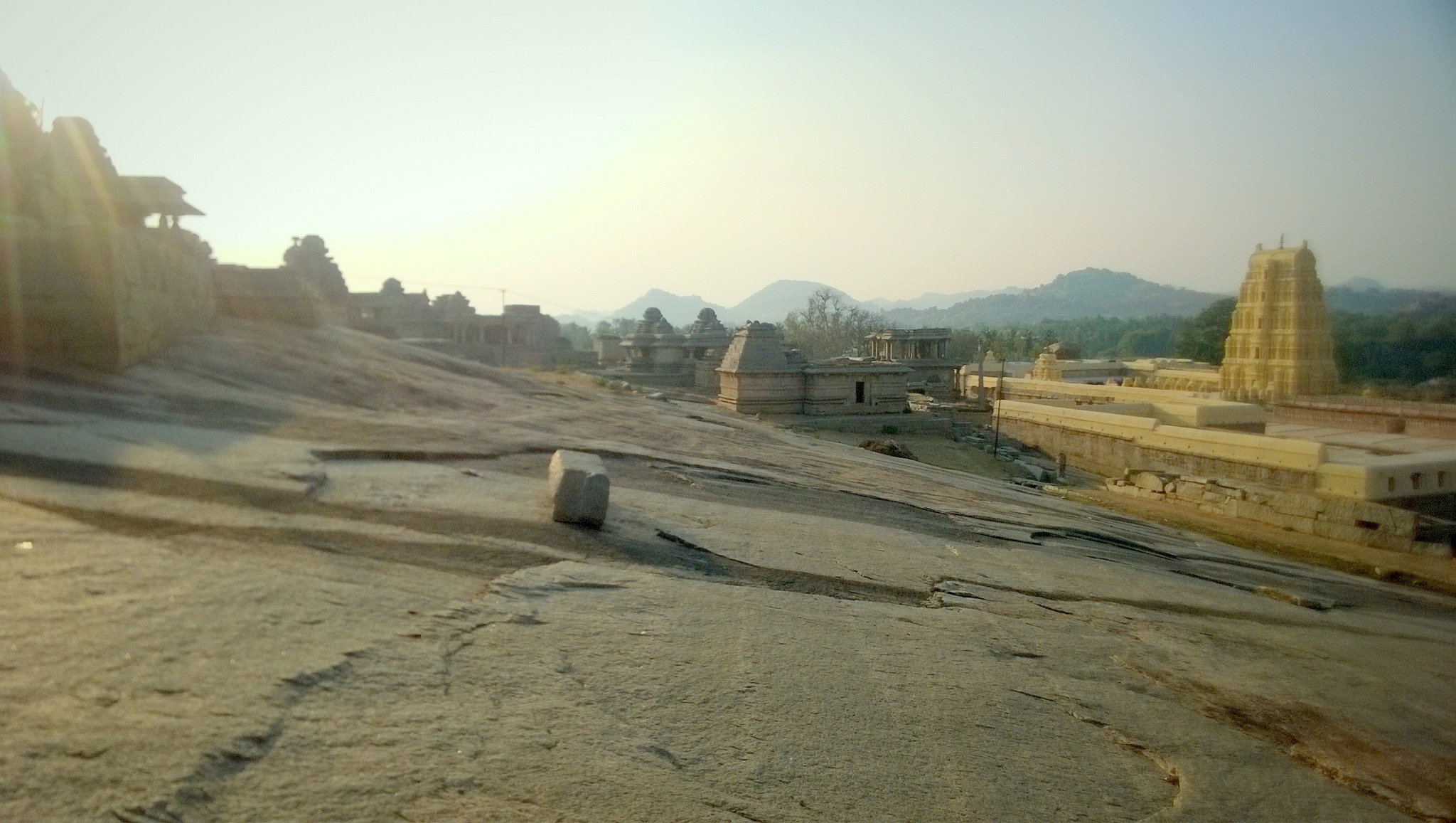
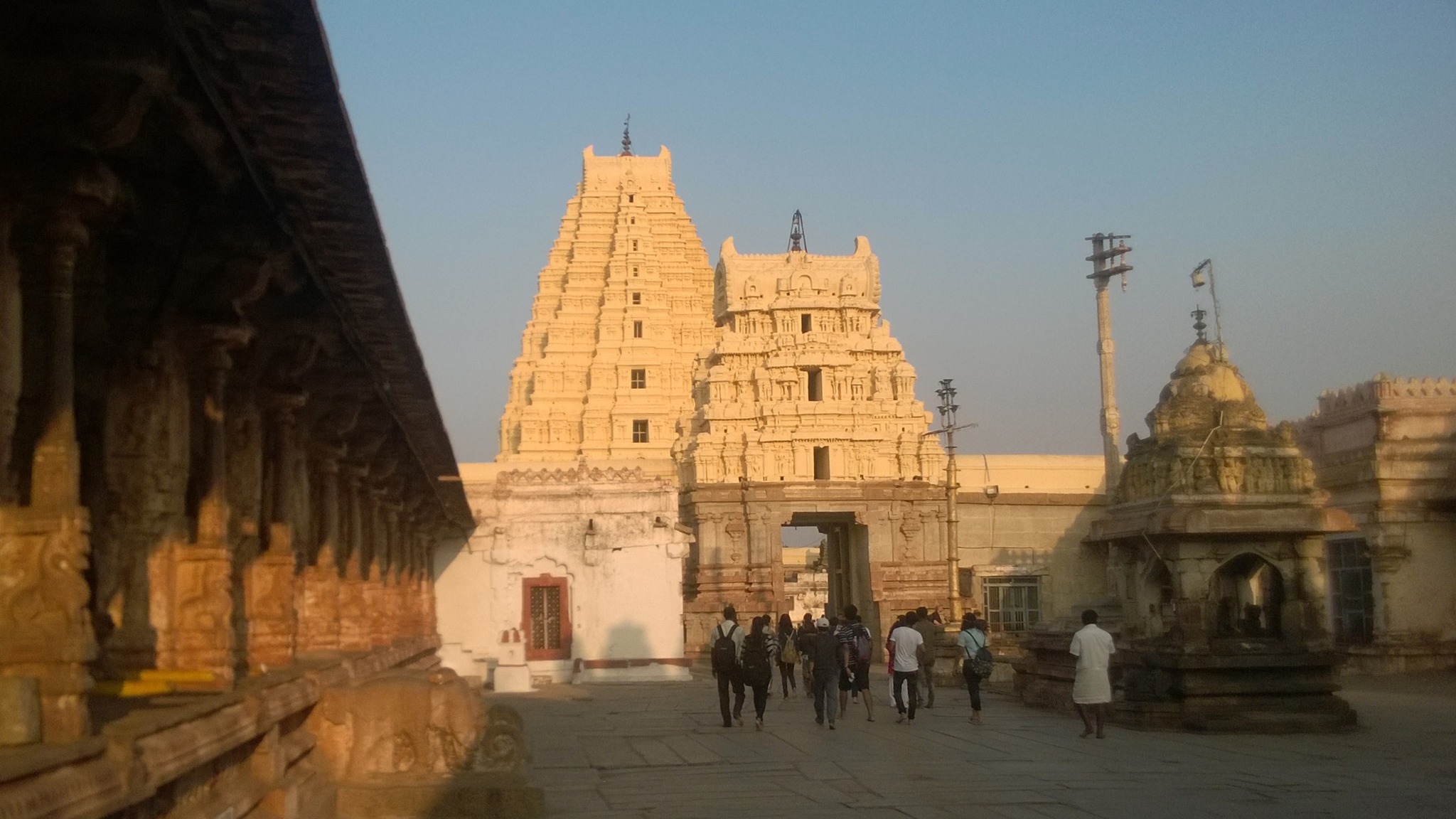
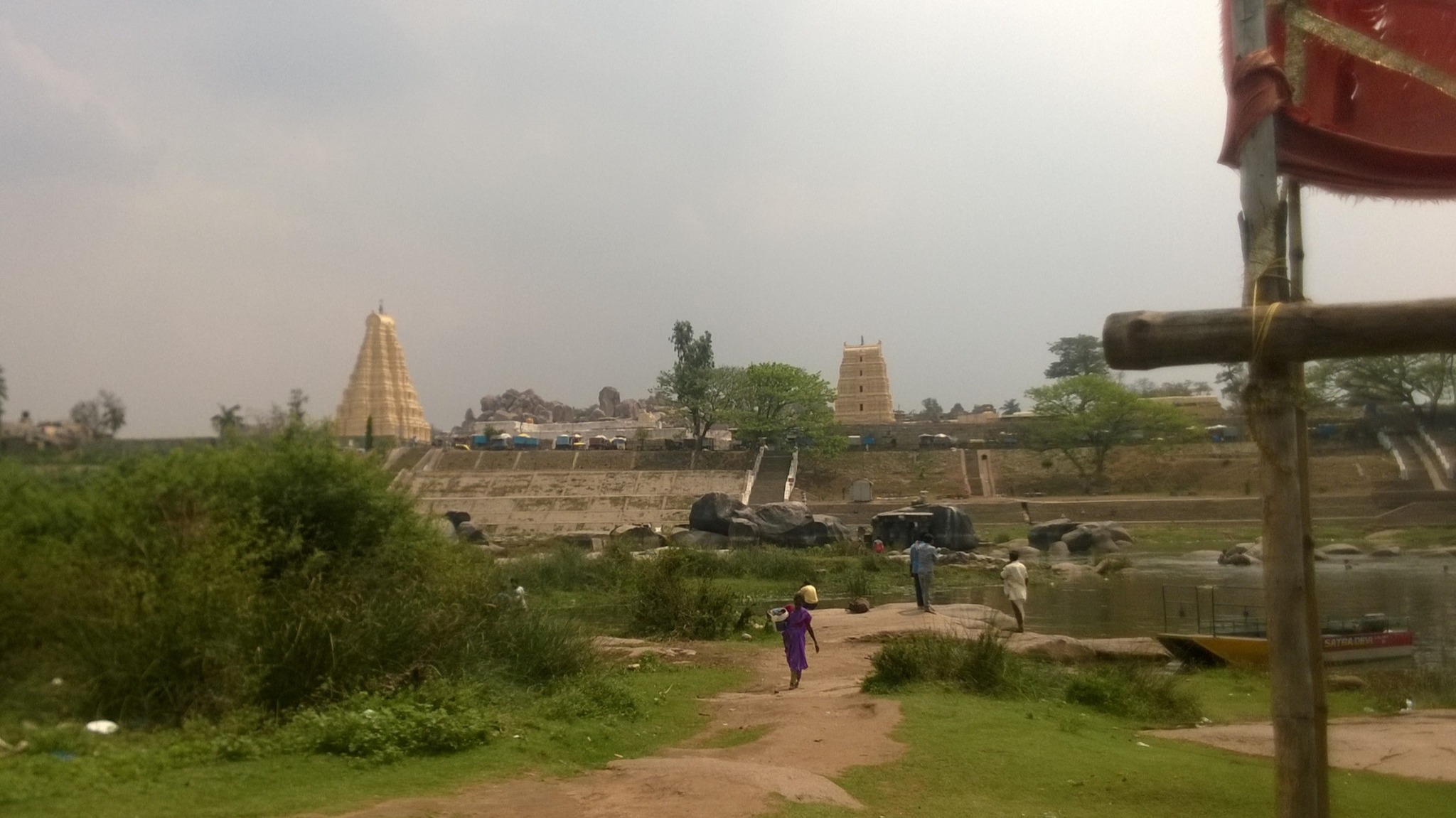
Descending the hillock from the other side, one reaches the Virupaksha temple that was expanded into its current imposing form in the first half of the 16th century. Standing on the bank of the Tungabhadra river, the temple complex has two large courtyards with numerous subsidiary shrines. The humongous main sanctum houses Virupaksha, a benign form of Shiva shorn of anger, the tutelary deity of the Vijanagara kings. The temple is most sacred of all sites in Hampi, and puja rituals are unfailingly performed in accordance with norms laid down by sage Sri Vidyaranya, beginning with drawing water from the Tungabhdara, considered equivalent to the holy Ganga.

Matanga Hill

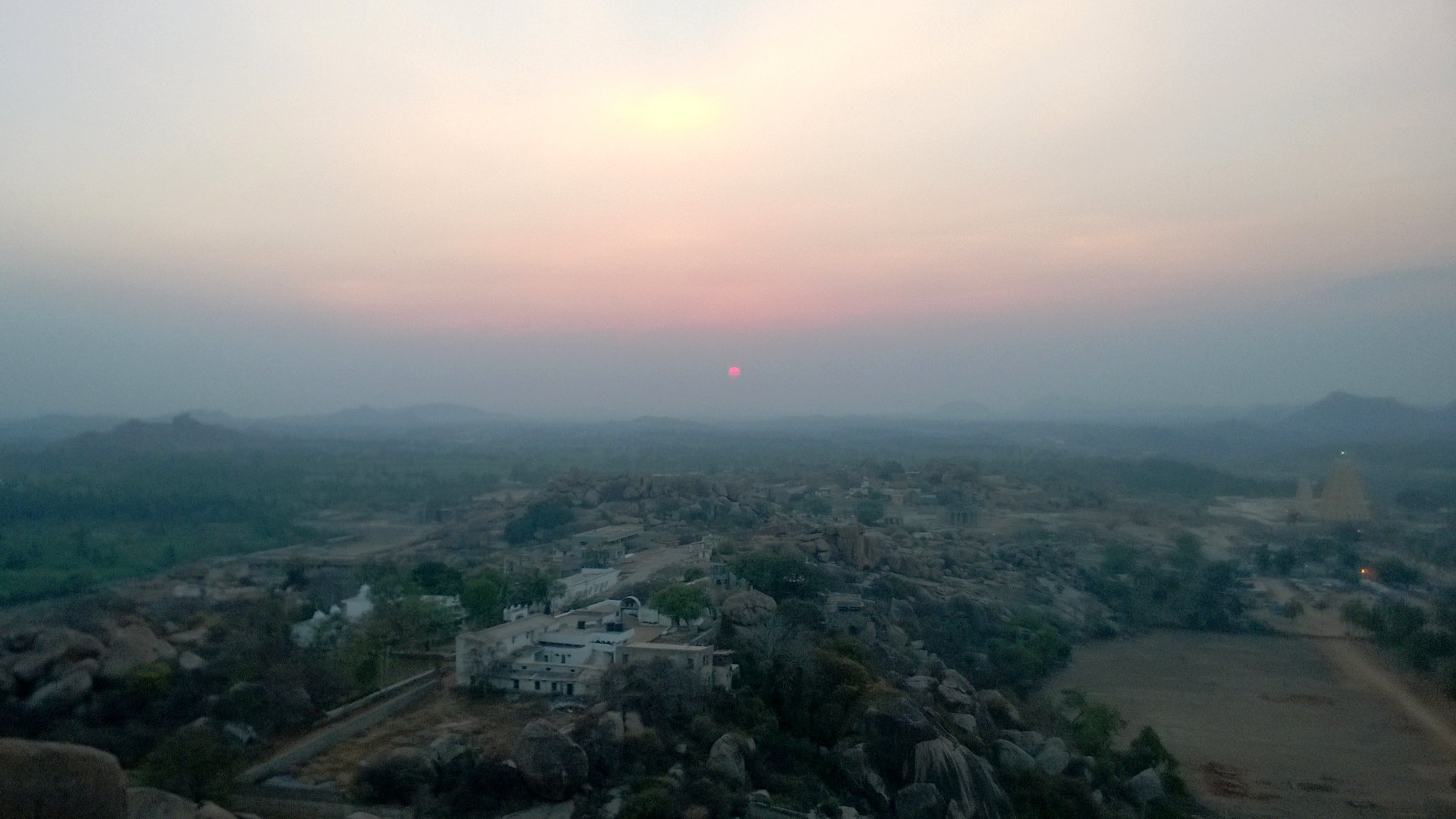
Finally, to close off the day, I hiked up the Matanga Hill, stopping many times to catch my breath before being treated from the hilltop to a breath-taking view of the sun setting with the crimson sky in the backdrop.

Day 2

Virupapuragade or Hippie Island

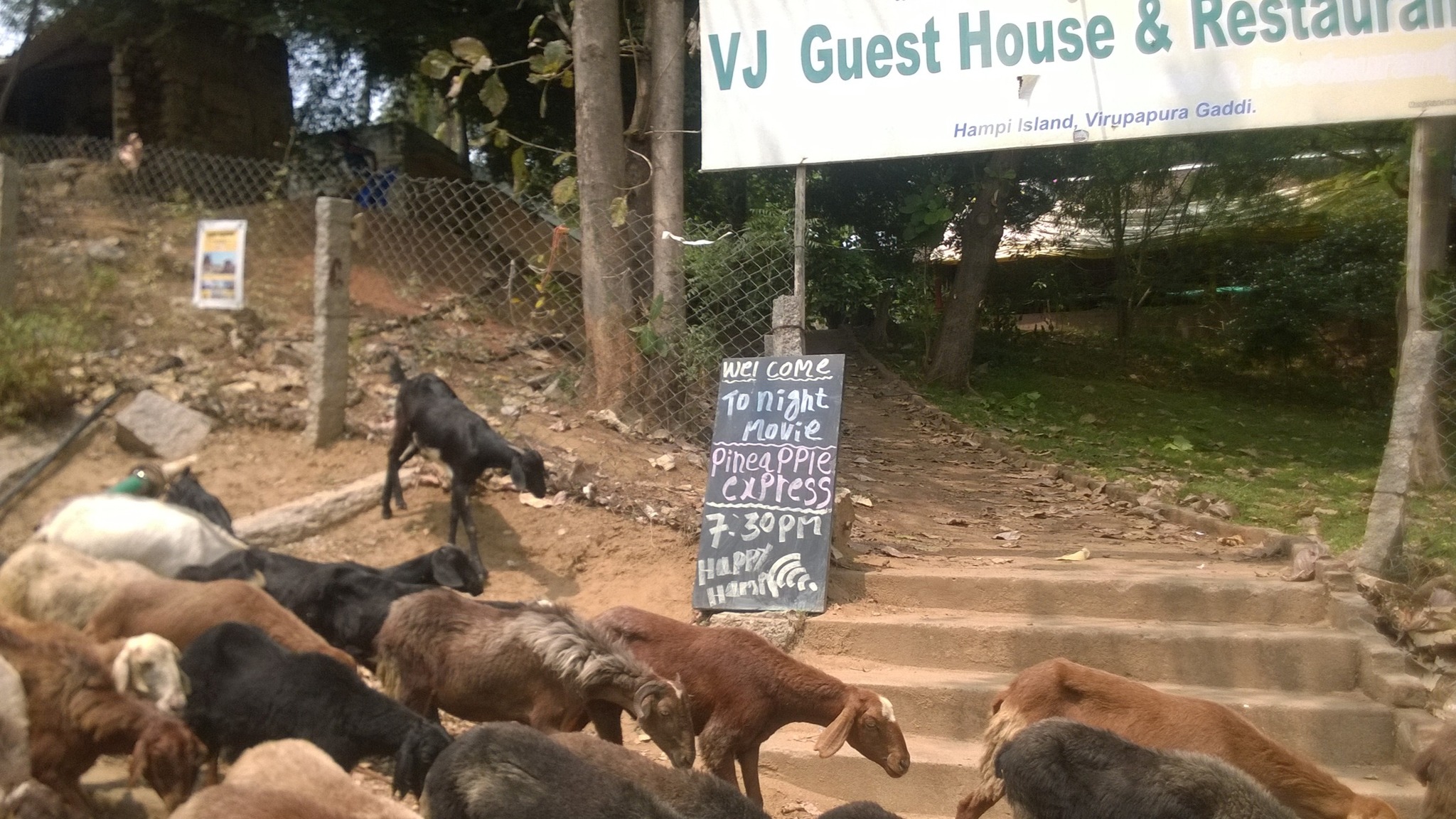
The next morning, I went back near the Virupaksha temple complex, since adjacent to the temple complex lay the Ferry Point, that facilitates transport to Virupapuragade, a granite outcrop in on the Tungabhadra river. It acquired the nickname Hippie Island on account of providing an atmosphere for relaxation by virtue of the many shacks and cafes serving all sorts of cuisine accompanied by music, both live and recorded, and also abounds in shops selling souvenirs. This is also where one could rent scooters and bikes, which is what I did.

Thankfully, the channel separating the island from the other bank of the Tungabhadra, is shallow or virtually, non-existent, and the low connecting road runs parallel to an ancient aqueduct that now lies in ruins.

Sanapur Lake

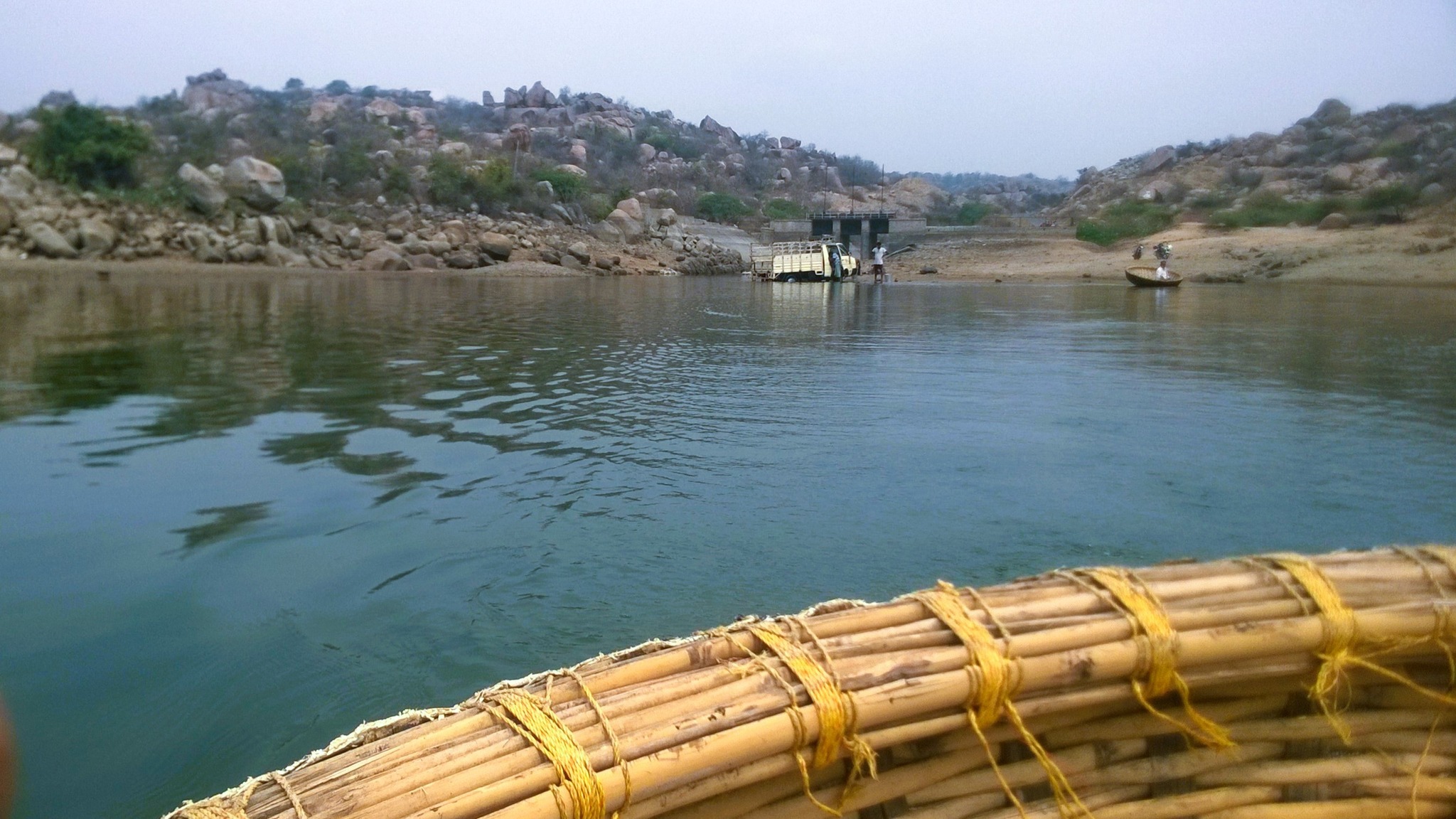
On the rented scooter, I proceeded to Sanapur Lake, about 5 km north-east of Hippie Island, on a road winding through paddy fields and barren hills, until I reached a bend that curved around a boulder hill and took me across a dam to a coracle point.

After a peaceful coracle ride, as I was setting off for my next stop, the scooter refused to budge. Despite the spotty mobile network, I somehow managed to call the rent-a-bike shop-owner, and thankfully, got a replacement scooter, delivered to me within 30 minutes.

Anegundi

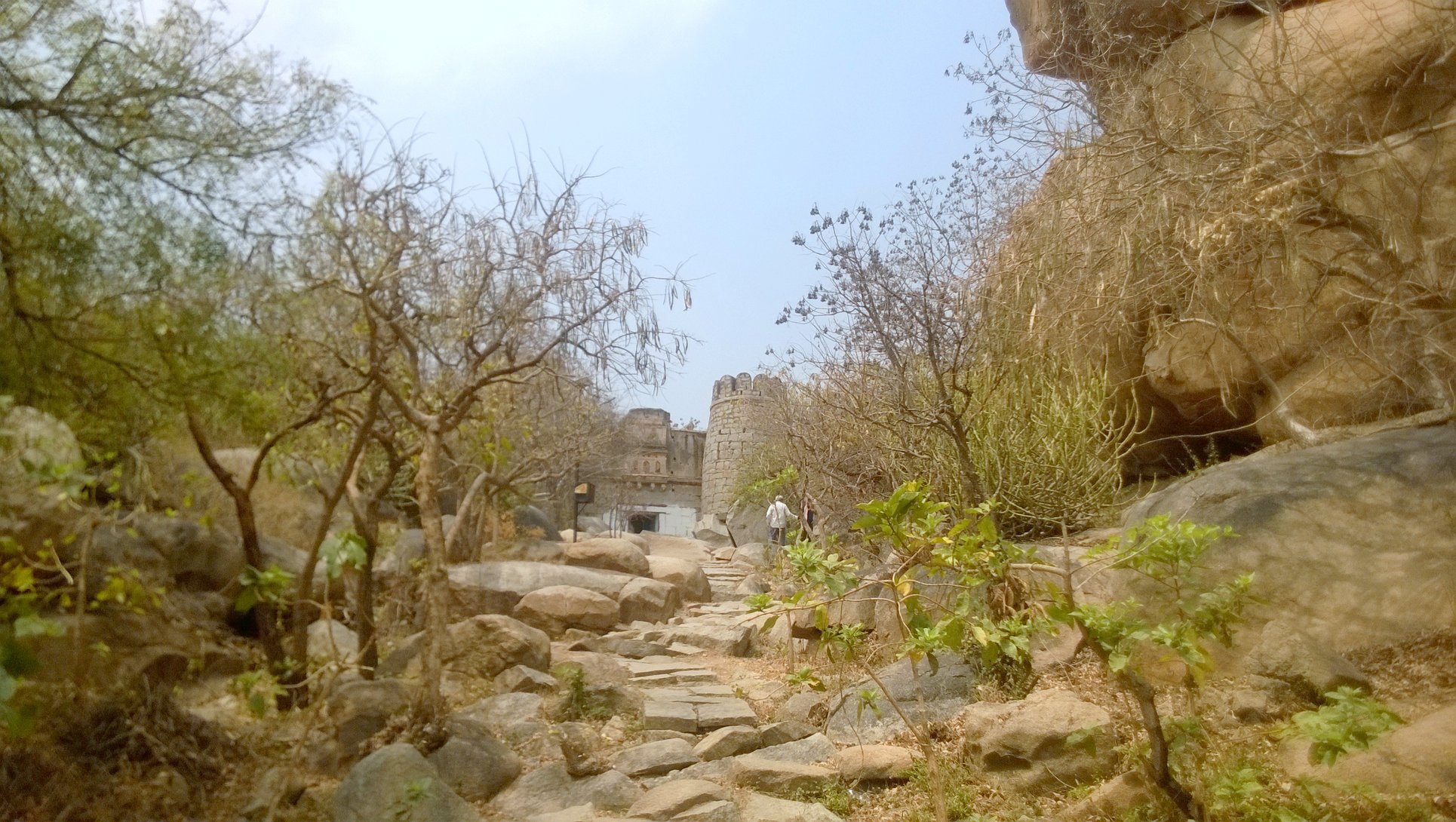
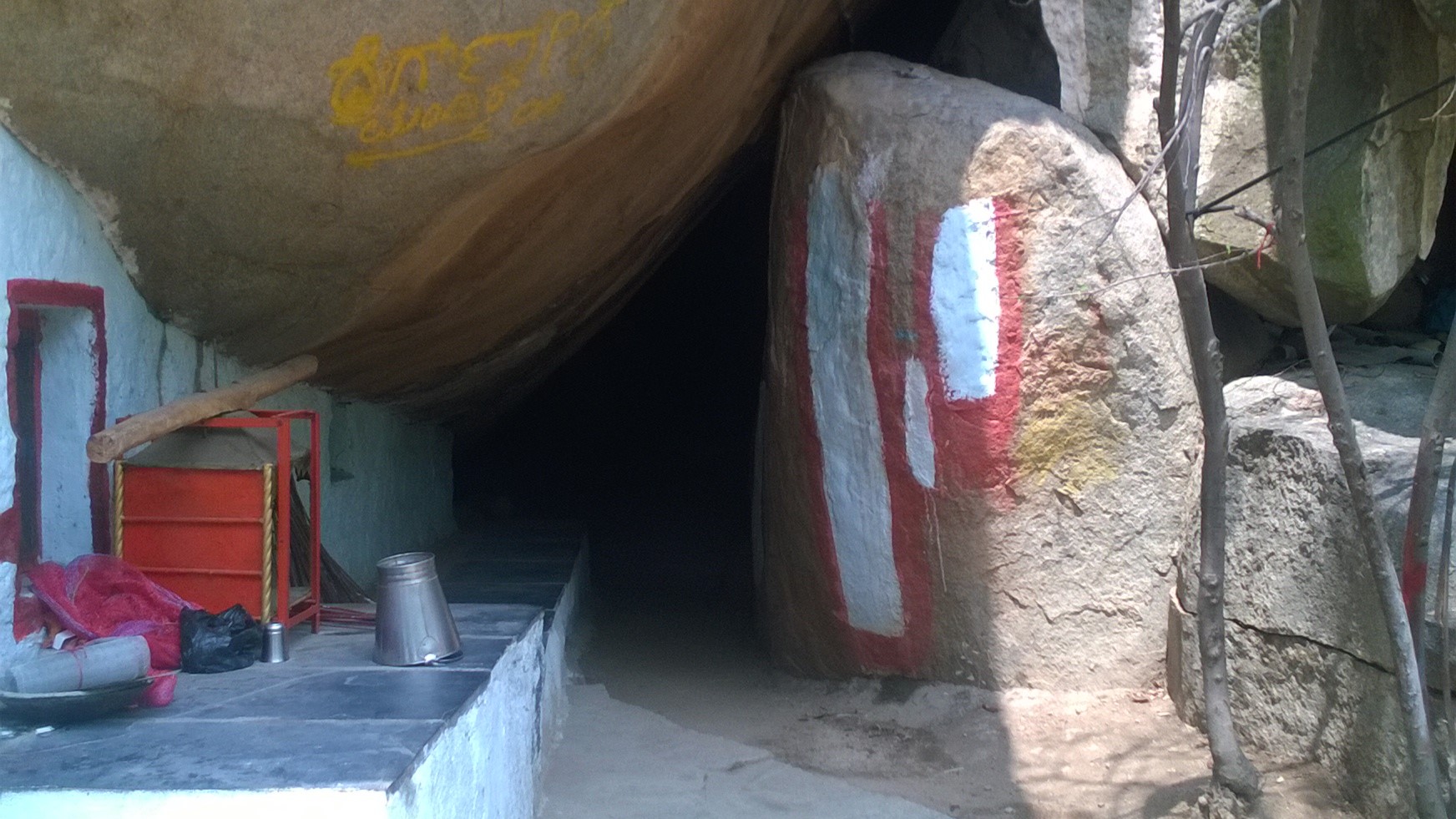
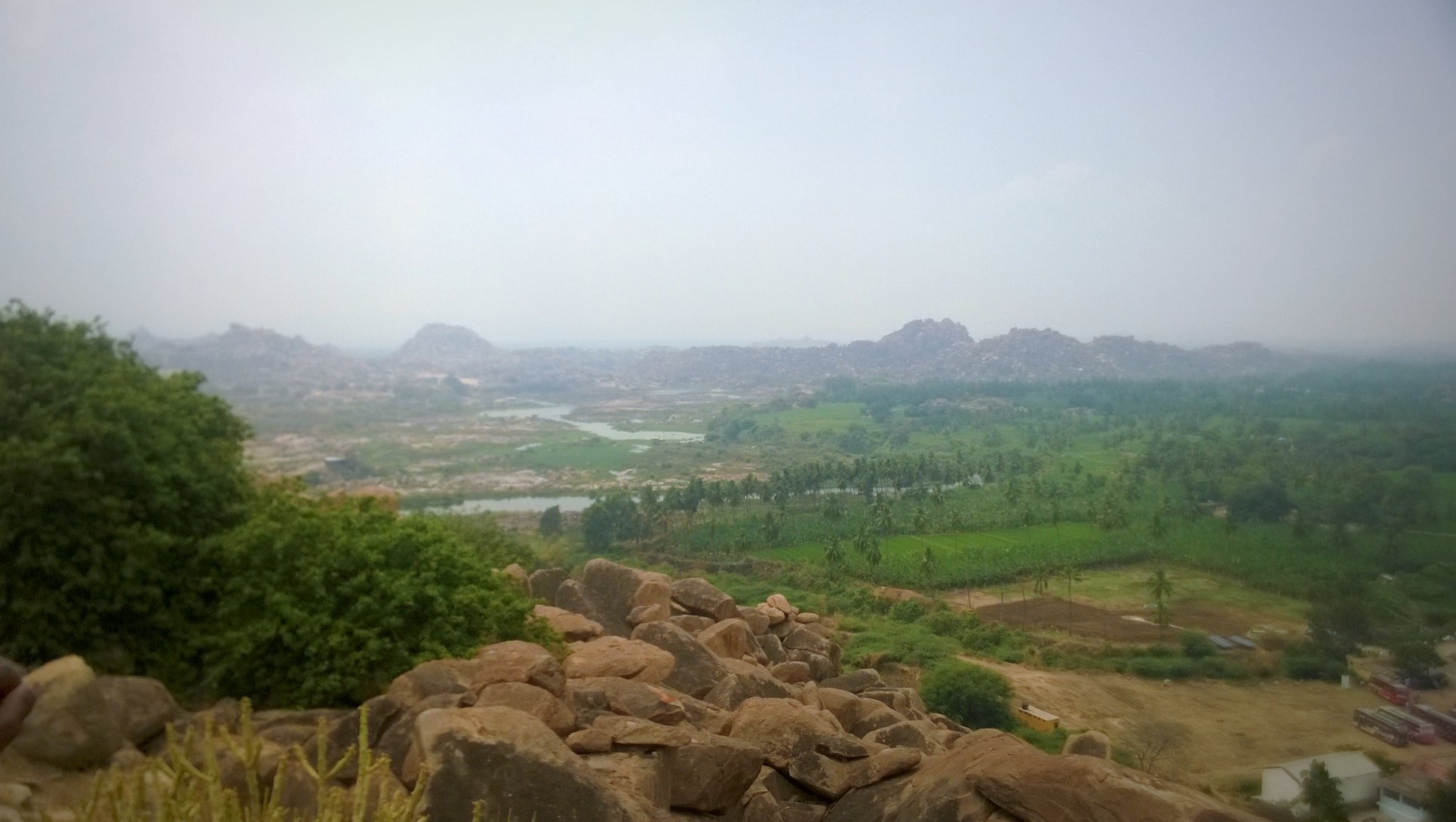
Racing against time, I rode, again flanked by barren boulder hills, paddy fields and water bodies, 8 km alongside the Tungabhadra river to Anegundi, where a hike up the hill leads to the Anegundi fort. Entering the fort premises, after a short hike, is a cave that legend identifies as the place where the vanara king Bali lived. Further hiking up, I reached the top of the fort, wherefrom I got a panoramic view of the countryside replete with boulder-hills, paddy fields, and the boulder-strewn Tungabhadra.

By 2 PM, back on Hippie Island, I returned the scooter, and following a lunch, I boarded a 4PM bus for Hyderabad, with the hope that I would return to Hampi someday.