Continuing the tradition of the annual self-drive family trip, this year we decided to explore the lesser-known side of Rajasthan. Of course, this trip came about after having exhausted the roster of all the well-known Rajasthani cities, except Barmer, but it was really hastened by the incidence of the monsoons. It was now time to experience something different than the arid landscapes, desert expanses, and mountainous folds of the Aravallis. What better region than the south-western part of Rajasthan to soak in the splendour of the rain-sprinkled countryside?
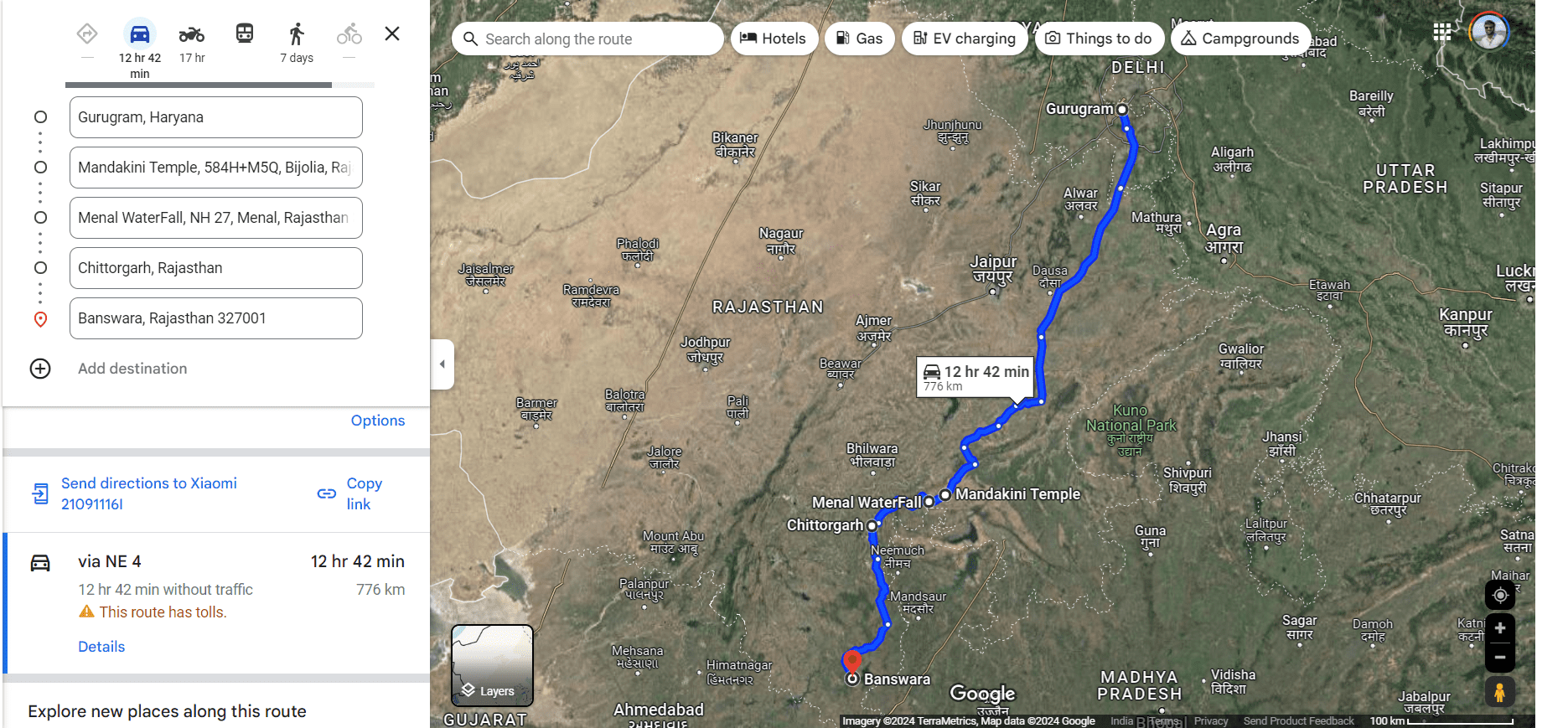
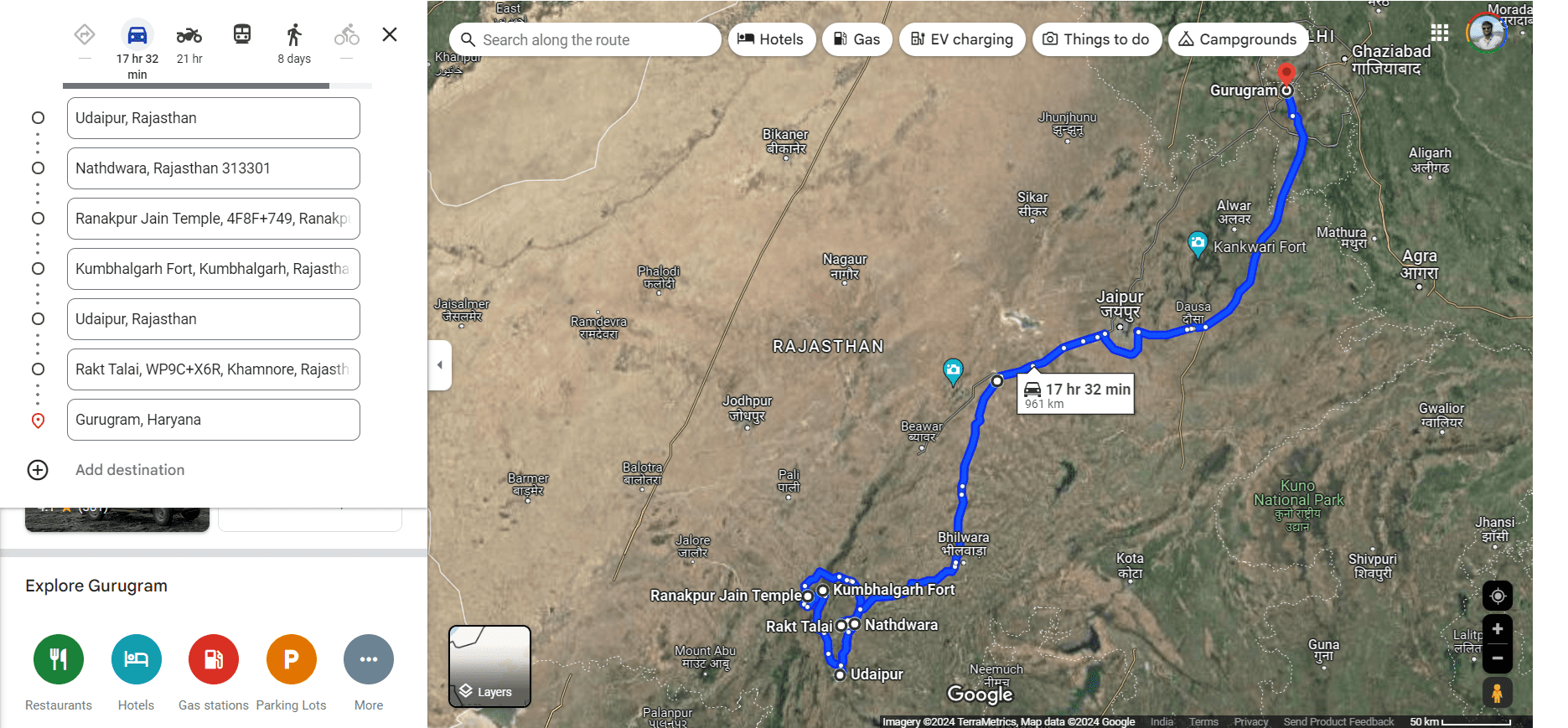
The place in focus on this trip was Banswara, touted as the ‘city of 100 islands’—a place many travel bloggers exhorted to visit, specifically in the monsoons. However, Banswara, being a good 800 km from Gurgaon, necessitated stops, and the stops were better worth it. Those stops turned out to be Chittorgarh on the outward leg and Udaipur on the return, thus helping me fulfil my mother’s long-cherished wish of seeing Nathdwara and Ranakpur, and my own wish of showing my brother Kumbhalgarh. In fact, we did the latter three stops on the same day, surprising even ourselves!
As usual, we did not book accommodations beforehand, and simply let serendipity be our guide. That’s how I found myself at Chittorgarh Fort, at the same place, the same day I was 10 years ago. That’s how we beheld the beauty of a temple complex getting showered in a cloudburst. That’s how we chanced upon a temple complex with a waterfall, straight from the imagery of an Indiana Jones movie. That’s how we found ourselves meandering upon the low rolling hills leading to and adorning the course of the mighty river Mahi, with intermittent spells of monsoon rains for company.
Highlights of the road-trip
Mandakini Temple, Bijolia
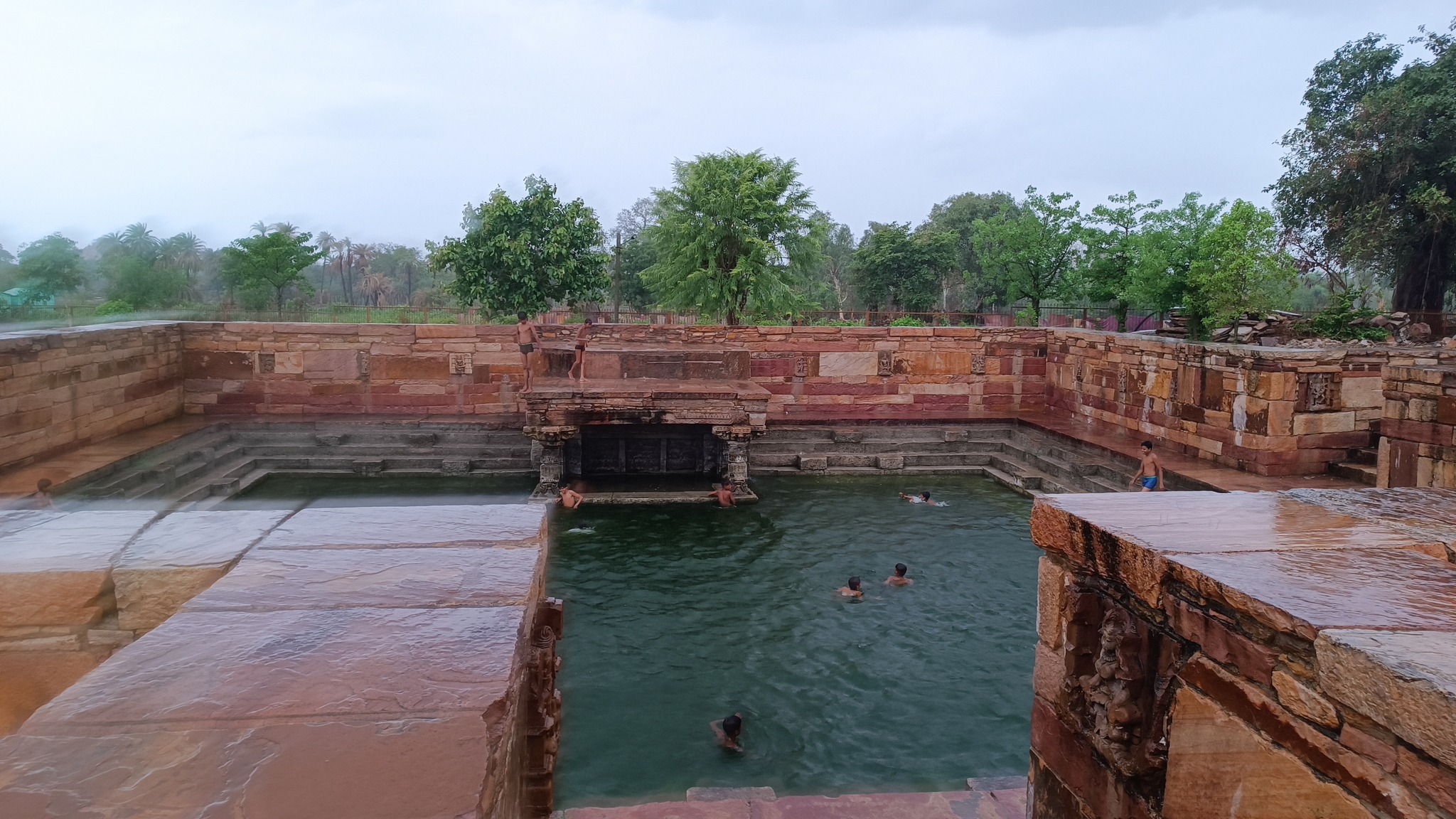
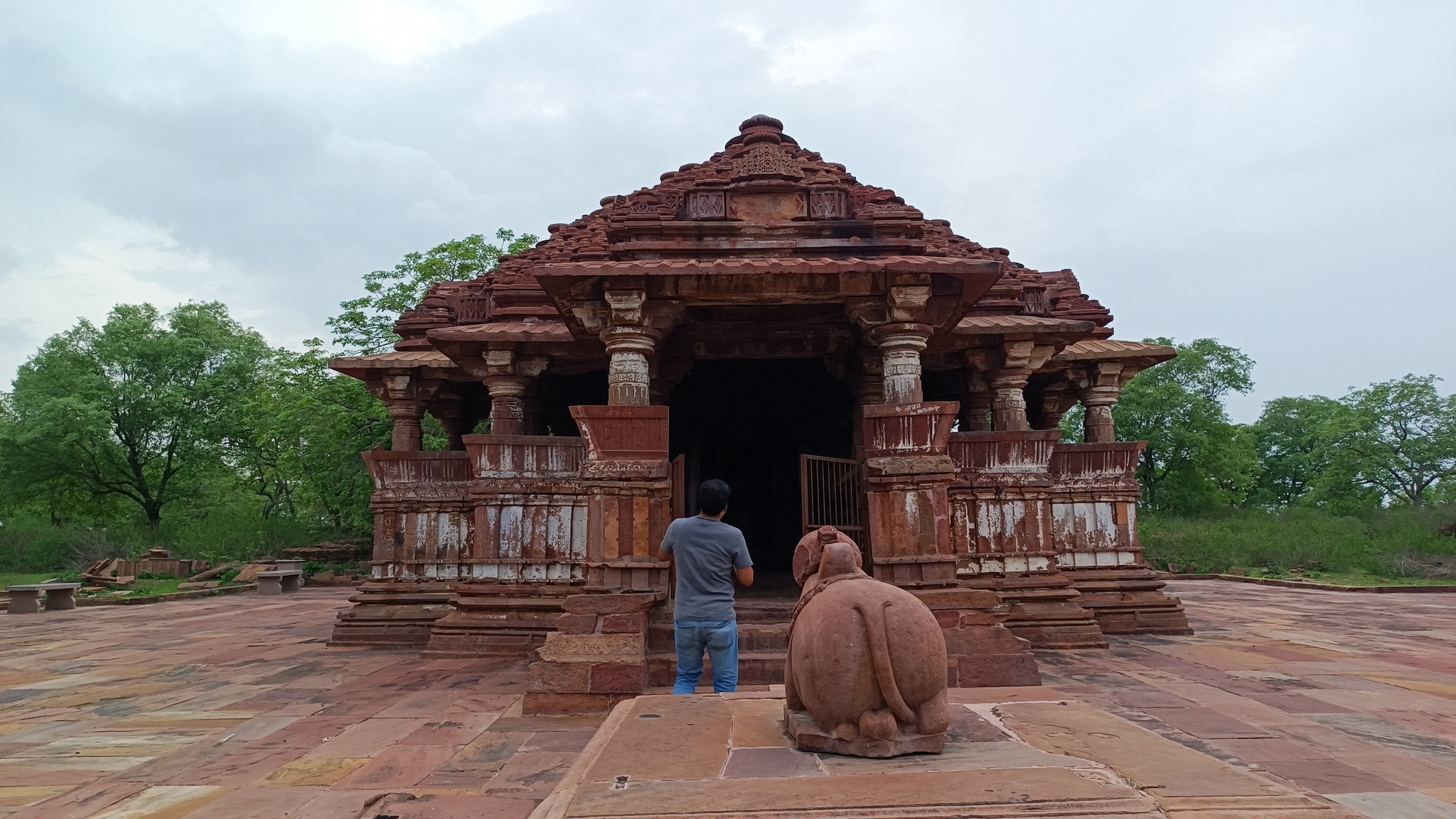
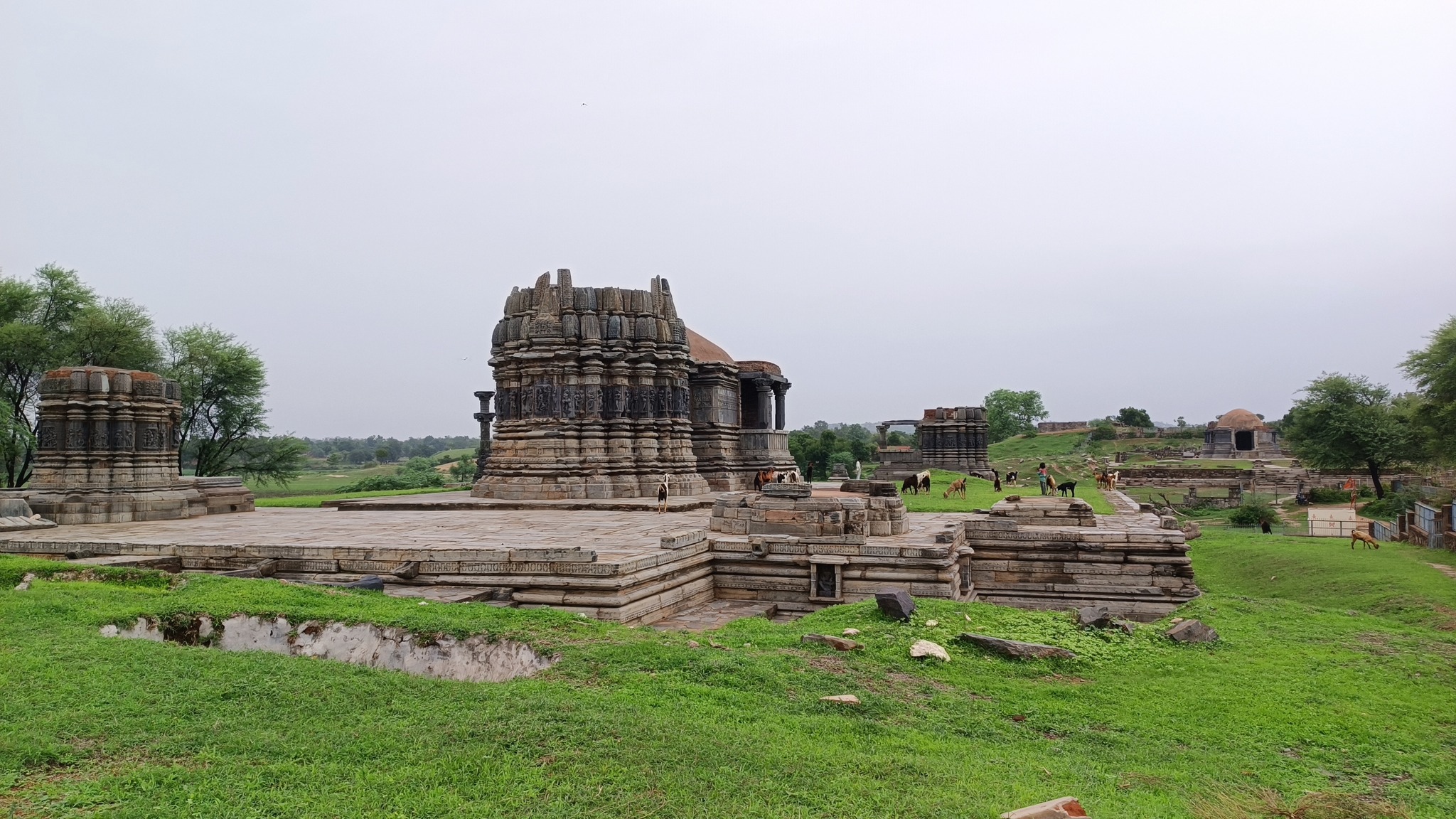
This temple complex comprises three Shiva temples – the oldest being from the 11th century called Mahakal – and a water tank, and lay just beside our route to Chittorgarh. Just as we stepped out of the car, there was a cloudburst, forcing us to run inside the temple complex and take shelter under the roof of one the temples.
Main temple inside Mandakini temple complex, Bijolia
Water tank inside Mandakini temple complex, Bijolia
Temple showering in rainAftermath of rain
Menal and Mahanal temples, Menal
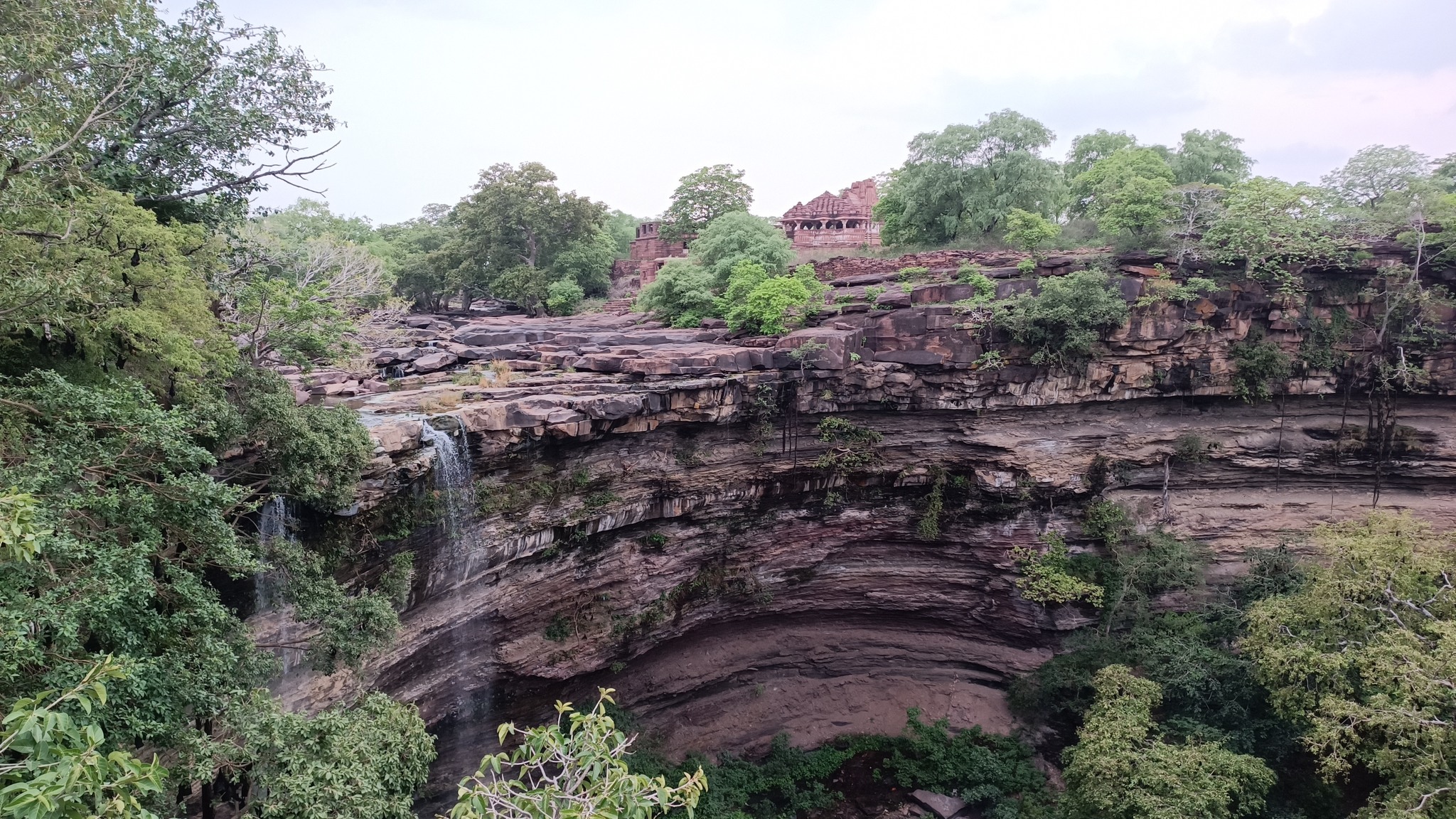
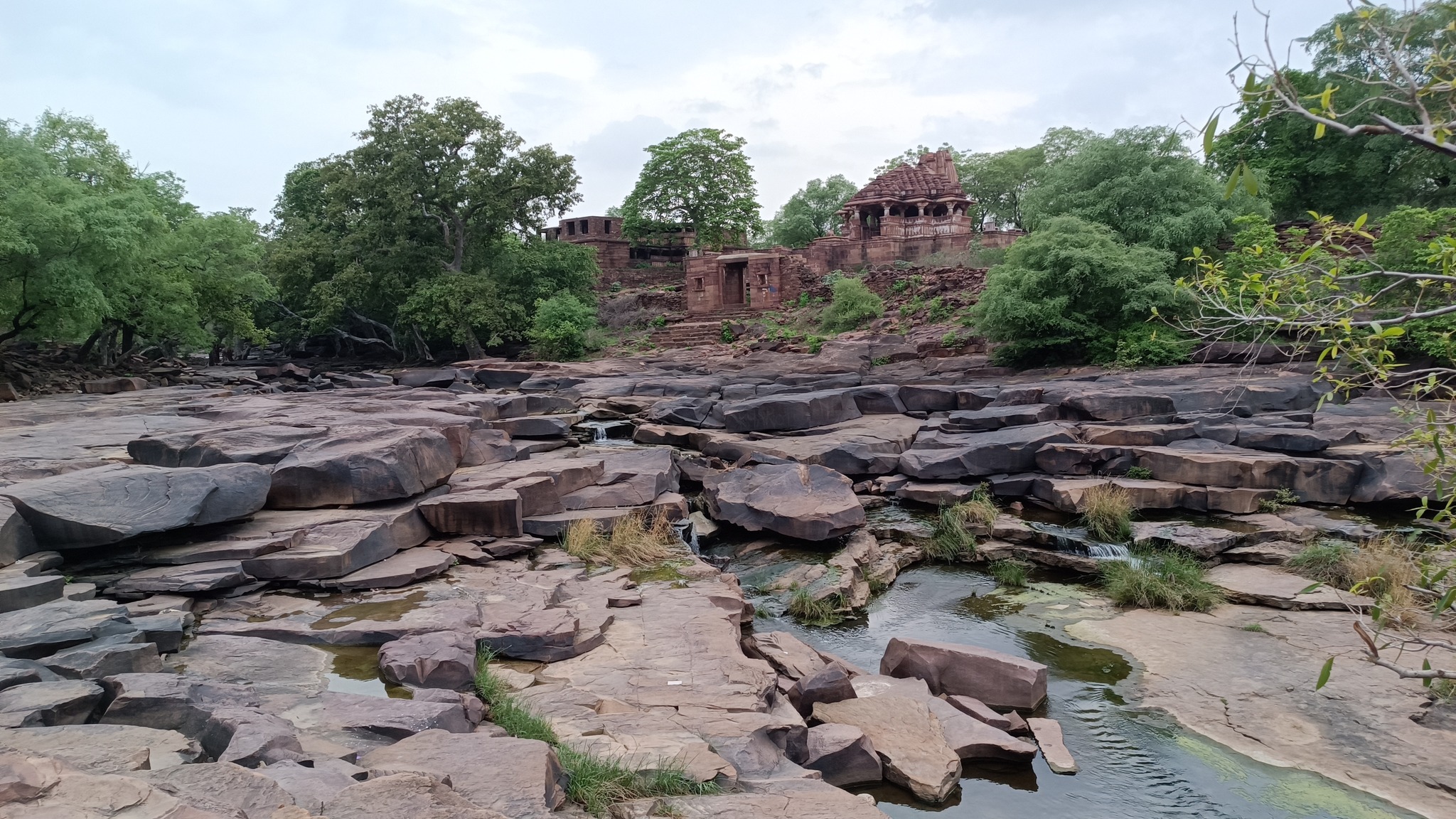
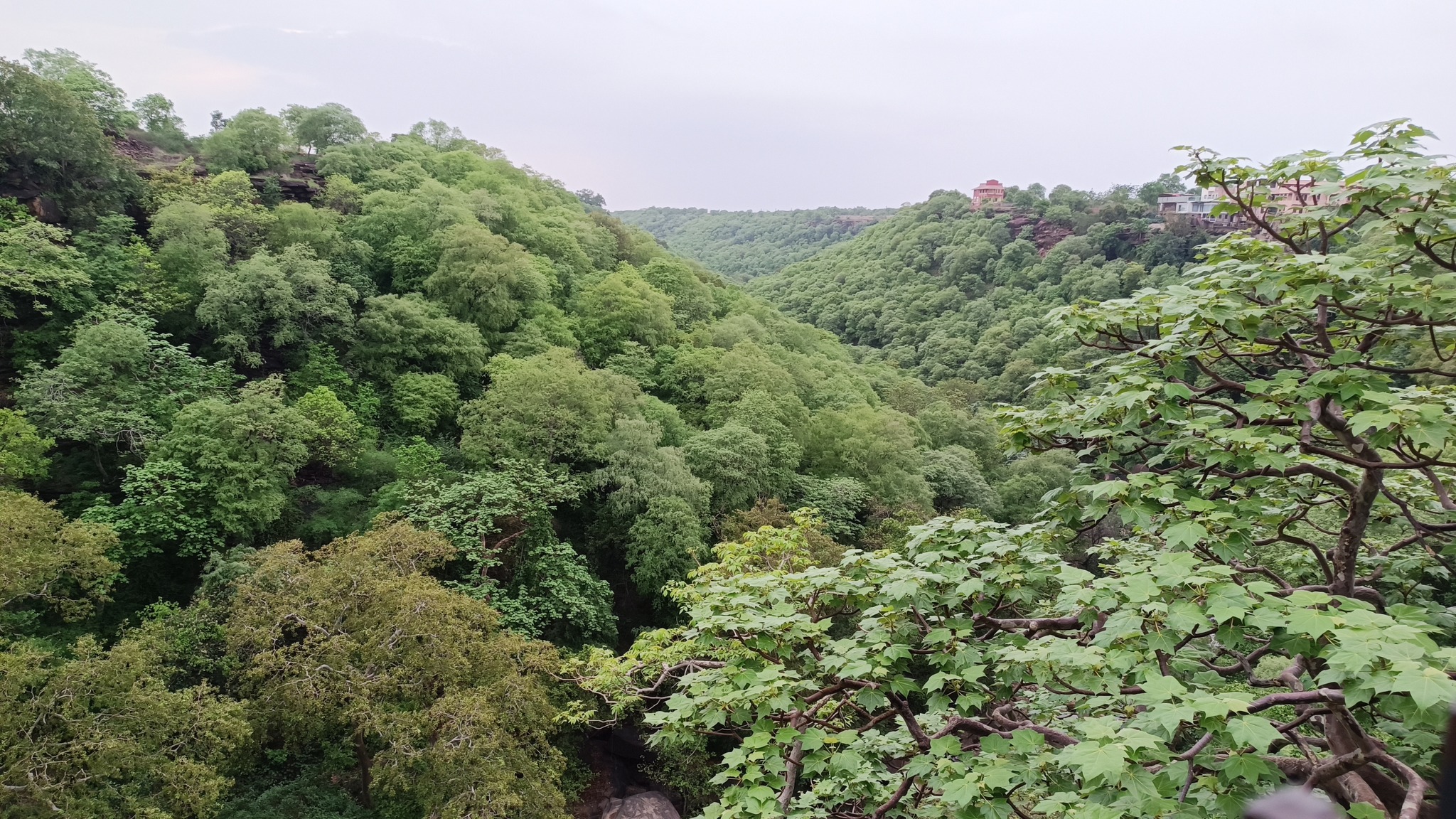
This was just an unexpected, happy accident that happened because my brother was simply scanning Google Maps on our way to Chittorgarh. The 11th century Shiva temple complex lies just beside the highway, nestled in a forest, straddling a stream with a waterfall dropping into a gorge. Across the steep waterfall is one of the temples, with an adjoining monastery in ruins, which one can access by simply crossing the stream before it drops into the gorge. Now, that’s truly a set-up venturing into Indiana Jones territory.
Menal waterfall with temple across the gorge
Crossing the creekTempleMonastery
Canyon lush in midst of monsoons
Chittorgarh
What can be said in a line or two about Chittor fort that would capture what it is, what it stands for, what legacy it bears, what history it has seen!
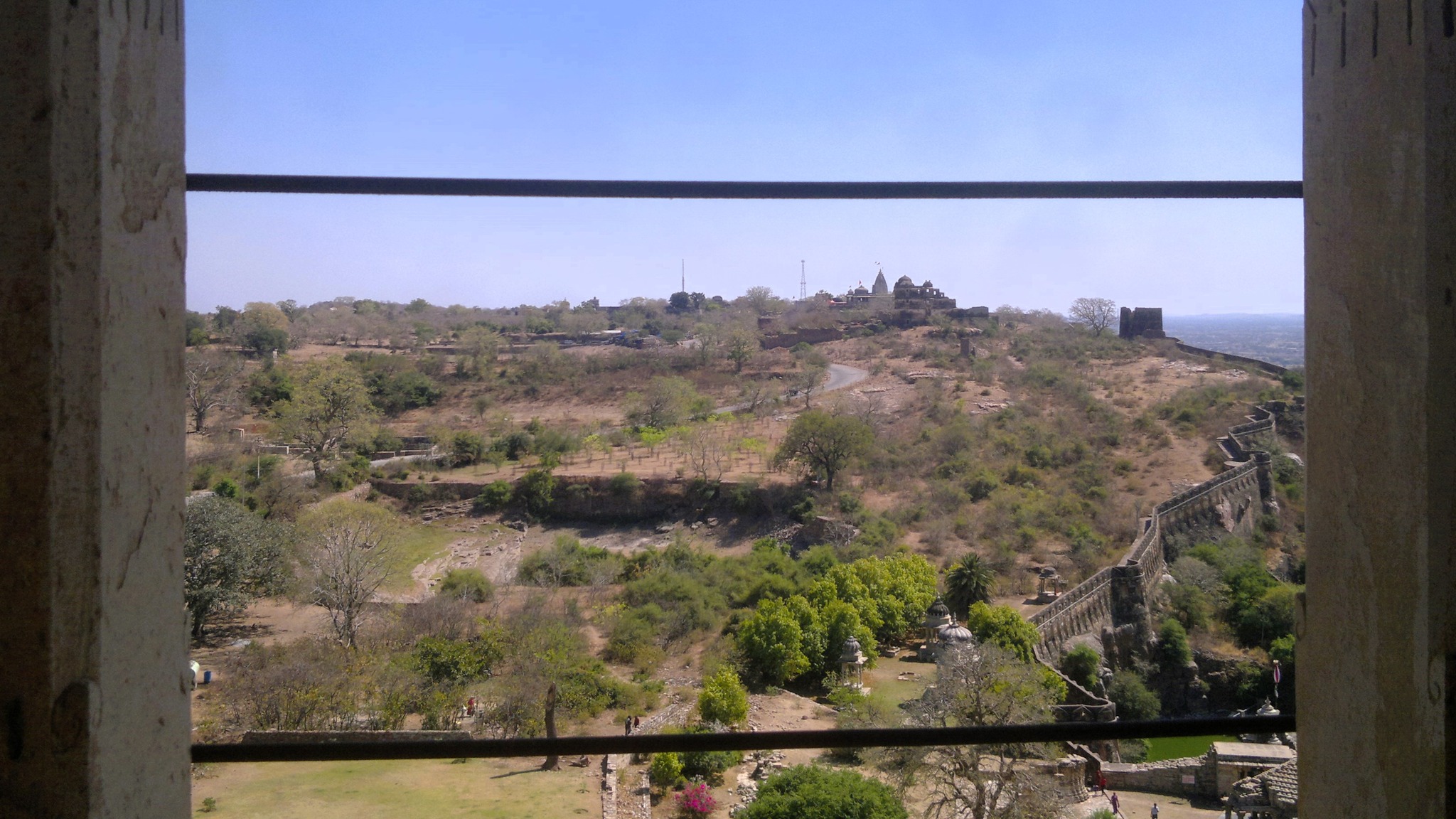
But what struck me most upon first visiting the place, and has remained with me since, is how it is a self-contained city spread upon a vast flat-topped hill, like on a plateau. The palaces and structures are far-flung, interspersed with water tanks and jungle. This is a place that is removed from the rest of the world that lies beneath, one that transports you to another era as a time machine.
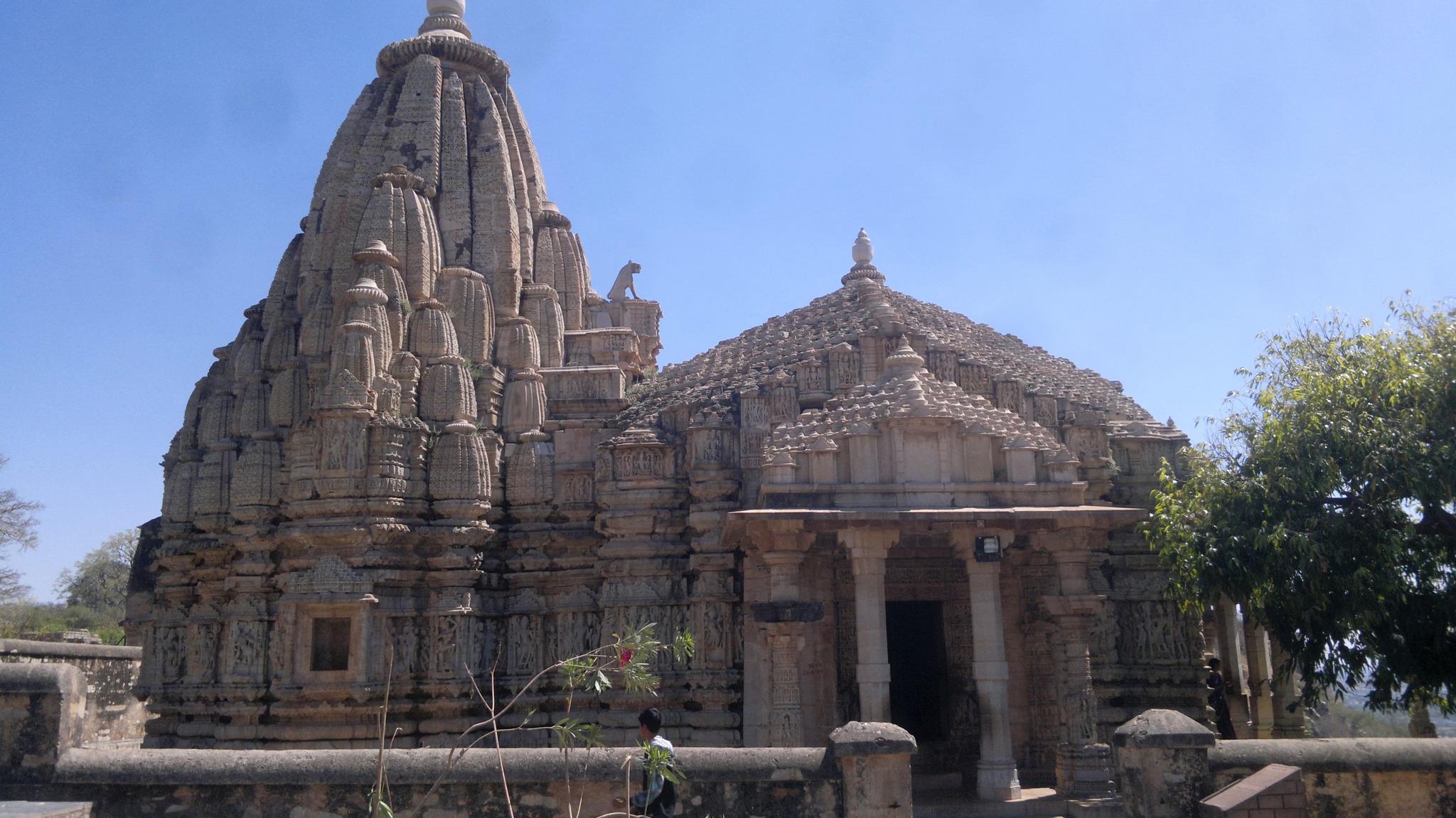
Samadhiswara temple in Chittorgarh fort premises
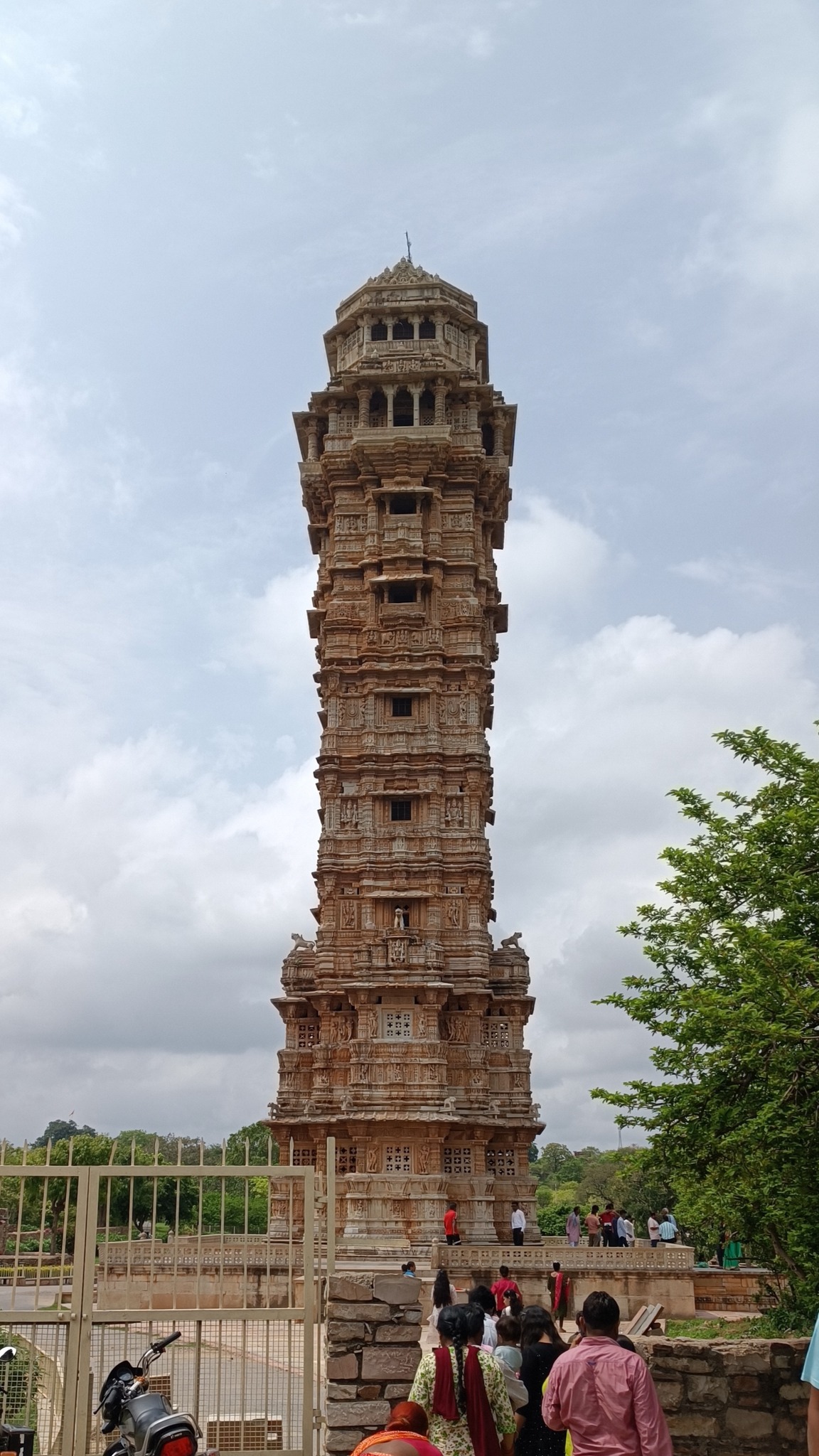
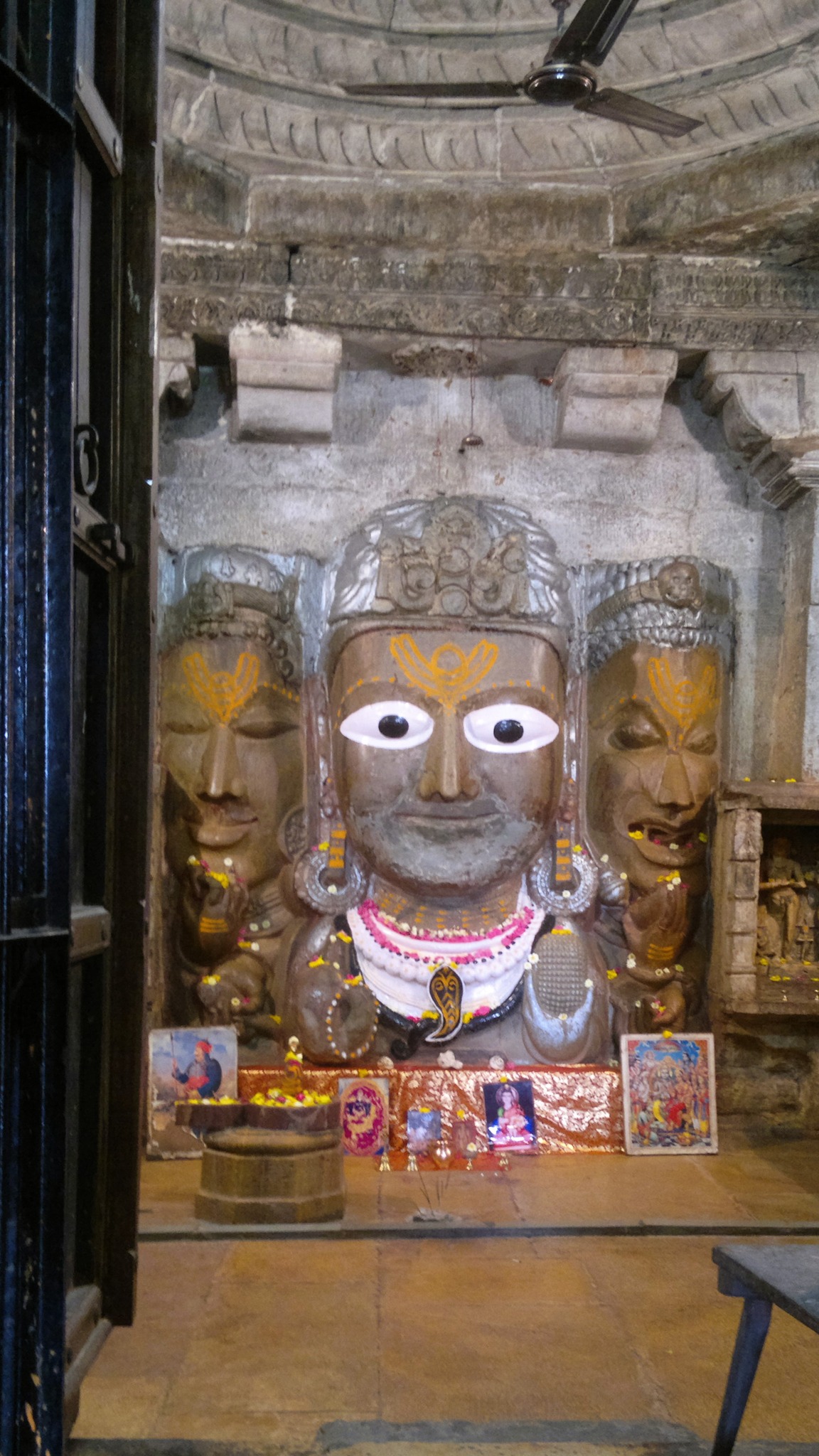
Vijaya Stambh, ChittorgarhThree faced-Shiva in Samadhiswara temple
Banswara
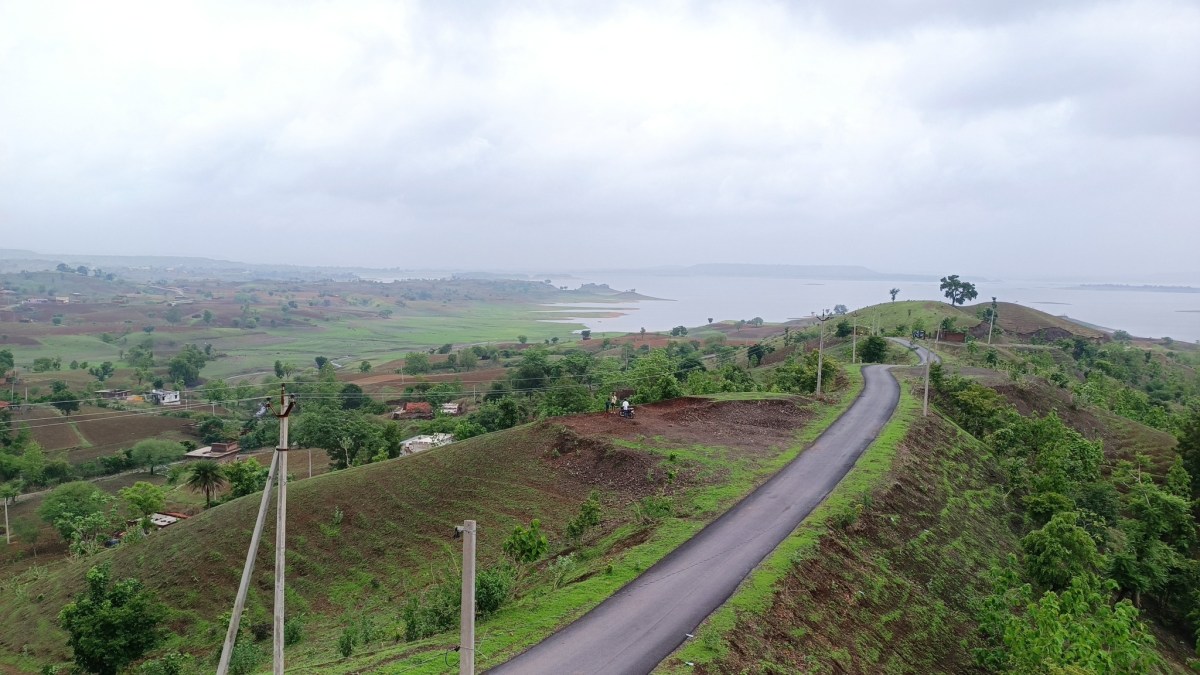
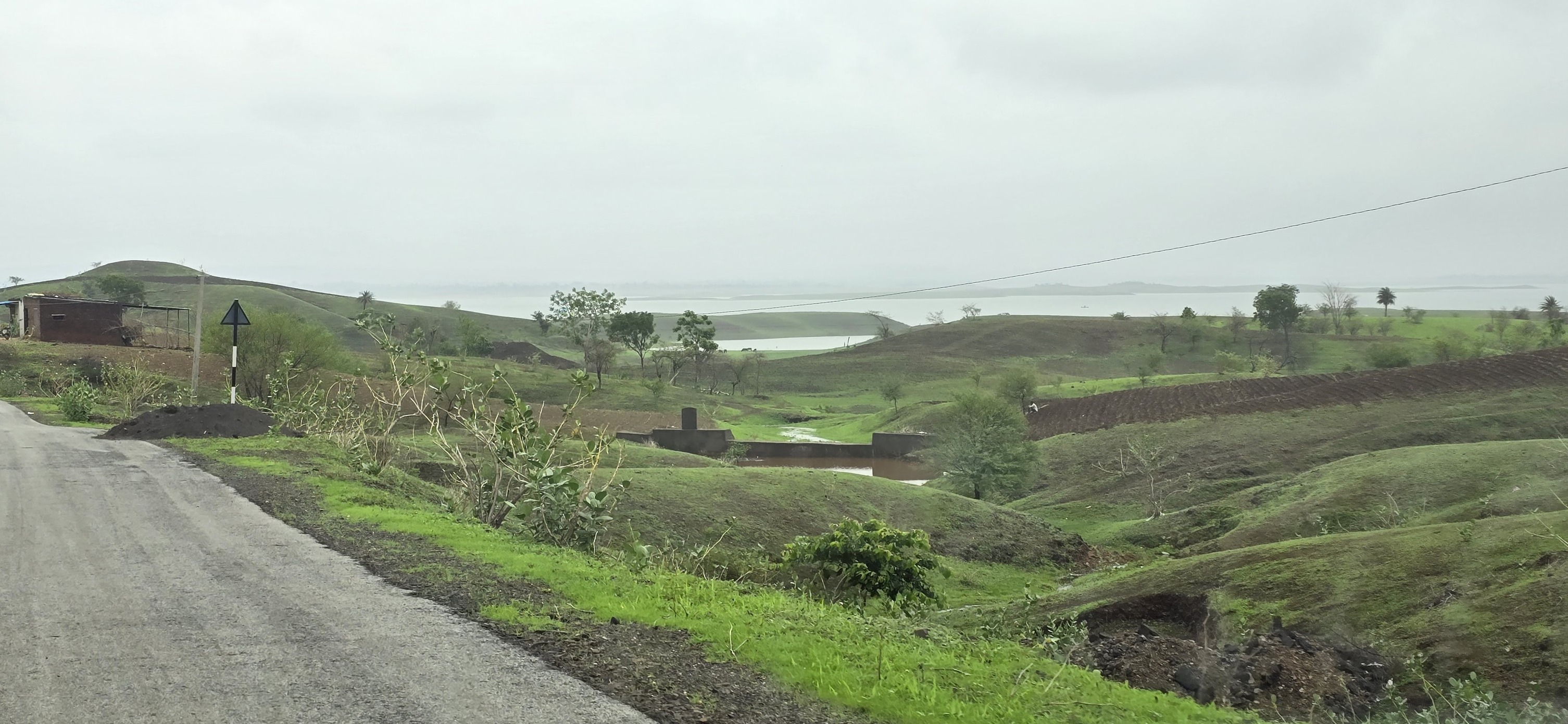
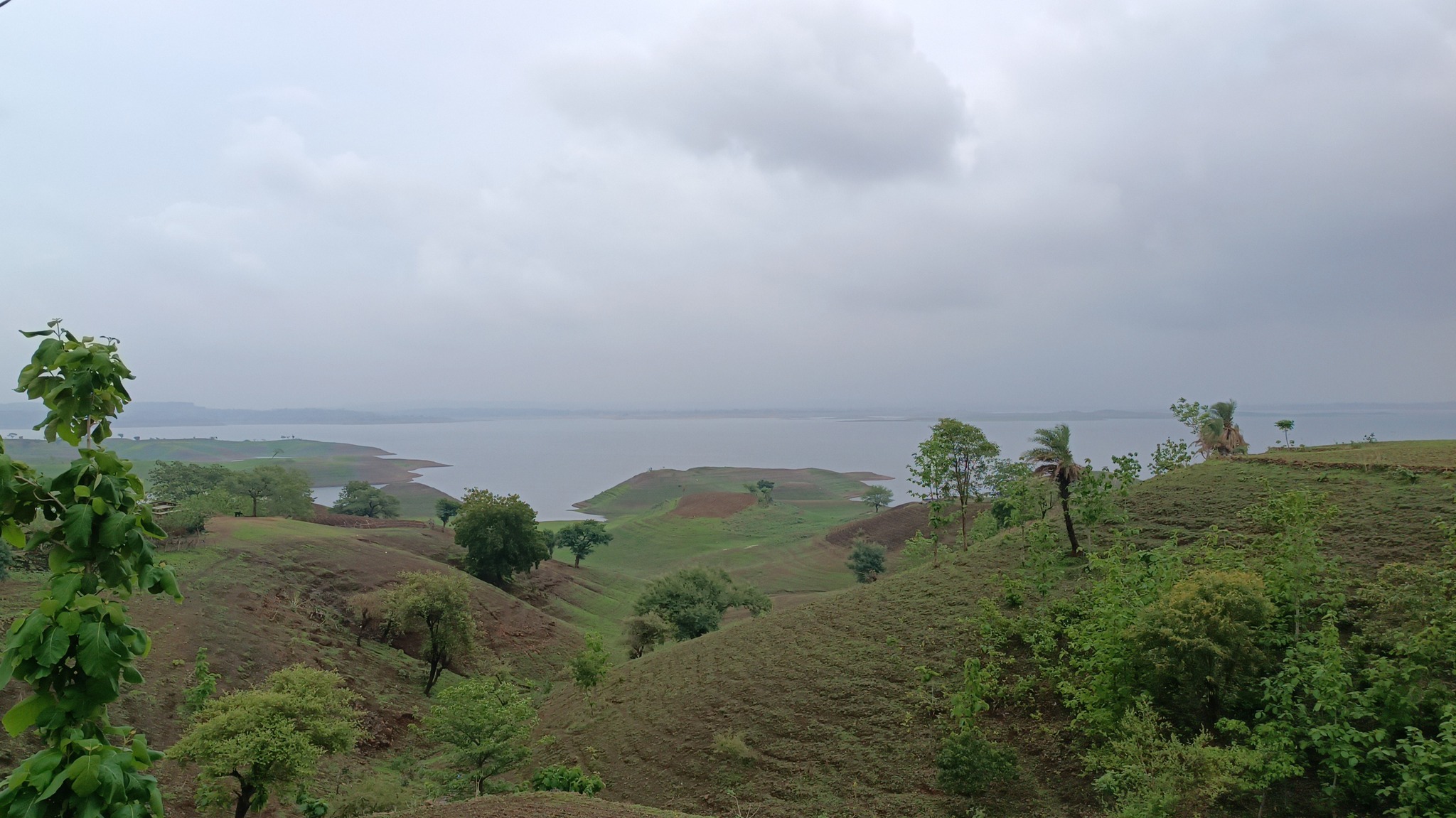
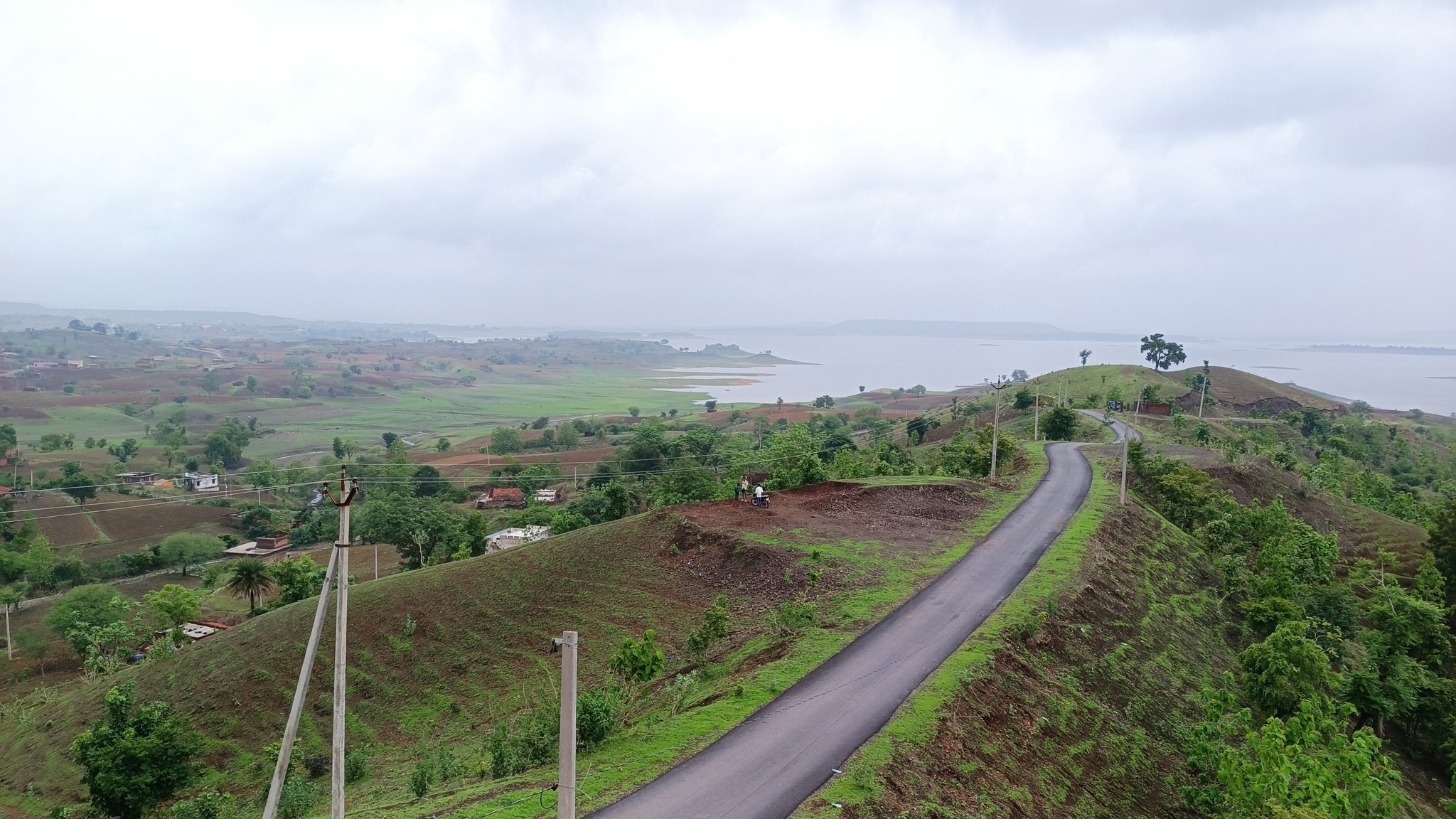
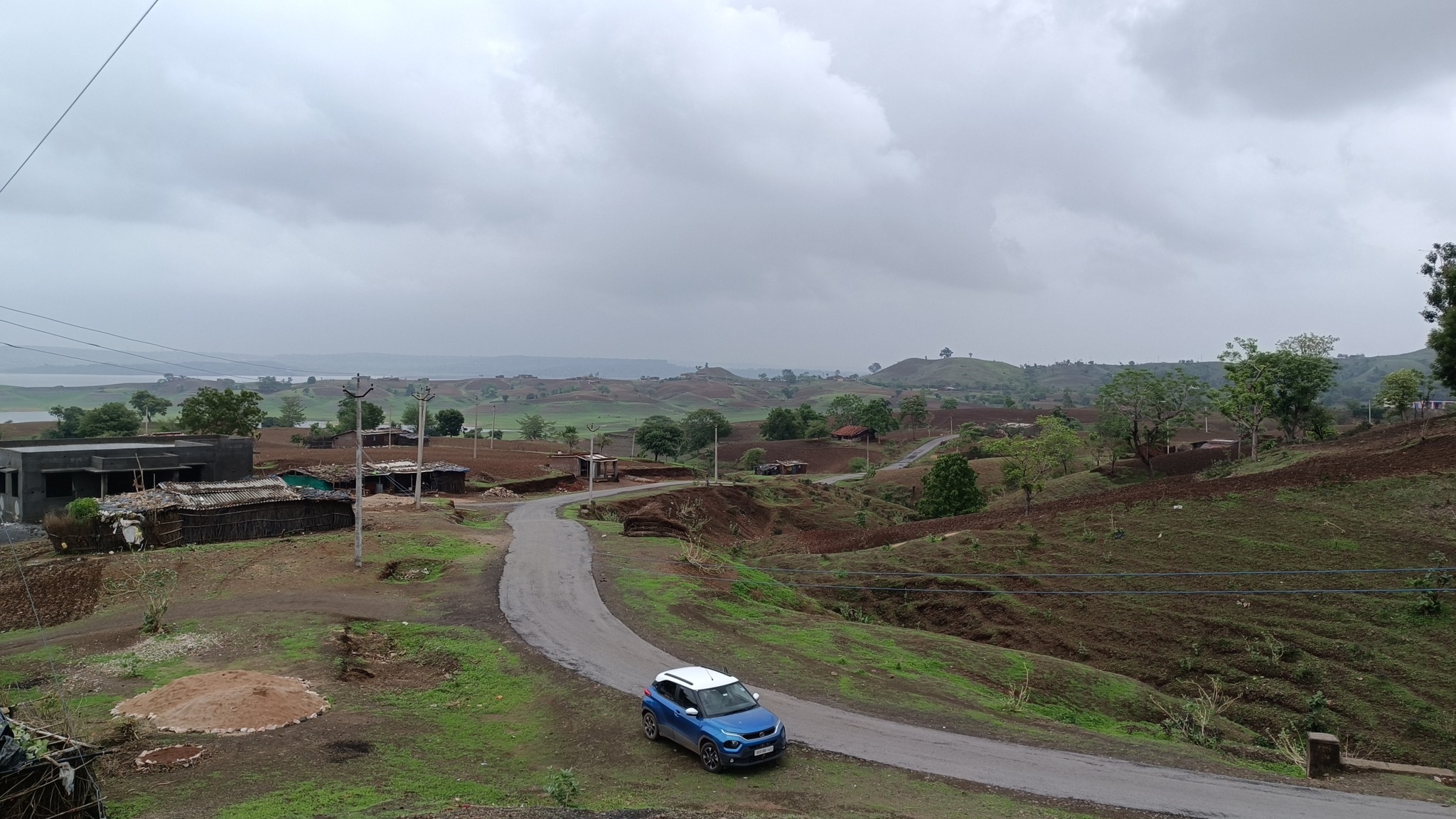
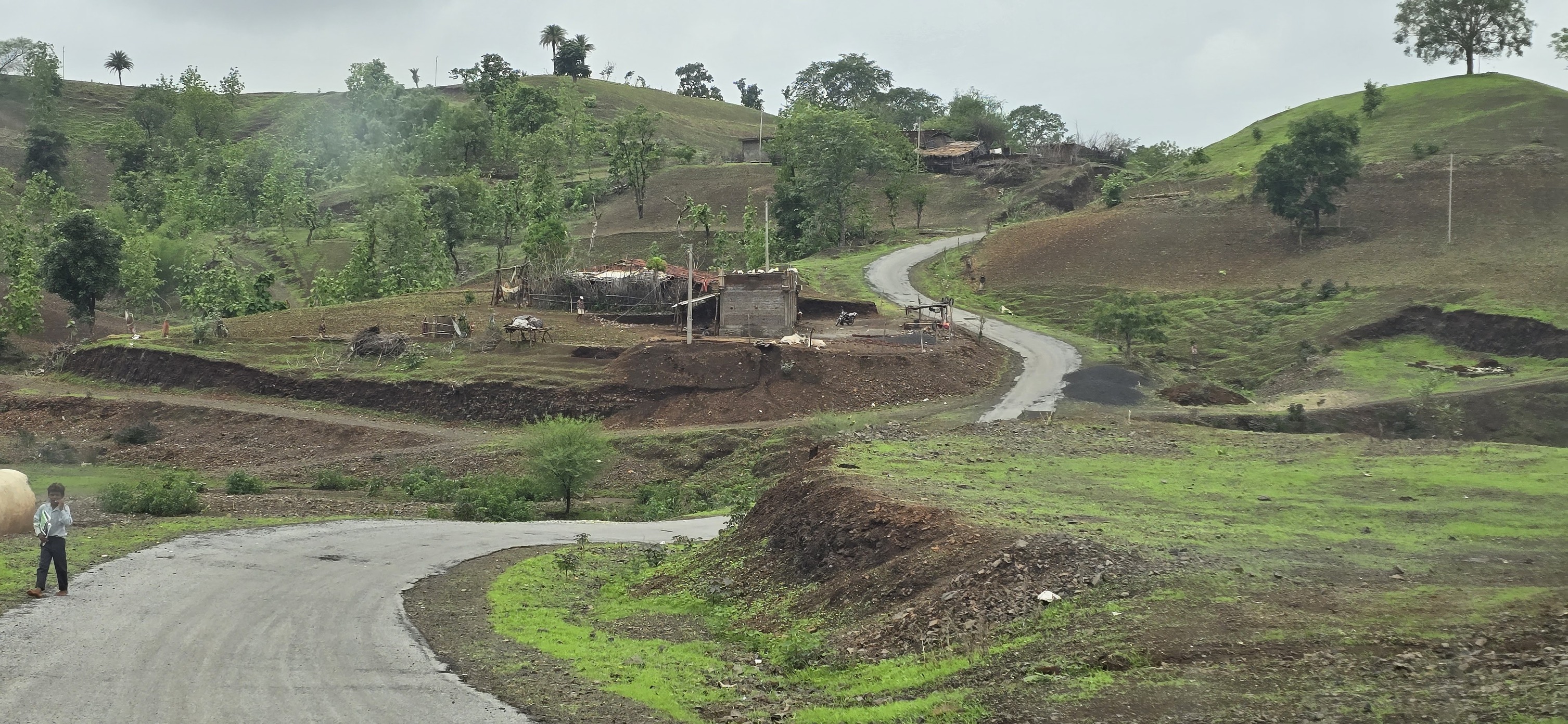
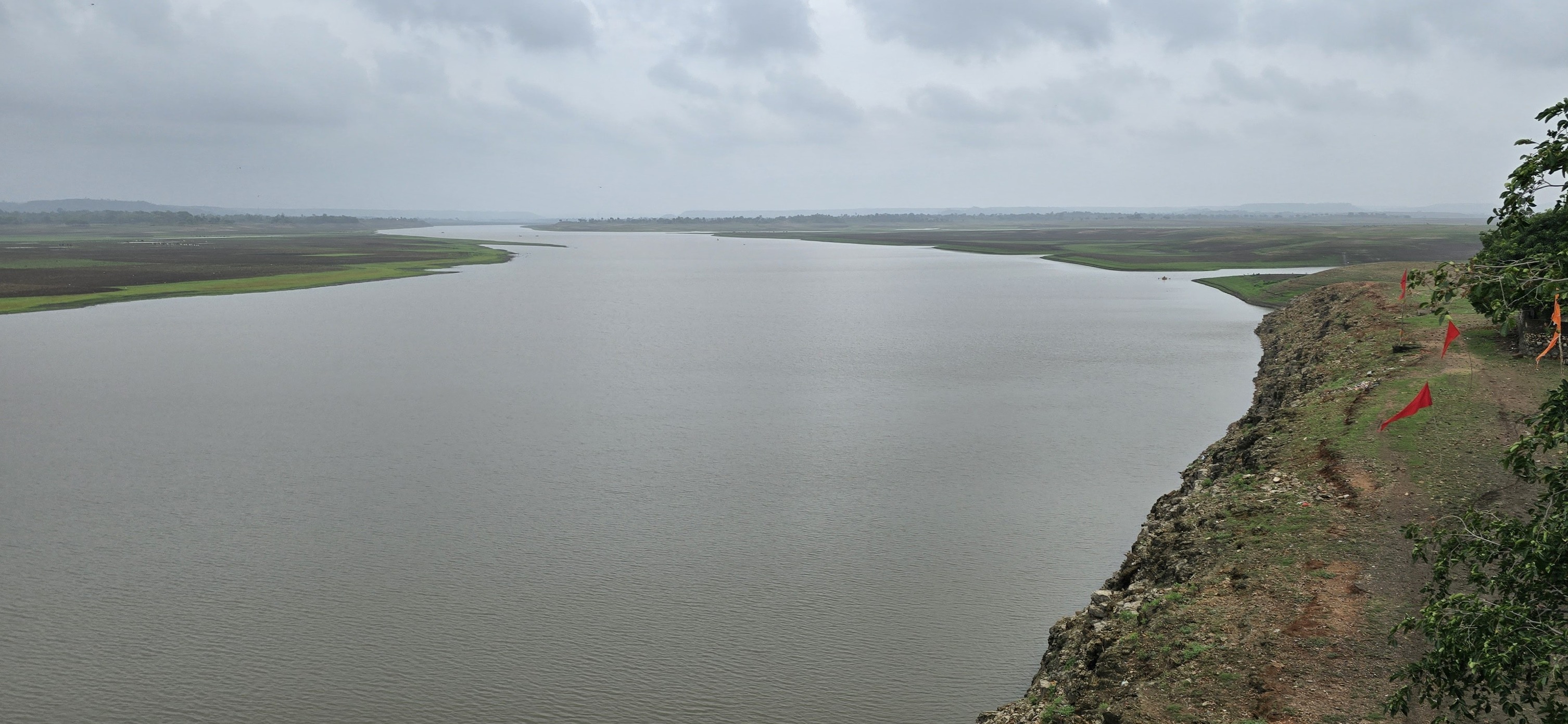
Banswara region lies in the Mahi catchment area in south-west Rajasthan, and is home to the massive Mahi Dam. The region is typified by low rolling hills undulating for miles, whose tops turn into meadows in the monsoons, evoking scenes from a Kashmiri landscape. This topographical feature has also led to formation of islands in the reservoir created by the Mahi Dam.
Enroute BanswaraMeadows with windmills enroute Banswara
The road, winding across the ridges, leading to a village called Chacha Kota, affords a roller-coaster like ride with breathtaking views of the low rolling hills stretching to the horizon, as well as the islands in the reservoir. With overcast skies, you might even feel you’re gliding through the clouds.
Chacha Kota
Glimpses of the landscape on the road between Banswara and Mahi River Dam via Chacha Kota
Another point of significance is the long Maharana Pratap Setu (Bridge) over the Mahi River on the road to Ratlam, where the Tropic of Cancer also passes through.
Maharana Pratap Setu (Bridge) over Mahi RiverTropic of Cancer at the Maharana Pratap Bridge
Arthuna
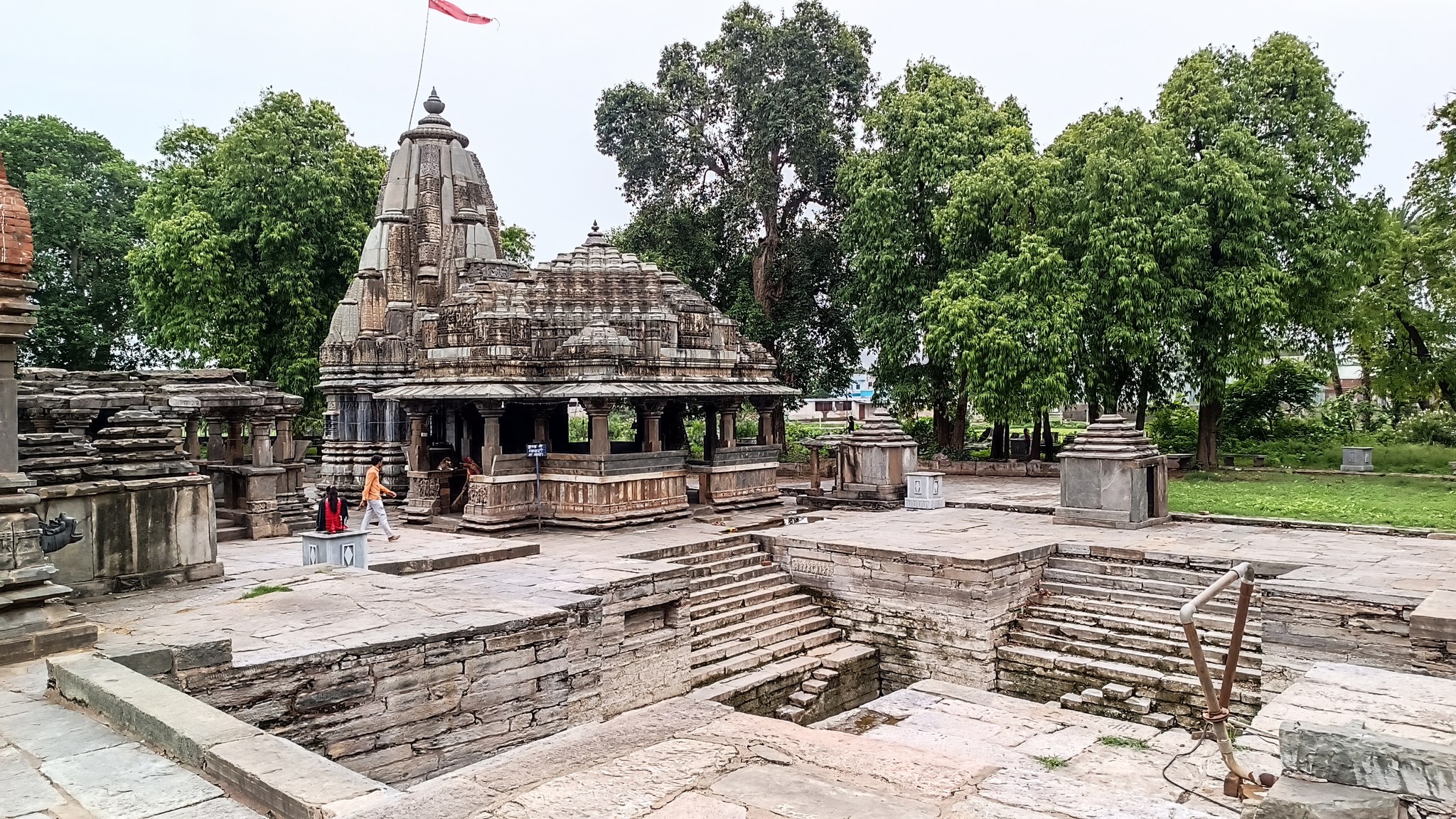
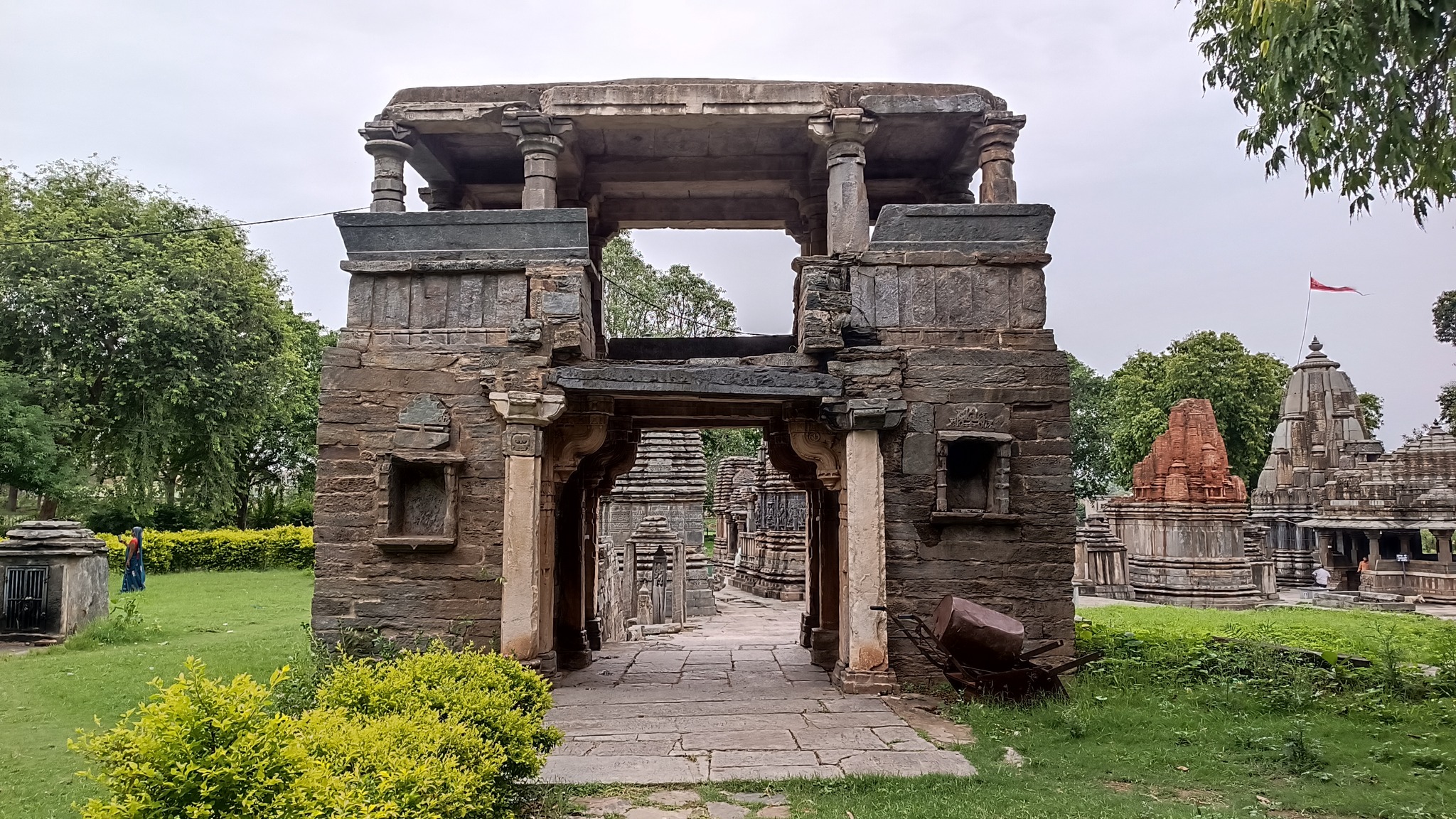
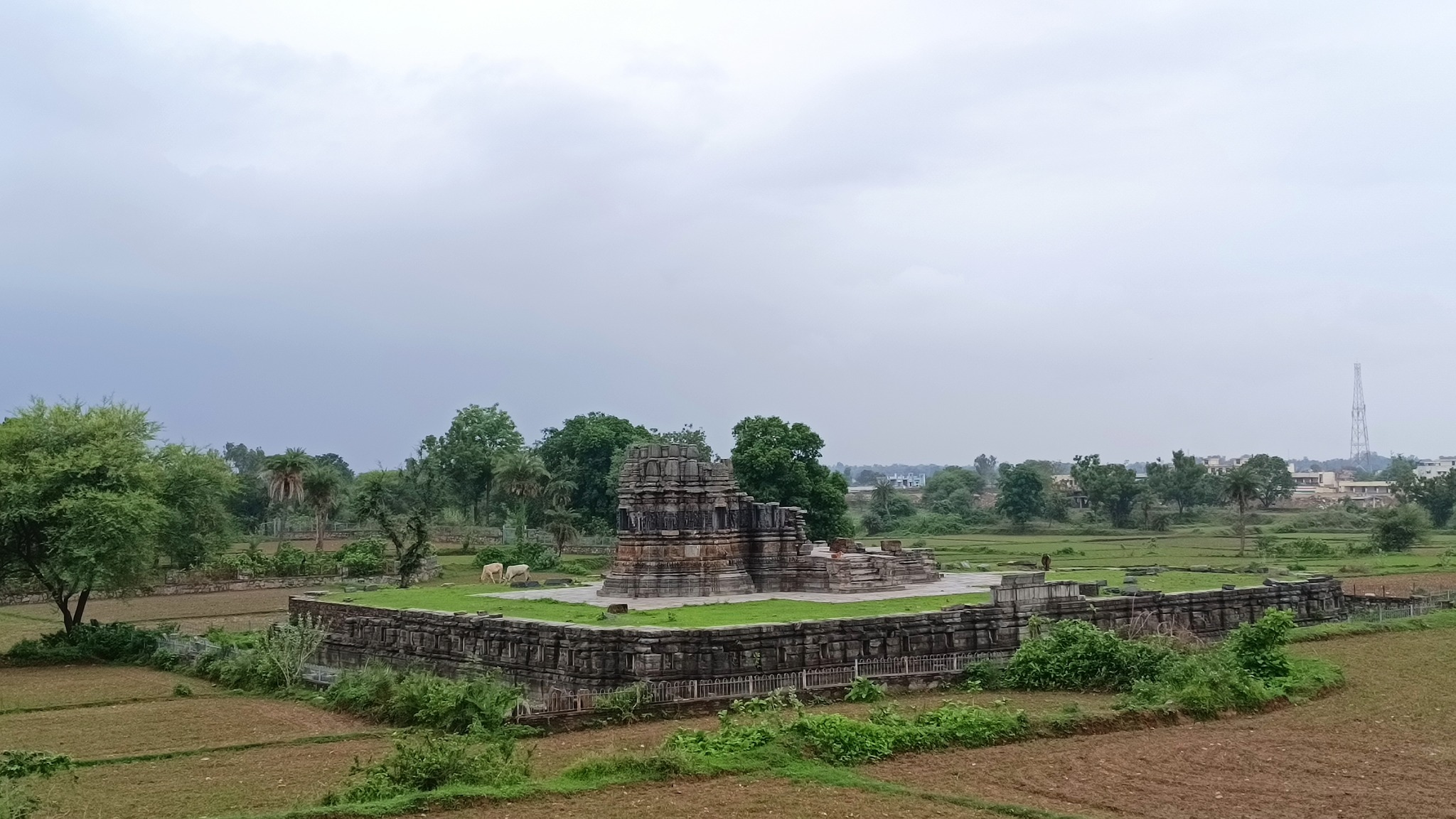
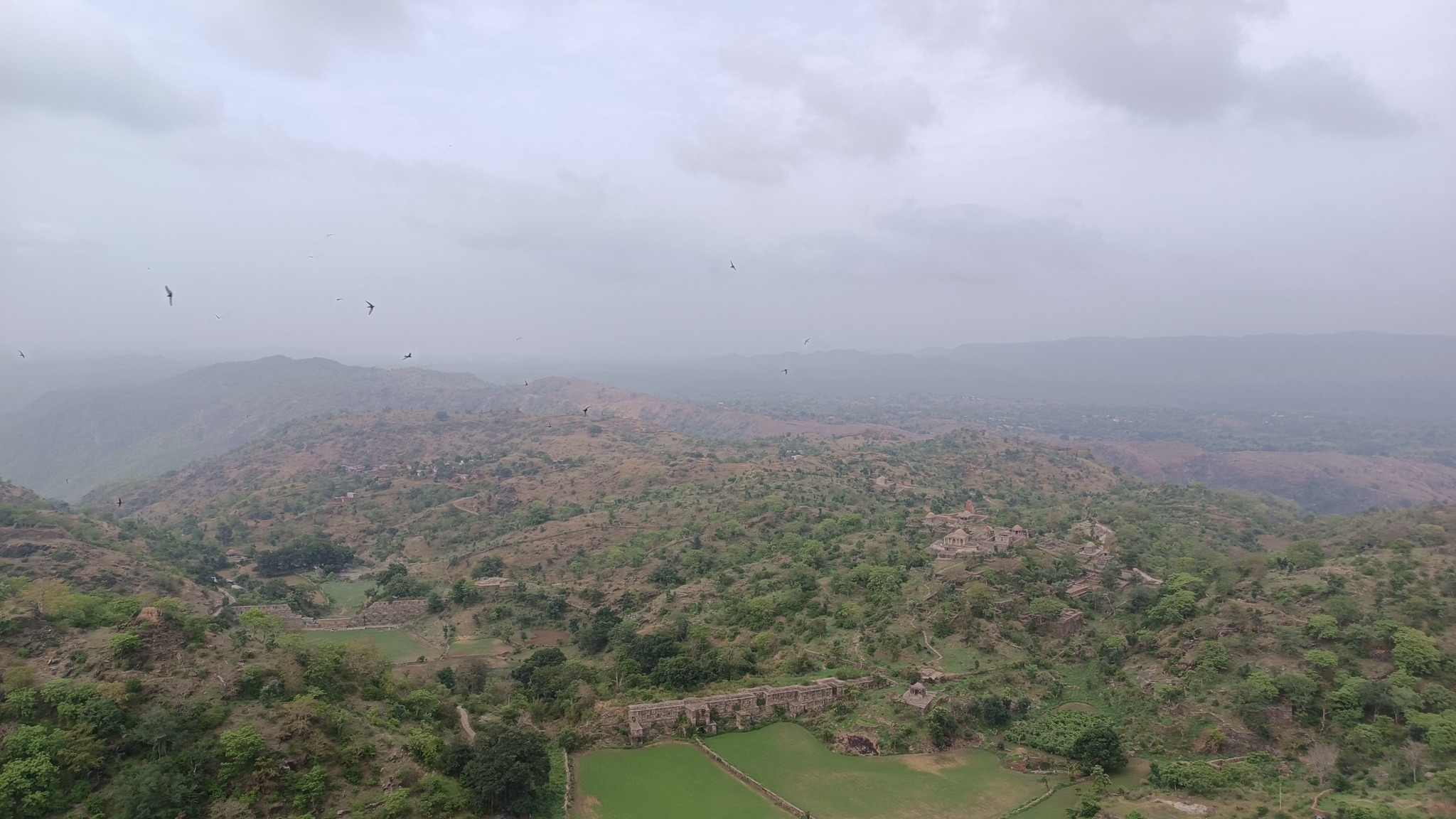
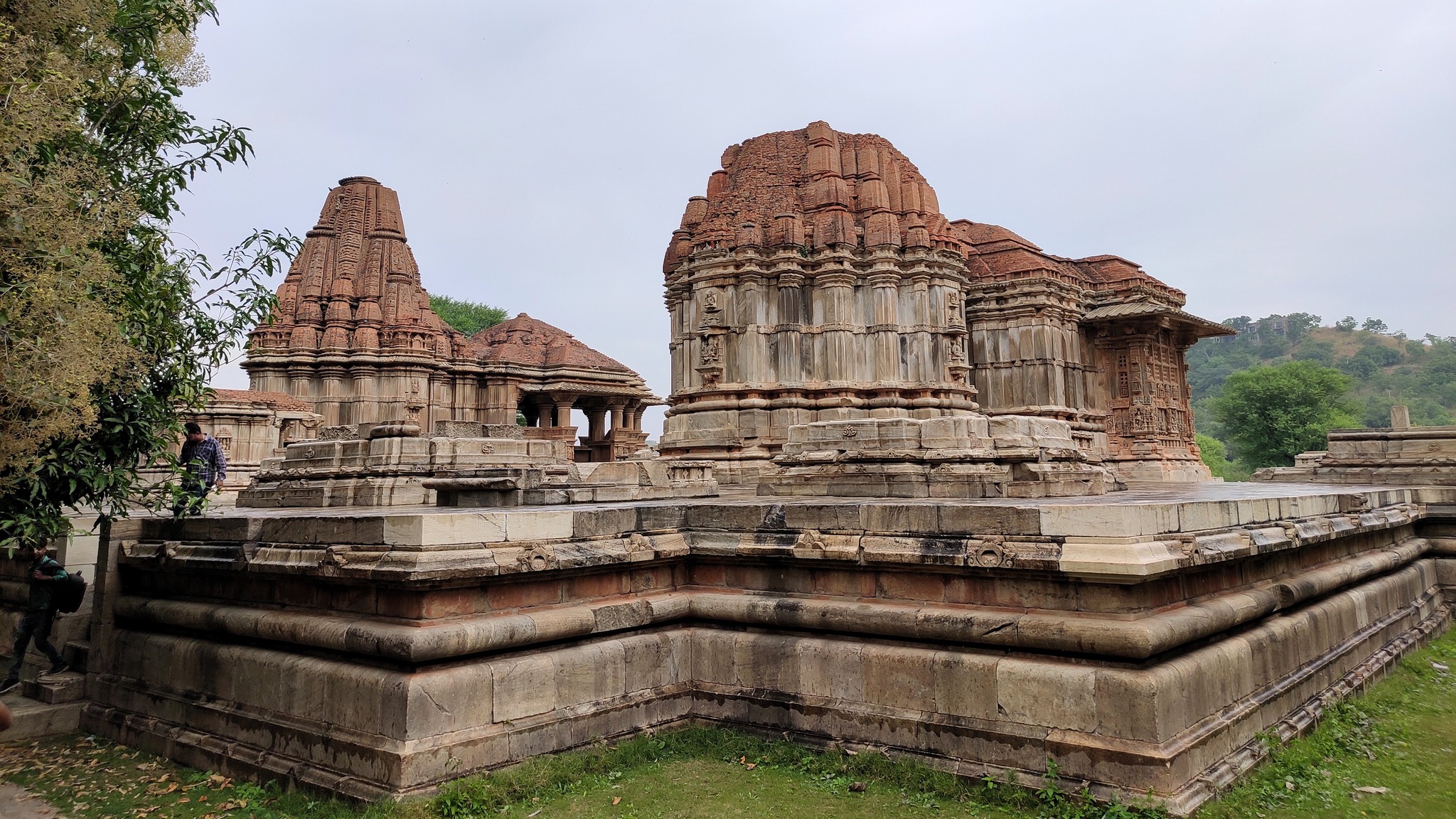
Arthuna, also called Utthunaka, the capital of the Paramaras of Vagad in the 11th-12 century AD, was an important commercial centre at the time. Home to a complex containing multiple temples, from the same period, dedicated to Shiva, and a stepped tank. What is interesting is that outside this complex, there are ruins of even larger temples, and several mounds probably concealing even more structures.
Nathdwara
Home to the temple of Shrinathji, an infant form of Krishna.
Ranakpur
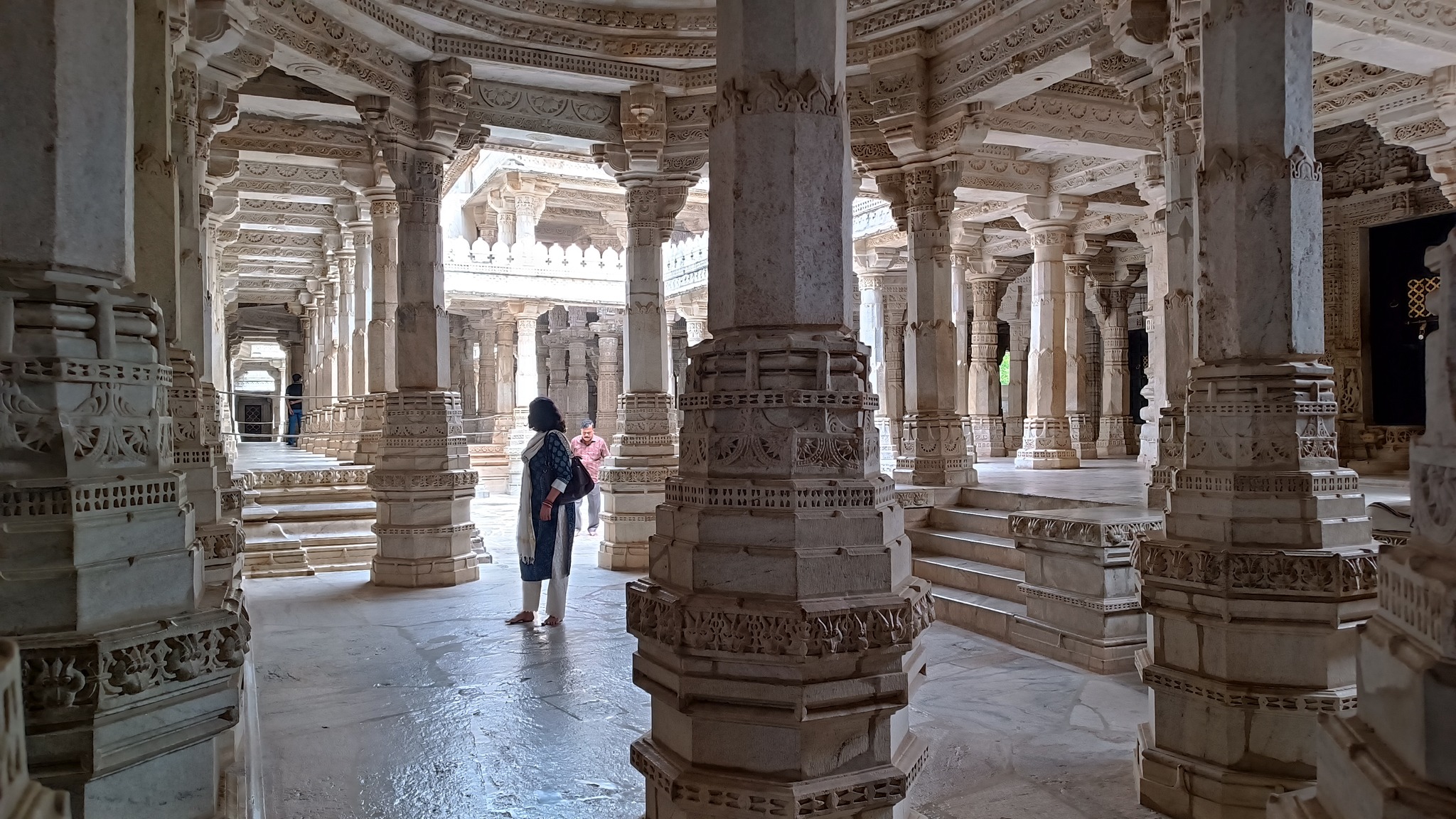
A 15th century Jain temple built entirely in marble sits majestically in the jungle at the Aravalli foothills. I would put this temple alongside the Taj Mahal as a mediaeval wonder of India.
The magnificent Ranakpur Jain temple
Interiors of the Ranakpur Jain temple
Kumbhalgarh
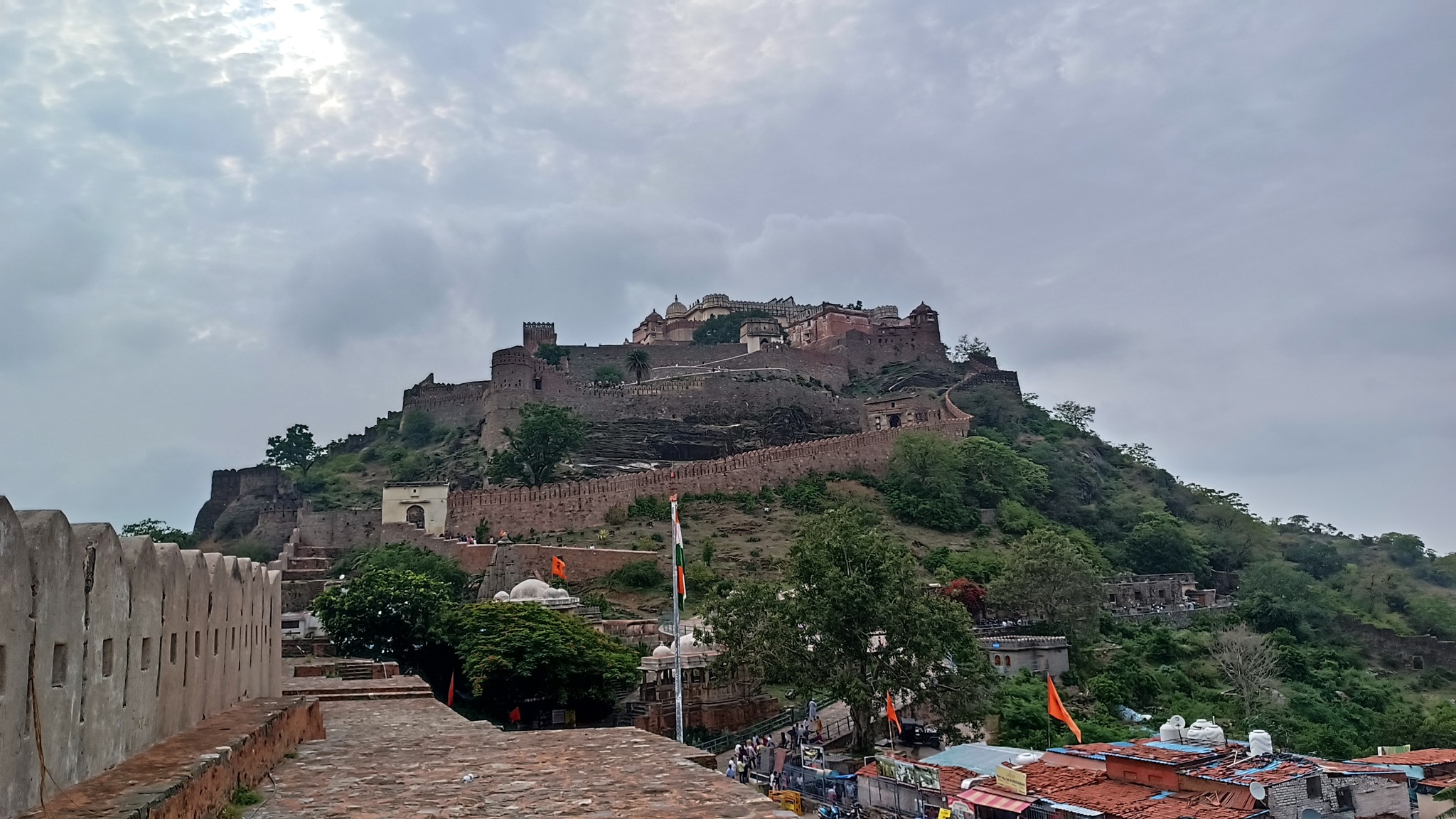
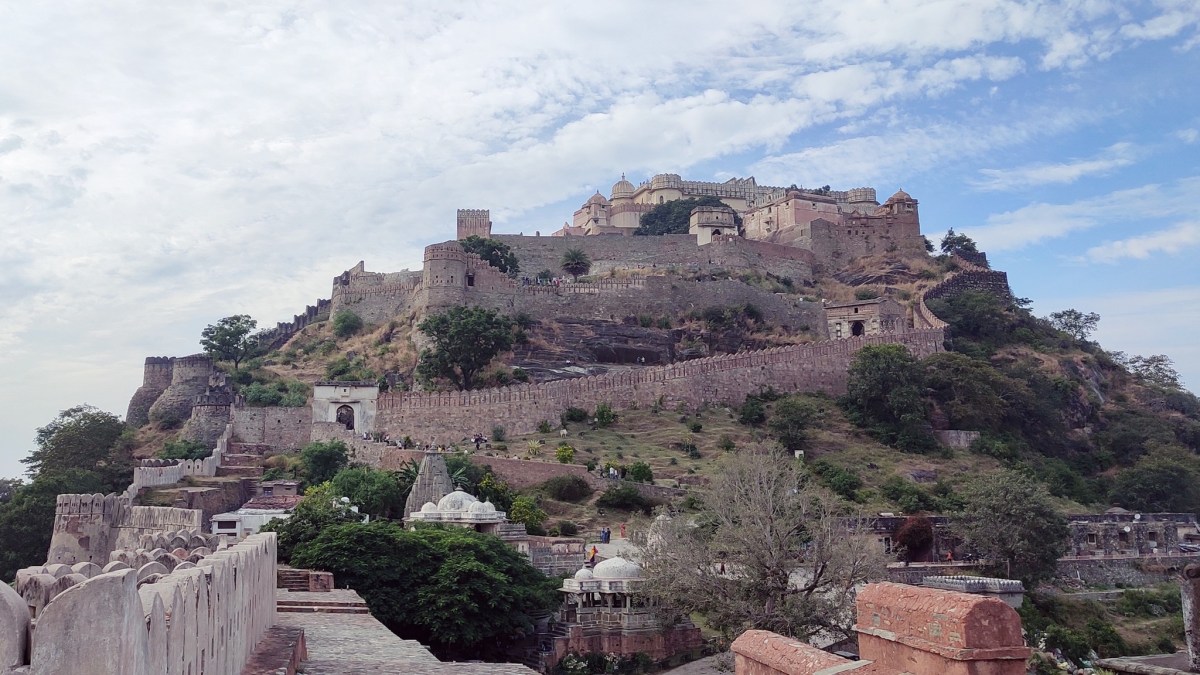
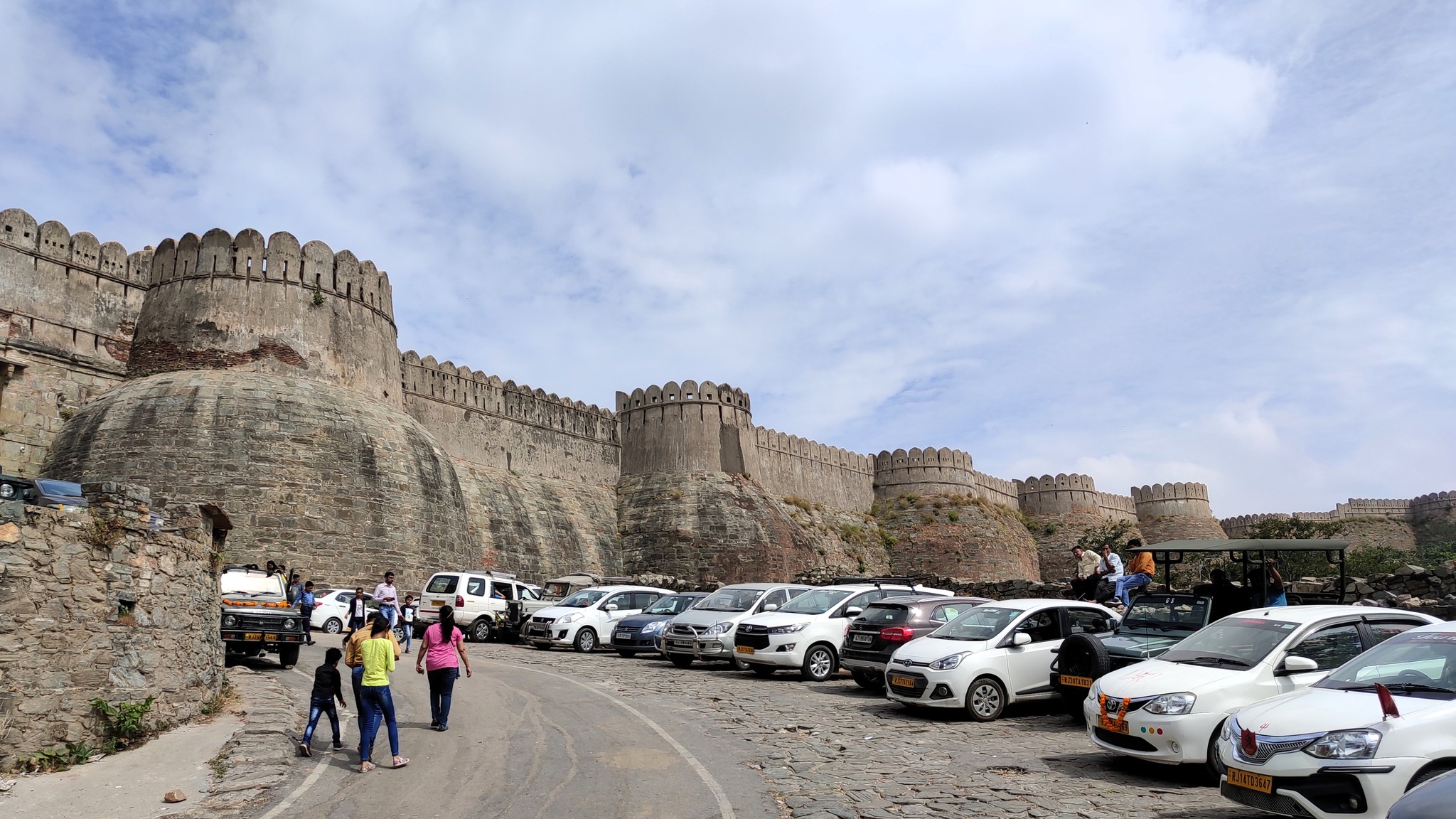
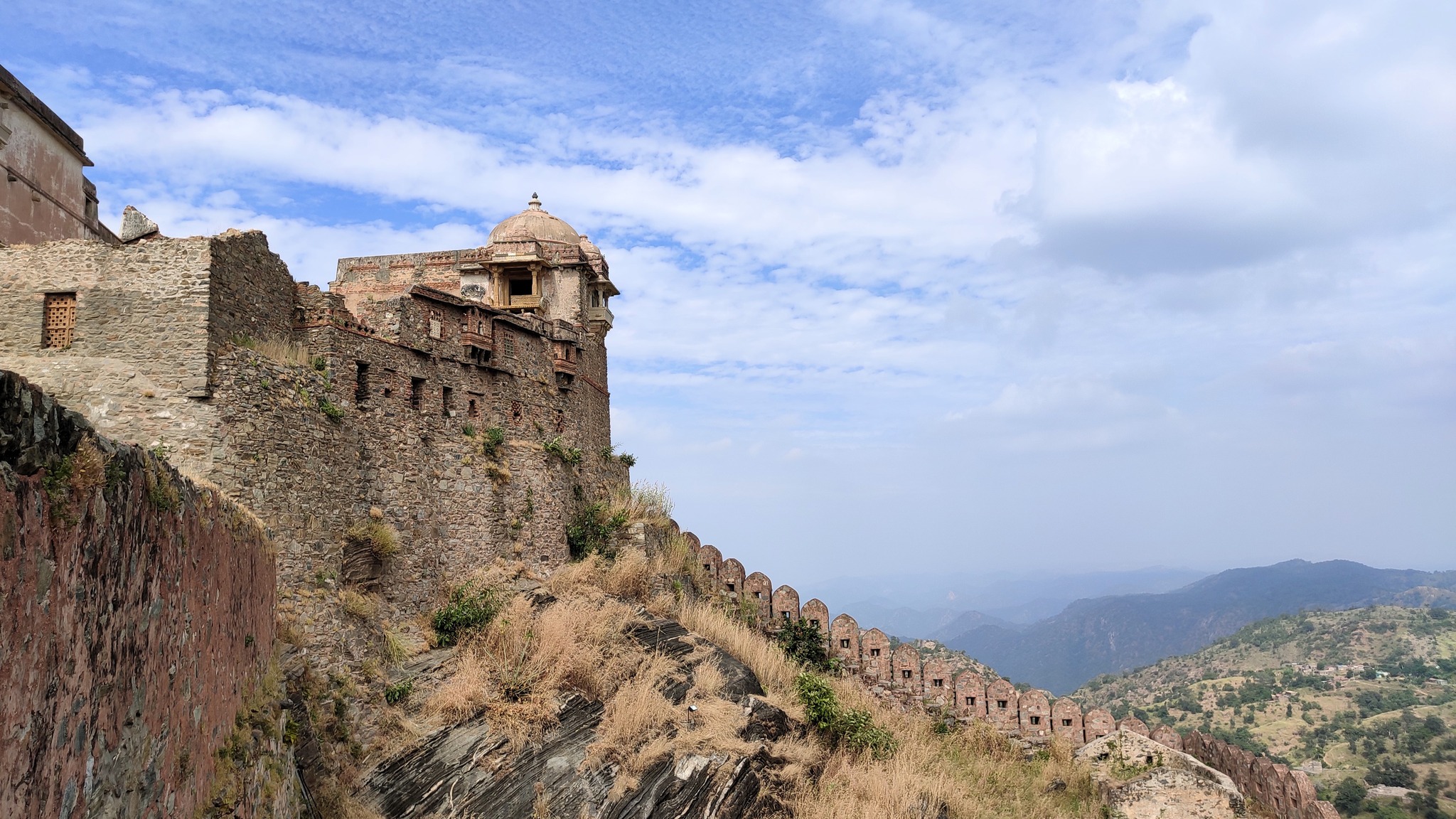
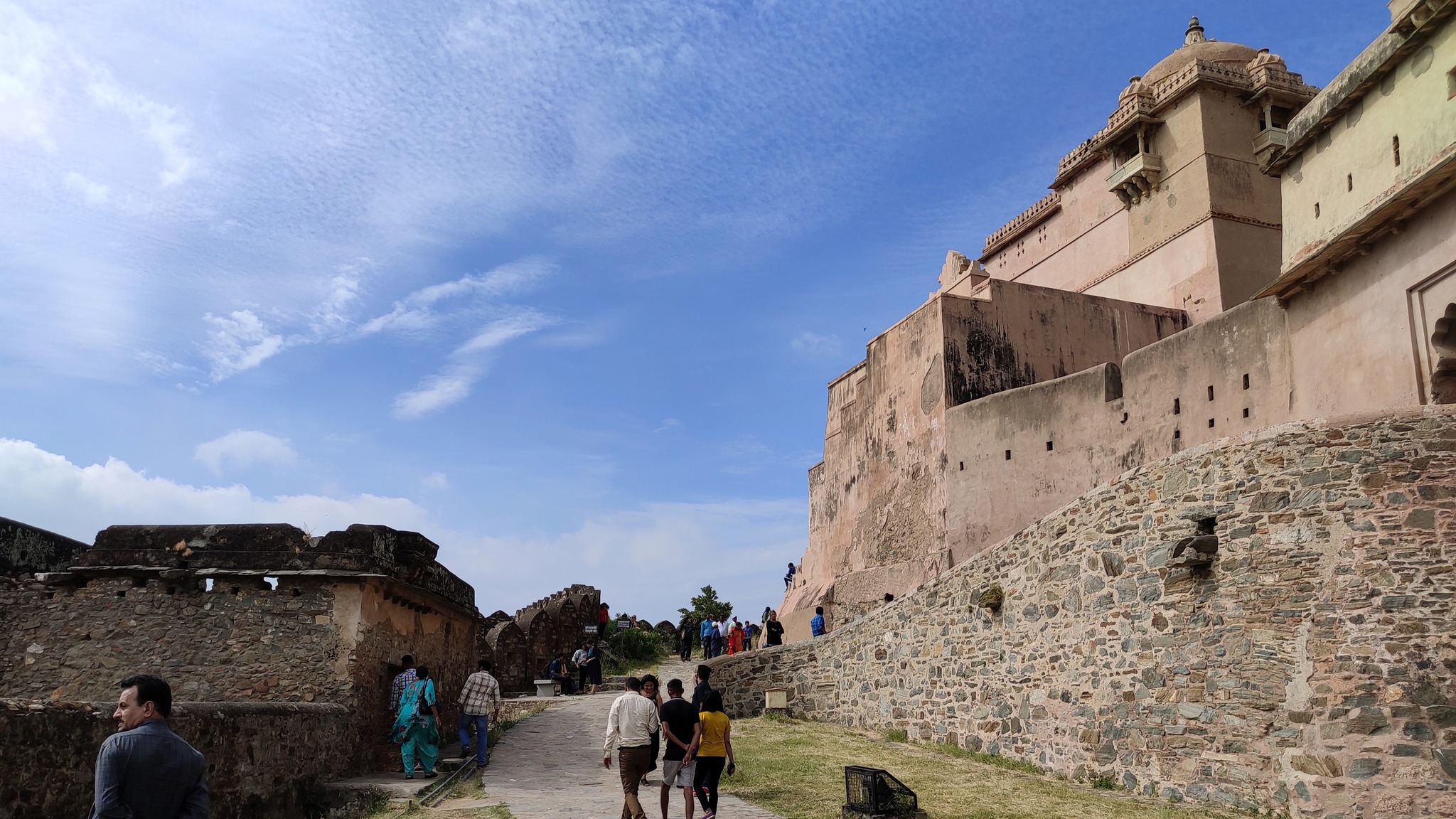
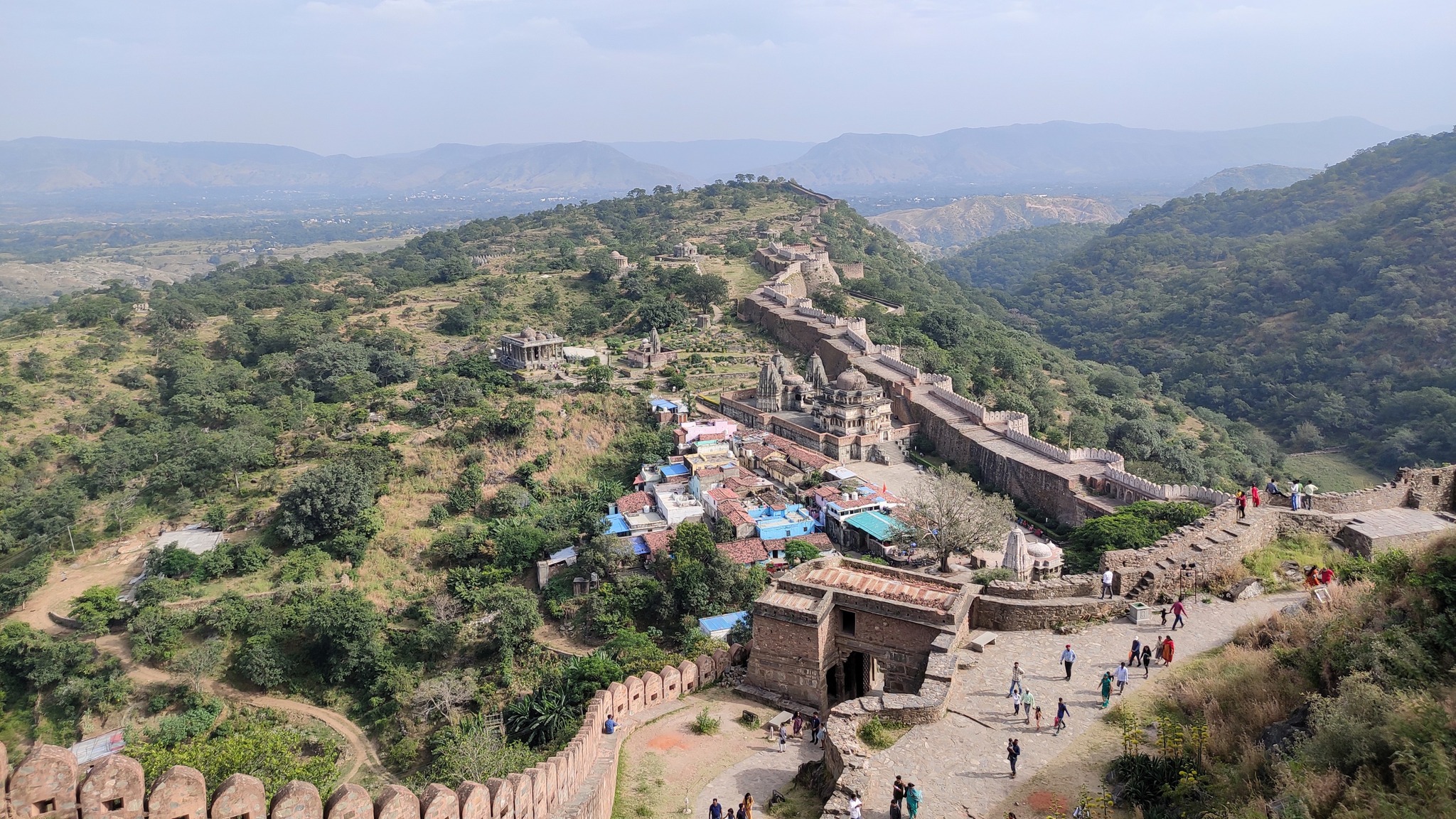
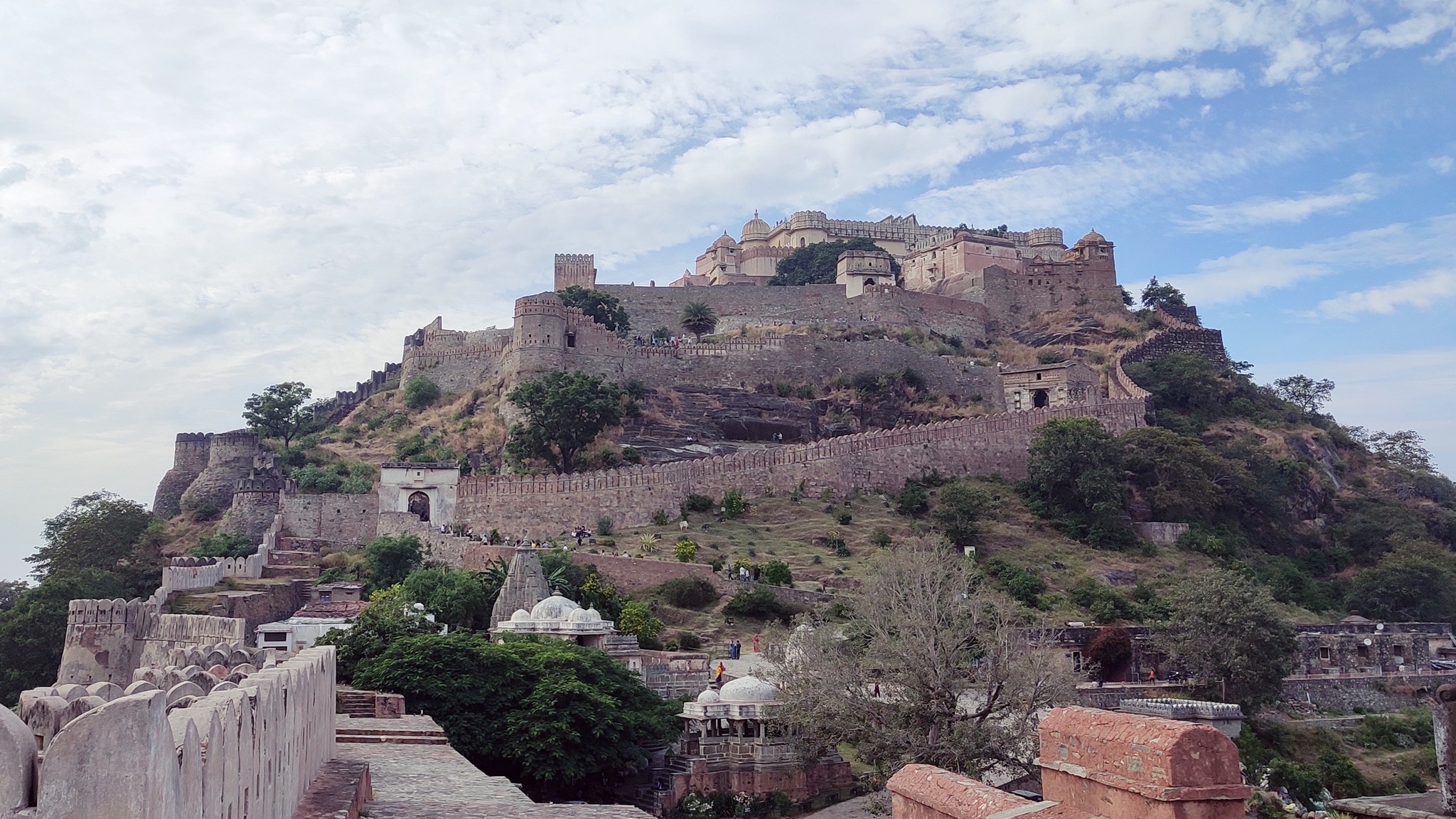
Another historic fort, the birthplace of the legendary Maharana Pratap, and hailed as the fort with the longest fortification wall in India (2nd in the world) at 36 km. From the top of the main palace, aptly named Badal Mahal (or Palace of the Clouds), it is said, one can see the Marwar on one side, and Mewar on the other.
At Kumbhalgarh
Mewar landscape from atop KumbhalgarhGlimpses of Kumbhalgarh
Rakt Talai (Pool of Blood)
As one crosses Haldighati pass, the region around which served as the battleground between the armies of Maharana Pratap and Akbar, and reaches Khamnore, there comes a depressed patch of land where a pond is said to have existed. The pond is said to have turned red with rainwater that trickled down into it, after mixing with the blood of those fallen in the battle of Haldighati on 18 June 1576.
Rakt Talai
Trip Summary
Day 1: Gurugram to Chittorgarh via Bijolia and Menal
Day 2: Chittaurgarh fort, and then on to Banswara
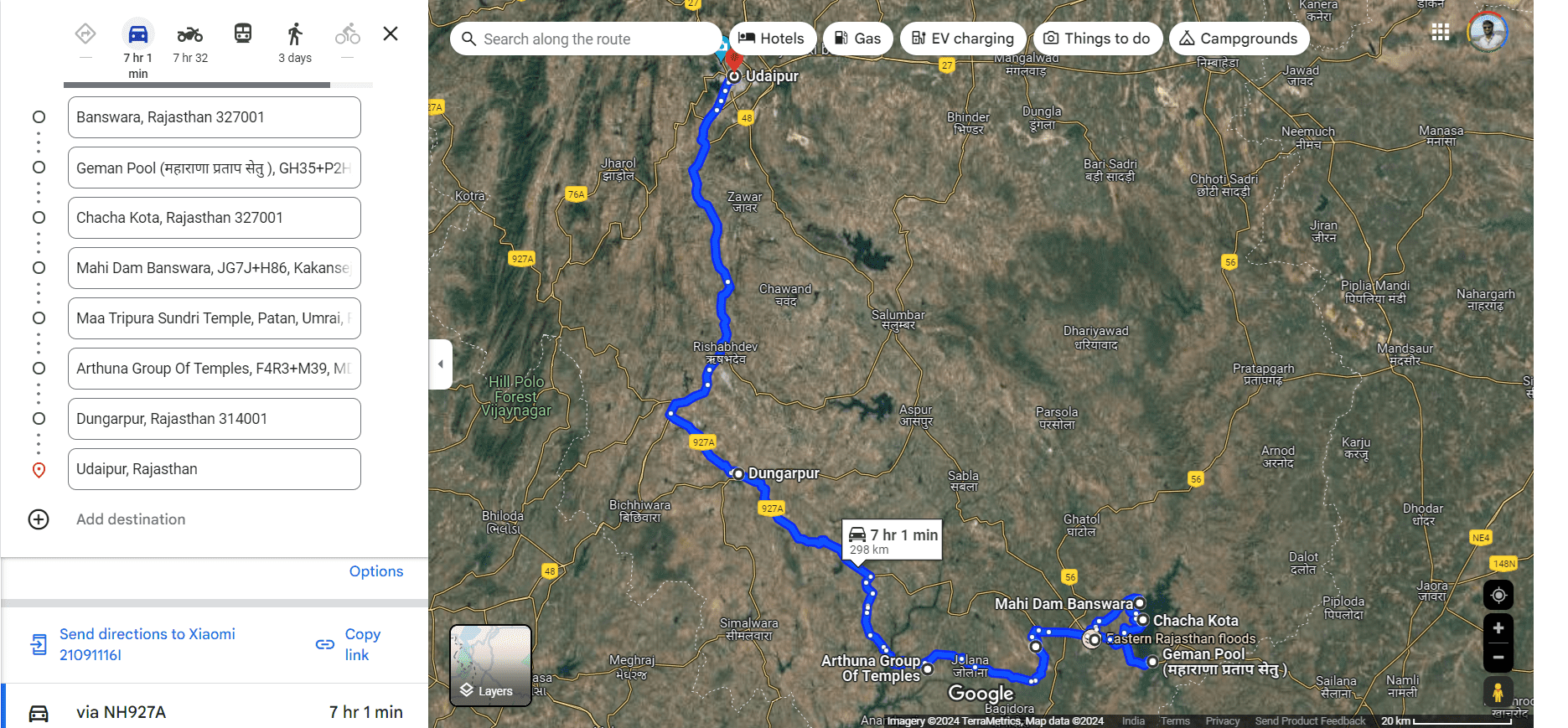
Day 3: Banswara and thereabouts including Mahi River Bridge, Chacha Kota and Mahi Dam. On to Udaipur via Arthuna and Dungarpur
Day 4: Udaipur to Nathdwara, then on to Ranakpur and Kumbhalgarh, and back to Udaipur
Day 5: Udaipur to Gurugram via Haldighati and Bhilwara
Inspired by the experience of spending Diwali in the hills the previous year, I decided to spend the Diwali this year too at an interesting place. The place was not very hard to choose, as I had been planning to take my parents to Udaipur soon, and thought it would be wonderful to see Diwali over Lake Pichola.
Accordingly, a fortnight before Diwali, seeing a great deal for the day, for which most hotels were already booked or overpriced, I booked a room in Hotel Thamla Haveli that stands right on the bank of Lake Pichola exactly opposite the Gangaur Ghat. On the other hand, not getting tickets on the Chetak Express, the only train connecting Gurgaon and Udaipur, I improvised and booked tickets on a 2 PM train instead from Jaipur, which we would reach by bus.
Day 1: Off to Udaipur
On the day preceding Diwali, we reached our designated pick-up point at Rajiv Chowk around 6 AM, only to learn that we had left behind the food Mother had painstakingly cooked and packed for the journey. So, I rushed back home, which thankfully was only one-and-a-half kilometers from our bus-stop, to pick up the food, and was back in time to catch the bus.
Relishing the views of the Aravallis and the countryside on the way, we reached Jaipur at 12, catching the train to Udaipur as planned. This being a day train, we had the opportunity to see the landscape the railway line passed through, including the topography of areas around Ajmer, where I felt a strong pang of desire inside me to visit Ajmer sometime soon. We reached Udaipur around 9 PM and soon checked-in to a hotel near the railway station.
Day 2: Diwali in the City of Lakes
The next morning, i.e. on Diwali day, after breakfast, we checked out of the hotel and moved over to Thamla Haveli, checking-in around 11.30 AM. We were quite pleased to know that the window of our room opened to, and in fact, hung right over the Pichola lake – if you fell from the window, you drop right into the water! Then, we checked out Ambrai Ghat, which was only a 200 metre walk from our hotel and gave us an exhilarating view of the City Palace sitting across the Pichola Lake.
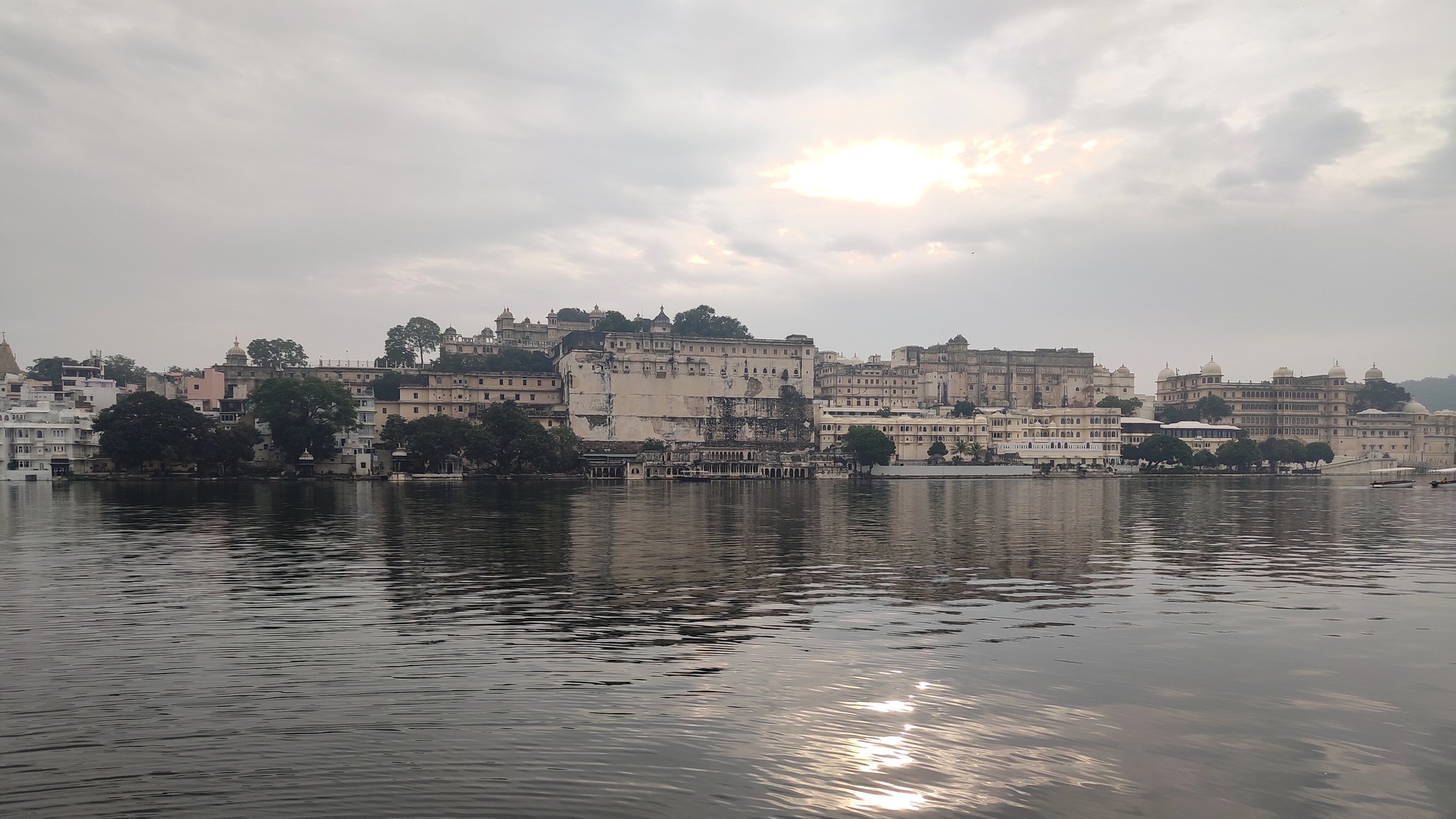
Morning at the Ambrai Ghat on Lake Pichola, Udaipur
After that, we hired an autorickshaw to show us around Udaipur the whole day, and first proceeded to Sajjangarh Palace, a monsoon palace that stands on the top of a hill, overlooking the city and the Fatehsagar and Pichola lakes. From the terrace of the palace, we also got breathtaking views of the Aravallis. Descending from Sajjangarh Palace, we had lunch near Saheliyon ki Bari, an early 18th century garden, which we visited next. Next up was the City Palace, which I was seeing for the fourth time in as many visits. We ended the day by visiting the Jagadish temple, which stands right on the road that the Palace tour exits to.
Saheliyon ki Bari, Udaipur
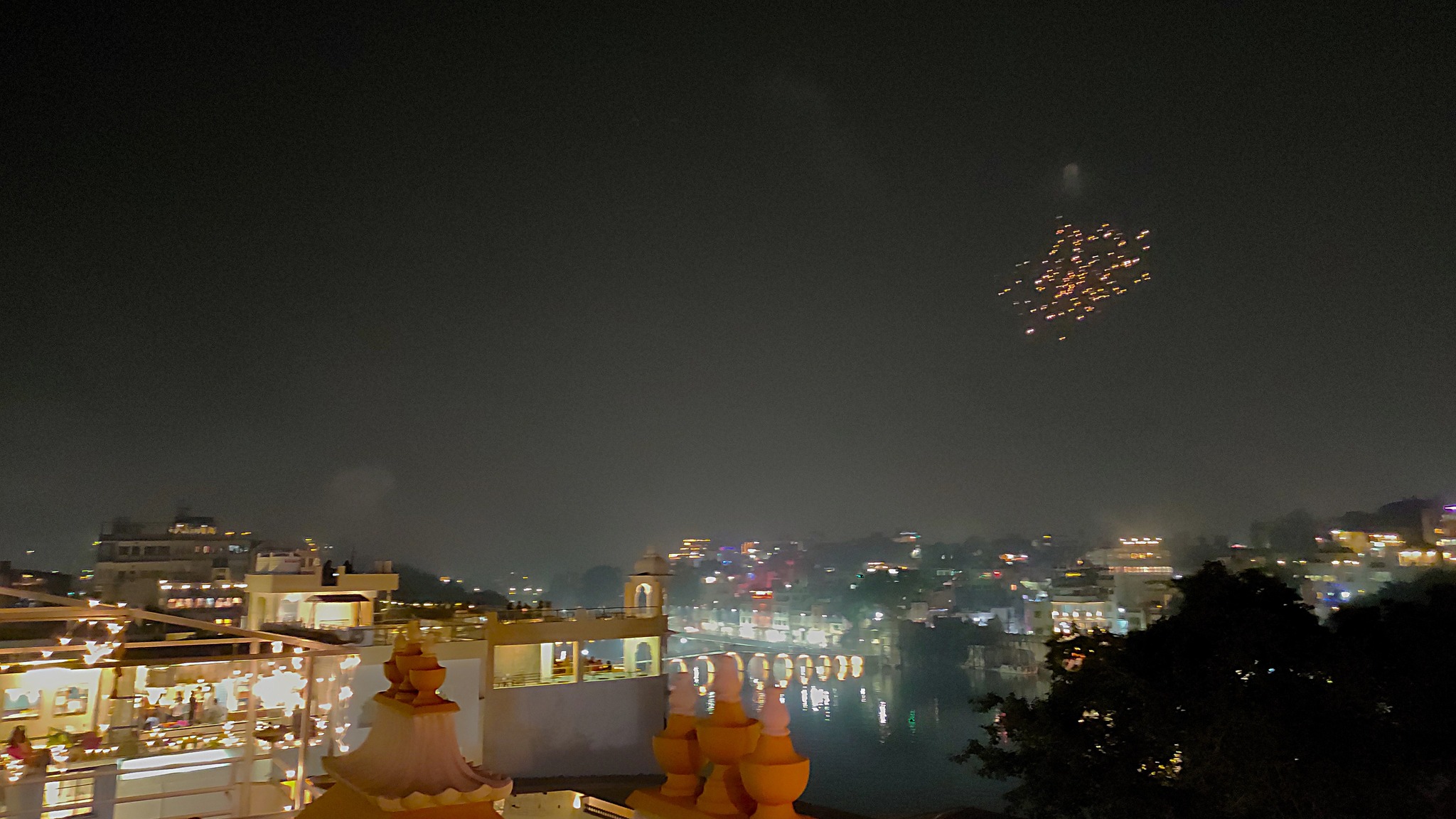
Back at the haveli, from our window we were treated to the electrifying sights that we had hoped to see – the fireworks going over the skyline across the lake, with their reflections sparkling over the lake’s surface. As we climbed to the rooftop restaurant for dinner, we were rewarded with even clearer views of the Diwali celebrations. We finally went to sleep, as Diwali celebrations drew to a close.
The city and sky are lit up on Diwali night, as seen from Thamla Haveli, Udaipur
Day 3: An Excursion to Kumbhalgarh
The next morning at 7.30 AM, we walked to the Ambrai Ghat again and were mesmerized by the views of the city palace bathing in the morning sun. Soon after, I booked an outstation Ola cab after some struggle, to take us to Kumbhalgarh. Starting at 11 AM, we drove for about two hours, mostly through the Aravallis, to reach Kumbhalgarh fort which was taking forever to appear. However, given the scenic beauty on the road, the drive was not that boring after all.
This being our first ever visit to Kumbhalgarh, we took the guided tour savouring every nook and cranny of the palaces and every bit of information dished out by the guide. From the rooftop of the Badal Mahal, we beheld the most magnificent views of the Aravallis and the Marwar plains beyond. Before we realized it, we had already spent two hours.
Descending from the palace, after a quick light meal at one of the shanties located inside the fort premises, we checked out the Vedi temple, and other nearby temples, and capped off the fort visit with a walk along the famed fortress wall of Kumbhalgarh, from where one gets a clear view of the palaces sitting on the hilltop.
Entering Kumbhalgarh fort
Rana Kumbha’a Palace as seen while climbing upApproach to Badah Mahal, Kumbhalgarh
Vedi temple and other temples alongside the famed wall as seen from the approach to the palace
The fort palaces as seen from the fort wall, Kumbhalgarh
Glimpses of Kumbhalgarh fort
By now, it was already 4 PM, leaving us with little for the next stop on our itinerary, Ranakpur. In any case, any possibility of seeing Ranakpur was nipped in the bud shortly, when our cab driver refused point-blank to drive through the hills to the famous Jain temple, on account of the impending darkness, compounded by the fact that the temple closes by 5 PM anyway.
So, we had to leave Ranakpur for another day, another trip! Returning to Udaipur by 7 PM, we checked in to Broadway Hotel near Saheliyon ki Bari, and retired for the day after dinner.
Day 4: Exploring Nearabouts: Eklingji and Haldighati
The next day began with yet another struggle to obtain a confirmed booking for an Ola outstation cab, which I managed to get after attempting for about an hour. Given the dire circumstances, we had to leave out Nathdwara temple from the itinerary, opting instead to go to Eklingji. We finally managed to hit the road at around 10 AM, heading to and reaching Eklingji just in time for the darshan starting at 10.30 AM.
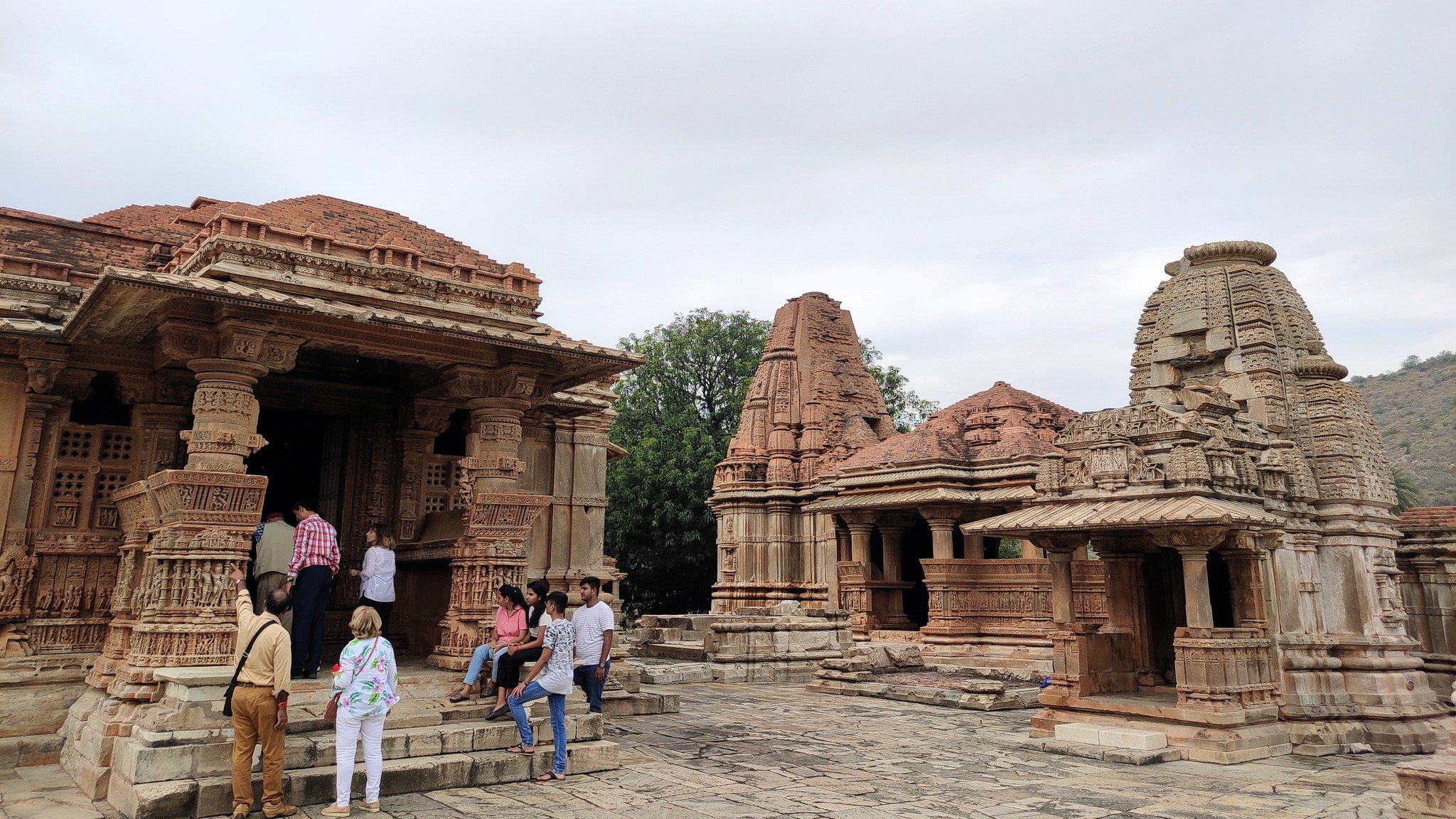
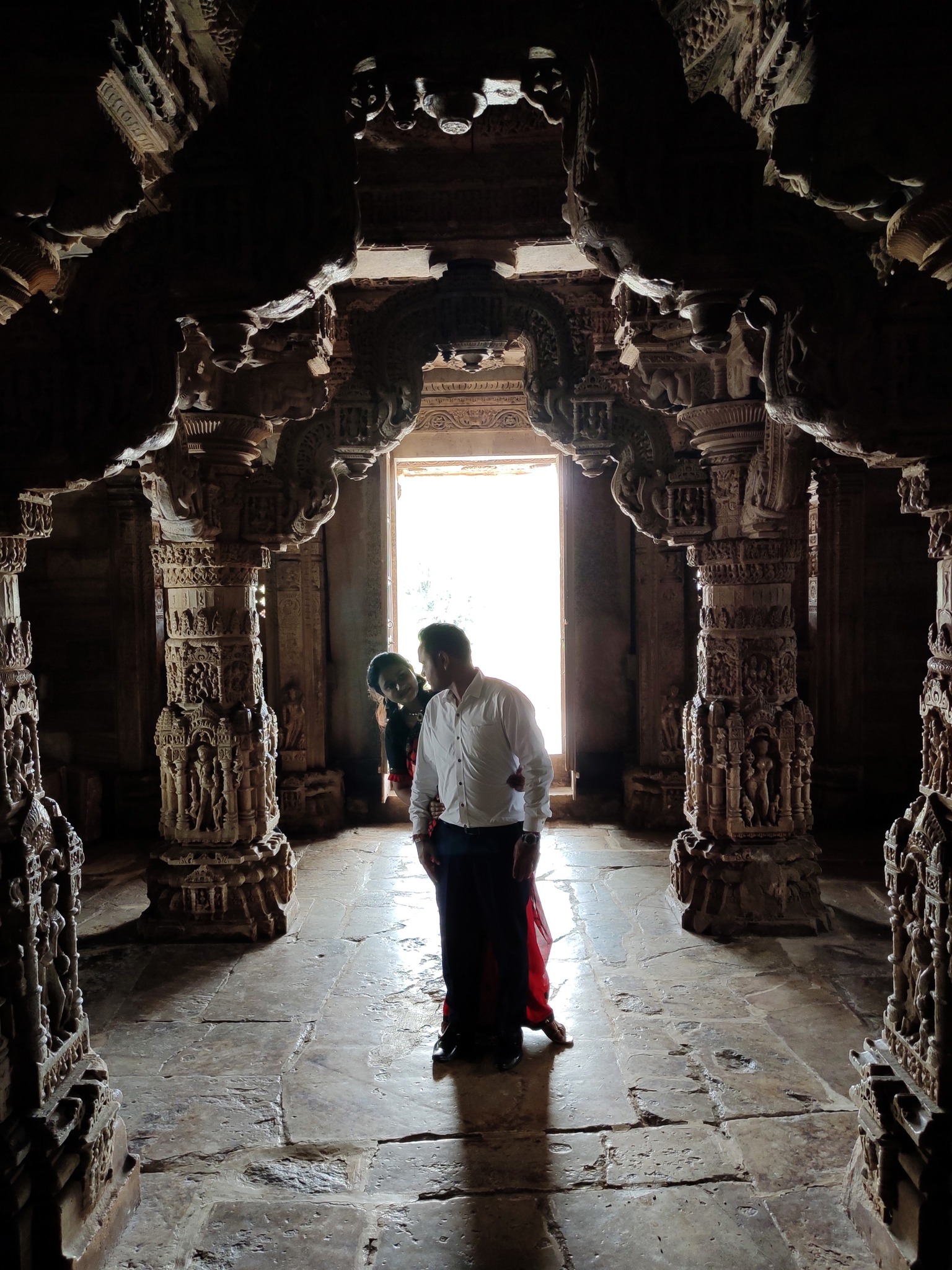
From the Eklingji temple, we proceeded to Sahasra Bahu temples at Nagda, a couple of kilometers away, which comprises a pair of 10th century Vishnu temples. The site seemed to be a popular spot for pre-wedding shoots. Thereon, we drove on to Haldighati Musuem, where we went through memorabilia related to Maharana Pratap, had our lunch, and proceeded to the Haldighati Pass. Turning back, we got down at Udaipur railway station , where we caught the 6:15 PM train to Chittaurgarh, reaching the latter after two hours.
The Sahasra Bahu temples, Nagda
A popular spot for pre-wedding photoshootsIntricate work on the temple walls
The Sahasra Bahu temples from another angle
Day 5: On to Chittorgarh
Next morning, I was back again at the place that I love most in Rajasthan – Chittorgarh, for the third time, but it still felt like I was coming here for the first time! We booked an auto-rickshaw whose driver doubled up as our guide, and took us around the fort area which in itself feels like a self-contained region, with a populated area on one side, and the remaining area covered with forests, including a deer sanctuary, and sprinkled with palaces, temples, towers and water tanks.
We started off with the Kubhashyamand Meera temples, then rode over to Vijaya Stambh, then saw the Jauhar kundand Samadhisvara temple. For there, we moved to the to Kalika Mata temple, and then Rani Padmini Palace. Then taking a wide curve, we switched to the other side of the hill, where we saw the fort’s main entrance gate, Suraj Pol, while also being treated to a breath-taking view of sparsely populated valley below. We then went over to a handicrafts shop, where we bought some scented silk fabric items.
By 1 PM, having completed one full round around the periphery of the fort, it was time leave, with a heavy heart, as far as I was concerned. Nevertheless, down in the city, we had a Rajasthani meal, and were in the railway station at 2.30 PM.
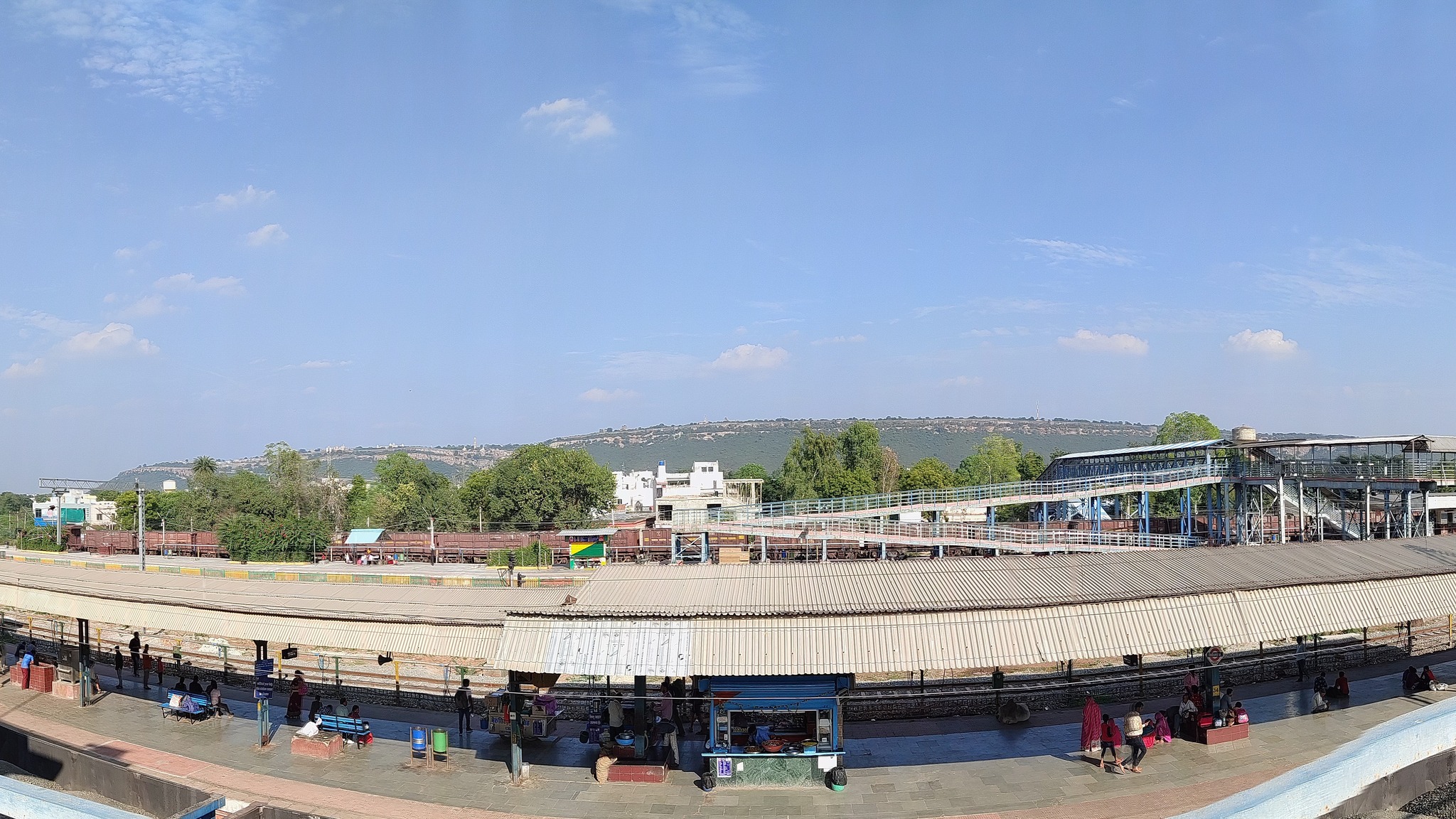
Chittorgarh fort sits atop of the flat long hill, as seen from Chittorgarh railway station
With part of our return train journey happening in daylight, we were again able to enjoy the interesting landscape, especially as we neared Bundi, where the railway line descended to the barren escarpment below. Then entering a tunnel, the train emerged out to amble along the edge of a reservoir on the other side of which ran the Aravallis. As we reached Kota, night had fallen, and when we opened our eyes early next morning, we were already approaching Gurgaon.
In November 2014, my then-colleagues and I committed to attending our colleague’s wedding near Dausa. So, we took the opportunity to see Ranthambore, and had our tickets booked for Sawai Madhopur in the 7 PM Mewar Express. I took the day off from work and decided to go watch the movie Interstellar in the afternoon – I reckoned I could just go pick my stuff from Safdarjung Enclave, where I lived, after the movie and be able to make it in time to reach the Nizamuddin railway station to catch the train.
But by the time the movie finished, it was already 5 PM, and I figured halfway to my place, going back to pick my baggage was out of the question – so, I made an instant decision to simply head straight to the railway station, in the only clothes I was wearing and without my eye-glasses, although I had my contacts on. Anyway, as soon as I boarded the train – I became the butt of my colleagues’ jokes… but I wasn’t going to miss a good opportunity to travel with my colleagues-cum-friends for the world. Getting down at Sawai Madhopur at midnight, we checked-in at a resort.
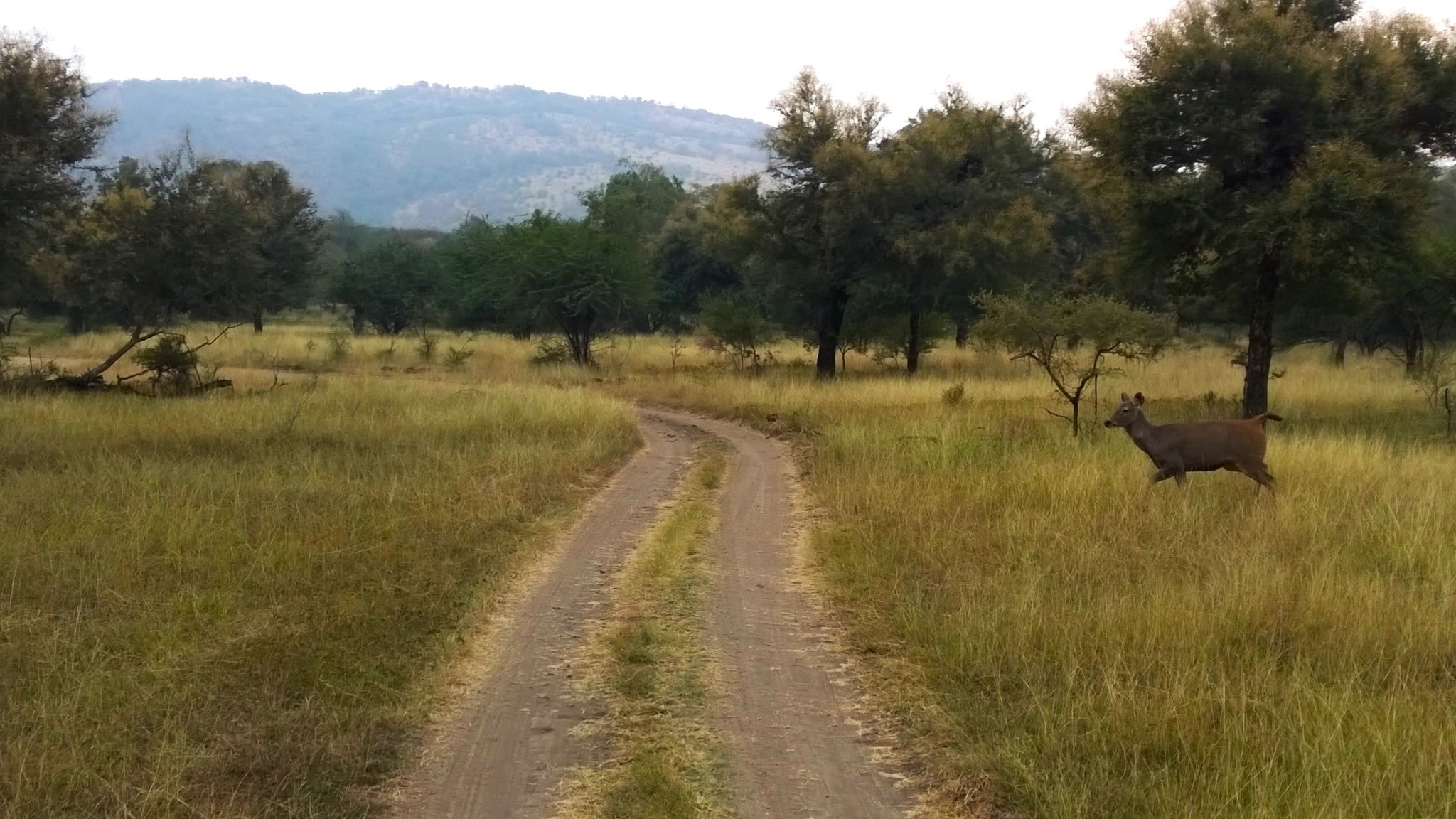
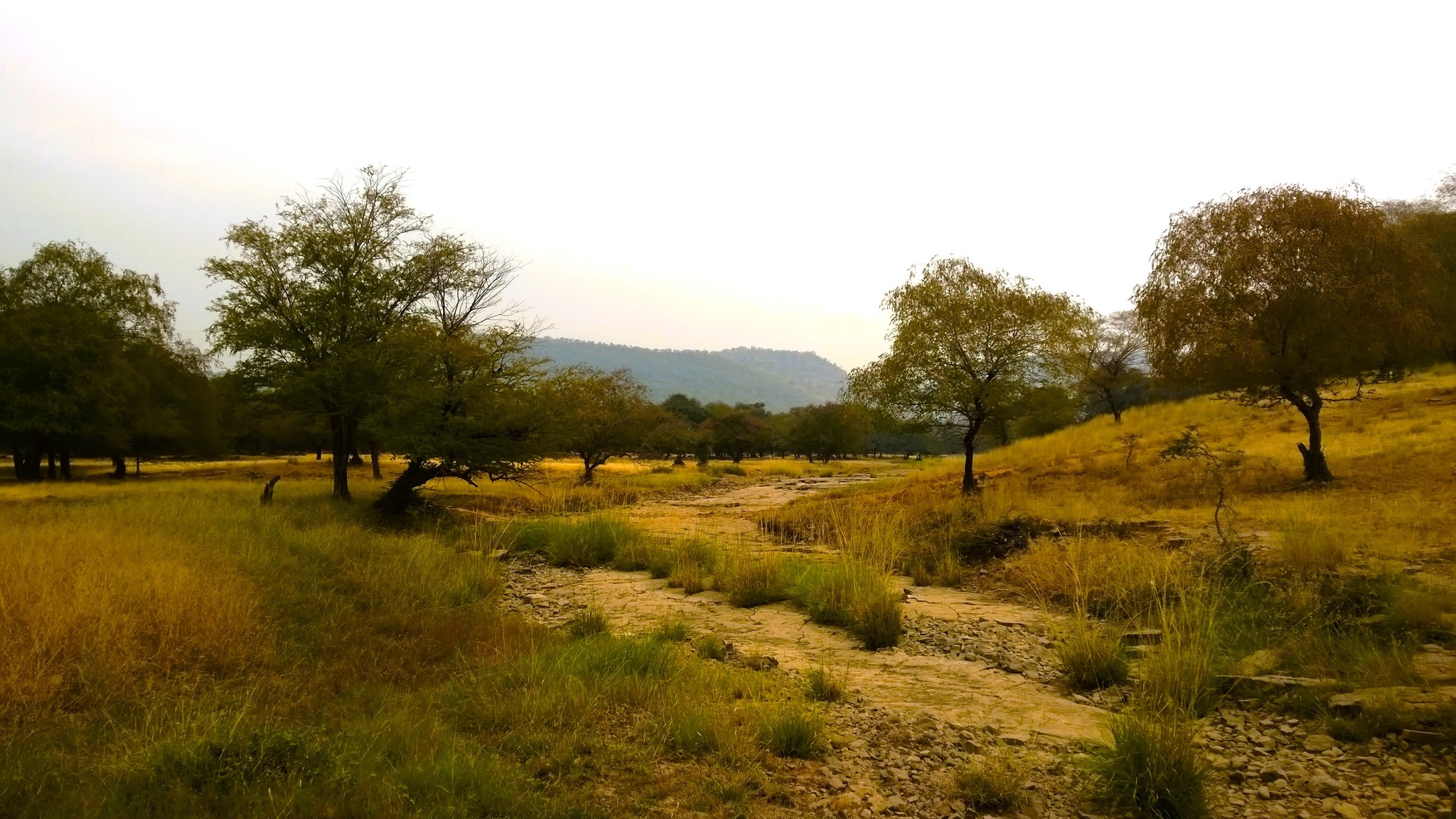
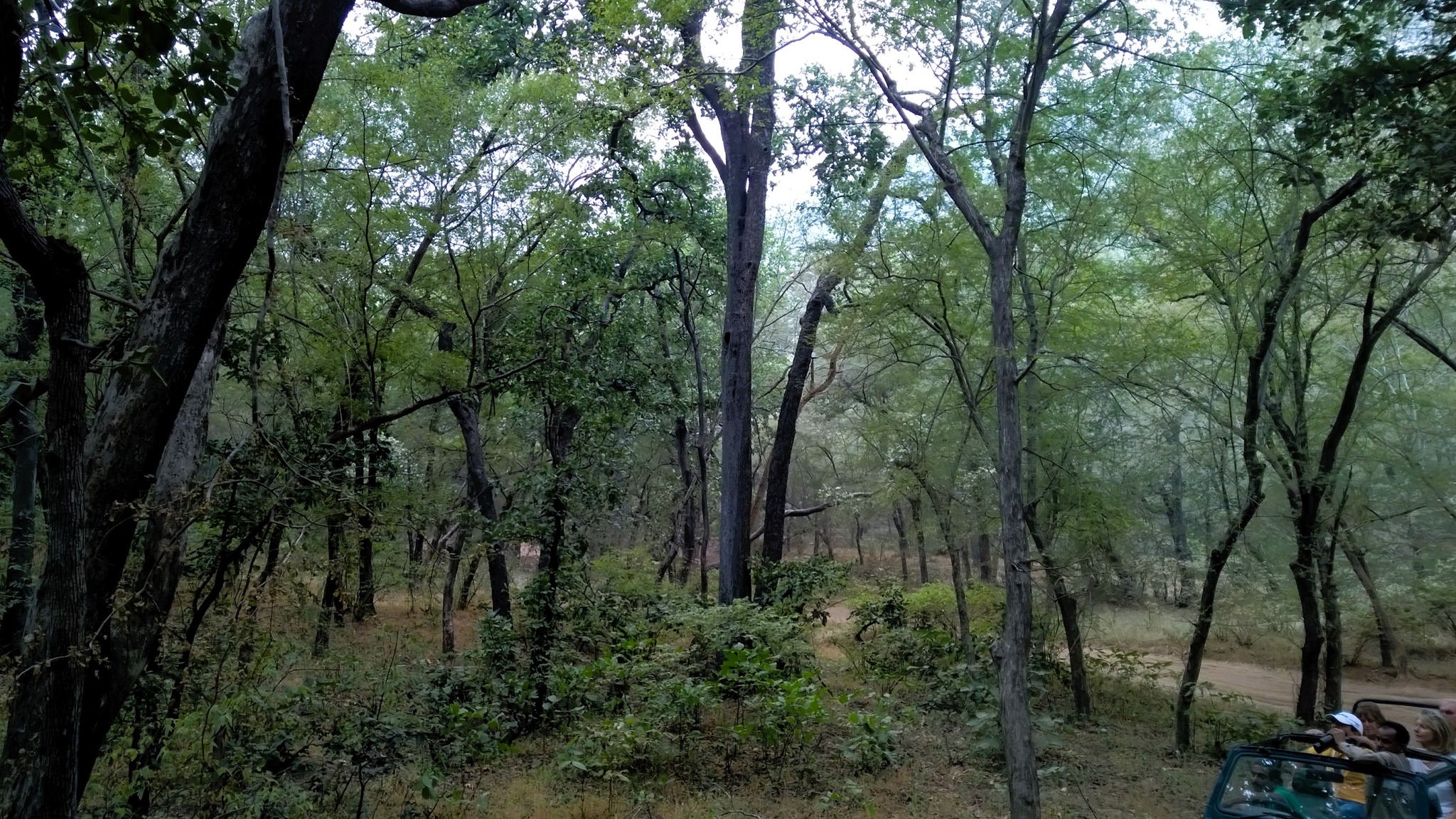
The next morning, after we had fun in the pool, we took off to the local market, where I bought myself a change of house-wear, and a bottle of liquid for my contacts, with which also came a free lens case. With that and lunch done, we headed to the Ranthambore Tiger Sanctuary for an afternoon safari. Making our way through the grasslands, and later, the dense jungle, in pursuit of the tiger, we passed by dried streams with pebbled beds and watering holes, and saw nilgai, sambhar and numerous birds, but no tiger.
Glimpses from the afternoon safari at Ranthambore National Park/ Tiger Sanctuary
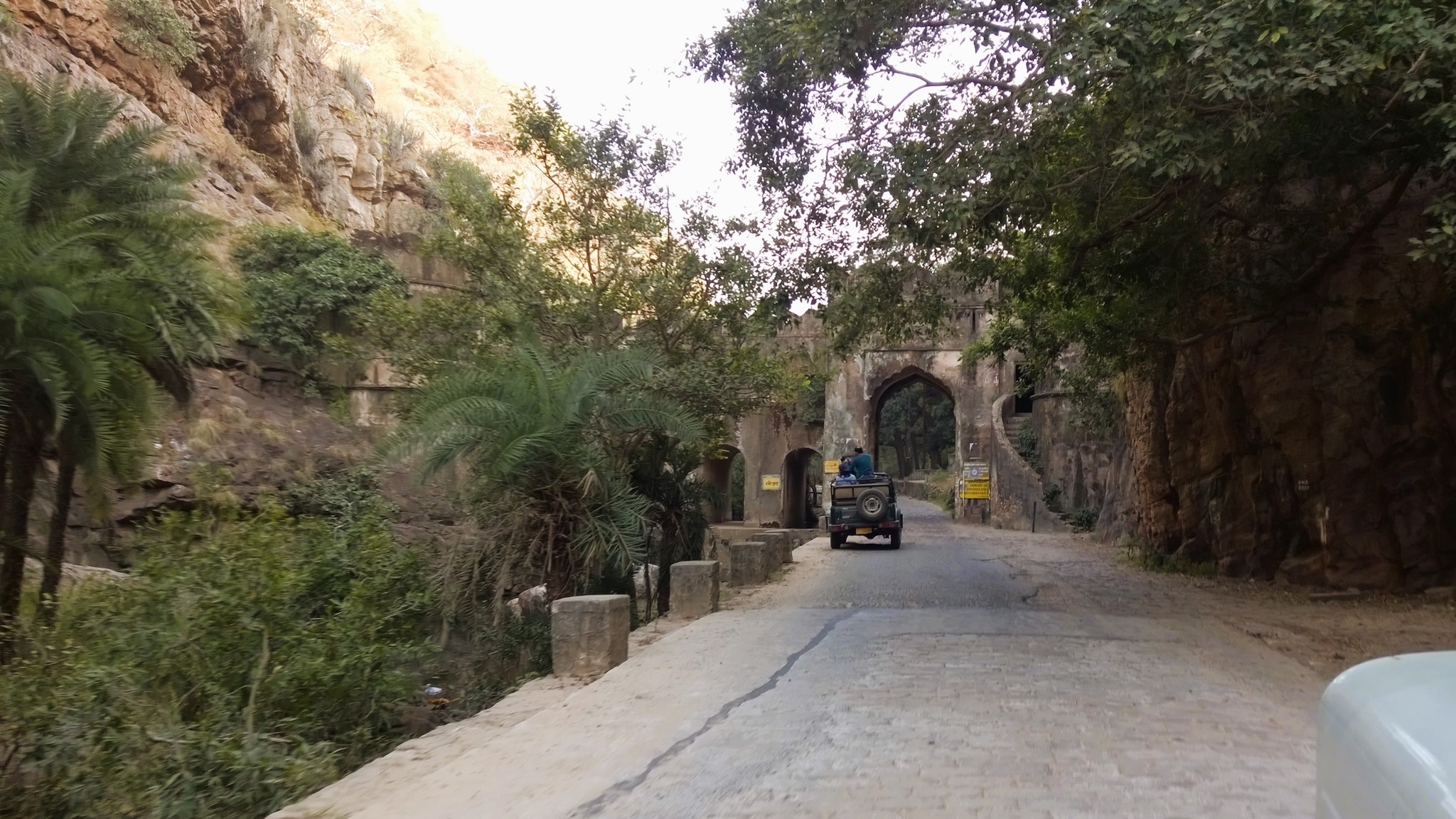
At noon the next day, we set off for the trip to the Ranthambore fort deep in the Ranthambore forest. The ride uphill on the winding road through dense forest, with a stream running alongside, supplemented by sighting of deer and birds, made the ride memorable. By 2.30 pm, we were inside the fort, and one of first things we did was taking in views of the hillside and the valley from the many rooms on the fort wall. Then we trekked our way to see the numerous palaces, a 32-pillared cenotaph, a pond called Rani Kund and the adjunct Dargah, The Lakshmi Narayan temple, the Kali temple, and then passing by the big bathing tank, we reached the Annapurna temple and ended the tour with a visit to the Trinetra Ganesh temple that lies at the end of the fort.
Enroute Ranthambore fort, the road cuts through forest alongside a stream
A steep long climb ensues
A tunnel-cum-entrance
The 32-pillared cenotaph
View of the forest and lake from atop the fortMain bathing tank inside the fort
A troop of monkeys relaxes at sunset
By now, we had spent close to 3 hours, without realizing how quickly time had passed. When we rushed back to the entrance of the fort, we realized there was no public transport left to take us back to town! However, courtesy of an offer from a good Samaritan truck driver, we hopped inside the canopy-covered semi-trailer of his truck. As the truck rolled down the potholed uneven road in the darkness, with us getting thrown around like drums, we laughed and at the same time, prayed that we reach the foothill safely, which we did by 6.30 PM.
Next morning, we left at 6 AM for another safari, this time it was the morning version, at the Ranthambore Tiger Sanctuary. With the early winter morning chill still hanging in the air, we saw deer, nilgais, sambhar, peacocks, and a host of jungle birds, but still no tiger. At 2 PM, we proceeded to Batodi, the groom’s native place, and accompanied the groom to Kothin, near Dausa, where he was getting married, reaching there by 7 PM. After the wedding, we caught a 3 AM train from Bandikui back to Delhi.
The forest glistens in the first rays of the sun
Glimpses of the morning safari
July 2014: Chittorgarh
The precursor to the aforementioned Ranthambore trip was actually another wedding-centred trip, that I had been on with the same group of colleagues, to Chittorgarh in July, that too on my birthday!
Taking the 7 PM Mewar Express from Nizamuddin, we had reached Chittorgarh early next morning. Freshening up, we had set off at 9 AM, squeezed inside an autorickshaw, to see Chittorgarh fort. So, somehow on my 28th birthday, I had wound up in my most favorite place, the second time in two years!
Attending our colleague’s wedding that night, we had proceeded to Udaipur the next day, where we saw the City Palace and the Maharana Pratap Memorial overlooking the Fateh Sagar Lake. Later in the evening, we caught the Mewar Express again and reached Delhi the next morning.
Near the front entrance of Chittorgarh fort
Near Vijaya Stambh, Chittorgarh fortAt City Palace. Udaipur
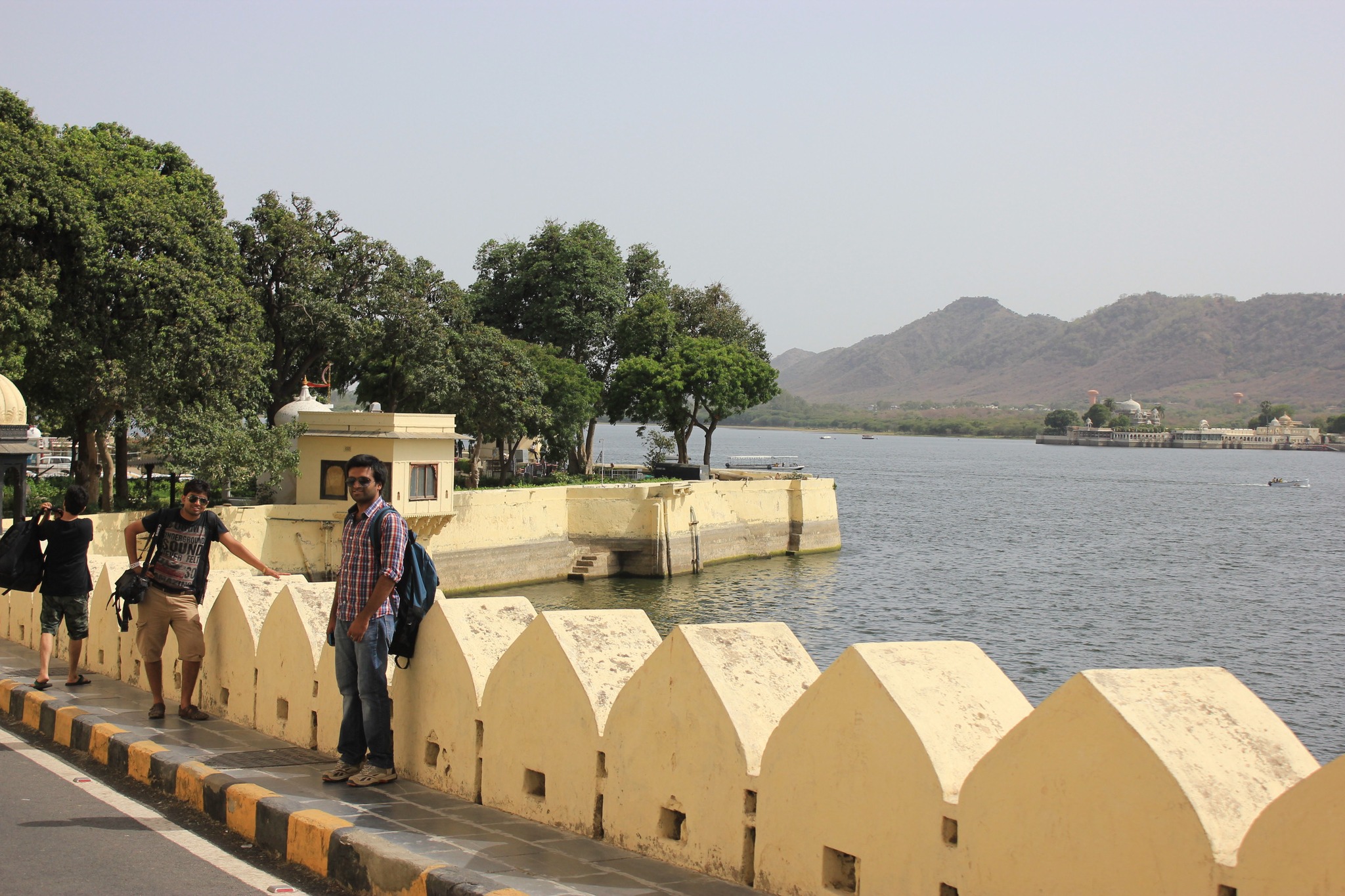
Outside the City Palace by the side of Lake Pichola, Udaipur
While I had primarily been a solo traveller up to that point, I realized I could enjoy myself in a group trip too, with the right set of people – the people in these journeys might be ex-colleagues now, but ones I truly cherish as friends, and would give anything to be able to re-live those times.
March 2013. It was that time of the year again – the spring slowly receding to give way to the advancing heat of the Delhi summer. If I did not make my foray into Rajasthan now, then I would have to wait till the monsoons had gone. After testing the waters with a short venture to Jaipur the last year, I was now ready to take a bigger leap, and naturally, that leap would have to land me in Udaipur, the city of lakes, that I had heard so much about – Chittorgarh, that famed land of brave hearts, would be a nice addition.
On 29th March 2013, just like on my previous trip to Rajasthan, I boarded an ordinary road transport bus to Jaipur after office from Iffco Chowk in Gurgaon. Listening to one studio album after another, each from start to finish, of my favorite band Michael Learns to Rock, I reached Jaipur around 10 PM. After a quick dinner and some inquiring, I got on a private operator’s bus headed to Udaipur – in hindsight, I should have taken a state transport bus only, for the seat was uncomfortable, with pathetic headroom. I remember getting woken up more than a couple of times due to bumping my head into the hardwood baggage shelf above, leading me to some soreness on my scalp.
I remember the bus passing through Bhilwara in the middle of the night when I was yanked out of my sleep, and as the dawn descended, the bus cutting through mist that shrouded the less-than-usual vegetation and isolated huts and houses sprinkled across the landscape in an envelope of haze. The next time I opened by eyes, I was informed by the bus conductor that the railway station had come – that was my cue to get down. Soon, just walking a few steps on the road running parallel to the railway station, I checked in to a hotel. Not wasting too much time, upon advice of the receptionist, I booked a cab to take me around Udaipur for about 1400 rupees.
Seeing Udaipur and Nearabouts
We started by heading off to the outskirts of the city, to the Eklingji temple located at Nagda, the first capital of Mewar, 25 km away from Udaipur. The original temple dedicated to Eklingji, the ruling god of the Mewar princely state, was built by Bappa Rawal, the founder of the Guhila Rajput dynasty, who established the Mewar kingdom in the 8th century AD. The temple underwent cycles of destruction by Turkic forces and re-construction, most notably in 14th century by Rana Hammir, the progenitor of the Sisodia clan to which Maharana Pratap belonged, and in 15th century by Rana Kumbha. The last major re-building with installation of the current idol was done in late 15th century by Kumbha’s son, Rana Raimal, after the temple had been devastated by the Malwa Sultanate forces.
After offering my prayers in the temple, we drove through a valley in the hills, which I was told were the Aravallis, that seemed largely yellow but splattered with patches of green. After about another half-hour of driving through alternating patches of flat land, clusters of hamlets, flanked by the Aravallis, we reached the Chetak Samadhi, built at the location where as per legend, Maharana Pratap’s horse Chetak breathed its last after taking its master to safety in the Battle of Haldighati against Akbar’s forces on 18th June 1576. Just another kilometer further, the road cuts through a narrow pass in the hill whose sides are barren and coloured pitch yellow with an orange tinge – the is the legendary Haldighati Pass, located at around a distance of 44 km from Udaipur.
Retreating from the Haldighati Pass, near the Chetak Smarak, I checked out the Maharana Pratap Museum that depicts the life and times, the exploits and achievements of Maharana Pratap. Maharana Pratap, the eldest son of Udai Singh II who founded Udaipur, was crowned in Gogunda as the 54th ruler of Mewar in 1572, inheriting a kingdom that had been weakened by the 1567-1568 siege of Chittorgarh. His refusal to form an alliance with and become a vassal of the Mughals and conitnued conflicts with the latter led to the legendary Battle of Haldighati on 18th June 1576, which the Mughals won although they could not capture Maharana Pratp or his close family members.
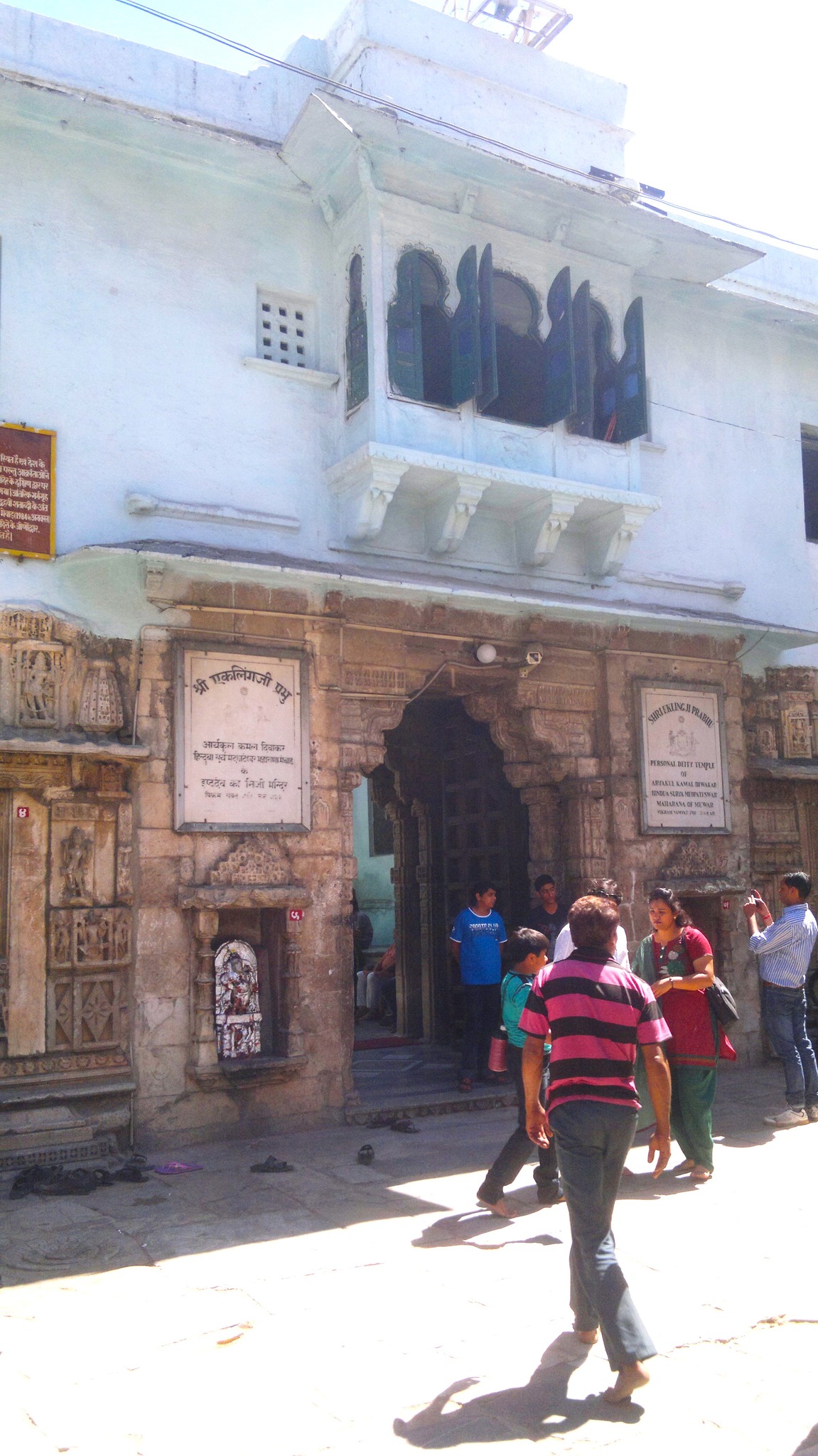
Entrance of Eklingji templeThe Chetak Samadhi
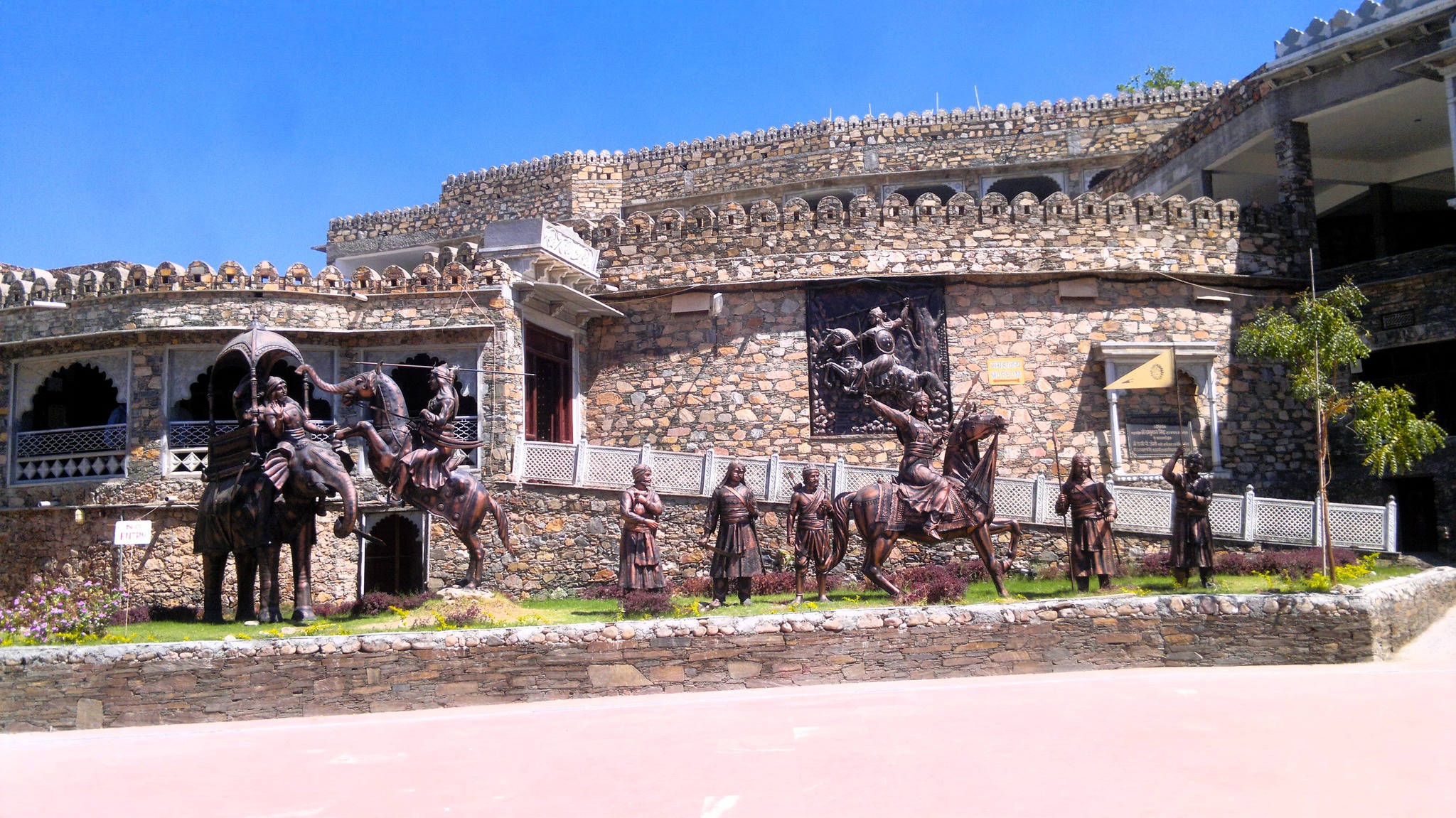
Maharana Pratap Museum
The pass in the Aravallis near Udaipur passing through Gogunda, encountered when going to Haldighati
Forced to flee to safety of the hills with a trusted coterie of warriors and loyalists, amidst annexation after annexation of most key areas of Mewar including Gogunda, Udaipur, Kumbhalgarh etc., Maharana Pratap led sustained attacks using guerilla tactics against the Mughal forces, and won back major chunks of Mewar, with an exception being Chittorgarh, leading to Mewar’s revival by 1588 AD. Celebrated as a folk hero in Rajasthan, Maharana Pratap’s legend later spread to Bengal where he became a symbol of resistance for anti-British revolutionaries, leading to him becoming a leading icon of heroism, alongside the likes of Rani Laxmi Bai, in India’s freedom struggle.
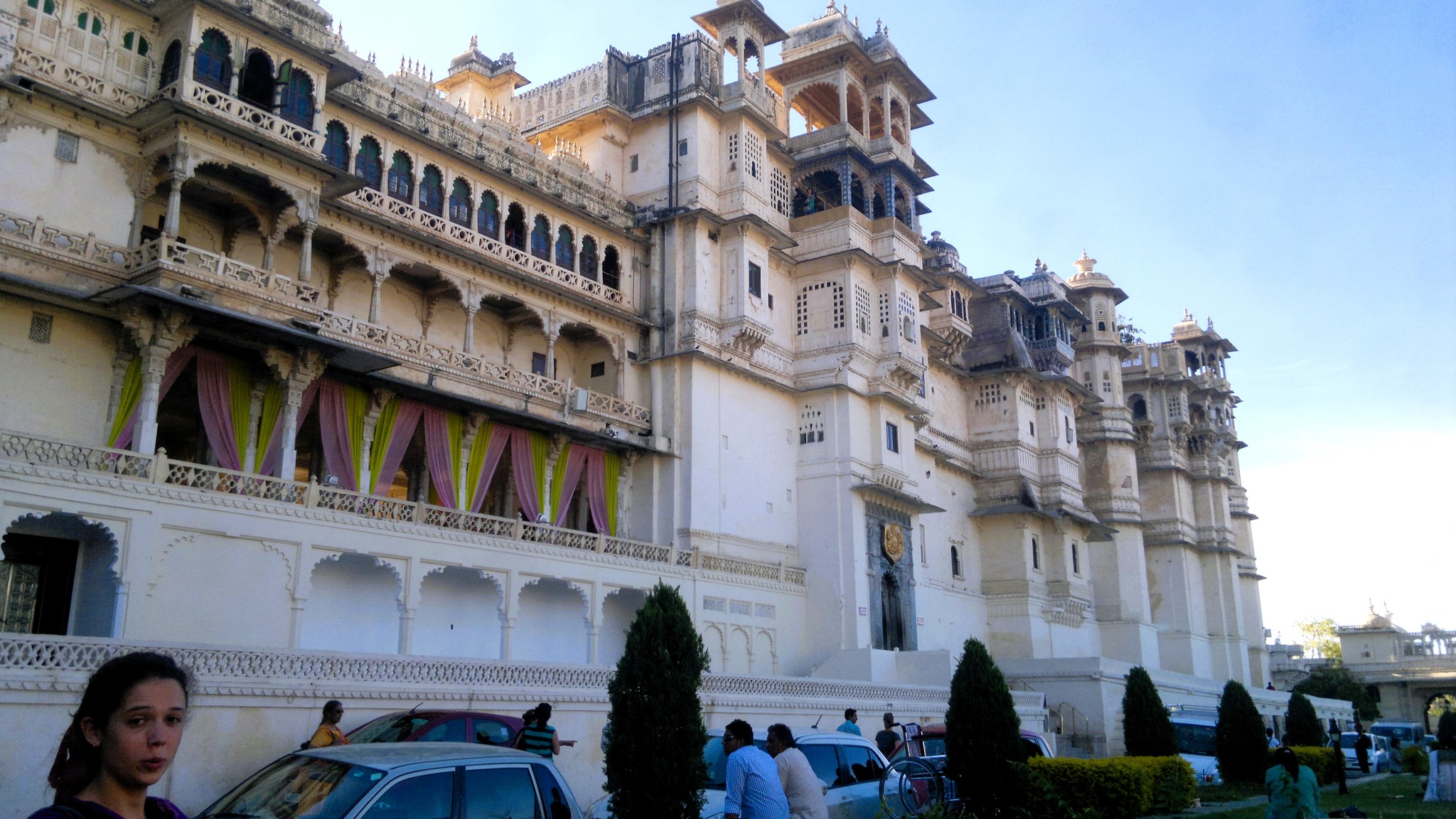
Again driving through the Aravallis, we re-entered Udaipur city, where I straightaway where we first stopped by the Fateh Sagar lake, and then proceeded to the City Palace where I dismissed the cab. The construction of City Palace on the bank of Pichola lake commenced in 1559 AD, when Rana Udai Singh II moved his capital from Chittorgarh to Udaipur on the advice of a hermit, much before the siege of Chittorgarh by Akbar in 1567-68. Successive rulers of Mewar, including Maharana Pratap and Maharana Amar Singh I, occupied palace adding more layers to it. The palace complex, built entirely in granite and marble, comprises components such as courtyards, palaces and balconies, with intricate mirror work, murals, marble work etc. are a fine representative of Rajput architecture.
Inside the City Palace premise
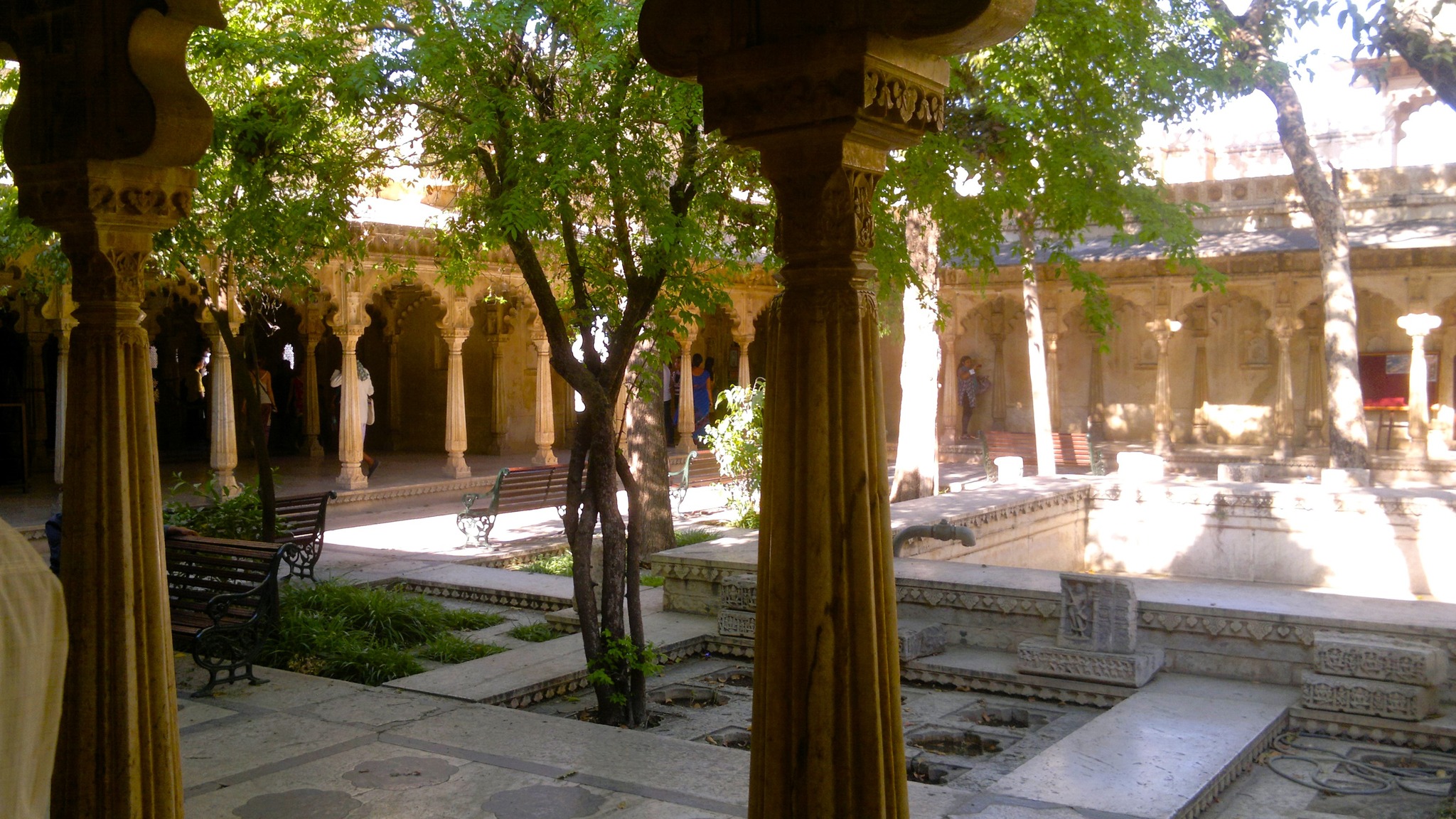
A courtyard inside the City PalaceSheesh Mahal inside the City Palace
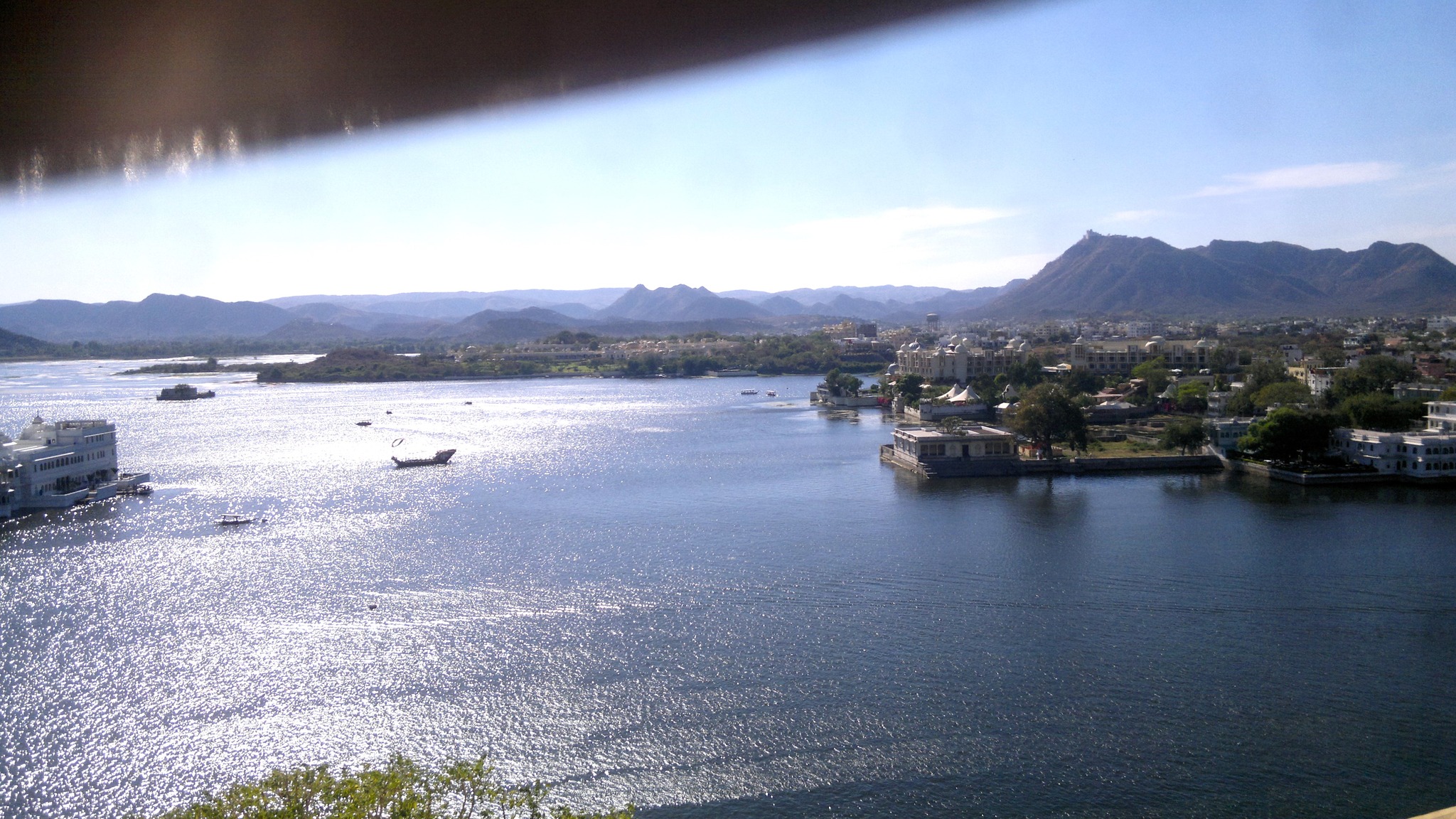
View of Pichola lake from the City Palace
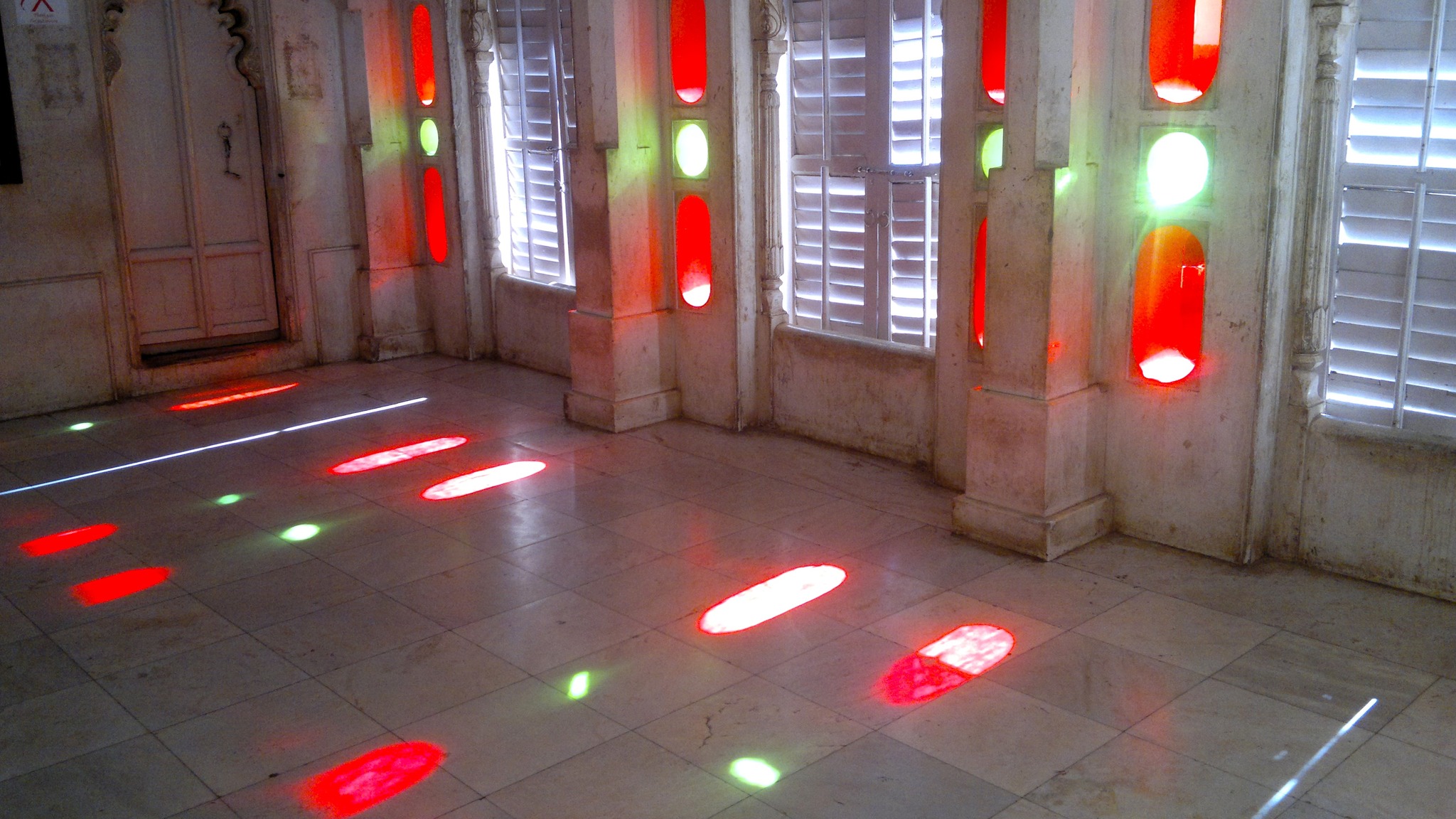
A room inside the City PalaceThe Jagdish temple outside the City Palace
Taking in the grandeur and aesthetics inside the City Palace, coupled with amazing views of the Pichola Lake with the Aravallis in the background and the city, I exited the City Palace to directly walk into the Jagdish temple. Built by Maharana Jagat Singh in 1651, where Lord Jagannathi in the form of an idol carved out of a single black stone is worshipped, the temple is a fine example of Māru-Gurjara architecture. Spending some more time by Pichola lake, and admiring the spots of illumination emanation out of the Lake Palace (Jag Niwas) and Jagmandir Palace lying in the middle of the lake, I walked through the streets and then the main roads back to my hotel near the railway station, following a day well spent.
Chittorgarh
The next day I pondered over two options – to go to Kumbhalgarh or to Chittorgarh. At that point in time, I knew only of Chittorgarh, being enamored by sketches of a tower called Vijaya Stambh that appeared in an issue of Tinkle magazine. Perhaps at the same time in the same magazine or later, I had read about the legend of Panna Dai, who replaced the prince with her own son when the prince’s uncle attacked. Later came the story of queen Padmini. With the image of the Vijaya Stambha and the name Chittor stuck in my head for so many years, and the prospect of seeing the Vijaya Stambha for real knocking at my doors, it was rather easy to choose which place to go to.
By 9 AM next morning, I was in a state transport bus headed to Chittorgarh, which I reached by 11 AM. There, I hired the services of a middle-aged autorickshaw driver who doubled up as my guide for tour of Chittorgarh fort – the package costing me 500 rupees. Right from where we started, I could see the fort wall streaming up and down over the rugged edge of the hill in the distance. As we drew closer and closer to the hill above which the fort lay, I saw the outline of several structures jutting out into the sky – a narrow vertical structure stood taller than the others, and I wondered aloud if that was the Vijaya Stambha, to which my guide replied, yes.
Soon, the autorickshaw was clattering up the winding road, passing through multiple stone arched gates, called pols, one after another. At long last, passing through a cluster of normal but old looking houses, looking very similar to a village, we came on to an open clearing on flat around where the ticket counter stood. Buying my ticket, we rode further on the road towards the south until we reached a crossroads with multiple structures occupying the space on all sides of the crossroads. A palace stood right beside me, which I learnt was Kumbha’s palace. A cluster of marble built Jain temples stood on my left side, while two stone-built Hindu temples stood diagonally opposite side.
I got down at the crossroads to first see Kumbha’s palace, and then proceeded a little to the south to see the aforementioned two temples, namely, Kumbhashyam temple and Meera temple, the latter being a Krishna temple where Meera Bai from Merta who had married into Chittor, immersed herself in devotion to Krishna. Back outside the temple complex, as I turned my gaze a little to the south-west, I saw that right in front of me at a distance stood a tower that looked eerily similar to the one I remembered from the sketch from the magazine – it was indeed the Vijaya Stambha. Without further ado, I beckoned my guide to head straight to the Vijaya Stambha.
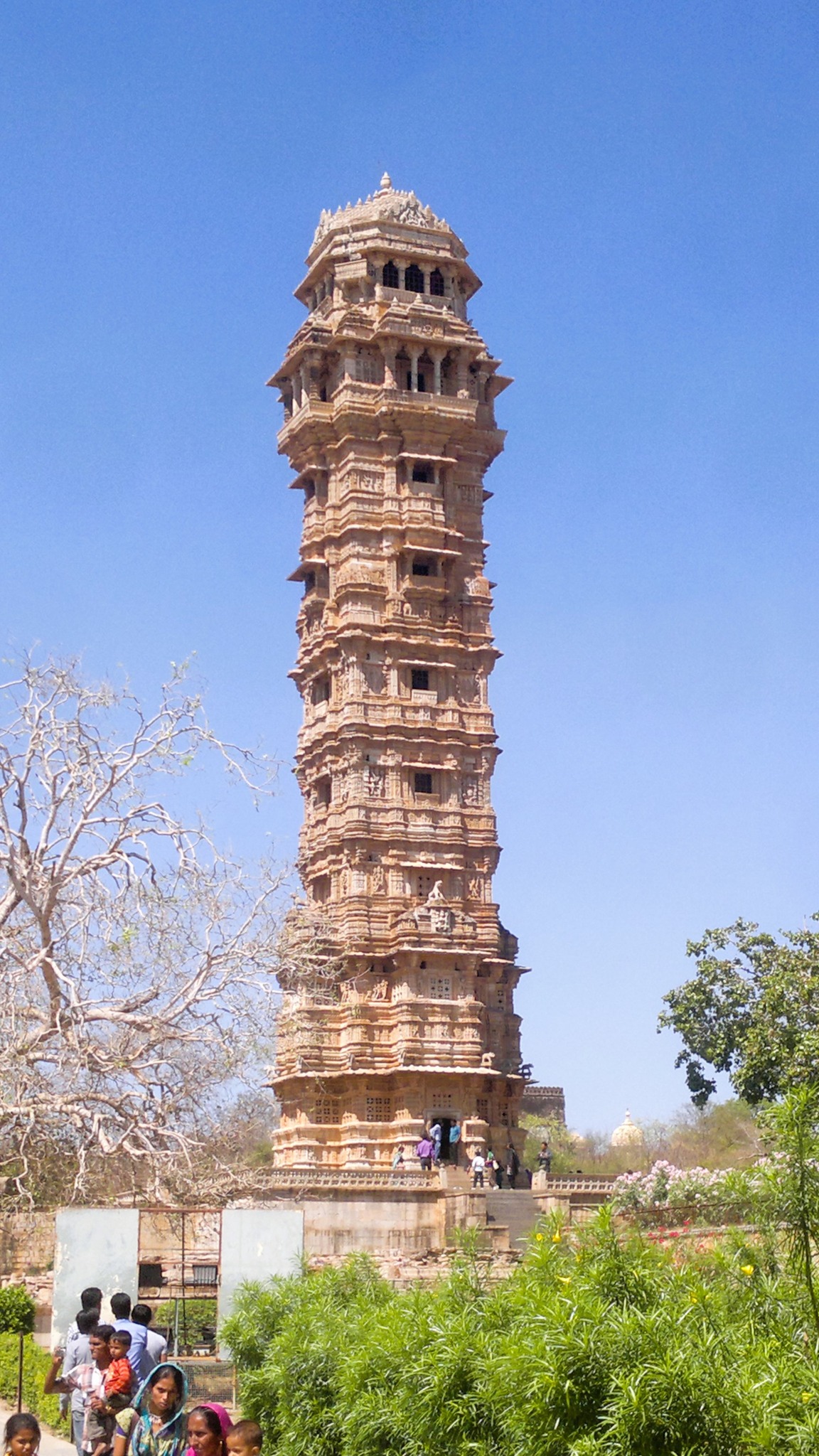
Reaching the foot of the Vijaya Stambha, I beheld the physicality, the carvings and the design of the structure with glee and wonder that would only be elicited in a child that has finally seen something that it had seen in a dream or on TV. The Vijaya Stambha was built in 1488 by Rana Kumbha to commemorate his victory over the forces of Malwa in the Battle of Sarangpur. Dedicated to the god Vishnu, it is said to be visible from anywhere inside the fort, and also from the city. What is more – it was possible to climb up the tower using the staircase located inside the structure, which is what I did with sheer excitement. Reaching the topmost of the 9 storeys, I got a breathtaking view of the city underneath and other structures inside the fort on the hill.
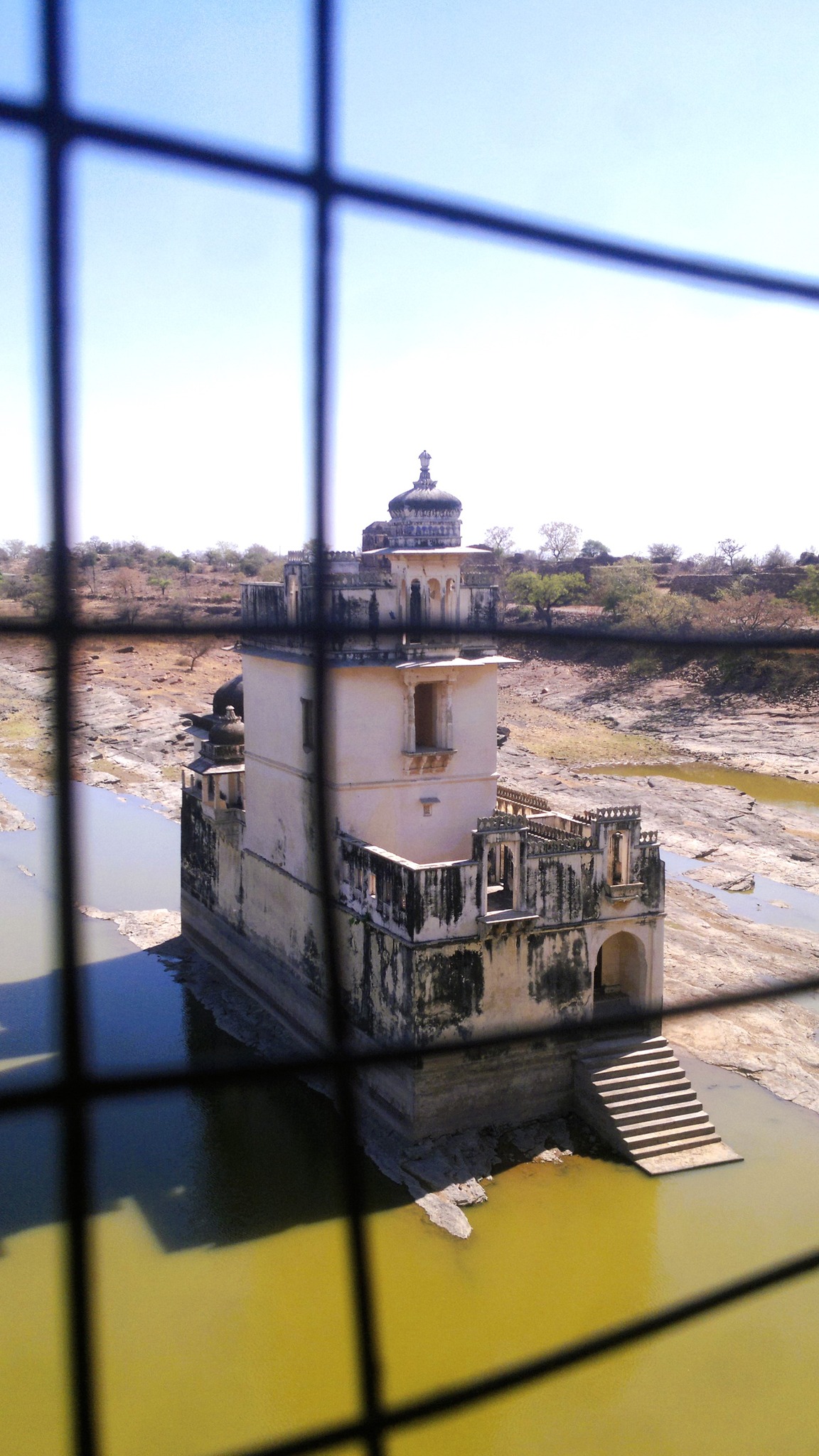
Getting down from the tower, I proceeded from beside the Jauhar place to Samadhishwara temple, which houses a three-faced Shiva idol. Behind the temple is the iconic water tank appearing in most circulated posters of Chittorgarh. Descending the steps I went to a crevice in the hillside from where emanates a water spring from an stone opening built in the form of a cow’s (Gau) head (mukh) filling up the water tank, thereby giving it the name Gaumukh Kund. From there, I got back on the autorickshaw and moved further south past a water tank to reach the Kalika Mata temple. Then further to the south, I stopped by the Padmini Palace, where a legend, albeit with no historical backing, of Ala-ud-din Khalji getting a glimpse of queen Padmini through the reflection on a mirror, is rooted in.
Kumbha’s PalaceKumbhsyam temple (right) and Meera temple (left)
The iconic Vijaya Stambha
View of an area inside the fort from the top storey of Vijaya Stambha
The Samadhiswara temple
The Gaumukh KundThe three-faced Shiva in Samadhiswara templeThe water spring feeding the Gaumukh Kund
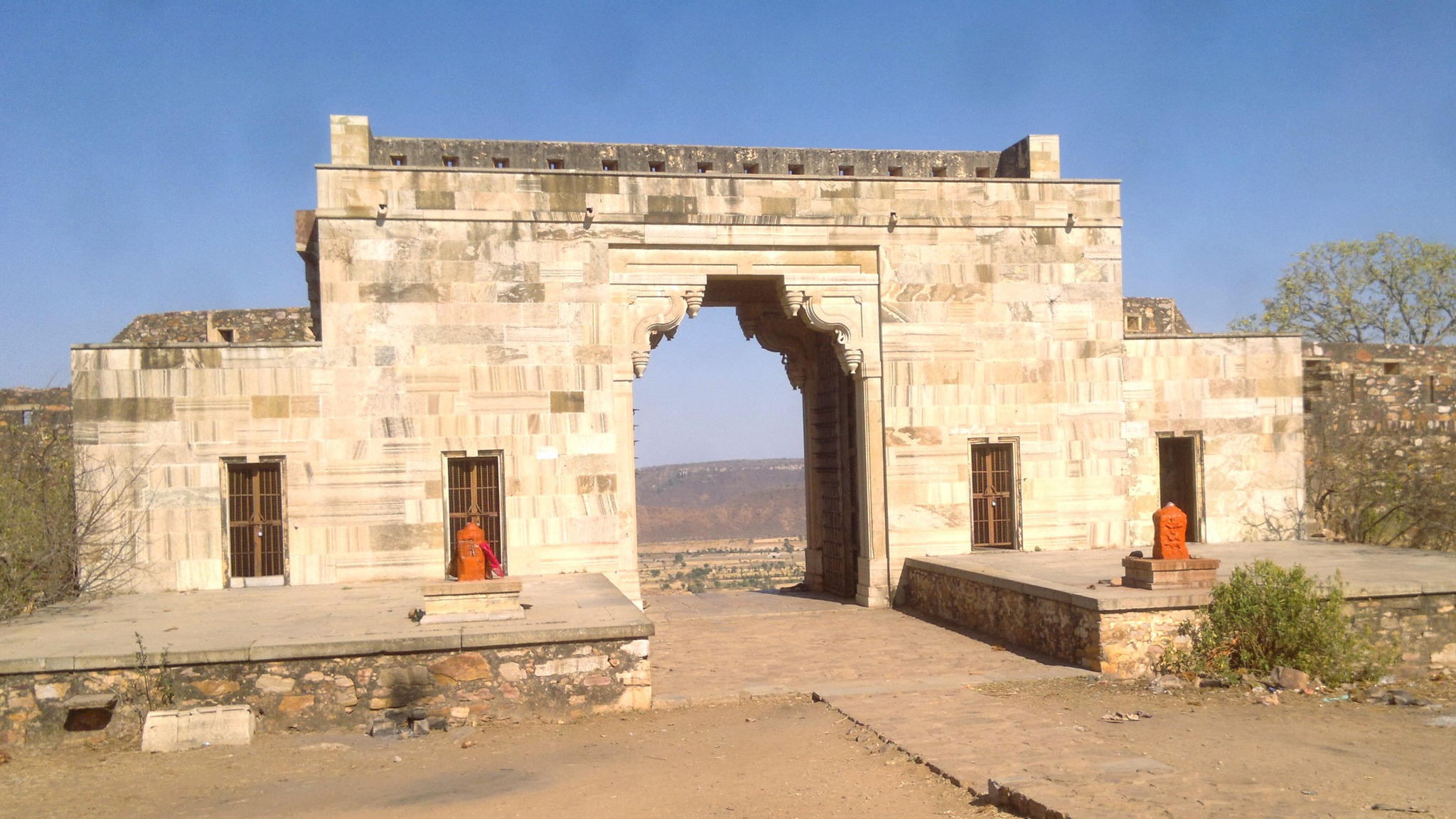
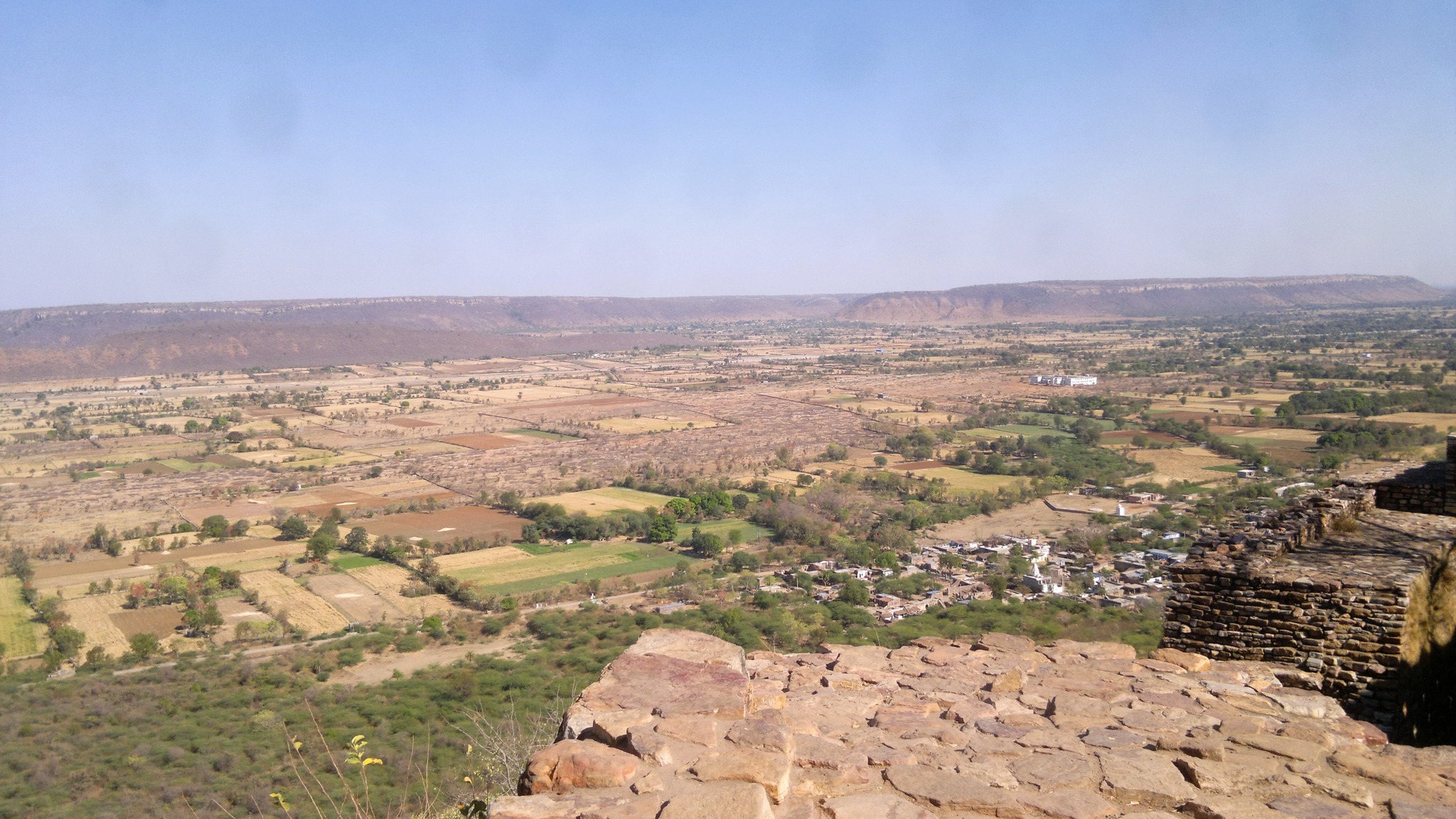
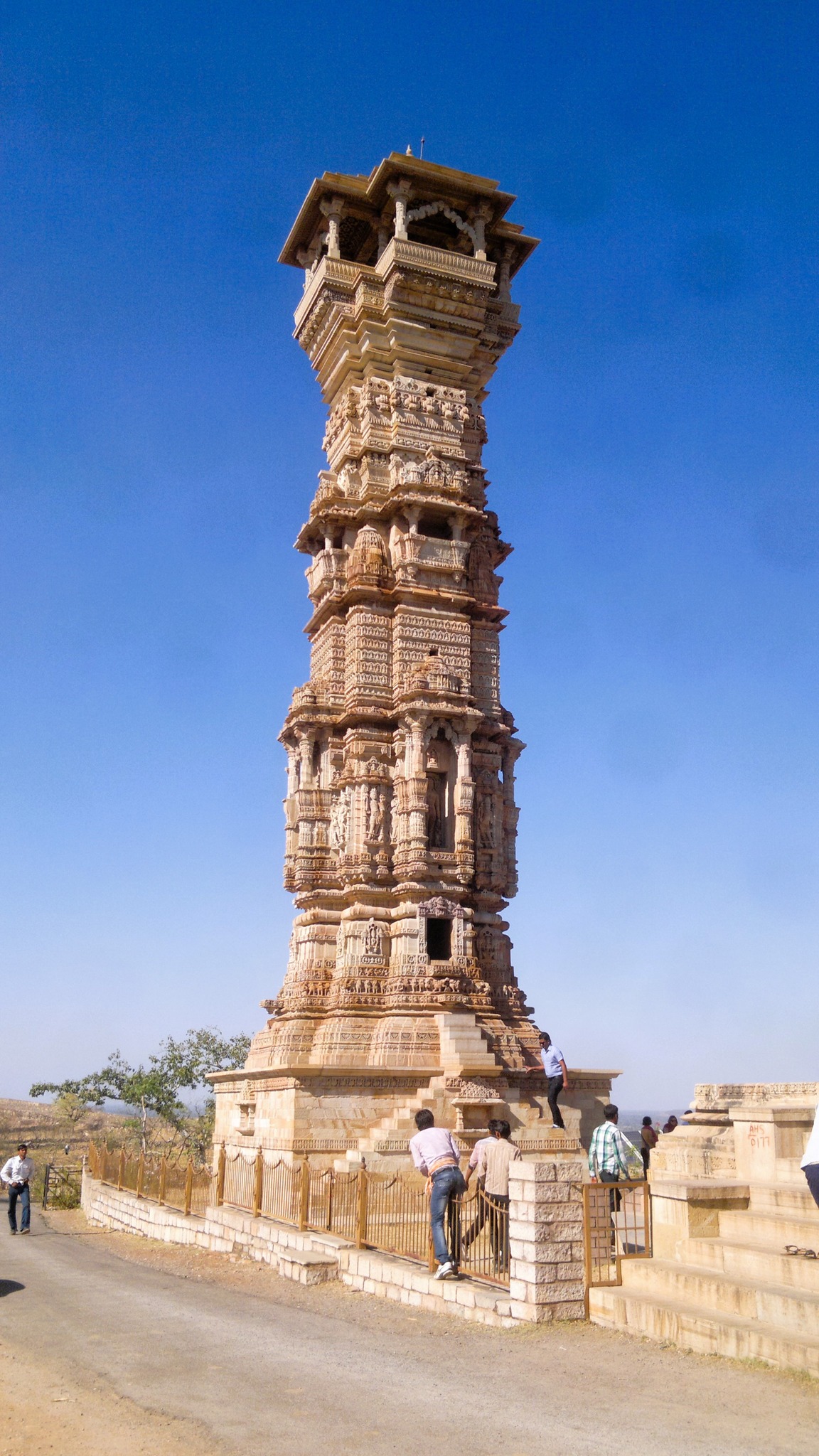
Pushing further south, the road curved around a water tank with a deer park occupying the outer side, and turned 180 degrees towards the north, with thin jungle flanking on both sides. Now heading a couple of hundred metres, we came upon the main gate of the fort, which overlooked the sparsely inhabited valley below. A stony curving path led from the valley below to the gate, with a low flat hill stretching from one end to another in the background, while ramparts streamed along the edge of hill from both sides of the gate. Moving further to the north, we came upon a cluster of Jain temples, amidst which stood another tower, looking like a prototype of the Vijaya Stambha, called Kirti Stambha, which is dedicated to Adinatha and was built in the 12th century.
The restored main gate on the east side of the fort
View of the valley on the east side of the fort where the main entrance of the fort lies
The Kirti Stambha
Pushing further north for another kilometer or so, we reached the north end of the hill, where a full fledged village is located. Again turning a full 180 degrees, we were headed in the south direction again, first passing through the village and then, meeting the road by which we had first entered the village on our way up to the fort. As we rolled down the hill through the numerous gates on the winding road, I looked wistfully at the ramparts above me, a little dismayed that I had to say goodbye to the place that I had been fascinated with for so long. As we stumbled back into the city at the foothill, I took one last glance at the hillside that wore the the stone ramparts as a crown and supplemented it with structures as if bedecked with gems.
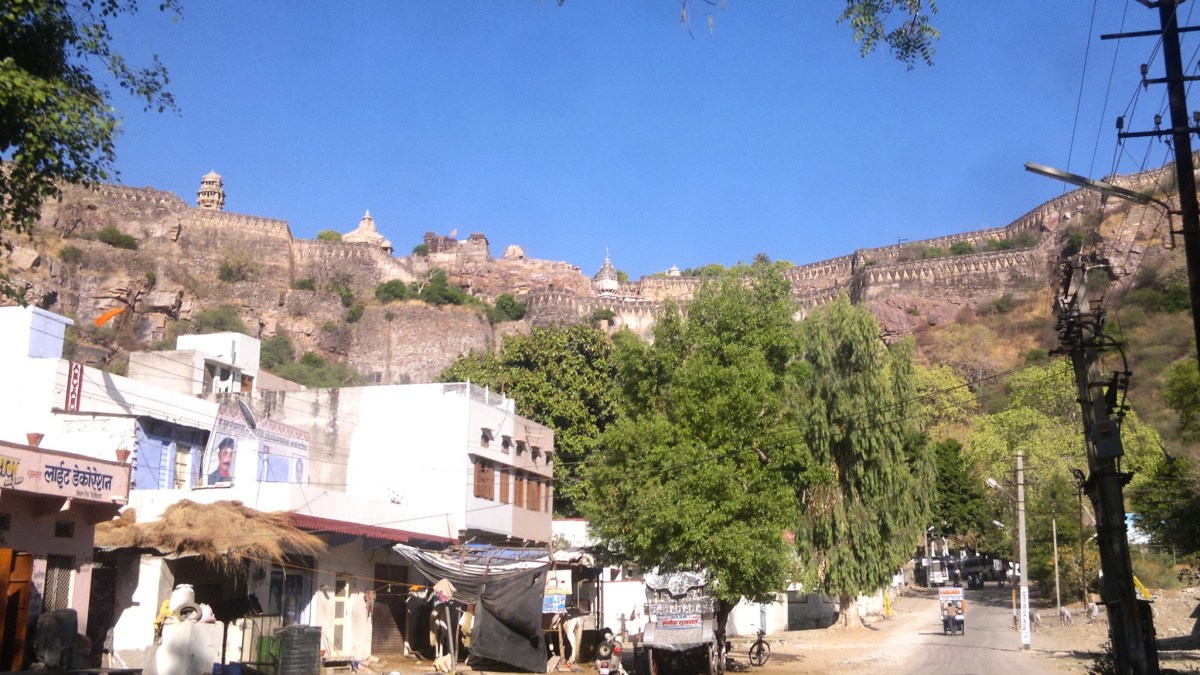
A parting shot of the fascinating Chittorgarh as seen from the foothill
It was 5 PM when I took a road transport bus back to Udaipur. After a quick dinner, I boarded a pre-booked 9.30 PM bus to Delhi, and fell asleep, only waking up when the bus arrived in Dhaula Kuan in Delhi the next morning.
Post-script
In the end, what struck me most after visiting Chittorgarh is how it is a self-contained city spread upon a vast flattop hill, like on a plateau. The palaces and structures are far-flung interspersed with water tanks and jungle. If you’ve read The Lost World, then imagine a place that is removed from the remaining world that lies beneath, and one that transports you to another era as a time machine. All said and done, Chittorgarh, a place I had loved since I was a child, since before I even set foot in Rajasthan, turned out to be place that lived up to and went beyond the hype and visuals I had created in my mind.























 The Timber Trawler