
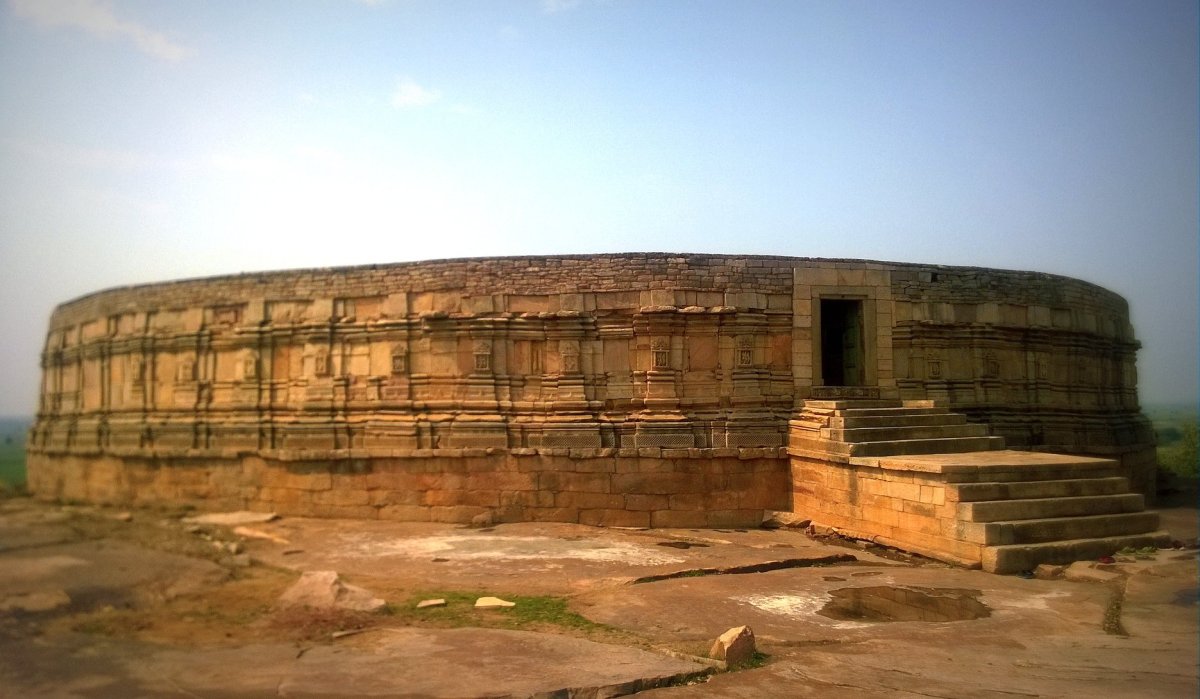
In February 2019, my friend Abhijit & I picked up our backpacks and forayed into the Betwa and Chambal Valleys in search of some less-heralded archaeological treasures. Planned to be a quick weekend trip, we took an overnight train from Delhi, got down at Lalitpur and checked in into a hotel early in the morning. After gorging on a breakfast of the famous local dish poha, we took off by public transport across the Betwa river to the quaint little town of Chanderi which is tucked behind a hill range.
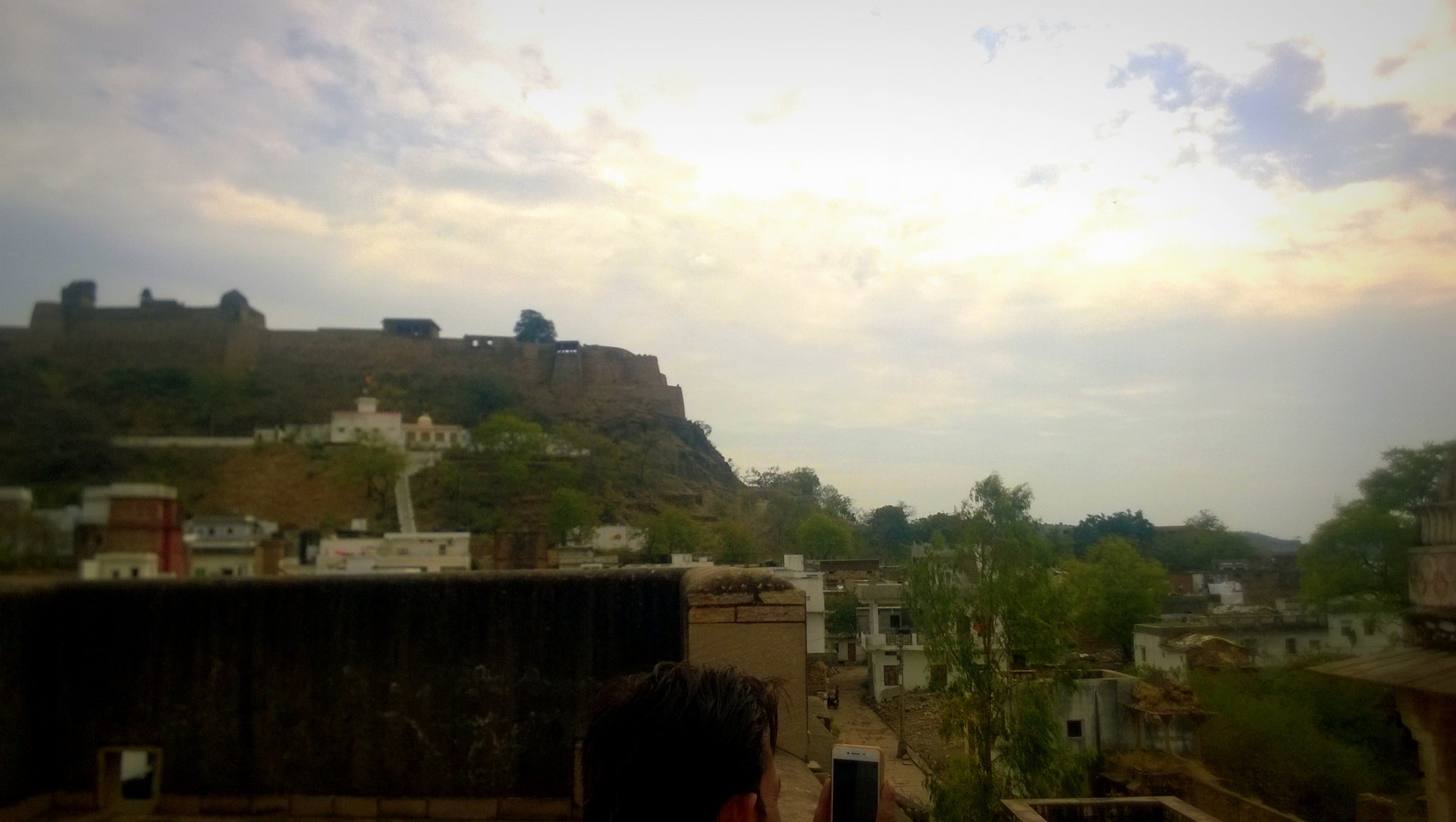
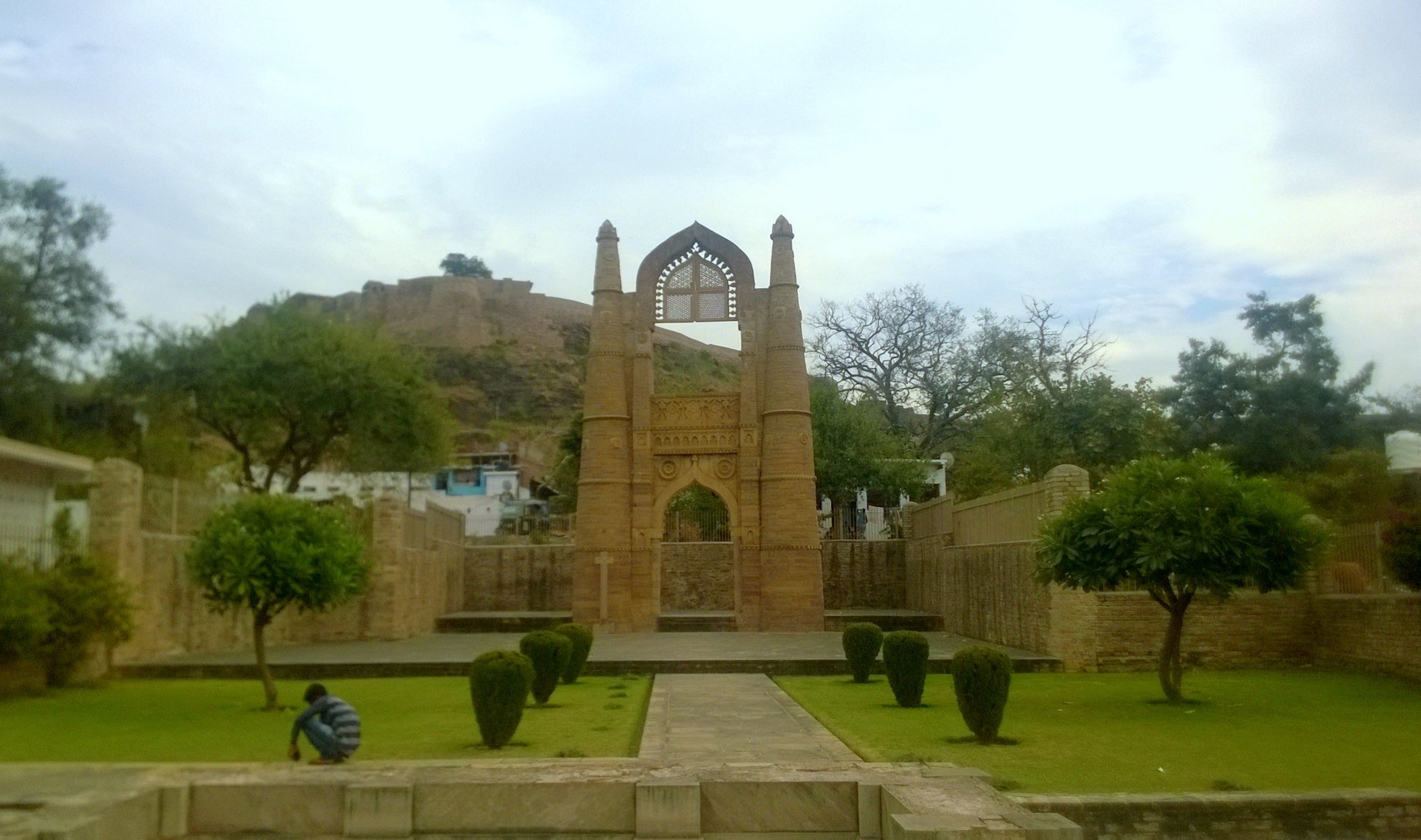
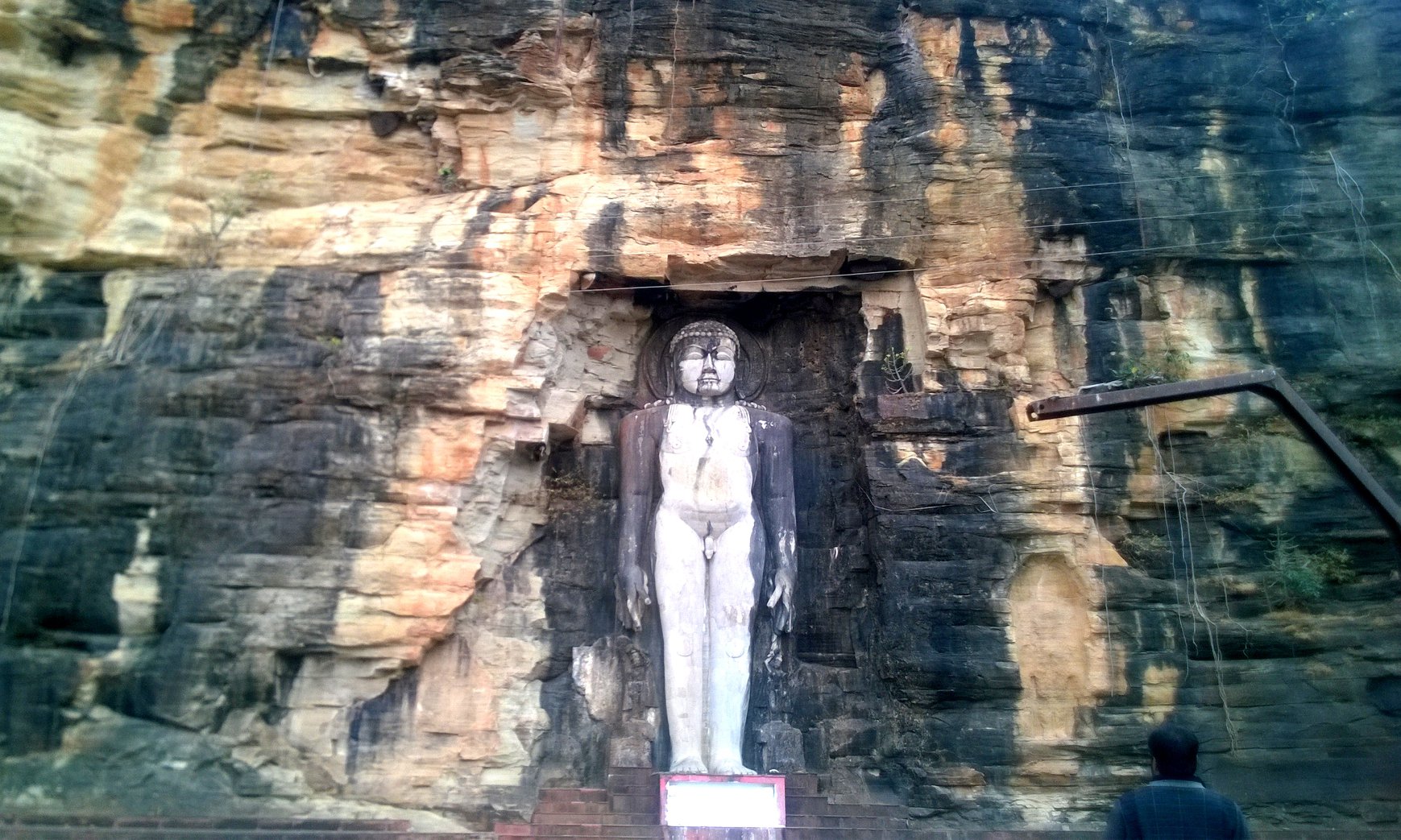
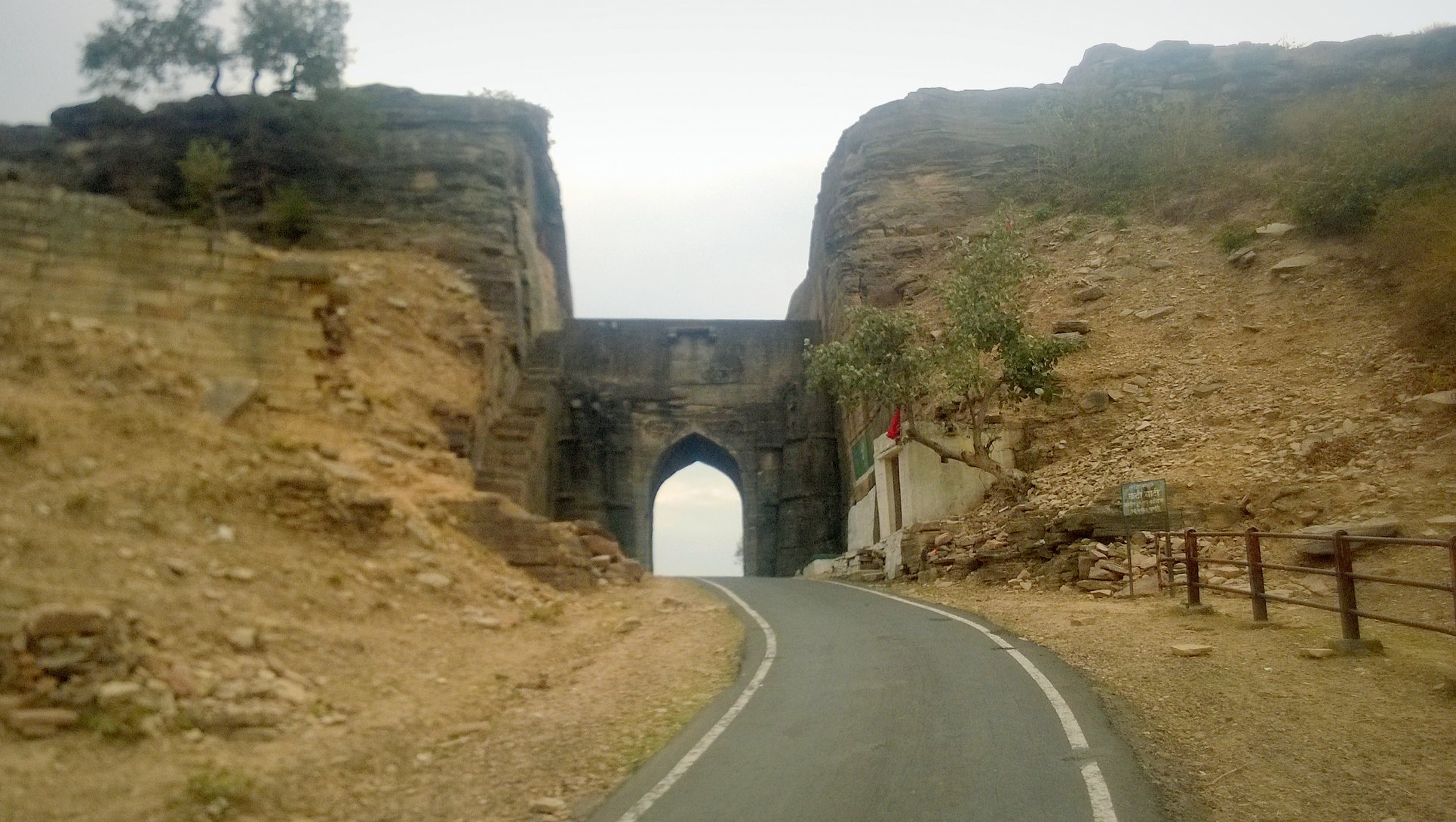
Chanderi, famed today for its sarees, was under the control of Bundela Rajputs of Orchha from the 16th century before it passed to the Gwalior Scindias, and then into British hands in 1844. It is home to a fort and a few other monuments, including Jain caves & Tirthankara sculptures and a Scindia haveli. Chanderi was most recently featured in the Hindi horror-comedy movie, ‘Stree‘. In fact, a beautiful gated hill pass featured towards the movie’s end is what had fascinated me about Chanderi in the first place.

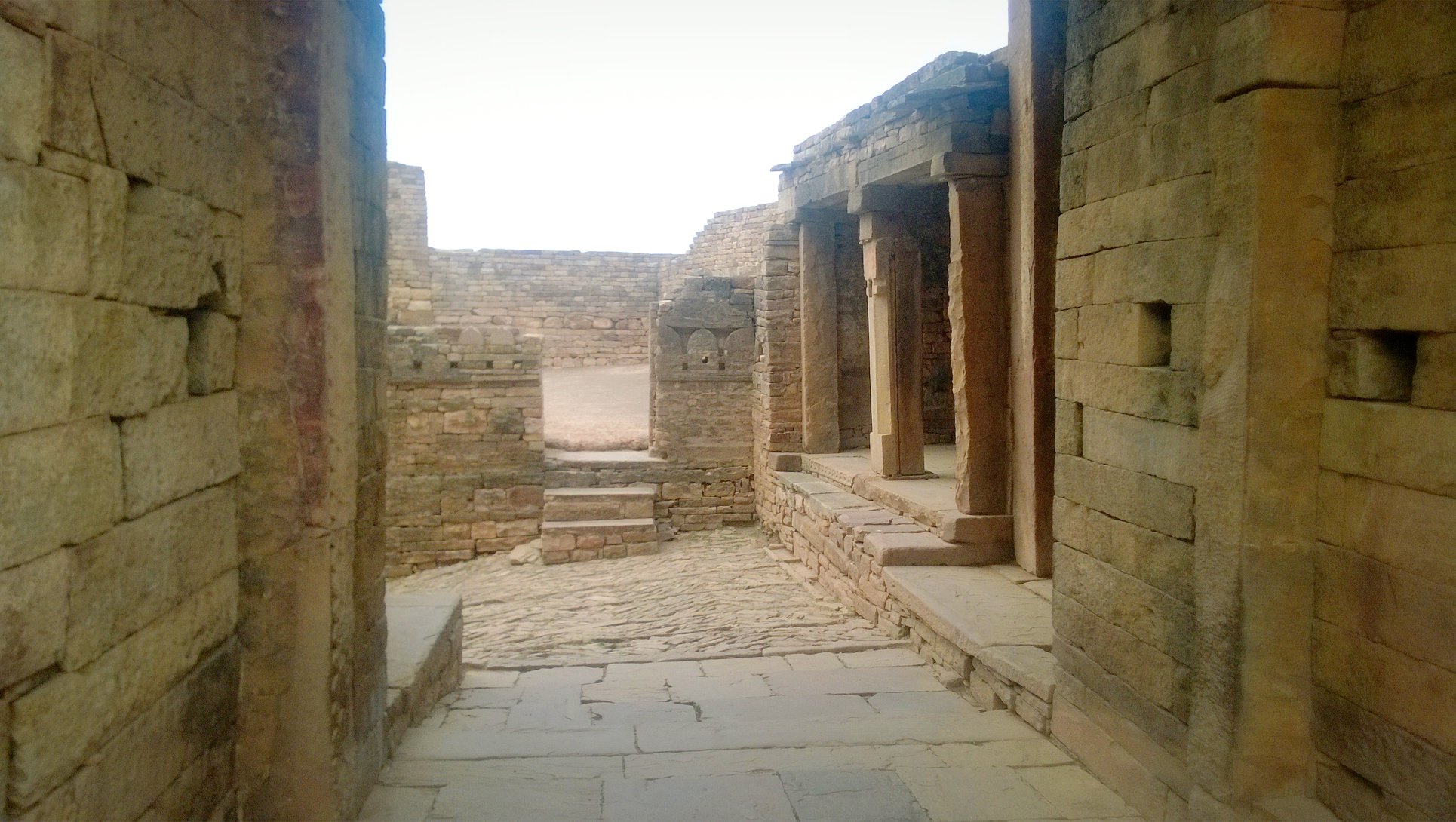
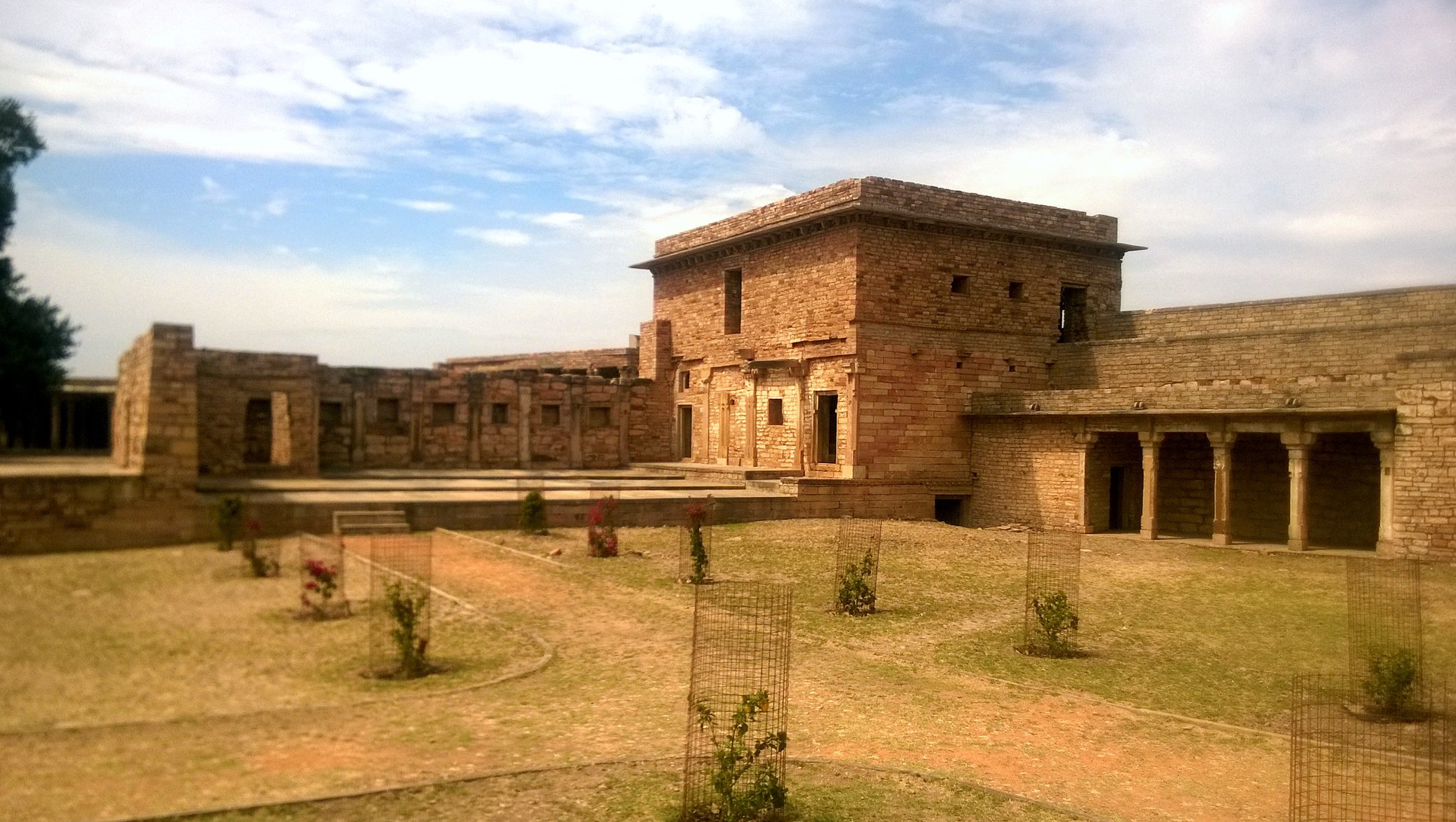
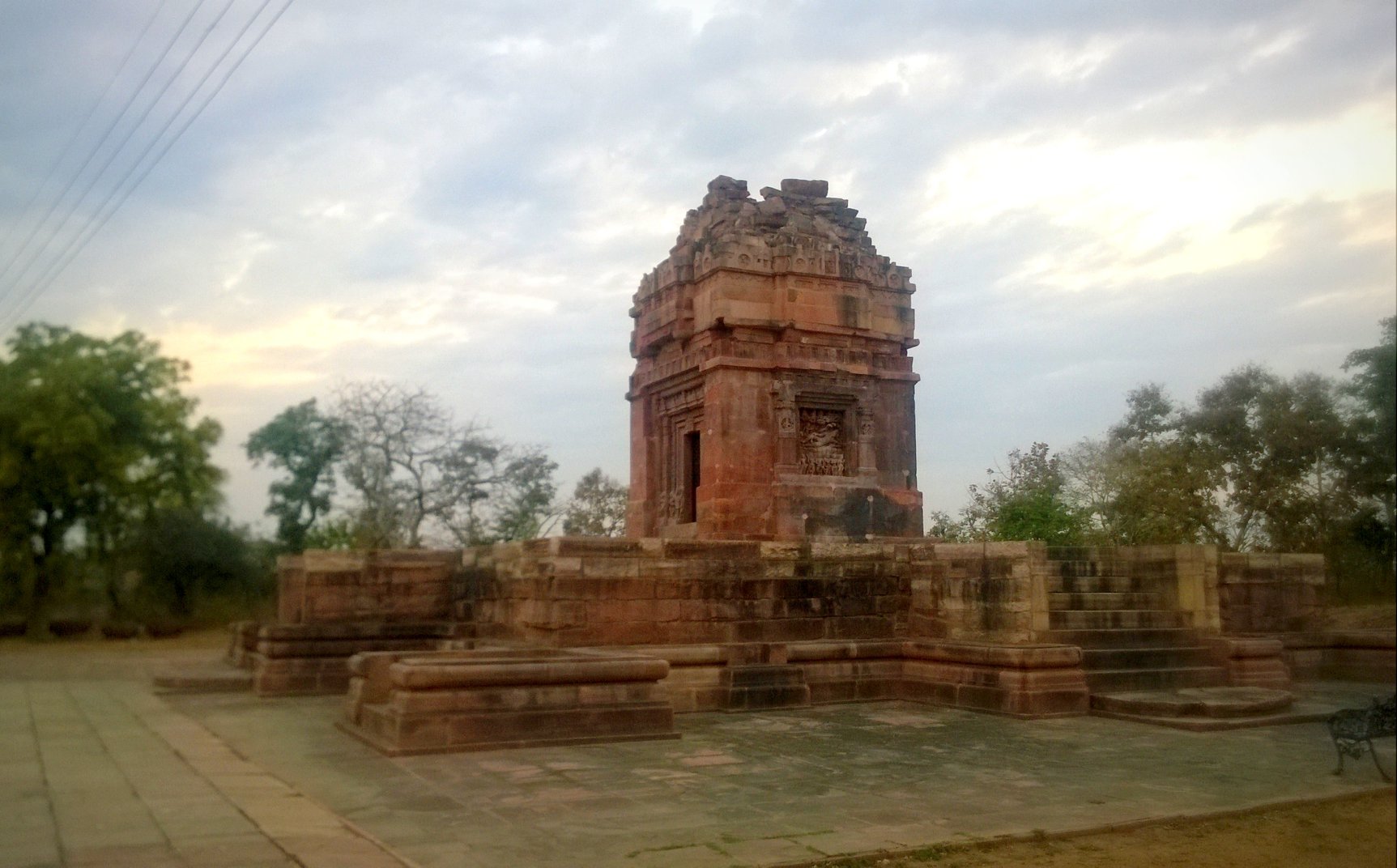
On our way back, with darkness fast approaching, we took a bold venture into the thick forests of Deogarh on the other side of Lalitpur, in pursuit of a 6th Century Vishnu Temple called Dashavatara (of the 10 incarnations of Vishnu) Temple. It was beyond sun-down, the closing time of most monuments, however, we still got to access the temple as the temple upkeep is not geared towards tourism – a truly unheralded site. As I perused the sculptures and the carvings on the Gupta period temple walls, I trembled with the knowledge that I stood in the vicinity of one of the oldest standing temples of India!
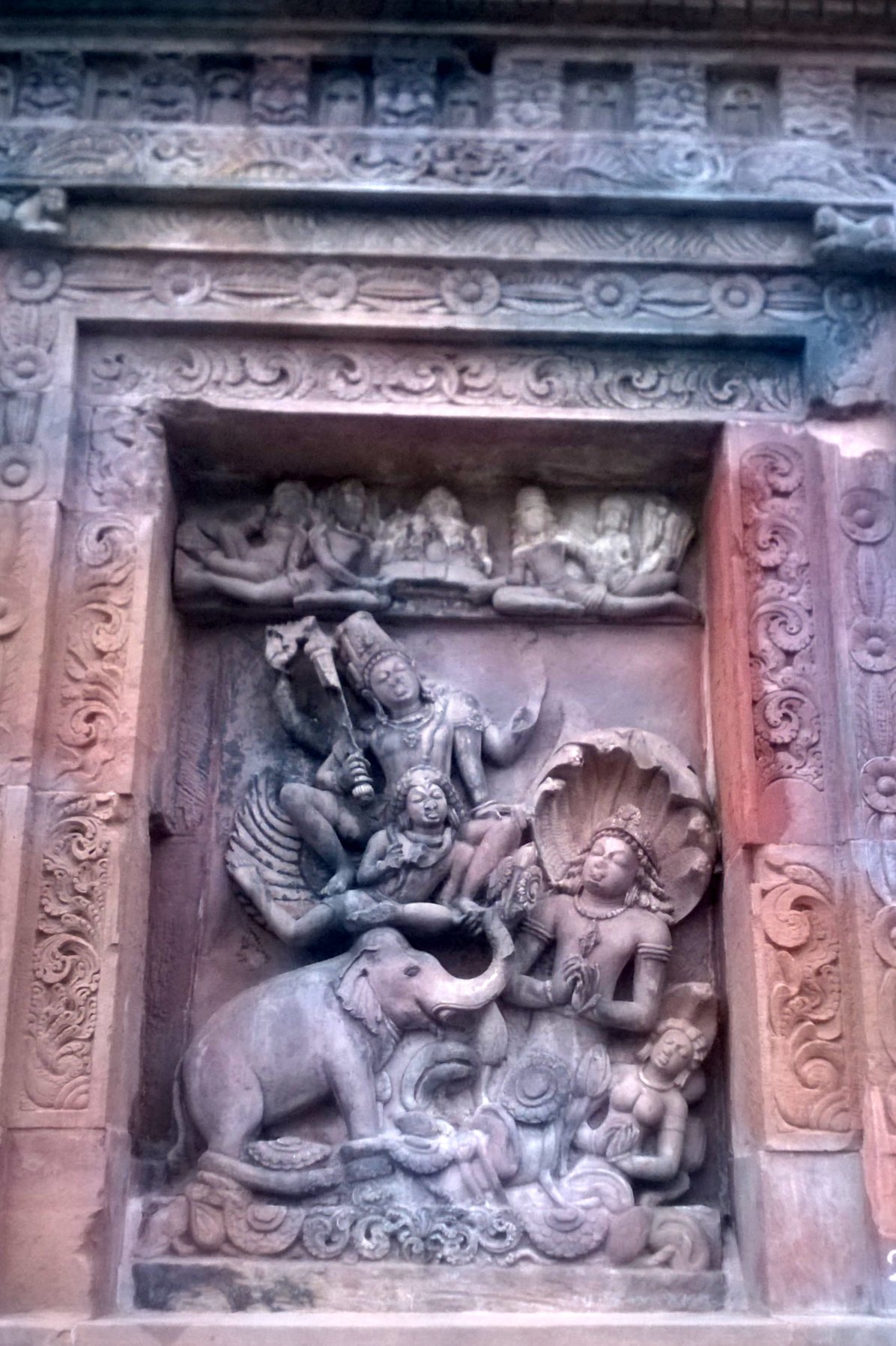
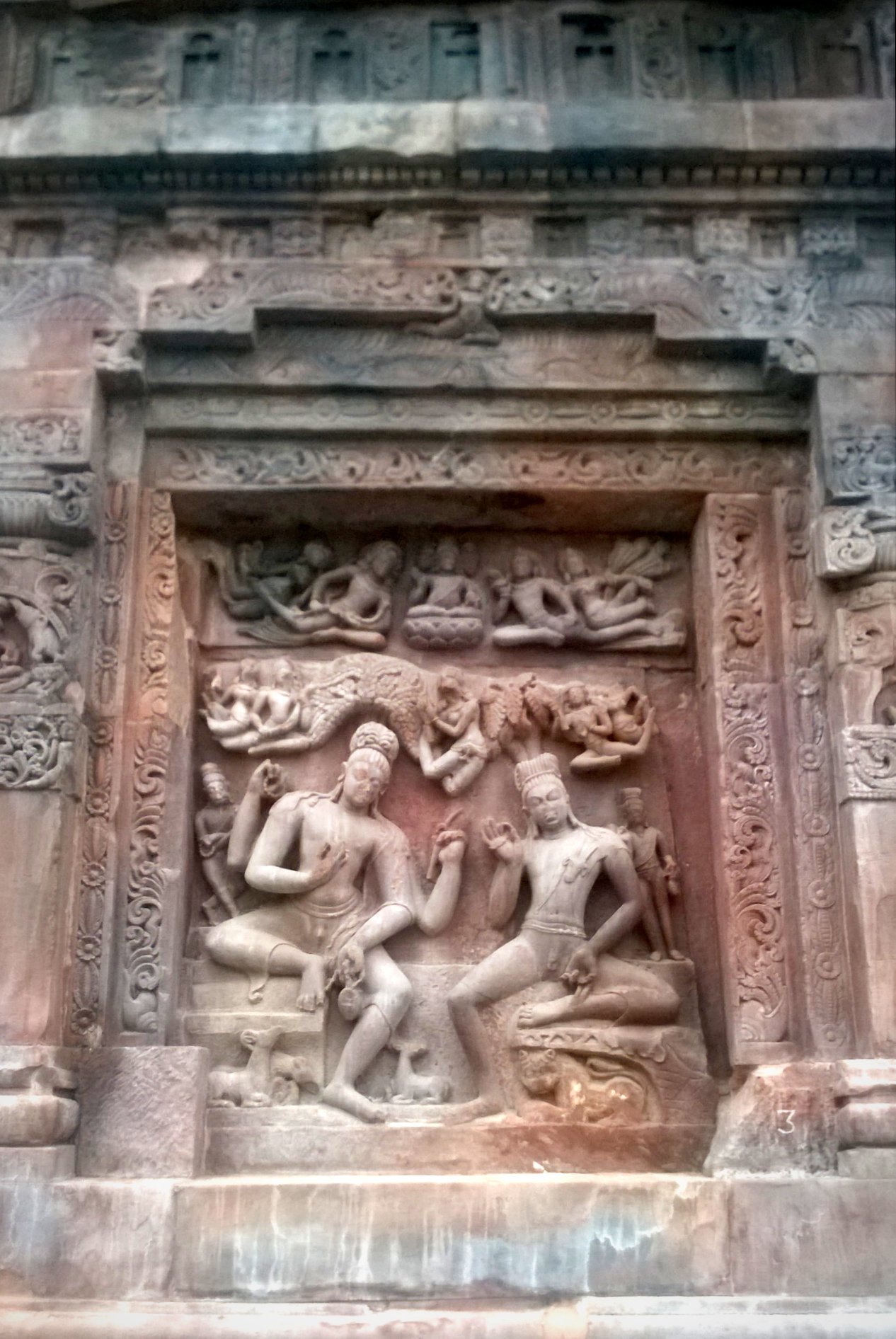
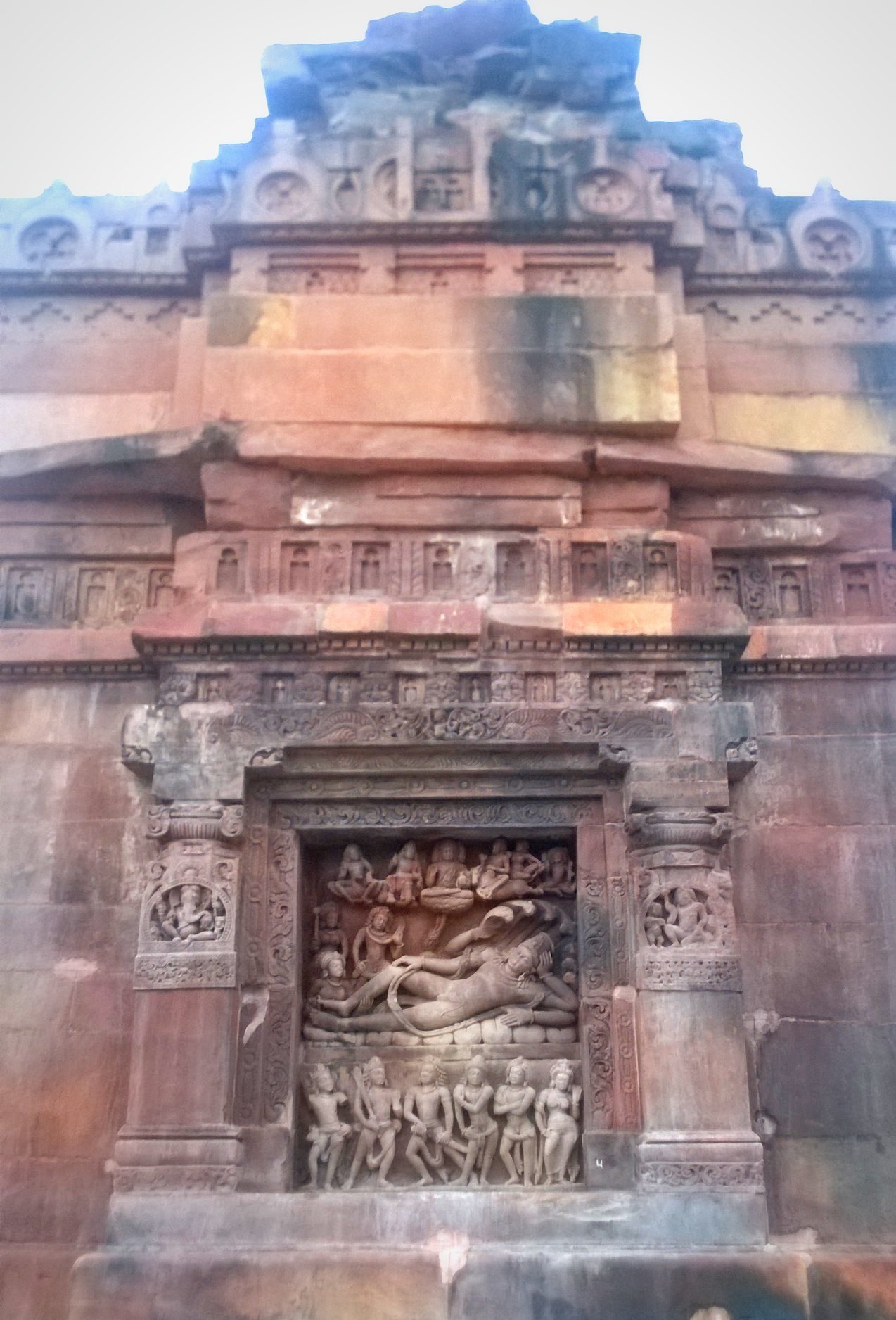
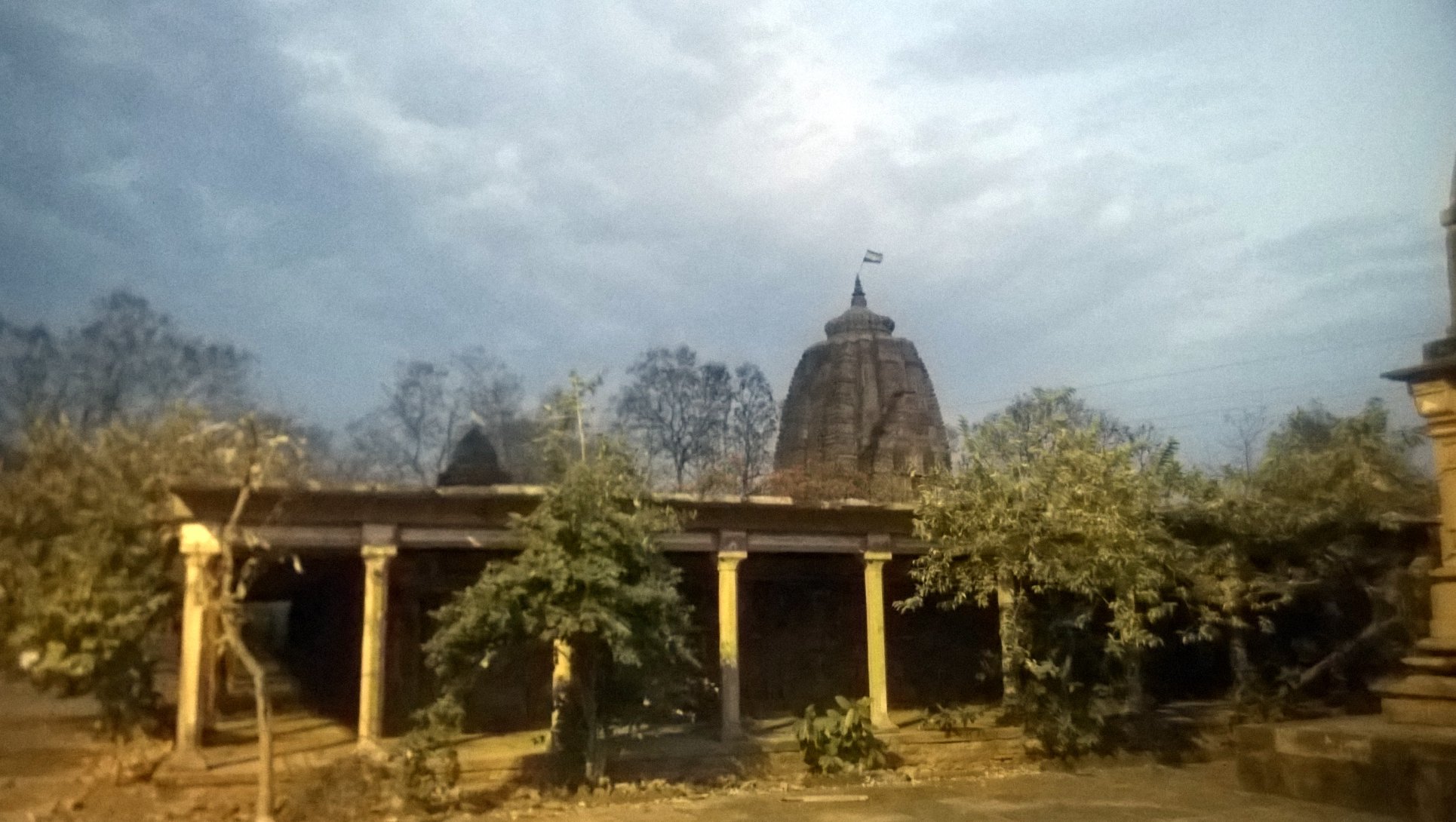
As we pushed ahead towards a 8th century Jain Temple Complex in the pitch darkness, the auto-rickshaw we were riding on was hailed by a couple of burly men, who asked to hitchhike to the Jain Temple. They claimed to be policemen and the auto-rickshaw driver had to relent. With our hearts in our mouths, we rode up a hillside to finally reach a well-illuminated temple complex, which was already closed. Fortunately, the men turned out to be who they claimed they were, and let us inside the Temple complex, as the sole visitors at 7pm on a deserted hilltop!
The next morning, we learnt that our early morning train for Morena was running late by 5 hours, forcing us to improvise. So we ditched the train and took two buses back North towards Gwalior via Jhansi, racing against time. Getting down at Gwalior bus station, we approached an autorickshaw driver to ply us around for the whole day. The autorickshaw driver knew nothing about the places we were interested in, but he agreed immediately to the assignment when we pitched to him that it would be we who would show him around for a change! Now, who gets paid for being shown around?
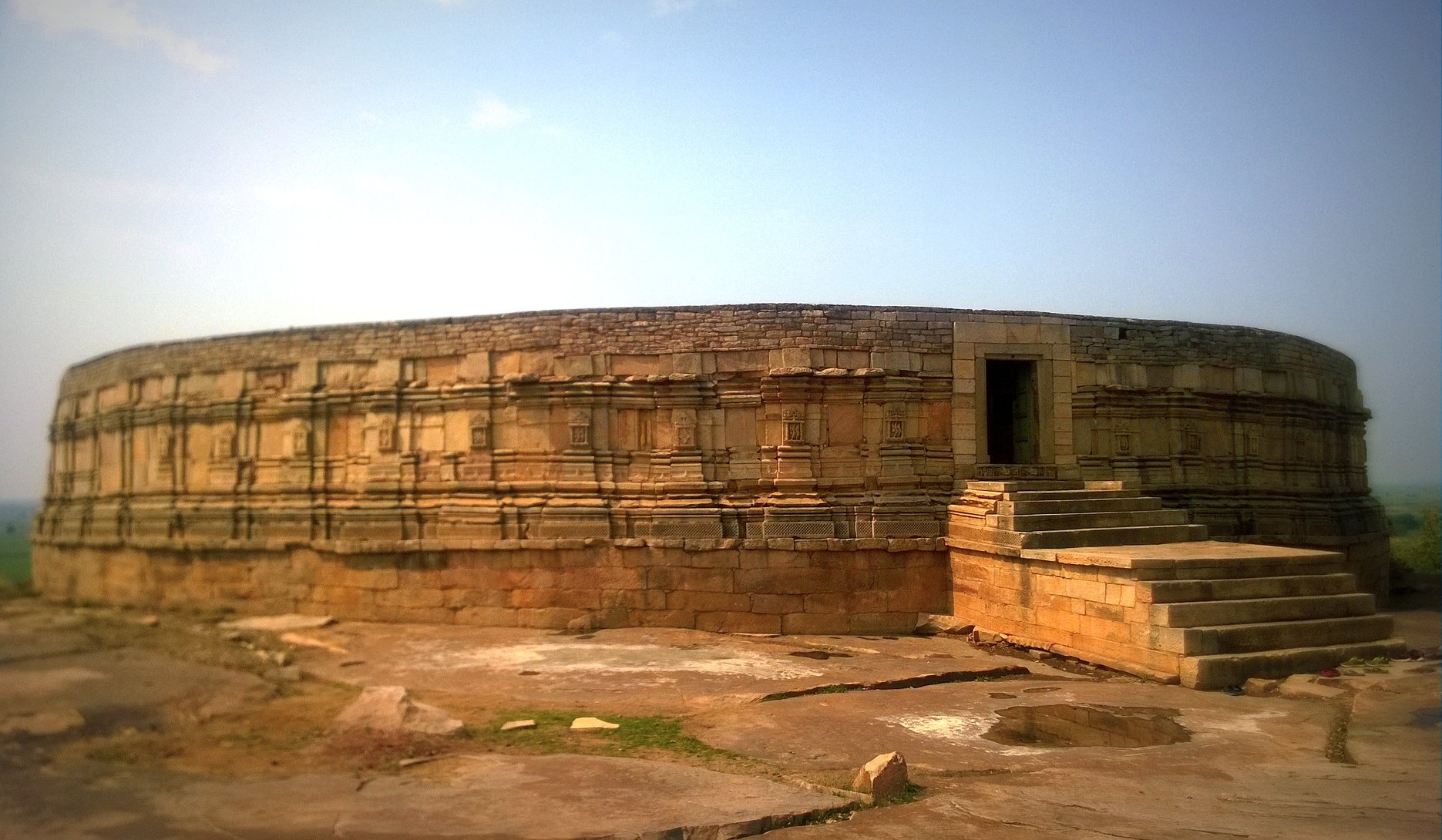
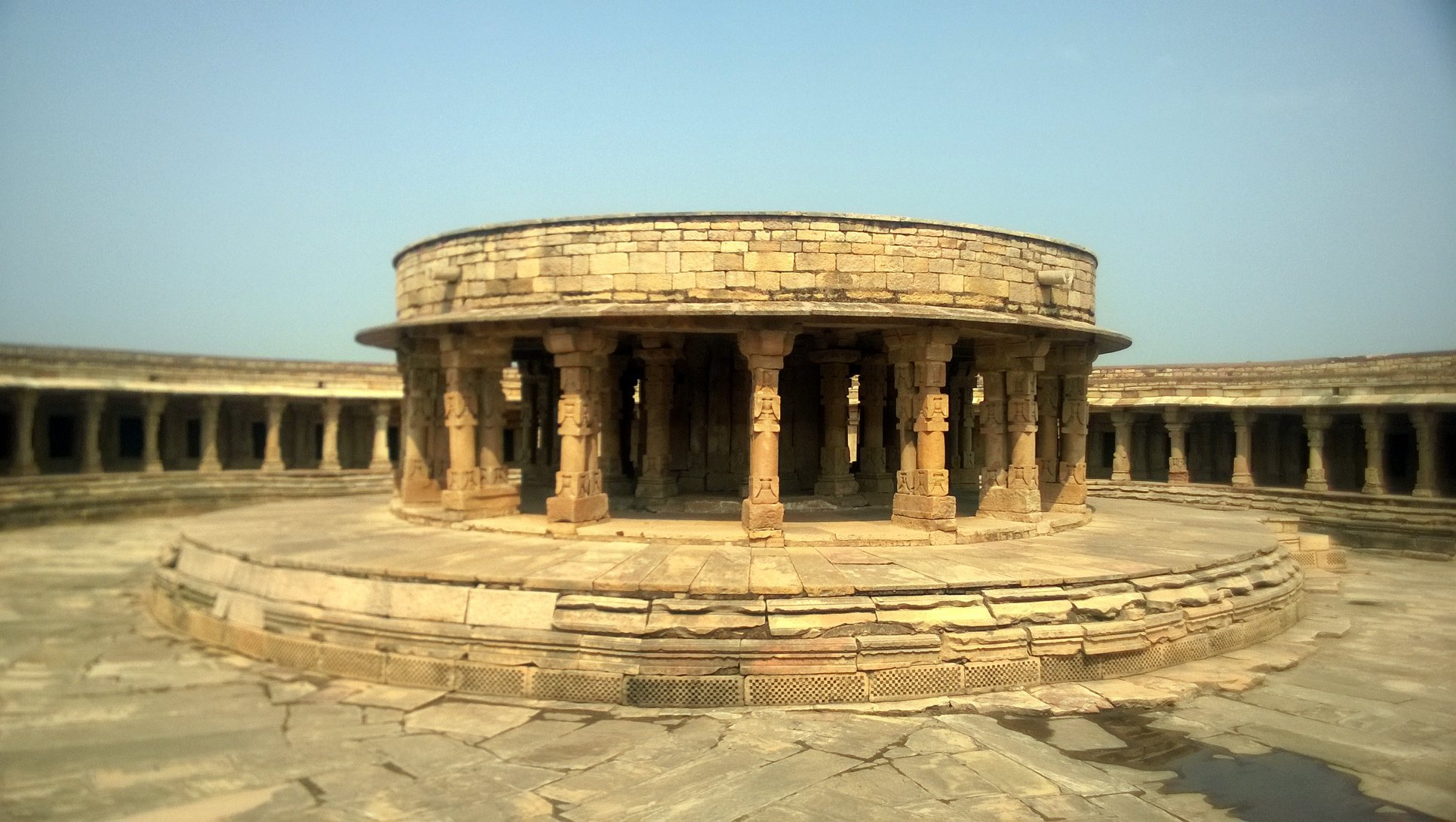
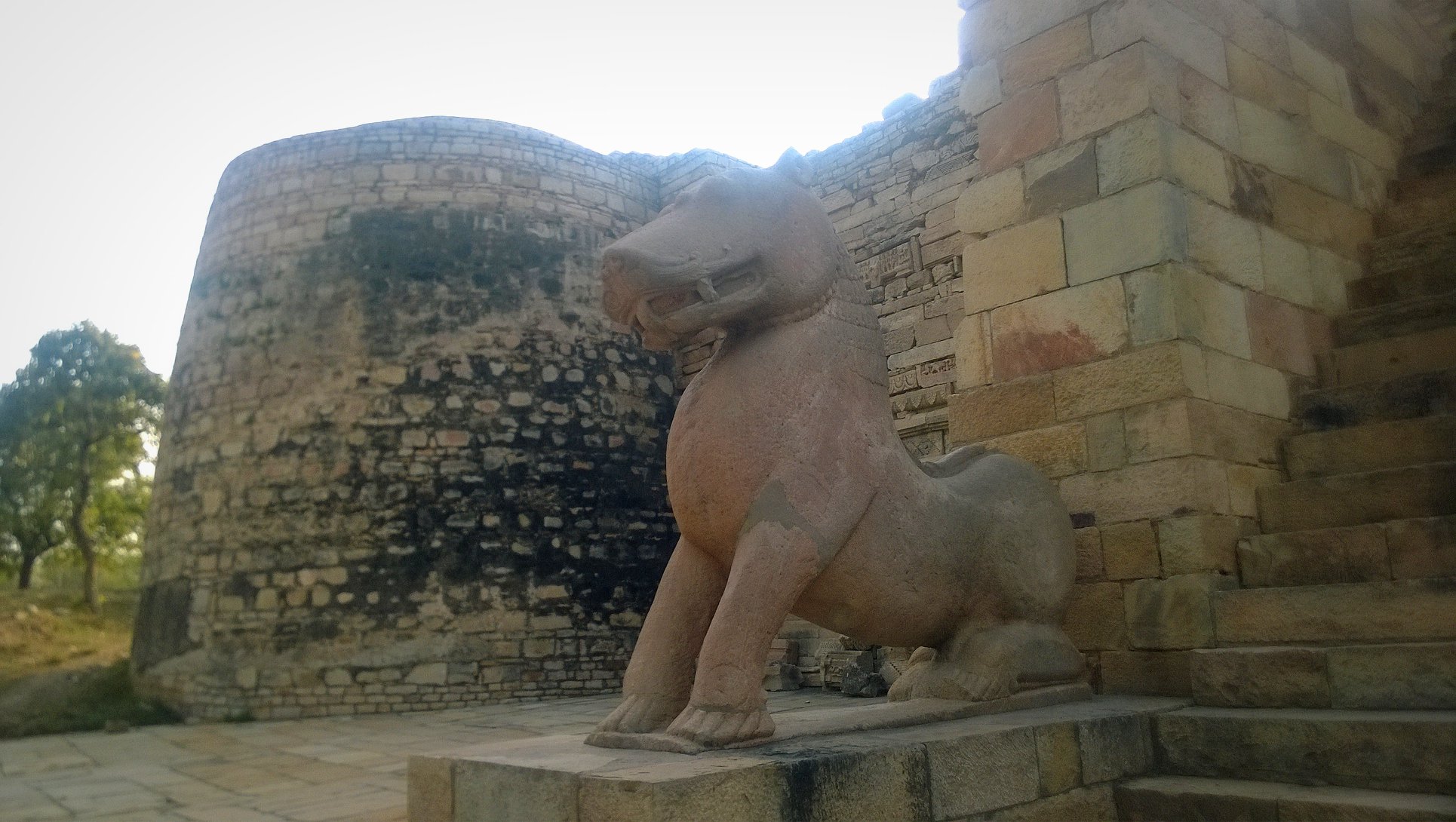
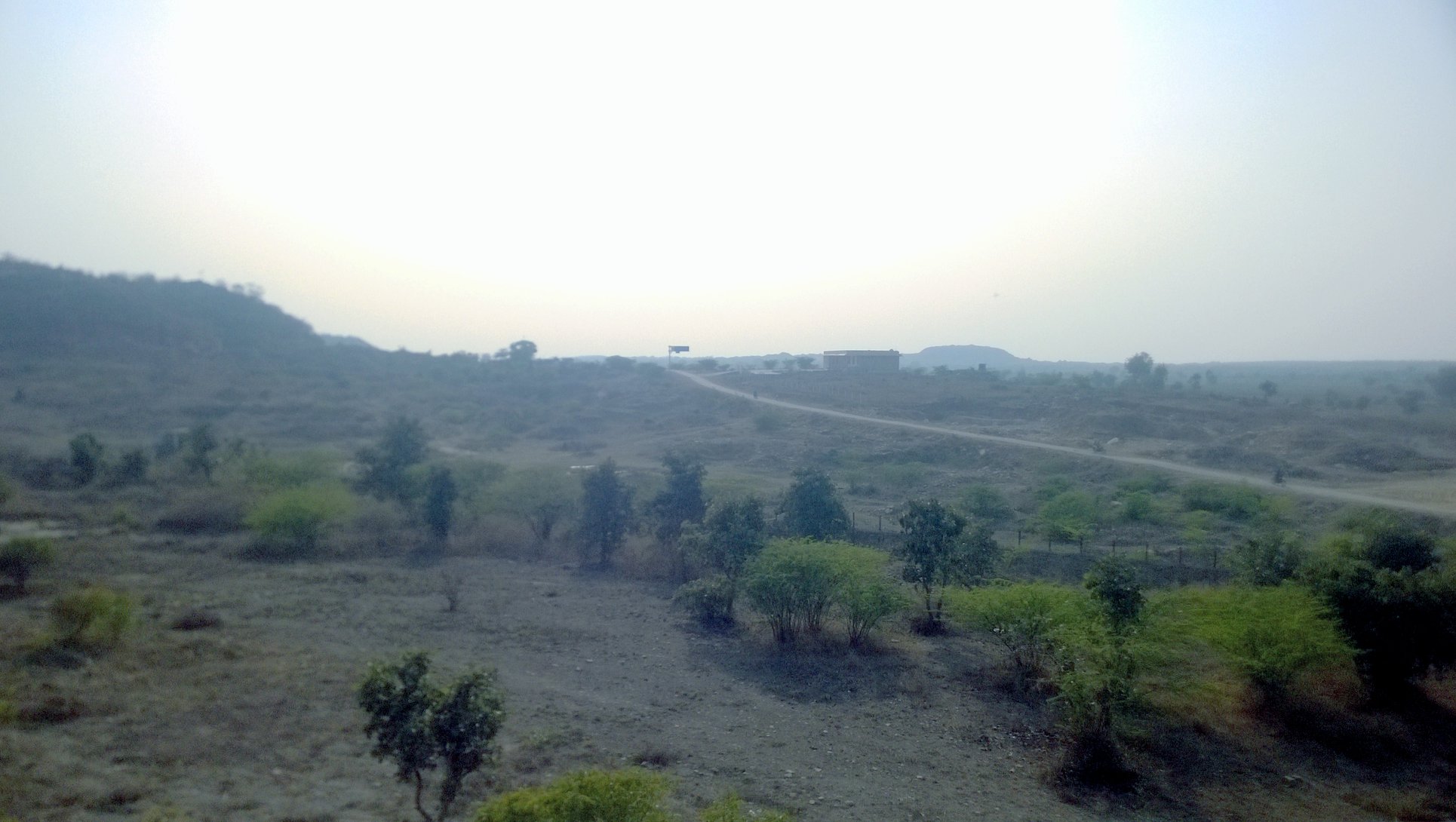
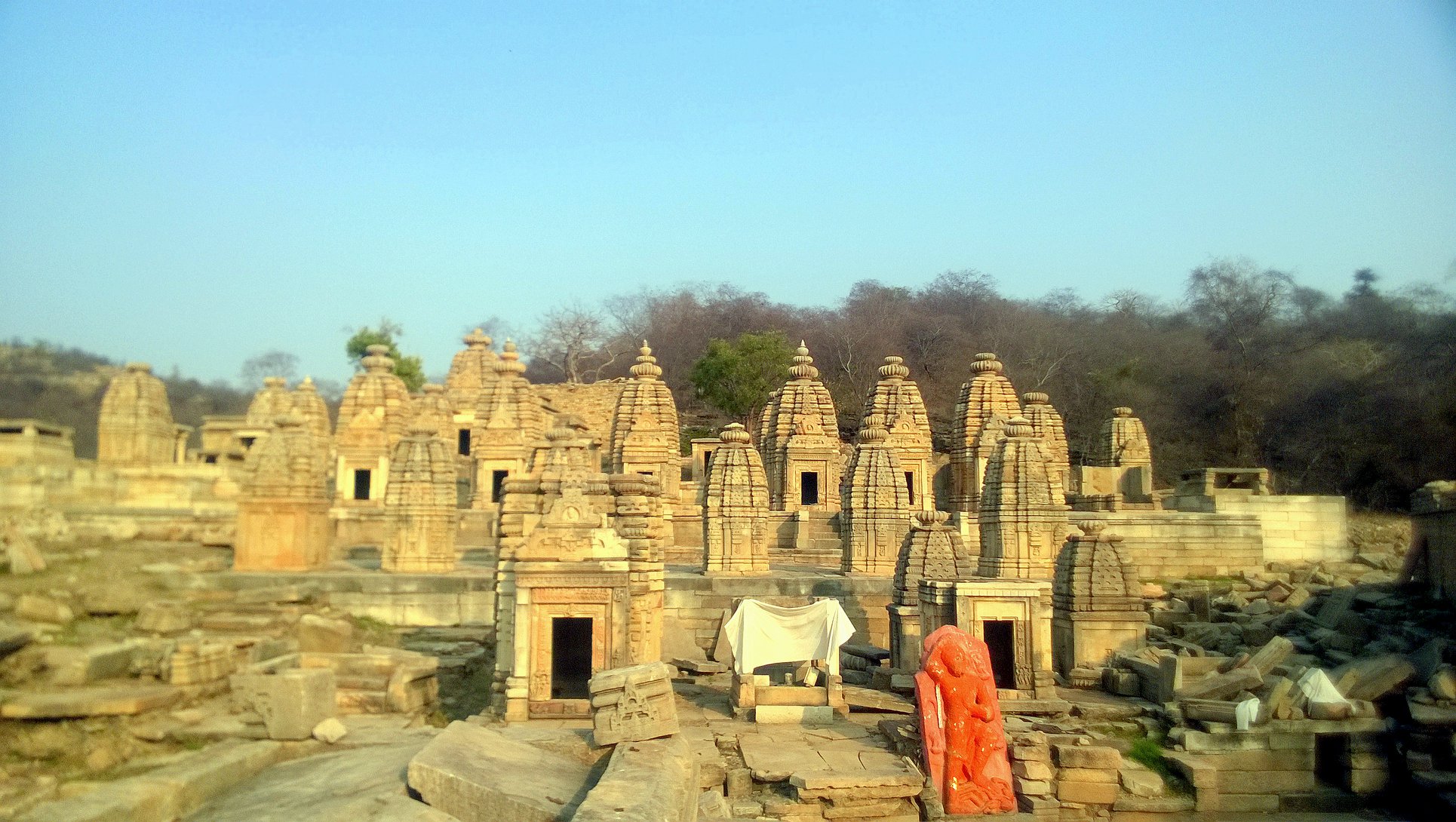
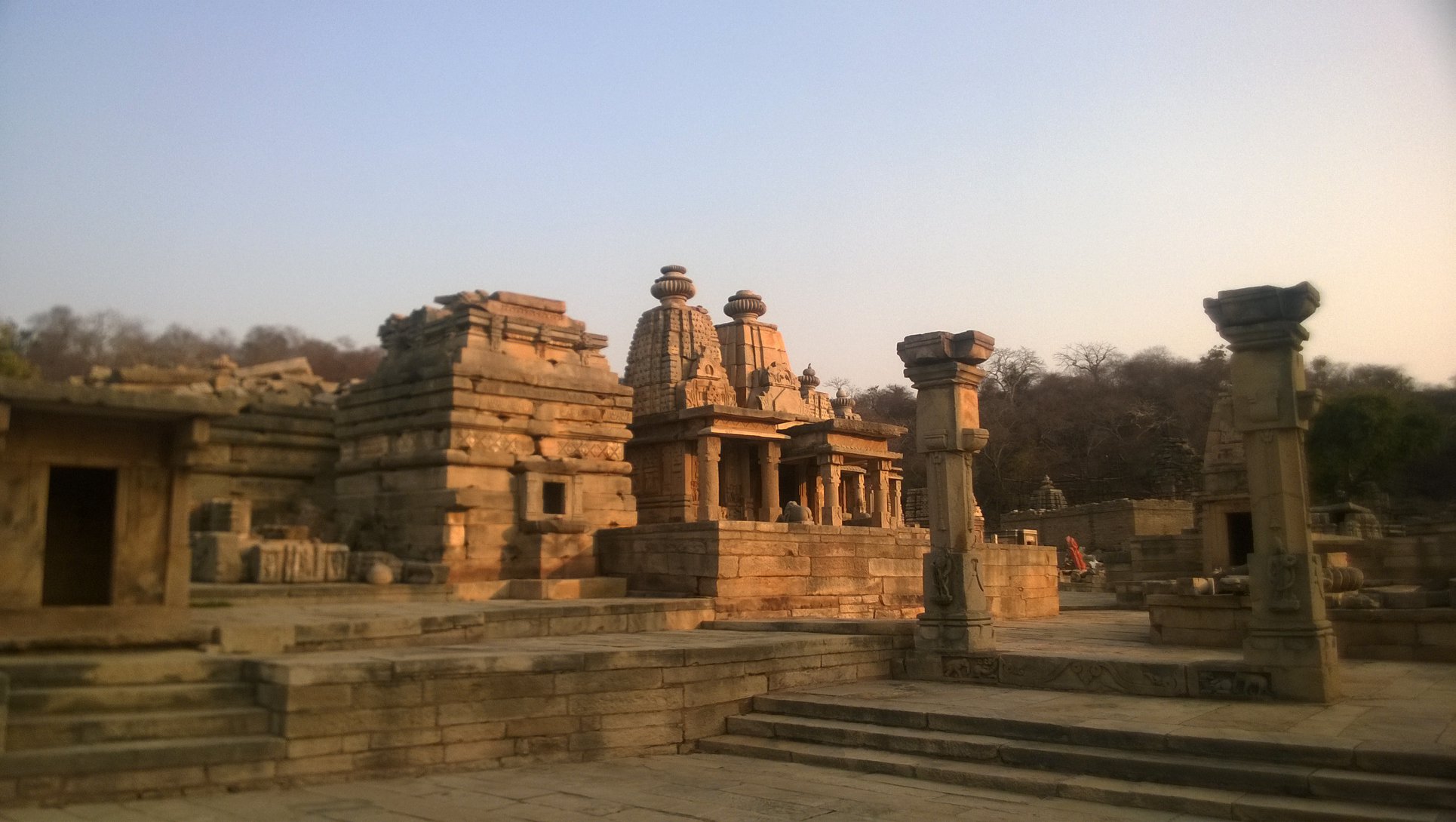
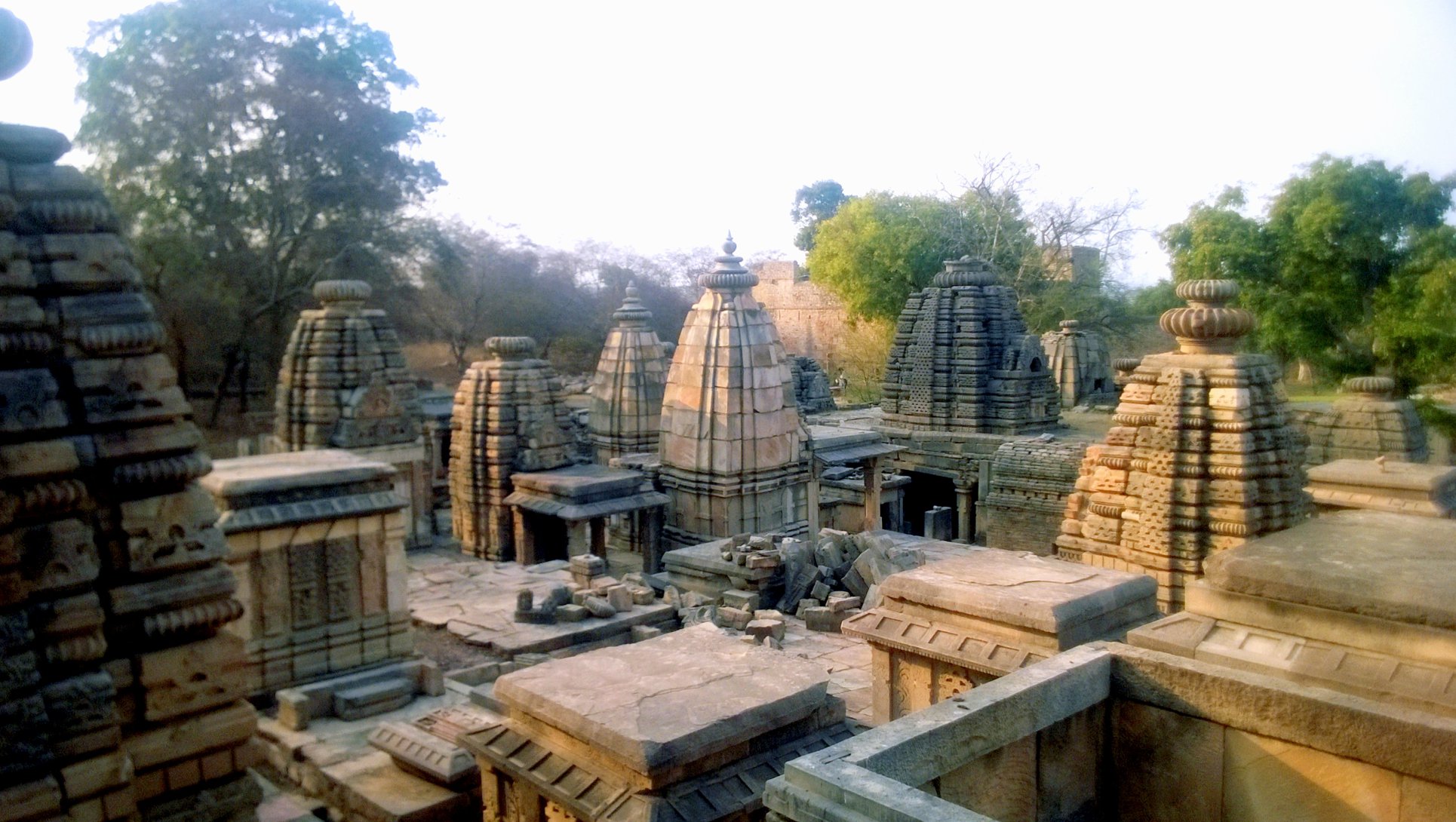
Soon, pulling away from the main road, we ventured into the Chambal Valley. Encountering the occasional shallow ravines and sparse vegetation. Our first stop was the mesmerizing circular Chausath (64) Yogini Temple atop a hill at Mitaoli, a 1 hour drive from Gwalior. 4 km away lies Garhi Padavali, a fort-like temple, our next stop. However, the most intriguing and spell-binding site lay another kilometre from there – the 8th to 10th century Bateshwar Temple Complex, which was only restored a few years ago, with the help of Chambal dacoits!


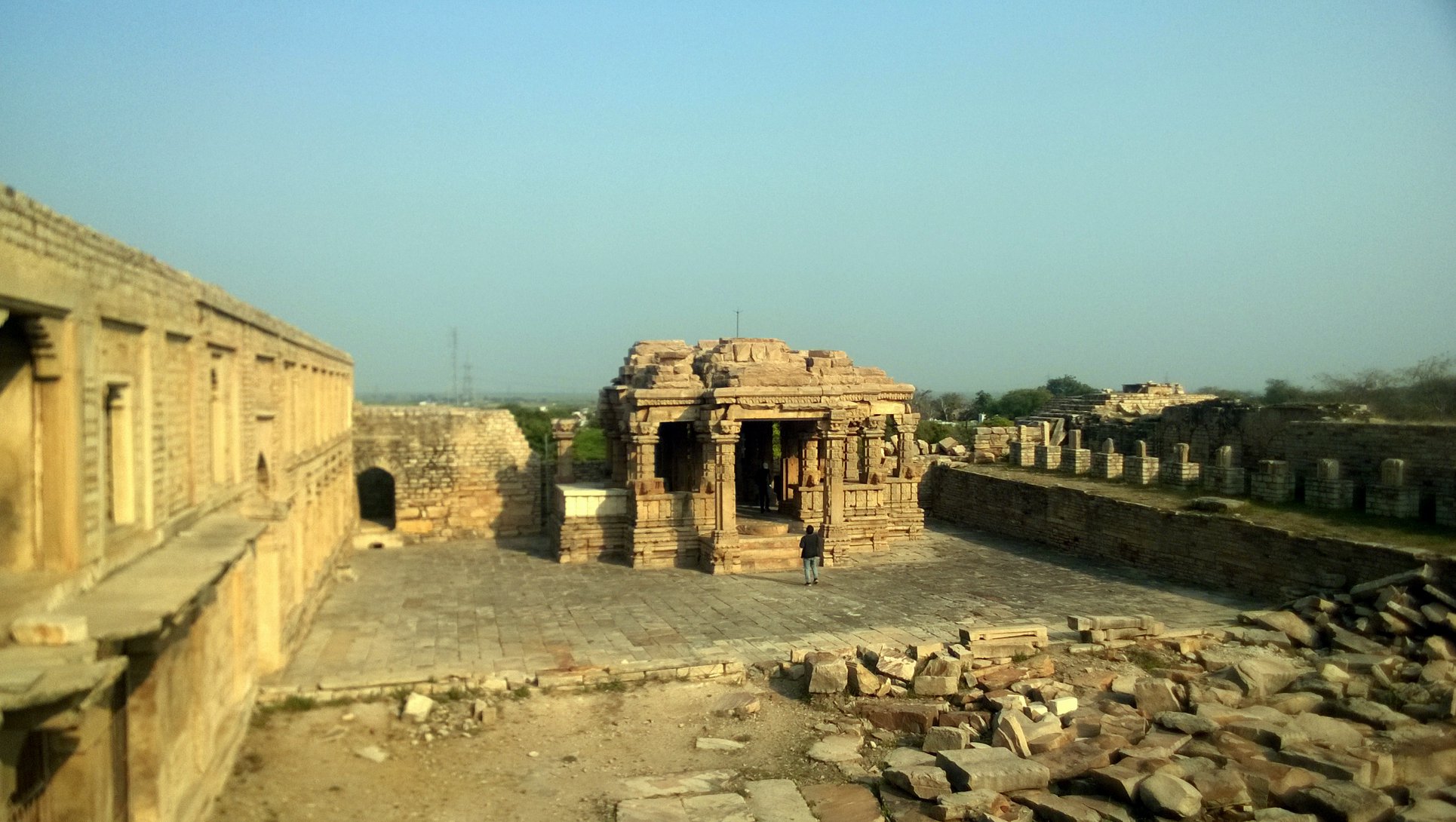
The Bateshwar temple complex lies protected in a cove in the hillside, and is accessed by turning around the hillside when coming from the Padavali site. The complex comprises more than a hundred small temples stacked in tiers, along with a couple of bigger temples and a water tank at the innermost end of the complex. Standing at the bottommost level of the complex, the tiered lines of temples is a sight to behold! The story of how the temples were restored is in itself a testament to the dedication to his craft, and perseverance of reputed archaeologist K.K.Mohammed, and to the magic of collaboration amidst disjointed forces in the face of forces of vested interests.
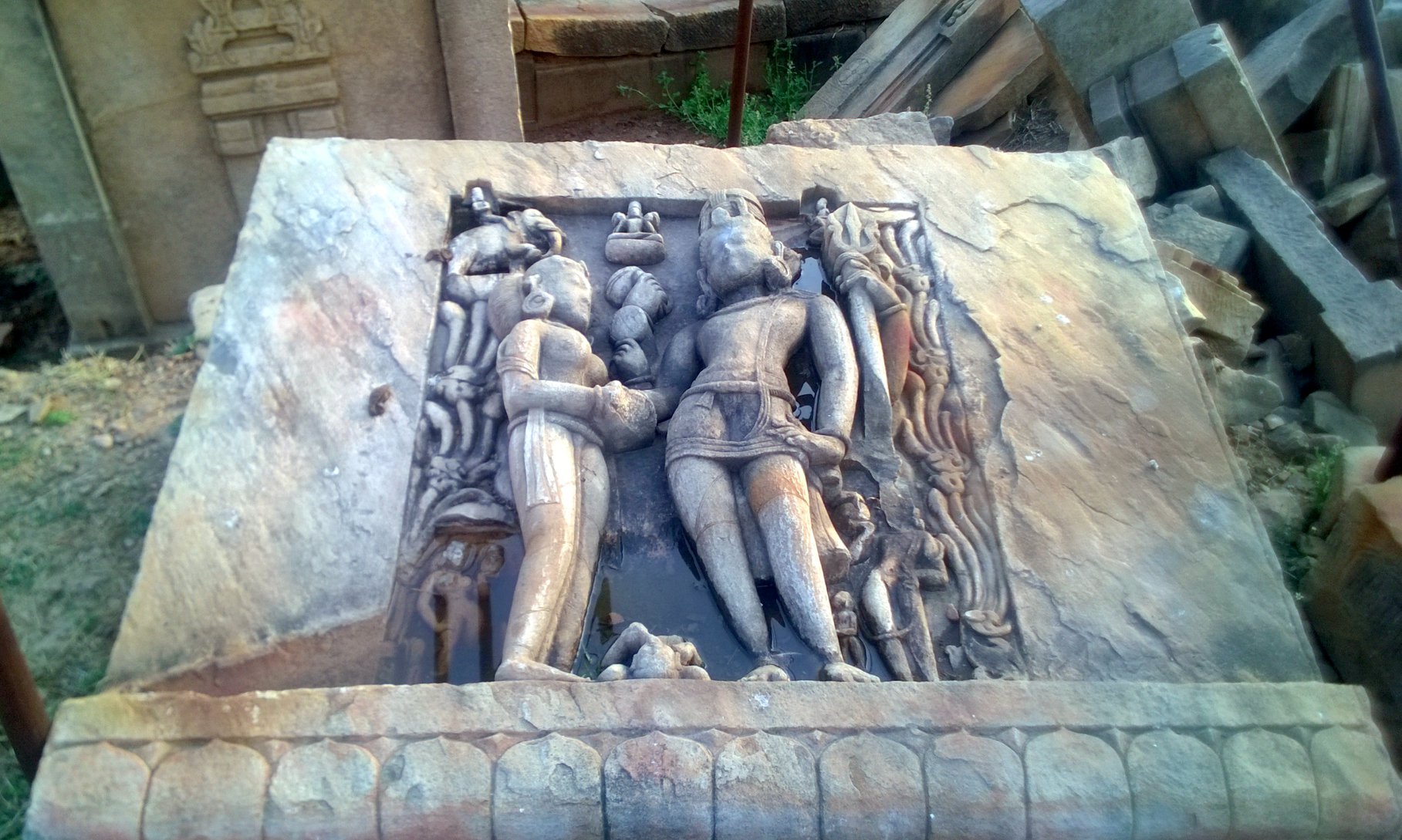
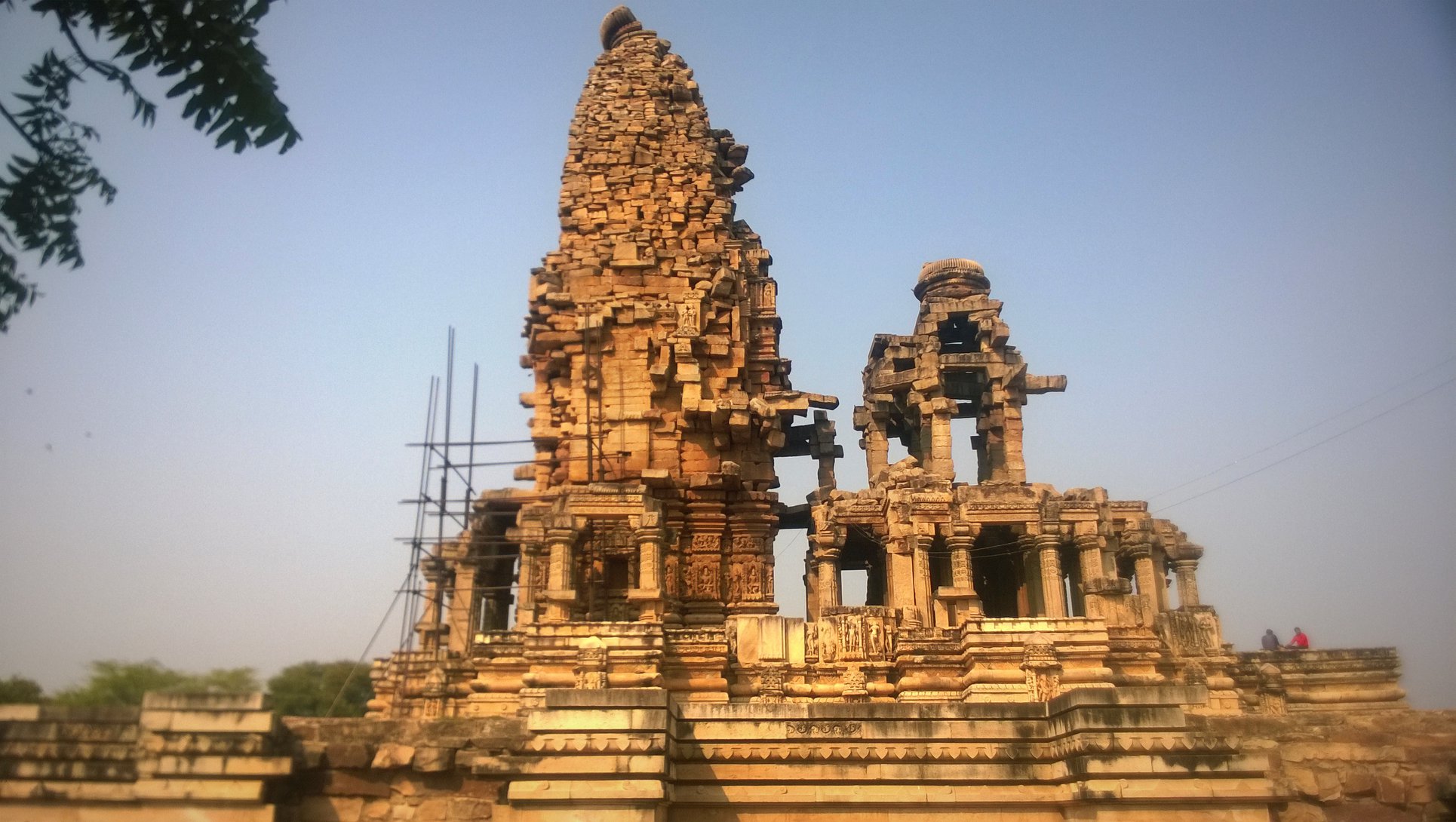
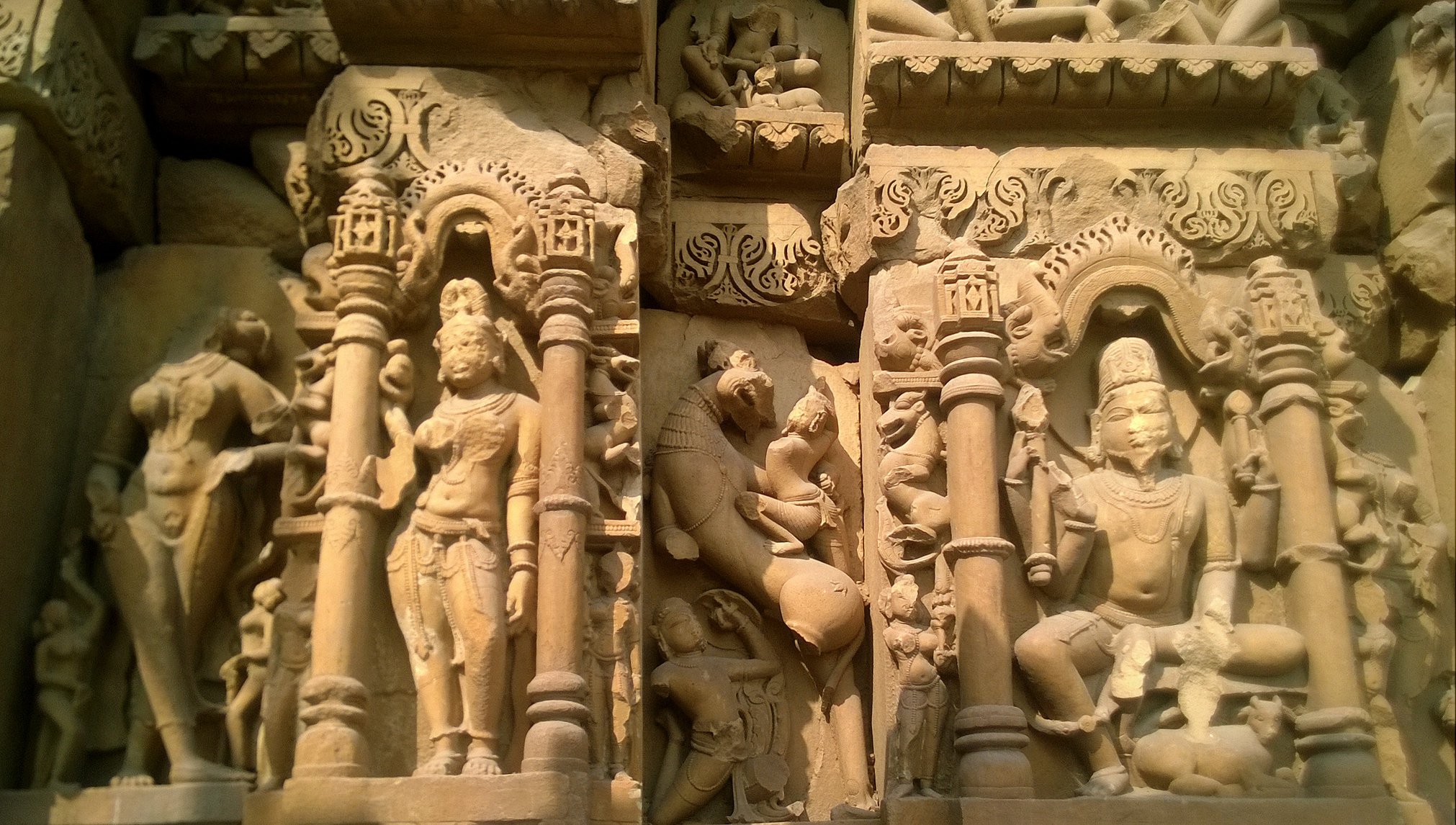
We rounded up the tour with the Kakanmath temple at Sihoniya, 20 km away from Padhavali. Built in the 11th century, the temple is decrepit, but the intricacy of the carvings on the walls are unmissable. After hovering around the site to our heart’s content, as we hurtled towards Gwalior in the autorickshaw through the Chambal ravines and ridges, with the billowing dust-clouds dispersed by the autorickshaw’s wheels bathing, and then clothing us with layers of dirt, I was reminded as to how easy it was for the sands of time to bury things into oblivion, and how, there is so much more from our past to uncover.

 The Timber Trawler