Just before Covid-19 burst into public consciousness, blissfully unaware of the impending pandemic, Abhijit and I set out on an impromptu trip to Bharatpur. We took the 1:15 PM Jan Shatabdi Express from Nizamuddin, and were in Bharatpur by 3.45 PM.
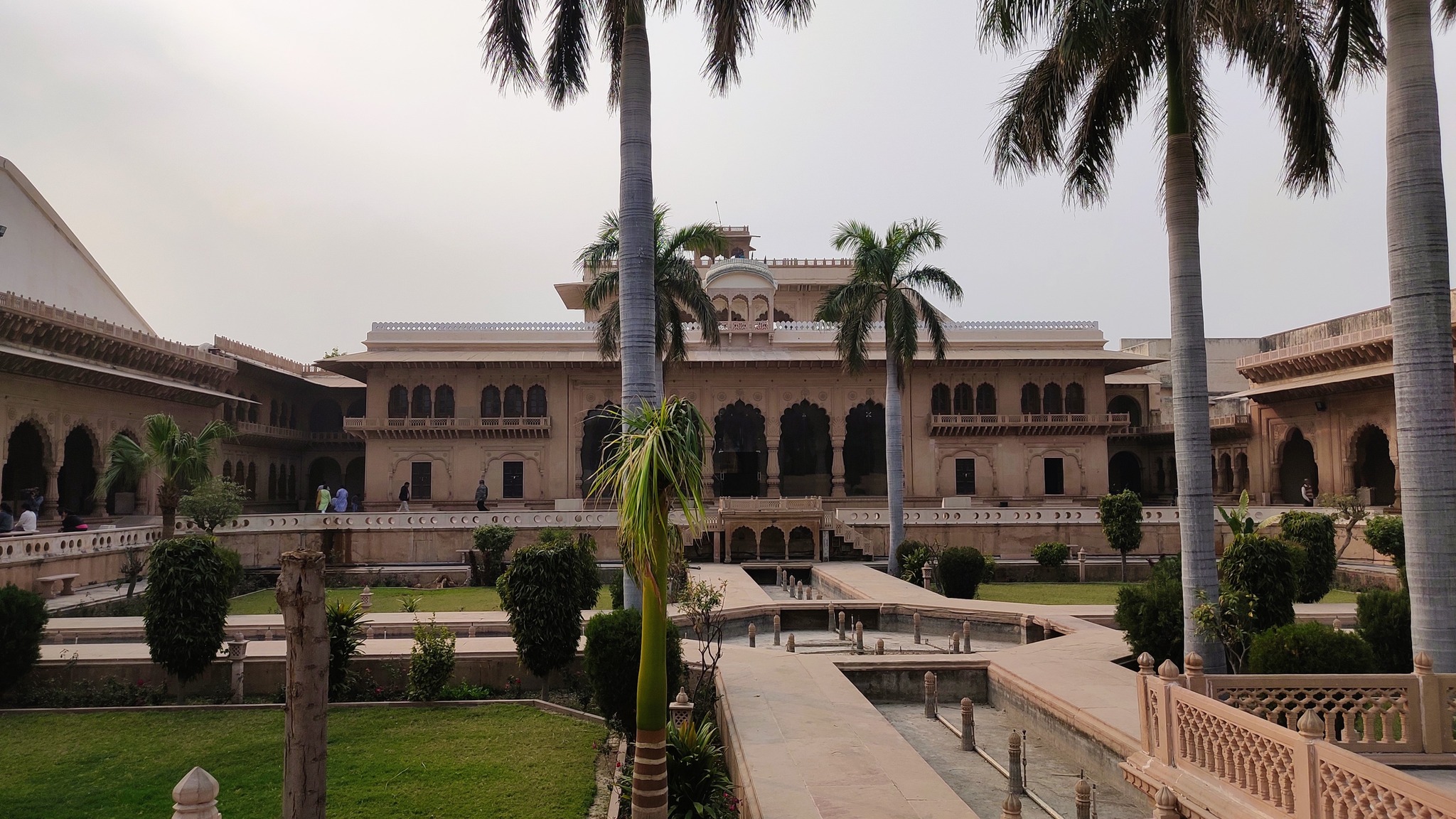
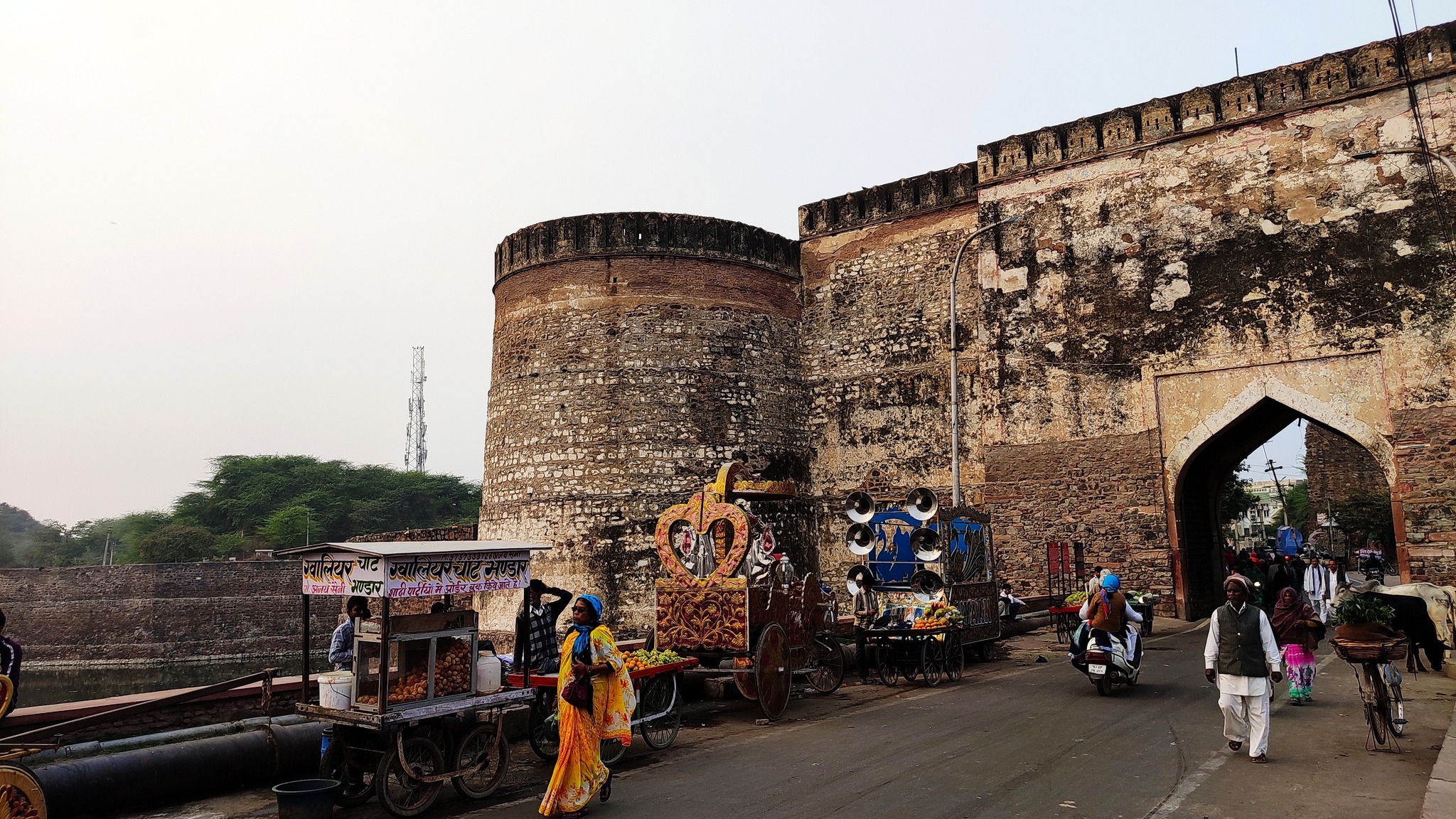
We took an autorickshaw to first see the Lohagarh fort located in the heart of the city. Crossing a moat that completely encircles the sturdy fort wall, we entered from the North Gate also known as the ‘Ashtadhatu’, literally, ‘eight metals’, gate. We then saw the Government Museum and the many historical structures attached to it, namely, Kachahri Kalan, Kamara Khas and Hamam (Persian Bath), followed by the Kishori Mahal, which was undergoing renovation, and the Surajmal memorial in front of it.
The Museum at Bharatpur
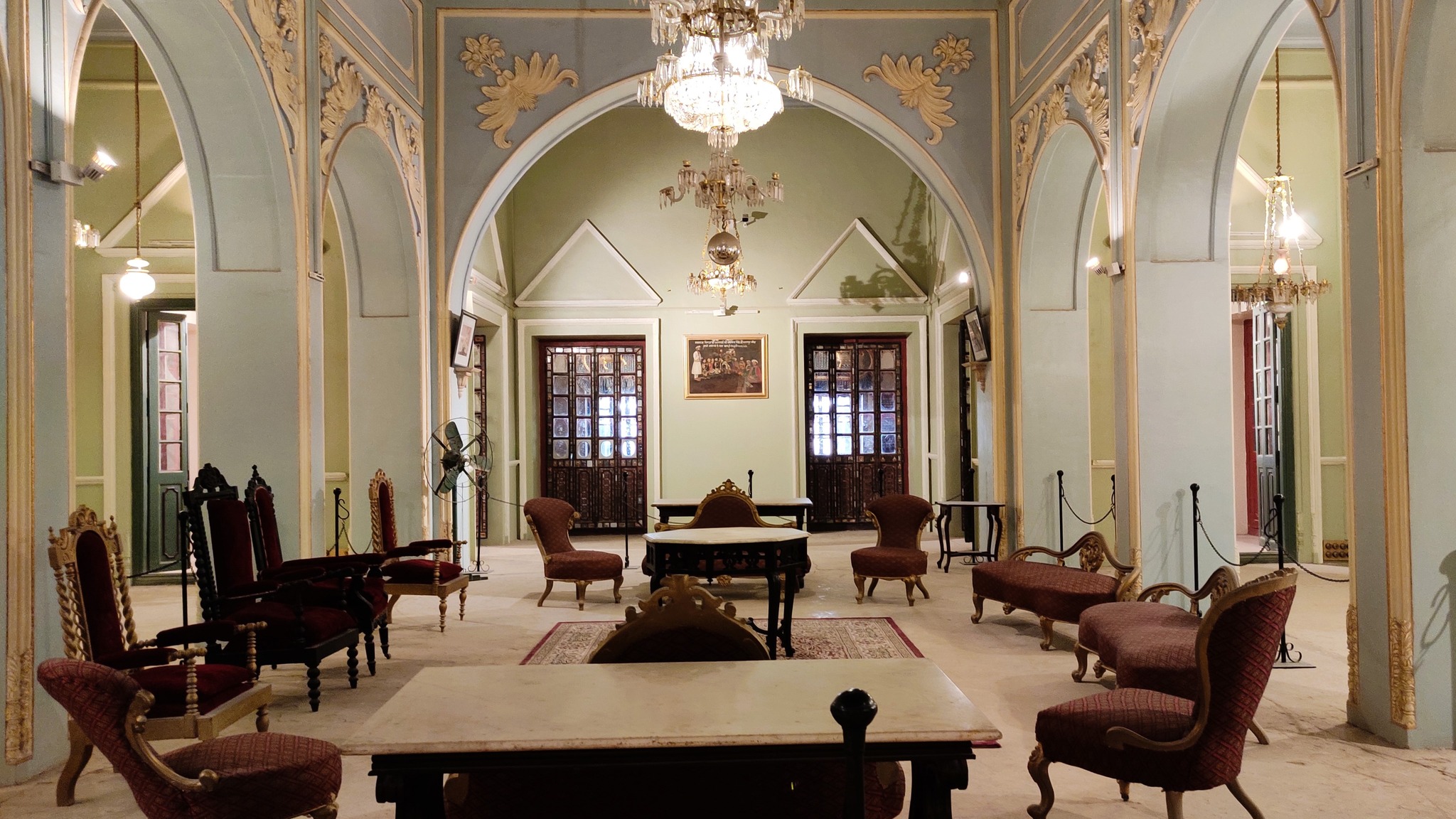
A hall inside the adjoining palace, BharatpurCharbhuja Gate, Bharatpur
As darkness fell, we reached the road running in front of the Keoladeo Bird Sanctuary, along which lie numerous hotels and resorts, and booked a hotel room for the night.
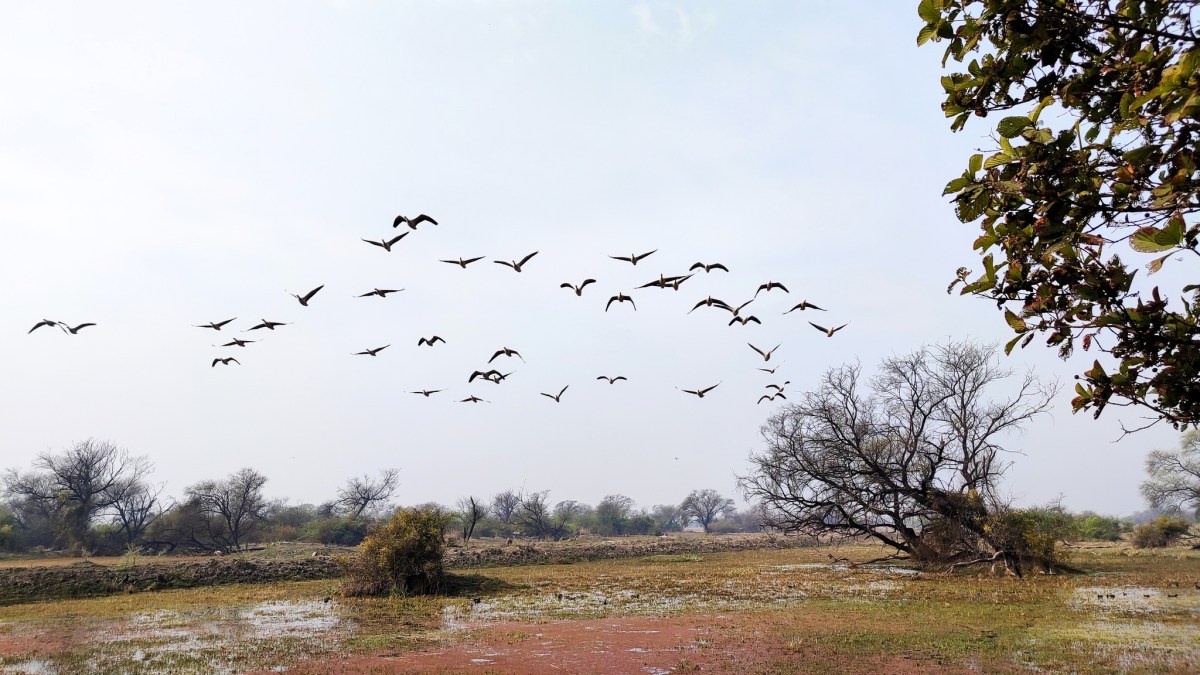
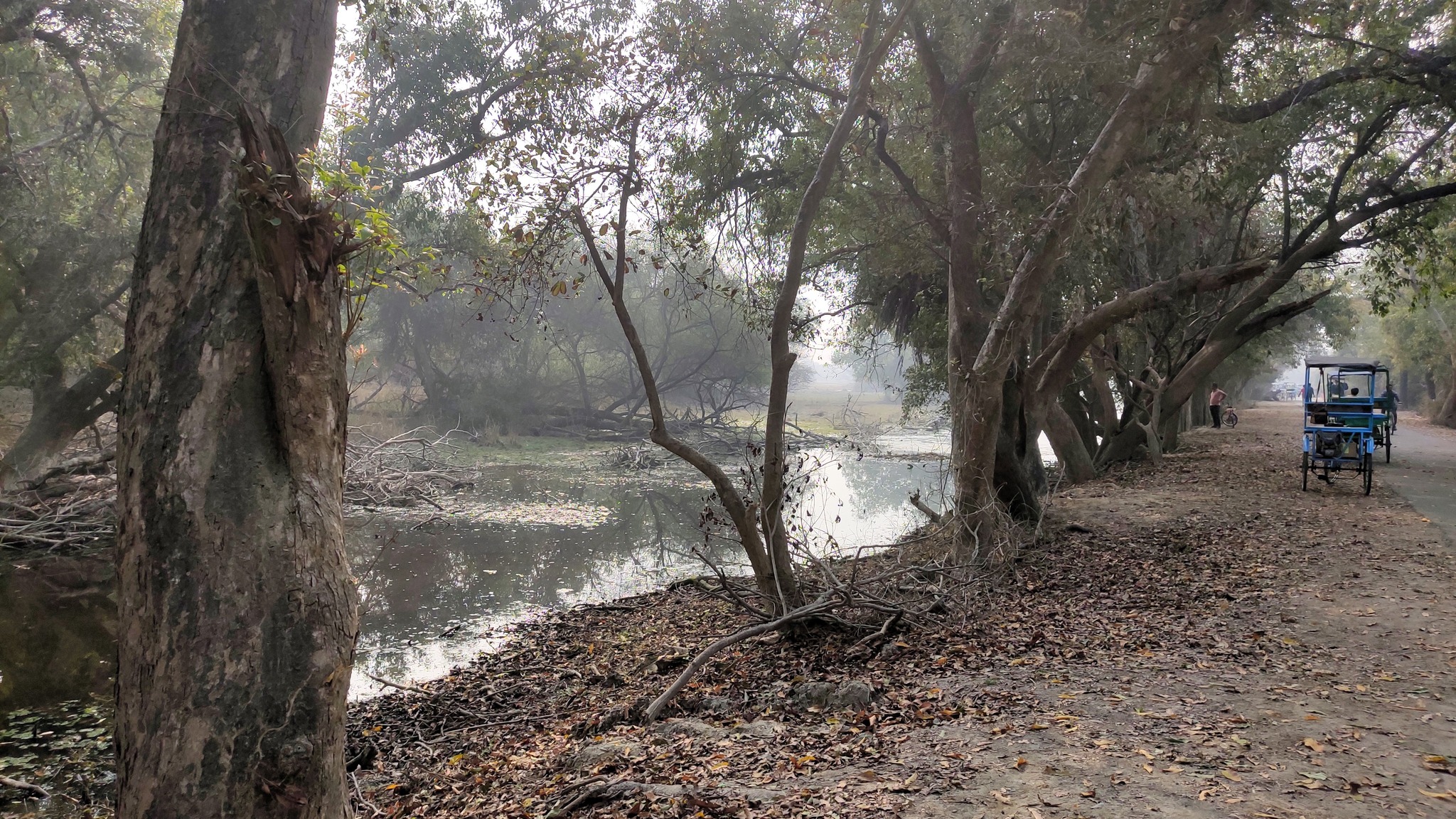
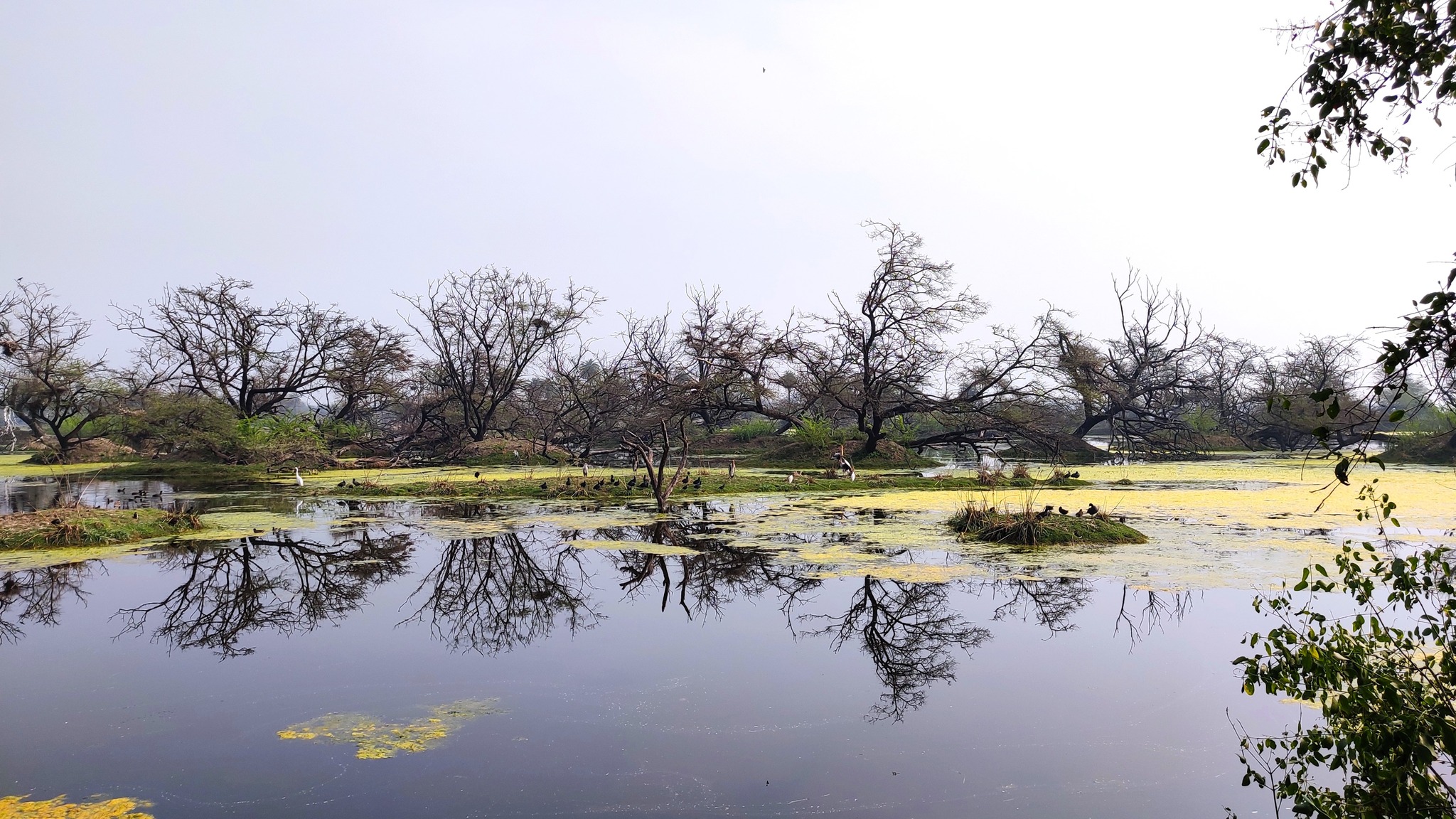
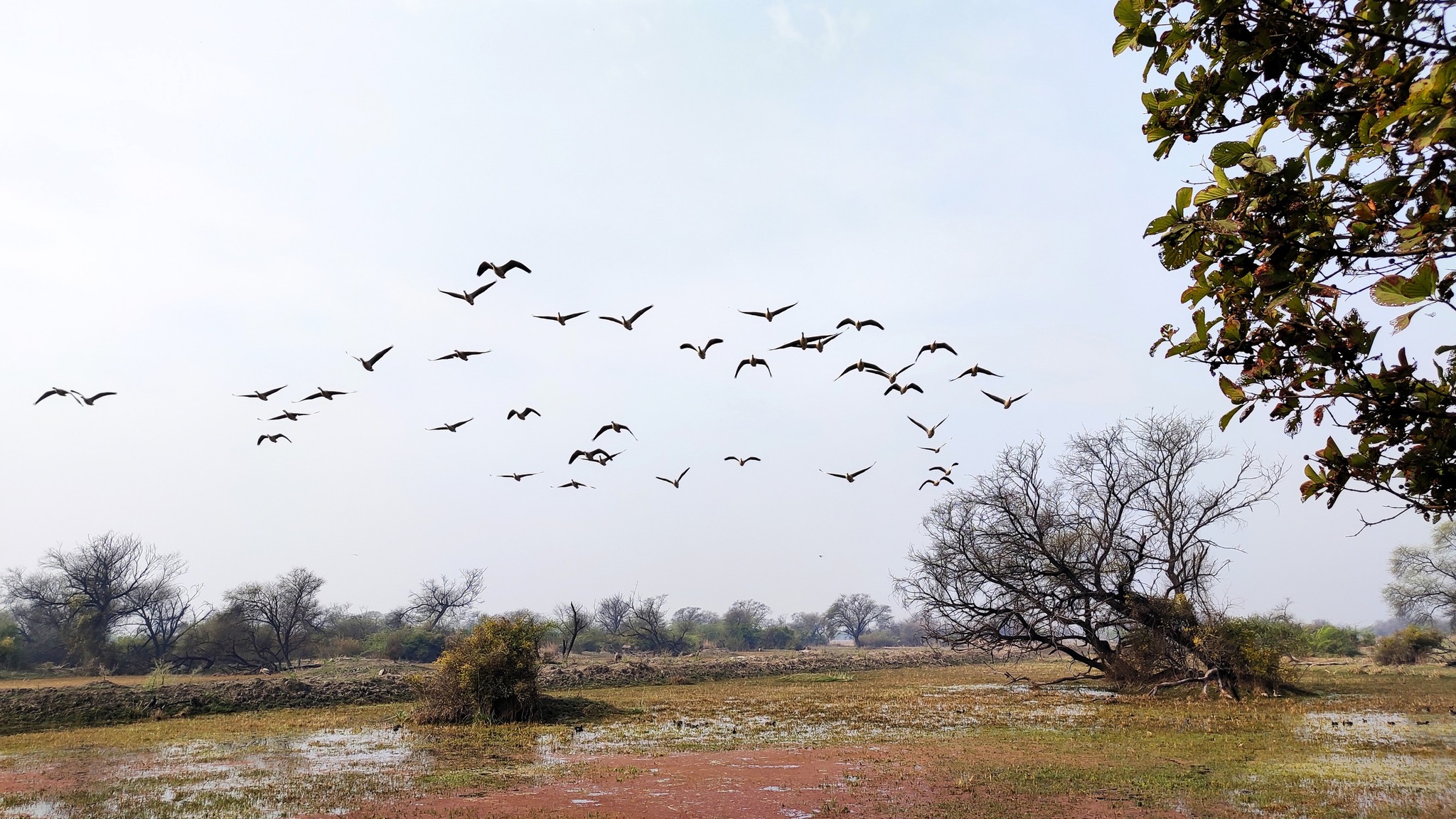
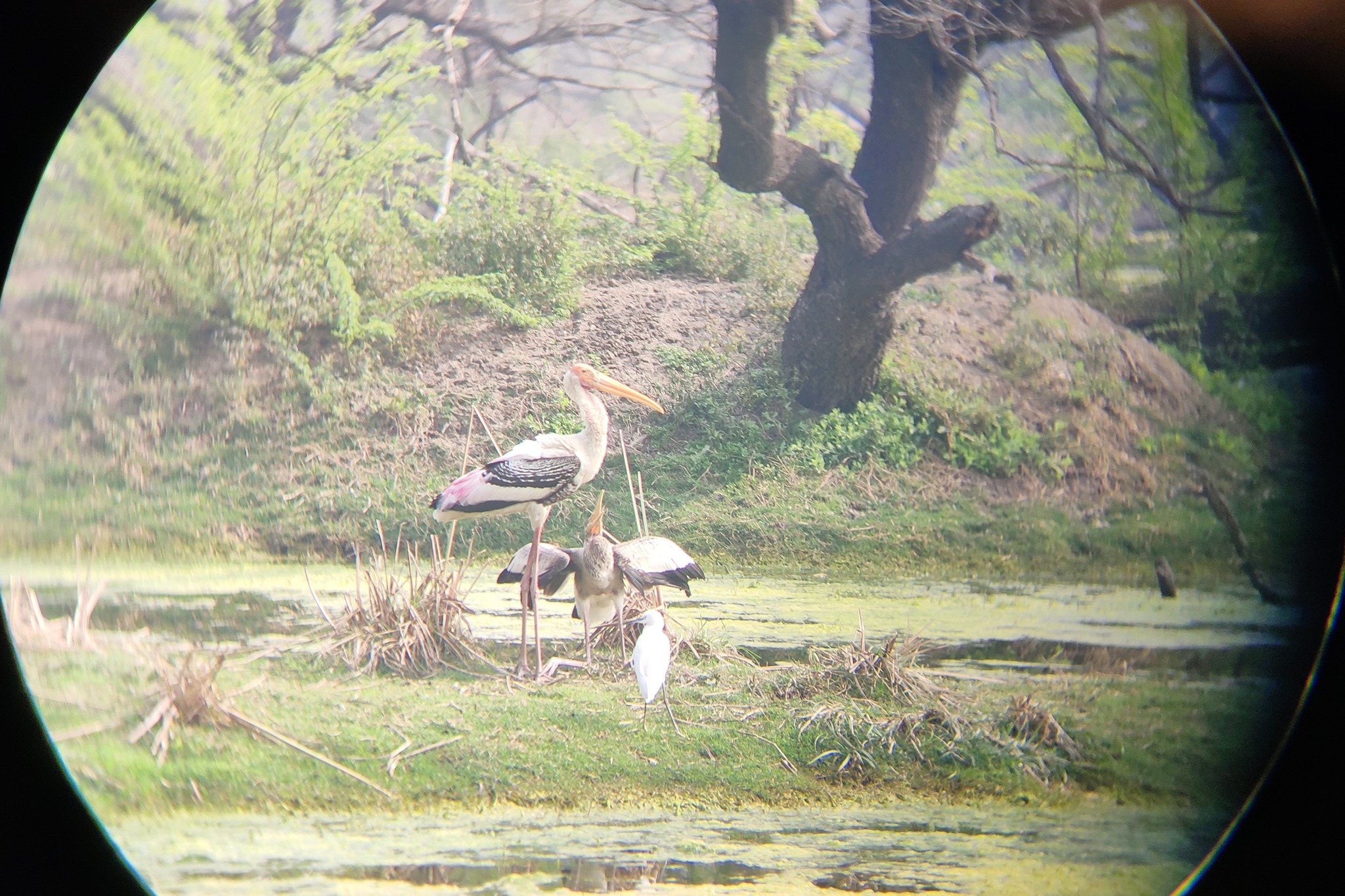
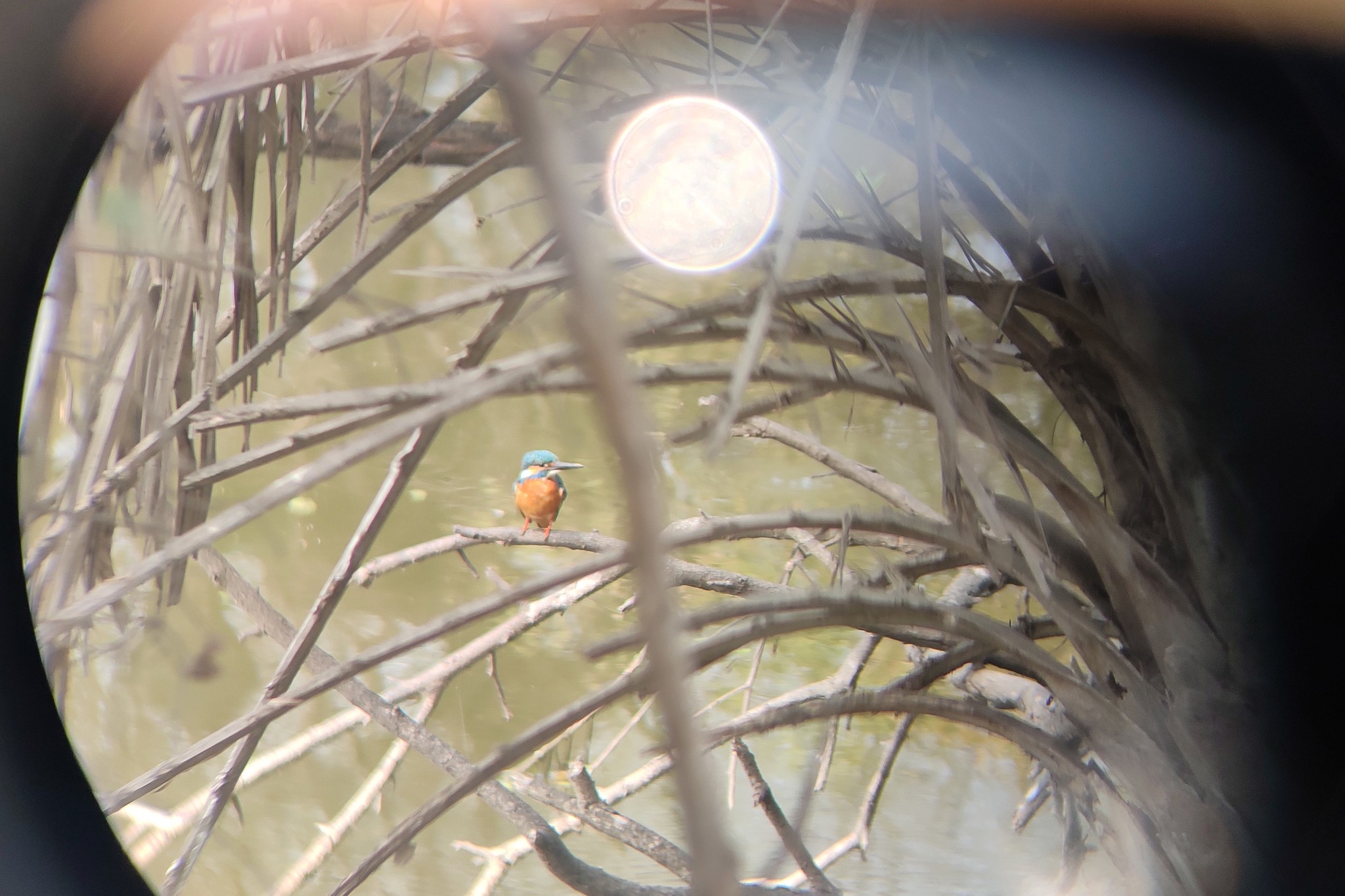
The next morning at 8 AM, we simply walked down to the Bird Sanctuary, rented out a couple of bicycles, and a pair of binoculars and hired the services of a guide. We spotted coots, herons, storks, egrets, snake birds, ibises, warblers, owls, sandpipers, jacanas, bulbuls, pheasants and many more – just wish I was a serious bird-watcher, sometimes.
Glimpses from Keoladeo Bird Sanctuary, Bharatpur
By 12, we reached the end of the sanctuary, and turned back, eventually reaching the bus-stop at 2.30 PM. Catching a 3.30 bus to Delhi, we were back home by 8 PM. A month later, the lockdown commenced.
November 2021: Fatehpur Sikri and Deeg
One morning in November 2021, when we were still wearing masks due to Covid-19 but travel had resumed, Mother and I just decided to drive to Fatehpur Sikri. Starting at 9 AM, we took the KMP Expressway from Manesar, turning eastwards towards Palwal. At Palwal, we joined the Mathura Road highway, and were at Sikri by 11.30 AM.
On our Agra trip from a decade back, we had to forego seeing Fatehpur Sikri due to paucity of time, so it was good to finally see the fortified city, built by Akbar in a village that already existed. ASI excavations have revealed structures, including, housing, temples and commercial centres from long before Akbar made the city his capital, with archaeological evidence pointing towards settlement of the region since the Painted Grey Ware period.
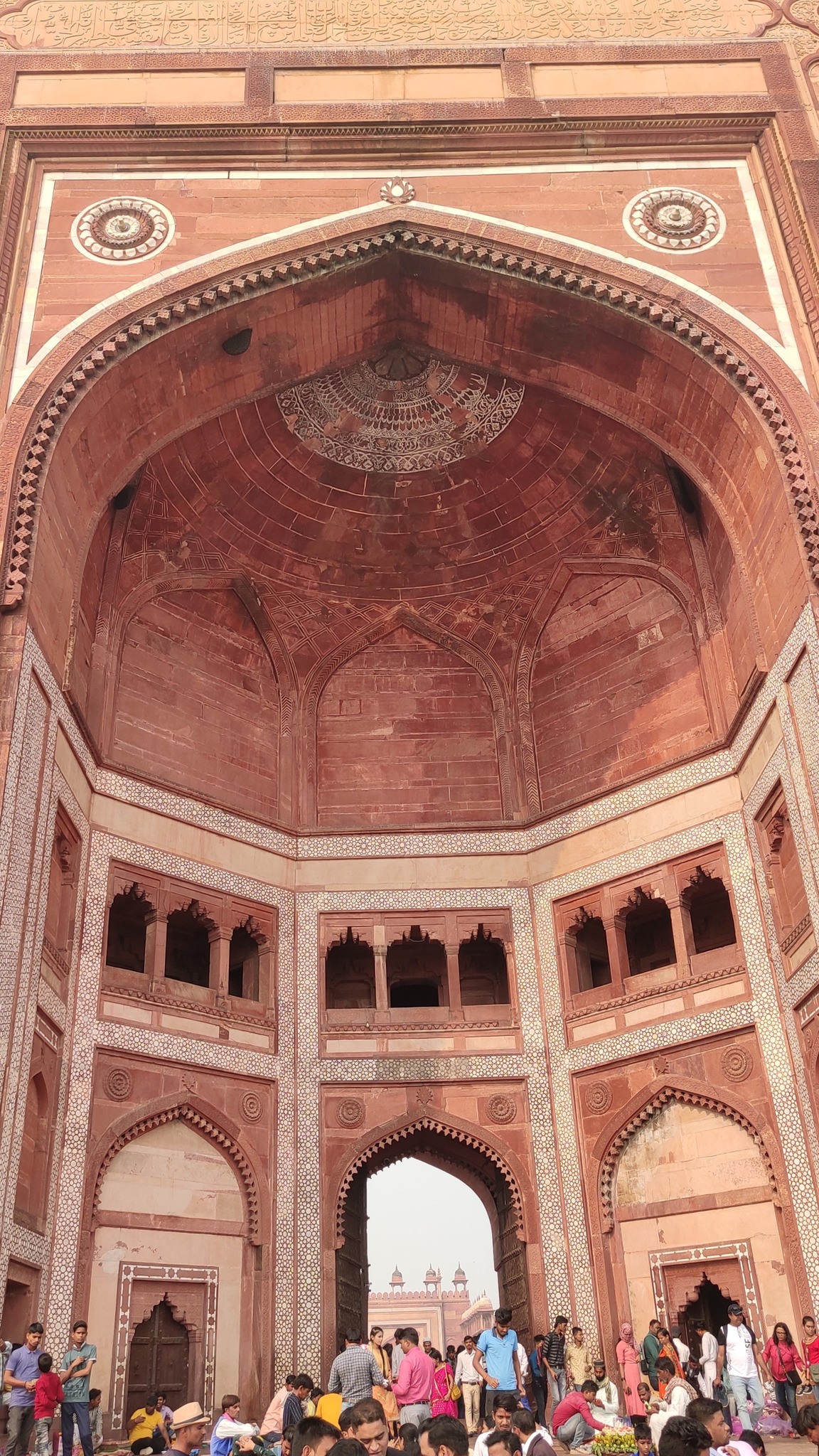
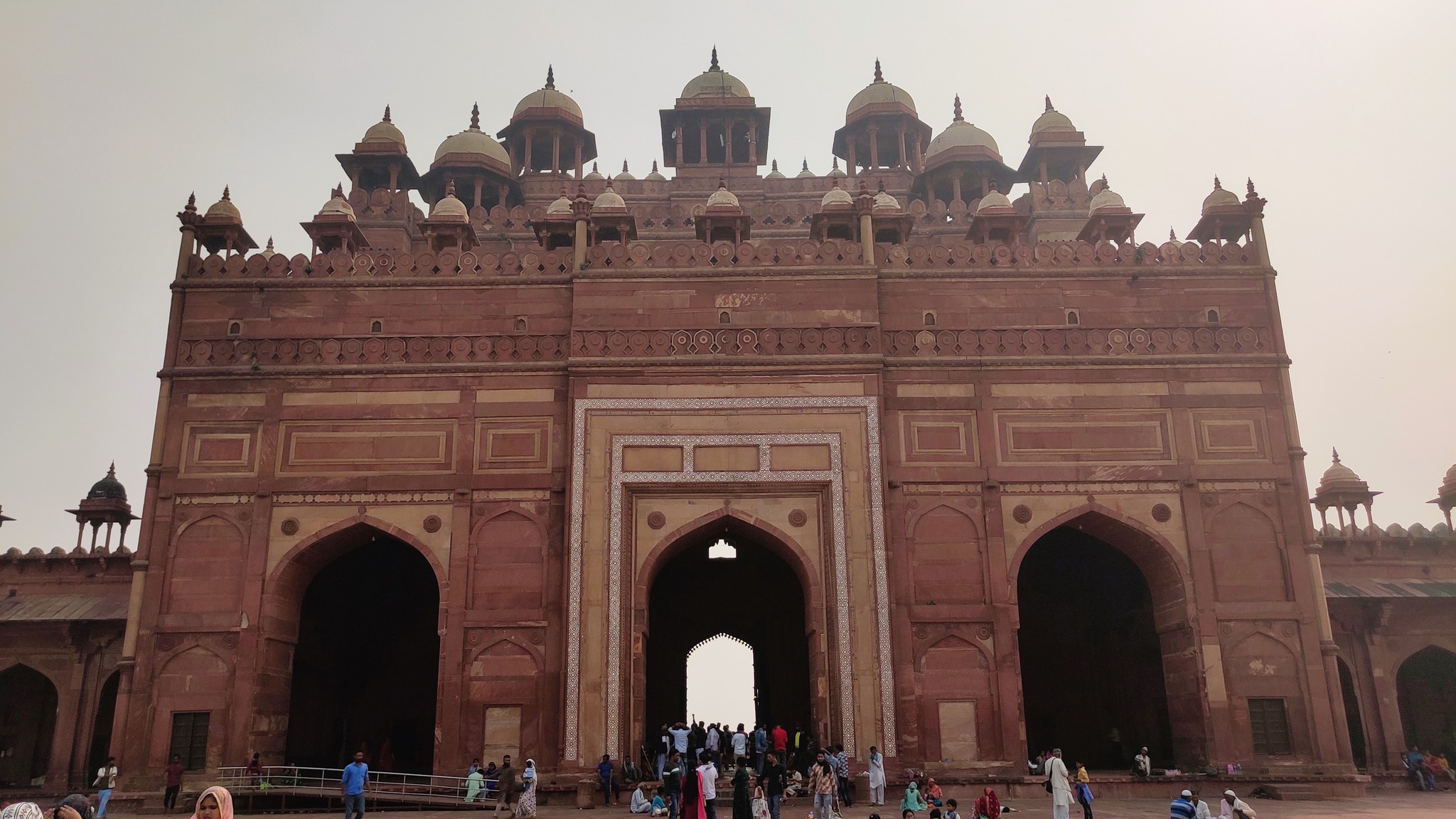
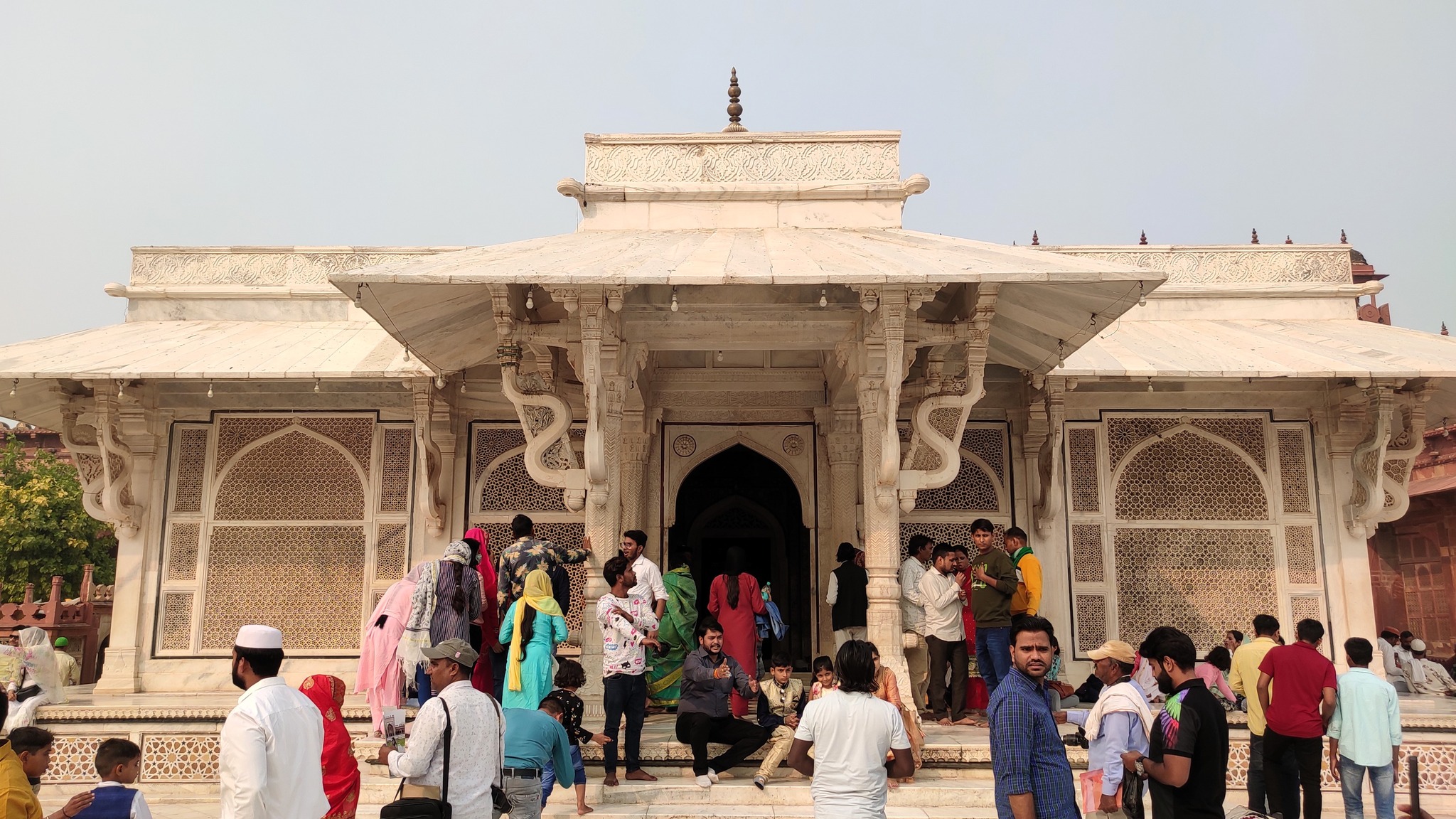
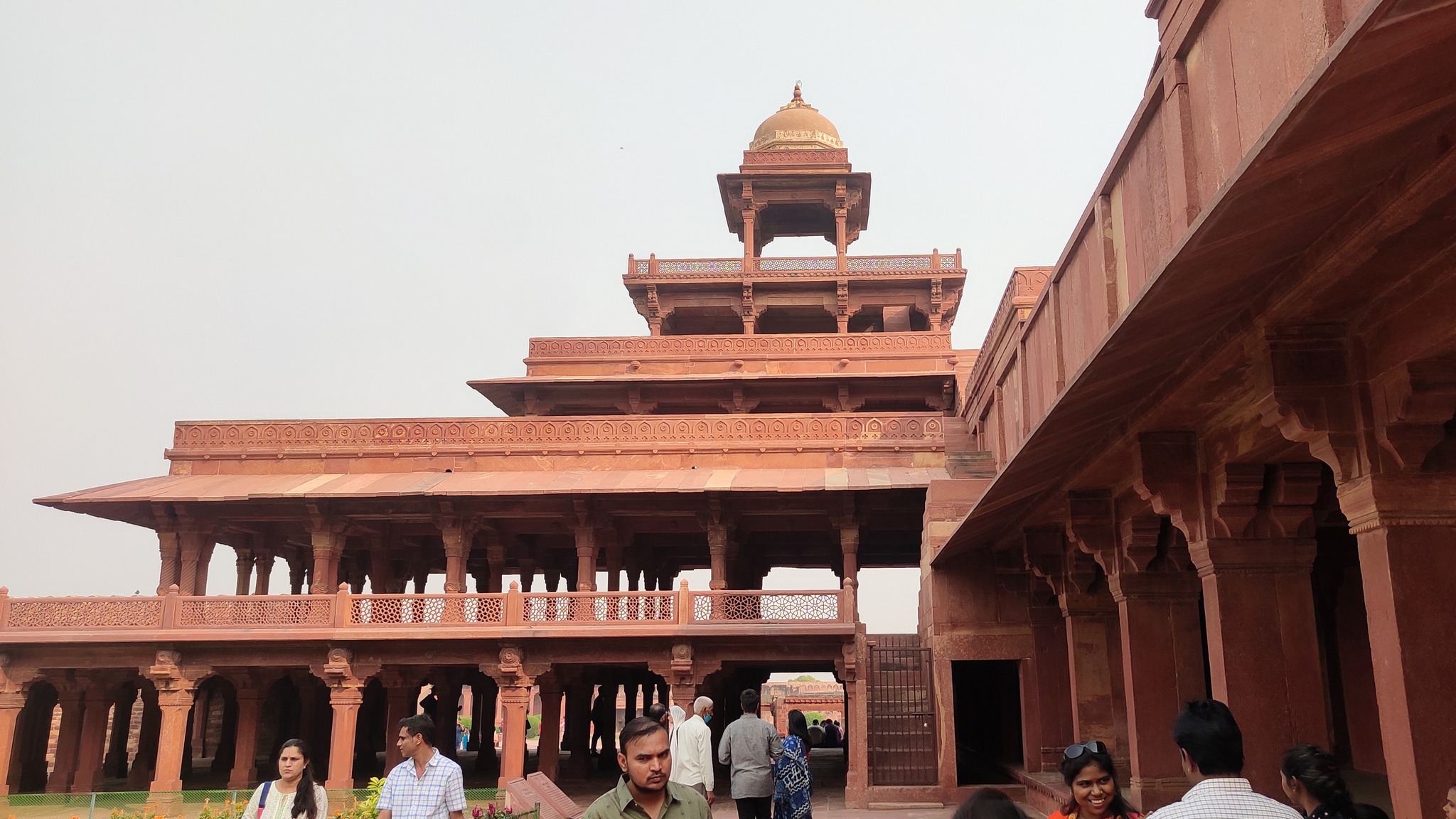
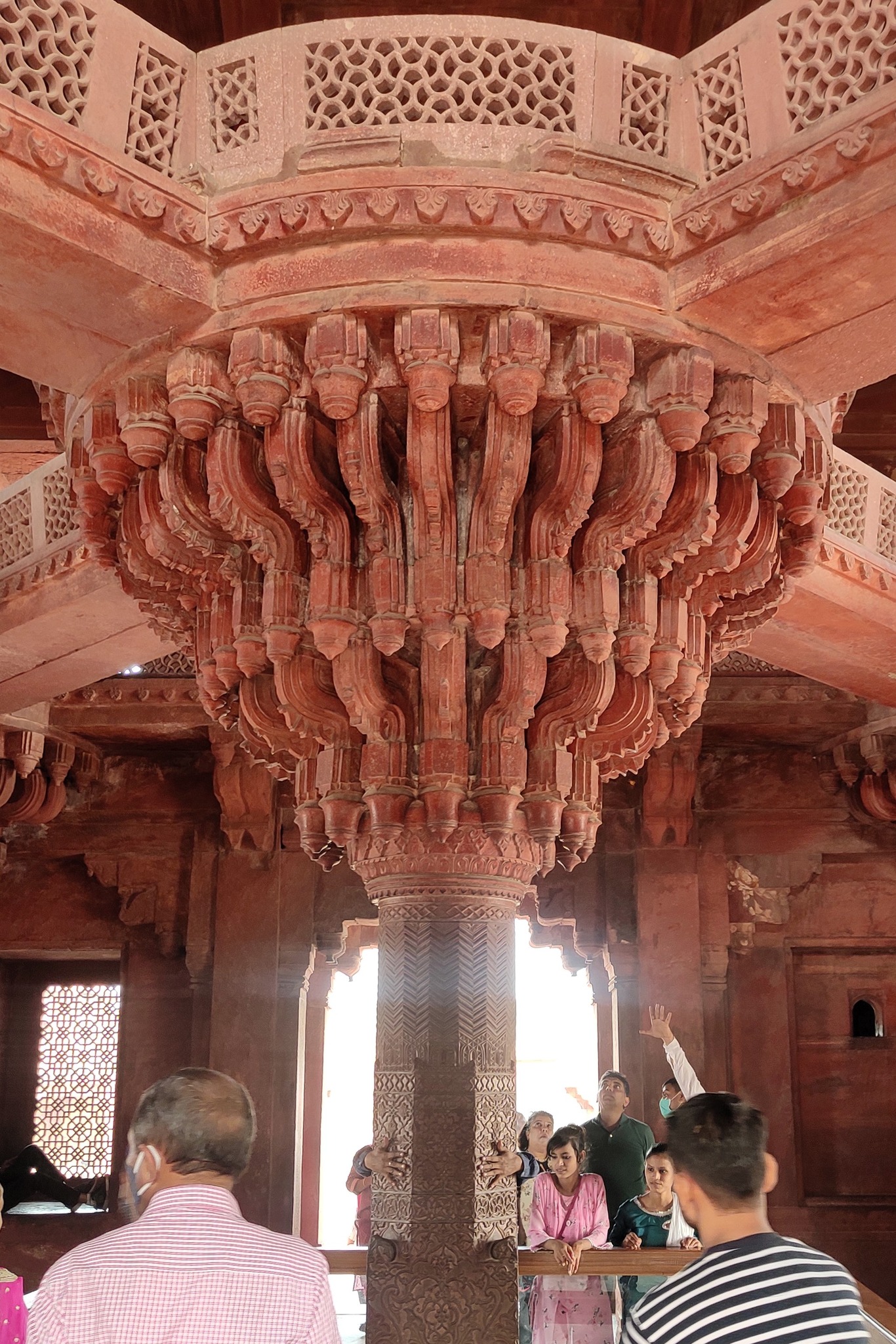
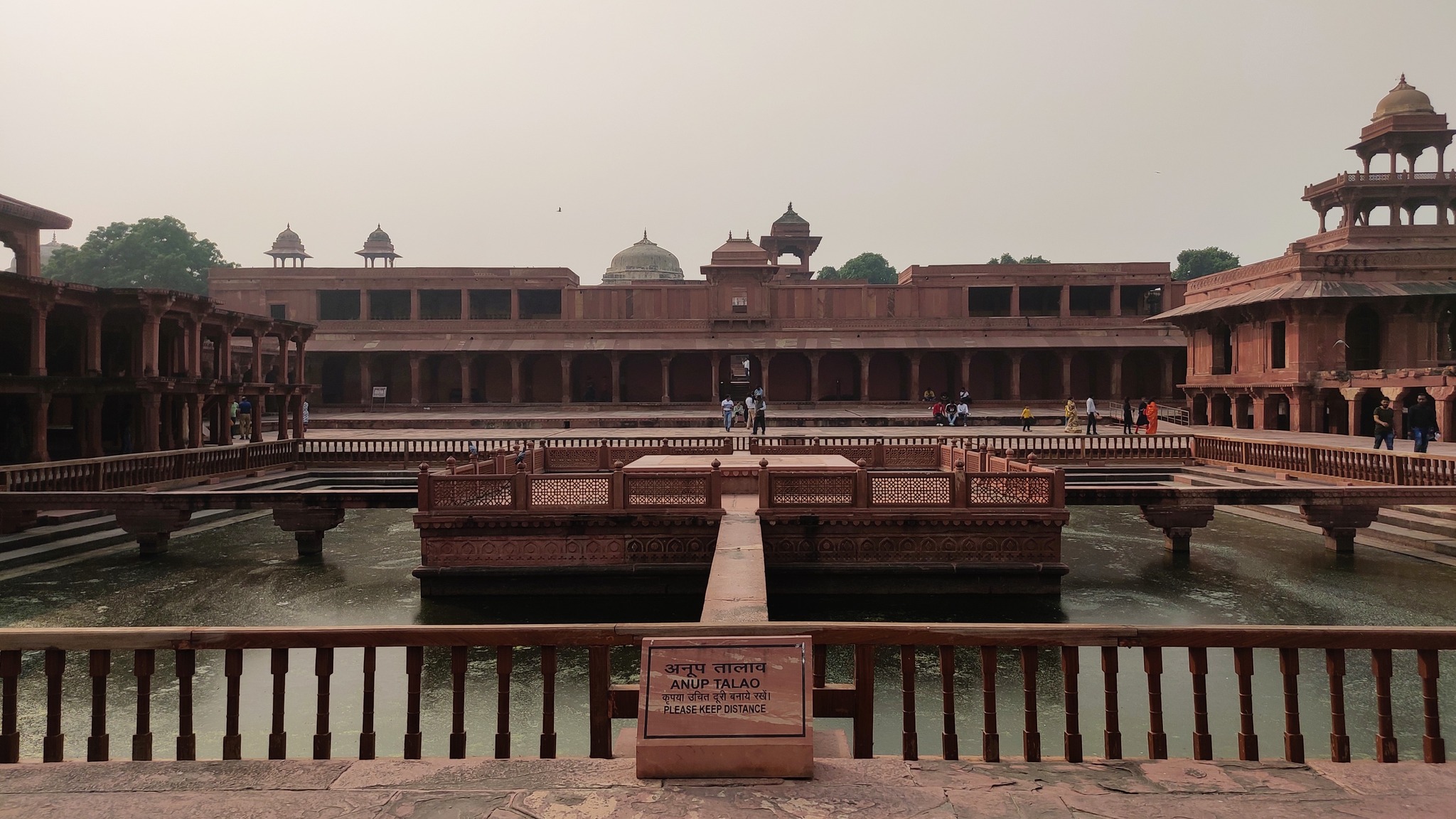
At Fatehpur Sikri, we saw the Buland Darwaza, Jama Masjid and the Tomb of Salim Chisti in the Jama Masjid Enclosure. Then moving over to the Fatehpur Sikri fort area, we saw the Diwan-i-Aam (Public Audience Hall), Diwan-i-Khas (Private Audience Hall), Ibadat Khana (House of Worship), Panch Mahal, Anup Talao etc.
Buland Darwaza from outside, Fatehpur Sikri
Buland Darwaza as seen from the Jama Masjid courtyard
Tomb of Salim ChistiPanch Mahal, Sikri fortIbadat Khana, Sikri fort
Anup Talao, Sikri fort
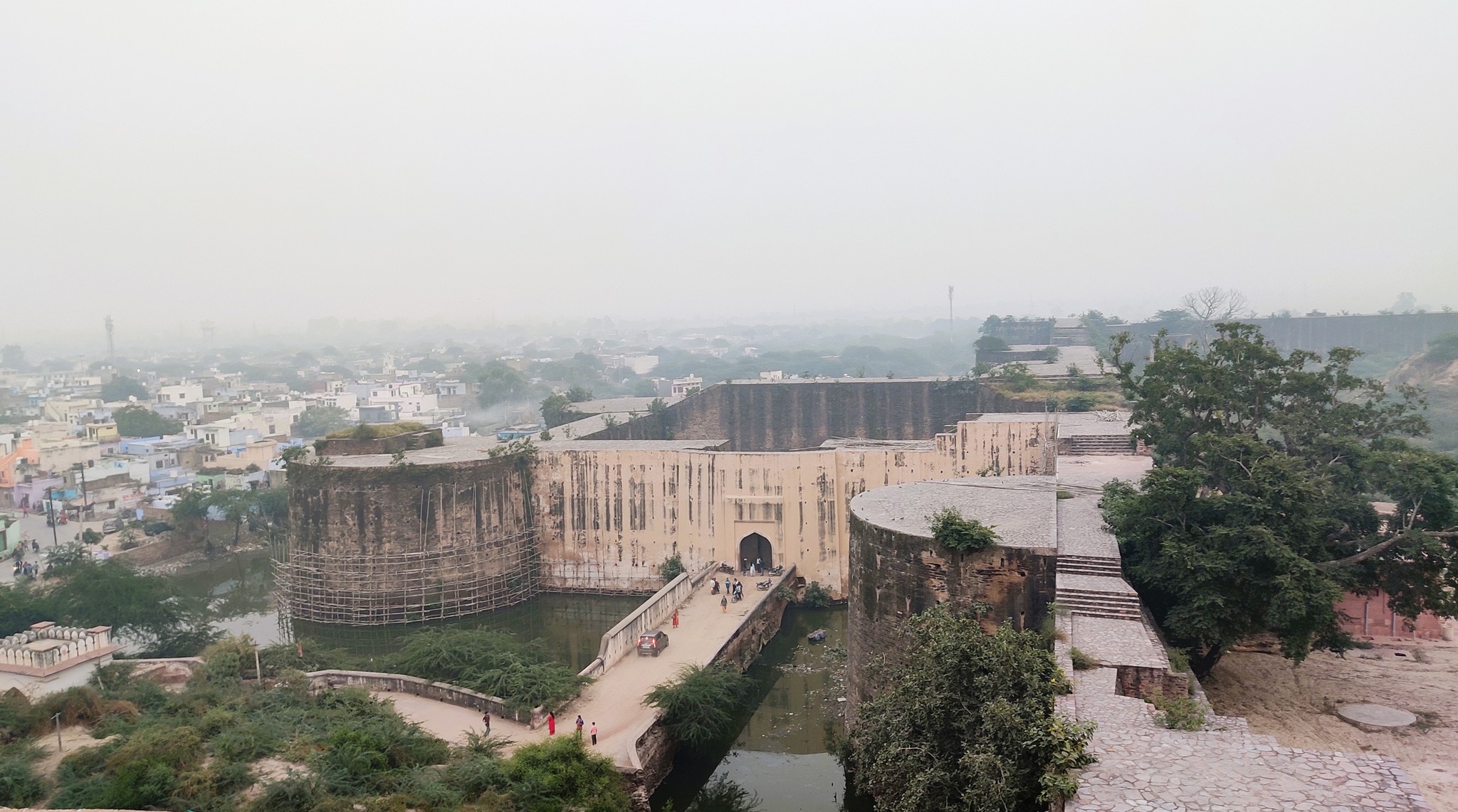
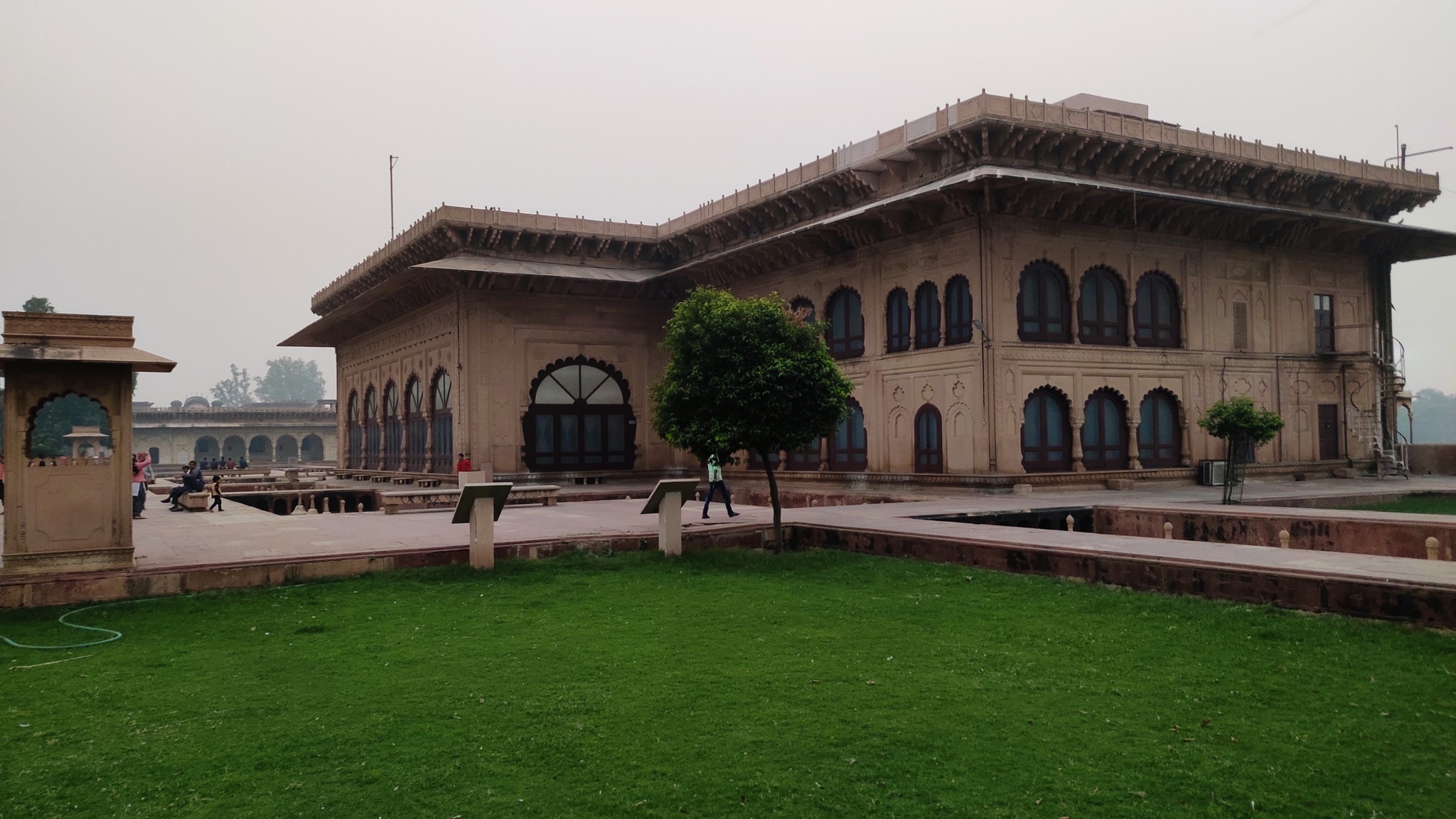
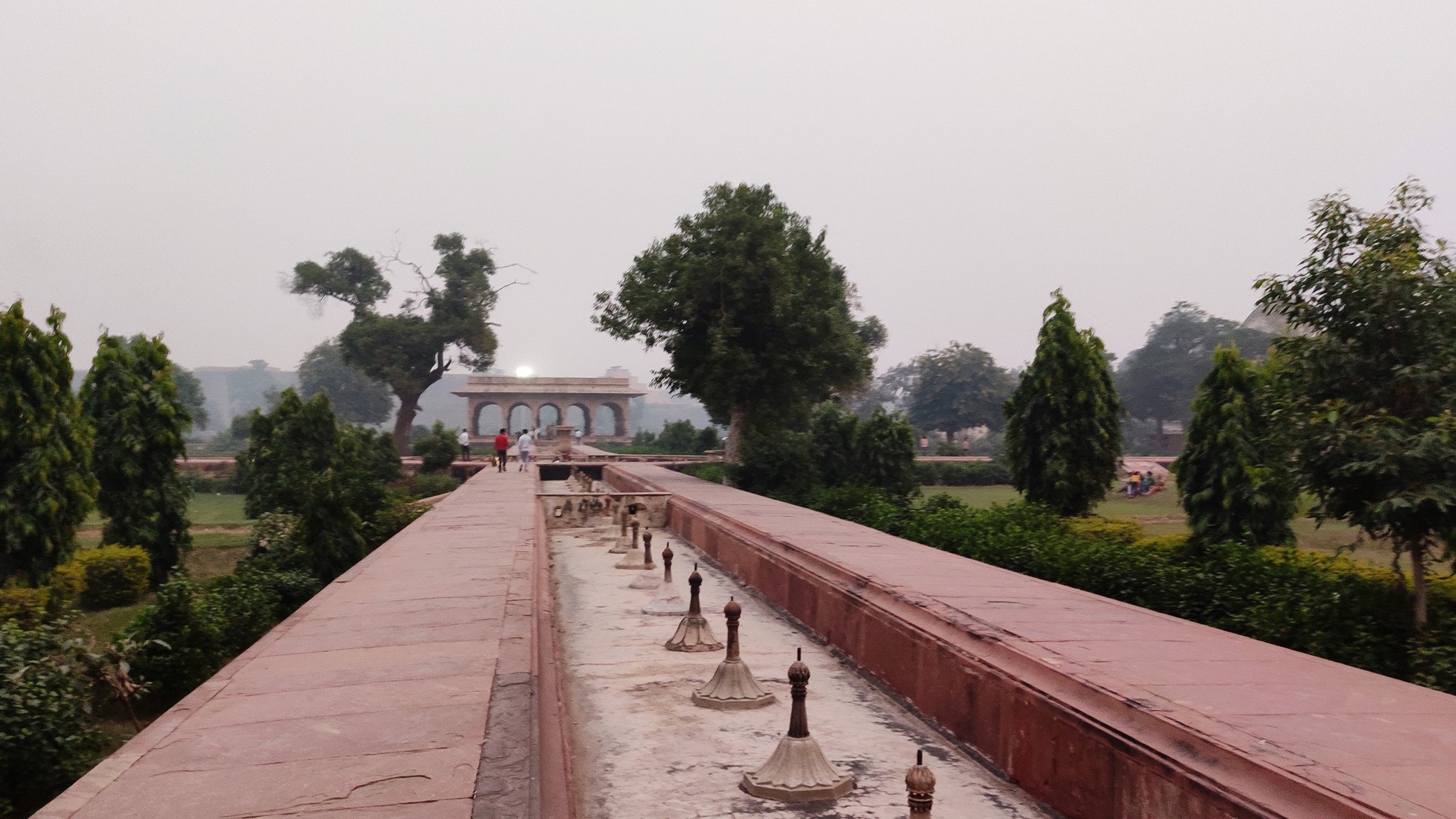
From Fatehpur Sikri, we drove to Deeg, reaching the Deeg Fort around 4 PM. From Deeg Fort, we proceeded to the Deeg Palace – also known as Jal Mahal, as it is surrounded by aesthetically manicured water bodies and gardens having 900 fountains – serving as the summer palace for rulers of Bharatpur. Deeg is 60 km from Fatehpur Sikri and 35 km north of Bharatpur.
Deeg fort entry as seen from one of the watchpoints on the fort wall
Platform for a cannon, Deeg fortDeeg Palace (Jal Mahal)
Fountains leading to the Keshav Bhavan, Suraj Bagh, Deeg Palace enclosure
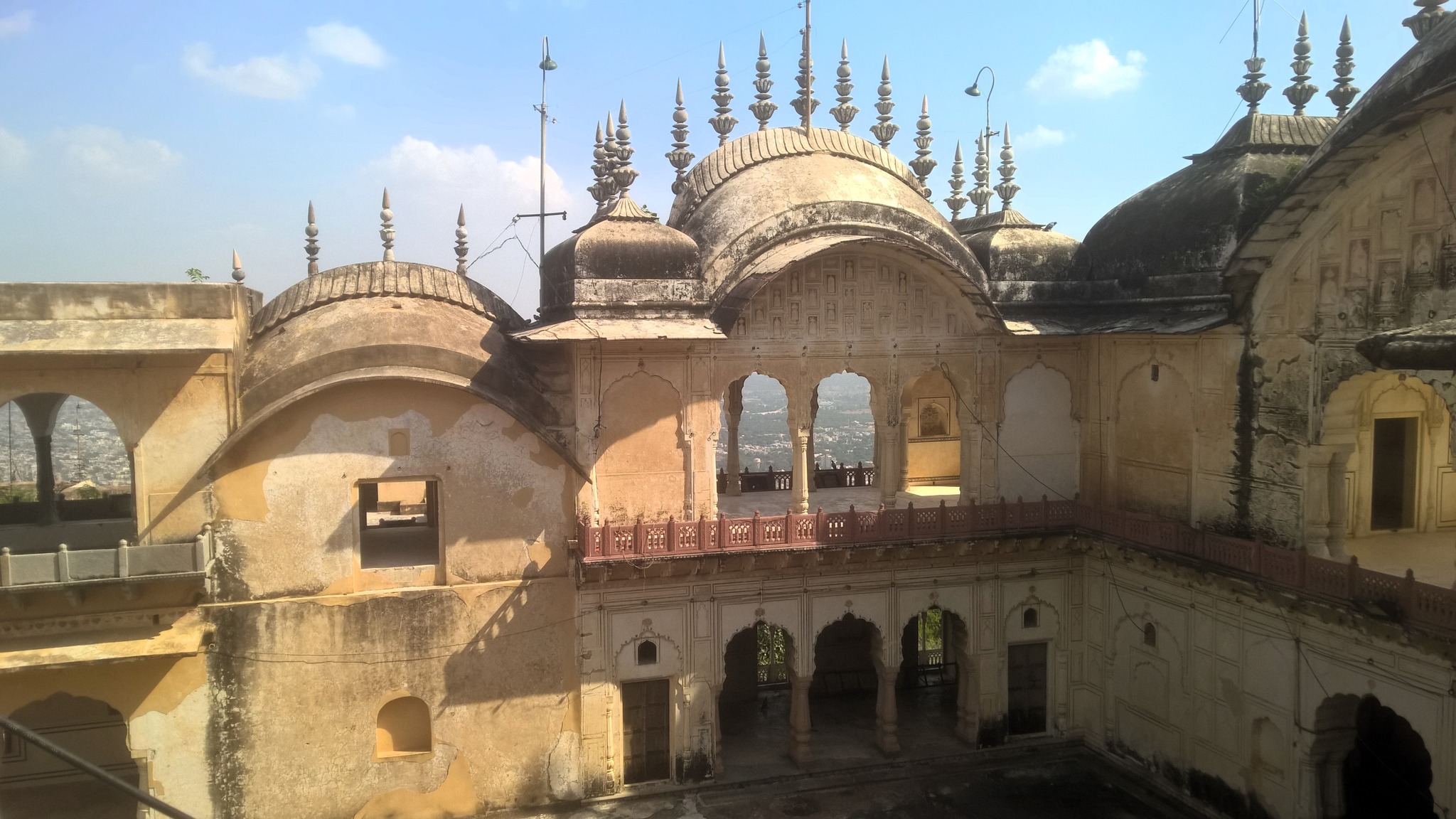
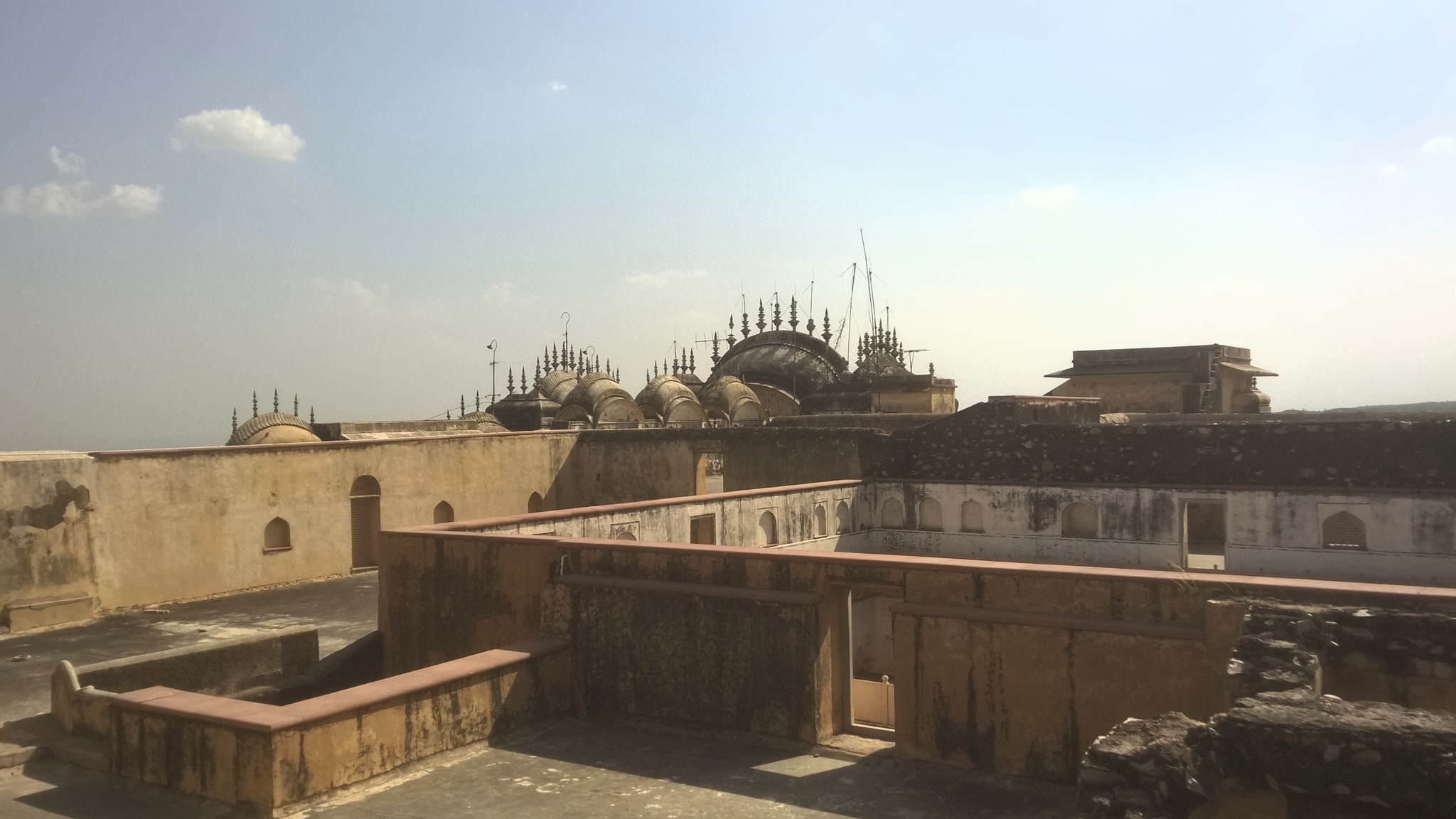
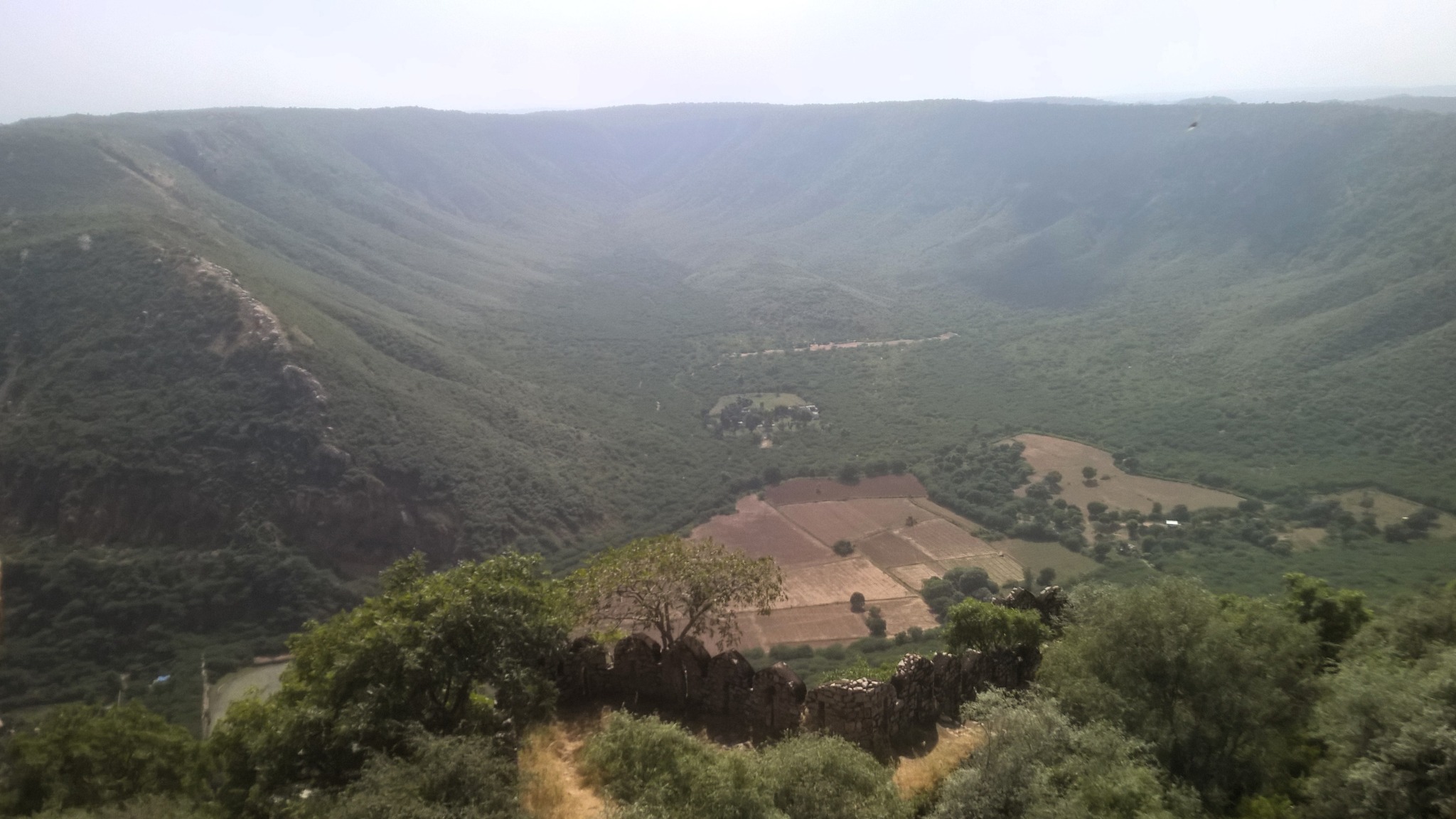
After sundown, in the dark, hurtling over some bad roads, we reached Alwar, to stay the night over. The next morning we drove up the Aravalli to check out the Bala Qila (Alwar fort), but learned that it was closed for renovation. Coaxing the gatekeeper, we managed to just get to the courtyard and climb up a roof to get a panoramic view of the lush green Aravallis.
After lunch, we went for a drive to the Sariska area, but at 4.30 PM turned back for Gurgaon, and were back home by 8 PM.
Update [December 2023]
November 2023: Khatoo, Abhaneri and Bharatpur
I would again visit Bharatpur in November 2023, this time with my parents, and as part of a longer impromptu journey. We first planned to visit Sariska Tiger Sanctuary, but upon reaching the Sariska gate, we learnt the sanctuary was closed for the day. Having a quick lunch, we decided to go to Bhartruhari temple located in the Sariska forest area.
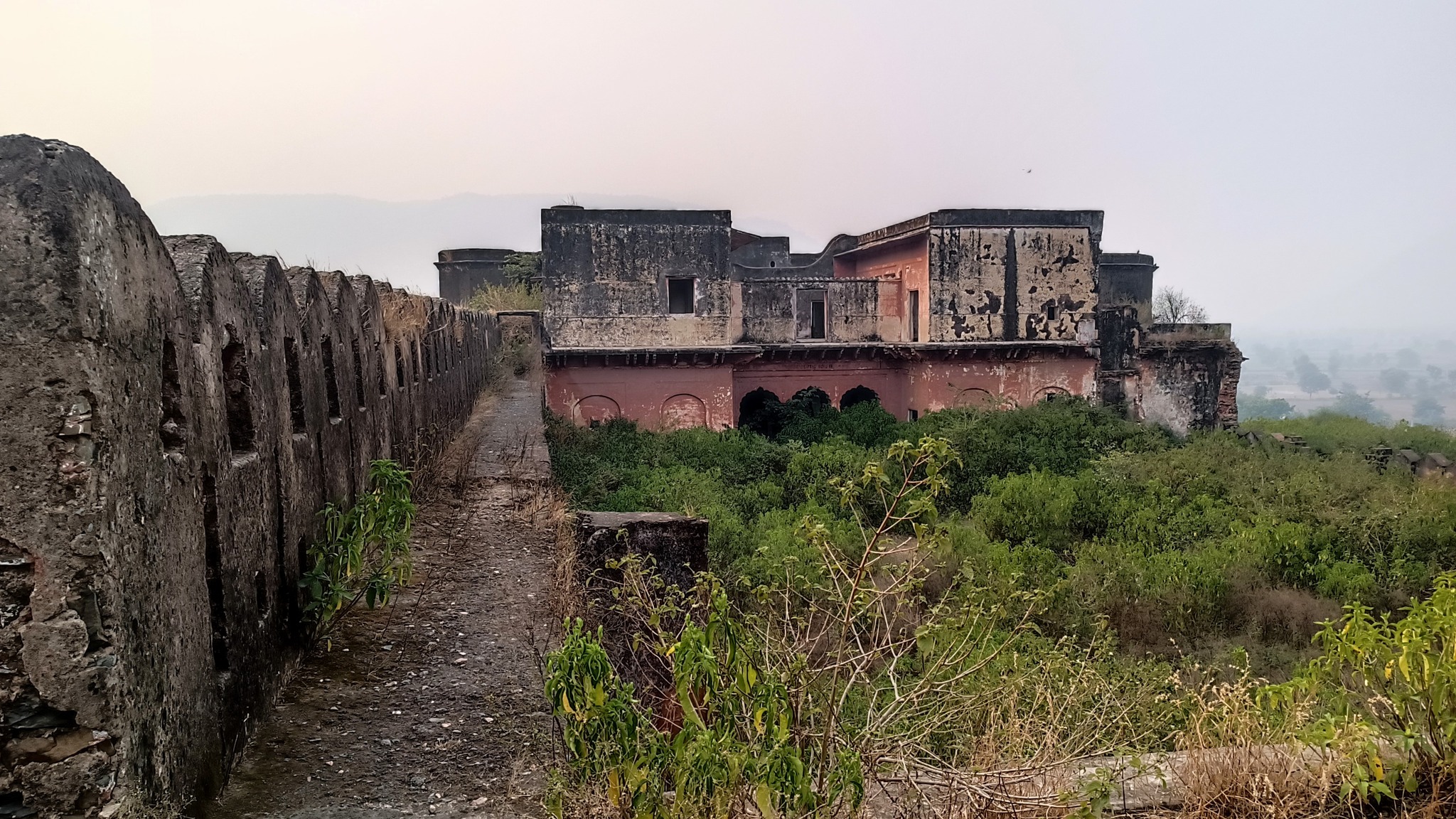
Once we had seen the temple, we made a split-second decision to proceed to Khatoo, 150 km away, via Kushalgarh and Narayanpur. At Kushalgarh, I got down to check out a tiny fort perched on a hillock – a fort I had always spotted while going to Sariska from Alwar, and back.
Kushalgarh fort as seen from the approachInside Kushalgarh fort
We reached Khatoo around 7 PM and managed to get a quick darshan of Khatoo Shyam ji. Having our dinner by 9.30 PM, we proceeded to Jaipur to stay the night over. The next morning, we drove to Abhaneri to see the Chand Baori stepwell, and then proceeded to Bayana, by when it was already 4.30 PM (read about my Bayana fort adventure here: Barely Bright and Bovine Encounters at Bayana Fort).
Starting from Bayana at 6 PM, we reached Bharatpur, an hour away, and checked-in to a hotel at 7.30 PM. The next day, we saw the Bharatpur Bird Sanctuary, and proceeded through Goverdhan to Vrindavan, where my parents wanted to spend a few days. I drove back to Gurgaon solo.
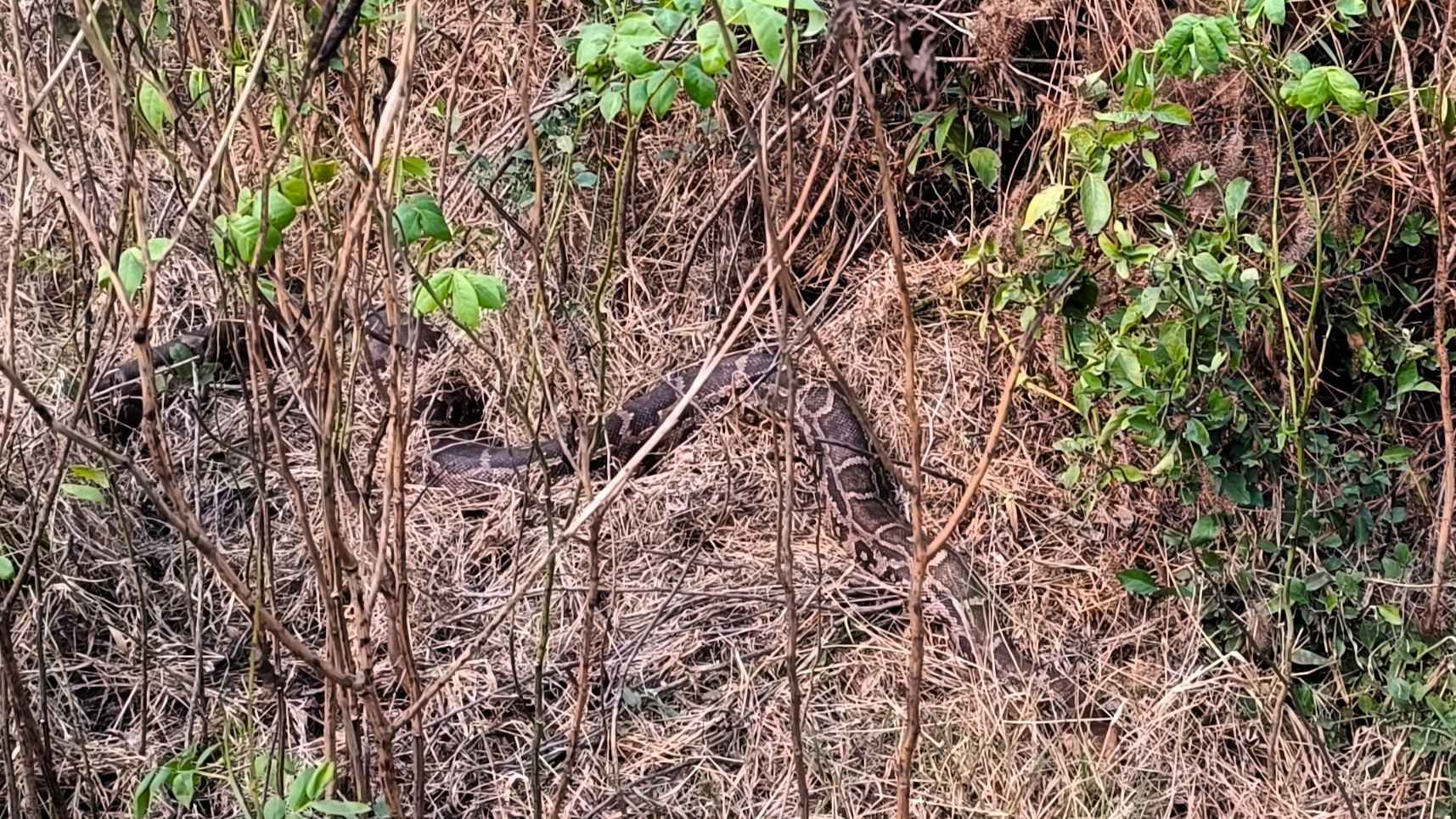
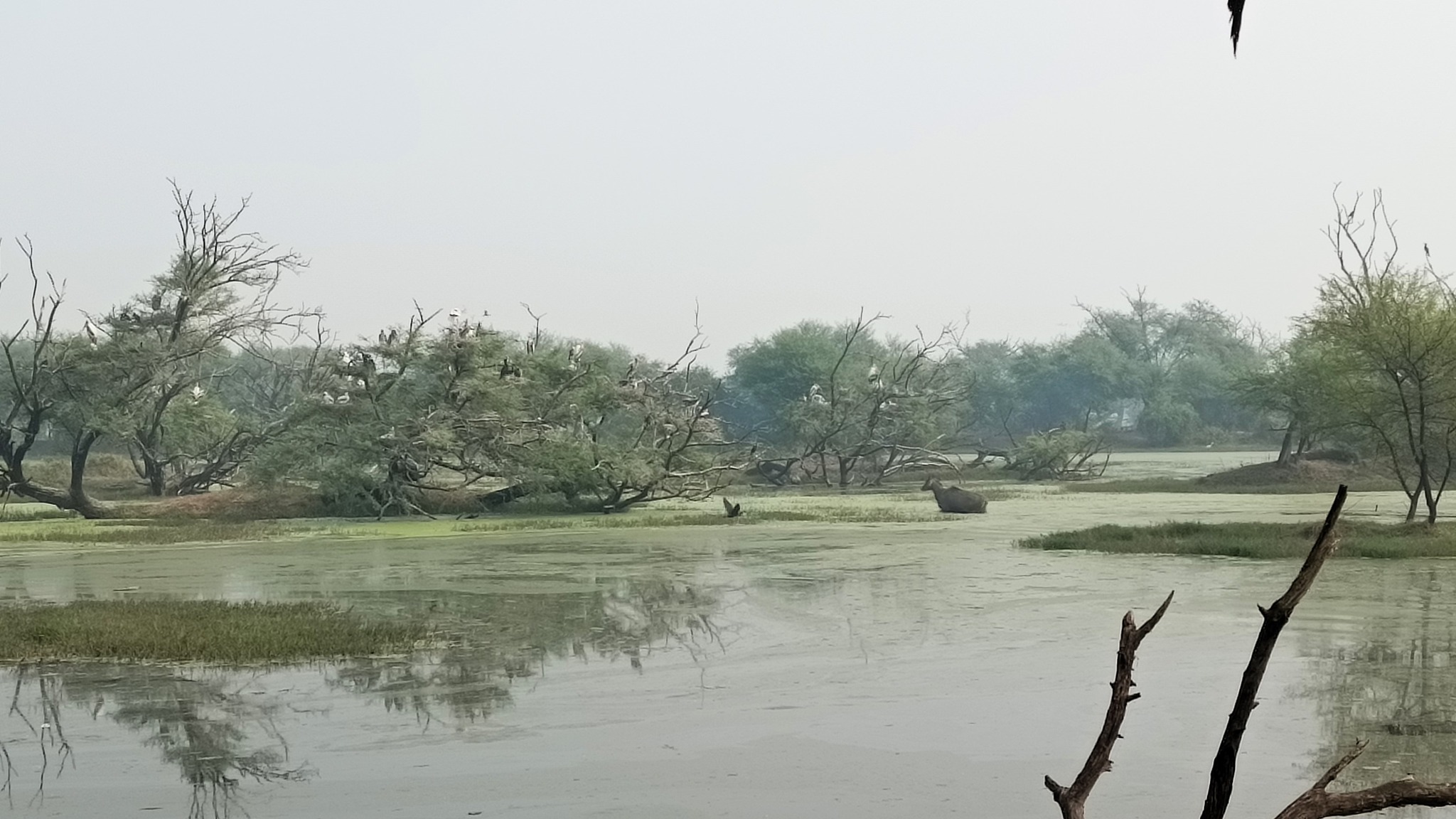
A python in Bharatpur Bird SanctuaryA day in the swamp, Bharatpur Bird Sanctuary
As a kid, I had been entranced by the pictures of sand dunes and forts in school textbooks and children’s magazines. One particular image from a Tinkle issue – a coloured sketch of the Vijaya Stambh at Chittorgarh fort had stuck in my mind, and in 2013, on one of my solo trips, I finally set foot on the Chittorgarh fort, and was absolutely spellbound by the location atop a table-top hill and the scale of the area bounded by its imposing walls. I have explored Rajasthan further, making it a point to explore at least one new place every year. Until before the pandemic struck, I had visited almost every major city of Rajasthan and then some.
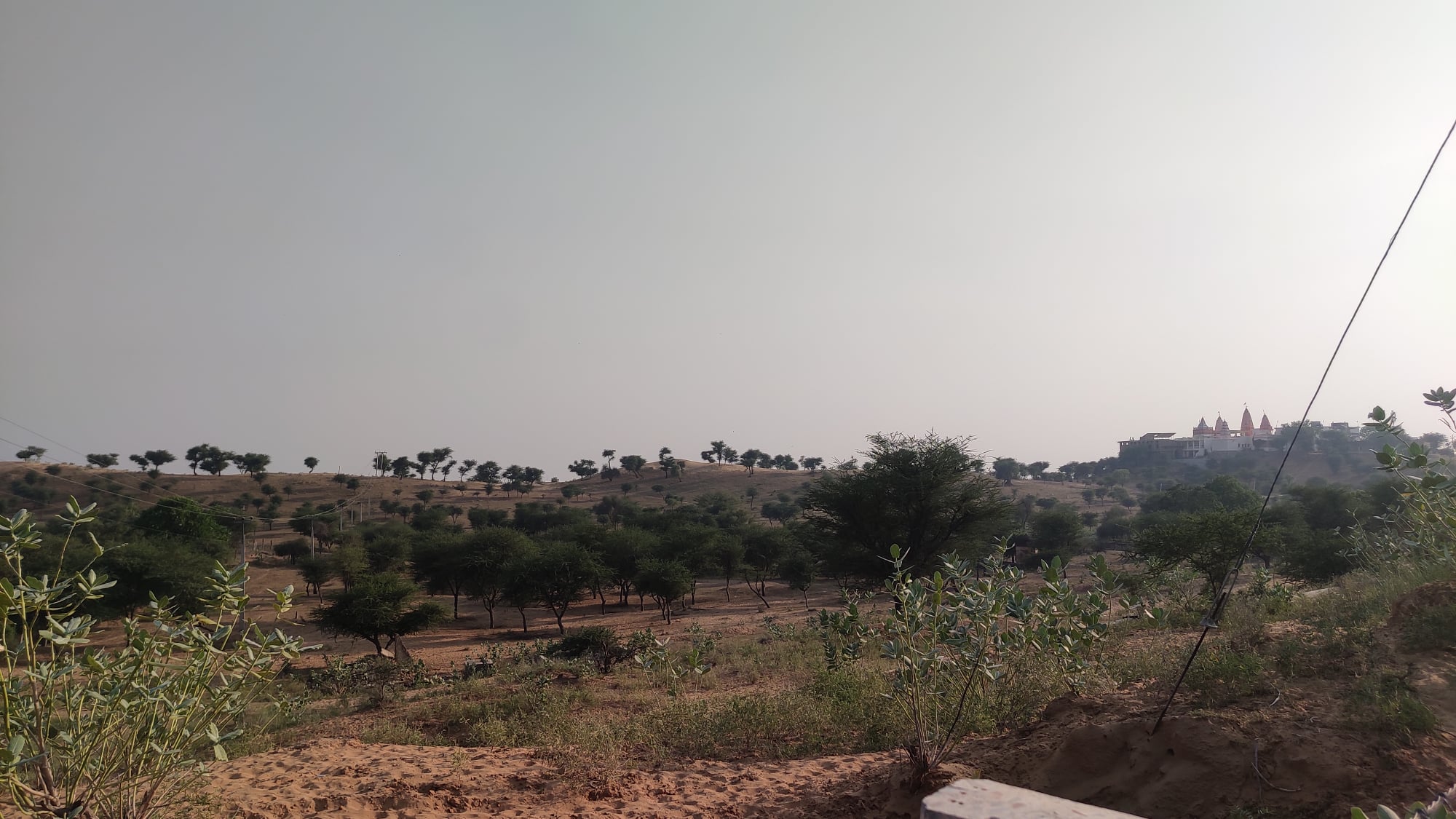
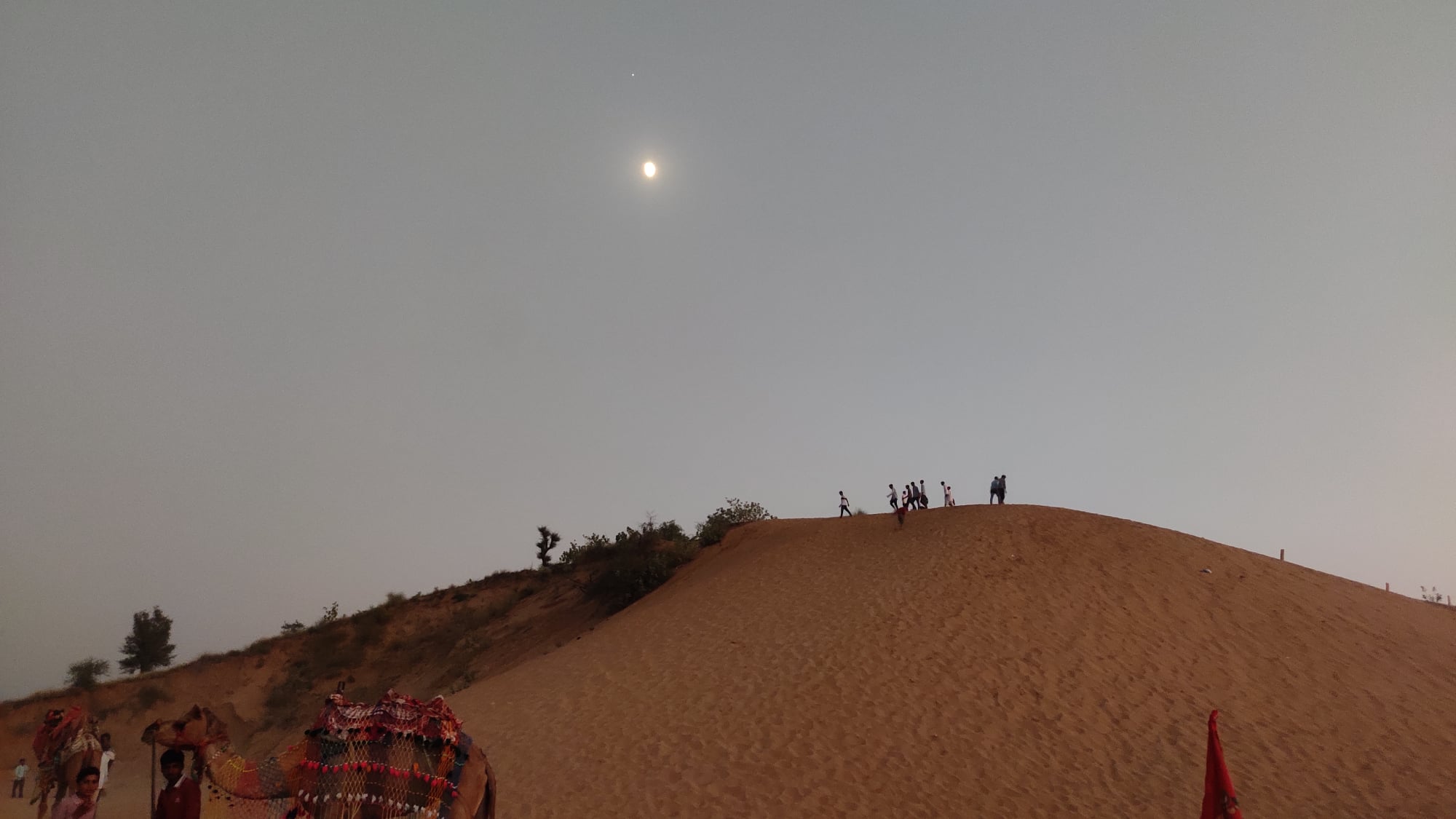
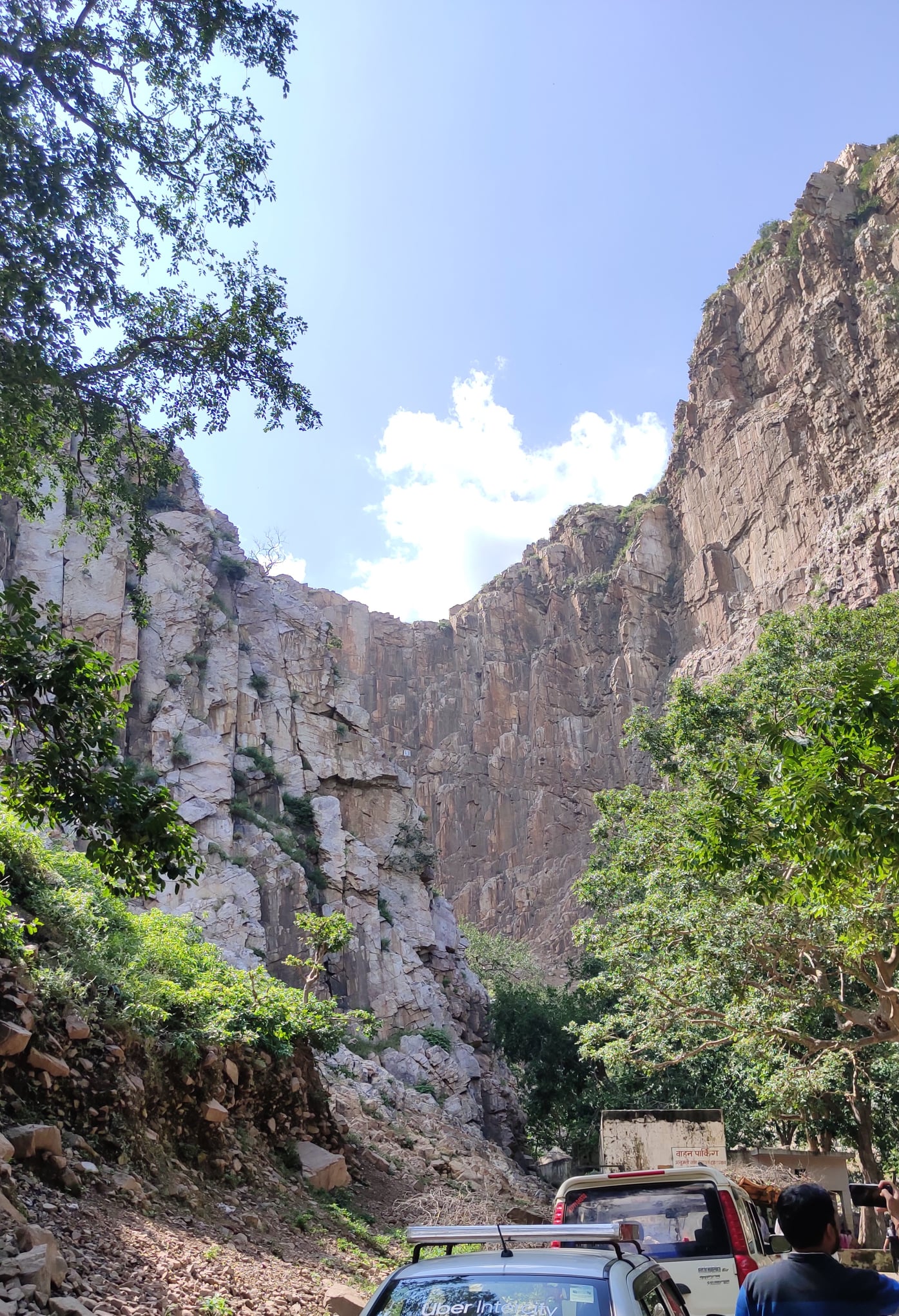
However, it has never been about the destination as far as Rajasthan is concerned. Looking through the State Roadways bus windows, or craning the neck out from cabs and fancily decked-up auto-rickshaws, I have often marvelled at the intriguing shifts in landscapes – straddled by the Aravallis intercepting you shortly after you have entered from the East, with its table-top ranges swishing across like stripes of a tiger, some covered in a rich green cloak, yet others balding with their denuding rocky surfaces exposed, flanked now by swathes of lush green agricultural land, now turning light brown or pink or yellow with short lean trees strewn around as if social-distancing since time immemorial, then slowly turning golden as the ground surface mutates into waves of sandy dunes of the Thar. Abandoned forts and fortress walls crown hill tops every few scores of kilometres. Further south near Mount Abu, the Aravallis look nothing short of a slice from the Western or Eastern Ghats.
There is also a vast Salt Lake (Sambhar) somewhere at the edge of the desert in the heart of Rajasthan. Villages only turn up after long sprees of nothingness, and even then they are a collation of a handful of houses. Dried river channels cross your path occasionally, their sandy beds hinting at an older time of more abundance. Camels trundle along serenaded by their handlers, their upturned mouths betraying an indifference towards their dreary lives. Nomadic herders appear out of nowhere with flocks of little sheep and goats. Deeper in the desert, if you’re lucky, you may spot a monitor lizard or a hyena lurking amidst the shrubs.
Siliserh Lake, Alwar
Bissau, ShekhawatiFatehnagar, Shekhawati
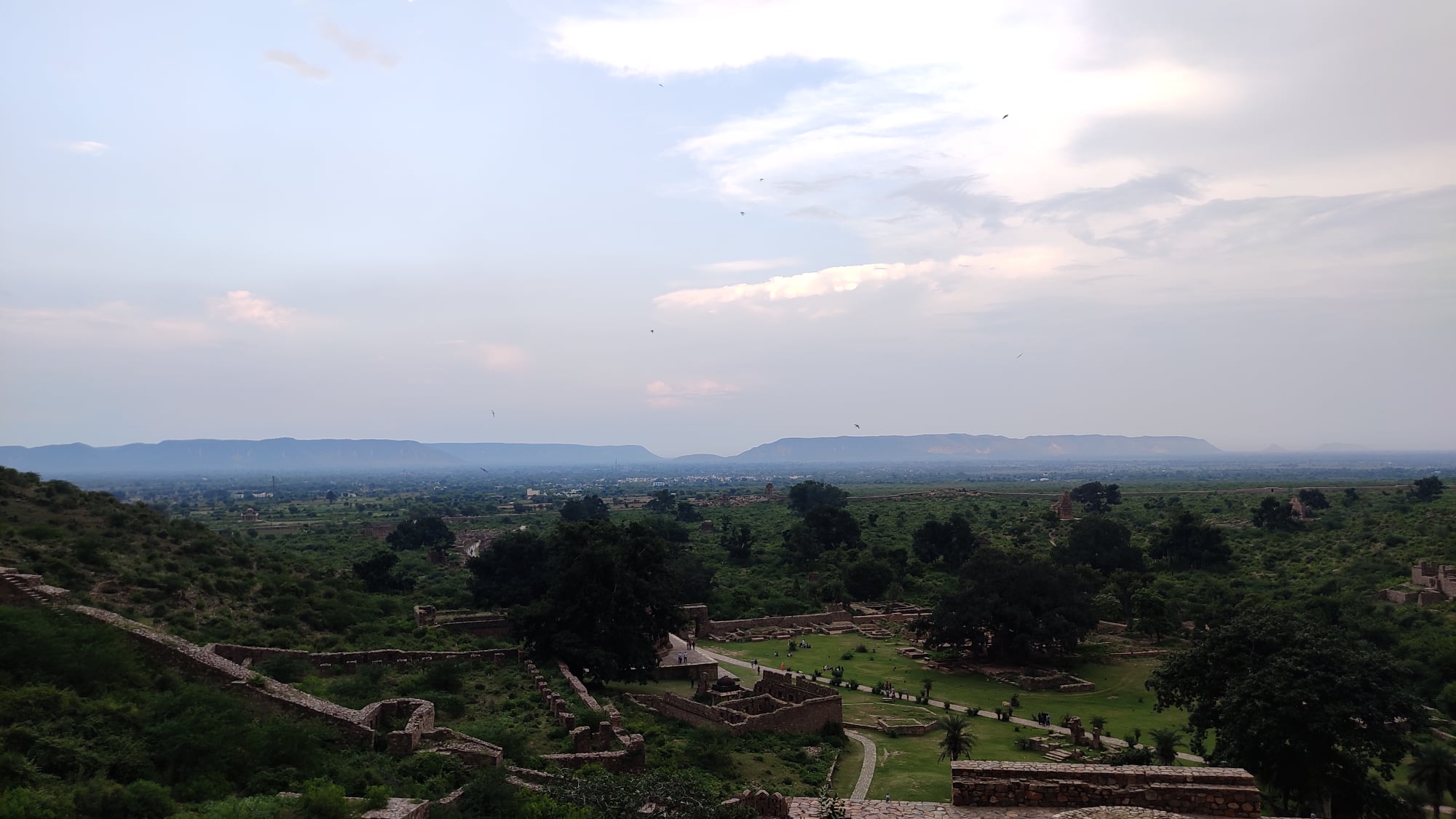
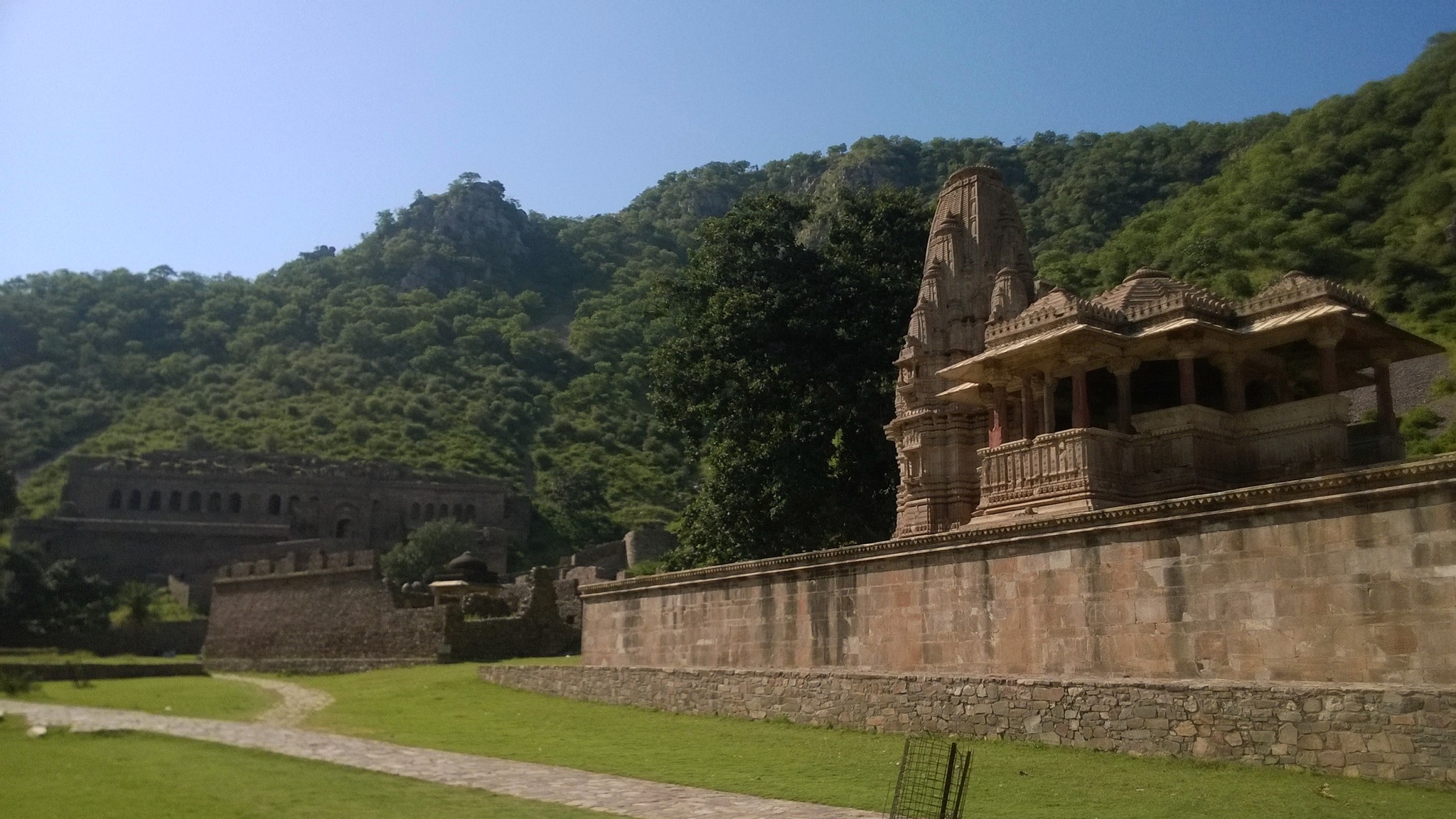
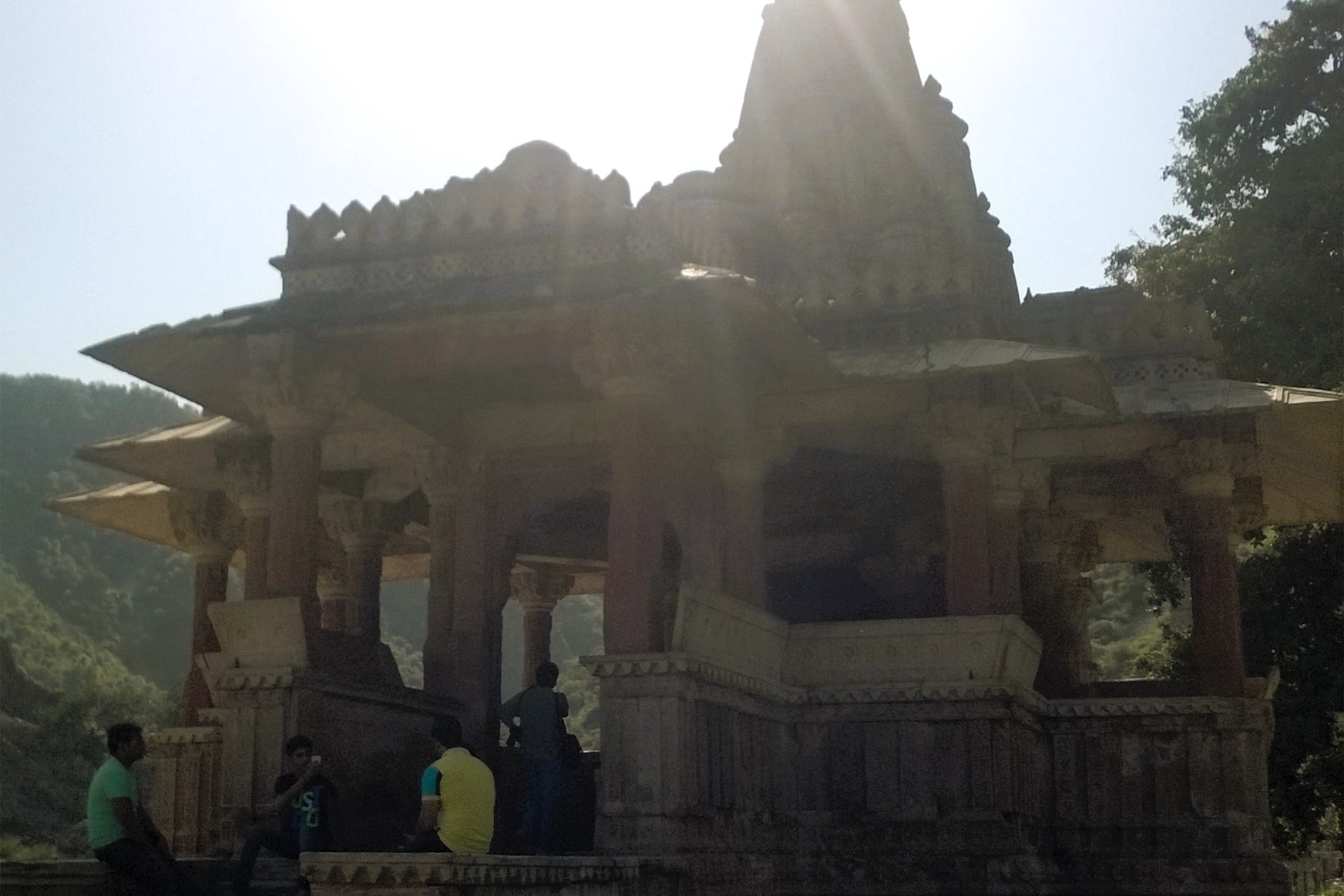
Bhangarh
Gadwaji, AlwarAlsisar, Shekhawati
In all of my trips prior to the pandemic, I have often been constrained by the mode of transport. There have been points or locations on the routes, which I have earmarked to return to later at my own leisure, since stopping by then was not an option. There have been roads emanating from the main roads that have often left me wondering as to where they led to. Now at 35, after learning to drive, I finally have the wherewithal to indulge in the fantasies that I harboured while travelling in my erstwhile cloistered fashion. This is an album to celebrate the many facets of the Rajasthan landscape that I have chanced upon on my most recent and some of my very first ever self-driving trips, which will hopefully be enriched with future trips.
For many years I had seen the name ‘Alwar’ – on other buses while I waited for the bus to Jaipur or on road signage on my many forays to Jaipur. I had even passed through Alwar on one occasion on a bus, and had memories of a city glaring under the sun against the backdrop of yellowish, intermittently green hills. Alwar, despite being three hours away from Delhi, gets overshadowed by the names of bigger places, but now in October 2016, since I had ticked the big names off my list, I turned my attention to Alwar. And am I glad that I did!
Part 1: Alwar Calling
My friend and I caught the bus at 8 AM from Dhaula Kuan, from where I had boarded the Rajasthan or Haryana Roadways buses headed to Jaipur on all of my previous Rajasthan solo trips. By noon, we were in Alwar, where we had lunch near the bus-stop, and gathered information about places and access modes in Alwar. The Bala Qila (Alwar fort), perched on the hill overlooking the city and clearly visible from where we stood, beckoned to us – it was a no-brainer as to where we should start our Alwar sight-seeing with.
Hiring an auto-rickshaw, we headed off to Bala Qila, for which we took the fort road that winded around the side of the hill, passing through jungle, accompanied by a sharp drop into the valley on one side. We were pleasantly surprised by the size and condition of the main palace which was largely intact – the palace may not be the size of the palaces in the forts of Jaipur or Jodhpur, but the fort in itself was self-contained and seemed to possess every characteristic typical of a Rajasthani fort.
The origins of the fort date back to 928 AD, when it was built by Parmar Rajputs, however, it was resconstructed in 1521 AD by the Khanzada rulers who had wrested the fort from the Nikumbh Rajputs in 1492 AD. We explored the many floors of the palace and were smitten by the verdant vistas of the Aravallis from the arched windows of the palace. Later we walked on the fort wall towards a watching platform that provided a clear view of the city below.
View of Bala Qila from the fort wall leading to a watching platform on the south side
Inside Bala QilaOn the terrace of the palace in Bala Qila
View of Aravallis from a balcony in Bala Qila
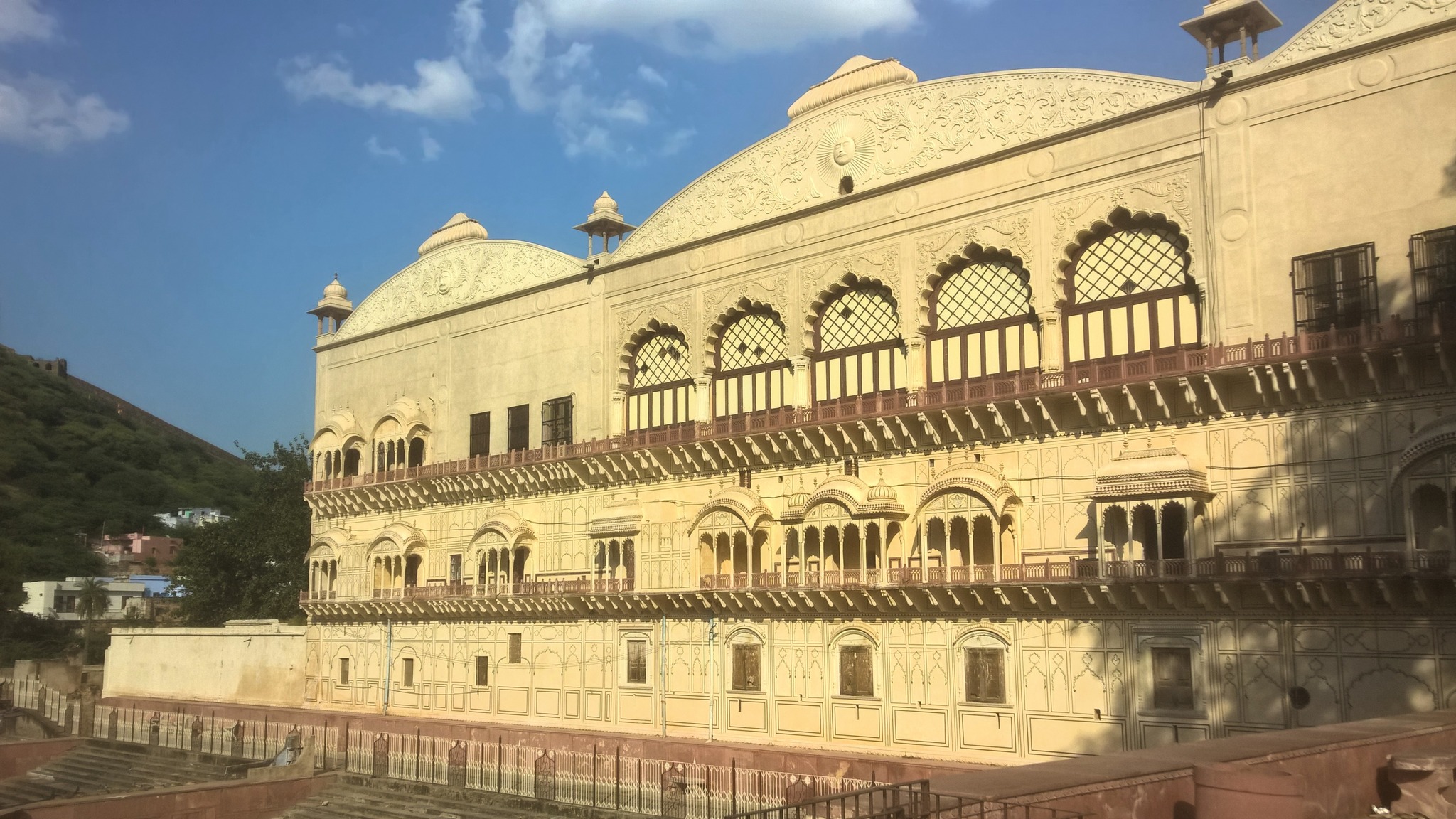
Descending back to city at the foothills, we checked out the City Palace or Vinay Vilas Mahal, built in 1793 AD, with a part now converted to Museum and the other part housing government offices. The beautiful Moosi Maharani ki Chhatri, a cenotaph for Raja Bakhtawar Singh and his queen Moosi Rani, built in 1815 AD with marble roof and red sandstone pillars, stands adjacent to the City Palace, on the bank of water tank called Sagar Jalashay, which is fed by water flowing down the Aravallis at the foothills of which the tank lies.
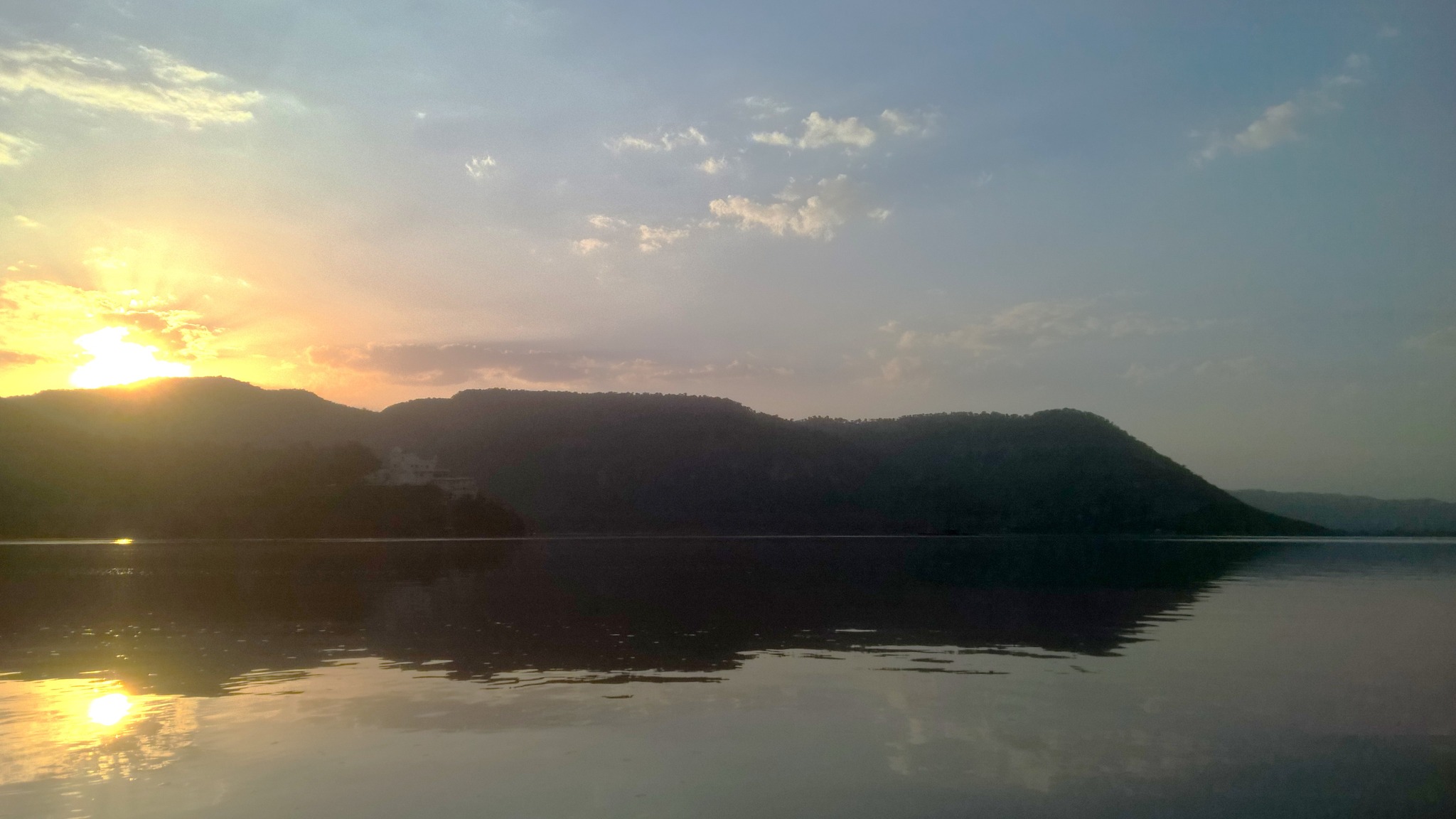
Our next stop was the Siliserh lake, an artificial lake built in 1845 by Maharaja Vinay, nestled in the Aravallis, a little outside the city, providing a picturesque view of the rounded tops of the Arvallis kissing the sky. Enjoying the gentle breeze along with the views, we took a boat ride exploring the length and breadth of the lake. Thereon, we headed to the Jaisamand Lake, another artificial lake not very far from the Siliserh Lake but a little closer to the city, notable for a series of chhatris (cenotaphs).
Moosi Maharani ki Chhatri, AlwarCity Palace, Alwar
Sunset at Siliserh Lake, Alwar
Part 2: An Unplanned Extension
Our plan for the second day was to take a morning safari of the Sariska National Park that lies about 33 km from where we stayed. Waking up quite early in the morning, and starting around 5.30 AM, we walked about a kilometre to the main road leading to Sariska, hoping to get some sort of conveyance to Sariska. After about fifteen minutes of waiting, as the chances began to seem slim of us making it to Sariska in time for the safari, an autorickshaw driven by a Sardarji (a turbaned sikh man) drew alongside us . We negotiated a price for the half-day trip to Sariska and were soon headed to Sariska with renewed hope for the safari.
Passing through the road sliding up and down, curving ever so slightly to the right and the left, along the foothills the Aravallis, with the cool breeze hitting our faces, we soon encountered a narrow valley in the Aravallis which we crossed alongside a narrow river. In this stretch lies a place called Natni ka Bara, where a bridge stands connecting the main road to a white-coloured temple with a narrow tall spire on the other side of the river. In the early morning mist, the sight of the bridge and the temple standing in the middle of the valley was etched in my mind.
By 6.50 AM we were at the Safari Booking Office at entry gate of the Sariska National Park, where we were promptly denied entry because entry for the morning safari had already closed. We should have been there before 6.30 AM, they said, not relenting despite multiple requests, suggesting that we come back by or wait till 2.30 PM for the afternoon safari. As we were staring at a long wait, a safari guide who was hanging around suggested we do some more sightseeing instead of waiting, Bhangarh fort being his topmost recommendation.
Now, I had already been to Bhangarh fort – touted as a haunted place – and retained very fond memories of the same, but my friend had not, and I would not mind visiting Bhangarh again just to relive the aura of eeriness I had felt on my earlier visit. We calculated that we should be back to the park gate well in time for the afternoon safari, as we had five hours in hand. However, our autorickshaw driver did not seem keen at all, because it would be a 100 km round trip for him. Nevertheless, the safari guide, on account of being a local convinced him to take the ride, sweetening the deal with extra money, of course.
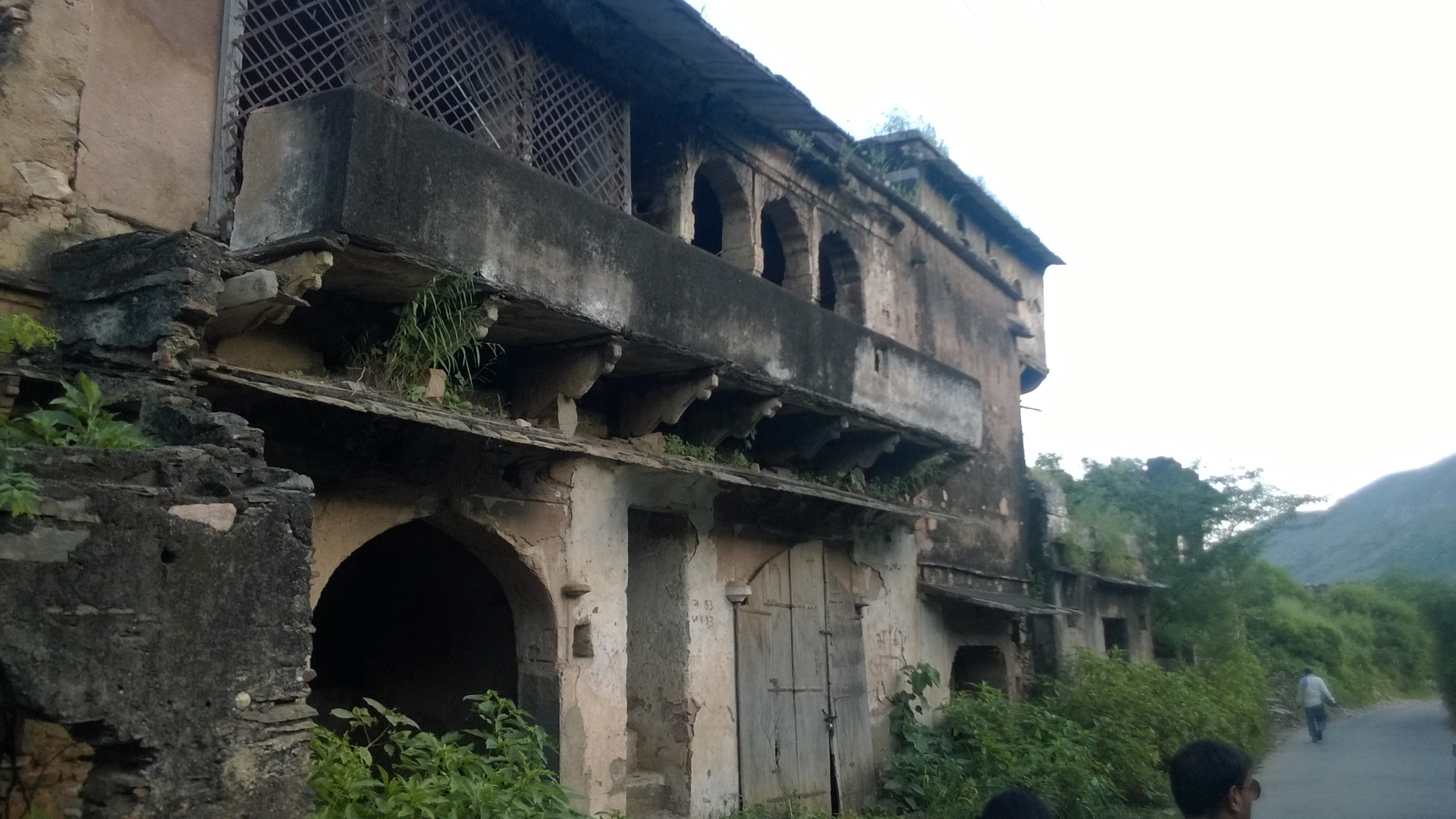
By 7.30 AM, we were on our way to Bhangarh, in an autorickshaw, of all things! From there on, we never lost sight of the Aravallis, which alternated between running alongside us and sliding away only to return. We hoped to reach by 9 AM, if not for the second half of the route where the road was under construction sending billows of dust in all directions including inside the auto-rickshaw as the vehicle plodded through. Soon we passed through Ajabgarh, where abandoned houses flank the road at one end of the village. Just outside the village, a compact fort sits atop a hillock against the backdrop of taller hills, while the road winds around a lake, called Jai Sagar, filled with a cover of lotus and lilies. At long last, by 9.45 AM, we were inBhangarh.
Part 3: All is Well That…
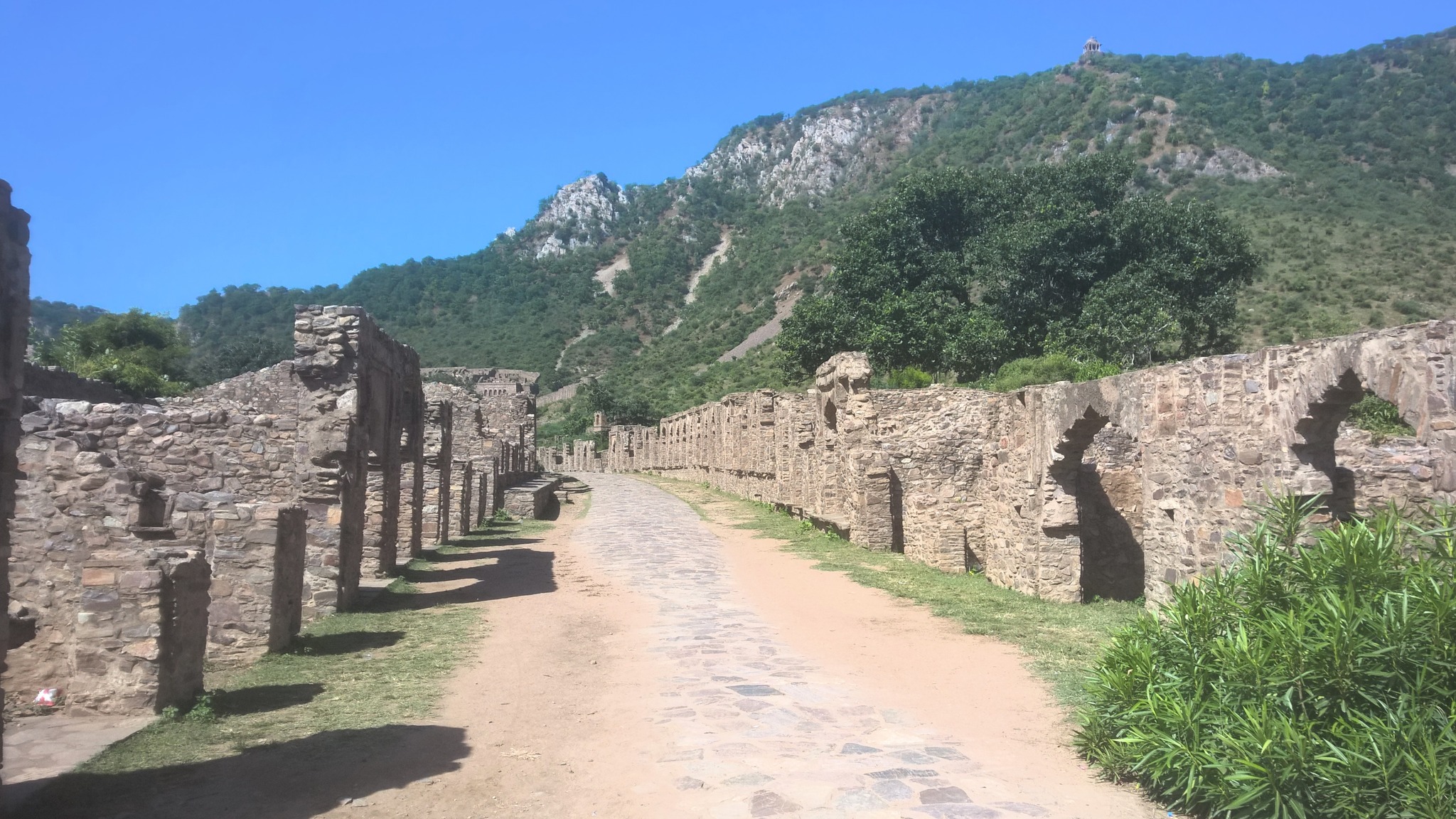
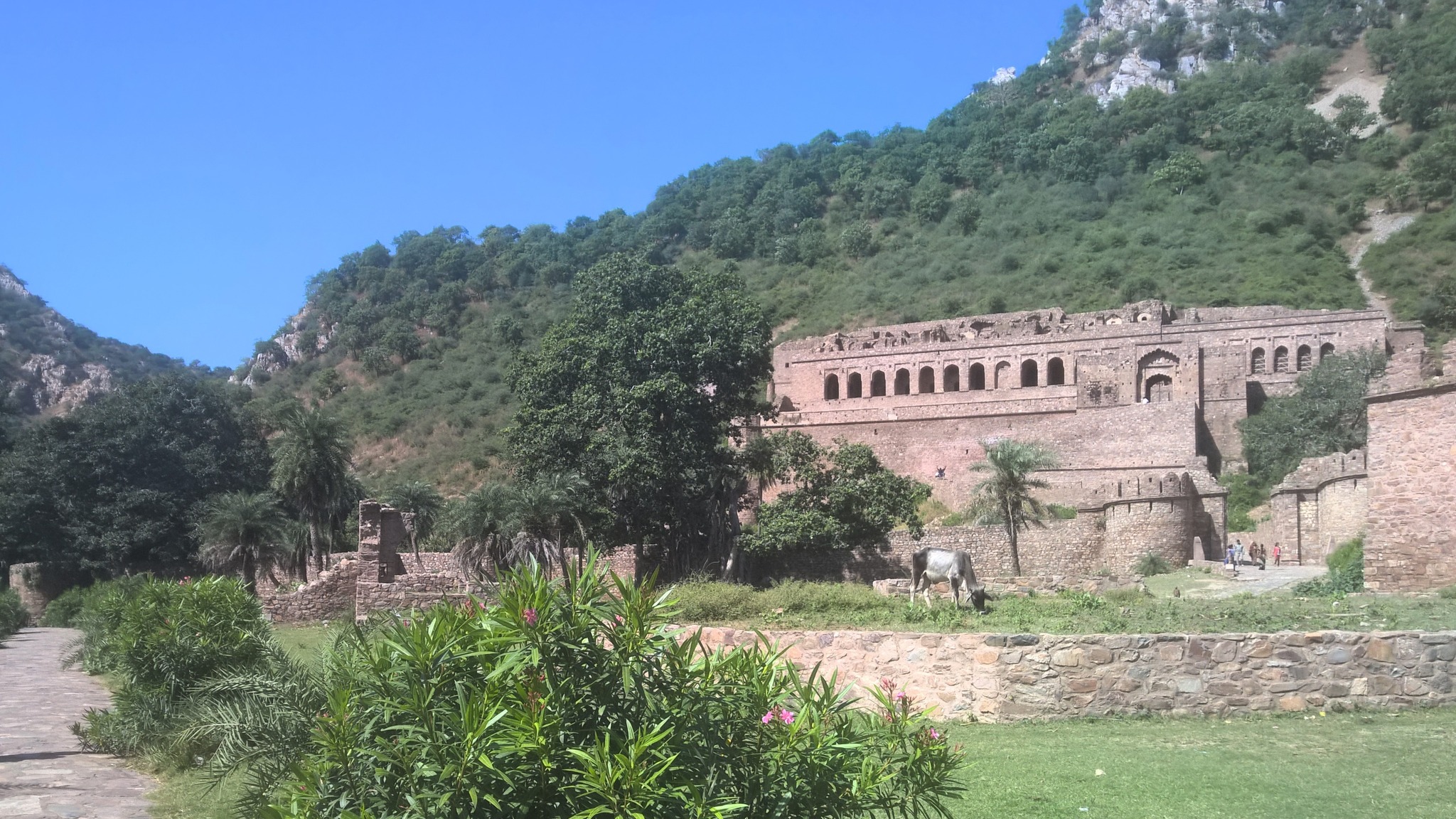
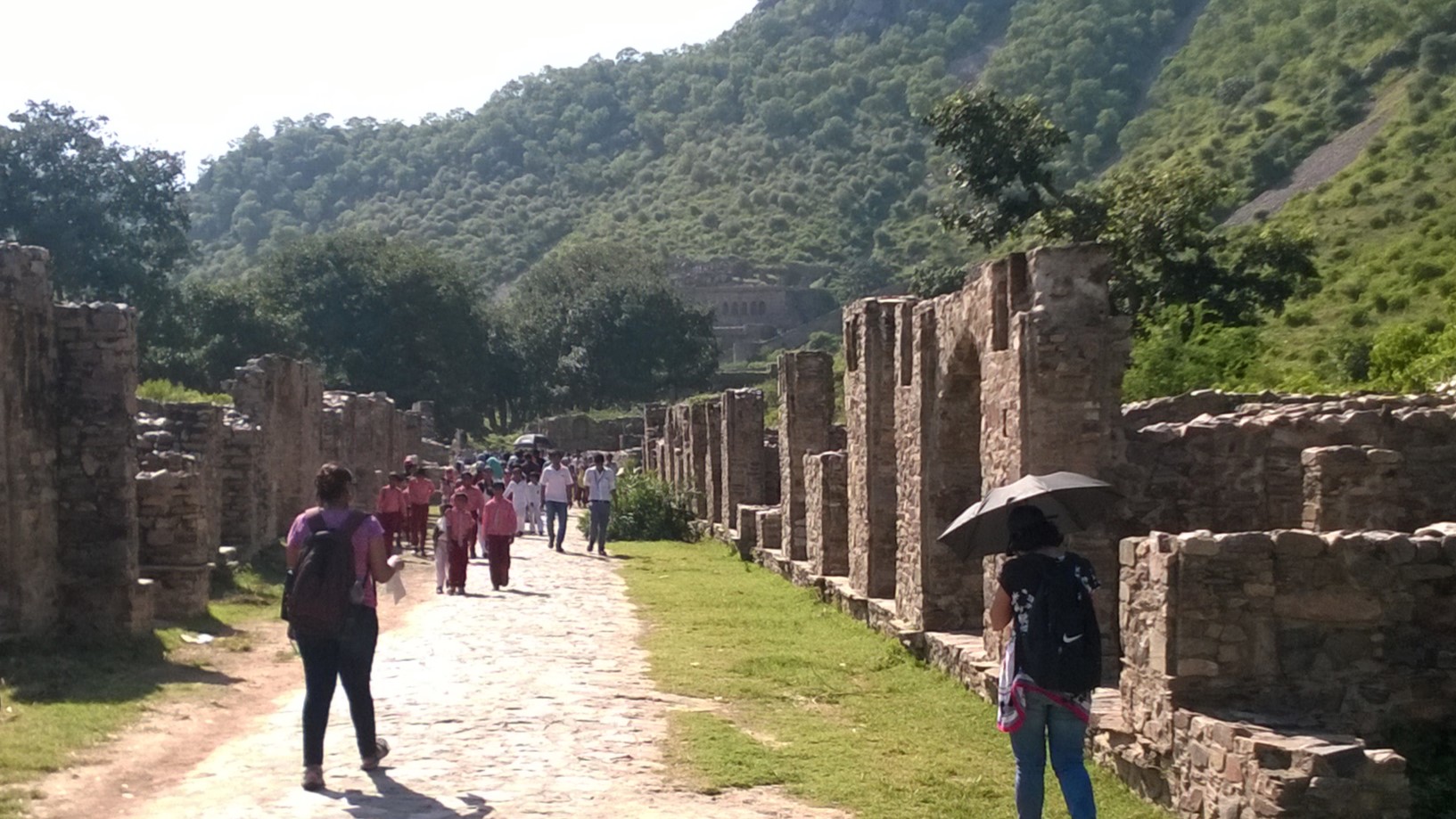
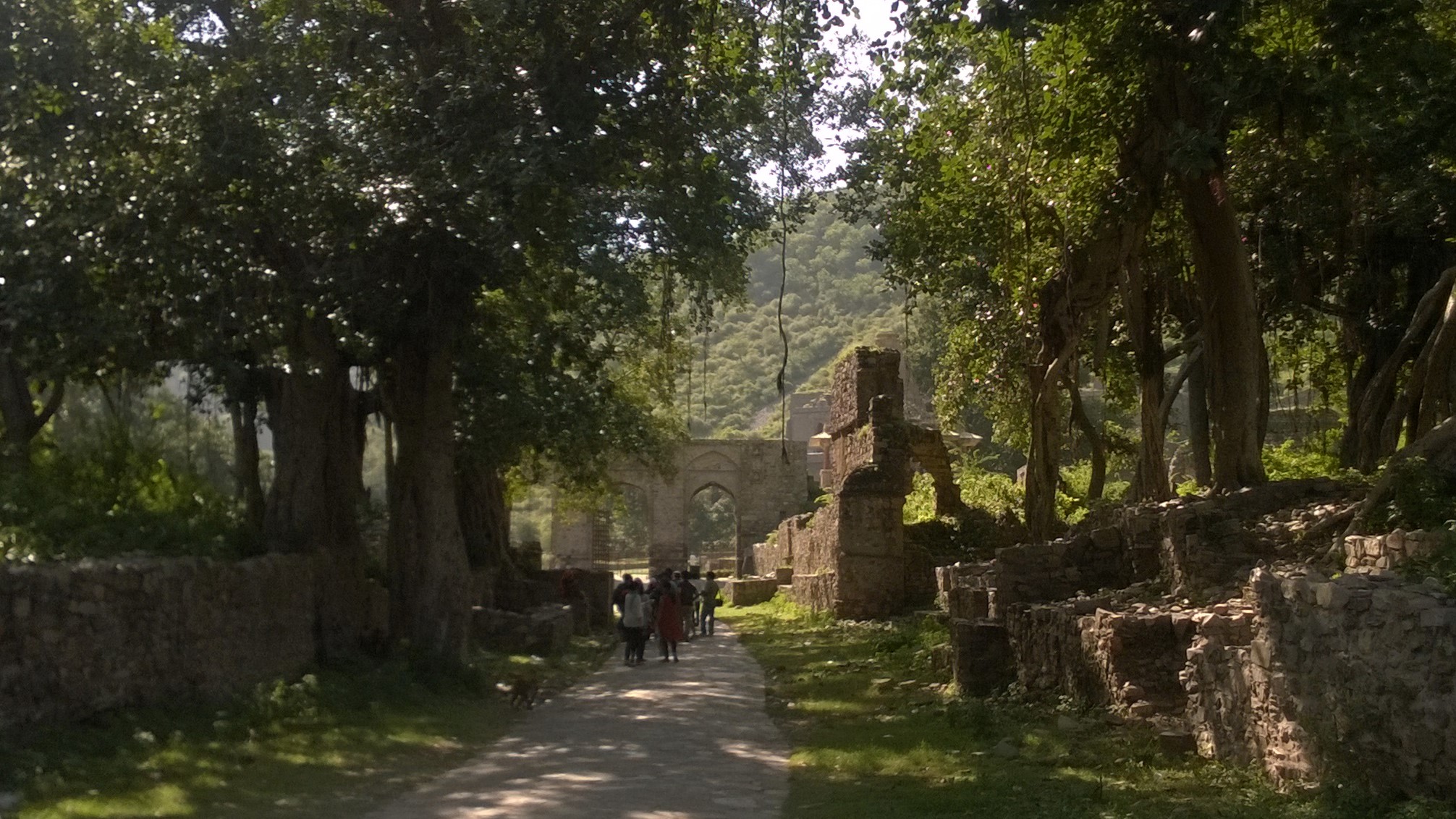
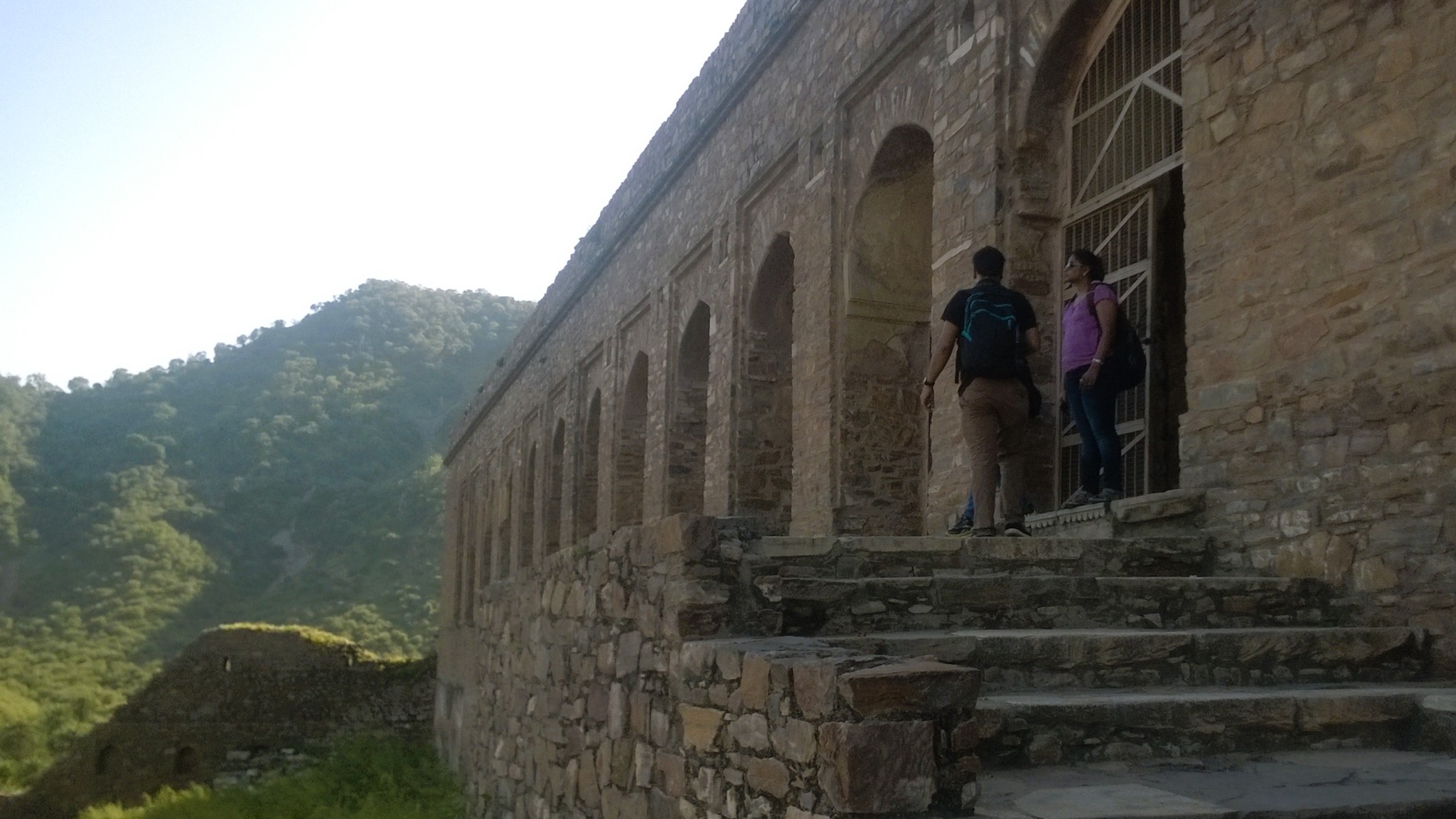
At Bhangarh, we began by exploring the ruined marketplace and residential area near the main entrance. Then walking further flanked by a series of ruined shops on both sides, through the stretch called the Jauhari Bazaar, and crossing a stream, we entered the fort enclosure where sprawling lawns, numerous temples and the main palace welcomed us. Walking through main palace gate, we approached the first layer of buildings having two wings in the form of long pillared hallways on either side of the passage. Both wings had indications of occult practices being conducted, further bolstering the sense of haunting around the place.
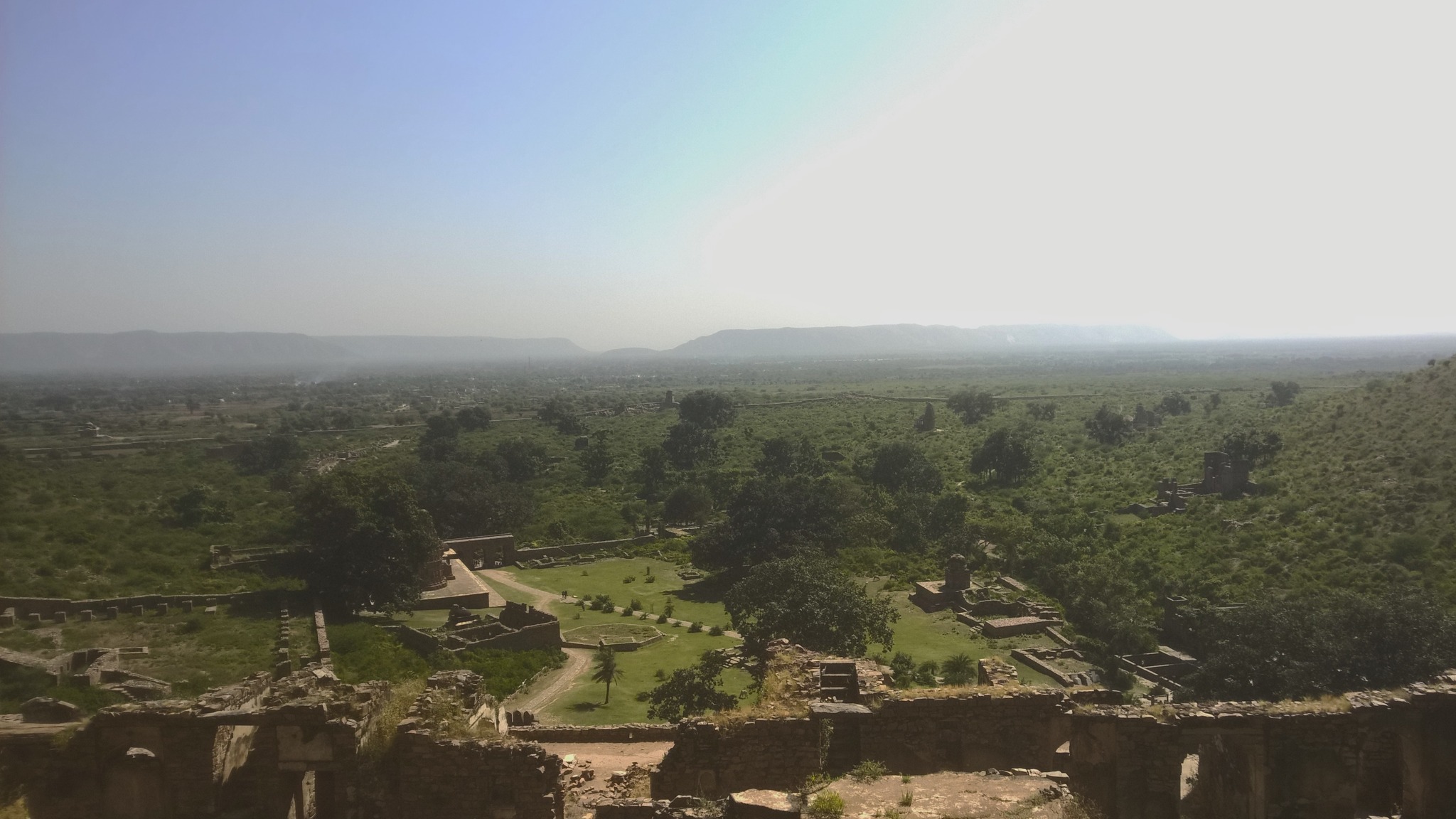
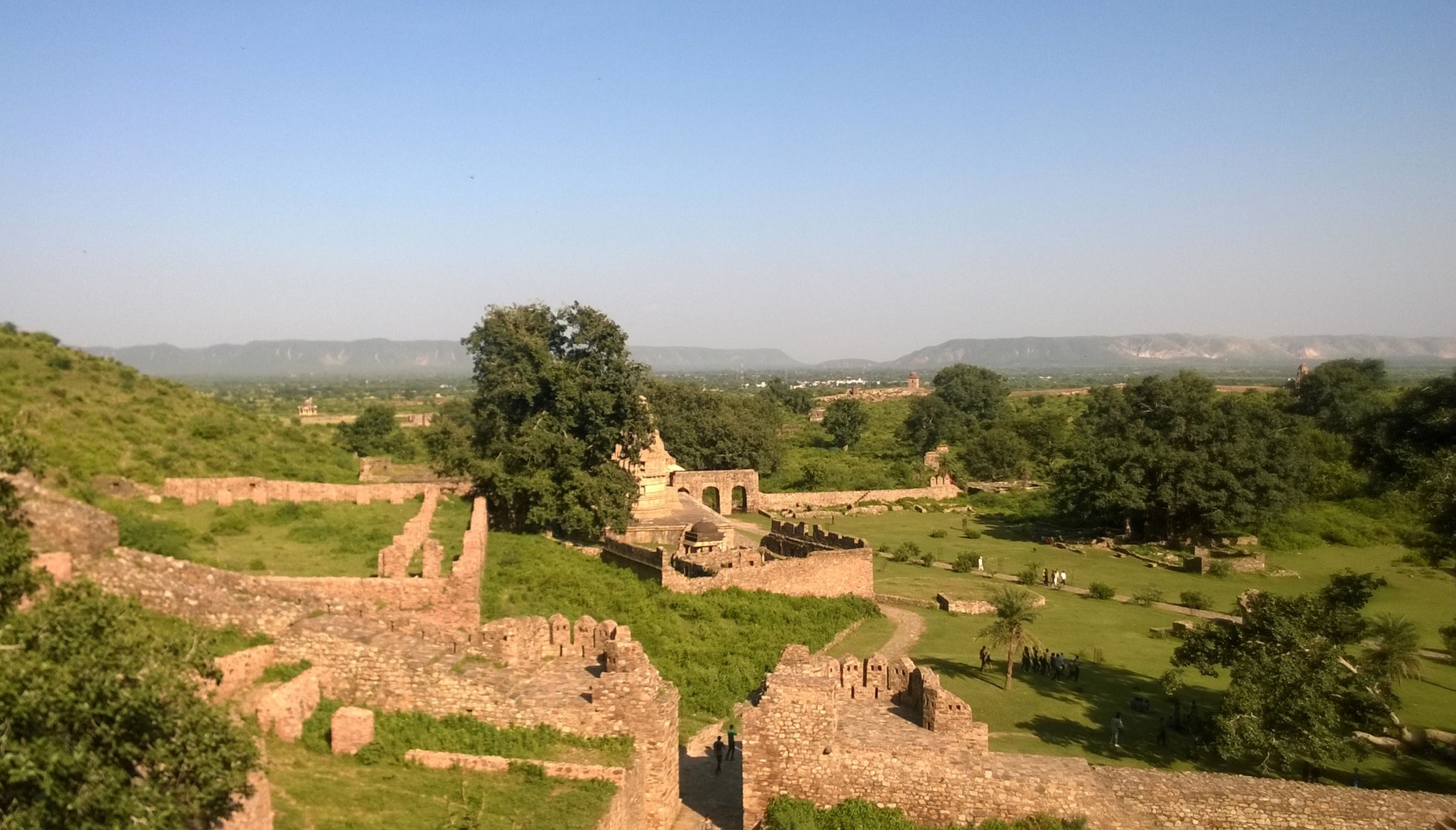
After enjoying the views of the Alwar district countryside accentuated by the Aravallis standing like long flattop platforms from the top of the existing structure of Bhangarh, we walked back to the parking lot, where the auto-rickshaw driver was waiting. After another two hours of riding through the dust clouds over the under-repair road, we were back at the Sariska National Park gate by 1.15 PM, where we were faced by the next challenge – finding 4 more co-passengers for the jeep safari, else we would be paying the fees for 6 passengers for the jeep. Luckily, we ran into a family of 3, consisting of another (!) Sardarji and his wife and kid – who readily agreed to share the ride with us.
Walking through Jauhari Bazaar, Bhangarh
Inside the fort enclosure and approaching the fort, Bhangarh
View of the countryside from atop Bhangarh fort
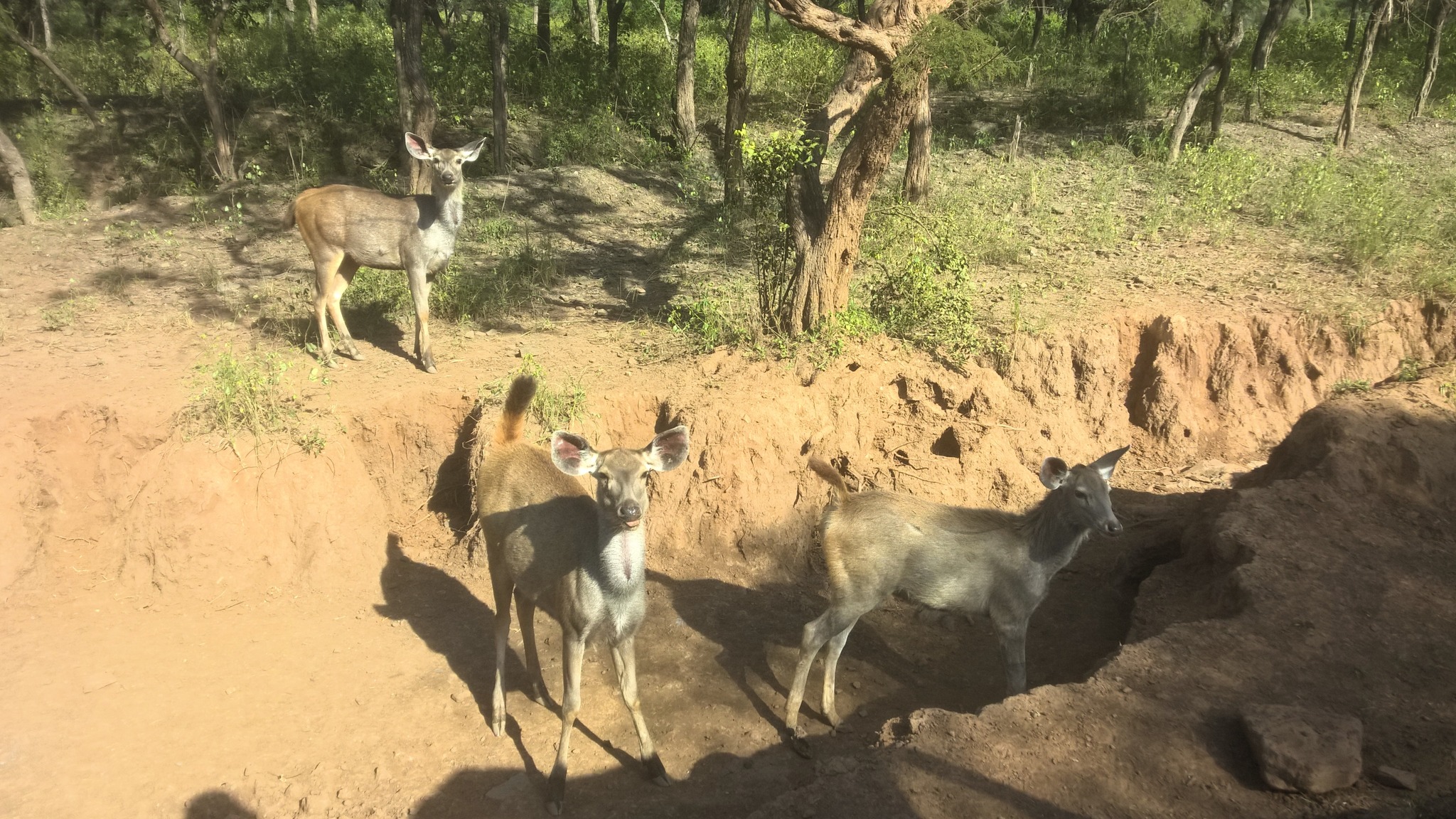
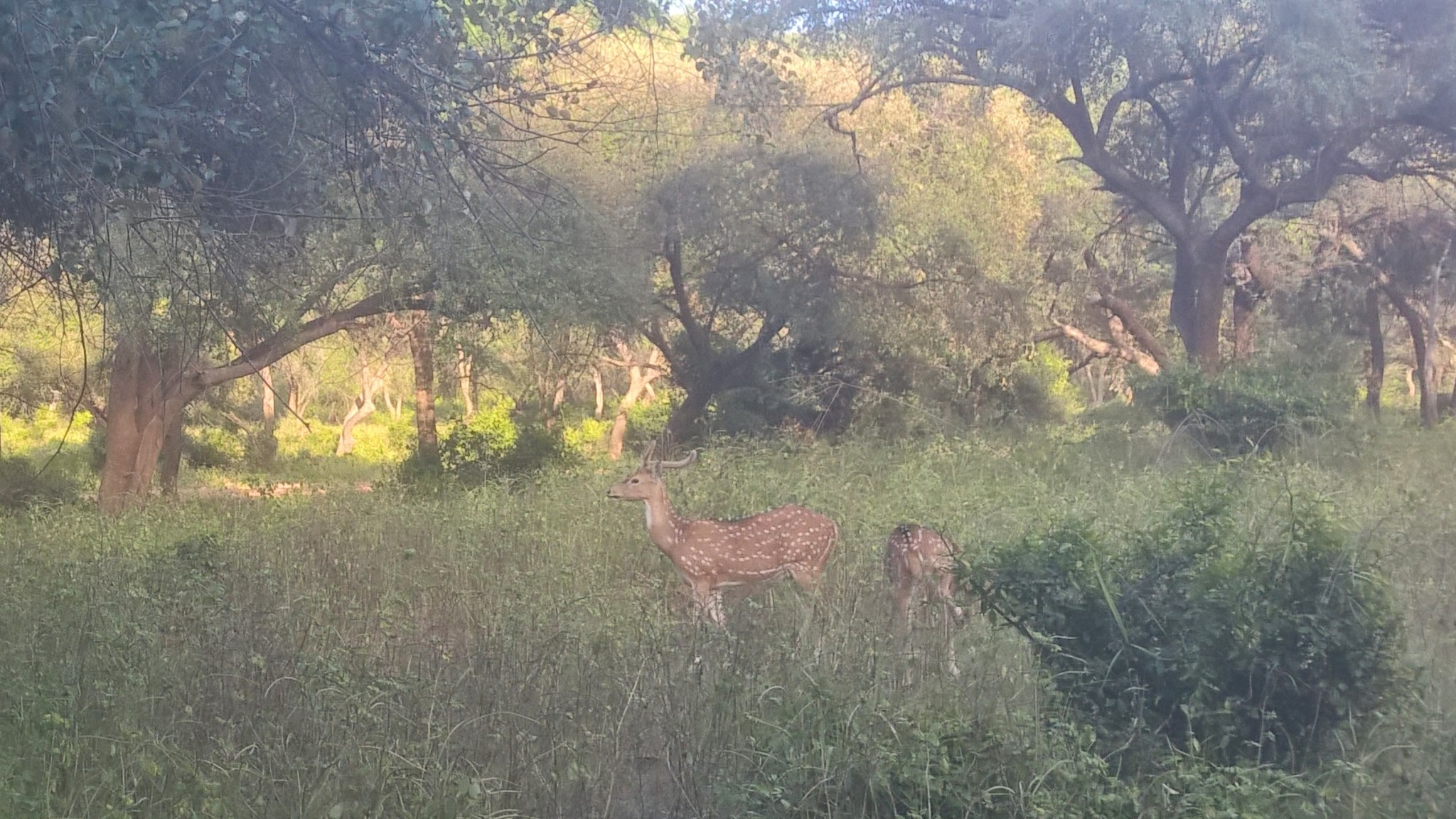
After a quick, light lunch at the canteen near the safari booking counter, we set out on the jeep safari on a trail that took us deep into the Sariska forest. We sighted sambhar, deer, peacocks and countless birds, complemented by thrilling sights of watering holes, and streams cutting through the jungle. Though we did not see a tiger, I would still count this as a very memorable safari in terms of the density of wildlife seen.
Sambhar laze around in a stream, Sariska National Park
Sambhar lounge about, Sariska National ParkA watering hole, Sariska National Park
Deer in Sariska National Park
By 5 PM, we were back on our way to Alwar, with a thick layer of dust having settled on our bodies. When the sardarji finally dropped us off at the place where he had picked-up, he wore a long face, as he grappled with the sight of the coating of dust shrouding his auto-rickshaw – surely, he regretted having picked us up in the morning, and more so, for having agreed to the impromptu extension of the ride to Bhangarh. As if on cue, I handed him a couple hundred more rupees, hopping to alleviate his dejection.
Now, as we wandered around looking for conveyance to the bus station, we were approached by a couple who looked like students on separate two-wheelers. Lo and behold, it was another Sardarji (!), who along with his apparent girlfriend, offered us both a ride on their motorcycle and scooter respectively. By 8 PM, as we boarded the bus headed back to Delhi, it struck us that we had encountered the grace of good Samaritan Sardarjis every time we faced a difficult situation the whole day!
Post-script: My first trip to Bhangarh, September 2014
My first trip to Bhangarh happened by virtue of a day-long trip with a travel group called ROOTS. We had started around 6 AM from Delhi, passed through Sohna and then Alwar, and reached Bhangarh by 1 PM – a journey of almost 7 hours, a testament to the condition of roads that prevailed two years ago.
In any case, I had been awestruck by the atmosphere and ambience of the place, with the setting of the lawns and the fort etched at some height in the hillside seeming like a leaf out of a fairytale. When the tour of fort had ended, I found myself yearning more.
Walking through Jauhari Bazaar, BhangarhApproaching the gate of the Fort enclosure
View of the Gopinath temple, with the fort in the background,Bhangarh
Gopinath temple at the entrance of fort enclosureSomeshvar temple near the fort gate
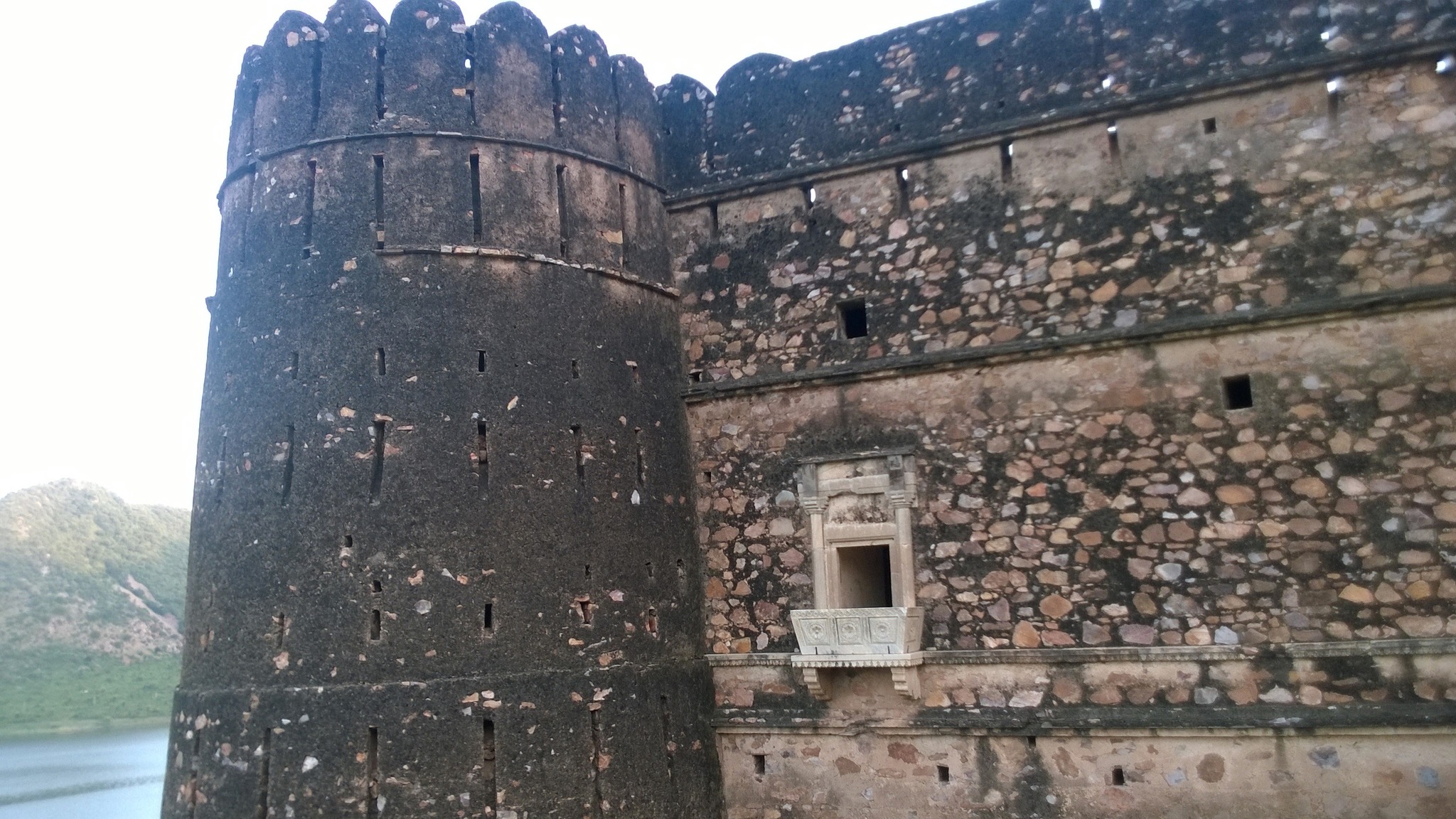
A section of the fort wall, Bhangarh
Entrance to the palace, Bhangarh fortView from palace gate, Bhangarh fort
Leaving Bhangarh, we had then stopped by Ajabgarh, where we were intrigued by the sight of the abandoned houses lining up both the sides of the road for quite a stretch as we entered Ajabgarh village. Later, we had hiked up the hill to explore the compact fort even as darkness was falling. The hilltop also afforded a view of the expansive lake, called Jai Sagar, abounding in lotus and lilies, below by the roadside.
One of the many abandoned houses at one end of the village
Ajabgarh fort beckons from atop a hillock
View of a turret from outside the Ajabgarh fort
A courtyard inside Ajabgarh fortA room in Ajabgarh fort
View of the Jai Sagar lake from Ajabgarh fort
By then, it had already been 6.30 PM, with the twilight looming over the village, imparting it with an even eerier character. In the darkness, we had passed through the Aravallis with the moon smiling from behind the clouds, and the silhouettes of the hills accompanying us till we had crossed Sariska.
By 1 AM, we were back in Delhi, the journey turning out to be way longer than originally scheduled, but at the same time ending up being more memorable than I had ever expected.













 The Timber Trawler