
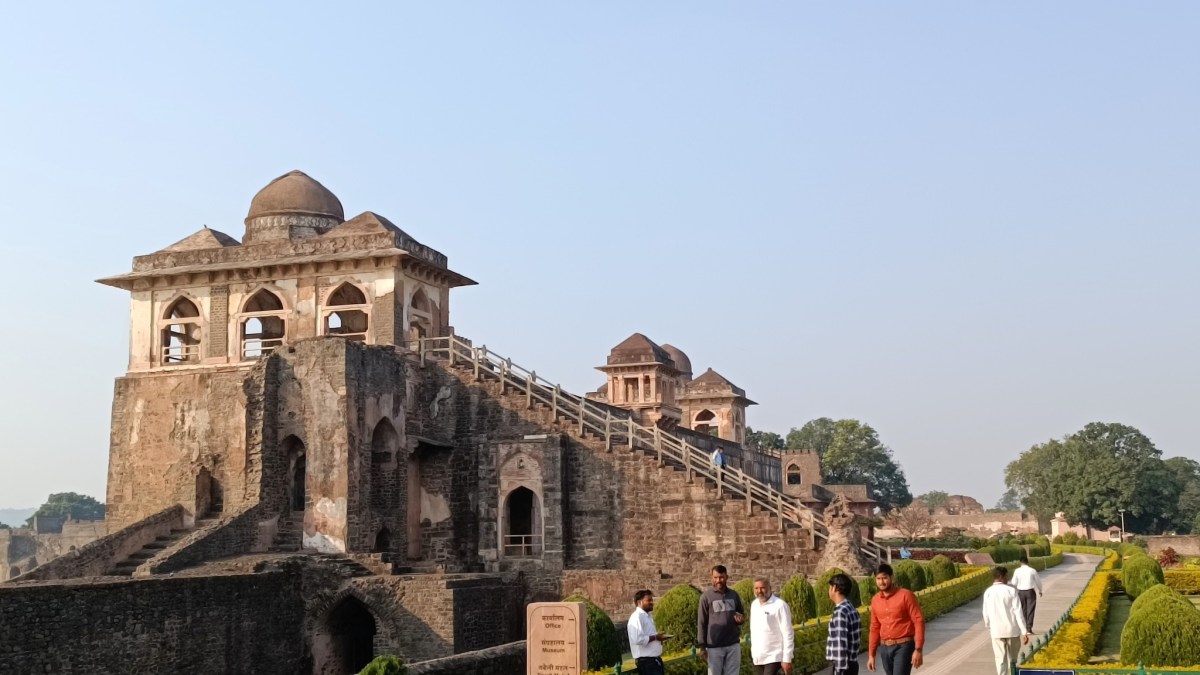
Right on the heels of the Aurangabad affair, we took an overnight bus that rocked and rollicked its way to Indore, where we learnt that the self-drive car that we had booked much in advance was no longer available. Fortunately, a cab through the hotel concierge became available on short notice. It was now time to explore a couple of prominent places of Malwa, a historical region in Central India, that flourished under the Mauryas, Guptas, Paramaras, and later the Malwa Sultanate. So off we set for Mandu, a UNESCO World Heritage Site candidate, 100 km away from Indore, via Dhar.
Our relief was short-lived, as the driver, a sexagenarian, instead of taking us through the spanking new highway, chose older run-down roads, probably to save on toll charges. What ensued was a race against time, given the fact that winter had commenced, and the monuments would close early. As we headed towards Dhar, I kept ruing the fact that I had not tried harder for an alternative self-drive option. Nevertheless, we finally entered Dhar after a 2-hour drive, something that should have taken only an hour via the highway.
Dhar is a historic town, a prominent center of power and culture, founded in the 9th century by the Paramaras. It flourished under King Bhoja, renowned for his patronage of learning and arts, and a legendary figure who is the subject in the frame story of the Singhasana Battissi (the 32 tales of Vikramditya’s Throne). Dhar later became part of the Delhi Sultanate, the Malwa Sultanate, and the Maratha Empire. Its architectural heritage includes the Dhar fort and the Bhoj Shala, an ancient Sanskrit learning center, purported to be patronized by Bhoja himself. Dhar’s rich history reflects a blend of Hindu and Islamic influences.
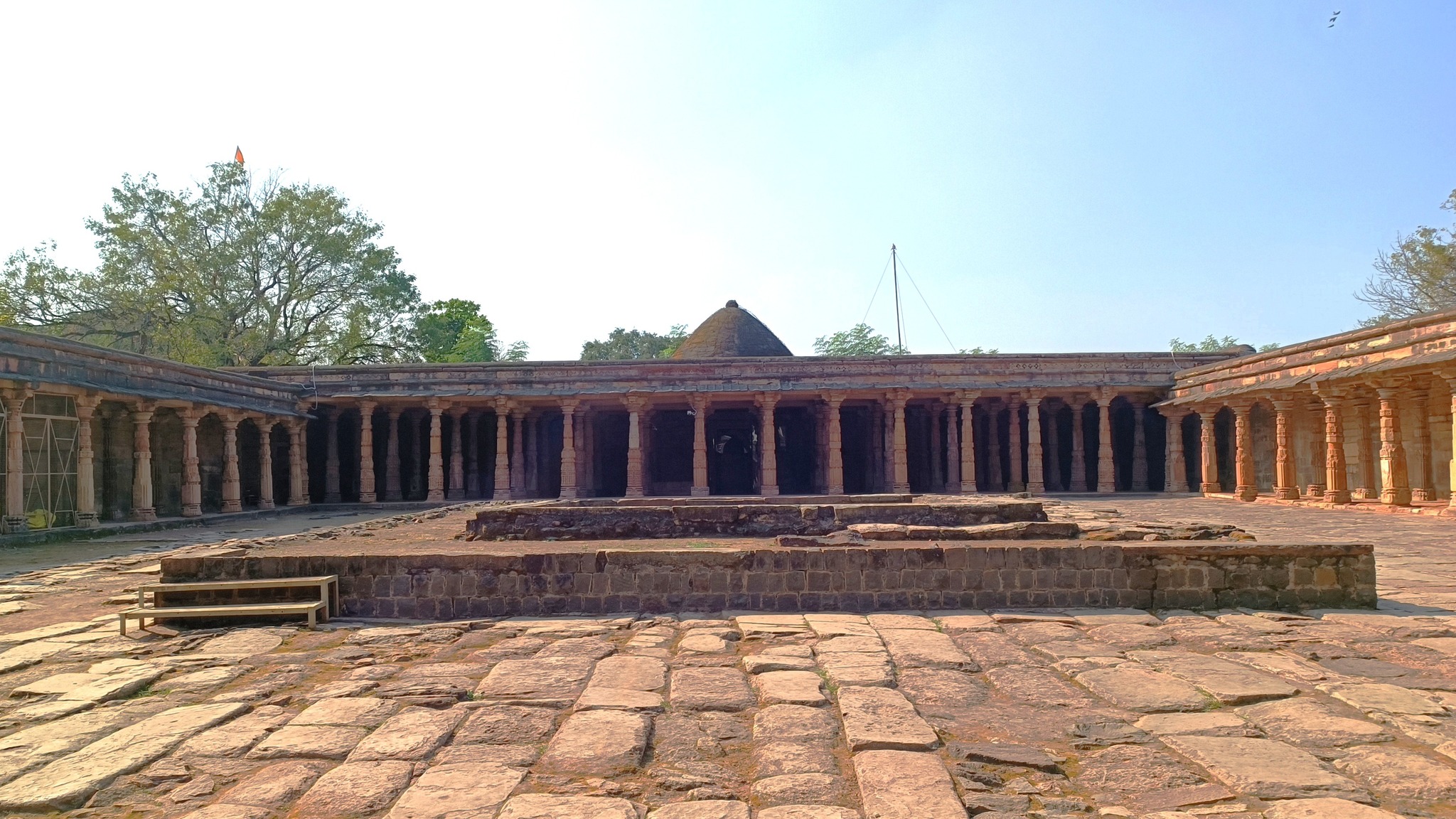

Moving on, we snaked up a gentle slope to reach the top of a vast flat top hill in the Vindhya range, welcomed by a gate in a thick stone wall that once fortified Mandu. Mandu, erstwhile ‘Mandapa Durga’, flourished under the Paramaras in the 10th century, but reached its zenith after being made the capital of the Malwa Sultanate by Hoshang Shah of the Ghuri dynasty, followed by the rule of the Khalji dynasty. The legacy of the Malwa Sultanate lives on in structures such as Hoshang Shah’s Tomb, India’s first marble mausoleum, and Jahaz Mahal, an engineering marvel. Mandu’s romance is immortalized in tales of Baz Bahadur and Rani Roopmati.
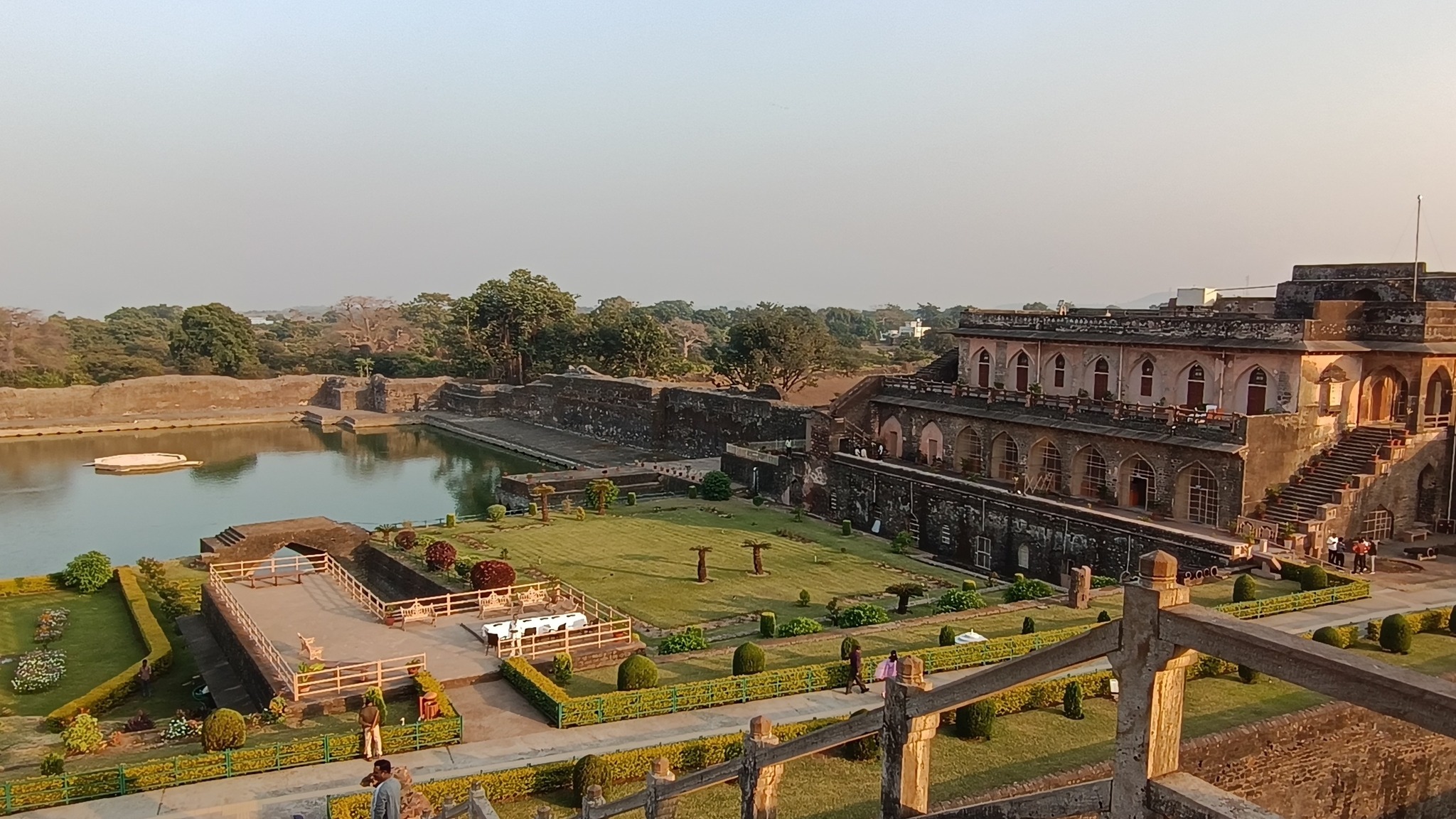
By 3 PM, we were finally inside Mandu’s fort walls, woefully late, only to learn that access or at least the visiting hours would be limited due to a G20 event involving foreign dignitaries! At break-neck speed, we made a tour of the Jahaz Mahal, where we were told we had only about an hour, before access was stopped to the public to cater to the dignitaries. Jahaz Mahal was built as a harem by Ghiyas-ud-din Khalji, a patron of the arts, to resemble a ship afloat the artificial water bodies surrounding it. A two-storeyed structure, it also features a small pool with flower-shaped outline on each storey.

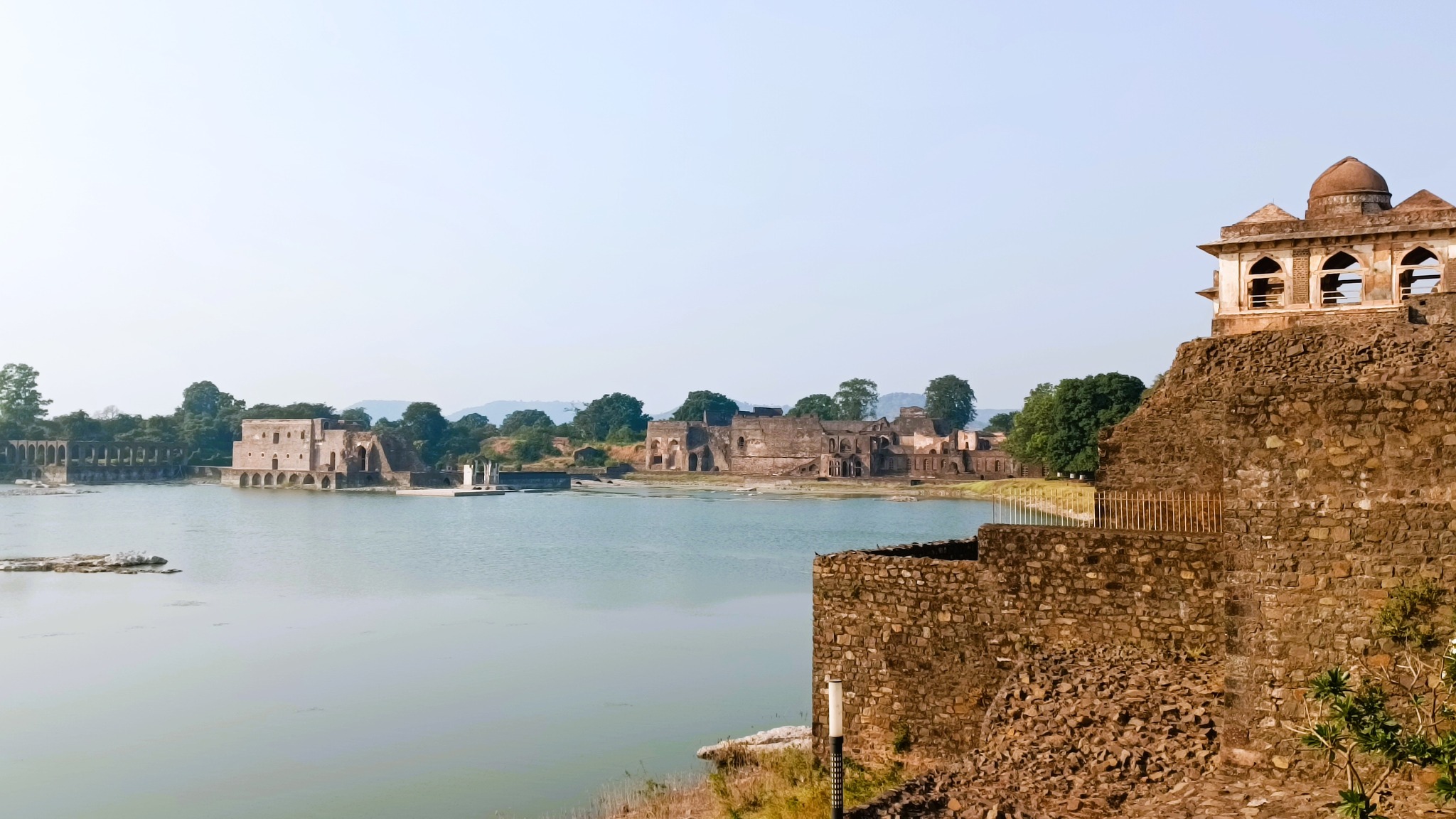

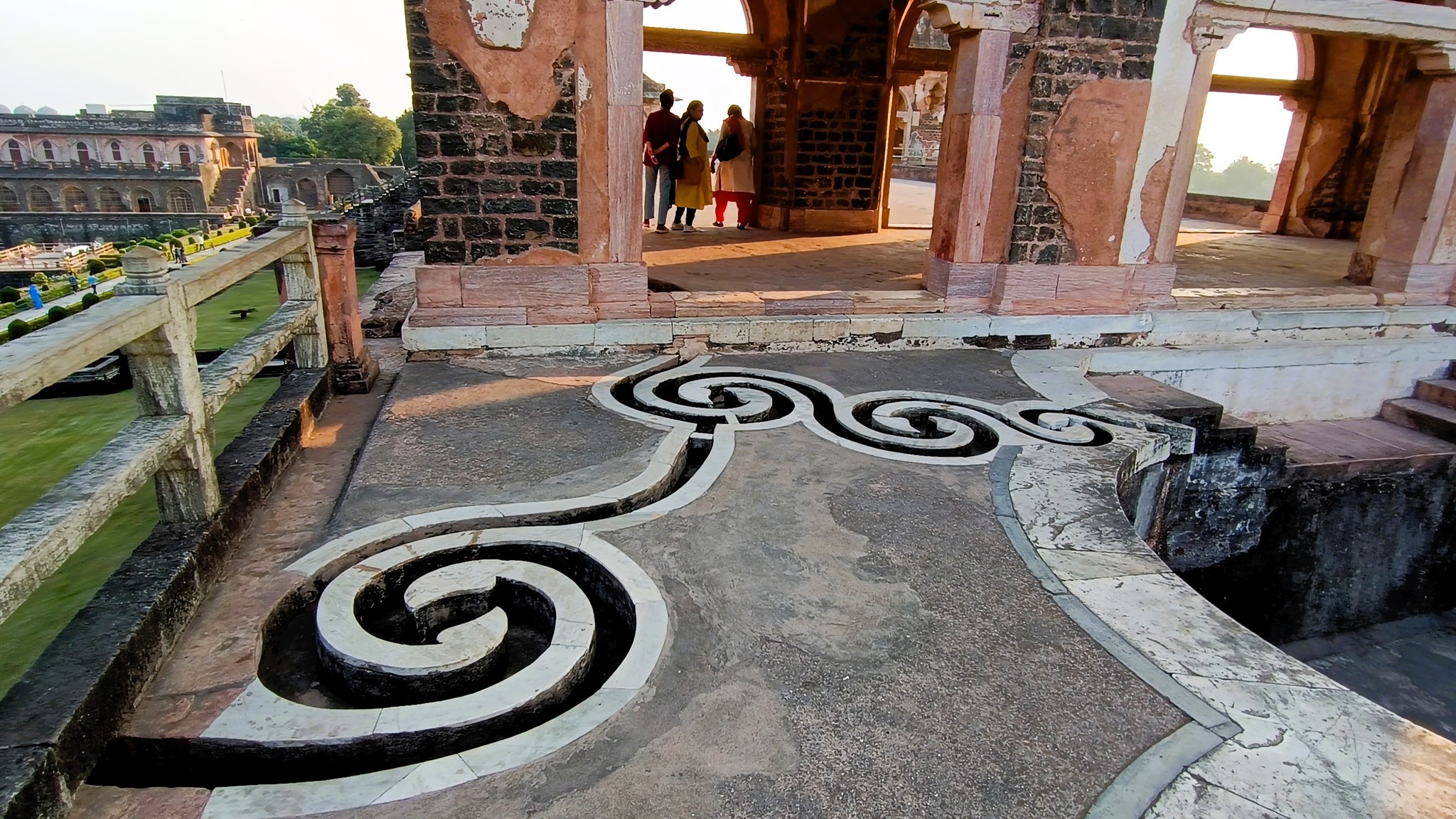
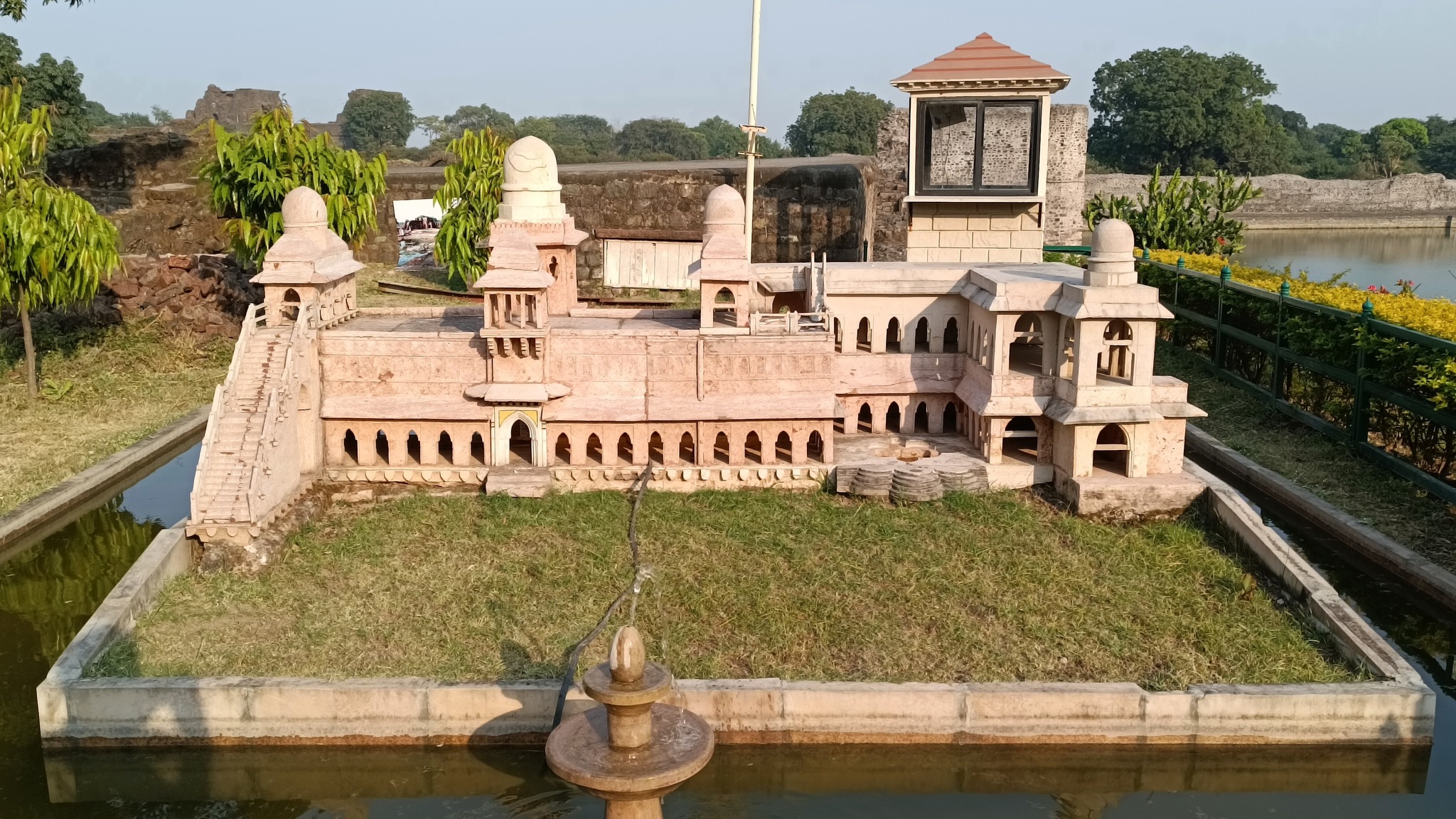
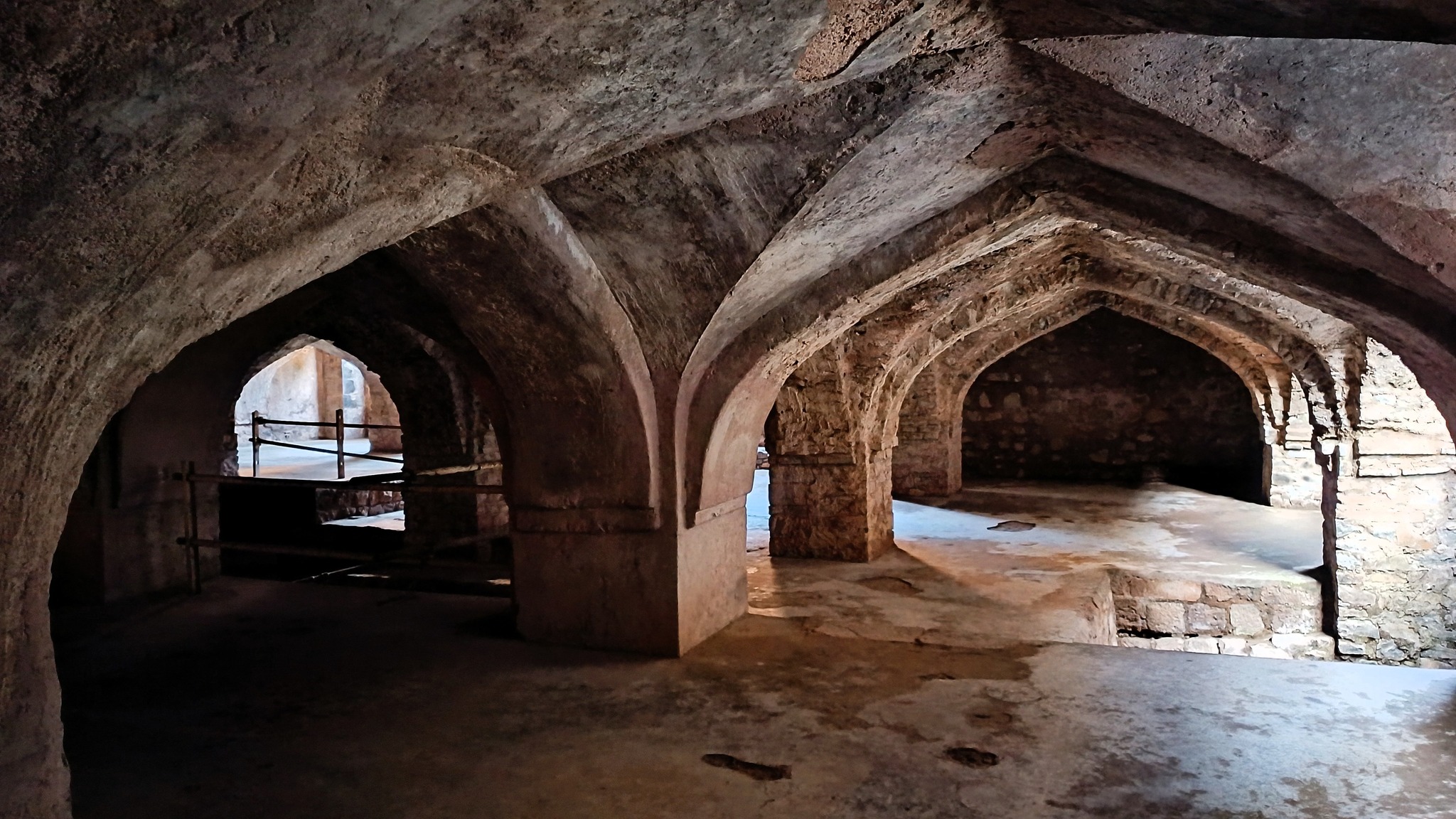
In the vicinity is the Hindola Mahal, a meeting hall structure resembling a swing, due to its sloping sides. Alongside it are other structures, forming part of the royal complex, such as the Champa Baodi, a well that once held water smelling of champak flowers, sitting beneath and accessed through a mesh of subterranean passages, and the Hammam, the Turkish-style royal bath, adjacent to the well. Gardens, and other structures such as the Jal Mahal on the Munja Talao behind Jahaz Mahal, and the Taveli Mahal on the Kapur Talao in front of Jahaz Mahal, complement the splendour of the royal complex.

Driving further south, we passed by Hoshang Shah’s tomb, the Jami Masjid and the Sagar Talao to reach the southern edge of the hill, about 4 km from the Jahaz Mahal complex. This region houses the Baz Bahadur Palace. The last ruler of the Malwa Sultanate, Baz Bahadur’s liaison with the musically-inclined shepherdess, later queen, Roopmati became the stuff of Malwa legends. He built the adjacent Rewa Kund, a lake connected to the Narmada river, revered by Roopmati as a mother. When Baz Bahadur fled facing a debilitating defeat at the hands of the Mughals, Roopmati committed suicide believing her beloved to be dead.
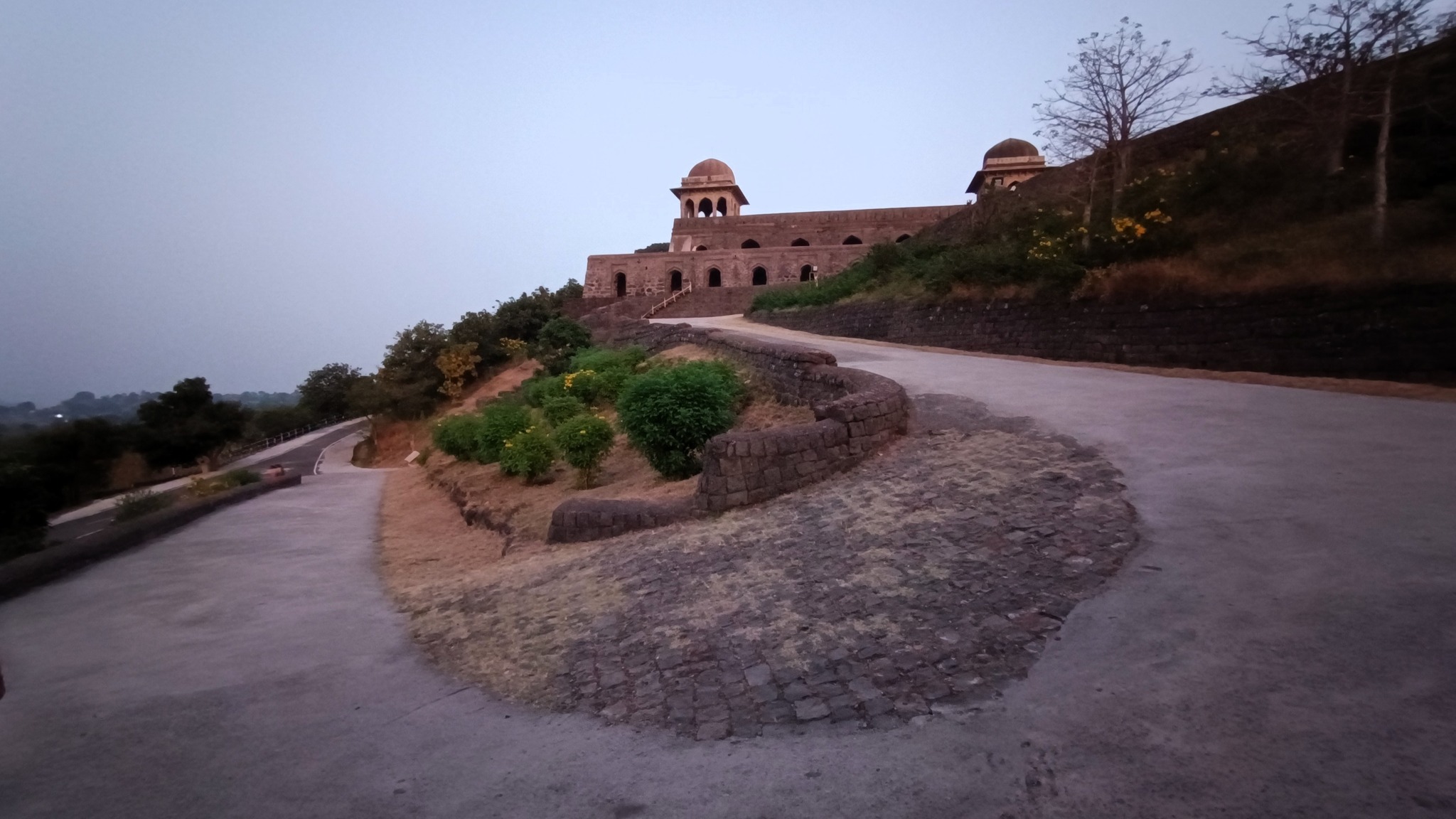
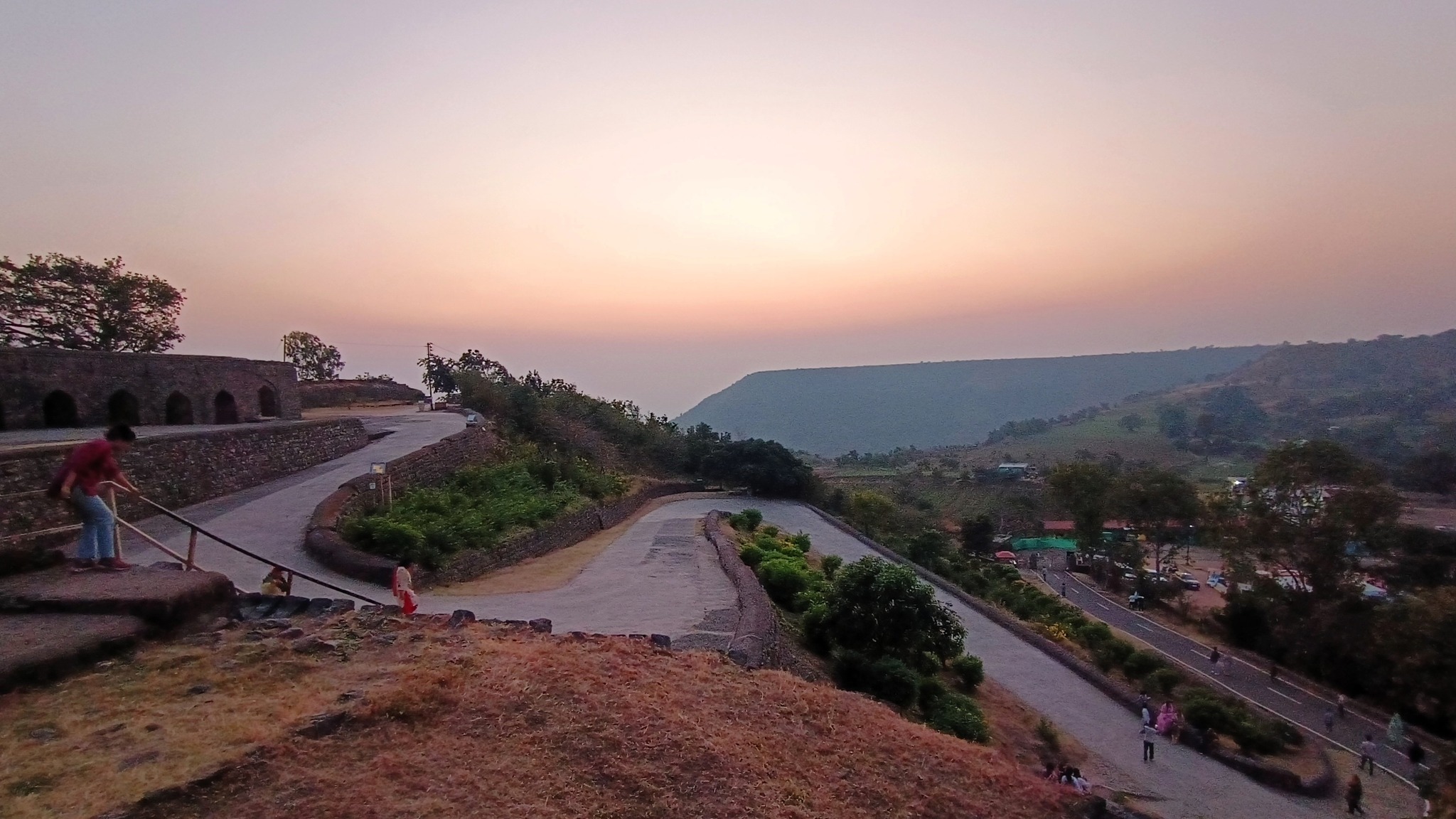
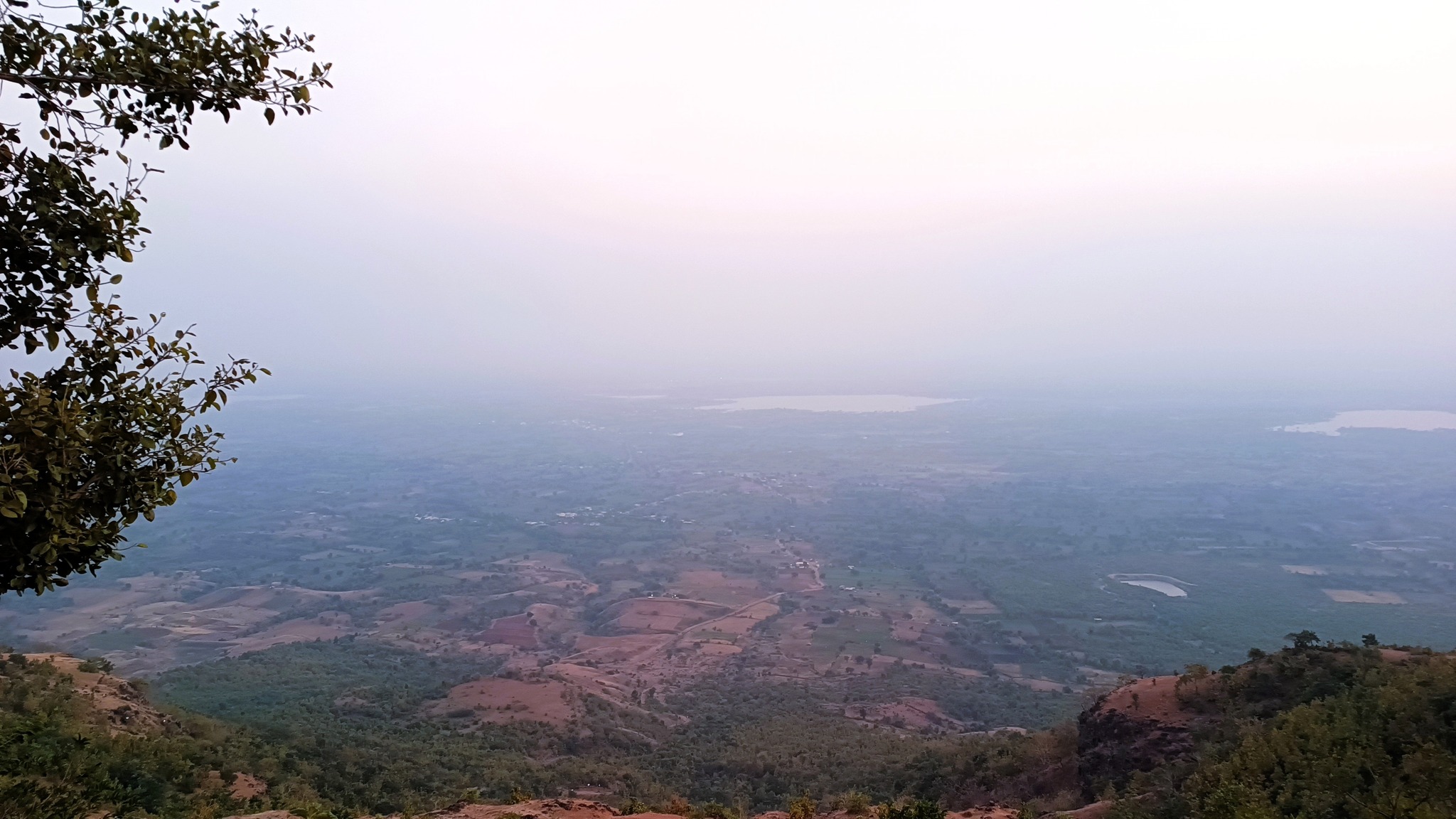
It was well past 5.30 pm, when we reached Roopmati’s Pavilion, the final destination of the tour. Sitting at the absolute edge of the hill, the simple structure attributed to Roopmati, served as a viewing post in times of invasion, providing views of the Narmada Valley in the erstwhile Nimar region. The sight of the Malwa landscape replete with its plains punctuated with little water bodies and the top of the flat hills awash in the twilight, provided a fitting end to a whirlwind tour of a shining gem of India’s heritage with its blend of Afghan, Hindu, and Mughal architectural influences.
How to visit Mandu and Dhar
Dhar and Mandu can be reached only by road from Indore or from Ratlam. Indore is connected by flight, train and road, whereas Ratlam, which lies on the Delhi-Mumbai railway line, is connected by rail and road.
Mandu is 2 hours from Indore, whether you go via Dhar or not – the route via Dhar is longer in distance but takes the same time as the non-Dhar route.
Mandu is so vast that you could easily spend two days with an intervening night at any of the hotels and resorts. You can squeeze in Dhar either on the onward or return leg, if you are interested.
Think of Mandu as a place to see things in three clusters:
1. The Royal Complex comprising Jahaz Mahal, Hindola Mahal, etc., in the north
2. The Village area with monuments such as Hoshang Shah’s Tomb, the Jami Masjid, and Ashrafi Mahal, in between the north and the centre of the fort area
3. Rewa Kund Group with Baz Bahadur Palace, Rewa Kund and Rani Roopmati Pavilion at the extreme south of the fort area
Apart from the above, you also can see the Sagar Talao at the centre of the fort, the Darwazas (gates) on the fort wall, 6th century Jain caves, multiple minor structures, little forts, and an echo point, where you can hear your own echo if you shout with an appropriate intensity.
Guide fee at the Royal Complex: Rs. 450 for a group of 4-5 people, as of November 2024.
Better to complete your visits of the monuments by 5 PM, although you do have access to the Jahaz Mahal at 7 PM for the Light and Sound show.
 The Timber Trawler