
Continuing the tradition of the annual self-drive family trip, this year we decided to explore the lesser-known side of Rajasthan. Of course, this trip came about after having exhausted the roster of all the well-known Rajasthani cities, except Barmer, but it was really hastened by the incidence of the monsoons. It was now time to experience something different than the arid landscapes, desert expanses, and mountainous folds of the Aravallis. What better region than the south-western part of Rajasthan to soak in the splendour of the rain-sprinkled countryside?
The place in focus on this trip was Banswara, touted as the ‘city of 100 islands’—a place many travel bloggers exhorted to visit, specifically in the monsoons. However, Banswara, being a good 800 km from Gurgaon, necessitated stops, and the stops were better worth it. Those stops turned out to be Chittorgarh on the outward leg and Udaipur on the return, thus helping me fulfil my mother’s long-cherished wish of seeing Nathdwara and Ranakpur, and my own wish of showing my brother Kumbhalgarh. In fact, we did the latter three stops on the same day, surprising even ourselves!
As usual, we did not book accommodations beforehand, and simply let serendipity be our guide. That’s how I found myself at Chittorgarh Fort, at the same place, the same day I was 10 years ago. That’s how we beheld the beauty of a temple complex getting showered in a cloudburst. That’s how we chanced upon a temple complex with a waterfall, straight from the imagery of an Indiana Jones movie. That’s how we found ourselves meandering upon the low rolling hills leading to and adorning the course of the mighty river Mahi, with intermittent spells of monsoon rains for company.
Highlights of the road-trip
Mandakini Temple, Bijolia
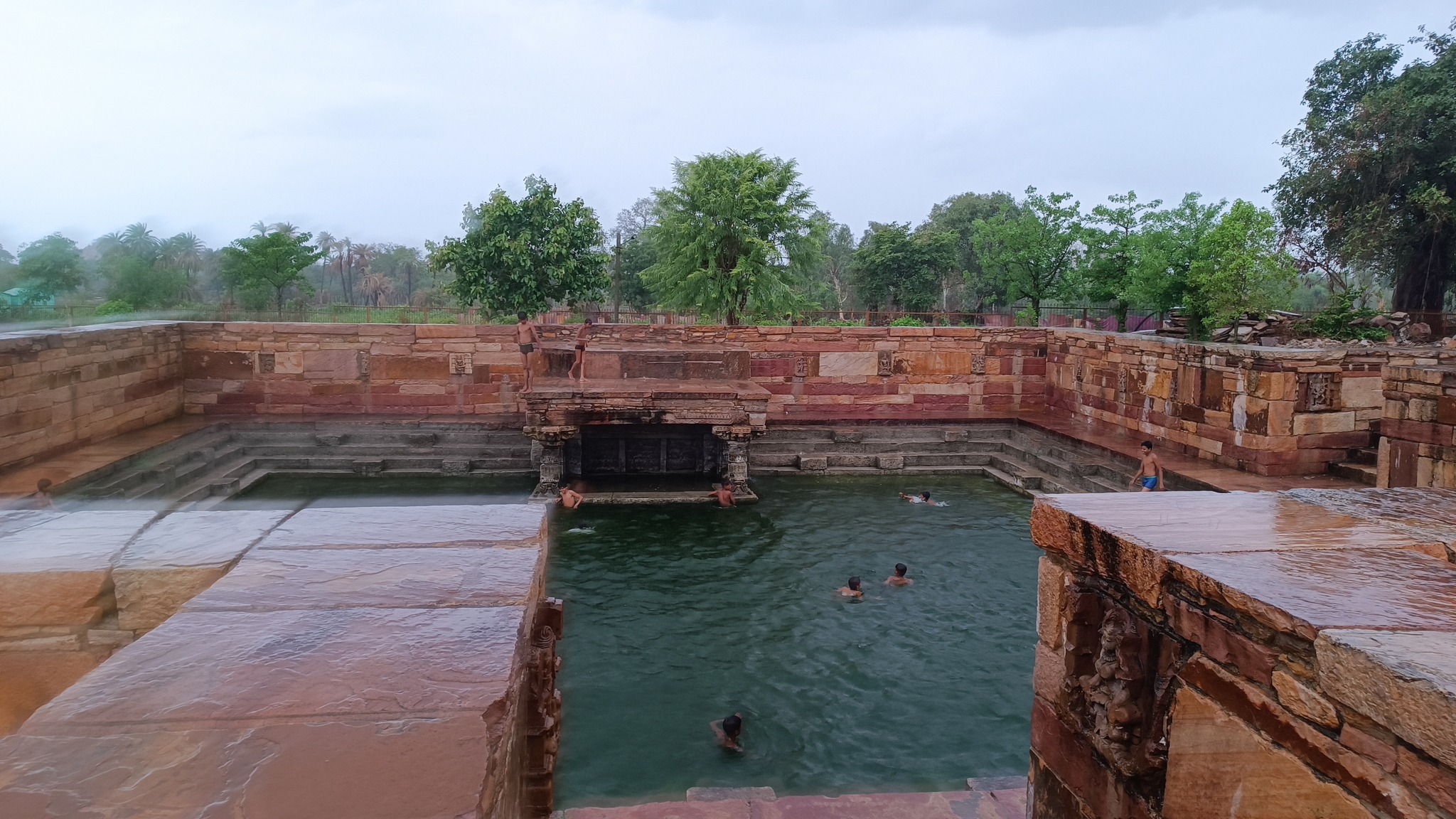
This temple complex comprises three Shiva temples – the oldest being from the 11th century called Mahakal – and a water tank, and lay just beside our route to Chittorgarh. Just as we stepped out of the car, there was a cloudburst, forcing us to run inside the temple complex and take shelter under the roof of one the temples.



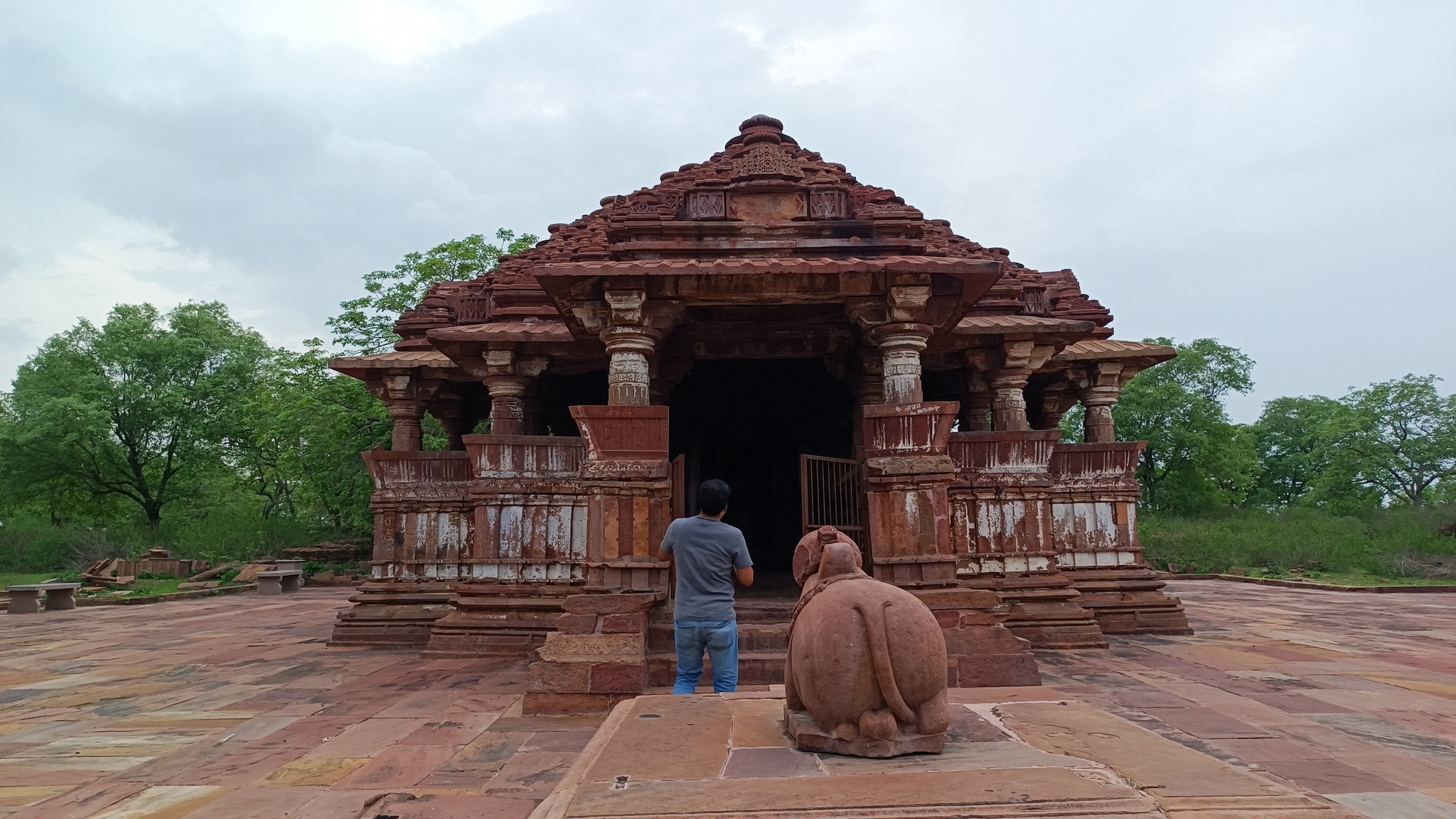
Menal and Mahanal temples, Menal
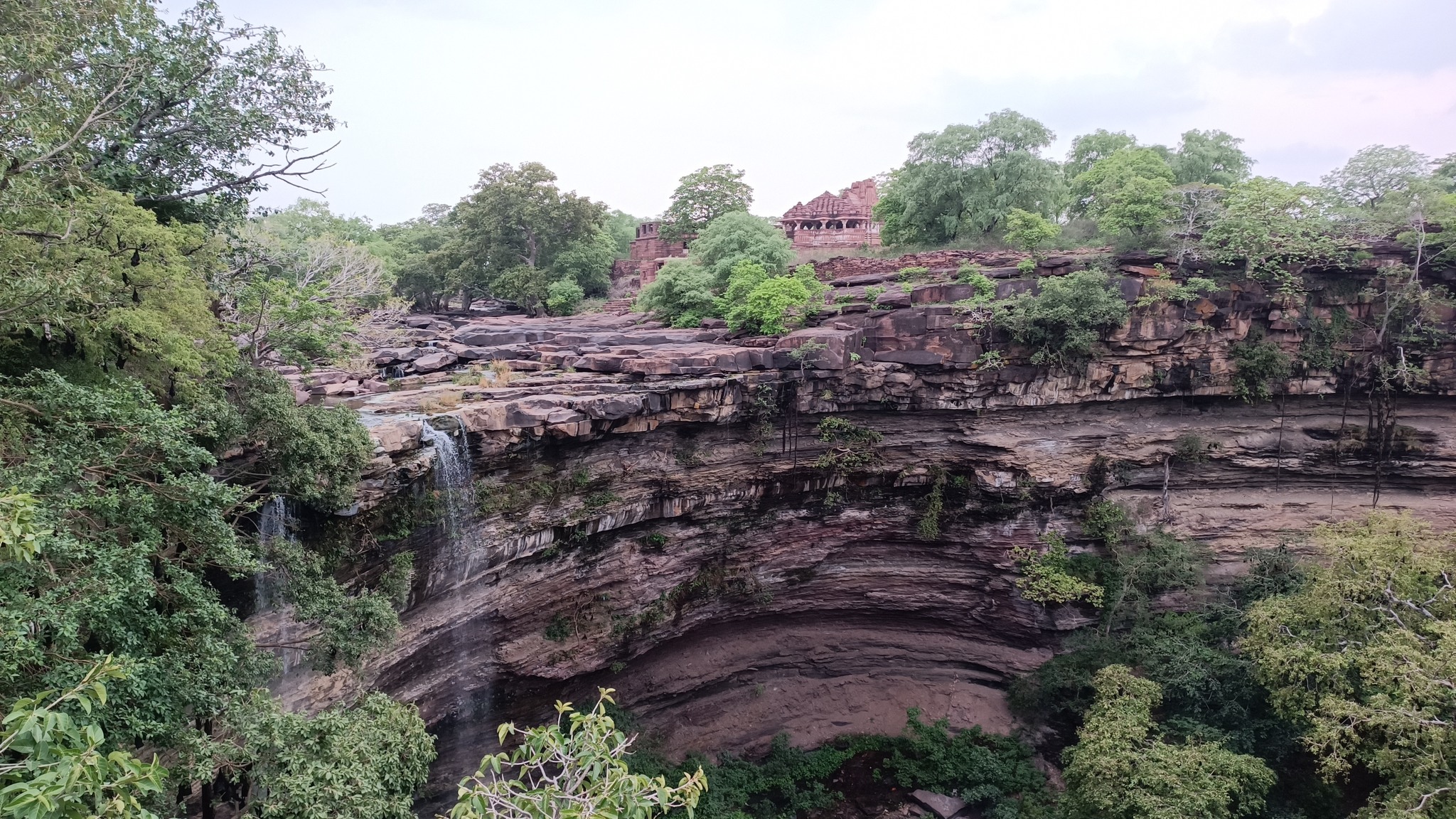
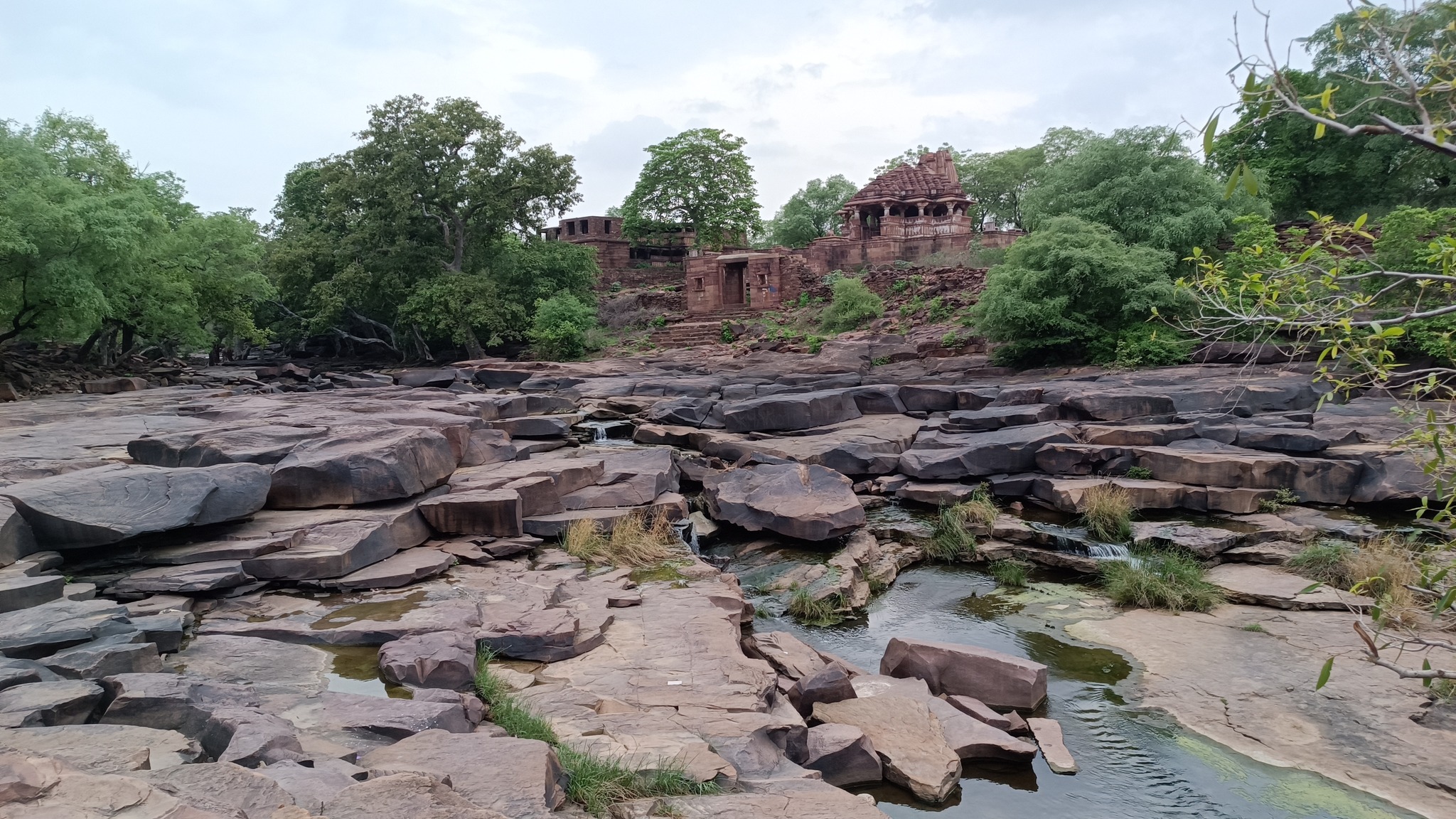
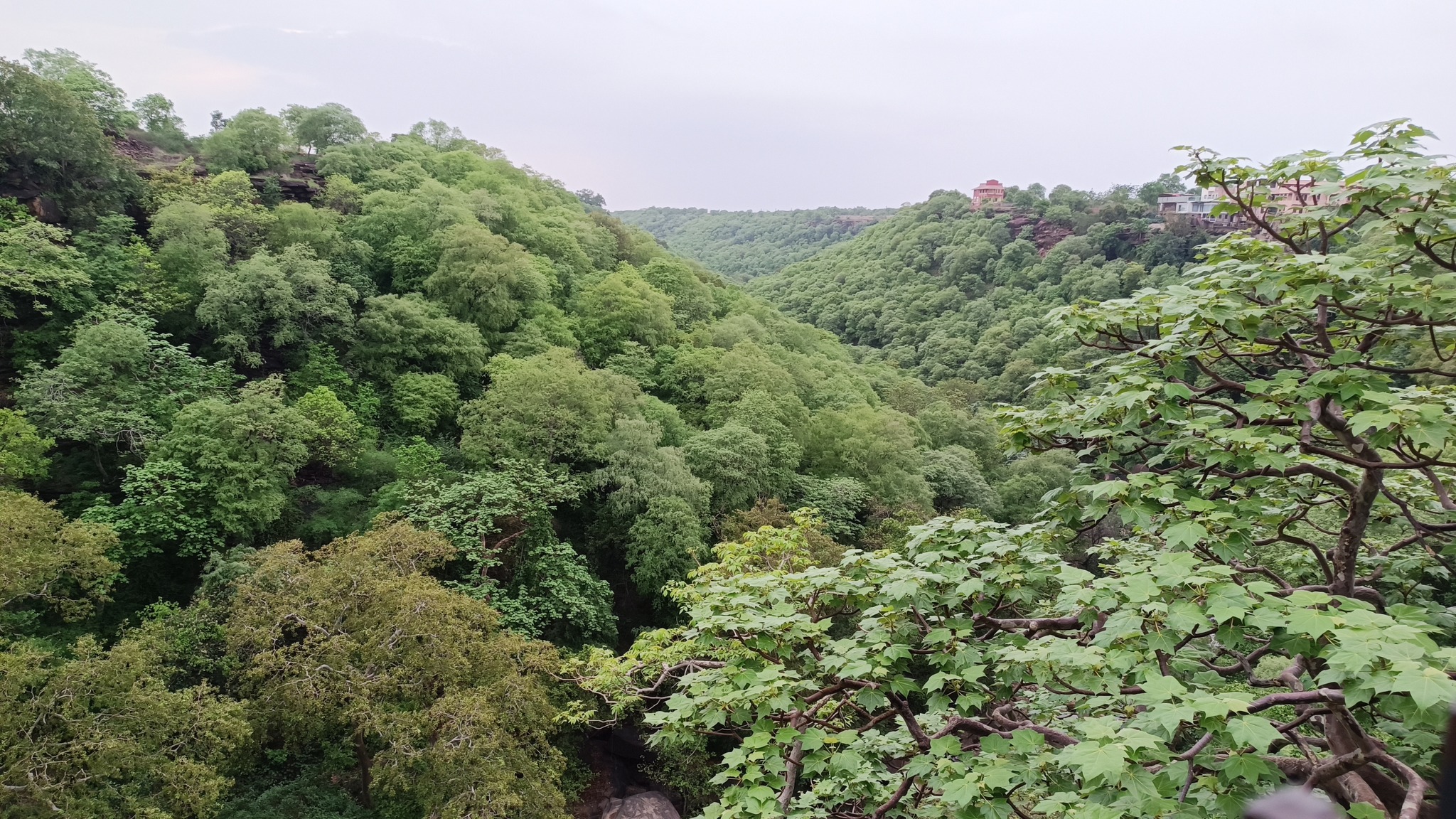
This was just an unexpected, happy accident that happened because my brother was simply scanning Google Maps on our way to Chittorgarh. The 11th century Shiva temple complex lies just beside the highway, nestled in a forest, straddling a stream with a waterfall dropping into a gorge. Across the steep waterfall is one of the temples, with an adjoining monastery in ruins, which one can access by simply crossing the stream before it drops into the gorge. Now, that’s truly a set-up venturing into Indiana Jones territory.

Chittorgarh
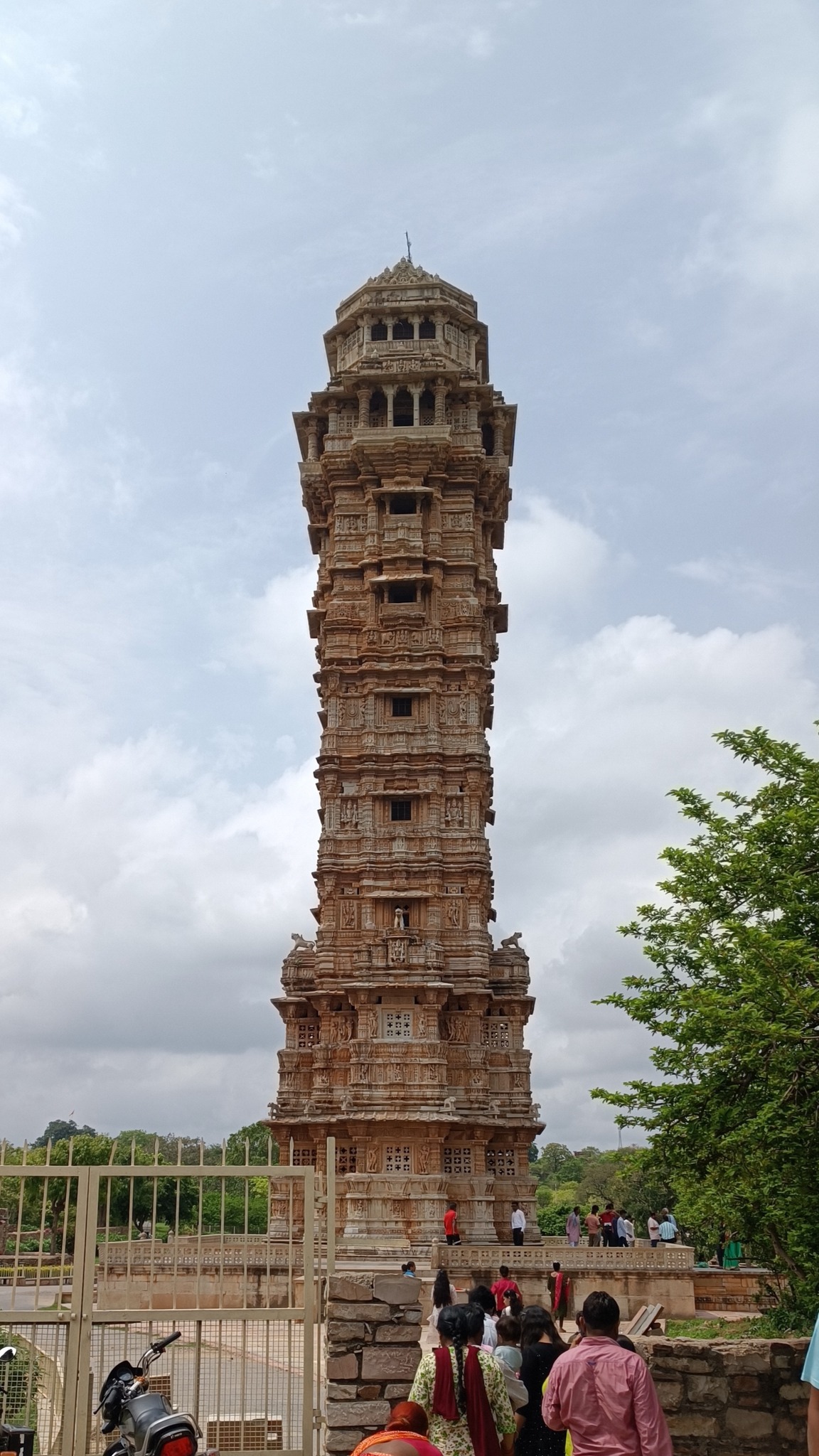
What can be said in a line or two about Chittor fort that would capture what it is, what it stands for, what legacy it bears, what history it has seen!
But what struck me most upon first visiting the place, and has remained with me since, is how it is a self-contained city spread upon a vast flat-topped hill, like on a plateau. The palaces and structures are far-flung, interspersed with water tanks and jungle. This is a place that is removed from the rest of the world that lies beneath, one that transports you to another era as a time machine.


Banswara
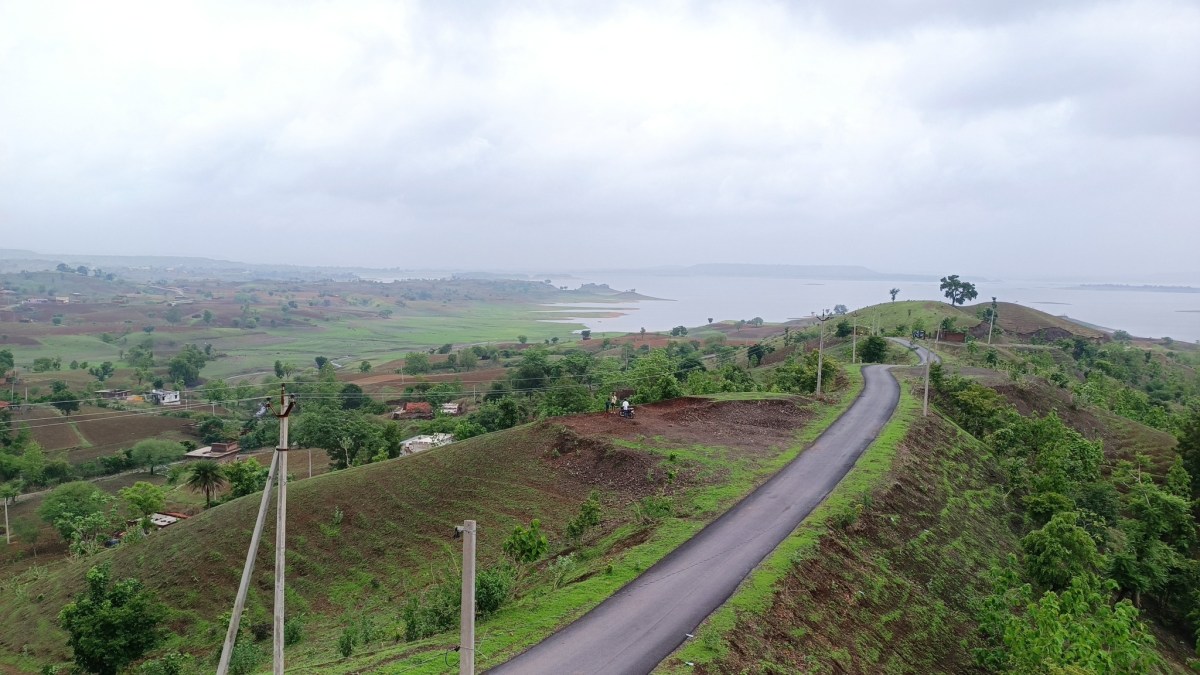
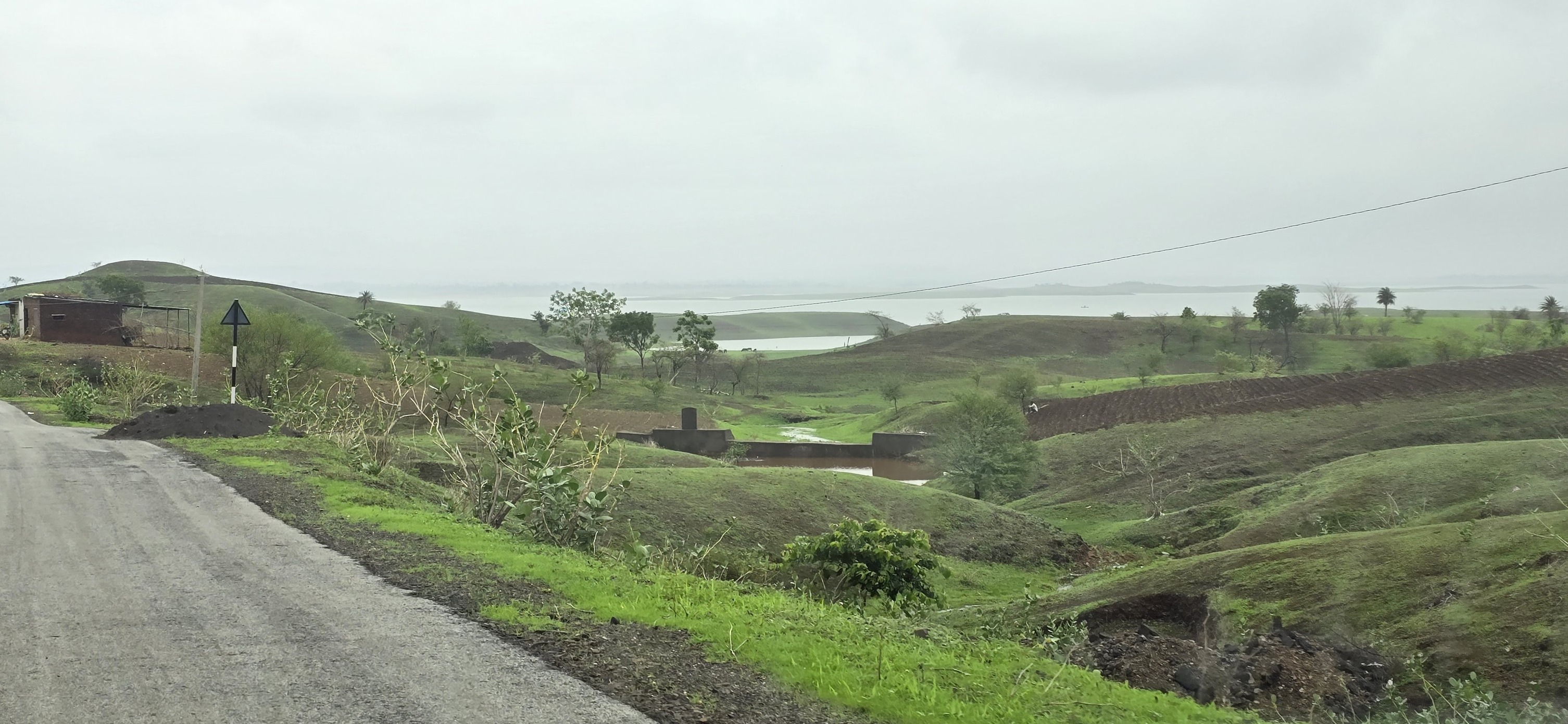
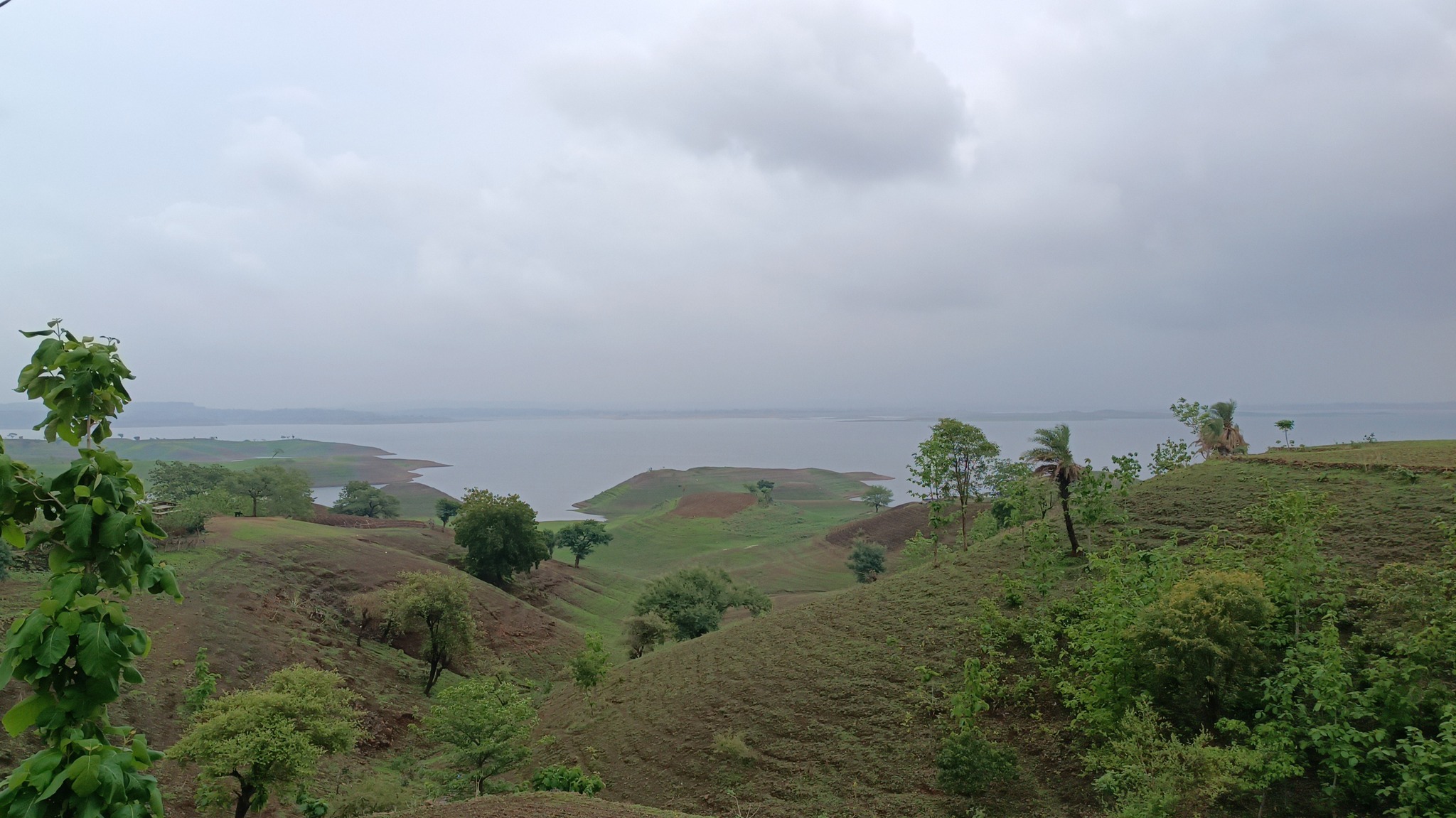
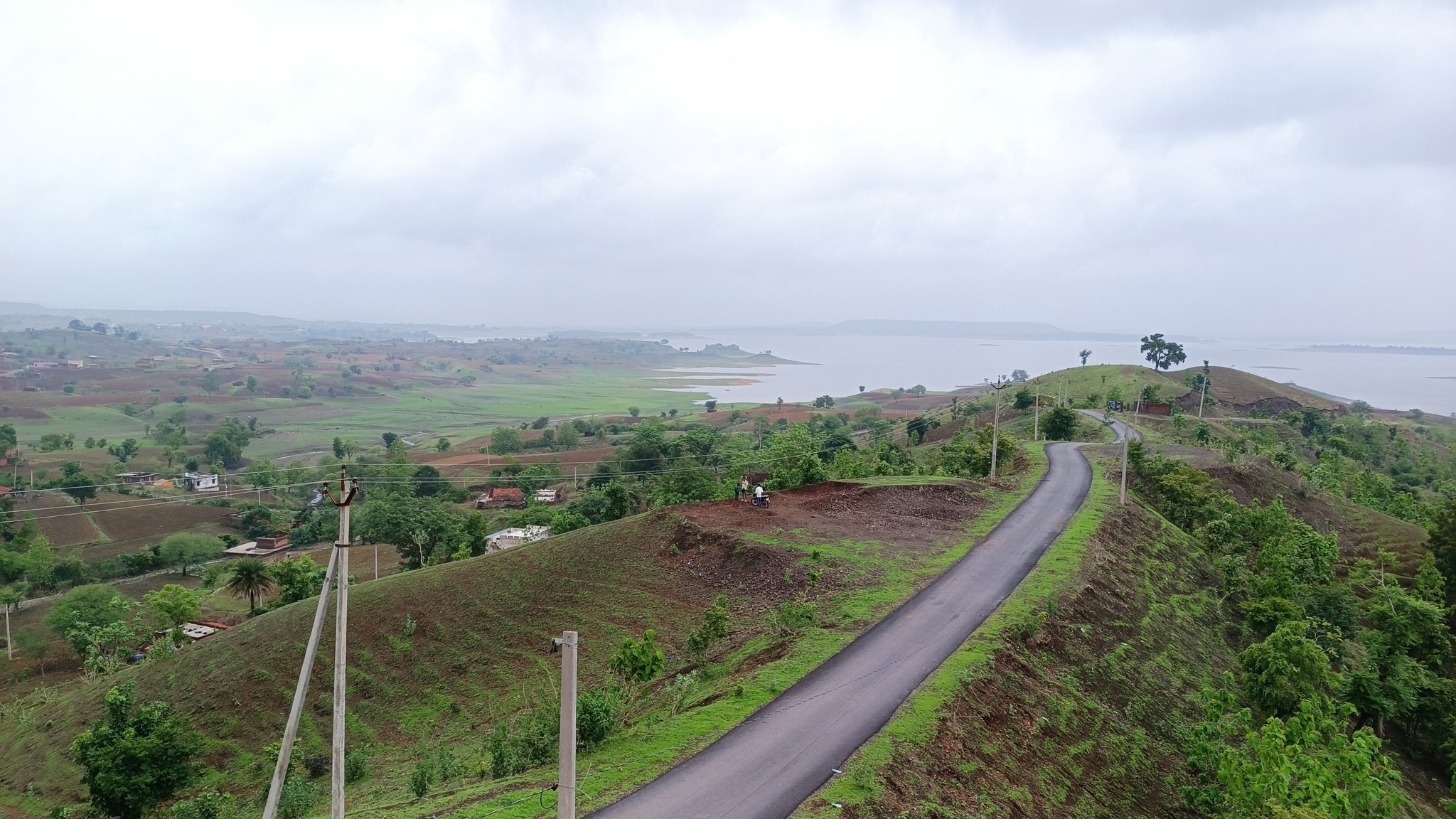
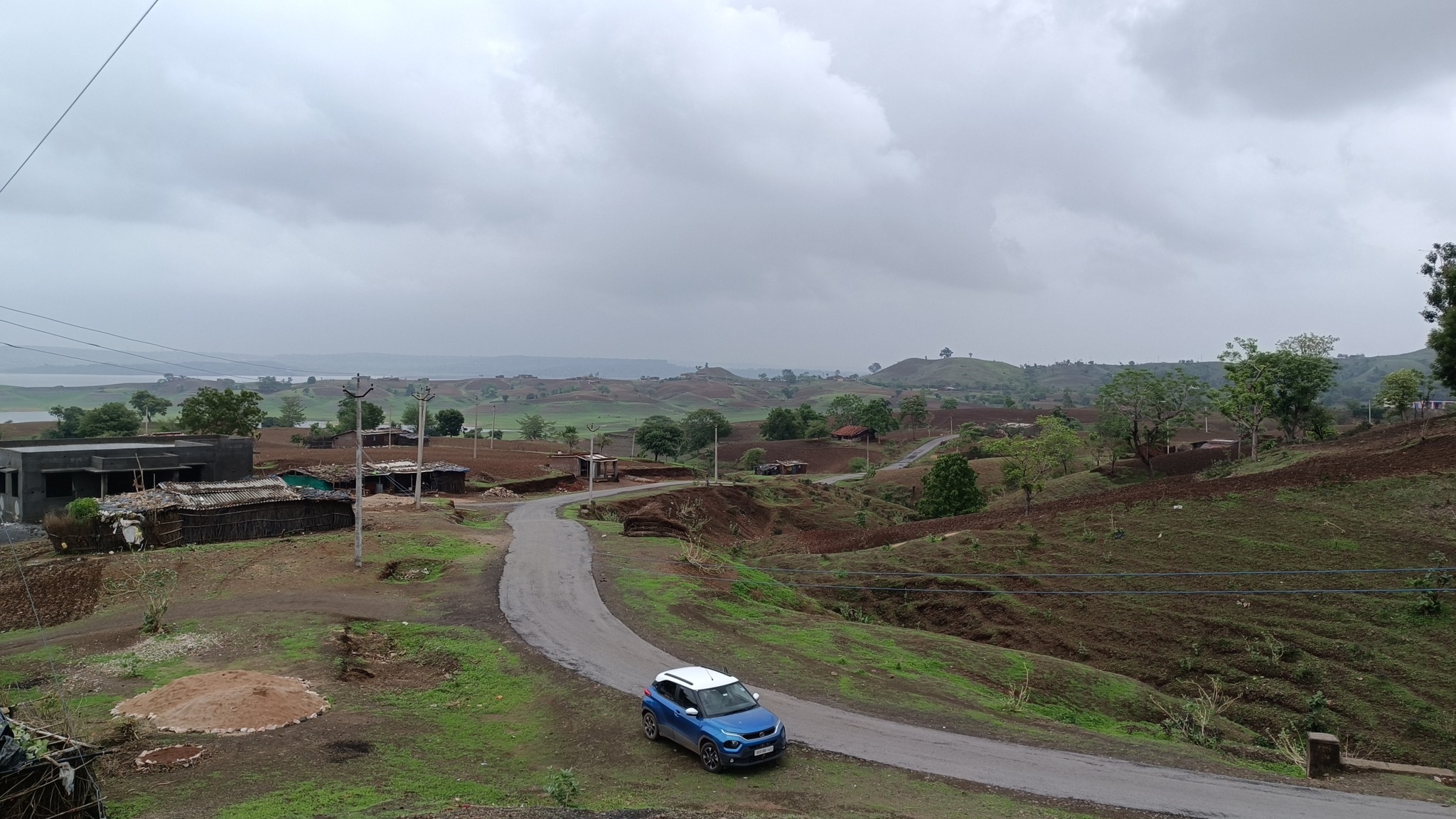
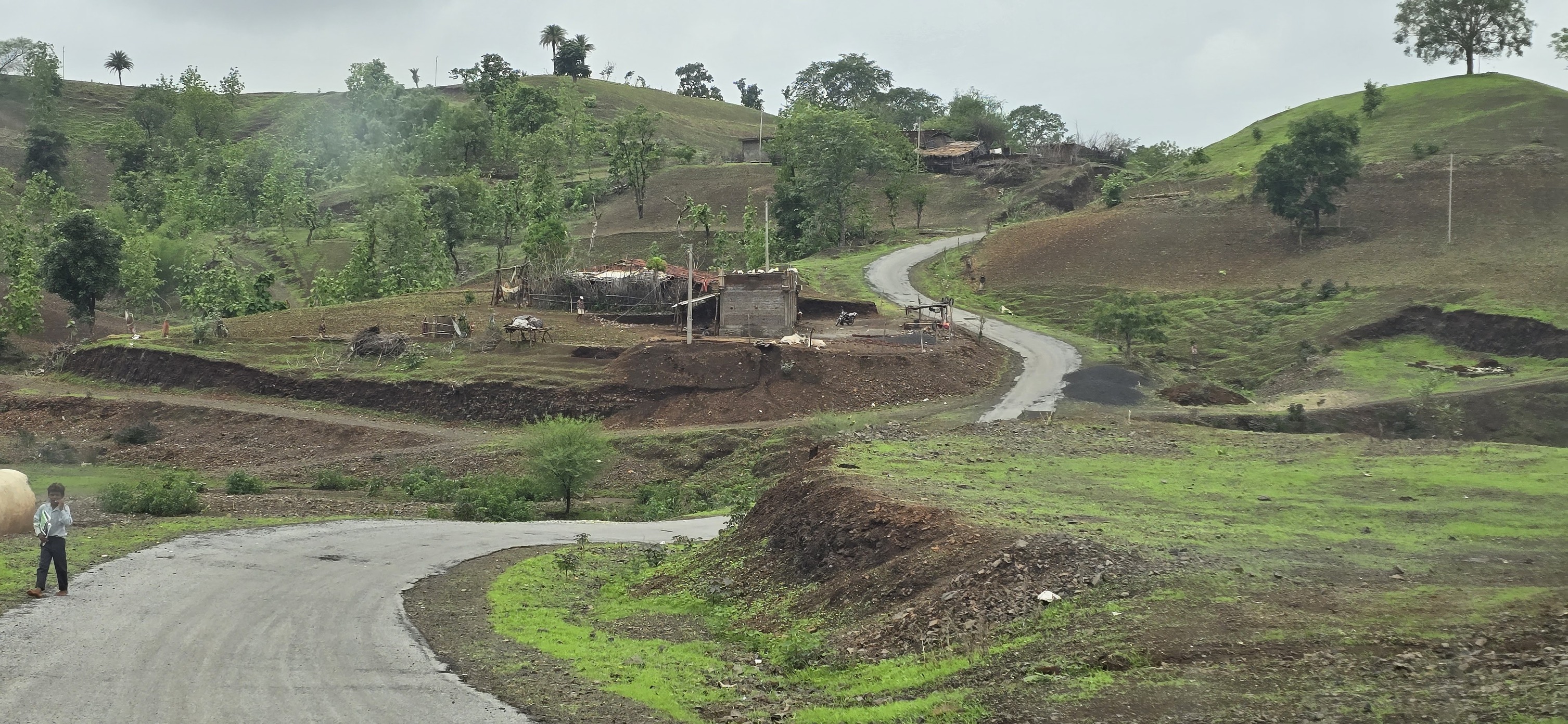
Banswara region lies in the Mahi catchment area in south-west Rajasthan, and is home to the massive Mahi Dam. The region is typified by low rolling hills undulating for miles, whose tops turn into meadows in the monsoons, evoking scenes from a Kashmiri landscape. This topographical feature has also led to formation of islands in the reservoir created by the Mahi Dam.
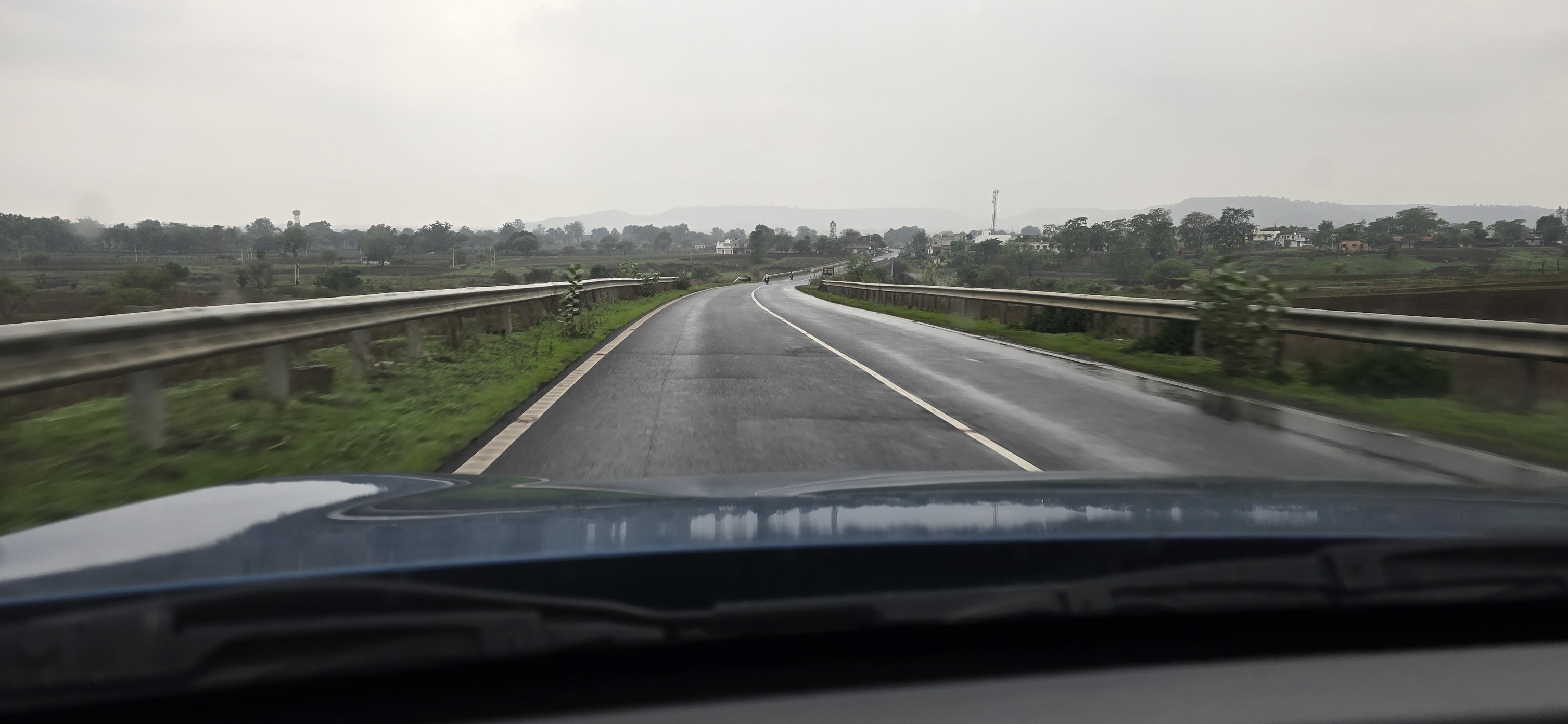

The road, winding across the ridges, leading to a village called Chacha Kota, affords a roller-coaster like ride with breathtaking views of the low rolling hills stretching to the horizon, as well as the islands in the reservoir. With overcast skies, you might even feel you’re gliding through the clouds.
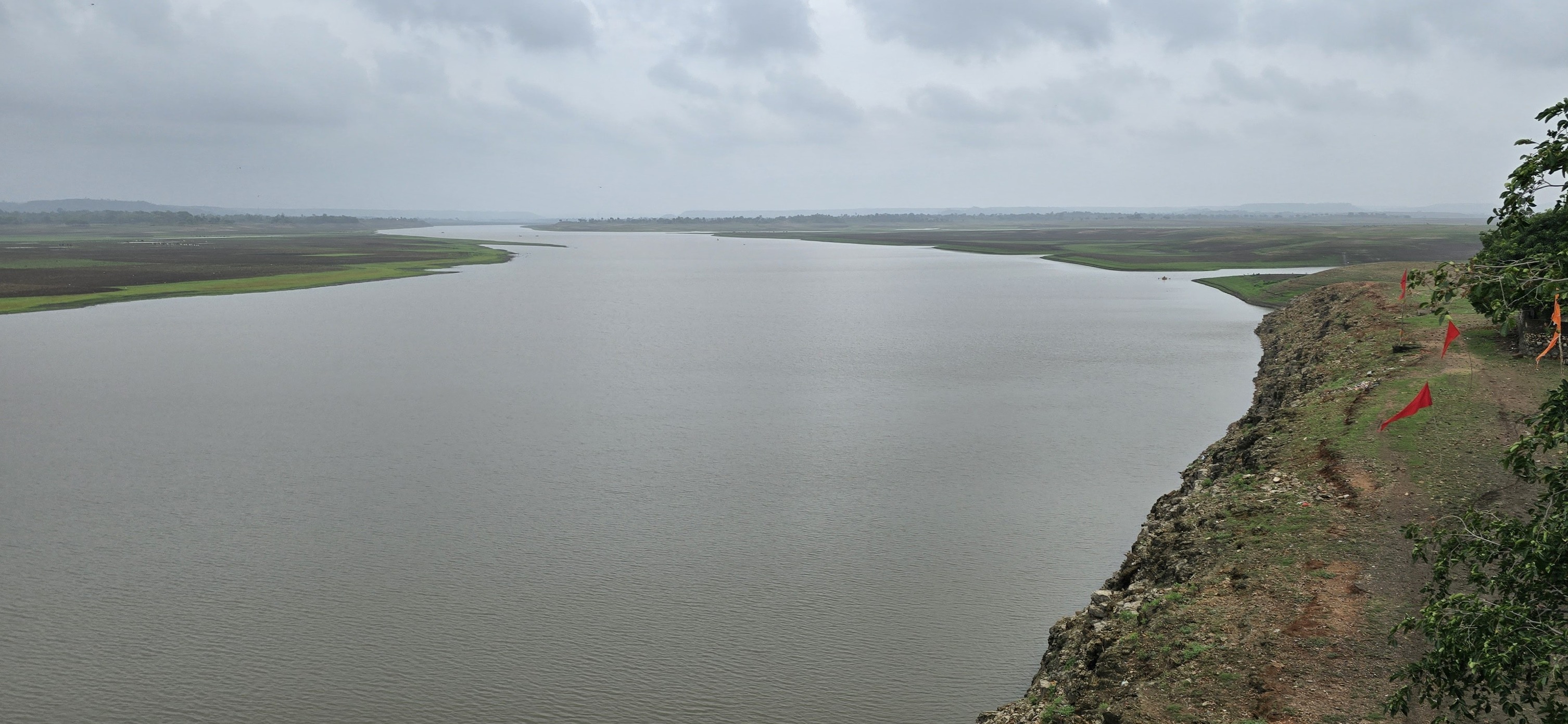
Another point of significance is the long Maharana Pratap Setu (Bridge) over the Mahi River on the road to Ratlam, where the Tropic of Cancer also passes through.

Arthuna
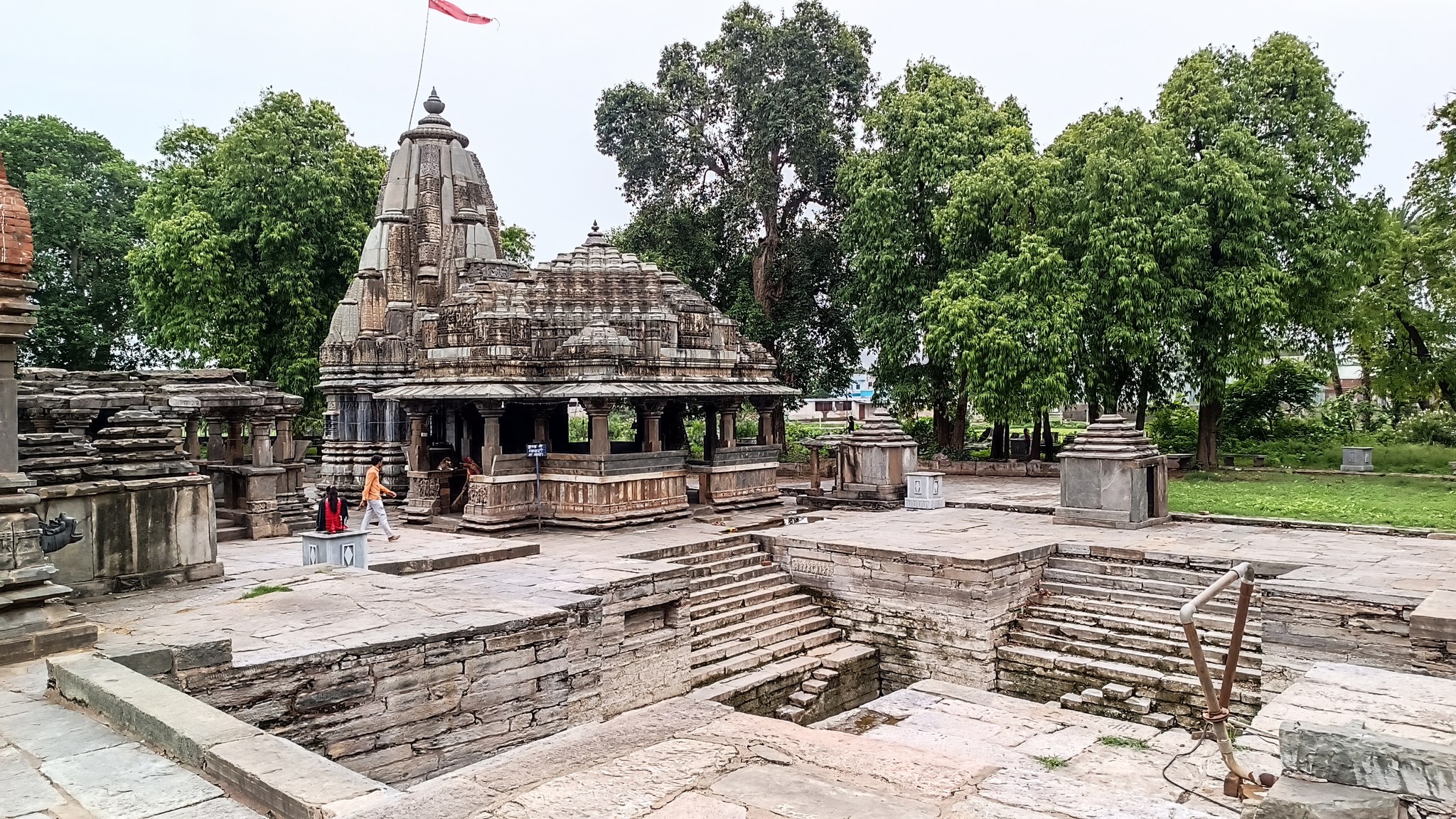
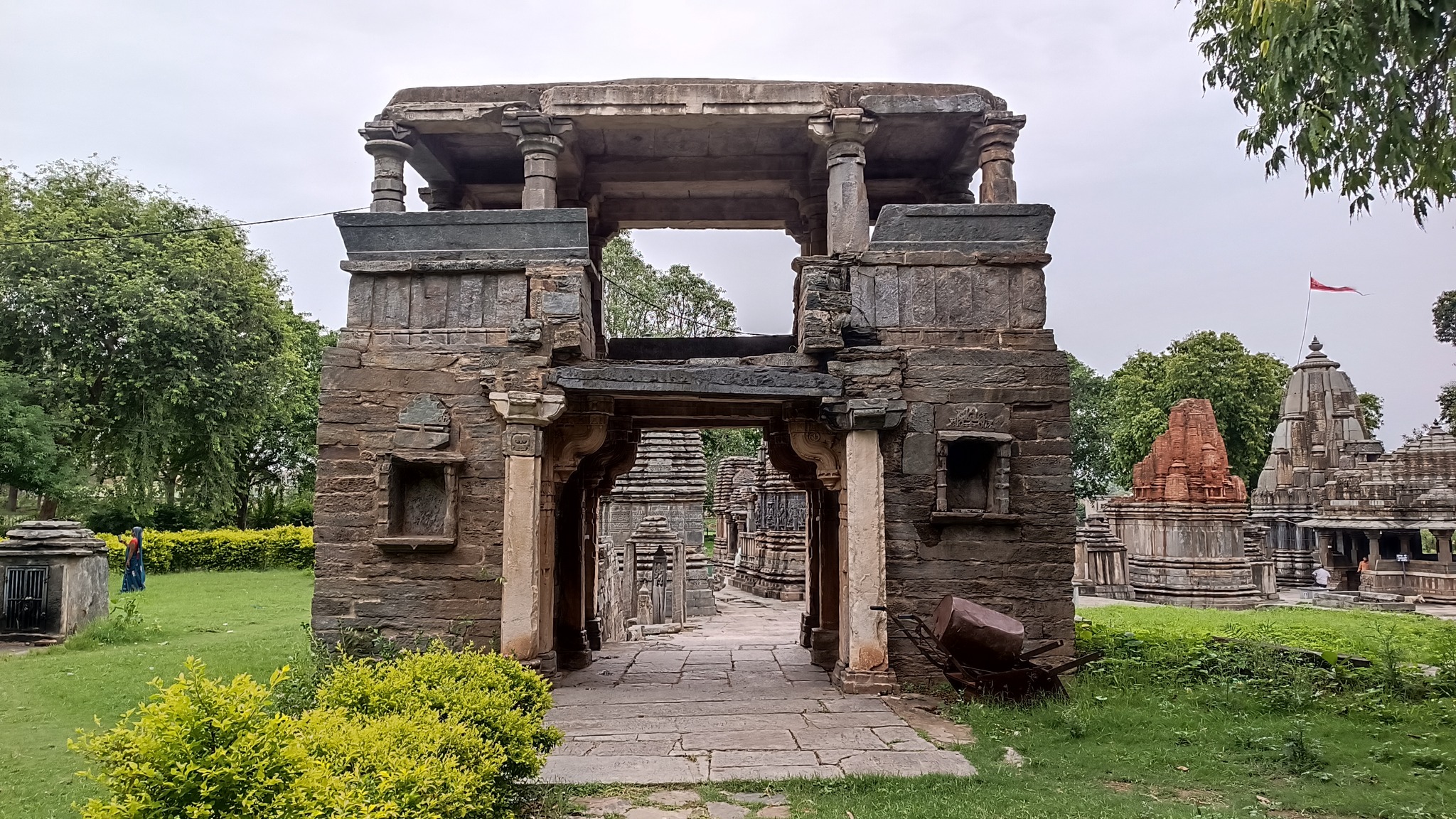
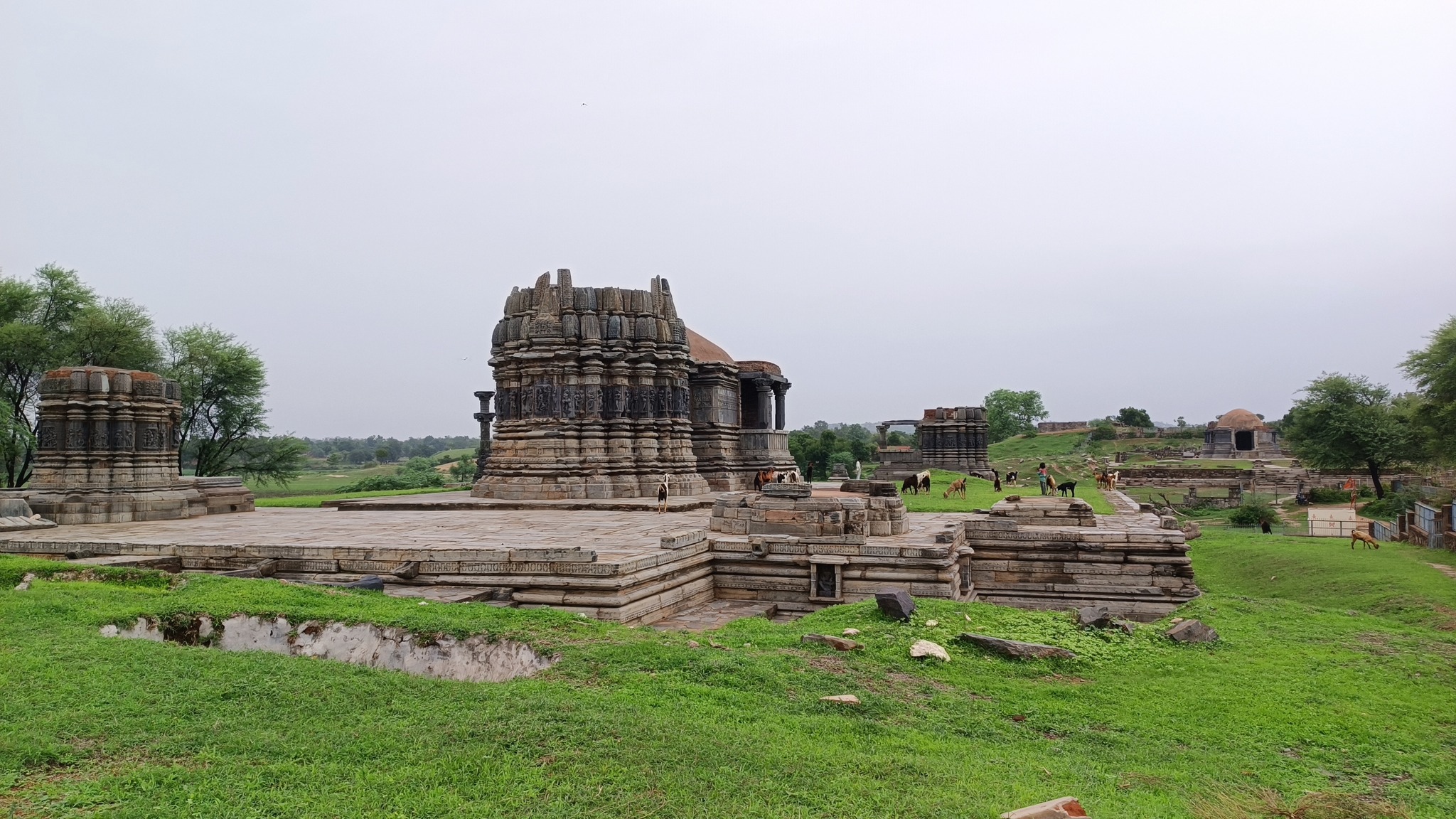
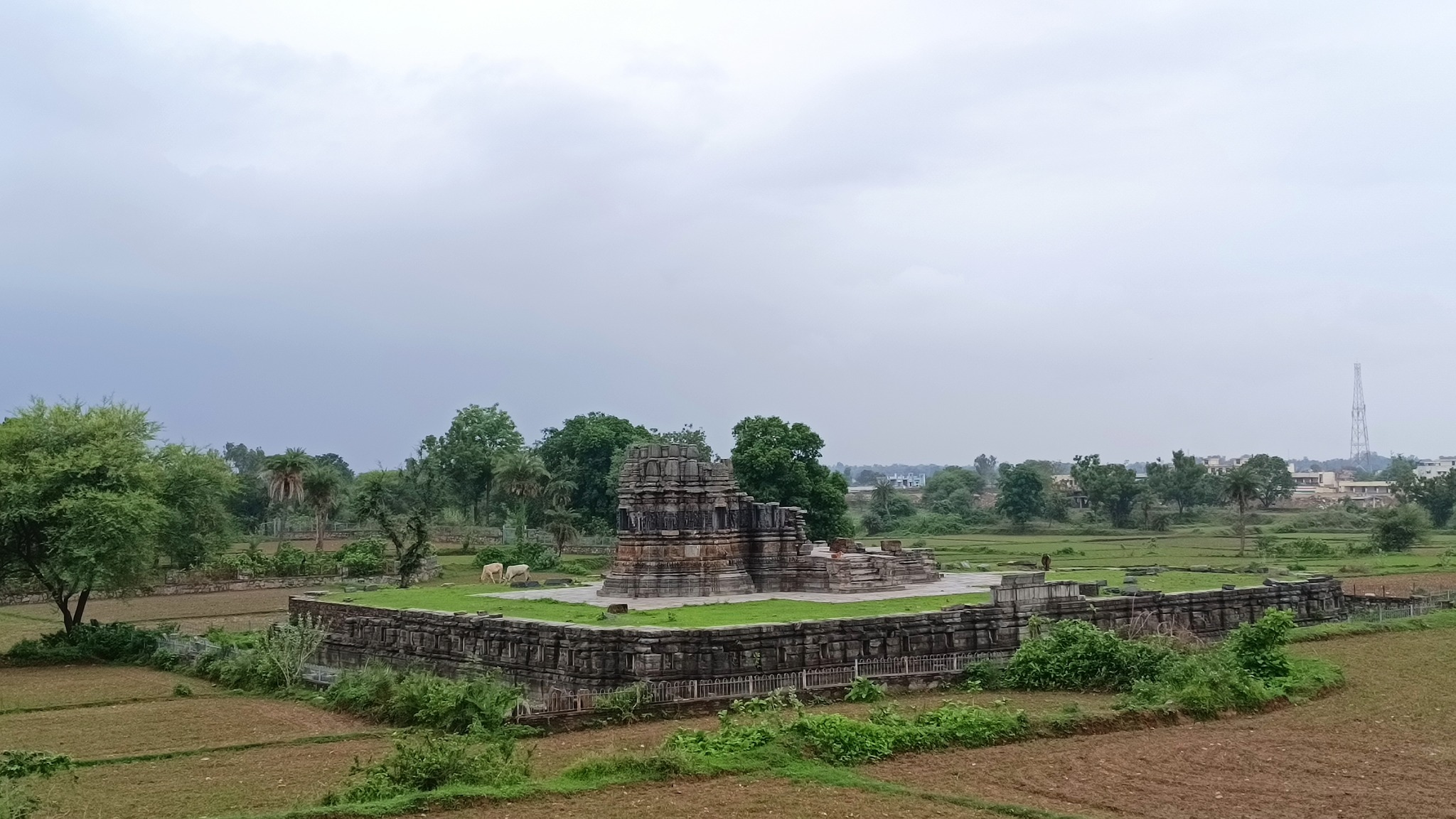
Arthuna, also called Utthunaka, the capital of the Paramaras of Vagad in the 11th-12 century AD, was an important commercial centre at the time. Home to a complex containing multiple temples, from the same period, dedicated to Shiva, and a stepped tank. What is interesting is that outside this complex, there are ruins of even larger temples, and several mounds probably concealing even more structures.

Nathdwara
Home to the temple of Shrinathji, an infant form of Krishna.
Ranakpur
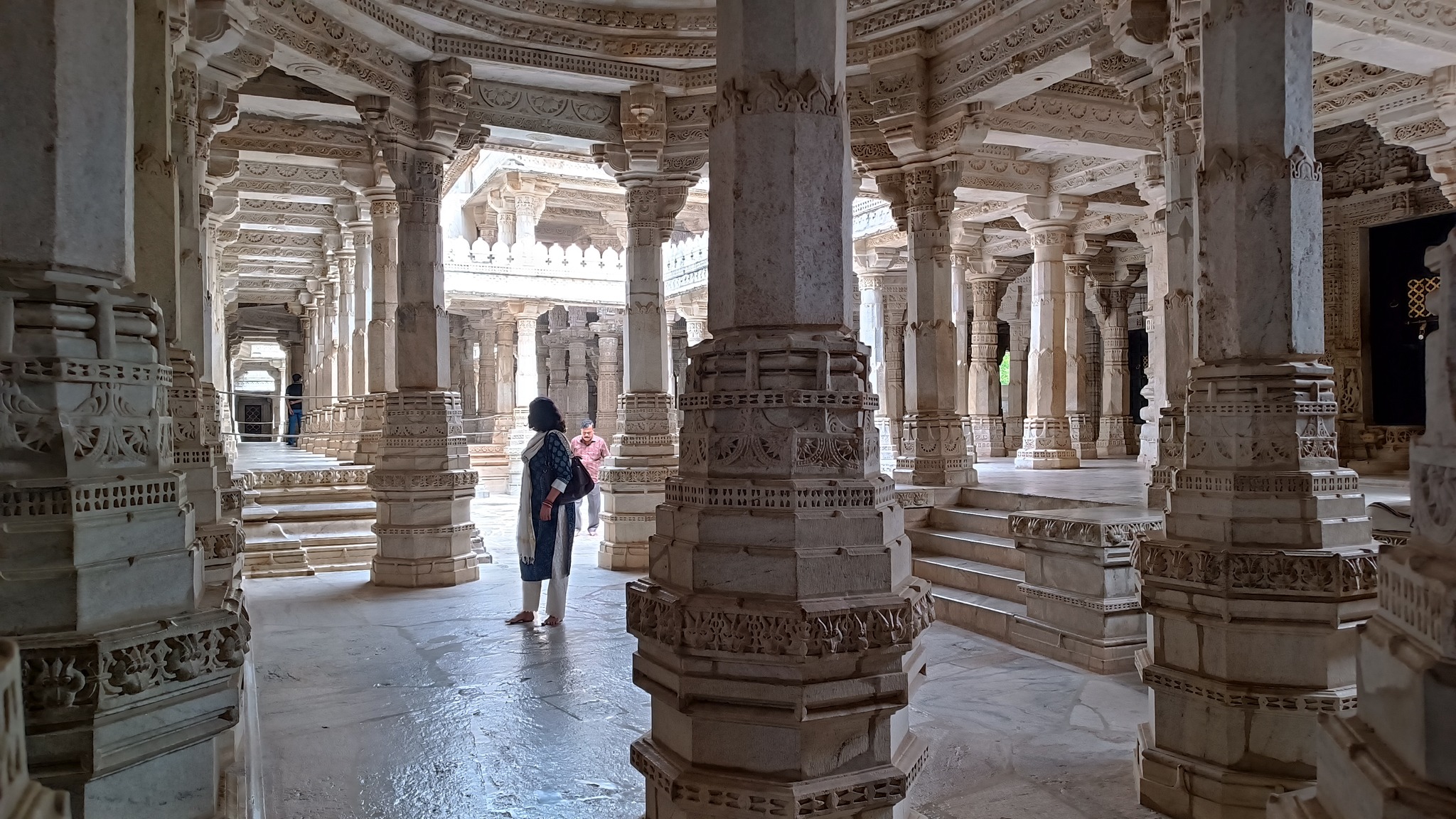
A 15th century Jain temple built entirely in marble sits majestically in the jungle at the Aravalli foothills. I would put this temple alongside the Taj Mahal as a mediaeval wonder of India.

Kumbhalgarh
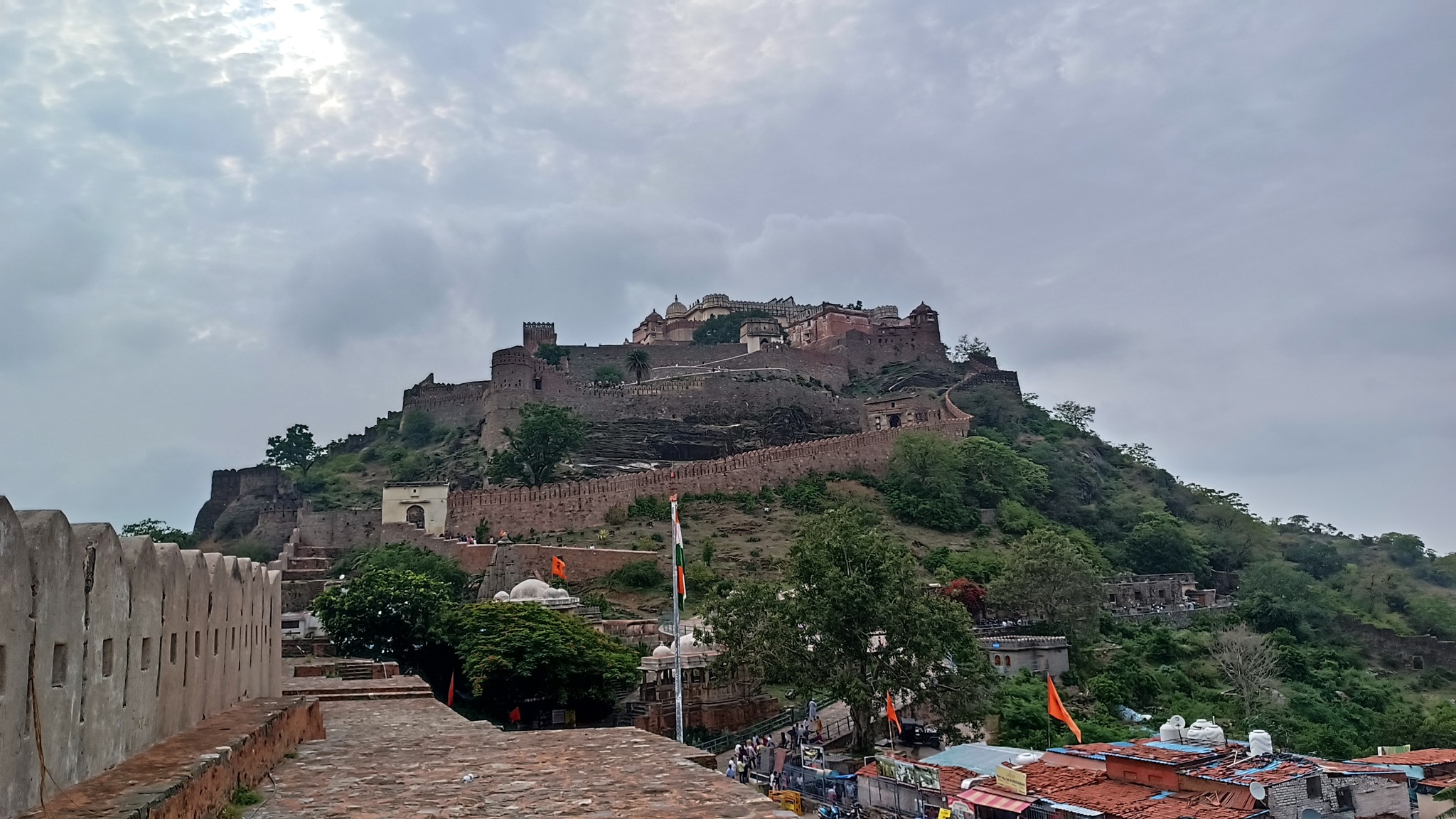
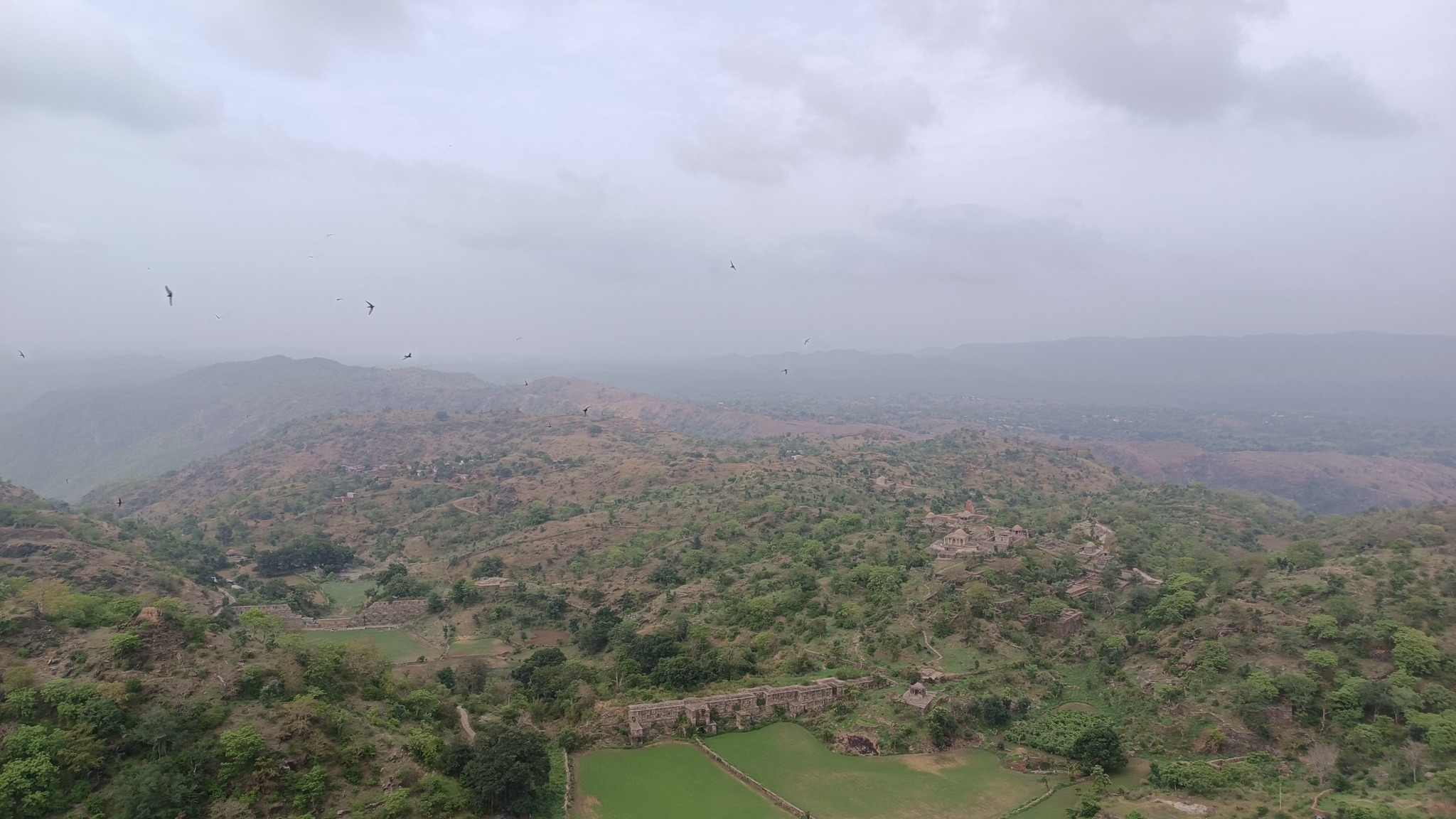
Another historic fort, the birthplace of the legendary Maharana Pratap, and hailed as the fort with the longest fortification wall in India (2nd in the world) at 36 km. From the top of the main palace, aptly named Badal Mahal (or Palace of the Clouds), it is said, one can see the Marwar on one side, and Mewar on the other.

Rakt Talai (Pool of Blood)
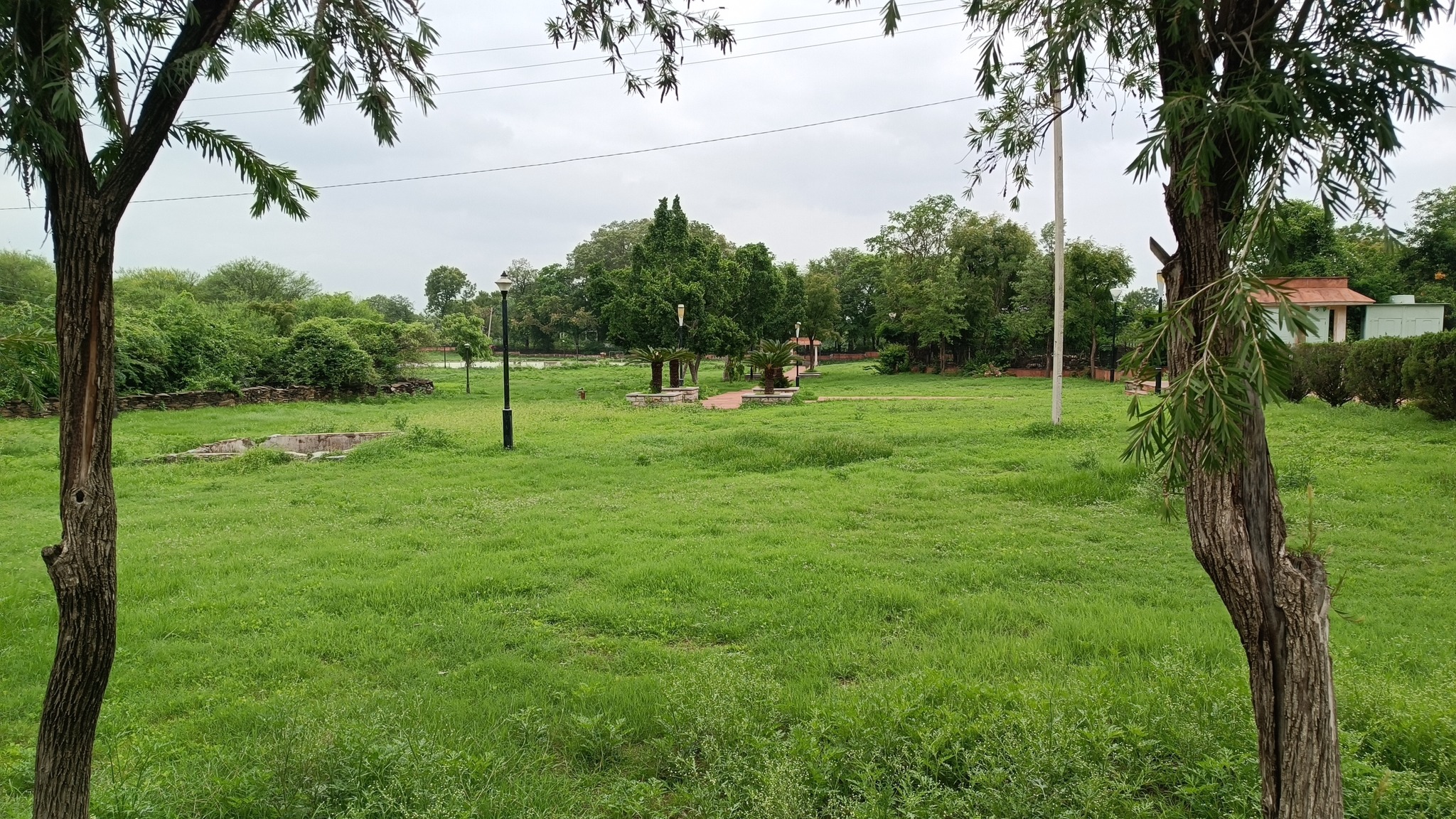
As one crosses Haldighati pass, the region around which served as the battleground between the armies of Maharana Pratap and Akbar, and reaches Khamnore, there comes a depressed patch of land where a pond is said to have existed. The pond is said to have turned red with rainwater that trickled down into it, after mixing with the blood of those fallen in the battle of Haldighati on 18 June 1576.
Trip Summary
Day 1:
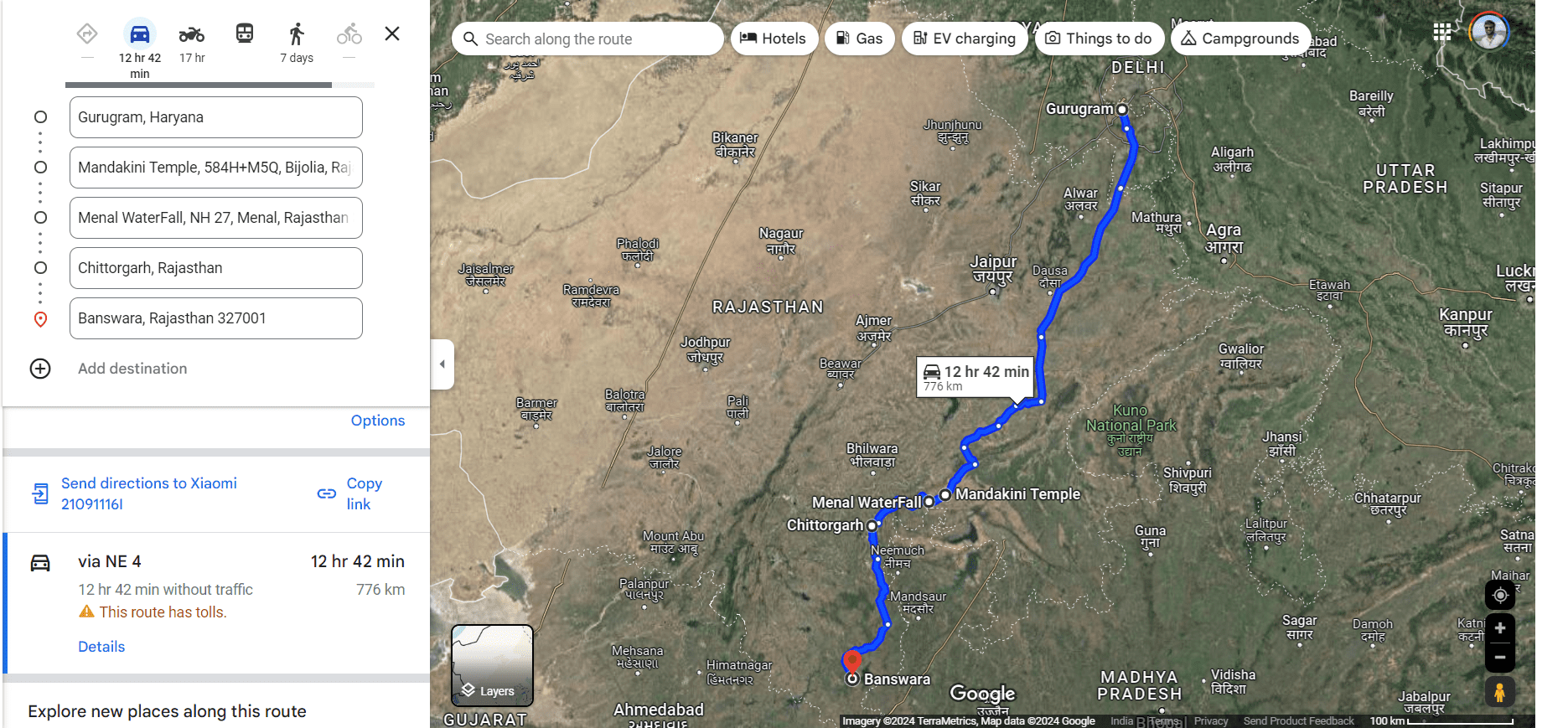
Gurugram to Chittorgarh via Bijolia and Menal
Day 2:
Chittaurgarh fort, and then on to Banswara
Day 3:
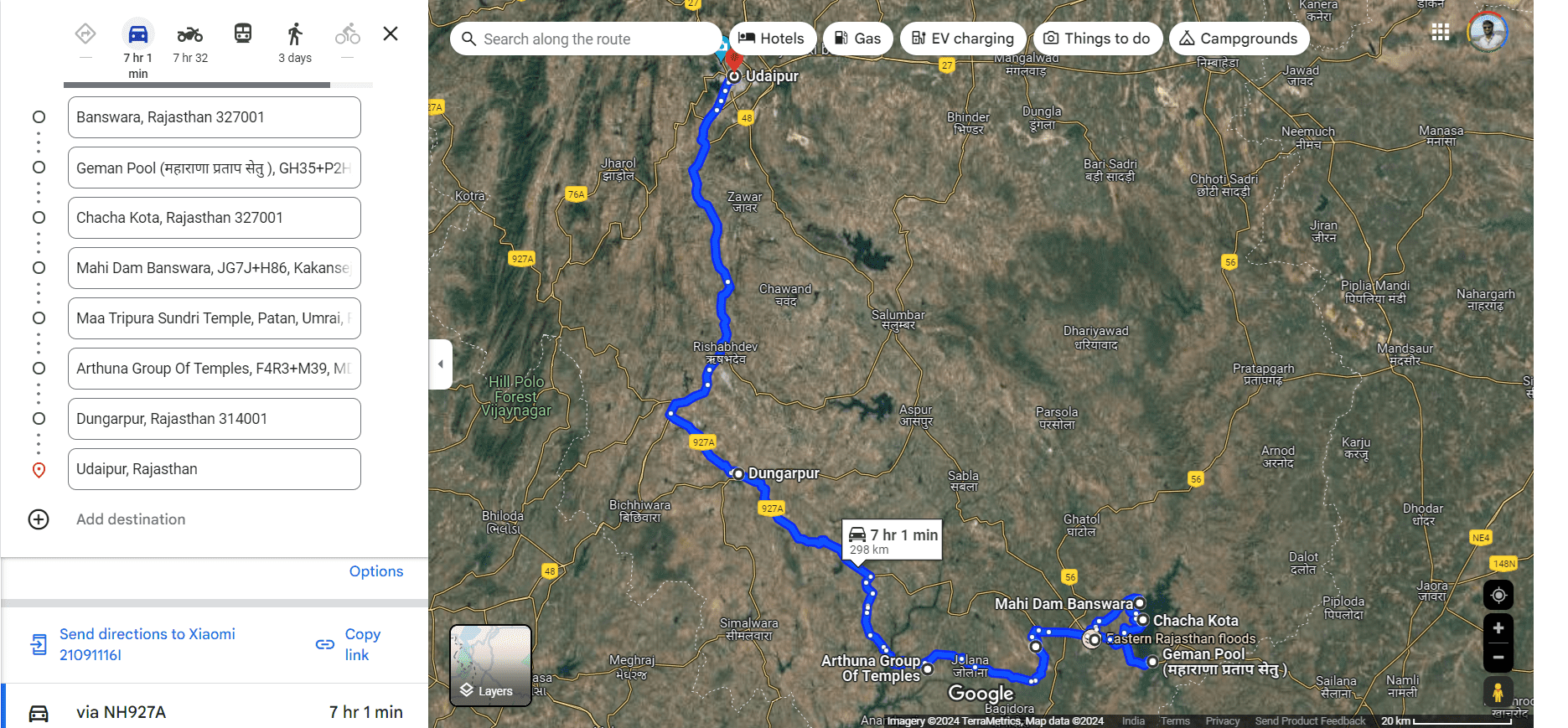
Banswara and thereabouts including Mahi River Bridge, Chacha Kota and Mahi Dam.
On to Udaipur via Arthuna and Dungarpur
Day 4:
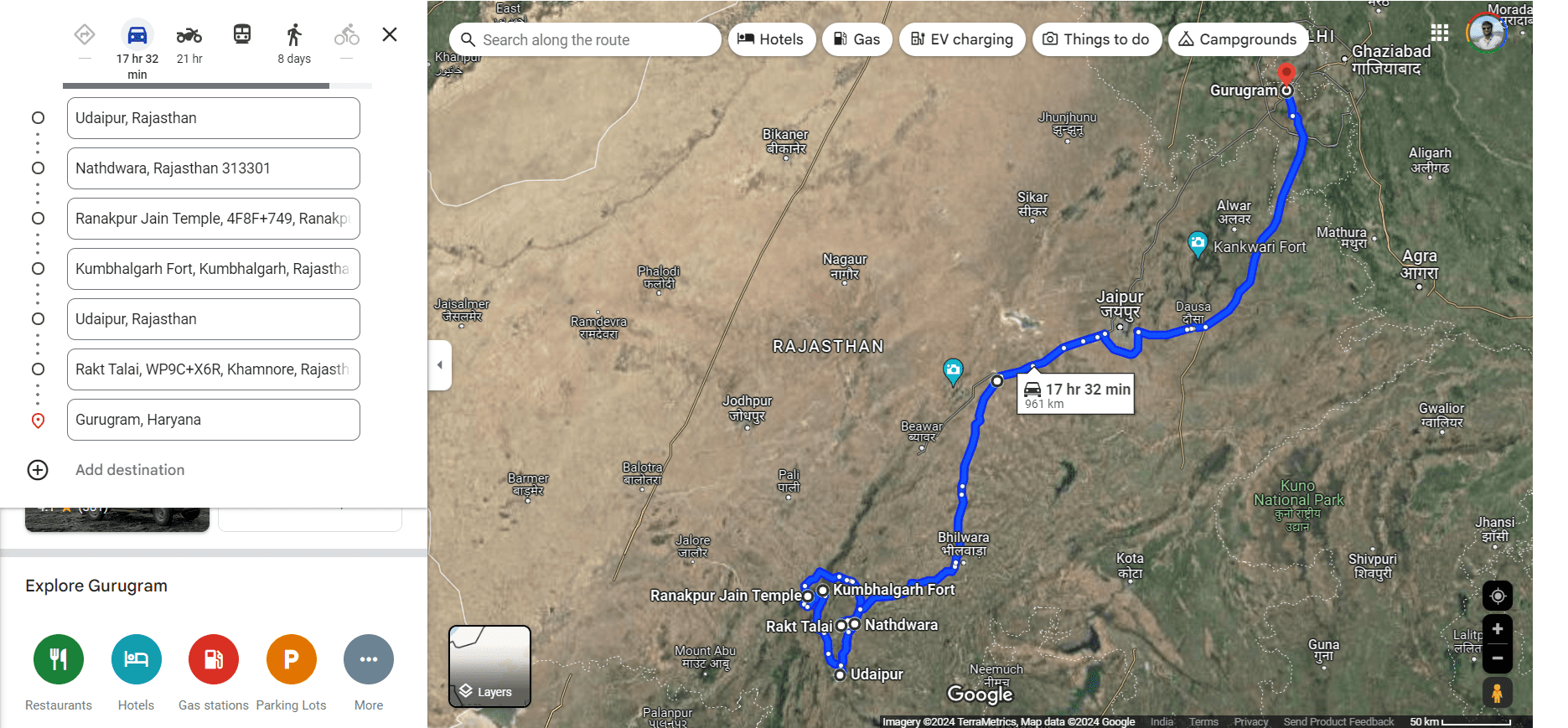
Udaipur to Nathdwara, then on to Ranakpur and Kumbhalgarh, and back to Udaipur
Day 5:
Udaipur to Gurugram via Haldighati and Bhilwara
Trip maps
Trip statistics

 The Timber Trawler