
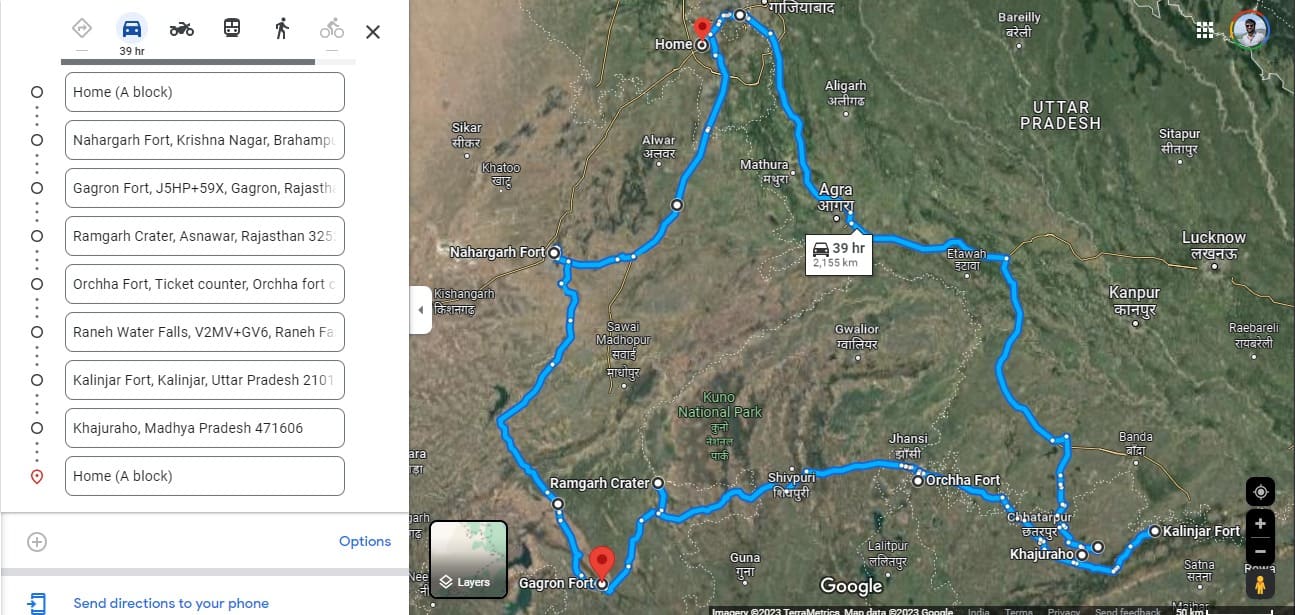
The little one touched down in late February on his annual visit to the homeland, and as has been the family’s wont, we set out on another self-driven road trip. This time I wanted to introduce my little brother to the pink-splashed, fort-dotted landscape of Jaipur. But that was not all of the plan – the plan also included exploring the antiquities lying in the upper Vindhya hill ranges.
One of those long-distance trips that uncharacteristically start at noon, it was the perfect opportunity to check out the Delhi-Mumbai Expressway (DME) which had just opened for the public. And soon we would be in Jaipur and climbing the hairpin bends up the Aravallis to reach Nahargarh fort in pitch darkness.
Following a quick family sight-seeing session in Jaipur, we crossed the Chambal river & Kota city onto the tiger-rich Mukundra Hills in pursuit of a hill-cum-water fort which had eluded me in my last two attempts – once due to floods and the other time, due to paucity of time. We then proceeded to a geological marvel in the form of a Meteorite Impact Crater (MIC) in the middle of nowhere, which also is home to a mysterious ancient Shiva temple.
Then we skirted around the Kuno National Park to push into Bundelkhand, touching some places that formed the backdrop at crucial junctures in the history of Bundelkhand, as well as of British India. We then advanced to that land of exotic temples – Khajuraho, which would then lead us to an intriguing fort straight out of the scenes of an Indiana Jones movie.
Highlights of the trip
Gagron Fort
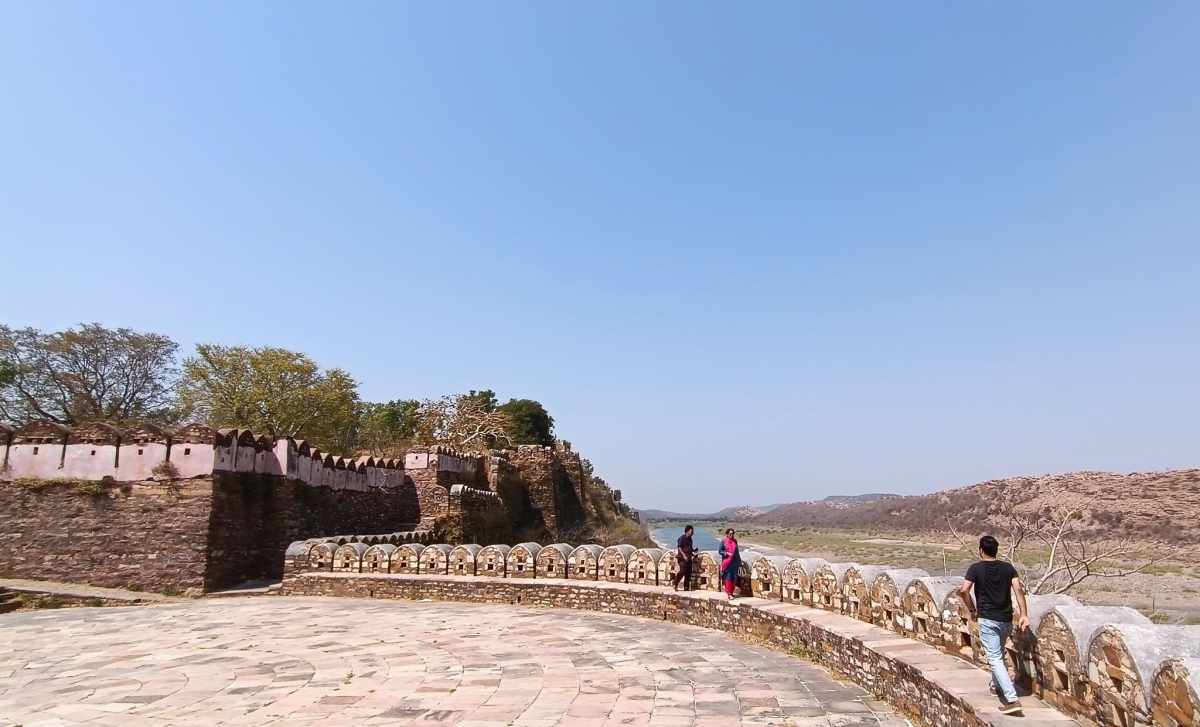
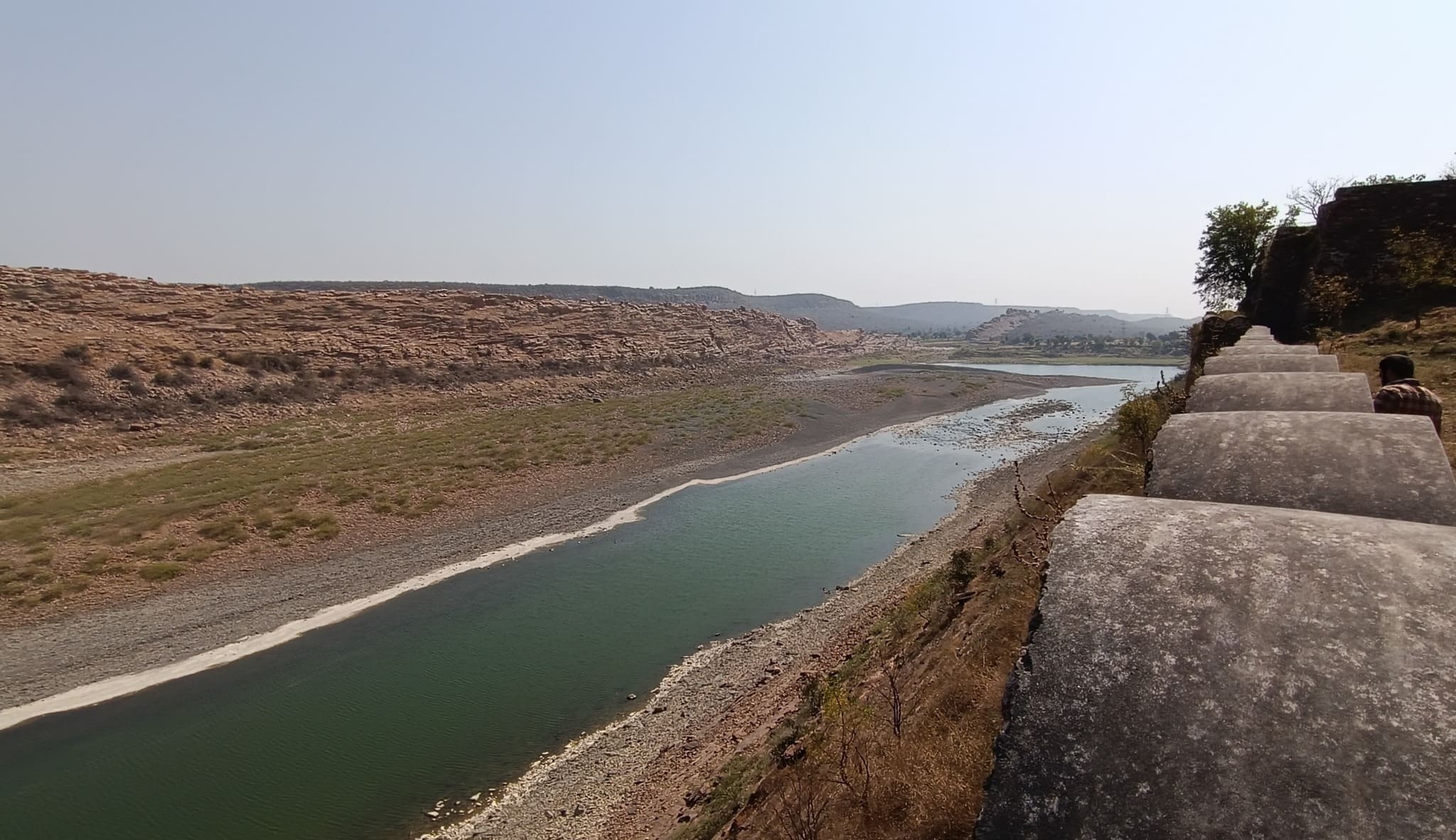
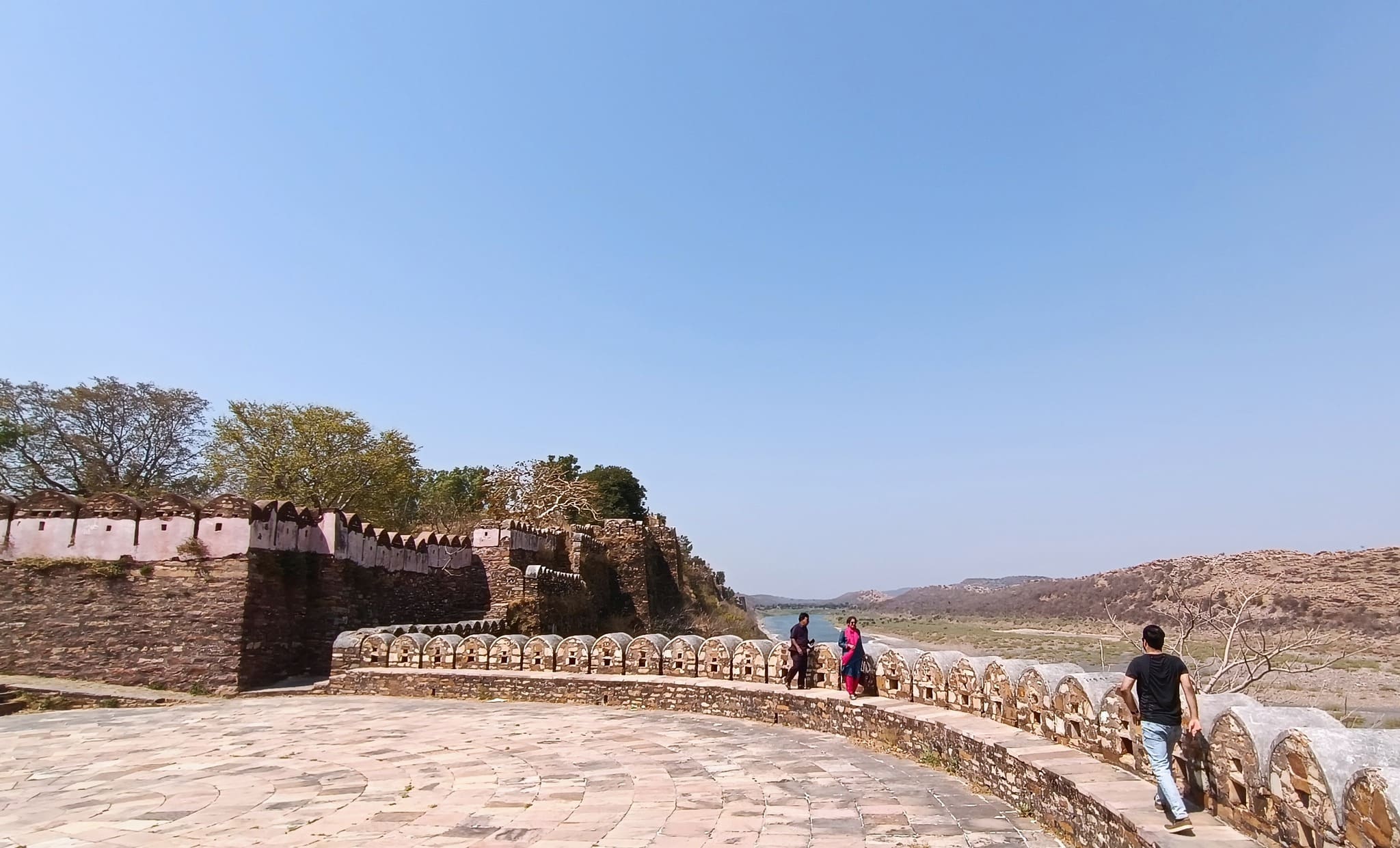
A 12th century hill fort that also doubles up as a water fort, by virtue of lying on the confluence of 2 rivers, with one river winding around the hill supporting the fort, giving protection by water on 3 sides. The fort itself is akin to a ship with the watchtower called Ram Burj situated at the fort’s edge where standing feels as if standing on a ship’s bow. The fort ramparts afford views of the sparsely vegetated rocky surface of the hill with the aquamarine Kali Sindh flowing along the hill base on one side and of the Ahu river on the other side. This fort rounds up for me, the six hill forts of Rajasthan that constitute a UNESCO World Heritage Site series.


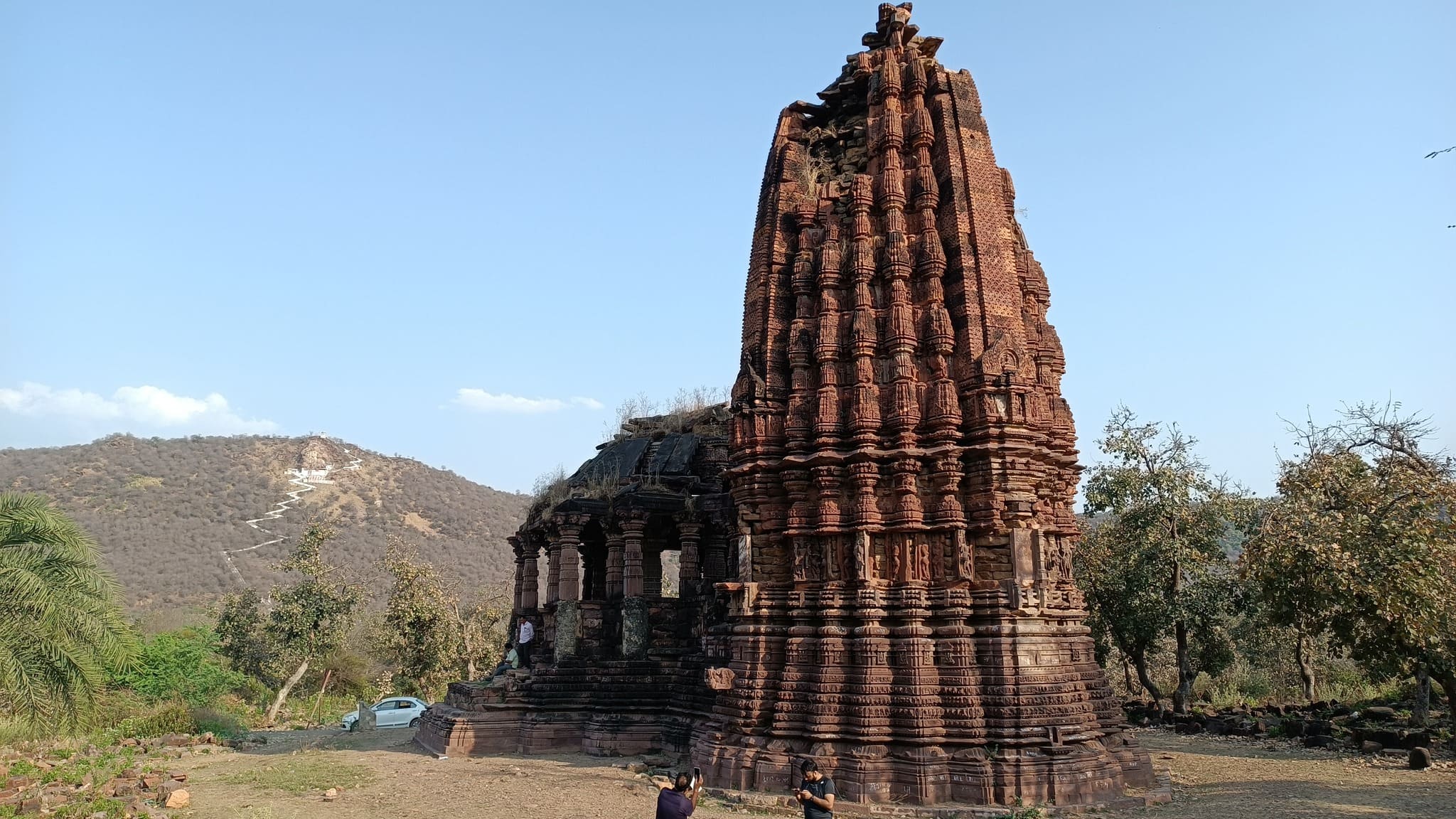
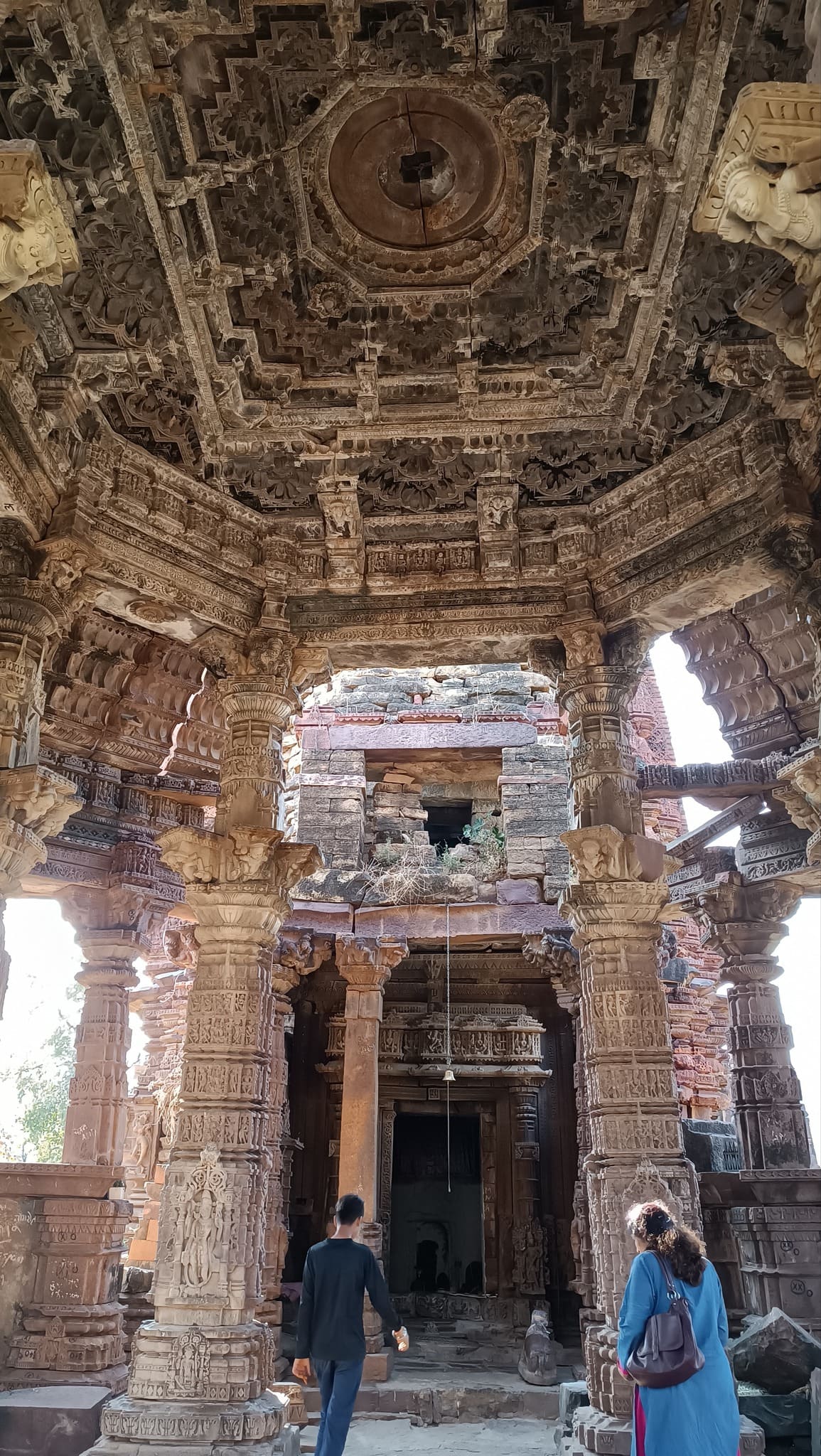
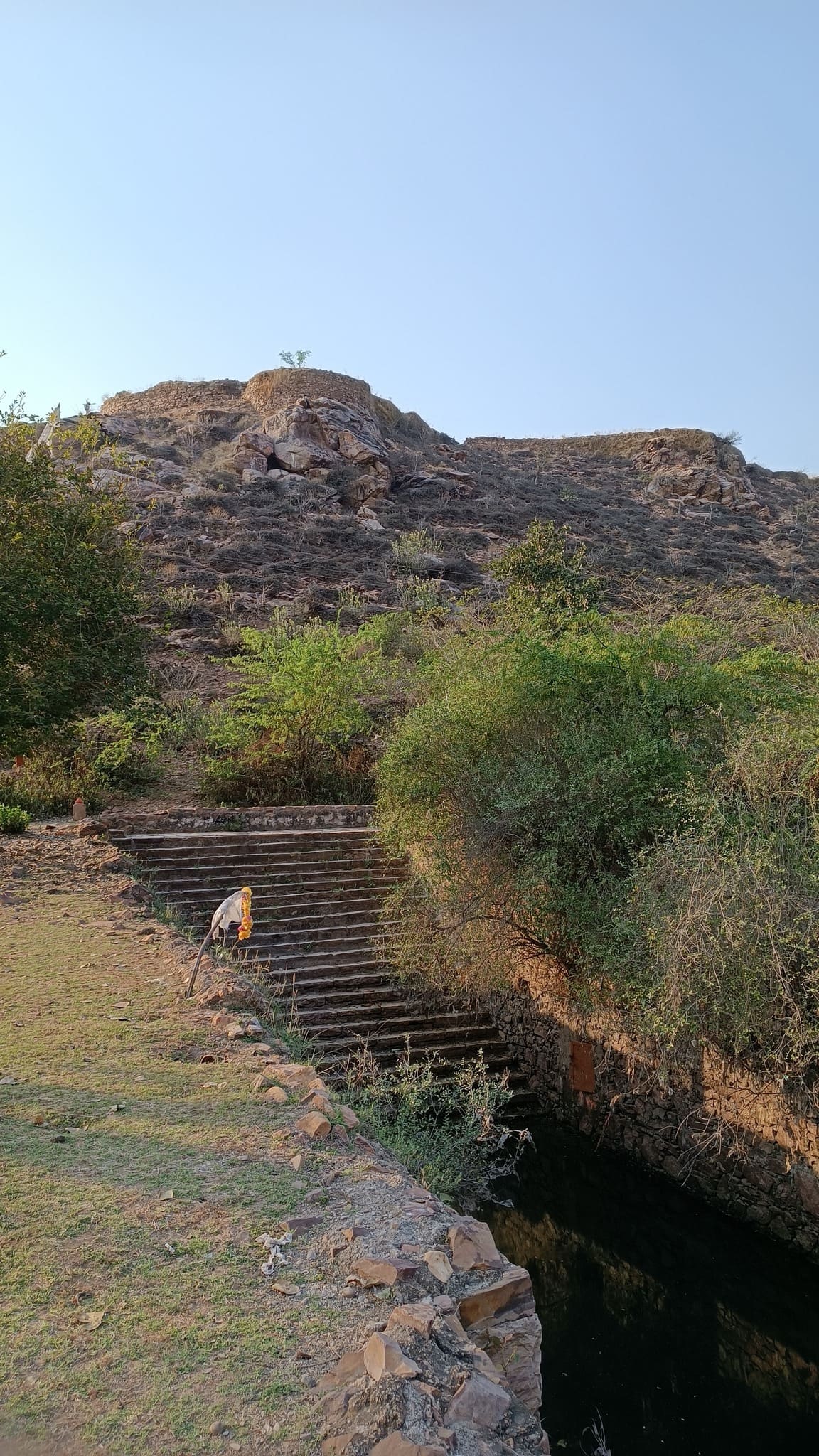
Ramgarh Crater
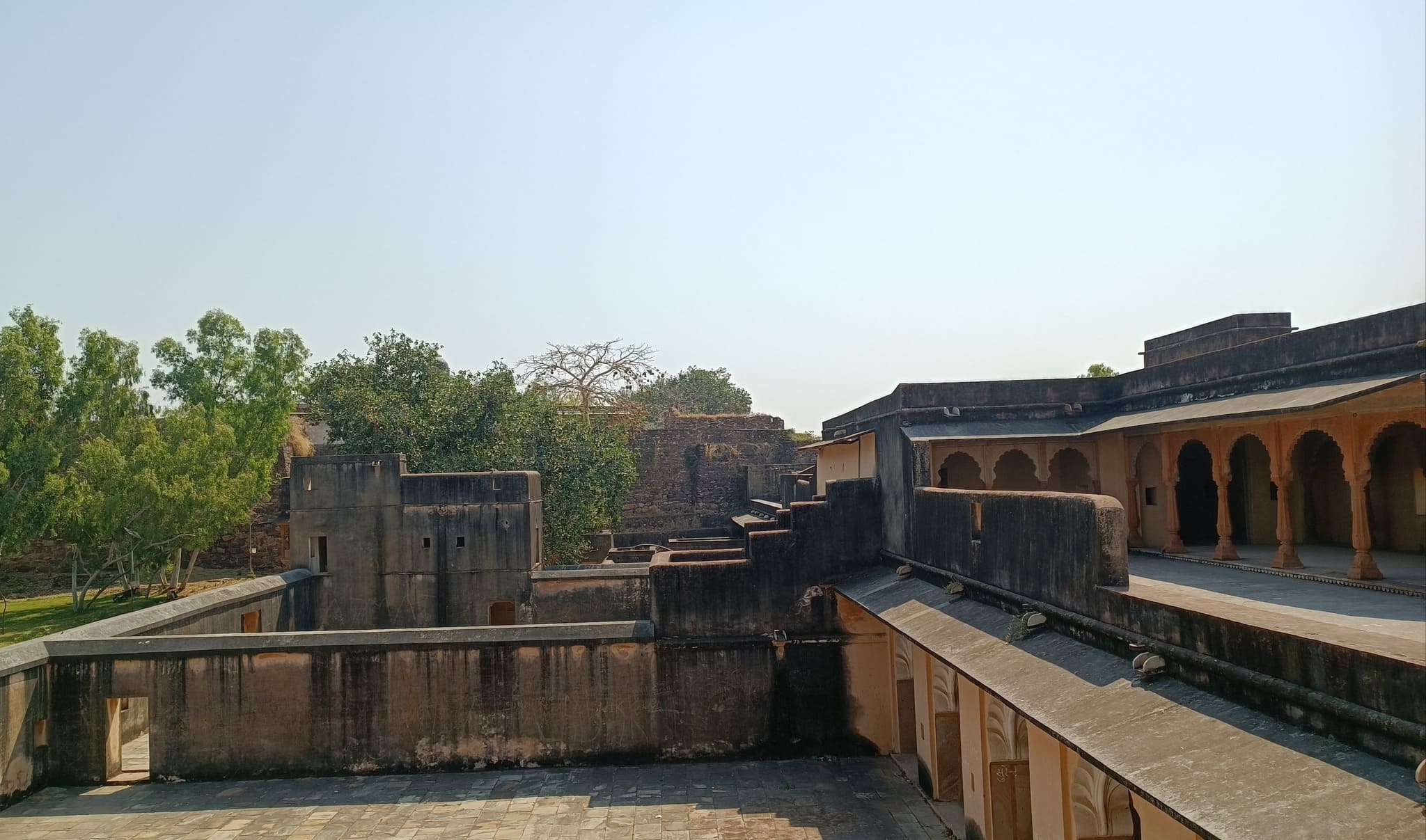
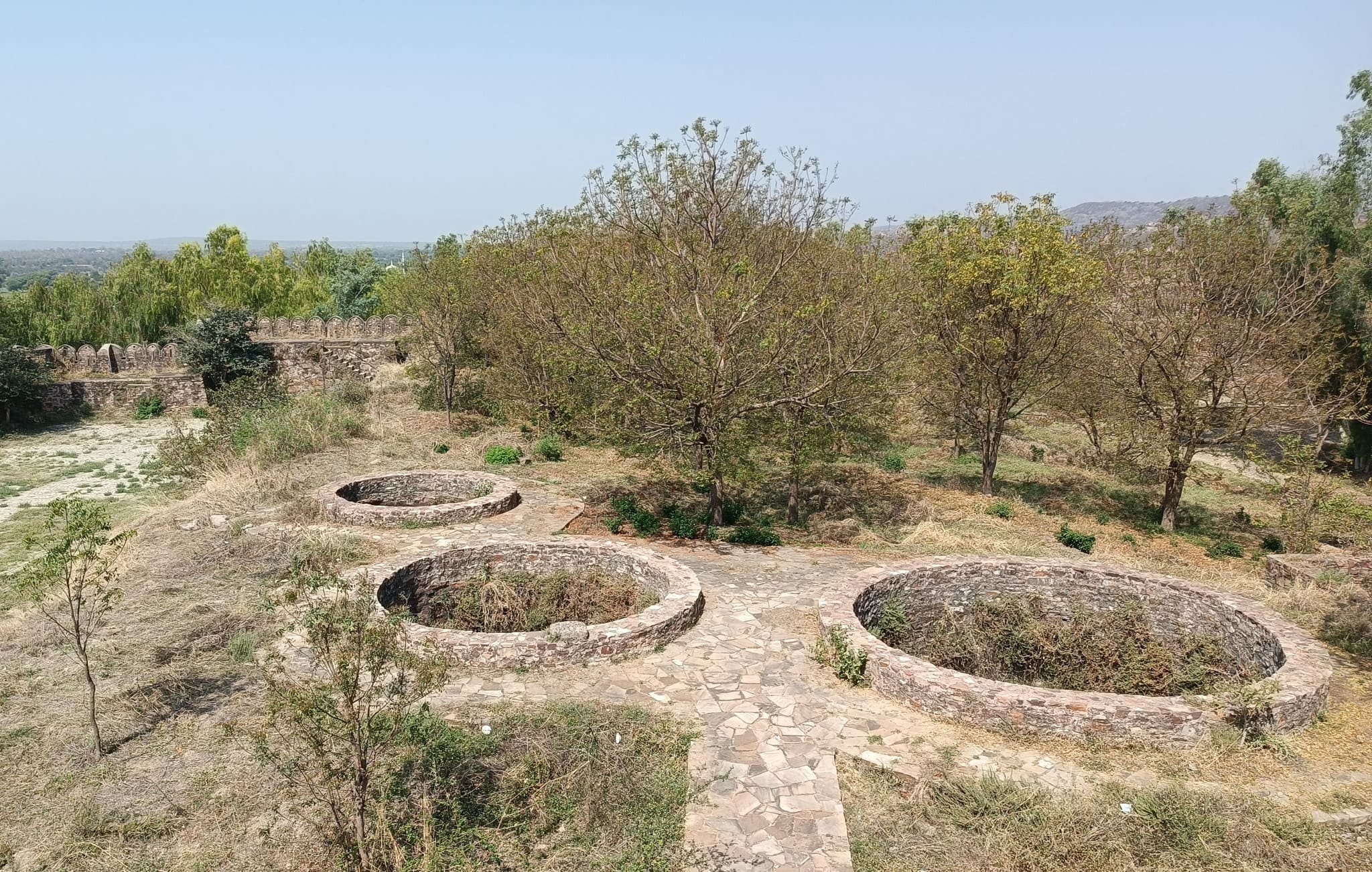
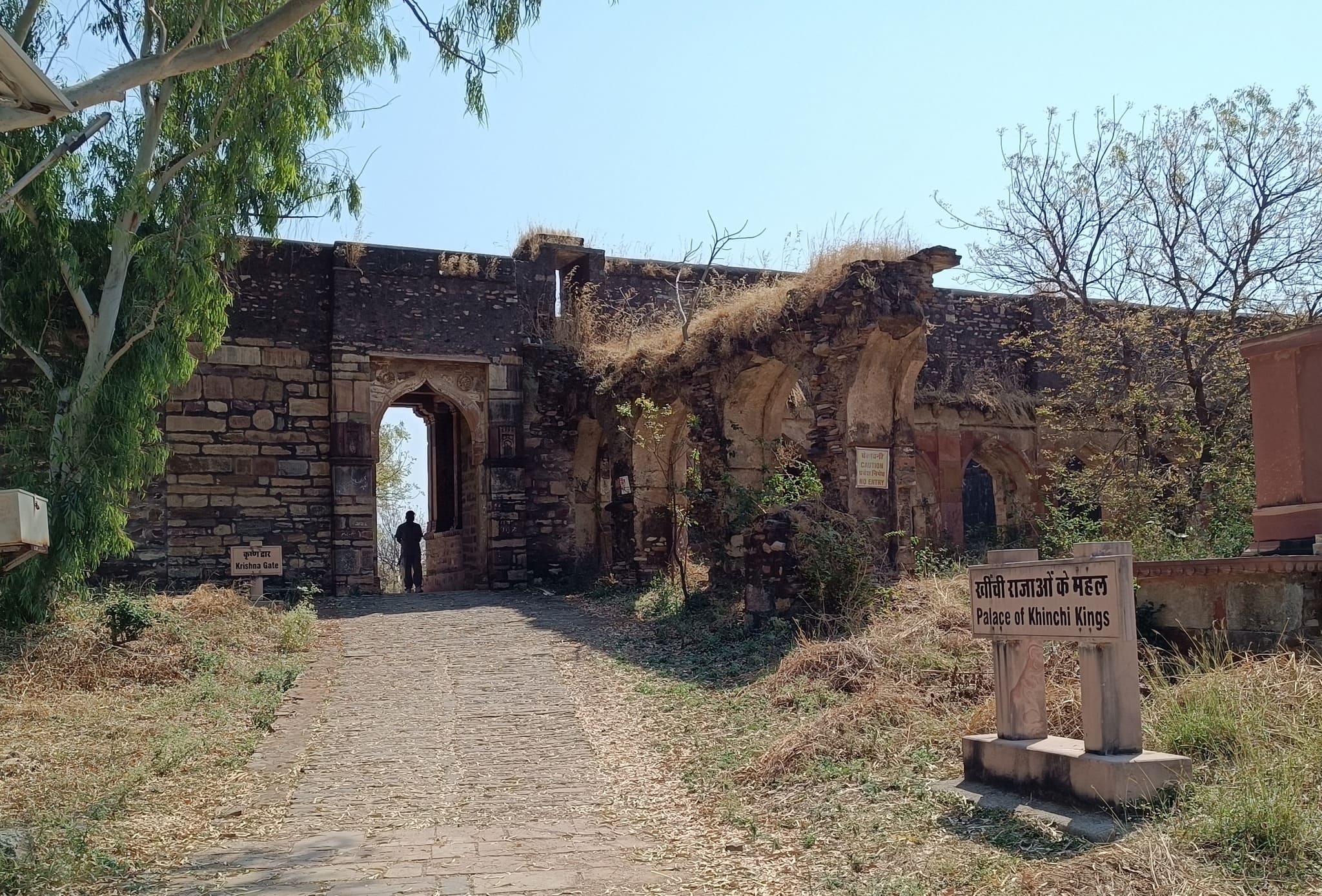
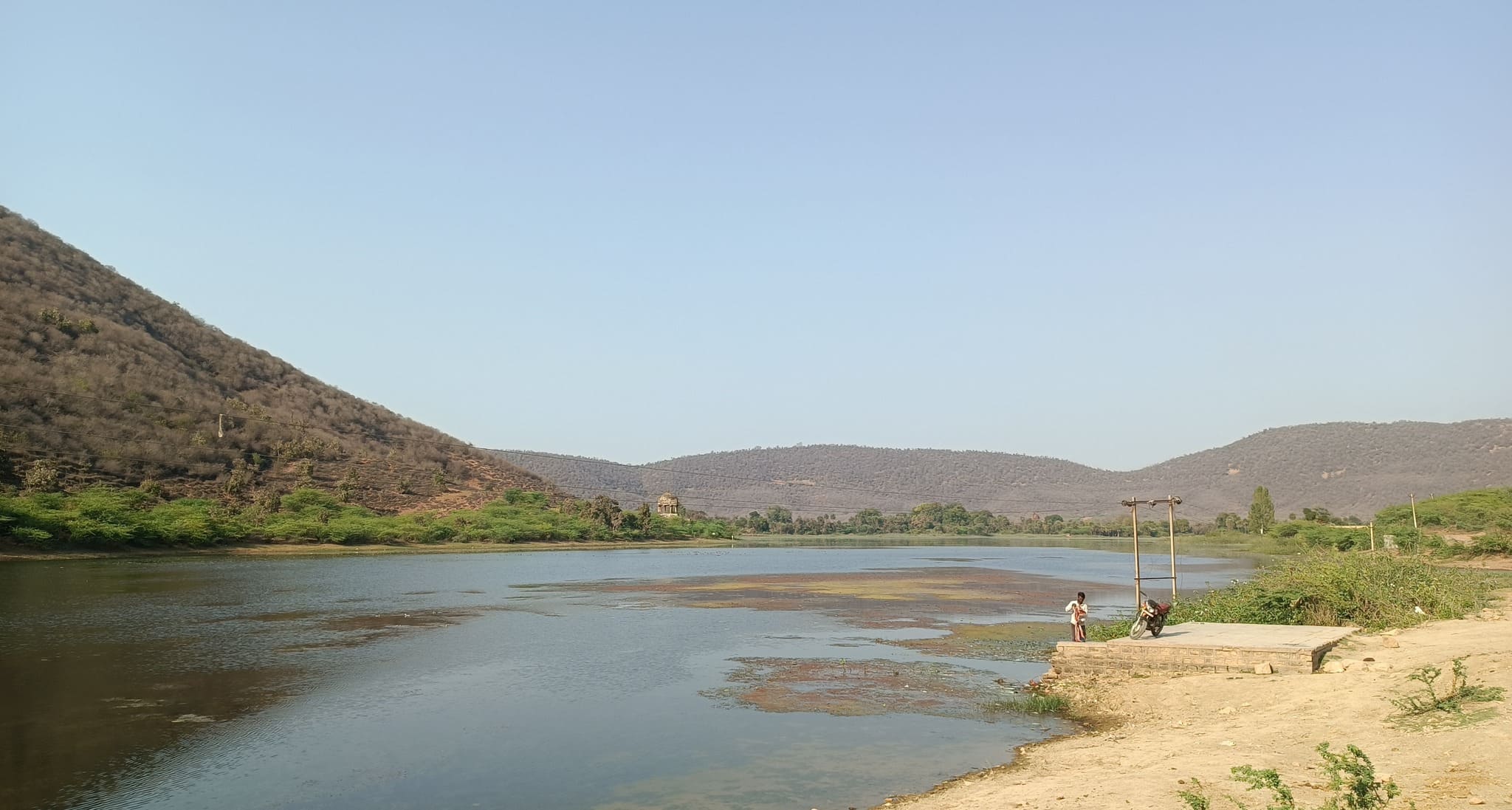
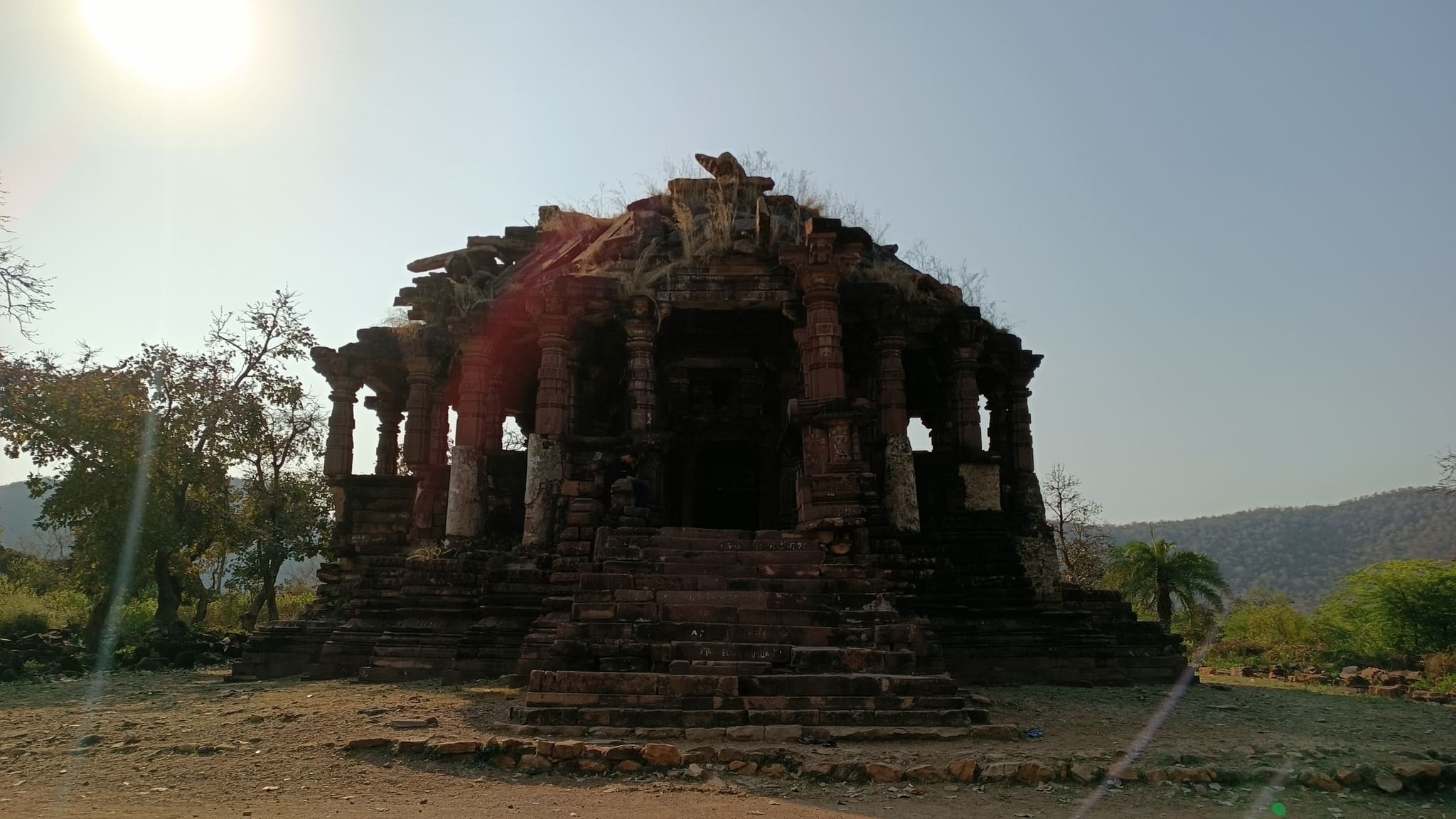
A Meteorite Impact Crater (MIC) formed more than 600 million years ago. The site is characterized by a rim of hills in the shape of a circle with only a narrow pass providing access to the inner area. At the centre of the crater are the Bhand Devra Temple, a 10th century Shiva temple, and a pond abounding in water lilies and lotus. Once formally recognized by the Earth Impact Database, this would be the second largest MIC in India.
Orchha
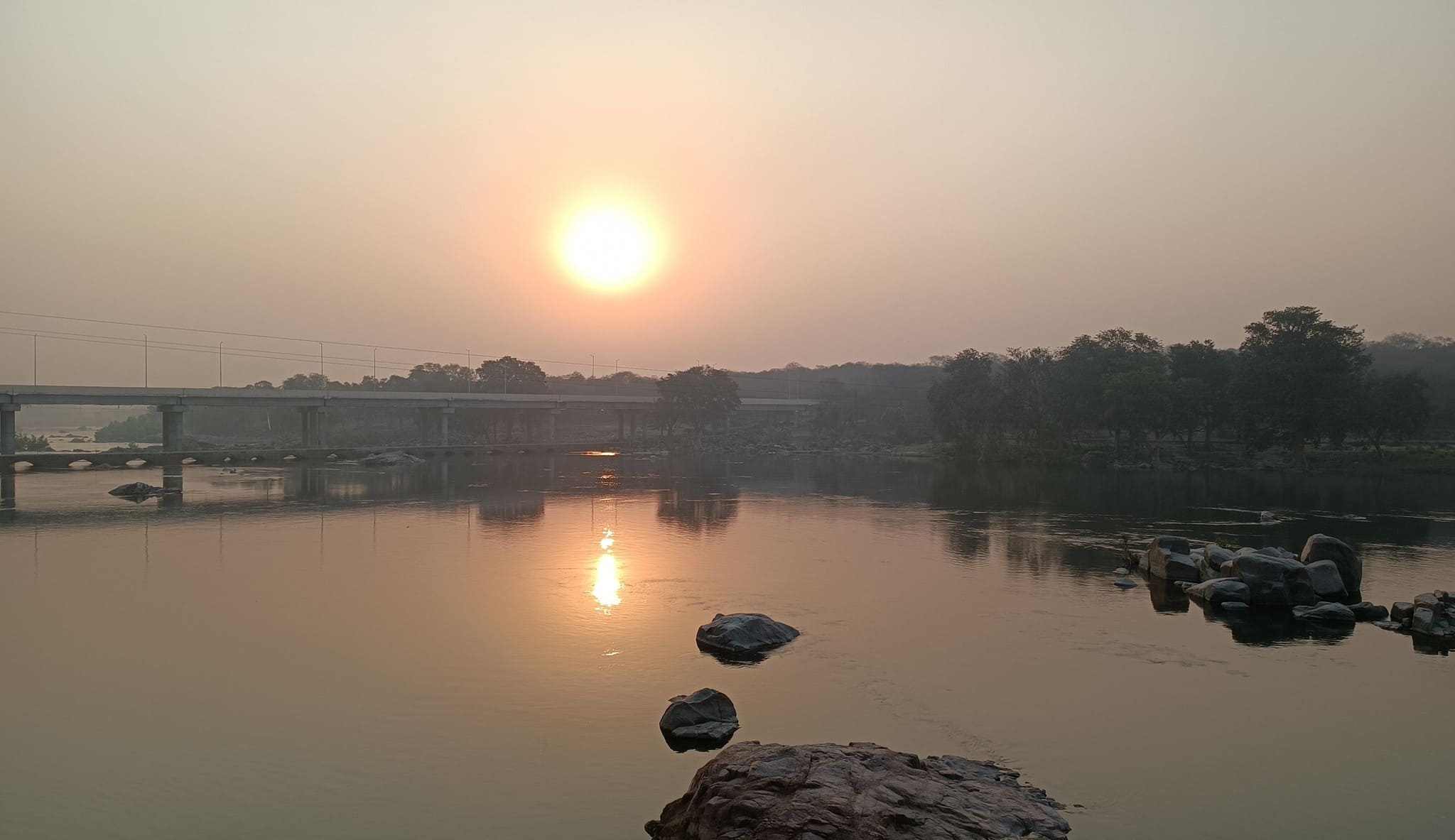
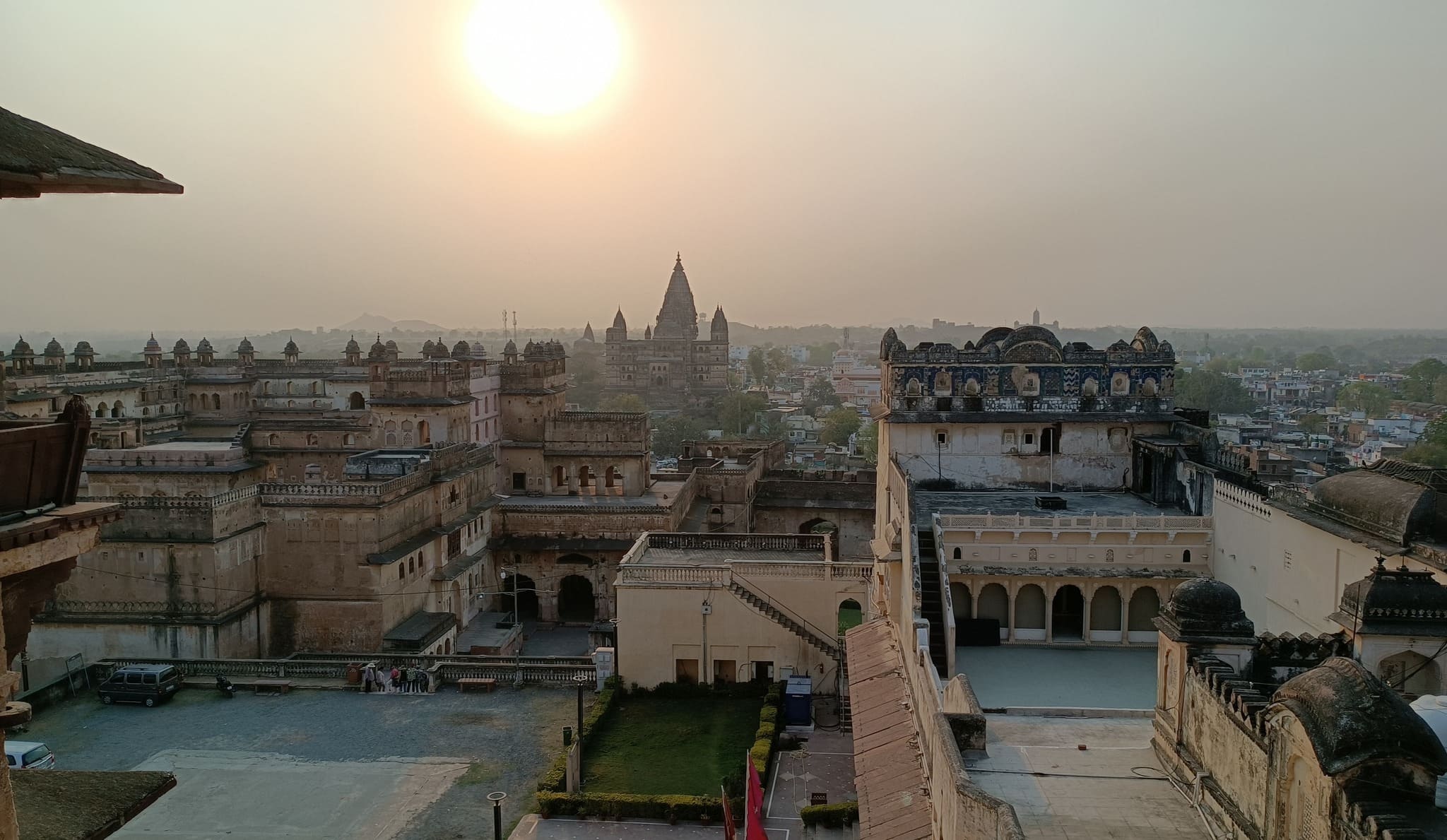
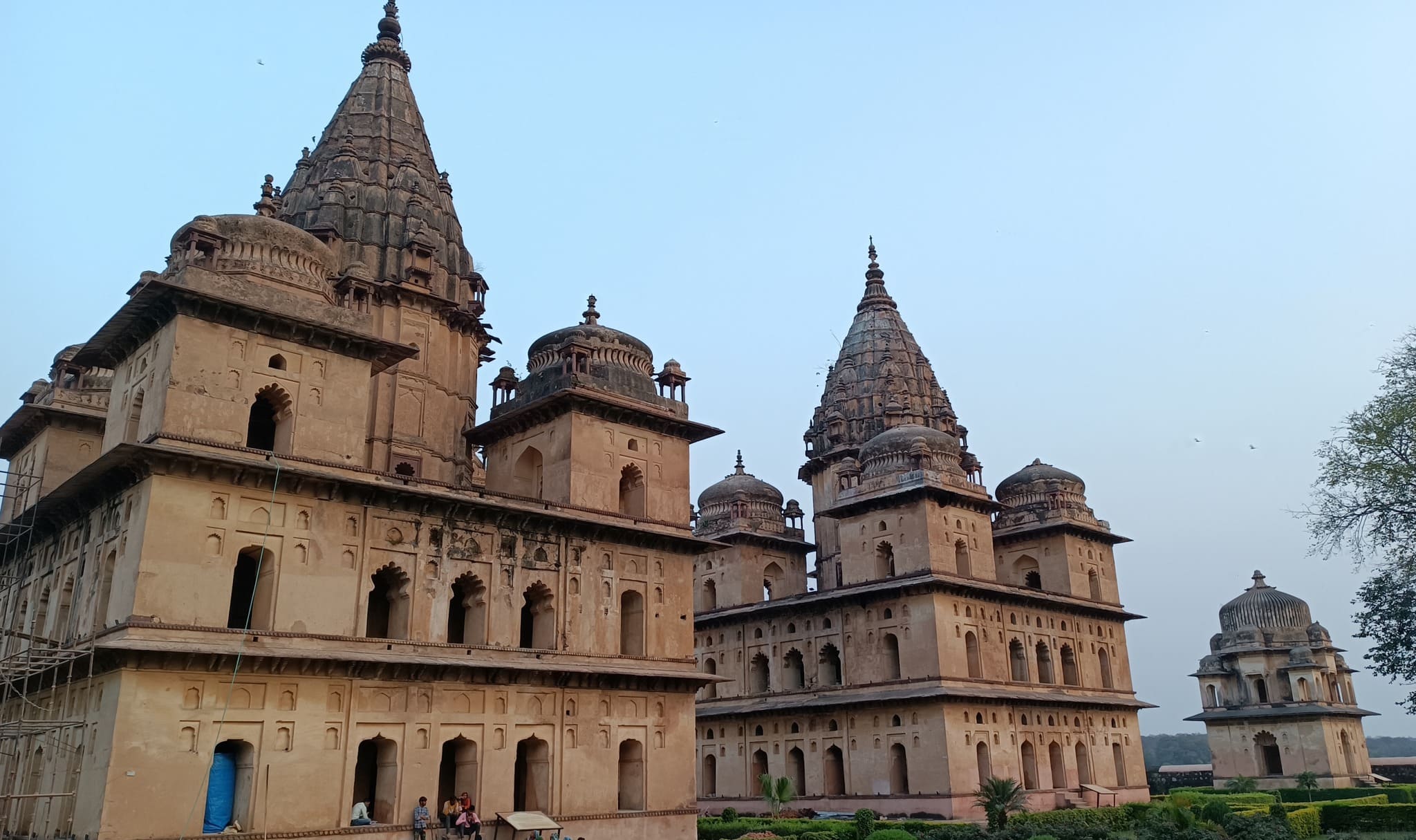
A sleepy yet historically ornate riverside town of Orchha, hidden away from the hustle & bustle of the main roads. The palace complex housing two large palaces, the Chaturbhuj temple and the chhatris (memorials) on the Betwa river evoke a sense of nostalgia for a time gone by. It was established by Bundelas in the 16th century AD and named so because it was apparently “hidden” inside forests.

Garh Kundar
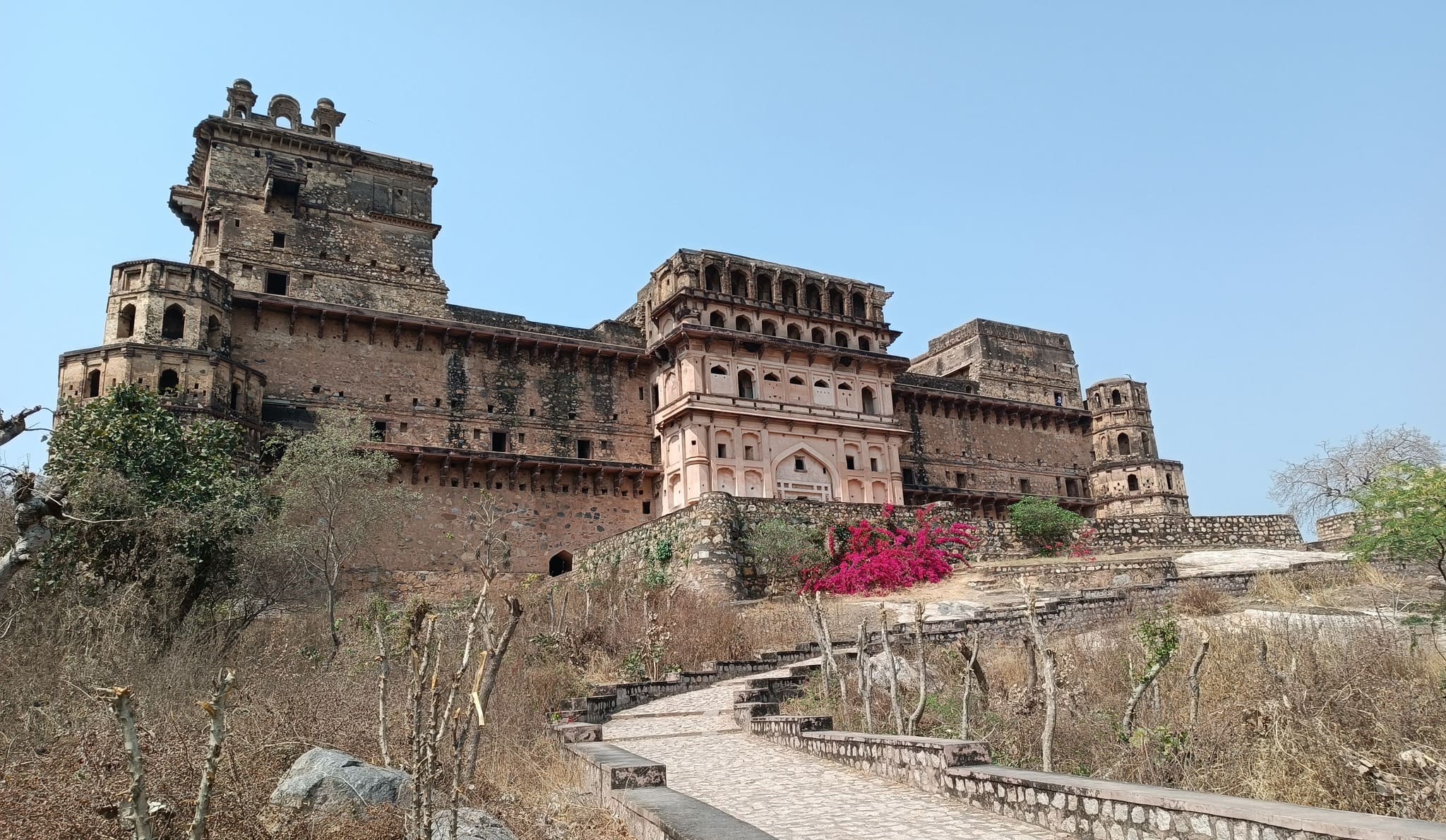
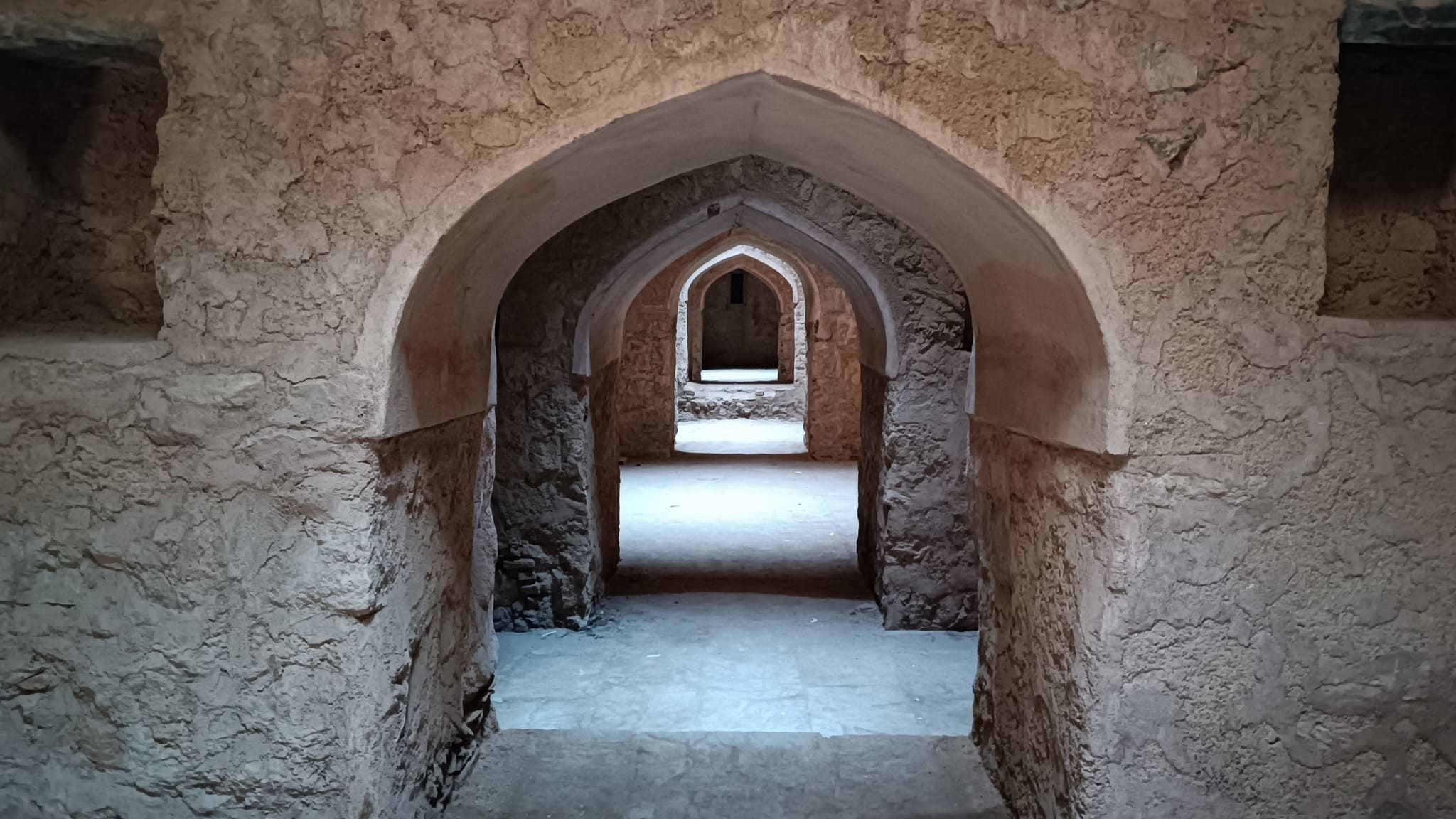
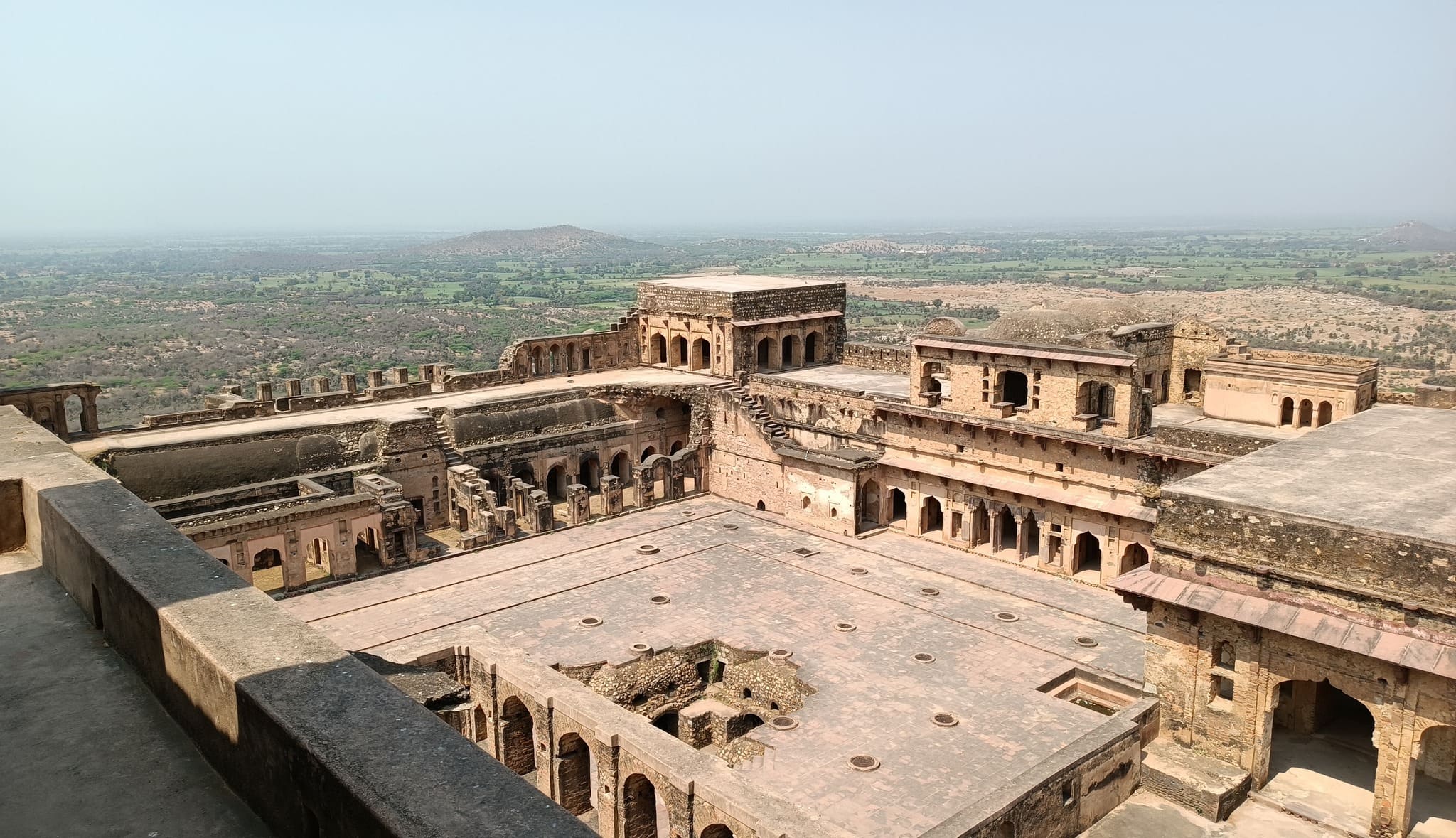
An enigmatic palace perched atop a rocky outcrop in the Bundelkhand region that is accessed after driving for a long time in the wilderness. It served as the residence of the Bundelas before Orchha was founded. There also exists a legend of betrayal and beguiling intrigue between two warring clans, leading to the murder of a groom’s procession in the underground caverns of the fort.

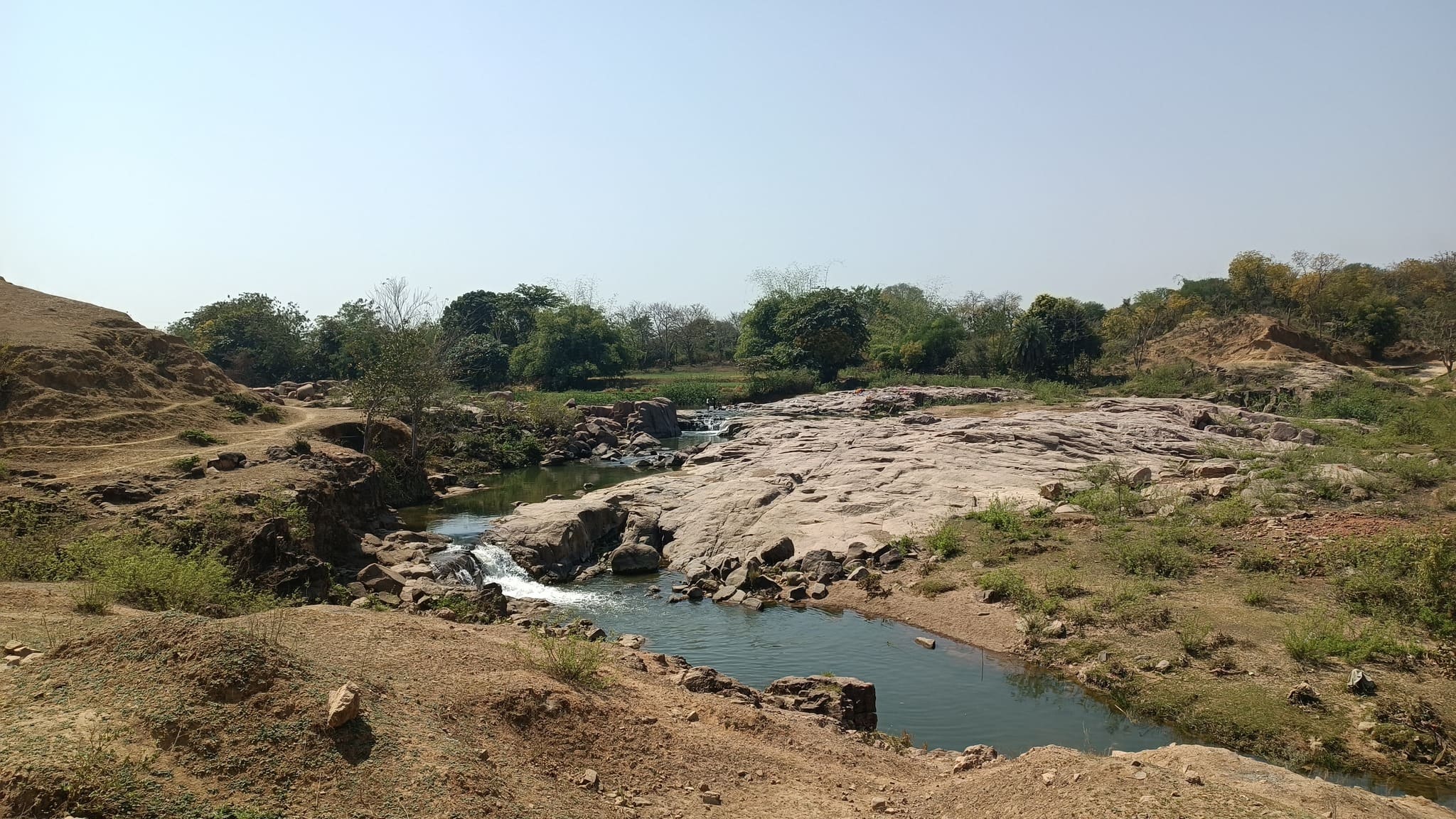
Raneh Falls
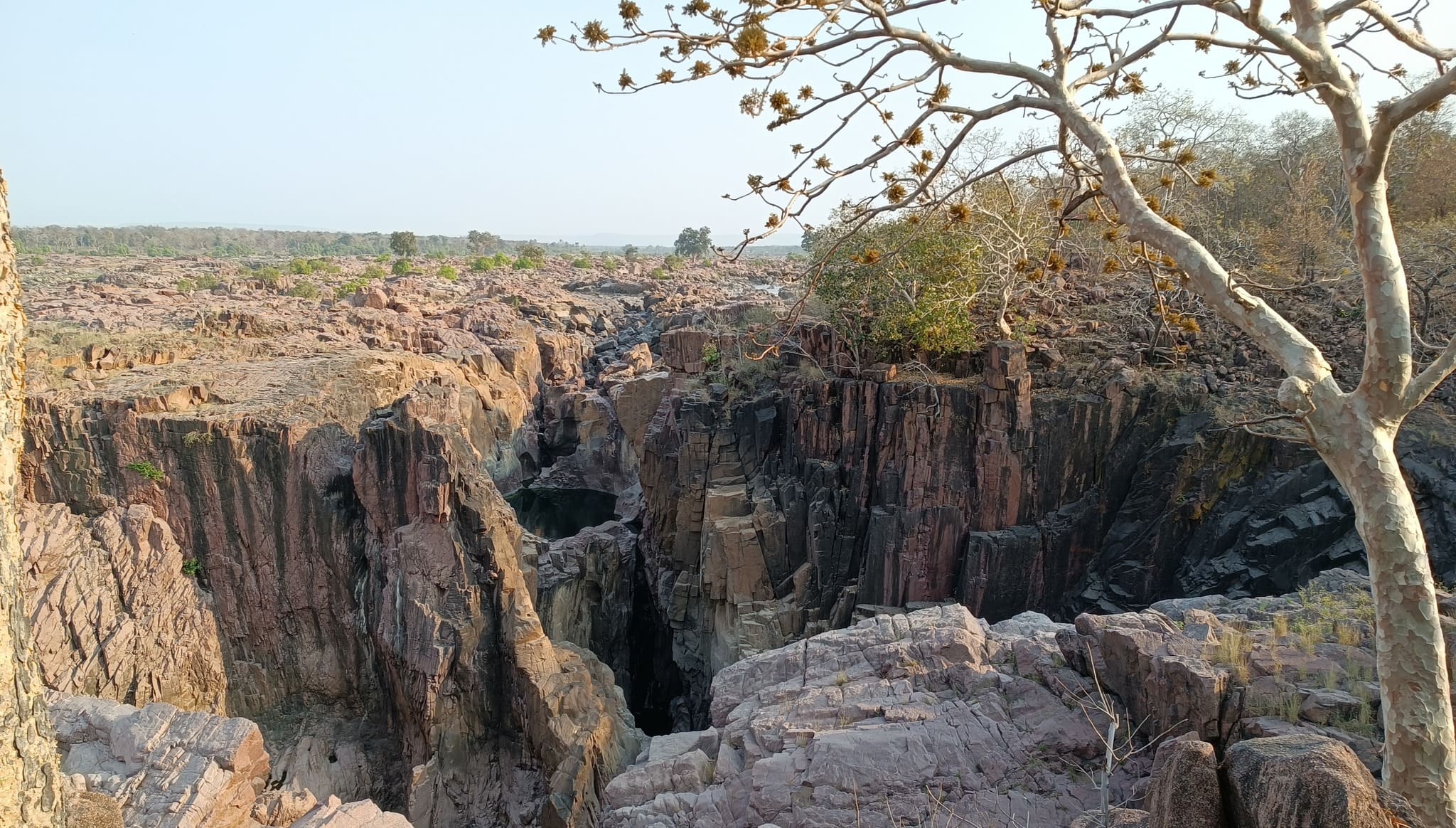
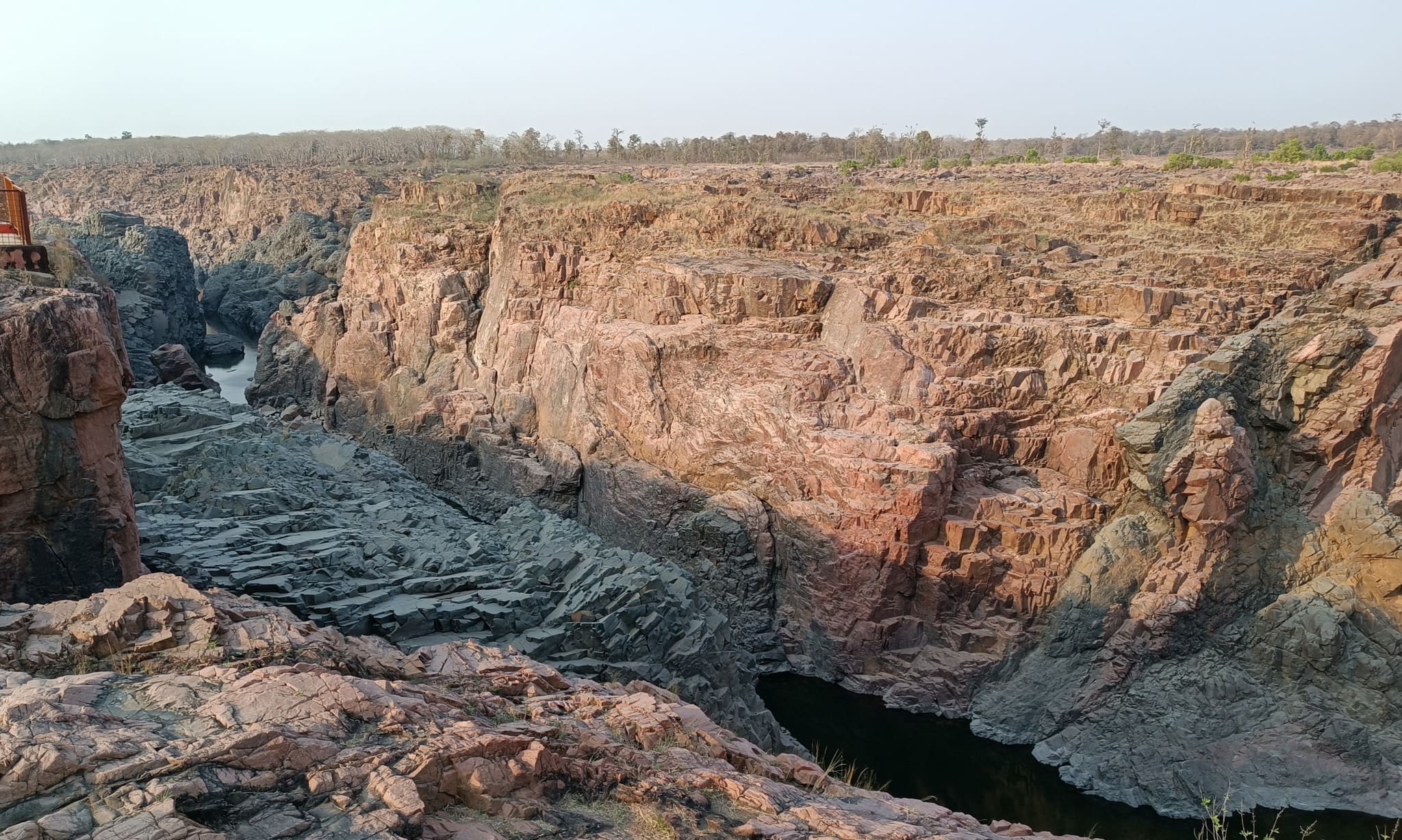
A series of waterfalls in the canyon formed by the Ken river. One can see granite in varying shades of colours ranging from pink, red to grey.
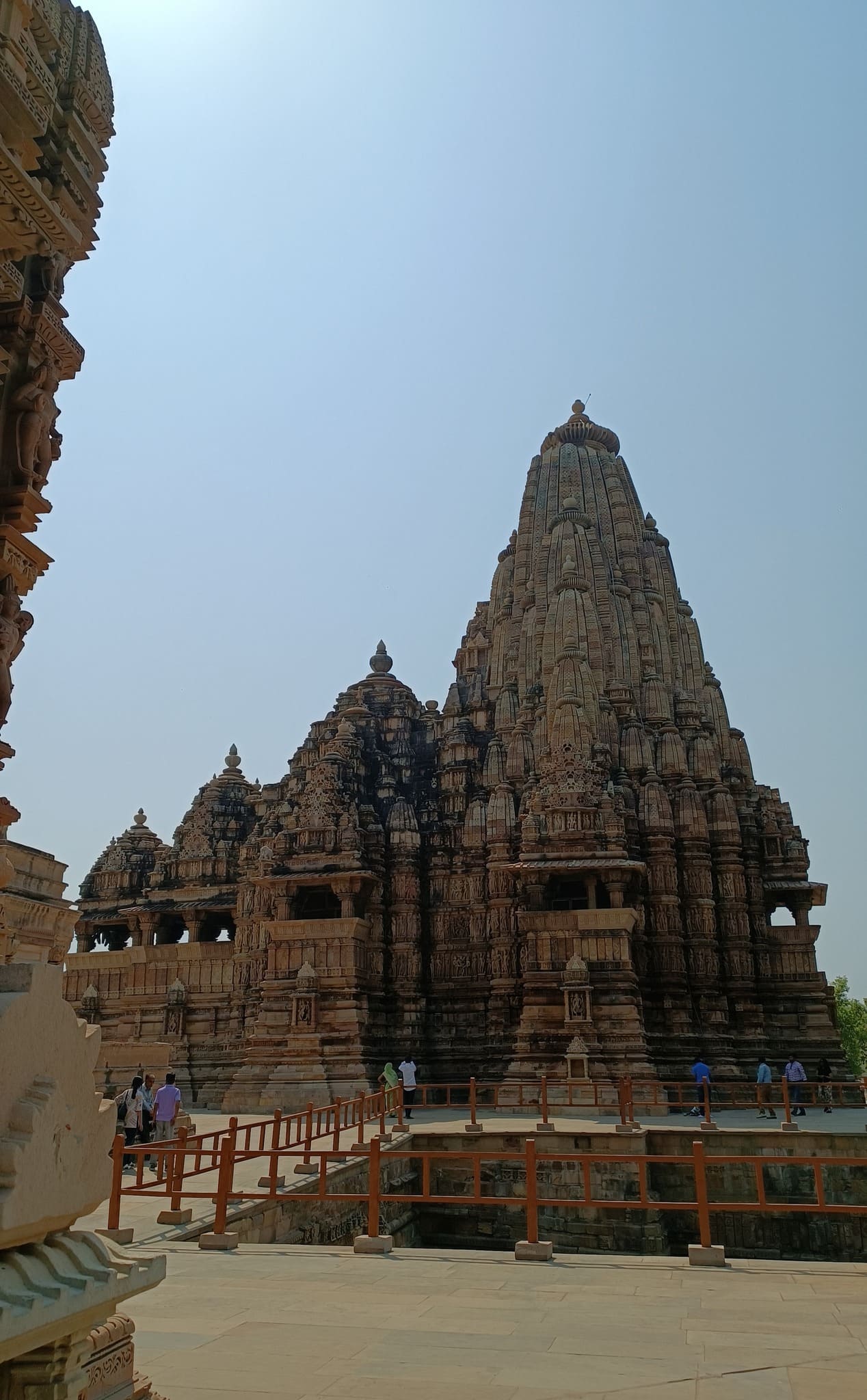
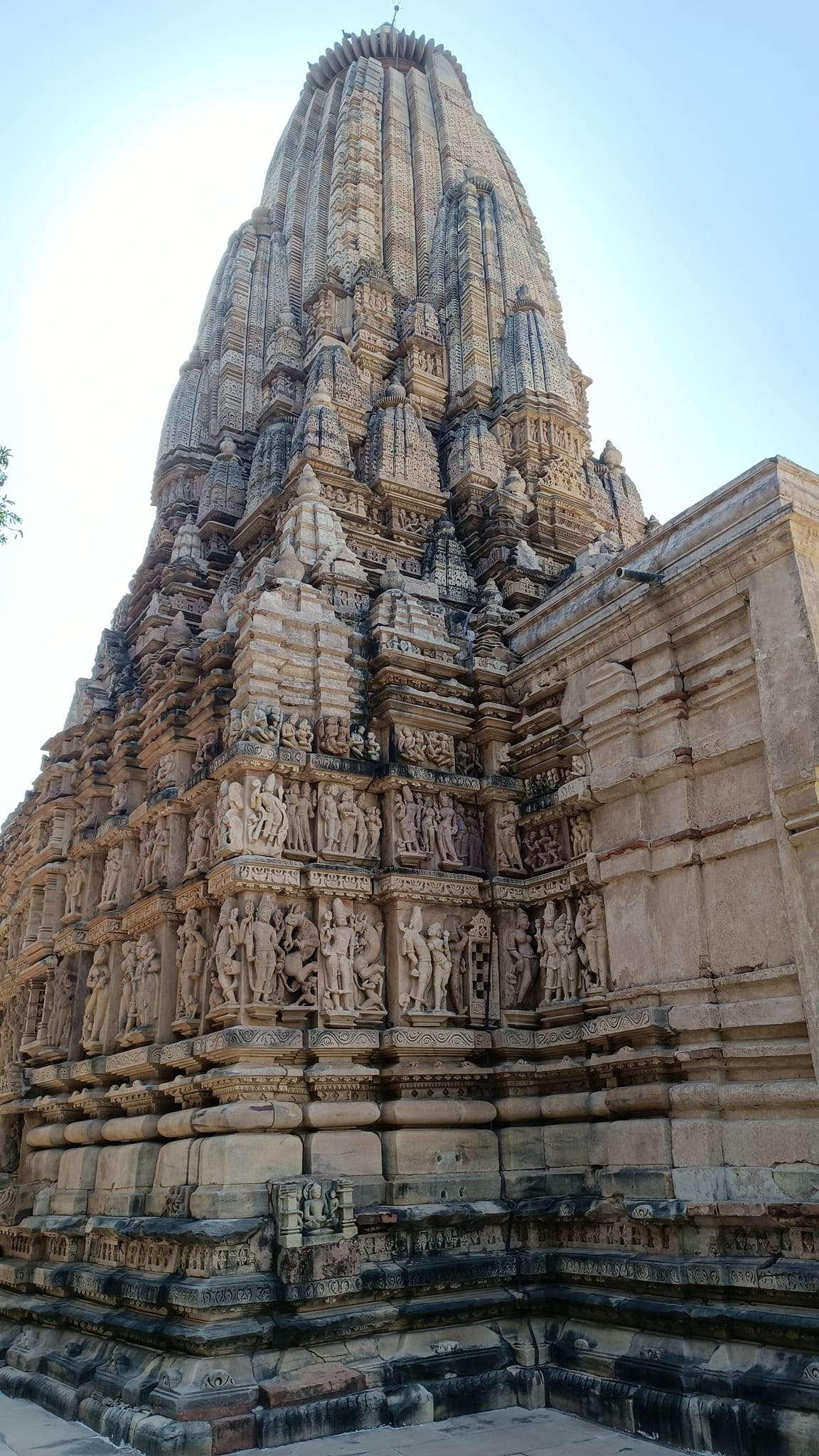
Khajuraho
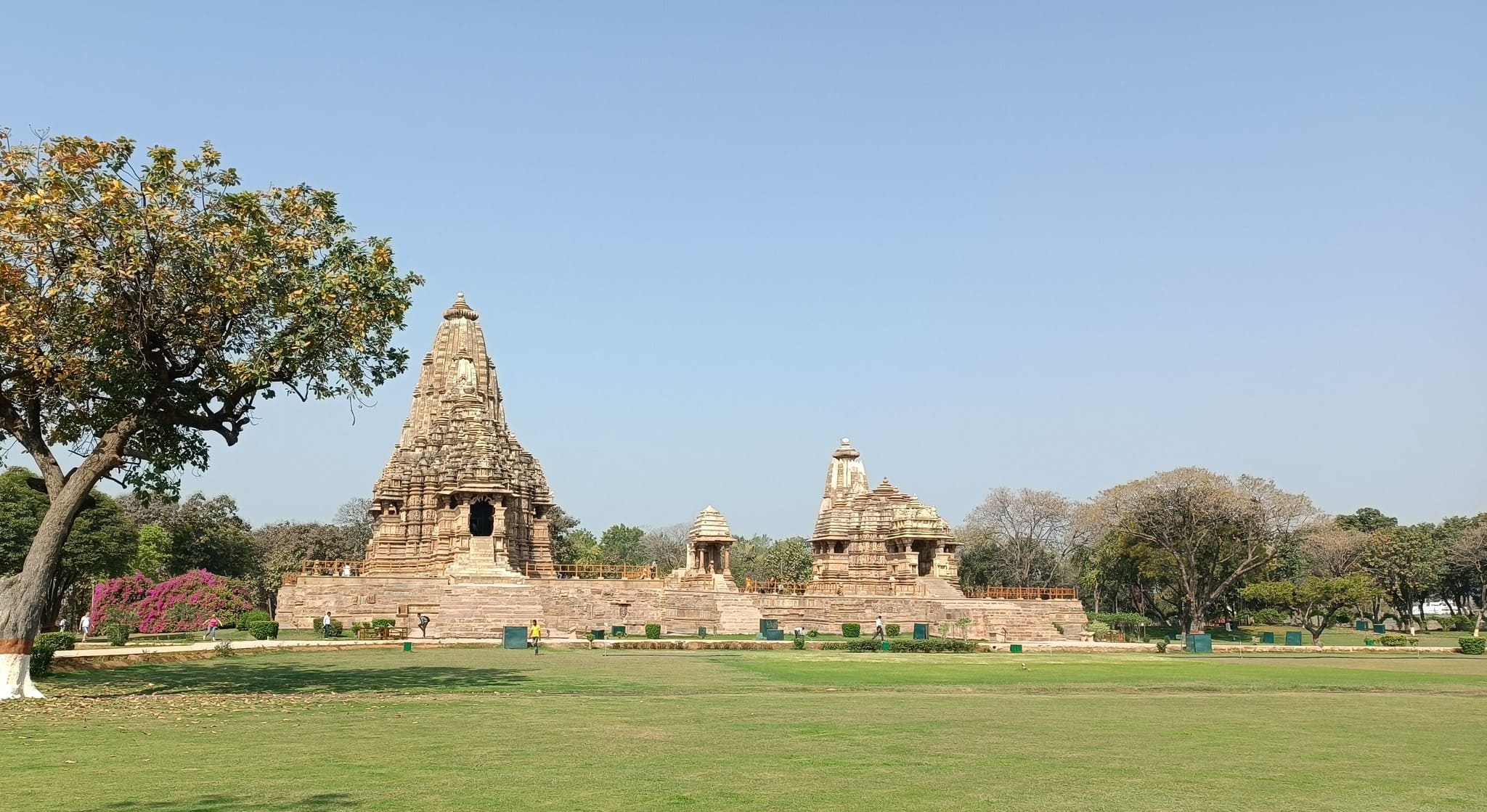
Perhaps, one of the best known places of India, home to picture-perfect temples with exquisite workmanship in the carvings and sculptures dotting the structures.

Kalinjar Fort
A place so ancient that it finds mention in mythological texts, with the fort being so important that it became the scene of many a battle and many an invasion, leading to its control passing through many dynasties from the Guptas, the Chedis during the times of Buddha to Mauryas to Chandelas to Mughals and finally to British hands.
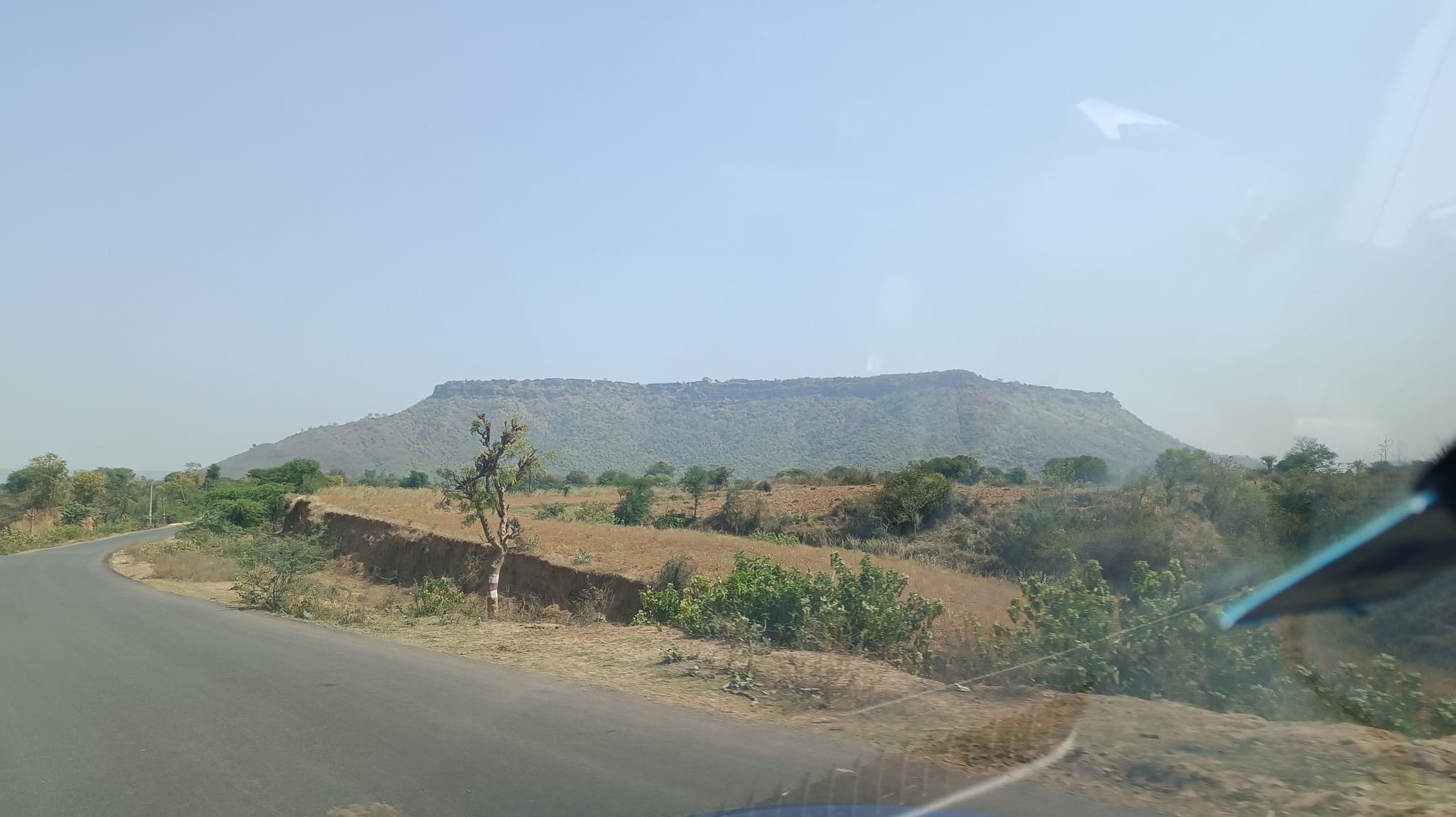
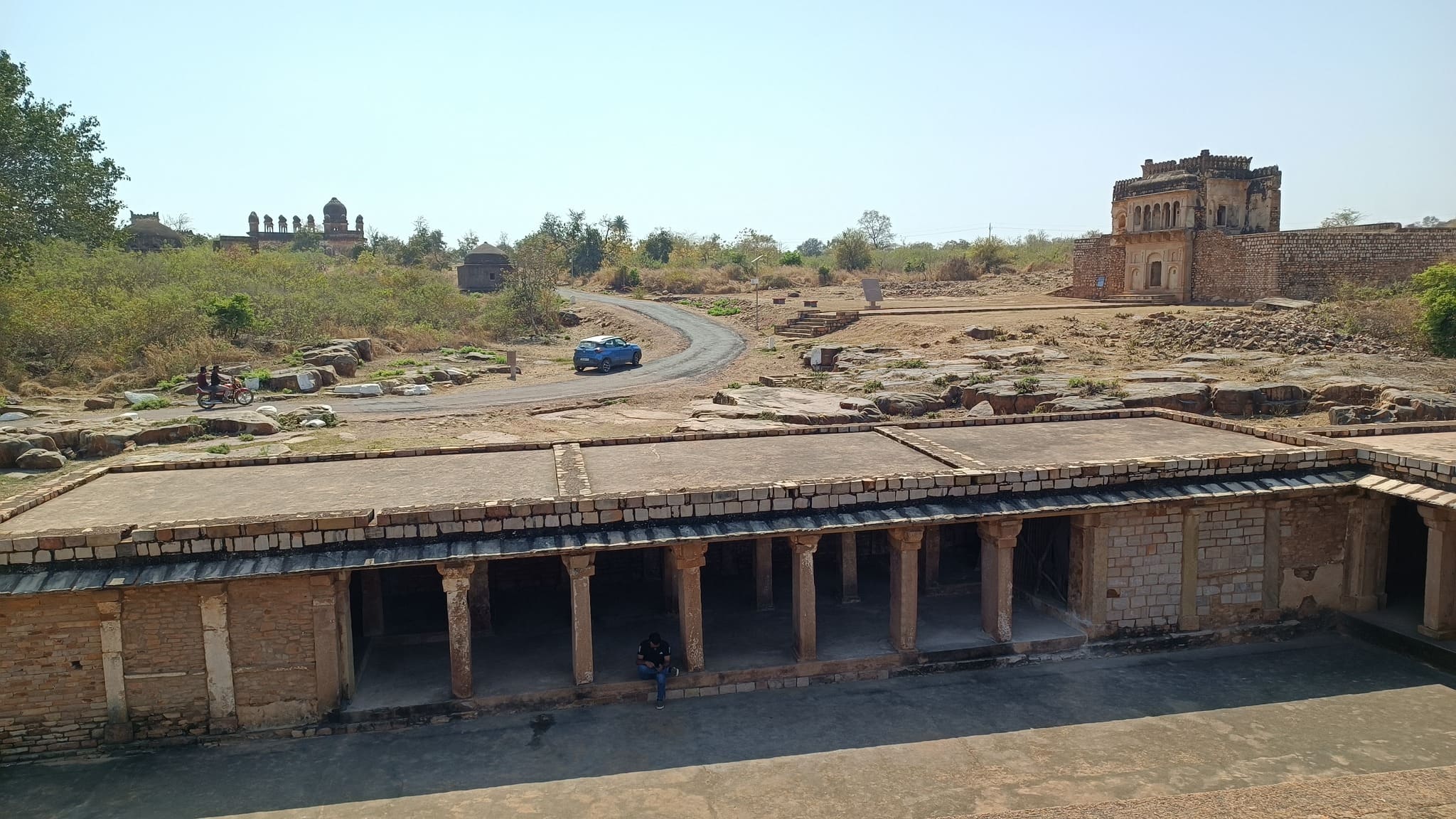
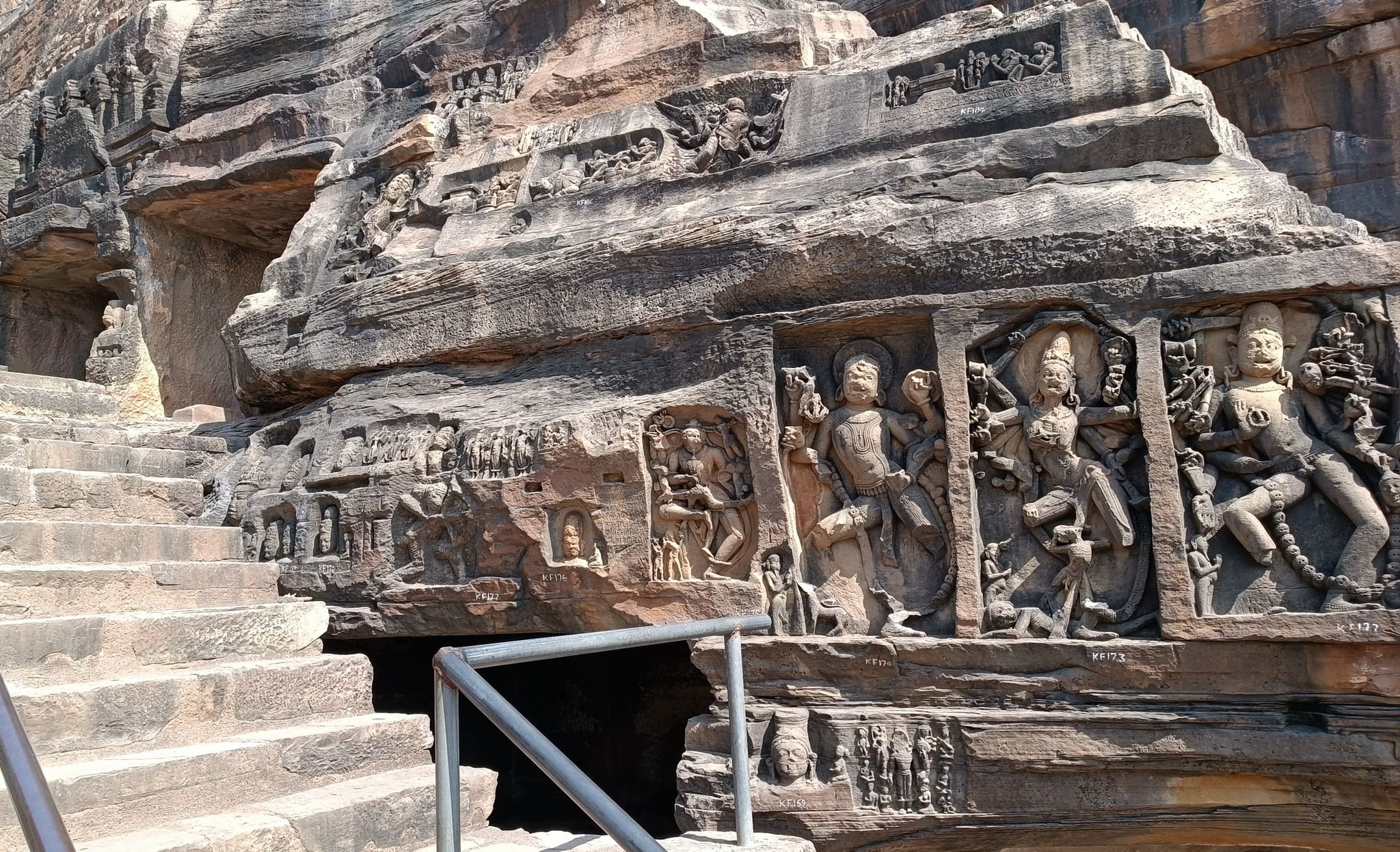
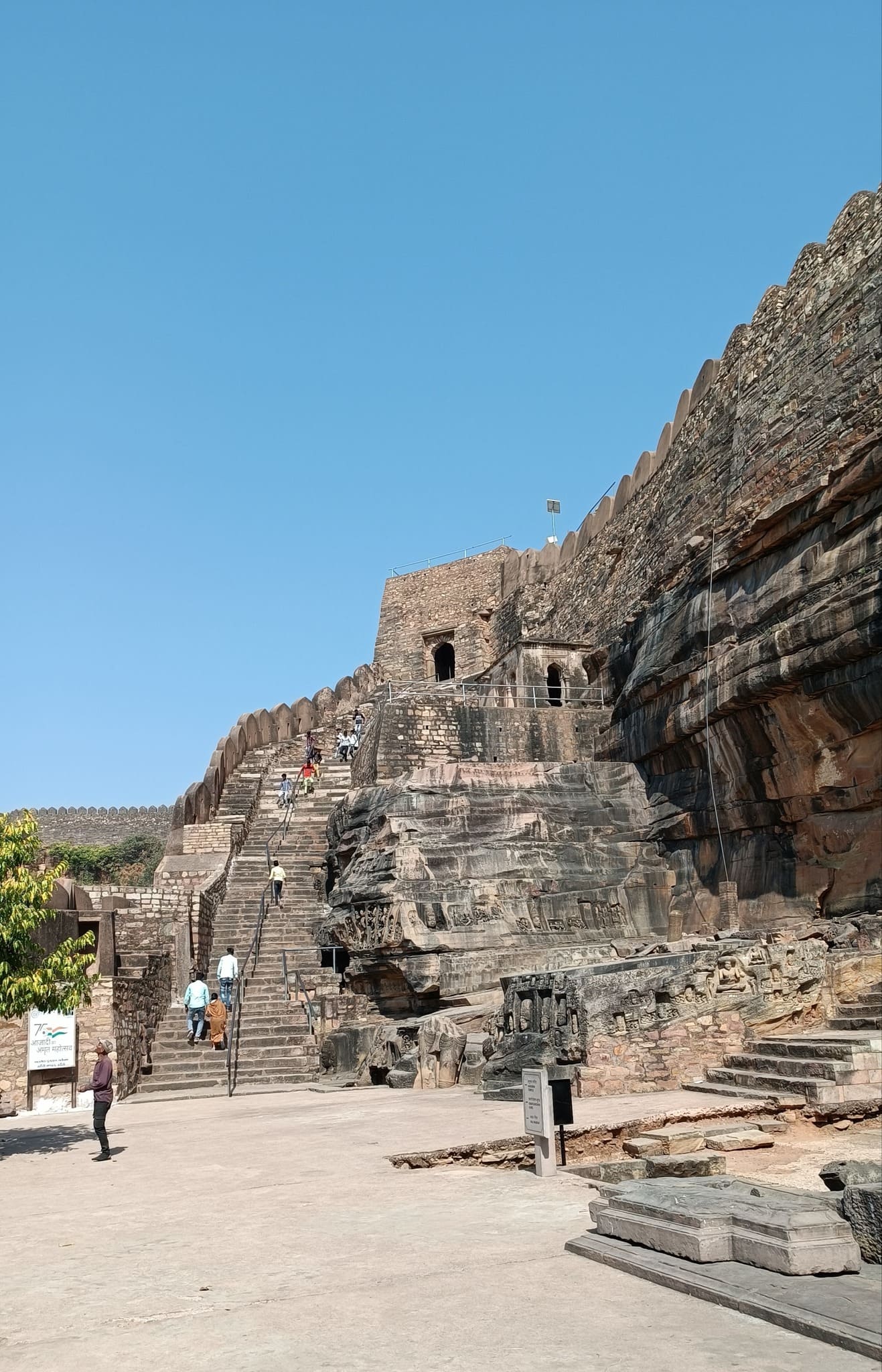
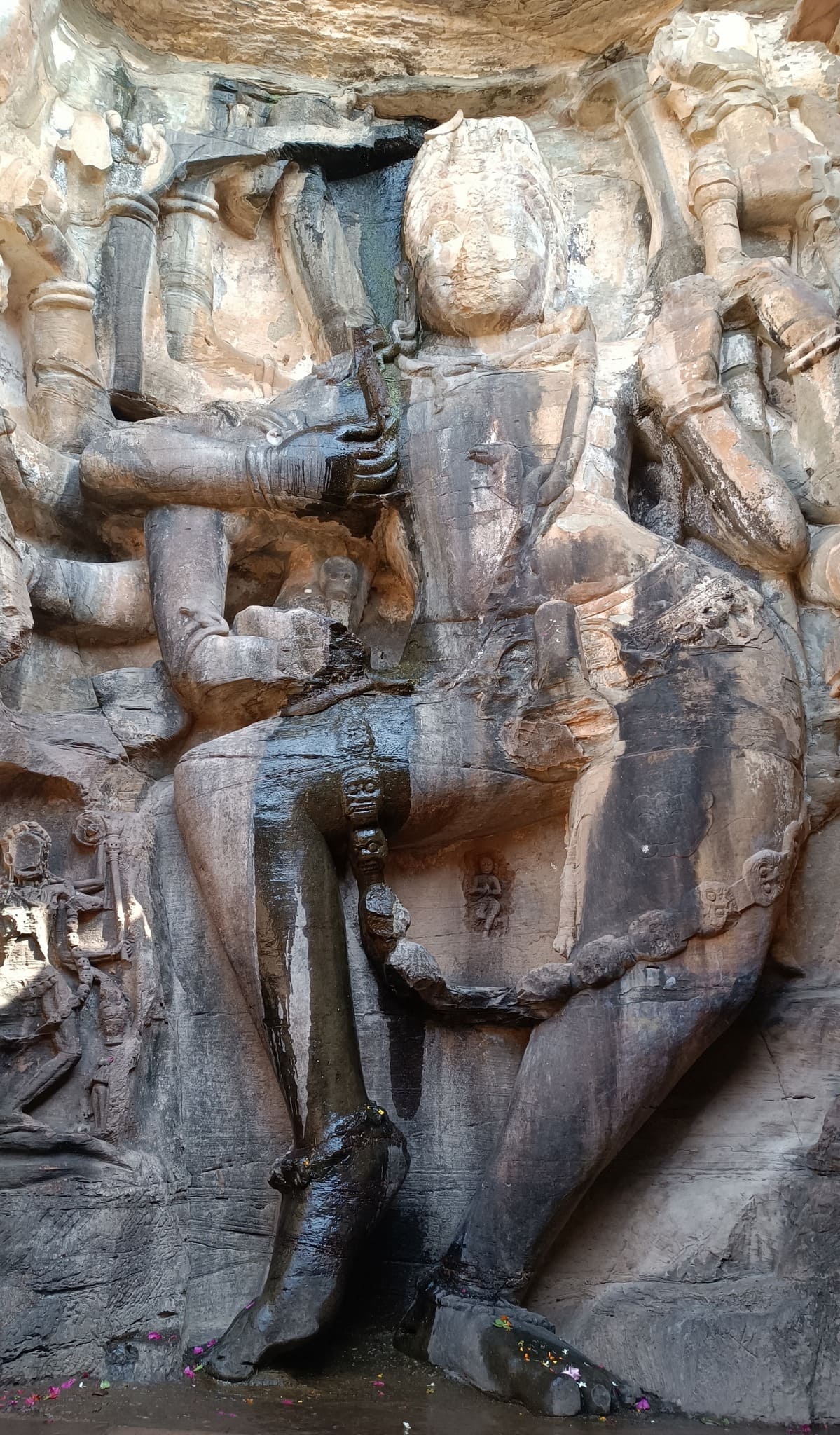
The fort sits on a flat-top hill, sprawling across a vast area replete with forest, ponds, and palaces. However, the most remarkable of the monuments is a temple formed out of a cave in the hillside, with the entrance embellished with a ruined pillared stone structure. The stone steps leading down to the temple are adorned with figures and caves carved into the rocky hillside that immediately transport one into the realm of perilous treasure hunts portrayed in an Indiana Jones adventure.


Road Trip at a glance

 The Timber Trawler