

Just in time for Christmas, the family set off on another ‘hidden gem’ heritage trail inside Odisha. This time we explored the Diamond triangle comprising three hill-based Buddhist hot-spots which flourished between 7th and 13th Century AD, namely Lalitgiri, Ratnagiri and Udayagiri.
The three locations set in low but sparsely populated hillsides or hilltops prove without doubt to be the most idyllic backdrop for a life of material detachment and quiet contemplation for the Buddhist monks. Consistent with Kalinga’s nature of acceptance and tolerance of all religious and spiritual dispositions, these spots display the syncretism of both the Mahayana and Hinayana schools of Buddhism.
Lalitgiri
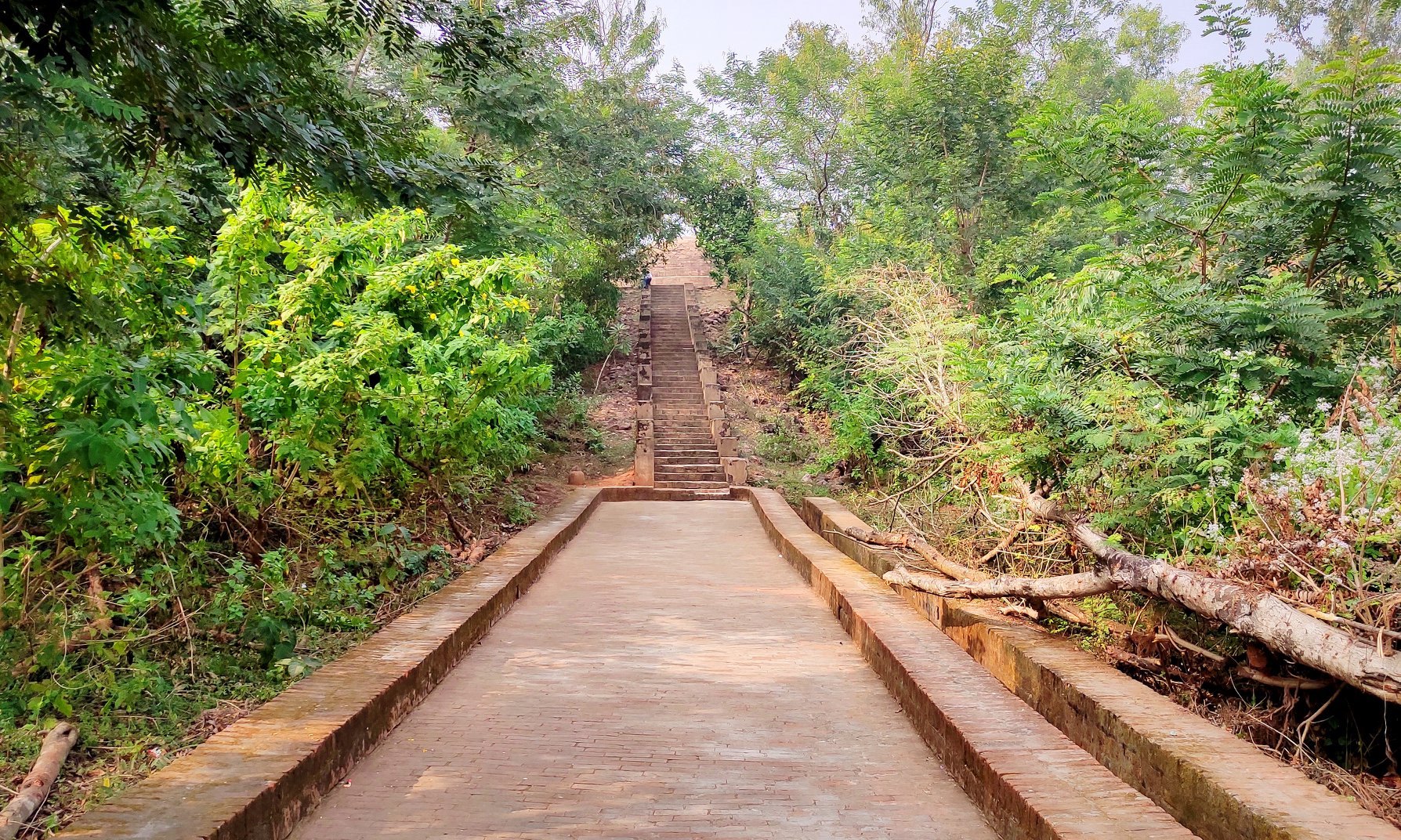
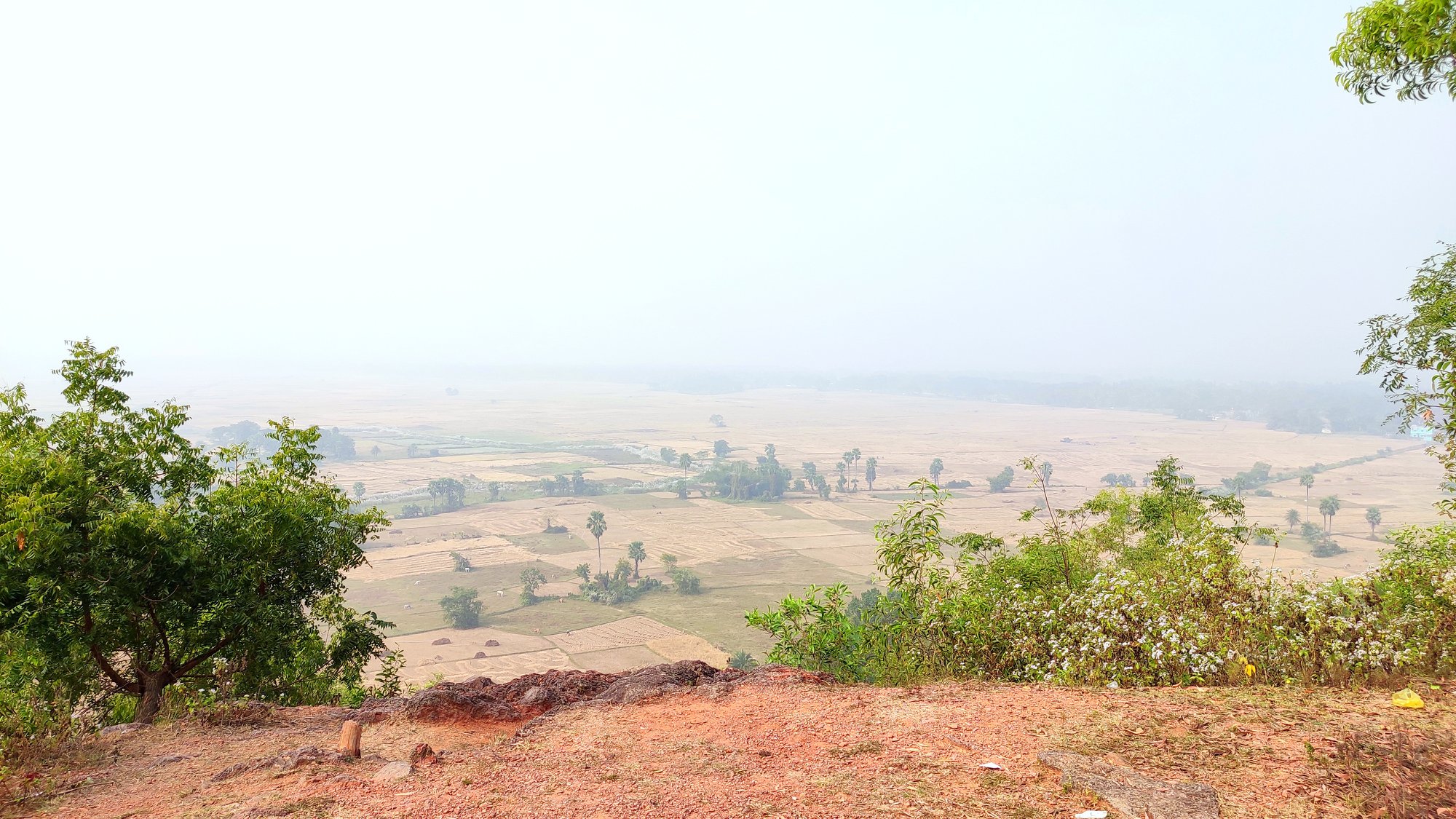
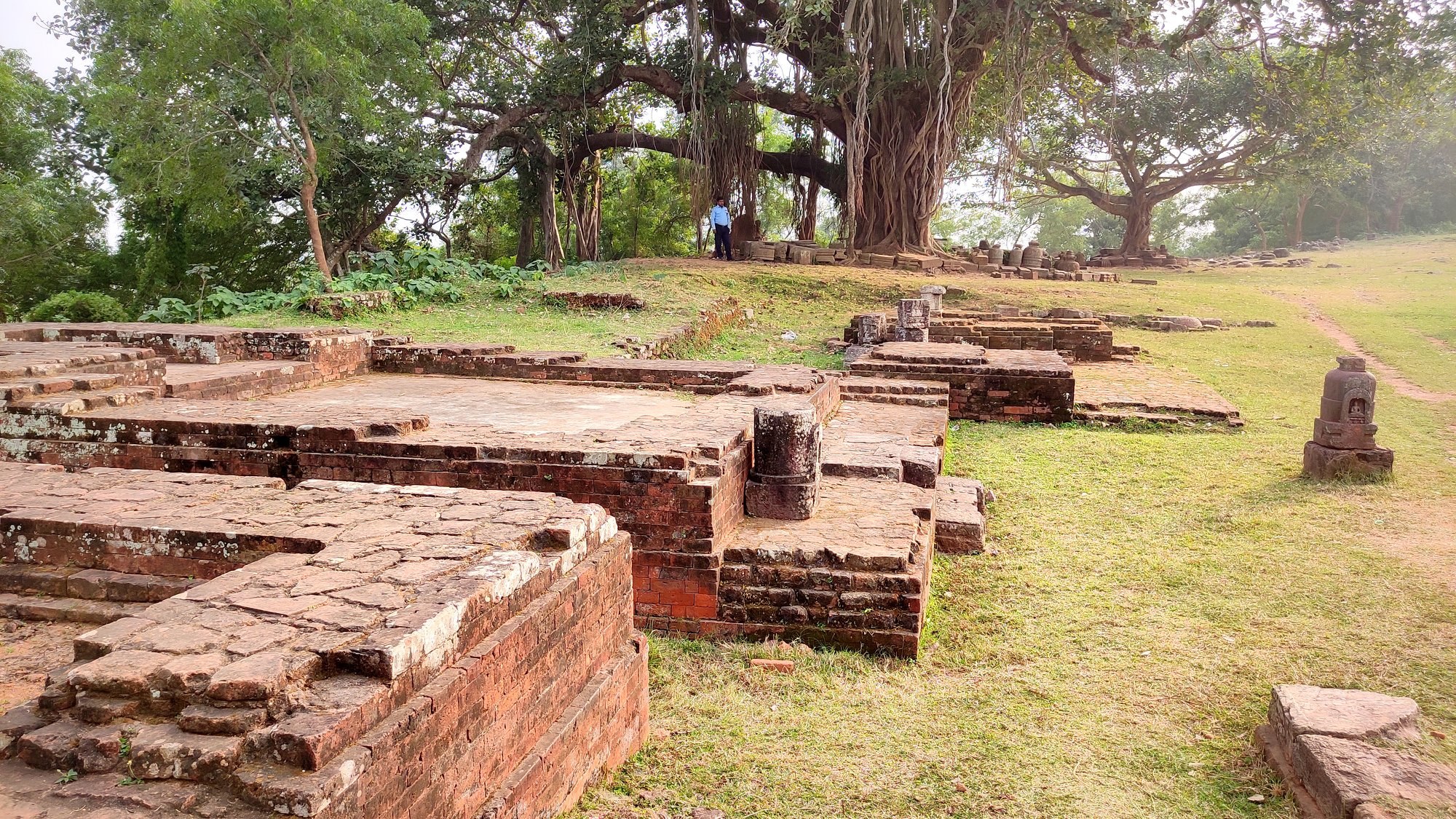
Starting off at around 9AM from Bhubaneswar, we first reached Lalitgiri around 11 AM via the Chandikhol-Paradeep road. After a walk up the hill on the wide metalled road, we first came upon the Archaeological museum which we deferred for seeing on our return from the trail. Walking further, we came upon multiple structures: Viharas (monasteries) in ruins – the monasteries dating from 9th to 11th century contained rooms, a chamber for holding a Buddha status – and a 6th-7th century Chaityagriha (prayer hall) with a stupa in the middle and several votive stupas strewn around.

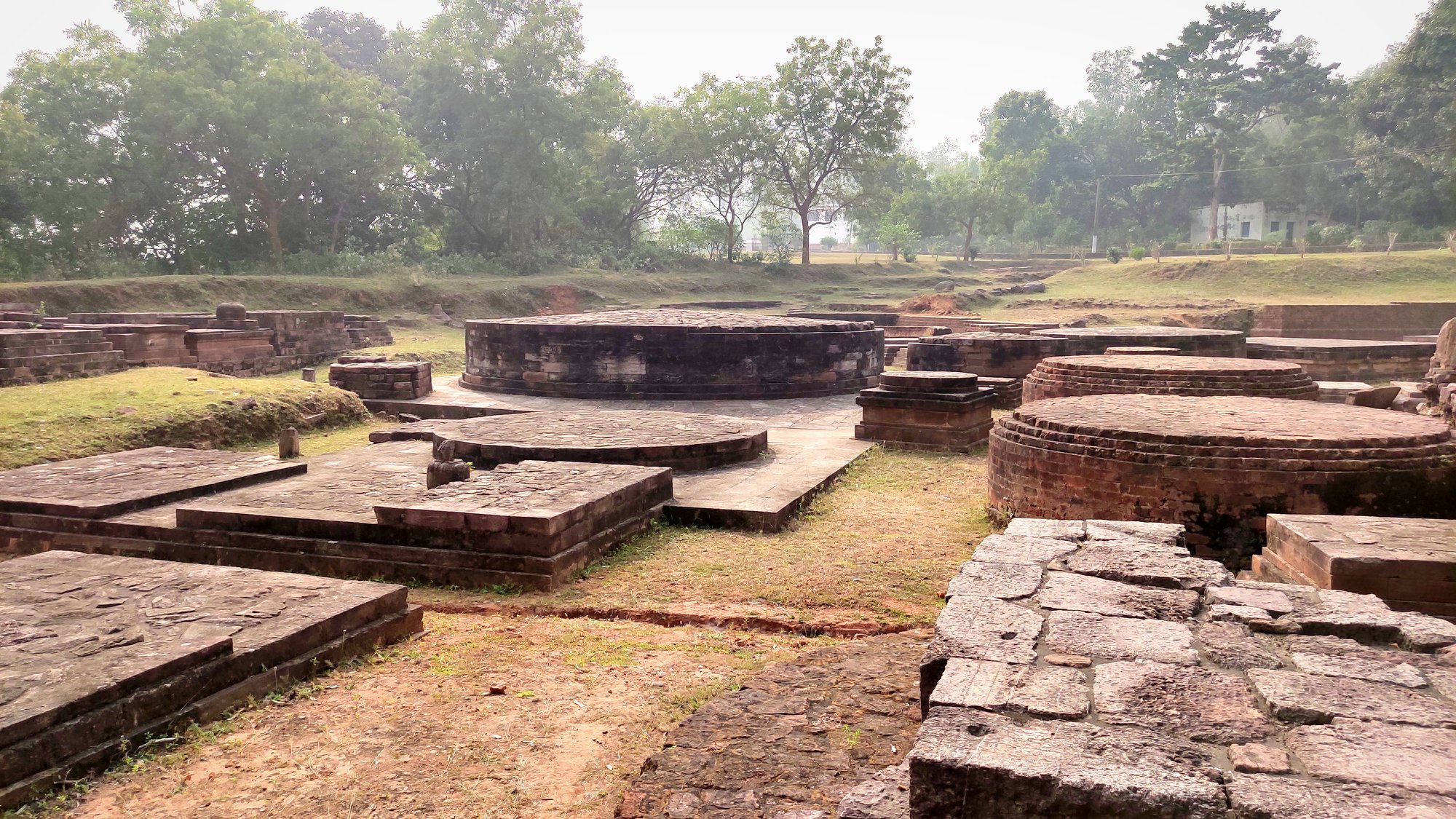
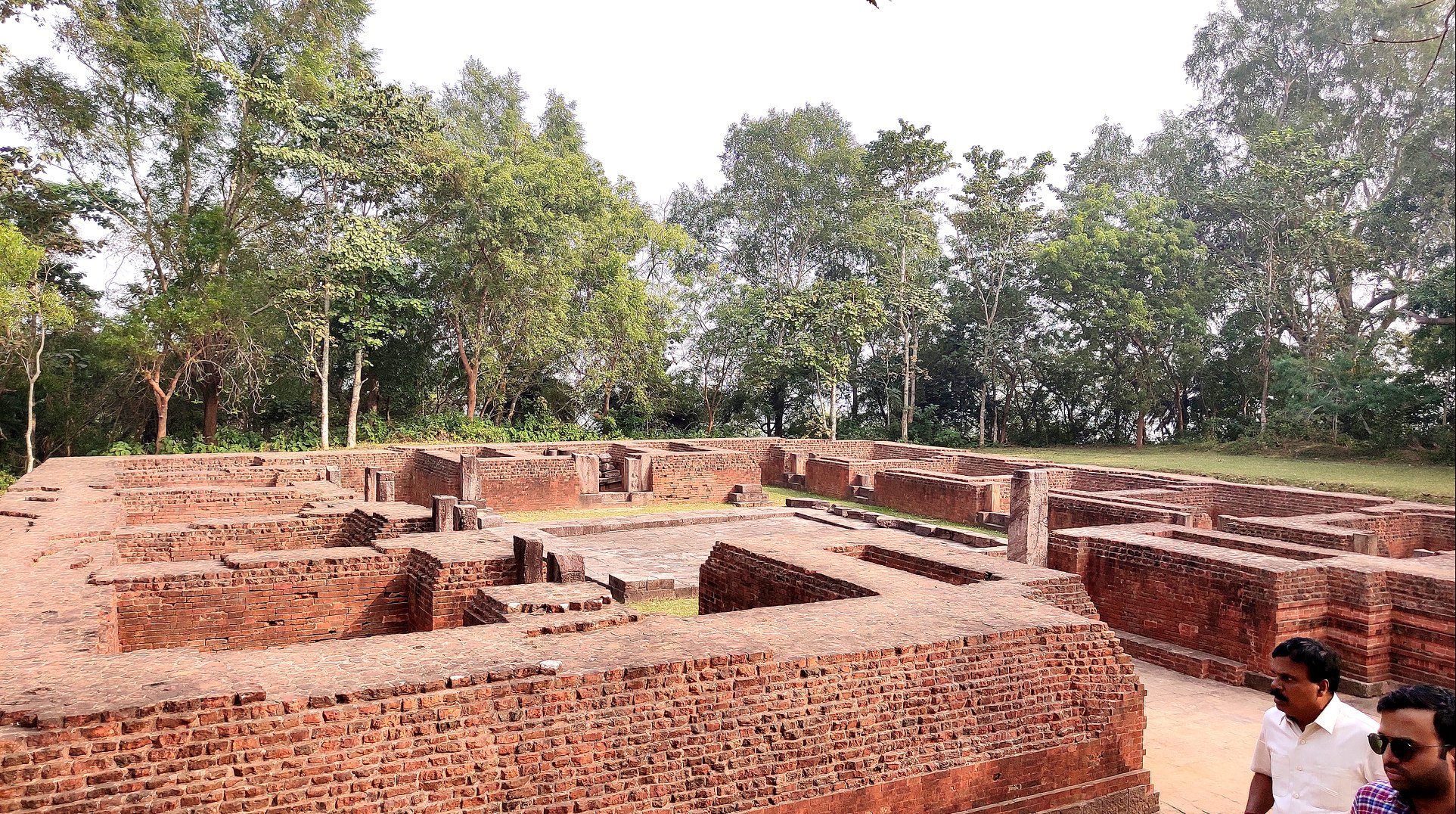
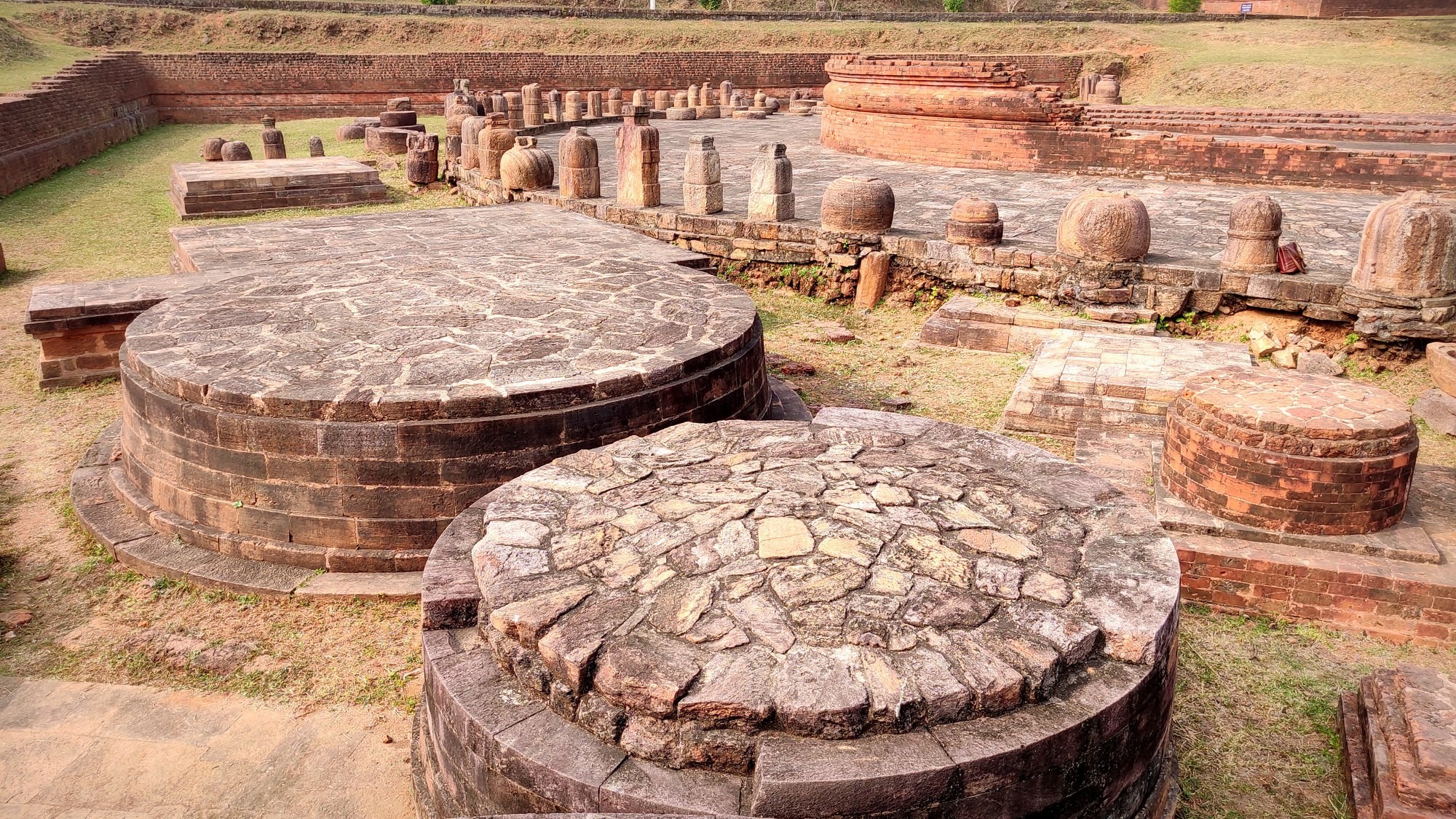

At the furthest end of the trail, atop another small hill, lay a lone relatively larger stupa, where two rare stone caskets containing relics of Buddha were found. The casket, made of khondalite, itself housed three smaller concentric caskets made of steatite, silver and gold respectively, with the innermost gold casket contain a piece of Buddha’s bone. These relics as well as well multiple sculptures, including those of the Buddha and Tara, are now displayed at the museum. All told, Buddhism is said to have prevailed at this site right from the post Mauryan period, i.e. 3nd century BC to 13th century AD.

Ratnagiri
Leaving Lalitgiri around 12.30 PM, we crossed the Brahmani river and reached Ratnagiri around 1.30 PM. Ratnagiri looked unique due to fact that the road to the monasteries and stupa lay in a pass between two crests of the hill, flanked on both sides with neatly manicured lawns. Here, we decided to first see the museum, where many relics and artifacts found at the site are displayed. However, what interested me more was the additional information displayed in various sections about the history of the evolution and dissemination of Buddhism and of other Buddhist sites in India.
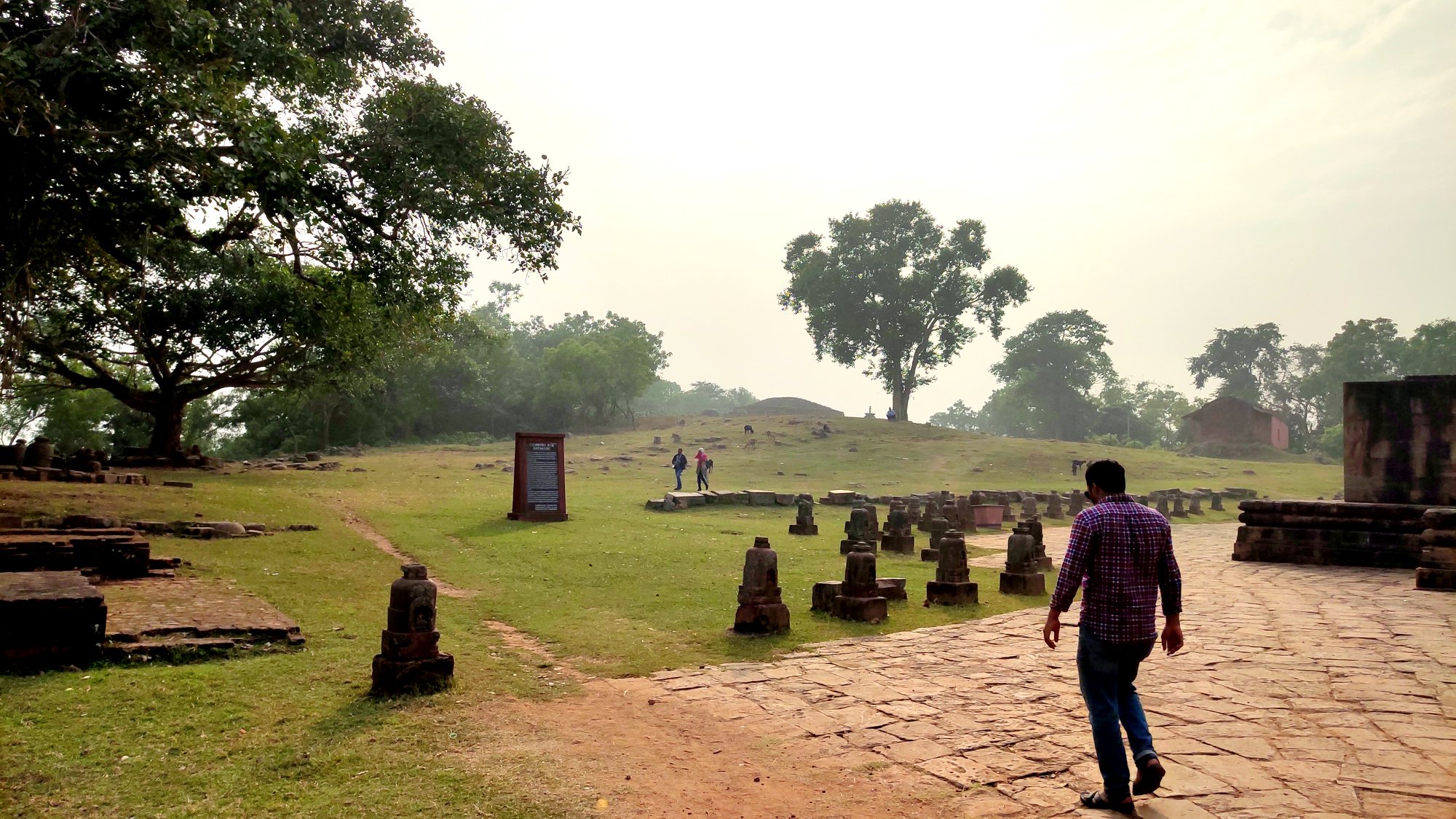
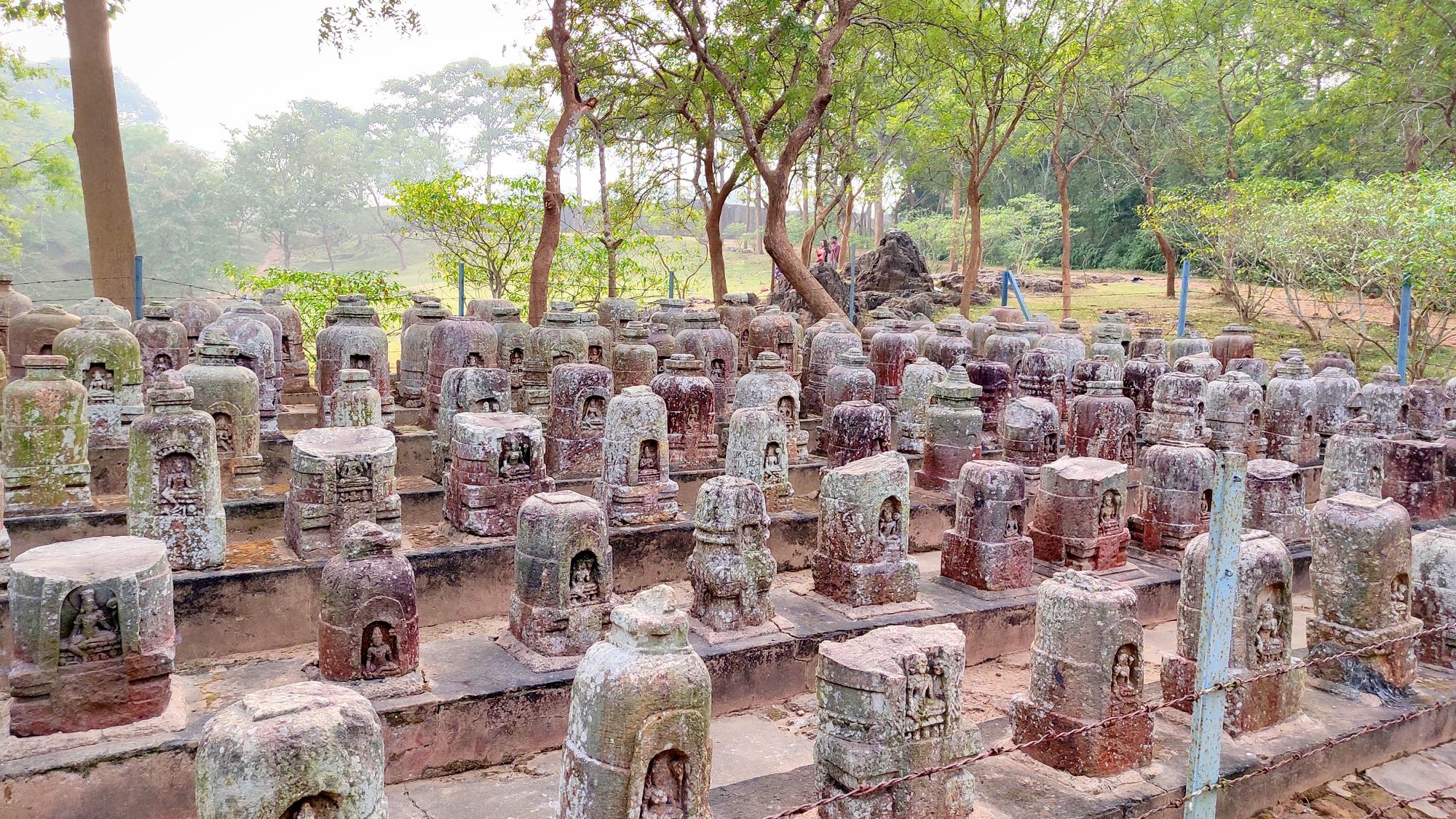
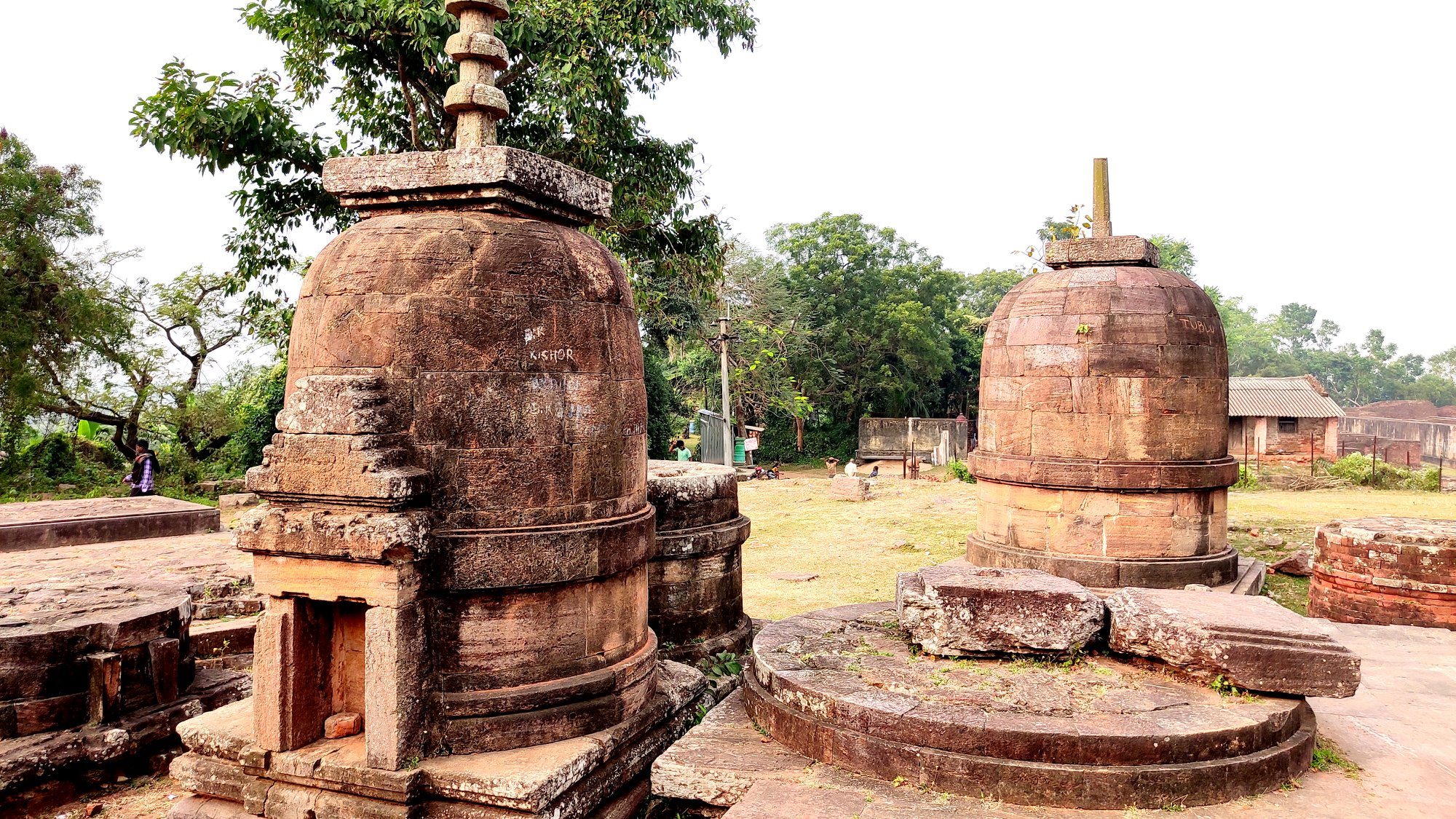
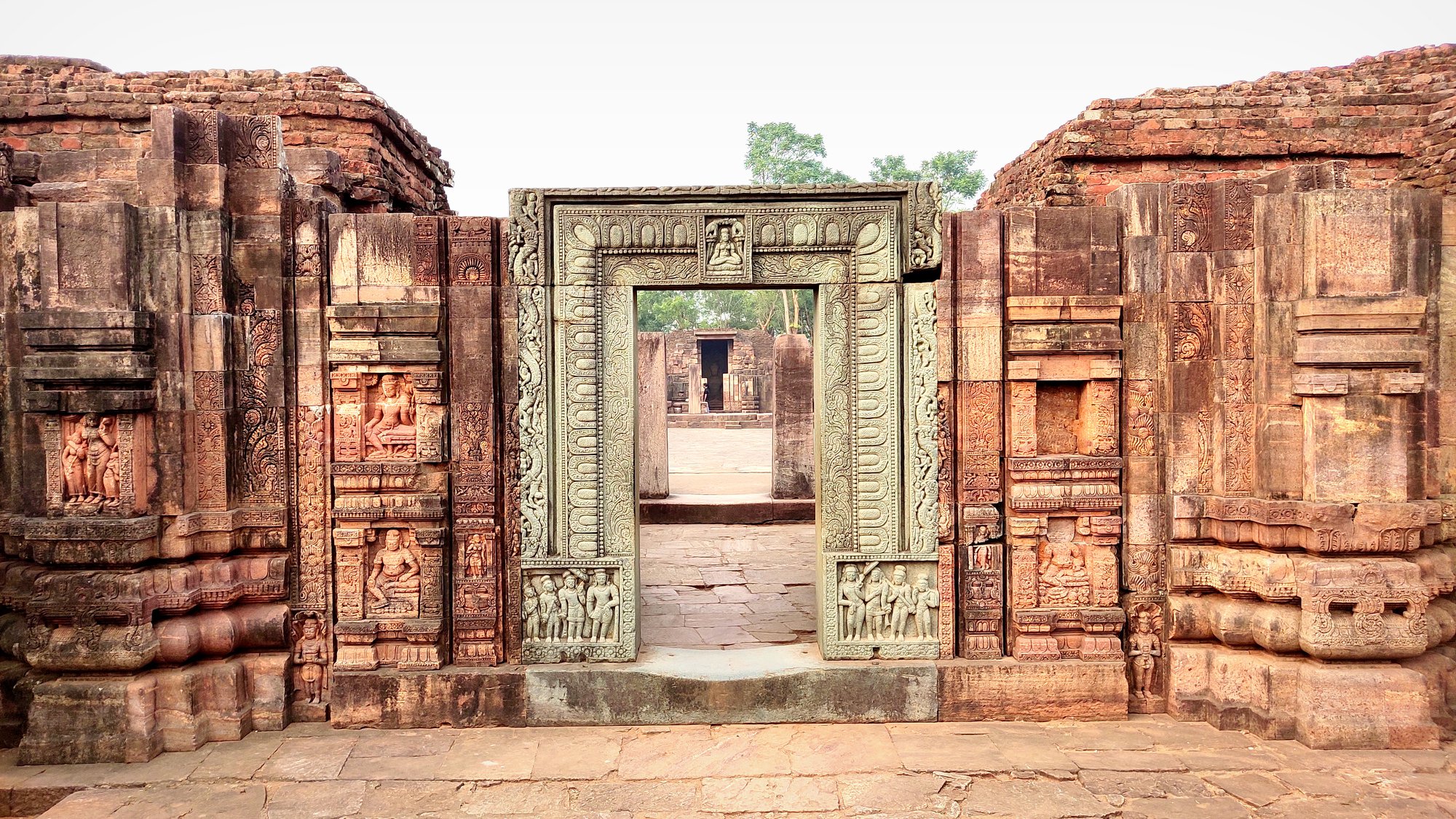
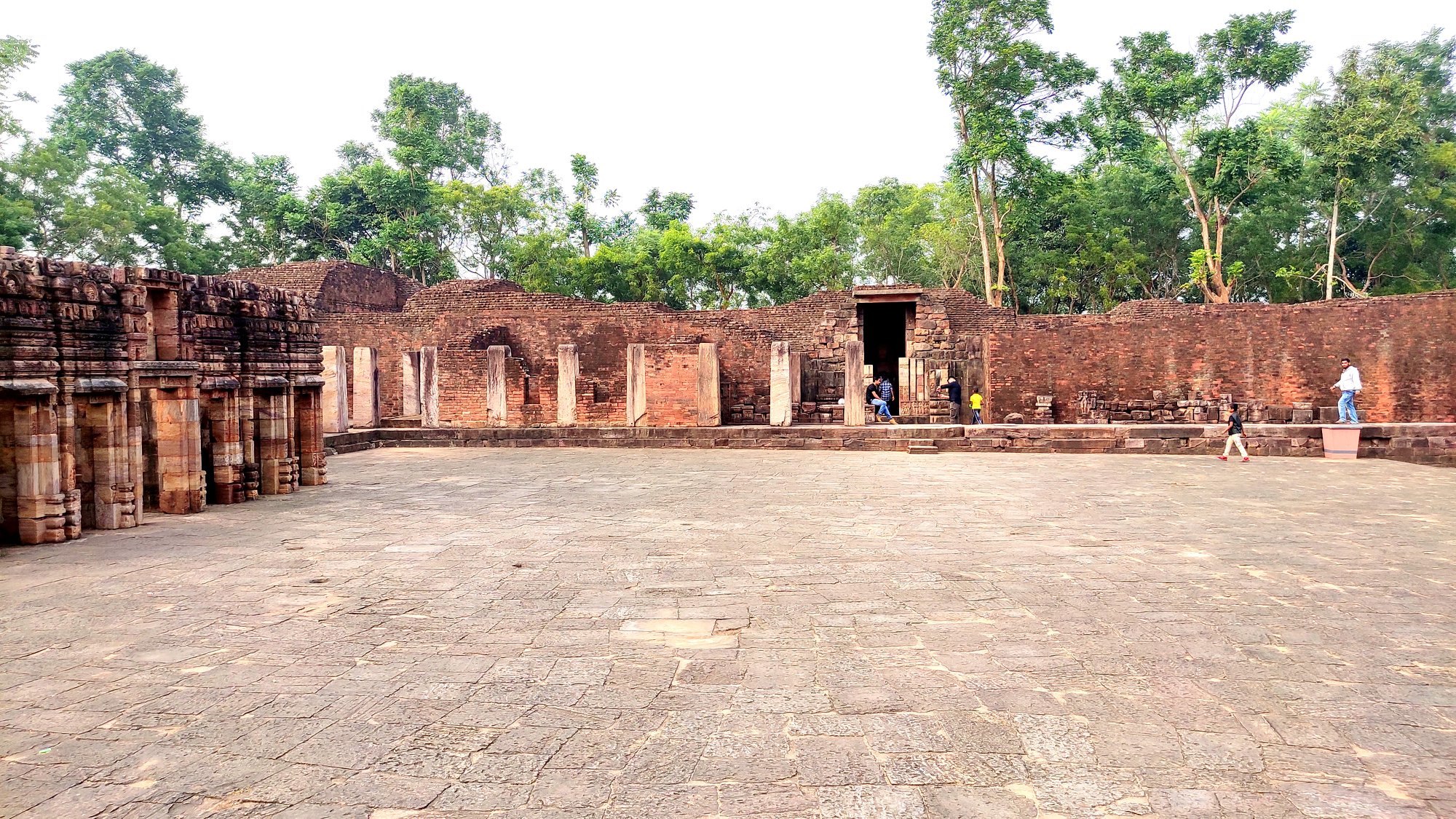

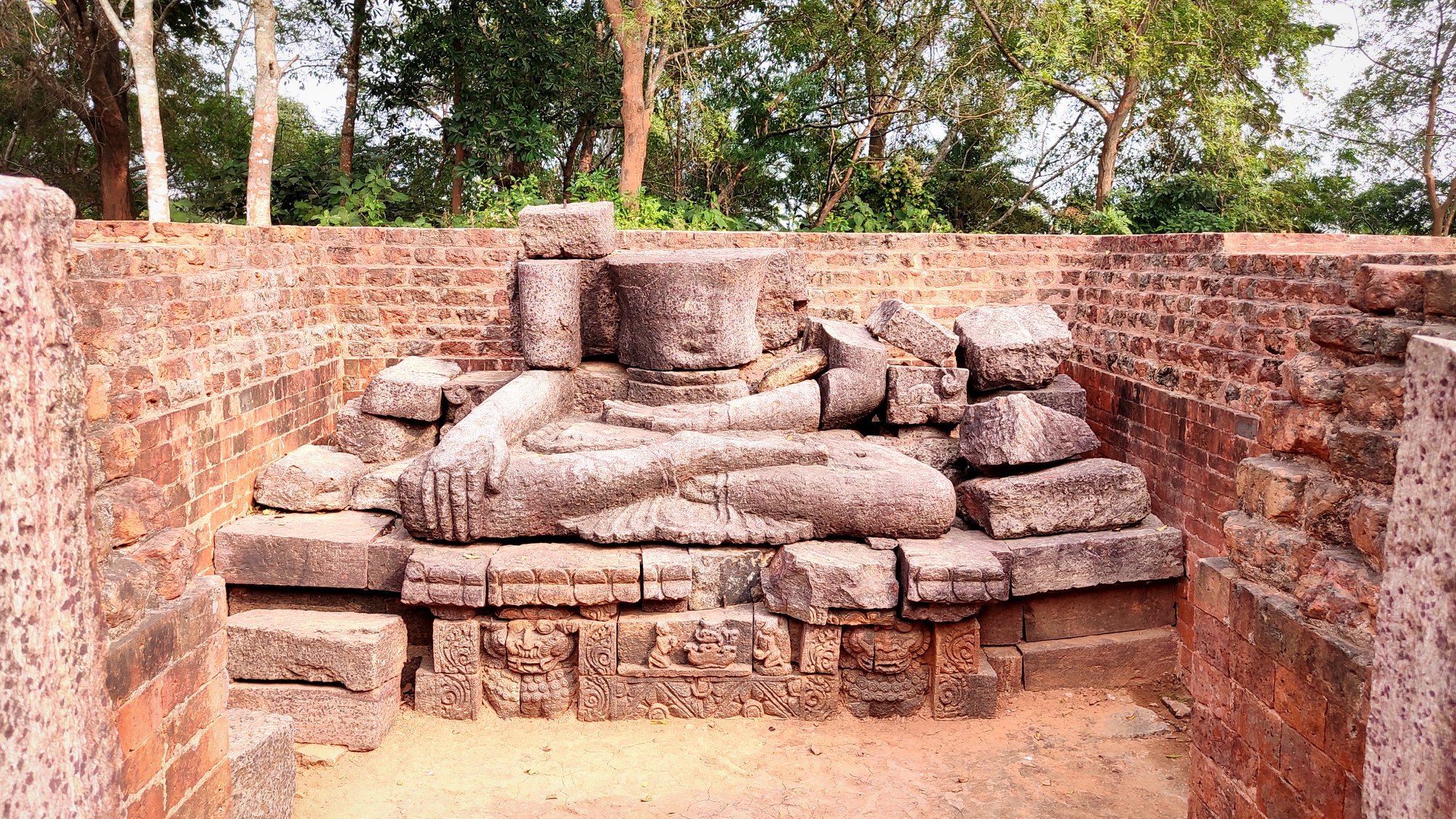
Walking up the hill, we were wowed by the iconic elaborately carved stone doorway at the entrance of the largest of the 3 monasteries, which could be dated to the 8th century. This monastery has a large courtyard with rooms surrounding the same, and a shrine for the statue of Buddha, at the wall farthest opposite from the main entrance. Besides this monastery, there are 2 smaller monasteries, and a 9th century stupa, surrounded by smaller votive stupas. Beyond all these structures, is the Mahakal Temple, built over an earlier stupa, and recently relocated to its current location by the ASI.
Udaygiri
After a light meal in lieu of lunch, we crossed the Brahmani river yet again and reached Udaygiri around 4PM. Udaygiri seems, out of the three sites, to be the site with the least attention paid to maintenance. The two monasteries are far-flung not only from each other but also from the entry gate, and can be accessed after walking quite a bit through jungle. Here too the monasteries with statues of Buddha, lay in ruins.
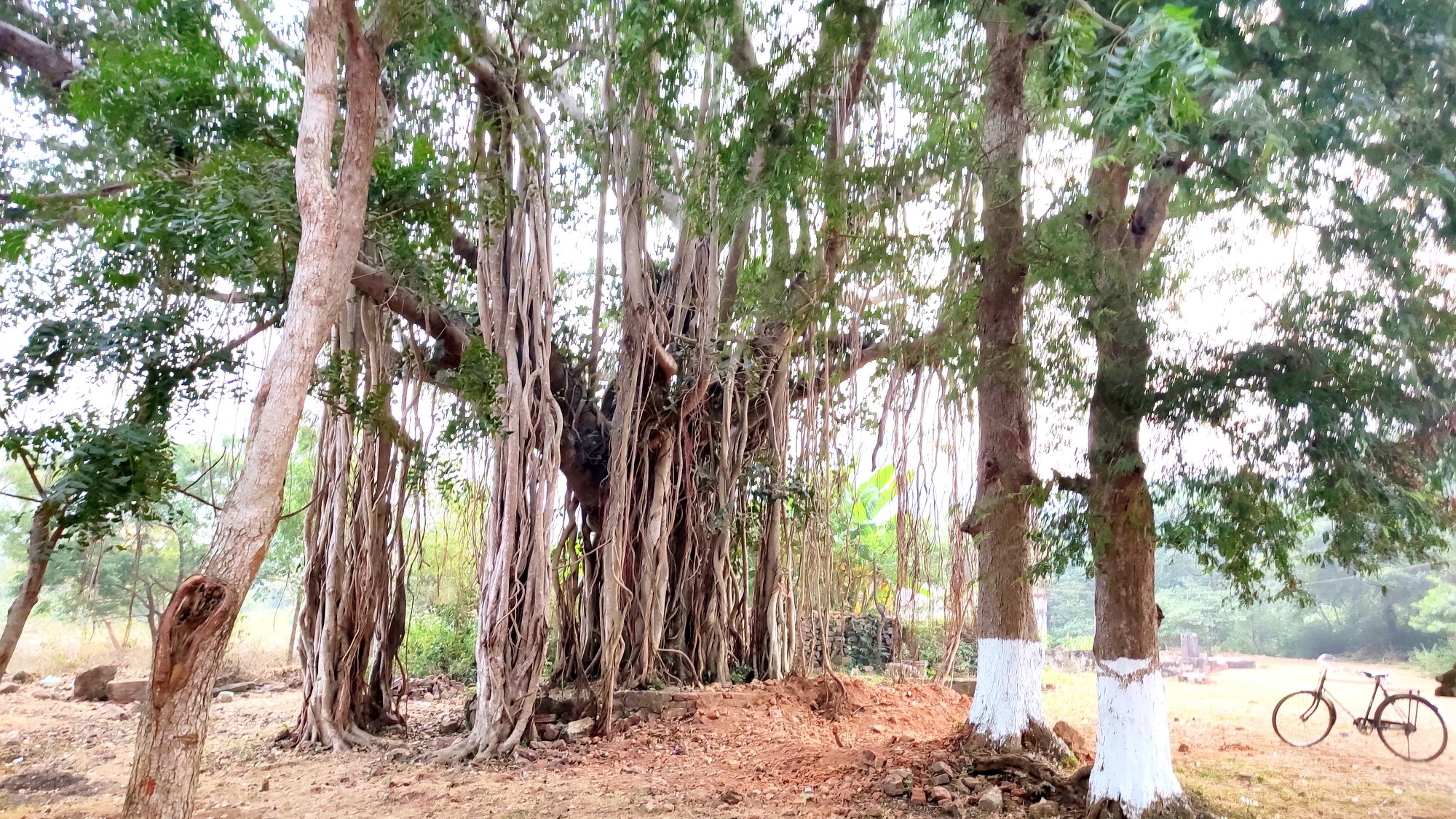
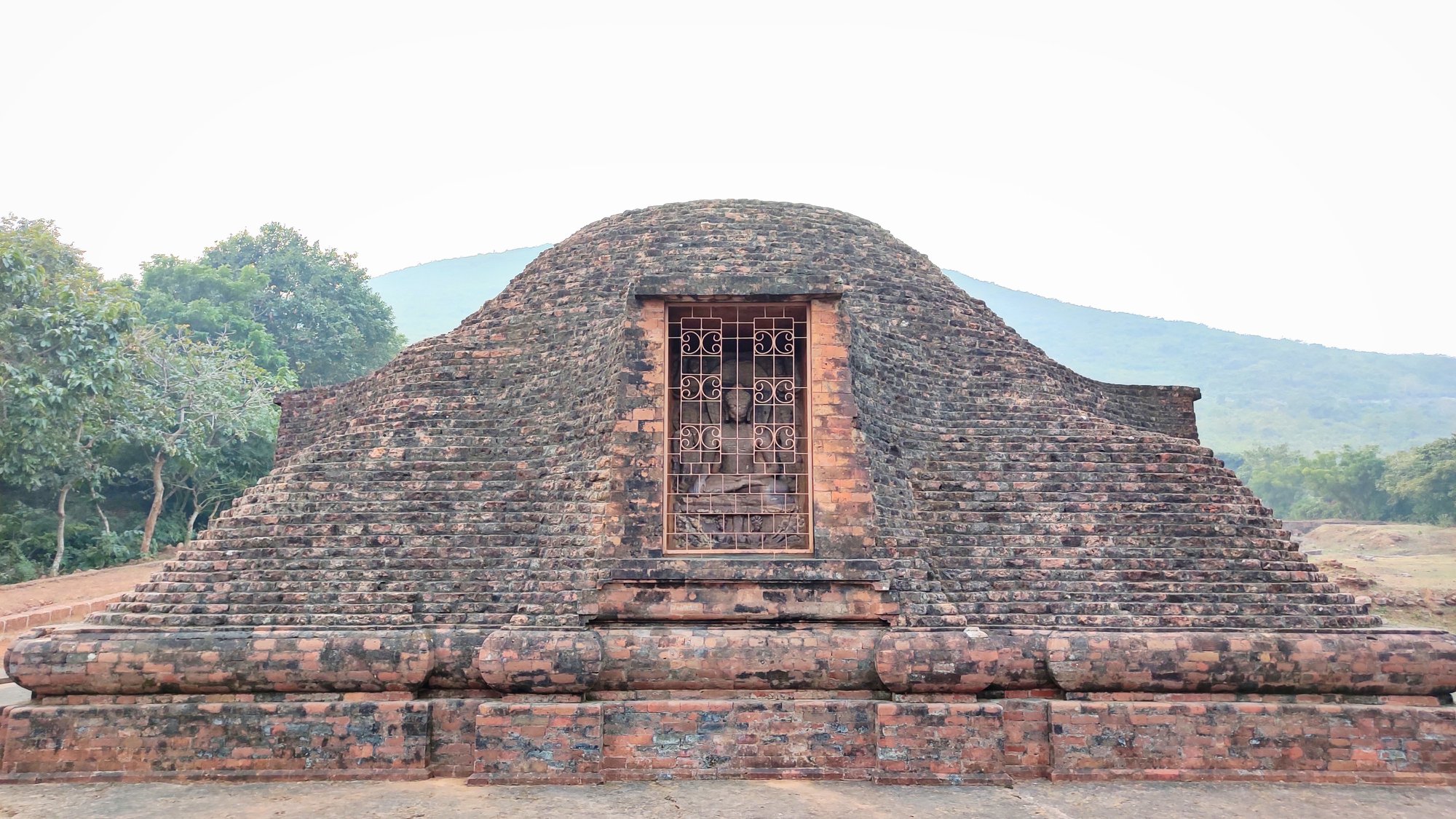

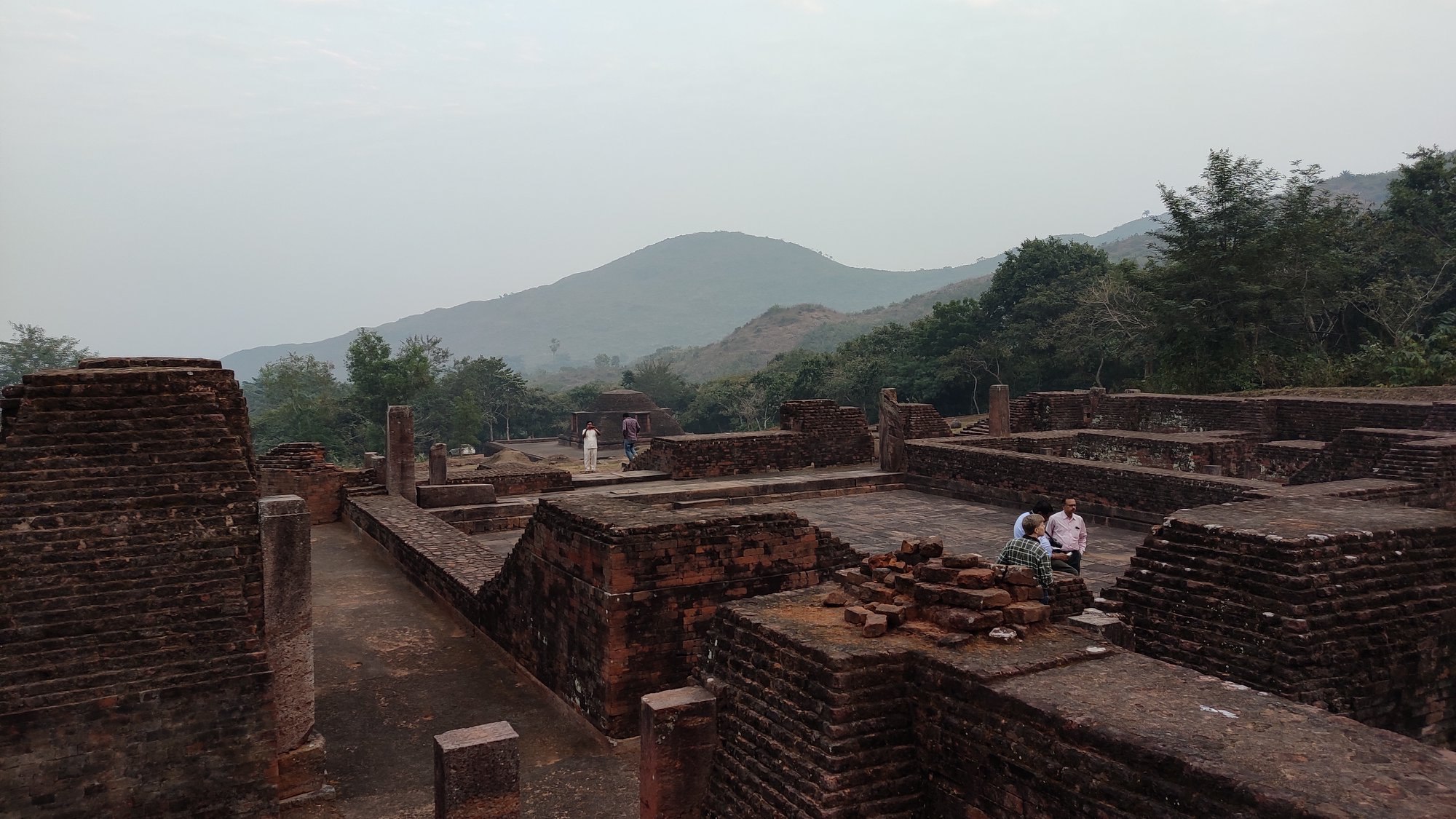
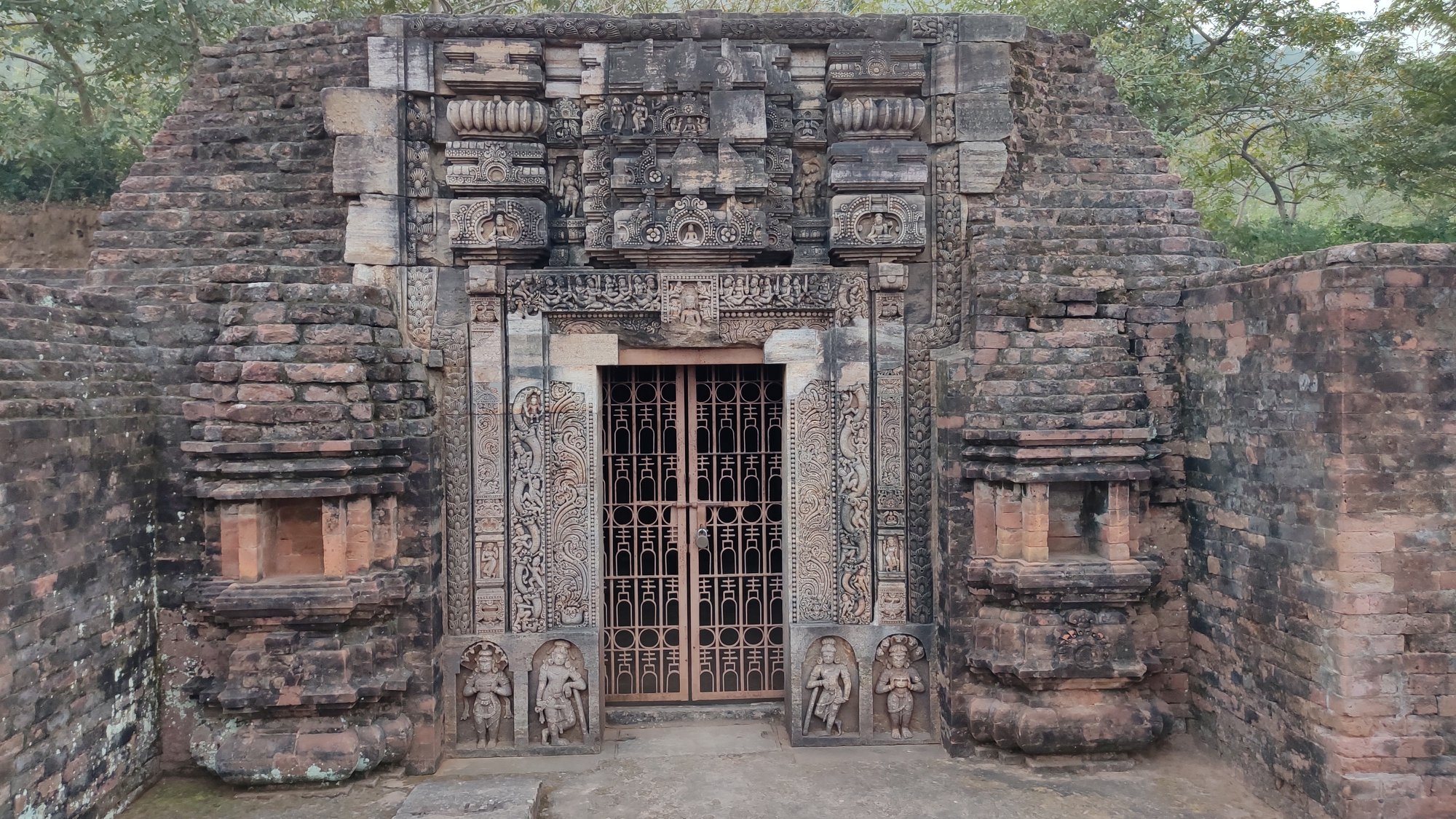
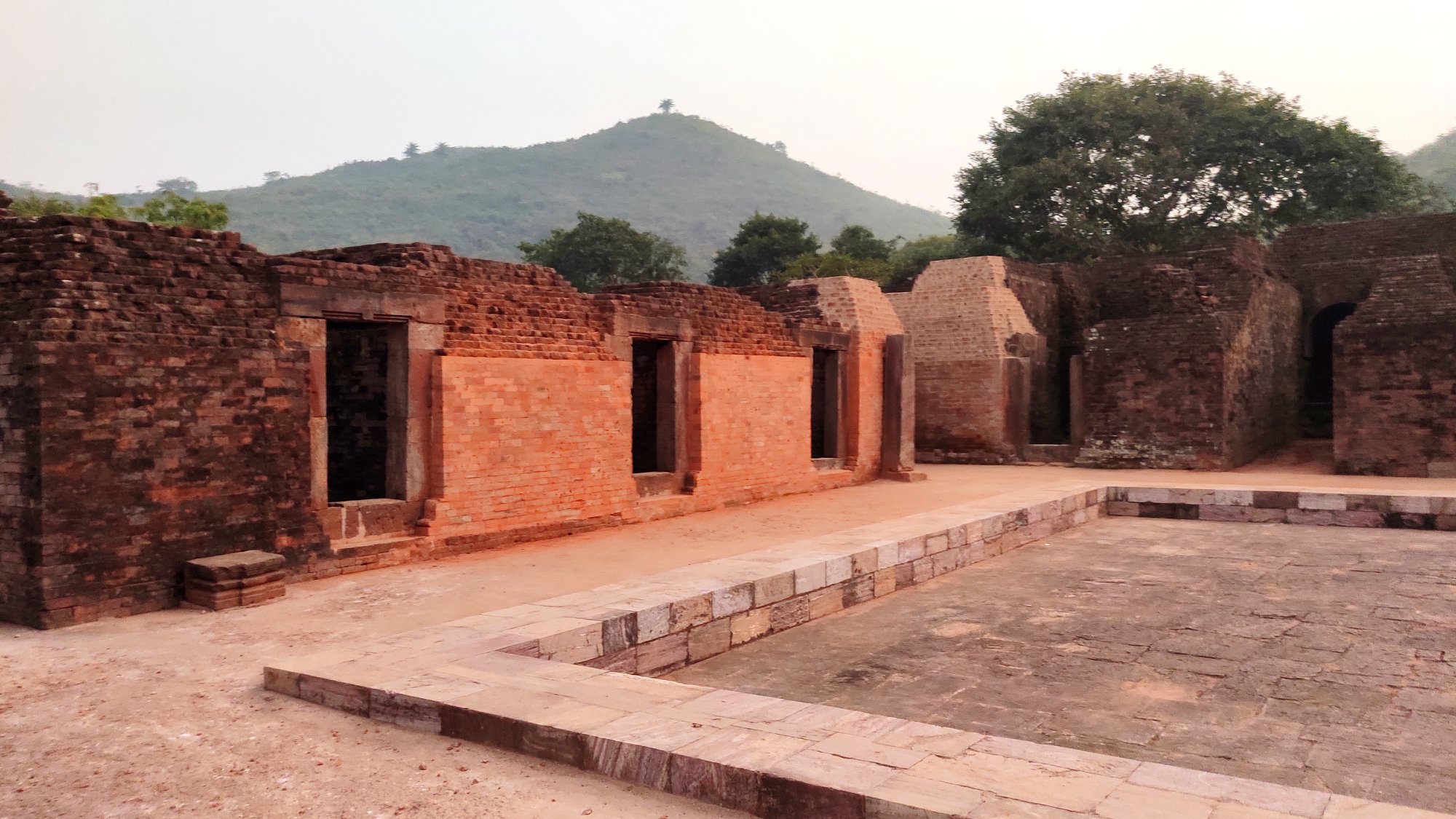

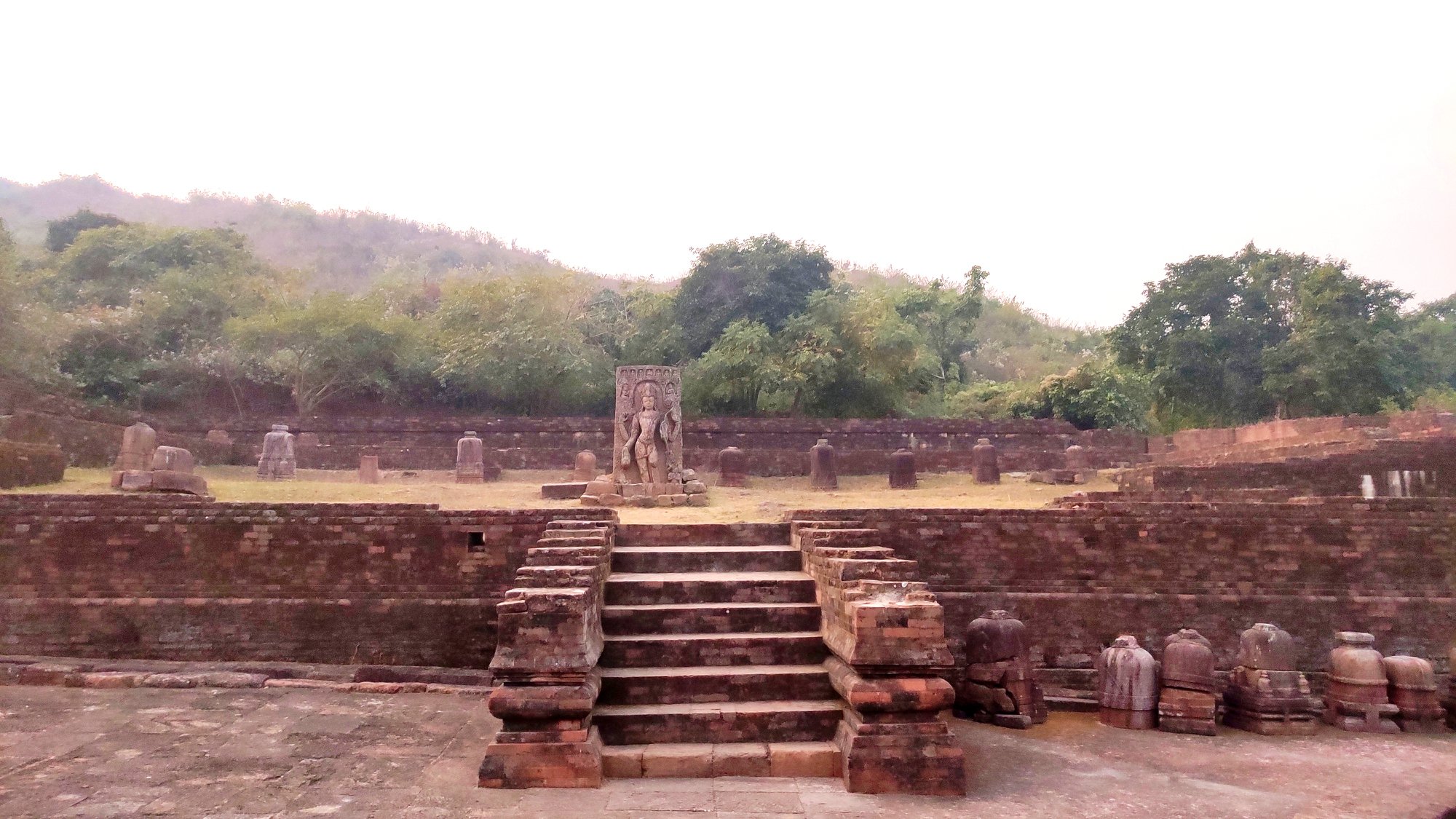
Adjunct to one of the monasteries, lies a chaityagriha with the main stupa, with several smaller stupas surrounding it – the stupas are dated between 1st and 12th centuries. Several stupas, including votive ones stand beside the other monastery too. Of note is a stepped well near the second monastery, the depth of which we could not gauge because it was already dark.

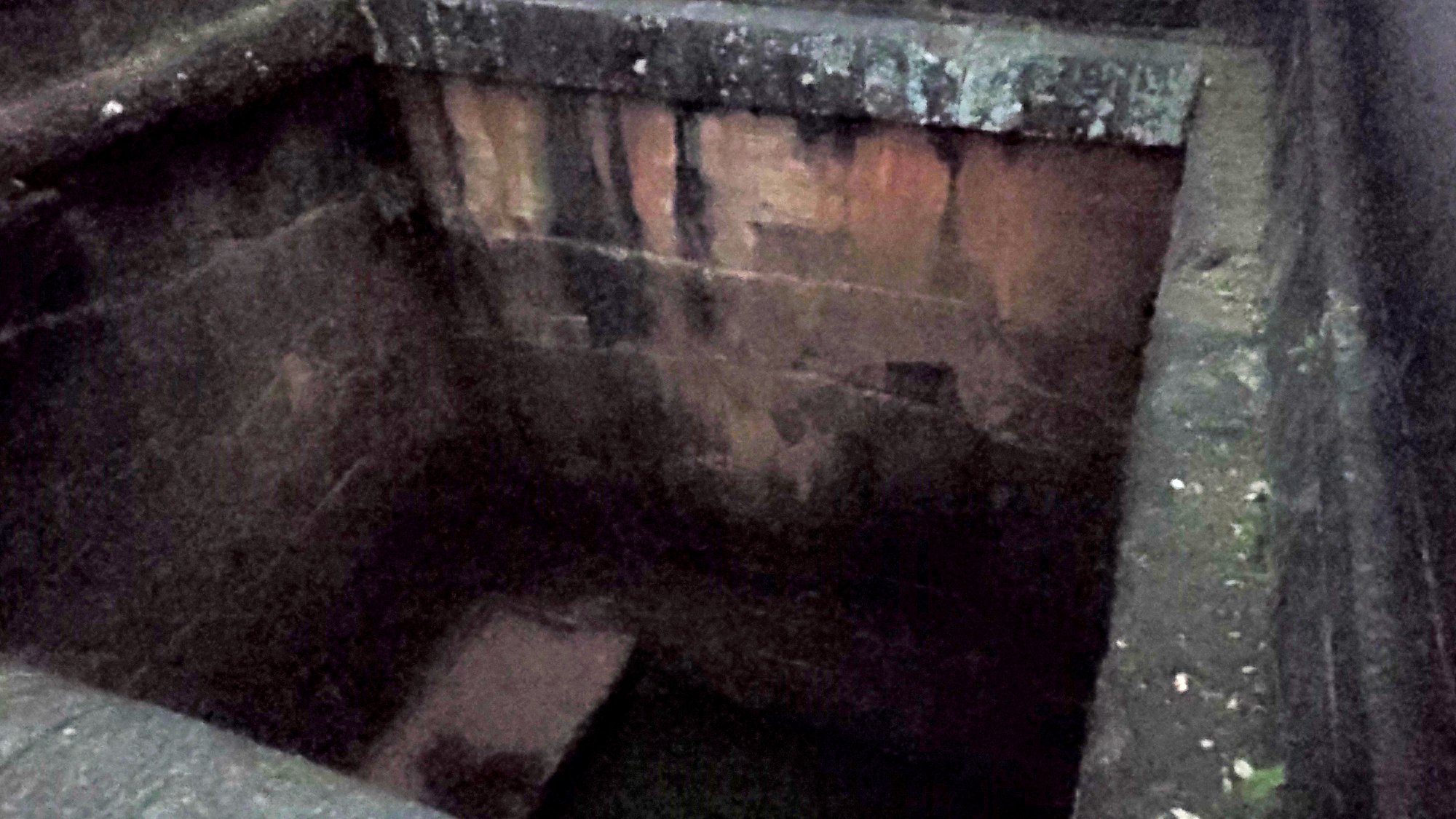

By now, it was already 5 PM, and given that it was peak winter, we were faced with the prospect of walking back through the jungle in pitch dark. Nevertheless, what is a family that does not bravely maneuver difficult paths! So, using our mobile phones are torches, we navigated our way through the narrow path cutting through the forest, making the least of sounds lest we attract undue attention from the wildlife. By 5.3o PM, we were back at the entrance, and were soon headed back to Bhubaneswar, after successfully completing the day-long Diamond Triangle trip.
 The Timber Trawler