
In end-August, we planned a weekend excursion to the erstwhile Hadauti region, centred around present-day Kota. Taking the 3.35 PM Garib Rath from Delhi, we reached Kota by 8 PM, and promptly checked-in to a hotel.
The next day, we booked an outstation Ola taxi, and headed off to first see the Kota Garh Palace standing on the edge of a canyon on the Chambal river. With origins in the 13th century, the fortified palace served as the residence of the Raos and Maharaos, the rulers of the kingdom of Kota. The ground floor is converted into a musuem, while many of the palaces are open to the public – from one of the palaces, the Kota Barrage and Kota river are visible.

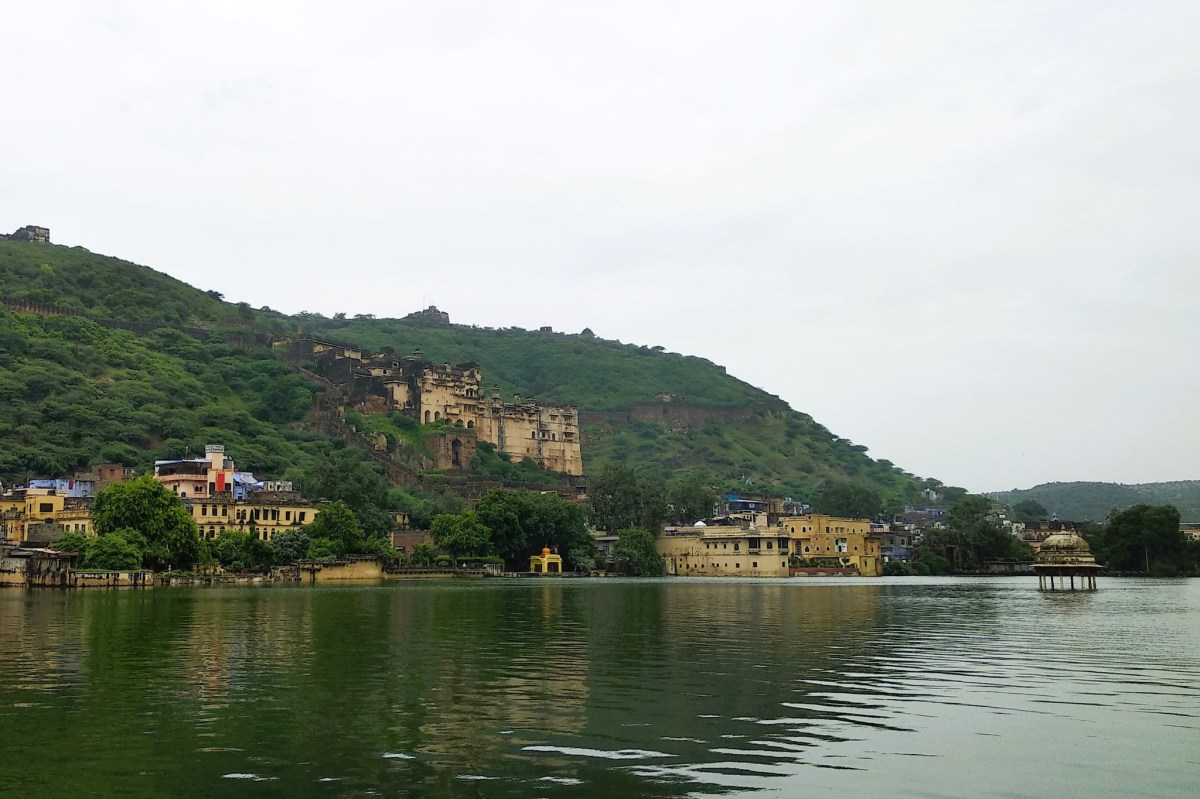
A little later, crossing the mighty Chambal river, and riding for some time, we passed through a tunnel in the Aravallis, and then climbed up a pass in the hills, before we saw a most fascinating sight of a yellow-coloured multi-storeyed structure with balconies, windows and domes etched at a height against the hillside, separated from the road by a large pond with a cenotaph in the centre.
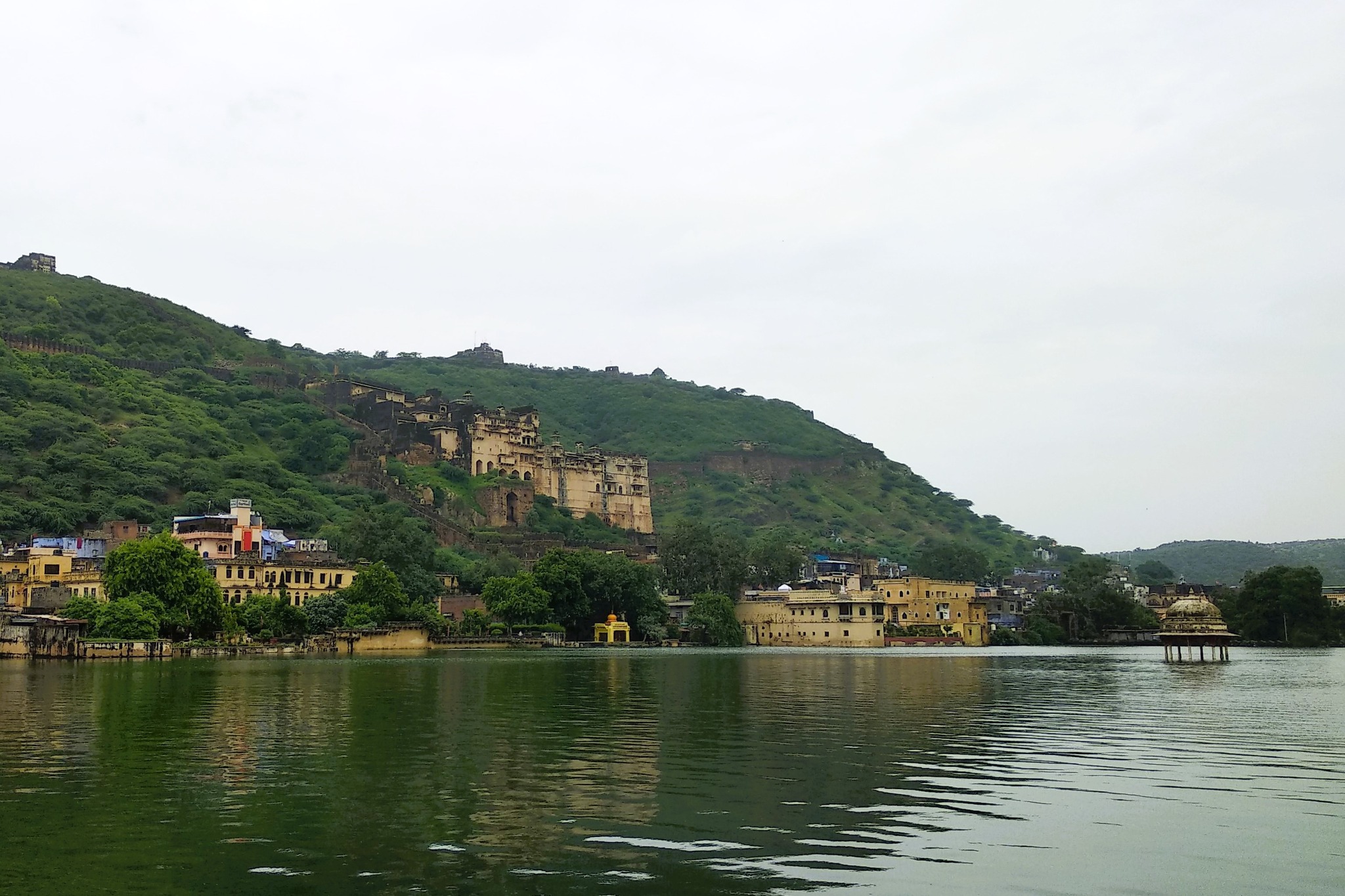
Winding around the pond, we entered the narrow lane of the village located at the foothill, and then rode up a steep incline to reach the large front gate of the Bundi Garh Palace. Soon, we were inside the precincts of the fortified palace, climbing up the winding, steep stony path, admiring the tall walls of the palace hanging on the cliff. Then, we encountered a final tall arched gate that led us into the Garh Palace’s courtyard.
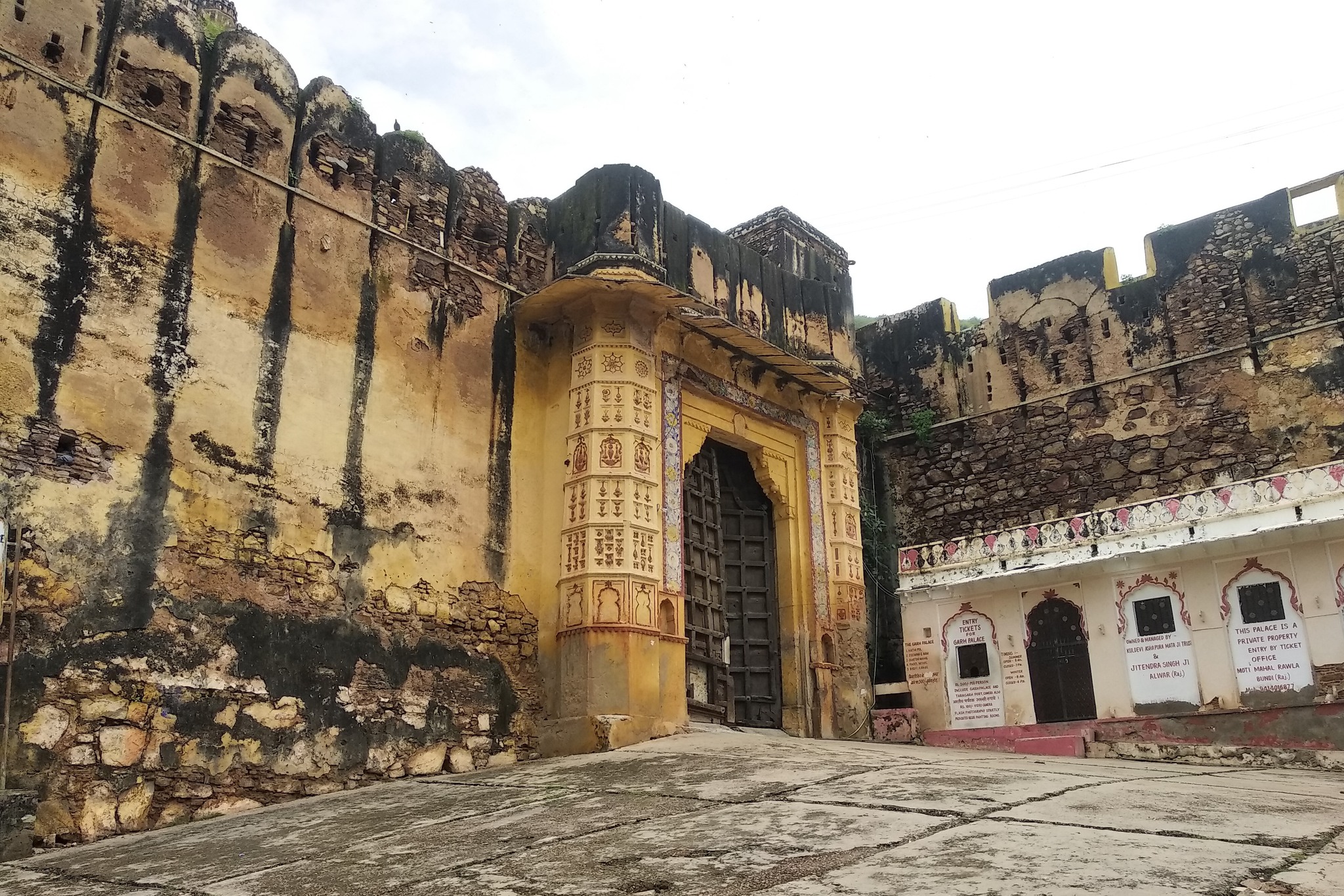
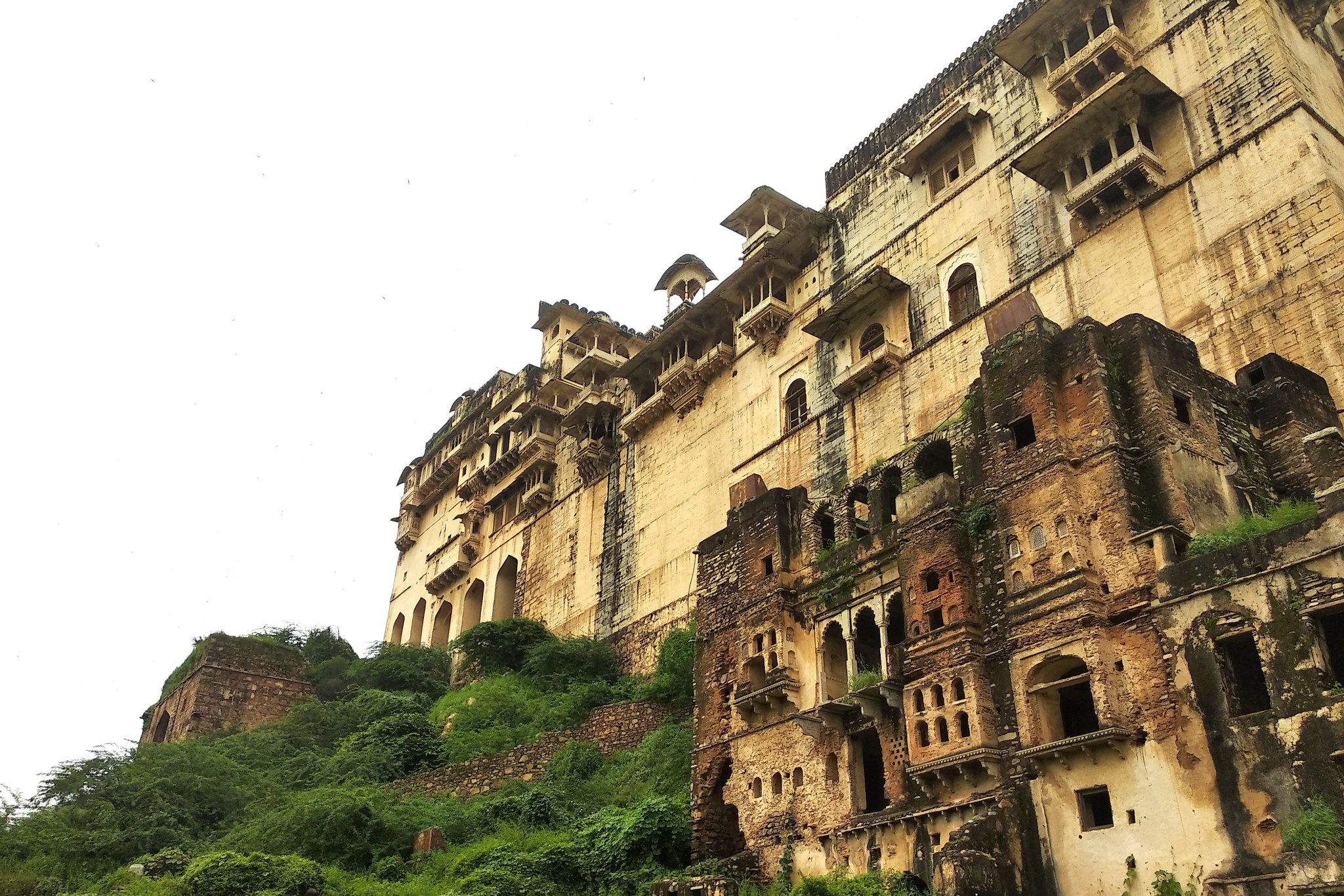

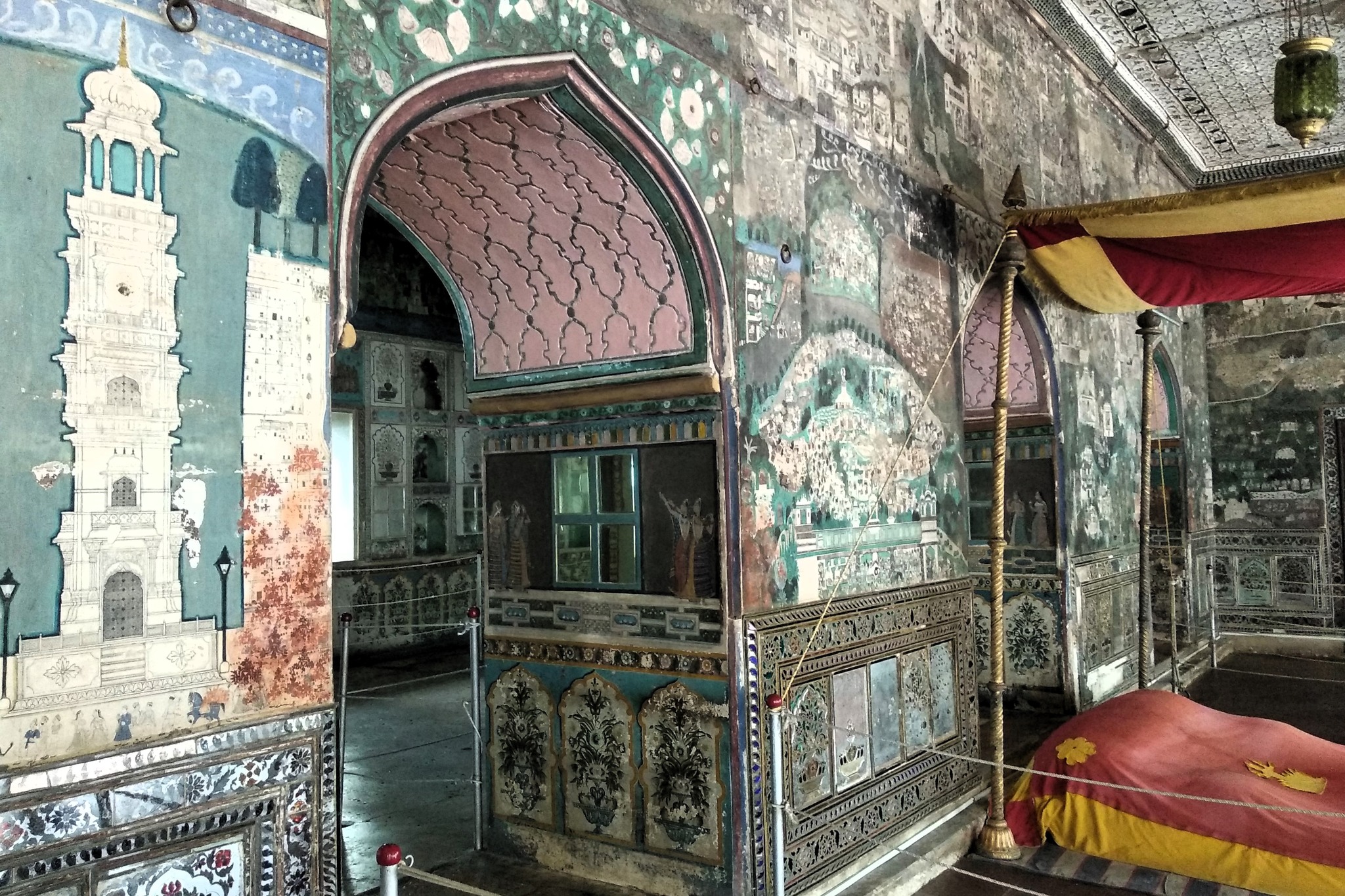
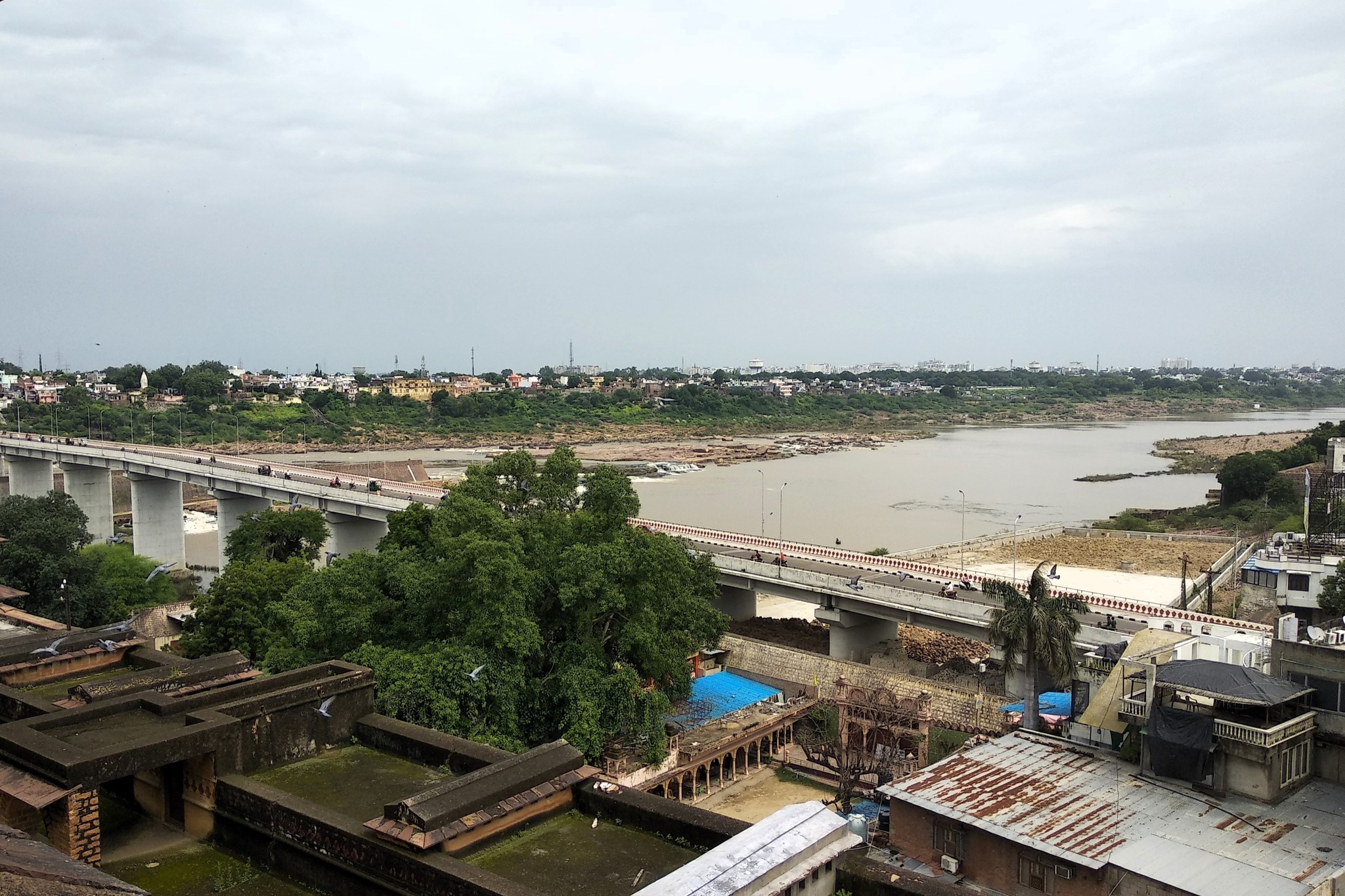
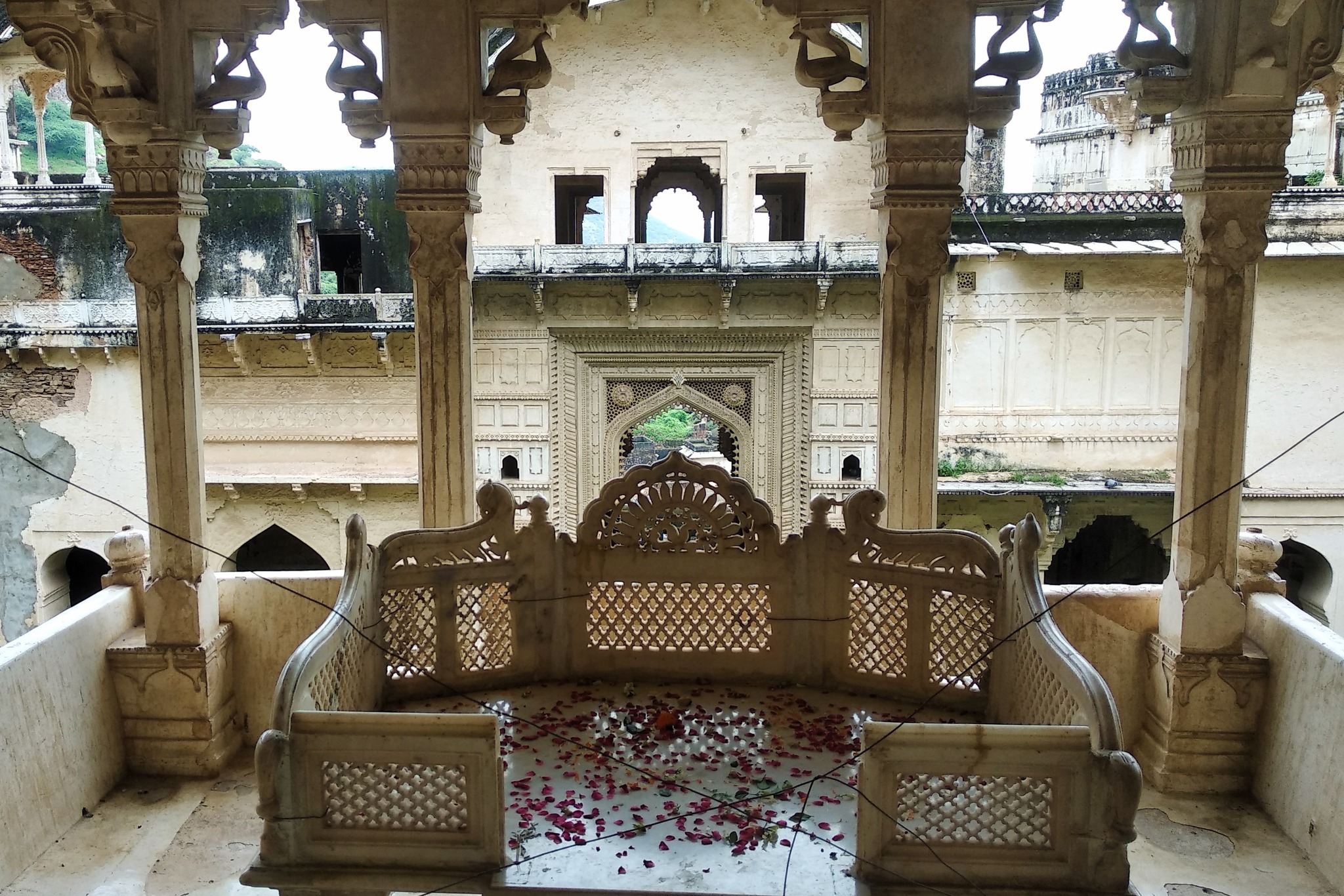
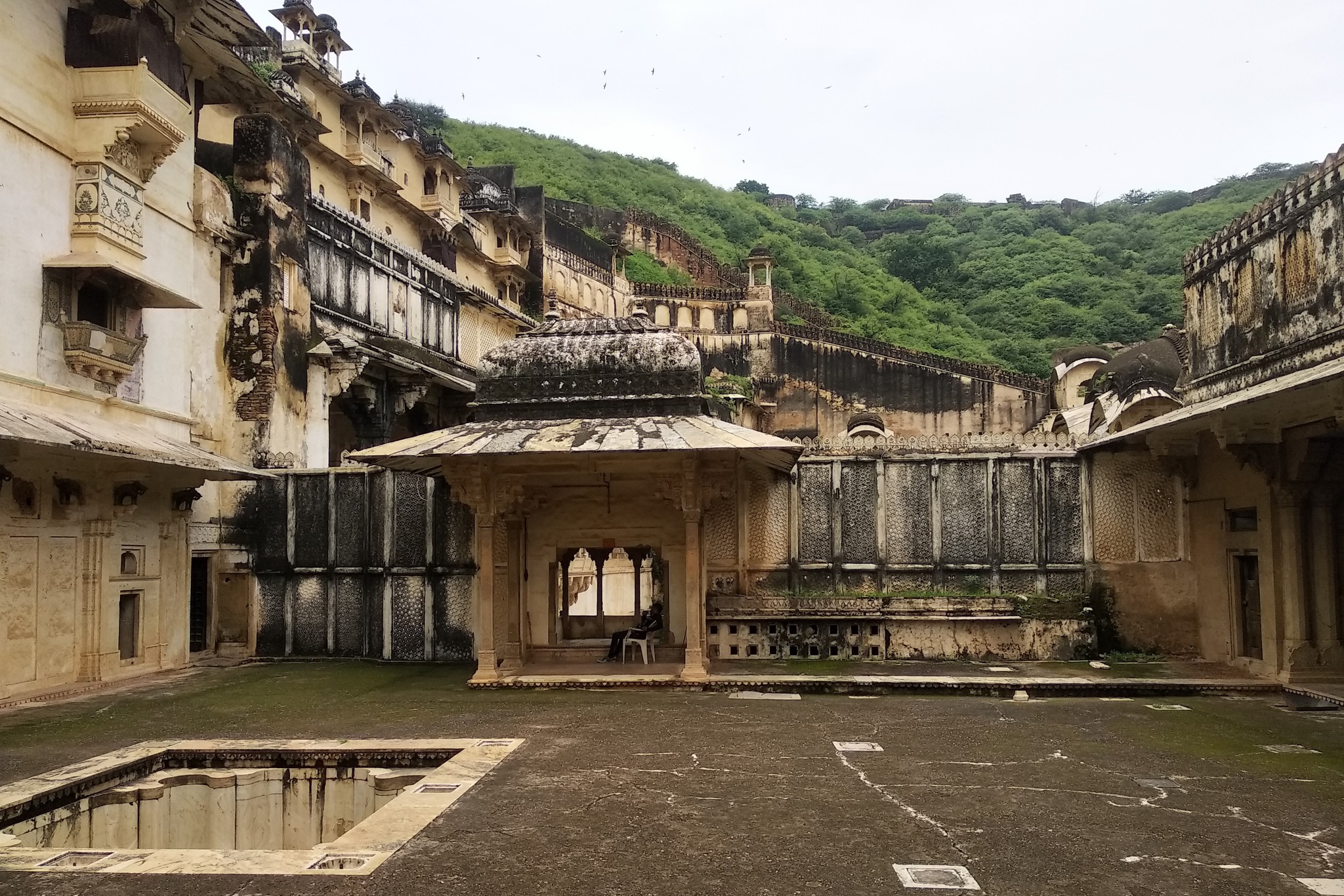
Inside the Garh Palace, we explored multiple storeys of the palace, climbing up the labyrinthine stairs, walked through the many halls and rooms, and reached the roof of the Badal Mahal which owing to it being at one of the highest points of the palace, afforded a panoramic view of the village and the pond nestled in the hills. We then walked to an adjacent structure, called Chitrasala, which houses numerous murals and frescoes.
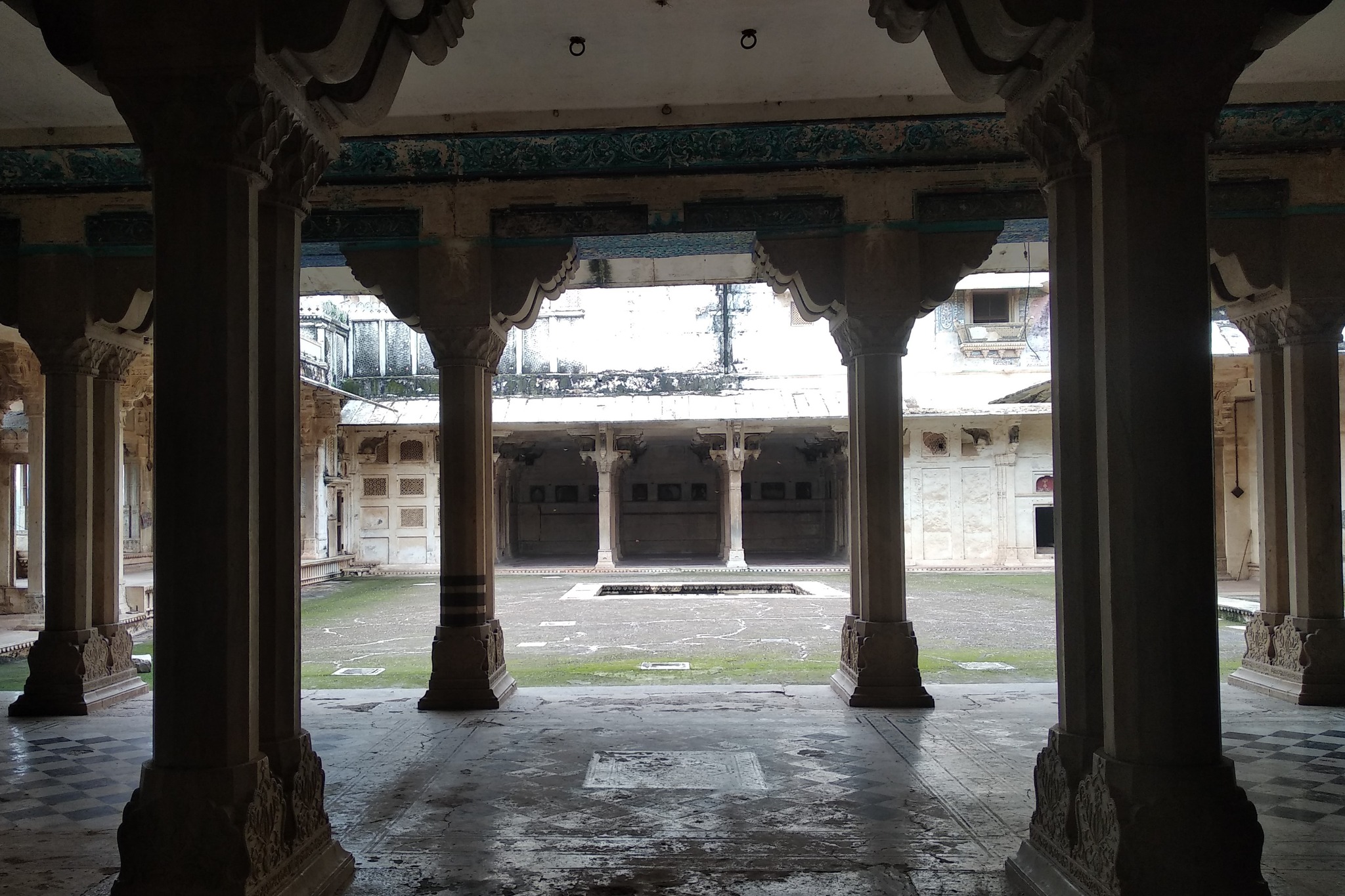
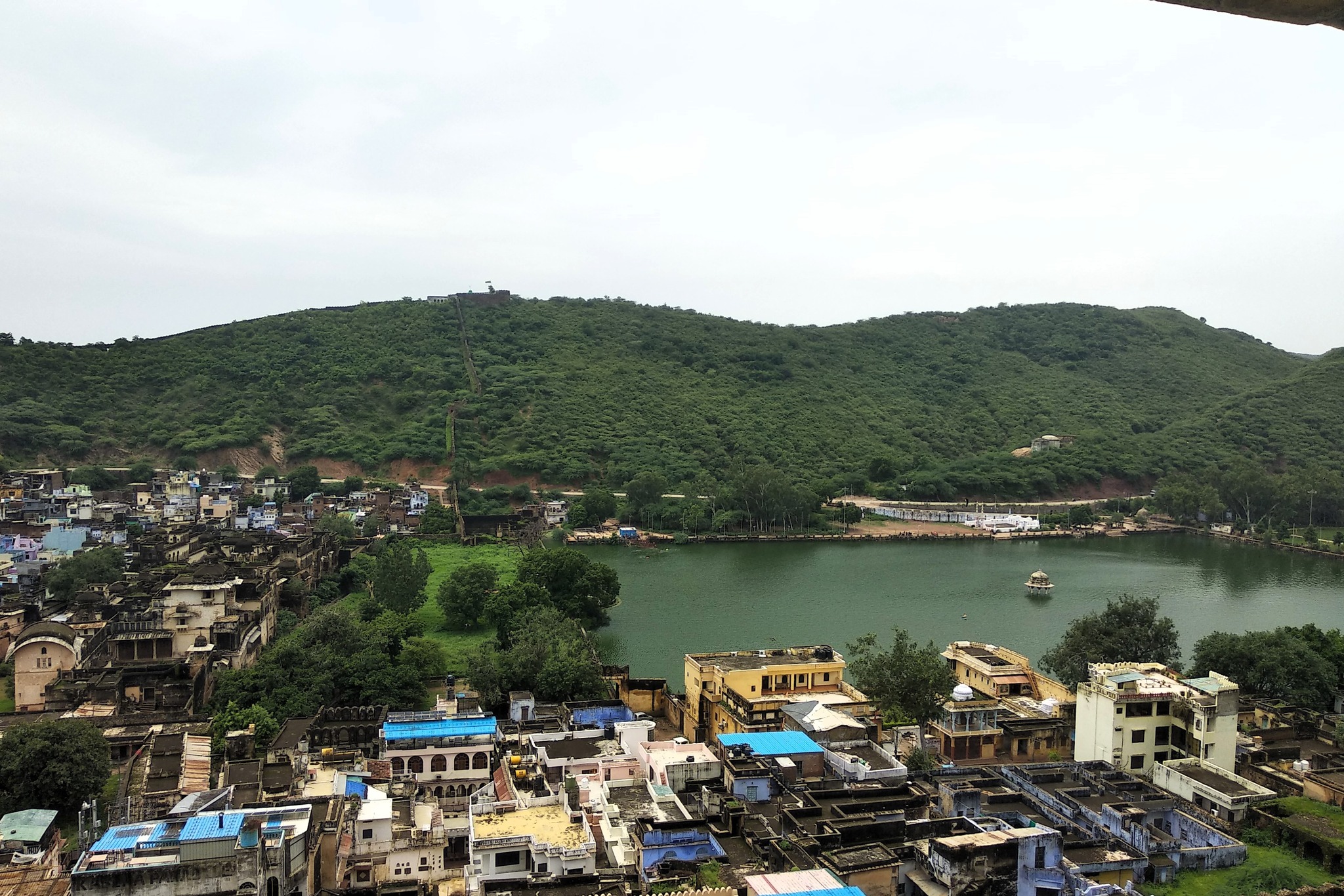
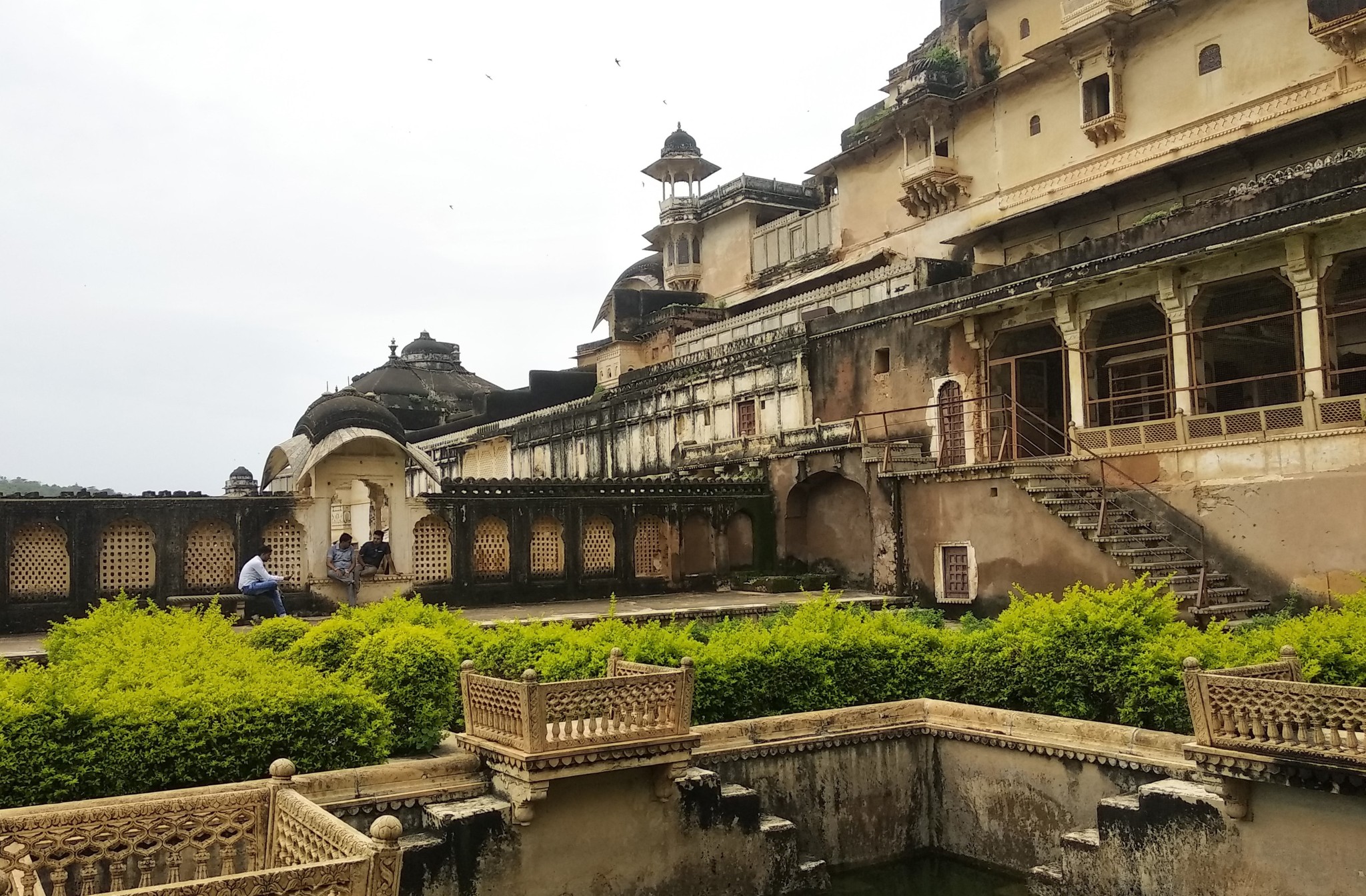
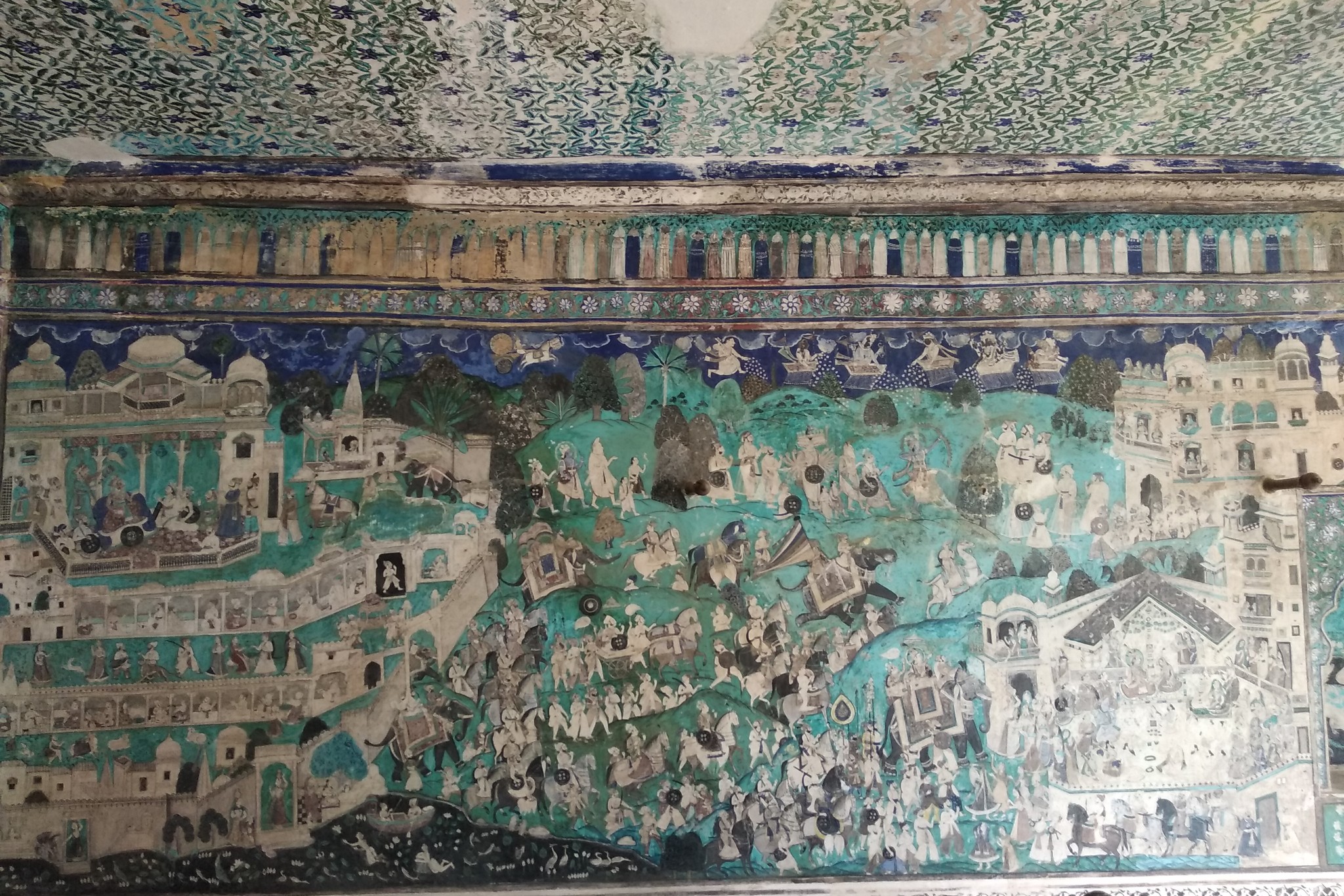
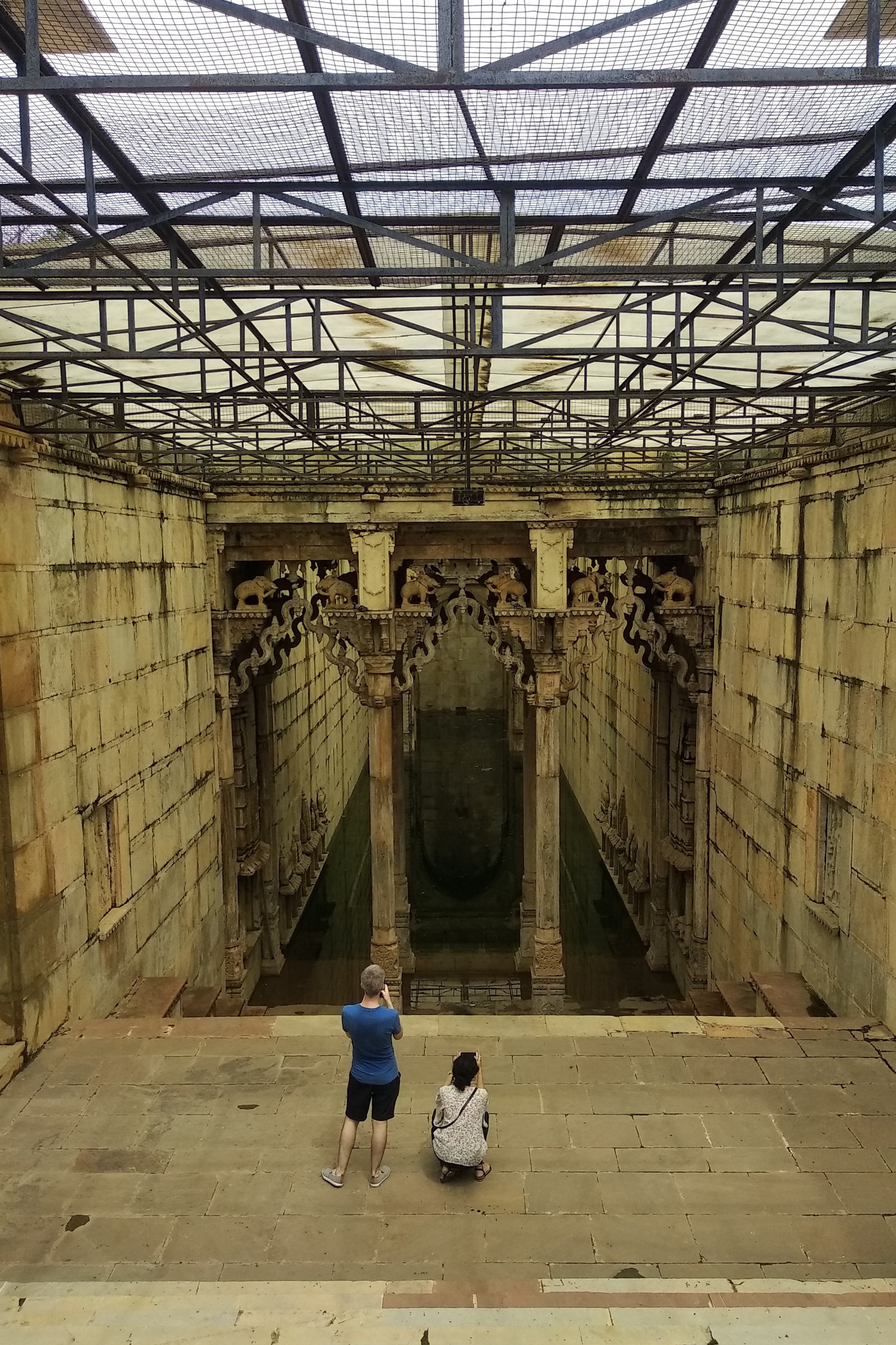
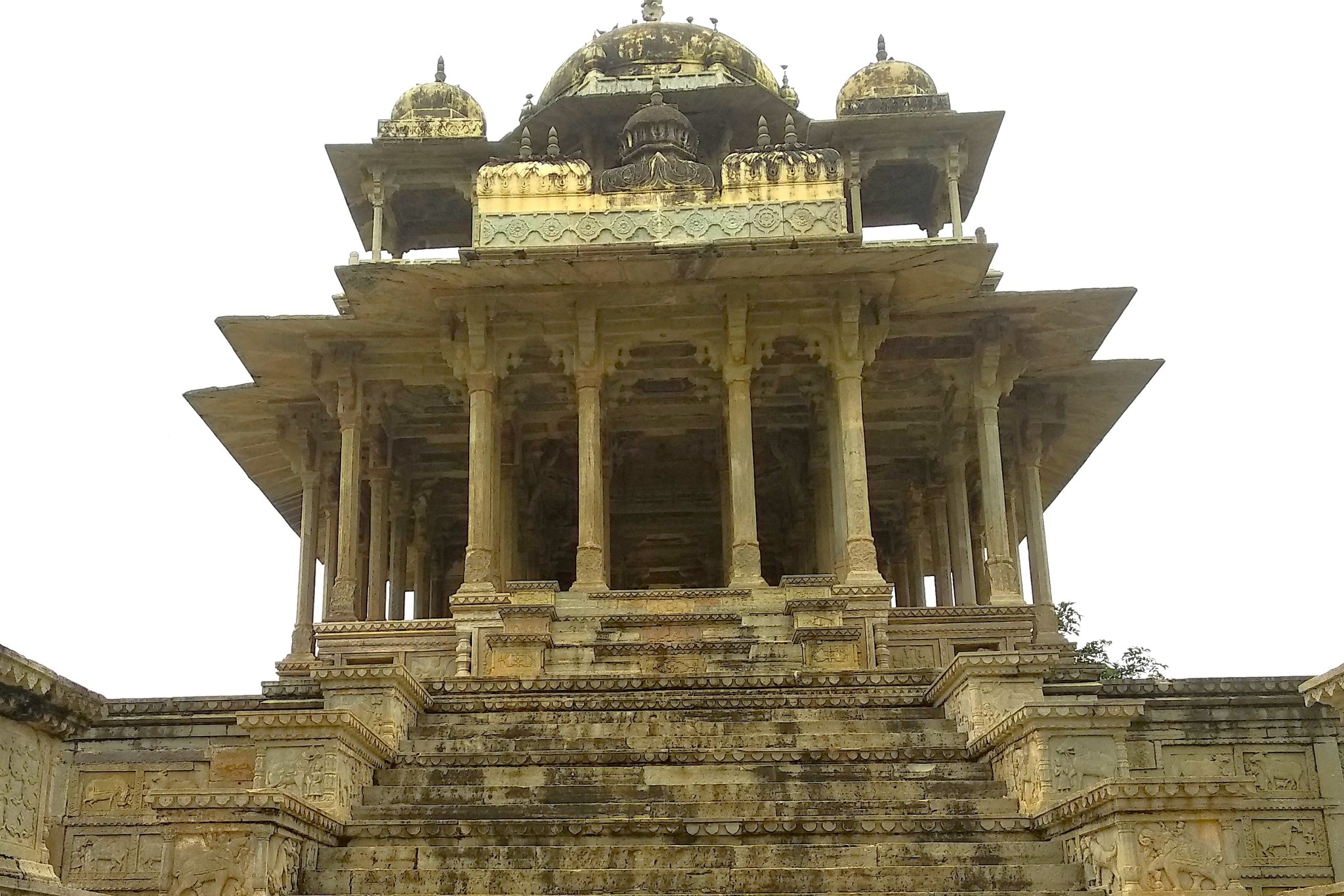
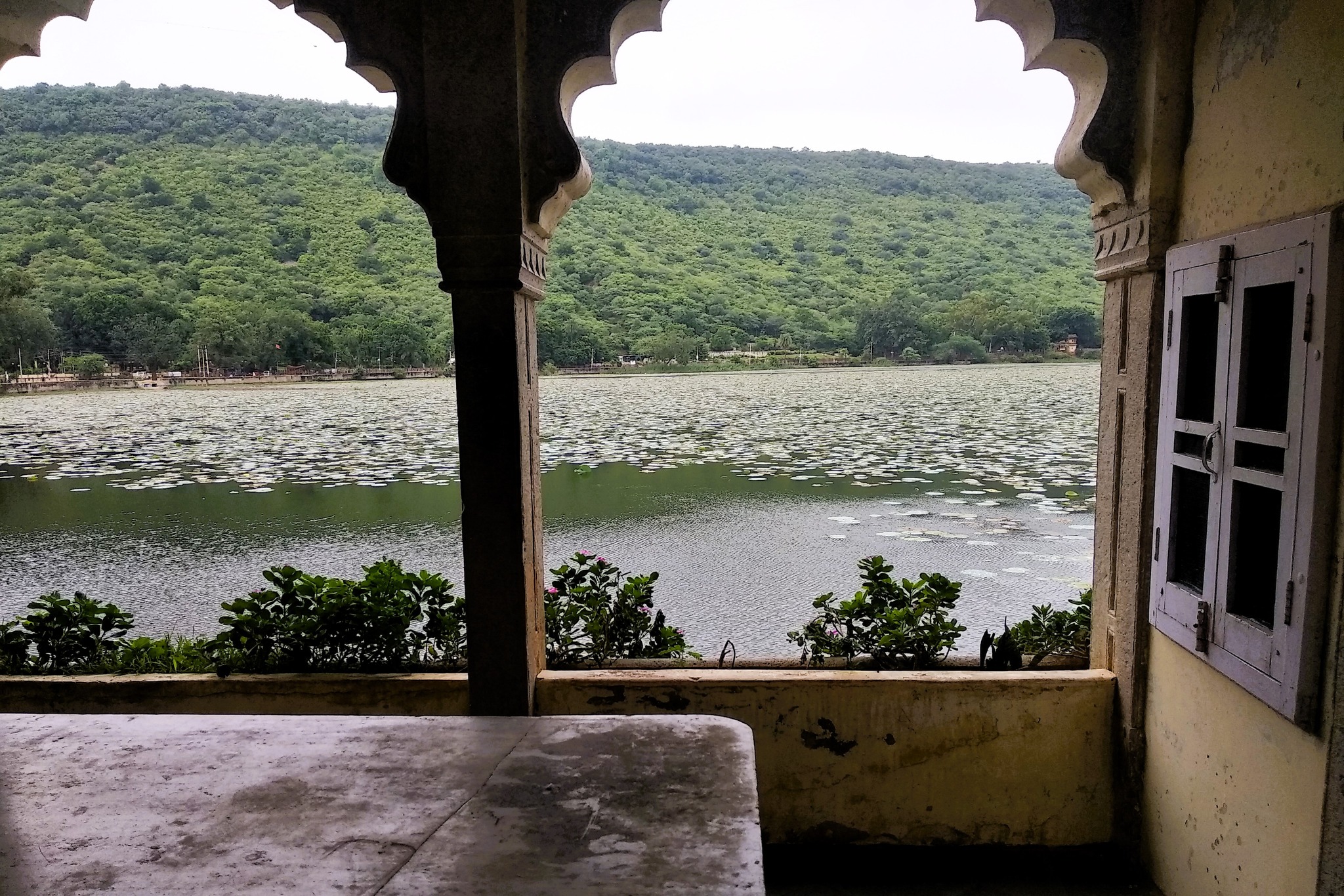
Following this, we made our way through the narrow village lanes to the more urban portion of the town, where we saw the Raniji ki Baori, a 17th century covered stepwell, that is 150 feet deep, and is fairly well-maintained and filled with water even now. Then, we proceeded to the Nawal Sagar lake, located on the outskirts, on the banks of which Rudyard Kipling spent some time in a modest but attractive bungalow. Afterwards, we saw the Chaurasi Khambon ki Chhatri or ’84-Pillared Cenotaph’, another 17th structure with a shivling at the centre of the space enclosed by the pillars.
The next day, we woke up to rain pattering on the parapet of our window. Still, in the light rain which was for the most part a drizzle, we proceeded to Jhalawar, hurtling across the Kota plateau, and then winding across the Mukundra Hills, in pursuit of Gagron fort. From Jhalawar town, we turned northwards passing through the countryside until we could see the fort in the distance.
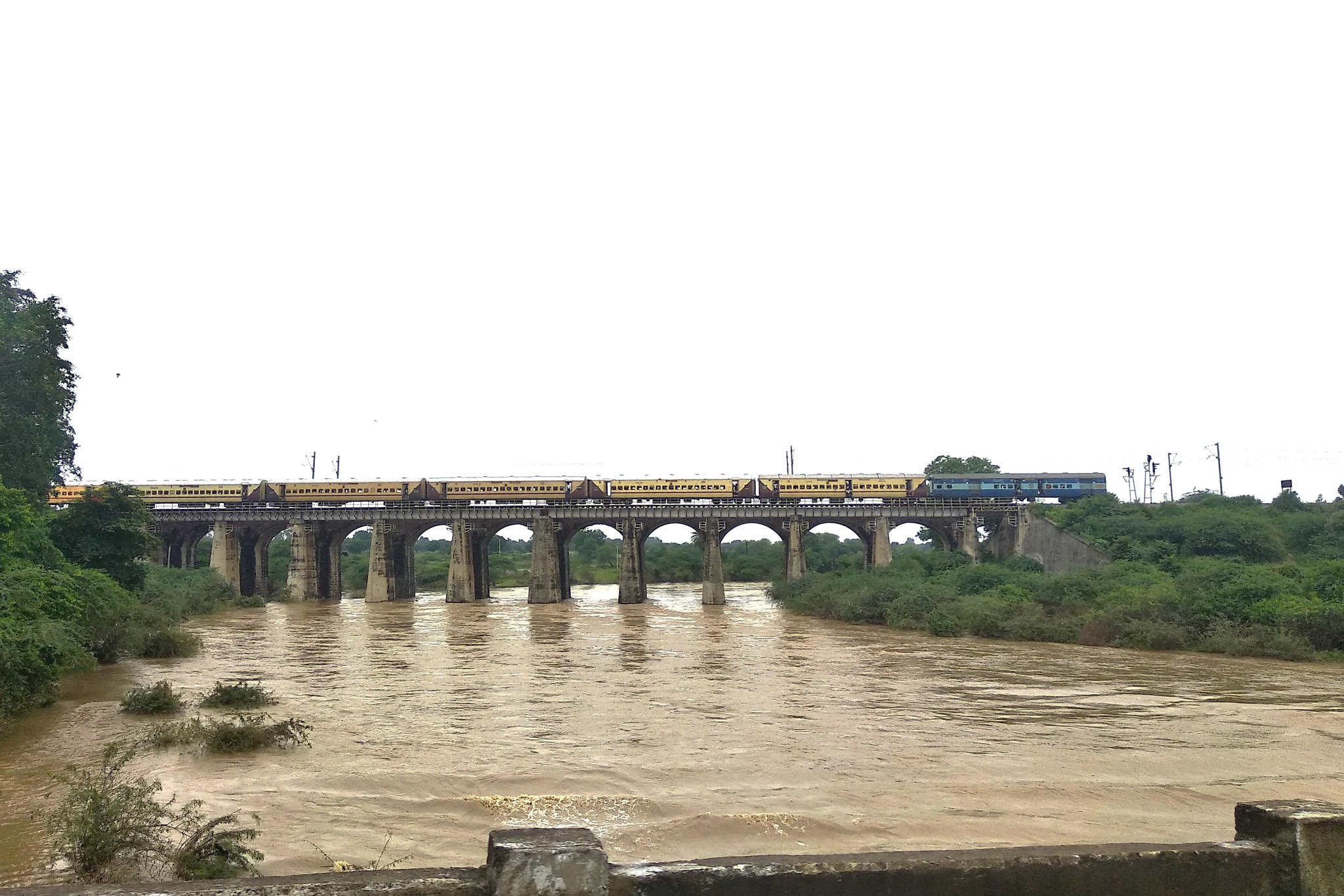
Then we rolled down a slope, and came face-to-face with the Ahu river, overflowing due to the rains, completely submerging the low bridge that connects the side we were on to the hillock that the fort stands on. With no signs of the rain and river water abating, we turned back, disappointed. It being only noon yet, we figured we could somewhat compensate for the lost opportunity, by exploring some other nearby place – that place turned out to be Jhalrapatan.
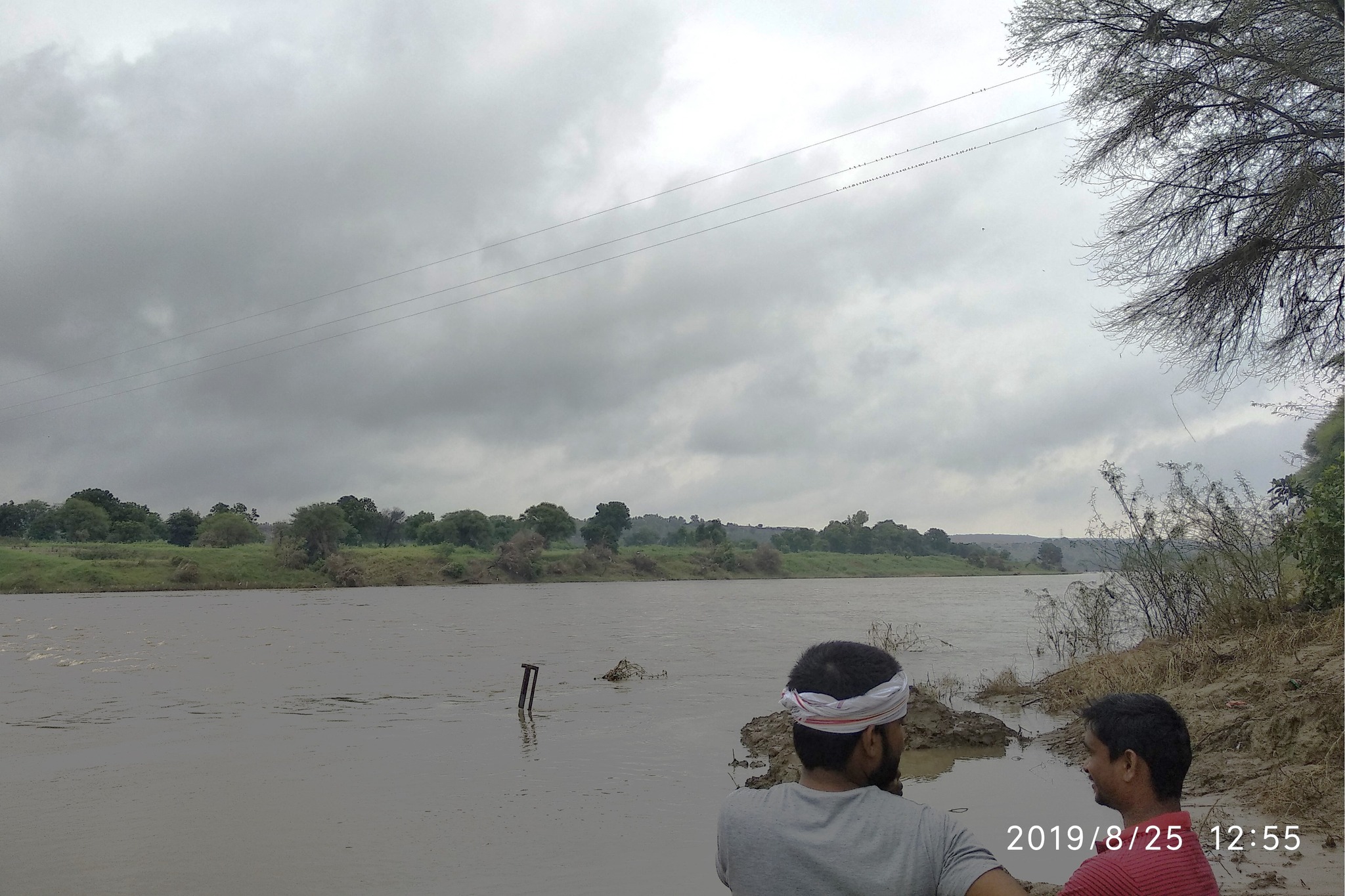
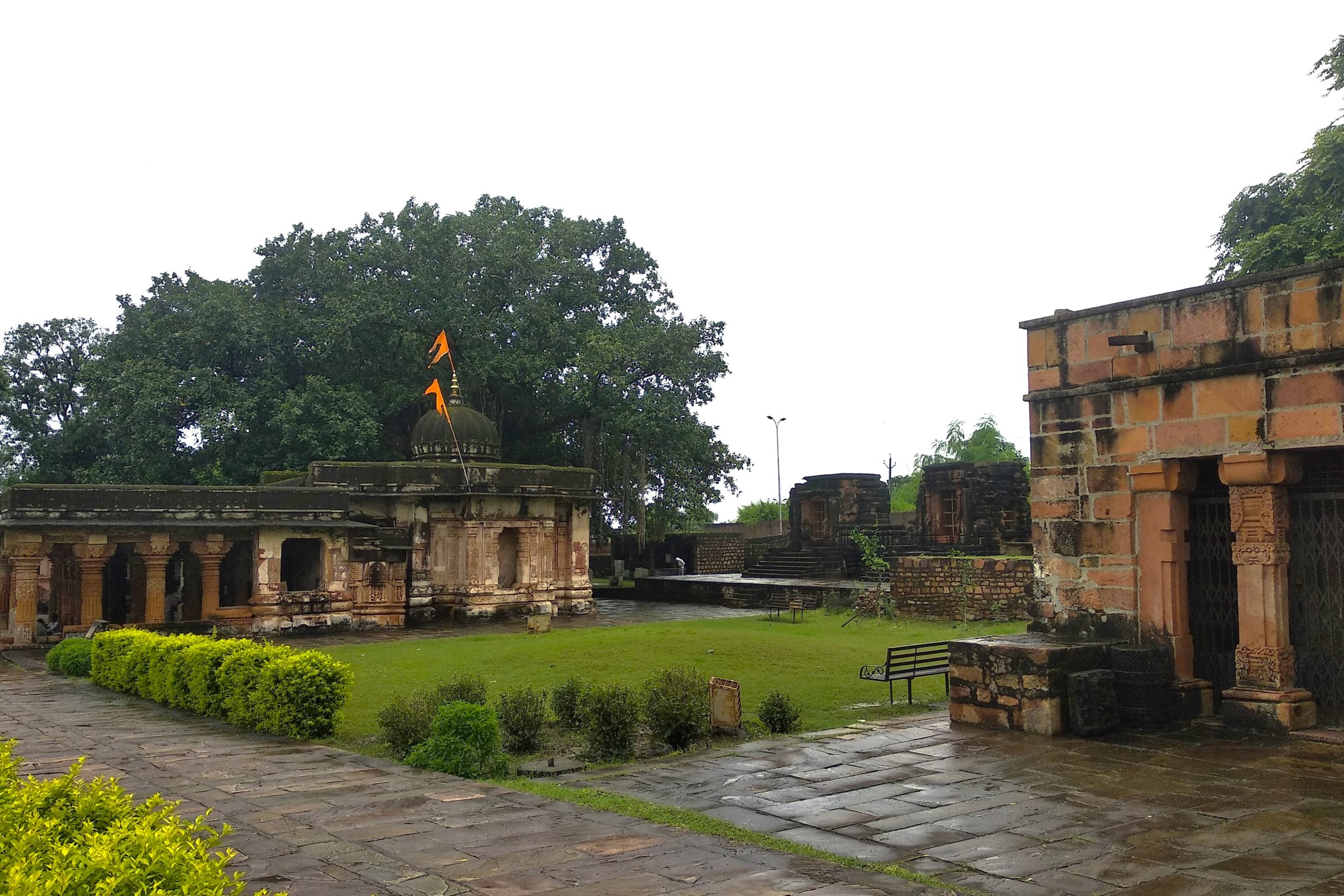
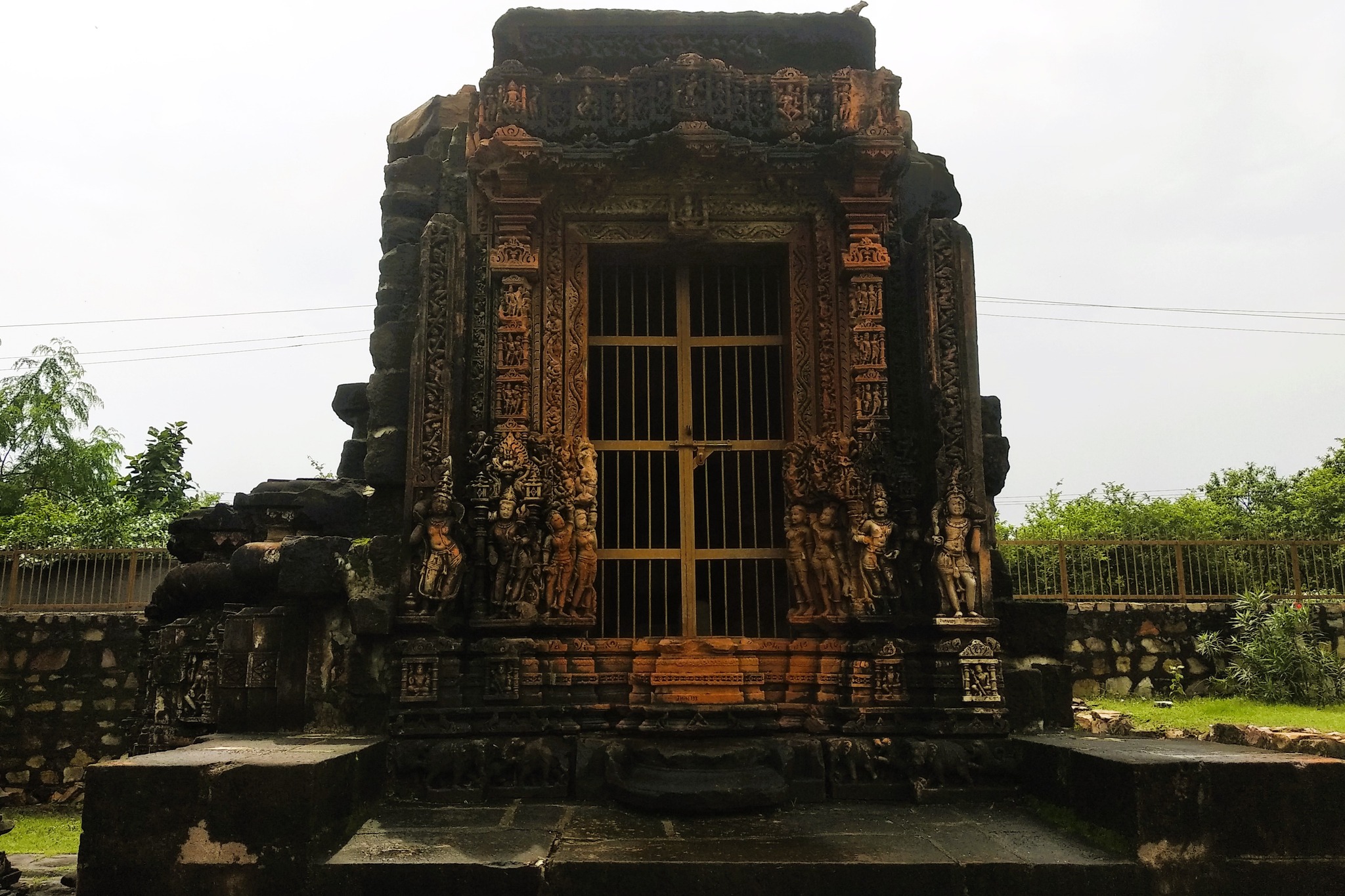
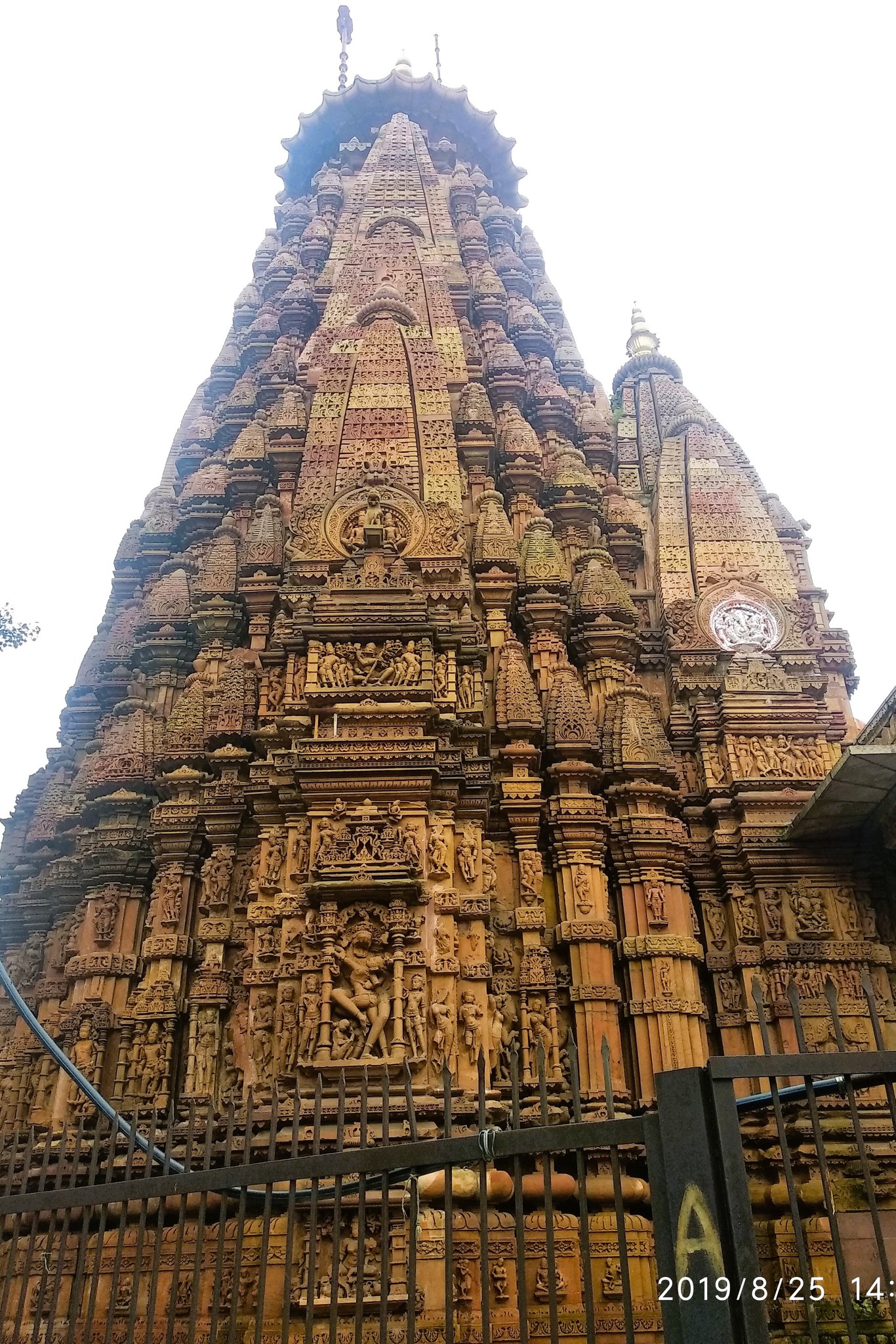
Within half-an-hour we were in Chandrabhaga and Chandramoleshwar temple complex with structures dating back to the 7th century, on the banks of the Chandrabhaga river that runs around Jahlrapatan town, and is also the site for the Chandrabhaga cattle fair held in November every year. Next, we saw the 10th century Surya (Sun) temple that is located in the middle of the town, and headed back to Kota.
We then took an overnight train to Delhi. If not for the rains preventing us from seeing the Gagron fort, the trip as a whole was satisfying, giving us a taste of the heritage and topography of the Hadauti region, making us want to come back again.
 The Timber Trawler