

April 2011. I remember it like it was yesterday. My first ever solo trip. My friends who had planned a Dharamshala trip with me for the Good Friday weekend ditched me at the last moment. But I had already made up my mind, and so I set out all alone. I simply lugged my backpack, took the metro to the Kashmiri Gate ISBT, and was soon looking for the counter for the buses leaving for Himachal Pradesh.
It was around 9.30 PM. Every bus counter had long queues stretching for half a mile each. There were no more direct buses scheduled to Dharamshala that night. So I joined the one for Chandigarh, and when I finally reached the counter window around 10.30 PM, I was told I would be getting tickets only for the 1.30 AM bus. Left with no choice, and not intent on turning back home, I bought the ticket, and was inside the bus at 1.30 AM.
The bus was an ordinary road transport one, with thin cushioned seats, no AC, with windows that you had to keep open for ventilation. Fortunately, I got a window seat, that too, right near the main door. After the bus started at around 2, I was in and out of sleep, and before I knew it I was in Chandigarh, where I got to know I had to take a city bus to the Sector-43 ISBT to catch a bus to Dharamshala, which I did.
By 9AM, I was on my way to Dharamshala in a Himachal Road Transport bus, again in an ordinary bus type. I remember first passing through Nangal, where the Bhakra-Nangal dam, that I remembered from my school textbooks, is located. Soon, we were climbing the hills, and passed through Una, which I knew because it was the hometown of a senior colleague of mine. By 3 PM though, as the bus swerved through corners, I remember seeing the snowcapped mountains from above the tops of coniferous trees in the distance.
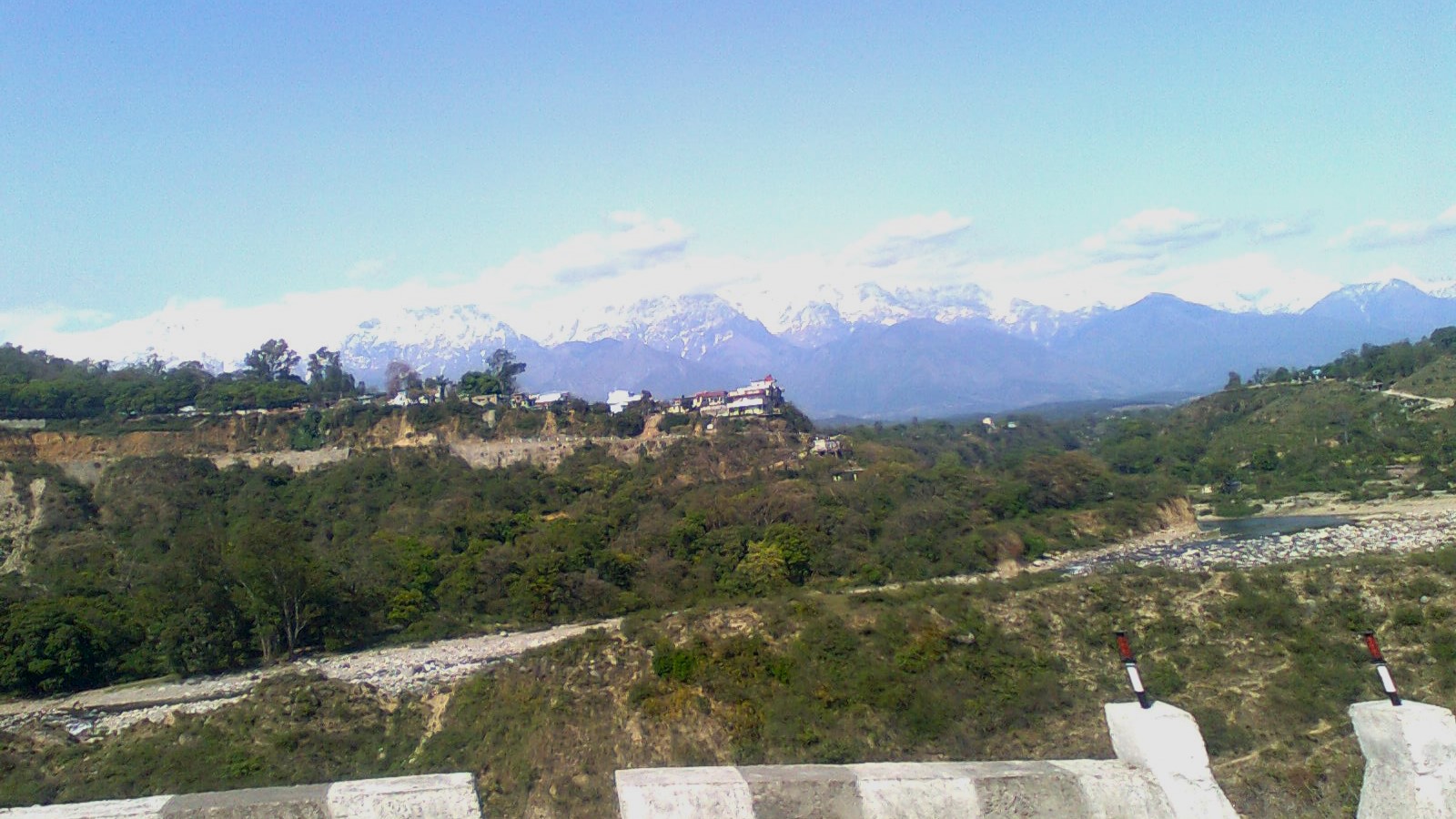
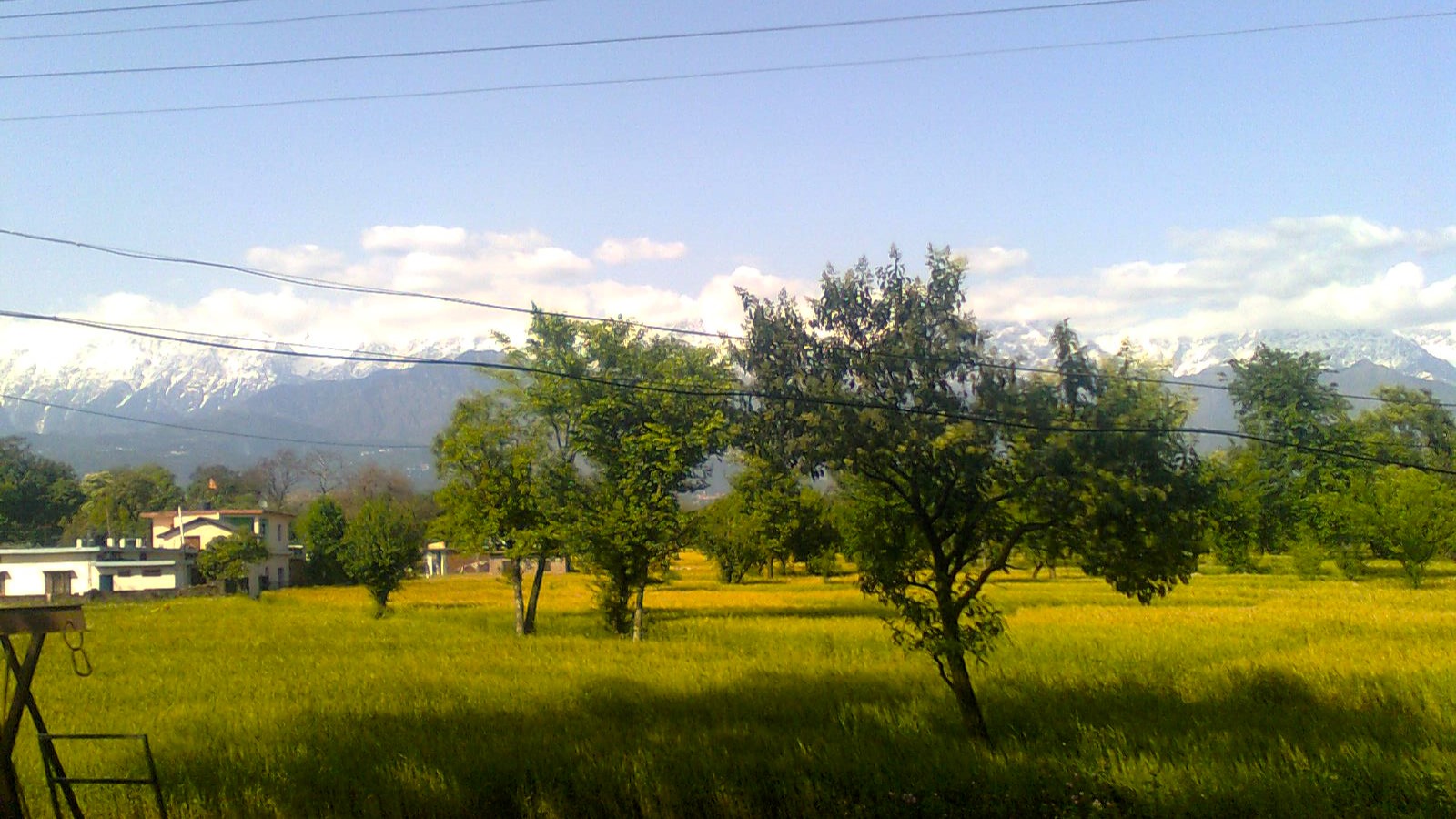
The bus kept pushing up the hills and taking one hair-pin bend after another, and yet the mountains kept their distance. But that was until 3.30PM, when suddenly, I could see the snow-capped mountain within touching distance. Within the next half hour, I was at the foothills of the Dhauladhar mountain range, the one that I had been seeing for around three hours. I was at Dharamshala.
The first thing I did was talk to a cab driver about a day tour package for the next day, which would include McLeodgunj and Kangra – it would set me back by 700 rupees. Then, I walked a couple hundred metres up the main road and booked a room, that I got for a really cheap price, not more than a 1000 rupees. Then, I settled down for the evening, watching the IPL on TV, then ordering dinner, and going to sleep after a really, really long day.
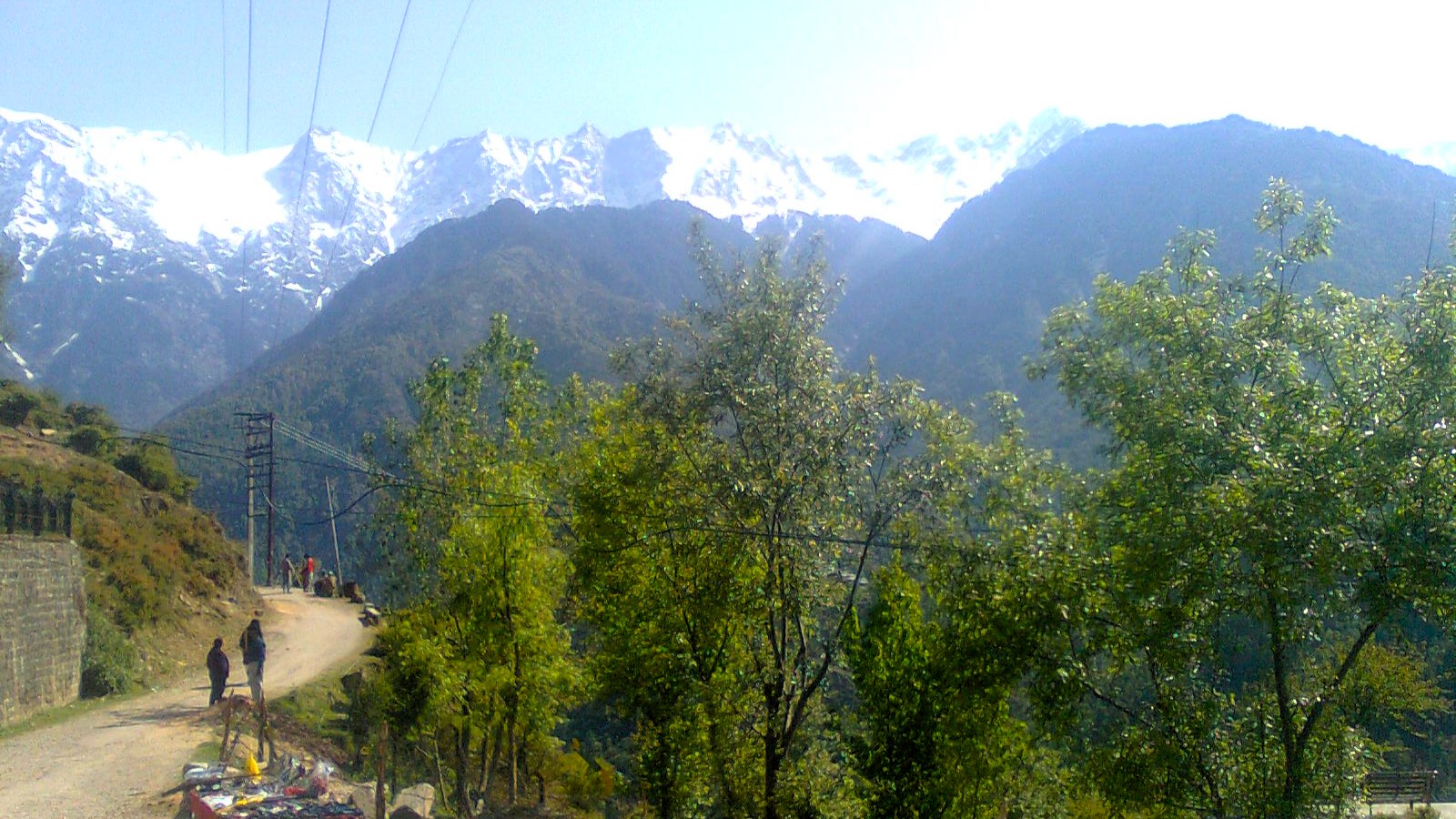
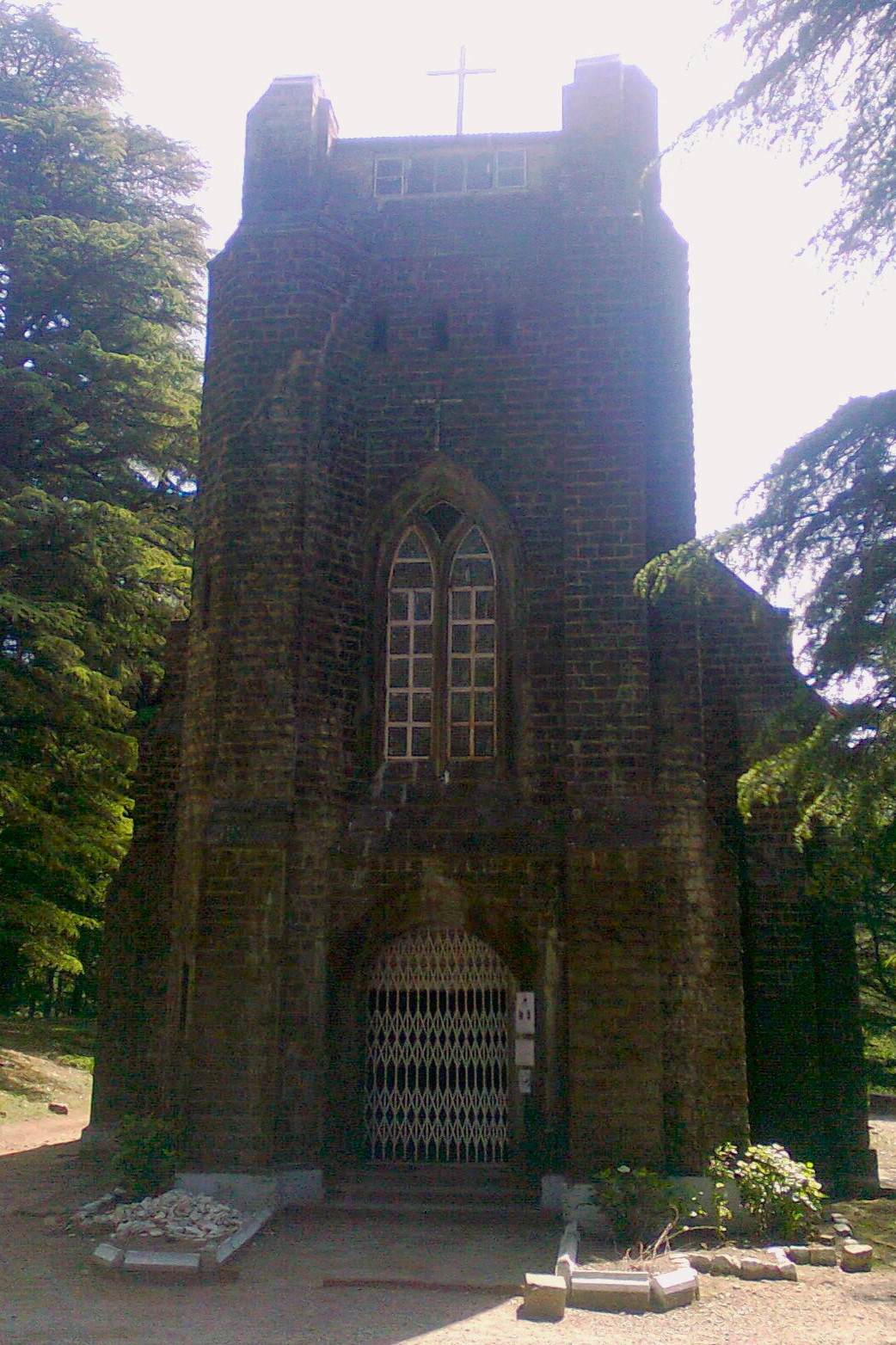
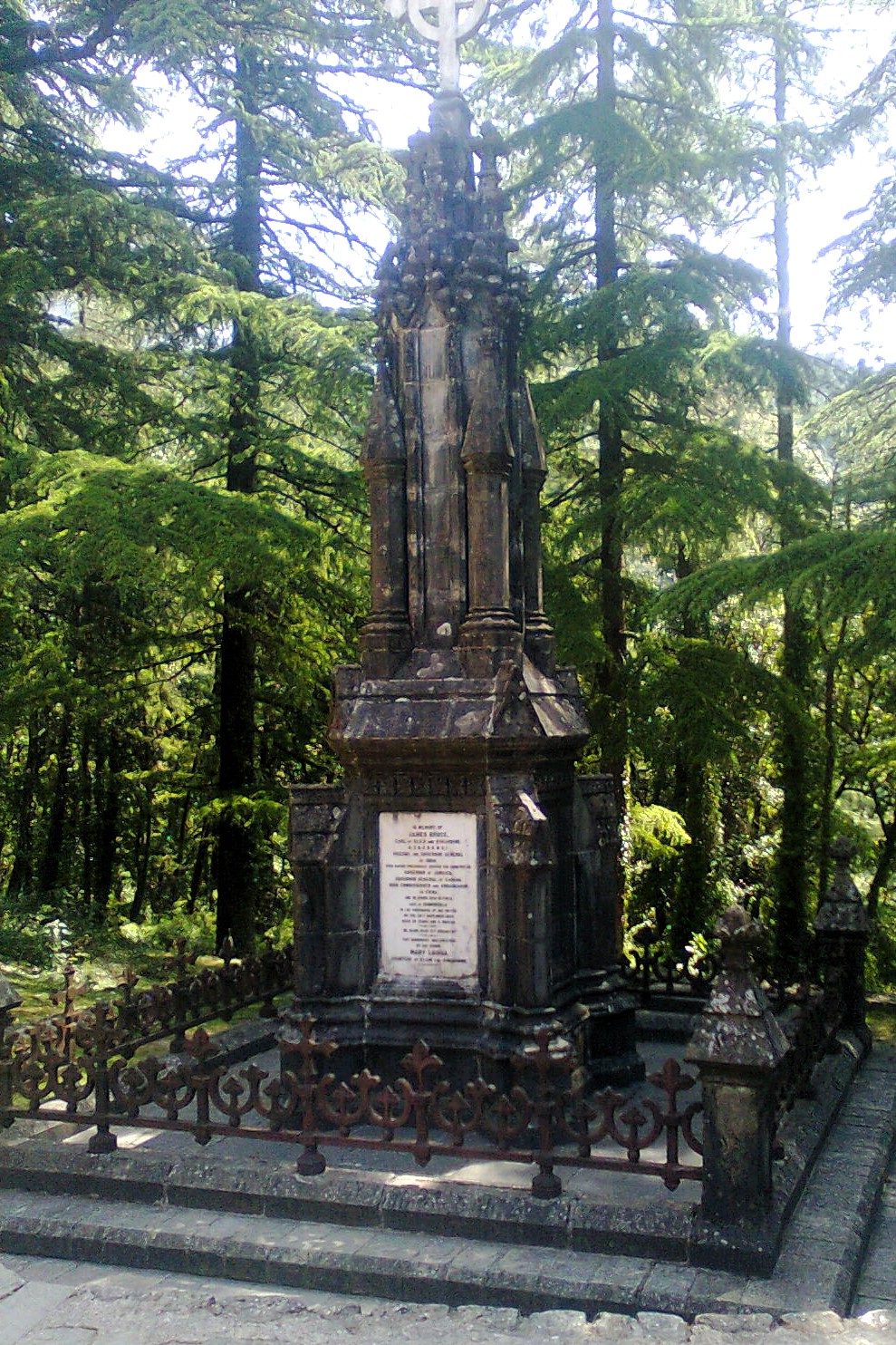
Next morning I was feeling a little feverish. So, reaching the busstop at 9 AM, I first booked a return ticket to Delhi, this time on an AC bus, for the same evening, and then caught up with the cab driver that I had talked to the previous evening. The cab driver first took me to Naddi View Point, from where I took in breathtaking views of the Dahuladhar mountain range. Next, I stopped at the Church of St. John in the Wilderness, an Anglican Church built in 1852 AD in the Neo-Gothic style. James Bruce, the 8th Earl of Elgin, and the Viceroy and Governer-General of India from 1862 to 1863 is buried in the churchyard.
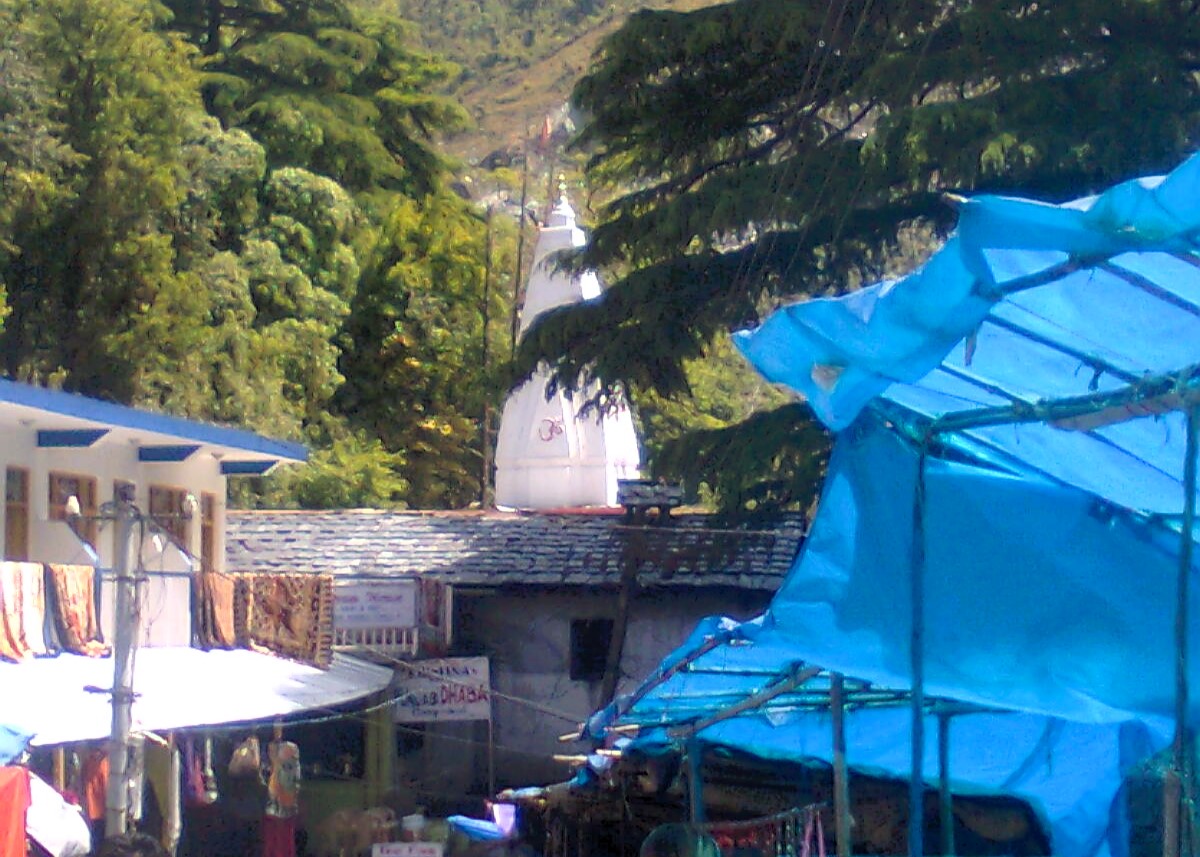
Then pushing on towards McLeodgunj, I stopped next at the Bhagsu Nag temple. Legend has it that Bhagsu, sent by the ogre king of Rajasthan to fetch water for his drought-ridden kingdom, had to fight to death the Nags, or the snakes, on his return with a pail of water stolen from the perennial streams of the Dhauladhar mountains. Impressed with his dedication to the people of his kingdom, the lord of the snakes, Lord Shiva, bestowed immortality on Bhagsu in the form of the remembrance of both of their names in conjunction, hence, Bhagsu Nag.
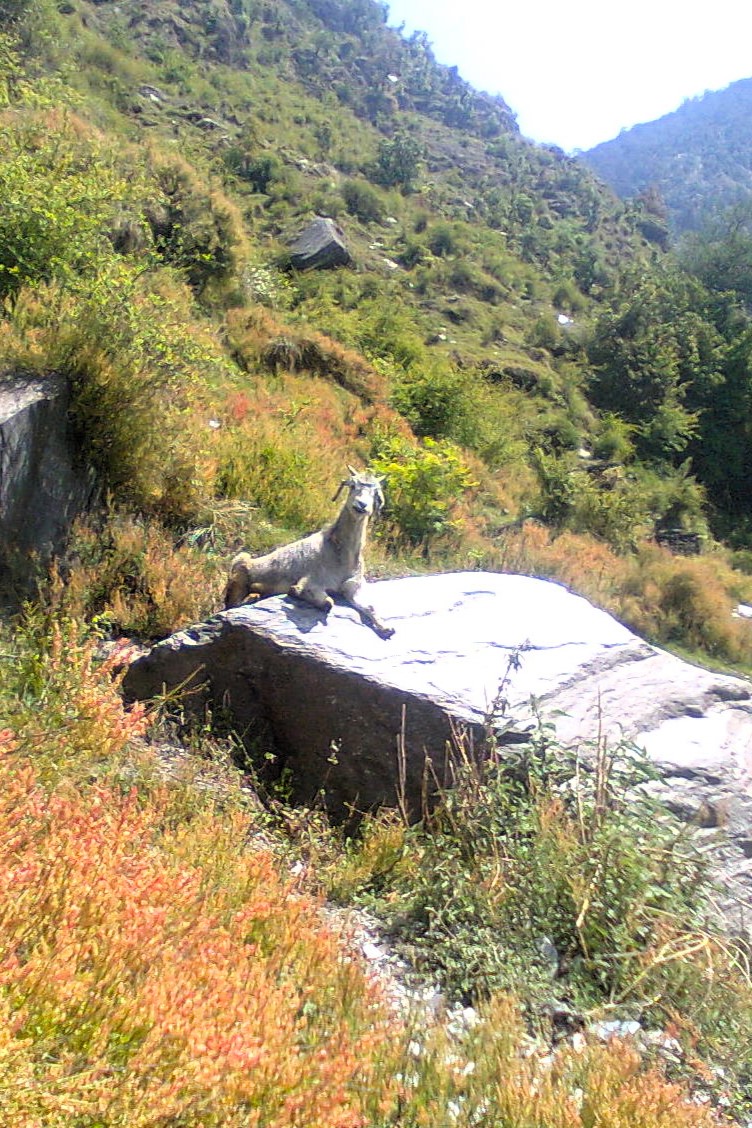
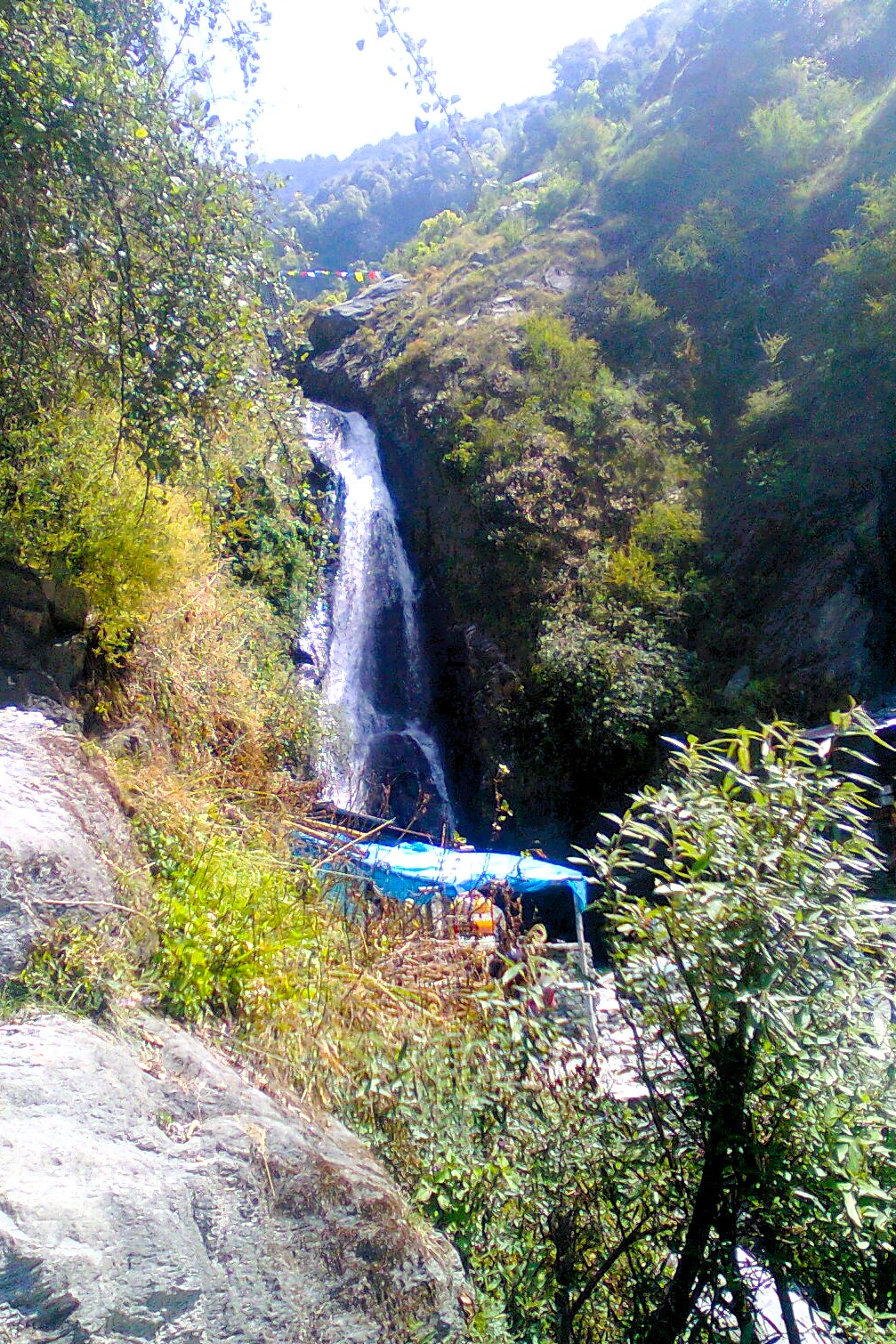
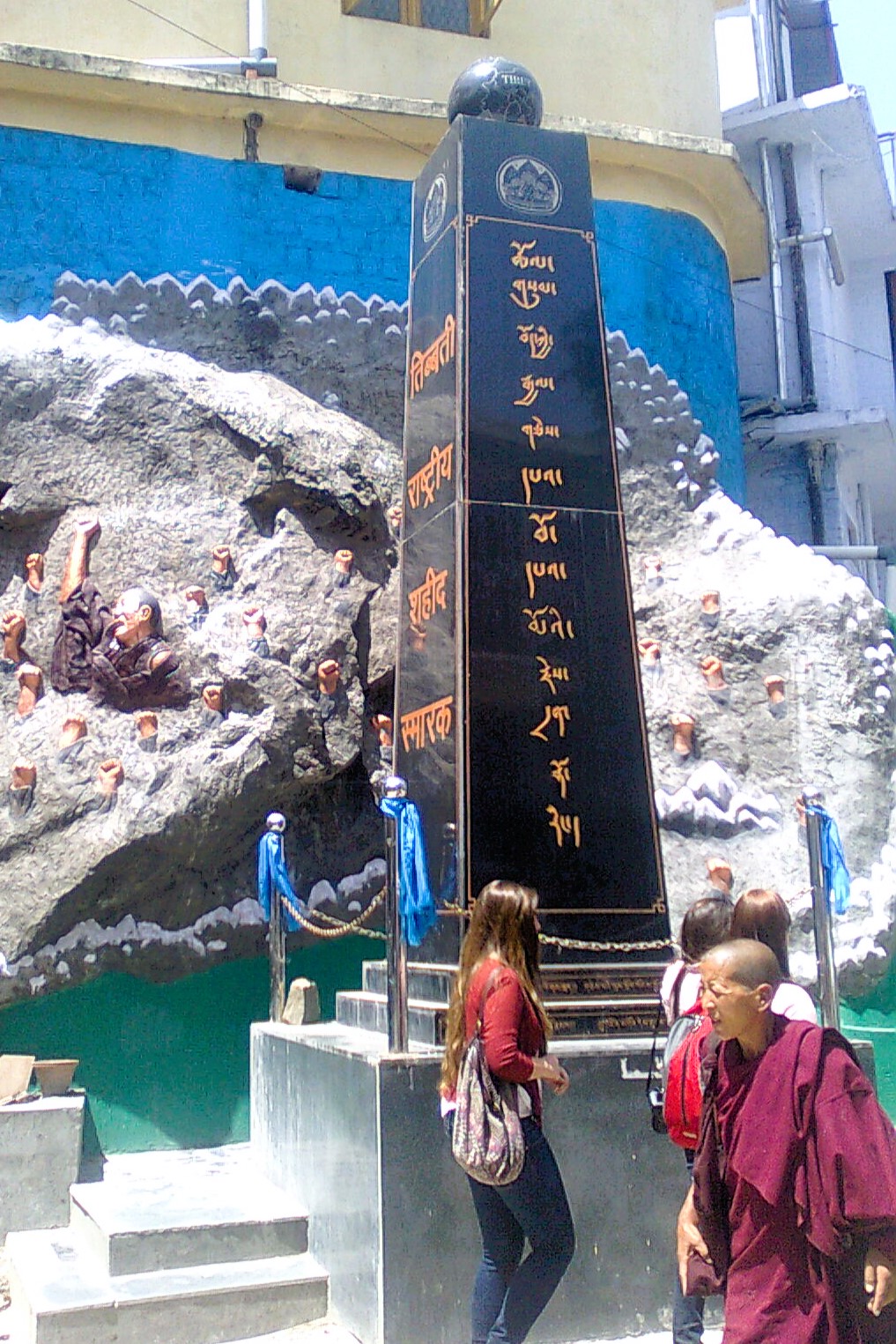
After taking a walk to the waterfall behind the Bhagsu Nag temple, I proceeded to the Namgyal Monastery, which is the personal monastery of the Dalai Lama. Founded in the 1560s, the monastery was relocated to Dharamshala from Lhasa following the Tibet Uprising in 1959. Paying my respects at the temple, and conversing with a monk, I proceeded to Kangra, stopping by some tea gardens on the way.

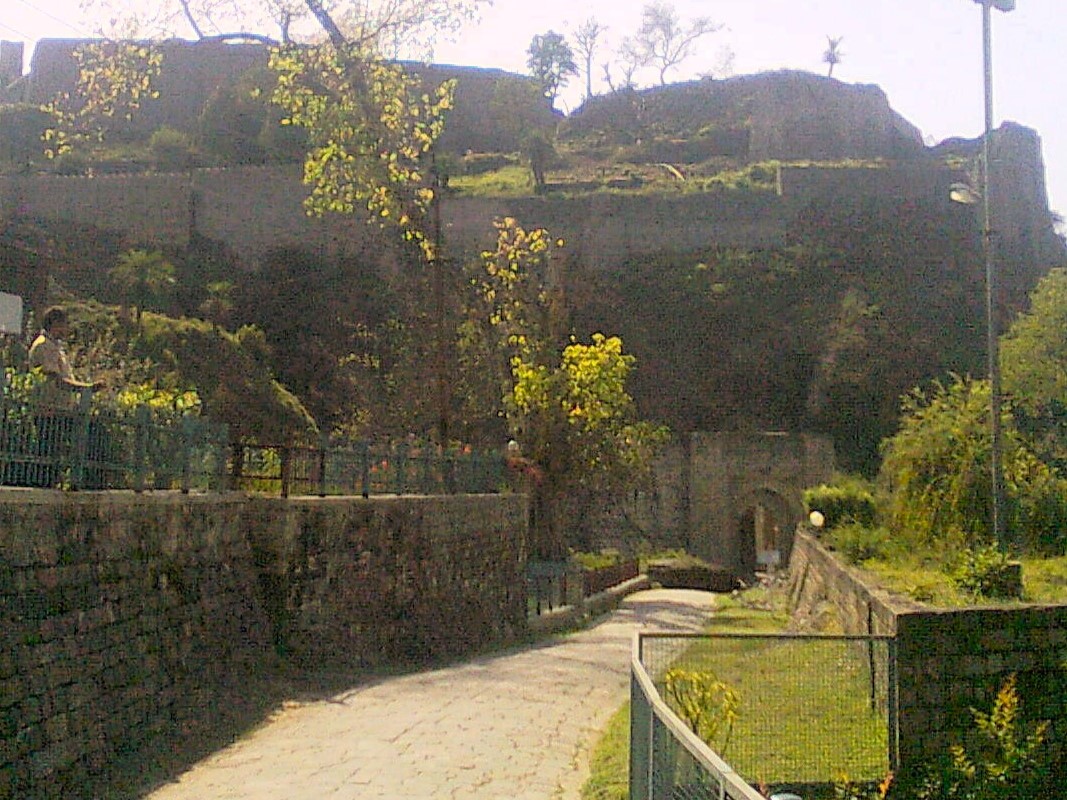
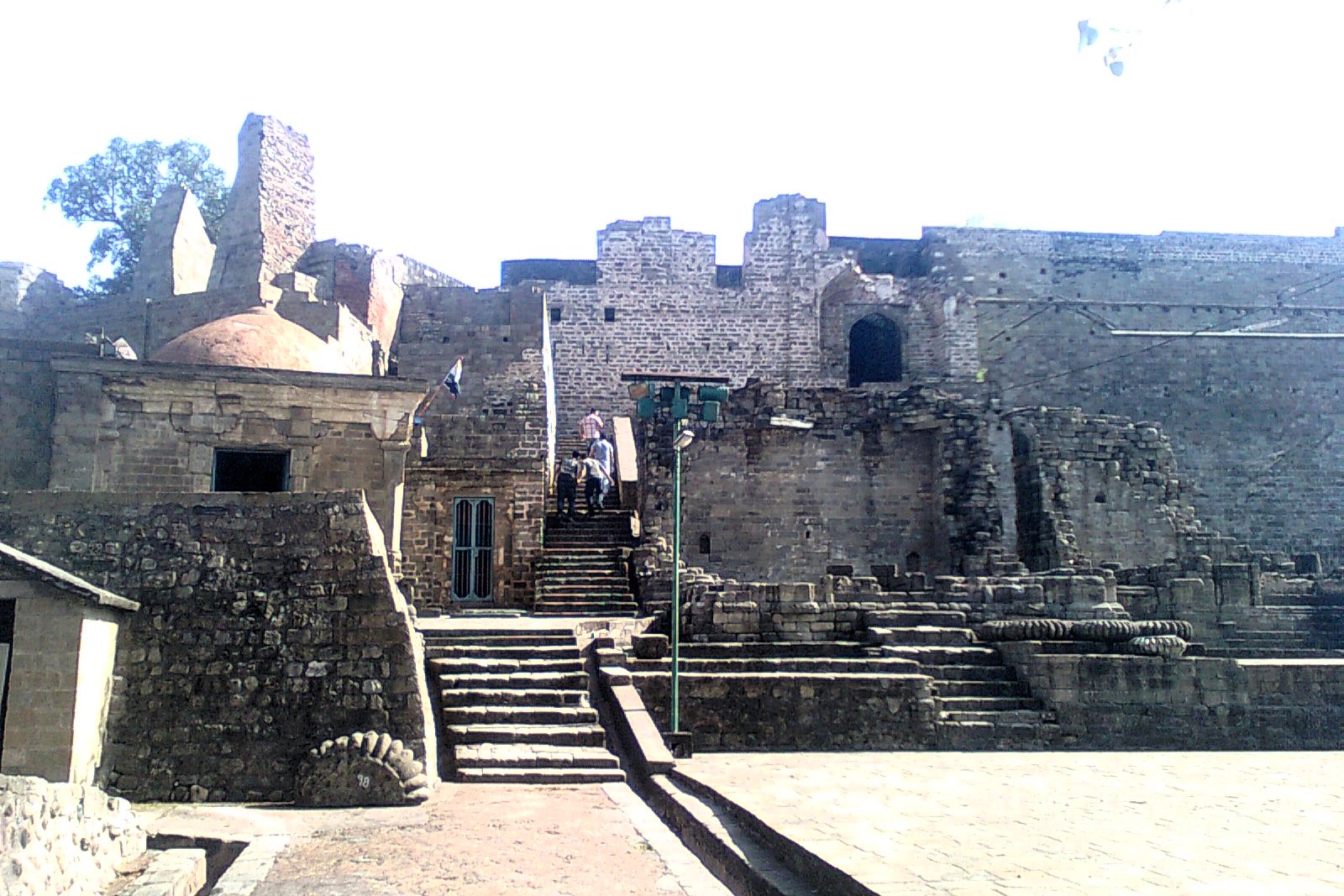
Once at Kangra, I visited the Kangra fort built by the Katoch dynasty, with the earliest existing remains inside the fort dateable to the 9th-10th century. The fort yielded to the attacks, first of Mahmud of Ghazni in 1009 AD, then to Tughlaqs in the 14th century, and then Sher Shah Suri’s general in 1540 AD. In 1620, the Kangra kingdom was annexed by to the Mughal empire by Jahangir, but wrested back by Raja Sansar Chand in 1786 AD after decline of the Mughal empire. Following siege by Gurkhas, Sansar Chand took the help of Maharaja Ranjit Singh of the Sikh Empire to ward off the attack, and yielded the fort to the latter.
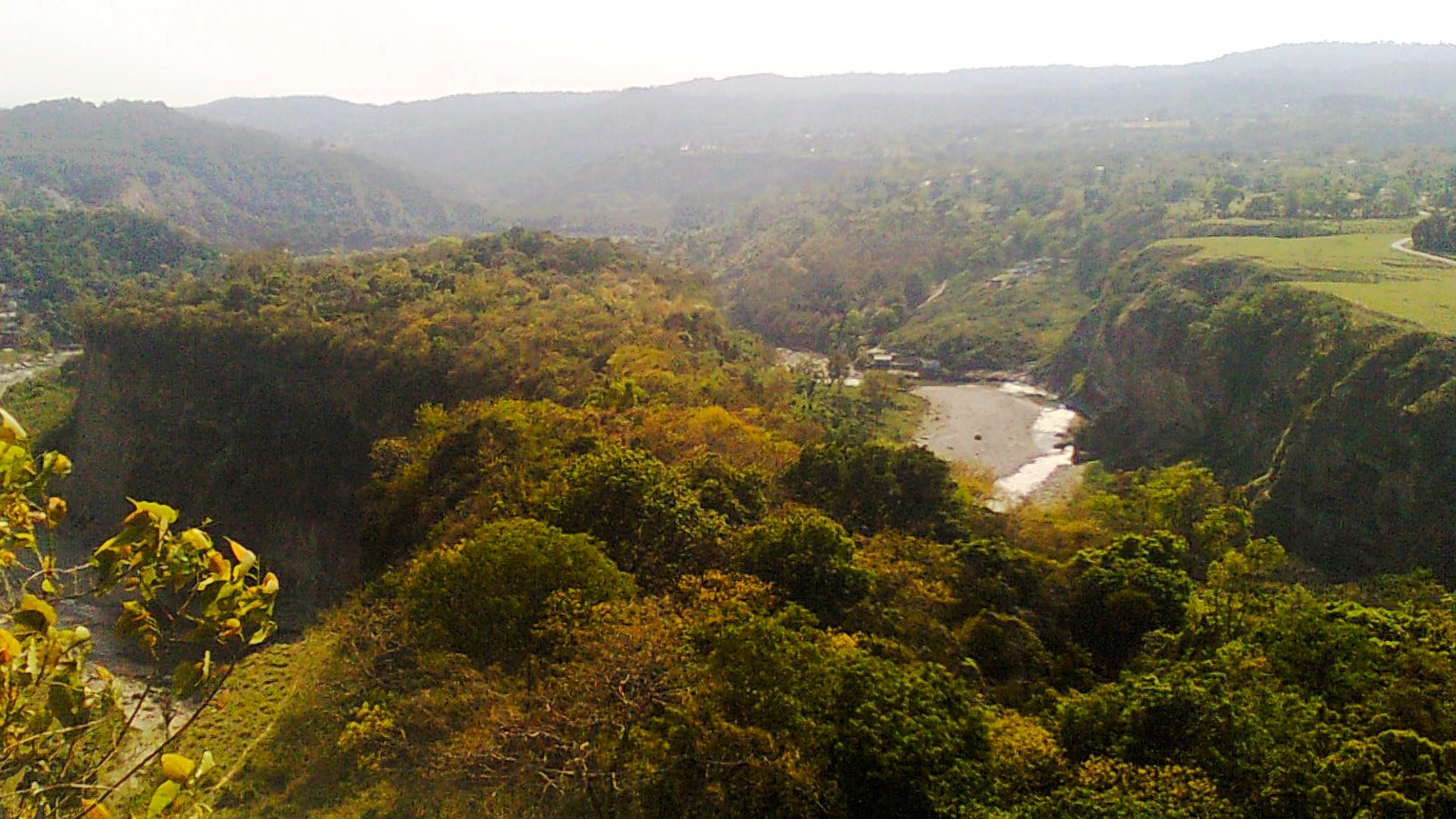
The fort was annexed by the British from the Sikhs in 1846 and occupied by British garrisons until 1905 when it was heavily damaged by an earthquake. Today, the fort, the largest of the Himalayan forts, lies in ruins, as a proud testament to the illustrious past of the Kangra Valley. Standing at the edge of a cliff, one can only marvel at the breathtaking views of the valley. The Kangra fort was the one where my love for forts was first ignited.
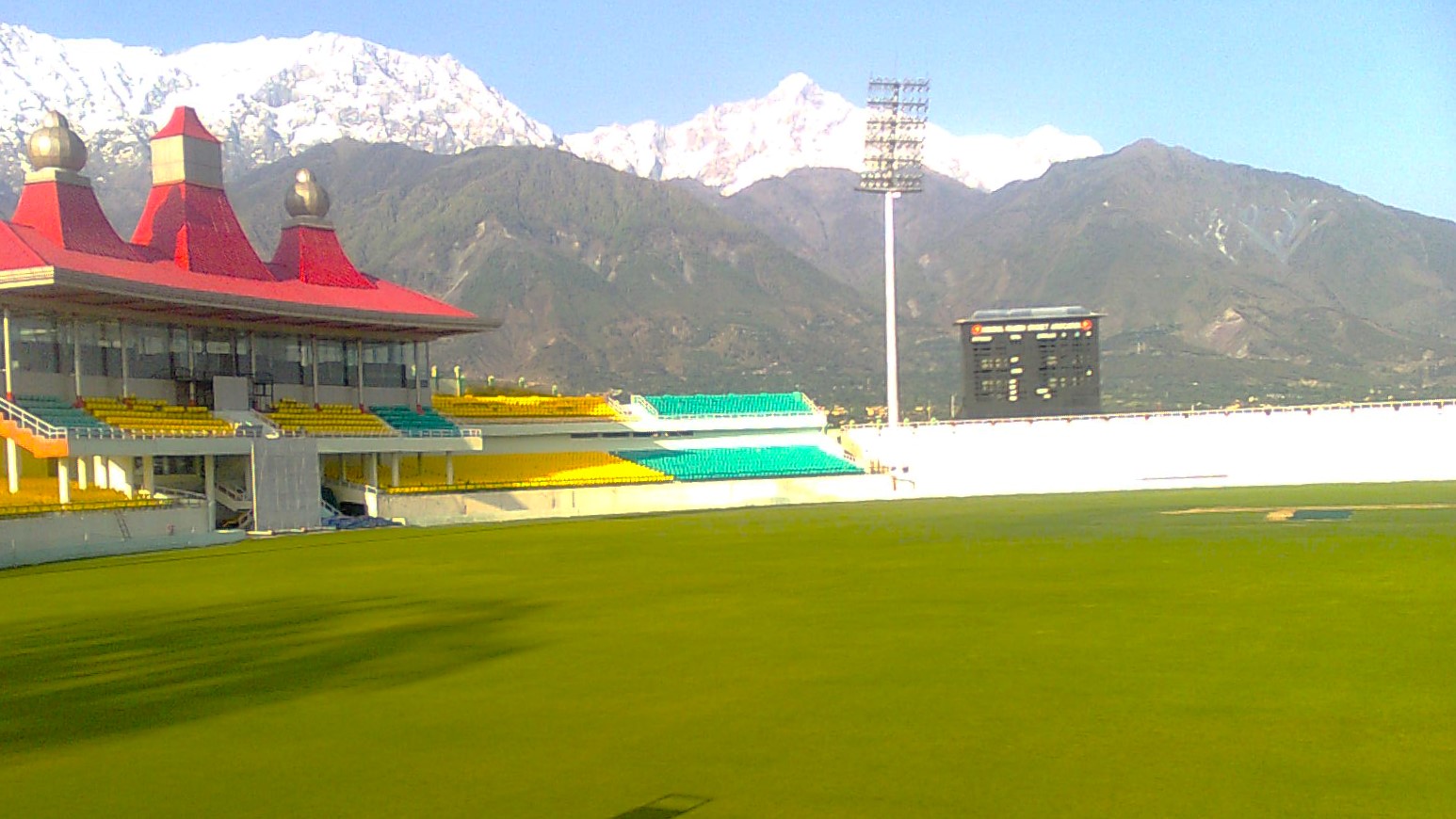
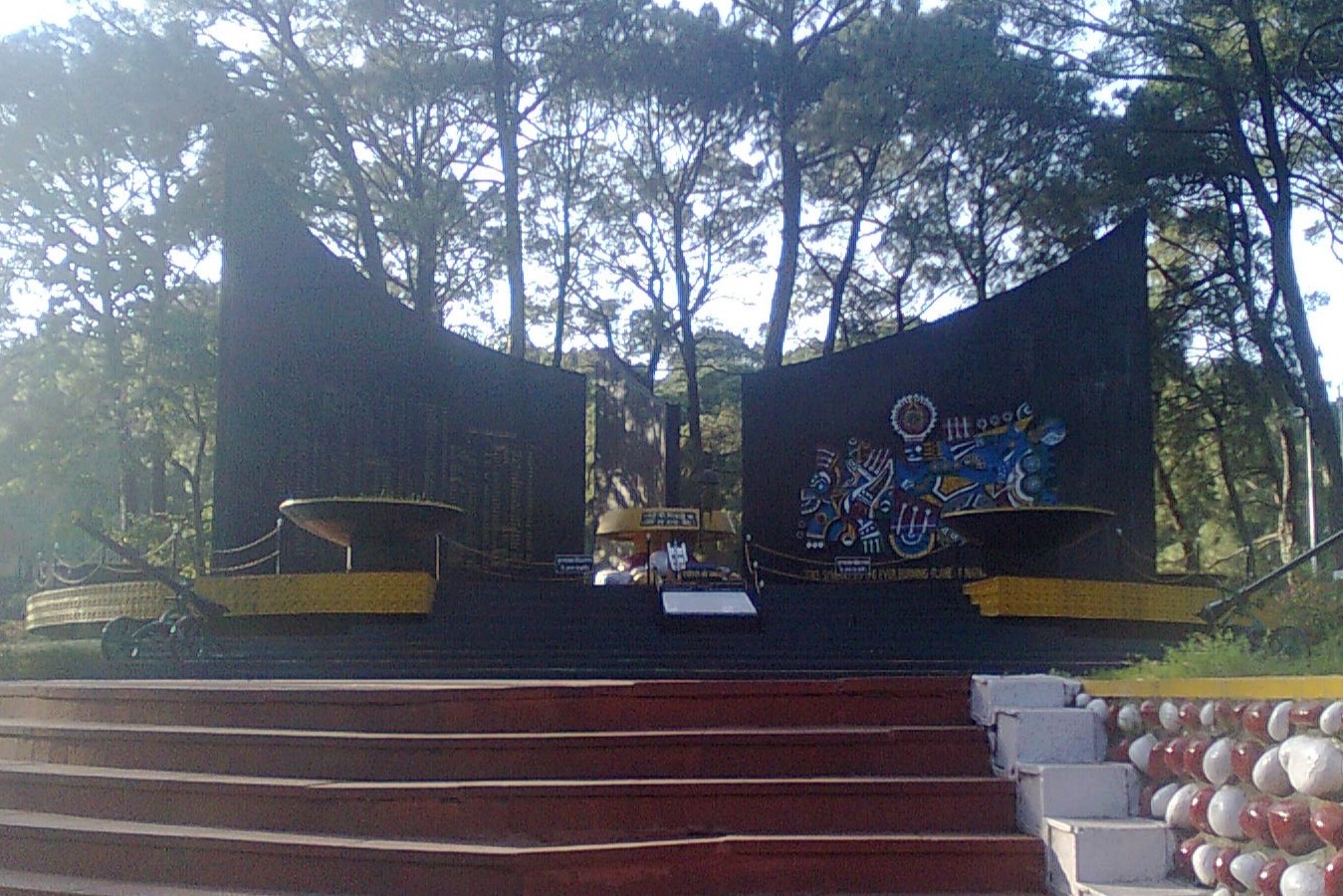
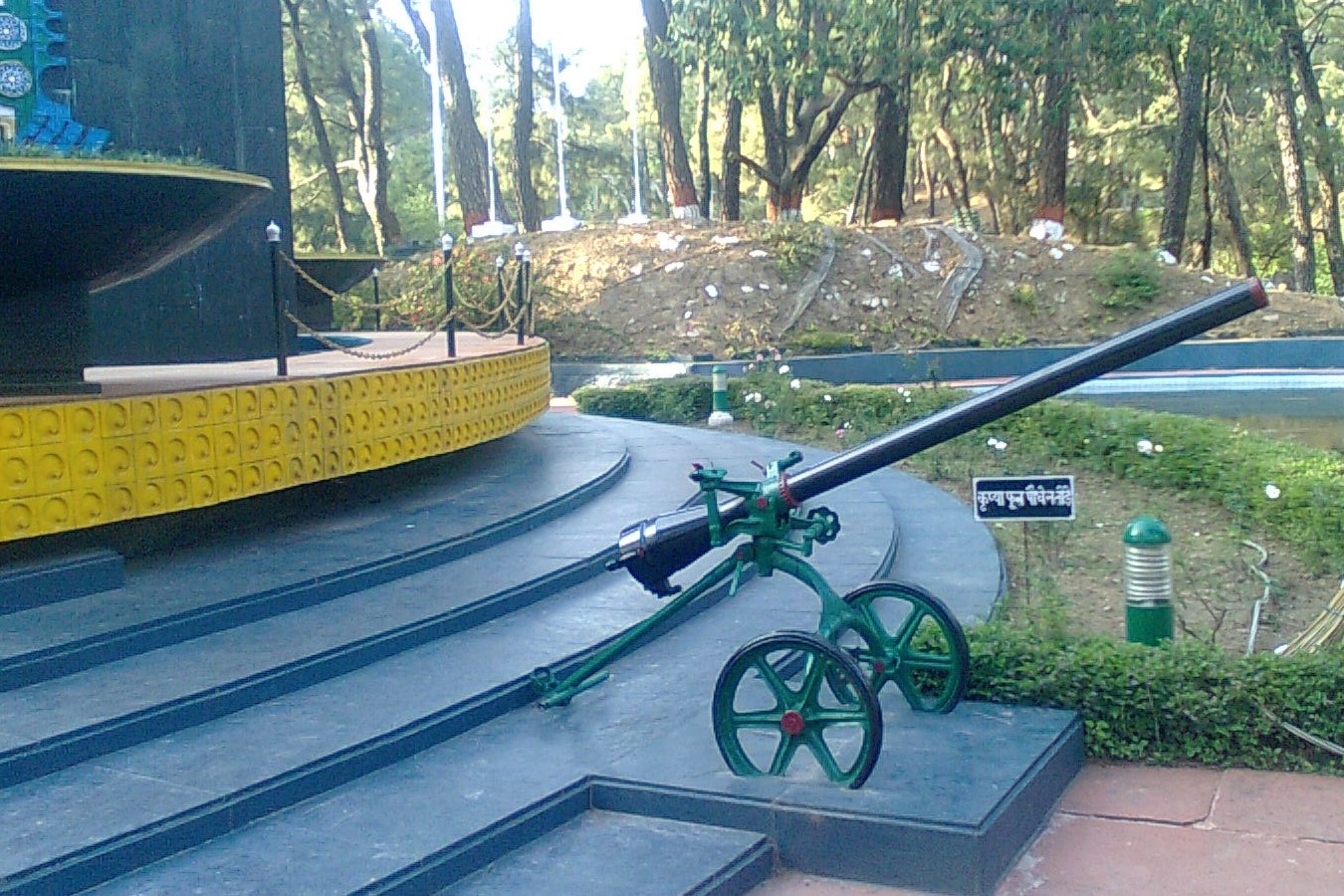
It was now 3 PM, and I headed back towards Dharamshala stopping at the picturesque Dharamshala Cricket Stadium which had just come into national limelight after hosting matches in the IPL. Then, stopping at the War Memorial, I was dropped by the cab driver at the bus station, where I boarded the bus back to Delhi around 7. The next morning I was back in Delhi, glad to have the Sunday to recover from a very tiring yet whirlwind first solo trip.
 The Timber Trawler
One thought on “Postcards from Dharamshala: The First Solo Trip”