A Wandering in Mewar: Udaipur and Chittorgarh

March 2013. It was that time of the year again – the spring slowly receding to give way to the advancing heat of the Delhi summer. If I did not make my foray into Rajasthan now, then I would have to wait till the monsoons had gone. After testing the waters with a short venture to Jaipur the last year, I was now ready to take a bigger leap, and naturally, that leap would have to land me in Udaipur, the city of lakes, that I had heard so much about – Chittorgarh, that famed land of brave hearts, would be a nice addition.

On 29th March 2013, just like on my previous trip to Rajasthan, I boarded an ordinary road transport bus to Jaipur after office from Iffco Chowk in Gurgaon. Listening to one studio album after another, each from start to finish, of my favorite band Michael Learns to Rock, I reached Jaipur around 10 PM. After a quick dinner and some inquiring, I got on a private operator’s bus headed to Udaipur – in hindsight, I should have taken a state transport bus only, for the seat was uncomfortable, with pathetic headroom. I remember getting woken up more than a couple of times due to bumping my head into the hardwood baggage shelf above, leading me to some soreness on my scalp.

I remember the bus passing through Bhilwara in the middle of the night when I was yanked out of my sleep, and as the dawn descended, the bus cutting through mist that shrouded the less-than-usual vegetation and isolated huts and houses sprinkled across the landscape in an envelope of haze. The next time I opened by eyes, I was informed by the bus conductor that the railway station had come – that was my cue to get down. Soon, just walking a few steps on the road running parallel to the railway station, I checked in to a hotel. Not wasting too much time, upon advice of the receptionist, I booked a cab to take me around Udaipur for about 1400 rupees.

Seeing Udaipur and Nearabouts

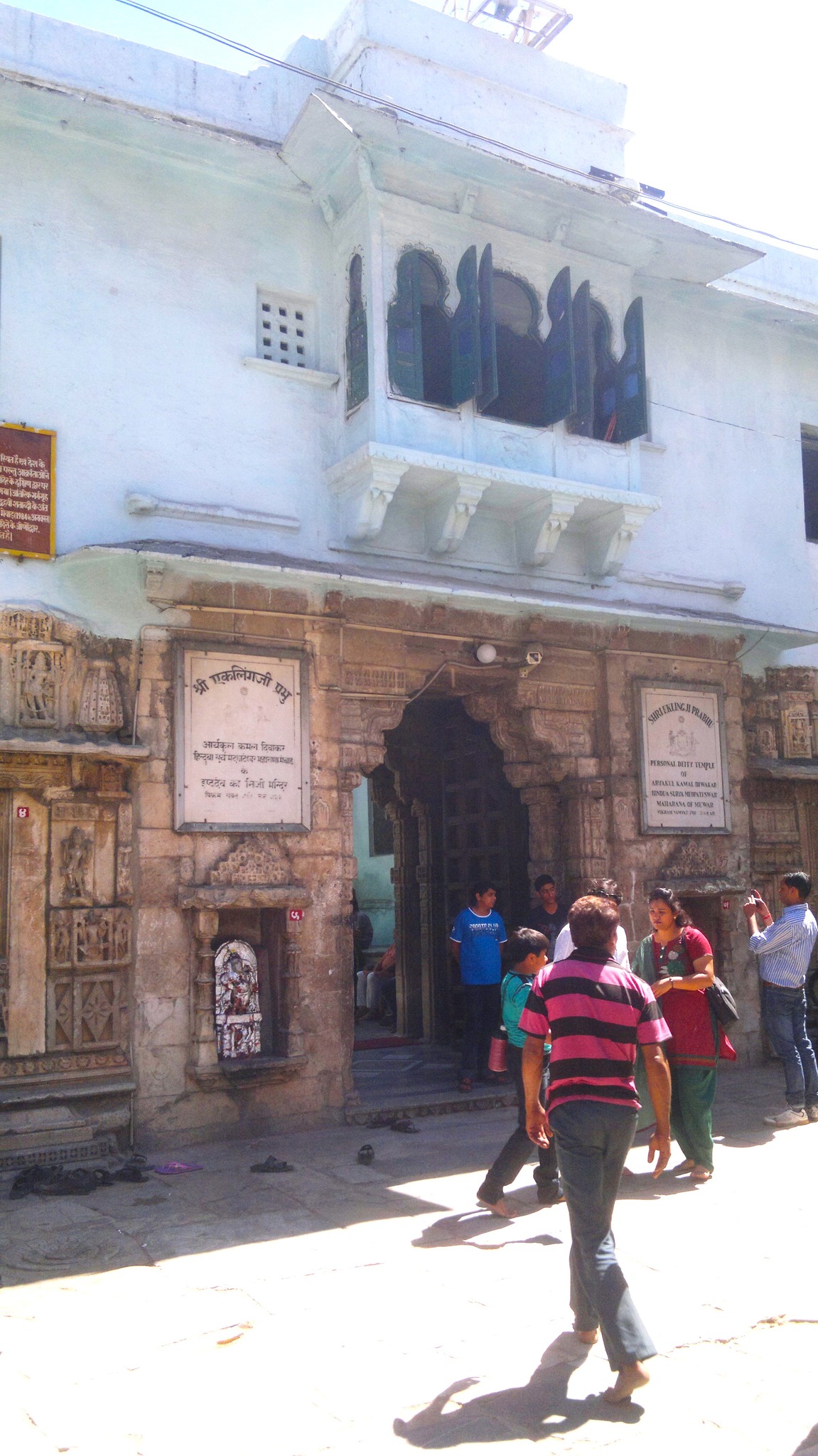
We started by heading off to the outskirts of the city, to the Eklingji temple located at Nagda, the first capital of Mewar, 25 km away from Udaipur. The original temple dedicated to Eklingji, the ruling god of the Mewar princely state, was built by Bappa Rawal, the founder of the Guhila Rajput dynasty, who established the Mewar kingdom in the 8th century AD. The temple underwent cycles of destruction by Turkic forces and re-construction, most notably in 14th century by Rana Hammir, the progenitor of the Sisodia clan to which Maharana Pratap belonged, and in 15th century by Rana Kumbha. The last major re-building with installation of the current idol was done in late 15th century by Kumbha’s son, Rana Raimal, after the temple had been devastated by the Malwa Sultanate forces.

After offering my prayers in the temple, we drove through a valley in the hills, which I was told were the Aravallis, that seemed largely yellow but splattered with patches of green. After about another half-hour of driving through alternating patches of flat land, clusters of hamlets, flanked by the Aravallis, we reached the Chetak Samadhi, built at the location where as per legend, Maharana Pratap’s horse Chetak breathed its last after taking its master to safety in the Battle of Haldighati against Akbar’s forces on 18th June 1576. Just another kilometer further, the road cuts through a narrow pass in the hill whose sides are barren and coloured pitch yellow with an orange tinge – the is the legendary Haldighati Pass, located at around a distance of 44 km from Udaipur.

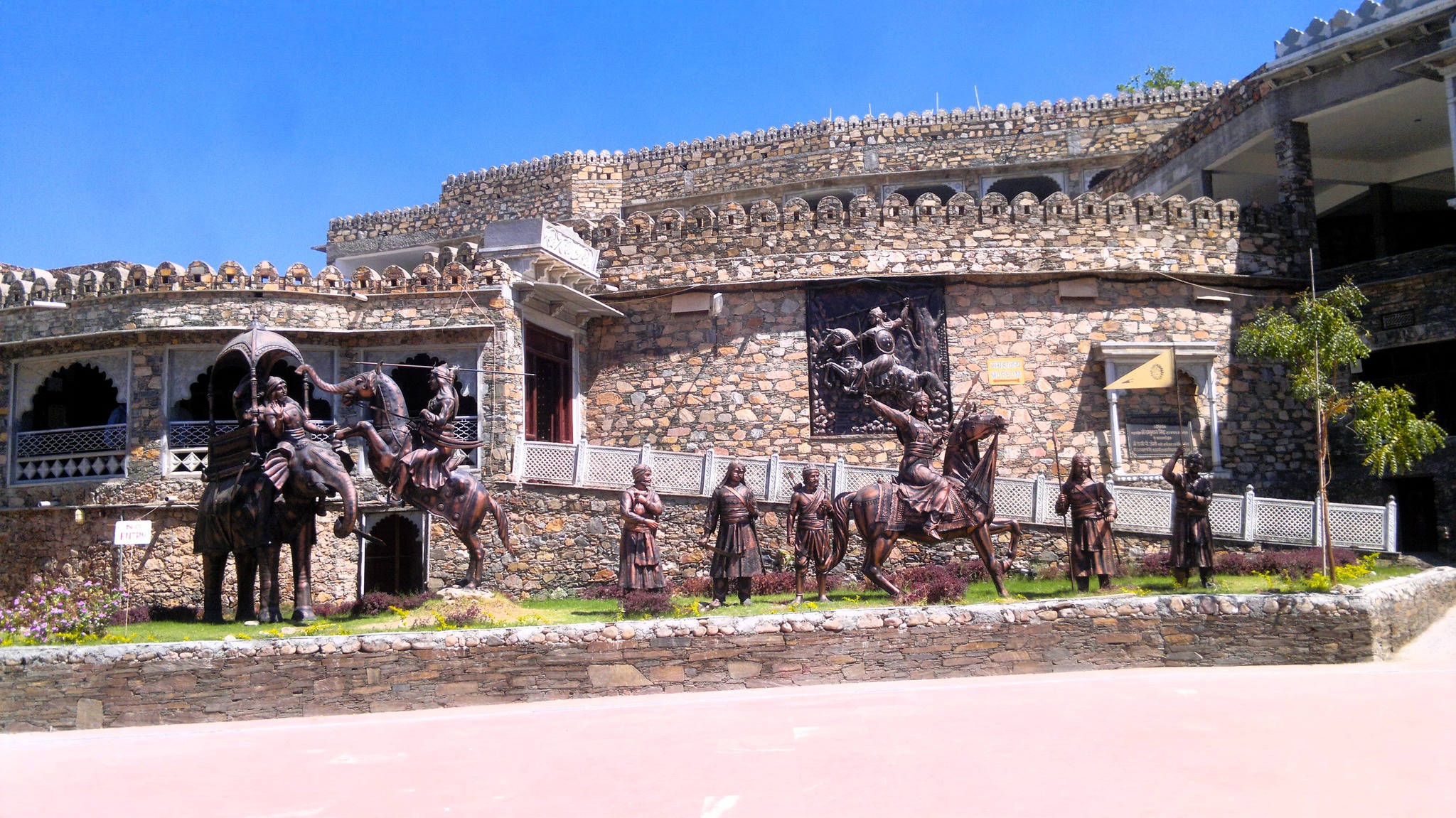
Retreating from the Haldighati Pass, near the Chetak Smarak, I checked out the Maharana Pratap Museum that depicts the life and times, the exploits and achievements of Maharana Pratap. Maharana Pratap, the eldest son of Udai Singh II who founded Udaipur, was crowned in Gogunda as the 54th ruler of Mewar in 1572, inheriting a kingdom that had been weakened by the 1567-1568 siege of Chittorgarh. His refusal to form an alliance with and become a vassal of the Mughals and conitnued conflicts with the latter led to the legendary Battle of Haldighati on 18th June 1576, which the Mughals won although they could not capture Maharana Pratp or his close family members.
Forced to flee to safety of the hills with a trusted coterie of warriors and loyalists, amidst annexation after annexation of most key areas of Mewar including Gogunda, Udaipur, Kumbhalgarh etc., Maharana Pratap led sustained attacks using guerilla tactics against the Mughal forces, and won back major chunks of Mewar, with an exception being Chittorgarh, leading to Mewar’s revival by 1588 AD. Celebrated as a folk hero in Rajasthan, Maharana Pratap’s legend later spread to Bengal where he became a symbol of resistance for anti-British revolutionaries, leading to him becoming a leading icon of heroism, alongside the likes of Rani Laxmi Bai, in India’s freedom struggle.

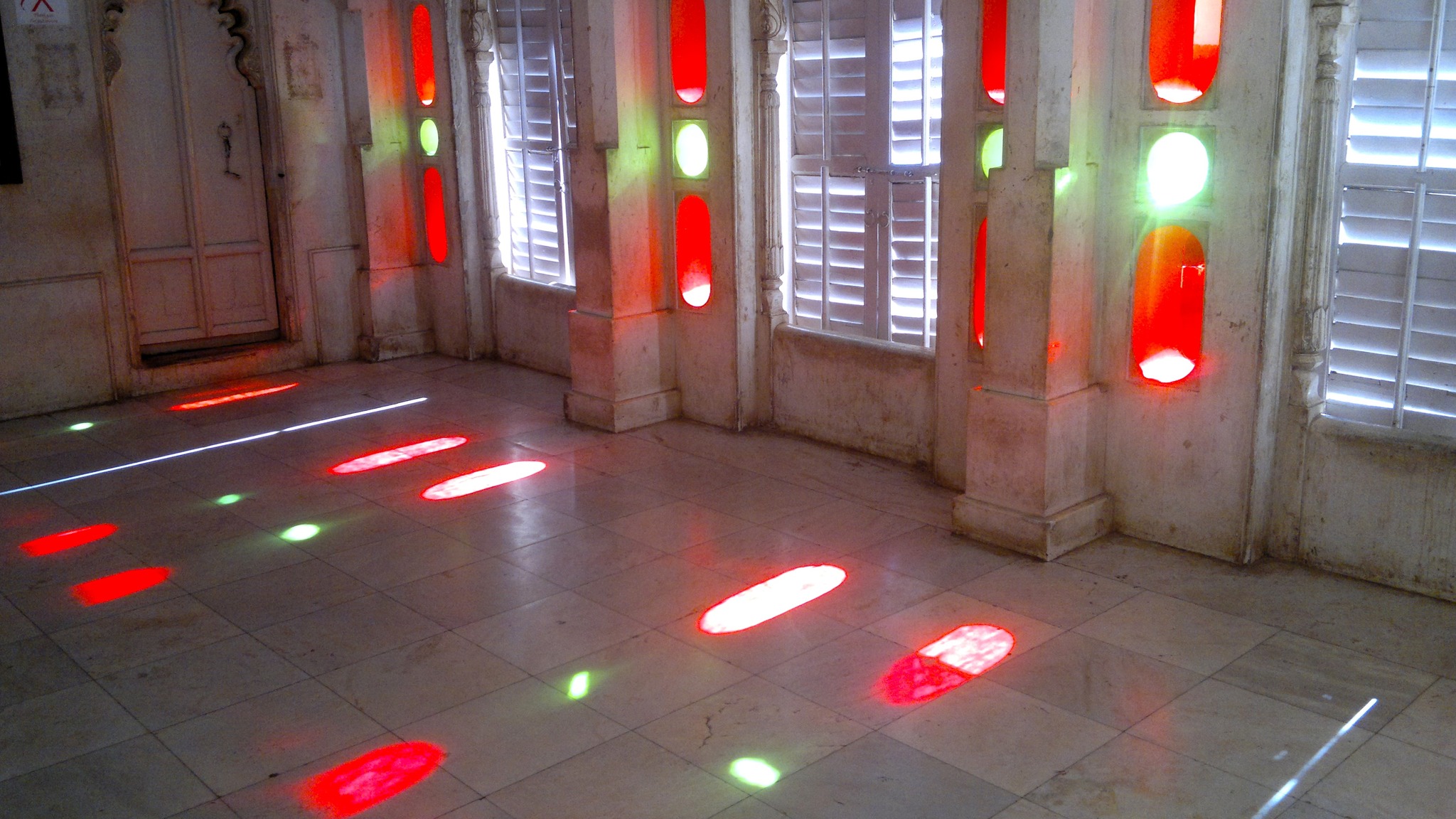
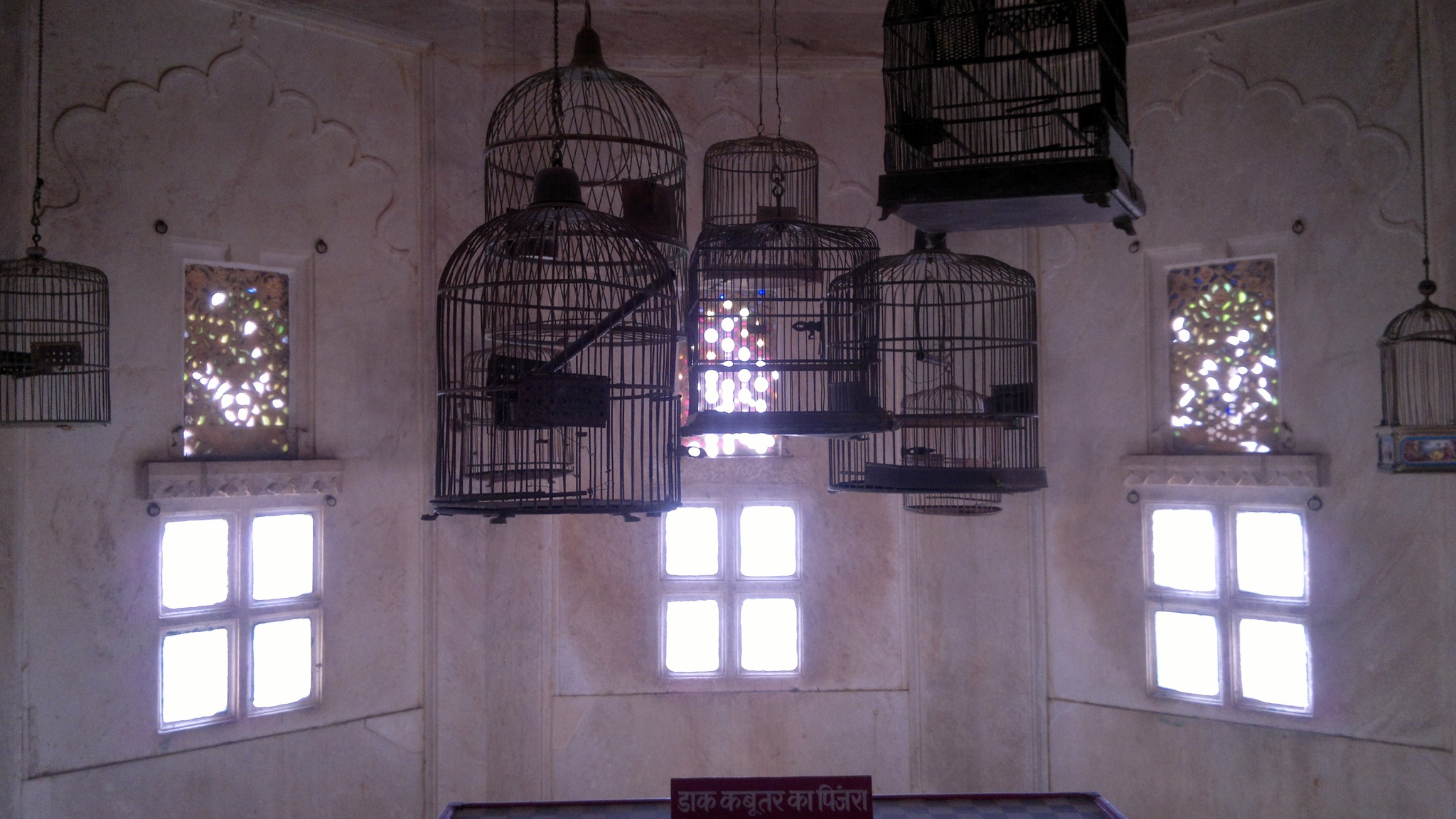
Again driving through the Aravallis, we re-entered Udaipur city, where I straightaway where we first stopped by the Fateh Sagar lake, and then proceeded to the City Palace where I dismissed the cab. The construction of City Palace on the bank of Pichola lake commenced in 1559 AD, when Rana Udai Singh II moved his capital from Chittorgarh to Udaipur on the advice of a hermit, much before the siege of Chittorgarh by Akbar in 1567-68. Successive rulers of Mewar, including Maharana Pratap and Maharana Amar Singh I, occupied palace adding more layers to it. The palace complex, built entirely in granite and marble, comprises components such as courtyards, palaces and balconies, with intricate mirror work, murals, marble work etc. are a fine representative of Rajput architecture.
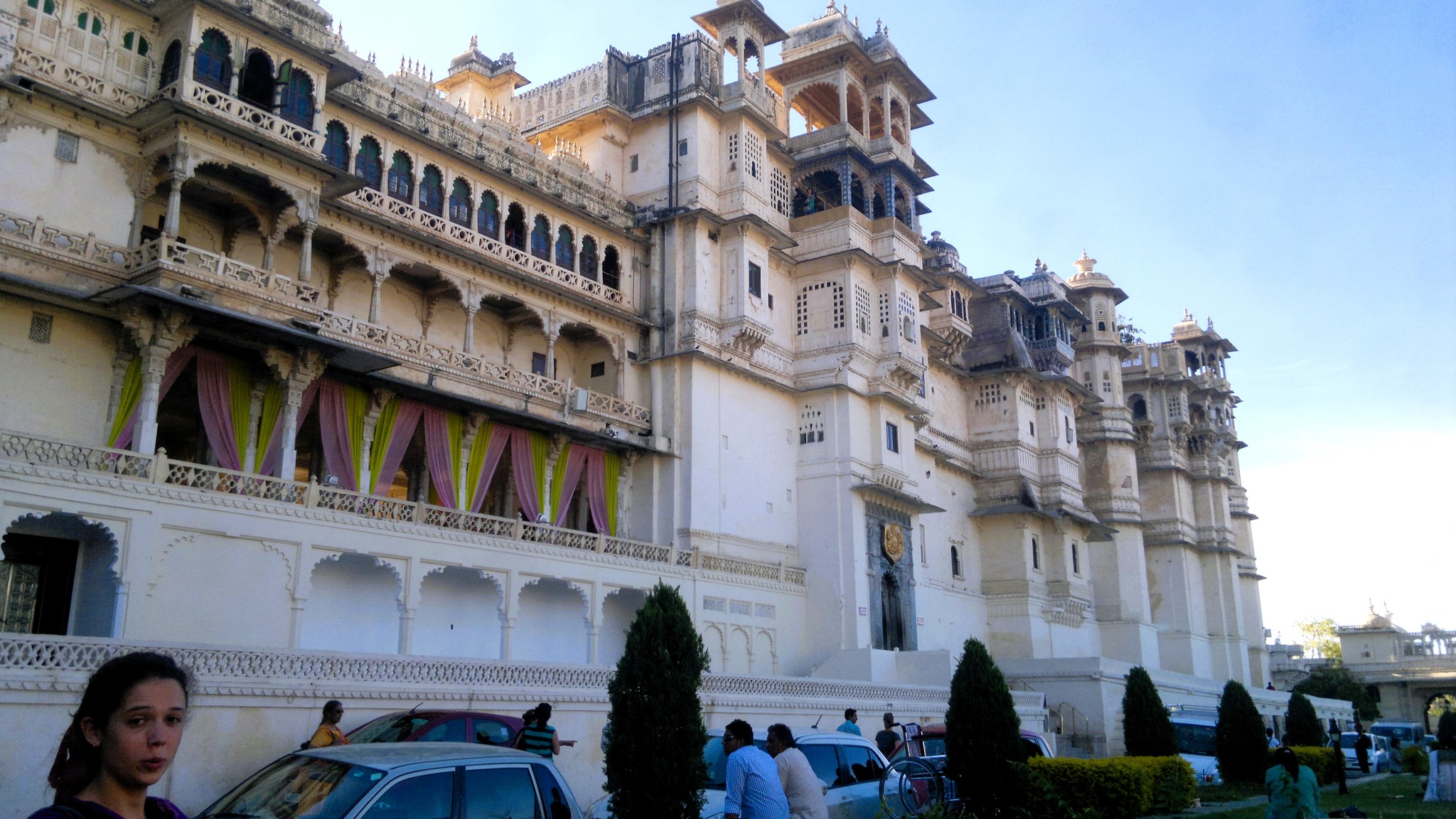
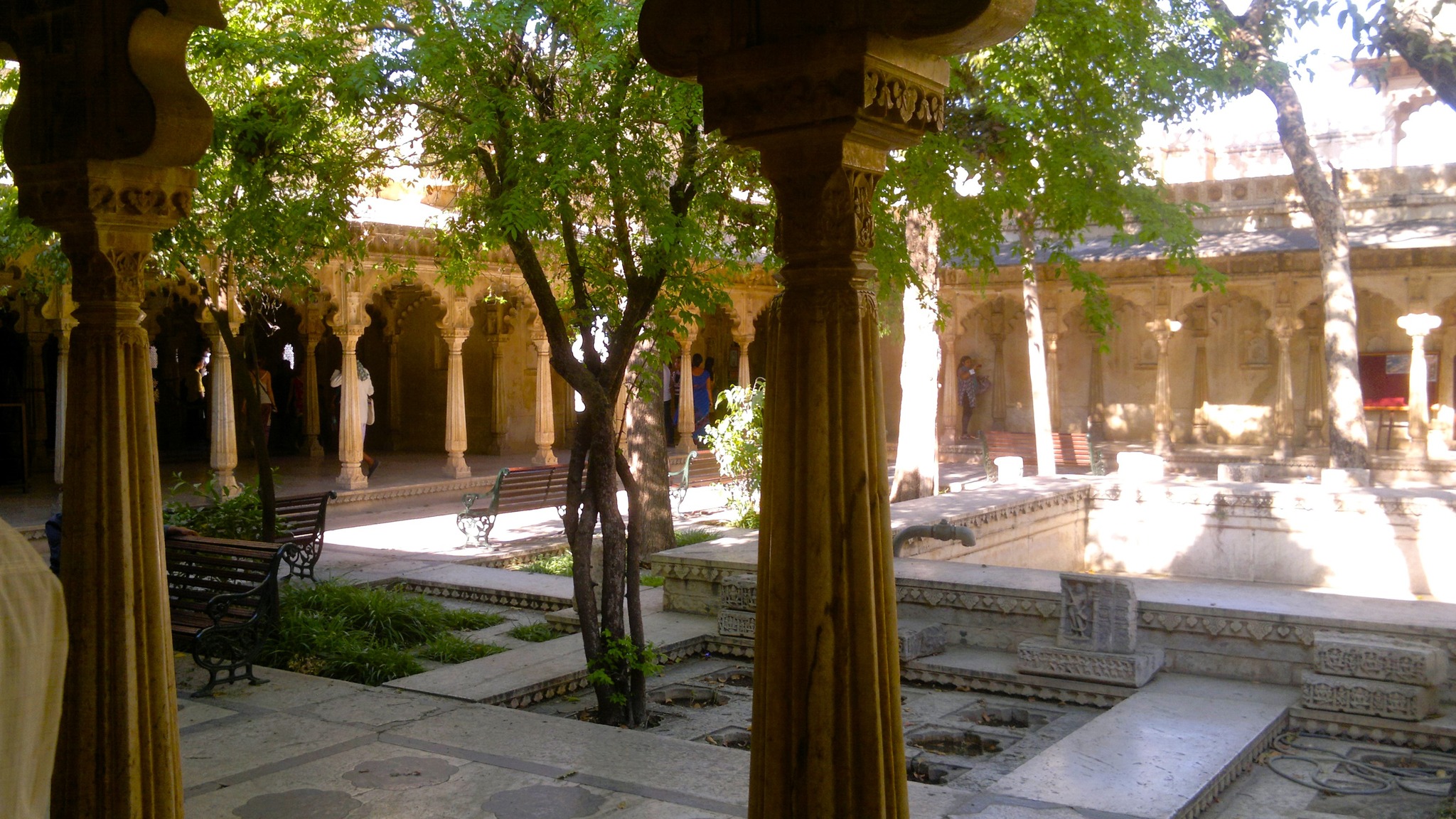
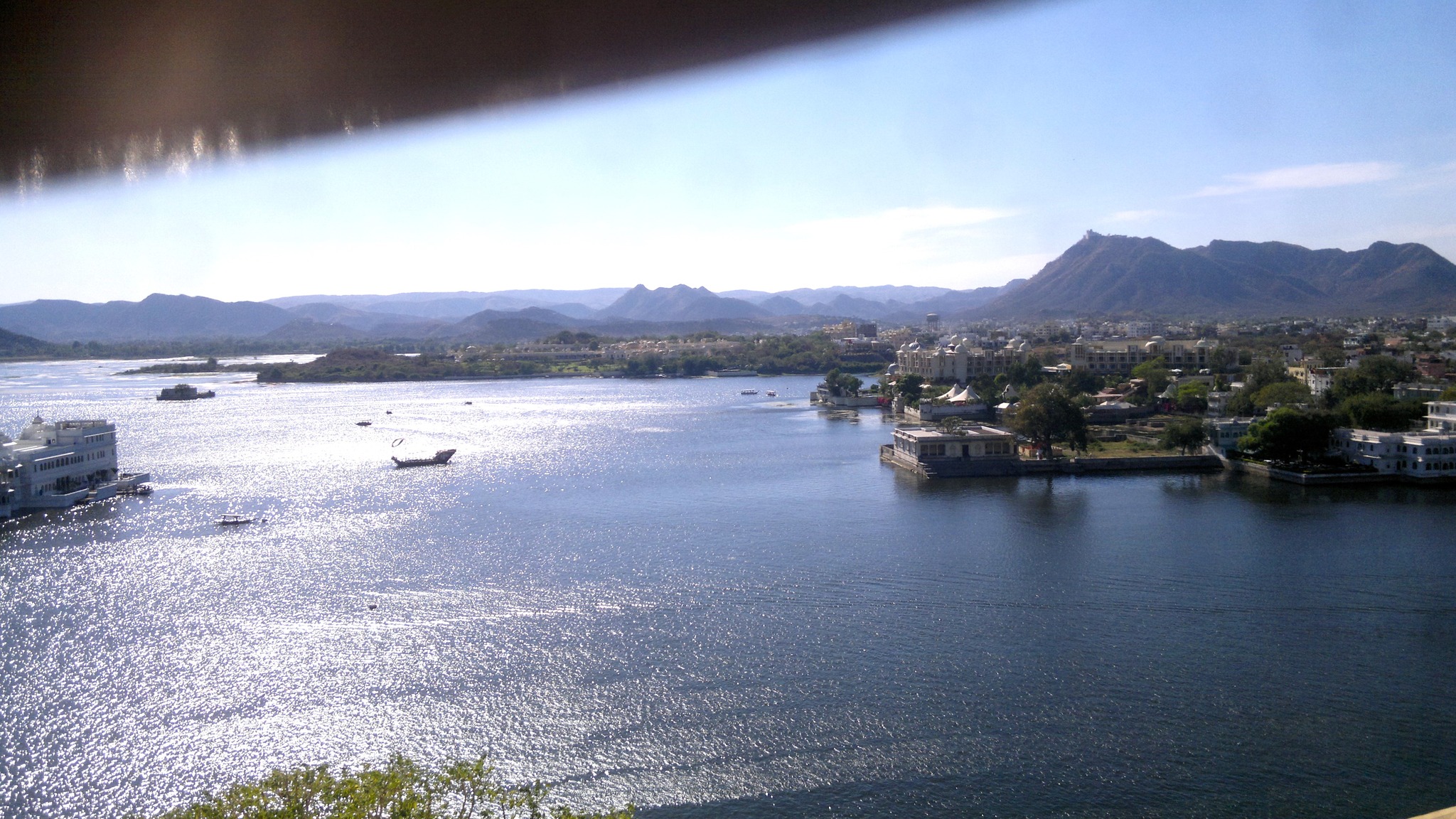
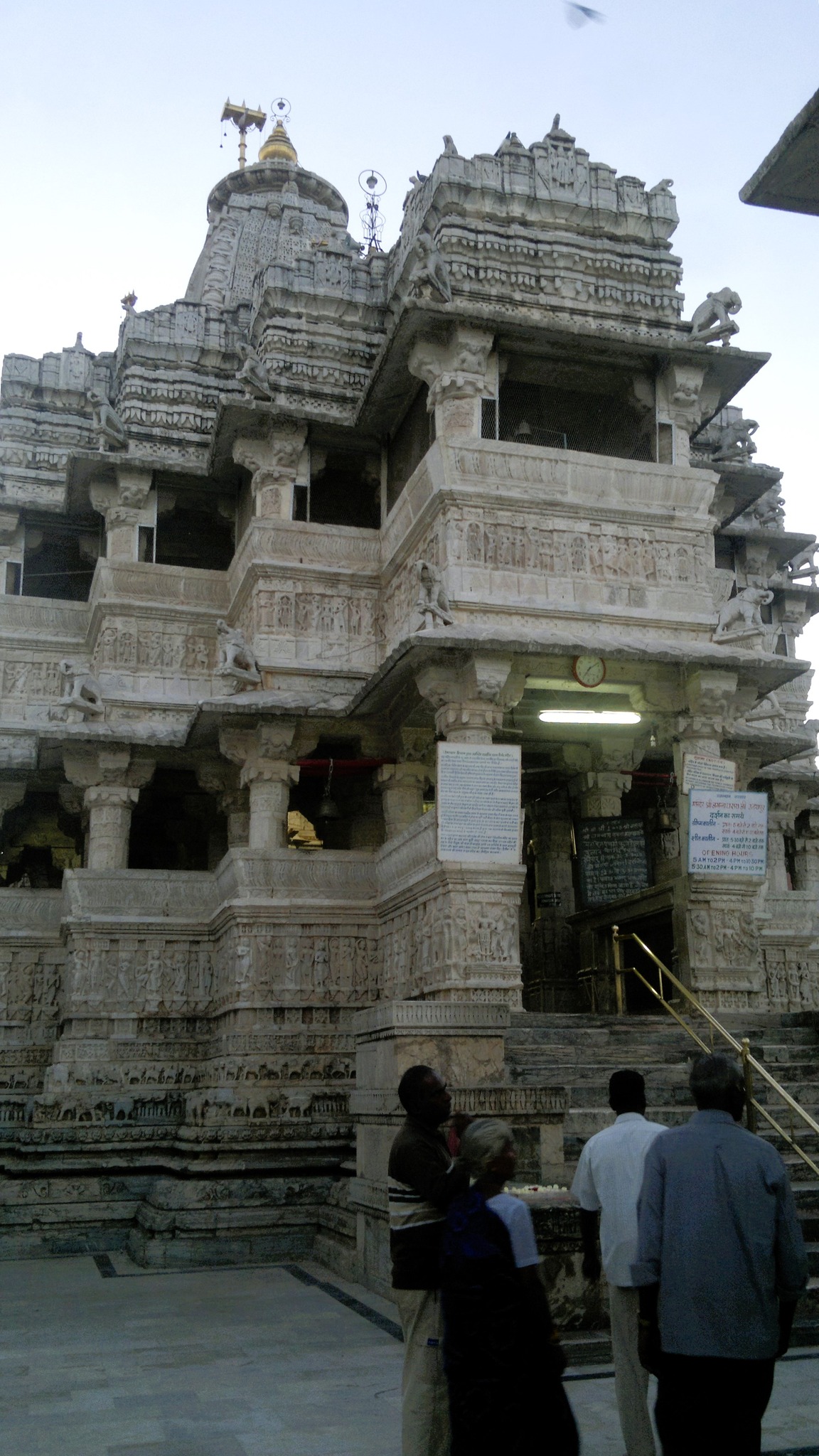
Taking in the grandeur and aesthetics inside the City Palace, coupled with amazing views of the Pichola Lake with the Aravallis in the background and the city, I exited the City Palace to directly walk into the Jagdish temple. Built by Maharana Jagat Singh in 1651, where Lord Jagannathi in the form of an idol carved out of a single black stone is worshipped, the temple is a fine example of Māru-Gurjara architecture. Spending some more time by Pichola lake, and admiring the spots of illumination emanation out of the Lake Palace (Jag Niwas) and Jagmandir Palace lying in the middle of the lake, I walked through the streets and then the main roads back to my hotel near the railway station, following a day well spent.

Chittorgarh

The next day I pondered over two options – to go to Kumbhalgarh or to Chittorgarh. At that point in time, I knew only of Chittorgarh, being enamored by sketches of a tower called Vijaya Stambh that appeared in an issue of Tinkle magazine. Perhaps at the same time in the same magazine or later, I had read about the legend of Panna Dai, who replaced the prince with her own son when the prince’s uncle attacked. Later came the story of queen Padmini. With the image of the Vijaya Stambha and the name Chittor stuck in my head for so many years, and the prospect of seeing the Vijaya Stambha for real knocking at my doors, it was rather easy to choose which place to go to.

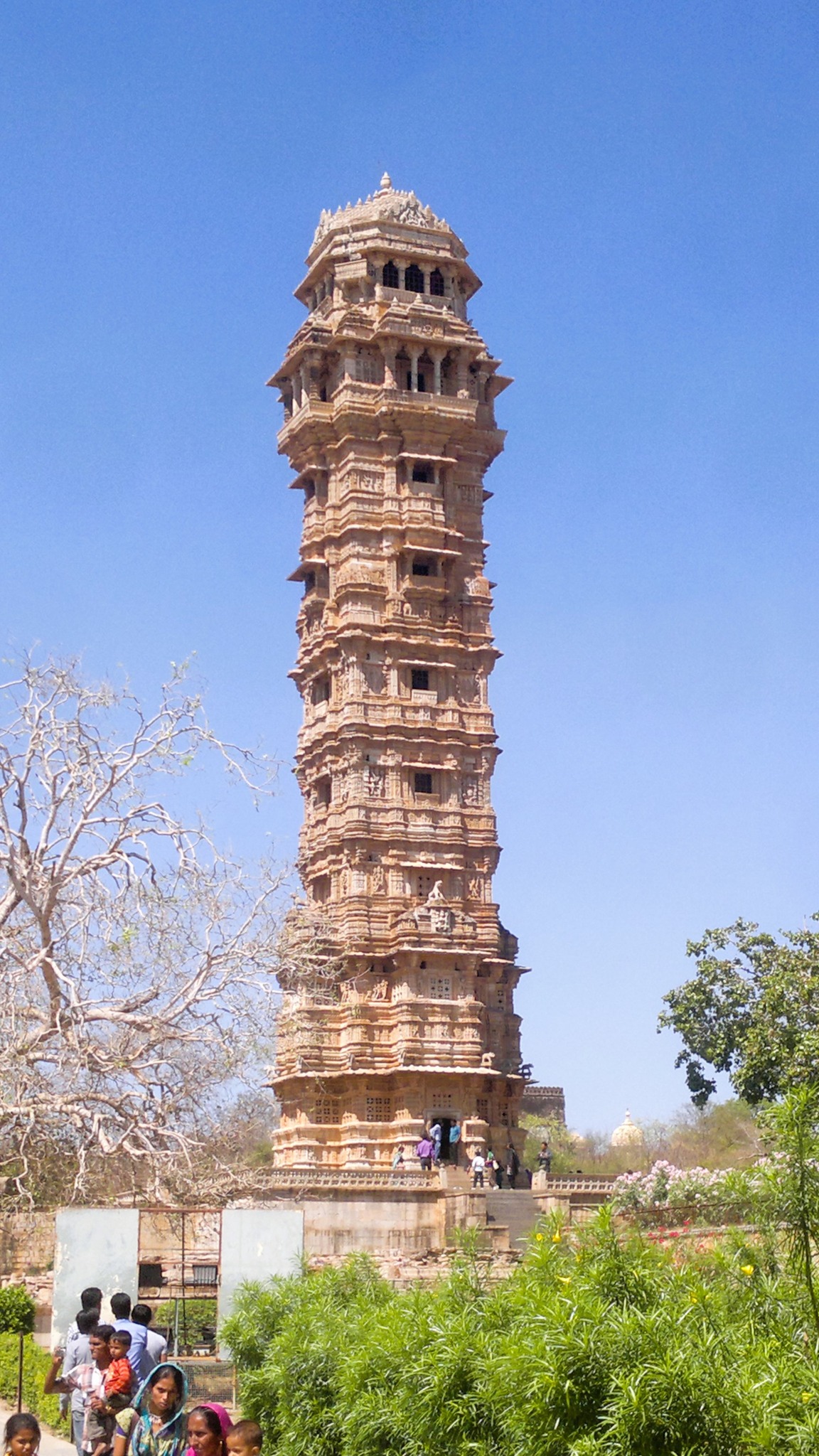
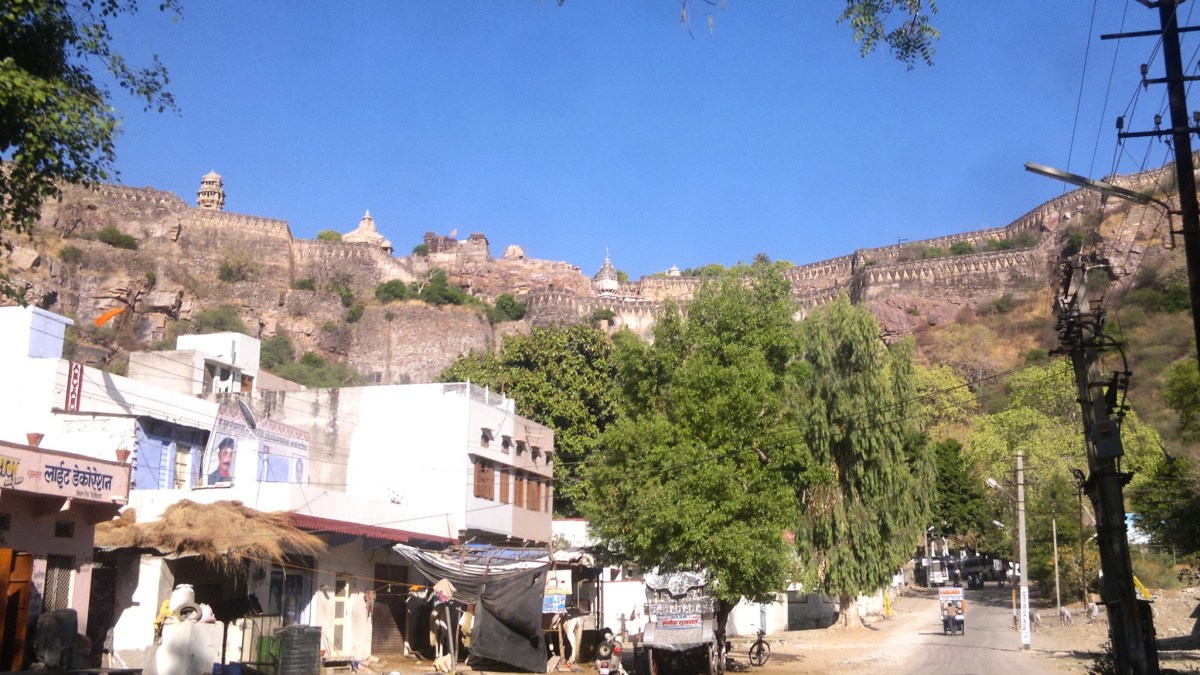
By 9 AM next morning, I was in a state transport bus headed to Chittorgarh, which I reached by 11 AM. There, I hired the services of a middle-aged autorickshaw driver who doubled up as my guide for tour of Chittorgarh fort – the package costing me 500 rupees. Right from where we started, I could see the fort wall streaming up and down over the rugged edge of the hill in the distance. As we drew closer and closer to the hill above which the fort lay, I saw the outline of several structures jutting out into the sky – a narrow vertical structure stood taller than the others, and I wondered aloud if that was the Vijaya Stambha, to which my guide replied, yes.

Soon, the autorickshaw was clattering up the winding road, passing through multiple stone arched gates, called pols, one after another. At long last, passing through a cluster of normal but old looking houses, looking very similar to a village, we came on to an open clearing on flat around where the ticket counter stood. Buying my ticket, we rode further on the road towards the south until we reached a crossroads with multiple structures occupying the space on all sides of the crossroads. A palace stood right beside me, which I learnt was Kumbha’s palace. A cluster of marble built Jain temples stood on my left side, while two stone-built Hindu temples stood diagonally opposite side.

I got down at the crossroads to first see Kumbha’s palace, and then proceeded a little to the south to see the aforementioned two temples, namely, Kumbhashyam temple and Meera temple, the latter being a Krishna temple where Meera Bai from Merta who had married into Chittor, immersed herself in devotion to Krishna. Back outside the temple complex, as I turned my gaze a little to the south-west, I saw that right in front of me at a distance stood a tower that looked eerily similar to the one I remembered from the sketch from the magazine – it was indeed the Vijaya Stambha. Without further ado, I beckoned my guide to head straight to the Vijaya Stambha.

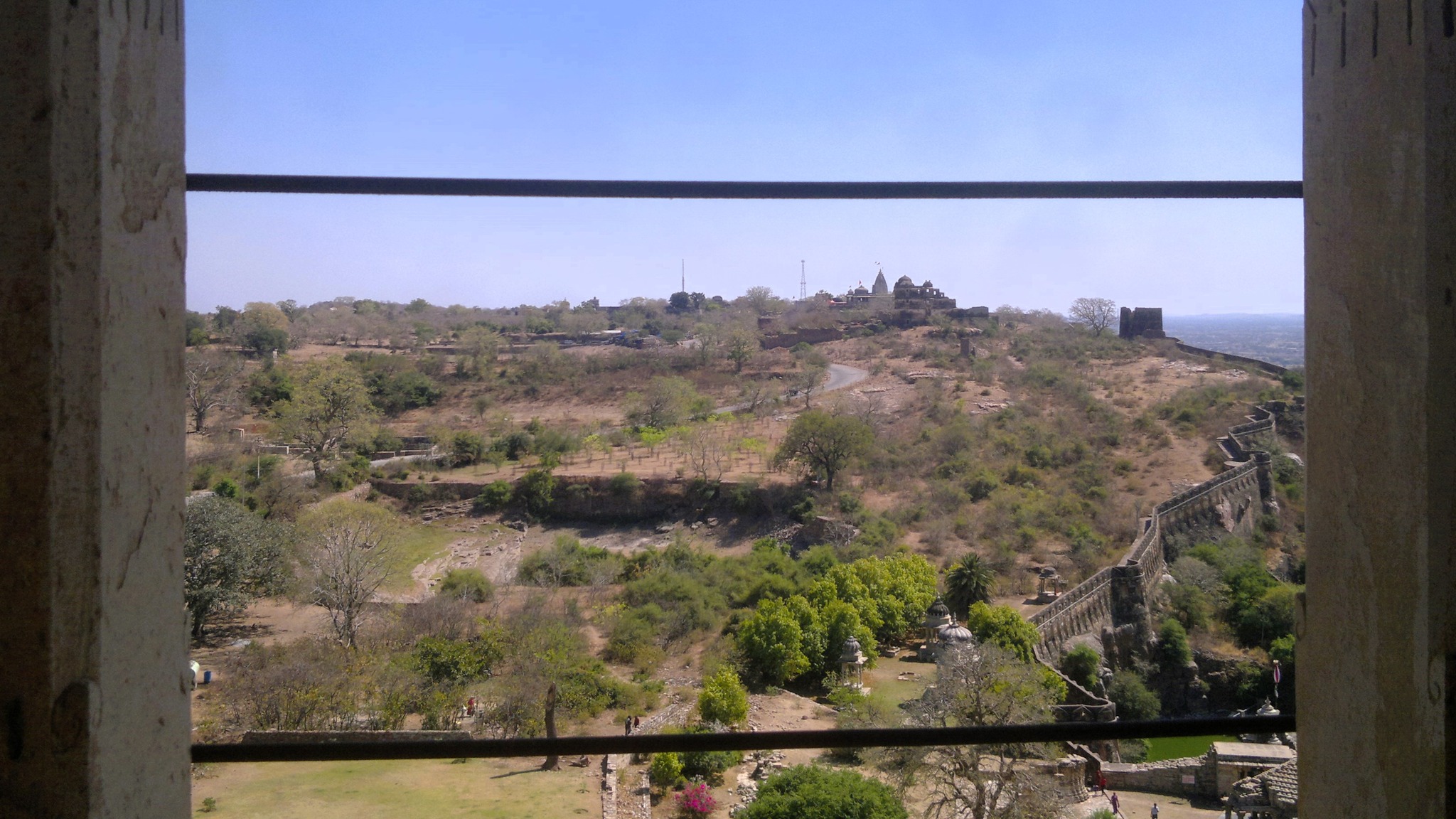
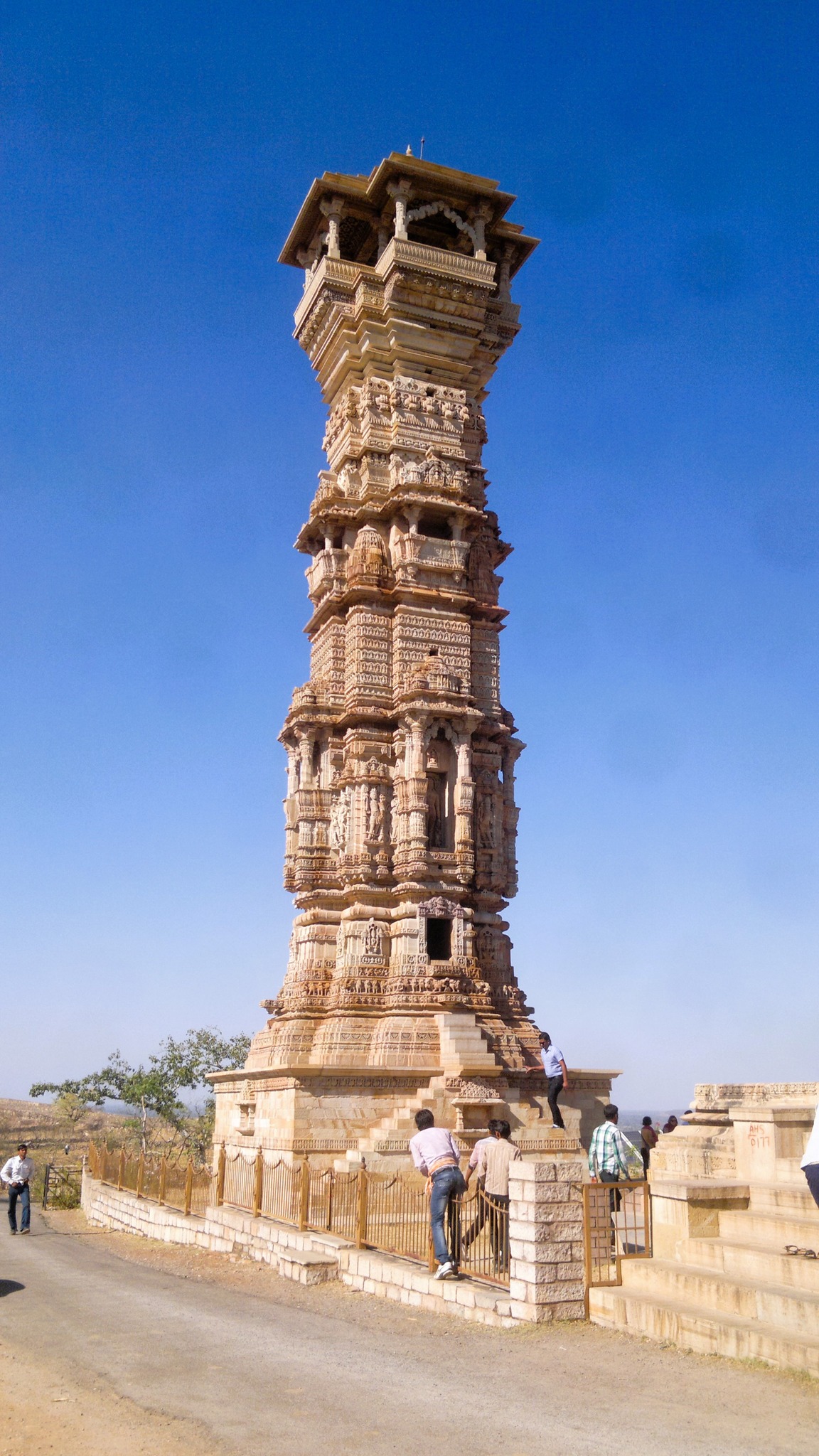
Reaching the foot of the Vijaya Stambha, I beheld the physicality, the carvings and the design of the structure with glee and wonder that would only be elicited in a child that has finally seen something that it had seen in a dream or on TV. The Vijaya Stambha was built in 1488 by Rana Kumbha to commemorate his victory over the forces of Malwa in the Battle of Sarangpur. Dedicated to the god Vishnu, it is said to be visible from anywhere inside the fort, and also from the city. What is more – it was possible to climb up the tower using the staircase located inside the structure, which is what I did with sheer excitement. Reaching the topmost of the 9 storeys, I got a breathtaking view of the city underneath and other structures inside the fort on the hill.

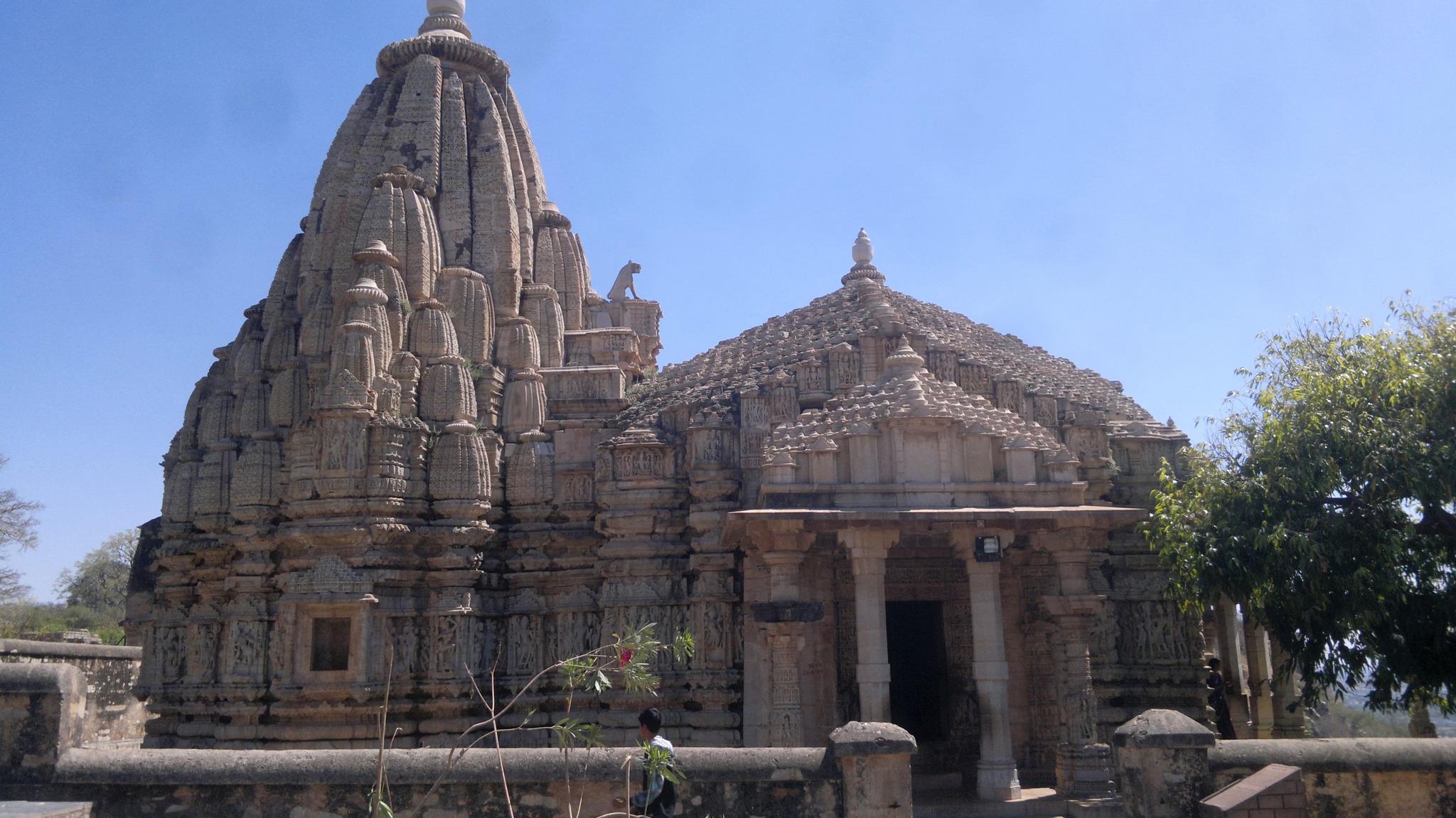
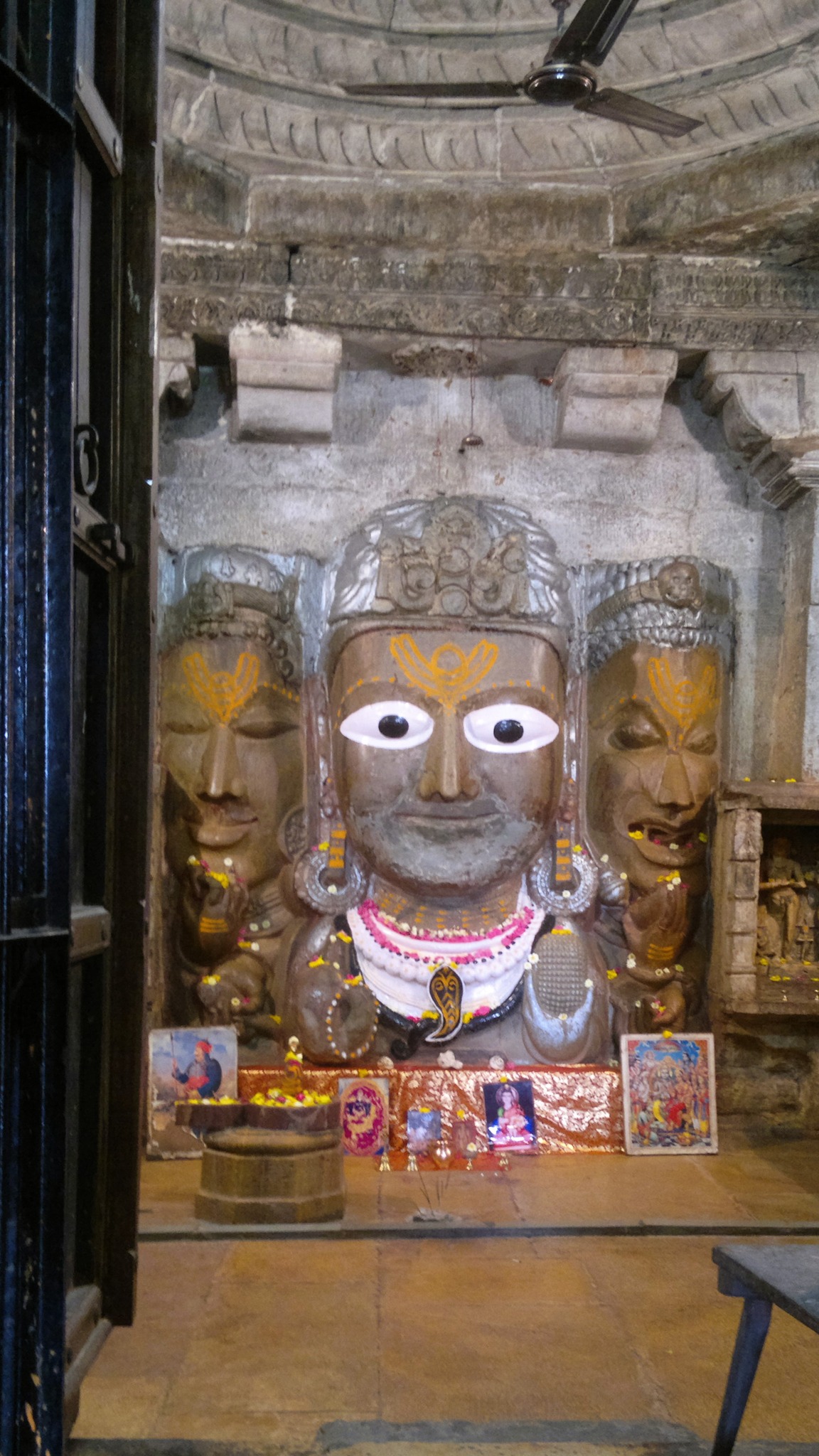
Getting down from the tower, I proceeded from beside the Jauhar place to Samadhishwara temple, which houses a three-faced Shiva idol. Behind the temple is the iconic water tank appearing in most circulated posters of Chittorgarh. Descending the steps I went to a crevice in the hillside from where emanates a water spring from an stone opening built in the form of a cow’s (Gau) head (mukh) filling up the water tank, thereby giving it the name Gaumukh Kund. From there, I got back on the autorickshaw and moved further south past a water tank to reach the Kalika Mata temple. Then further to the south, I stopped by the Padmini Palace, where a legend, albeit with no historical backing, of Ala-ud-din Khalji getting a glimpse of queen Padmini through the reflection on a mirror, is rooted in.

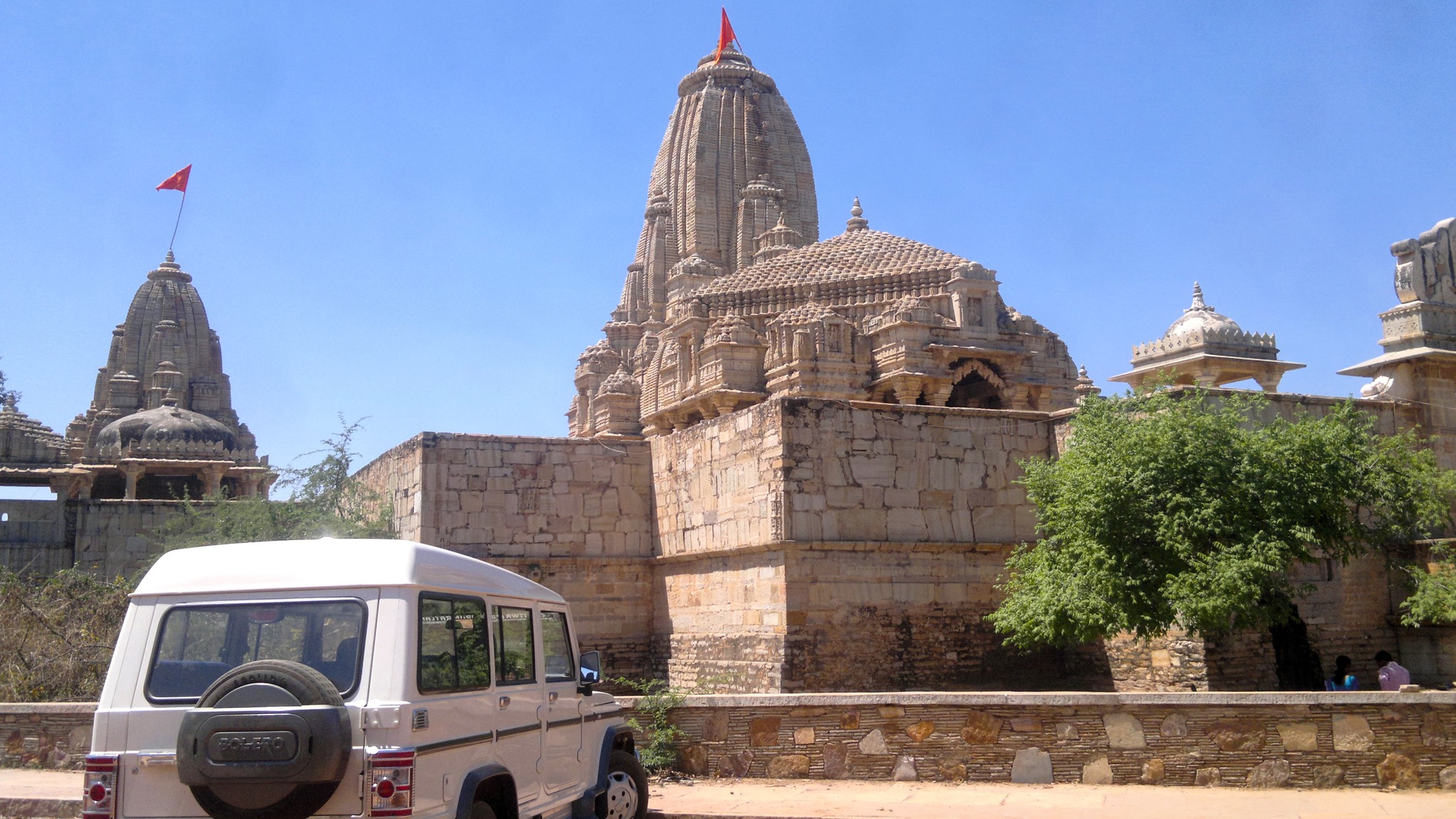
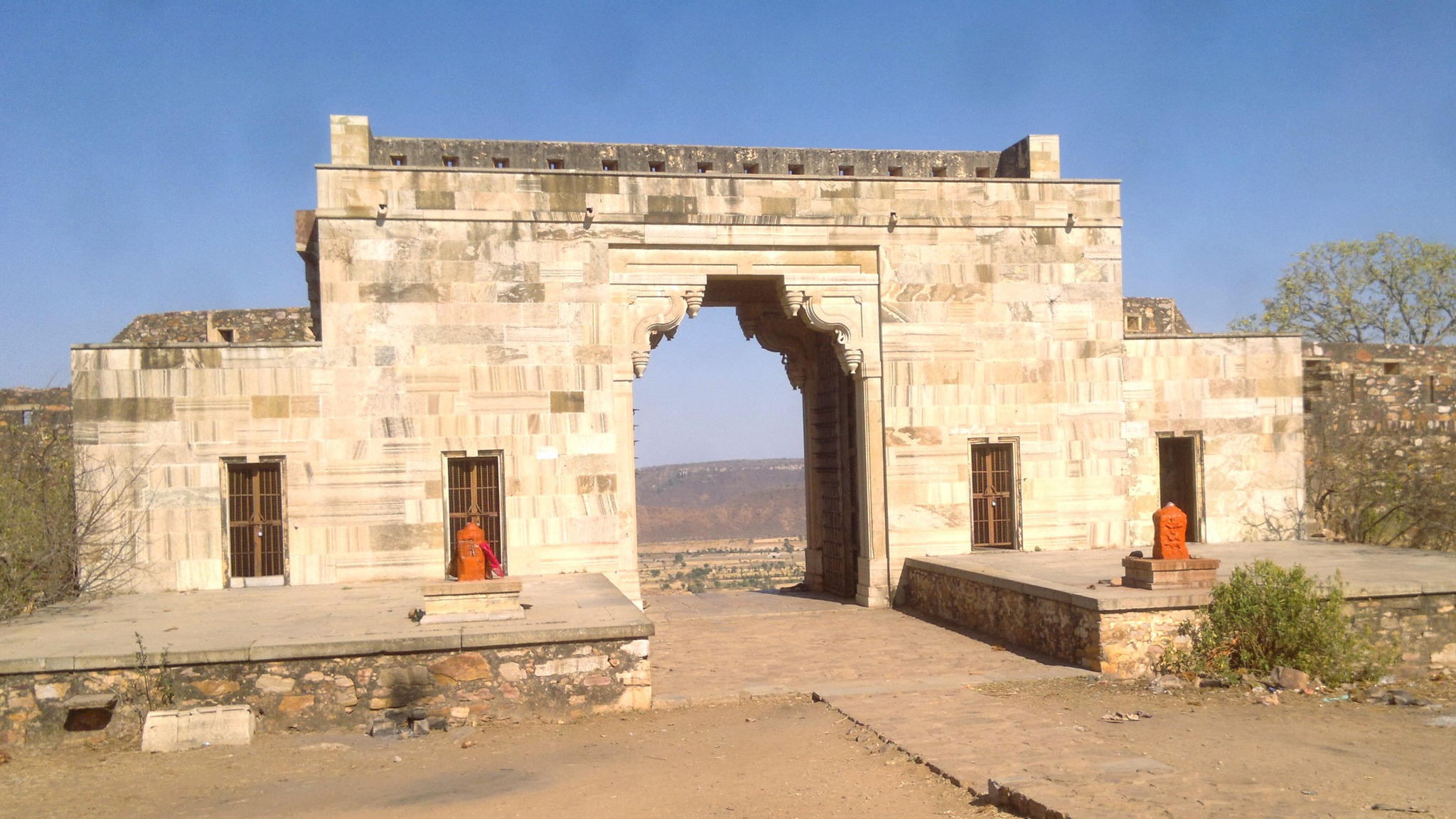
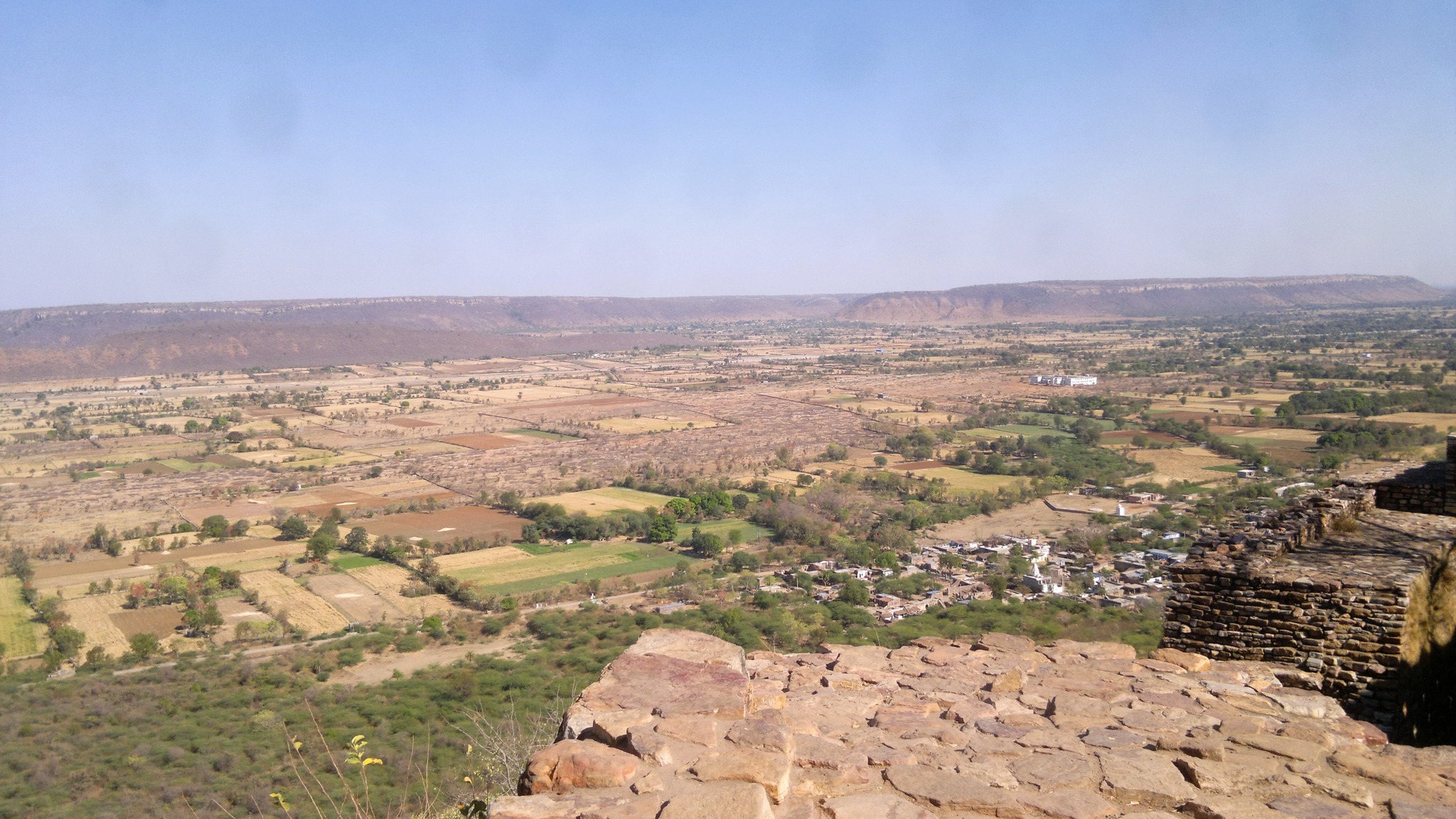
Pushing further south, the road curved around a water tank with a deer park occupying the outer side, and turned 180 degrees towards the north, with thin jungle flanking on both sides. Now heading a couple of hundred metres, we came upon the main gate of the fort, which overlooked the sparsely inhabited valley below. A stony curving path led from the valley below to the gate, with a low flat hill stretching from one end to another in the background, while ramparts streamed along the edge of hill from both sides of the gate. Moving further to the north, we came upon a cluster of Jain temples, amidst which stood another tower, looking like a prototype of the Vijaya Stambha, called Kirti Stambha, which is dedicated to Adinatha and was built in the 12th century.
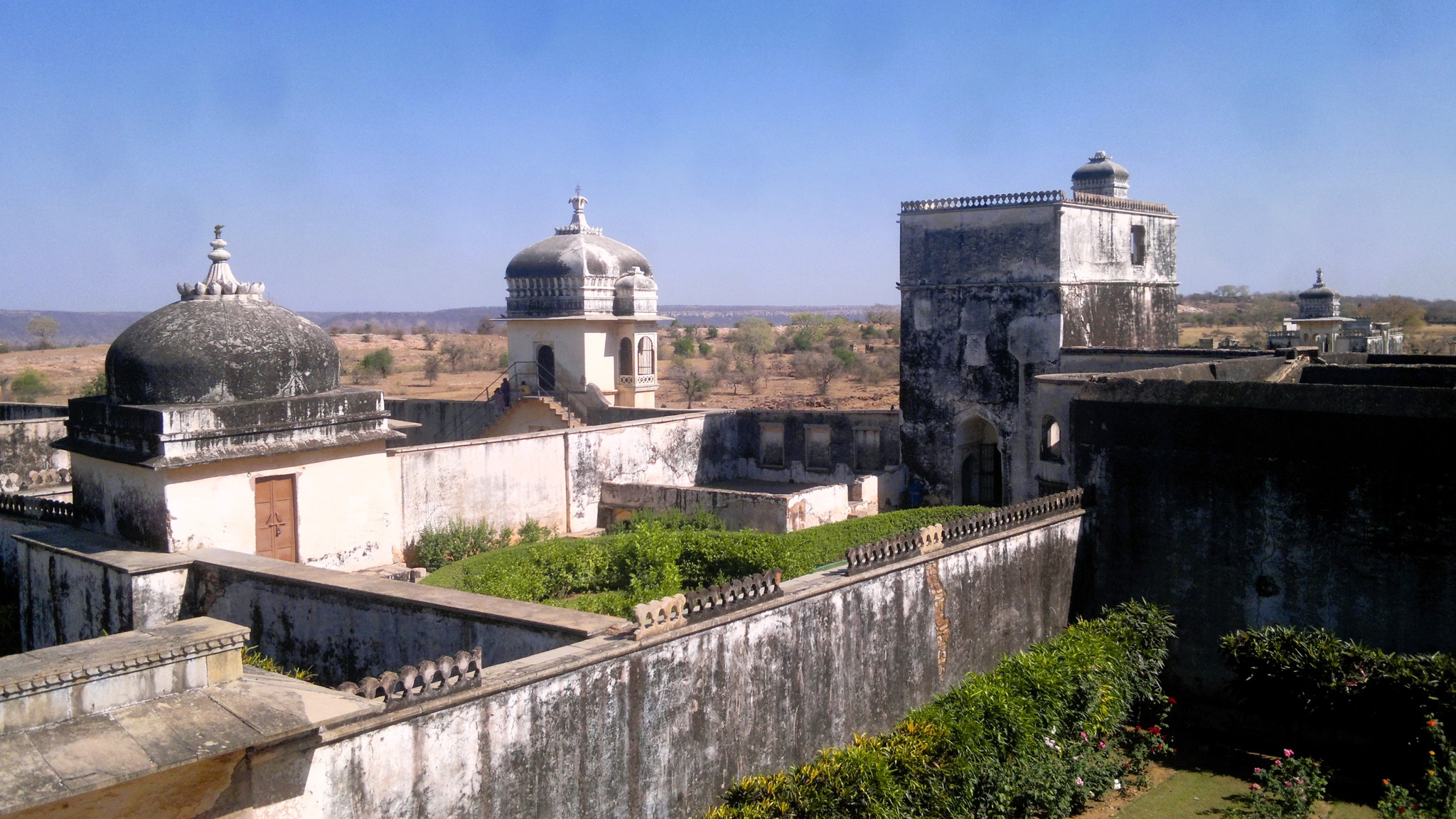
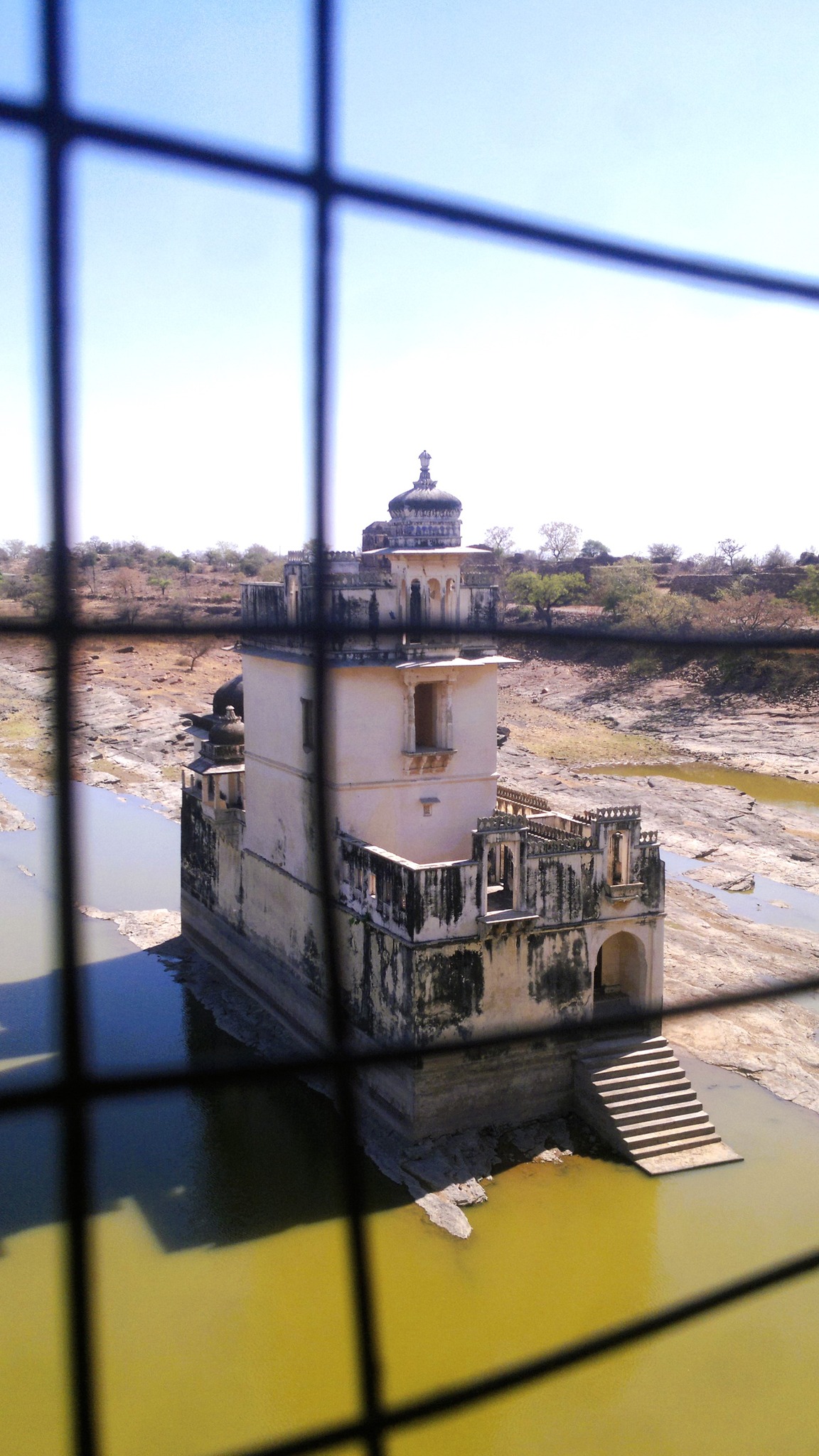
Pushing further north for another kilometer or so, we reached the north end of the hill, where a full fledged village is located. Again turning a full 180 degrees, we were headed in the south direction again, first passing through the village and then, meeting the road by which we had first entered the village on our way up to the fort. As we rolled down the hill through the numerous gates on the winding road, I looked wistfully at the ramparts above me, a little dismayed that I had to say goodbye to the place that I had been fascinated with for so long. As we stumbled back into the city at the foothill, I took one last glance at the hillside that wore the the stone ramparts as a crown and supplemented it with structures as if bedecked with gems.

It was 5 PM when I took a road transport bus back to Udaipur. After a quick dinner, I boarded a pre-booked 9.30 PM bus to Delhi, and fell asleep, only waking up when the bus arrived in Dhaula Kuan in Delhi the next morning.

Post-script

In the end, what struck me most after visiting Chittorgarh is how it is a self-contained city spread upon a vast flattop hill, like on a plateau. The palaces and structures are far-flung interspersed with water tanks and jungle. If you’ve read The Lost World, then imagine a place that is removed from the remaining world that lies beneath, and one that transports you to another era as a time machine. All said and done, Chittorgarh, a place I had loved since I was a child, since before I even set foot in Rajasthan, turned out to be place that lived up to and went beyond the hype and visuals I had created in my mind.

A Jaunt through Jaipur

March 2012. Spring was drawing to a close, and before the Delhi summer started knocking on the city’s doors, I decided, emboldened by first ever solo trip from the previous year, to set out on my next solo trip – my first ever trip to Rajasthan.

My fascination with Rajasthan had begun while growing up in Odisha through a myriad of stimuli – black-and-white pictures of the Hawa Mahal and Jantar Mantar in an English literature textbook, a travelogue of Bikaner and Jaisalmer in my Odia literature textbook, sketches of the Vijaya Stambh and the legend of Panna Dai of Chittaurgarh in Tinkle Magazine, images of Sambhar Lake and Dilwara Temples of Mount Abu in geography textbook, and so on. And now, close to three years after I had moved to Delhi, it was time to indulge the fascination and see in person what I had seen only in pictures. What better place than Jaipur, the city in Rajasthan nearest to Delhi, to begin the exploration with?

On the many occasions that I had passed through Dhaula Kuan, I had seen buses having Jaipur written on their boards waiting to pick passengers up, and had wondered as to when I would get a chance to board one of those. I had seen the same buses stopping at Iffco Chowk in Gurgaon very close to where I worked. And so on the evening of 23rd March 2o12, an evening that I remember very clearly, leaving the office at around 4.30 PM, I stood at Iffco Chowk, squinting through the fog of dust enveloping the area, for the next road transport bus headed to Jaipur. By 5.30 PM, I was on a bus, not seated by the window, but comfortable enough at the fourth row from the rear.

The bus kept moving through the suburbs of Gurgaon for a while, and then rose up a gentle slope through a jungle of shrub, and a while later passed through another wooded area that seamlessly melded into a barrage. These are the sights I remember from around the time of sunset and the twilight before darkness fell. The bus stopped at multiple places, interspersed with spells of zooming on the highway whenever possible, even as people alighted from, and new passengers boarded the bus. A air of Haryanvi and Rajasthani-flavoured Hindi hung inside the bus, while I sat in utter anticipation of my arrival in Jaipur.

Around 10, the city walls appeared and the bus passed an arched gate – Jaipur was here. Soon, I got down at the Sindhi Camp bus-stand, looking clueless, which was obviously picked up by an cycle-rickshaw puller, who accosted me proposing to take me to a hotel. Not knowing anything better, and given the time of day, I was soon on the rickshaw, when the rickshaw puller asked me if I would be interested in staying in a hotel that featured in a movie Chalo Dilli, released the previous year, to which I agreed. Thus, in half-an-hour I found myself inside a room with no window in Hotel Red Tomato Palace. Needless to say, thanks to the absence of ventilation, compounded by the excitement of seeing Jaipur the next day, I did not get a wink of sleep the whole night.

The whole night, questions swam in my mind – how would Jaipur city would look like? The GK book I read as a child addressed Jaipur as the Pink City – would Jaipur really look pink, and if it did, would be it because of the houses, or because of the soil or the skies? At long last, morning came, and I headed, with a foldable brochure on Jaipur sight-seeing in hand, to the bus-stand. As informed by the hotel receptionist, there is a system in place in Jaipur, whereby auto-rickshaw drivers offer fixed price package tours of Jaipur. Arriving at the bus-stand, I did not even have to try, as an autorickshaw driver promptly approached me with offers for many types of package tours – I chose a single day tour worth 700 rupees.

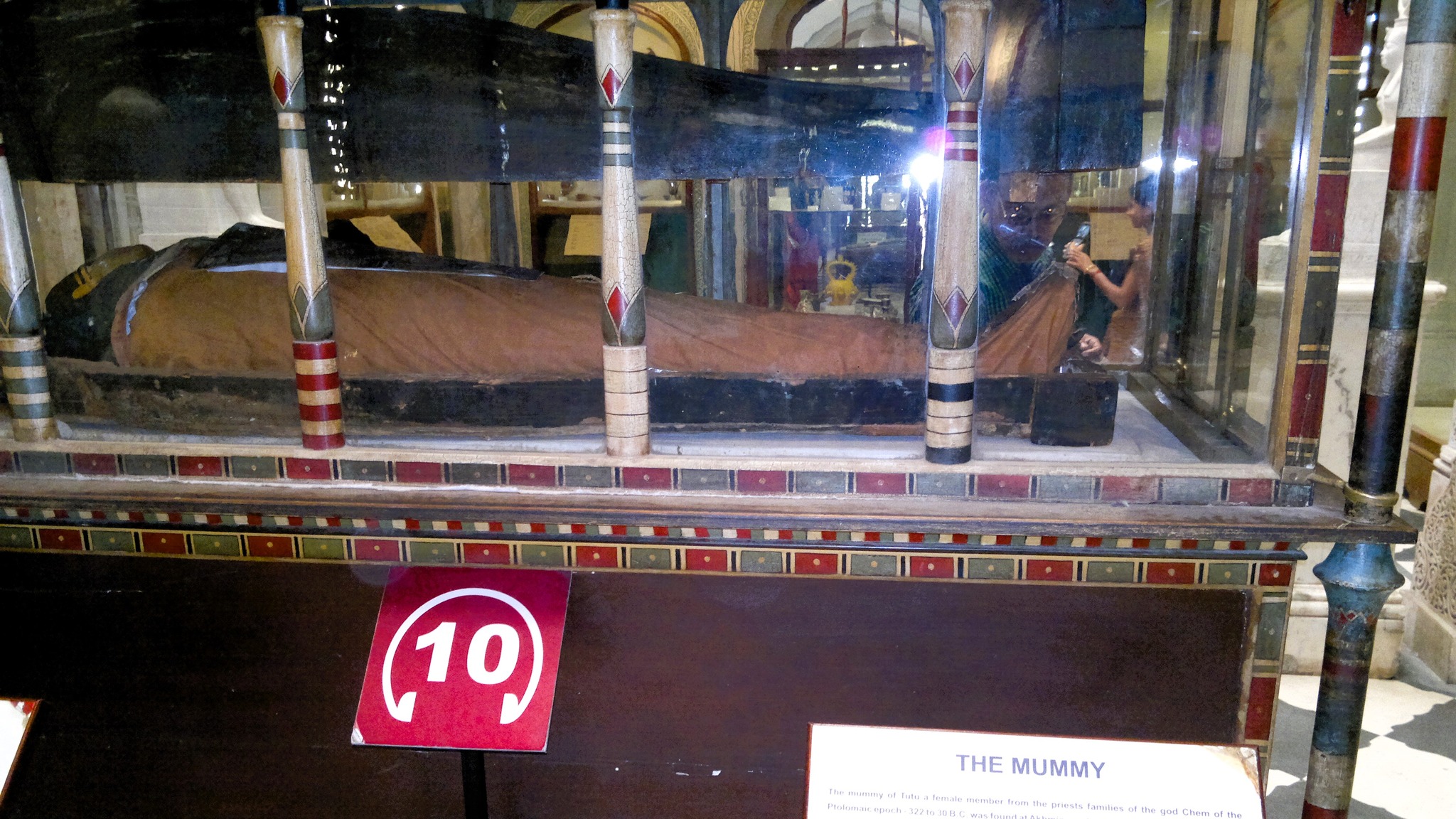
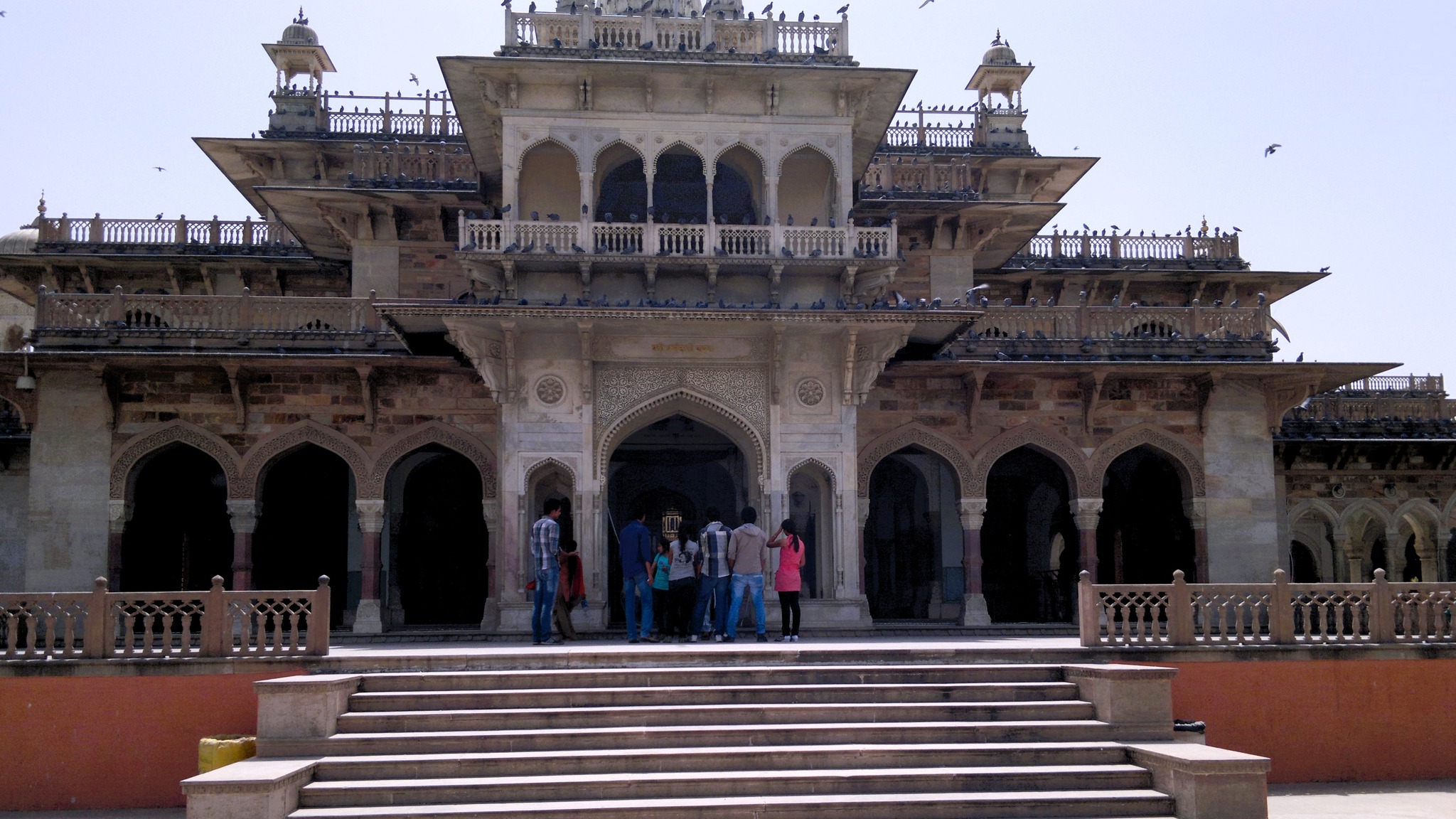
The tour started with the Jaipur Zoo, which I only agreed to keep in the package because I was curious to see what a zoo in a city with a desert in the vicinity, looked like. Sauntering through the zoo, I moved just across the road to Albert Hall Museum, the oldest museum in Rajasthan, where artifacts displayed also include those from Ancient India and Egypt, the highlight being an Egyptian Mummy. It was also at Albert Hall Museum where I learnt I could buy a single consolidated ticket that would allow entry to many of the monuments in Jaipur, including for Jantar Mantar, Amer Fort and Hawa Mahal. From there, as I moved towards Jantar Mantar, a site that had captured my imagination from when I was a kid, I first beheld the arrays of shops painted pink, explaining the epitaph of ‘the Pink City’.

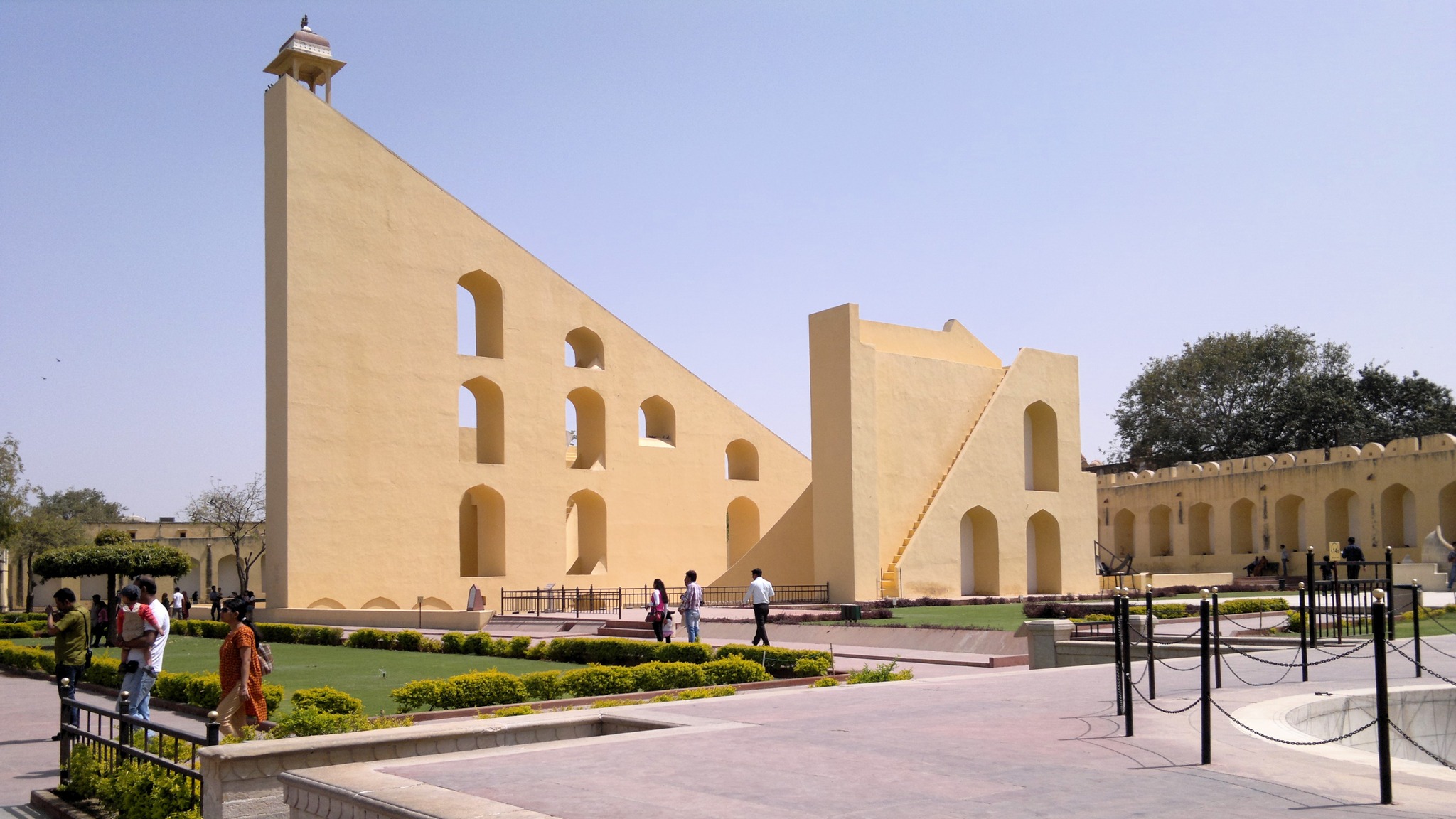
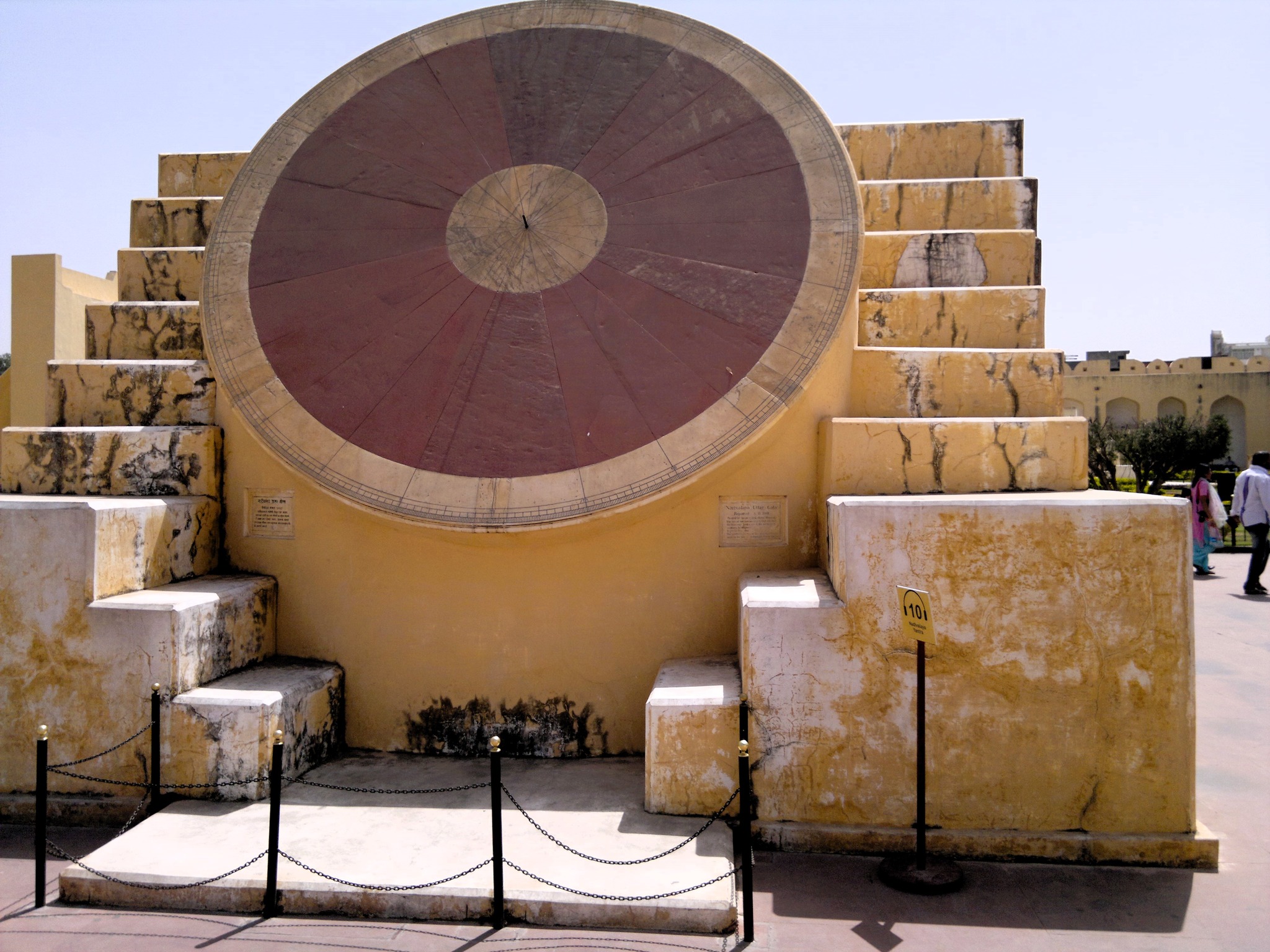
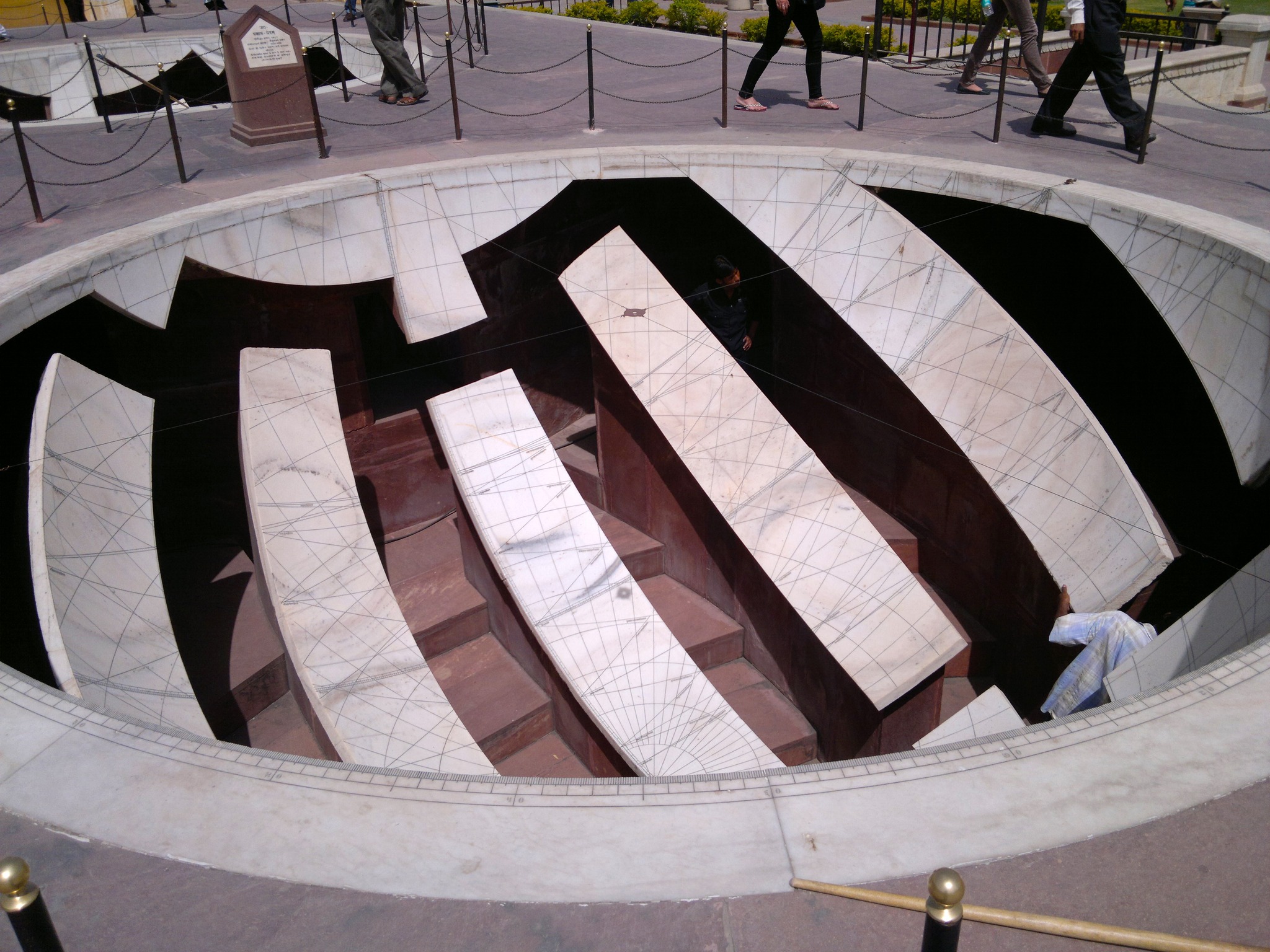
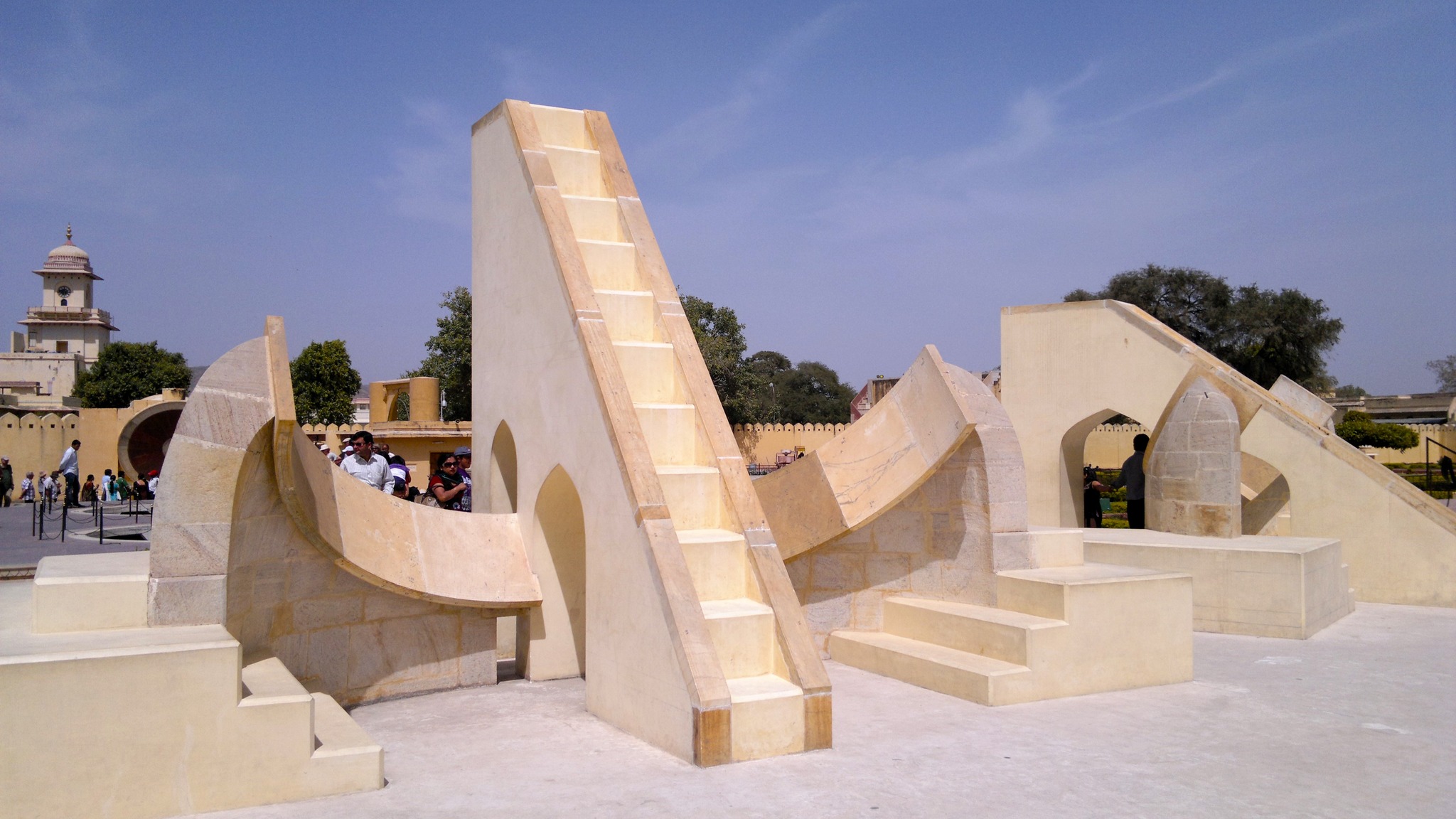
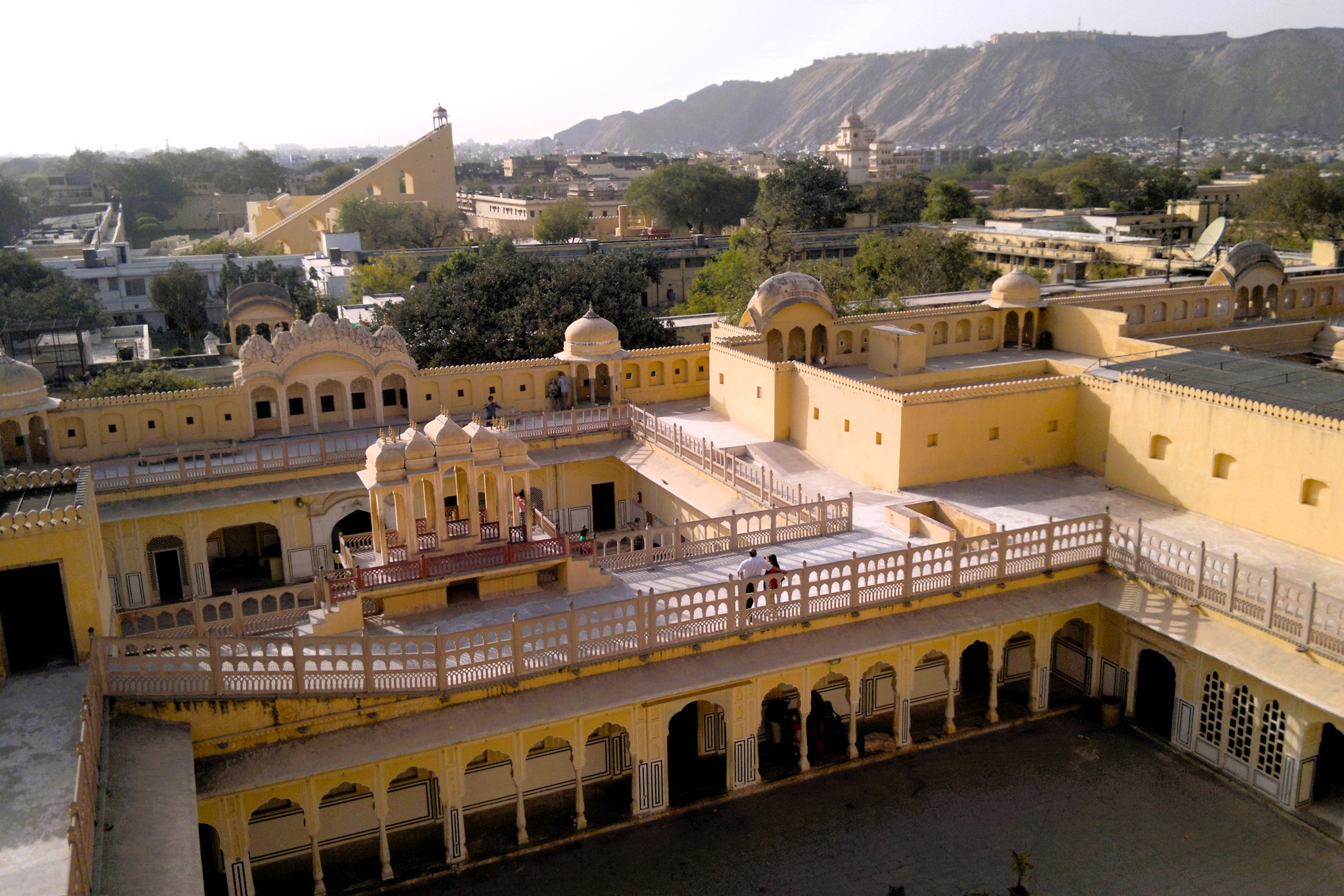
Built in between 1728 and 1734 by the avid astronomer king Sawai Jai Singh, the Jantar Mantar comprises 19 astronomical instruments built from stone and marble, that allow observation of astronomical positions with the naked eye. This, along with similar observatories later built at 5 other locations, including in Delhi and Ujjain, helped in more accurate calculation of celestial positions for the astronomical tables that were continuously used in India for over a century. After going through alternating periods of use and disuse, interspersed with some spells of restoration, including some during the British colonial rule, and a final restoration by 2006, it was designated a UNESCO World Heritage Site in 2010.

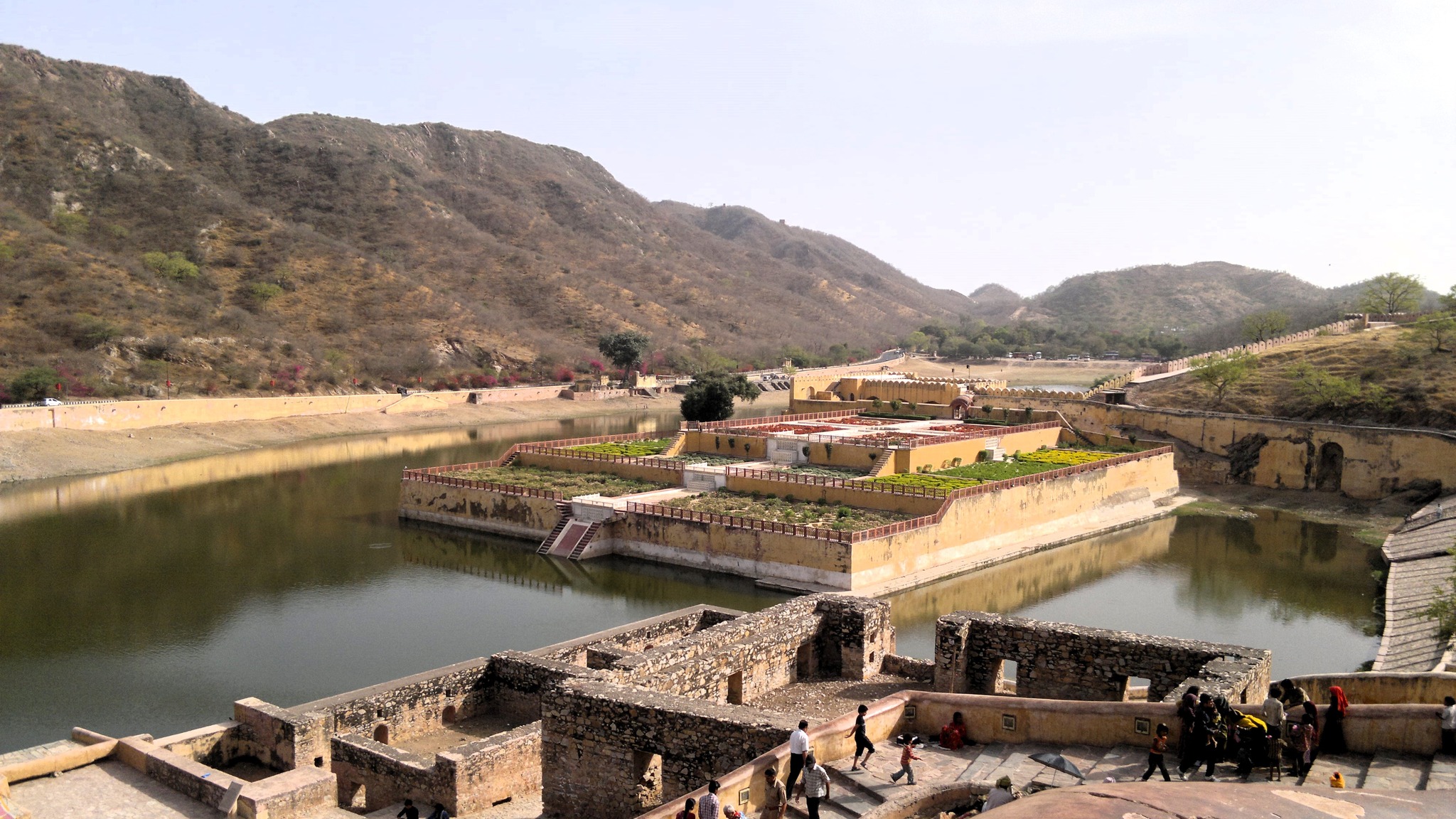
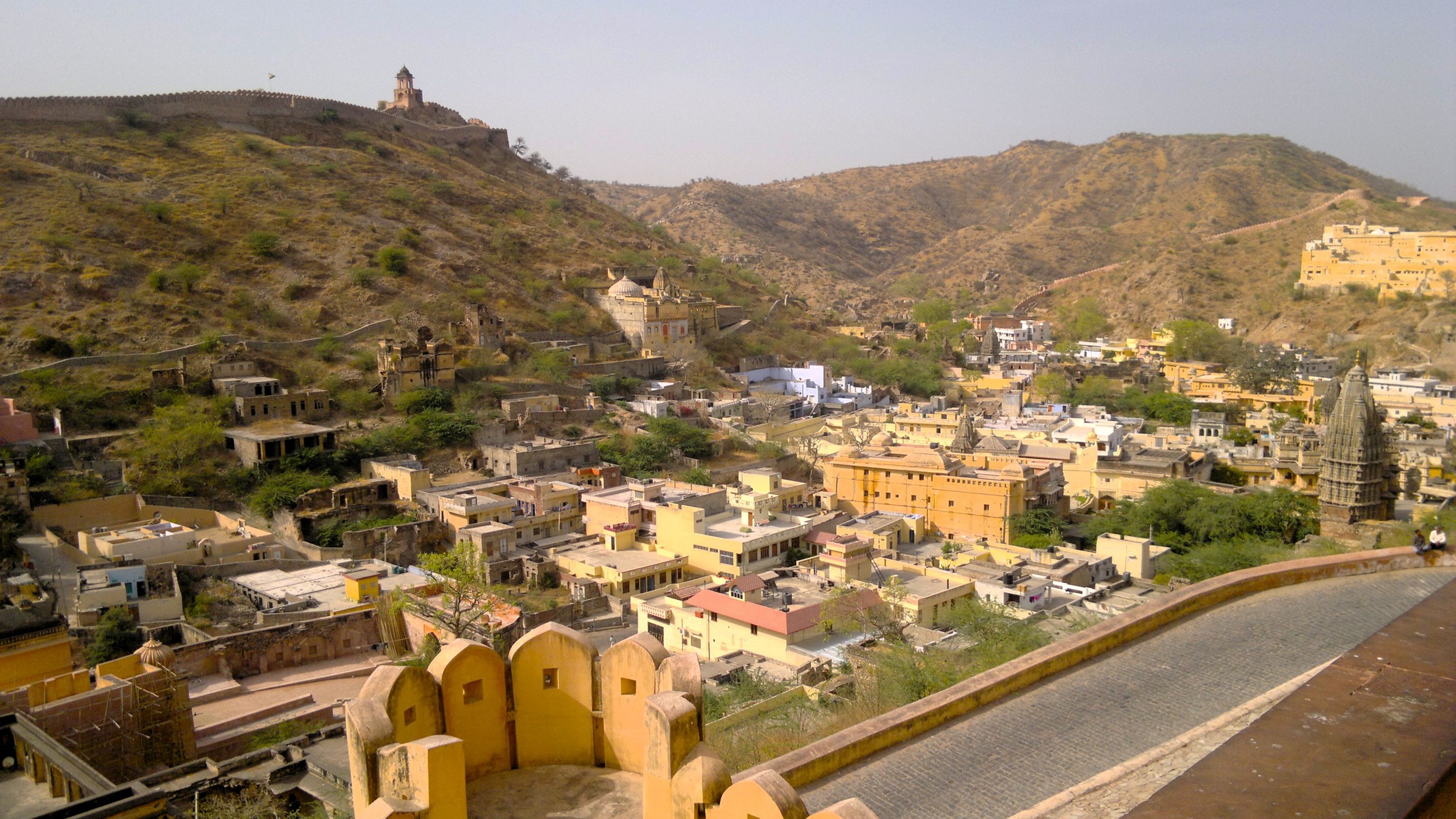
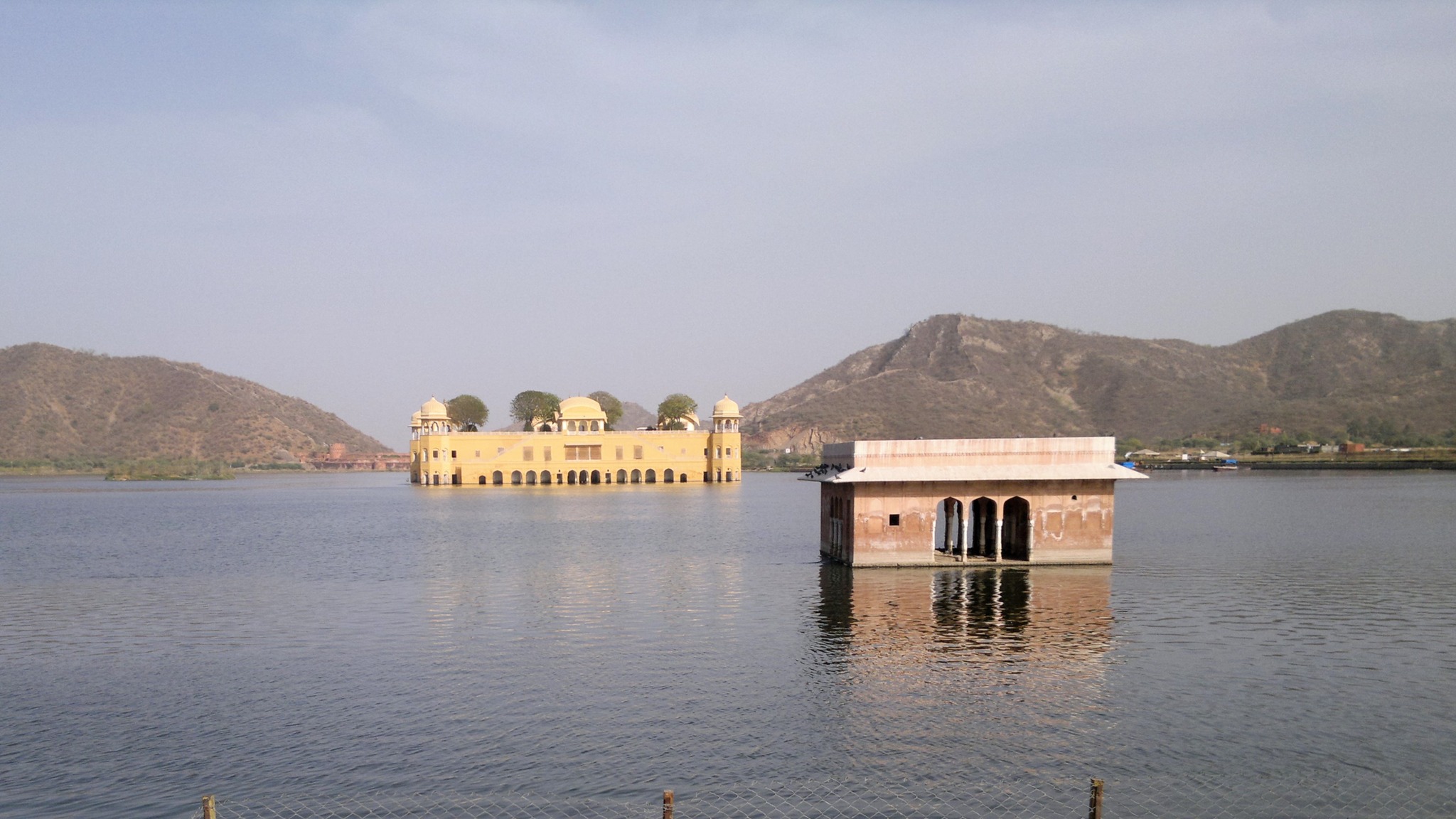
From Jantar Mantar, I moved through the street lined by pink-coloured shops through the Old City centre towards the hills that stood overlooking the city in the north. Soon, the autorickshaw passed by the expansive Man Sagar Lake, and climbed up the road that ran into the hill. A little up the hill, I stopped at Kanak Vrindavan, a beautiful garden with a temple, fountains, trees and chhatris, built by Sawai Jai Singh 275 years ago, where scenes of many movies, most notably, Lamhe, have been shot. Further, passing through a long stretch of the road cut through the hill and was lined with wood on both sides, the autorickshaw finally reached a wide section on the road, where countless vehicles were parked. Beside the section lay a lake with a spice garden in the middle, and above on the crest of the hill stood an imposing fort – Amer fort.

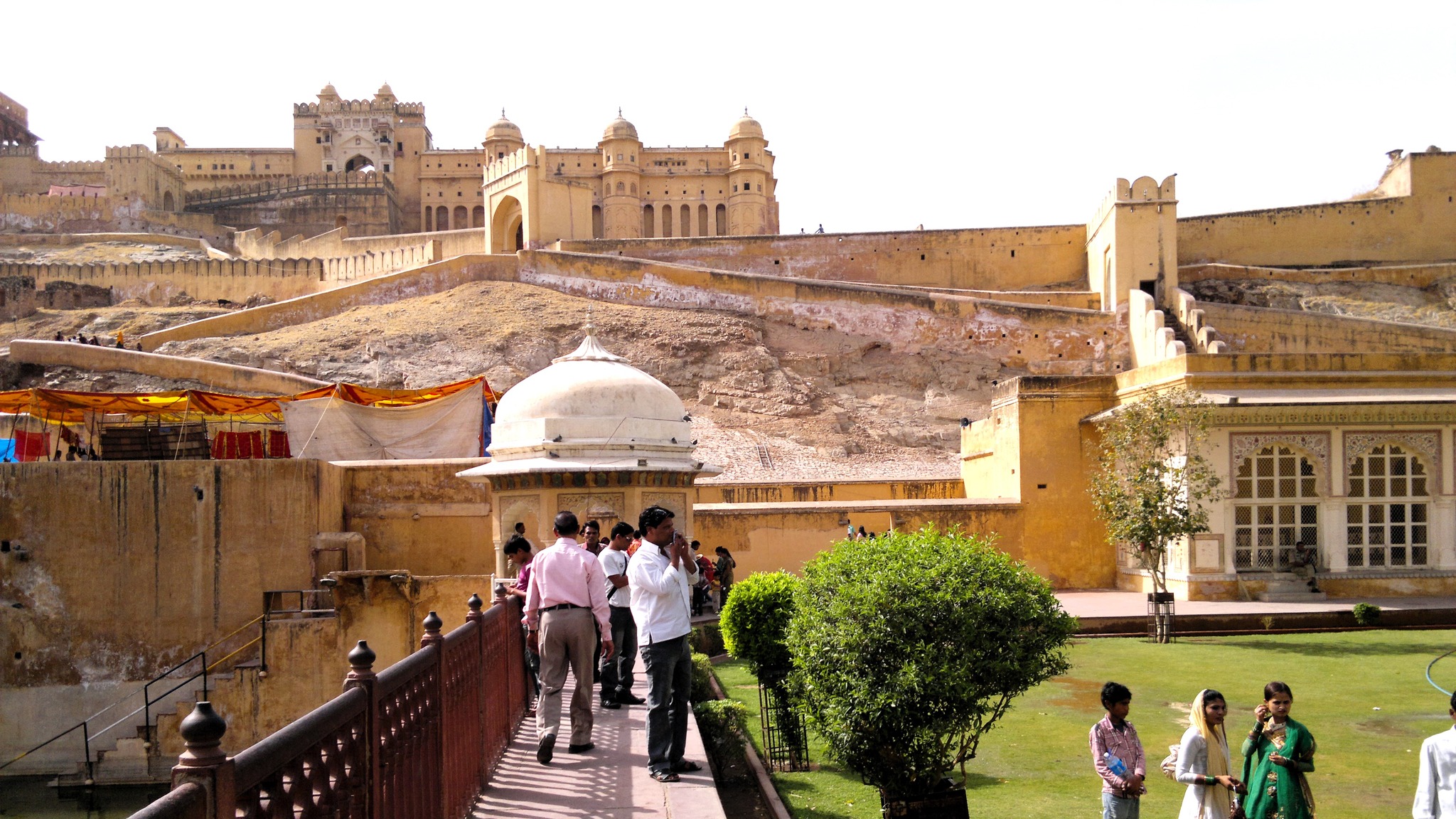
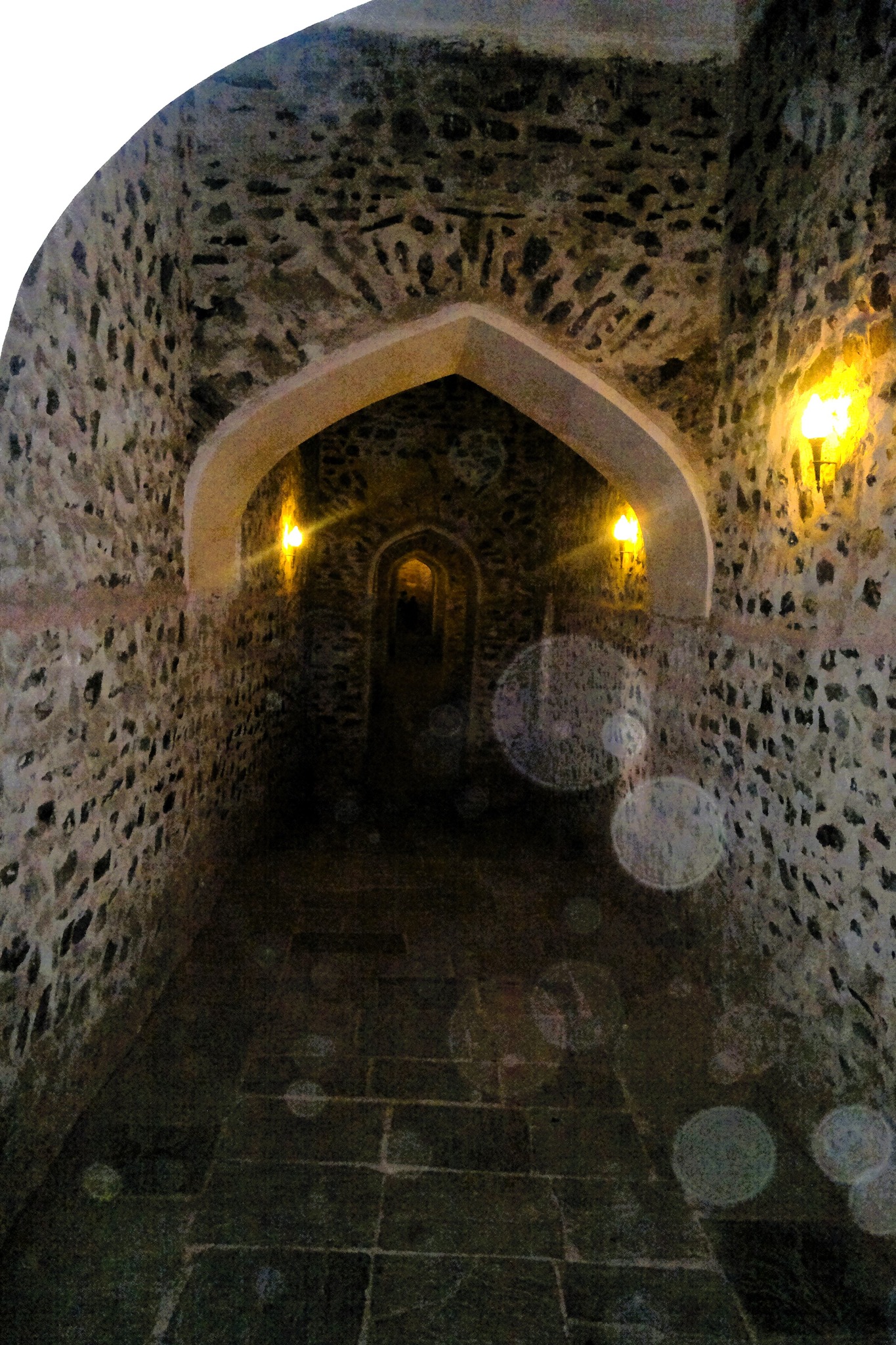
The Amer fort, built in 1592 AD by the Kachhwaha king Man Singh, became the mainstay of the ruling family of Amer or Dhundar state, which was ruled by the Kachhwahas since 1037 AD. Amer, the area ensconced in the Aravallis where the fort is located, was the capital of the Kachhwahas until 1727, when Sawai Jai Singh II built a fortified city called Jaipur at the foothills of the Aravallis. The fort itself was expanded by successive kings, and today consists of the six main sections, with the temple dedicated to Sila Devi, prominently standing in the first courtyard, a Diwan-i-aam or Public Audience Hall, many palaces including Sukh Mahal, Sheesh Mahal and that of Man Singh I. A tunnel, that runs partly subterranean, leads to Jai Garh fort, a military fortress situated at a nearby peak. Views of the landscape from the fort are breathtaking.

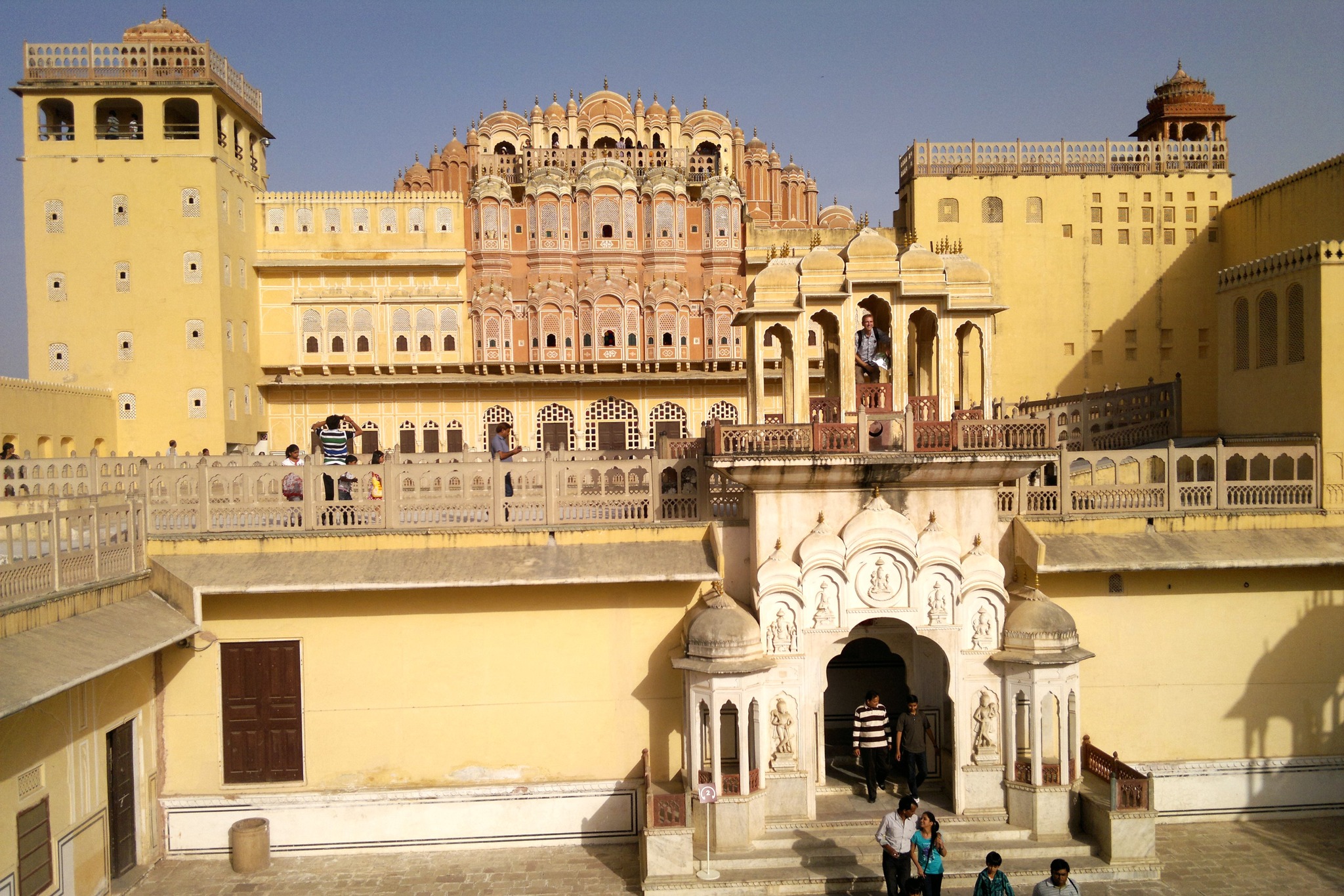
Now it already being 3.30 PM, I headed back towards the Old City centre, again stopping by the Man Sagar lake, and reaching the Hawa Mahal just in time before it closed for the day. Hawa Mahal, another structure that had fascinated me since my childhood, perhaps best typifies the character of the Old City, with its pink coloured facade. The palace, built in 1799 by Sawai Pratap Singh, the grandson of Jai Singh II, the founder of Jaipur, is unique because of the rows of latticed windows, small and big, with some decorated with coloured glasses, adorning the facade making the facade resemble a honeycomb. Walking through the multiple levels of the Hawa Mahal, I got excellent views of the city skyline as well as of the hills in the distance.

With the day drawing to a close, I bid adieu to the autorickshaw driver, and rested for a couple of hours in the hotel room. I pondered about what to do the next day, but soon started feeling a fever setting in – something that I had encountered on my first ever solo trip the previous year too. It may have been a combination of sleep deprivation and the day-long exposure to the sun, but I decided it was best to rest at my place in Delhi as opposed to in Jaipur. So, I checked out, had dinner, and caught an overnight bus to Delhi. Slipping in and out of consciousness, I was in Delhi the next morning, glad to get the whole Sunday to rest and recover from the fever.

Postcards from Dharamshala: The First Solo Trip

April 2011. I remember it like it was yesterday. My first ever solo trip. My friends who had planned a Dharamshala trip with me for the Good Friday weekend ditched me at the last moment. But I had already made up my mind, and so I set out all alone. I simply lugged my backpack, took the metro to the Kashmiri Gate ISBT, and was soon looking for the counter for the buses leaving for Himachal Pradesh.

It was around 9.30 PM. Every bus counter had long queues stretching for half a mile each. There were no more direct buses scheduled to Dharamshala that night. So I joined the one for Chandigarh, and when I finally reached the counter window around 10.30 PM, I was told I would be getting tickets only for the 1.30 AM bus. Left with no choice, and not intent on turning back home, I bought the ticket, and was inside the bus at 1.30 AM.

The bus was an ordinary road transport one, with thin cushioned seats, no AC, with windows that you had to keep open for ventilation. Fortunately, I got a window seat, that too, right near the main door. After the bus started at around 2, I was in and out of sleep, and before I knew it I was in Chandigarh, where I got to know I had to take a city bus to the Sector-43 ISBT to catch a bus to Dharamshala, which I did.

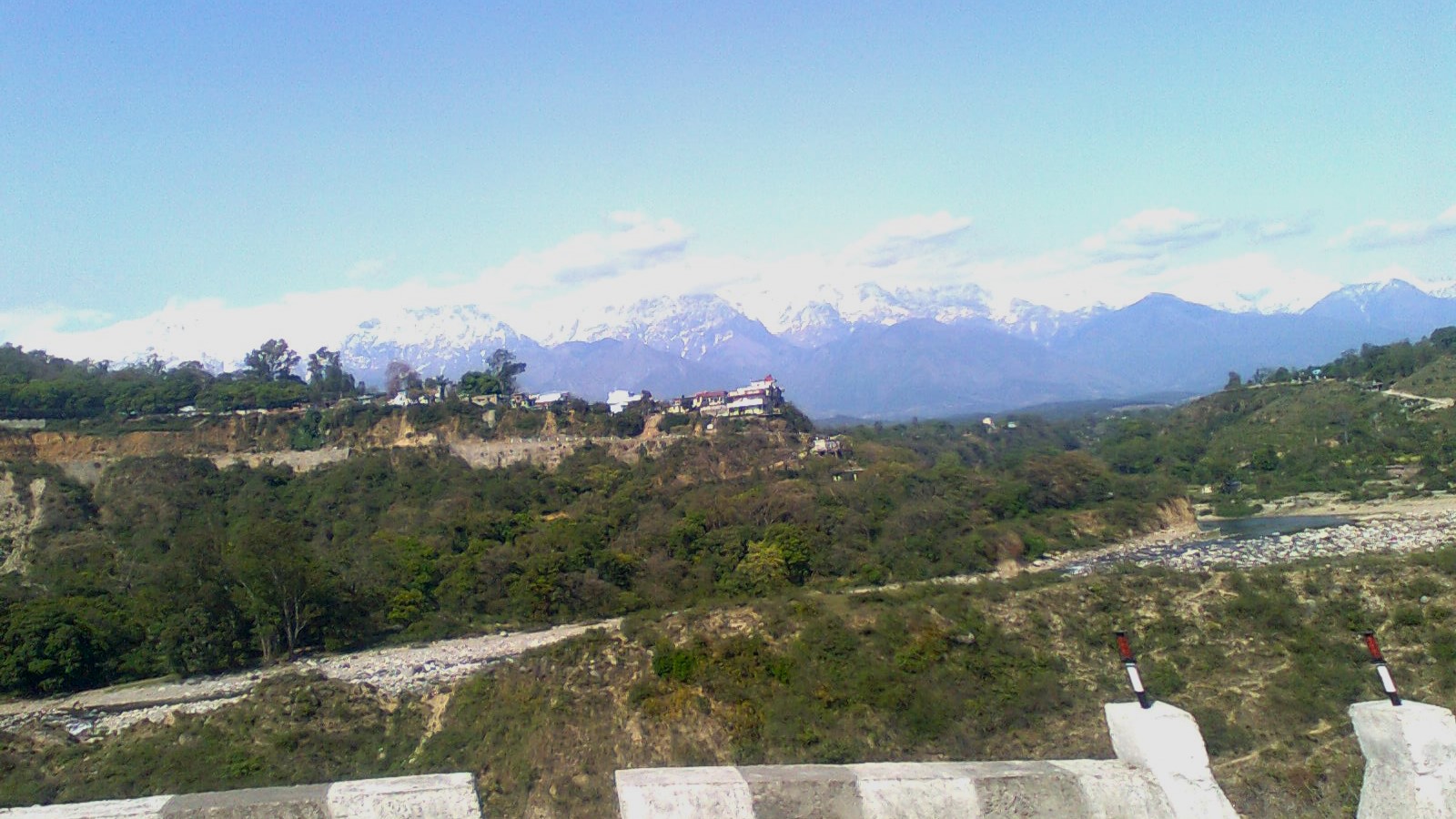
By 9AM, I was on my way to Dharamshala in a Himachal Road Transport bus, again in an ordinary bus type. I remember first passing through Nangal, where the Bhakra-Nangal dam, that I remembered from my school textbooks, is located. Soon, we were climbing the hills, and passed through Una, which I knew because it was the hometown of a senior colleague of mine. By 3 PM though, as the bus swerved through corners, I remember seeing the snowcapped mountains from above the tops of coniferous trees in the distance.

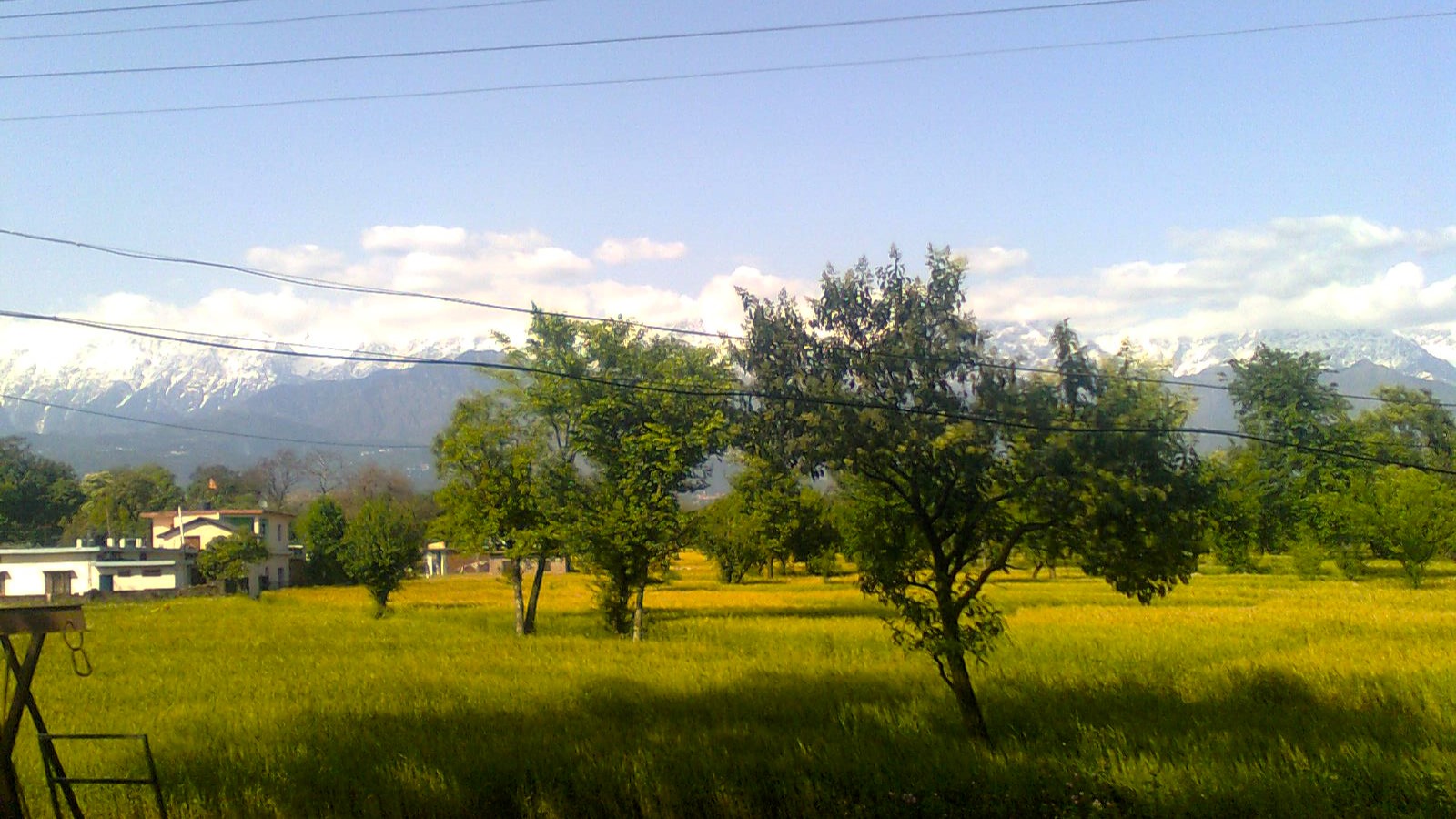
The bus kept pushing up the hills and taking one hair-pin bend after another, and yet the mountains kept their distance. But that was until 3.30PM, when suddenly, I could see the snow-capped mountain within touching distance. Within the next half hour, I was at the foothills of the Dhauladhar mountain range, the one that I had been seeing for around three hours. I was at Dharamshala.

The first thing I did was talk to a cab driver about a day tour package for the next day, which would include McLeodgunj and Kangra – it would set me back by 700 rupees. Then, I walked a couple hundred metres up the main road and booked a room, that I got for a really cheap price, not more than a 1000 rupees. Then, I settled down for the evening, watching the IPL on TV, then ordering dinner, and going to sleep after a really, really long day.

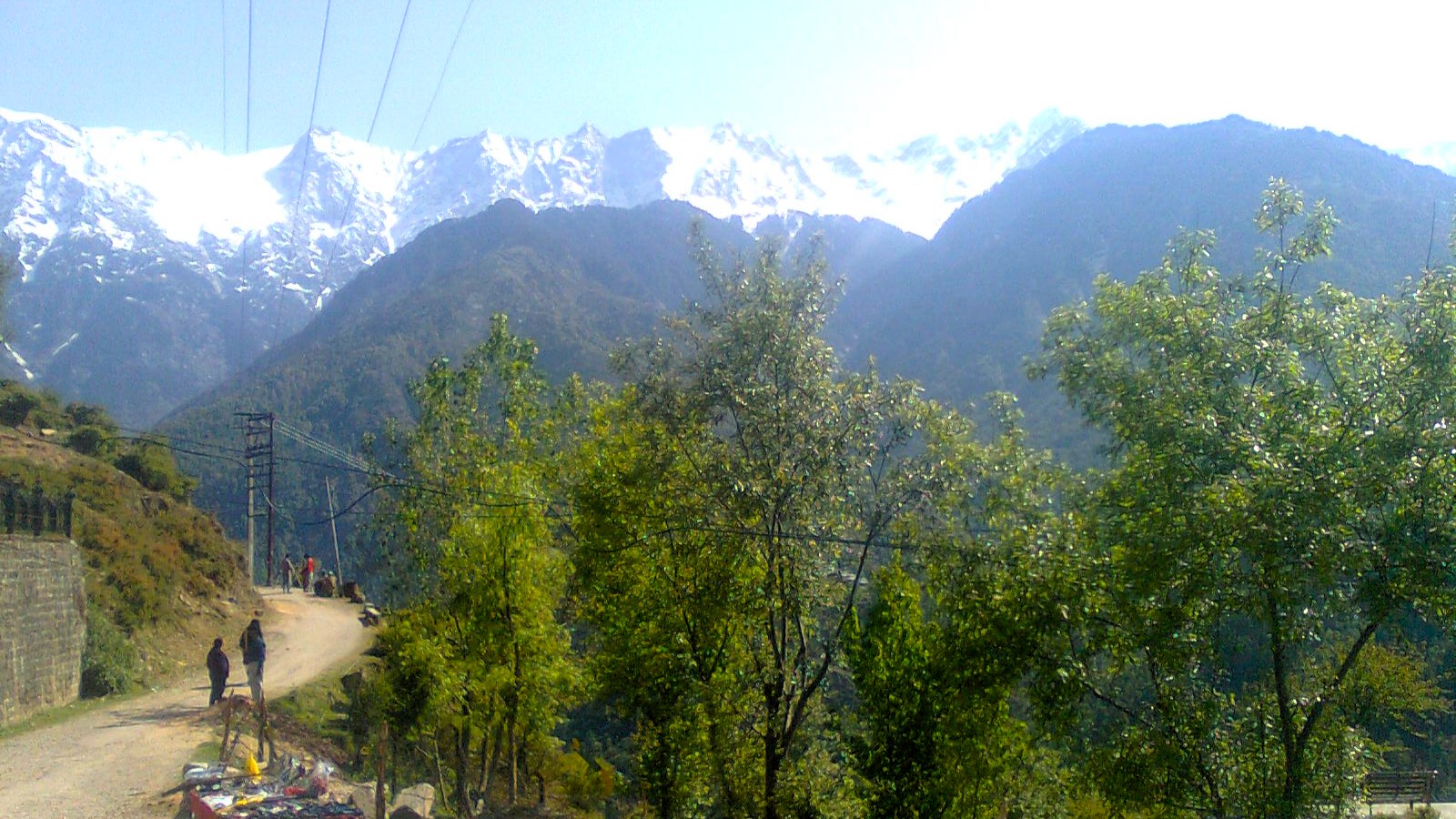
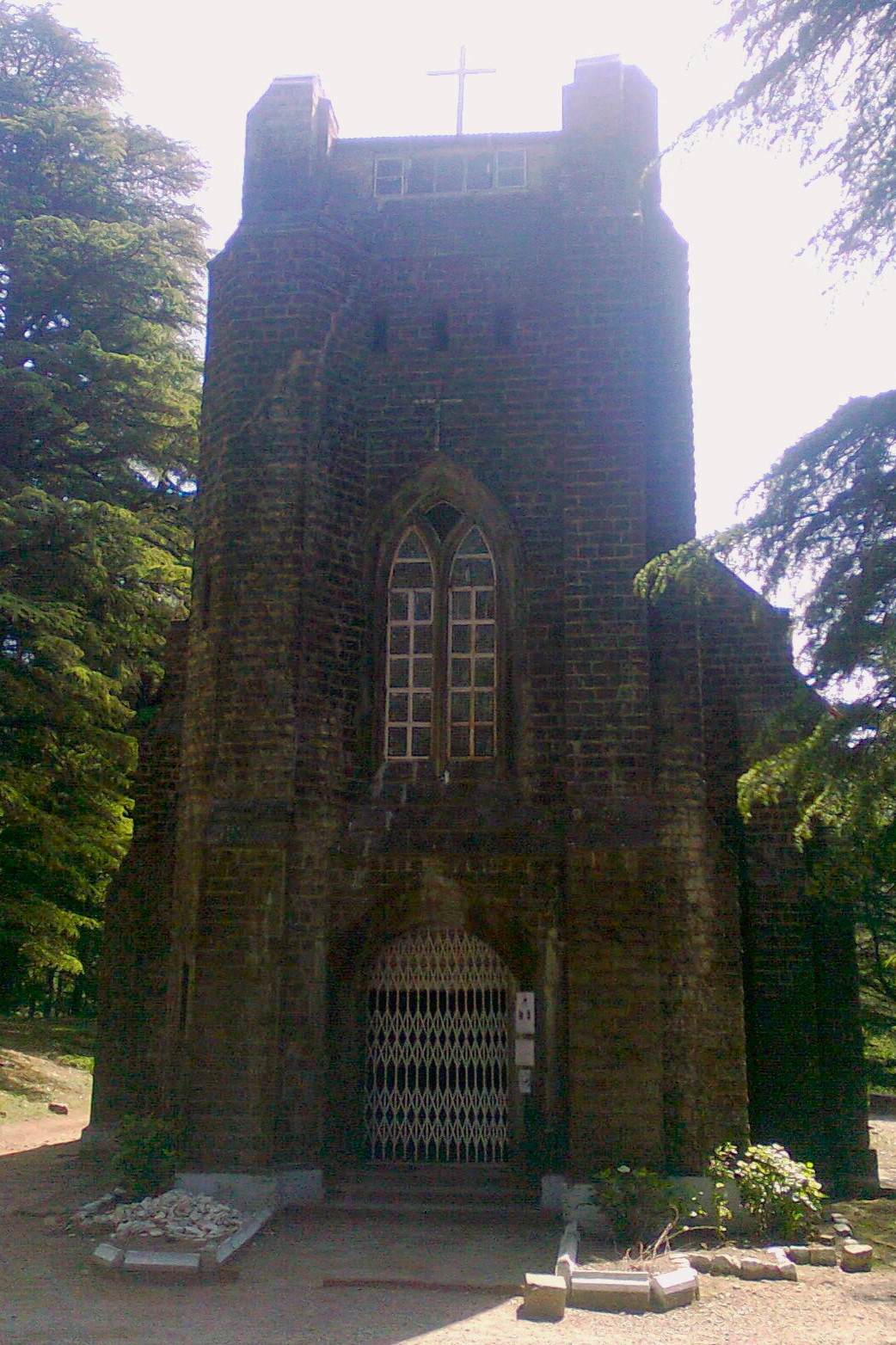
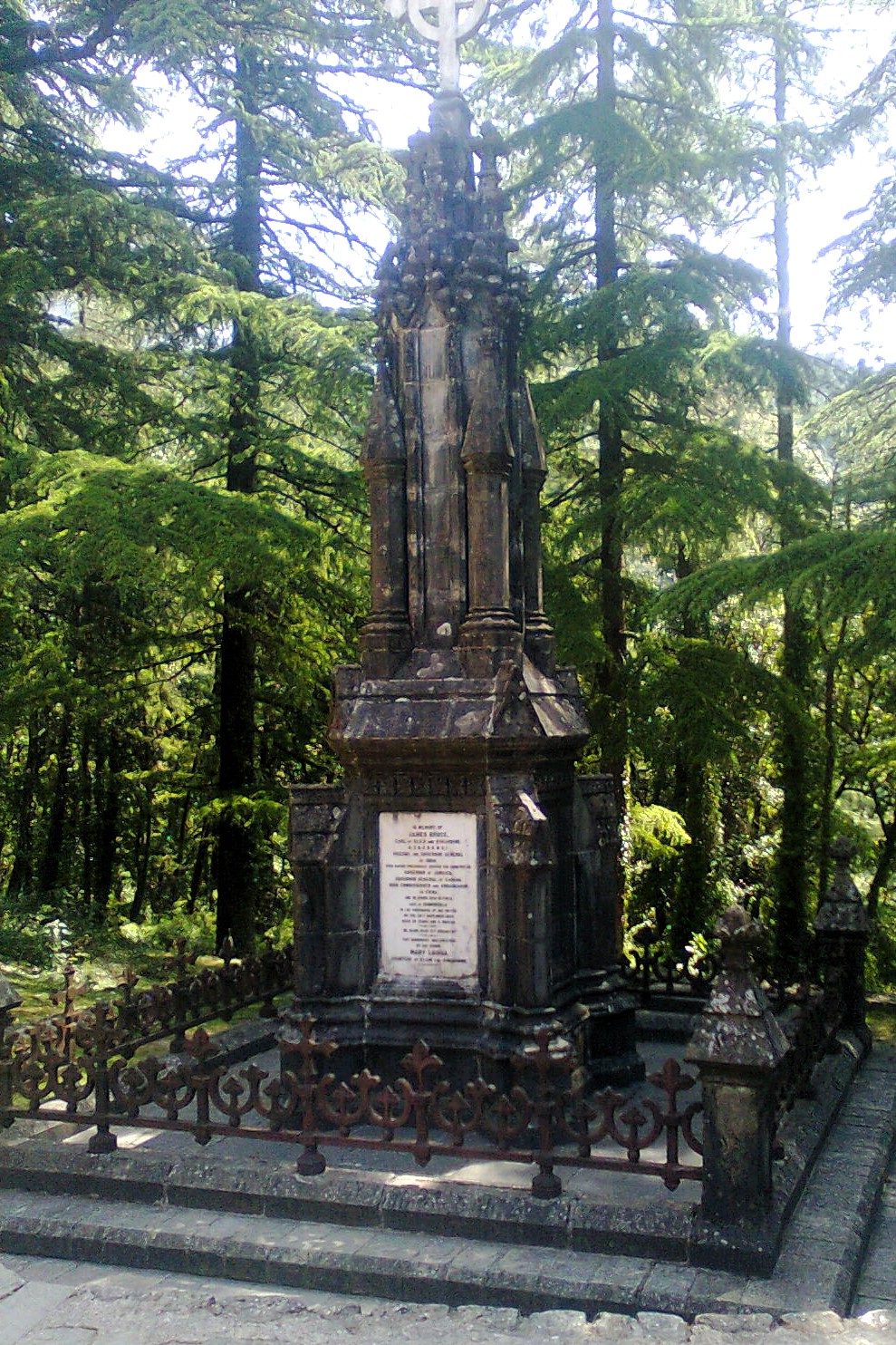
Next morning I was feeling a little feverish. So, reaching the busstop at 9 AM, I first booked a return ticket to Delhi, this time on an AC bus, for the same evening, and then caught up with the cab driver that I had talked to the previous evening. The cab driver first took me to Naddi View Point, from where I took in breathtaking views of the Dahuladhar mountain range. Next, I stopped at the Church of St. John in the Wilderness, an Anglican Church built in 1852 AD in the Neo-Gothic style. James Bruce, the 8th Earl of Elgin, and the Viceroy and Governer-General of India from 1862 to 1863 is buried in the churchyard.

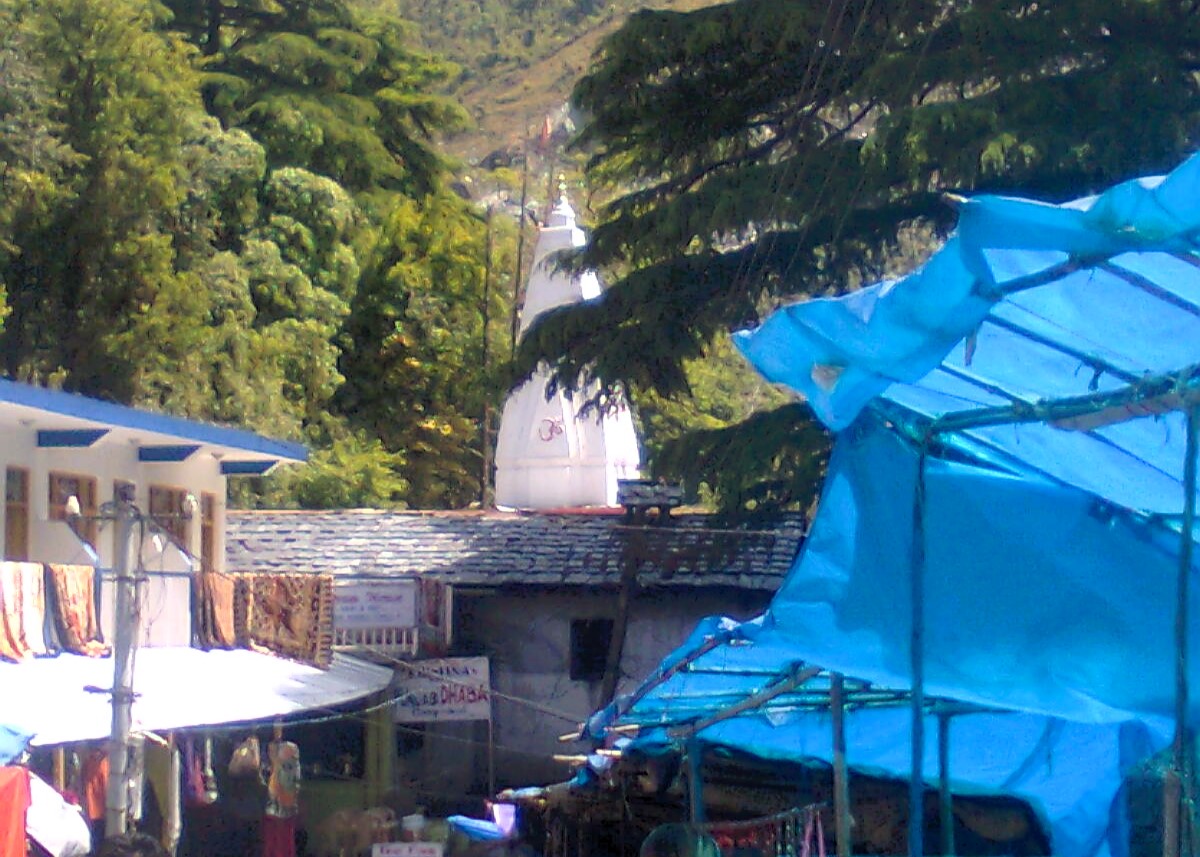
Then pushing on towards McLeodgunj, I stopped next at the Bhagsu Nag temple. Legend has it that Bhagsu, sent by the ogre king of Rajasthan to fetch water for his drought-ridden kingdom, had to fight to death the Nags, or the snakes, on his return with a pail of water stolen from the perennial streams of the Dhauladhar mountains. Impressed with his dedication to the people of his kingdom, the lord of the snakes, Lord Shiva, bestowed immortality on Bhagsu in the form of the remembrance of both of their names in conjunction, hence, Bhagsu Nag.

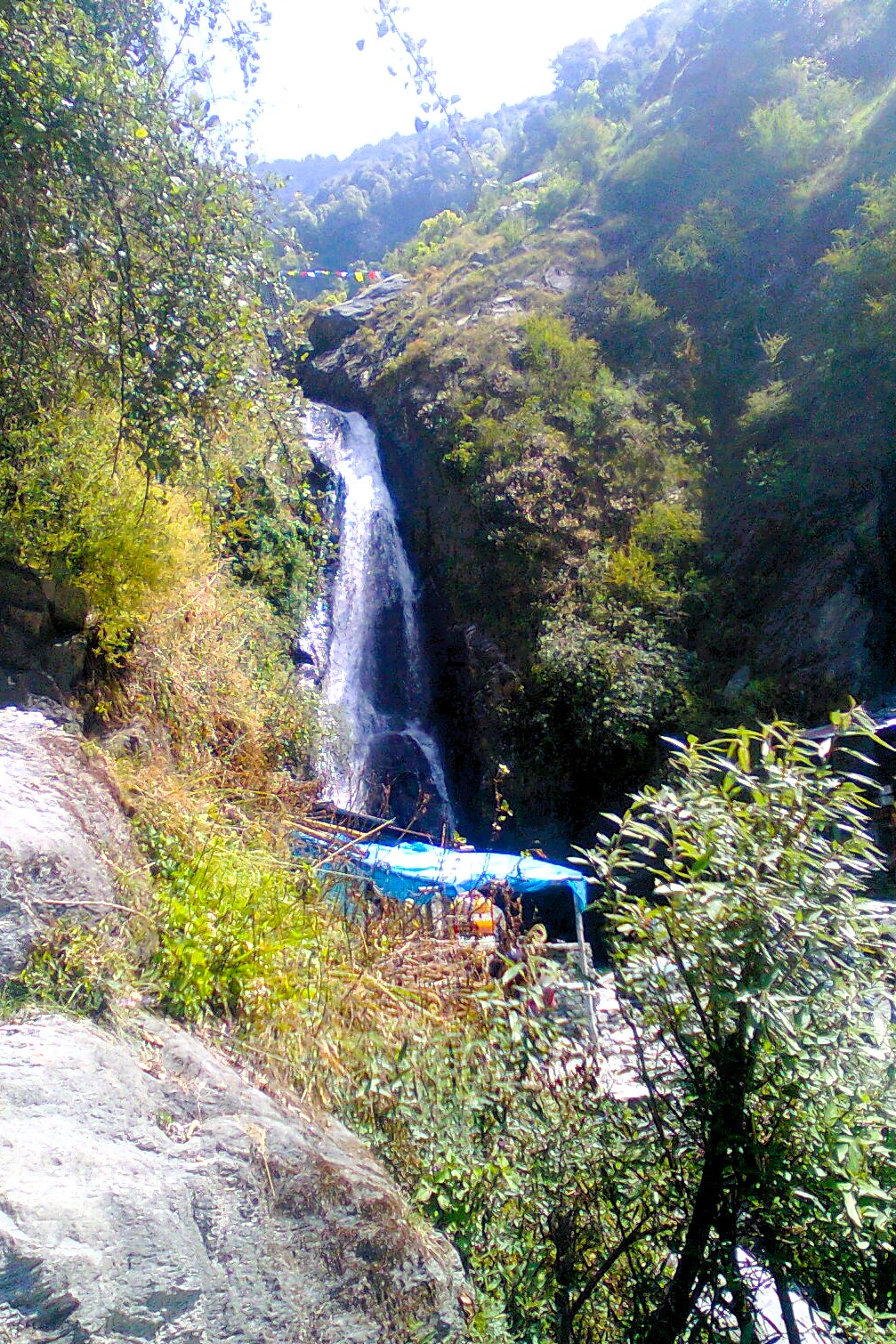
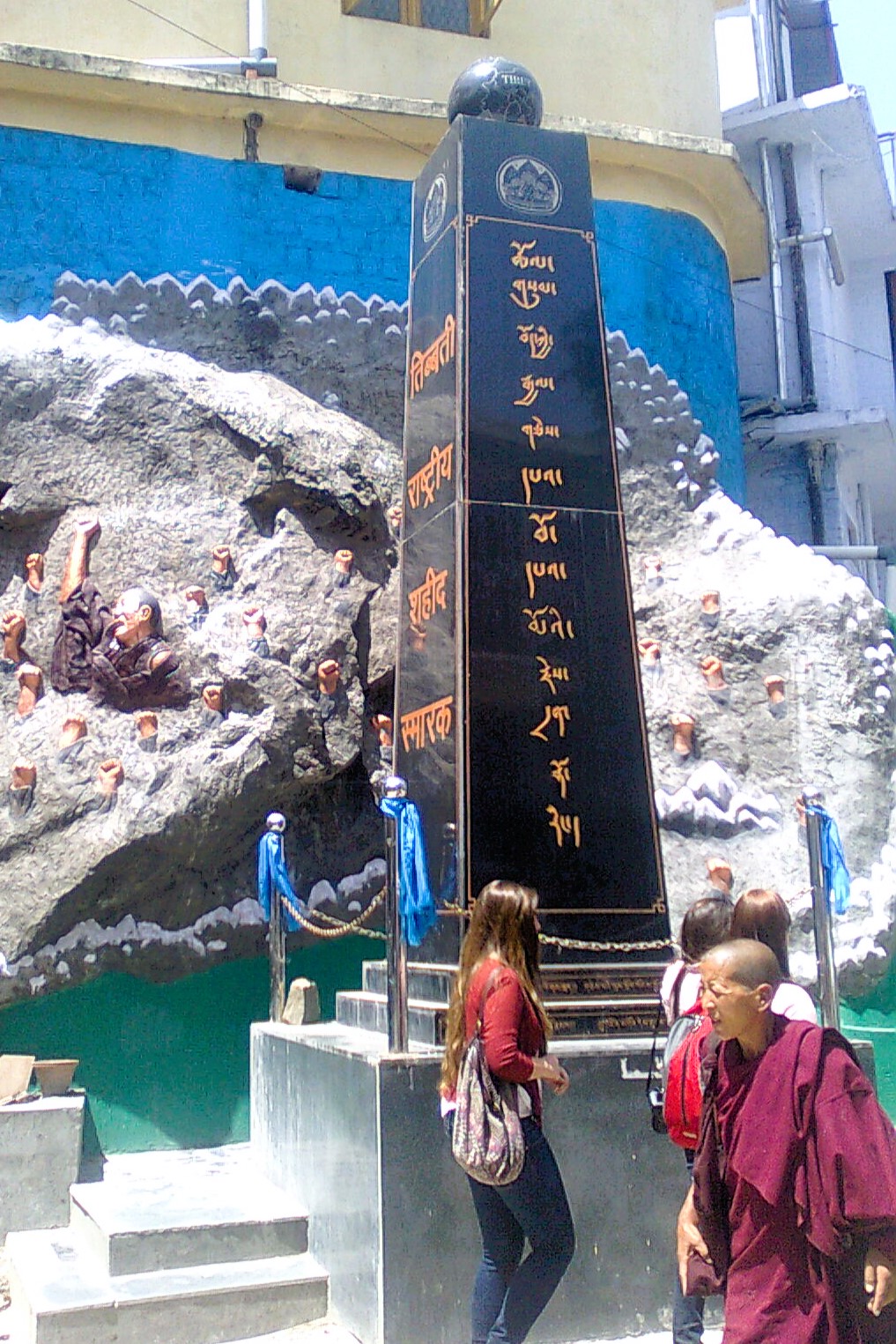
After taking a walk to the waterfall behind the Bhagsu Nag temple, I proceeded to the Namgyal Monastery, which is the personal monastery of the Dalai Lama. Founded in the 1560s, the monastery was relocated to Dharamshala from Lhasa following the Tibet Uprising in 1959. Paying my respects at the temple, and conversing with a monk, I proceeded to Kangra, stopping by some tea gardens on the way.

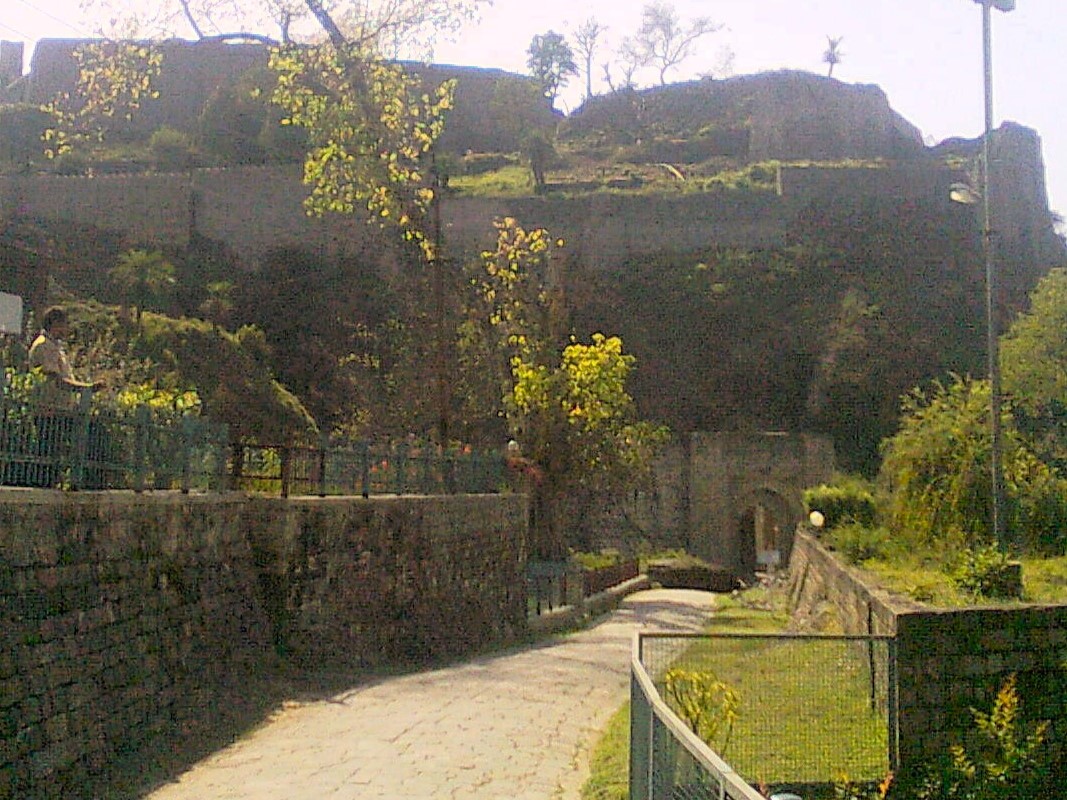
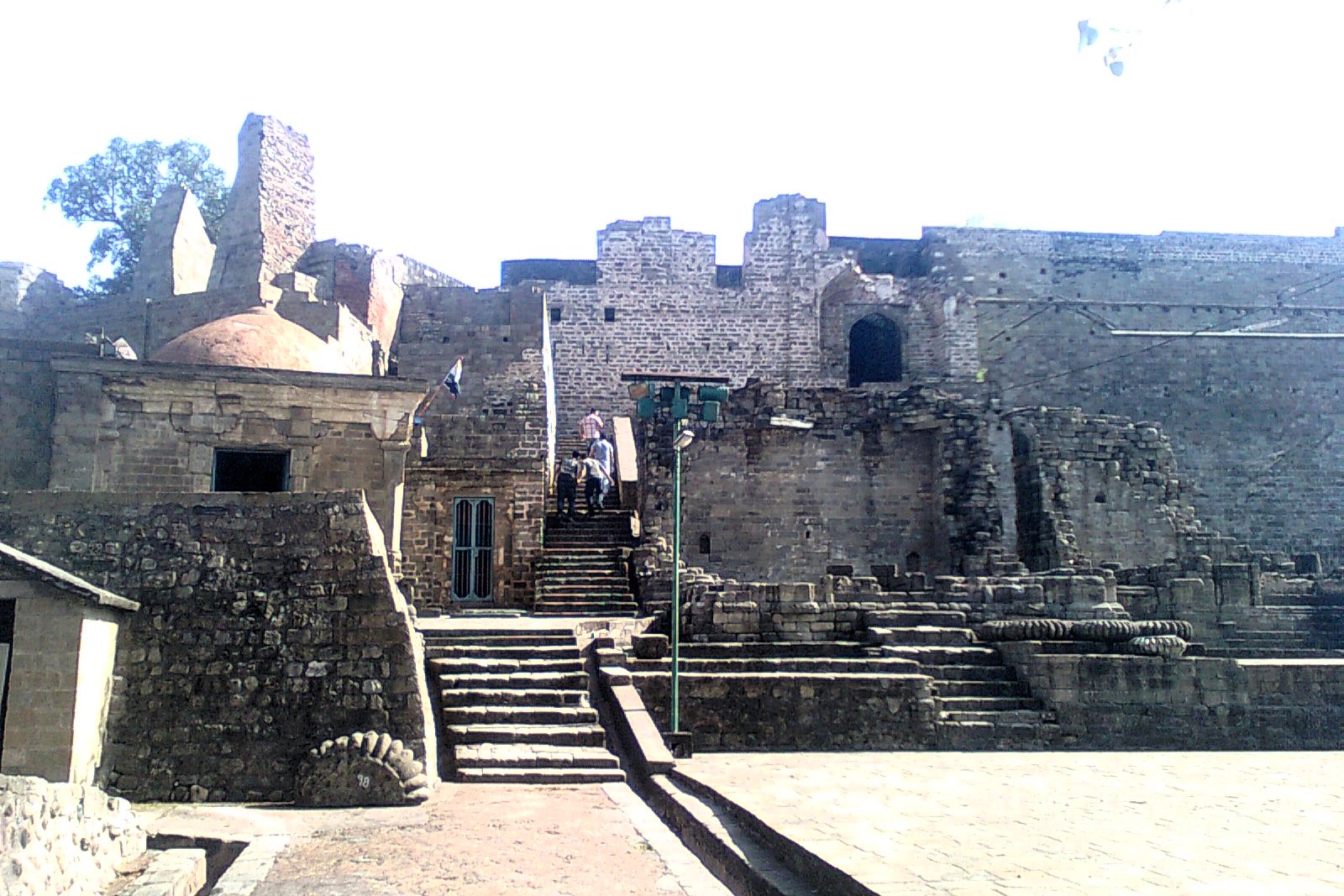
Once at Kangra, I visited the Kangra fort built by the Katoch dynasty, with the earliest existing remains inside the fort dateable to the 9th-10th century. The fort yielded to the attacks, first of Mahmud of Ghazni in 1009 AD, then to Tughlaqs in the 14th century, and then Sher Shah Suri’s general in 1540 AD. In 1620, the Kangra kingdom was annexed by to the Mughal empire by Jahangir, but wrested back by Raja Sansar Chand in 1786 AD after decline of the Mughal empire. Following siege by Gurkhas, Sansar Chand took the help of Maharaja Ranjit Singh of the Sikh Empire to ward off the attack, and yielded the fort to the latter.

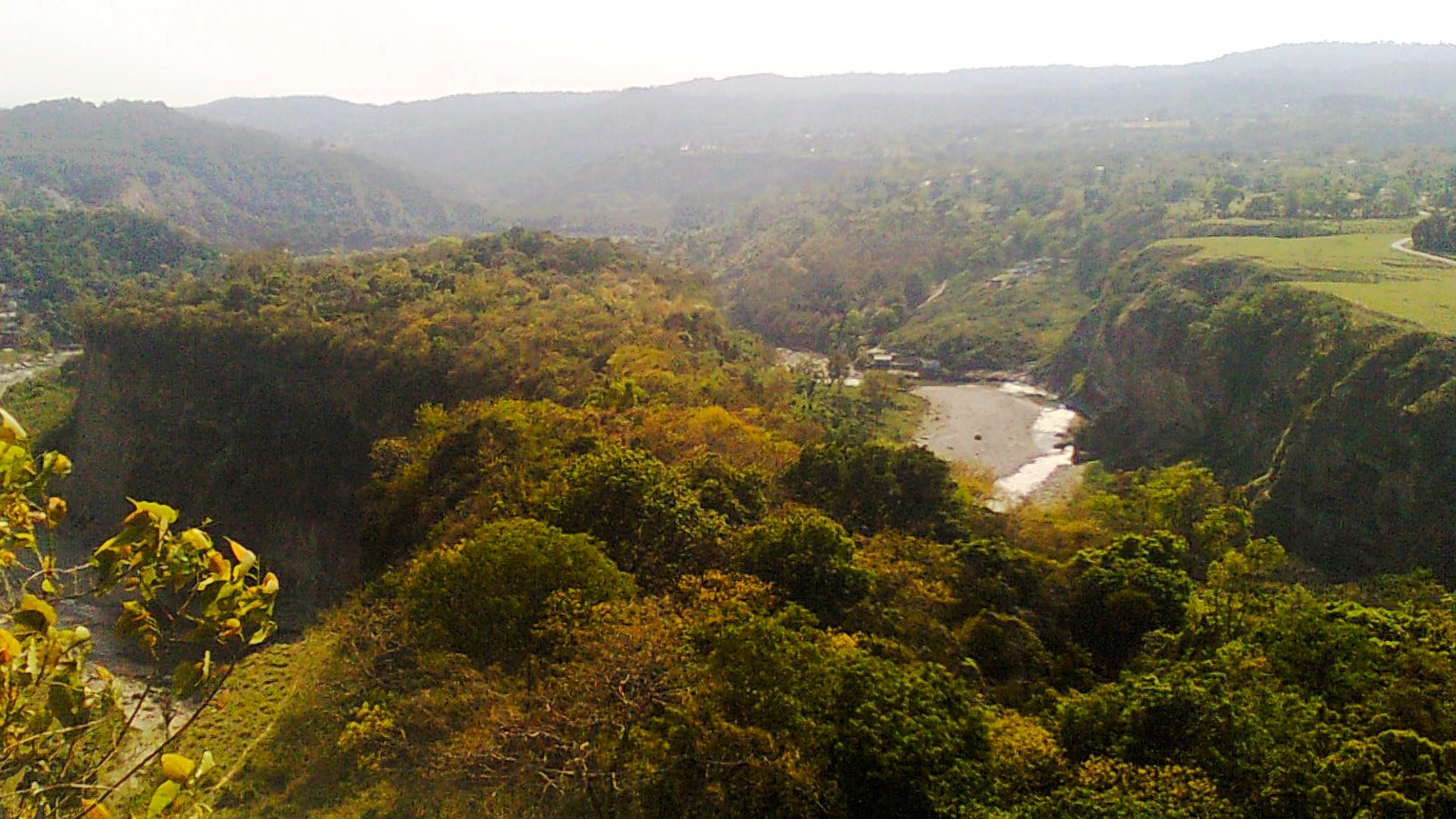
The fort was annexed by the British from the Sikhs in 1846 and occupied by British garrisons until 1905 when it was heavily damaged by an earthquake. Today, the fort, the largest of the Himalayan forts, lies in ruins, as a proud testament to the illustrious past of the Kangra Valley. Standing at the edge of a cliff, one can only marvel at the breathtaking views of the valley. The Kangra fort was the one where my love for forts was first ignited.

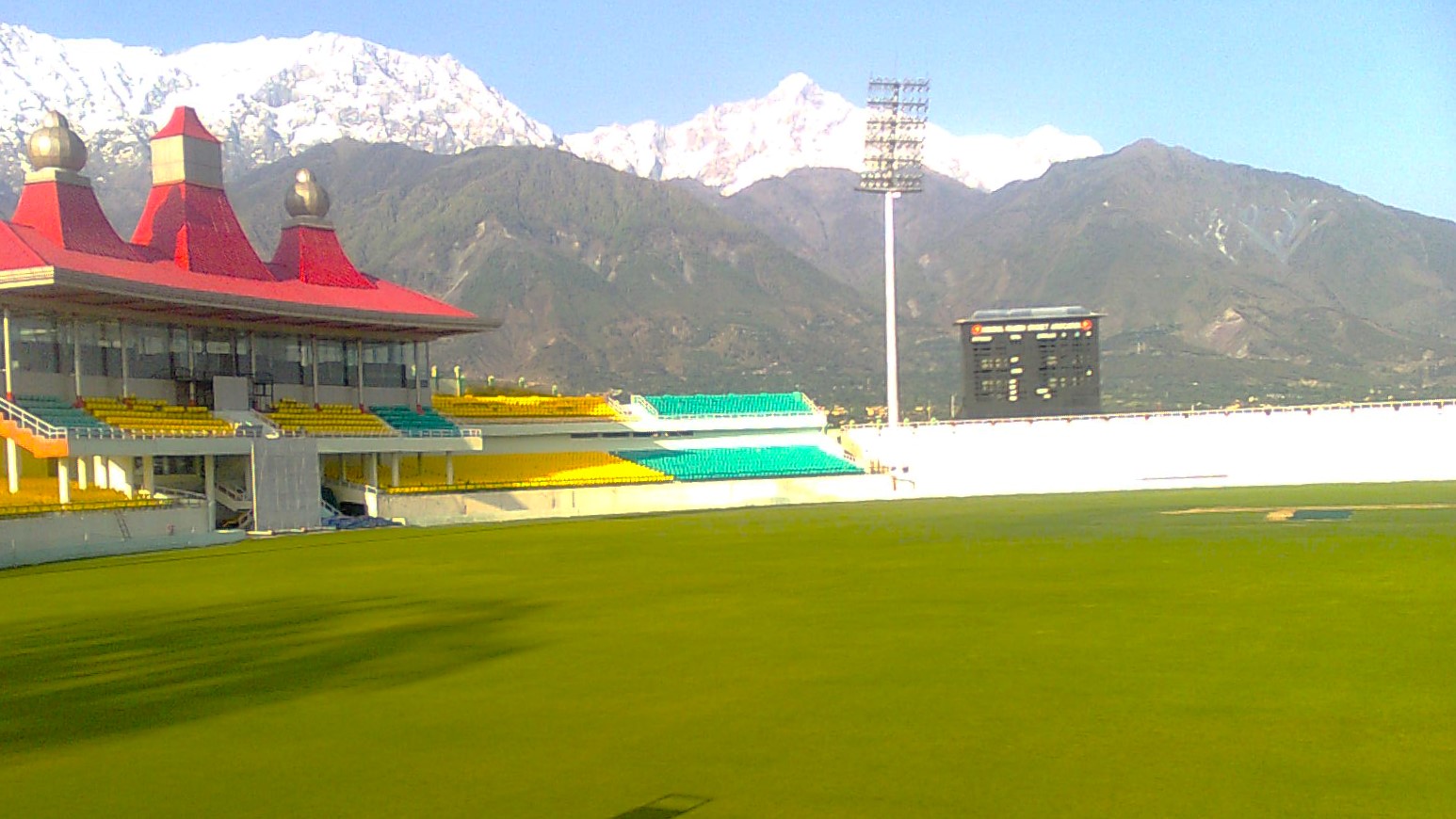
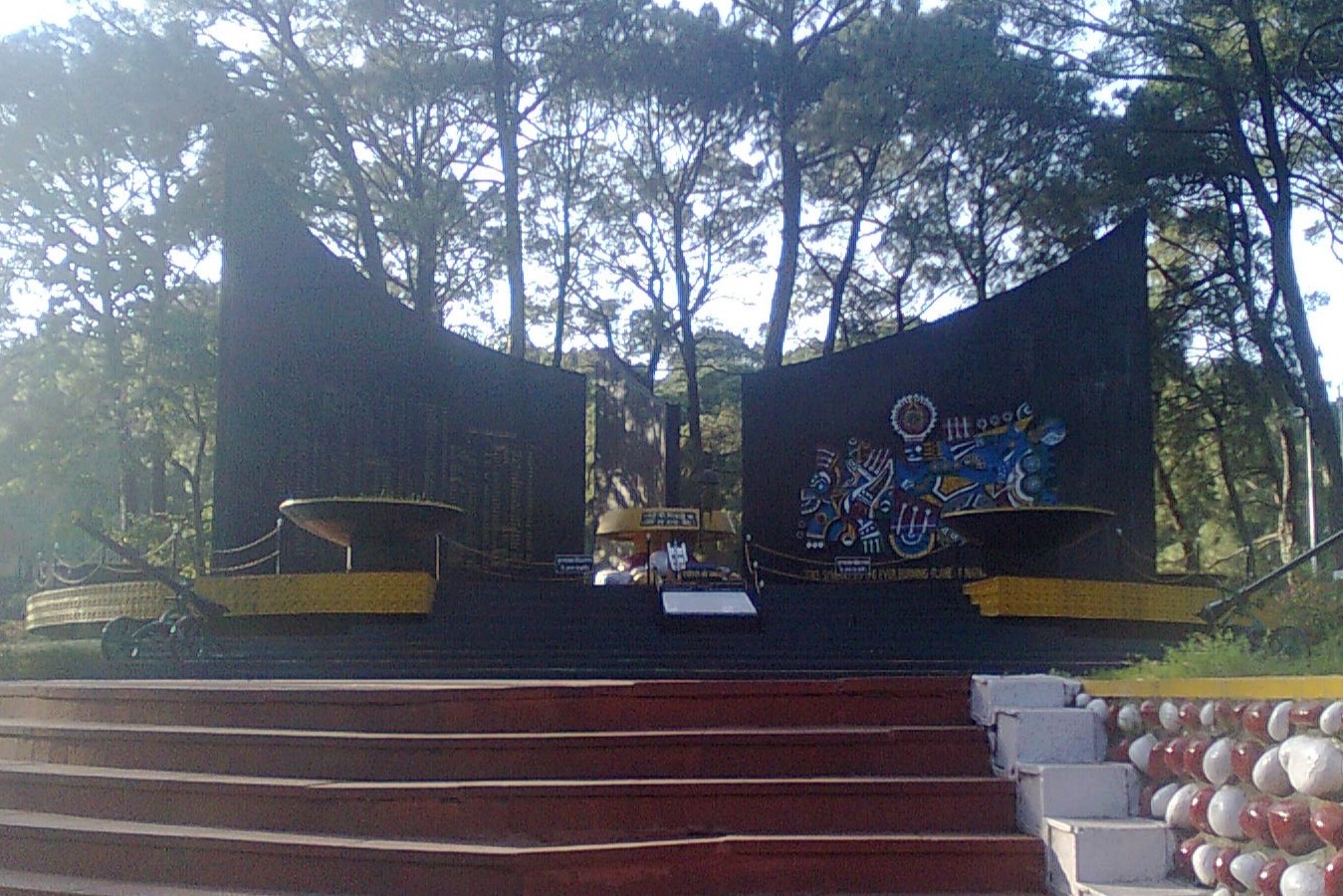
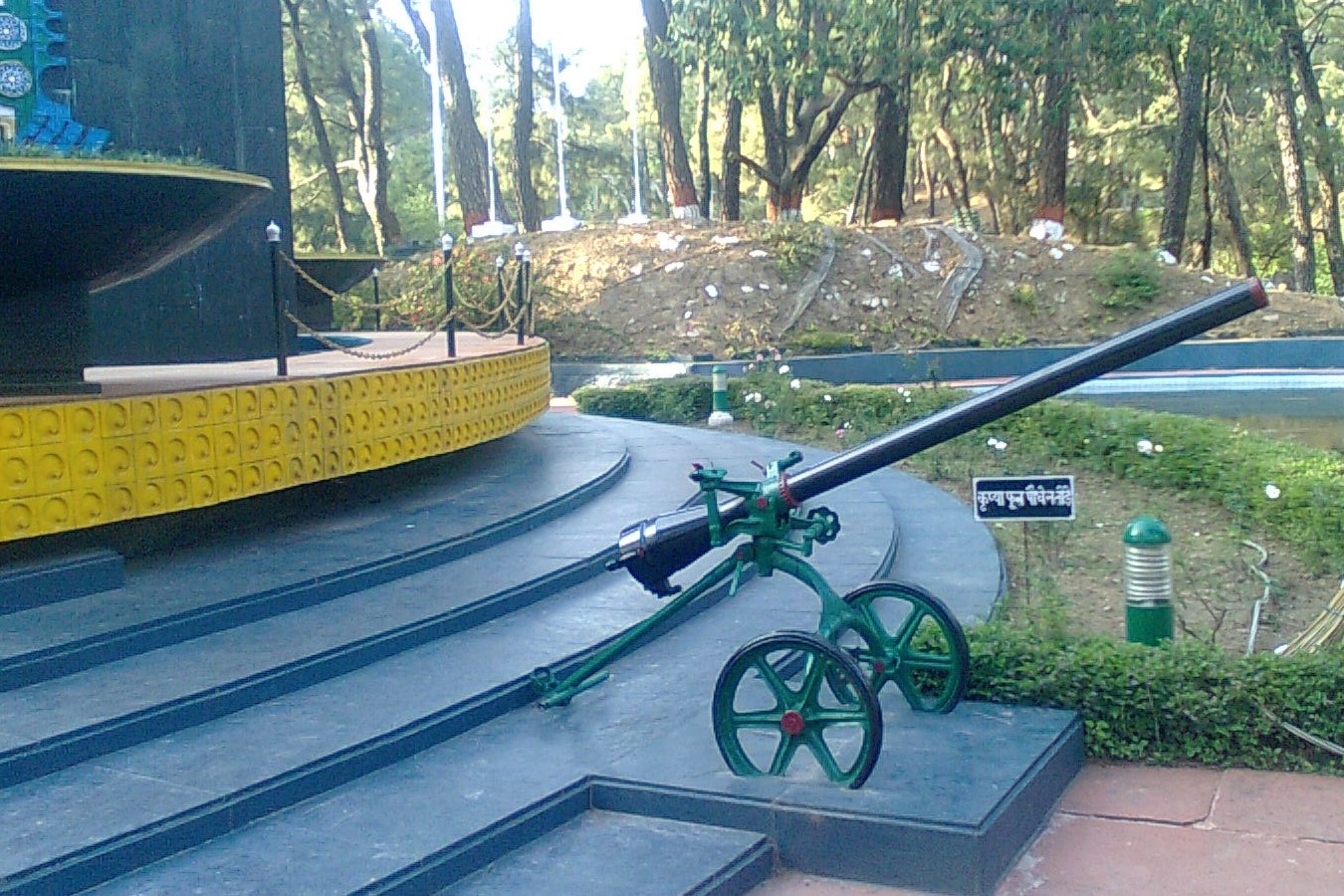
It was now 3 PM, and I headed back towards Dharamshala stopping at the picturesque Dharamshala Cricket Stadium which had just come into national limelight after hosting matches in the IPL. Then, stopping at the War Memorial, I was dropped by the cab driver at the bus station, where I boarded the bus back to Delhi around 7. The next morning I was back in Delhi, glad to have the Sunday to recover from a very tiring yet whirlwind first solo trip.

Dreams in Water

Soon it’s going to rain in the villages,
Mixed reactions will describe visages,
Yes, there had been a drought for sure-
Old wretched lady, wrought torture!

Dusty children play in dusty lanes,
Armed with marbles, pebbles, canes,
They don’t know they’re going to war
Soon, since the showers are not very far
Away, they don’t know what to call it-
A boon or a curse, this habit
Of Nature – monsoons once a year,
‘Cause with happiness, hope, comes fear.

It wasn’t long ago that this season
For suffering gave a reason,
People were floating on seas of water,
Their houses and utensils did get scatter,
Walls dissolved before their very eyes
People clung to branches and uttered cries
Of horror, hopelessness and misery,
Some distance away, a plank’s a ferry.

Diseases spread faster than people’s slander,
Dreams of getting relief seemed ever grander,
Cattle floated, and thousands went to rest,
Also floated away hopes of a good harvest.

Now is the moment of retrospection though,
Life is normal; steady is life’s flow,
But for the drought the last twelve full moons,
All’s going to change with impending monsoons.

©Asiman Panda 2004

She Carries On

I found her scraping the sand
Off the ground by the oak tree,
Wonder what she thought she’ll land
Upon, under the skies so free.
Will she find pearls, or just nuts?
Will she dig the soil – how deep?
What if her palms suffer cuts!
What if the bruise’s too deep!

I know she won’t stop doing it-
Looking for the new, unearth
Treasures, in her newly-dug pit –
Anything ever quenches her thirst?
Still under the shadow of the oak
She carries on and on and on,
Until in her sweat she’ll soak,
And return the next day to carry on.

©Asiman Panda 2006

Nature’s Ways

The predator creeps towards the prey
Silently and stealthily, on its feet grey,
One moment more, the wait will finish,
So shall the prey’s existence diminish.
Independence will pass into oblivion
But the ruthless creature will live on
As it has done till this very moment,
And for its this doing, it won’t repent.

Our friend, two legged, blessed with reason
And raised brow, looks at this act of treason
That the predator will commit on the poor thing,
Delicious food is a song – the former must sing.
Our wise onlooker, meanwhile is indecisive
Whether it is right or it is offensive
To save the victim from the vicious clutch,
Or just leave the poor thing in the lurch!

There goes the monster, yes it’s gaining on it,
The latter draws the man’s sympathy every bit,
The man extends his hand to obstruct- prevent
Damage to the world the devil can’t create-
The little world of small yet important people,
Their ways innocent and their thoughts simple.
Then words from the scriptures into his mind dive,
He stops, lets the lizard gobble up the fly all alive.

©Asiman Panda 2004

Timber Trawler Who?

Someone quoted Anonymous, and I quote him, “Better late than never.” I took this literally. So, for 29 years of my life, I waited until it was just late enough to not be called too late to put pen to paper…er, keyboard input to WordPress. I am Reed, and I trawl through the beautiful woods of the various places and things this world has to offer, fishing for the finest bits of timber. I am the Timber Trawler, and this is the story of my trawling.